The Definitive Guide to Titanium Fittings (Manufacturer’s Expert Edition)
Fittings represent the critical geometry of any piping system. While straight pipe handles the distance, fittings must withstand direction changes, branching stresses, pressure transitions, and localized turbulence without becoming the failure point of the line. This guide helps engineers and procurement teams specify fittings that are safe, compliant, and optimized for long-life service.
Before You RFQ Titanium Fittings, Confirm These 3 Things
- Which fitting standard applies: ASME B16.9, B16.11, MSS SP-43, or project-specific dimensions?
- What schedule and construction type are required: WP-S, WP-W, forged, threaded, or socket weld?
- Does your service require: Grade 2, Grade 7, Grade 12, or Grade 5 based on corrosion and pressure conditions?
1. What is a Titanium Fitting?
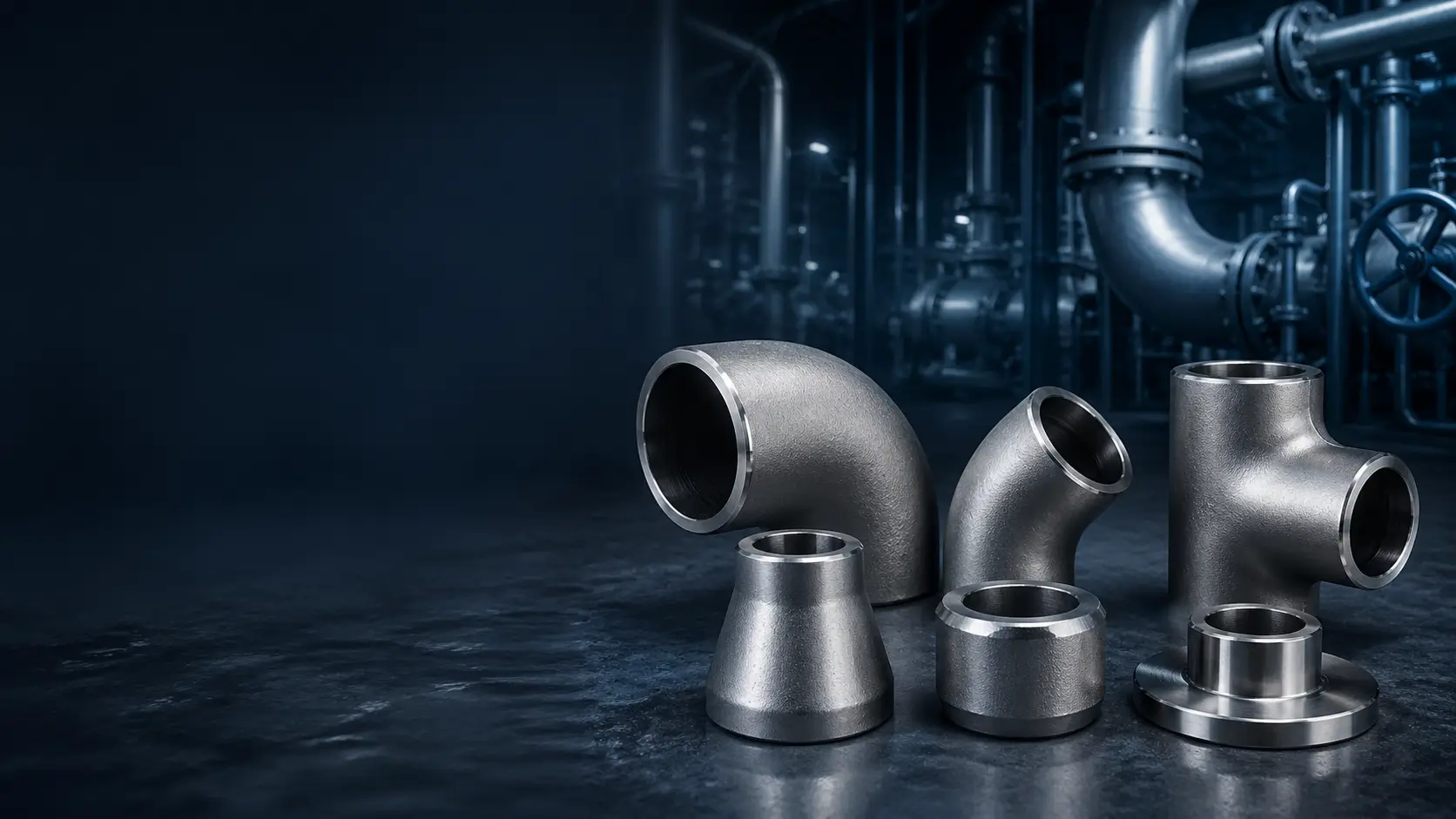
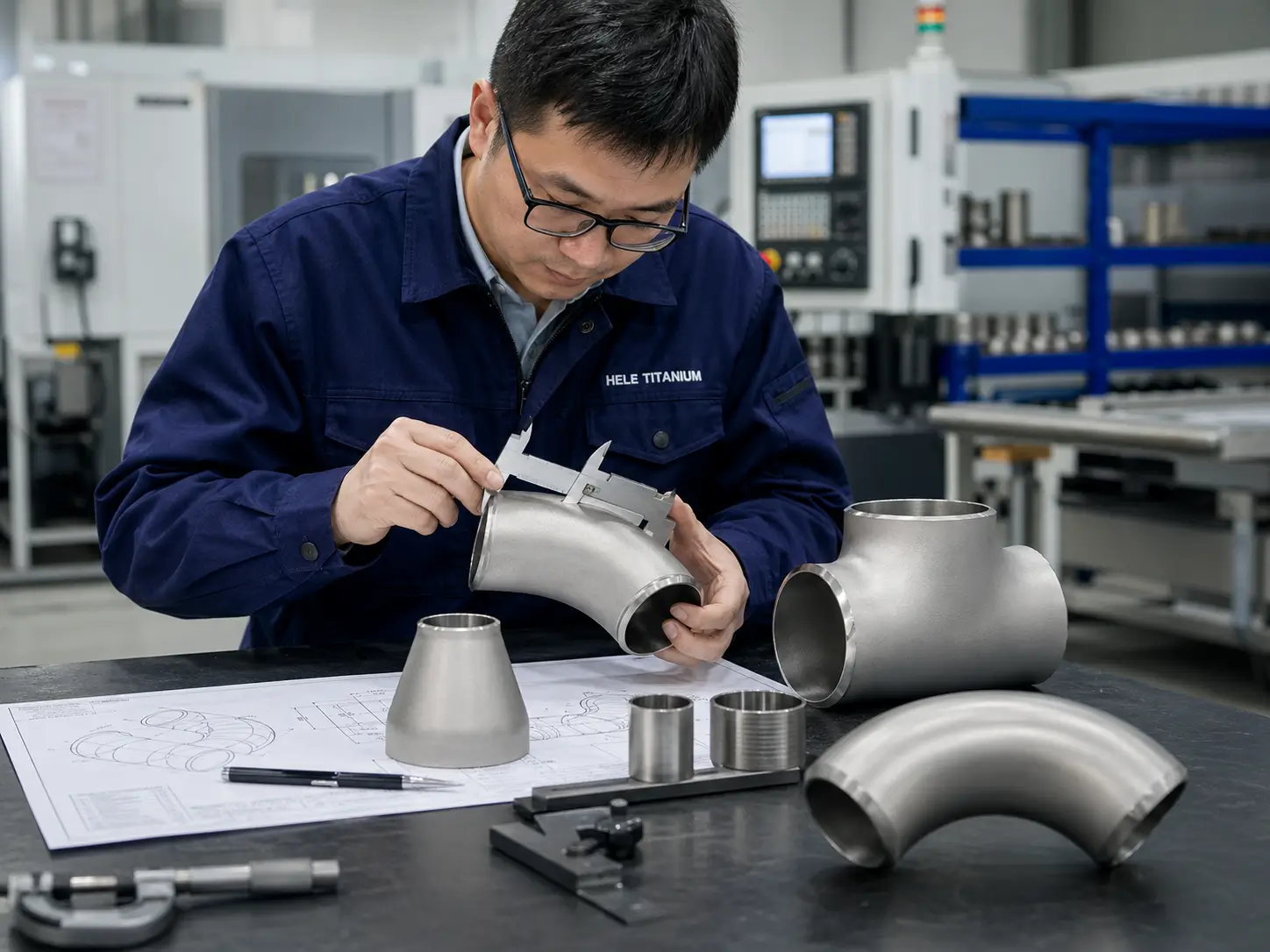
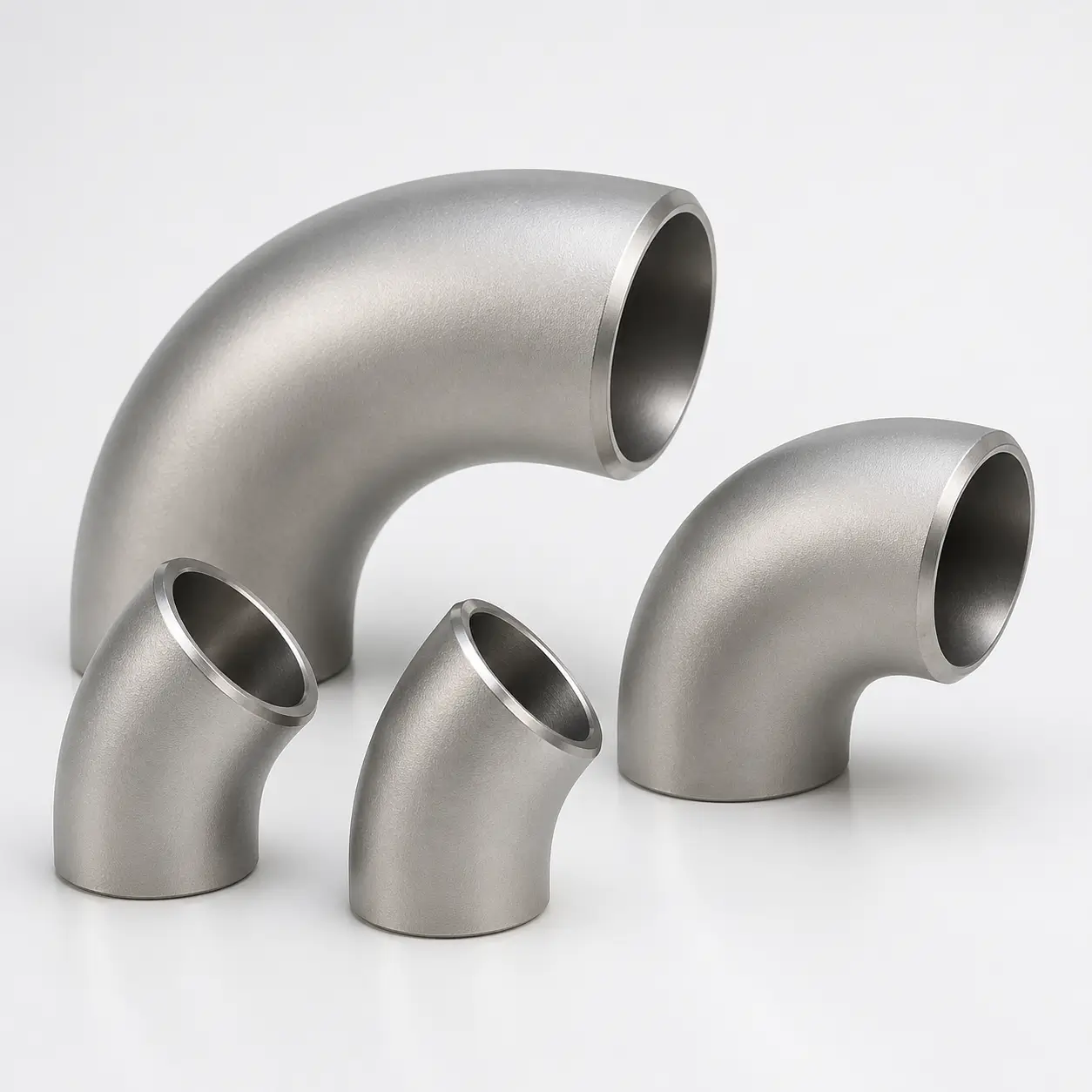
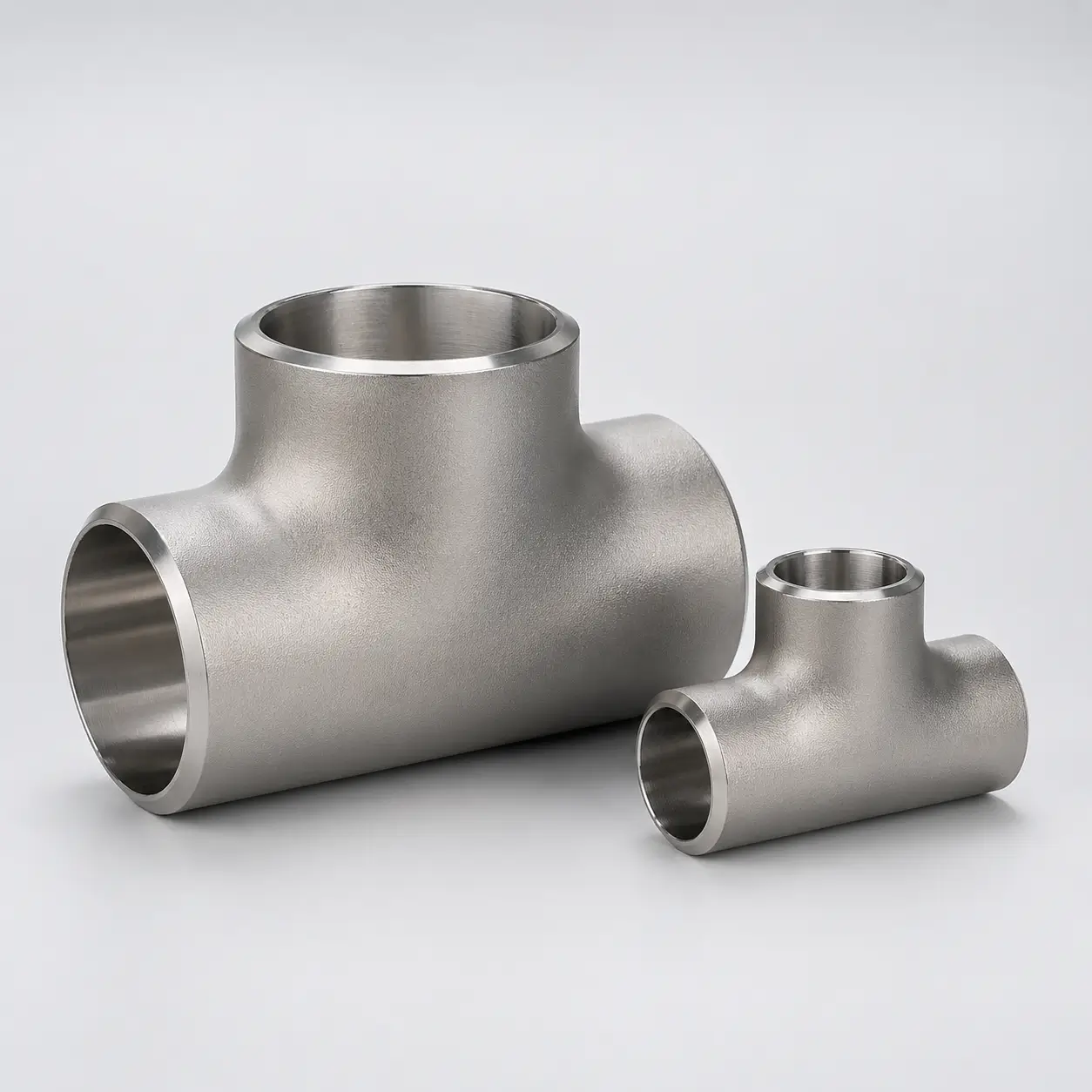
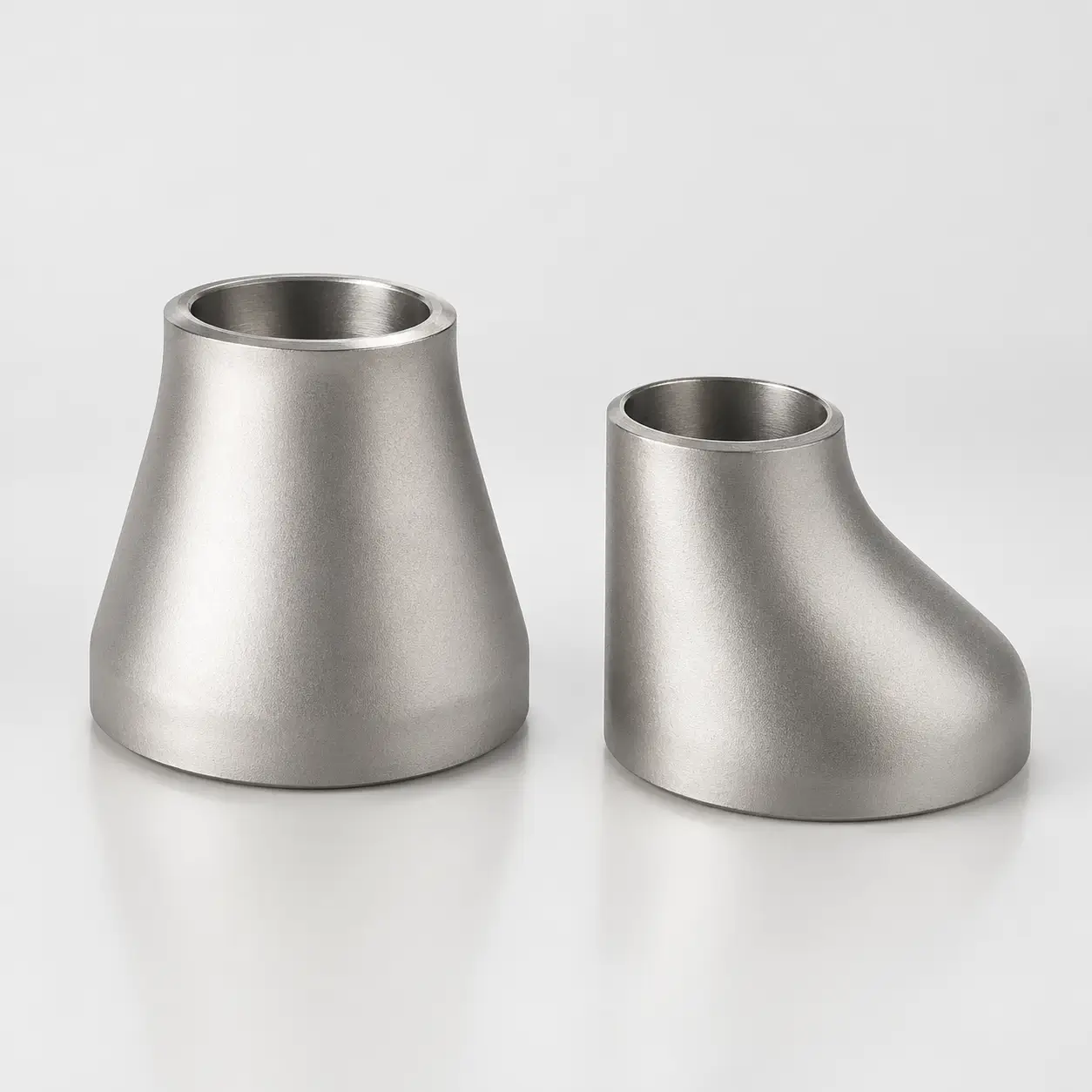
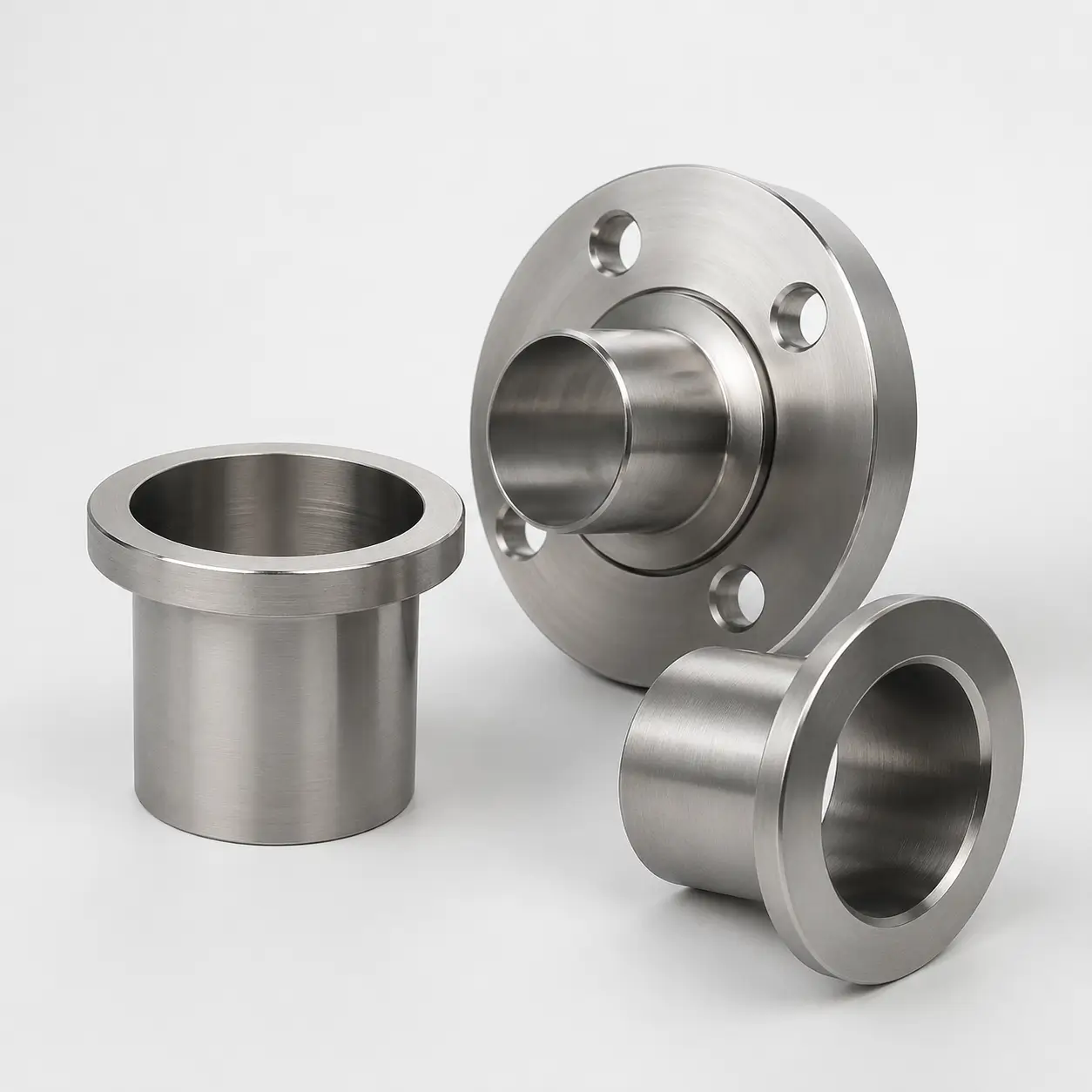
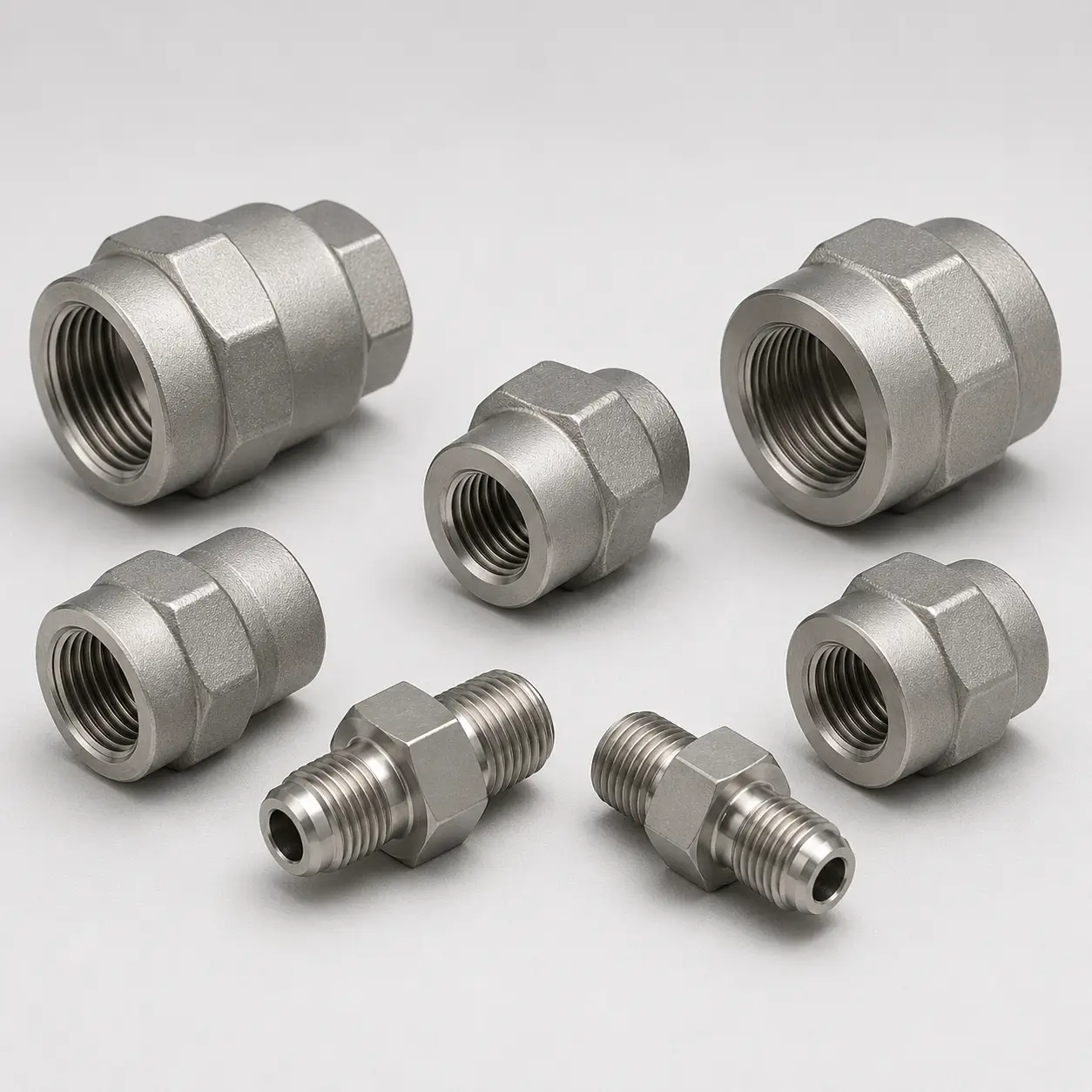
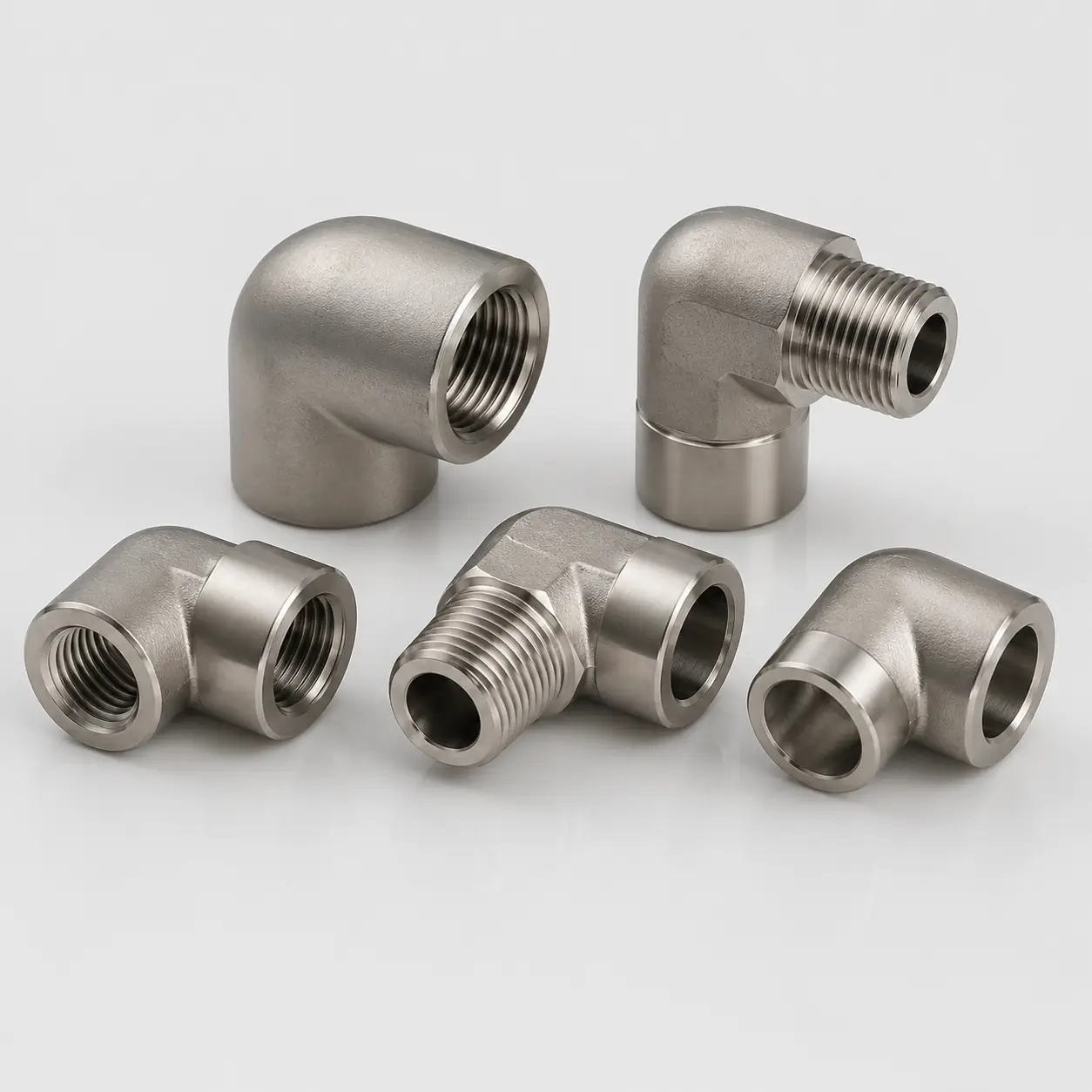
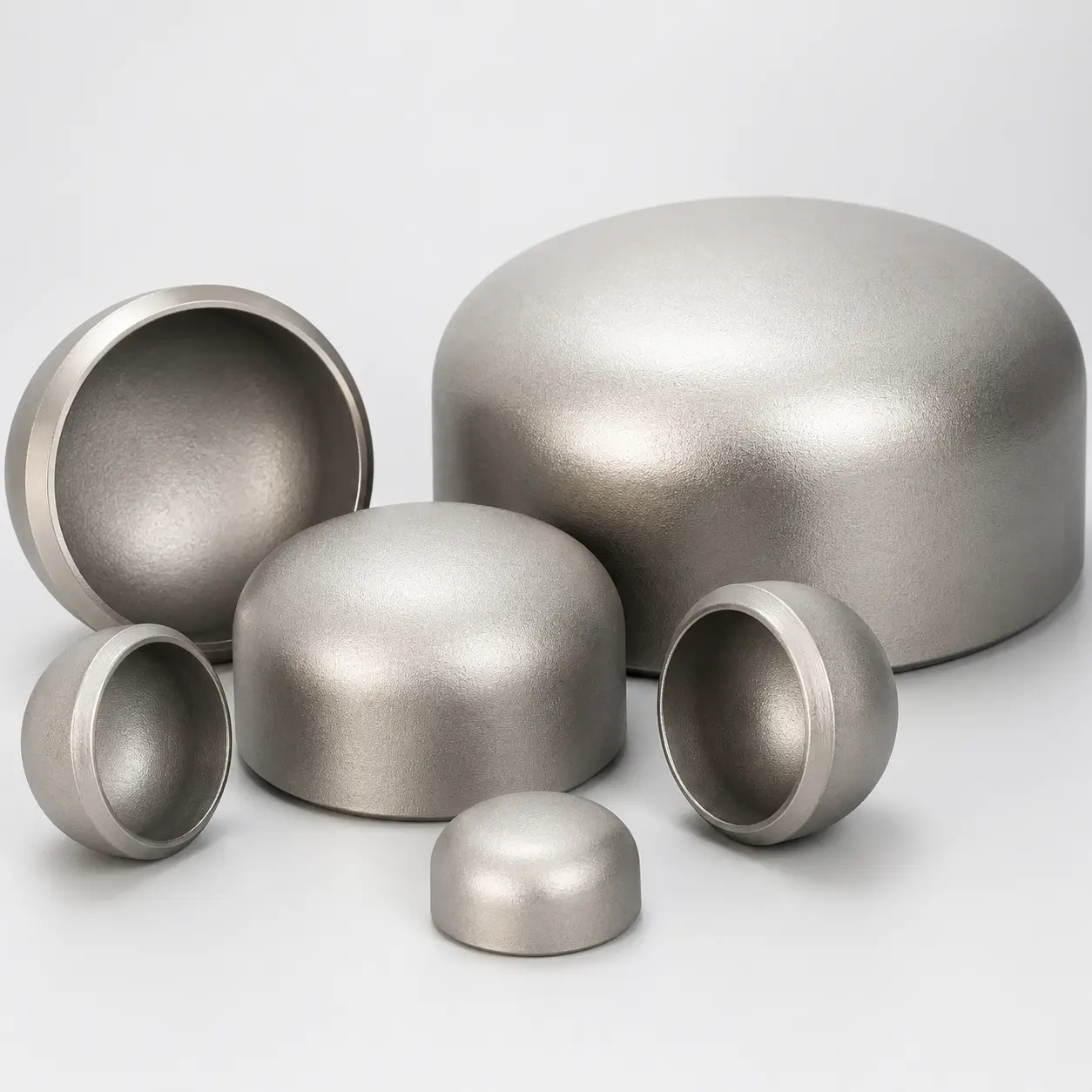
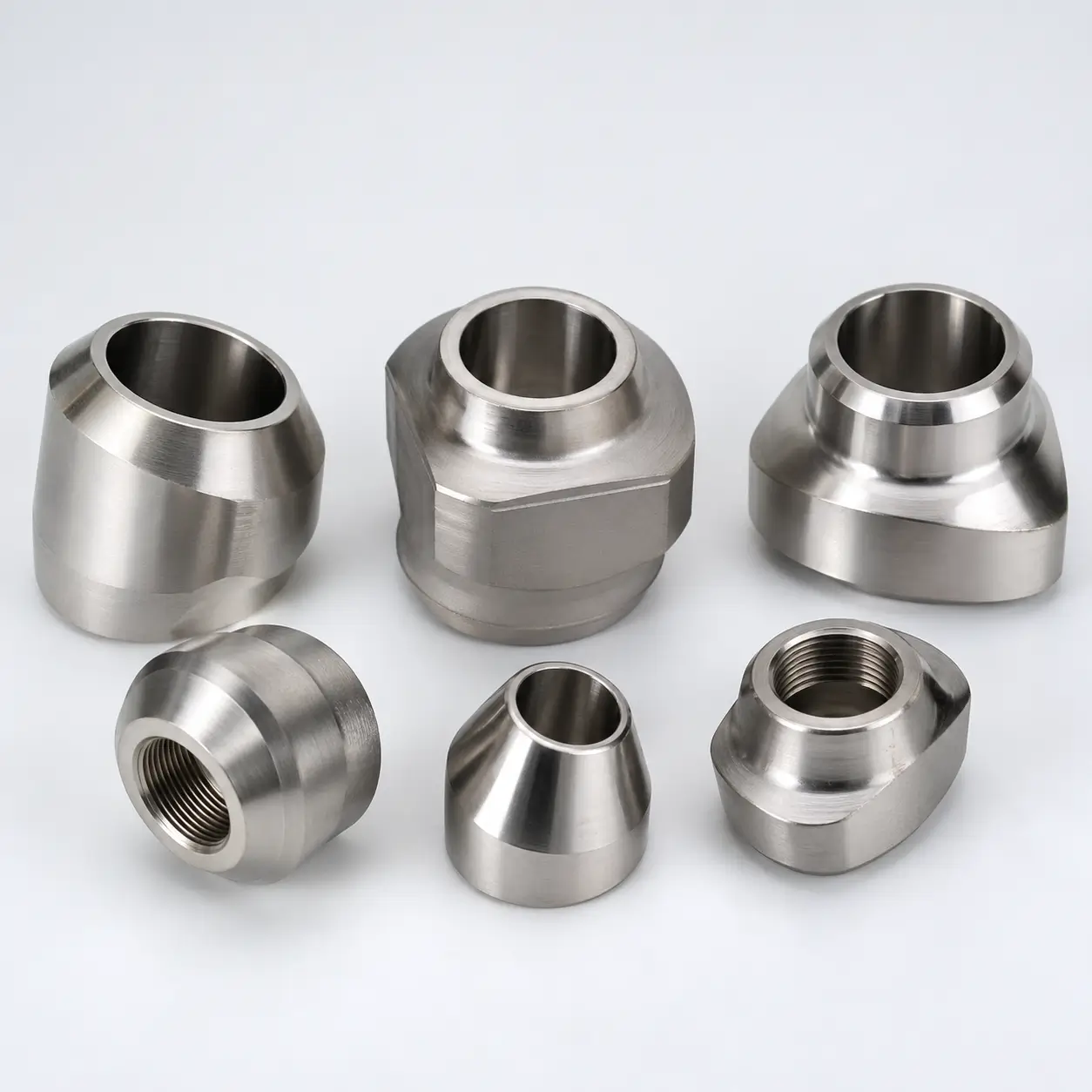
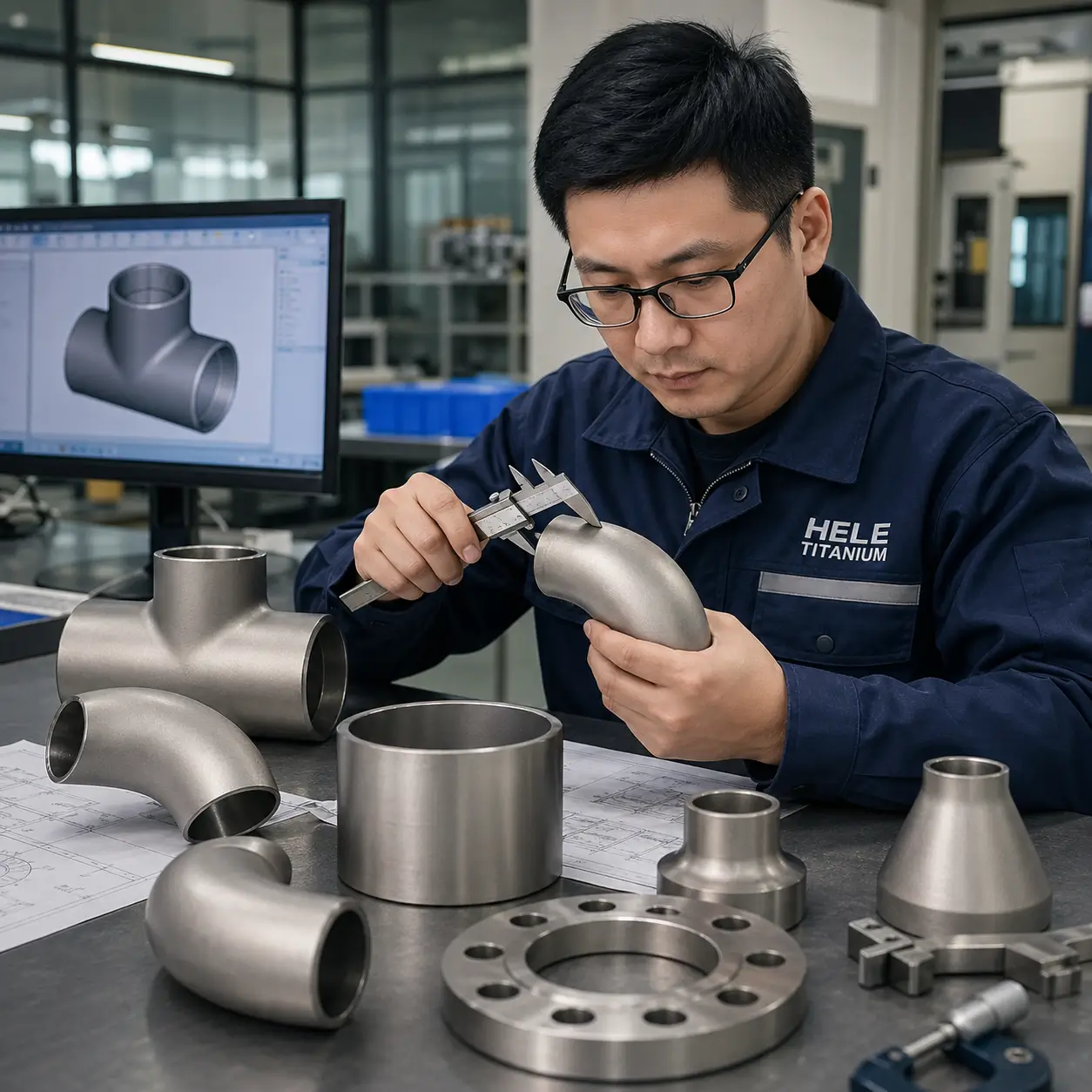
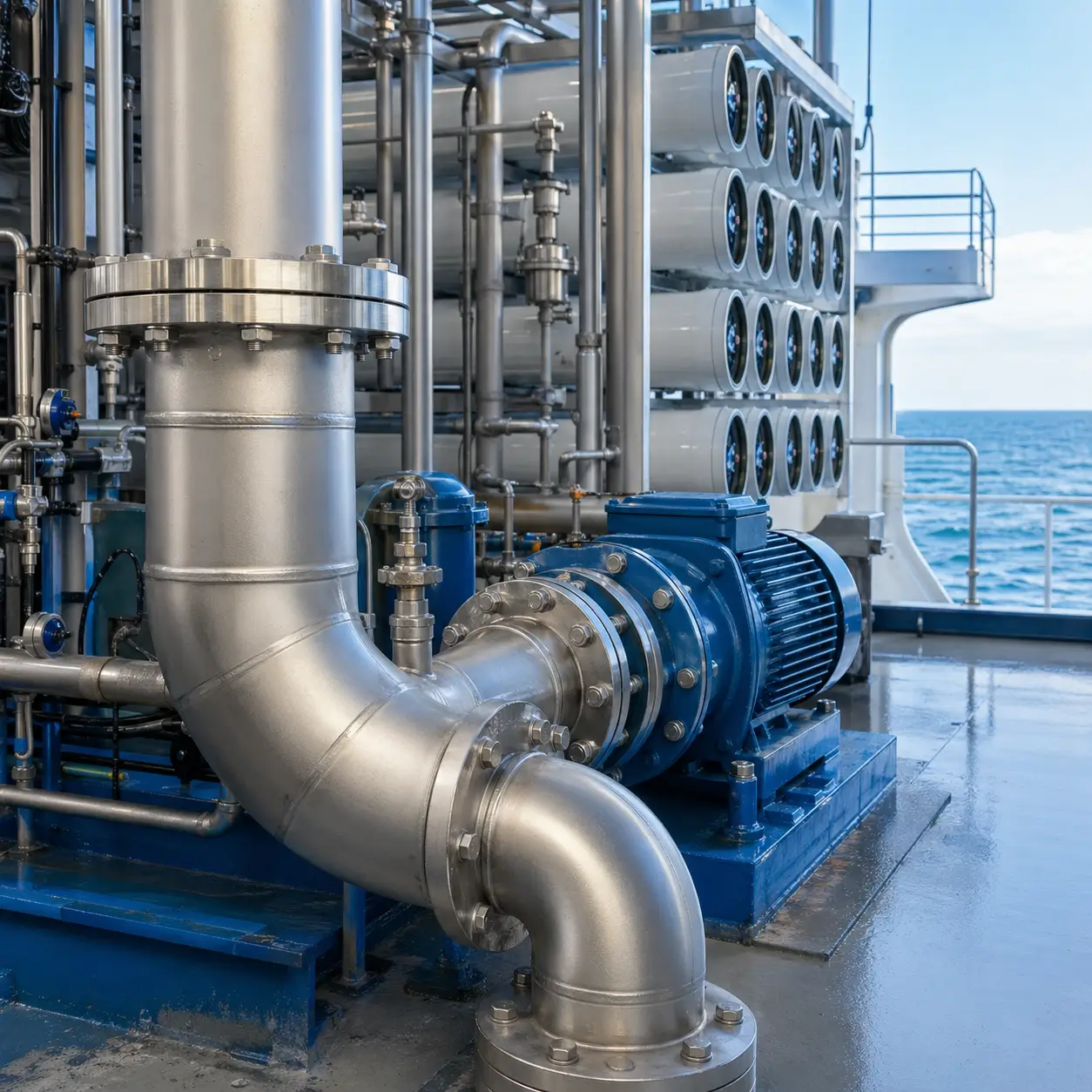
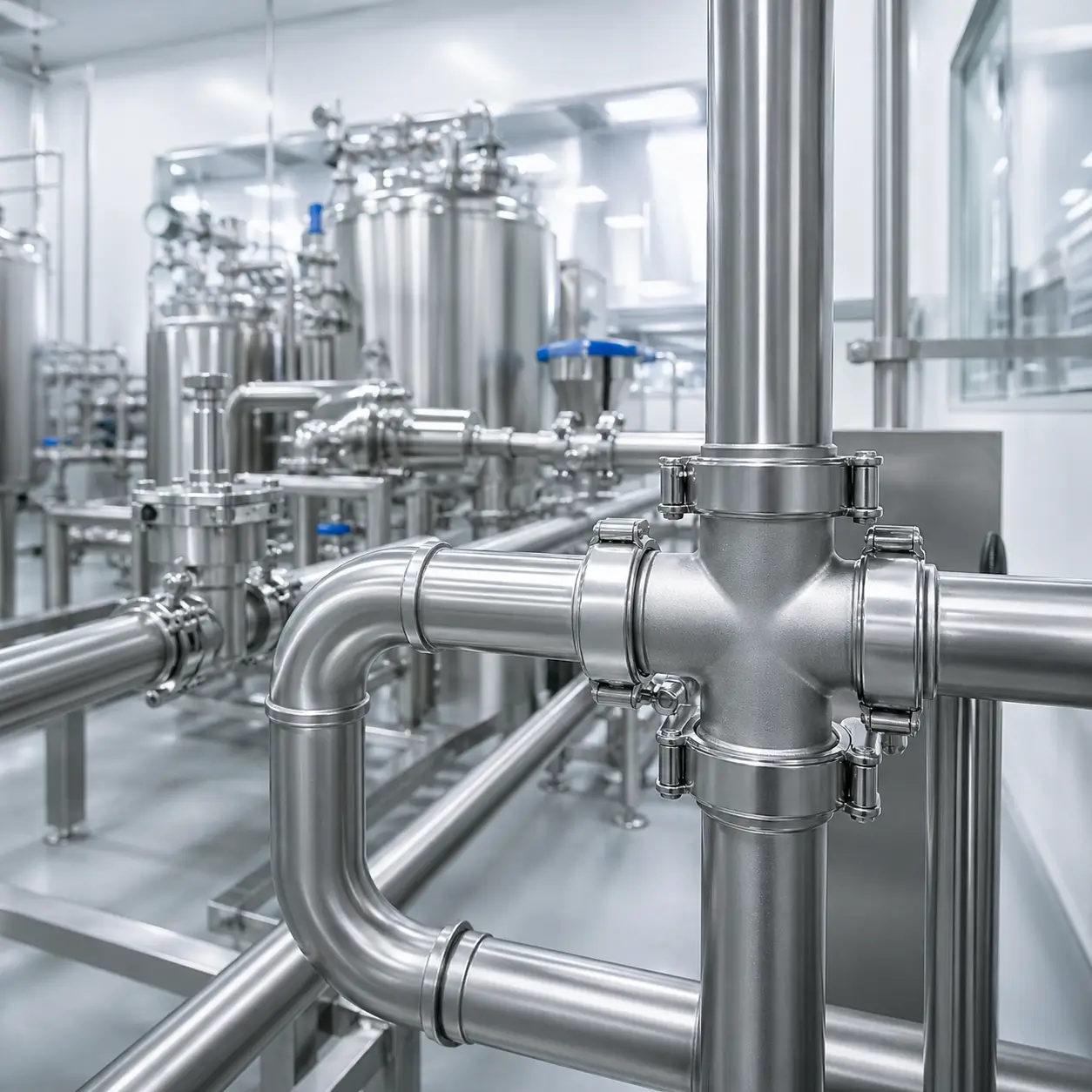
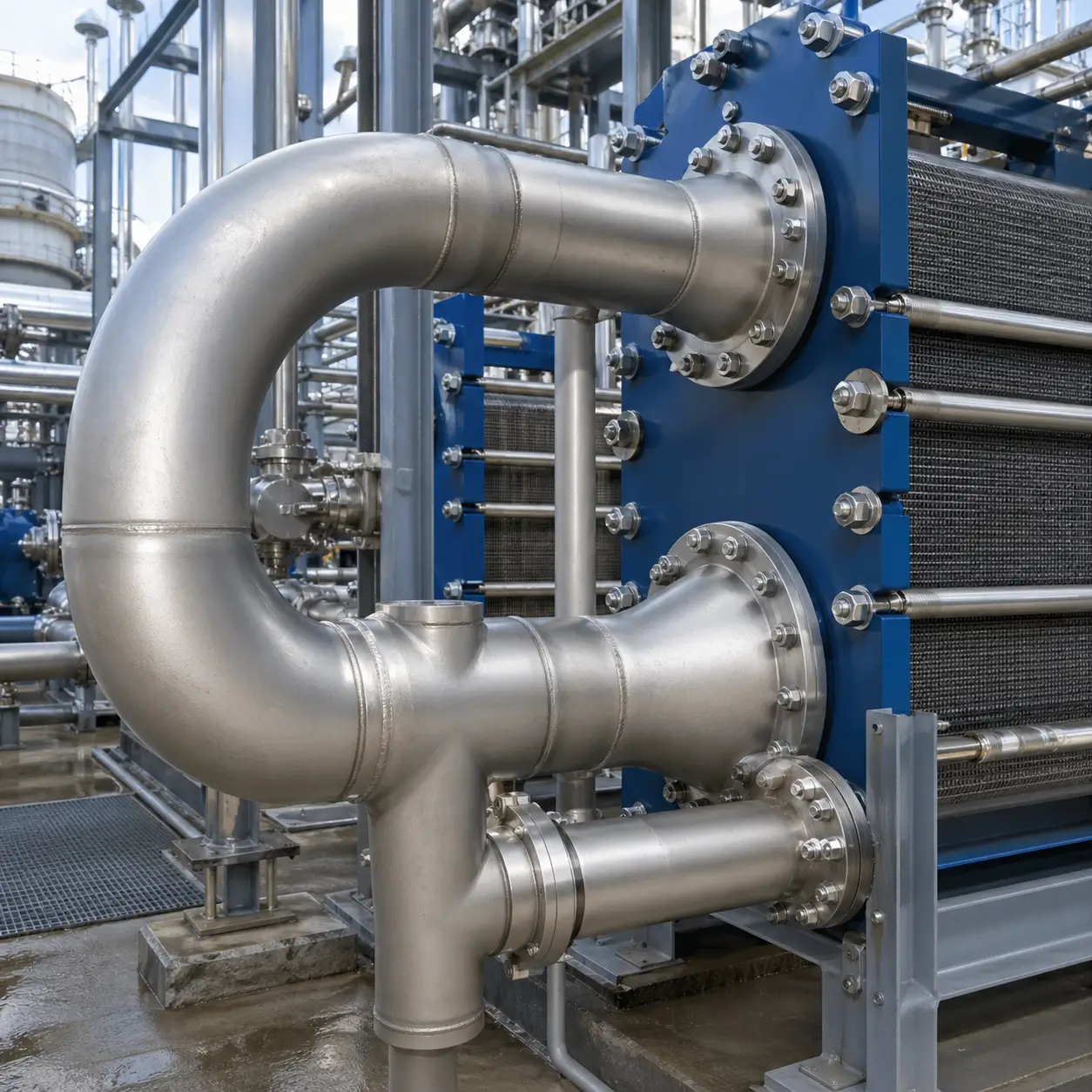
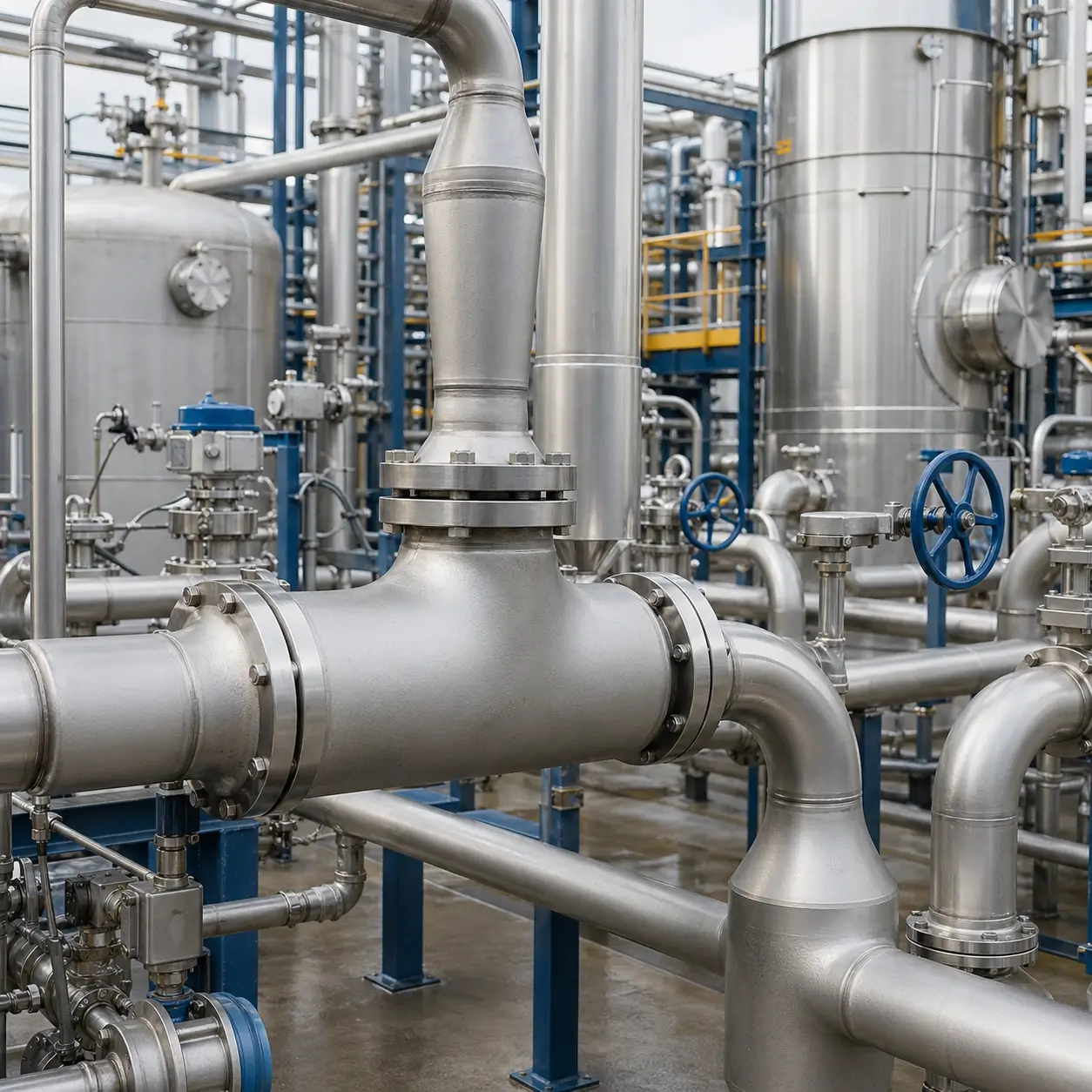
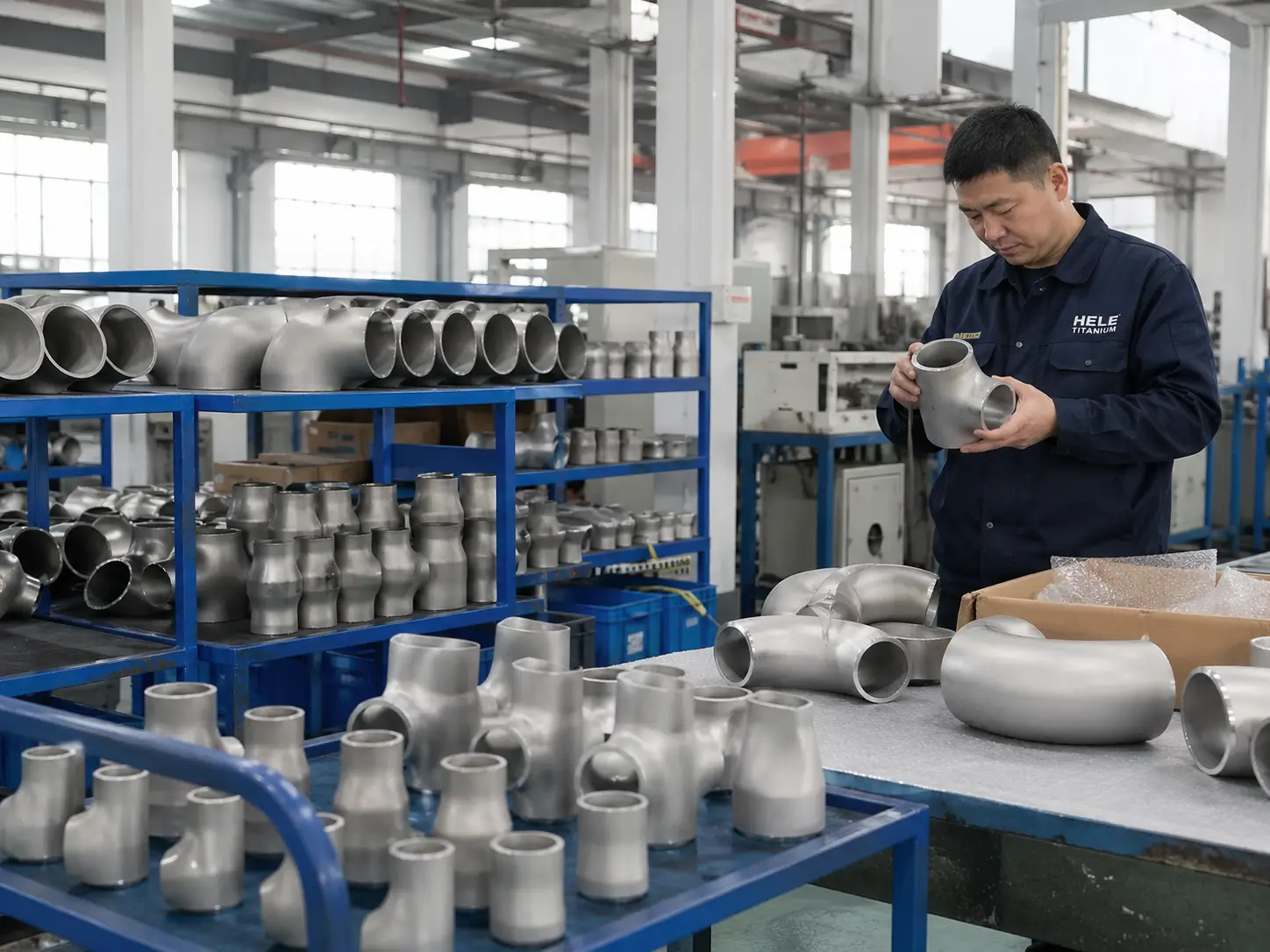
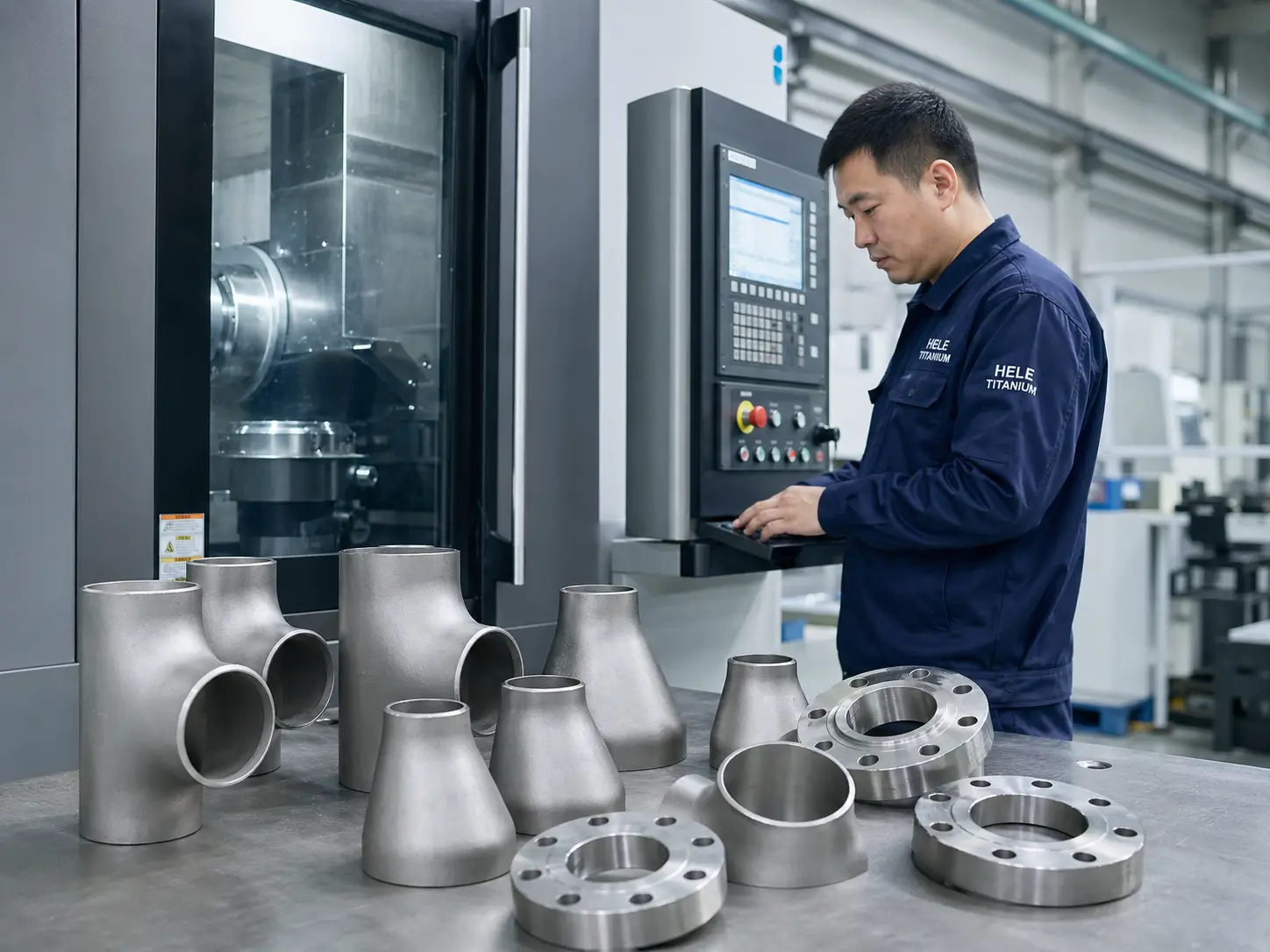
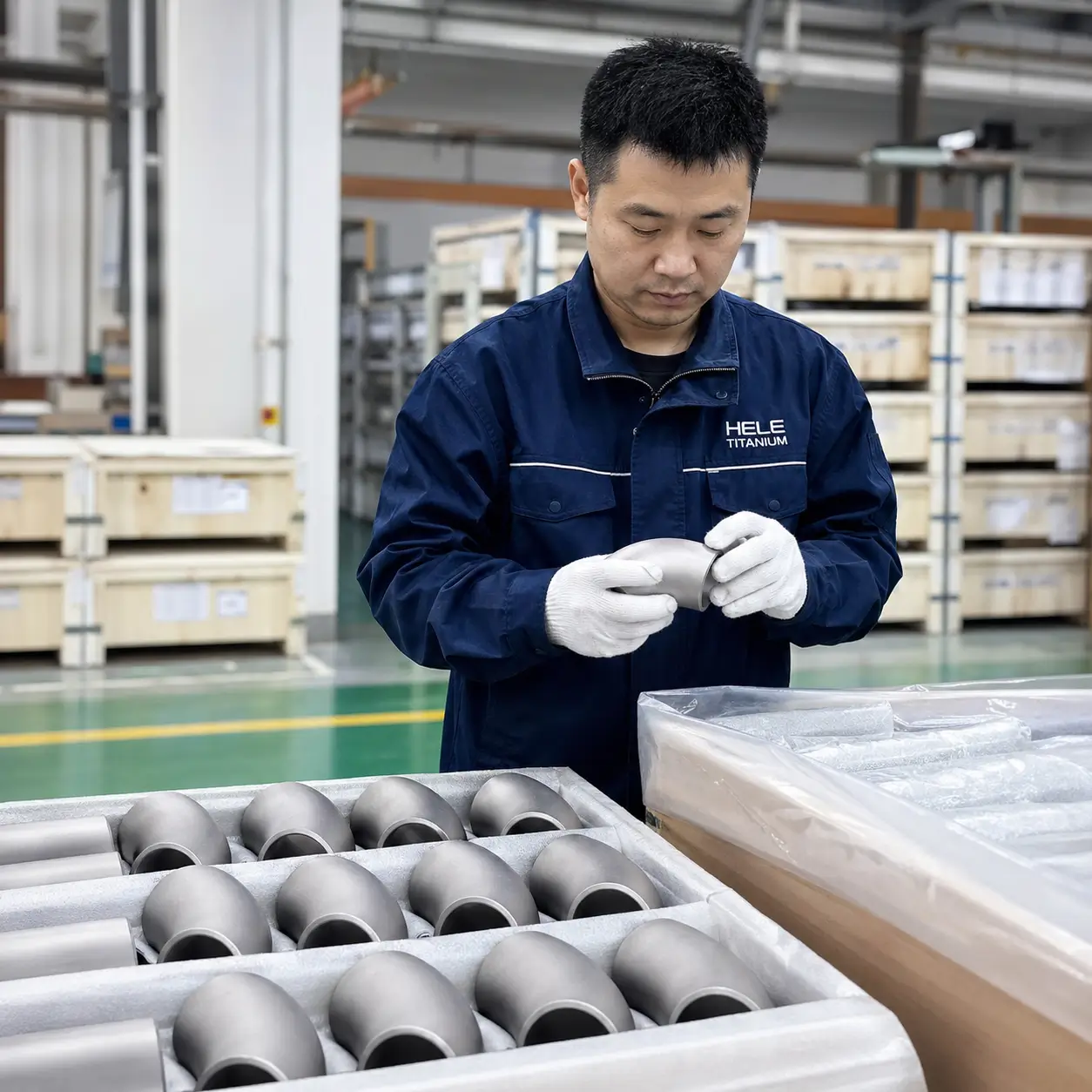
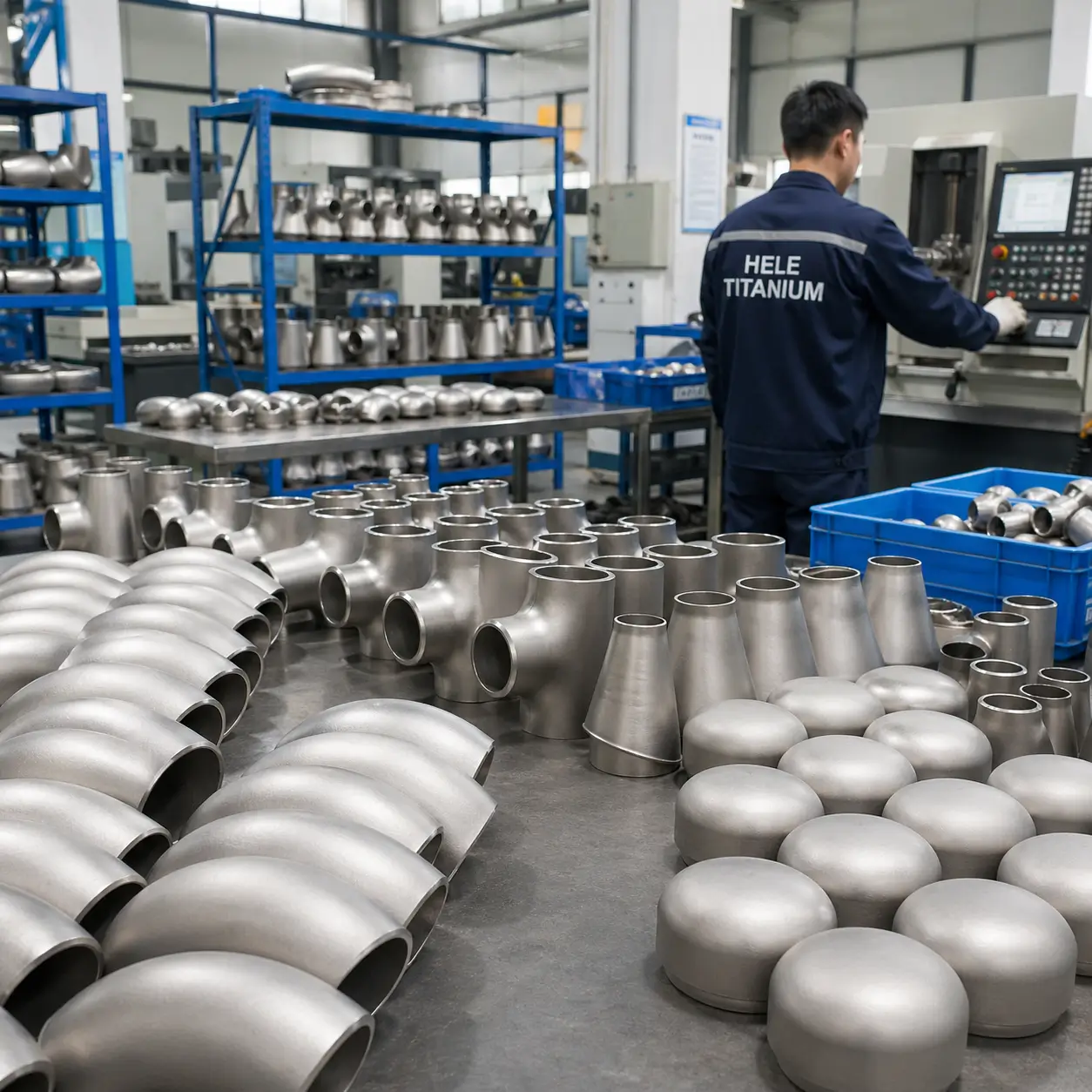
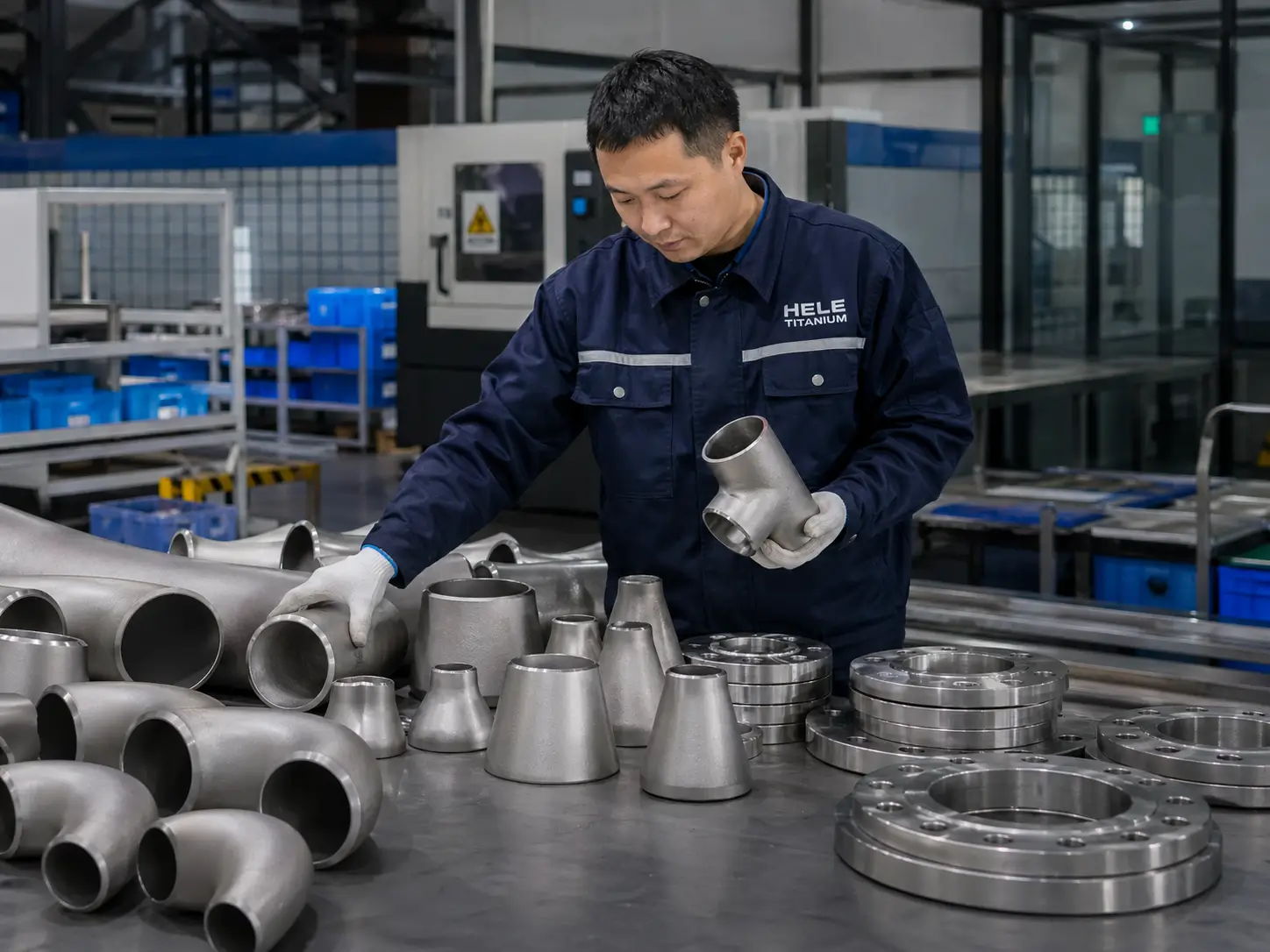
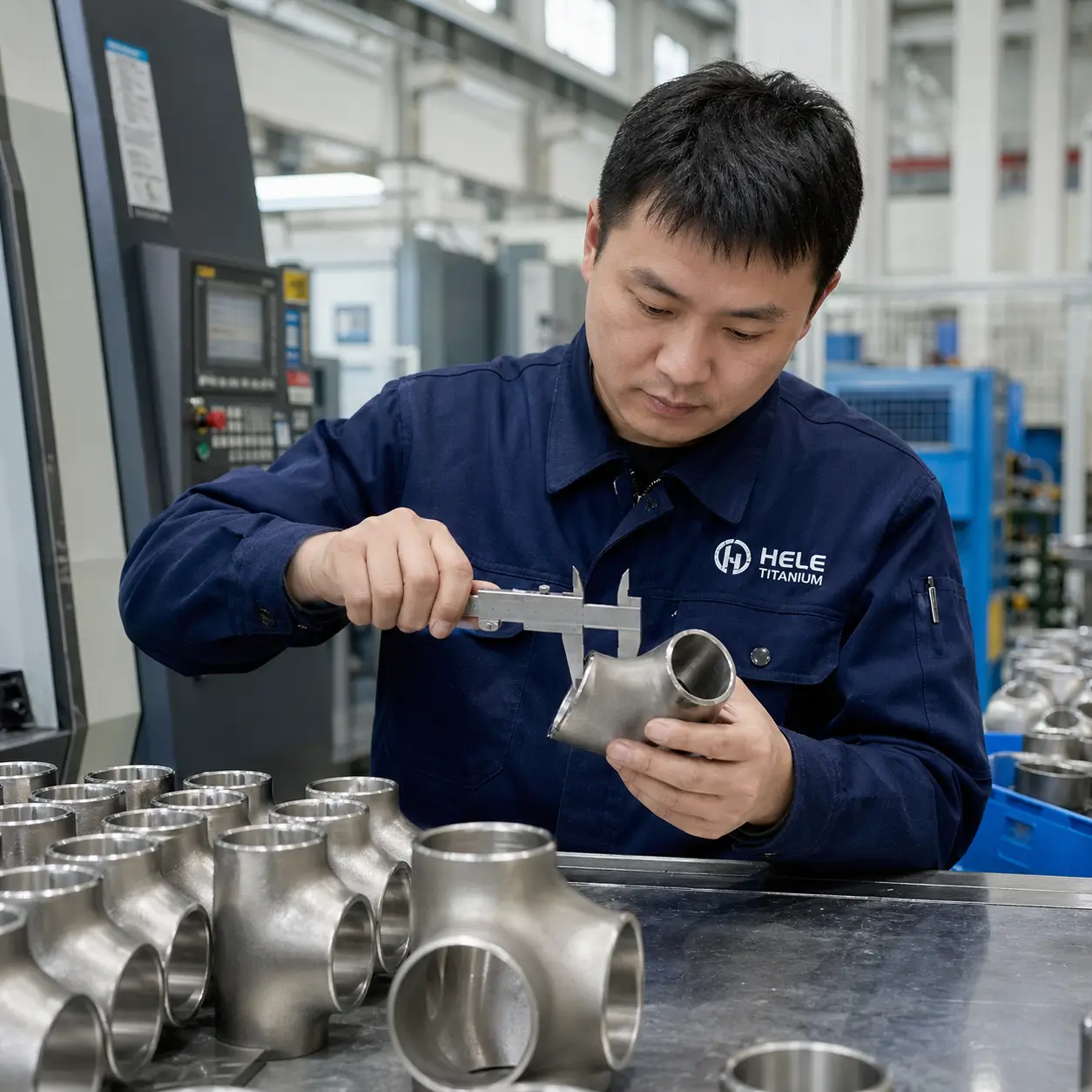
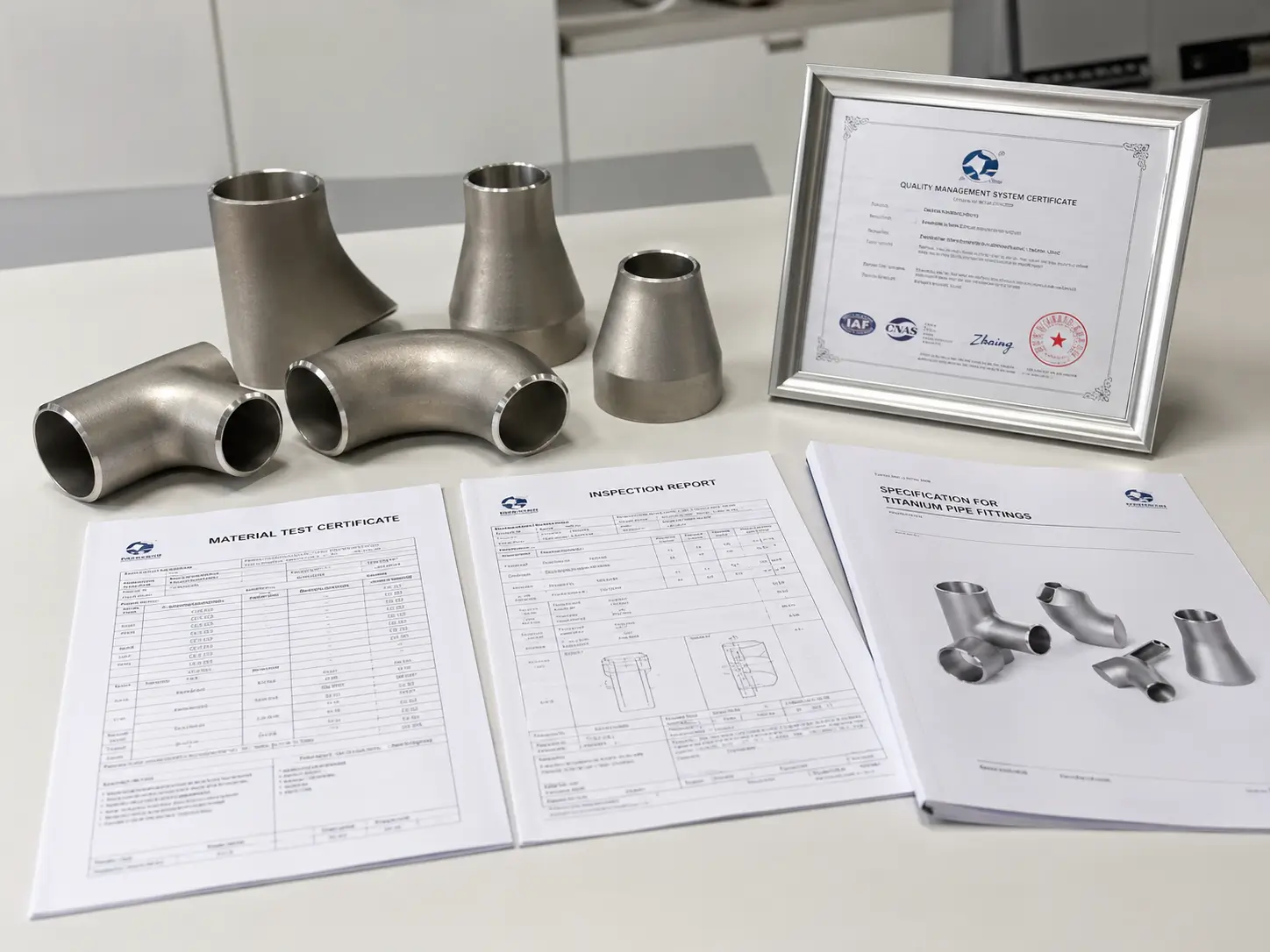
Titanium fittings are engineered piping components—such as elbows, tees, reducers, stub ends, caps, forged couplings, and olets—used as critical system junctions. Their primary role is to change flow direction, split fluid streams, transition pipe diameters, or securely close lines while maintaining the absolute corrosion-proof integrity characteristic of titanium alloys.
2. Manufacturing Matters: Hot Mandrel vs. Cold Forming
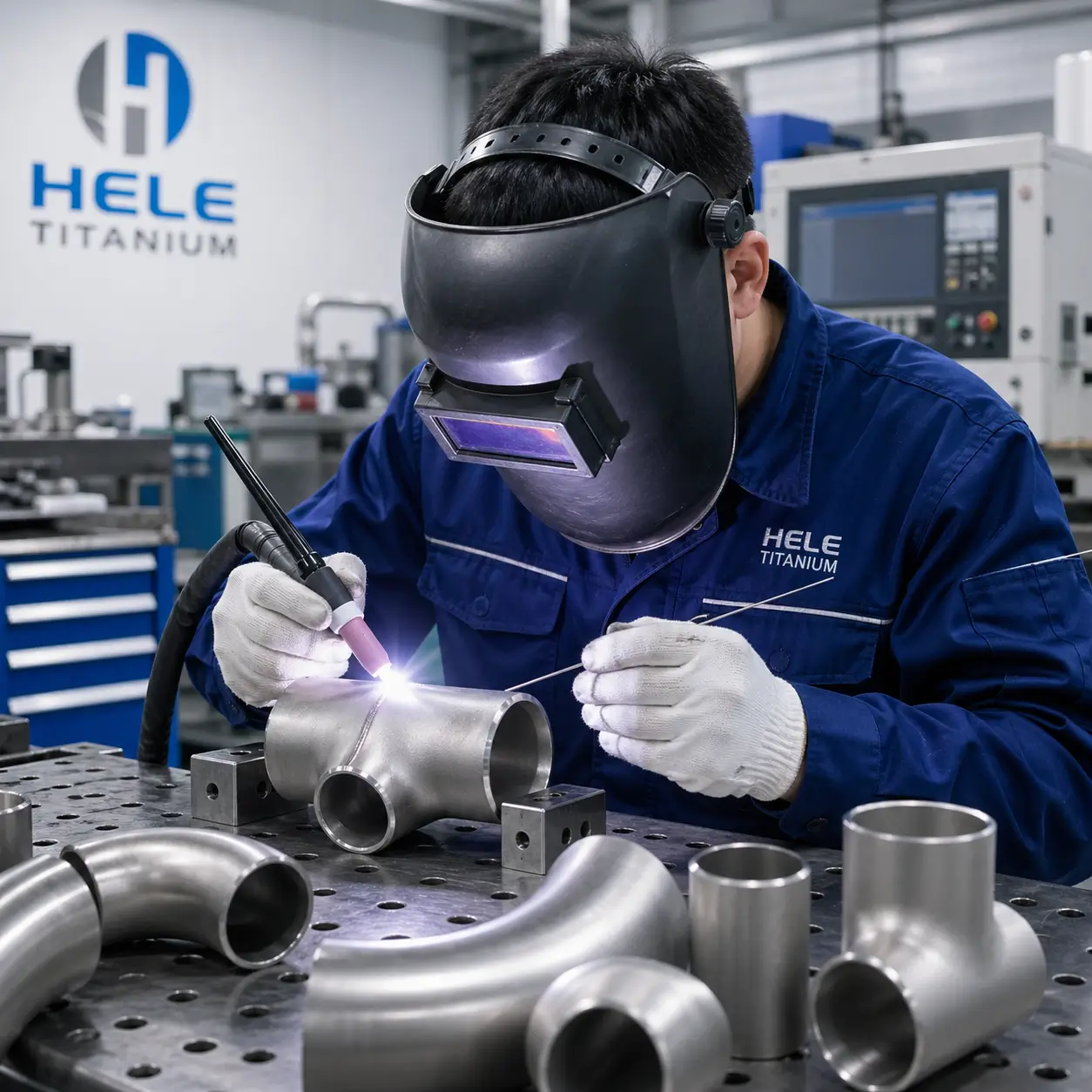
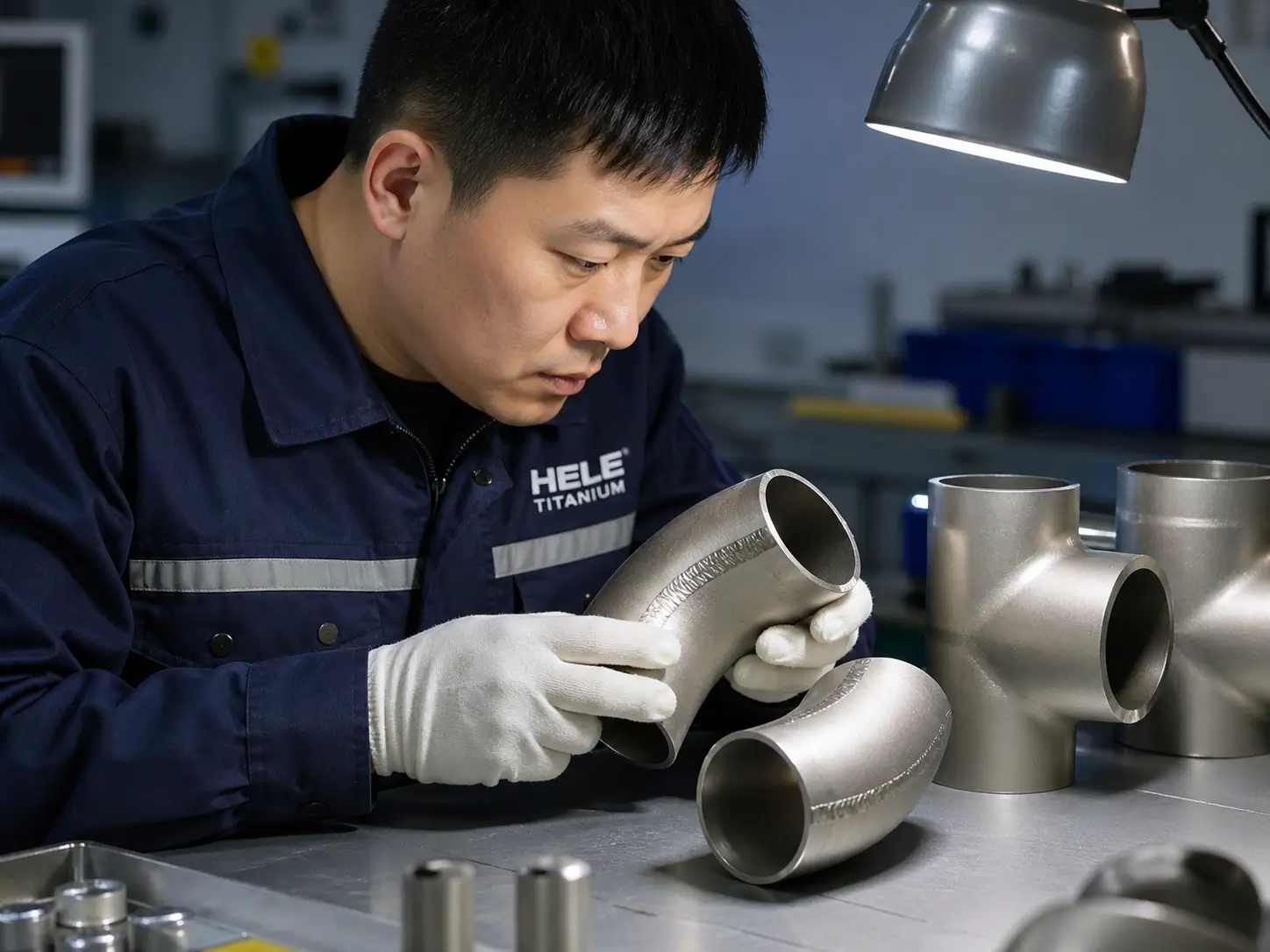
The manufacturing process directly impacts a fitting's structural integrity. Uncontrolled cold bending can cause severe wall thinning at the outer curve and wrinkling at the inner curve, compromising pressure capabilities. Hot mandrel forming involves heating the titanium and pushing it over a shaped die. This preserves circularity, maintains uniform wall thickness, and ensures the fitting meets its full pressure rating without internal stress concentrations.
3. Seamless (WP-S) vs. Welded (WP-W)
| Type | Construction | Best For | Pressure Confidence | Cost / Diameter Logic |
|---|---|---|---|---|
| WP-S (Seamless) | Formed from seamless pipe (ASTM B861) | High-pressure, critical systems | Highest (no weld seam risk) | Standard for small to medium bore (up to ~8") |
| WP-W (Welded) | Formed from welded pipe or plate with a seam | Low-pressure, large volume flow | High (requires 100% X-ray of seam) | More economical for large diameters (>8") |
4. Fitting Types & Functions
| Fitting Type | Primary Function | Typical Standard | Best Use Case |
|---|---|---|---|
| Elbows | Change flow direction (90°/45°) | ASME B16.9 | Routing pipes around obstacles |
| Tees | Split or combine flow | ASME B16.9 | Mainline branching |
| Reducers | Transition pipe diameter | ASME B16.9 | Pump suction/discharge lines |
| Stub Ends | Lap joint flange connection | MSS SP-43 | Economical flanging in corrosive media |
| Couplings | Connect small-bore pipes | ASME B16.11 | Instrumentation & high-pressure lines |
| Olets | Reinforced branch connection | MSS SP-97 | Adding branches without cutting header |
| Caps | Seal pipe ends | ASME B16.9 | Closing header manifolds |
5. Titanium vs. Stainless Steel
| Material | Corrosion Resistance | Weight | Seawater Performance | Crevice Risk | Typical Lifecycle |
|---|---|---|---|---|---|
| Titanium Gr 2 | Excellent (Chlorides) | Low (4.5 g/cm³) | Immune | Low | 30+ Years |
| Titanium Gr 7 | Supreme (Acids) | Low (4.5 g/cm³) | Immune | None | 30+ Years |
| SS 316L | Moderate | High (8.0 g/cm³) | Pitting Risk | High | 5-10 Years |
| Duplex SS | Good | High (7.8 g/cm³) | Moderate | Moderate | 10-15 Years |
6. Grade Selection Strategy
- Grade 2: The industrial workhorse. Ideal for seawater, desalination, and general oxidizing media.
- Grade 7: The acid-defense alloy (contains Palladium). Essential for reducing acid environments and eliminating crevice corrosion at flange faces.
- Grade 12: Offers an improved balance of strength and chemical resistance at higher temperatures.
- Grade 5: High-strength solution primarily for aerospace, hydraulic systems, and special high-load mechanical applications.
7. Schedule Matching: The Critical Check
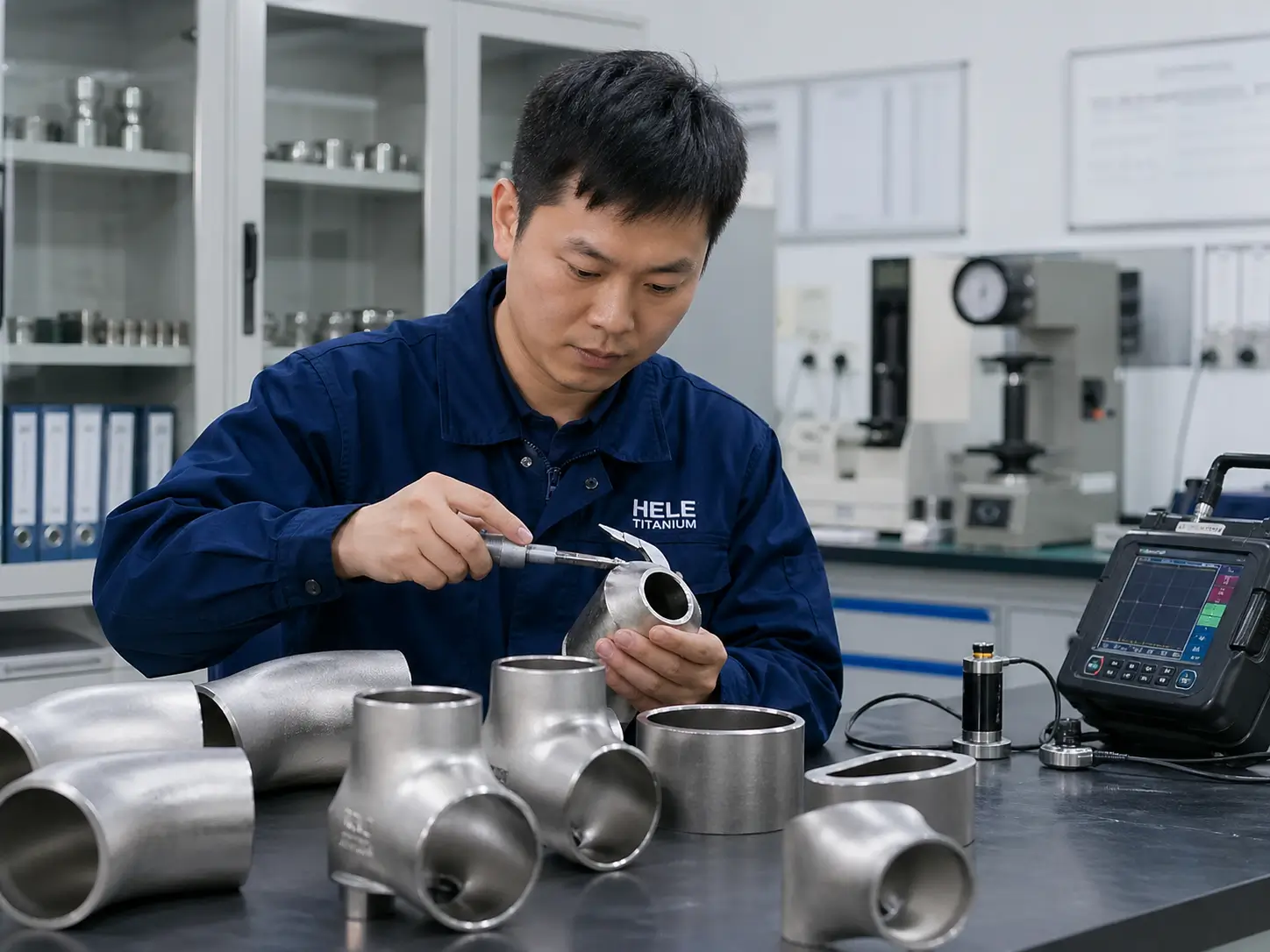
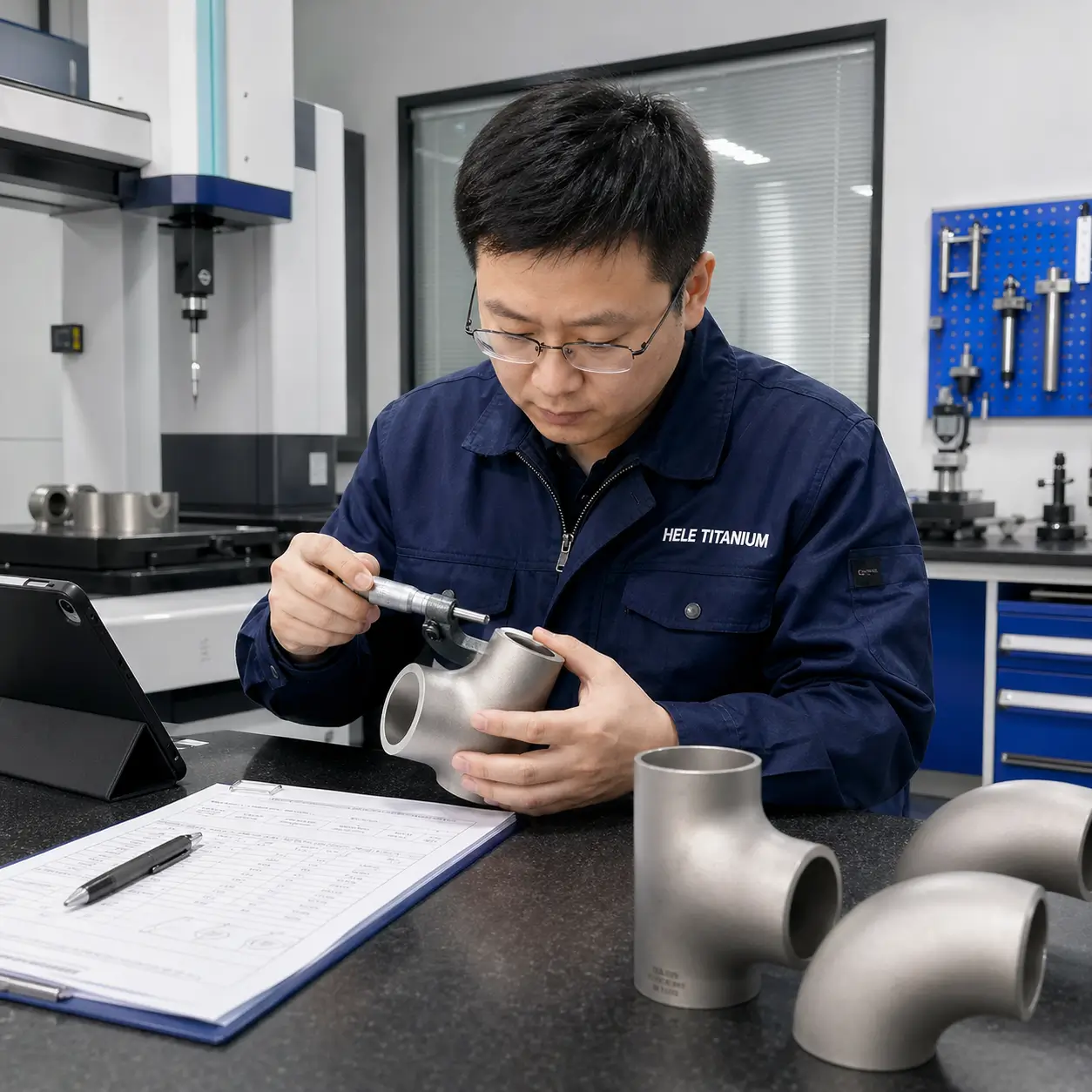
For butt-weld connections, the fitting schedule (wall thickness) must match the connecting pipe schedule exactly. A mismatch creates an internal step within the bore. In high-velocity systems, this step causes localized turbulence, which strips the protective oxide layer and leads to accelerated erosion-corrosion and eventual weld failure.
8. Installation: Preventing Thread Galling
Titanium's reactive surface oxide layer makes it highly susceptible to thread galling (cold welding) during assembly of threaded fittings.
9. Buyer’s Checklist: 5 Parameters for a Flawless RFQ
- Define Standard: ASME B16.9, B16.11, MSS SP-43?
- Specify Schedule: Sch 10S, 40S, 80S?
- Confirm Construction: Seamless (WP-S), Welded (WP-W), or Forged?
- Confirm Grade: Gr2, Gr7, Gr12, Gr5?
- Confirm End Prep: Beveled, Square Cut, Threaded, Socket Weld?
Ready to Configure Your Piping System?
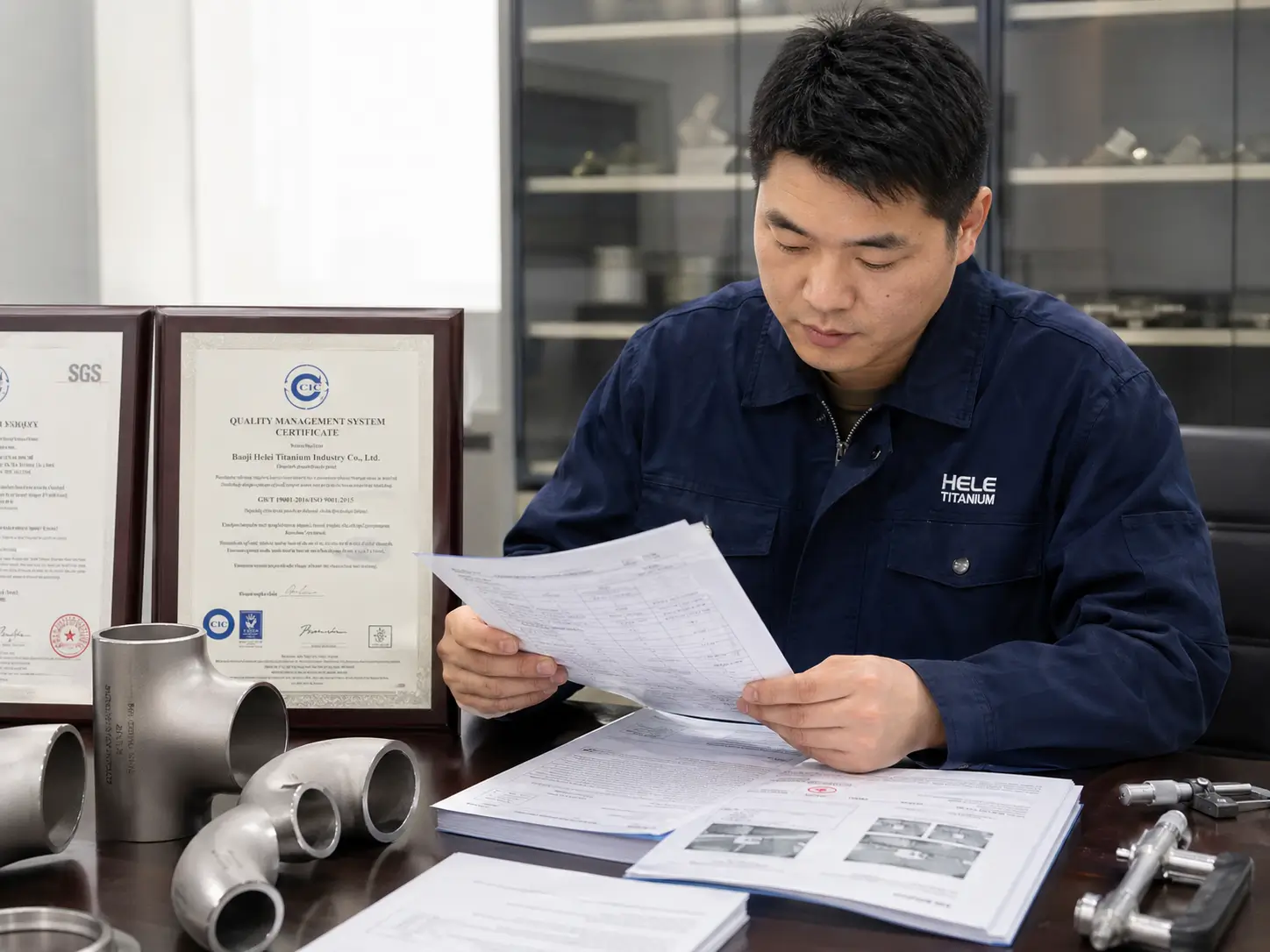
From complex custom spools to standard high-flow elbows, Hele Titanium delivers the precision geometry, corrosion resistance, and certified fit-up your project demands.