Protect Assets
Control corrosion on pipelines, tanks, buried infrastructure, reinforced concrete, marine structures or other defined assets, or manage biological fouling within seawater circuits.

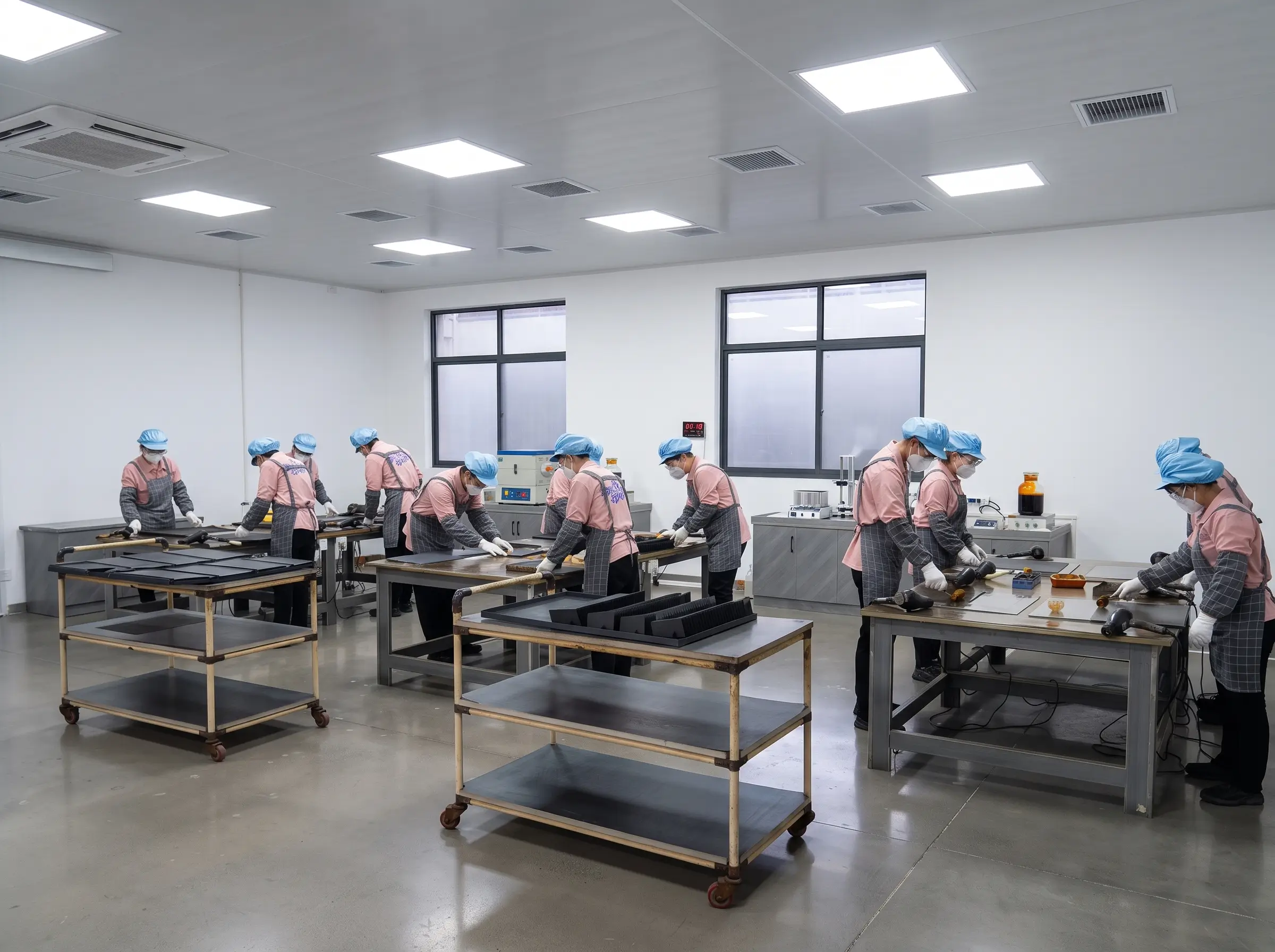
Electrochemical Solution Pathways
Start with the target reaction, electrolyte, electrical duty and operating environment. HELE routes industrial requirements to the relevant titanium-anode, electrode or electrochemical solution path before product selection.
Buyer Selection Guide
The right electrode solution depends on the target reaction, electrolyte composition, current or current density, temperature, operating cycle, geometry and equipment boundary. Define these conditions first so the coating family, titanium substrate, electrode configuration and documentation requirements can be reviewed against the actual process.
Process Objectives
Start with the required process outcome, then use the operating conditions, equipment boundary and acceptance criteria to identify the relevant technical path before comparing electrode products or system components.
Control corrosion on pipelines, tanks, buried infrastructure, reinforced concrete, marine structures or other defined assets, or manage biological fouling within seawater circuits.
Produce chlorine, sodium hypochlorite or another defined electrochemical output from brine, seawater or a specified process electrolyte.
Recover metals from a defined electrolyte or deposit a controlled metallic layer or electronic material under specified cell conditions.
Oxidize contaminants, disinfect water or define electrode requirements within a water-treatment, desalination or ion-separation system.
Core Solution Paths
Each path links the process goal to the first technical inputs required for a meaningful review. Final electrode or component selection remains project-specific.
 Protect Assets
Route pipeline, tank, marine, offshore, buried-structure or concrete protection requirements to an impressed-current or sacrificial-protection review.
Start with: Protected asset, environment, coating condition, current demand, resistivity, installation, design life and project standard.
Explore Cathodic Protection →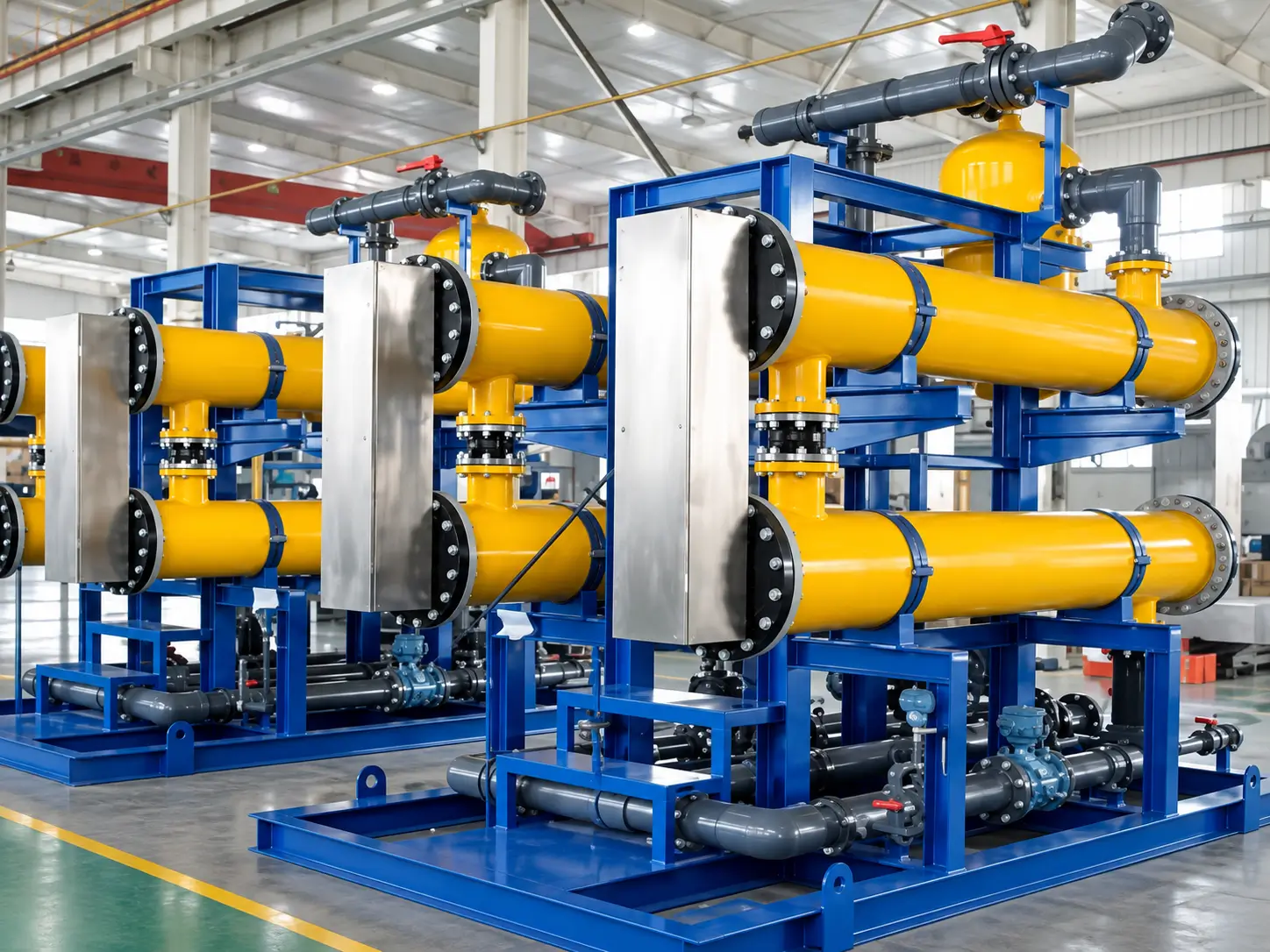 Generate Disinfectant
Review brine, seawater, cooling-water or on-site hypochlorite duties using actual chloride level, output target and cell conditions.
Start with: Feed chemistry, flow, chlorine or hypochlorite output, current, voltage, temperature, operating hours and cleaning plan.
Explore Electrochlorination →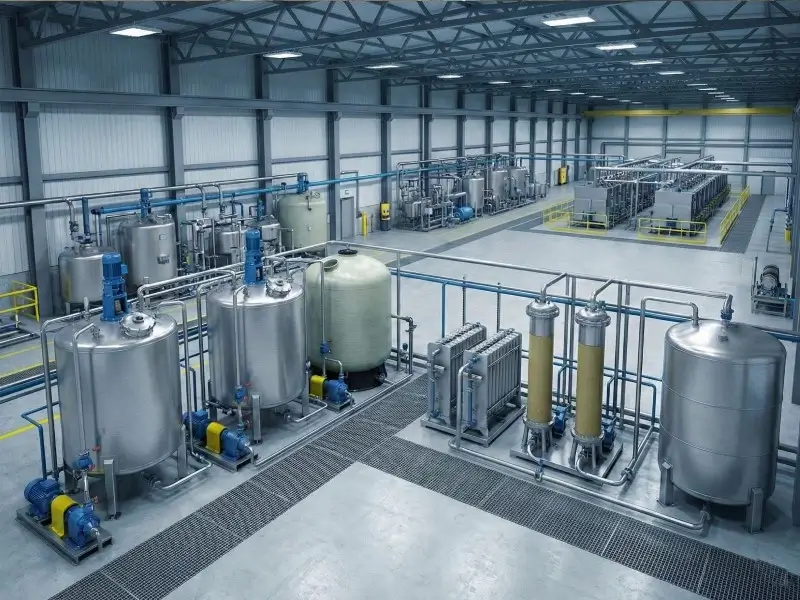 Industrial Brine Electrolysis
Review chlorine-evolution anodes and replacement assemblies for a defined chlor-alkali process, cell design and operating window.
Start with: Brine composition, impurities, membrane or cell type, current density, temperature, geometry, connection and documentation.
Explore Chlor-Alkali →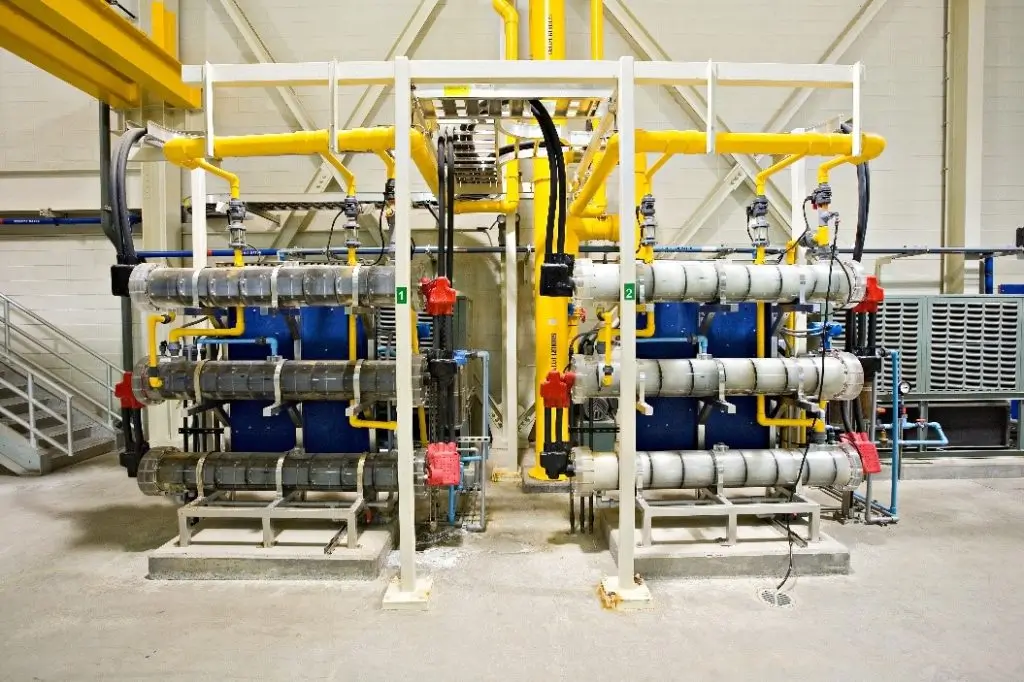 Chemical Production
Assess coated-titanium anode requirements against the chlorate cell chemistry, current load, operating temperature and replacement basis.
Start with: Electrolyte analysis, process stage, current density, voltage, temperature, electrode geometry, failure concern and target evidence.
Discuss Sodium Chlorate Requirements →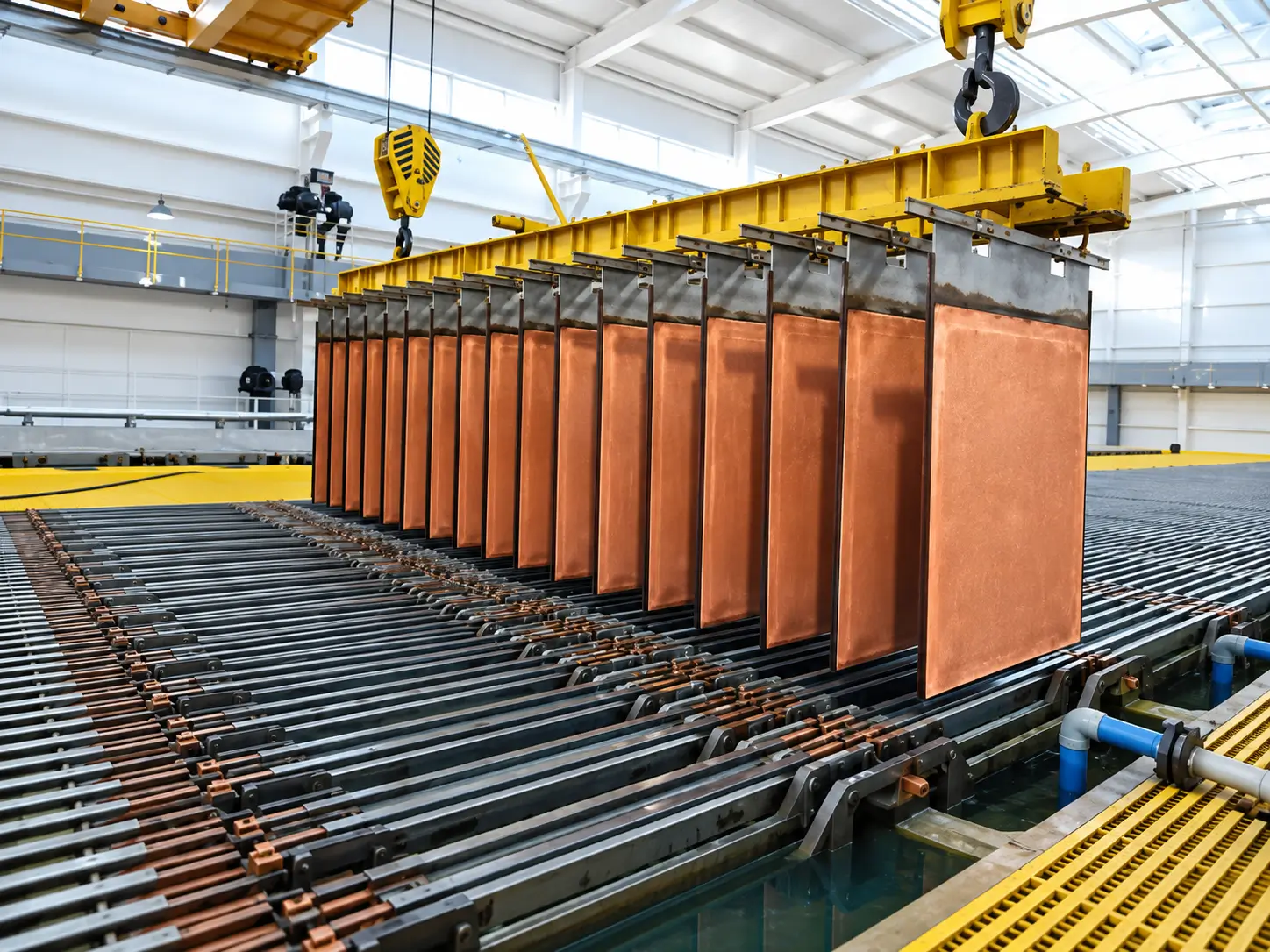 Recover Metals
Route copper, zinc, nickel, cobalt or other defined metal-recovery duties using the actual electrolyte and cell conditions.
Start with: Target metal, electrolyte analysis, acidity, chloride, current density, temperature, cell geometry and acceptance criteria.
Explore Electrowinning →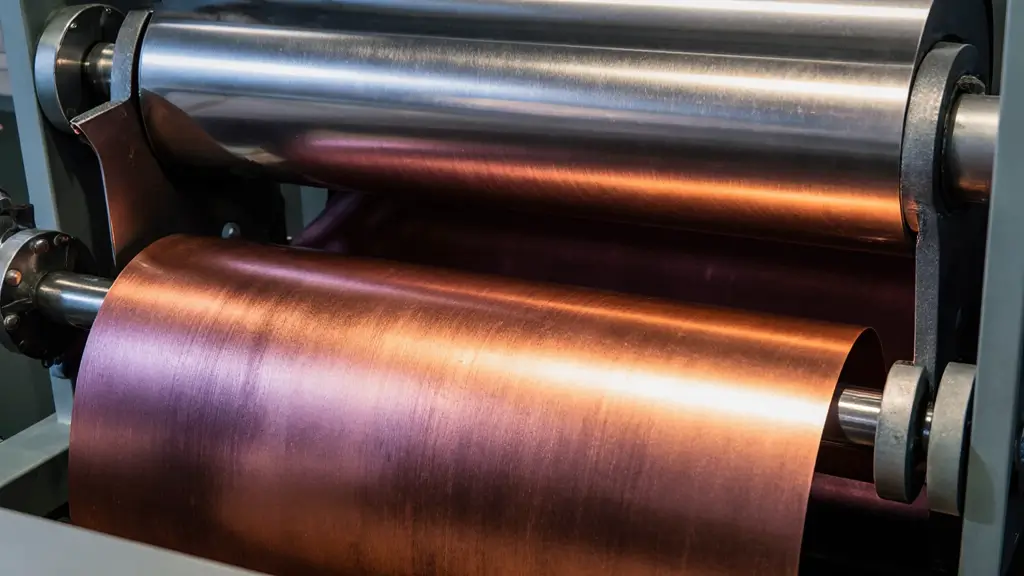 Produce Electronic Materials
Review electrodes and titanium components for a defined copper-foil deposition line, geometry and surface-quality requirement.
Start with: Electrolyte, line configuration, current density, drum or electrode geometry, surface target, tolerances and qualification records.
Explore Copper Foil Production → Deposit Precision Coatings
Route PCB copper-plating, via-plating, through-hole or surface-finishing requirements by bath chemistry and current distribution.
Start with: Bath and additives, pH, temperature, waveform, current density, board geometry, electrode layout, uniformity and cleanliness.
Explore PCB Electroplating →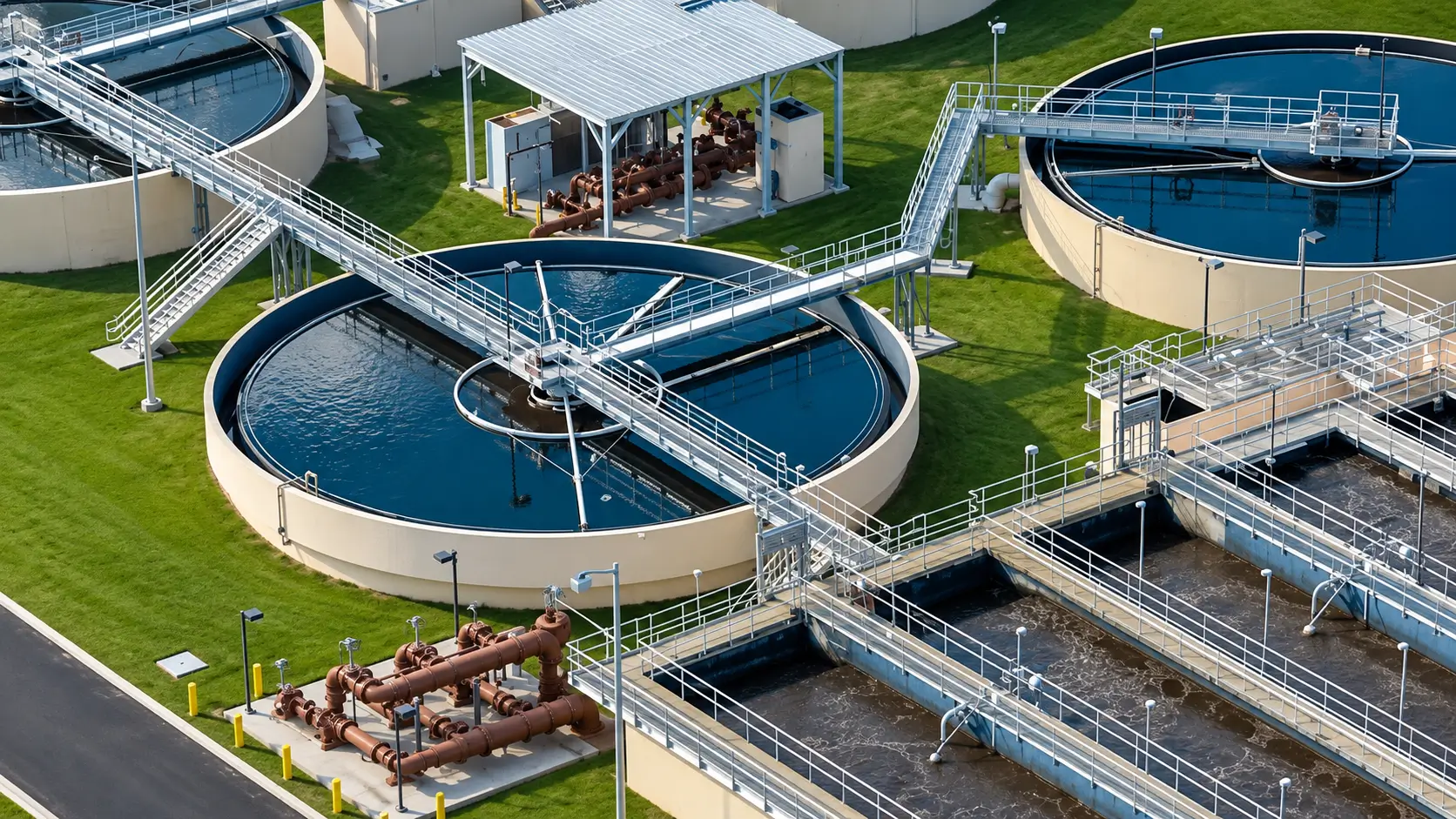 Oxidize or Disinfect
Review a characterized water or wastewater stream against the required reaction, contaminant target and equipment boundary.
Start with: Water analysis, contaminant and target, COD or other acceptance metric, conductivity, pH, temperature, flow and electrical duty.
Explore Water Treatment →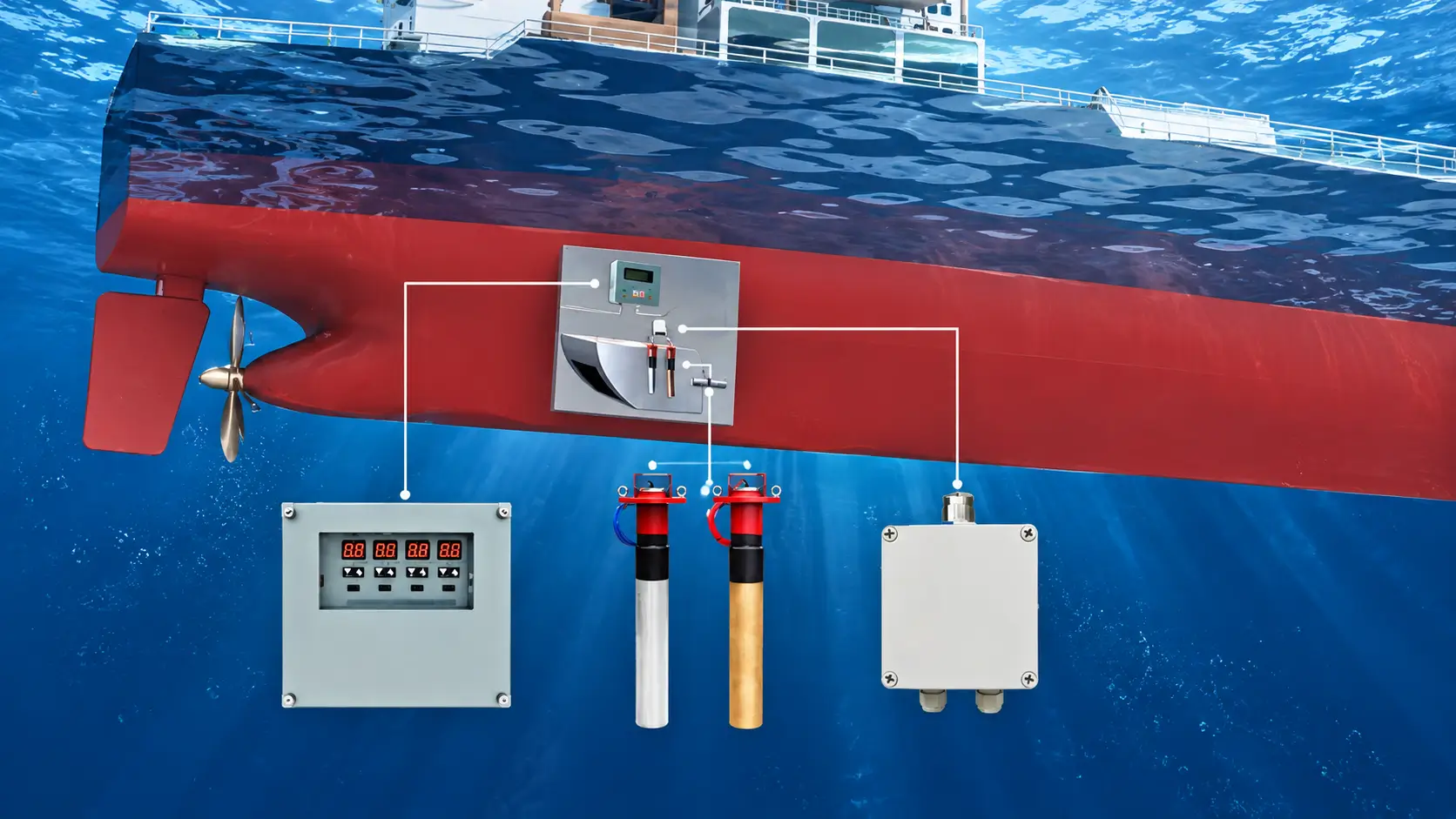 Control Marine Growth
Route vessel, offshore or seawater-circuit biofouling requirements between MGPS / ICAF and electrochlorination pathways.
Start with: Asset, seawater flow, pipe material and diameter, sea-chest layout, fouling risk, operating region, installation and maintenance.
Explore Marine Anti-Fouling →Solution Routing Matrix
| Process Goal | Review Path | Start With |
|---|---|---|
| Protect Assets | Cathodic Protection | Protected asset, environment, coating condition, current demand, resistivity, installation, design life and project standard. |
| Generate Disinfectant | Electrochlorination | Feed chemistry, flow, chlorine or hypochlorite output, current, voltage, temperature, operating hours and cleaning plan. |
| Industrial Brine Electrolysis | Chlor-Alkali Process | Brine composition, impurities, membrane or cell type, current density, temperature, geometry, connection and documentation. |
| Chemical Production | Sodium Chlorate Production | Electrolyte analysis, process stage, current density, voltage, temperature, electrode geometry, failure concern and target evidence. |
| Recover Metals | Metal Electrowinning | Target metal, electrolyte analysis, acidity, chloride, current density, temperature, cell geometry and acceptance criteria. |
| Produce Electronic Materials | Electrolytic Copper Foil | Electrolyte, line configuration, current density, drum or electrode geometry, surface target, tolerances and qualification records. |
| Deposit Precision Coatings | PCB Electroplating | Bath and additives, pH, temperature, waveform, current density, board geometry, electrode layout, uniformity and cleanliness. |
| Oxidize or Disinfect | Electrochemical Water Treatment | Water analysis, contaminant and target, COD or other acceptance metric, conductivity, pH, temperature, flow and electrical duty. |
| Control Marine Growth | Marine Anti-Fouling | Asset, seawater flow, pipe material and diameter, sea-chest layout, fouling risk, operating region, installation and maintenance. |
Technical Intake
A useful first review does not require every answer, but unknown items should be identified rather than guessed.
State what must be protected, generated, recovered, deposited, oxidized, disinfected or separated.
Provide composition, concentration, contaminants, pH, conductivity and relevant analysis.
Define current, current density, voltage, waveform, polarity and operating cycle.
Include temperature, flow, pressure, gas evolution, scaling, fouling and cleaning conditions.
Share active area, dimensions, spacing, mounting, terminals, cable and cell or equipment drawings.
Define target output, service-life basis, inspection, reports, certificates and customer approval requirements.
Electrode Family Boundary
Similar shapes do not mean equivalent electrochemistry. The target reaction, electrolyte and evidence requirements determine which technology can be evaluated.
Often considered for defined chloride-containing electrochemical duties such as electrochlorination or chlor-alkali. Electrolyte, current density, temperature and geometry must be reviewed.
Ir-based or Ir-Ta-related systems may be relevant to defined oxygen-evolution or oxidation duties. They are not a universal substitute for other coatings.
May be relevant to selected electroplating, electrolysis, testing and specialty processes when platinum thickness, surface area and chemistry are specified.
Can be considered for selected advanced-oxidation or electrochemical-treatment duties. Chemistry, substrate, validation and evidence requirements differ from MMO systems.
Scope & Evidence
The same process can require different chemistry, geometry, connections, tests and supply boundaries. HELE should not be presented as supplying a complete system, fixed service life or universal certification unless the quotation and applicable evidence explicitly confirm it.
Industry Applications
If your project begins with an industry, asset or operating environment rather than a defined electrochemical process, explore the relevant industry applications to identify potential titanium material, electrode, corrosion-protection or hydrogen-system pathways for further technical review.
Explore IndustriesYou know the electrochemical duty, target reaction or equipment problem and need the relevant technical path.
You know the sector, asset or operating environment but still need to identify the applicable technology family.
Solution FAQ
No. The same application can use different electrode chemistries and geometries. A review needs the target reaction, electrolyte, pH, temperature, current density, dimensions, operating mode and acceptance basis.
No. They have different electrochemical functions, operating windows, substrate or coating structures, validation needs and commercial implications. Selection must be process-specific.
Provide the drawing, markings, substrate and coating if known, electrical connection, process chemistry, operating data, service history and observed failure mode. A visual match alone is insufficient.
Not automatically. Some inquiries may cover an electrode or component; others may involve a cell or selected system scope. The quotation must state inclusions, exclusions, design responsibility and documentation.
No. Life and performance depend on chemistry, electrical duty, geometry, preparation, coating, maintenance and the agreed operating envelope. Any commitment must be model- and order-specific.
Depending on the confirmed product and order scope, the discussion may include material records, dimensions, coating or composition evidence, inspection reports, drawings, packing documents or third-party review. Availability must be confirmed before order placement.
Tell us what the process must achieve, then share the electrolyte, operating environment, electrical duty, electrode or cell geometry, drawings and documentation requirements. HELE will identify the relevant review path and any missing inputs before a quotation scope is prepared.
Use the detailed form on this page or email sales@heletitanium.com with the process objective, operating conditions, drawing and evidence requirements.