Identify the Cell
Define membrane, diaphragm or other cell configuration and the relevant anode position.

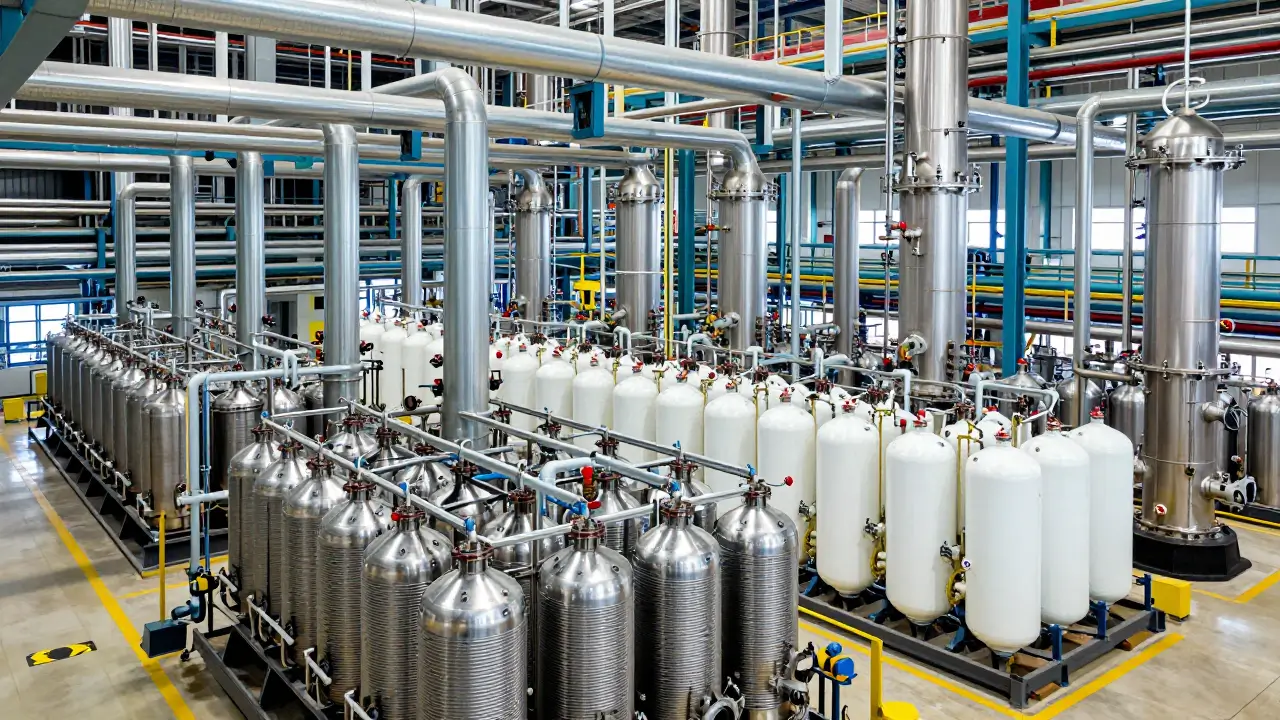
Chlor-Alkali Anode Solution
Review chlorine-evolution anodes and replacement assemblies against the actual membrane or cell design, purified-brine conditions, electrical load, geometry, connection and documentation requirements.
Solution Selection Guide
A chlor-alkali anode cannot be defined from the process name alone. Cell type, brine composition and impurities, current density, temperature, electrode geometry, connection, coating history and qualification requirements must be reviewed before the coating path or replacement scope is confirmed.
Before Requesting a Quote
Confirm whether the required scope is a coated anode, a complete anode assembly, a drawing-based replacement or a recoating feasibility review. Include the cell type, brine analysis, electrical duty, anode drawing, connection and qualification requirements, and identify any membrane, cell or process responsibilities that remain outside the anode supply scope.
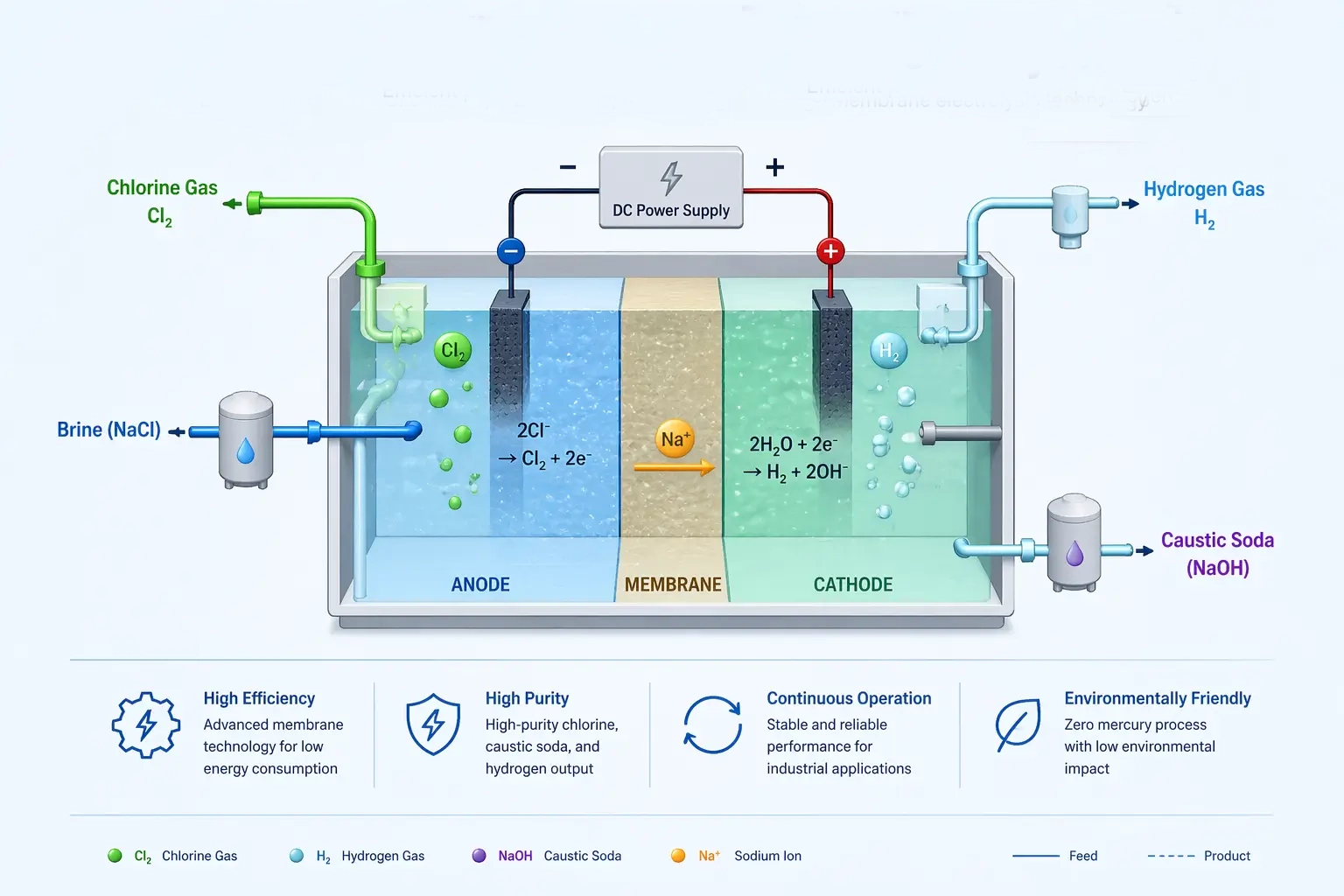
Process Review
A reliable chlor-alkali anode specification begins with the cell configuration and purified-brine conditions, then defines the electrical duty, operating temperature, electrode geometry, connection details, replacement basis and qualification requirements.
Define membrane, diaphragm or other cell configuration and the relevant anode position.
Provide NaCl concentration, purification basis, impurities, pH and operating temperature.
State current, current density, voltage, active area, operating cycle and target basis.
Share drawings, mesh or plate geometry, connection, tolerances, inspection and approval requirements.
Solution Configurations
Use the confirmed process conditions to compare material, coating, geometry, assembly and documentation requirements. Final configuration remains project-specific.
Solution Route
A chlorine-evolution path for defined chloride chemistry and chlor-alkali operating conditions.
Start with
Brine analysis, current density, temperature, active area, coating requirement and acceptance basis.
Solution Route
Custom substrate and assembly review around cell geometry, current distribution and installation interfaces.
Start with
Drawing, dimensions, mesh specification, tolerances, connection and cell location.
Solution Route
Drawing-based review where dimensional, electrical and process compatibility must be established.
Start with
Existing drawing, markings, coating history, operating data, service history and failure concern.
Solution Route
A conditional route requiring substrate, dimensional, surface and economic assessment before acceptance.
Start with
Used-anode condition, substrate history, photos, flatness, remaining dimensions and inspection plan.
Technical Intake
Provide the inputs that materially affect chemistry, geometry, qualification and commercial scope. Unknown values can be marked for joint review.
Membrane, diaphragm or other cell type, anode position and equipment interface.
NaCl concentration, purification, hardness, sulfate, contaminants, pH and temperature.
Current, current density, voltage, active area, duty cycle and operating hours.
Plate or mesh design, dimensions, thickness, spacing, welds, terminals and tolerances.
Existing model, drawing, coating history, service data and observed degradation or damage.
Inspection, composition evidence, dimensional records, sample approval and documentation.
Supply Scope & Qualification
HELE can review Ru-Ir or other project-approved coated titanium anodes and assemblies for defined chlor-alkali conditions. Process licensing and complete membrane-cell technology are excluded unless explicitly stated in the quotation. Coating, performance, recoating feasibility and service-life commitments require project-specific confirmation.
Anodes & Cell Environments
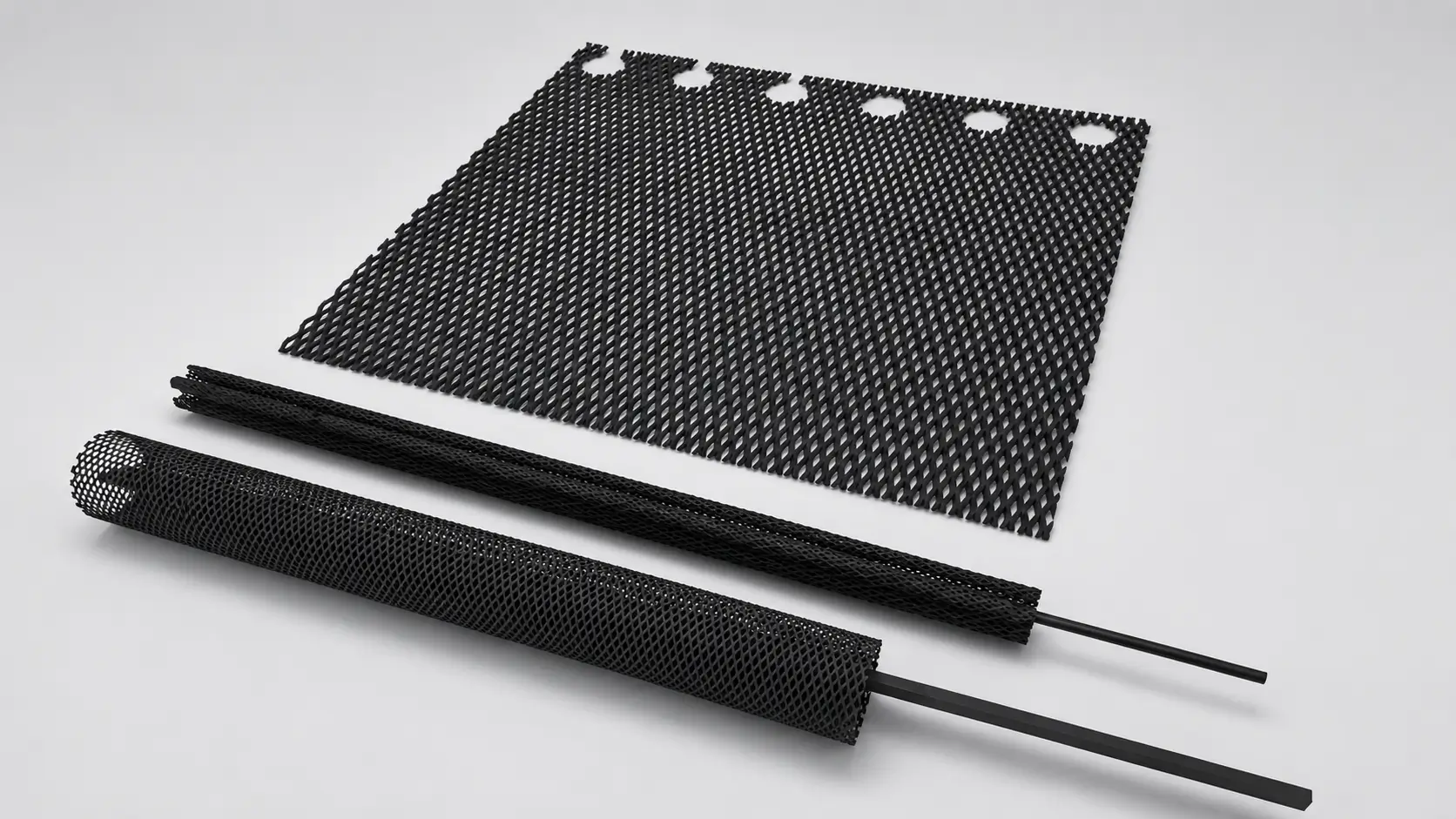
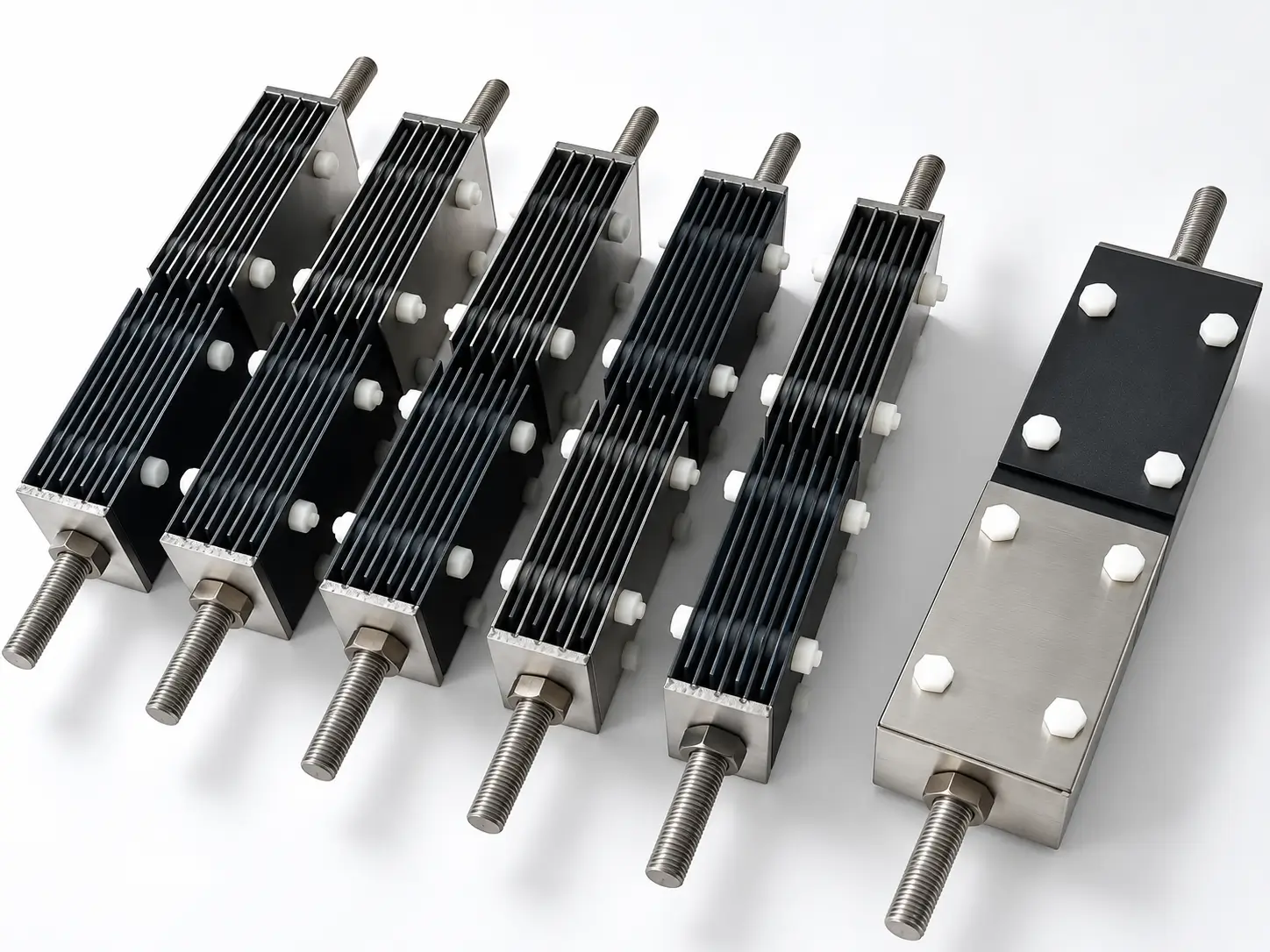
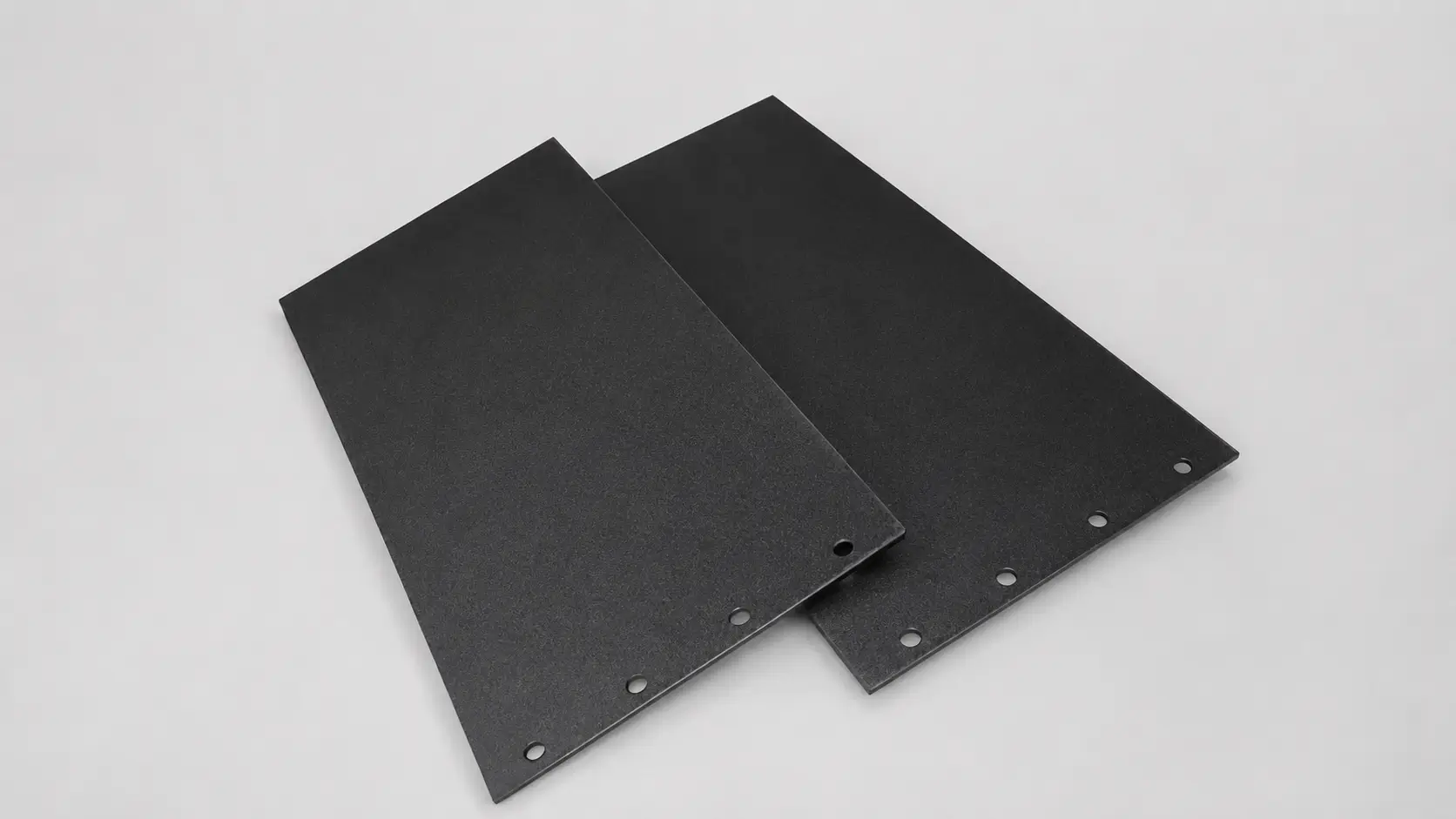
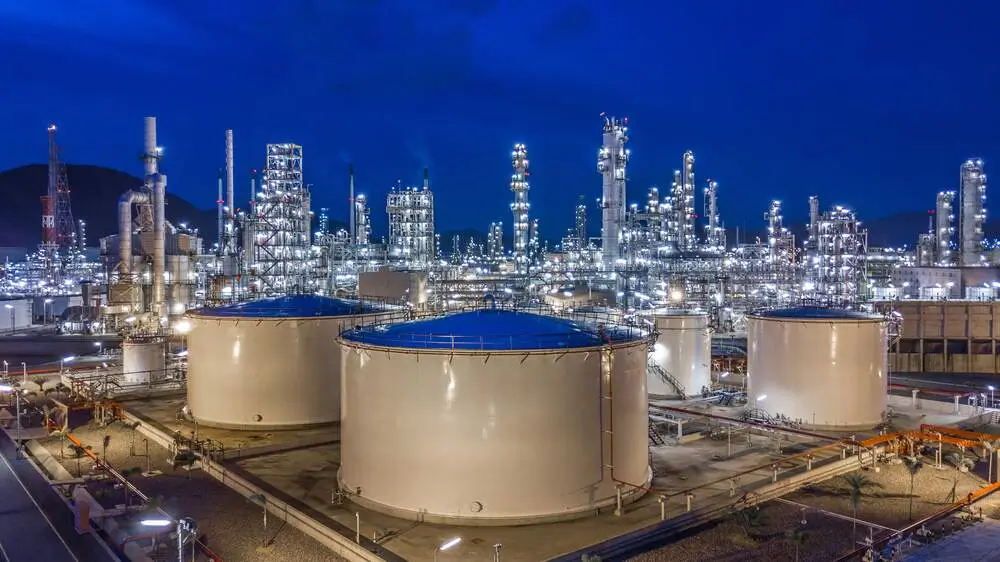
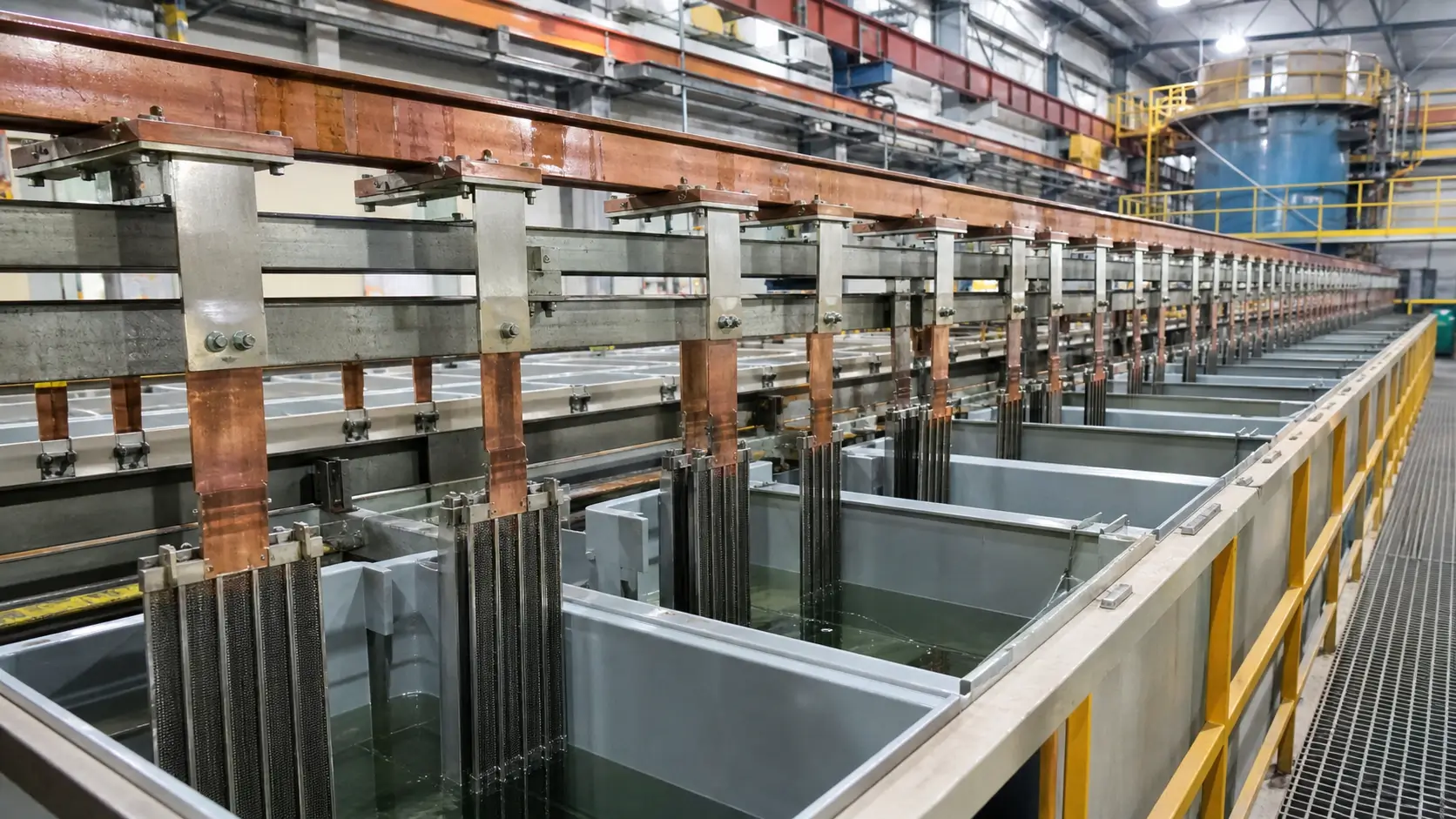
Review representative anode structures, replacement assemblies and chlor-alkali operating contexts. Cell design, brine quality, electrical duty and qualification requirements determine the final anode specification.

Related Products & Applications
Compare related product families and application capabilities that may support material selection, equipment integration, replacement planning or project qualification.
← Explore All Electrochemical SolutionsTechnical FAQ
No. Brine quality, impurities, current density, temperature, geometry and qualification requirements affect the coating and assembly review.
Photos help, but a reliable review also needs drawings, dimensions, connection details, cell conditions, coating information if known and service history.
No. Substrate condition, distortion, remaining dimensions, contamination, prior treatment and economics must be assessed before recoating is accepted.
Not automatically. The quotation must define whether the scope is the anode, anode assembly, refurbishment review or another specifically agreed item.
Tell us about the cell type, brine composition and impurities, current density, temperature, anode dimensions, mesh or plate geometry, connection, coating history, service-life basis, drawings and qualification documents. HELE will review the applicable anode path and the information required for a controlled quotation.