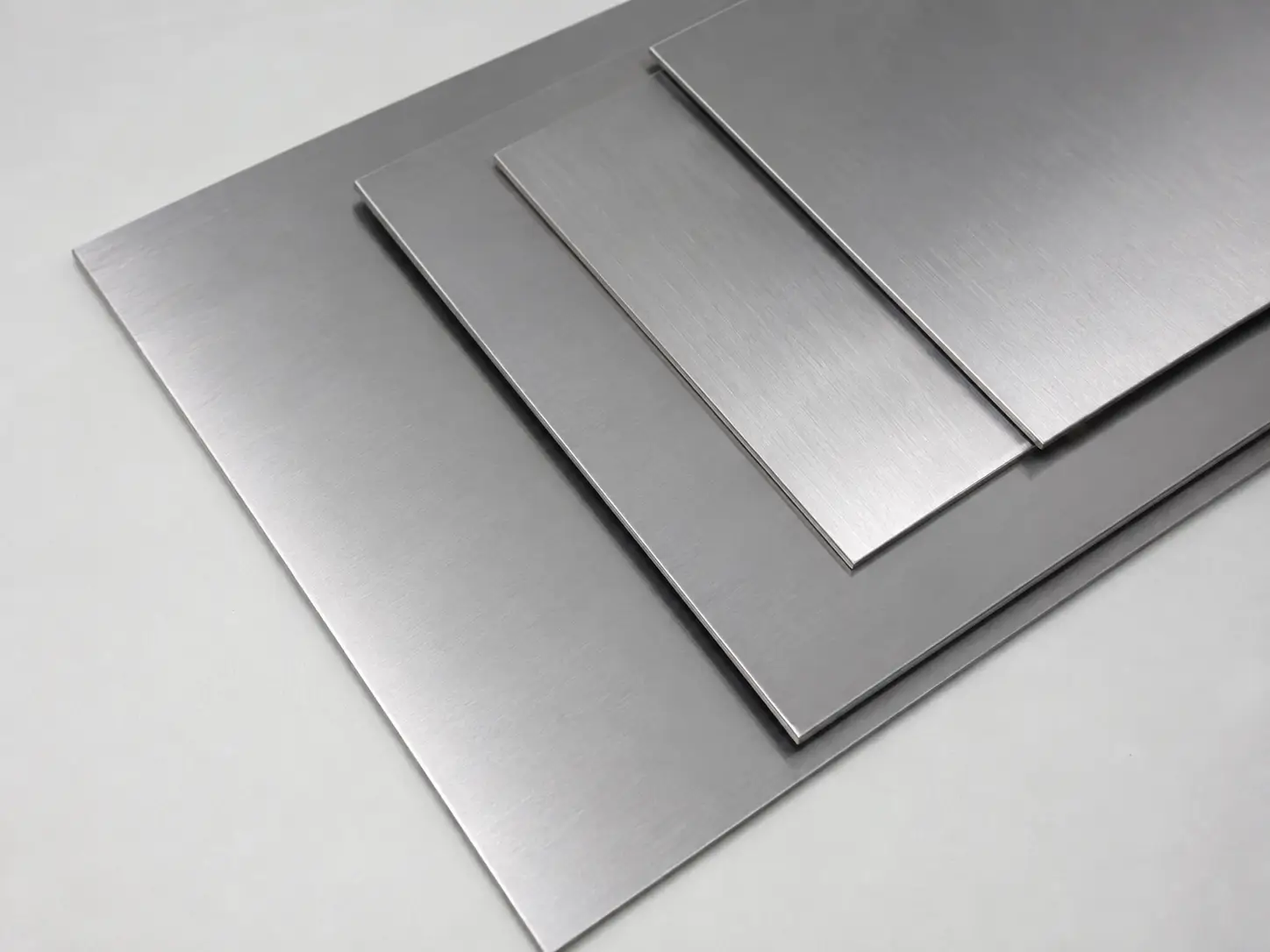
Grade 2 Titanium
ASTM B265 / B265M when specified · UNS R50400
Commonly reviewed for fabricated and corrosion-resistant industrial components.
Dimensions, condition and availability: confirmed by quotation.

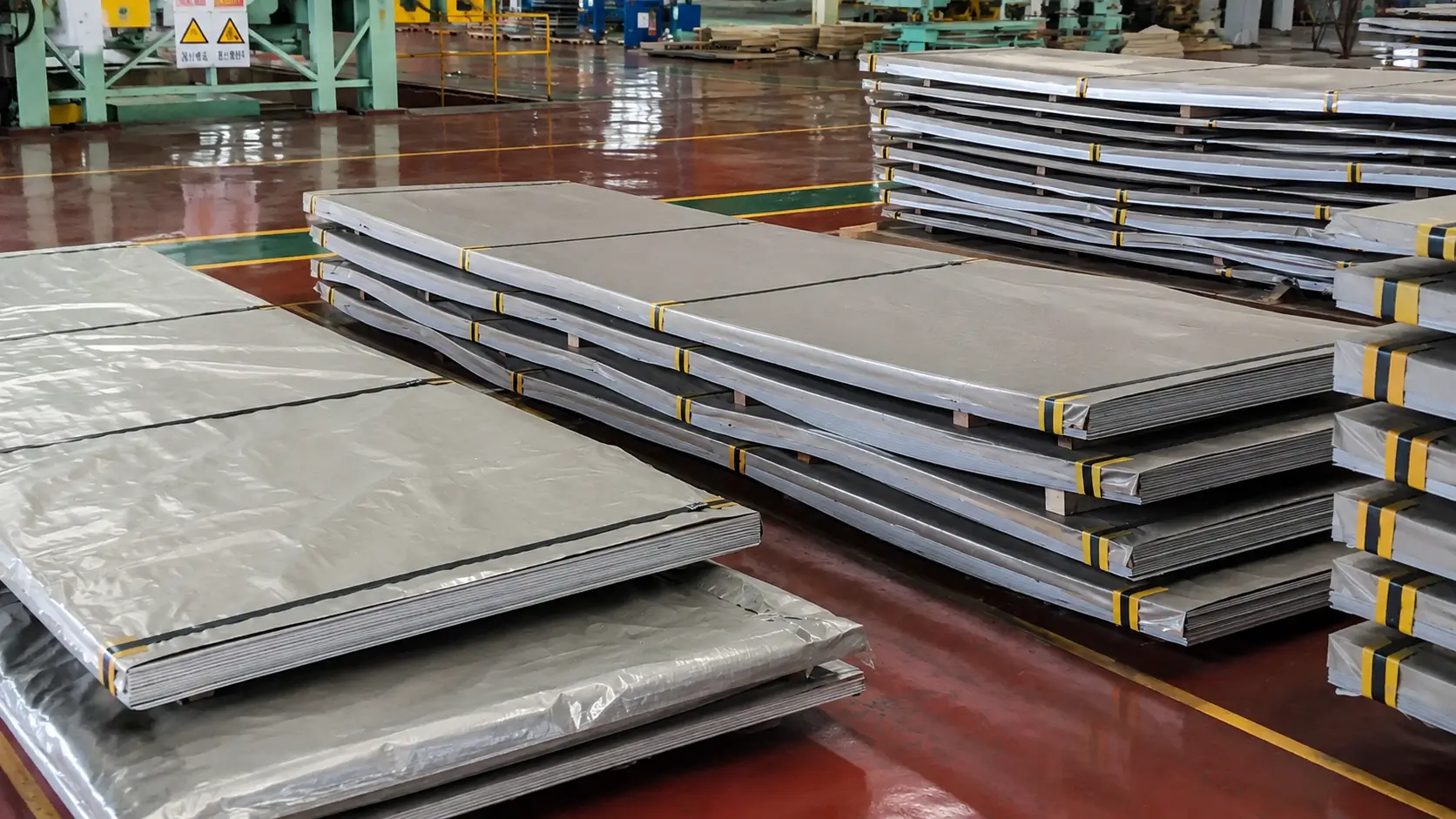
ASTM B265 Titanium Flat Products
Source plate, sheet and cut blanks with grade, specification, condition, dimensions, surface, processing, inspection and documentation reviewed against your order requirements.
Buying Essentials
Grade, UNS, specification and revision, condition and supplementary requirements.
Thickness, width, length, quantity, flatness, tolerance and machining allowance.
Full-size material or blanks, cut route, edge condition, surface and downstream fabrication.
MTC, traceability, inspection, testing, marking, packing and release documents.
Grades & Supply Review
These cards describe common enquiry routes, not unconditional stock or qualification claims. Final availability, condition, dimensions and compliance are confirmed in the quotation.
ASTM B265 / B265M when specified · UNS R50400
Commonly reviewed for fabricated and corrosion-resistant industrial components.
Dimensions, condition and availability: confirmed by quotation.
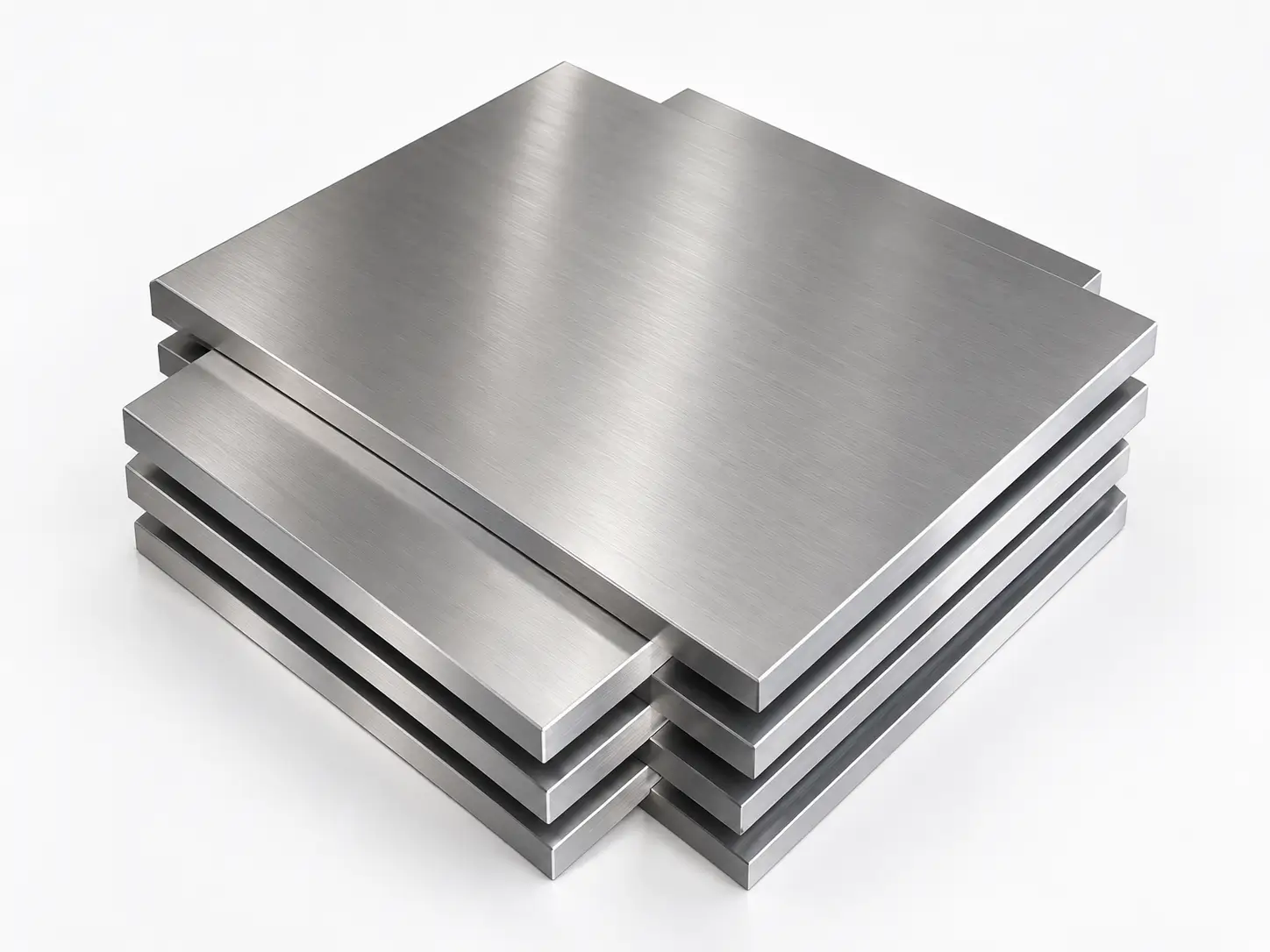
ASTM B265 or AMS 4911 as ordered · UNS R56400
Reviewed where higher strength and controlled condition are required for machined or structural parts.
Dimensions, condition and availability: confirmed by quotation.

ASTM B265 / B265M when specified · UNS R52400
Palladium-alloyed CP titanium considered for selected chemical environments after service review.
Dimensions, condition and availability: confirmed by quotation.

ASTM B265 or ASTM F136 only when ordered · UNS R56407
Controlled-interstitial alloy for customer-qualified precision or medical-related supply; material compliance is not finished-device approval.
Dimensions, condition and availability: confirmed by quotation.
Flat Product Selection
Sheet, plate and foil labels can overlap across specifications and markets. The controlled purchase description is the exact grade, standard, condition, thickness, width, length and quantity.
For forming, fabricated panels and thinner flat-product requirements. State thickness and flatness explicitly.
For heavier sections, machined parts and fabricated equipment. Define condition, allowance and inspection.
Add blank geometry, cut tolerance, edge condition, datum and machining allowance.
For ultra-thin requirements, use the dedicated foil page and confirm thickness, condition and handling.
View Titanium Foil →Processing Options
Cutting, surface preparation and machining-ready blanks can be reviewed according to grade, thickness, geometry, allowance, edge condition, tolerance and quantity.
Before Requesting a Quote: identify critical dimensions and the downstream machining or fabrication route. The cutting method and achievable tolerance remain order-specific.

Process Review
Plate and sheet are hot and cold rolled in our own facility. Cutting, surface preparation, inspection scope and documentation are confirmed by quotation against the approved order basis.
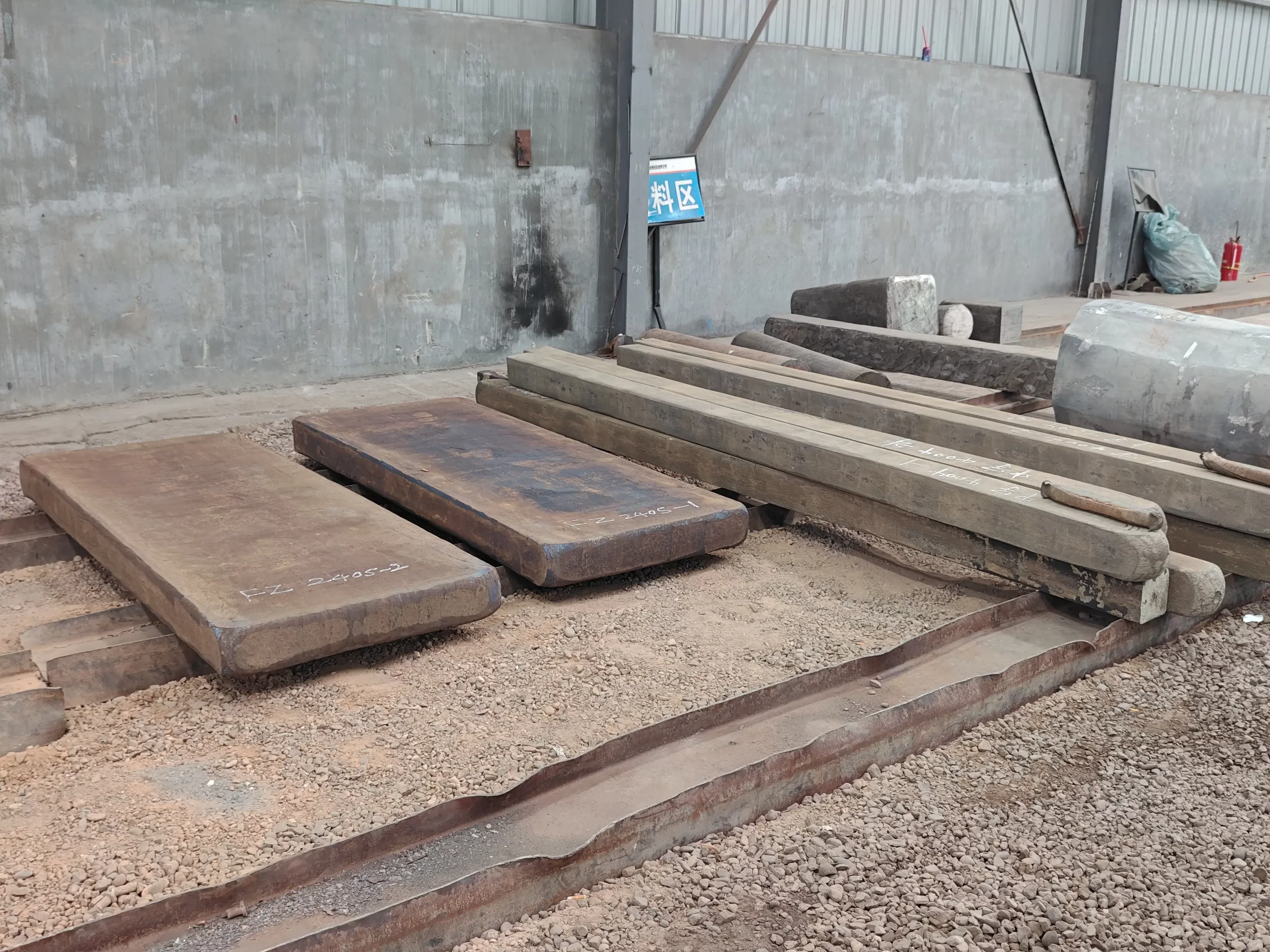
Grade, specification revision, condition, dimensions, quantity and document scope are aligned before supply.

The source material, preparation and processing route are confirmed against the accepted quotation.

Cut method, allowance, edge condition and surface requirements are controlled to the agreed scope.

Order-specific dimensional, surface, material or third-party checks are completed as agreed.
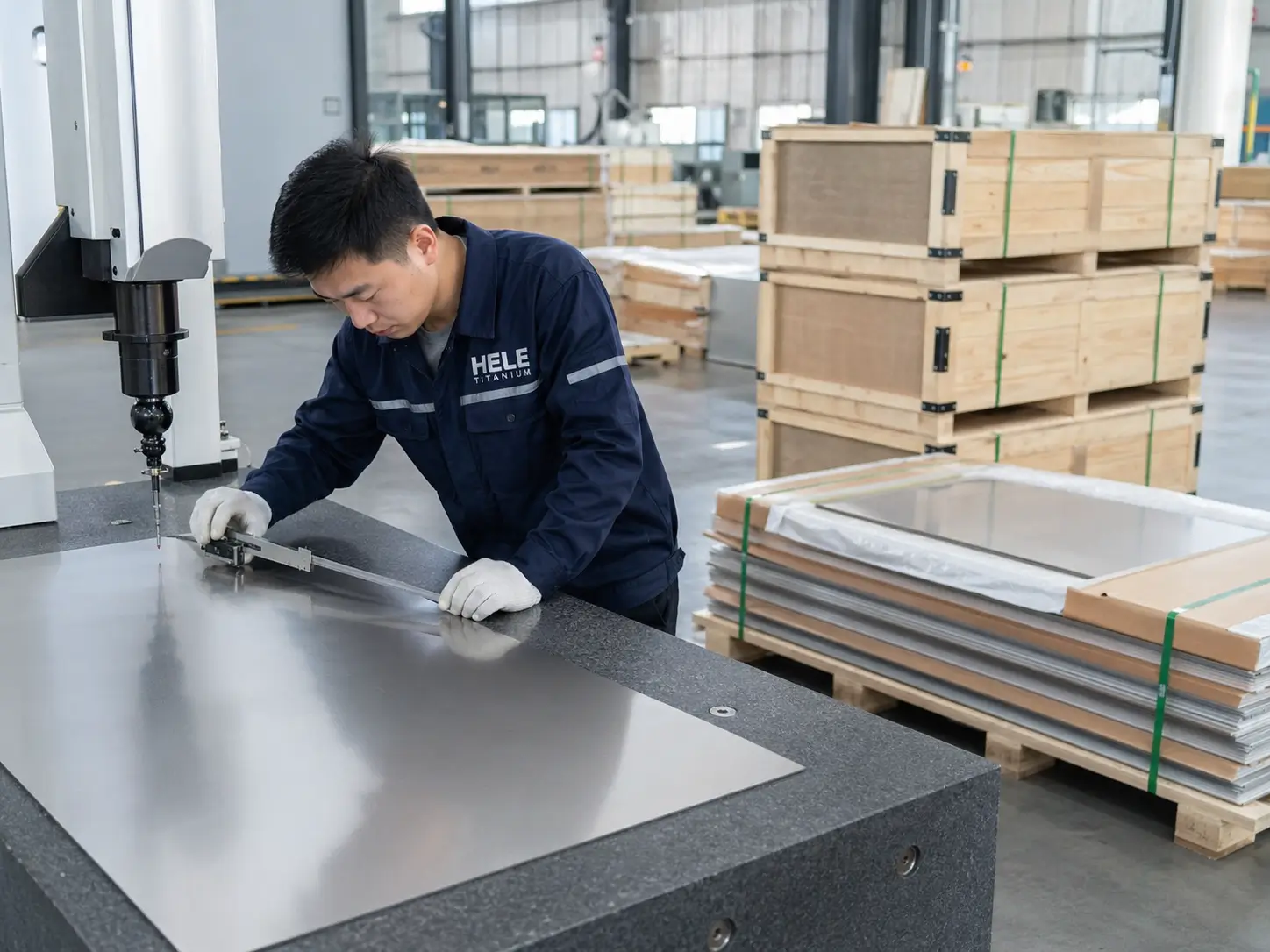
Identification, document set, protective packing and delivery basis are checked before release.
Inside HELE Titanium
Plate and sheet rolling, cutting, surface preparation and inspection are carried out in our own facility. The inspection scope and documentation for a specific order are agreed in the quotation.
Application Context
Industry names are starting points, not material specifications. Use the actual operating and qualification requirements.

Define media, concentration, contaminants, temperature, pressure and fabrication duty before selecting Grade 2, 7 or another material.
Review the industry context →
Review seawater exposure, crevice conditions, mechanical loading, joining and maintenance access.
Review the industry context →
Confirm the approved material specification, condition, source and traceability requirements; general Grade 5 supply is not automatic aerospace approval.
Review the industry context →
Separate raw-material specification from finished-device qualification and regulatory responsibilities.
Review the industry context →
Supply Scope & Qualification
A certificate name alone does not define the complete acceptance package. State the traceability level, inspection characteristics, test reports, marking, third-party involvement and release documents required by the order.
Grade, heat or lot reference, product form and certificate link.
Characteristics, method, sampling, tolerance and report format.
Only tests and acceptance criteria stated in the agreed scope.
Required index, language, approval route and delivery timing.
Before You Order
Use this short check before comparing quotations. The complete guide covers supplier evidence, acceptance, commercial scope and change control.
Read the Complete Purchase GuideGrade, form, specification revision, condition and heat or lot basis.
Size, tolerance, surface, allowance, cut route and responsibility.
Certificates, inspection, tests, hold points and acceptance criteria.
Quantity basis, exclusions, packing, Incoterm and schedule assumptions.
Frequently Asked Questions
Provide the grade, governing specification and revision, condition, thickness, width, length, quantity, surface requirement, cutting or processing scope, inspection documents, packing and destination. Add the drawing where cut blanks or tight tolerances are involved.
The terms describe flat products and are often separated by thickness, but the boundary can vary by specification and market practice. For purchasing, state the exact thickness, dimensions, grade, condition and governing specification rather than relying on the name alone.
Common enquiries include Grades 2, 5, 7 and 23. Other grades may be reviewed. Availability, dimensions, condition and the applicable standard must be confirmed for the specific order.
Cut-to-size blanks can be reviewed against the grade, thickness, geometry, tolerance, edge condition, machining allowance and quantity. The accepted process and final scope are stated in the quotation.
No. Required certificates, traceability level, dimensional records, testing and third-party inspection should be listed before quotation. The confirmed document and inspection package becomes part of the order basis.
No. They depend on grade, standard, condition, dimensions, quantity, processing, inspection and current material availability. Treat them as quotation-specific values.
Share the available grade, specification, dimensions, quantity, processing and evidence requirements. A drawing is helpful for cut blanks and controlled tolerances, but it is optional for the first enquiry.