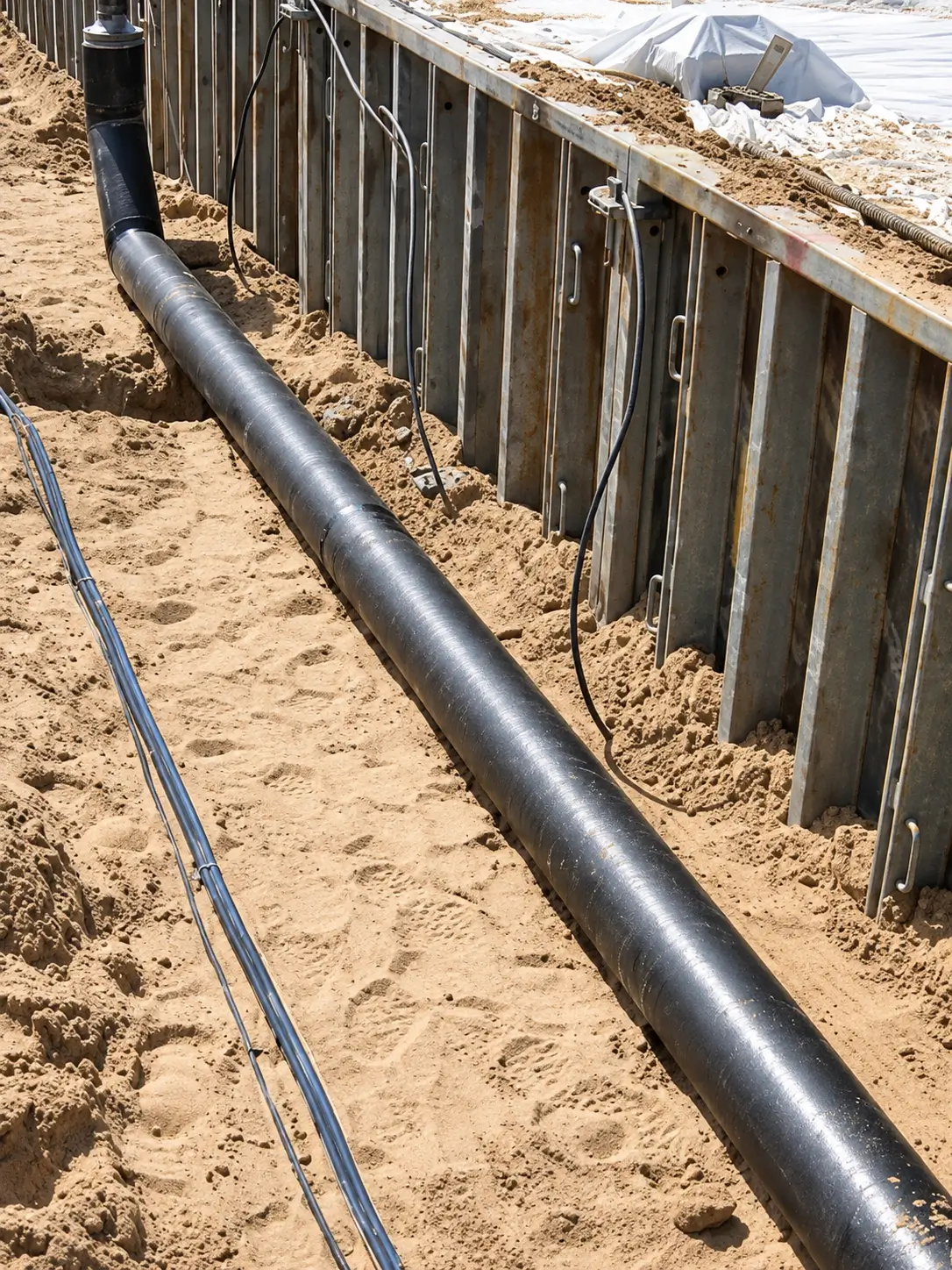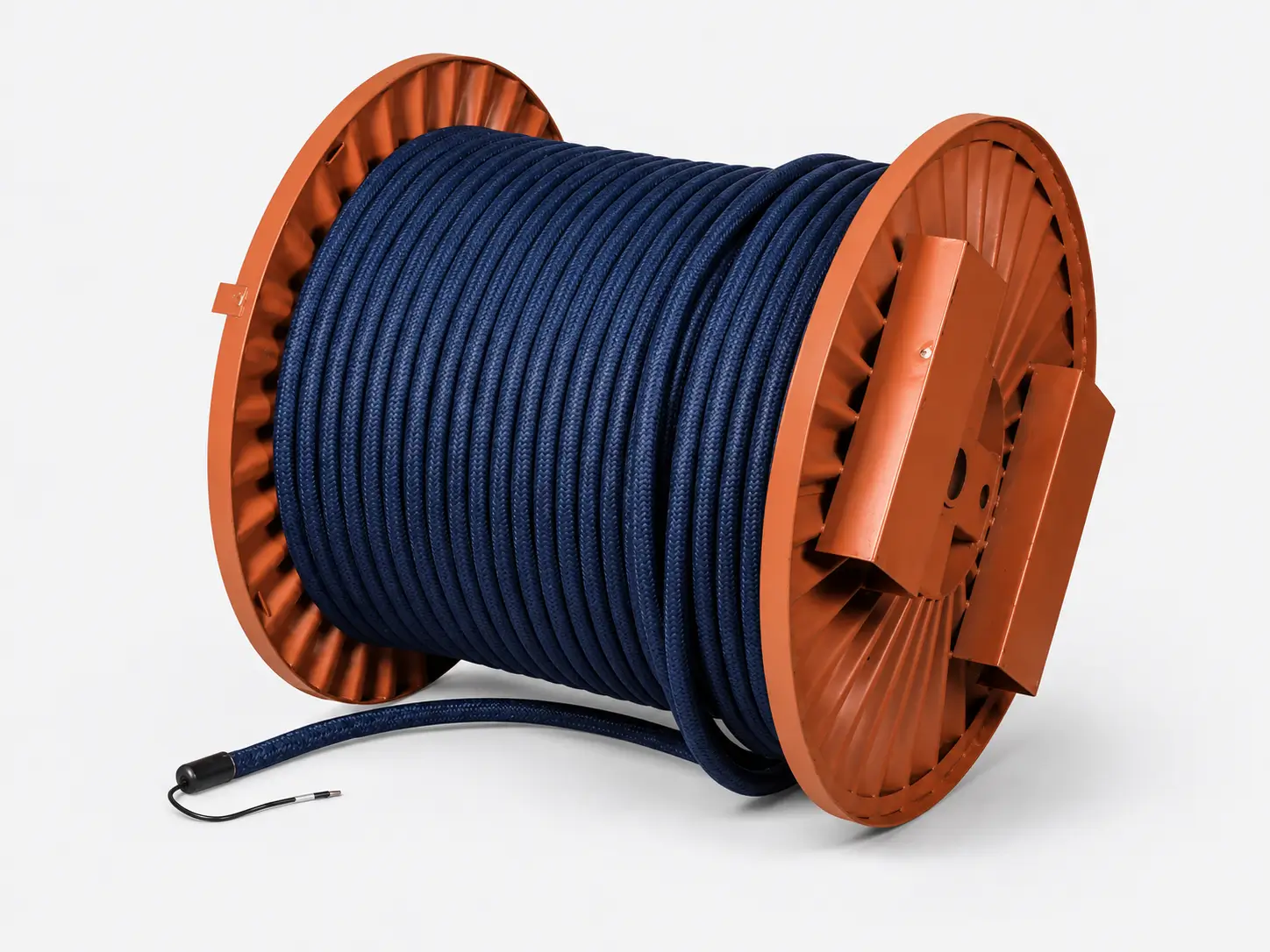
Offshore Platform ICCP System
ICCP ANODE MANUFACTURER

MMO Titanium ICCP Anodes for Long-Life Cathodic Protection

Factory-direct impressed current anodes engineered for pipelines, offshore platforms, ship hulls, storage tanks, and reinforced concrete systems.

MMO Titanium Ir-Ta / Ru-Ir Coatings Tubular / Ribbon / Canister XRF & ALT Tested Custom ICCP Designs

Reliable ICCP Performance Starts with the Right Anode

An overview of ICCP anodes, their purpose, forms, and how they deliver long-term protection for critical infrastructure and industrial assets.

ICCP OVERVIEW

The right anode delivers reliable, long-term protection for your assets.

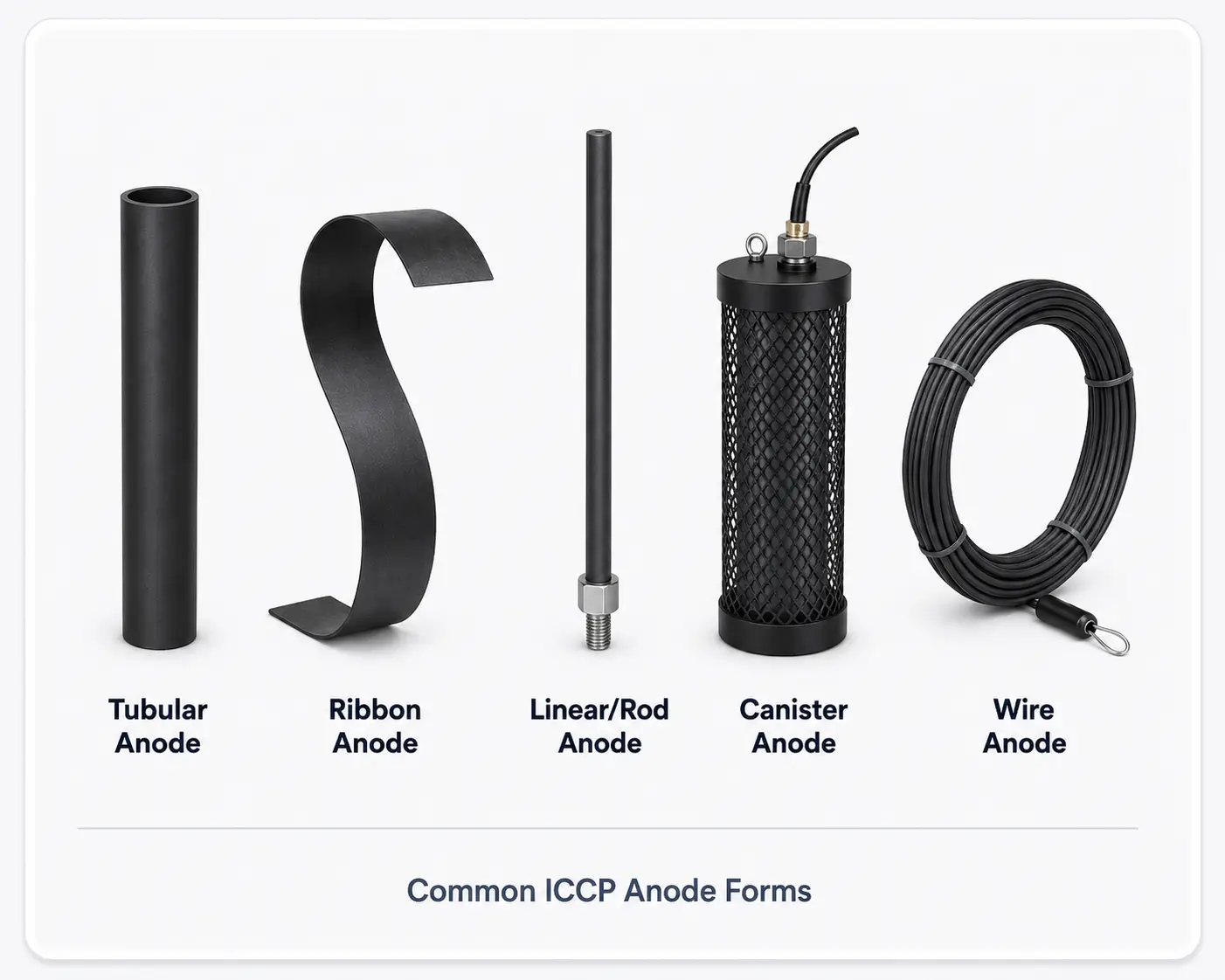
ICCP anodes are used in impressed current cathodic protection systems to deliver controlled protective current to steel structures. Hele Titanium manufactures MMO titanium ICCP anodes in tubular, rod, ribbon, wire, mesh, disc, canisterized and custom forms for pipelines, tanks, marine structures, offshore platforms, reinforced concrete and industrial systems.


  • Multiple anode forms
  • Custom engineering support
  • Suitable for marine, tank, pipeline and concrete applications
Common MMO titanium ICCP anode forms including tubular, ribbon, rod, canister and wire anodes

MMO Titanium Substrate

High performance and long service life

Custom Form & Cable Options

Tailored to your installation needs

Project Documentation Support

Drawings, data sheets and test reports

ICCP ANODE SERIES

ICCP Anode Product Range

Hele Titanium manufactures a complete range of MMO-based ICCP anodes designed for pipelines, marine structures, storage tanks, reinforced concrete, ship hulls, and groundbed systems. Each form is engineered for stable current output, long service life, and cost-effective corrosion protection.

MMO Linear Anodes

MMO Linear Anodes

Continuous ICCP anodes designed for long-distance pipelines, tank bottoms, and distributed current protection.

Key Benefits:
  • Uniform current distribution
  • Flexible installation
  • Suitable for linear protection
Applications: Pipelines, tank bottoms, horizontal groundbeds
Material: MMO-coated titanium linear anode
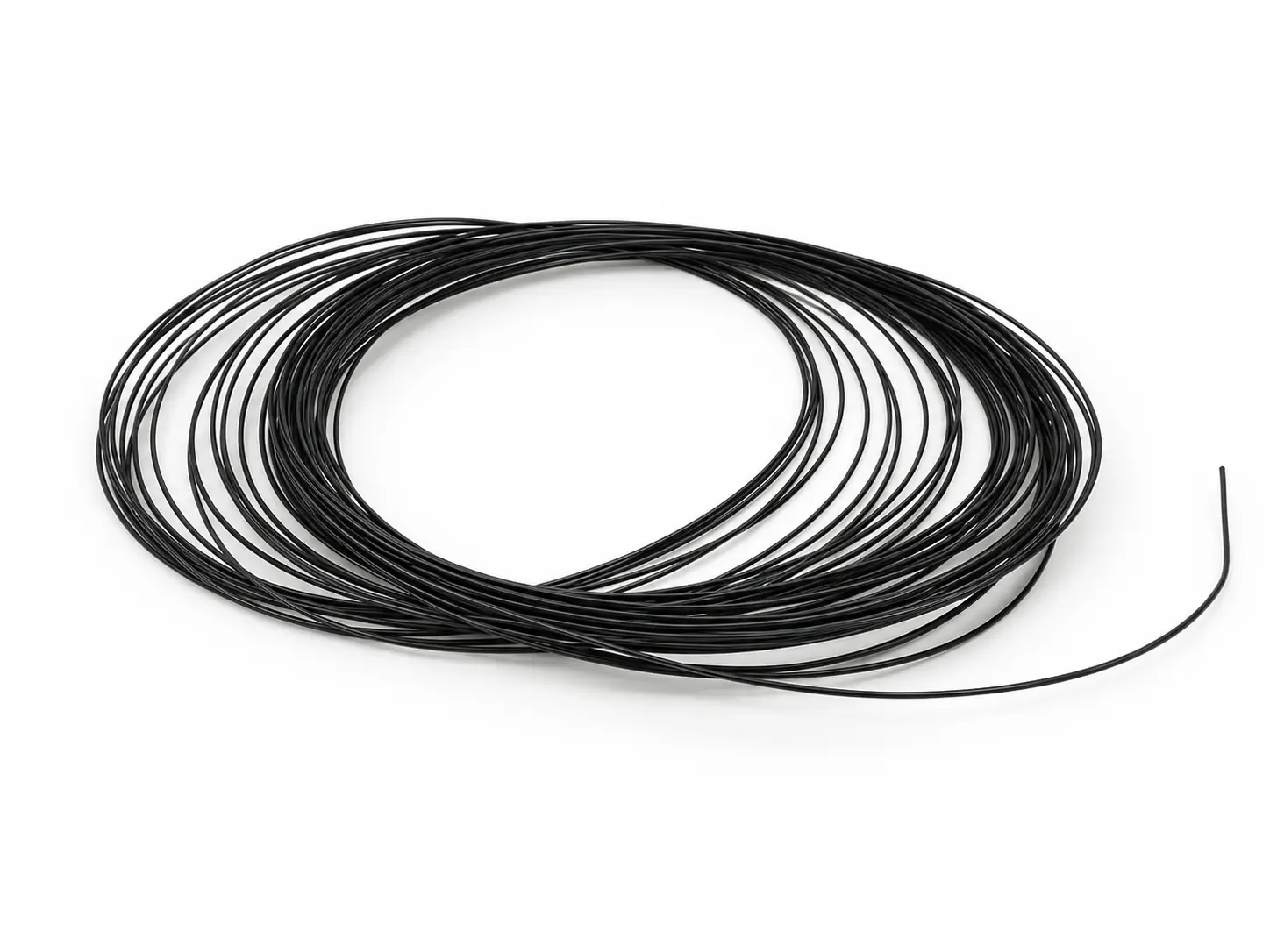
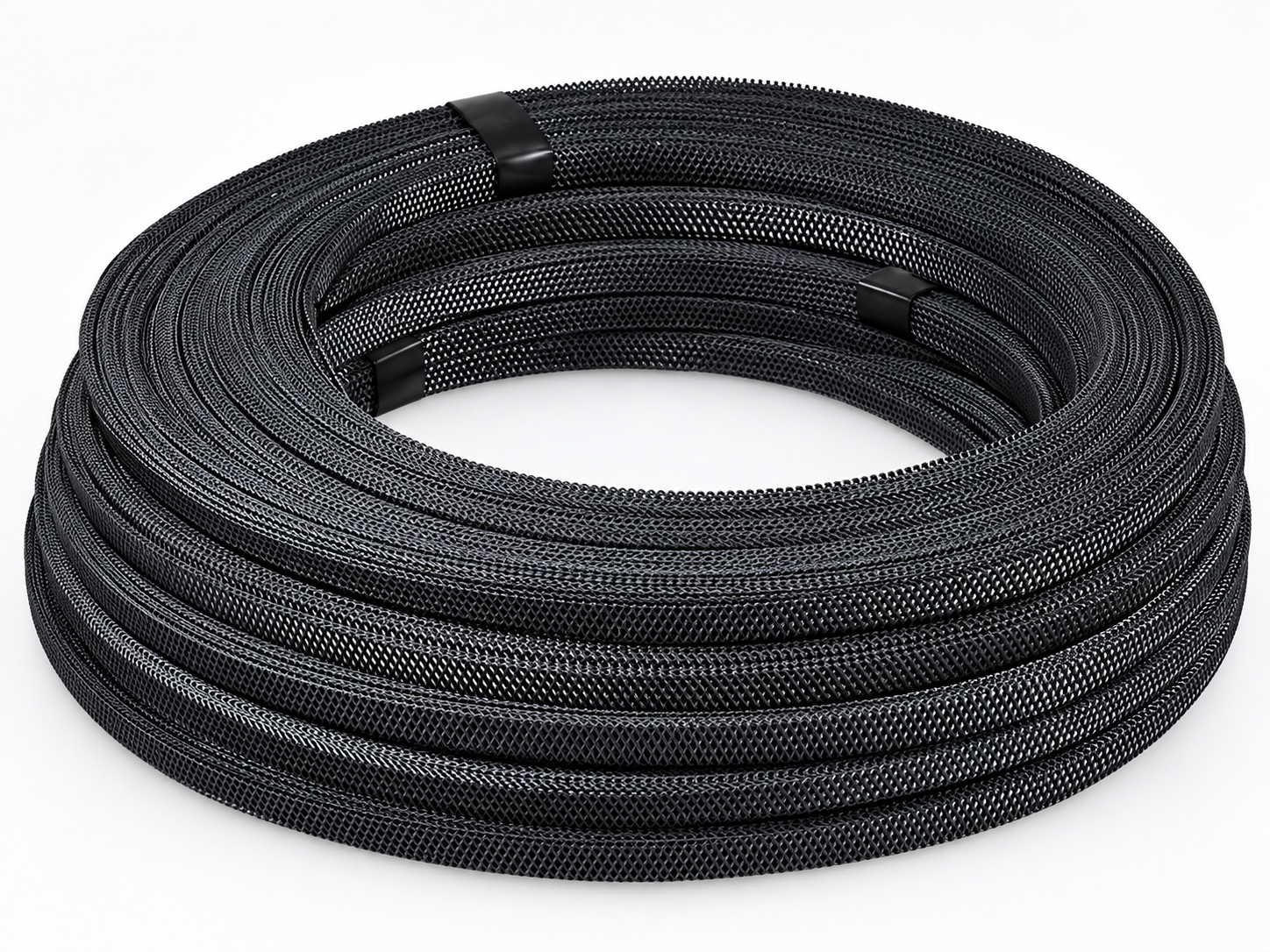
MMO Wire Anodes

MMO Wire Anodes

Flexible MMO wire anodes for continuous groundbeds, pipeline retrofits, and distributed ICCP systems.

Key Benefits:
  • Low consumption rate
  • Multiple diameters available
  • Custom cable configurations
Applications: Buried pipelines, retrofit ICCP systems, cathodic loops
Material: Titanium wire with Ir-Ta or Ru-Ir MMO coating
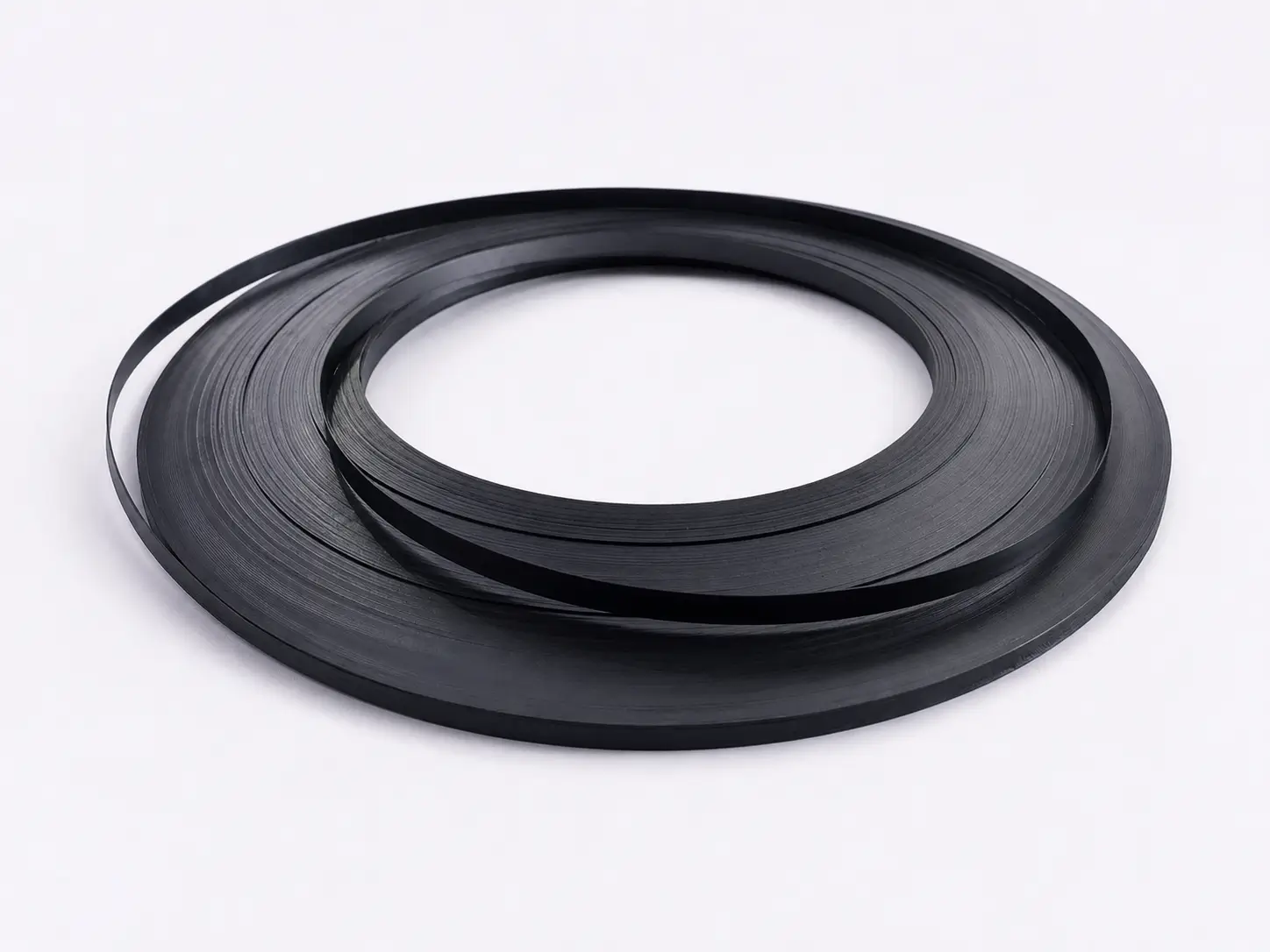
MMO Ribbon Anodes

MMO Ribbon Anodes

Ribbon-style MMO anodes for reinforced concrete, tank structures, and wide-area current distribution.

Key Benefits:
  • Wide coverage
  • Stable performance
  • Easy layout for concrete and tank systems
Applications: Concrete structures, tank bottoms, bridge decks, marine
Material: Titanium ribbon with MMO coating
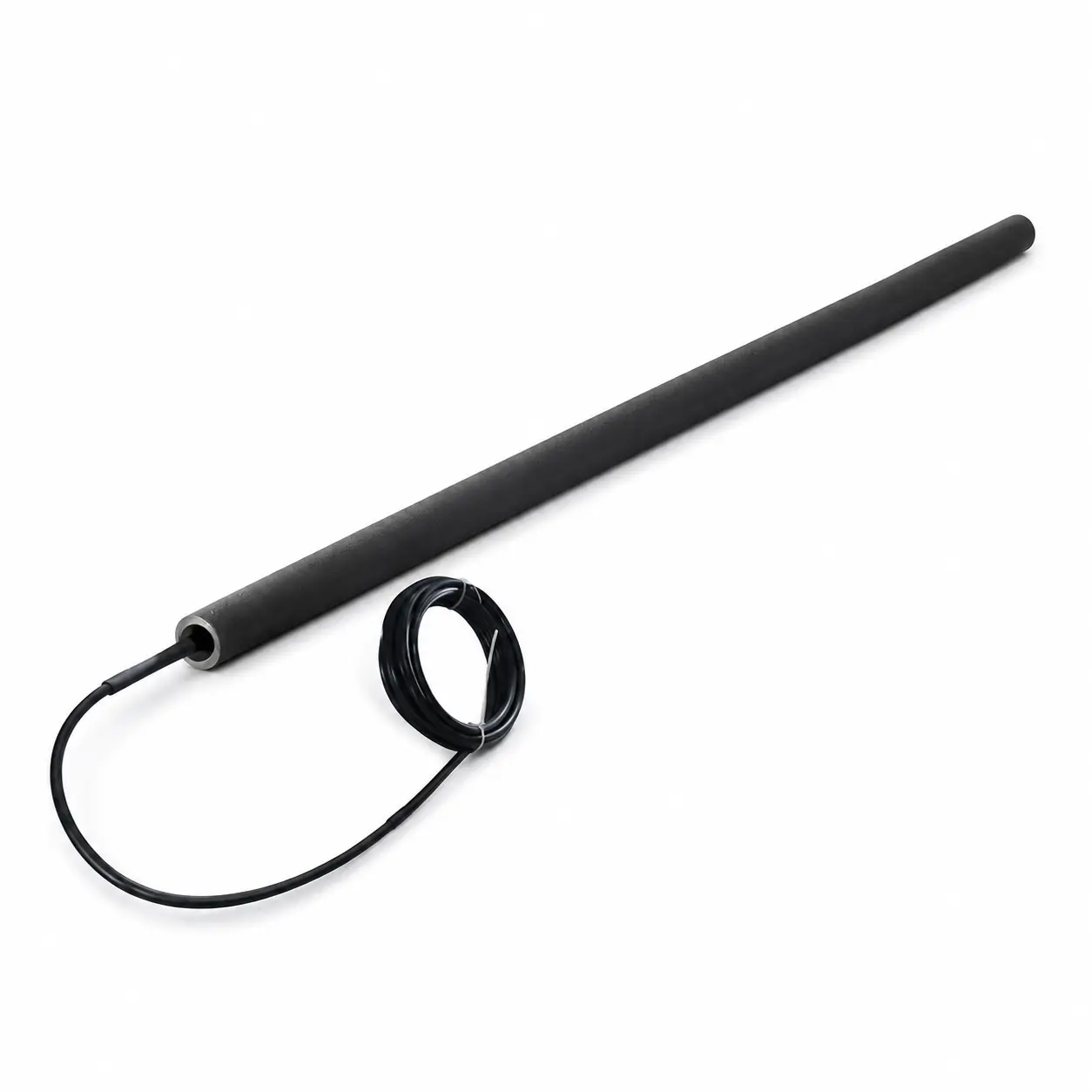
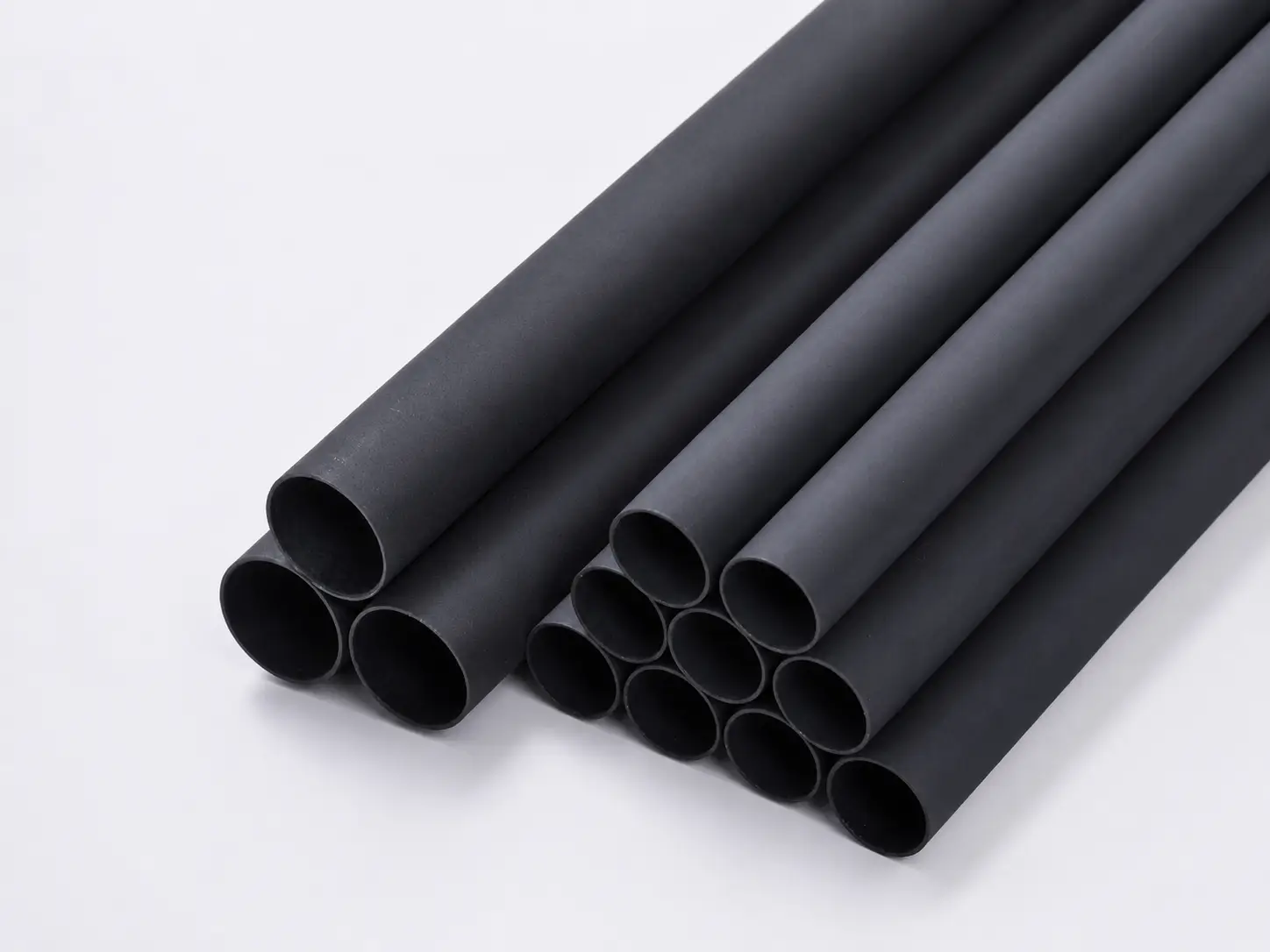
MMO Tubular Anodes

MMO Tubular Anodes

High-output tubular ICCP anodes for offshore, underground, seawater, and deep groundbed applications.

Key Benefits:
  • High current output
  • Durable coating
  • Long-term stability
Applications: Deep groundbeds, offshore platforms, pipelines, marine
Material: Titanium tube with MMO coating
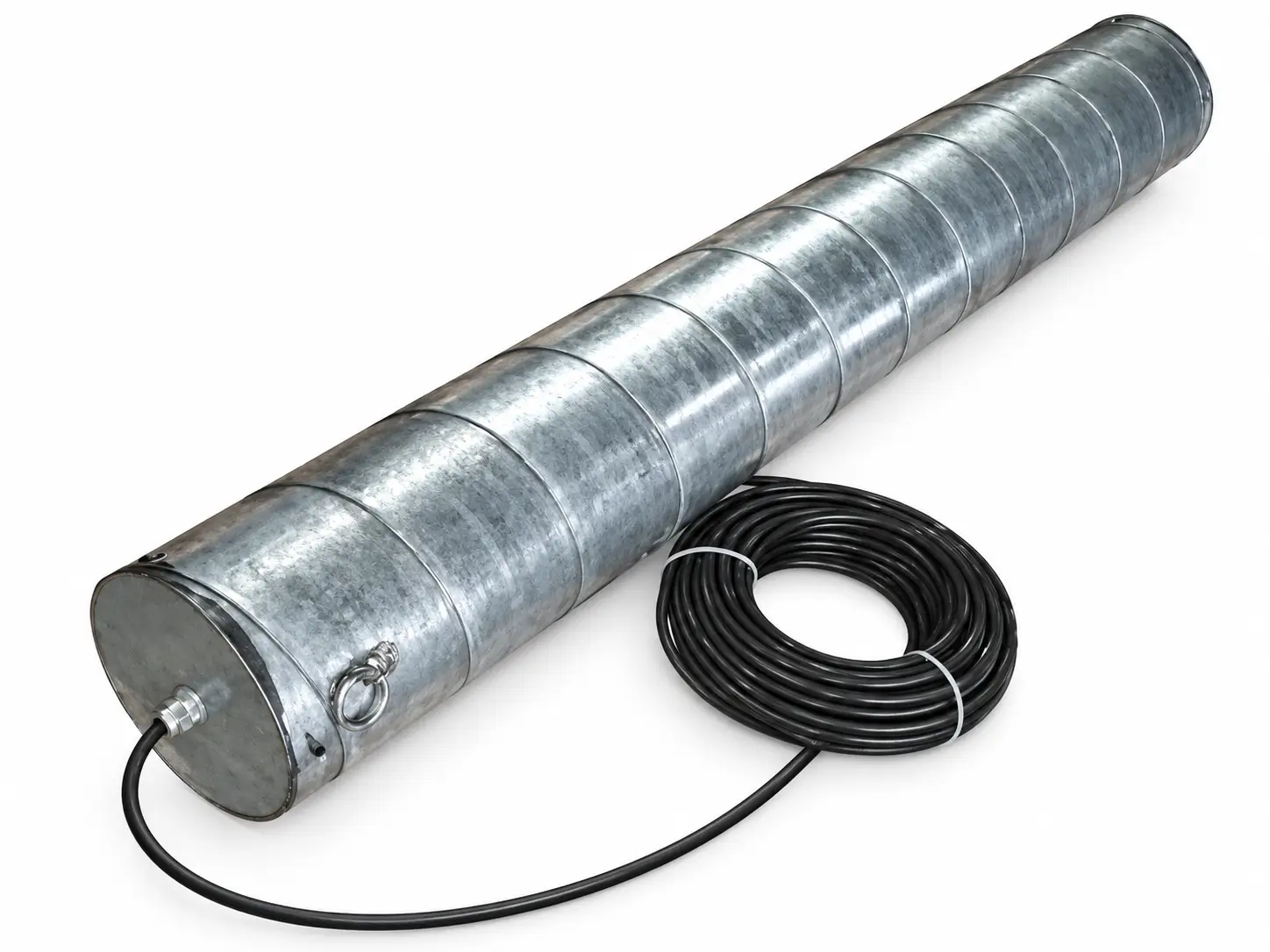
MMO Canister Anodes

MMO Canister Anodes

Prepackaged ICCP anodes with carbonaceous backfill for easy installation in soil or deep-well environments.

Key Benefits:
  • Ready-to-install design
  • Reduced resistance to earth
  • Lower field labor
Applications: Deep wells, soil groundbeds, pipelines, storage tanks
Material: MMO titanium packaged with carbon backfill
MMO Disc Anodes

MMO Disc Anodes

Low-profile disc anodes for ship hull ICCP systems, tanks, condenser boxes, and confined surface-mounted applications.

Key Benefits:
  • Compact geometry
  • Even current distribution
  • Suitable for hull-mounted systems
Applications: Ship hulls, water boxes, tank internals, process vessels
Material: MMO-coated titanium disc
MMO Mesh Ribbon Anodes

MMO Mesh Ribbon Anodes

Mesh and ribbon configurations for concrete rehabilitation and structural restoration applications.

Key Benefits:
  • Uniform current over large areas
  • Strong concrete compatibility
  • Long service life
Applications: Bridges, piers, parking decks, marine concrete structures
Material: Titanium mesh/ribbon with Ir-Ta MMO coating
Custom ICCP Anode Assemblies

Custom ICCP Assemblies

Custom rods, plates, sleds, strings, probes, and integrated ICCP assemblies manufactured to project drawings.

Key Benefits:
  • Drawing-based manufacturing
  • Custom cables and sealing
  • Application-specific geometry
Applications: OEM systems, EPC projects, marine equipment
Material: MMO titanium, Pt/Ti, or custom coating

How to Select the Right ICCP Anode

Selecting the right MMO titanium ICCP anode is critical for long-term impressed current cathodic protection system performance. Review key factors such as application, environment, required current output, coating condition, anode form, installation method, cable sealing, design life, and project documentation before finalizing your selection.

Environment
Current output
Anode form
Coating type
Cable sealing
Design life
Documentation
Application Operating Environment Recommended Anode Form Key Buyer Concern
Pipelines Soil / underground / submerged Tubular anode, linear anode, canisterized anode Current output, cable sealing, service life
Storage Tanks Soil / tank farm / foundation Canisterized anode, wire anode, ribbon anode Tank bottom corrosion, layout, installation access
Offshore Platforms Seawater / splash zone / subsea Tubular anode, rod anode, custom assemblies Harsh seawater exposure, durability, current distribution
Ship Hulls Seawater / marine Disc, elliptical, rod anode Low-profile geometry, maintenance schedule
Reinforced Concrete Concrete / chloride exposure Mesh anode, ribbon anode, discrete rod Corrosion control in concrete, distribution layout
Water Treatment / Power Plants Seawater / process water / cooling water Rod anode, wire anode, tubular anode Water chemistry, installation method, operating stability

ICCP anode selection depends on environment, required current output, coating condition, anode form, installation method, cable sealing, design life and project documentation requirements.

Custom Engineering Support

Customized ICCP Anodes for Project-Specific CP Design

Hele Titanium supports project-specific ICCP anode customization to match your CP design requirements. From coating chemistry and titanium substrate form to current output, cable sealing, dimensions, installation method, operating environment, and documentation—we deliver anode solutions engineered for reliable, long-term performance.

  • Coating Chemistry
  • Titanium Substrate Form
  • Current Output
  • Cable Sealing
  • Anode Dimensions
  • Installation Method
  • Operating Environment
  • Documentation Support

Share your drawings, specs, and project details for expert review and a tailored recommendation.

Customized ICCP Anodes for Project Specific CP Design

Custom Coating Options

Tailored MMO coating formulations for aggressive environments and long service life.

Form & Cable Assembly

Tubular, ribbon, wire, or MMO canisterized anodes with custom cable and connector options.

Drawing & QC Support

Detailed drawings, material certs, and QC documentation to support your project requirements.

ICCP Anode Reliability Depends on More Than Coating

Reliable ICCP anode performance depends on substrate quality, coating chemistry, sealing integrity, current density control, and proper testing. Review the key factors below when evaluating long-life MMO titanium anodes.

1. Titanium Substrate Quality

High-quality titanium grade, tight dimensional consistency, and sound metallurgical condition provide a stable foundation for long service life.

Dimensional inspection for flatness and tolerance.

2. MMO Coating Chemistry

Coating chemistry and precious metal composition should be matched to the environment and electrochemical duty for optimal performance.

3. Coating Load

Proper coating load directly affects anode service life, current capacity, and resistance to coating wear and dissolution.

Coating thickness and load verification.

4. Cable Sealing

High-quality sealing design and process minimize water ingress, corrosion at the connection, and risk of intermittent failure.

Sealing integrity inspection, such as IP test or helium test.

5. Operating Current Density

Proper current density control helps ensure stable anode performance, minimize coating degradation, and extend service life.

6. Testing & Documentation

Comprehensive inspection records, test reports, and QC verification provide traceability and support project confidence.

Test reports and QC verification available.

Buyer Note: ICCP anode reliability should be reviewed based on substrate, coating, sealing, operating current density, and verification documents — not coating only.

FACTORY-DIRECT ICCP ANODE PARTNER

A Factory-Direct ICCP Anode Partner You Can Trust

From MMO titanium anode manufacturing to testing and global delivery, we control every critical step in-house. Our engineering team reviews your project early, builds to specification, and supports you with reliable quality and on-time delivery.

Factory-Direct MMO Titanium Anode Manufacturing

Full in-house control of coating, assembly and performance helps ensure consistency and reliability.

Custom Coating and Substrate Design

Application-specific MMO formulations and titanium substrates are engineered for your environment.

Cable Sealing and Assembly Support

Reliable cable sealing, terminations and assembly support long-term field performance.

Inspection and Testing Documentation

Rigorous inspection, testing and documentation support traceability and project confidence.

Export Packing and Delivery Support

Professional packing, export compliance and global logistics help keep your project on schedule.

Engineering Review Before Production

Our engineers review drawings and requirements early to reduce risk and optimize your solution.

Hele Titanium Factory Direct ICCP Anode Partner

Trusted by EPCs, contractors and asset owners worldwide for critical corrosion protection projects.

Share your environment, current output, design life and drawing requirements for engineering review.

FAQ

ICCP Anode FAQs

Practical answers for engineers, EPC contractors, OEM buyers, system integrators, and procurement teams sourcing impressed current anodes.

What is an ICCP anode?
An ICCP anode is a component in an Impressed Current Cathodic Protection system. It delivers protective electrical current from an external DC power source to a metal structure, helping prevent corrosion.
How does an ICCP system prevent corrosion?
An ICCP system applies controlled DC current to the protected structure, making it act as the cathode in an electrochemical cell. This suppresses the natural corrosion reaction.
What is the difference between ICCP and sacrificial anode systems?
ICCP systems use an external power source and durable anodes such as MMO titanium anodes. Sacrificial systems use active metals such as zinc, magnesium, or aluminum that corrode in place of the protected structure.
What are the main advantages of ICCP anodes?
ICCP anodes offer adjustable current output, long service life, high protection capacity, and better suitability for large, complex, or high-resistivity structures.
What materials are commonly used for ICCP anodes?
Common ICCP anode materials include MMO-coated titanium, platinized titanium or niobium, high-silicon cast iron, and graphite. MMO titanium is widely used for modern long-life ICCP systems.
Which MMO coating should I choose, Ir-Ta or Ru-Ir?
Ir-Ta coatings are typically used in oxygen evolution environments such as soil, freshwater, and concrete. Ru-Ir coatings are often used in chlorine evolution environments such as seawater or brackish water.
What ICCP anode forms are available?
Common forms include tubular, rod, wire, ribbon, mesh, disc, plate, canister, linear, string, and custom assemblies.
How do I choose the right ICCP anode shape?
The shape depends on structure geometry and current distribution needs. Tubular and rod anodes are general-purpose. Ribbon, wire, and mesh suit distributed systems. Disc or elliptical anodes fit ship hulls and confined surfaces. Canister anodes are used in soil or deep-well groundbeds.
What affects ICCP anode lifespan?
Lifespan depends on coating type, coating load, operating current density, electrolyte chemistry, temperature, installation quality, and system operation.
Can ICCP anodes be used in high-resistivity soil?
Yes, but special design may be required. Conductive backfill, canisterized anodes, proper groundbed design, and suitable operating voltage help improve system performance.
Do ICCP systems require an external power source?
Yes. ICCP systems require an external DC power source, typically a transformer rectifier, to deliver protective current.
What standards or documentation can support ICCP anode procurement?
Relevant references may include ASTM material standards, ISO quality systems, NACE / AMPP or ISO cathodic protection design standards, inspection reports, XRF records, drawings, and material certificates.
Can you manufacture custom ICCP anodes from drawings?
Yes. Hele Titanium can manufacture ICCP anodes according to drawings, dimensions, coating requirements, current output targets, cable specifications, sealing methods, and mounting details.
What information should I provide for a quotation?
Please provide the operating environment, protected structure, target service life, required current output, preferred anode form, coating type if known, cable details, drawings, quantity, and delivery requirements.

Inside Our Manufacturing & Quality System

Every ICCP anode is produced through controlled titanium substrate preparation, MMO coating, dimensional inspection, electrical validation, cable sealing, and documentation review — helping buyers reduce technical risk and improve long-term field reliability.

From titanium substrate preparation and MMO coating to cable connection, sealing, machining, and assembly, each ICCP anode production step is controlled according to project specifications.

Titanium substrate preparation

Titanium substrate preparation before MMO coating

MMO coating process

Controlled MMO coating process for ICCP performance

Thermal treatment

Thermal treatment for coating adhesion and stability

Machining

Drawing-based machining for custom anode forms

Cable sealing

Cable sealing for long-term field reliability

Canister assembly

Canister anode assembly for soil and deep-well installation

Our workshop supports multiple ICCP anode formats, including tubular, wire, ribbon, mesh, disc, rod, plate, canister, and custom assemblies.

Workshop

Workshop support for MMO titanium ICCP anodes

Tubular manufacturing

Production capability for tubular and rod anodes

Ribbon preparation

Ribbon and mesh anode preparation for distributed protection

Disc machining

Custom disc and plate anode machining

Cable assembly

Cable assembly and sealing preparation

Packing

Export-ready packing for global ICCP projects

Quality checks focus on coating load, coating uniformity, adhesion, dimensional accuracy, electrochemical performance, cable seal reliability, and traceability documentation.

XRF Test

XRF testing for MMO precious metal loading

Adhesion Test

Adhesion testing for coating reliability

ALT Test

Accelerated life testing for design life validation

Electrochemical Test

Electrochemical performance testing

For qualified projects, Hele Titanium can provide material certificates, coating records, inspection reports, drawings, traceability documents, and export documentation.

Material Cert

Titanium material documentation

Coating Report

MMO coating test reports

XRF Record

XRF records for coating load

Dim Report

Dimensional reports

Product Drawing

Product drawings for project alignment

Export Doc

Export documentation support

Need production details, coating records, inspection reports, or project-specific documentation for your ICCP anodes?

BUYER’S GUIDE

ICCP Anode Selection Guide for Industrial Corrosion Control

Reading Time: 8–10 min Buyer Type: Engineers / EPCs / OEMs / System Integrators Product Scope: MMO Titanium ICCP Anodes

When protecting critical infrastructure such as pipelines, offshore platforms, ship hulls, storage tanks, or reinforced concrete, selecting the right ICCP anode is essential. An underperforming anode can cause uneven current distribution, accelerated corrosion

1. What Is an ICCP Anode?

A fundamental overview of the core component driving Impressed Current Cathodic Protection systems.

An ICCP anode is the active current-discharging component in an Impressed Current Cathodic Protection system. It works with an external DC power source to deliver protective current to a metal structure, helping prevent corrosion in seawater, soil, freshwater, concrete, or process environments.

Buyer Note: Unlike sacrificial anodes, ICCP anodes are designed to be durable current-discharge components rather than consumed protection metals.

2. How ICCP Anodes Work

Understanding the electrochemical mechanism of controlled DC current discharge for corrosion suppression.

The ICCP power supply delivers controlled DC current to the anode. The anode discharges this current into the surrounding electrolyte, and the current flows toward the protected metal structure. This makes the structure cathodic and suppresses the corrosion reaction.

Simple Workflow: Power Supply → ICCP Anode → Electrolyte → Protected Structure → Corrosion Suppression

Warning: If the anode is undersized, incorrectly coated, poorly sealed, or installed in the wrong position, the system may suffer from under-protection, over-protection, stray current risk, or premature anode failure.

3. Benefits of ICCP Systems

Key advantages of adopting impressed current solutions for large-scale and high-demand infrastructure.

ICCP systems are often selected when the protected structure is large, the environment is aggressive, the design life is long, or the system requires controlled protection output.

  • Adjustable current output
  • Long design life
  • Suitable for large or complex assets
  • Effective in high-resistivity environments
  • Lower anode replacement frequency
  • Better current control than sacrificial systems
  • Strong lifecycle value for large projects

4. ICCP vs Sacrificial Systems

A comparative analysis to help you choose the right cathodic protection strategy for your asset.

Factor ICCP System Sacrificial Anode System
Power SourceExternal DC rectifierSelf-powered
Output ControlAdjustableFixed
Current CapacityHighLimited
Best ForLarge, complex, high-demand assetsSmall, isolated, or simple assets
Anode LifeLong, slow consumptionConsumed over time
Initial CostHigherLower
MaintenanceRequires monitoringMainly replacement checks
Long-Term ValueStrong for large projectsStrong for simple systems
Procurement Note: Use ICCP when your project requires precise control, long life, high current output, or protection of large infrastructure. Use sacrificial anodes when simplicity, low initial cost, or lack of power supply is the main priority.

5. ICCP Anode Materials

An evaluation of standard and advanced coating chemistries tailored for specific operating environments.

MMO-Coated Titanium Anodes

MMO-coated titanium anodes are the primary choice for modern ICCP systems. They offer stable current output, long life, low consumption, and strong performance across seawater, soil, freshwater, and concrete environments.

Platinized Titanium Anodes

Platinum-coated titanium or niobium anodes are used where high conductivity, compact geometry, or specialized electrochemical performance is required.

High-Silicon Cast Iron Anodes

High-silicon cast iron anodes are traditional ICCP anodes used in soil, freshwater, and groundbed systems where cost-effective current output is required.

Material Best Use Notes
MMO TitaniumModern ICCP systemsLong life, lightweight, low consumption
Pt/Ti or Pt/NbSpecialized high-value systemsHigh conductivity, higher cost
HSCISoil and freshwater groundbedsProven and cost-effective
GraphiteLegacy systemsEconomical but brittle

6. ICCP Anode Form Factors

An overview of physical geometries designed to optimize current distribution and simplify installation.

The physical shape of the ICCP anode affects current distribution, installation efficiency, resistance, and maintenance.

Form Best Application Buyer Note
TubularGroundbeds, offshore, seawaterGeneral-purpose high output
Wire / LinearPipelines, retrofits, distributed systemsFlexible and uniform
RibbonTank bottoms, concrete, large surfacesWide coverage
MeshConcrete and surface coverageHigh surface area
Disc / EllipticalShip hulls, tanks, water boxesLow-profile mounting
CanisterSoil and deep wellsReady-to-install with backfill
RodTanks, OEM systems, water heatersCompact and simple
Custom AssemblySpecial equipmentDrawing-based manufacturing

7. Key Application Areas

Common industrial and infrastructure scenarios where ICCP anodes provide critical corrosion defense.

Application Common Anode Forms Notes
PipelinesWire, linear, tubular, canisterLong-distance current distribution
Offshore platformsTubular, rod, custom assembliesHarsh seawater exposure
Ship hullsDisc, elliptical, rodLow-profile geometry important
Storage tanksRibbon, mesh, flexible linear, canister, rodTank bottom protection
Reinforced concreteMesh, ribbon, discrete rodRebar corrosion control
Water treatmentRod, disc, tubularChemistry compatibility required
Power plantsDisc, rod, tubularCooling water corrosion protection
OEM equipmentRod, plate, disc, customIntegration and drawings matter

8. Selection Factors

Essential engineering parameters to evaluate when specifying an anode for your specific project.

  • Operating environment: seawater, soil, freshwater, concrete, process water
  • Coating chemistry: Ir-Ta, Ru-Ir, Pt, or custom MMO
  • Required current output
  • Operating current density
  • Target service life
  • Anode form factor
  • Installation method
  • Cable type and sealing method
  • Backfill or canister requirements
  • Drawings and tolerance requirements
  • QA documentation requirements
Warning: Do not select ICCP anodes only by shape or price. Coating type, coating load, current density, and environment determine whether the anode will meet design life.

9. Technical Specifications

A breakdown of the critical performance metrics and material properties required for reliable operation.

Parameter Typical Option / Value Why It Matters
Substrate MaterialTitanium ASTM Grade 1 / Grade 2Corrosion resistance and mechanical base
Coating TypeIr-Ta MMO, Ru-Ir MMO, Pt coatingEnvironment-specific current discharge
Available FormsTube, rod, plate, mesh, wire, canister, discInstallation and current distribution
Coating LoadEngineered for design lifeAffects service life and current capacity
Current DensityEnvironment-specificPrevents premature coating failure
Operating EnvironmentSeawater, soil, freshwater, concreteDetermines coating and form
Operating TemperatureApplication-specificAffects coating stability
Fluoride RiskMust be evaluatedFluoride can attack titanium substrate
Design Service Life10–25+ years or customBased on coating load and operation

10. QA & Testing Requirements

Essential quality control protocols and documentation needed to verify anode performance and lifespan.

A reliable ICCP anode supplier should provide inspection and validation that supports your project requirements.

  • Material certificate
  • Coating load verification
  • XRF analysis
  • Coating adhesion check
  • Coating uniformity check
  • Accelerated life testing if required
  • Electrochemical performance validation
  • Visual and dimensional inspection
  • Cable and seal verification
  • Final inspection report

11. Common Specification Mistakes

Frequent pitfalls in anode procurement and engineering, along with best practices to avoid them.

Mistake Risk Better Practice
Using wrong coating chemistryPremature failure or poor outputMatch coating to electrolyte
Ignoring current densityReduced design lifeCalculate based on system demand
Choosing wrong form factorPoor current distributionMatch shape to structure geometry
Weak cable sealingWater ingress and current lossSpecify sealing and test method
No QA documentationProcurement and approval delaysRequest inspection records early
Selecting by lowest price onlyHigher lifecycle costEvaluate TCO and design life

12. RFQ Checklist

A comprehensive guide to the technical details needed to secure an accurate and timely quotation.

To receive a faster and more accurate quotation, provide as much technical detail as possible.

  • Protected structure type
  • Operating environment
  • Electrolyte details if known
  • Required current output
  • Target service life
  • Preferred anode form
  • Coating type if specified
  • Cable type, size, and length
  • Connector and sealing requirements
  • Drawings or dimensions
  • Quantity
  • Testing and documentation needs
  • Destination country or port
  • Expected delivery schedule

Need Help Specifying the Right ICCP Anode?

Send your operating environment, structure type, current output, design life target, and drawing requirements to Hele Titanium. Our technical team will help you review the best-fit ICCP anode form and coating solution.

Request ICCP Anode Selection Support
ICCP Anode Installation
ICCP ANODE INQUIRY

Find Your Optimal ICCP Anode Now

Tell us your environment, structure type, current output, design life, or drawing requirements, and our team will recommend the right MMO titanium ICCP anode solution.

  • Factory-Direct MMO Anode Manufacturing
  • Custom Coating & Form Factor Support
  • Testing Documentation Available

Prefer email? sales@heletitanium.com

We typically respond within 24 hours.