Define the Asset
Identify the structure, protected area, coating condition and applicable project standard.


Cathodic Protection Solution
Route pipeline, tank, marine, offshore, buried-structure or reinforced-concrete requirements by the protected asset, electrolyte environment, current-demand basis, installation method and monitoring plan.
Solution Selection Guide
The correct cathodic-protection route depends on the protected structure, environment, coating condition, current-demand basis, installation geometry, cable requirements, monitoring method and target design life. Define these inputs first so the anode format and supply scope can be reviewed against the actual CP design.
Before Requesting a Quote
Confirm whether your required scope covers anodes only, anodes with cables and reference electrodes, or a broader cathodic-protection component package. Include the governing project standard, design current, installation drawing and documentation requirements so the technical and supply responsibilities are clearly defined.
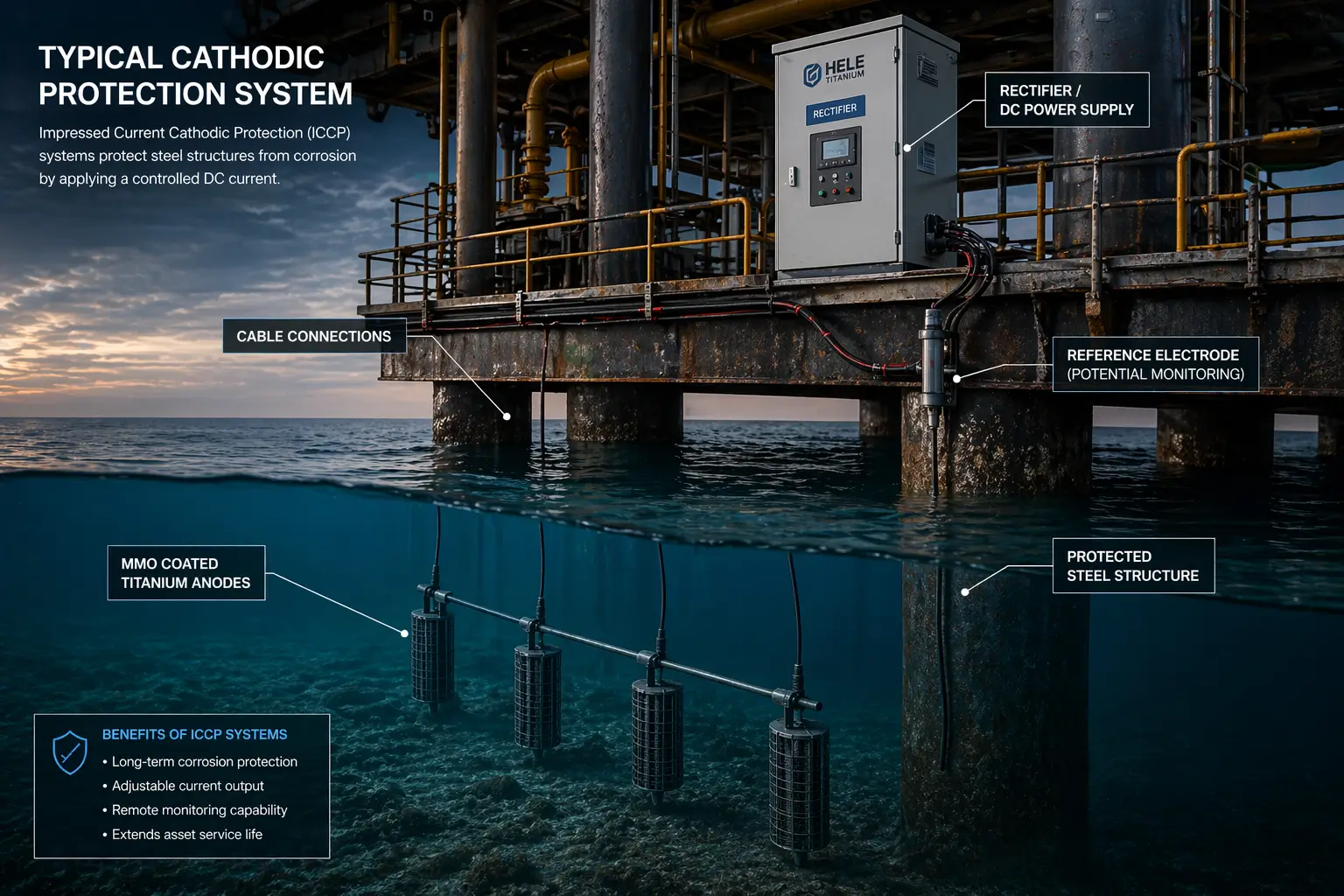
Process Review
A reliable cathodic-protection specification begins with the protected asset and operating environment, then defines the protection-current basis, installation and monitoring requirements, anode geometry, component scope and required project documentation.
Identify the structure, protected area, coating condition and applicable project standard.
Provide soil resistivity, seawater exposure, concrete condition, temperature and relevant chemical data.
Share required current, design-life basis, anode-bed concept, cable length and monitoring requirements.
Review anode geometry, connections, reference electrodes, accessories, drawings and documentation.
Solution Configurations
Use the confirmed process conditions to compare material, coating, geometry, assembly and documentation requirements. Final configuration remains project-specific.
Solution Route
For defined groundbed, pipeline, tank-farm or packaged soil-installation requirements.
Start with
Current output, dimensions, backfill, cable and installation drawing.
Solution Route
For distributed-current layouts such as tank bottoms, concrete or geometry-constrained projects.
Start with
Protected area, spacing, current distribution, substrate layout and connection detail.
Solution Route
For seawater-exposed structures where anode mounting, cable sealing and monitoring must be coordinated.
Start with
Asset type, seawater conditions, mounting, current basis, reference electrodes and drawings.
Solution Route
For project-specific monitoring and connection packages where the required reference system is defined.
Start with
Reference type, location, cable, enclosure, interface and acceptance requirement.
Technical Intake
Provide the inputs that materially affect chemistry, geometry, qualification and commercial scope. Unknown values can be marked for joint review.
Pipeline, tank bottom, jetty, offshore structure, vessel, reinforced concrete or other structure.
Soil resistivity, seawater, concrete condition, temperature, moisture and chemical exposure.
Required current output, protected area, coating breakdown assumptions and design-life target.
Groundbed type, spacing, backfill, mounting, cable routing, junctions and access constraints.
Reference-electrode type, test points, measurement approach and control interface.
Applicable standard, drawings, inspection records, material records and project documentation.
Supply Scope & Qualification
HELE can review MMO anodes, selected ICCP components, reference electrodes and related accessories against confirmed project inputs. Complete CP system design, simulation, worldwide commissioning, integrity management and EPC responsibility are excluded unless they are explicitly defined and accepted in the quotation.
Anode Formats & Installation Contexts
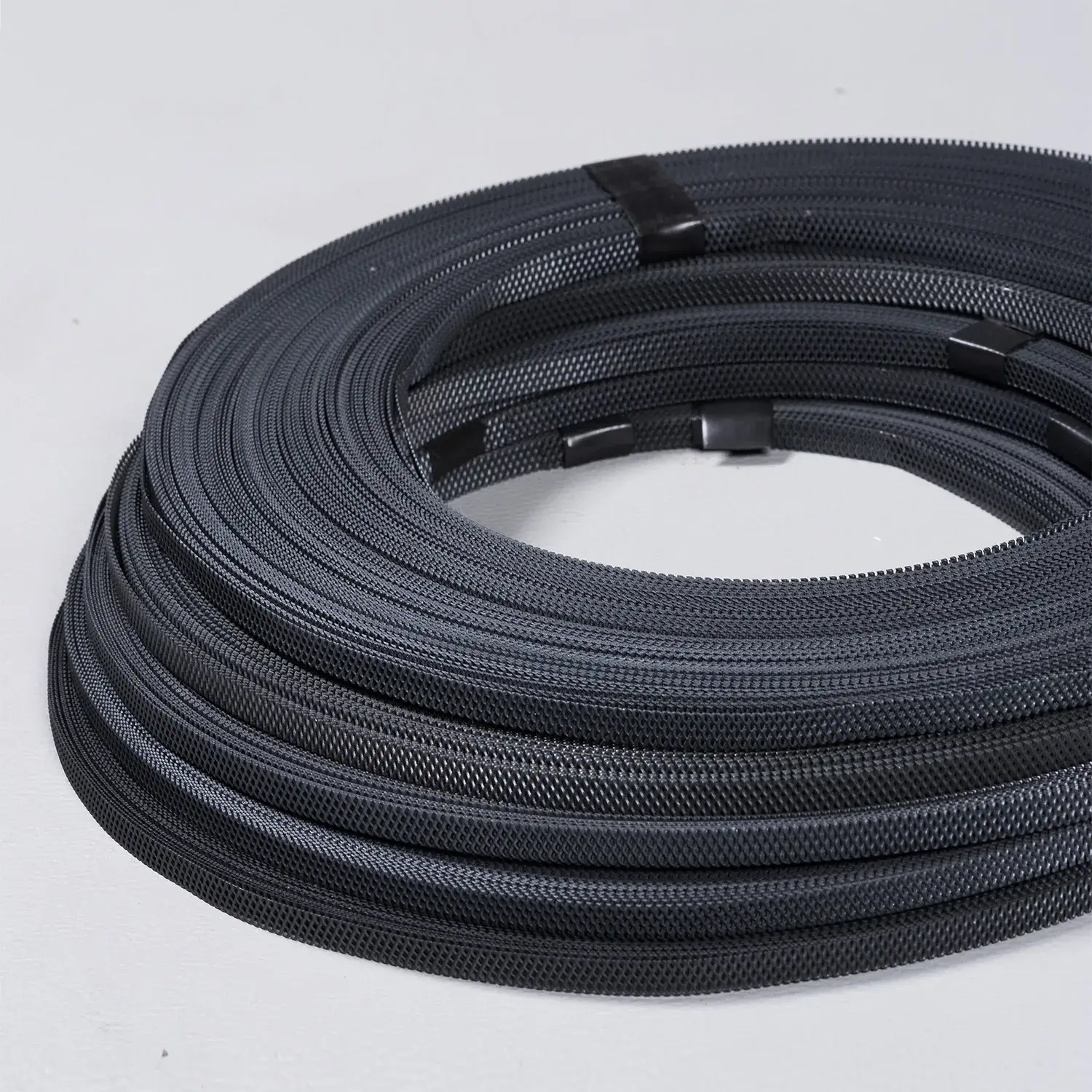
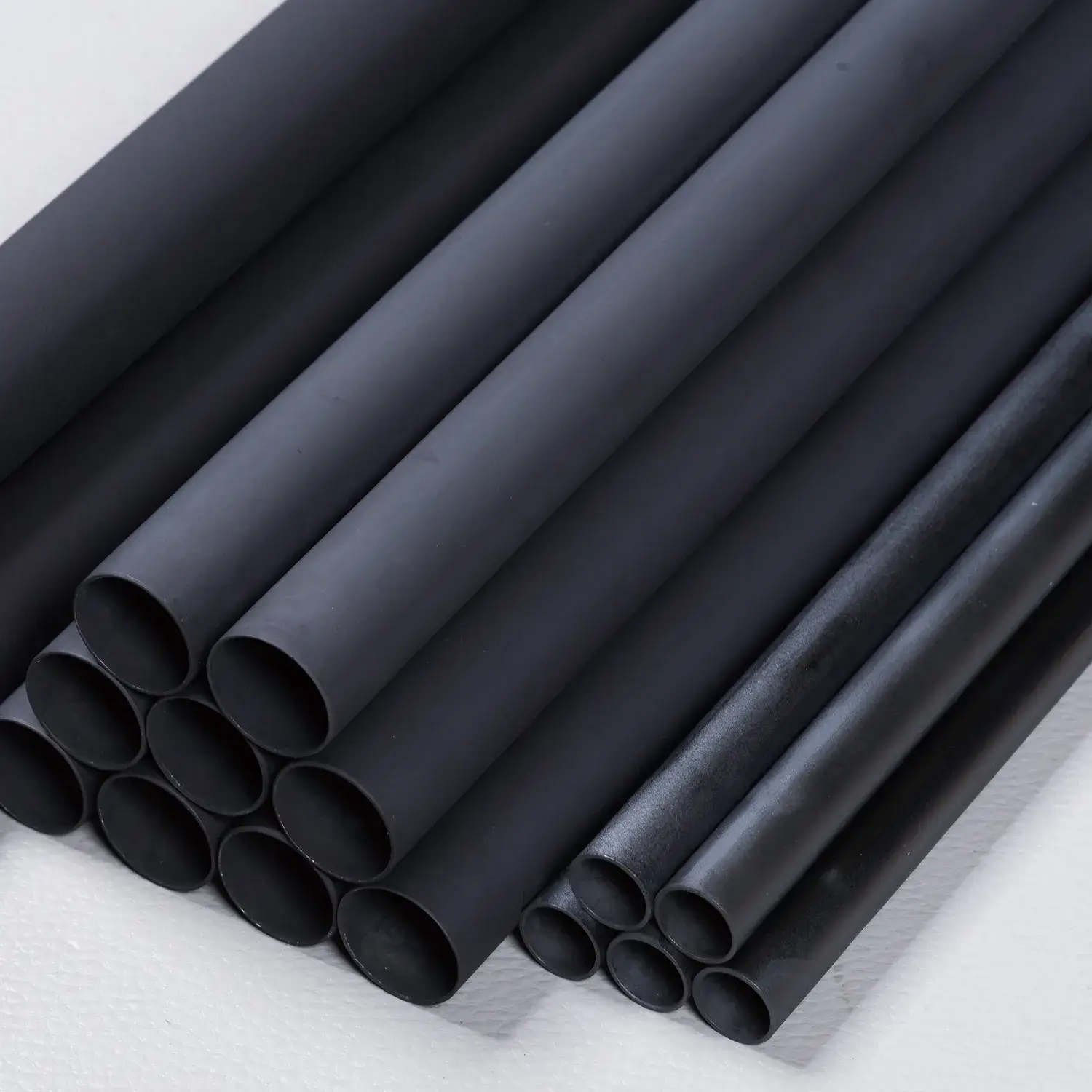
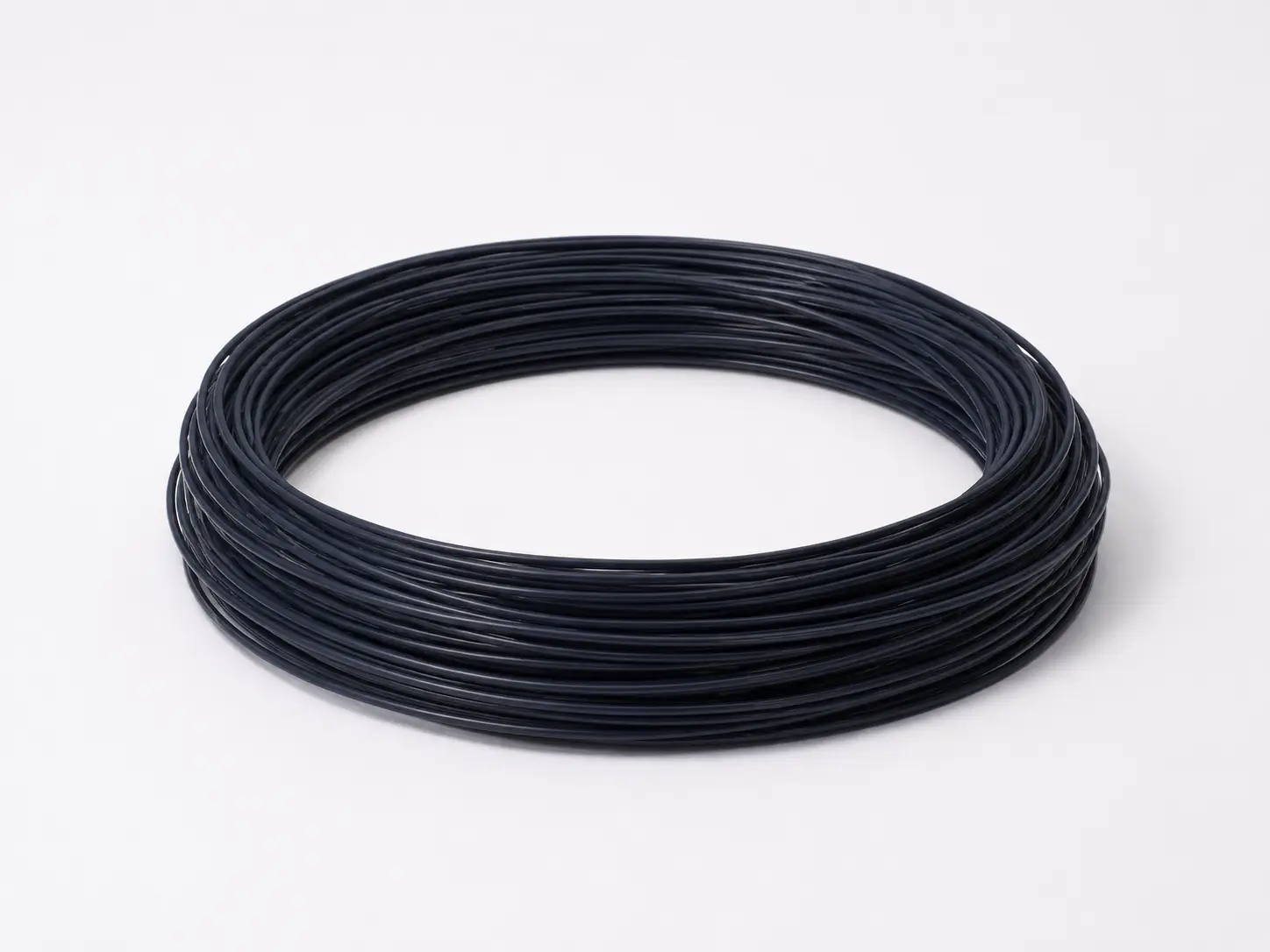
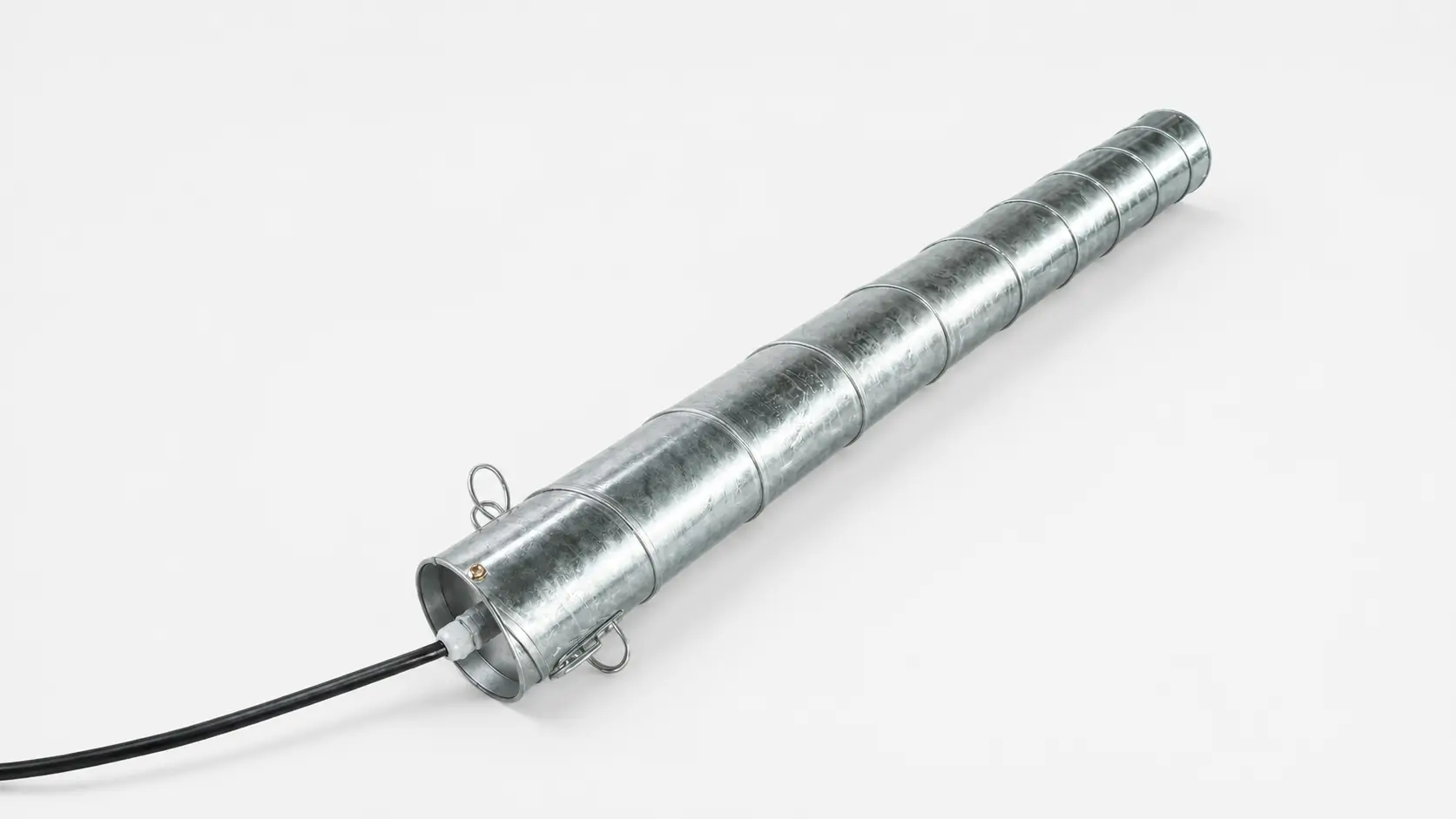
Compare representative anode formats, protected assets and installation contexts. Final geometry, cable configuration and monitoring components depend on the confirmed CP design inputs.
Related Products & Applications
Compare related product families and application capabilities that may support material selection, equipment integration, replacement planning or project qualification.
← Explore All Electrochemical SolutionsTechnical FAQ
No. The environment, current-demand basis, coating condition, installation layout, cable requirement and design-life basis also affect the selection.
They serve different current-distribution and installation concepts. Final geometry should follow the CP design, protected area and installation method.
Not automatically. The quotation must state whether the scope is component supply, drawing-based customization, technical review or a broader agreed package.
Share the existing anode drawing, markings, dimensions, cable specification, installation details, operating history and the reason for replacement.
Tell us about the protected asset, environment, coating condition, current-demand basis, anode format, cable length, monitoring requirements, design-life basis, drawings and required documentation. HELE will review the applicable anode and component path, identify missing inputs and define the quotation boundary.