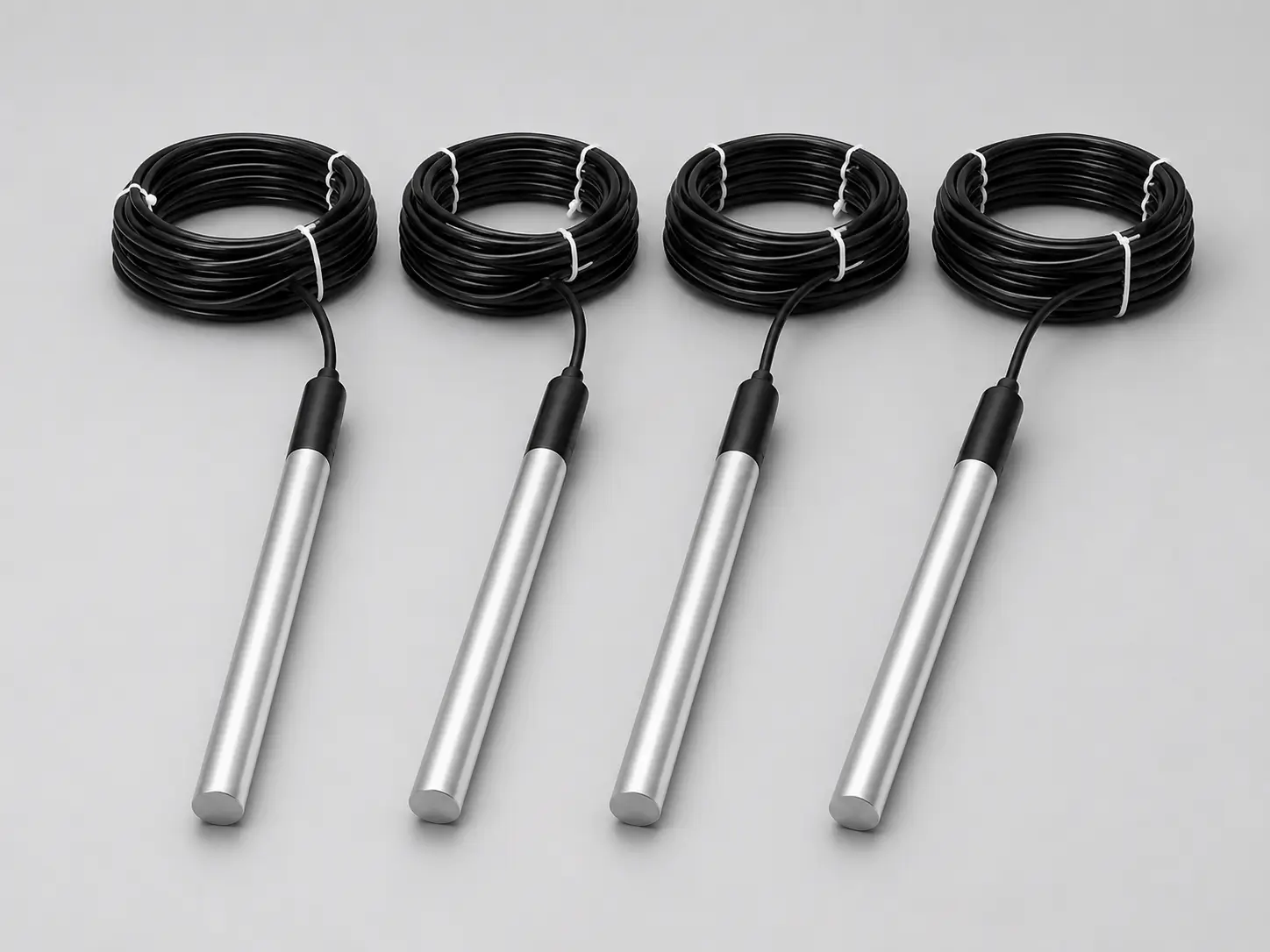
Zinc Reference Electrode for Seawater Cathodic Protection Monitoring
Factory-direct custom zinc reference electrodes for seawater, marine CP, offshore structures, ship hull monitoring, ballast tanks, seawater intake systems, and long-term corrosion monitoring.
Rugged Marine Potential Monitoring for Seawater CP Systems
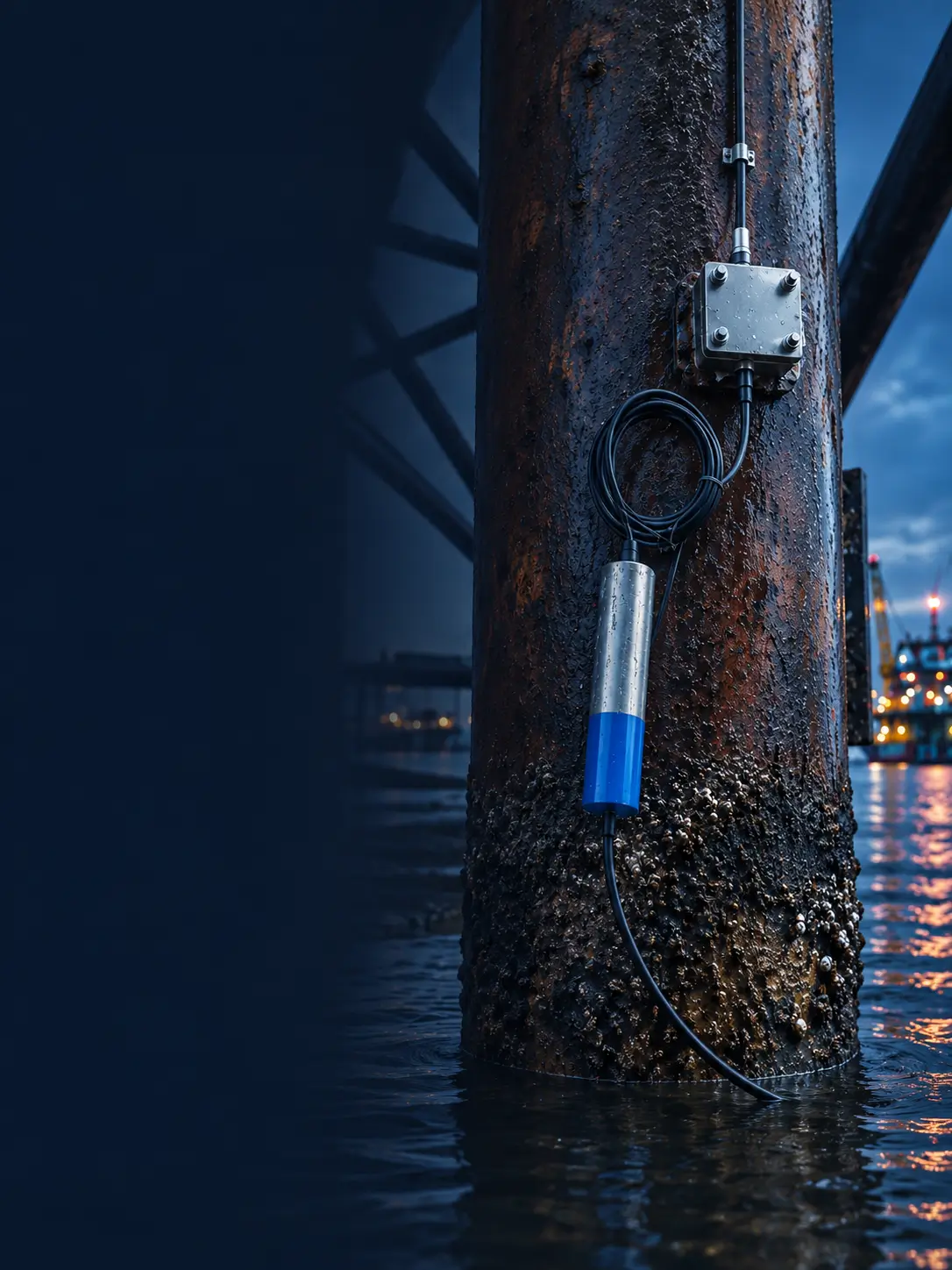
Zinc reference electrodes are used as reference points for potential measurement in selected seawater and marine cathodic protection systems. They are commonly reviewed for rugged marine monitoring environments where a zinc reference electrode is specified by project design, owner standard, or monitoring system requirement.
In seawater CP and marine ICCP projects, reference electrode selection should be reviewed according to seawater exposure, installation depth, cable route, housing material, mounting method, monitoring system, mechanical exposure, inspection access, and documentation requirements. Hele Titanium supports custom zinc reference electrodes for permanent or portable monitoring applications according to customer requirements.
Seawater Monitoring Option
Zinc reference electrodes can be reviewed for seawater, marine, offshore, and submerged CP monitoring applications.
Permanent or Portable
Configured for fixed installation, field testing, commissioning, or project-specific monitoring.
Cable & Housing Customization
Cable length, connector type, housing material, and mounting design customized when required.
Documentation Support
Product specs, inspection notes, labels, packing list prepared according to agreed scope.
What Is a Zinc Reference Electrode?
A zinc reference electrode provides a stable reference point for electrochemical potential measurement in selected cathodic protection monitoring systems. It helps engineers measure the potential of a protected structure relative to a reference electrode.
In marine and seawater CP systems, zinc reference electrodes may be reviewed where a rugged seawater monitoring electrode is required. A zinc reference electrode is not the same as a zinc sacrificial anode. It is used for measurement and monitoring, while a zinc sacrificial anode provides galvanic protection current.
| Feature | What It Means | Why It Matters |
|---|---|---|
| Zinc Reference Element | The electrode uses zinc as the reference material for potential measurement. | It can be reviewed for selected seawater and marine CP monitoring requirements. |
| Reference Measurement Function | The electrode provides a reference point for potential readings. | It supports CP system monitoring, commissioning, and performance evaluation. |
| Marine / Seawater Application | Configured for seawater immersion or marine monitoring environments. | Housing, cable, sealing, and mounting design should match field conditions. |
| Different from Zinc Anode | Not used as a sacrificial protection anode. | This avoids product confusion during selection and quotation. |
Need help selecting the right zinc reference electrode for your project?
Share your environment, installation, cable, and monitoring requirements with us.
Zinc Reference Electrode Options We Supply
Different zinc reference electrode configurations are used depending on monitoring method, seawater exposure, cable route, housing design, mounting method, and system interface. Hele Titanium supports standard and custom options.
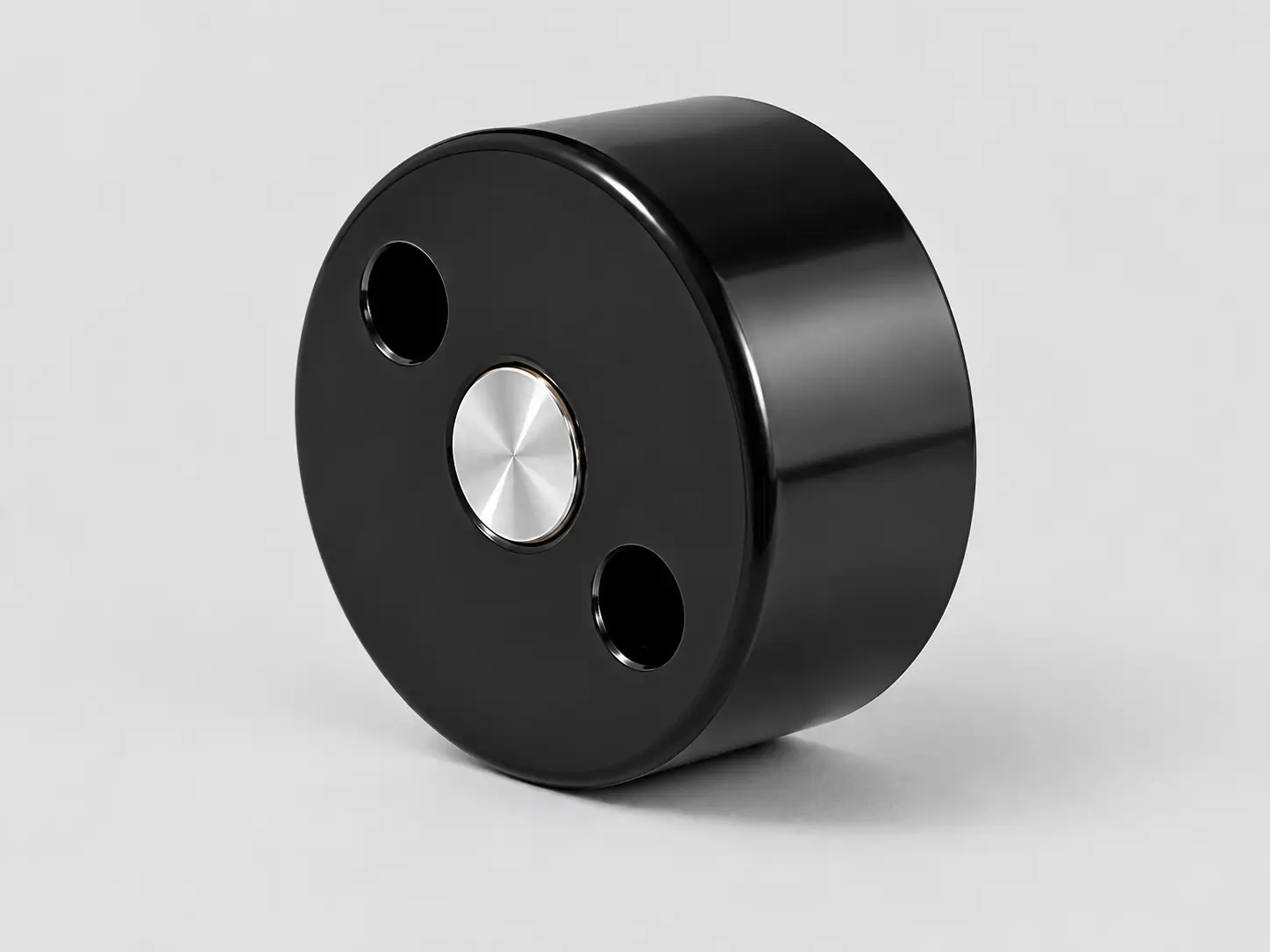
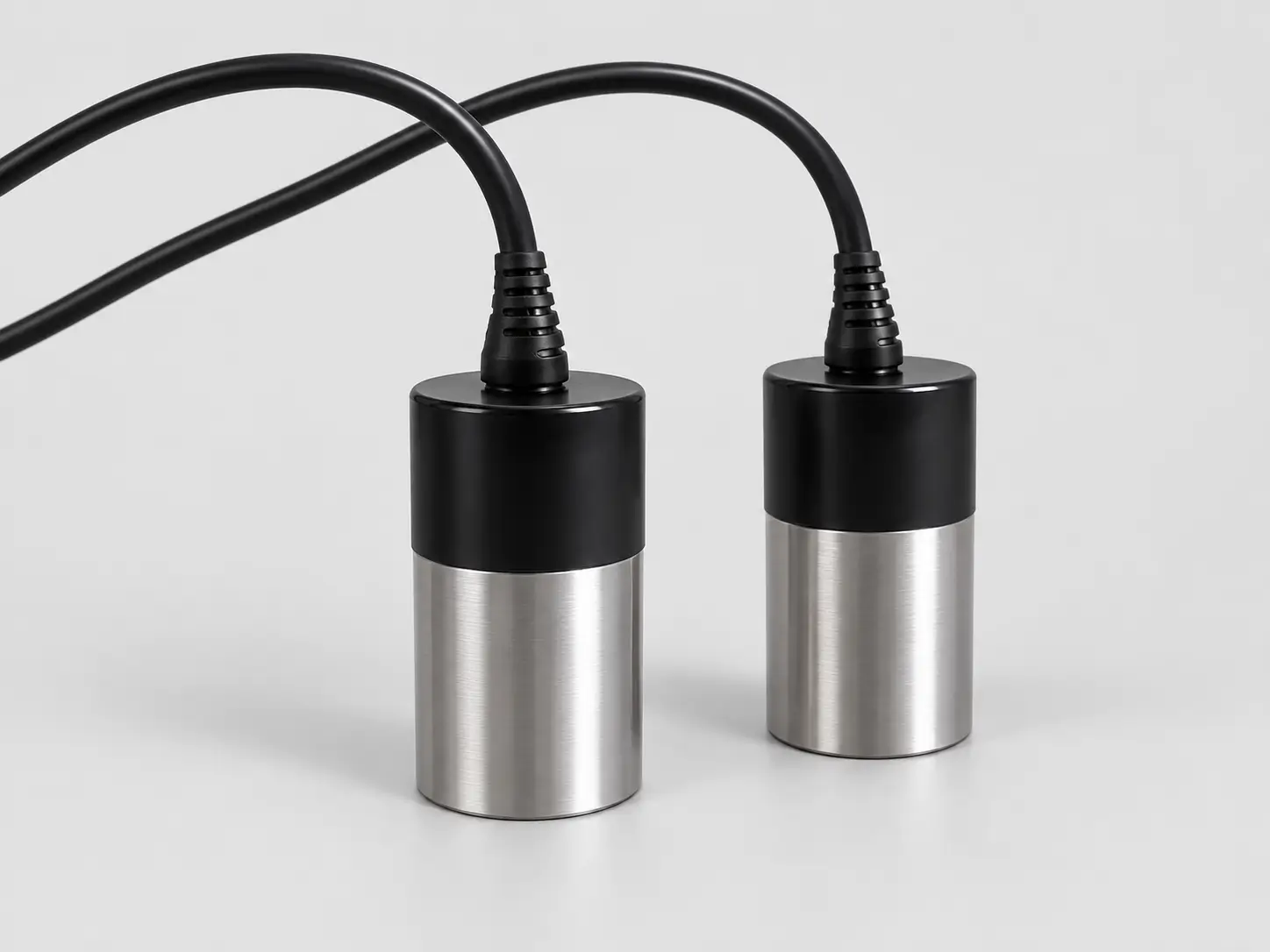
Permanent Zinc Reference Electrode
Cable-connected zinc reference electrode for fixed installation in selected seawater CP monitoring systems.
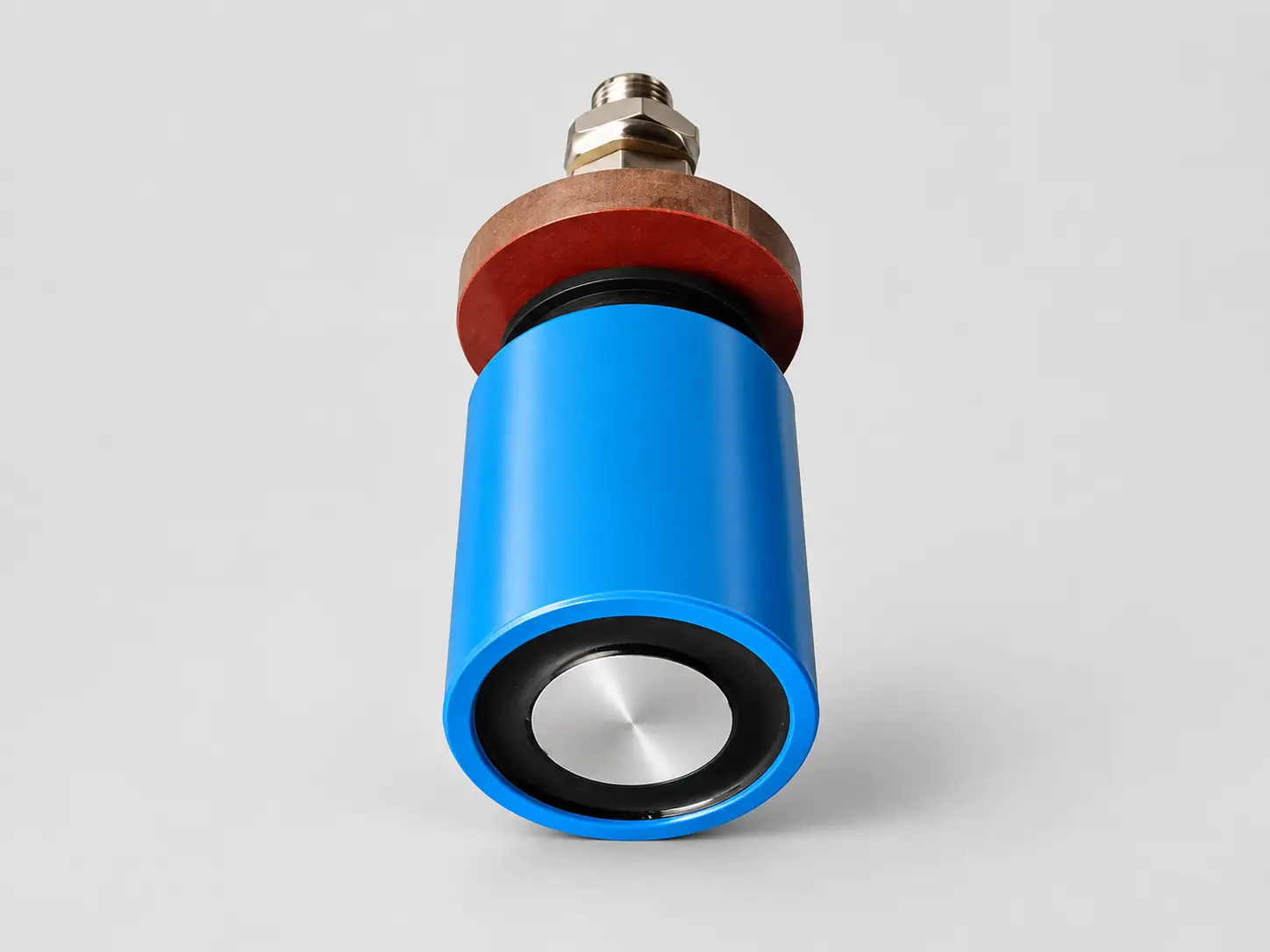
Portable Zinc Reference Electrode
Portable zinc reference electrode for field potential measurement, inspection, testing, and commissioning.
Marine Zinc Reference Electrode
Zinc reference electrode designed for seawater-exposed monitoring applications in marine CP systems.
Zinc Reference Electrode for ICCP
Reference electrode configuration for impressed current cathodic protection monitoring and control systems.
Custom Housing Zinc Electrode
Project-specific reference electrode with customized housing, protective structure, mounting interface, and cable.
OEM Zinc Reference Electrode
Customized reference electrode assemblies for CP system suppliers, monitoring equipment brands, and integrators.
Seawater Monitoring Zinc Electrode
Zinc reference electrode optimized for continuous seawater monitoring in harsh marine environments.
Subsea Zinc Reference Electrode
Subsea-rated zinc reference electrode engineered for deepwater applications and ROV installations.
Where Zinc Reference Electrodes Used
Zinc reference electrodes are commonly reviewed for selected seawater and marine monitoring environments, especially where a rugged zinc reference point is required by project specification or CP monitoring design.
Built for Seawater and Marine CP Monitoring
Zinc reference electrodes are used in a wide range of marine environments where stable, rugged potential measurement is required.
For Seawater and Marine CP Monitoring
Used for potential measurement in selected seawater ICCP and marine CP systems.
Suitable for Multiple Marine Applications
Ship hulls, offshore structures, harbors, intake systems, subsea structures, and more.
Designed for Real Marine Conditions
Cable routing, sealing, mounting, and exposure conditions should be reviewed according to project requirements.
| Application | Why Zinc Reference Electrode May Fit | Key Review Factors |
|---|---|---|
| Marine ICCP Systems | May be used for potential monitoring in selected seawater ICCP systems where zinc reference is specified. | Controller interface, cable route, installation position, seawater exposure. |
| Ship Hull Potential Monitoring | Required for potential measurement during commissioning, testing, or operation. | Hull location, seawater condition, cable length, mounting access. |
| Offshore Structures | Offshore structures exposed to seawater may require fixed or portable reference electrodes. | Water depth, structure geometry, mechanical exposure, cable protection. |
| Harbor, Jetty and Pier | Marine infrastructure CP systems may use zinc reference electrodes where specified. | Mounting location, tidal exposure, fouling risk, junction box location. |
| Seawater Intake Systems | Intake structures, cooling systems, and screens may require monitoring electrodes. | Water flow, salinity, temperature, housing design, cable sealing. |
| Subsea & Marine Structures | Submerged structures may require rugged monitoring points based on project design. | Submerged depth, pressure condition, mechanical protection, cable route. |
Marine ICCP Systems
Why it fits: May be used for potential monitoring in selected seawater ICCP systems where zinc reference is specified.
Review: Controller interface, cable route, installation position, seawater exposure.
Ship Hull Potential Monitoring
Why it fits: Required for potential measurement during commissioning, testing, or operation.
Review: Hull location, seawater condition, cable length, mounting access.
Offshore Structures
Why it fits: Offshore structures exposed to seawater may require fixed or portable reference electrodes.
Review: Water depth, structure geometry, mechanical exposure, cable protection.
Harbor, Jetty and Pier
Why it fits: Marine infrastructure CP systems may use zinc reference electrodes where specified.
Review: Mounting location, tidal exposure, fouling risk, junction box location.
Seawater Intake Systems
Why it fits: Intake structures, cooling systems, and screens may require monitoring electrodes.
Review: Water flow, salinity, temperature, housing design, cable sealing.
Subsea & Marine Structures
Why it fits: Submerged structures may require rugged monitoring points based on project design.
Review: Submerged depth, pressure condition, mechanical protection, cable route.
Is Zinc Reference Electrode Right for Your Monitoring Environment?
Zinc reference electrodes are not the best choice for every CP monitoring system. Selection should be reviewed according to electrolyte, installation environment, project standard, and system design.
Commonly Reviewed For
- Seawater CP monitoring
- Marine ICCP systems
- Offshore structure monitoring
- Ship hull potential measurement
- Harbor, jetty, and pier CP monitoring
- Seawater intake systems
- Submerged steel structures
- Portable seawater CP testing
Review Carefully If Your Project Is
- Soil or buried pipeline CP monitoring
- Reinforced concrete CP monitoring
- Freshwater or very low-chloride environment
- High-temperature or high-pressure system
- Application requiring Ag/AgCl reference electrode
- Application requiring Cu/CuSO₄ reference electrode
- Application where zinc sacrificial anode is actually needed
Custom Zinc Reference Electrodes Built Around Your Marine Monitoring System
Design should be reviewed according to seawater environment, monitoring purpose, installation method, cable length, housing material, connector type, mechanical exposure, and controller interface.
1. Monitoring Application Review
Review marine ICCP, ship hull, offshore structure, seawater intake, or corrosion monitoring application.
2. Zinc Element & Housing
Review zinc reference element design, protective housing, dimensions, and mechanical protection.
3. Cable & Connector Design
Customize cable length, insulation, connector, termination, sealing, label, and junction box interface.
4. Seawater Environment Review
Review salinity, temperature, flow, fouling, pressure, depth, and exposure conditions.
5. Permanent / Portable Config
Review whether the electrode is for long-term fixed monitoring, field testing, or OEM integration.
6. Packing & Documentation
Support labels, packing list, product specifications, inspection notes, and export packing.
What We Need From You
- Application & Electrolyte condition
- Permanent or portable use
- Installation method & Cable length
- Connector & Housing requirement
- Monitoring system interface
- Quantity & Delivery destination
Zinc Reference Electrode vs Zinc Sacrificial Anode: Measurement vs Protection
Both contain zinc, but they serve different roles in cathodic protection systems. One is used for potential measurement and monitoring; the other is used for galvanic corrosion protection.
Zinc Reference Electrode
Main Function
Provides a stable reference point for potential measurement and CP monitoring.
System Role
Monitoring component used with meters, test stations, and controllers.
Typical Use
Seawater CP monitoring, marine ICCP monitoring, offshore monitoring points.
Design Focus
Reference element, housing, cable, connector, sealing, and mounting interface.
Zinc Sacrificial Anode
Main Function
Provides galvanic protection current by corroding preferentially.
System Role
Protection component electrically connected to the protected structure.
Typical Use
Ship hulls, sea chests, ballast tanks, and marine equipment.
Design Focus
Alloy, anode weight, casting shape, steel insert, and design life.
Buyer Note: If your goal is to measure potential, request a zinc reference electrode. If your goal is to provide galvanic corrosion protection, request a zinc sacrificial anode.
Zinc vs Other Reference Electrodes
Different reference electrodes are used for different monitoring environments. Zinc reference electrodes are commonly reviewed for selected seawater applications, while other types may be better for soil or concrete.
Zinc Reference Electrode
Designed for seawater and marine environments. Built for rugged, long-term monitoring in demanding conditions.
Best For:Seawater structures, marine CP, offshore monitoring, ship hulls
Not Ideal For:Soil, buried concrete, or embedded concrete applications
Ag/AgCl Reference Electrode
Stable and widely used in chloride-rich environments and marine CP systems.
Best For:Seawater intake systems, chloride environments, marine CP, ship hulls
Not Ideal For:Long-term embedded concrete or high-alkalinity concrete
MnO₂ Reference Electrode
Ideal for concrete and embedded installations requiring long-term stability and low maintenance.
Best For:Reinforced concrete, bridge decks, parking structures, embedded monitoring
Not Ideal For:Seawater immersion or high-chloride marine environments
Cu/CuSO₄ Reference Electrode
Commonly used in soil and buried environments for CP and pipeline monitoring.
Best For:Soil environments, buried pipelines, tank bottoms, underground tanks
Not Ideal For:Seawater or high-chloride marine applications
Buyer Note: Reference electrode selection should follow the monitoring environment, installation method, measurement target, cable route, and project specification. Zinc reference electrodes are not universal replacements for Ag/AgCl, MnO₂, or Cu/CuSO₄ electrodes.
Installation Considerations for Zinc Reference Electrodes
Proper installation helps zinc reference electrodes provide reliable marine CP potential monitoring. Review installation position, seawater exposure, cable routing, interface, and protection.
Installation Position
Electrode location should match the CP monitoring plan and required measurement point.
Seawater Exposure
The electrode should contact the intended seawater or marine electrolyte.
Cable Routing
Cable route should avoid sharp edges, heat, vibration, and mechanical damage.
Housing Protection
Protective housing should consider flow, impact, fouling, and maintenance access.
Connector / Interface
Connector type should match the monitoring instrument, controller, or junction box.
Installation Records
Cable labels, product marking, and installation notes support traceability.
Need help with your installation design?
Our corrosion engineering team can help review your application, environment, and monitoring strategy to support reliable CP performance.
Quality Control for Zinc Reference Electrodes
Quality depends on zinc element condition, assembly, housing, cable connection, sealing, dimensional accuracy, and final documentation.
Zinc Element Review
The zinc element, surface condition, and assembly requirements are reviewed according to order specification.
- Element material & purity
- Surface condition
- Assembly requirements
- Order specification match
Housing & Dimension Check
Housing material, size, mounting interface, probe length, and overall dimensions are checked.
- Housing material
- Dimensions & tolerances
- Mounting interface
- Probe length
- Overall dimensions
Cable & Connector Review
Cable, connector, termination, sealing, and labeling are reviewed when required.
- Cable length & insulation
- Connector type
- Termination & sealing
- Labeling & identification
Surface & Visual Review
Surface condition, housing condition, cable appearance, marking, and handling condition are reviewed.
- Surface condition
- Housing condition
- Cable appearance
- Marking & identification
- Handling condition
Packing & Labeling
Packed according to product sensitivity, cable protection, destination, and shipment requirement.
- Packing method
- Cable protection
- Labels & markings
- Destination requirements
- Shipment requirements
Project Documentation
Product specifications, inspection notes, packing list, labels, and project documents can be prepared.
- Specification sheet
- Inspection records
- Packing list
- Labels
- Project documents
Available Documents May Include:
- Product specification sheet
- Dimensional inspection record
- Cable / connector notes
- Visual inspection notes
- Packing list & Product labels
- Project-specific QC documents
Consistent Quality.
Reliable Monitoring.
Our QC process helps ensure that each zinc reference electrode meets project requirements and performs reliably in the intended environment.
Note: QC items can be customized based on project requirements, standards, and client specifications.
Zinc Reference Electrode FAQ
What is a zinc reference electrode?
Where are zinc reference electrodes commonly used?
Is a zinc reference electrode suitable for seawater?
Is a zinc reference electrode the same as a zinc sacrificial anode?
What is the difference between zinc and Ag/AgCl reference electrodes?
What is the difference between zinc and Cu/CuSO₄ reference electrodes?
Can zinc reference electrodes be used for marine ICCP monitoring?
Can zinc reference electrodes be supplied for permanent installation?
Can cable length and connector type be customized?
What information is needed for a zinc reference electrode quote?
What affects reference electrode selection?
What documents can be provided with zinc reference electrodes?
Get Your Custom Zinc Reference Electrode Recommendation
Tell us your monitoring environment, seawater condition, installation method, cable length, housing requirement, connector type, and monitoring system. Hele Titanium will help review suitable zinc reference electrode configurations for your marine CP project.
-
Zinc Reference Electrode Supply Support
Dedicated manufacturing for CP monitoring requirements.
-
Permanent, Portable & Marine Options
Configurations tailored to your specific installation method.
-
Cable, Housing & Mounting Customization
Built to interface perfectly with your monitoring panel.
-
Factory-Direct Export & Documentation
Inspection notes, labels, and packing lists supported.