Hydrogen at the point of use
State required flow in L/min, operating schedule and where the hydrogen specification must be met.

HELE supplies compact PEM hydrogen generators for laboratories, analytical instruments, fuel-cell testing, semiconductor equipment and small industrial hydrogen applications. Systems use PEM water electrolysis with integrated gas handling, purification, control and safety functions for on-site hydrogen supply.
Share your required hydrogen flow, purity, outlet pressure, operating profile and downstream equipment for application review.
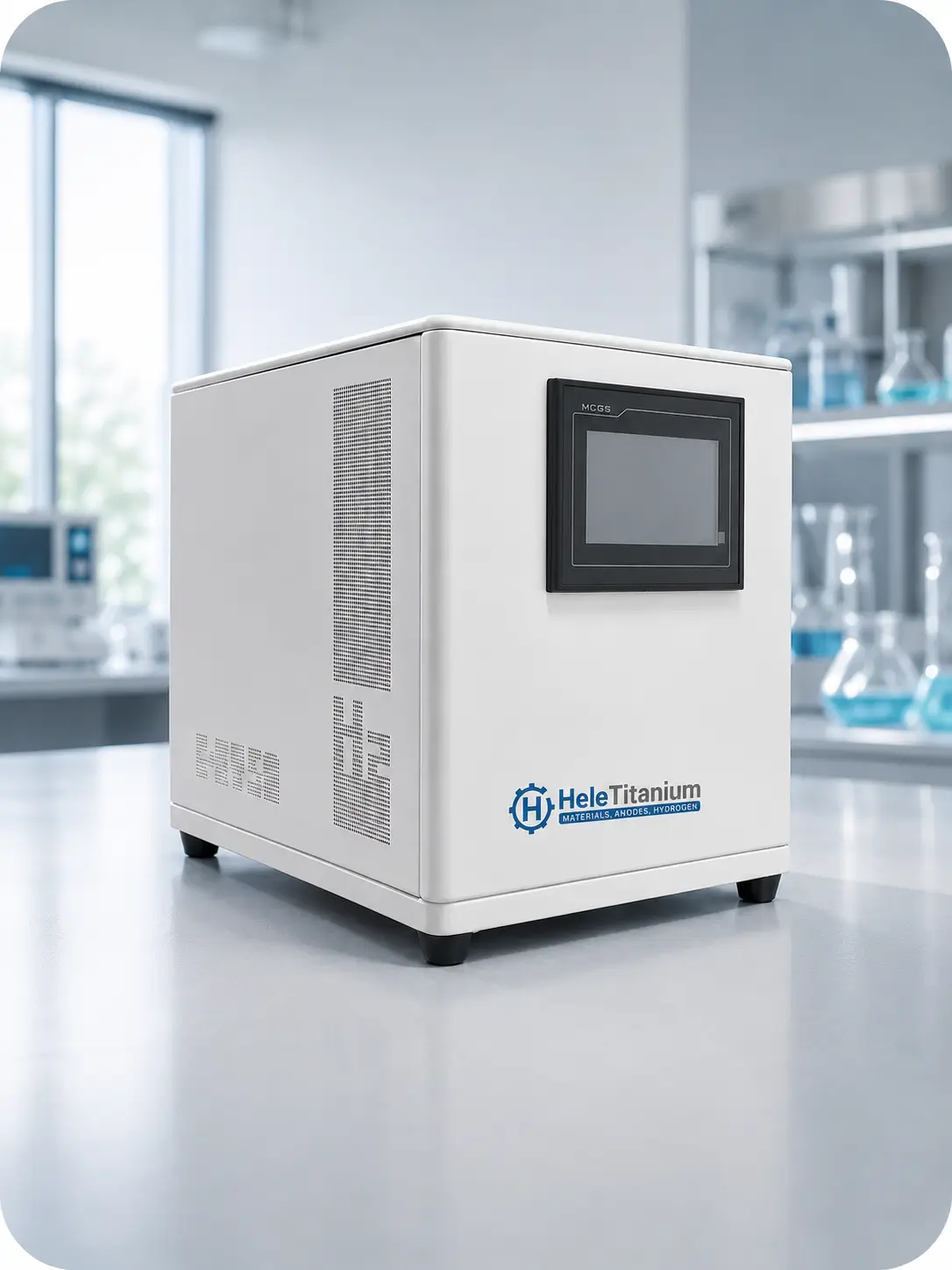
PEM water electrolysis enables on-site hydrogen production directly from deionized water without alkaline electrolyte or chemical additives. The integrated generator combines hydrogen production, gas-liquid separation, drying, purification, monitoring and control within a compact system.
Deionized Water · No Alkaline Electrolyte
Hydrogen is generated directly through PEM water electrolysis for clean, compact on-site supply.
0–4 L/min H₂
Hydrogen output can be adjusted according to the required laboratory, analytical or equipment demand.
Drying · Moisture Removal · Trace Oxygen Removal
Integrated gas treatment can include molecular sieve, silica gel and trace-oxygen removal according to the required hydrogen quality.
PLC · HMI · Pressure · Flow · Temperature
Operating conditions can be monitored and controlled through the integrated control platform.
Configuration review
Start with the application, required measurements and operating boundary. A model label alone does not establish which modules, interfaces or records are included.
State required flow in L/min, operating schedule and where the hydrogen specification must be met.
Define purity, dryness, delivery pressure and whether external drying, buffering or regulation is required.
Confirm deionized-water quality, electrical supply, ventilation, heat removal and available installation space.
Specify the operating conditions, measurement method, safety checks and documentation needed for release.
A compact PEM hydrogen generator configuration for laboratory, analytical, fuel-cell testing and small industrial hydrogen supply. Final system details should be confirmed against the required flow, pressure, hydrogen quality and interface conditions.
| Hydrogen Output | 0–4 L/min H₂ |
|---|---|
| Pressure Series | 0–3 MPa |
| Standard Hydrogen Purity | >99.99% |
| Hydrogen Production Technology | PEM Water Electrolysis |
| Feed Water | Deionized Water |
| Gas Treatment | Gas-Liquid Separation + Drying + Purification |
| Control | PLC + HMI |
| Monitoring | Pressure · Flow · Temperature |
| Communication | TCP/IP available according to configuration |
| System Interfaces | Confirm according to selected configuration and downstream equipment |
Final hydrogen purity, dew point, delivery pressure, electrical requirement, dimensions, outlet connection and purification scope should be confirmed against the selected configuration and agreed operating conditions.
The system is designed to produce, purify, monitor, and deliver hydrogen through an integrated PEM water electrolysis process.
Controlled feed water is supplied to the PEM electrolyzer through the integrated water-management circuit.
DC electrical power drives PEM electrolysis to generate hydrogen and oxygen from deionized water.
The hydrogen stream passes through gas-liquid separation to remove entrained process water.
Integrated gas treatment can include molecular-sieve drying, silica-gel moisture removal and trace-oxygen removal according to the required hydrogen quality.
Pressure, flow, temperature and applicable system conditions are monitored through the control system.
Hydrogen is delivered to the downstream laboratory instrument, test equipment or industrial process according to the selected interface and pressure configuration.
Selecting a PEM hydrogen generator requires more than matching the maximum hydrogen flow. Hydrogen quality, delivery pressure, operating profile, available utilities and downstream equipment should be reviewed together before the final configuration is confirmed.
Continuous Demand · Peak Demand · Reserve Margin
Start with the actual hydrogen consumption of the downstream instrument or process. Confirm the continuous flow, expected peak demand and any reserve capacity required for stable operation or future expansion.
Purity · Dew Point · Measurement Requirement
Define the required hydrogen purity and moisture level according to the downstream application. Where higher gas quality is required, the purification scope, dew point requirement, test method and measurement point should be confirmed together.
*Purity, dew point, and test conditions are core procurement specifications for precise integration.
Outlet Pressure · Downstream Equipment · Pressure Regulation
Select the hydrogen delivery pressure according to the downstream instrument, process equipment and gas-handling system. HELE's current hydrogen generator range includes 0–3 MPa configurations, with the final pressure requirement confirmed for the selected system.
Continuous · Intermittent · Daily Operating Hours
Confirm whether the generator will operate continuously, intermittently or in repeated start-stop cycles. Operating hours and load profile help determine the appropriate generator capacity and system configuration.
Power Supply · Deionized Water · Installation Conditions
Confirm the available electrical supply, deionized-water quality and installation environment before configuration. Utility requirements should be matched to the selected generator model and operating conditions.
Gas Interface · Communication · Installation · Standards
Review hydrogen outlet connections, available installation space, control and communication requirements, ventilation conditions and applicable project standards before finalizing the system interface.
*Control architecture can also be configured for HMI, TCP/IP, and compatible DCS or IoT integration.
Send us your application, required hydrogen flow, purity, dew point, outlet pressure, operating profile and available utilities. We can review the suitable PEM hydrogen generator configuration and required system interfaces for your project.
Standard configurations provide a clear starting point, but the final hydrogen generator should be matched to the required hydrogen flow, delivery pressure, gas quality, utilities, control architecture and downstream equipment. HELE can review project-specific configurations around these operating and integration requirements.
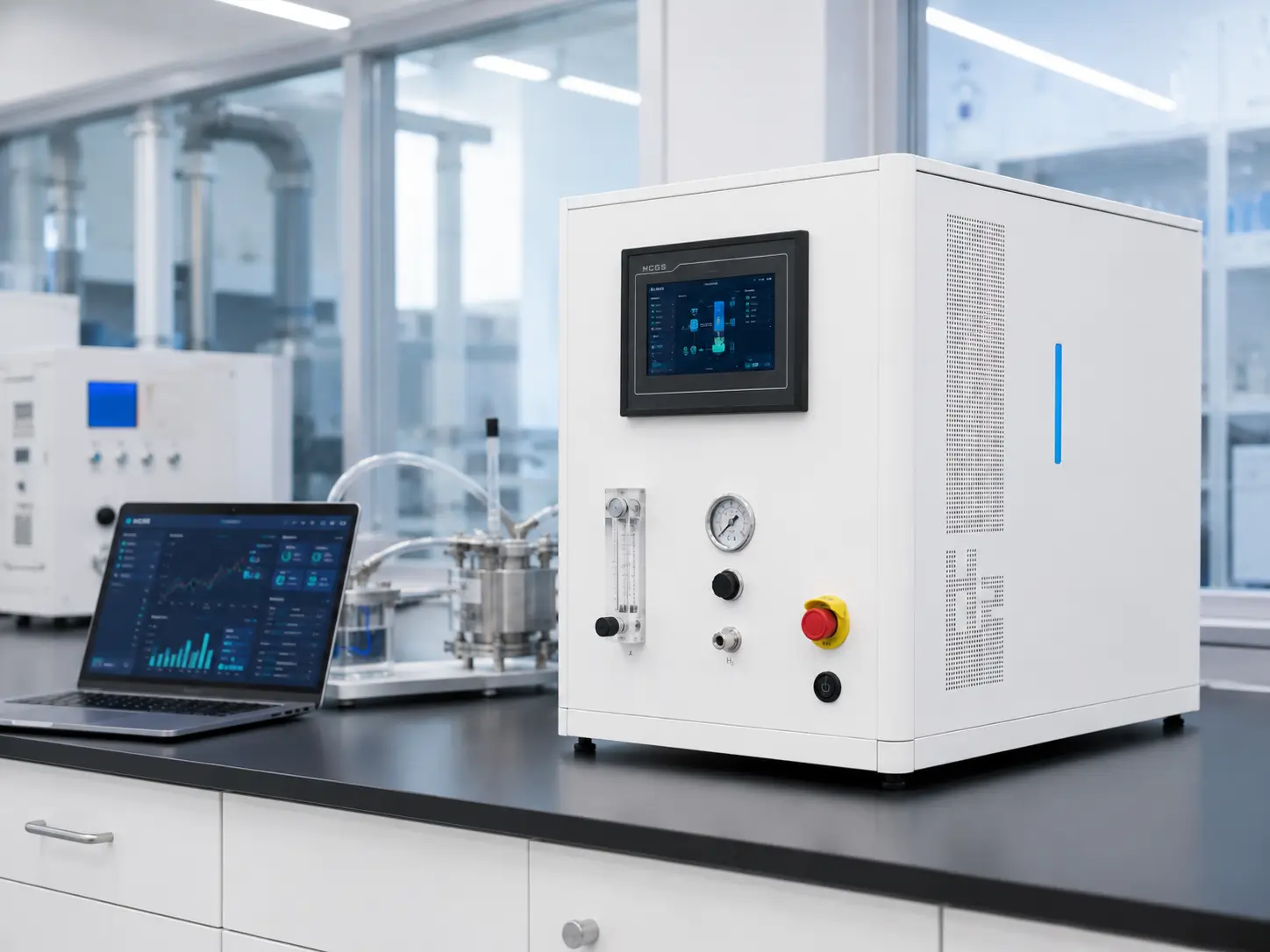
Hydrogen output can be configured within the available product range according to the downstream equipment demand, operating profile and required reserve capacity.
The delivery-pressure configuration should be matched to the downstream instrument, process equipment and gas-handling requirements. Final operating pressure is confirmed according to the selected generator configuration.
The purification scope can be configured according to the required hydrogen purity, dew point and downstream application. Available gas-treatment stages can include molecular-sieve drying, silica-gel moisture removal and trace-oxygen removal.
Hydrogen outlet connections and equipment interfaces should be reviewed against the downstream instrument or process layout. Reference configurations can use 1/8 or 1/4 hydrogen outlets, with the final connection confirmed for the selected model.
The reference control architecture uses a Siemens SMART 200 ST40 PLC with HMI-based monitoring of pressure, flow and temperature. The interface can display operating status, fault alarms and applicable historical operating data.
TCP/IP communication can support remote monitoring and data exchange with compatible plant control or IoT platforms. Communication scope and integration requirements should be confirmed according to the project control architecture.
Share your hydrogen flow, outlet pressure, purity requirement, downstream equipment, available utilities and control-interface requirements. We can review the suitable PEM hydrogen generator configuration for your application.
Note: Final flow, pressure, purification scope, gas connection, control architecture and communication interface should be confirmed during technical review before order release.
Compact PEM hydrogen generators are suited to applications that require controlled on-site hydrogen supply at relatively low flow rates. The final generator configuration should be matched to the required hydrogen flow, purity, delivery pressure, operating profile and downstream equipment.
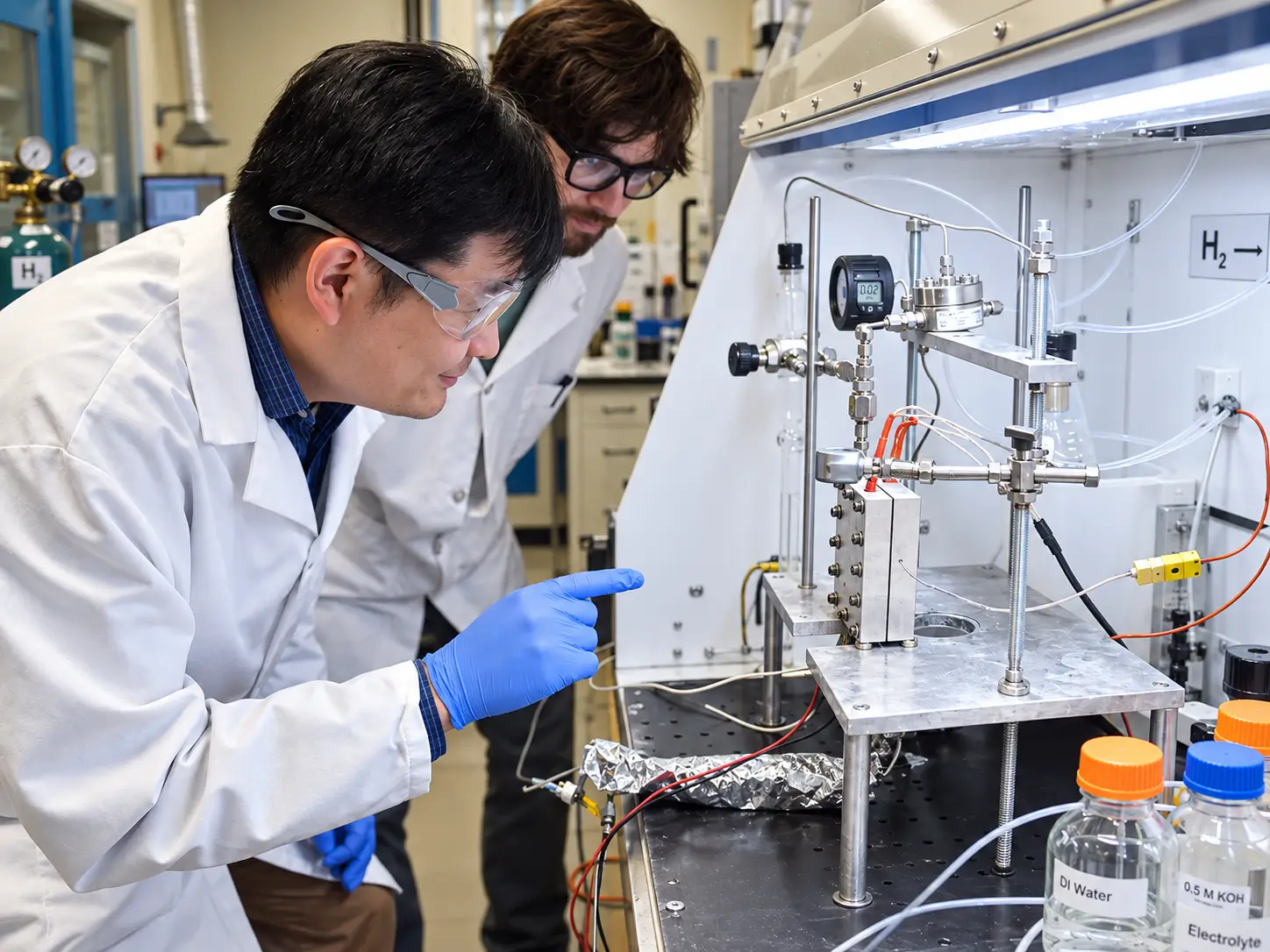
Compact on-site hydrogen generation for laboratories, research platforms and experimental systems that require a controlled hydrogen source without relying solely on bottled gas supply.
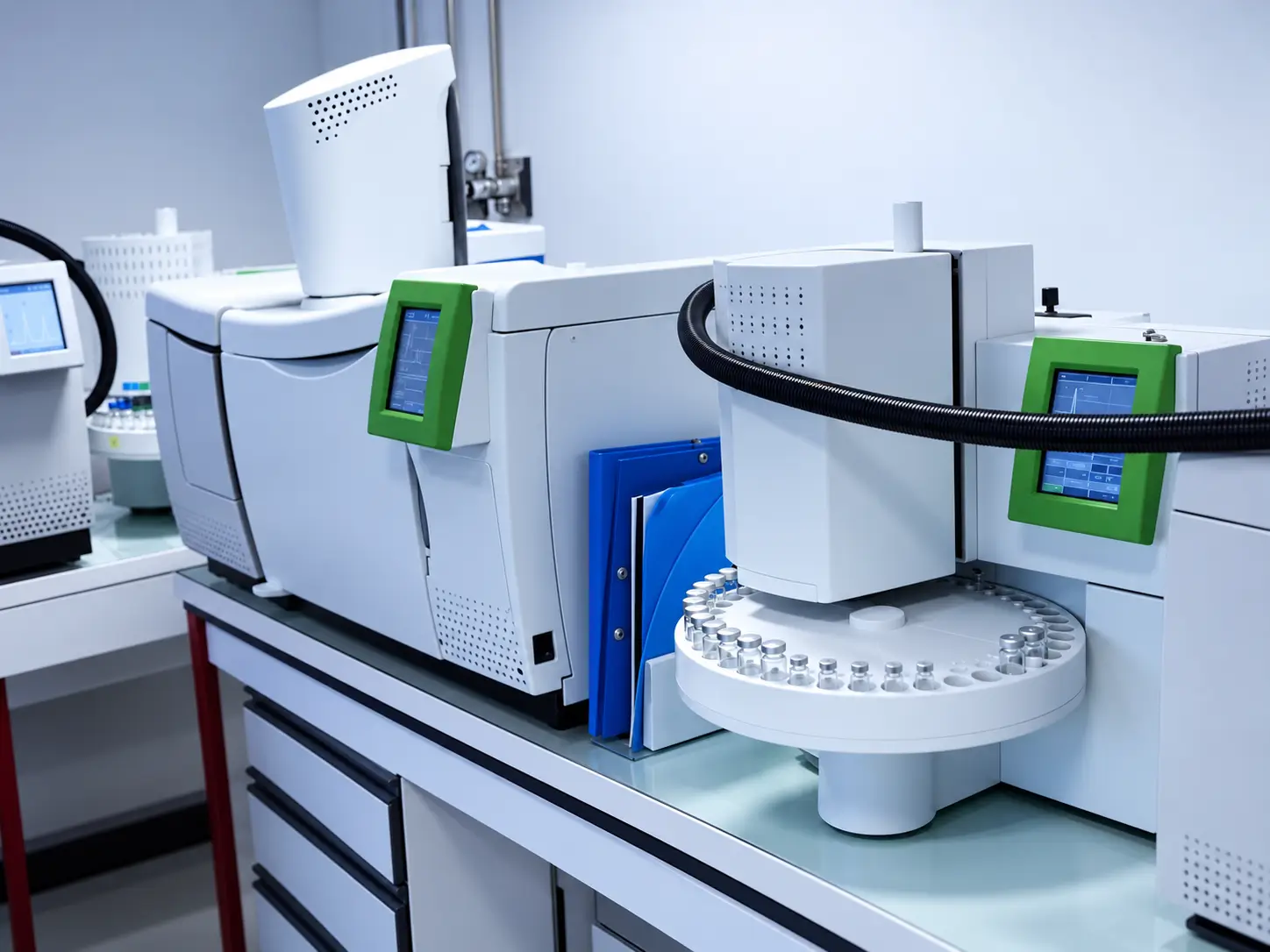
PEM hydrogen generators can provide on-site hydrogen for compatible analytical instruments and laboratory gas applications. Required purity, dew point, pressure and outlet configuration should be confirmed against the instrument specification.
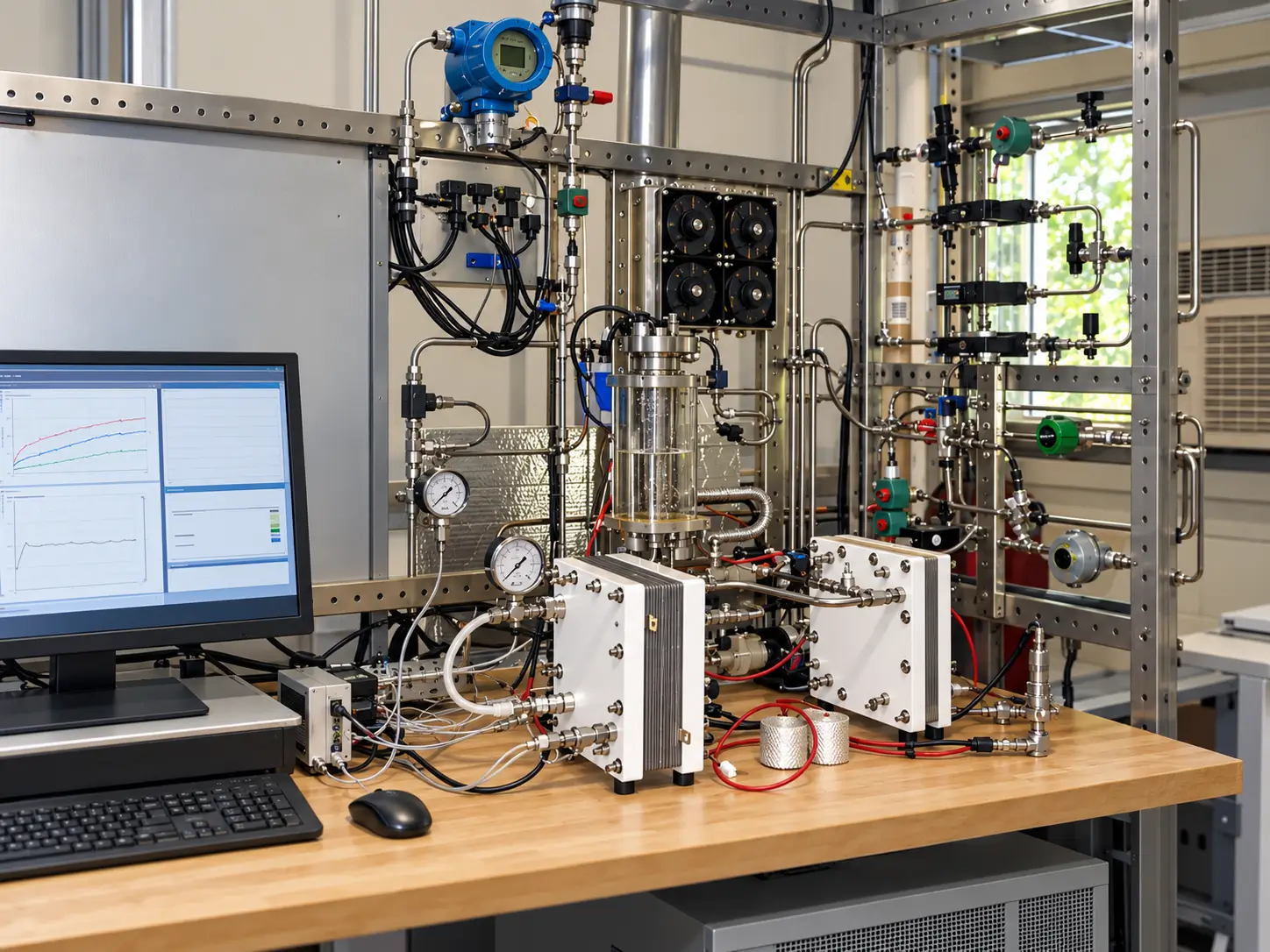
Controlled hydrogen supply for fuel-cell stack testing, single-cell evaluation and related research or development equipment. Flow, pressure and gas-quality requirements should be matched to the test system.
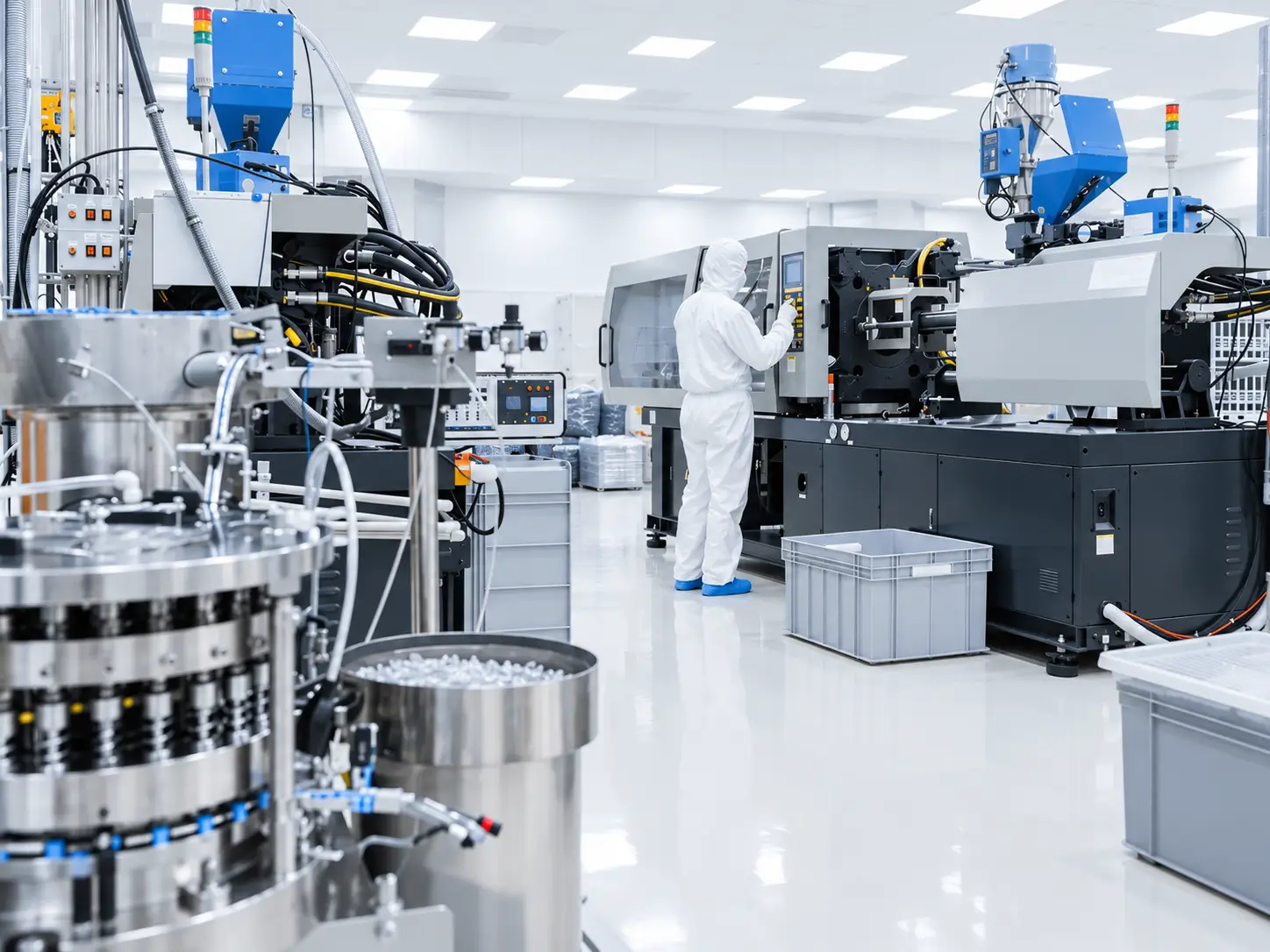
On-site hydrogen supply for compatible semiconductor, electronics and CVD-related process equipment where controlled gas quality, flow and pressure are required.
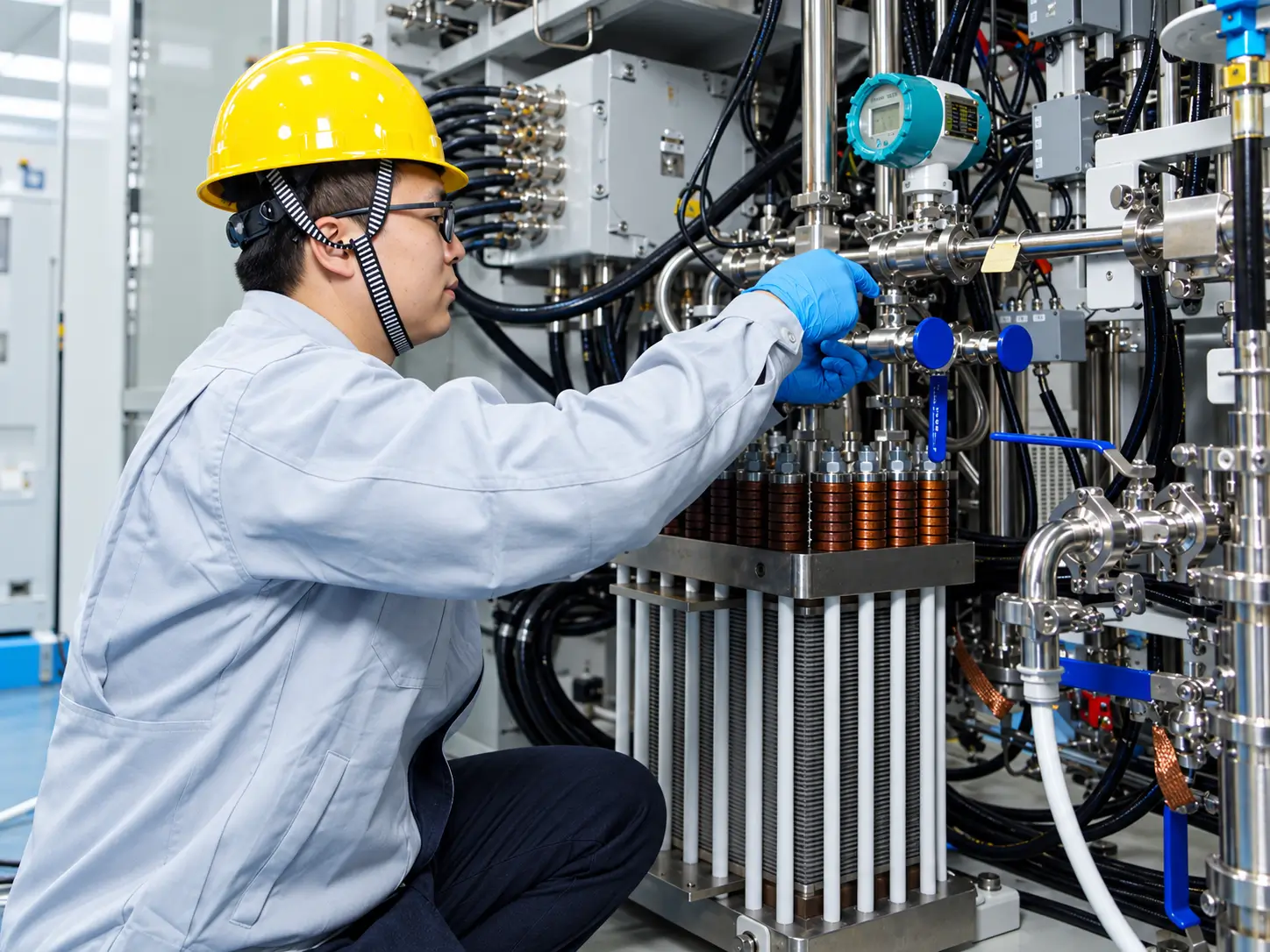
Compact hydrogen generation for selected industrial processes requiring controlled on-site hydrogen supply, including compatible chemical synthesis, metal heat-treatment and powder-metallurgy applications.
These compact PEM hydrogen generators are intended for laboratory, analytical, testing and small industrial hydrogen supply. If your project requires higher hydrogen-production capacity, a standalone electrolyzer stack or a dedicated electrolyzer test platform, use the corresponding product category below.
Hydrogen generator acceptance should be based on the confirmed configuration, operating conditions and project requirements. Inspection, functional checks, safety functions and documentation scope should therefore be defined together before order release.
Applicable system functions can be checked against the confirmed generator configuration, including water circulation, gas-liquid separation, purification, flow control, pressure regulation and control-system operation.
The hydrogen gas circuit, outlet connection and pressure-control functions should be reviewed against the selected 0–3 MPa configuration and the downstream equipment requirements. Applicable pressure or leak-test requirements should be agreed as part of the project acceptance scope.
Hydrogen purity and moisture requirements should be verified against the selected purification configuration and agreed operating conditions. Where a specific purity or dew point is required, the measurement method and test point should be defined before acceptance.
Available safety functions include hydrogen leak alarm, overpressure protection, electrolyzer over-temperature protection and abnormal-condition detection. Relevant faults can trigger alarms and automatic shutdown according to the configured control logic.
Control functions can be reviewed through the PLC and HMI, including pressure, flow and temperature monitoring, alarm status and applicable communication functions. TCP/IP integration requirements should be confirmed according to the project control architecture.
The documentation package should be confirmed according to the selected generator configuration and purchase requirements. Available documents may include technical data, drawings, applicable inspection or test records and operating information.
Final inspection scope, test conditions, acceptance criteria, hydrogen-quality measurement method and documentation package should be agreed before order release. Requirements not included in the standard project scope should be confirmed during technical review.
HELE can review an on-site hydrogen requirement and configure a generator around the required flow, delivery pressure, gas-quality point, utilities, controls and downstream interface. The selected model, purification stages and signed equipment list define the final supply.
01 · Gas-Duty Review
Review hydrogen flow and reference conditions, purity, dew point, delivery pressure, operating profile, reserve and downstream use.
Typical order output: Gas-duty summary and open-item list.
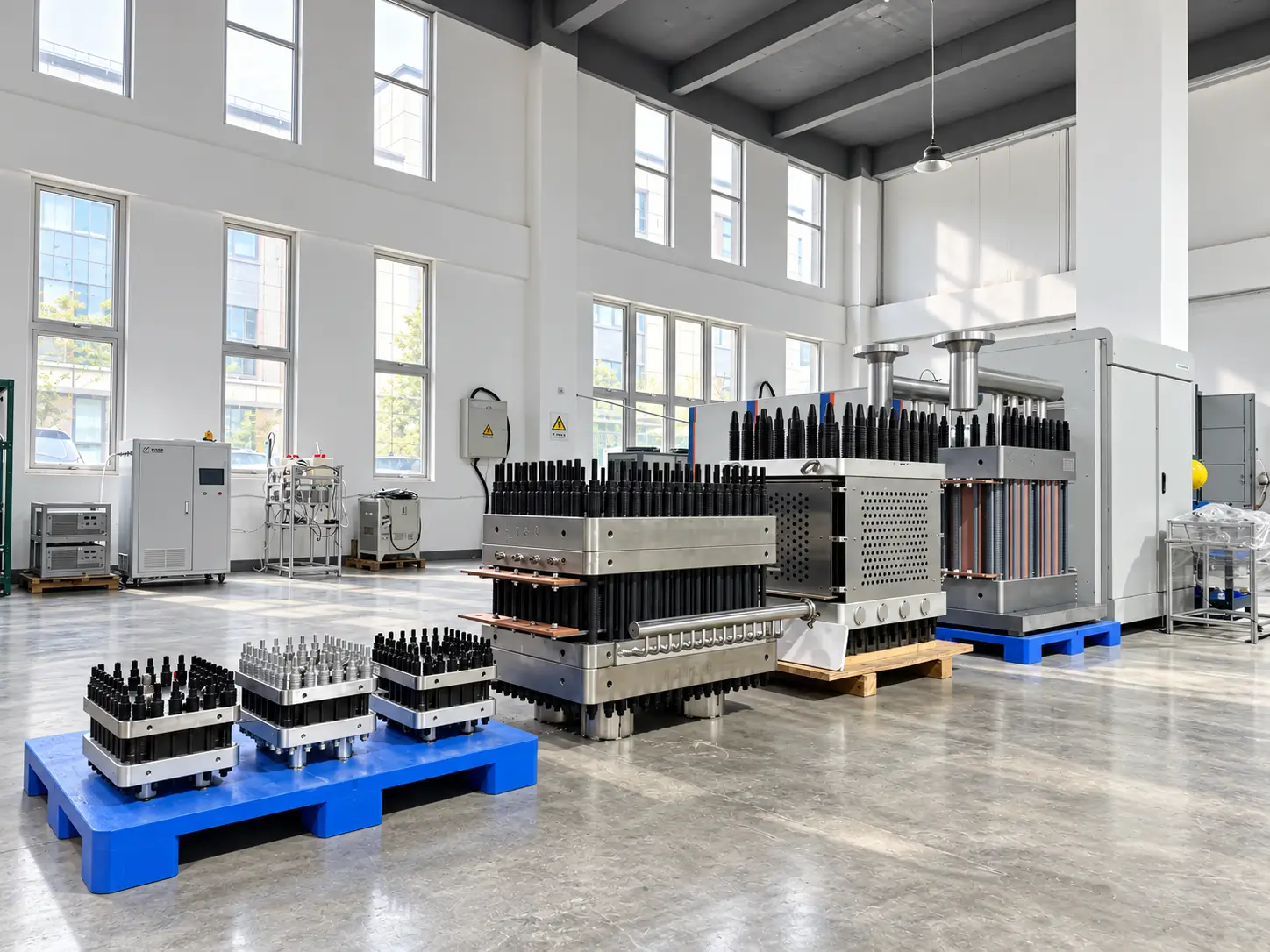
02 · Generator Configuration
Select the available flow and pressure configuration against power, deionized-water, cooling, footprint and operating requirements.
Typical order output: Proposed generator and utility basis.
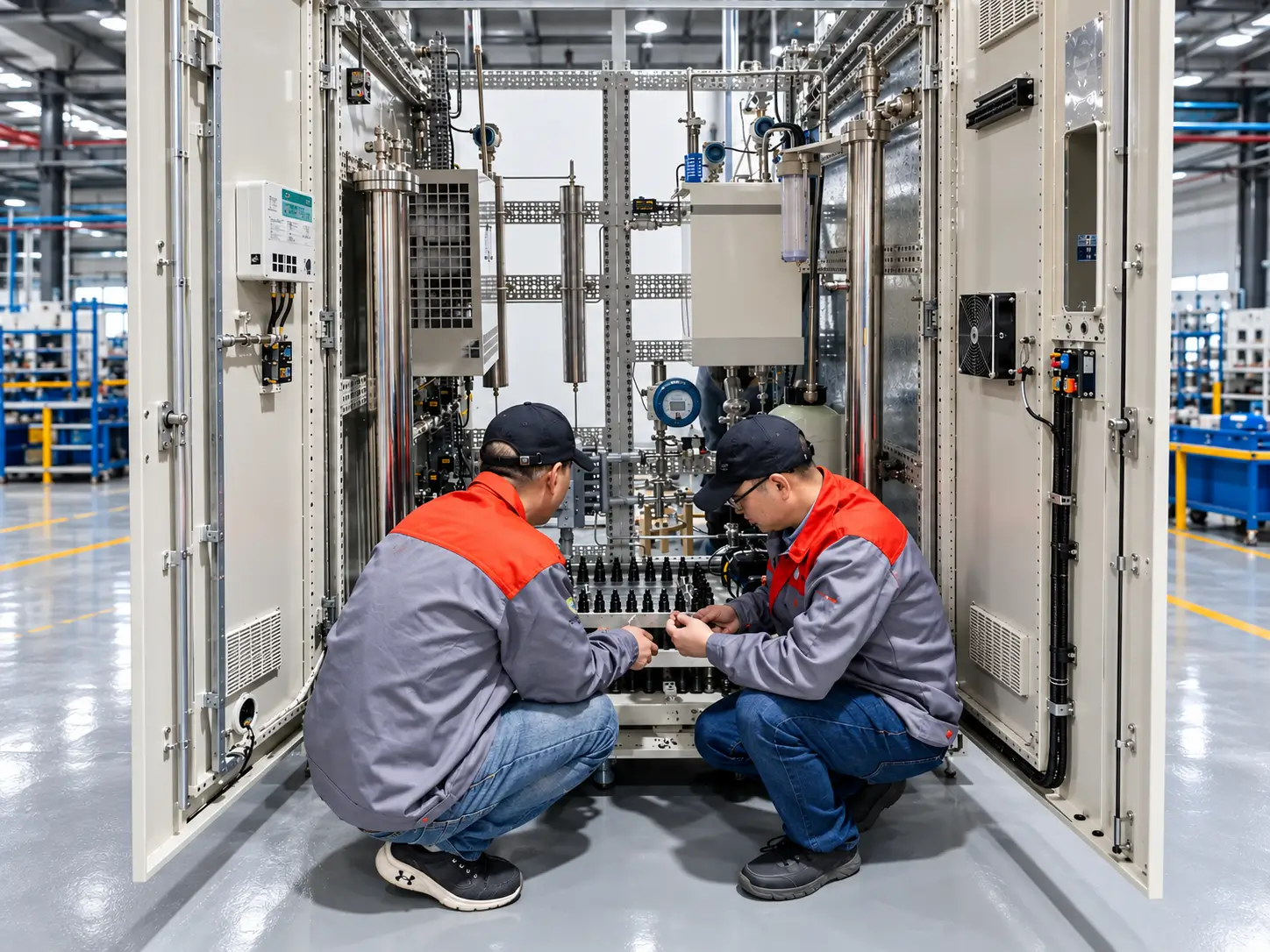
03 · Gas Handling
Coordinate gas-liquid separation, drying, moisture or trace-oxygen removal, outlet regulation and included gas connections.
Typical order output: Gas-treatment and delivery-boundary schedule.
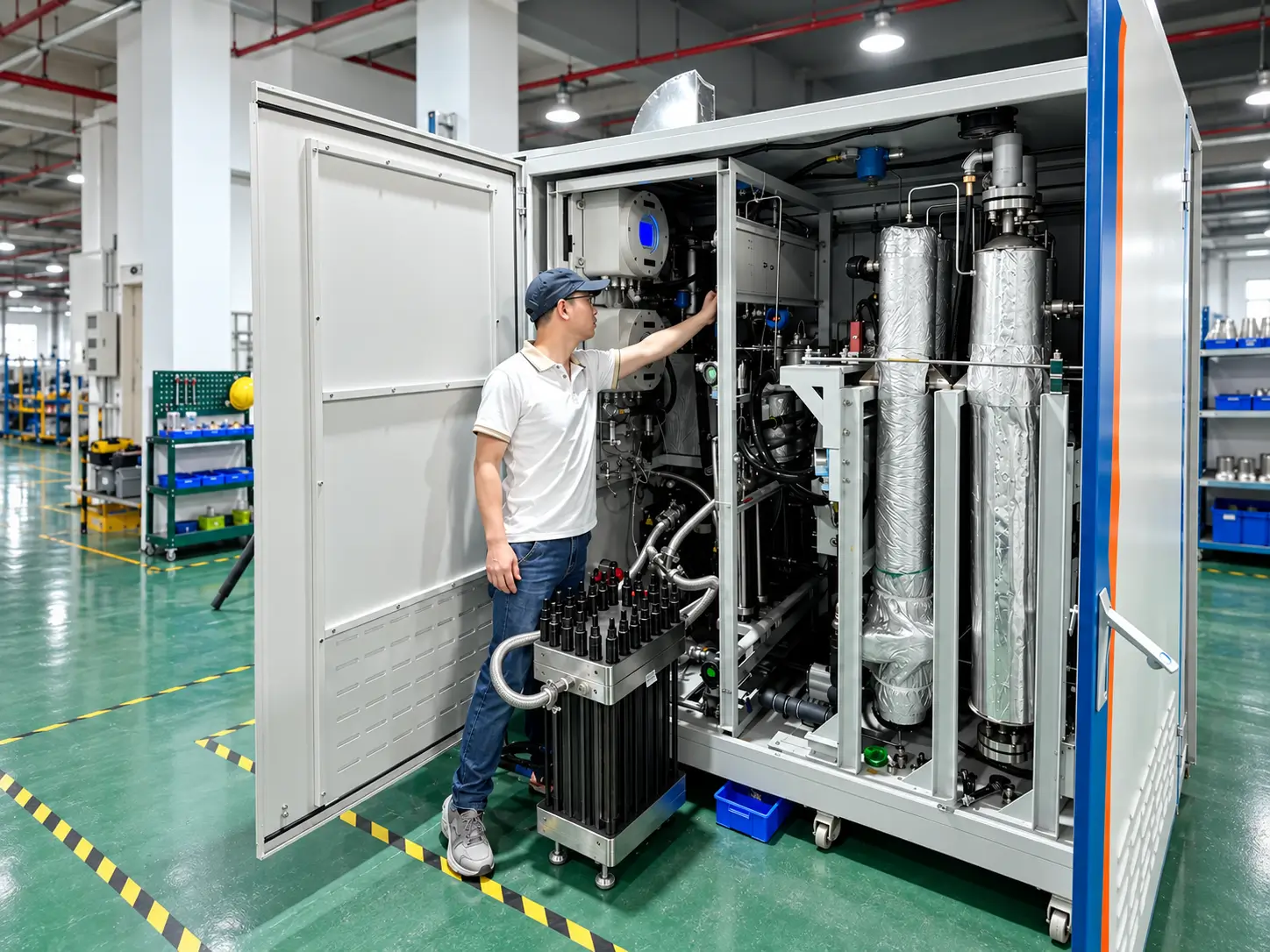
04 · Controls & Safety
Define PLC/HMI, flow, pressure and temperature monitoring, alarms, automatic shutdown, leak detection and communication options.
Typical order output: Control, alarm and communication boundary.
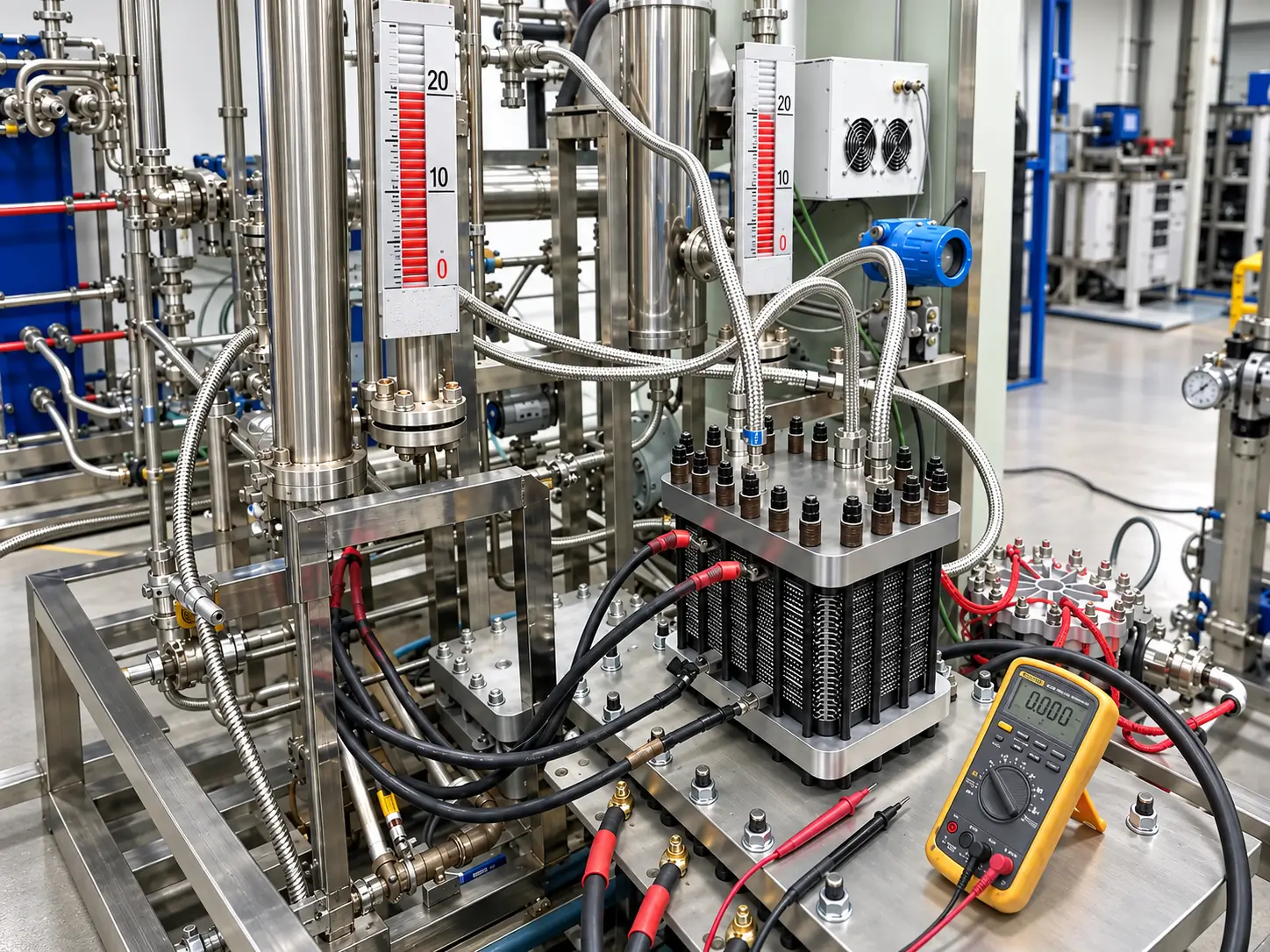
05 · Testing & Evidence
Apply agreed functional, pressure or leak, gas-quality, safety and communication checks under documented test conditions.
Typical order output: Inspection, test and release records listed in the order.
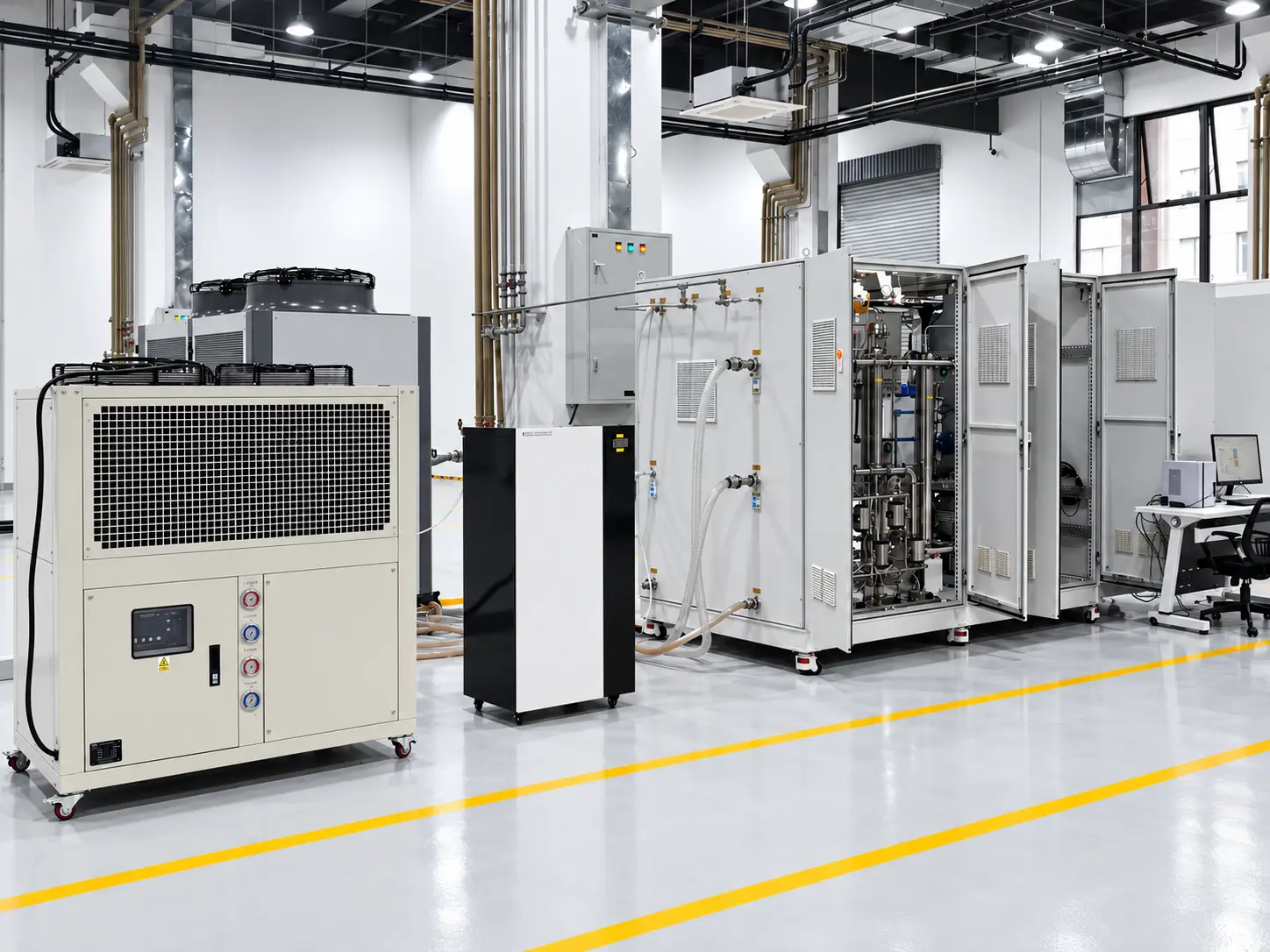
06 · Delivery Support
Coordinate manuals, drawings, certificates, preservation, packing, recommended spares and any agreed support option.
Typical order output: Approved document register and handover package.
The generator supply does not automatically include downstream compression, storage or distribution, end-use qualification, building ventilation, hazardous-area compliance, site installation or commissioning unless listed in the signed scope.
Order rule: only the signed quotation, approved drawings, equipment or material schedule, inspection plan and responsibility matrix define the final HELE supply.
Hydrogen generator selection begins with the usable gas required at a defined delivery point. Flow, purity and pressure are meaningful only with reference conditions, operating profile, utilities, storage and safety boundaries.
Quick answers to common questions about hydrogen output, purity, pressure, applications and project configuration.
Inquiry
Tell us the required hydrogen flow, where the gas will be used and which utilities are available. HELE can review the generator configuration, delivery boundary and acceptance plan without assuming that a nominal flow or purity applies under every site condition.
Prefer email?
sales@heletitanium.comFactory & Engineering Center
Titanium Valley, Baoji City, Shaanxi Province, China