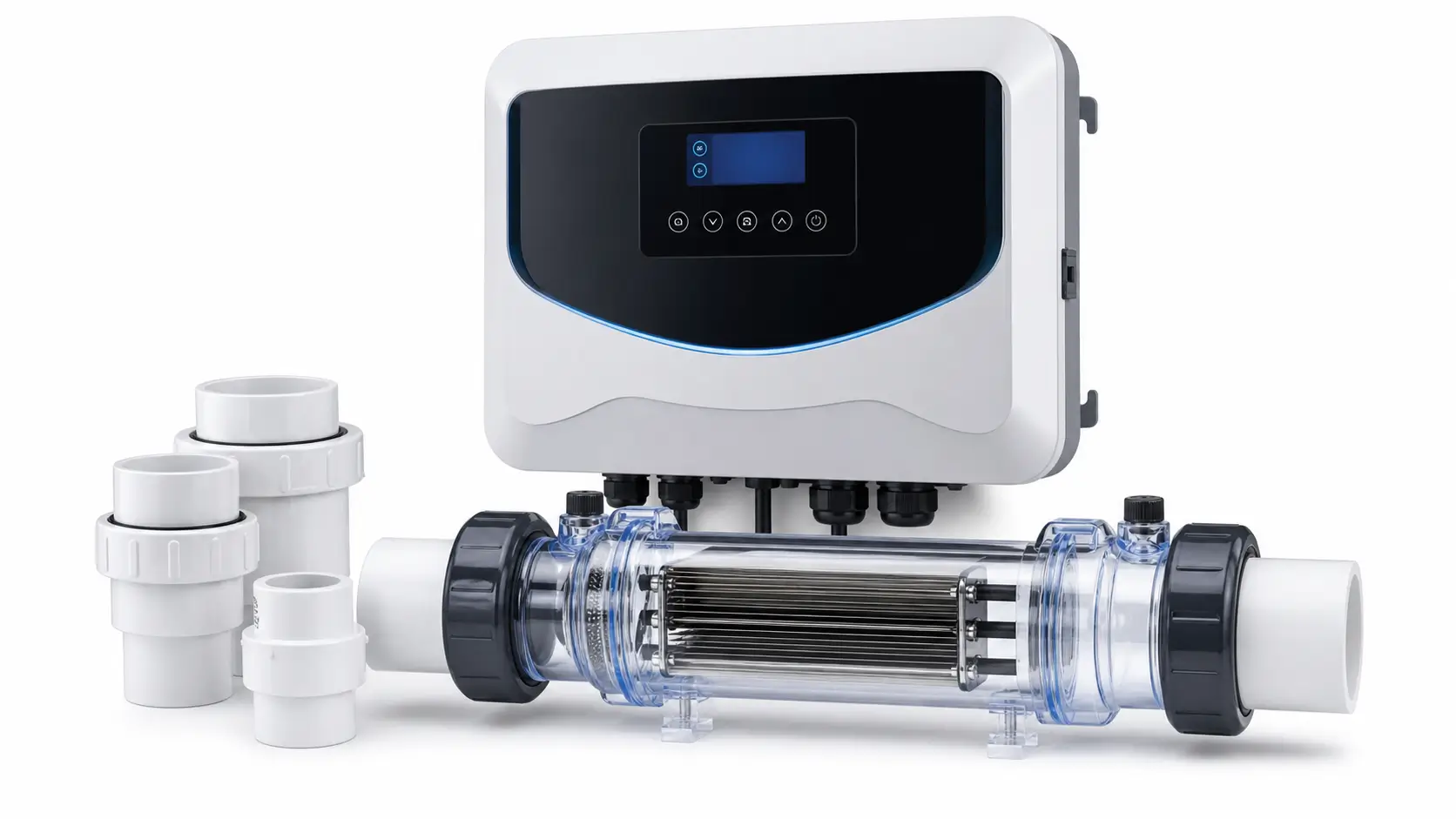
Commercial Pool Systems
For hotels, clubs and public pools with defined demand, redundancy, controller, alarms, code and service requirements.

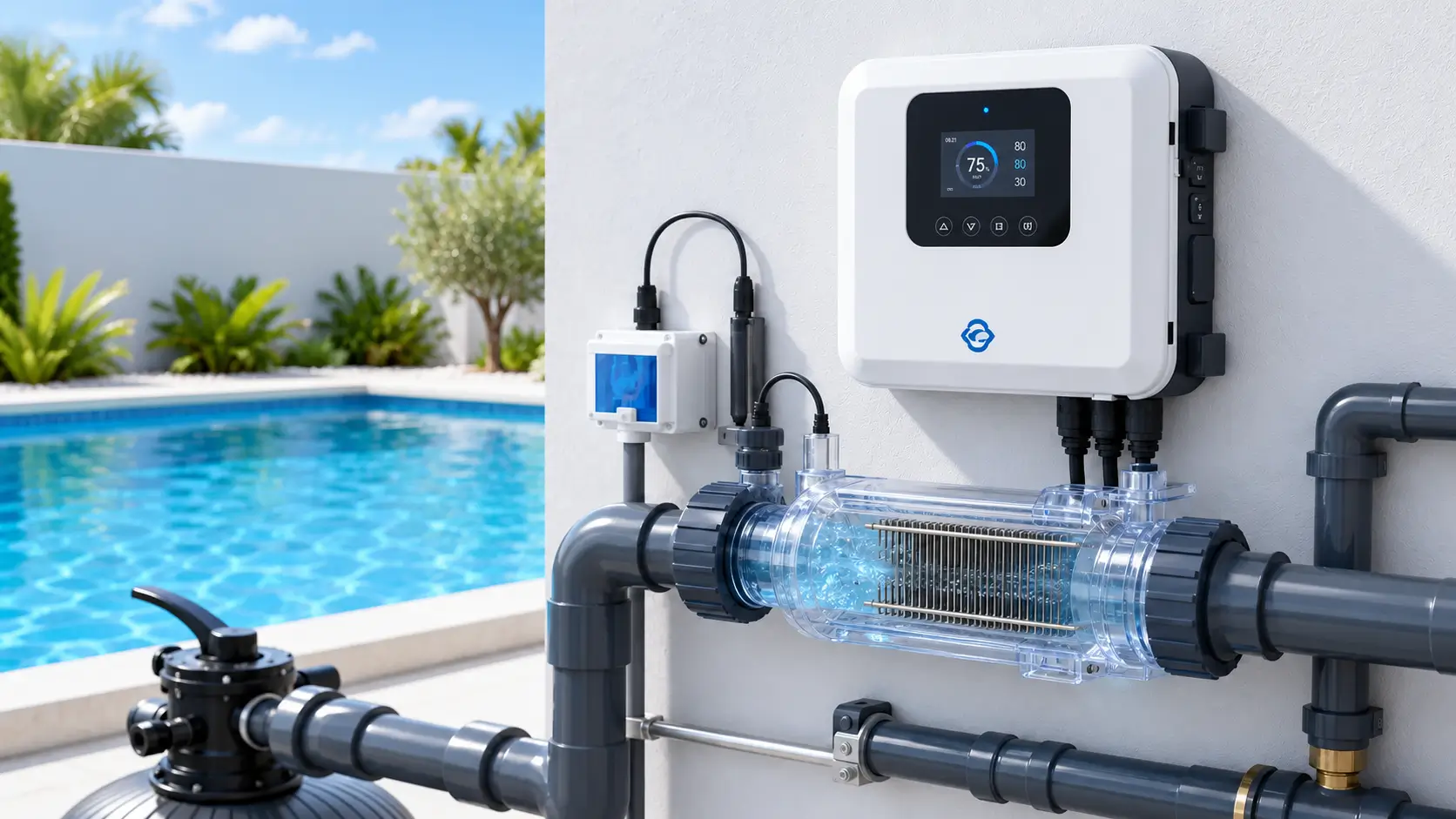
Commercial Pools · OEM Integration · Replacement Systems
Salt electrolysis cells, controllers and configurable systems reviewed against pool volume and turnover, bather and environmental load, chlorine demand, salinity, flow, plumbing, power, controls, local code and maintenance responsibility.
Important boundary: Disinfection boundary: a salt chlorinator generates chlorine but does not remove the operator’s responsibility for verified disinfectant residual, pH, circulation, filtration, testing, secondary treatment where required, water balance and applicable public-health code.
Pool volume is only one input. Turnover, bather load, temperature, sunlight, cover, water features, source water, stabilizer, contamination events and operating hours affect chlorine demand. The selected cell and controller must also match salinity, flow, pressure, plumbing, power, interlocks and code requirements.
These are engineering configuration families, not interchangeable catalogue claims. Final supply follows the approved project data and drawing.
For hotels, clubs and public pools with defined demand, redundancy, controller, alarms, code and service requirements.
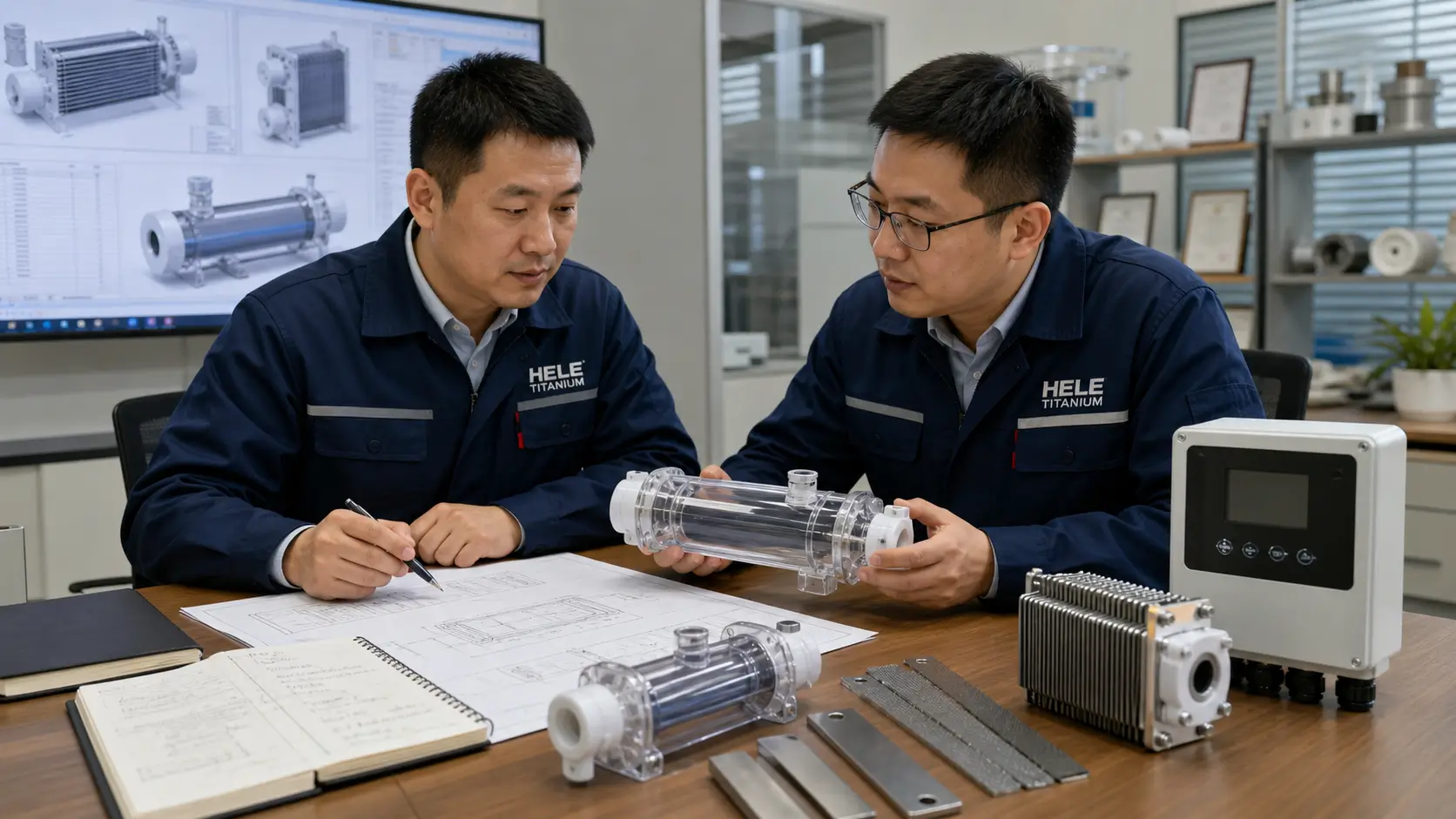
Cell, power/control, enclosure, interfaces, labels and regulatory responsibilities configured for an approved OEM product basis.
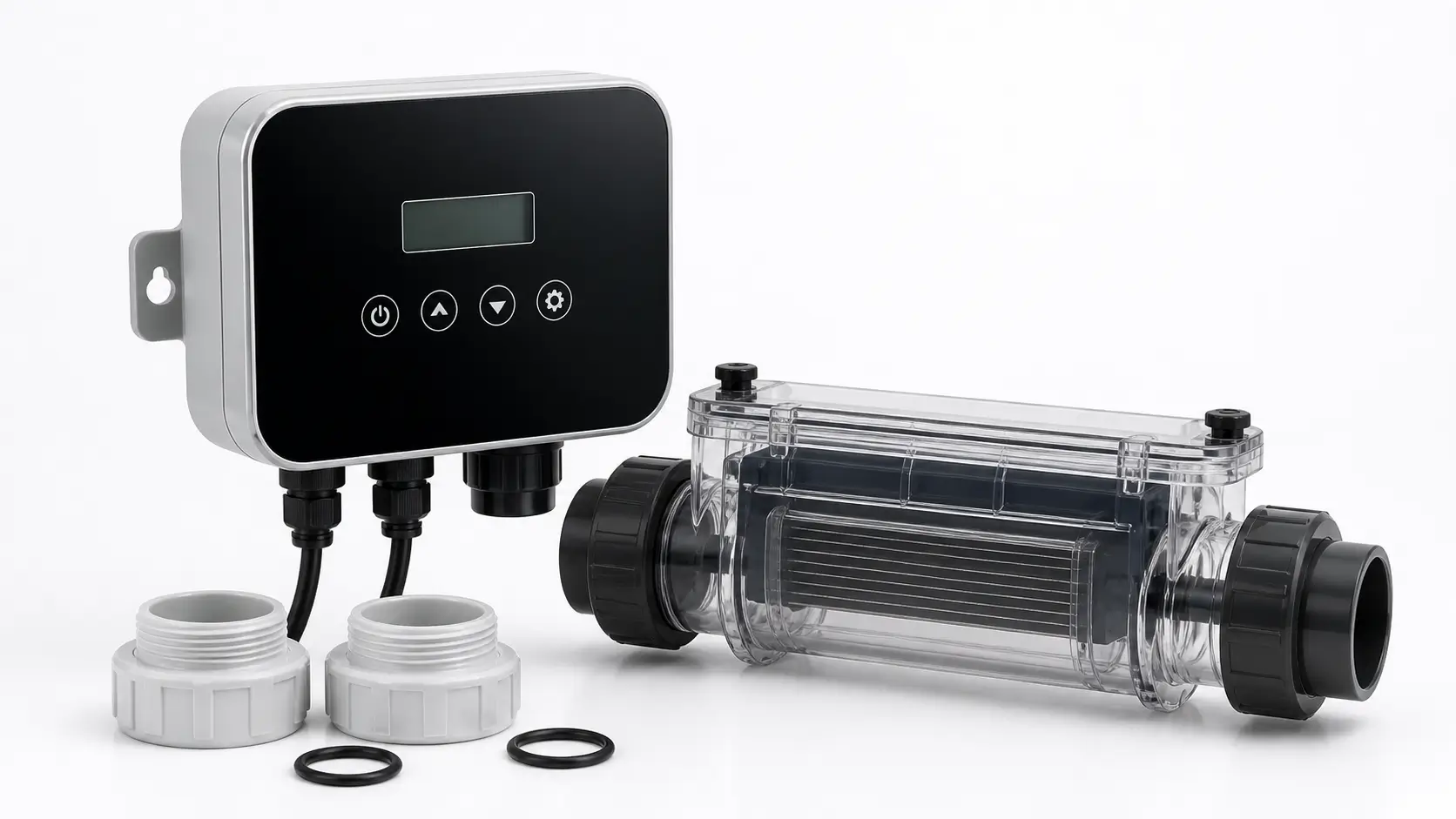
Confirm existing make/model, cell geometry, connector, flow housing, power/control compatibility and certification boundary.
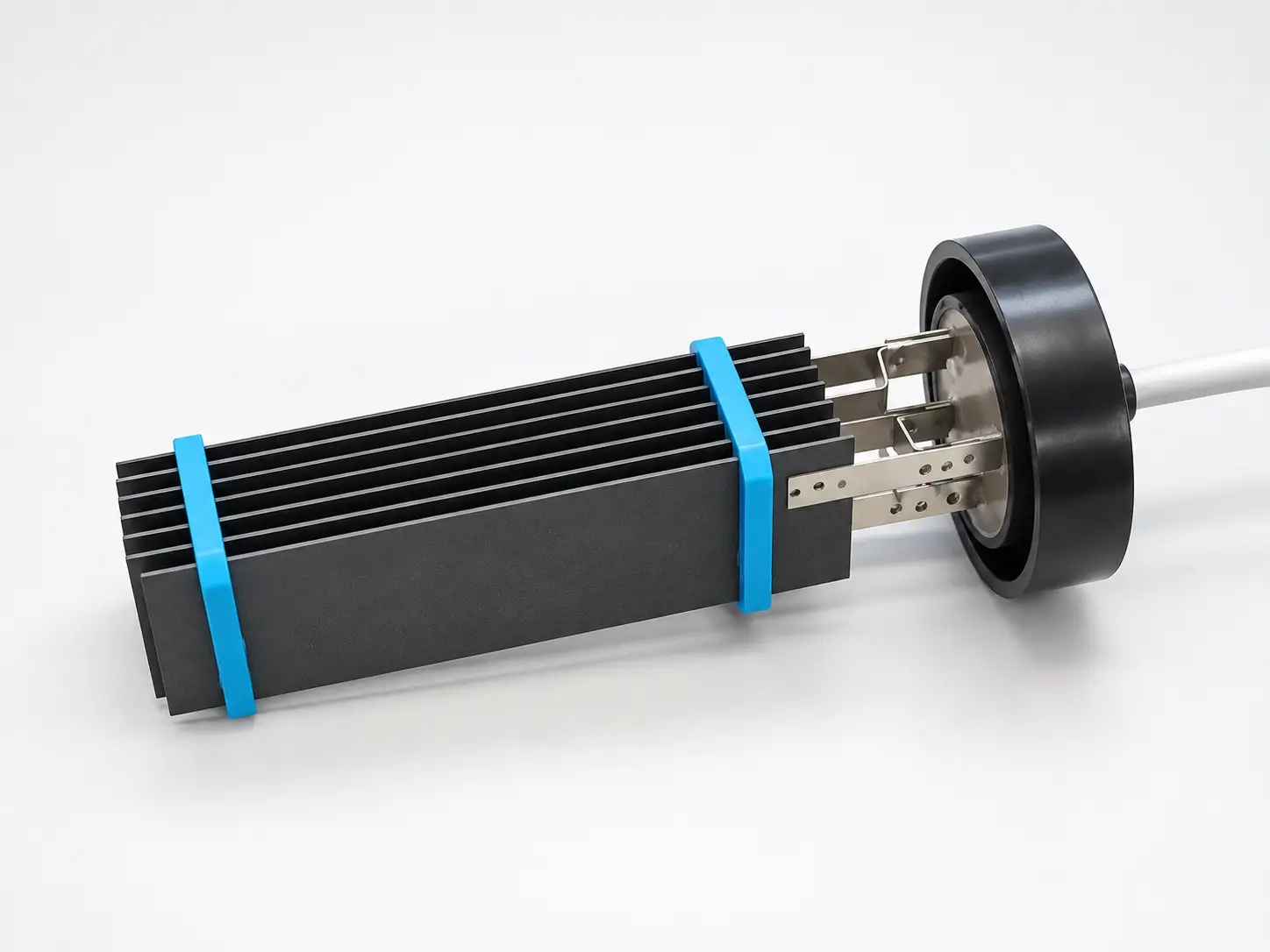
Define coating duty, plate geometry, effective area, polarity reversal, housing, flow and electrical interface.
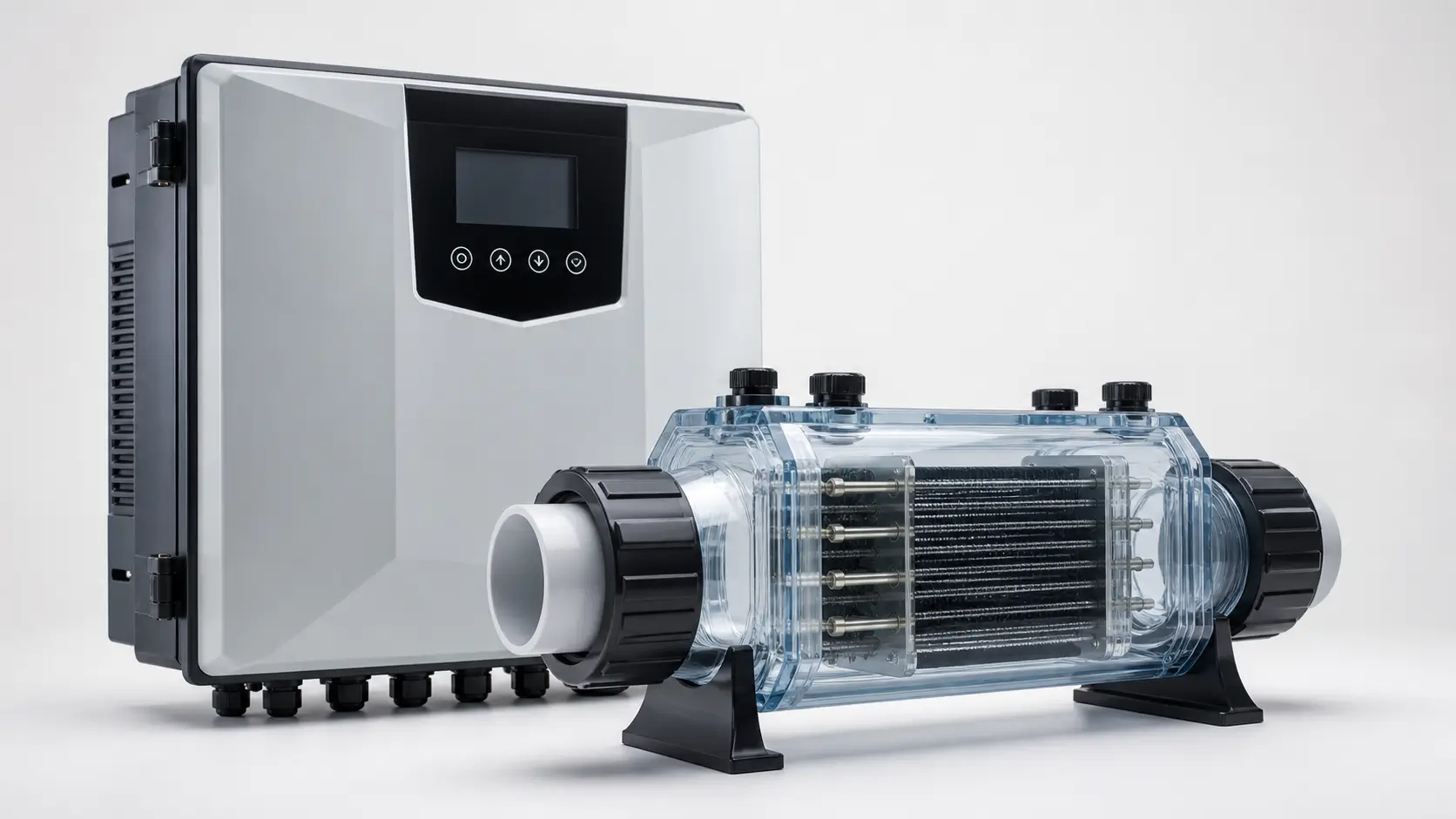
Define input, DC output, control algorithm, salt/TDS input, flow interlock, alarms, remote interface and enclosure.
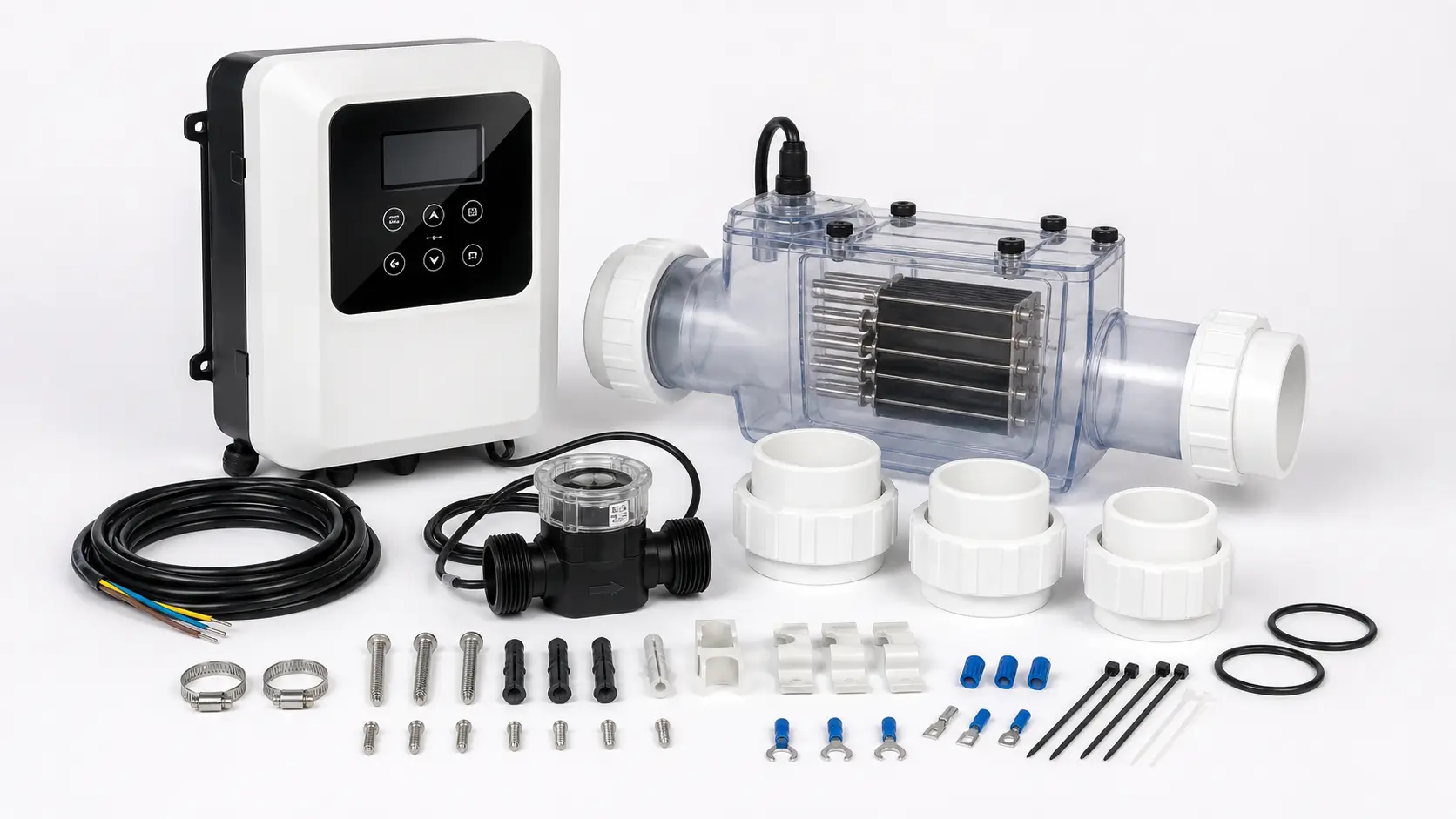
Review peak demand, duty, staging, redundancy, hydraulics, controller capacity and maintenance isolation.
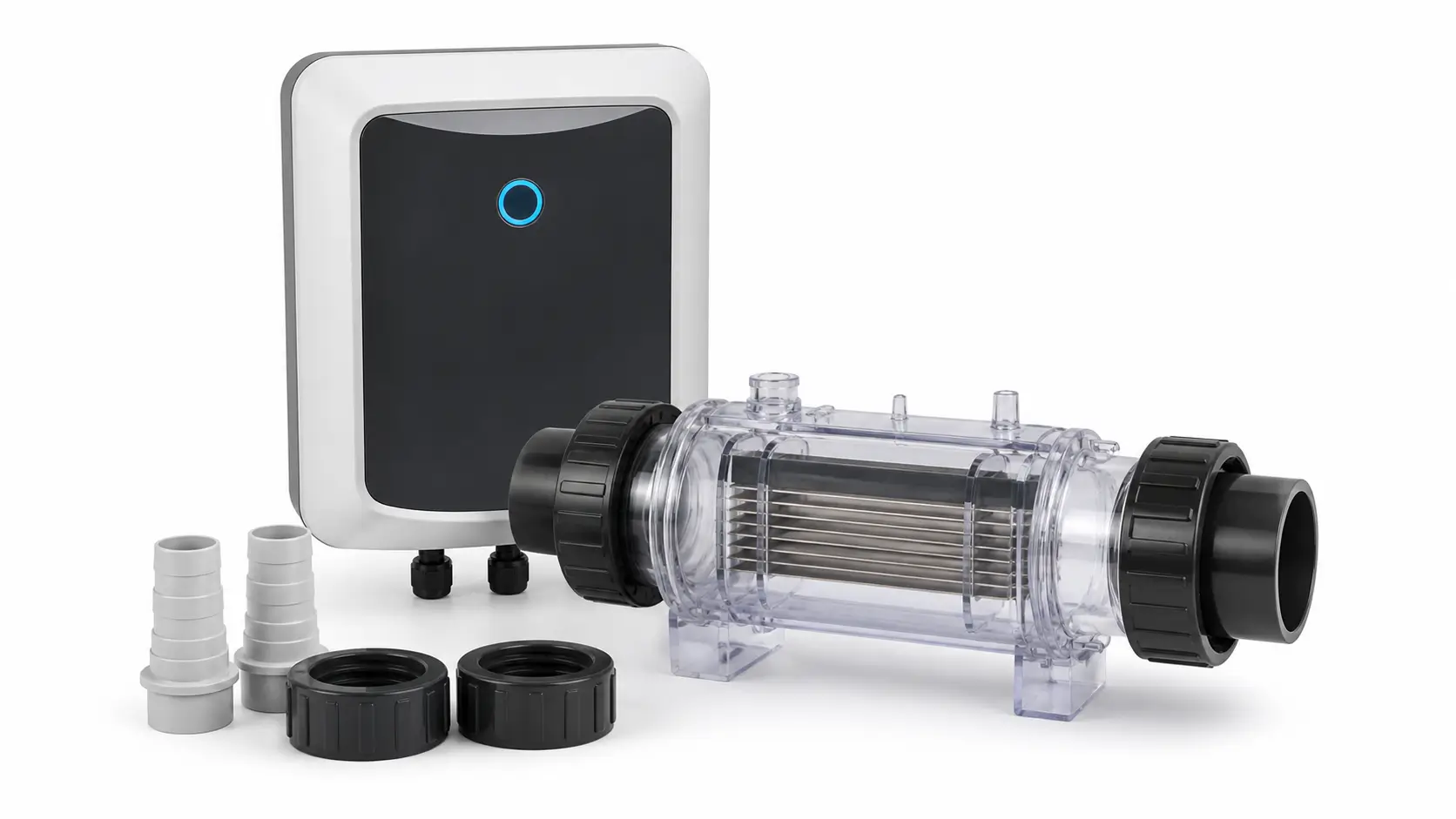
Confirm water volume, high-temperature/bather effects, turnover, required residual, local rules and cell cleaning.
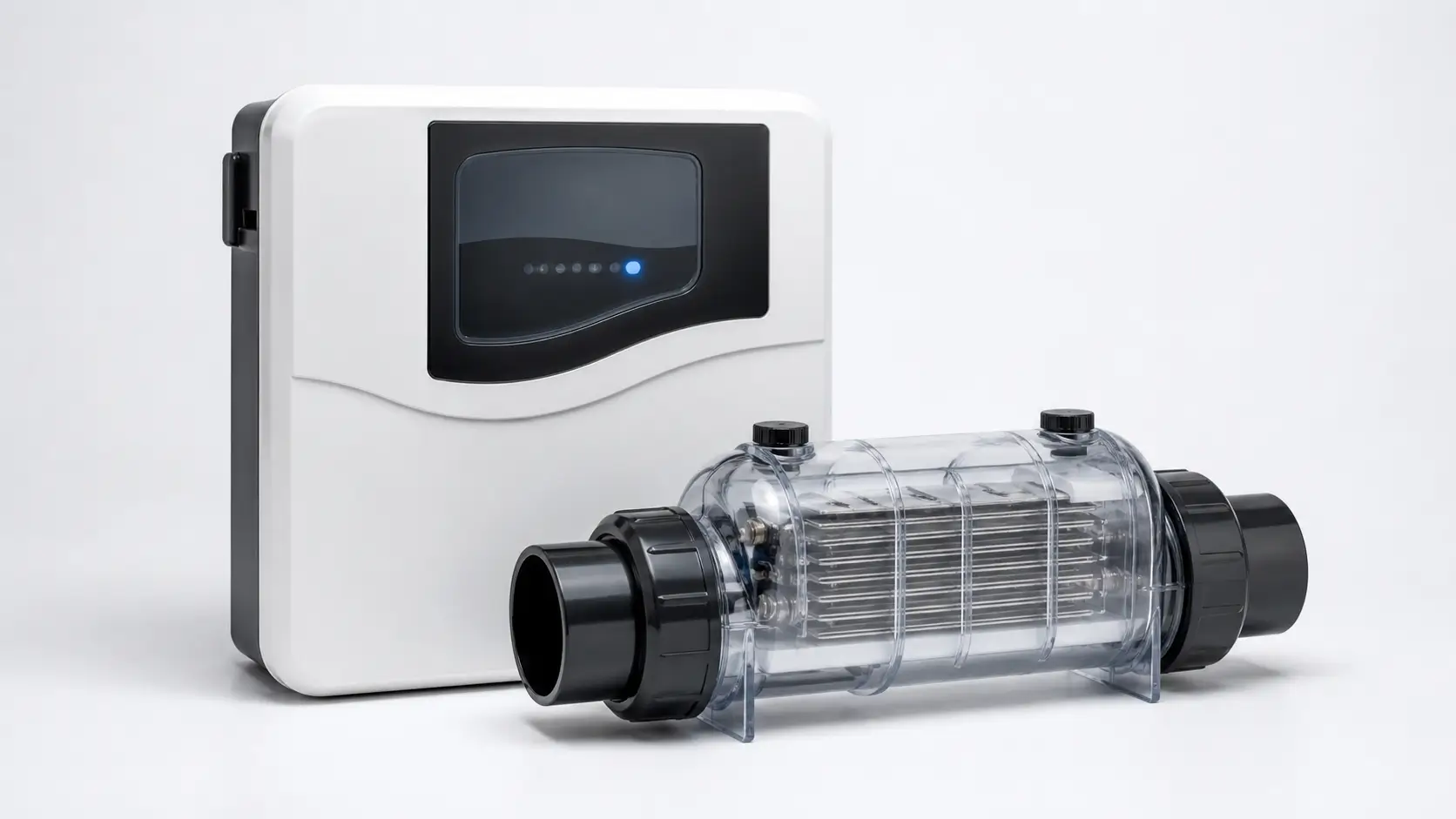
Freeze pipe size, unions/flanges, orientation, bypass, pressure loss, sensors, service clearance and winterization.
Every claimed characteristic needs a definition, method, units, sampling, acceptance and relationship to the delivered product or system.
| Characteristic | RFQ / PO definition | Evidence when ordered |
|---|---|---|
| Design duty | Pool volume, turnover, operating hours, bather/environmental load and required production basis | Sizing sheet with assumptions |
| Chlorine output | Rated/adjustable output with salinity, temperature, flow, voltage and test conditions | Order-defined performance test |
| Water window | Salt range, temperature, pH/water-balance limits and permitted salt quality | Operating manual and alarms |
| Hydraulics | Flow range, pressure, pressure loss, pipe size, orientation, bypass and interlock | Drawing and hydro/leak evidence where ordered |
| Electrical/control | Input, power, controller, polarity reversal, flow/salt/temp alarms and remote interfaces | Electrical safety/function test |
| Compliance | Target market, electrical/pool standards, listing/certification owner, labels and manuals | Actual certificate/listing only when applicable |
Final selection depends on project inputs, system interfaces, acceptance evidence and responsibility boundaries.

Size for operating schedule, occupancy peaks, outdoor exposure, water features, staff capability, redundancy and local code.
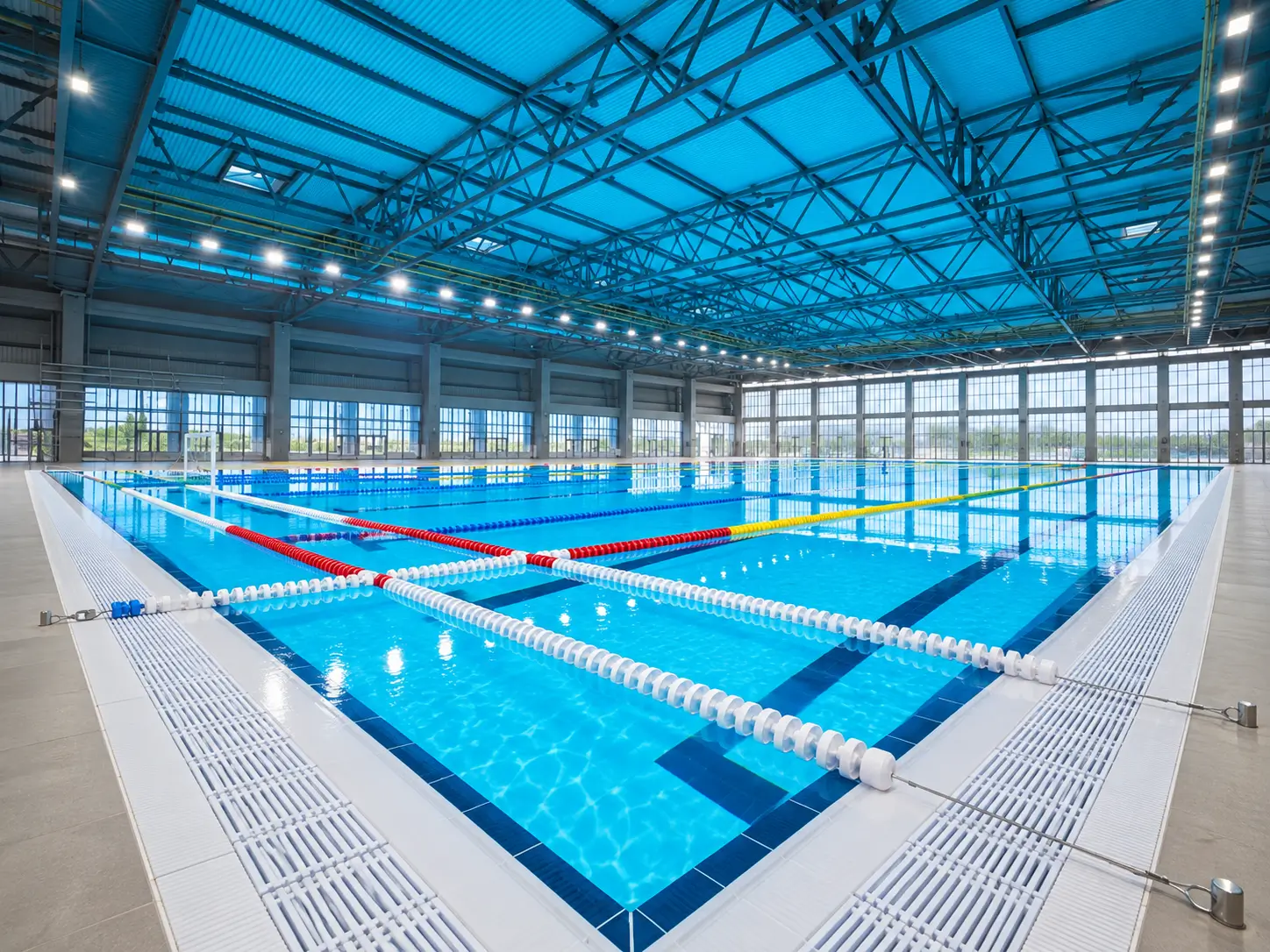
Define turnover, design bather load, automated control, alarms, interlocks, recording and authority requirements.
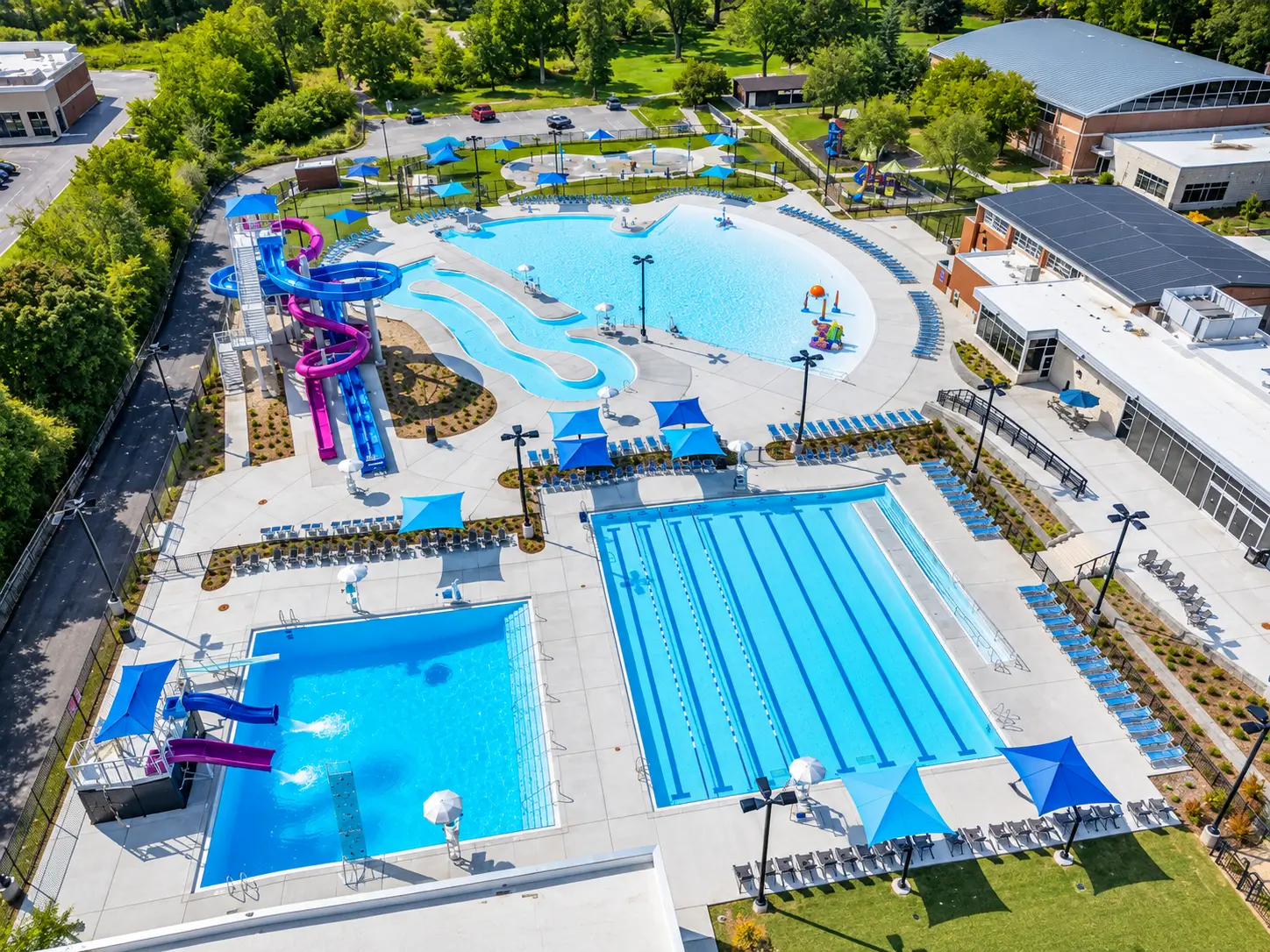
Separate pool zones, splash/play loads, secondary-treatment requirements, shared hydraulics and failure response.
Assign cell, controller, enclosure, firmware, certification, labeling, warranty and after-sales responsibilities.
The generator produces chlorine from pool-grade salt but does not replace circulation, filtration, water testing, pH control, water balance or code-required secondary treatment. Design and operation remain subject to the applicable jurisdiction and approved equipment instructions.
Align operating conditions, included equipment, measurement basis, acceptance method, documents, responsibility, exclusions and commercial terms. A product name or headline number is not a normalized quotation.
HELE can configure an order-specific salt chlorination supply around the approved chlorine duty, salinity, hydraulics, electrical supply, controls and installation interface. The quotation and equipment list define whether the order covers a cell, an OEM platform or a more complete package.
01 · Duty Review
Review chlorine demand, pool and operating profile, salinity, water temperature, hydraulics, power and target market requirements.
Typical order output: Duty summary and open-item list for configuration.
02 · Cell Configuration
Align titanium and coating duty, electrode geometry, effective area, polarity reversal, current and service access.
Typical order output: Cell configuration and rated-condition basis.
03 · Hydraulic Interface
Define housing, flow path, pipe size, unions or flanges, bypass, seals, pressure loss, sensors and maintenance clearance.
Typical order output: Approved hydraulic and mechanical interface.
04 · Power & Controls
Coordinate power input, DC output, flow and salt inputs, alarms, polarity reversal, remote interface and enclosure as included.
Typical order output: Control and interface schedule for the order.
05 · Verification
Perform the specified functional, electrical, leak or hydraulic checks and verify labels, alarms and selected operating functions.
Typical order output: Order-defined inspection and functional records.
06 · Handover
Coordinate manuals, drawings, labels, packing, recommended spares and any OEM documentation agreed before shipment.
Typical order output: Approved document register and handover package.
Cell or chlorinator supply does not automatically guarantee complete pool-water treatment, chemical balance, site hydraulics, local certification, installation or ongoing operating practice.
Order rule: only the signed quotation, approved drawings, equipment or material schedule, inspection plan and responsibility matrix define the final HELE supply.
Pool volume alone does not define a salt chlorination system. Compare quotations using the same chlorine-demand basis, water conditions, operating profile, controls, installation interfaces and supply boundary.
No. Turnover, bather and environmental load, operating hours, temperature, sunlight, stabilizer and required residual affect chlorine demand.
No. The system generates chlorine from salt. The pool still requires disinfectant residual and water-quality control under the applicable rules.
No. Geometry, connection, current/voltage control, sensors, flow housing, polarity reversal and certification compatibility must be reviewed.
No. Life depends on chemistry, salinity, temperature, current duty, scale, polarity reversal, cleaning, flow and the defined end point.
At minimum review flow interlock, salt/TDS indication, temperature/current/voltage protection, alarms, safe shutdown, enclosure and market-specific electrical requirements.
Freeze cell, controller, housing/plumbing, firmware/interface, labels, manuals, certification owner, tests, warranty, spares and change control.
A drawing, process note, water analysis, existing-system record or specification is enough to begin. Unknown items can remain open rather than being replaced by generic performance claims.