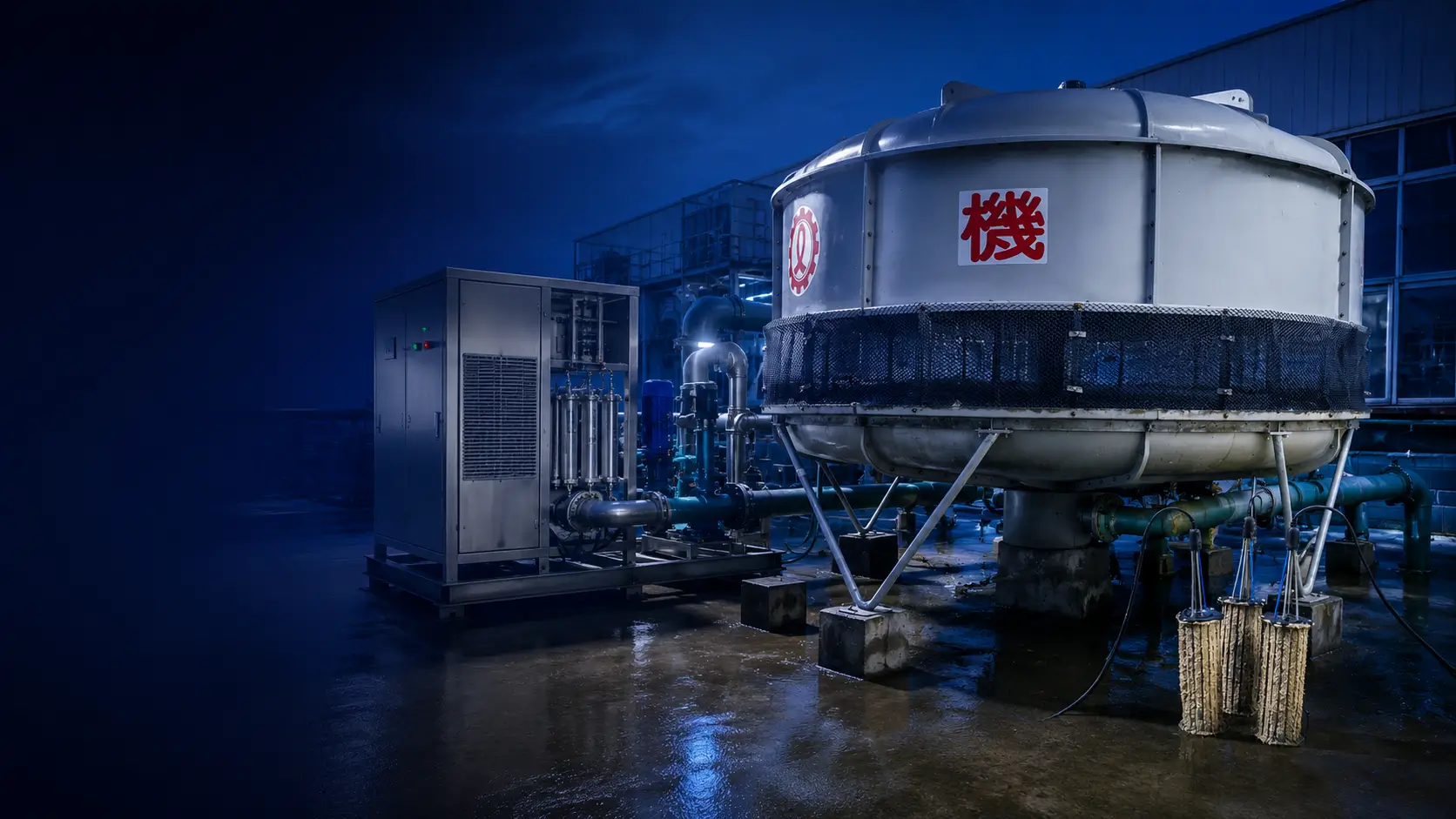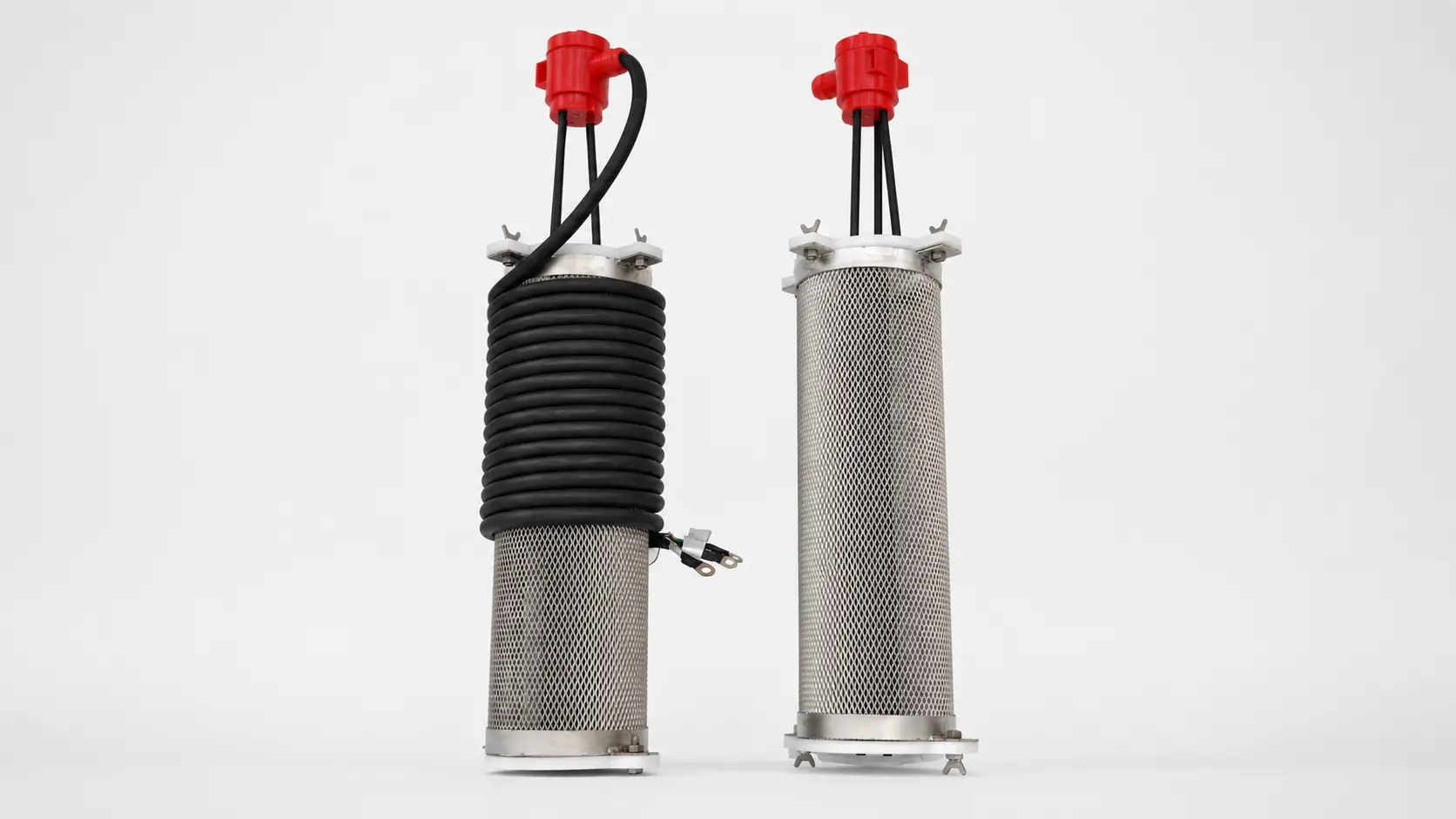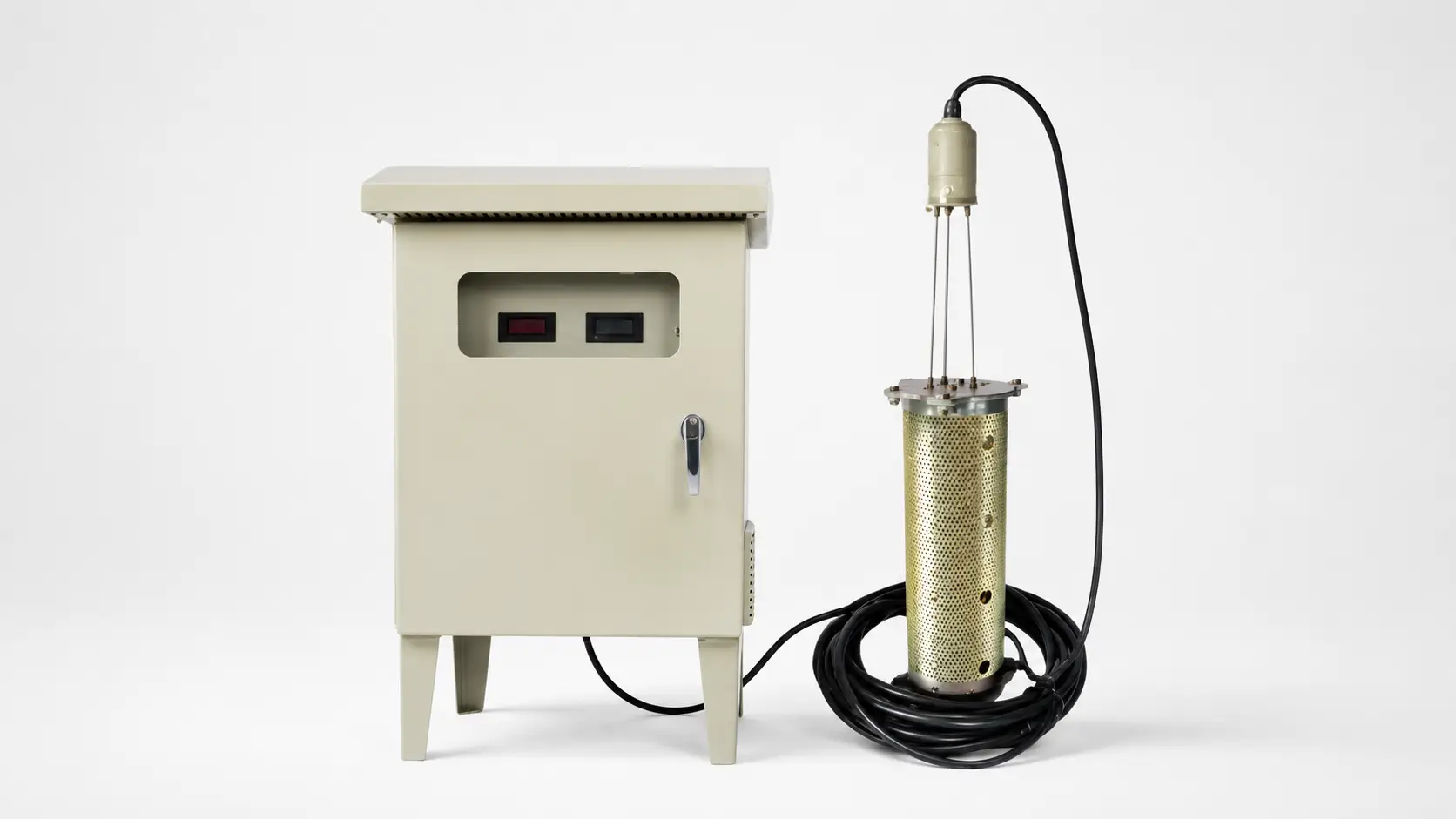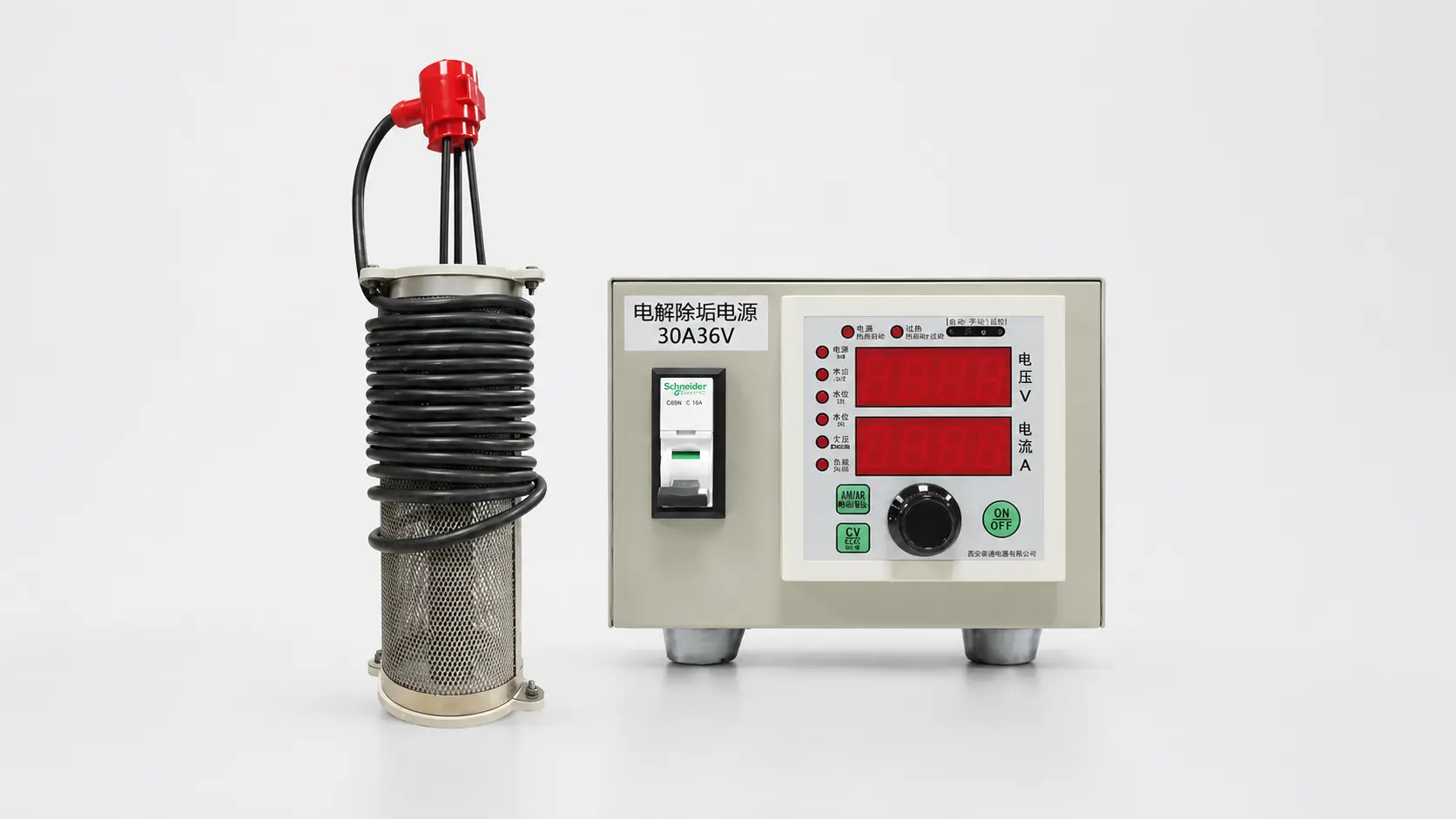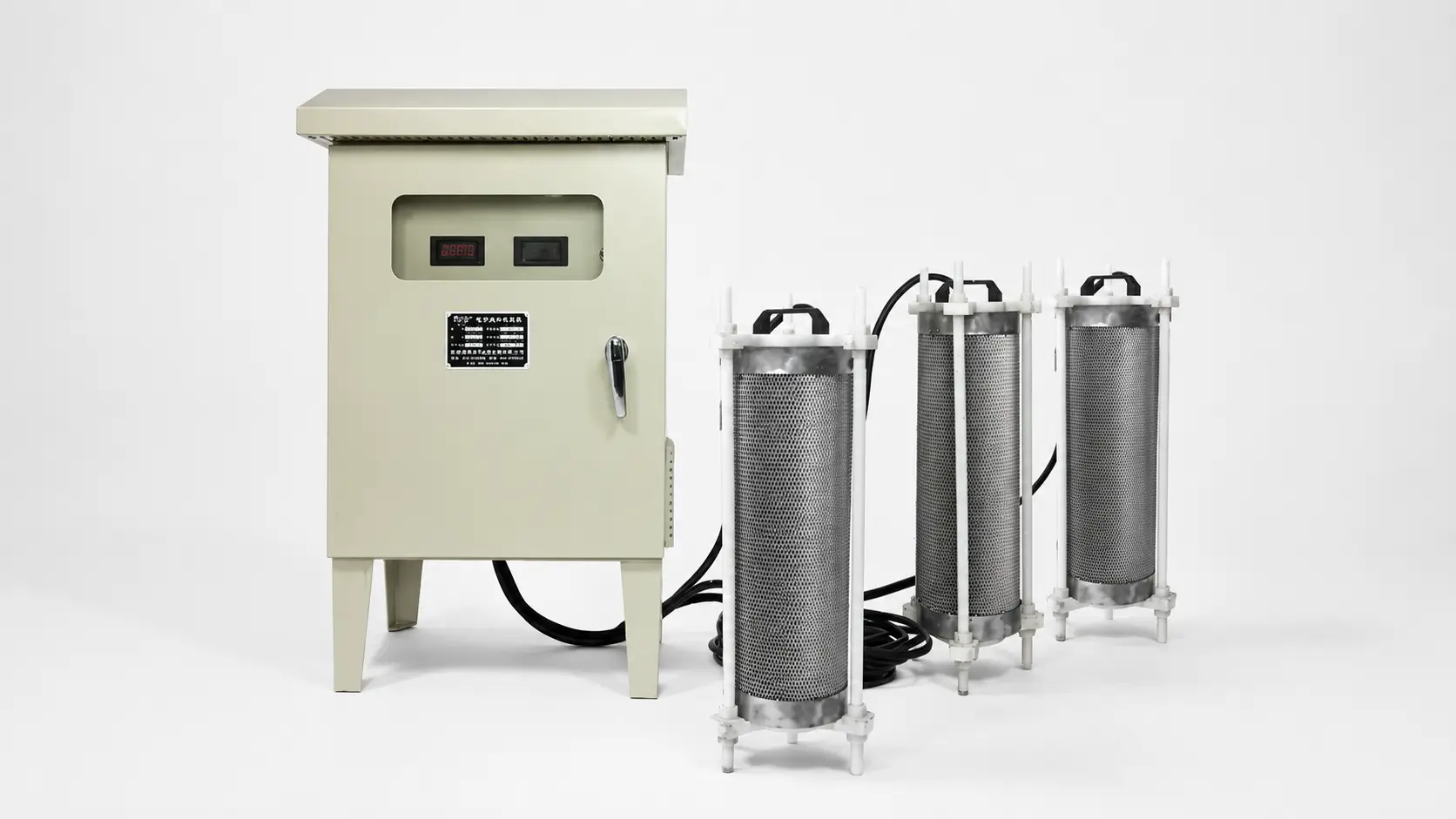
Electrolytic Scale Remover System
Electrolytic Scale Remover Solutions

Electrolytic Scale Remover Manufacturer

Factory-direct electrochemical scale prevention and descaling systems engineered for cooling towers, heat exchangers, HVAC water loops, industrial pipelines, boilers, irrigation systems, and OEM water treatment equipment. Durable MMO coated titanium electrodes, custom sizing, and application-specific support for long-term scale control.

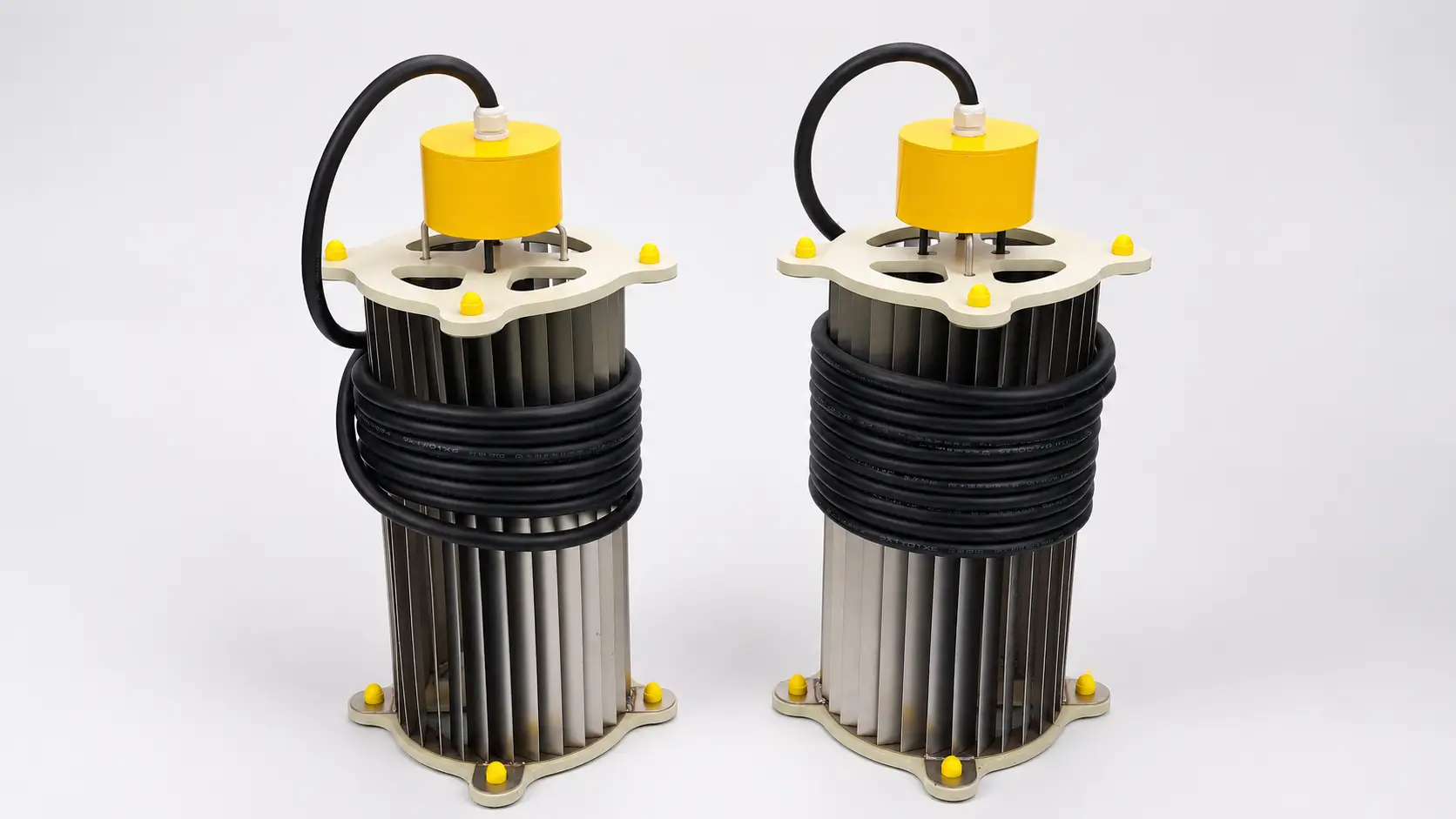
MMO Coated Titanium Electrodes
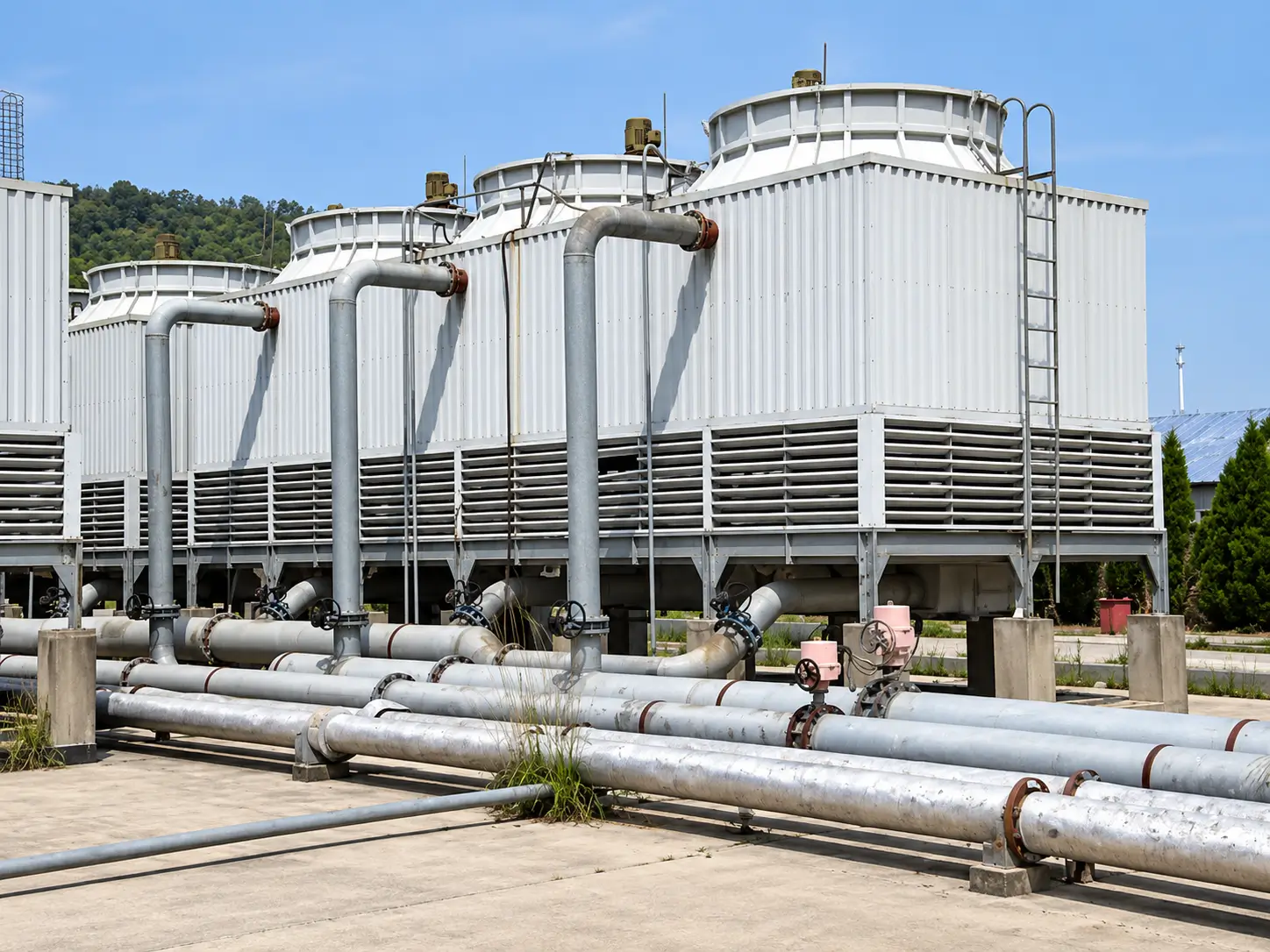
Cooling Tower & Heat Exchanger Scale Control
Tubular, Cylinder, Plate & Custom Designs
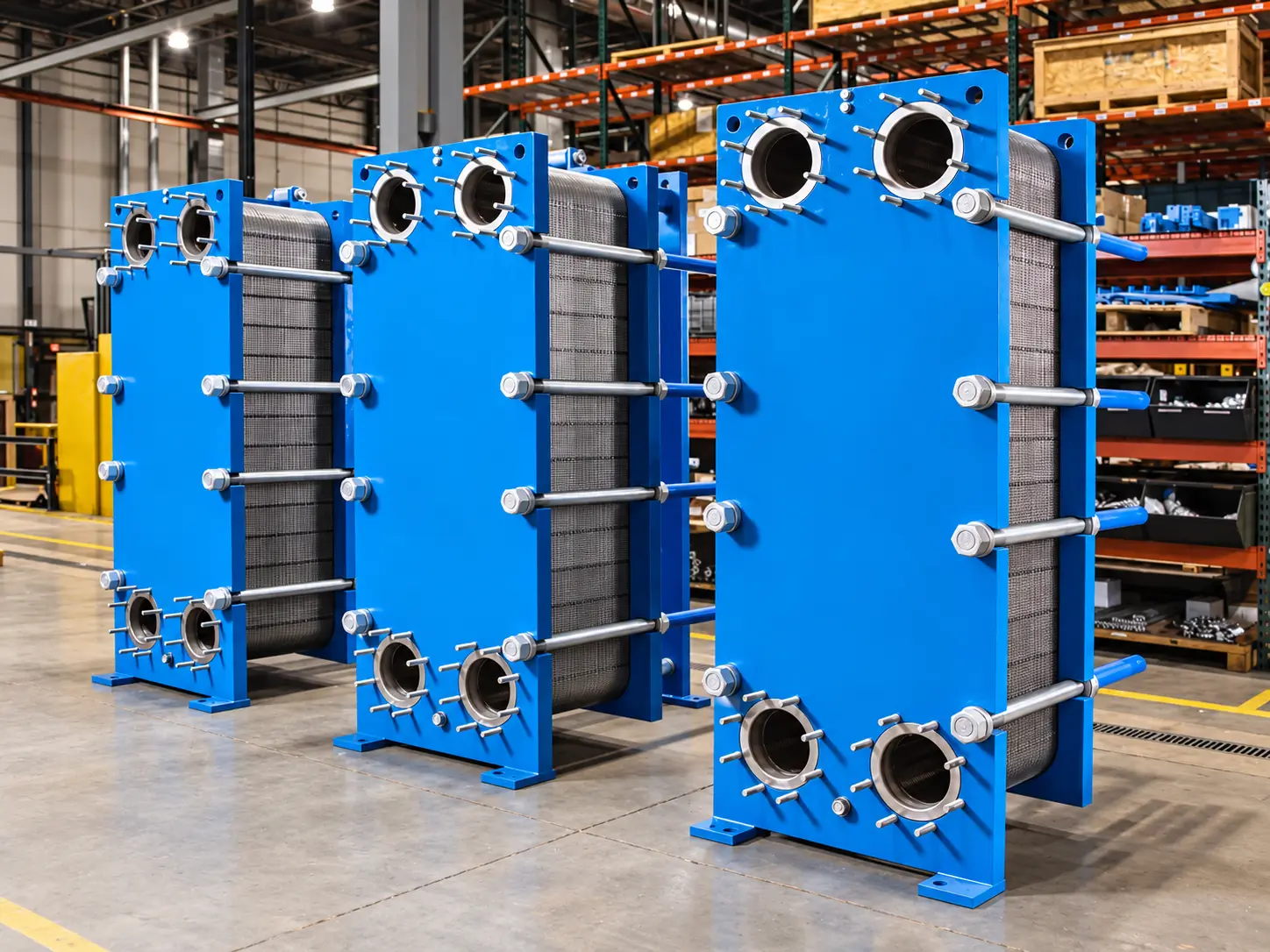
Low-Chemical Water Treatment Alternative
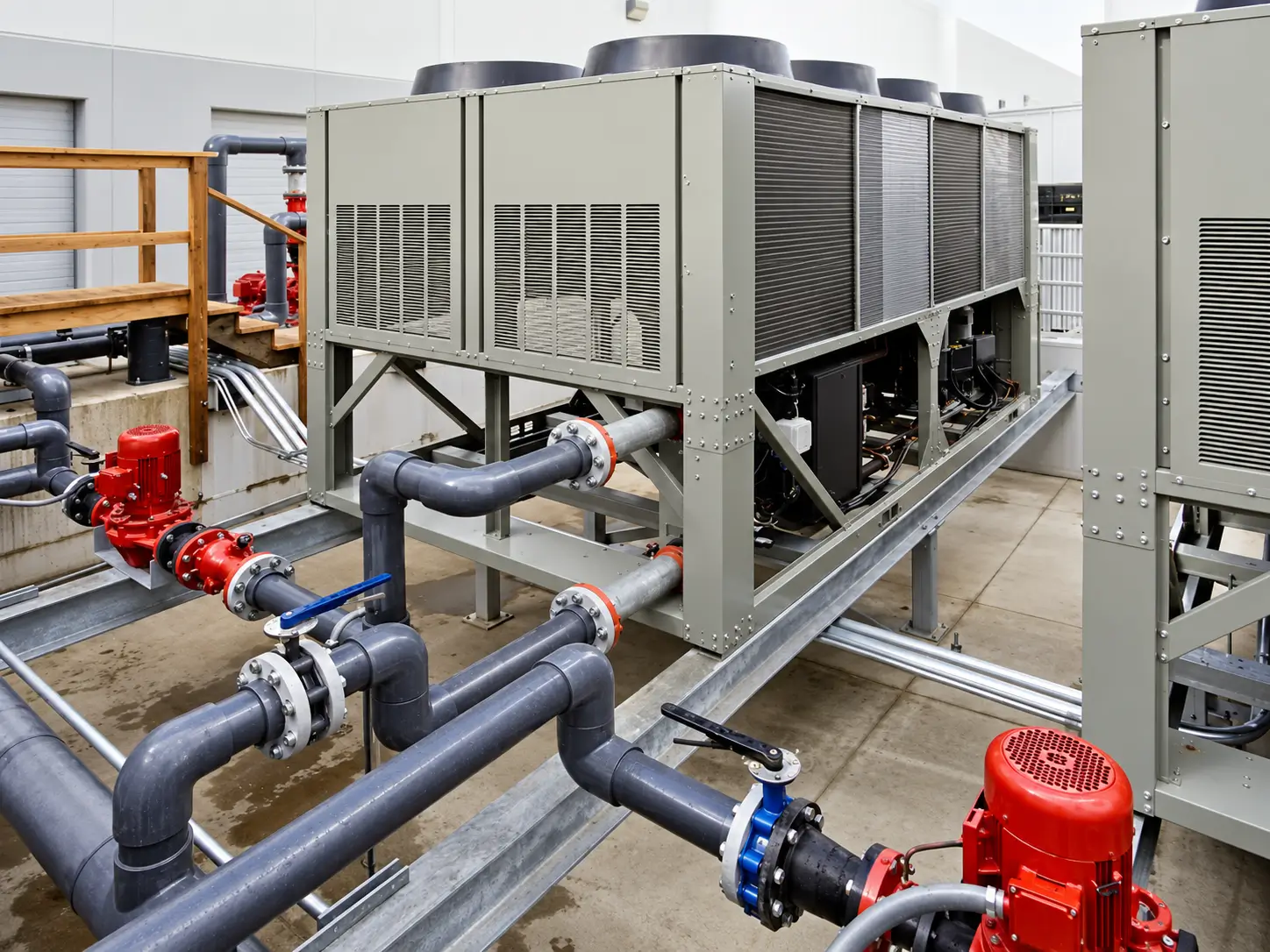
Custom Flow Rate, Current & Installation Support

Stop Scale Before It Steals Your Efficiency

Even a thin layer of scale can raise energy costs, reduce water flow, and shorten equipment life.

Scaling and fouling are hidden operating costs in cooling towers, heat exchangers, boilers, chillers, and industrial water circuits. Mineral deposits reduce heat transfer, increase pressure drop, promote under-deposit corrosion, and force maintenance teams into repeated chemical cleaning or shutdowns.

Hele Titanium’s Electrolytic Scale Remover systems use controlled electrochemical treatment to alter scale-forming minerals before they attach to critical surfaces. By combining MMO coated titanium electrodes, optimized current density, site-specific sizing, and industrial-grade construction, our ESR systems help reduce scale buildup, support cleaner water circuits, lower maintenance load, and improve long-term equipment efficiency.

Scale Prevention
Reduced Chemical Dependency
Better Heat Transfer Protection
Custom Water-System Sizing
Request Scale Control Assessment
Engineer inspecting cooling tower ESR system

How Electrolytic Scale Removers Protect Your Equipment

An Electrolytic Scale Remover creates a controlled treatment zone inside your water system. As water passes through the electrode field, scale-forming minerals are encouraged to form fine, non-adherent particles instead of hard deposits on heat transfer surfaces, pipes, and equipment.

01

Hard Water Enters the ESR Unit

Water containing calcium, magnesium, bicarbonate, and other scale-forming minerals flows through the treatment chamber.

Note: Water hardness, conductivity, pH, flow rate determine sizing.

02

Controlled Electrolysis Begins

A low-voltage DC current is applied between MMO coated titanium electrodes and cathode surfaces.

Note: Operating current, voltage, current density affect treatment.

03

Minerals Change Crystallization Behavior

Local electrochemical reactions influence mineral precipitation, encouraging hardness minerals to form fine suspended particles instead of sticky hard scale.

Note: Correct sizing helps prevent unstable performance.

04

Particles Flow, Settle, or Are Collected

Non-adherent particles remain suspended, settle in controlled zones, or are removed through blowdown, filtration, or a scale collection basket.

Note: Blowdown and filtration maintain cleanliness.

05

Critical Surfaces Stay Cleaner

Heat exchangers, cooling circuits, pipes, and water-contact surfaces experience reduced hard scale adhesion.

Note: Cleaner surfaces support lower energy consumption.

Electrolytic Scale Remover Product Range

Hele Titanium manufactures Electrolytic Scale Removers in multiple structures for cooling towers, HVAC systems, heat exchangers, industrial water loops, pipelines, boilers, irrigation systems, and OEM water treatment equipment. Standard and custom configurations are available based on flow rate, water quality, current density, installation method, and

Electrolytic Scale Remover

Electrolytic Scale Remover

Config: Complete electrochemical scale prevention unit

Best For: Cooling towers, heat exchangers, HVAC water loops

Advantage: Continuous low-chemical scale control to protect efficiency.

Cooling Water Descaler Anode

Cooling Water Descaler Anode

Config: MMO coated titanium anode for ESR systems

Best For: Cooling water systems, chillers, OEM modules

Advantage: Durable catalytic coating supports long-term treatment.

Electrolytic Descaling Device

Electrolytic Descaling Device

Config: Integrated descaling reactor with titanium assembly

Best For: Industrial facilities, commercial buildings

Advantage: Compact installation with controlled DC operation.

Cooling Tower Descaler

Cooling Tower Descaler

Config: Side-stream or basin-installed scale control unit

Best For: Cooling towers, HVAC systems, data centers

Advantage: Helps reduce scale, improve heat transfer, lower blowdown.

Electrolytic Descaler

Electrolytic Descaler

Config: Custom electrochemical scale treatment equipment

Best For: Pipelines, boilers, heat exchangers, chillers

Advantage: Long-term scale prevention without continuous dosing.

Electrolysis Scale Remover

Electrolysis Scale Remover

Config: Electrolysis-based anti-scaling system

Best For: Hard water systems, process water loops

Advantage: Alters mineral behavior before scale attaches.

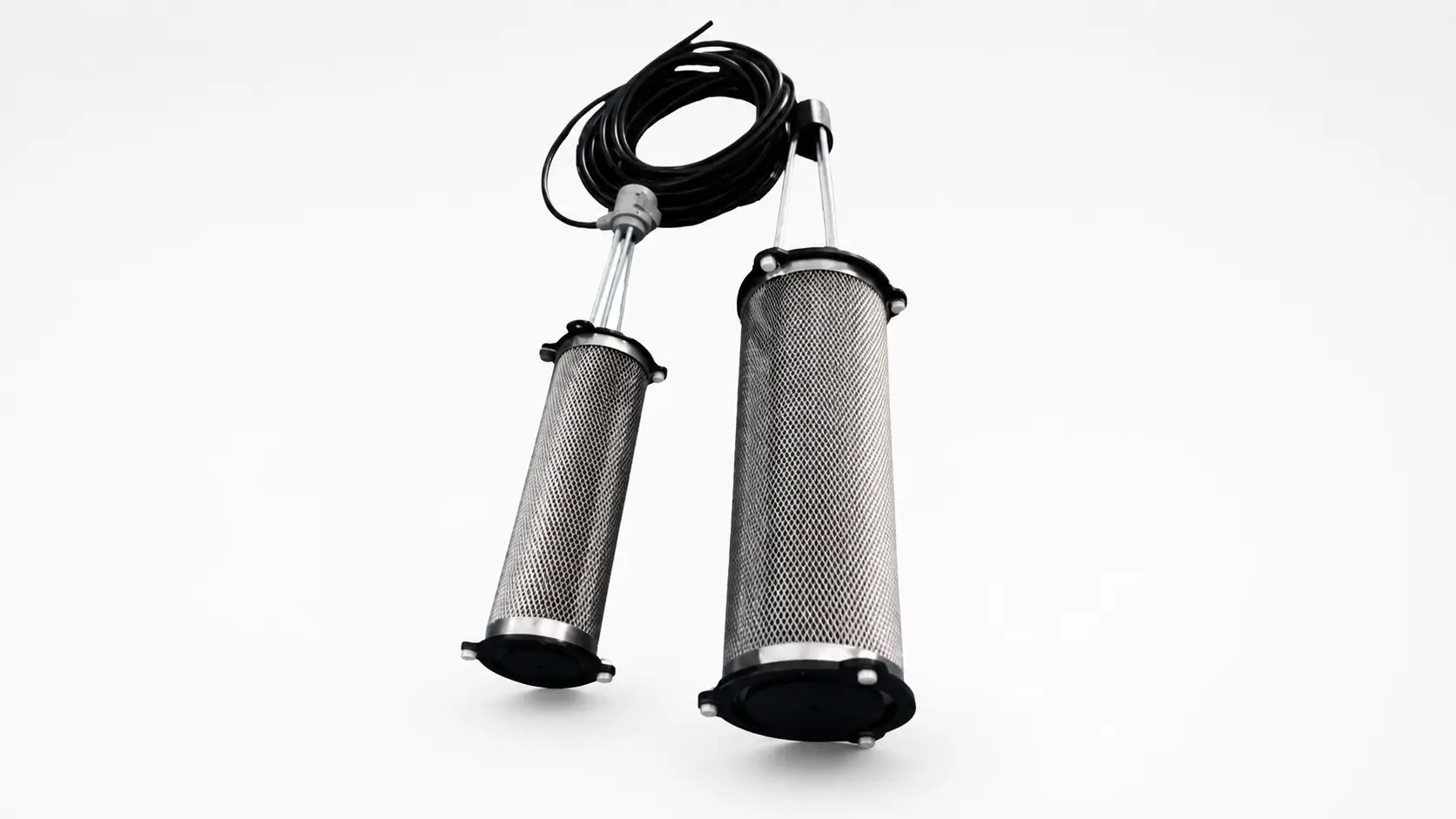
Cylinder Type ESR System

Cylinder Type ESR System

Config: Compact cylindrical electrode chamber

Best For: Small to medium cooling towers, space-limited areas

Advantage: Efficient scale control in a compact customizable format.

Tubular Type ESR System

Tubular Type ESR System

Config: Robust PVC/industrial housing with tubular electrode

Best For: Industrial water loops, side-stream treatment

Advantage: Heavy-duty structure supports continuous demanding operation.

Choose the Right ESR Model by Flow Rate & Installation

Correct ESR sizing is essential. An undersized system may not provide enough treatment intensity, while an oversized system may increase upfront cost unnecessarily. Hele Titanium recommends ESR configuration based on your flow rate, water hardness, system volume, conductivity, temperature, installation location, and scale-control target.

30 Plates Type ESR Equipment

30 Plates Type ESR

  • Typical Capacity: 120 m³/h, customizable
  • Device Structure: Large titanium electrode assembly for higher-flow systems
  • Electrical Range: 5–10 A adjustable, 12–36 V DC
  • Best For: Larger cooling tower systems, industrial circulation water, and high-volume HVAC applications
Suitable for projects requiring higher treatment capacity and robust electrode surface area.
POPULAR
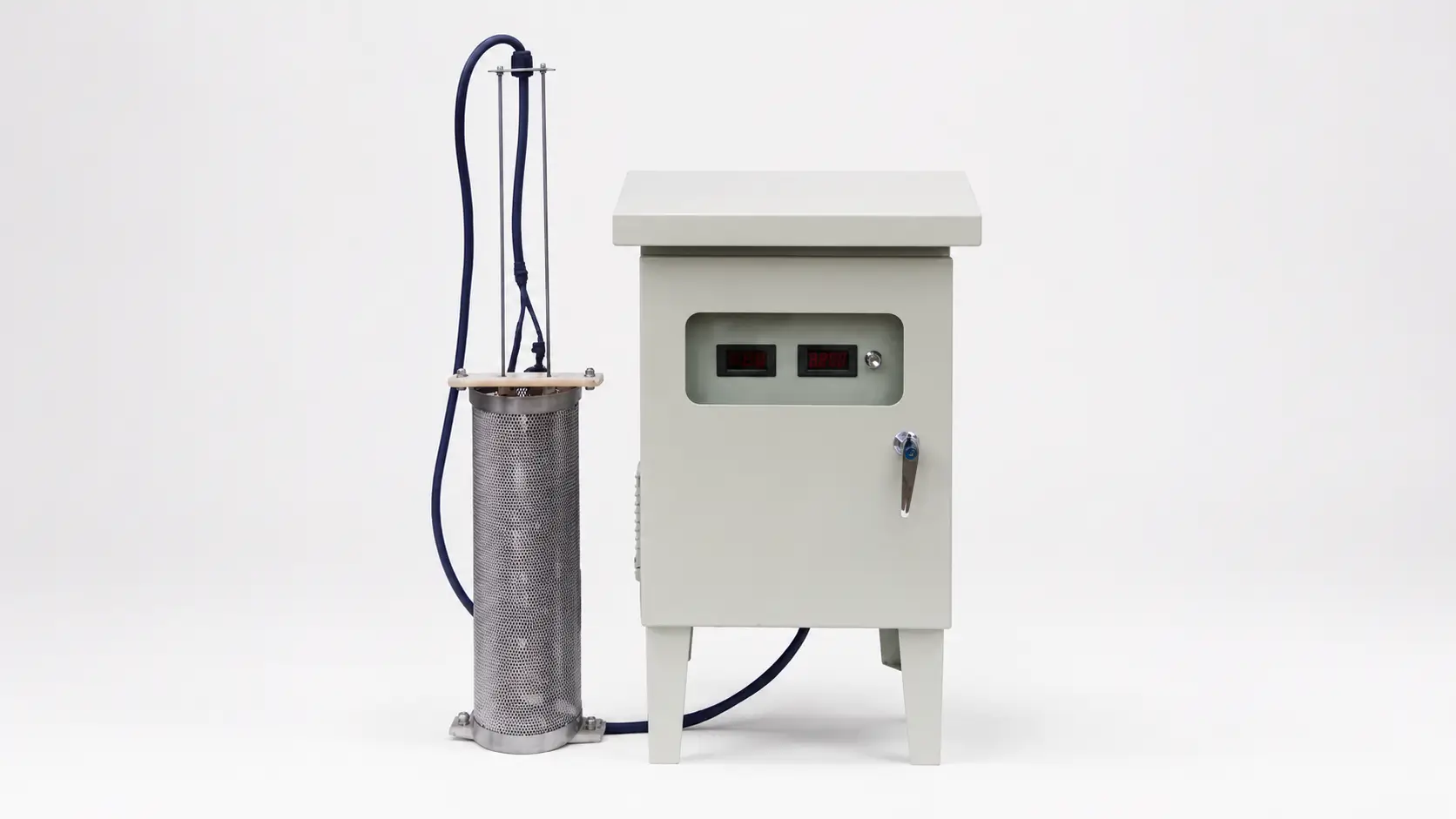
Cylinder Type ESR Equipment

Cylinder Type ESR

  • Typical Capacity: 60 m³/h, customizable
  • Device Structure: Compact cylinder design with tubular electrode and titanium cathode mesh
  • Electrical Range: 5–10 A adjustable, 12–36 V DC
  • Best For: Small to medium cooling towers and compact installation areas
A compact choice for facilities needing reliable anti-scaling support with easier installation.
Tubular Type ESR Equipment

Tubular Type ESR

  • Typical Capacity: 3–4 m³/h, customizable
  • Device Structure: PVC housing with tubular titanium electrode and titanium cathode mesh
  • Electrical Range: 5–10 A adjustable, 12–36 V DC
  • Best For: Side-stream loops, smaller water systems, pilot installations, and special custom treatment points
Useful for modular installations or targeted treatment zones.

Typical ESR Model Selection Reference

Model Type Typical Capacity Operating Voltage Operating Current Current Density Typical Application
30 Plates Type 120 m³/h, customizable 12–36 V DC 5–10 A adjustable 55–60 A/m² Larger cooling towers and industrial circulation
Cylinder Type 60 m³/h, customizable 12–36 V DC 5–10 A adjustable 55–60 A/m² Small to medium cooling towers
Tubular Type 3–4 m³/h, customizable 12–36 V DC 5–10 A adjustable ~100 A/m² Side-stream or compact installations
Note: Final selection must be based on water analysis, hardness, TDS, flow rate, conductivity, temperature, installation method, and required scale-control performance.

Chemical vs Electrolytic Descaling: Which Fits Your Facility?

Chemical descaling can remove heavy existing deposits quickly, but it often requires repeated chemical handling, shutdowns, wastewater disposal, and safety procedures. Electrolytic scale removal is designed for continuous prevention and lower-chemical operation.

Chemical Descaling vs Electrolytic Scale Removal

Factor Chemical Descaling Electrolytic Scale Remover
Core Method Adds chemicals to dissolve existing scale Uses controlled electrochemical treatment to prevent hard scale adhesion
Operation Style Reactive and periodic Proactive and continuous
Chemical Handling Requires storage, dosing, PPE, and disposal Reduces or may eliminate continuous antiscalant dosing in suitable applications
Equipment Impact Risk of corrosion if mismanaged Non-corrosive treatment principle when properly designed
Maintenance Load Requires repeated cleaning cycles Requires electrode inspection and occasional cleaning
Environmental Impact Chemical waste and disposal concerns Lower chemical footprint and reduced discharge complexity
Best Fit Heavy emergency scale removal Long-term scale prevention and efficiency protection
Buyer Priority Fast removal of severe deposits Energy saving, water saving, safer operation, and lower long-term maintenance

When to Choose Electrolytic Descaling

Choose ESR when your priority is long-term scale prevention, reduced chemical dependency, lower maintenance, better heat transfer, improved water conservation, and safer routine operation. For systems with severe existing scale, chemical cleaning may be required before ESR installation.

Customized Electrolytic Descaling Solutions

Designed around your water chemistry, flow rate, system layout, and scale-control target.

Engineer reviewing custom ESR system

Scaling problems vary by water chemistry, operating temperature, flow pattern, hardness level, and equipment design. Hele Titanium custom-engineers ESR systems based on your water analysis, flow rate, installation location, electrical design, anode configuration, and maintenance goals.

Precision System Sizing

We evaluate flow rate, hardness, TDS, conductivity, pH, alkalinity, temperature, and system volume to recommend the correct ESR capacity.

Optimized Anode Selection

MMO coated titanium electrodes can be customized by coating formulation, active area, geometry, and current density for your water conditions.

Flexible Installation Options

Side-stream, in-basin, pipeline, skid-mounted, cylinder, tubular, or custom mounting designs can be built around your site layout.

Control Box & Power Design

Operating current, voltage, controller interface, display, protection functions, and automation options can be configured.

Scale Collection & Flushing Strategy

Scale collection baskets, flushing points, blowdown strategy, and filtration recommendations can be designed to support easier maintenance.

OEM / Integrator Support

Custom ESR modules, private-label units, technical documentation, and repeatable supply are available for water treatment OEMs and system integrators.

What We Need From You

  • Water analysis (hardness, TDS, pH, etc.)
  • Flow rate and system volume
  • Application (cooling tower, HVAC, etc.)
  • Operating temperature and pressure
  • Installation location / space
  • Existing scale severity
  • Required service life
  • Photos, drawings, or layout

Get the Right ESR System in 4 Simple Steps

Specifying the correct Electrolytic Scale Remover starts with water chemistry, flow rate, application environment, and electrode design. Our workflow helps convert your site conditions into a production-ready ESR system.

1

Describe Your Water & Operating Conditions

Provide hardness, TDS, conductivity, pH, chloride level, operating temperature, flow rate, and desired service life.

Output: Allows us to select the right MMO coating, current density, and system capacity.
2

Define Your ESR Performance Target

Tell us whether your priority is cooling tower scale control, heat exchanger protection, pipeline scale prevention, water saving, energy saving, or chemical reduction.

Output: Helps us define system treatment intensity and installation method.
3

Select the System Structure

Choose plate type, cylinder type, tubular type, rod, mesh, in-basin, side-stream, pipeline, or custom ESR configuration.

Output: Ensures the system fits your space and provides effective water contact.
4

Confirm Installation & Control Details

Provide piping layout, control box location, cable length, power supply, mounting method, and automation requirements.

Output: Creates a production-ready ESR design that integrates smoothly into your water system.

Industrial & Commercial Applications for Electrolytic Scale Removers

Scale buildup affects nearly every water-based system. Hele Titanium ESR systems are engineered for industrial, commercial, agricultural, and OEM applications where scale control, energy savings, reduced

Cooling Towers & HVAC Systems

Cooling Towers & HVAC Systems

Recommended: Cylinder type, 30 plates type, or side-stream ESR

Operating Logic: Treats circulating water to reduce hard scale formation on heat exchange surfaces and cooling circuits.

Main Benefit: Supports better heat transfer, lower blowdown demand, reduced cleaning, and improved chiller efficiency.

Explore Cooling Tower ESR →
Heat Exchangers & Chillers

Heat Exchangers & Chillers

Recommended: Side-stream ESR unit or custom tubular system

Operating Logic: Prevents hard scale from insulating heat transfer surfaces and restricting flow.

Main Benefit: Helps reduce energy waste, protect thermal performance, and minimize shutdown cleaning.

Explore Heat Exchanger Descaling →
Boilers & Industrial Process Water

Boilers & Industrial Process Water

Recommended: Pre-treatment ESR system or custom circulation unit

Operating Logic: Reduces scaling tendency before water enters critical process equipment.

Main Benefit: Supports longer equipment life and reduced chemical cleaning frequency.

Explore Industrial ESR Systems →
Commercial Buildings & Facilities

Commercial Buildings & Facilities

Recommended: Compact cylinder type or HVAC loop ESR system

Operating Logic: Protects chillers, condensers, cooling towers, and large building water systems.

Main Benefit: Reduces facility maintenance burden and supports sustainability goals.

Explore Building Water Treatment →
Water Treatment OEMs & Integrators

Water Treatment OEMs & Integrators

Recommended: Custom module, private-label ESR unit, or titanium assembly

Operating Logic: Integrates electrochemical scale control into packaged water treatment solutions.

Main Benefit: Adds a sustainable scale-control technology to OEM product portfolios.

Explore OEM ESR Modules →
Agriculture & Irrigation Systems

Agriculture & Irrigation Systems

Recommended: Pipeline ESR unit or modular electrochemical device

Operating Logic: Reduces scale-related clogging in irrigation lines, emitters, filters, and pumps.

Main Benefit: Supports uniform water delivery, fewer blockages, and lower maintenance labor.

Explore Irrigation Scale Control →

Quality Assurance: Reliable Anodes Make Stable Scale Control Possible

Effective scale prevention depends on the long-term performance of the electrodes inside the ESR system. If the anode coating fails, the descaling system loses effectiveness. Hele Titanium verifies coating adhesion, catalyst loading, coating uniformity, electrochemical performance, dimensional fit, and durability before shipment.

MMO Coating Adhesion Test XRF Catalyst Loading Verification Coating Uniformity Mapping Accelerated Life Testing Dimensional & Assembly Inspection

Electrolytic Scale Remover Quality Testing Parameters

Quality Test Parameter How We Test It Why It Matters for Your ESR System
Coating Adhesion ASTM D3359 tape test, bend test, or project-specific adhesion method Ensures the active coating stays bonded to titanium, reducing peeling risk and supporting stable scale treatment.
Catalyst Loading / Thickness XRF thickness and loading measurement Confirms the MMO coating catalyst level required for electrochemical activity, capacity, and service life.
Coating Uniformity XRF mapping across the active surface Ensures even electrochemical activity and avoids localized underperformance or premature wear.
Accelerated Life Test High-current operation in simulated service water based on hardness, conductivity, pH, and temperature Predicts anode durability under operating stress and supports service life expectations.
Electrochemical Performance Voltage and efficiency tests in relevant electrolyte Verifies stable operation, low voltage behavior, and effective treatment response.
Visual Inspection Magnified surface inspection Identifies cracks, pinholes, uneven coating, or surface defects before shipment.
Dimensional Verification Precision measurement against drawings and fit requirements Confirms the electrode or ESR unit fits your equipment without modification.
System Function Check Controller, current, voltage, wiring, and assembly inspection Ensures the ESR unit is ready for stable installation and operation.

Performance Confidence Before Shipment

  • Grade 1 titanium material verification
  • XRF coating thickness & loading support
  • Adhesion & visual inspection records
  • Electrochemical performance check
  • Accelerated life testing support
  • Dimensional & assembly verification
  • Project-specific QC documentation available
Request ESR Quality Data

Exclusive Benefits for OEMs, EPCs, Integrators & Industrial Clients

Hele Titanium supports long-term partners with factory-direct pricing, application engineering, documentation support, custom ESR manufacturing, and reliable global supply.

Direct Manufacturer Pricing

Source ESR systems and titanium electrode assemblies directly from the manufacturer to improve project margins and procurement control.

Priority Technical Support

Our technical team supports water analysis review, system sizing, electrode selection, installation planning, and performance optimization.

ROI & Efficiency Documentation

We can support ROI discussions with data related to reduced chemicals, lower maintenance, water savings, and energy efficiency.

OEM / Private Label Support

Custom ESR modules, control boxes, branding, packaging, manuals, and repeat production can be developed for water treatment OEMs.

Volume Order Support

Tiered pricing and production planning are available for EPC projects, multi-site deployments, and standard partner product lines.

Why Choose Hele Titanium for Your Electrolytic Scale Remover Needs?

Electrolytic scale control requires more than a standard device. It requires water chemistry knowledge, electrochemical design, reliable titanium electrodes, and application-specific support. Hele Titanium combines titanium anode manufacturing expertise with industrial water treatment engineering to deliver durable ESR solutions.

Specialized Scale Control Expertise

Experience in electrochemical scale prevention for cooling towers, heat exchangers, pipelines, HVAC systems, and industrial water loops.

MMO Titanium Electrode Advantage

High-grade titanium electrodes with specialized MMO coatings support stable performance and long service life.

Custom System Engineering

Flow rate, water chemistry, geometry, control box, installation method, and electrode design are customized to your site.

Quality-Controlled Manufacturing

Coating adhesion, XRF loading, dimensional checks, electrochemical testing, and QC documentation support dependable performance.

Low-Chemical Operation Support

Systems are designed to reduce conventional scale-control chemical use where water conditions and system design allow.

Flexible Scalability

Support available for trial units, replacement electrodes, OEM modules, and large-scale project deployment.

Technical Application Support

Our team helps review water analysis, operating conditions, sizing, installation, maintenance, and expected performance.

Reliable Global Supply

Export-ready packaging, documentation, and shipping support help keep international projects on schedule.

Technical FAQ: Electrolytic Scale Removers

Find practical answers about ESR working principles, water compatibility, scale control performance, energy savings, installation, maintenance, electrode life, and supplier selection.

How does an Electrolytic Scale Remover prevent scale?
It uses controlled DC current applied to MMO titanium electrodes to create a local electrochemical environment. This alters the crystallization behavior of dissolved hardness minerals, encouraging them to precipitate as fine, non-adherent particles rather than sticky hard scale on heat transfer surfaces.
Can ESR remove existing scale?
ESR primarily prevents new hard scale adhesion. Over time, cleaner circulating water can help existing deposits gradually loosen. However, for systems with severe existing scale, pre-cleaning (often chemical) is recommended before installing an ESR system.
Will ESR work with very hard water or high TDS?
Yes, but system sizing is critical. High hardness and high TDS (conductivity) require specific current density adjustments and potentially larger electrode surface areas or side-stream treatment rates. A detailed water analysis is required for proper design.
Can ESR replace traditional chemical scale treatment?
In many suitable cooling tower and HVAC applications, properly sized ESR systems can drastically reduce or eliminate continuous antiscalant chemical dosing. This depends on a technical review of the water chemistry and system design.
What ROI can I expect from an ESR system?
ROI is typically achieved through reduced chemical procurement, lower maintenance labor for acid cleaning, reduced water waste (lower blowdown), and improved heat transfer efficiency (energy savings). ROI periods vary by application severity.
How much electricity does the system consume?
ESR systems operate on low-voltage DC current and are generally highly energy-efficient. Power consumption is minimal compared to the energy saved by maintaining clean heat exchanger surfaces.
Where should an ESR system be installed?
They can be installed in a side-stream loop (taking a portion of flow from the main line), directly in-line (for smaller flows), or directly in the cooling tower basin, depending on the chosen model and system volume.
Will ESR affect water quality or system corrosion?
Properly designed ESR is a non-corrosive treatment. It alters mineral behavior without adding corrosive agents. In fact, by preventing under-deposit scale, it often helps mitigate localized corrosion risks.
What routine maintenance is required?
Routine maintenance involves monitoring voltage/current, emptying scale collection baskets (if equipped), managing blowdown, and visually inspecting the electrodes periodically.
What is the expected electrode lifespan?
MMO coated titanium electrodes typically last several years. Lifespan depends on water quality, operating hours, coating formulation, current density, and adherence to proper cleaning protocols (avoiding harsh mechanical scraping).
What information is needed for a quote?
We need a recent water analysis (hardness, TDS, pH, conductivity), system flow rate, total volume, application type (e.g., cooling tower), and desired installation method to provide an accurate technical quote.

Inside Our Manufacturing & Quality System

See how we produce, inspect, and document titanium products as a direct manufacturing partner.

See how Electrolytic Scale Remover systems move from titanium electrode preparation through MMO coating, system assembly, control box integration, inspection, and final packing.

Titanium Electrode Preparation
MMO Coating for ESR Anodes
ESR System Assembly
ESR System Assembly
Final Packing & Release

A look inside the production areas where ESR electrodes, cylinder housings, tubular units, control boxes, and complete systems are fabricated and assembled.

Titanium Electrode Fabrication Area
ESR Housing Assembly Station
Control Box Integration Area
Packing & Dispatch Area

Our inspection system verifies coating adhesion, catalyst loading, dimensional accuracy, electrochemical performance, controller function, and final assembly quality.

XRF Coating Verification
Coating Adhesion Test
Electrochemical Performance Test
Final System Inspection

Documentation and traceability are essential for cooling tower projects, HVAC systems, water treatment OEMs, EPC contractors, and industrial scale-control applications.

Material Test Certificate Example
ESR Electrode QC Report
Electrochemical Test Record
Export & Traceability Documentation

Need production photos, electrode test reports, or technical documentation? Contact our team for direct factory support.

Request Documentation

Choosing Your Electrolytic Scale Remover Made Easy: A Buyer’s Guide

Read Time: 18 Minutes Author: Hele Titanium Engineering Team Last Updated:

Choosing the right Electrolytic Scale Remover is essential for protecting cooling towers, heat exchangers, HVAC systems, pipelines, boilers, and industrial water loops from costly scale buildup. This guide helps facility managers, engineers, OEMs, EPC contractors, and procurement teams evaluate water chemistry, flow rate, electrode design, installation options, maintenance, ROI, and supplier reliability.

Before You RFQ Electrolytic Scale Removers, Confirm These 5 Things

  1. Water analysis: hardness, TDS, conductivity, pH, alkalinity, chloride, silica, and temperature
  2. System data: flow rate, system volume, pressure, operating temperature, and application type
  3. Scale-control target: prevention, existing scale reduction, water saving, energy saving, chemical reduction, or OEM integration
  4. Installation requirements: in-line, side-stream, cooling tower basin, pipeline, skid-mounted, control box location, and cable length
  5. Documentation needs: drawings, QC report, electrode test data, installation guide, maintenance instructions, or export documents

1. What Is an Electrolytic Scale Remover?

An Electrolytic Scale Remover (ESR) is an advanced electrochemical water treatment system designed to prevent scale buildup without relying on harsh chemicals. It operates by applying a controlled direct current (DC) across specialized Mixed Metal Oxide (MMO) titanium electrode assemblies. This process creates a localized high-pH environment at the cathode surface, which fundamentally alters the precipitation behavior of dissolved minerals like calcium and magnesium. Instead of forming hard, stubborn scale on your critical heat exchangers and cooling tower surfaces, these minerals are forced to precipitate as soft, suspended particles that can be easily filtered or flushed away.

Electrolytic Scale Remover System

2. Why Scale Is a Hidden Threat to Efficiency

Scale buildup is a silent but devastating efficiency killer in industrial cooling and heating systems. Even a millimeter of scale can drastically impact your bottom line:

  • Blocks heat transfer: Hard mineral deposits act as powerful thermal insulators, severely degrading the performance of heat exchangers and forcing your equipment to work much harder.
  • Skyrockets energy consumption: As heat transfer efficiency drops, chillers, compressors, and cooling towers must consume significantly more electricity to maintain target operational temperatures.
  • Restricts water flow: Mineral accumulation narrows the internal diameter of pipes, leading to increased pressure drops and forcing pumps to waste energy pushing water through restricted pathways.
  • Triggers under-deposit corrosion: Scale provides a safe harbor for anaerobic bacteria (like sulfate-reducing bacteria) and localized chemical concentrations, which can rapidly eat through expensive metal infrastructure.
  • Drives up maintenance costs: Heavy scale requires frequent, hazardous acid cleaning, leading to costly unplanned shutdowns and shortened equipment lifespans.
Hidden Threat of Scale Buildup

3. How Electrolytic Scale Removal Works

The electrochemical descaling process is continuous, automated, and highly effective:

  1. Water Entry: Circulating cooling or heating water enters the active treatment zone of the ESR unit.
  2. Electrolysis Activation: A precise DC current is applied between the MMO titanium anodes and the system's cathodes.
  3. pH Shift & Precipitation: The electrolysis of water generates hydroxide ions at the cathode, spiking the local pH. This causes dissolved scale-forming minerals to instantly precipitate out of the solution as fine, non-adherent particles.
  4. Suspension & Collection: These soft particles either remain safely suspended in the water flow, settle in low-velocity zones, or are actively collected within the device's catchment basket.
  5. Equipment Protection: Because the minerals have already precipitated in the ESR unit, the bulk water becomes less likely to deposit scale on your critical heat transfer surfaces.
  6. Easy Removal: The precipitated solids are effortlessly removed from the system through routine cooling tower blowdown, automated filtration, or simple manual basket cleaning.
Electrolytic Scale Removal Process

4. ESR vs Chemical Descaling vs Water Softeners

When comparing scale control methods, ESR systems offer a compelling operational advantage over traditional chemical and ion-exchange treatments.

Feature Electrolytic Scale Remover Chemical Descaling Ion-Exchange Water Softener
Core function Electrochemical precipitation Acidic dissolution Ion exchange (Na+ for Ca2+)
Chemical handling Minimal / None High (storage, PPE) Salt / Brine handling
Maintenance needs Low (basket/electrode check) High (periodic shutdowns) Medium (salt refill, resin check)
Environmental impact Low High (chemical waste) High (brine discharge)
Best application fit Cooling towers, large HVAC Severe existing scale removal Boiler feed, domestic water
Comparison of ESR, Chemical Descaling, and Water Softeners

5. Key Technical Advantages

An ESR system helps control scaling in a more practical and proactive way. Instead of relying only on traditional chemical dosing, ESR treatment supports cleaner water circulation, better equipment protection, and more stable system operation.

Advantage What It Means for Your System Client Benefit
Lower Chemical Dependence ESR can help reduce the need for conventional scale-control chemicals in suitable water systems. Supports safer, cleaner, and more manageable water treatment.
Proactive Scale Prevention Hardness minerals are treated before they form heavy scale on equipment surfaces. Helps reduce scaling risk in pipes, heat exchangers, cooling towers, and other key equipment.
Non-Corrosive Treatment Principle ESR works without adding aggressive chemicals that may increase corrosion risk. Helps protect metal equipment and system components.
Reduced Maintenance Intervention Less scale buildup can reduce the need for frequent cleaning, shutdowns, and manual maintenance. Helps lower maintenance workload and improve operating continuity.
Better Heat Transfer Protection Cleaner heat-transfer surfaces help cooling towers, heat exchangers, and boilers operate more efficiently. Supports stable thermal performance and energy efficiency.
Water Conservation Support In cooling tower systems, better scale control can support optimized blowdown management. Helps reduce unnecessary water discharge and improve water-use efficiency.

Overall, ESR technology helps clients reduce scaling problems, protect key equipment, and improve daily water system operation with less dependence on traditional chemical treatment.

6. Standard ESR Types and Specifications

Hele Titanium manufactures a diverse range of ESR configurations to suit various flow rates, spatial constraints, and industrial applications.

Model Type Typical Capacity Structure Current / Voltage Typical Application
30 Plates Type 120 m³/h Large plate assembly 5-10A / 12-36V Large cooling towers
Cylinder Type 60 m³/h Compact cylinder 5-10A / 12-36V Medium cooling towers
Tubular Type 3-4 m³/h PVC/Industrial tube 5-10A / 12-36V Side-stream, small loops
Standard ESR Types and Specifications

7. Application Mapping: Where ESR Systems Fit Best

Different water systems have different scaling risks, flow conditions, and operating priorities. Choosing the right ESR installation method helps improve system stability, reduce maintenance, and protect key equipment.

Application Recommended ESR Configuration Why It Works Key Benefit for Clients
Industrial Cooling Towers Basin-submerged ESR or high-capacity side-stream ESR Cooling towers handle large water volumes and are highly exposed to scaling, evaporation, and mineral concentration. ESR treatment helps control hardness and reduce scale-forming minerals in the circulating water. Helps reduce scaling, lower blowdown demand, and improve cooling system reliability.
Critical Heat Exchangers Dedicated side-stream ESR unit Heat exchangers require clean heat-transfer surfaces to maintain thermal efficiency. A side-stream ESR helps continuously treat circulating water before heavy scale forms on heat-transfer surfaces. Helps maintain heat transfer efficiency and reduce cleaning frequency.
Boiler Feedwater Pretreatment ESR used before boiler inlet or upstream of final treatment Boiler systems are sensitive to hardness because scale forms faster at high temperatures. ESR can help remove hardness minerals before water enters high-temperature boiler conditions. Helps reduce scaling risk and supports more stable boiler operation.
Agriculture & Irrigation Systems Inline pipeline ESR unit Irrigation systems often suffer from mineral buildup that blocks drip emitters, nozzles, and small water channels. Inline ESR treatment helps reduce scaling before water reaches sensitive distribution points. Helps reduce clogging, protect drip irrigation systems, and improve water distribution consistency.

In short, ESR systems should be selected based on the water volume, installation space, scaling risk, and the equipment that needs protection. For large systems, side-stream or basin-submerged designs are often more suitable. For pipelines and irrigation systems, inline ESR units are usually easier to install and maintain.

Application Mapping for ESR Systems

8. How to Select the Right ESR System

Choosing the right ESR system is not only about pipe size or water flow. The system should be selected based on water chemistry, scaling risk, flow rate, system volume, installation space, operating conditions, electrode design, and expected return on investment.

Selection Step What to Check Why It Matters
1. Analyze Water Chemistry Review a recent water analysis, including total hardness, alkalinity, chloride level, conductivity, pH, and scaling tendency. Water chemistry helps determine the scaling risk and the most suitable electrode and coating design.
2. Confirm System Flow & Volume Check the circulating flow rate, system volume, basin size, and water turnover rate. These values help determine ESR system size, treatment capacity, and installation method.
3. Define the Treatment Goal Confirm whether the goal is scale prevention, scale reduction, chemical reduction, blowdown optimization, or equipment protection. Different goals may require different ESR configurations and operating strategies.
4. Choose the Installation Method Decide whether the system should be installed inline, in a side-stream loop, or directly inside a basin. The right installation method improves treatment contact time, maintenance access, and system performance.
5. Review Temperature & Pressure Limits Check maximum water temperature, operating pressure, and site conditions. This helps ensure the ESR unit and components are suitable for the actual operating environment.
6. Select Electrode & Coating Design Review electrode geometry and MMO coating selection based on chloride level, water chemistry, and electrochemical reaction needs. The anode design affects system stability, service life, and treatment performance.
7. Check Power & Control Needs Confirm available power supply, control panel requirements, monitoring needs, and possible BMS / SCADA integration. Proper power and control matching supports safe operation and easier system management.
8. Calculate Lifecycle ROI Compare equipment cost with expected savings from lower chemical use, less cleaning, reduced downtime, improved heat transfer, and lower blowdown water loss. A lifecycle view helps buyers understand the long-term value, not just the initial purchase price.

A well-selected ESR system should match the water chemistry, system size, installation layout, operating limits, and treatment objective. For accurate selection, buyers should provide a recent water report, flow rate, system volume, installation photos, operating temperature, pressure, and current water treatment method.

How to Select the Right ESR System

9. Anode Technology and Quality Benchmarks

The anode is the core working part of an ESR system. Its material, coating, and testing quality directly affect system stability, scale-control performance, and service life.

A reliable ESR anode should be designed according to the water chemistry, chloride level, operating current, and treatment target. For most systems, Grade 1 titanium is commonly used as the base material because it provides good corrosion resistance and stable conductivity support. The MMO coating should also be selected carefully. In low-chloride or oxygen-evolution conditions, the coating requirement may be different from systems with higher chloride levels, where chlorine-evolution resistance may need to be reviewed.

To help buyers judge anode quality, the following benchmarks are important:

Quality Point What It Means Why It Matters
Titanium Substrate Use suitable titanium material, such as Grade 1 titanium, according to system requirements. Supports corrosion resistance and stable anode operation.
MMO Coating Selection Select the coating formulation based on water chemistry, chloride level, and electrochemical reaction type. Helps match the anode to the real operating environment.
Coating Thickness Verification XRF testing can be used to check coating thickness or coating loading when required. Helps confirm coating consistency and project traceability.
Coating Adhesion Review Adhesion testing or surface review helps check whether the coating is properly bonded to the titanium surface. Reduces the risk of premature coating failure.
Accelerated Life Testing ALT testing can be used to evaluate coating durability under controlled test conditions. Provides a useful reference for long-term anode reliability.
Documentation Support Coating records, inspection notes, XRF reports, ALT records, and material documents can be provided when required. Helps buyers review quality before shipment and support project documentation.

In short, a good ESR anode is not only a titanium part with coating. It should be engineered and verified based on water chemistry, operating conditions, coating selection, and quality documentation.

Anode Technology and Quality Benchmarks

10. Installation and Routine Maintenance

Correct installation and simple routine checks help an ESR system operate more reliably. The system should be installed at the right treatment point, such as a side-stream loop, basin area, or inline pipeline, depending on the application and water flow design.

Maintenance Point What to Do Why It Matters
Choose the Right Installation Location Install the ESR unit where it can treat the correct water flow, such as a side-stream loop, basin location, or inline pipeline. Helps ensure the treated water reaches the equipment that needs scale protection.
Keep Electrodes Submerged For basin-installed electrode assemblies, keep the electrodes fully submerged during operation. Prevents dry operation and helps maintain stable electrochemical performance.
Protect Electrical Connections Keep wiring terminals, cable joints, and control connections dry and secure. Reduces electrical faults and improves system safety.
Minimize Cable Length Keep cable runs as short and direct as practical. Helps reduce electrical loss and supports stable current delivery.
Monitor Voltage and Current Check operating voltage and current regularly. A sudden change may indicate fouling, poor contact, or changes in water conditions. Helps detect problems early before system performance is affected.
Inspect the Scale Collection Basket Check and clean the scale collection basket according to the actual scale load. Prevents blockage and keeps the system working efficiently.
Clean Electrodes Only When Needed Clean the electrodes when visible fouling appears or when electrical resistance changes indicate buildup. Avoids unnecessary cleaning while keeping electrode performance stable.

In short, ESR maintenance is mainly about correct installation, stable electrical connection, regular operating checks, and timely cleaning when scale or fouling is observed. The exact maintenance schedule should be adjusted according to water quality, system load, and operating conditions.

Installation and Routine Maintenance

11. Safety Procedure for Electrode Cleaning

Electrode cleaning should only be done when necessary, such as when visible fouling, scale buildup, or abnormal electrical resistance indicates that cleaning is required. Because acid cleaning involves chemical handling, it must be carried out carefully and only by trained personnel.

Safety Step What to Do Why It Matters
Disconnect Power First Turn off and isolate all power before removing or cleaning the electrode assembly. Prevents electric shock and protects the ESR control system.
Use Trained Personnel Only Electrode cleaning should be performed by trained maintenance staff familiar with electrical and chemical safety procedures. Reduces the risk of injury, equipment damage, or improper cleaning.
Wear Proper PPE Use chemical-resistant gloves, goggles or face shield, protective clothing, and other required safety equipment. Protects operators from acid splashes and chemical exposure.
Follow Approved Cleaning Procedures Use the cleaning method, acid type, concentration, and immersion time recommended for the specific electrode and system. Prevents damage to the electrode coating, titanium substrate, and seals.
Avoid Over-Cleaning Do not use excessive acid strength or leave electrodes in the cleaning solution longer than necessary. Helps protect coating integrity and extend electrode service life.
Rinse Thoroughly After Cleaning Rinse the electrode assembly with clean water after acid cleaning before reinstalling it. Removes residual acid and reduces the risk of corrosion or contamination.
Inspect Before Reinstallation Check the electrode surface, cable connection, seals, and mounting parts before putting the system back into operation. Helps confirm the assembly is safe and ready for use.
Dispose of Waste Properly Neutralize, collect, and dispose of used cleaning solution according to local environmental and safety regulations. Supports safe operation and legal waste handling.

In short, electrode cleaning should be treated as a controlled maintenance procedure, not a routine quick wash. Always disconnect power, use trained personnel, wear proper PPE, follow approved chemical procedures, and avoid aggressive cleaning that may damage the electrode coating.

Warning: Electrode cleaning may involve hazardous cleaning agents. Always disconnect power, use appropriate PPE, follow lockout/tagout procedures, and follow local environmental regulations for waste disposal.
Safety Procedure for Electrode Cleaning

12. ROI and Energy Saving Considerations

An Electrolytic Scale Remover is not just a maintenance tool; it is a capital investment with a highly attractive payback period. When calculating your Return on Investment (ROI), factor in the complete elimination or significant reduction of monthly antiscalant chemical purchases. Add the labor savings from avoiding hazardous acid washes and the financial benefit of zero unplanned downtime. Most importantly, quantify the energy savings: clean heat exchangers mean chillers draw significantly less power, and optimized blowdown cycles save massive volumes of expensive municipal water and sewage fees. These compounding savings typically offset the initial capital and minimal electrical running costs of the ESR within 12 to 18 months.

13. Supplier Evaluation Checklist

Partnering with the right manufacturer is just as important as the technology itself. Use this checklist to vet potential ESR suppliers:

  • Engineering Support: Can their technical team accurately interpret your complex water analysis reports?
  • Custom Sizing: Do they provide bespoke system sizing recommendations based on your specific flow rates and hardness levels, rather than just selling off-the-shelf units?
  • In-House Manufacturing: Do they actually manufacture the core MMO titanium electrodes in-house, ensuring strict quality control?
  • Transparency: Can they provide verifiable XRF coating data and adhesion test reports for their anodes?
  • Customization: Are they capable of customizing electrode geometry, footprint, and control box interfaces to fit your facility?
  • B2B Capabilities: Can they support OEM integration, white-labeling, or modular designs for system integrators?
  • Global Logistics: Do they have a proven track record of providing robust export packaging, global shipping, and comprehensive customs documentation?

14. Summary & RFQ Guidance

An Electrolytic Scale Remover is a practical, sustainable choice for long-term scale prevention, lower chemical dependency, reduced maintenance, and improved heat transfer when properly sized and maintained. Gather your water data and system specs before requesting a quote to ensure an accurate engineering proposal.

Ready to Specify the Right Electrolytic Scale Remover?

Hele Titanium provides custom Electrolytic Scale Remover systems backed by water chemistry review, MMO titanium electrode manufacturing, system sizing support, quality testing, and factory-direct project service.

ELECTROLYTIC SCALE REMOVER INQUIRY

Get Your Custom ESR Scale Control Solution

Tell us your application, water analysis, flow rate, system volume, operating temperature, pressure, existing scale severity, installation location, and scale-control target. Our engineering team will recommend the most suitable Electrolytic Scale Remover configuration for your system.

MMO Coated Titanium Electrodes
Cooling Tower, HVAC, Heat Exchanger & Pipeline Applications
Cylinder, Tubular, Plate & Custom ESR Designs
XRF, Adhesion, ALT & QC Documentation Support

Direct Contact:

sales@heletitanium.com

Room 1206, Building 1, Huaxia Yue World

Request an Electrolytic Scale Remover Quote

We typically respond within 24 hours.