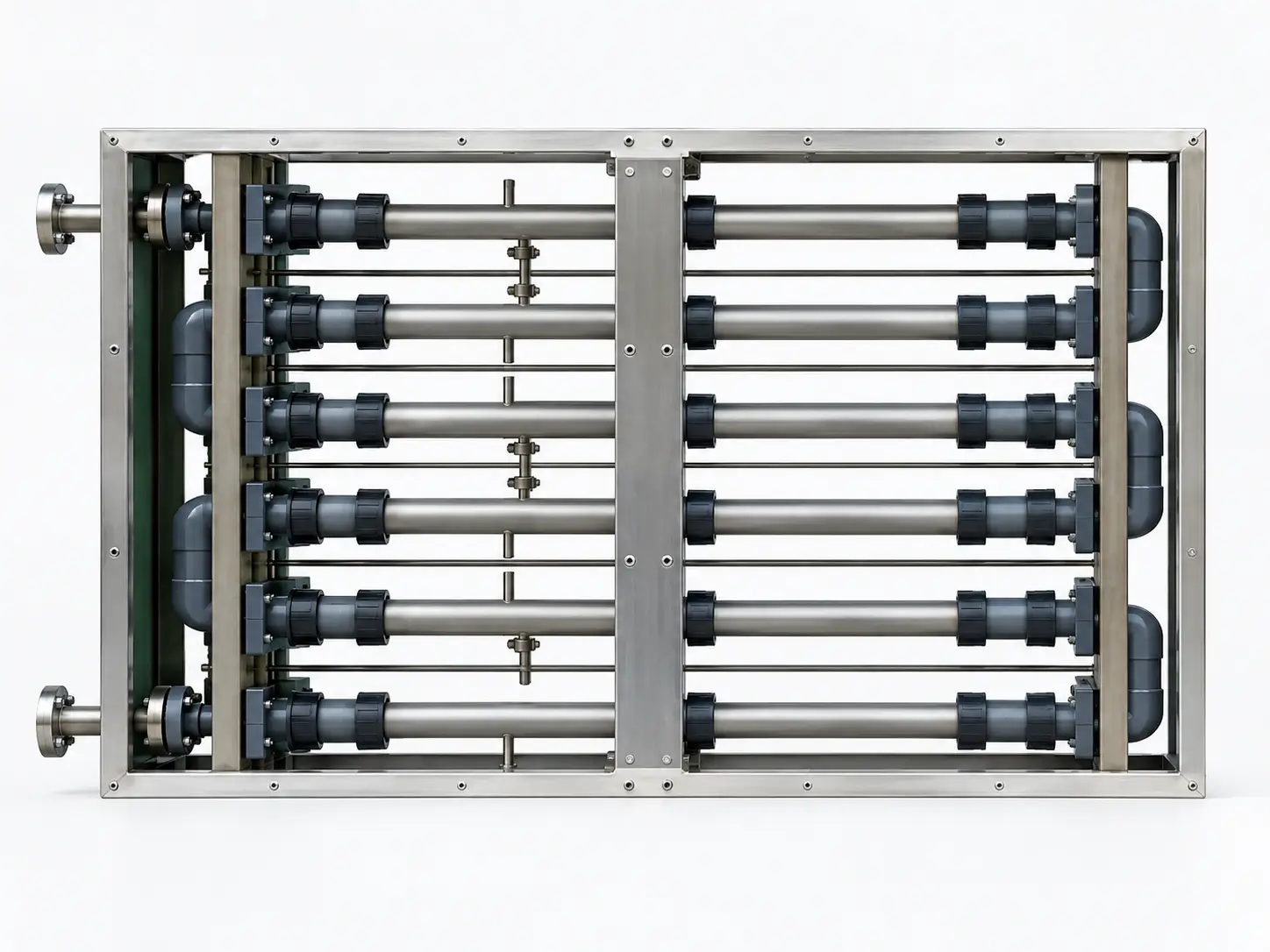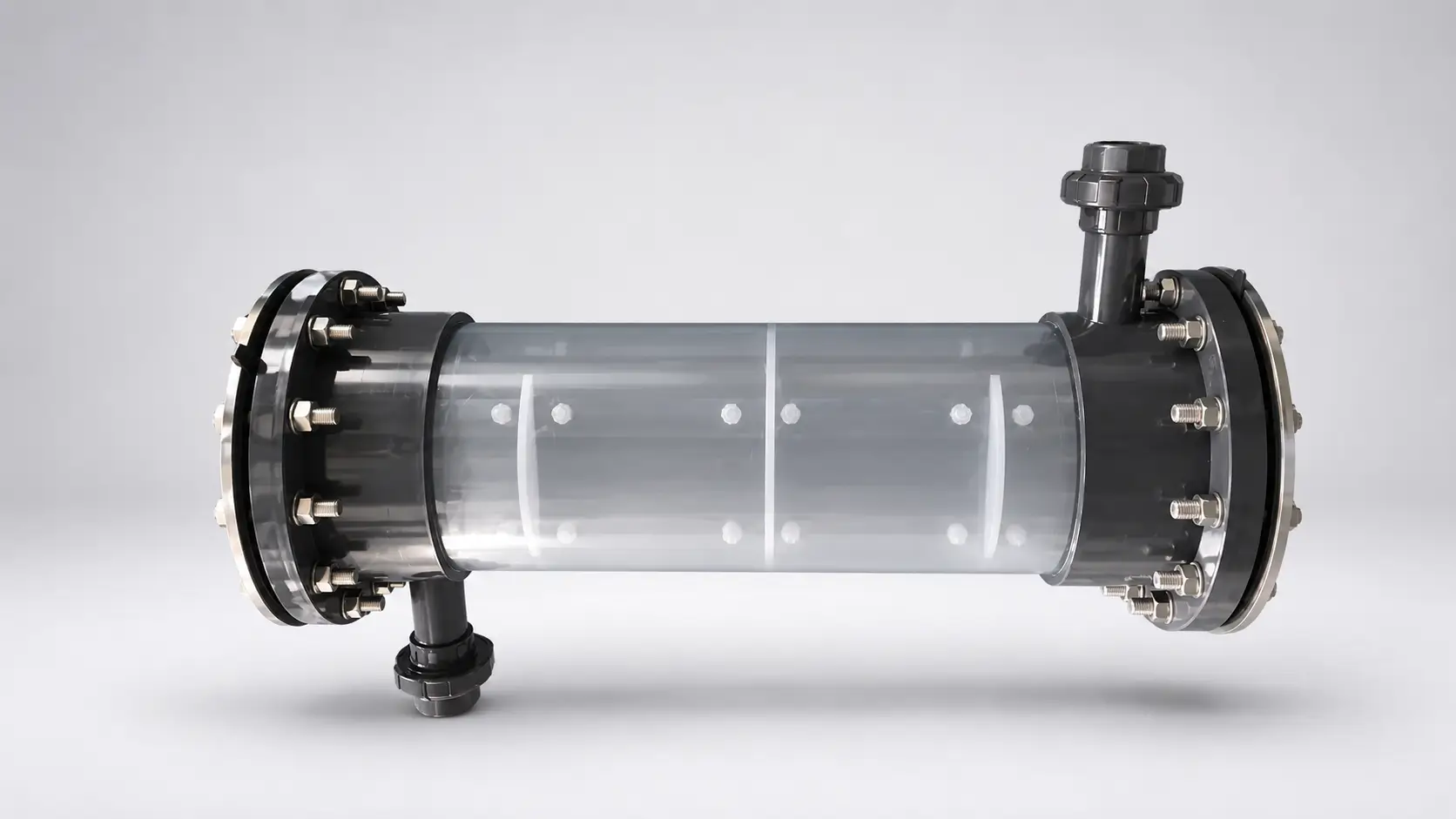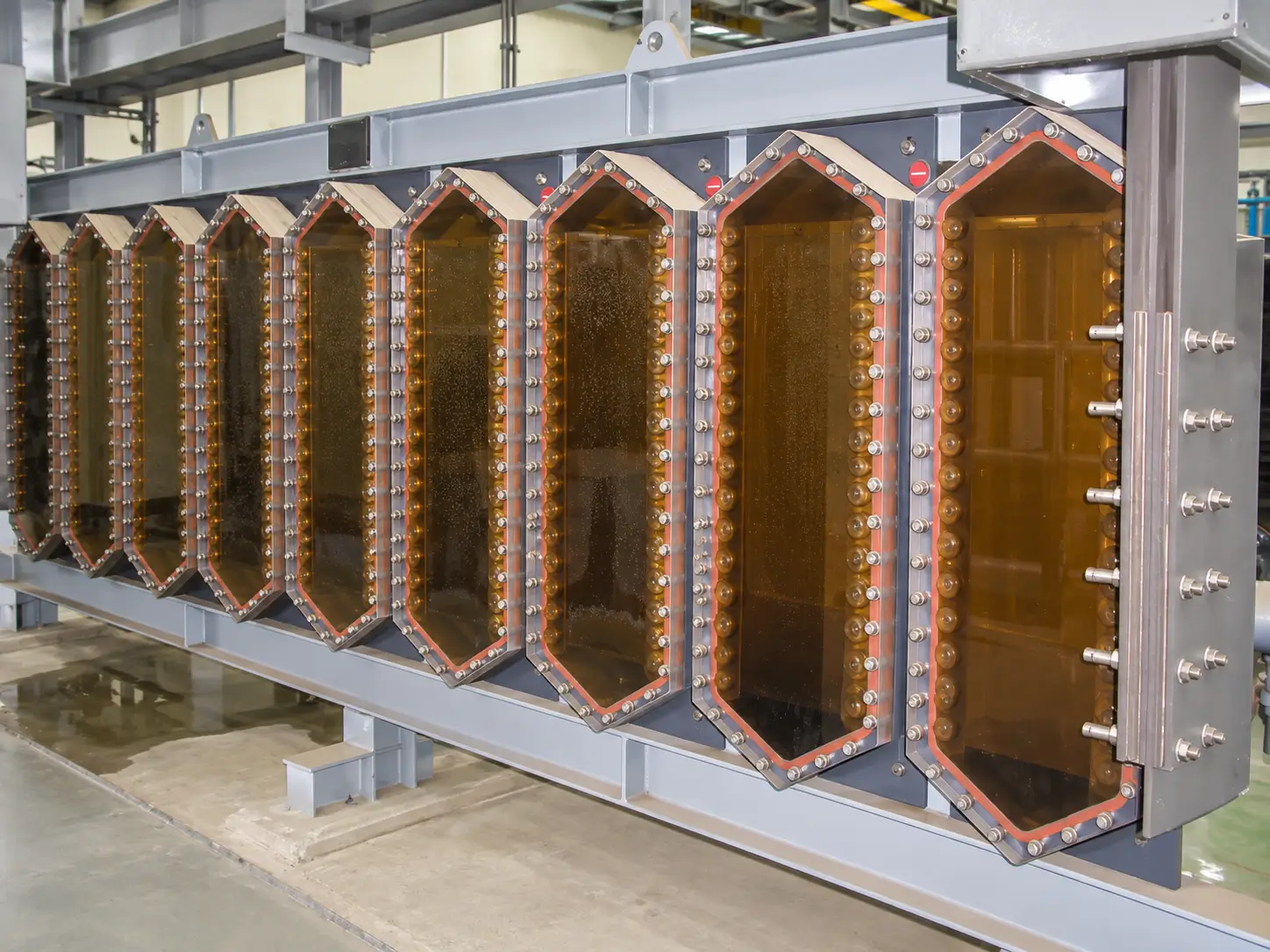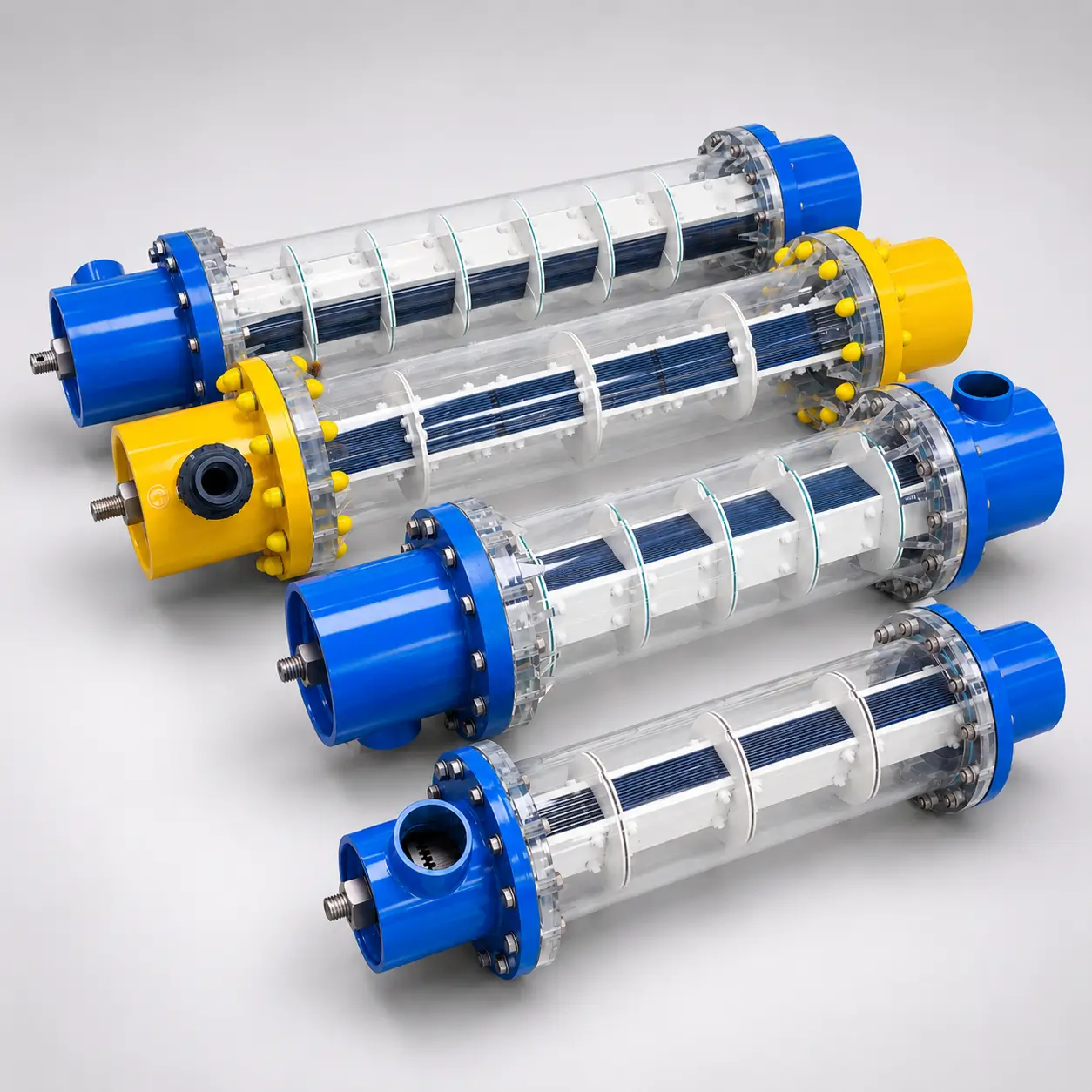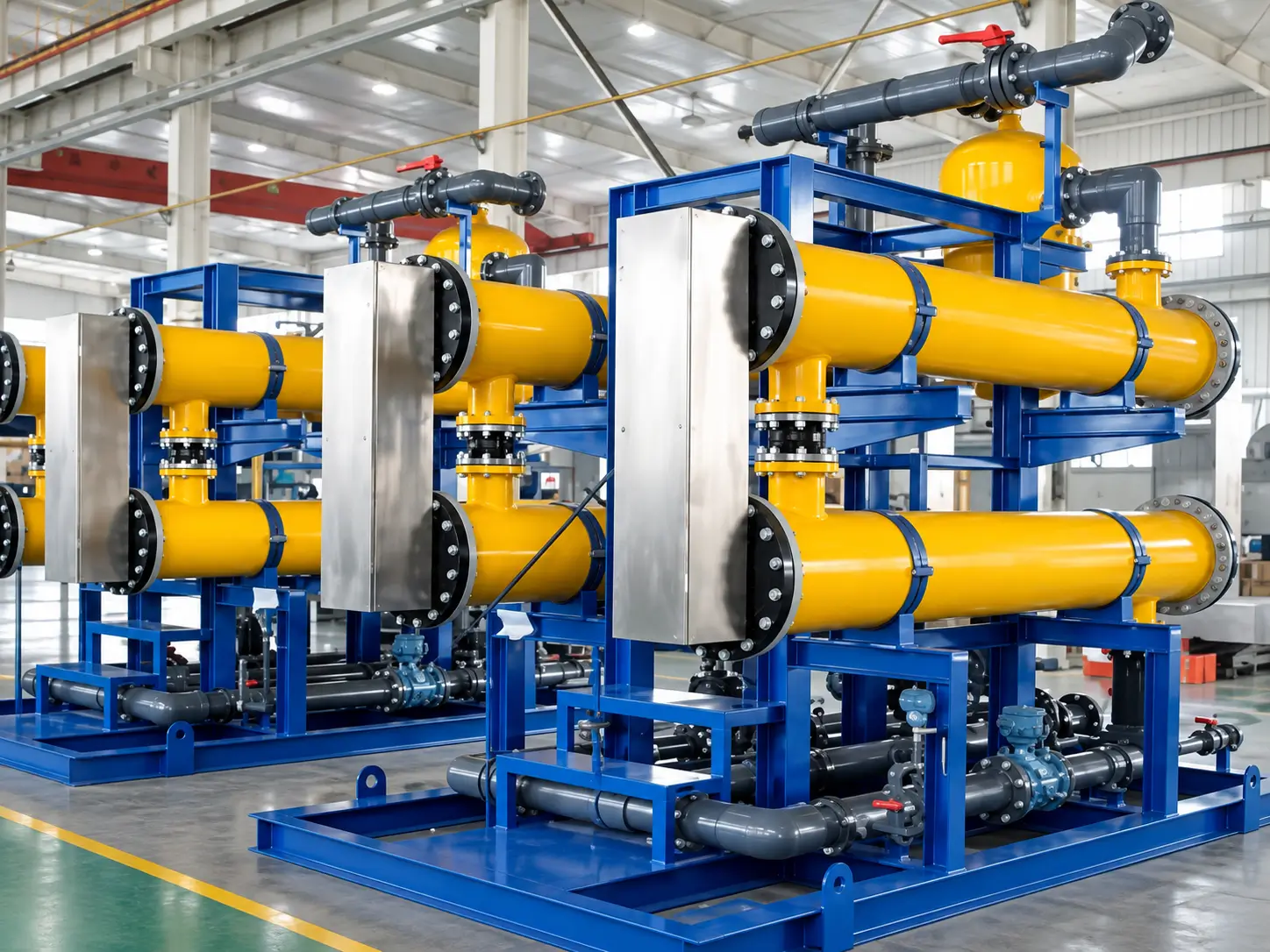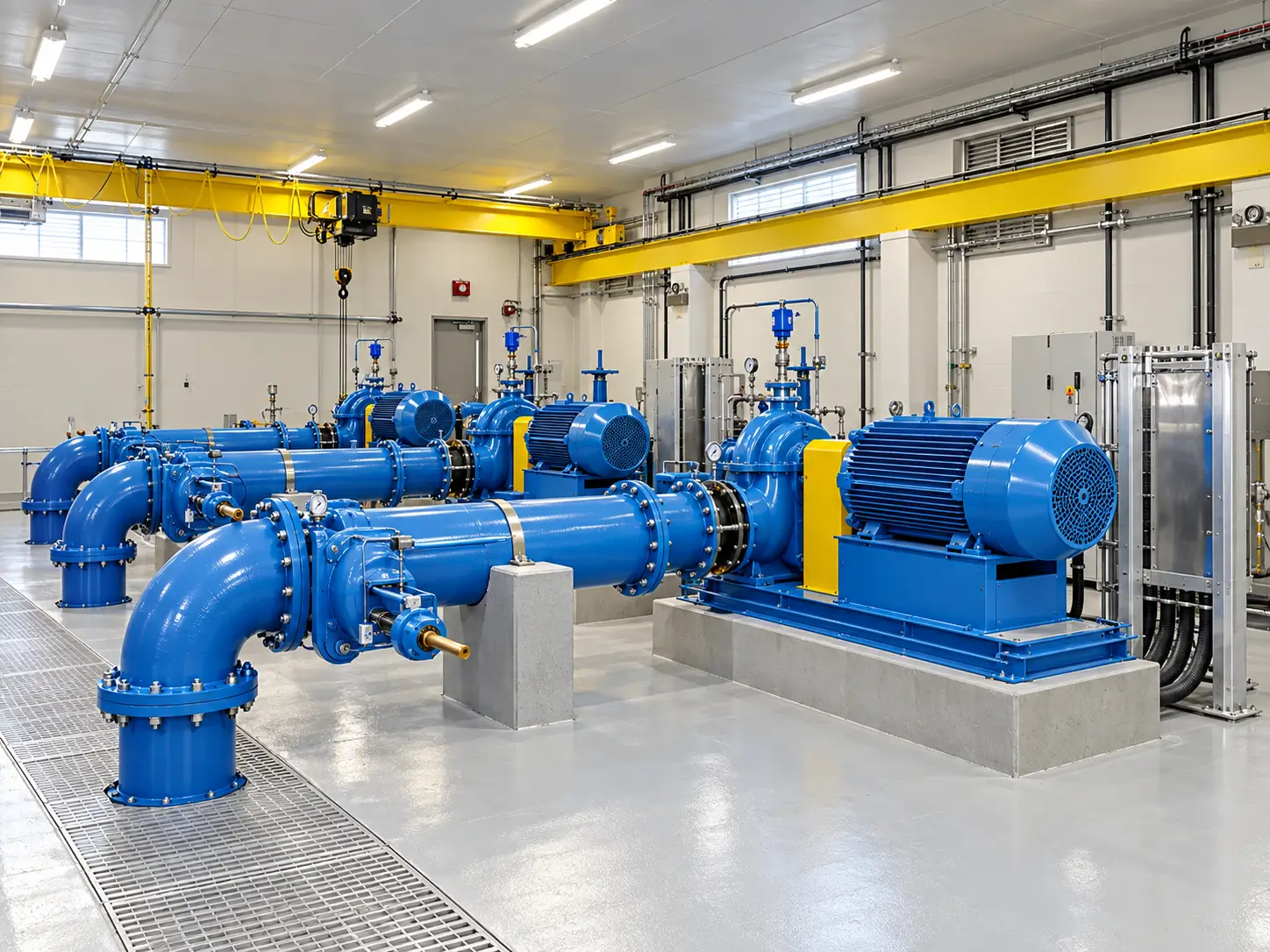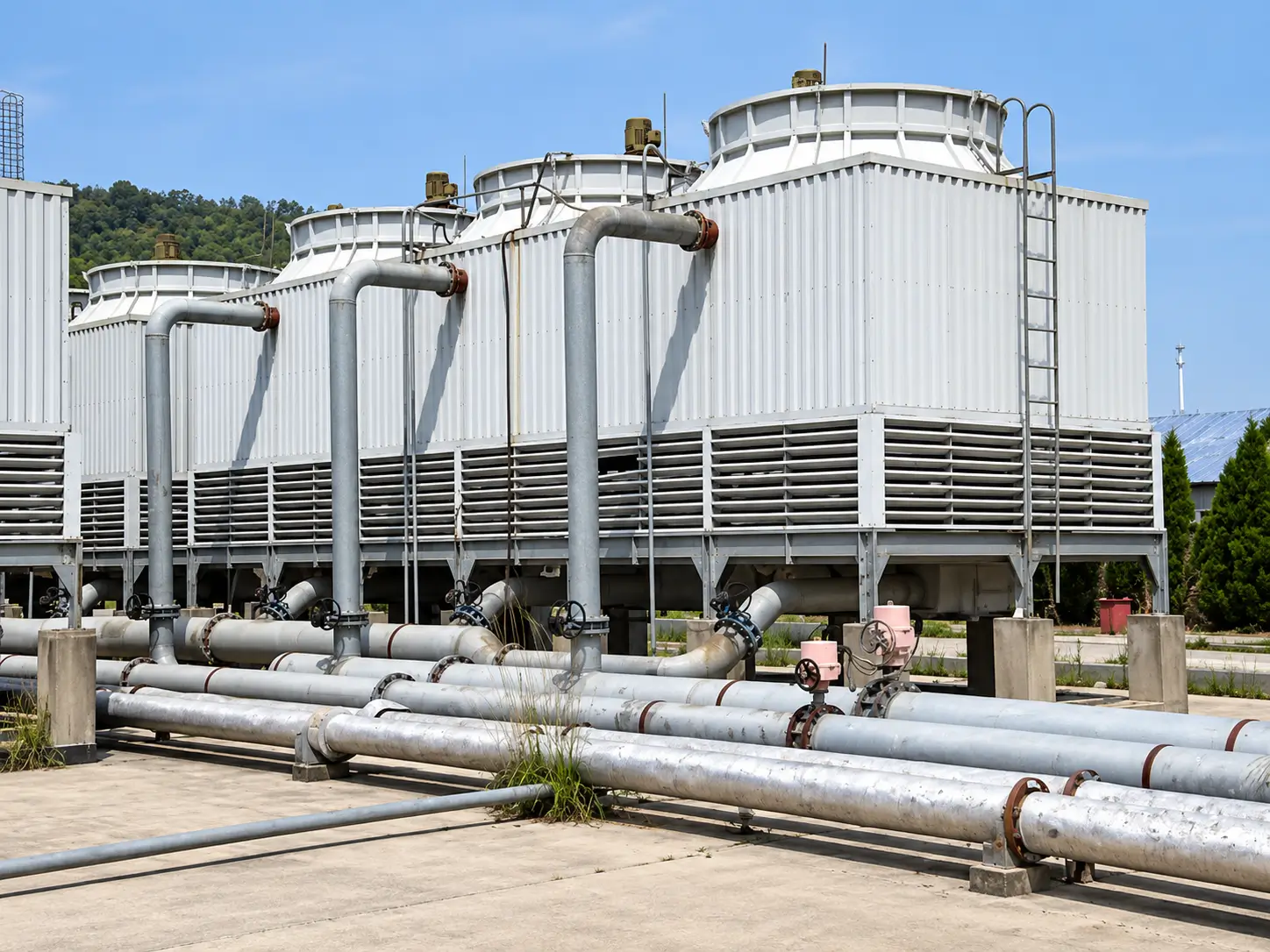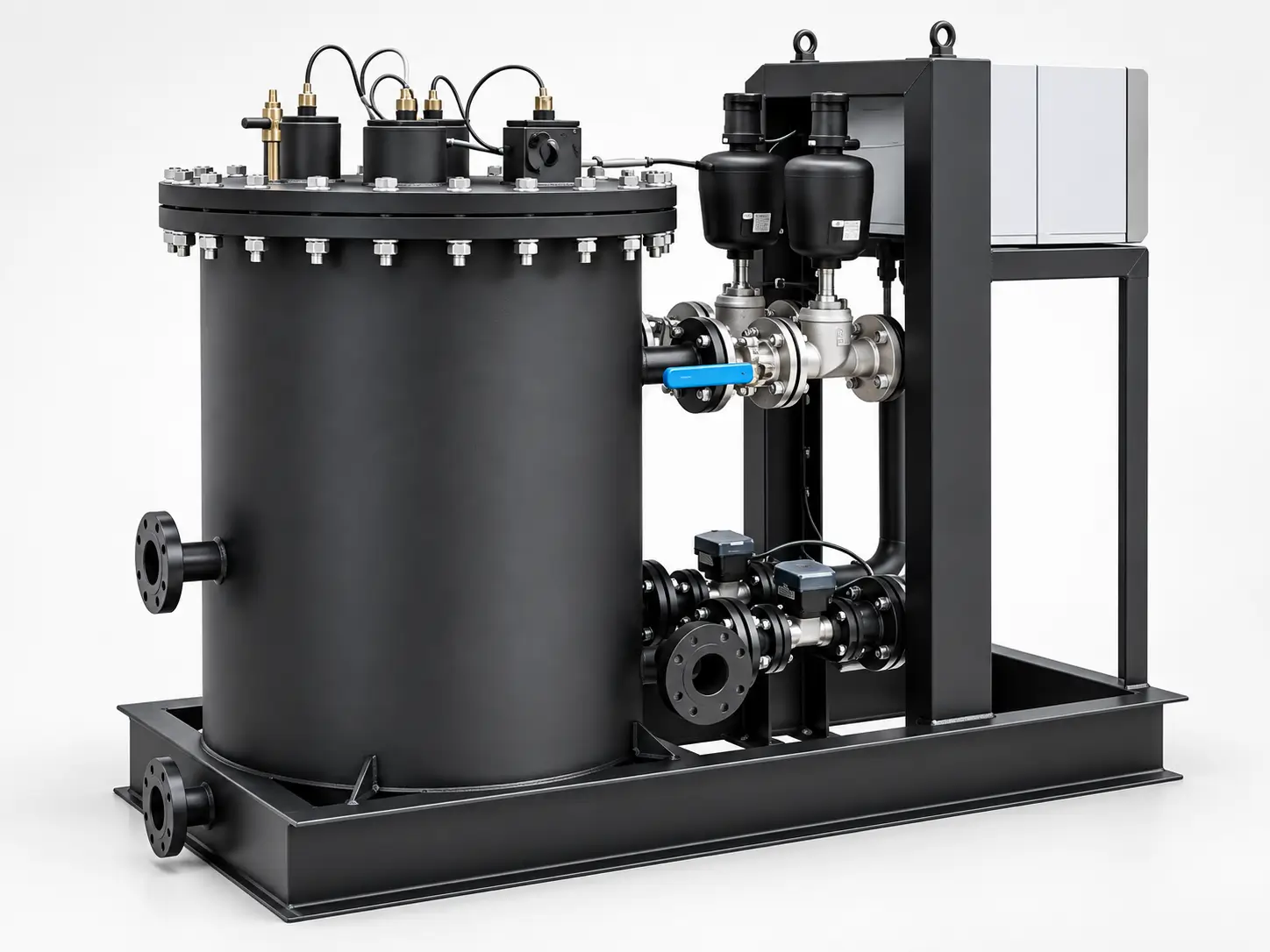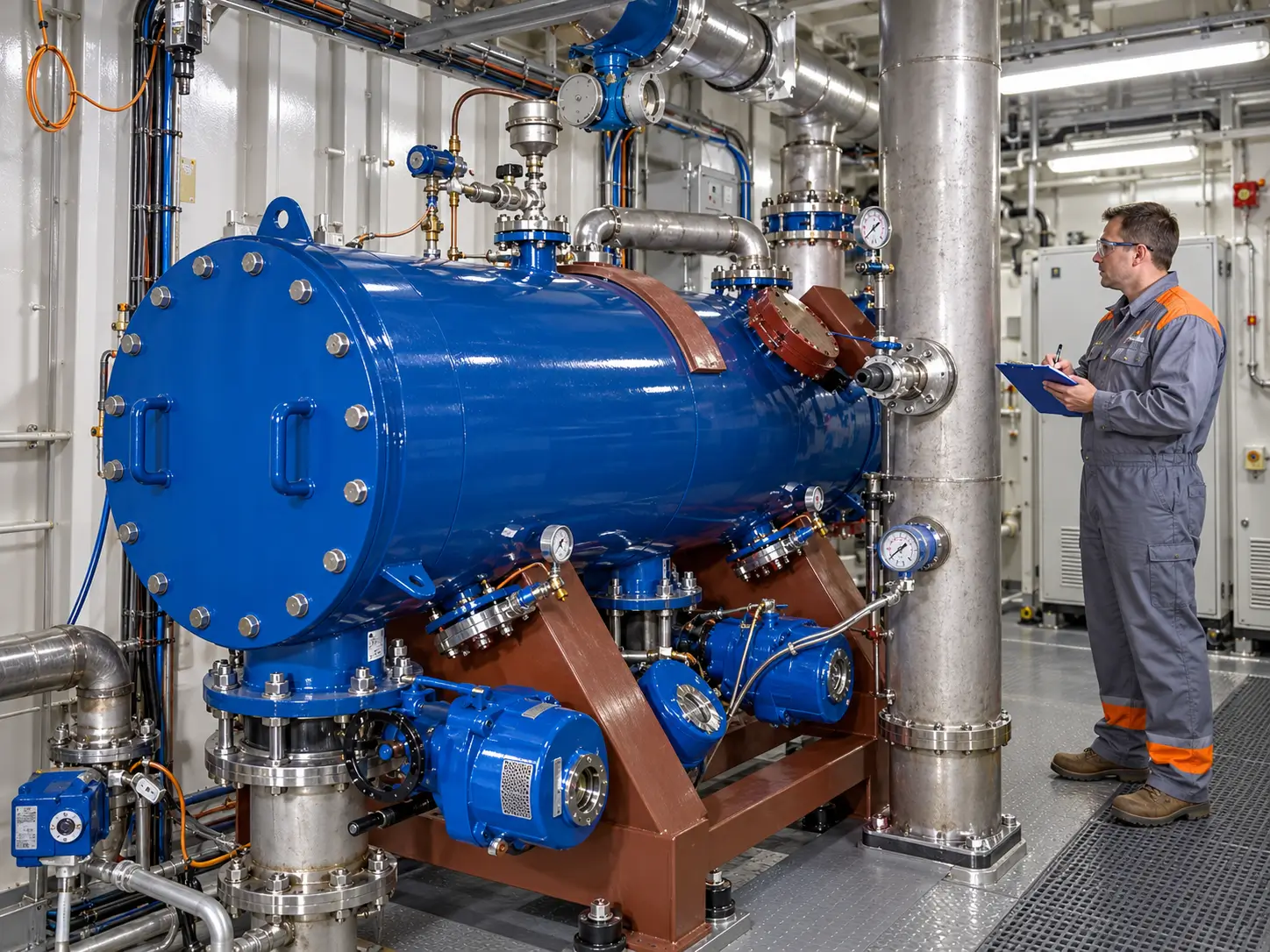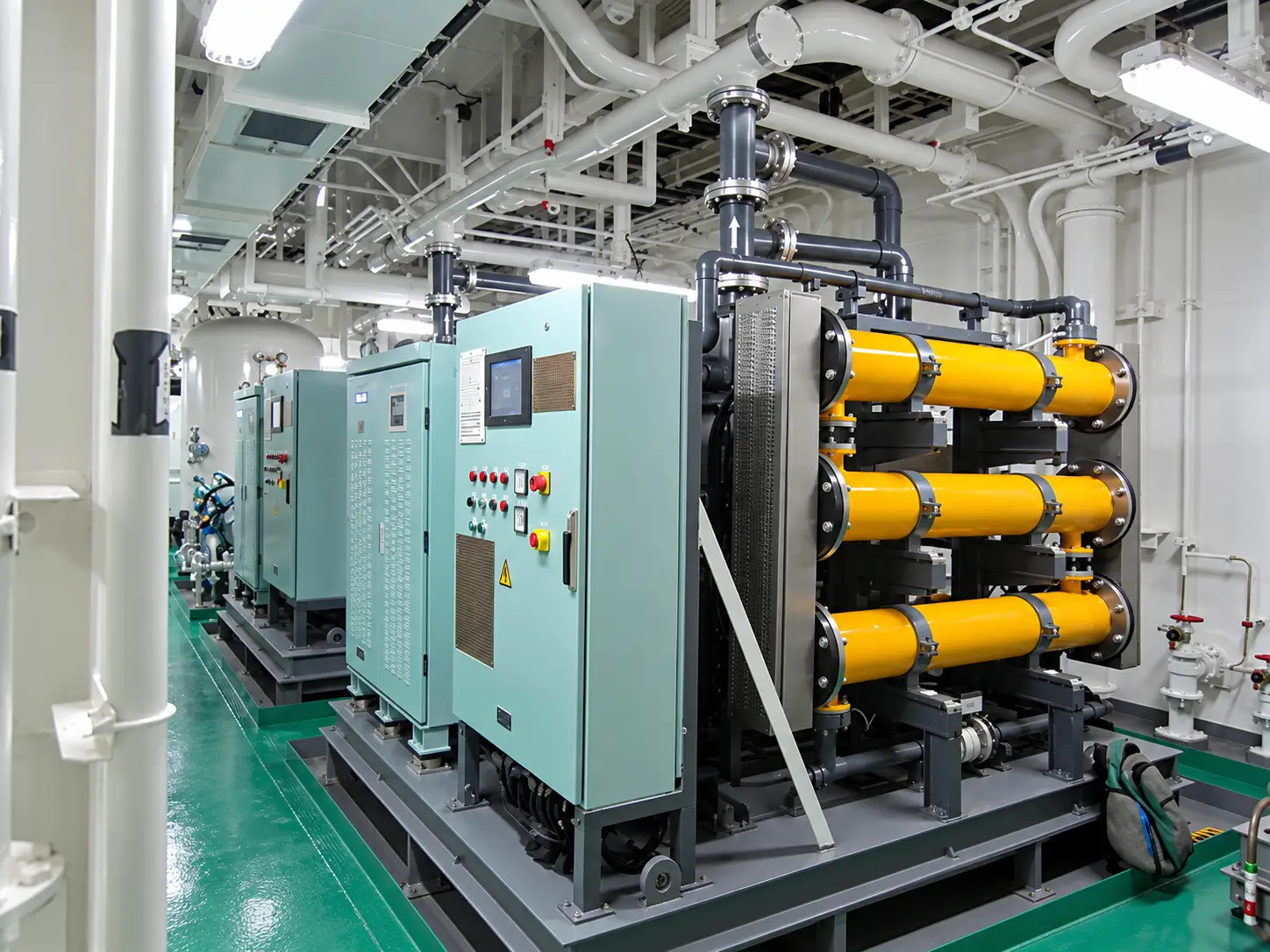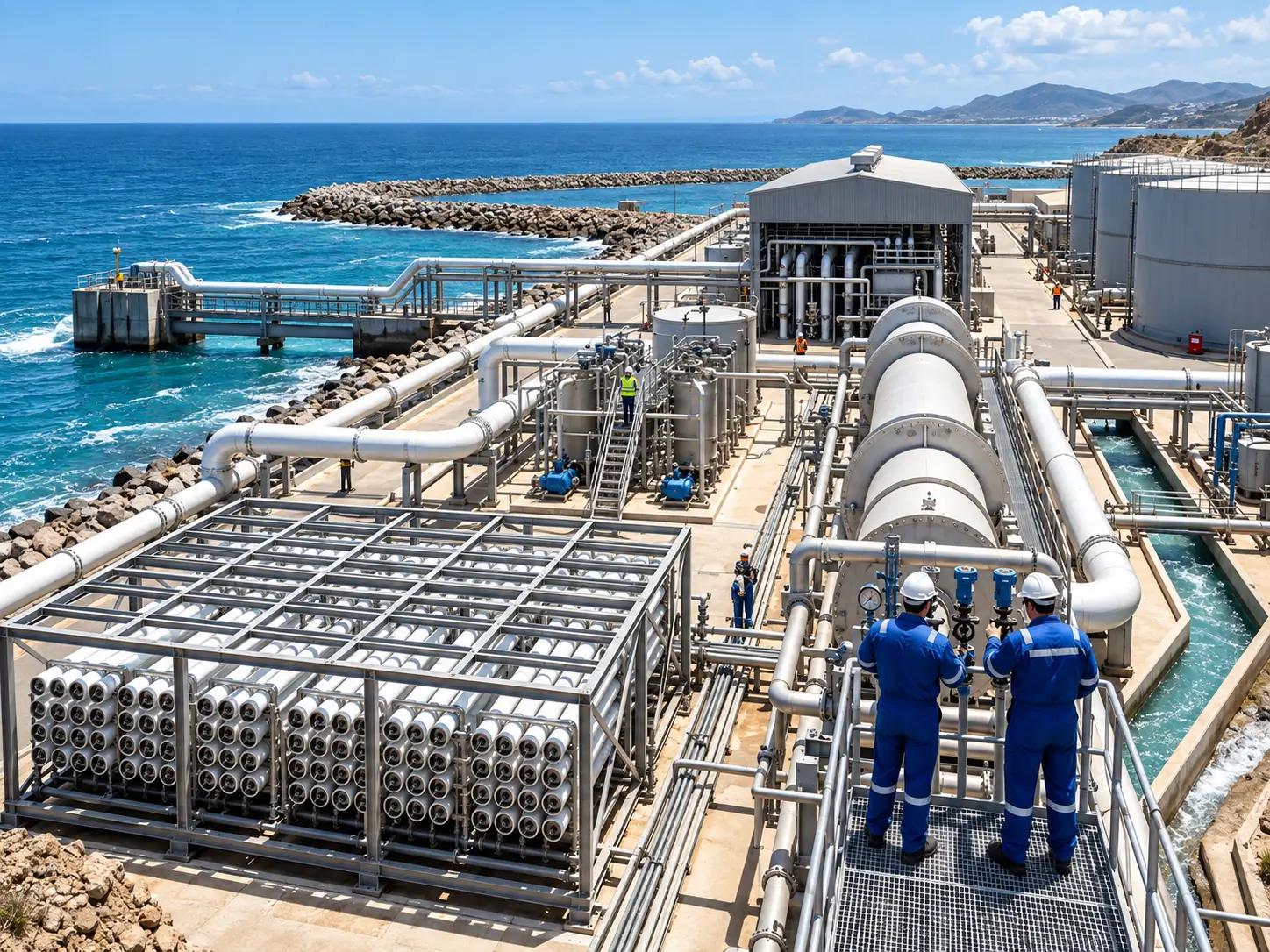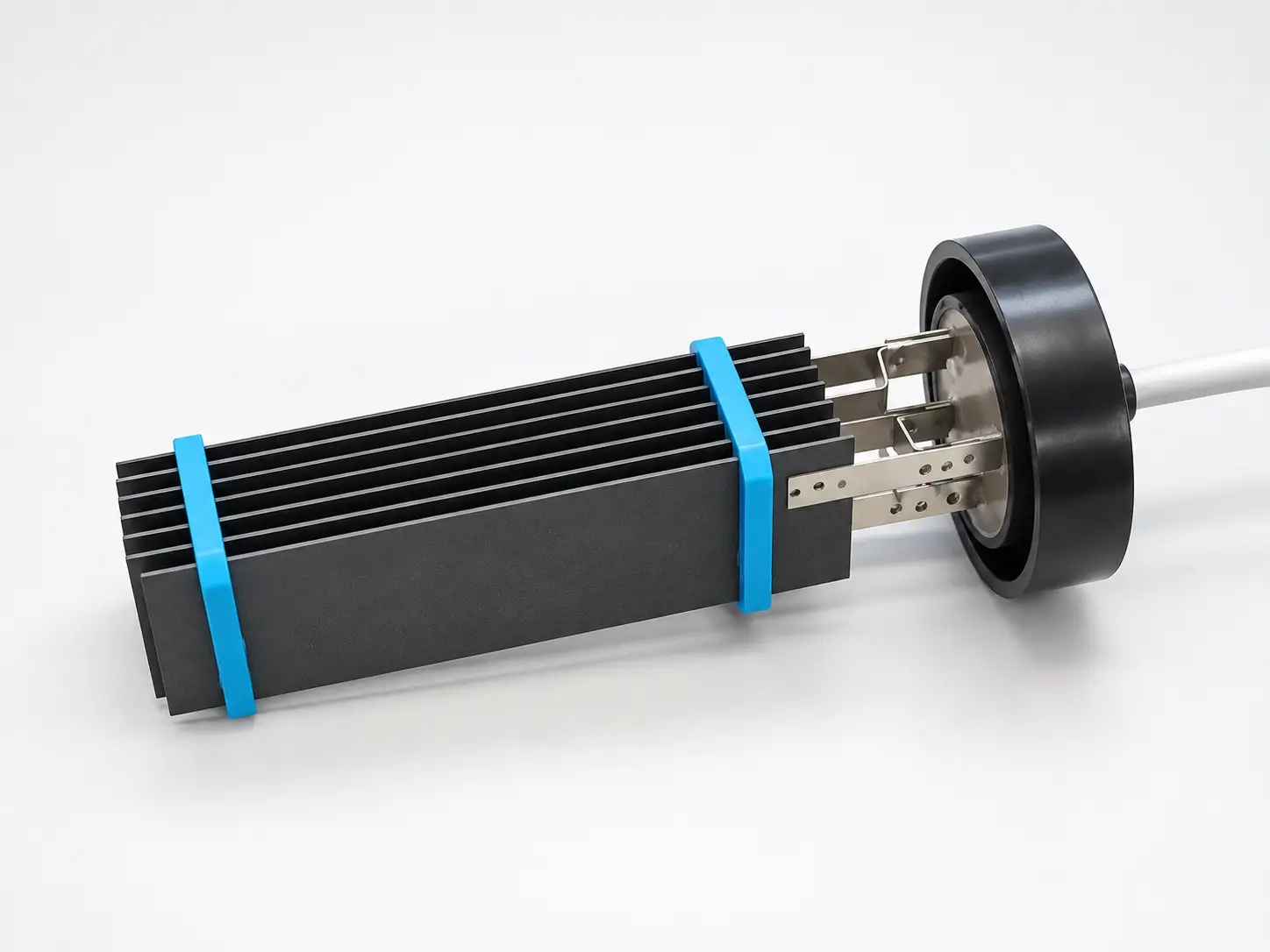
Titanium Electrolytic Cell Module
Titanium Electrolytic Cell Solutions

Titanium Electrolytic Cells for Chlorine & Sodium Hypochlorite Generation

Factory-direct MMO-coated titanium electrolytic cells engineered for brine electrochlorination, seawater electrochlorination, sodium hypochlorite generators, water disinfection, marine biofouling control, cooling tower treatment, and industrial process water systems.

Ru-Ir / Ir-Ta MMO Coated Electrodes
Tubular, Plate, Monopolar & Bipolar
Brine & Seawater Electrochlorination
Custom Flow, Current & Output
Request Electrolytic Cell Specs

The High-Performance Core of Your Electrochlorination System

Your generator’s output, energy cost, and service life all start inside the electrolytic cell.

In any sodium hypochlorite generator or electrochlorination system, the electrolytic cell is where brine or seawater is converted into active chlorine. Cell design directly affects chlorine yield, operating voltage, salt consumption, heat generation, scaling tendency, and electrode lifespan.

Hele Titanium manufactures custom titanium electrolytic cells using Grade 1 / Grade 2 titanium electrodes, Ru-Ir or Ir-Ta MMO coatings, corrosion-resistant housings, optimized electrode gaps, and application-specific electrical configurations. Whether you build municipal NaOCl generators, seawater electrochlorination systems, cooling tower disinfection skids, ballast water treatment units, or replacement cells, we help you engineer the right cell for stable output and long-term value.

Stable Chlorine Output
Lower Cell Voltage
Custom Electrode Geometry
OEM / Replacement Support
Request Custom Cell Design
Engineer inspecting titanium electrolytic cell
HELE TITANIUM QA
Product Selection Clarity

Titanium Electrolytic Cell vs Salt Chlorinator vs Sodium Hypochlorite Generator

These products are related through saltwater electrolysis and chlorine generation, but they serve different buyer needs. Use this quick guide to make sure you are reviewing the right product page.

Buyer Need Best Product Page What It Includes Typical Buyer
I need a complete pool sanitation device. Salt Chlorinator for Pool Systems Pool controller, electrolytic cell, housing, plumbing compatibility, self-cleaning function, and user operation features. Pool equipment distributor, pool contractor, OEM pool brand, residential or commercial pool system buyer.
I need an industrial system to produce sodium hypochlorite solution on-site. Sodium Hypochlorite Generator Brine preparation, electrolyzer, power supply, control system, storage tank, dosing pump, and safety design. Municipal water plant, wastewater plant, EPC contractor, industrial disinfection project buyer.
I need the electrolysis cell module only. Titanium Electrolytic Cells MMO-coated titanium electrode stack, cell housing, terminals, sealing, flow path, and OEM/replacement cell support. Equipment manufacturer, system integrator, maintenance buyer, OEM chlorine generation equipment builder.

Buyer Note

If you already have a system design and need the cell module, electrode stack, or replacement cell, this Titanium Electrolytic Cells page is the right starting point.

How Titanium Electrolytic Cells Convert Brine or Seawater into Disinfectant

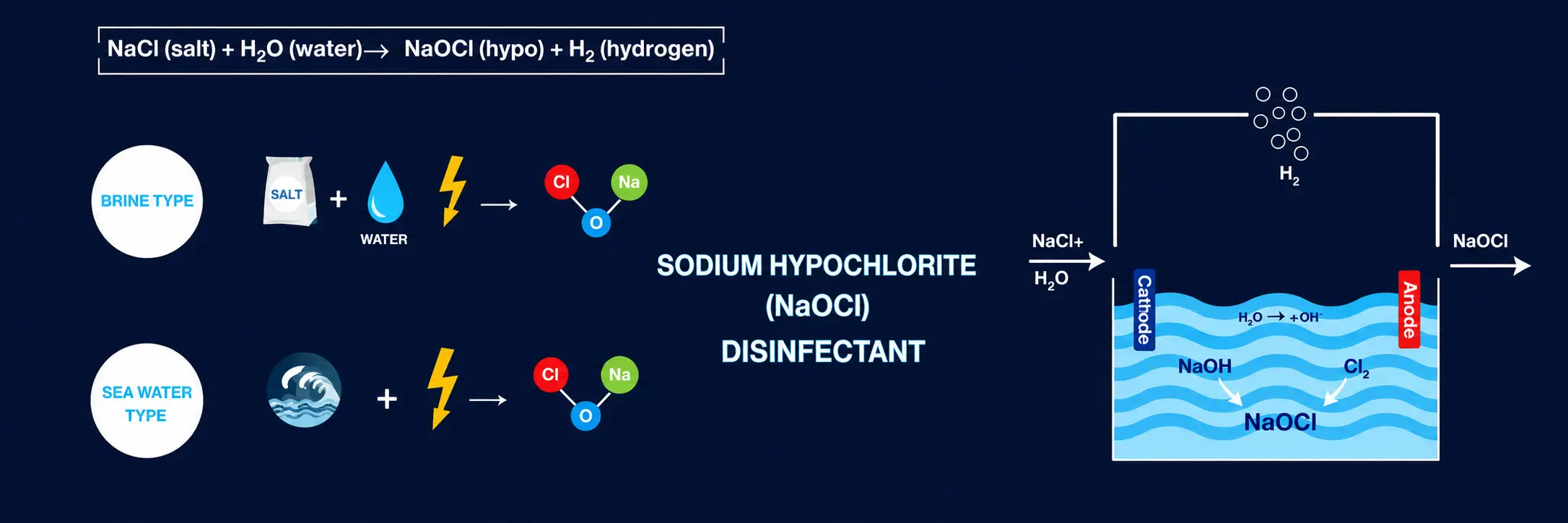
A titanium electrolytic cell uses DC power, MMO-coated titanium anodes, cathodes, and controlled electrolyte flow to generate chlorine or sodium hypochlorite on site. The cell’s internal design determines efficiency, stability, maintenance frequency, and output consistency.

1

Brine or Seawater Enters the Cell

Prepared brine or filtered seawater flows through the cell body, passing between anode and cathode surfaces.

Engineering Note: Salinity, hardness, temperature, and impurities influence cell voltage and lifespan.
2

DC Current Drives Electrolysis

A rectifier supplies low-voltage DC current to the titanium electrode assembly.

Engineering Note: Current density, electrode gap, and electrical connection quality affect output and energy consumption.
3

Chlorine & Hydrogen Are Generated

Chloride ions are oxidized at the anode to form chlorine, while hydrogen and hydroxide form at the cathode.

Engineering Note: Hydrogen byproduct must be properly vented in system design.
4

Sodium Hypochlorite Forms

Chlorine reacts in solution to form sodium hypochlorite or active chlorine species for disinfection and biofouling control.

Engineering Note: Cell design helps stabilize available chlorine output and reduce operational risk.

Titanium Electrolytic Cell Product Range

Hele Titanium manufactures titanium electrolytic cells in multiple configurations for brine electrochlorination, seawater electrolysis, sodium hypochlorite generation, pool salt chlorinator OEM systems, marine anti-fouling systems, and custom replacement cell projects.

Brine Electrochlorination Cell

Brine Electrochlorination Cell

Best For: Municipal water treatment, cooling tower disinfection, industrial NaOCl generation

Electrolyte: Prepared NaCl brine solution

Design: Flow-through plate cell or custom module

Engineering Note: Stable salinity and controlled feed concentration help improve chlorine output consistency.
RFQ Input: Provide required chlorine output, NaCl concentration, flow rate, current, voltage, operating hours, and housing material.
View Details
Seawater Electrochlorination Cell

Seawater Electrochlorination Cell

Best For: Marine anti-fouling, seawater cooling systems, offshore platforms, MGPS / ICAF systems

Electrolyte: Natural seawater

Design: Tubular, plate, or custom seawater cell

Engineering Note: Designed for seawater salinity variation, marine corrosion environment, and continuous operation.
RFQ Input: Provide seawater source, flow rate, chlorine output target, operating environment, material requirements, and design life.
View Details
Sodium Hypochlorite Generator Cell

Sodium Hypochlorite Generator Cell

Best For: Industrial and municipal on-site NaOCl generation systems

Electrolyte: Brine or diluted salt solution

Design: Modular cell stack for NaOCl generator integration

Engineering Note: Used as the electrolyzer core inside complete sodium hypochlorite generation systems.
RFQ Input: Provide NaOCl capacity, available chlorine concentration, current, voltage, flow rate, and system layout.
View Details
Pool Salt Chlorinator Replacement Cell

Pool Salt Chlorinator Replacement Cell

Best For: Pool salt chlorinator OEMs, replacement projects, aftermarket maintenance

Electrolyte: Pool saltwater

Design: Compact transparent housing cell or custom replacement cell

Engineering Note: Designed around pool volume, chlorine output in g/hr, housing dimensions, and connector compatibility.
RFQ Input: Provide old cell photos, model number, dimensions, connector type, chlorine output, and quantity.
View Details
Flow-Through Titanium Electrolytic Cell

Flow-Through Titanium Electrolytic Cell

Best For: Custom electrolysis systems, OEM devices, continuous-flow chlorine generation

Electrolyte: Brine, seawater, saltwater, or custom electrolyte

Design: Flow-through cell with defined inlet/outlet, electrode gap, and terminal design

Engineering Note: Flow path, pressure drop, and electrode spacing can be optimized according to system integration needs.
RFQ Input: Provide flow rate, pressure, electrolyte, current, voltage, cell dimensions, and installation layout.
View Details
Plate-Type Electrolytic Cell

Plate-Type Electrolytic Cell

Best For: Compact generators, laboratory systems, modular NaOCl equipment, OEM integration

Electrolyte: Prepared brine or controlled electrolyte

Design: Plate electrode stack with adjustable spacing

Engineering Note: Suitable for systems requiring simple structure, easy replacement, and stable current distribution.
RFQ Input: Provide plate size, electrode quantity, gap, coating requirement, current density, and housing material.
View Details
Tubular Titanium Electrolytic Cell

Tubular Titanium Electrolytic Cell

Best For: Seawater systems, marine applications, high-flow electrochlorination equipment

Electrolyte: Seawater or saltwater

Design: Tubular cell with robust housing and flow-through structure

Engineering Note: Useful where high structural strength, directional flow, and marine operating conditions matter.
RFQ Input: Provide tube dimensions, flow direction, current output, seawater condition, and installation space.
View Details
Custom OEM Titanium Cell Generator

Custom OEM Titanium Cell Generator

Best For: OEM equipment builders, system integrators, replacement cell projects, custom chlorine generation systems

Electrolyte: Application-specific

Design: Drawing-based custom cell module

Engineering Note: Housing, electrode stack, terminals, sealing, flow path, and dimensions can be customized.
RFQ Input: Provide drawings, sample photos, target output, electrolyte, current, voltage, housing material, and quantity.
View Details
Cell Structure

Inside a Titanium Electrolytic Cell

A titanium electrolytic cell is more than an electrode set. Cell performance depends on electrode coating, electrode spacing, flow path, sealing design, electrical terminals, housing material, and the way the cell integrates into the full electrochlorination system.

Titanium Electrolytic Cell Exploded View

Diagram Components

Inlet Outlet Cell housing MMO-coated titanium anode Titanium cathode Electrode gap Gasket / seal Terminal / busbar Flow path Hydrogen vent consideration Mounting or connection points
01

Electrode Stack

Electrode quantity, spacing, coating type, and active area affect voltage, output, current distribution, and service life.

02

Flow Path

Inlet/outlet position, flow rate, pressure drop, and hydraulic distribution affect cell efficiency and gas release.

03

Housing & Sealing

UPVC, CPVC, PMMA, titanium, or other materials can be selected according to pressure, temperature, chemical resistance, and visibility needs.

04

Terminal Design

Busbars, threaded rods, cable terminals, and custom connectors should be designed for stable current transfer and easy installation.

Safety Note

Hydrogen is generated at the cathode and must be safely vented or managed in the complete system design.

Choose the Right Cell Design for Your System

Electrolytic cell performance depends on more than electrode material. Cell structure, electrical arrangement, electrolyte source, flow design, pressure, output capacity, and maintenance access all influence system reliability and total cost of ownership.

Tubular vs Plate Type Cells

Tubular vs Plate Type Cells

Tubular cells provide robust construction and good durability for seawater and heavy-duty industrial environments. Plate type cells maximize surface area in a compact footprint, making them suitable for modular sodium hypochlorite generators and space-limited installations.

Best For:

  • Tubular: seawater, marine, large-scale, difficult water
  • Plate: brine, modular systems, municipal and industrial NaOCl units
Monopolar vs Bipolar Designs

Monopolar vs Bipolar Designs

Monopolar designs connect each electrode directly and are simpler for smaller systems. Bipolar designs arrange electrodes in series inside a stack, supporting higher voltage and lower current for larger systems.

Best For:

  • Monopolar: smaller package units and easier electrode management
  • Bipolar: high-capacity municipal, marine, and industrial systems
Brine vs Seawater Electrochlorination

Brine vs Seawater Electrochlorination

Brine systems use prepared salt solution with controlled salinity and often support stable sodium hypochlorite production. Seawater systems use filtered natural seawater directly and are ideal for marine biofouling control and coastal facilities.

Best For:

  • Brine: drinking water, wastewater, cooling towers, industrial process water
  • Seawater: MGPS, BWTS, offshore, desalination, coastal power plants
Housing & Material Selection

Housing & Material Selection

UPVC, CPVC, and PMMA housings provide corrosion resistance and visual inspection options. Titanium housings can be used for high-stress or extreme-duty systems.

Best For:

  • PMMA: visual inspection
  • UPVC / CPVC: chemical resistance and cost efficiency
  • Titanium housing: severe-duty systems

Choose Titanium Electrolytic Cells by Application

Different electrochlorination systems require different output capacity, electrolyte source, cell geometry, coating formulation, and housing materials. Hele Titanium engineers electrolytic cells around your application, flow rate, dosage target, and operating environment.

Municipal Water

Municipal Drinking Water Disinfection

Recommended Cell: Brine electrochlorination cell / plate type cell

Operating Logic: Generates sodium hypochlorite on site from prepared brine for controlled disinfection dosing.

Main Benefit: Reduces dependence on transported chlorine chemicals and supports stable disinfectant supply.

Explore Water Disinfection Cells →
Wastewater Effluent

Wastewater Effluent Disinfection

Recommended Cell: Brine electrolytic cell / modular plate cell

Operating Logic: Produces on-site hypochlorite for final effluent disinfection and pathogen control.

Main Benefit: Supports regulatory discharge goals with reliable disinfectant generation.

Explore Wastewater Cells →
Seawater MGPS

Seawater Electrochlorination & MGPS

Recommended Cell: Tubular seawater electrolyzer / bipolar cell stack

Operating Logic: Uses natural seawater to generate hypochlorite for marine biofouling prevention.

Main Benefit: Protects seawater cooling systems, shipboard systems, offshore assets, and desalination intakes.

Explore Seawater Cells →
Cooling Tower

Cooling Tower & Industrial Process Water

Recommended Cell: Brine or saline water electrolytic cell

Operating Logic: Generates oxidant on site to help control algae, biofilm, and microbial growth.

Main Benefit: Improves water system reliability and reduces bulk chemical handling.

Explore Process Water Cells →
Ballast Water

Ballast Water Treatment Systems

Recommended Cell: Compact high-flow electrochlorination cell

Operating Logic: Designed for varied salinity and high flow / short contact time operation.

Main Benefit: Supports vessel integration with compact design and durable coating performance.

Explore BWTS Cells →
OEM Generator

OEM Sodium Hypochlorite Generators

Recommended Cell: Custom plate, tubular, monopolar, or bipolar cell

Operating Logic: Built to match generator capacity, footprint, electrical interface, and service expectations.

Main Benefit: Improves OEM system performance, integration efficiency, and long-term reliability.

Explore OEM Cell Solutions →
Engineer inspecting custom drawings

What We Need From You

  • Required chlorine output
  • Brine or seawater source
  • Salinity and water analysis
  • Flow rate and pressure
  • Operating current and voltage
  • Current density target
  • Cell dimensions or available footprint
  • Electrode configuration: monopolar or bipolar
  • Housing material preference
  • Drawings, photos, or existing generator model

Custom Electrolytic Cell Engineering for OEM Systems

Standard electrolytic cells may not match every electrolyte, output target, housing material, flow path, electrode gap, or replacement requirement.

Hele Titanium customizes titanium electrolytic cells around your system design, operating conditions, and integration requirements.

Electrode Coating Selection

Ru-Ir, Ir-Ta, IrO₂-based, or custom MMO coatings can be selected according to chlorine evolution, electrolyte source, current density, and design life.

Electrode Stack Design

Electrode quantity, active area, spacing, polarity arrangement, and current distribution can be engineered according to output requirements.

Housing Material Options

UPVC, CPVC, PMMA, titanium, or other housing materials can be reviewed according to pressure, temperature, chemical resistance, and visibility needs.

Flow Path Optimization

Inlet/outlet position, channel design, flow rate, pressure drop, and gas release can be considered during cell configuration.

Terminal & Busbar Design

Busbars, threaded rods, cable terminals, custom connectors, and power connection interfaces can be customized.

Replacement Cell Support

Old sample matching, drawing-based production, dimensional compatibility, and connector matching are available for replacement projects.

Send Your Cell Requirements

Tailored Electrolytic Cell Solutions for Every Role in Your Operation

Every stakeholder has different priorities. Design engineers need performance and integration. Operations teams need uptime. Procurement teams need total cost control. OEMs need reliable components that protect their brand. Hele Titanium supports each role with technical and manufacturing expertise.

For Design & Process Engineers

Pain Point: Need precise electrochemical performance, compliance support, and seamless system integration.

Hele Value: We engineer cells around chlorine capacity, current density, flow rate, materials, housing, and footprint so your generator design performs as planned.

For Plant Operations & Maintenance

Pain Point: Need reliability, easy cleaning, predictable lifespan, and fewer shutdowns.

Hele Value: Durable MMO-coated titanium electrodes, robust housings, scaling-control options, and maintenance guidance help improve uptime.

For Procurement Managers

Pain Point: Need dependable quality, stable supply, documentation, and strong total cost of ownership.

Hele Value: Factory-direct supply, long-life electrodes, energy-efficient designs, inspection records, and replacement cell support help reduce lifecycle cost.

For OEMs & System Integrators

Pain Point: Need compatible, repeatable, and reliable cells that fit proprietary generator designs.

Hele Value: Custom dimensions, connections, electrode stacks, housing materials, coating formulations, and repeat production support your system build.

Electrolytic Cell Quality Control: Coating, Sealing, Output & Electrical Testing

Titanium electrolytic cell reliability depends on MMO coating quality, electrode alignment, cell sealing, flow path accuracy, electrical continuity, chlorine output, housing compatibility, and final dimensional inspection.

Electrode Coating Inspection

MMO coating type, surface condition, loading, and uniformity are reviewed according to the application.

Electrode Gap & Alignment Check

Plate spacing, stack arrangement, and active area layout are checked to support voltage and output stability.

Cell Sealing & Leak Test

Housing, gasket, unions, and sealing interfaces are tested to reduce leakage risk.

Electrical Continuity Test

Terminals, busbars, current path, and connections are checked for stable power input.

Output & Function Testing

Current-voltage behavior, chlorine output, flow response, or functional performance can be checked according to project requirements.

Titanium Electrolytic Cell Quality Testing Parameters

Quality Item What We Verify Why It Matters
MMO Coating Coating type, loading, uniformity, and surface condition Determines chlorine generation efficiency and electrode life
Electrode Gap Spacing, alignment, active area, and polarity arrangement Affects voltage, output, flow behavior, and current distribution
Cell Sealing Housing, gasket, unions, pressure resistance, and leak condition Prevents leakage and installation failure
Electrical Continuity Terminal, busbar, current path, and power connection Ensures stable current input and safe operation
Chlorine Output Available chlorine generation under defined test conditions Confirms performance target
Flow Path Inlet/outlet, flow rate, pressure drop, and hydraulic distribution Supports stable electrolysis and gas release
Housing Material UPVC / CPVC / PMMA / titanium material compatibility Matches chemical, pressure, and temperature conditions
Final Dimensions Drawing compliance, replacement fit, mounting points, and terminal position Supports OEM installation and replacement compatibility
Note: Testing parameters can be customized based on electrolyte type, chlorine output, salinity, current density, housing material, and application duty.

Performance Proof for OEM Cell Buyers

For qualified projects, Hele Titanium can provide coating records, leakage test data, electrical test records, output test data, dimensional inspection records, and export documentation.

Why Leading Chlorination System Providers Trust Hele Titanium

Choosing an electrolytic cell partner is not only about component price. It is about stable chlorine output, energy efficiency, material durability, integration support, and long-term system value. Hele Titanium helps OEMs and project teams source cells built for real operating conditions.

Electrochemical Cell Expertise

Focused experience in titanium electrolytic cells, MMO-coated anodes, and electrochlorination components for water disinfection and chlorine generation.

Factory-Direct Manufacturing

Direct production support from titanium electrode fabrication through coating, cell assembly, inspection, packing, and export.

Application-Specific Customization

Cell geometry, coating type, current density, flow rate, housing material, and electrical interface are customized to your system.

Energy & Salt Efficiency Focus

Cell design can be optimized around kWh/kg Cl₂, salt consumption, voltage drop, current efficiency, and OPEX targets.

Replacement Cell Support

We support replacement cells for existing generators when dimensions, electrical data, flow rate, and connection details are provided.

Quality Documentation

Material records, coating reports, inspection data, and project-specific documentation support purchasing and compliance needs.

OEM & Integrator Support

Technical collaboration helps OEMs improve generator performance, assembly efficiency, maintenance access, and supply reliability.

Global Export Reliability

Protective packaging, documentation, and logistics support help keep international electrochlorination projects moving.

Technical FAQ: Titanium Electrolytic Cells

Find practical answers about electrolytic cell materials, coatings, design options, output capacity, customization, replacement cells, maintenance, lifespan, and sourcing.

Basics & Working Principle

What is a titanium electrolytic cell?
It is the core electrochemical component inside a chlorine or sodium hypochlorite generator. It uses DC power, MMO-coated titanium anodes, and cathodes to convert a saline solution (brine or seawater) into active chlorine species.
How does an electrolytic cell generate sodium hypochlorite?
When DC current passes through the brine or seawater inside the cell, chloride ions are oxidized at the anode to form chlorine gas, while hydrogen gas and hydroxide ions form at the cathode. The chlorine immediately reacts with the hydroxide in the solution to form sodium hypochlorite. Hydrogen must be safely vented.
What is the difference between brine and seawater electrochlorination?
Brine electrochlorination uses a prepared salt (NaCl) solution, offering controlled salinity and predictable output, ideal for municipal water and industrial processes. Seawater electrochlorination uses direct filtered seawater, which has varied salinity and impurities, typically used for marine biofouling control (MGPS) and coastal facilities.
Why are titanium and MMO coatings used?
Titanium provides exceptional corrosion resistance in harsh chloride environments. The Mixed Metal Oxide (MMO) coating—typically Ru-Ir for chlorine evolution—acts as an electrocatalyst, drastically lowering the energy required for the reaction and protecting the titanium substrate from passivation.

Design & Configuration

What is the difference between tubular and plate type electrolytic cells?
Tubular cells use concentric titanium tubes, providing high structural integrity and uniform current distribution, often preferred for heavy-duty seawater applications. Plate cells use parallel flat titanium sheets, offering high surface area in a compact footprint, ideal for modular brine generators.
What is the difference between monopolar and bipolar cell design?
In a monopolar cell, all anodes are connected to the positive terminal and cathodes to the negative, resulting in low voltage and high current. In a bipolar cell, intermediate plates act as both anode and cathode on opposite sides, effectively putting cells in series. This allows for higher stack voltage and lower external current, which is more efficient for large systems.

Performance & Lifespan

What affects electrolytic cell lifespan?
Lifespan is determined by MMO coating thickness, operating current density, electrolyte temperature, water hardness (scaling), start-stop frequency, and cleaning practices. Excessive current density or aggressive acid cleaning will rapidly deplete the coating.
What causes scaling, fouling, or voltage rise?
A rising voltage at constant current often indicates scaling (calcium/magnesium deposits on the cathode from hard water), organic fouling, or MMO coating depletion. Regular monitoring and appropriate acid washing (following manufacturer guidelines) are required to maintain efficiency.

Customization & Replacement

Can you replace cells from other manufacturers?
Yes. We engineer form-fit-function replacement cells. Replacement cell compatibility requires exact dimensions, operating voltage, current, flow rate, electrolyte type, output rating, and ideally, photos or engineering drawings of the existing unit.

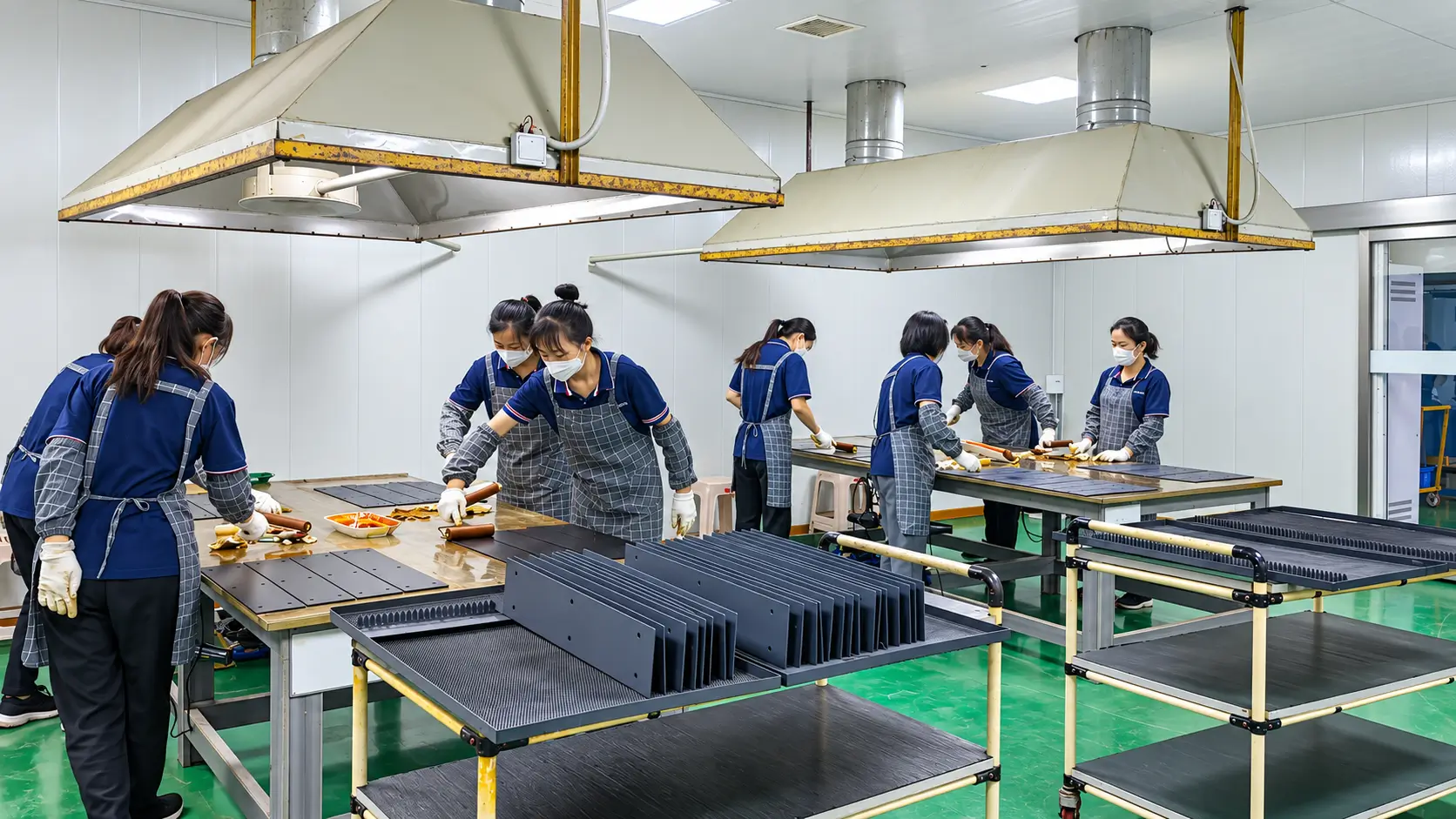
Inside Our Manufacturing & Quality System

See how we produce, inspect, and document titanium products and electrochemical cell components as a direct manufacturing partner.

Documentation and traceability are essential for OEM equipment manufacturers, sodium hypochlorite generator builders, salt chlorinator brands, water treatment system integrators, and replacement cell buyers.

Titanium Material Certificate

Titanium Material Certificate

Electrode Coating Inspection Record

Electrode Coating Inspection Record

Cell Function Test Report

Cell Function Test Report

Export & Traceability Documentation

Export & Traceability Documentation

Need production photos, electrode coating records, cell testing data, OEM drawings, or project-specific documentation? Contact our team for direct factory support.

Request Titanium Cell Documentation

Electrolytic Cell Selection Guide for OEM & Water Treatment Professionals

Read Time: 18 Minutes Author: Hele Titanium Engineering Team Last Updated:

When water quality, disinfection reliability, and chemical handling safety matter, the electrolytic cell becomes the foundation of every sodium hypochlorite generation or electrochlorination system. This guide helps engineers, OEMs, procurement teams, and plant operators choose the right titanium electrolytic cell based on output capacity, electrolyte source, current efficiency, flow design, materials, lifespan, and total cost of ownership.

Before You RFQ Titanium Electrolytic Cells, Confirm These 5 Things

  1. Application: drinking water, wastewater, seawater electrochlorination, cooling tower, BWTS, MGPS, pool chlorination, or OEM generator
  2. Electrolyte source: prepared brine, seawater, brackish water, low-salinity water, or industrial saline water
  3. Output target: g/h, kg/h, kg/day available chlorine, target concentration, and treated water flow rate
  4. Electrical and hydraulic data: current, voltage, current density, flow rate, pressure, temperature, and footprint
  5. Integration needs: tubular or plate cell, monopolar or bipolar design, housing material, connection type, drawings, replacement compatibility, and documentation

1. What Is a Titanium Electrolytic Cell?

A titanium electrolytic cell is the core electrochemical component used in sodium hypochlorite generators and electrochlorination systems. It contains MMO-coated titanium anodes, cathodes, housing, flow path, electrical terminals, and inlet / outlet ports. It is the physical vessel where electrical energy converts a salt solution into a powerful disinfectant.

2. How Electrochlorination Works Inside the Cell

  1. Brine or seawater enters the cell.
  2. DC power is applied.
  3. Chloride ions are oxidized at the anode.
  4. Hydrogen and hydroxide are generated at the cathode.
  5. Chlorine reacts to form sodium hypochlorite or active chlorine species.
  6. Product solution exits the cell for dosing or circulation.
Safety Note: Hydrogen is generated at the cathode and must be safely vented or managed as part of the complete system design.
Electrochlorination process inside a titanium electrolytic cell

3. Titanium Electrolytic Cell vs Complete Sodium Hypochlorite Generator

It is crucial to distinguish between the core component and the overall system. OEMs and system integrators typically purchase the electrolytic cell to build or refurbish their own complete generators. Below is a detailed breakdown of the differences:

Feature Titanium Electrolytic Cell (Core Component) Complete Generator (Integrated System)
Scope & Function The core electrolyzer module where the actual electrochemical reaction occurs. A fully integrated turnkey system designed for automated chemical generation and dosing.
Key Components MMO-coated Ti anodes, Ti cathodes, housing, flow path, and electrical terminals. Electrolytic cell, brine tank, water softener, dosing pumps, DC power supply (rectifier), PLC control panel, and hydrogen venting mechanism.
Typical Buyer OEMs, System Integrators, and facility engineers seeking replacement parts. End-users, Municipalities, EPC Contractors, and Plant Operators.

4. Titanium + MMO: Why Materials Matter

The choice of materials dictates efficiency and survival in a highly corrosive environment. Selecting the right combination ensures long-term stability and optimal current efficiency:

Material / Component Primary Function Best Suited Environment Engineering Advantage
Grade 1 / 2 Titanium Substrate Provides the structural base for electrodes Universal standard for all systems High strength-to-weight ratio and exceptional natural corrosion resistance in chloride environments.
Ru-Ir (Ruthenium-Iridium) Coating Standard electrocatalyst Chloride-rich waters (Brine/Seawater) Highly efficient for chlorine evolution; provides a cost-effective balance of performance and lifespan.
Ir-Ta (Iridium-Tantalum) Coating Heavy-duty electrocatalyst Environments with high oxygen evolution Superior durability, higher oxidation resistance, and extended lifespan under harsh conditions.
UPVC / CPVC / PMMA Housings Containment and flow path Standard pressure and temperature Excellent chemical resistance. PMMA offers transparency for visual inspection of the reaction.

5. Cell Configuration Options

Configuration Best Use Case Engineering Benefit
Tubular cell Seawater, marine, harsh environments High structural integrity, uniform flow
Plate type cell Brine systems, modular generators High surface area, compact footprint
Monopolar cell Smaller systems, simple setups Low voltage, straightforward connection
Bipolar cell Large municipal and industrial systems Higher voltage, lower current, efficient stack
Diaphragmless cell Standard NaOCl generation Simple, single-compartment robust design

6. Brine vs Seawater Electrochlorination

Feature Brine Electrochlorination Seawater Electrochlorination
Feed source Prepared NaCl salt solution Direct natural seawater
Typical application Municipal water, cooling towers MGPS, BWTS, offshore platforms
Salinity control Precise and controlled Variable based on location

7. Technical Specification Factors

When specifying a cell, consider the following critical parameters to ensure optimal performance and integration:

Specification Factor Why It Matters Buyer Should Provide
Chlorine Output Determines cell size and coating load g/hr, kg/hr, or kg/day
Electrolyte Source Affects coating and housing design brine, seawater, pool saltwater, custom electrolyte
Current / Voltage Determines electrode and terminal design power supply data
Current Density Affects coating life and performance A/m² or design target
Flow Rate Affects cell housing and hydraulic design L/h or m³/h
Housing Material Chemical and pressure resistance UPVC, CPVC, PMMA, titanium, or preferred material
Electrode Gap Affects voltage and current distribution required spacing or drawing
Installation Space Supports OEM integration dimensions, photos, or drawings
Replacement Fit Ensures compatibility old model, sample photos, connector type
Documentation Supports procurement approval MTC, coating report, inspection report, test data

8. Applications of Titanium Electrolytic Cells

Applications range from drinking water and wastewater effluent disinfection to seawater cooling system biofouling control, ballast water treatment, and OEM generator integration. The cell design varies significantly based on the end-use environment.

Industry / Application Primary Purpose Typical Electrolyte Recommended Cell Design
Municipal Water & Wastewater Disinfection, pathogen removal, and effluent treatment Prepared Brine (NaCl) Plate type or Bipolar Cells for high efficiency
Marine & Offshore (BWTS / MGPS) Biofouling prevention and invasive species control Direct Seawater Tubular or High-Pressure Cells for harsh sea conditions
Power Plants & Cooling Towers Algae, slime, and microbiological growth prevention Seawater or Brine High-capacity Bipolar Cells to handle large volumes
OEM Generator Integration Building custom, scalable sodium hypochlorite systems Brine Modular Monopolar/Bipolar Cells with transparent housings

9. Factors Affecting Electrode Lifespan

Lifespan is highly dependent on operating conditions. Key factors include MMO coating thickness, current density, temperature, water hardness, and cleaning methods.

Warning: Excessive current density, poor water pretreatment, hard scale, aggressive acid cleaning, high temperature, unstable power, and blocked hydrogen venting can drastically reduce cell efficiency, shorten electrode life, or create operational safety risks.
Operating Factor Optimal Condition Impact of Deviation Prevention / Solution
Current Density Typically 1000 - 1500 A/m² Accelerated coating consumption and potential overheating. Design within limits; ensure a stable DC power supply.
Electrolyte Temperature 10°C - 40°C High temp degrades coating; low temp reduces reaction efficiency. Monitor feed temperature; use heat exchangers if necessary.
Water Hardness (Ca/Mg) Softened Water (<10 mg/L) Rapid scaling on cathodes, increasing voltage and energy costs. Install water softeners; implement regular acid washing schedules.
MMO Coating Thickness Application specific (e.g., 5-10g/m²) Premature failure and passivation if too thin for the application. Specify precise Ru/Ir load requirements during RFQ phase.

10. Maintenance & Cleaning Best Practices

Proper maintenance is essential to maintain high current efficiency and extend the life of the titanium electrodes. Follow these strict protocols:

Maintenance Action Frequency Procedure / Indicator Critical Warning
Voltage Monitoring Continuous / Daily Monitor voltage at a constant current. A 10-15% rise indicates scaling. Operating at excessively high voltages will damage the power supply and electrodes.
Acid Descaling When voltage rises Soak or circulate with manufacturer-approved acid (e.g., 3-5% HCl or Citric Acid). Never use mechanical scraping, wire brushes, or high-concentration acids.
Post-Clean Rinsing After every wash Flush the cell thoroughly with clean water to remove all residual acid and salts. Residual acid can corrode non-active titanium areas over time.
Terminal Inspection Monthly Check busbars and terminals to ensure they are tight, dry, and corrosion-free. Loose connections cause electrical arcing, severe heat damage, and fire risks.

11. Replacement Cell Compatibility

To ensure a replacement cell fits and functions perfectly within an existing skid, you must provide precise engineering details. Missing data can lead to hydraulic mismatches or electrical failures.

Required Parameter Description Why It's Critical for Retrofit
Physical Dimensions Length, width, height, and mounting hole positions. Ensures the new cell physically fits the existing skid or cabinet without structural modifications.
Hydraulic Connections Flange/thread size, flow direction, and inlet/outlet spacing. Prevents costly piping modifications and ensures proper fluid dynamics.
Electrical Ratings & Gap Max Volts, Amps, and Electrode spacing layout. Must match the existing DC Rectifier output to prevent power supply overload or underperformance.
Electrolyte & Output Brine vs Seawater, and required g/h capacity. Ensures the replacement process meets the original disinfection targets and chemical concentrations.

12. Supplier Evaluation Checklist

Not all suppliers possess the electrochemical expertise required to produce high-quality cells. Use this checklist to evaluate potential manufacturing partners:

Evaluation Criteria What to Ask / Look For Red Flags to Avoid
Core Manufacturing Capability Do they formulate and bake the MMO coatings in-house? Assemblers who outsource electrode coating lose control over quality, lifespan, and traceability.
Customization & Engineering Can they read engineering drawings and customize flow dynamics? Suppliers offering only "one-size-fits-all" standard cells may cause integration issues for OEMs.
Quality Assurance & Docs Do they provide Material Test Certificates (MTC) and coating inspection reports? Inability to provide technical documentation, testing data, or verifiable material grades.

13. RFQ Checklist

To receive an accurate and fast quotation, ensure you have the following details ready before contacting your supplier:

  • Application
  • Electrolyte source
  • Chlorine output target
  • Available chlorine concentration if relevant
  • Flow rate
  • Operating current
  • Operating voltage
  • Current density
  • Cell dimensions
  • Electrode quantity
  • Electrode gap
  • Electrode coating requirement
  • Housing material
  • Terminal / busbar / connector type
  • Flow direction
  • Pressure / temperature conditions
  • Replacement model if applicable
  • Drawings or sample photos
  • Quantity
  • Destination country
  • Required documentation
  • Delivery schedule

Ready to Specify the Right Titanium Electrolytic Cell?

Send your application, electrolyte source, chlorine output target, flow rate, current, voltage, housing material, electrode layout, and drawing requirements to Hele Titanium. Our team will help you review the most suitable titanium cell design.

Contact Our Engineering Team
Titanium Electrolytic Cell Inquiry

Get Your Custom Electrolytic Cell Solution

Tell us your application, chlorine output target, electrolyte source, salinity, flow rate, current, voltage, current density, housing material, cell configuration, footprint, and connection requirements. Our engineering team will recommend the most suitable titanium electrolytic cell for your system.

  • Brine & Seawater Electrochlorination Cells
  • Tubular, Plate, Monopolar & Bipolar Designs
  • Ru-Ir / Ir-Ta MMO Coated Titanium Electrodes
  • Custom Replacement Cell Engineering

Direct Contact:

sales@heletitanium.com

Room 1206, Building 1, Huaxia Yue World

Request an Electrolytic Cell Quote

We typically respond within 24 hours.