CATHODIC PROTECTION ANODE MANUFACTURER · ICCP & GALVANIC SYSTEMS

Cathodic Protection Anodes for ICCP & Sacrificial Systems

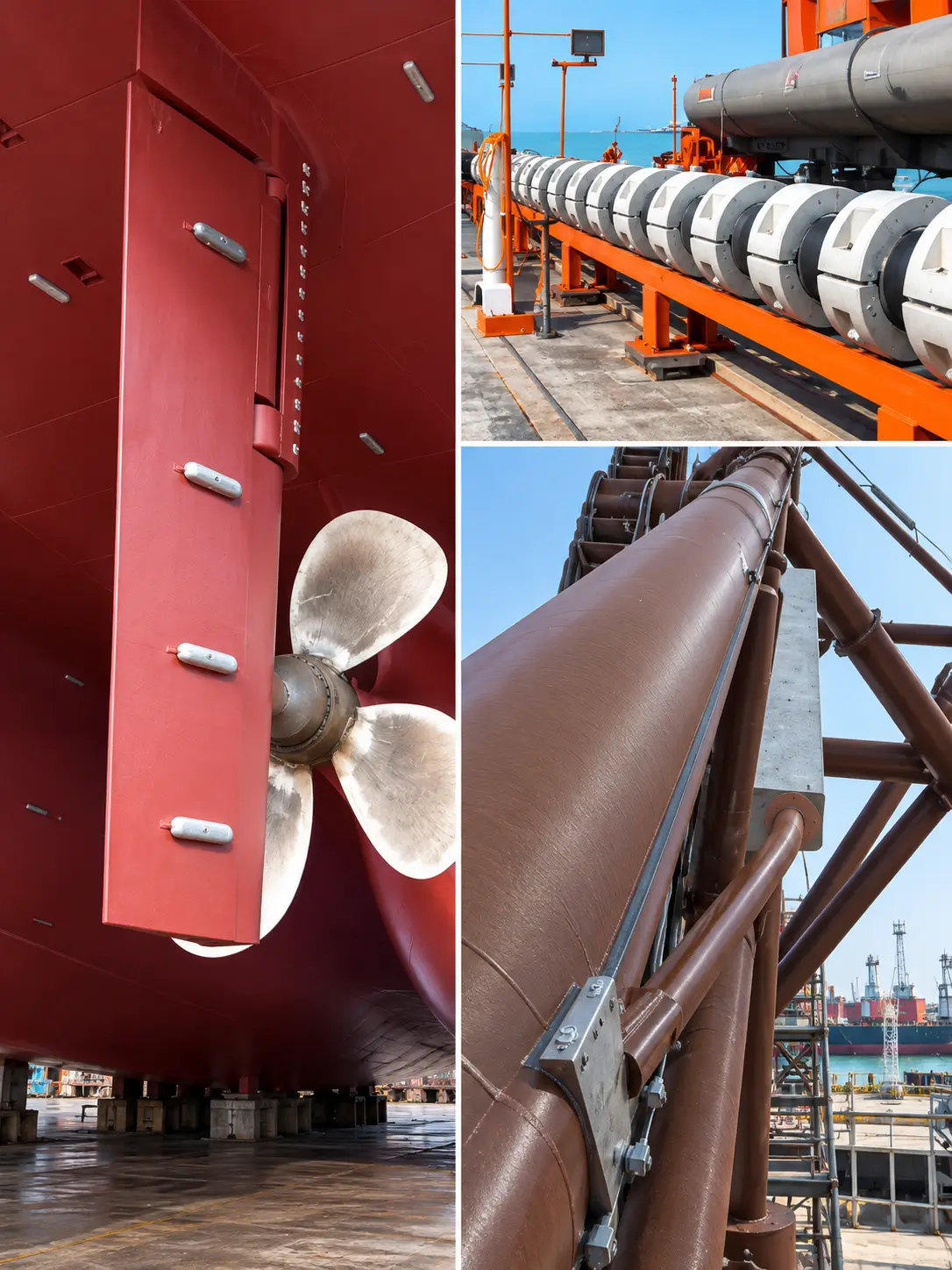
HELE manufactures and supplies cathodic protection anodes for pipelines, tanks, marine structures, reinforced concrete and groundbed systems, covering MMO and HSCI impressed-current anodes together with zinc, magnesium and aluminum sacrificial anodes.

ICCP Anodes MMO · HSCI
Sacrificial Anodes Zinc · Magnesium · Aluminum
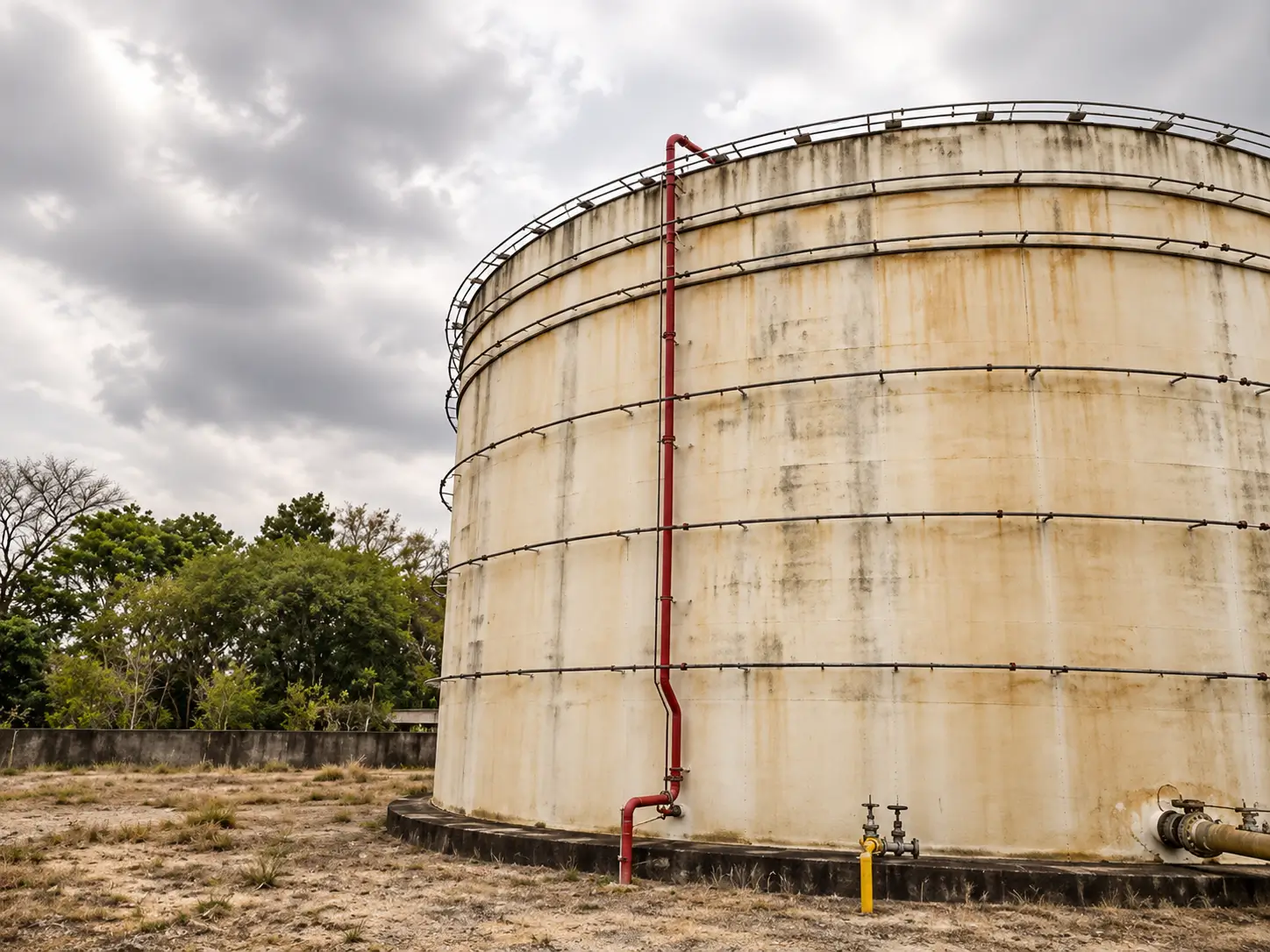
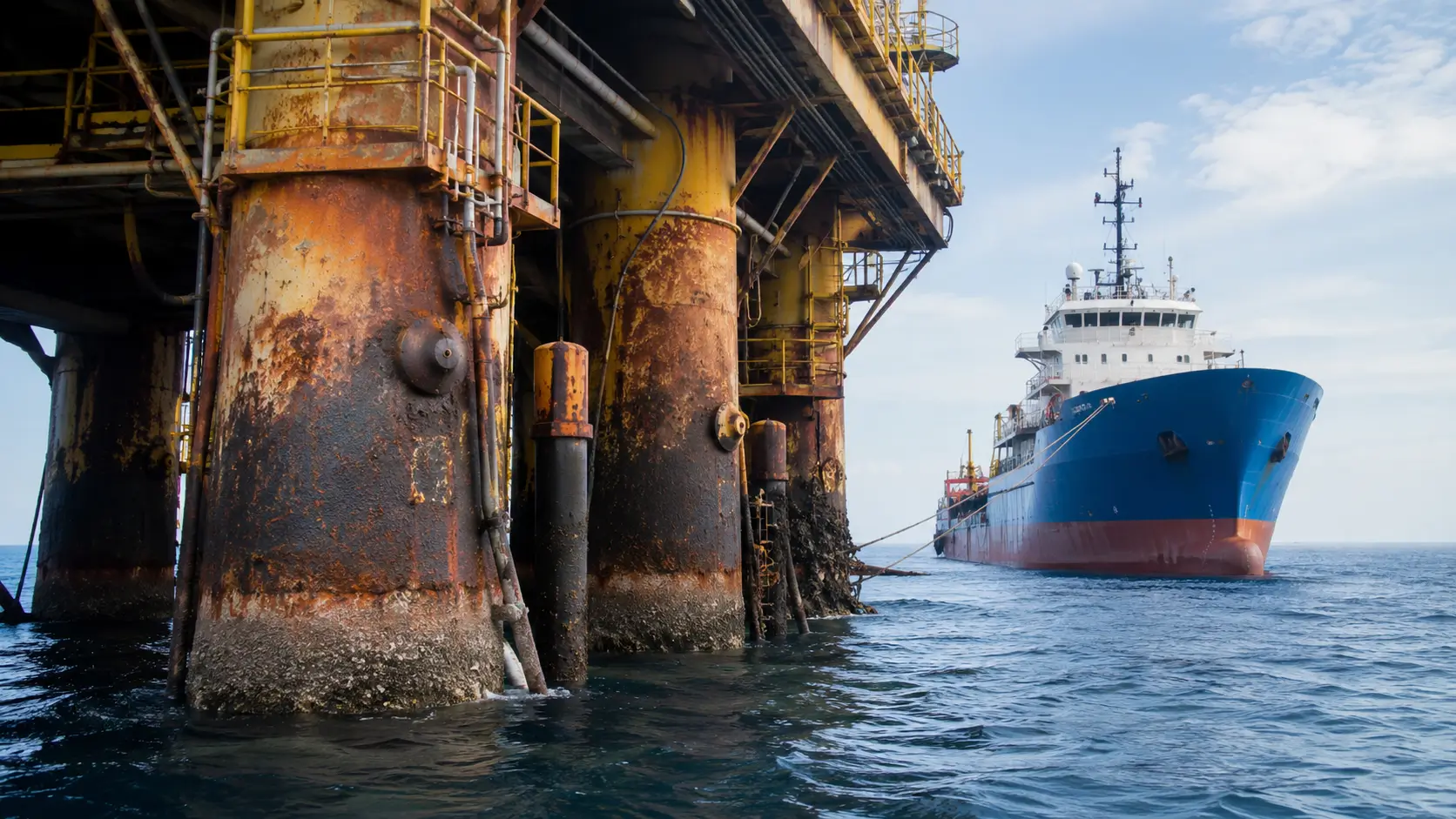
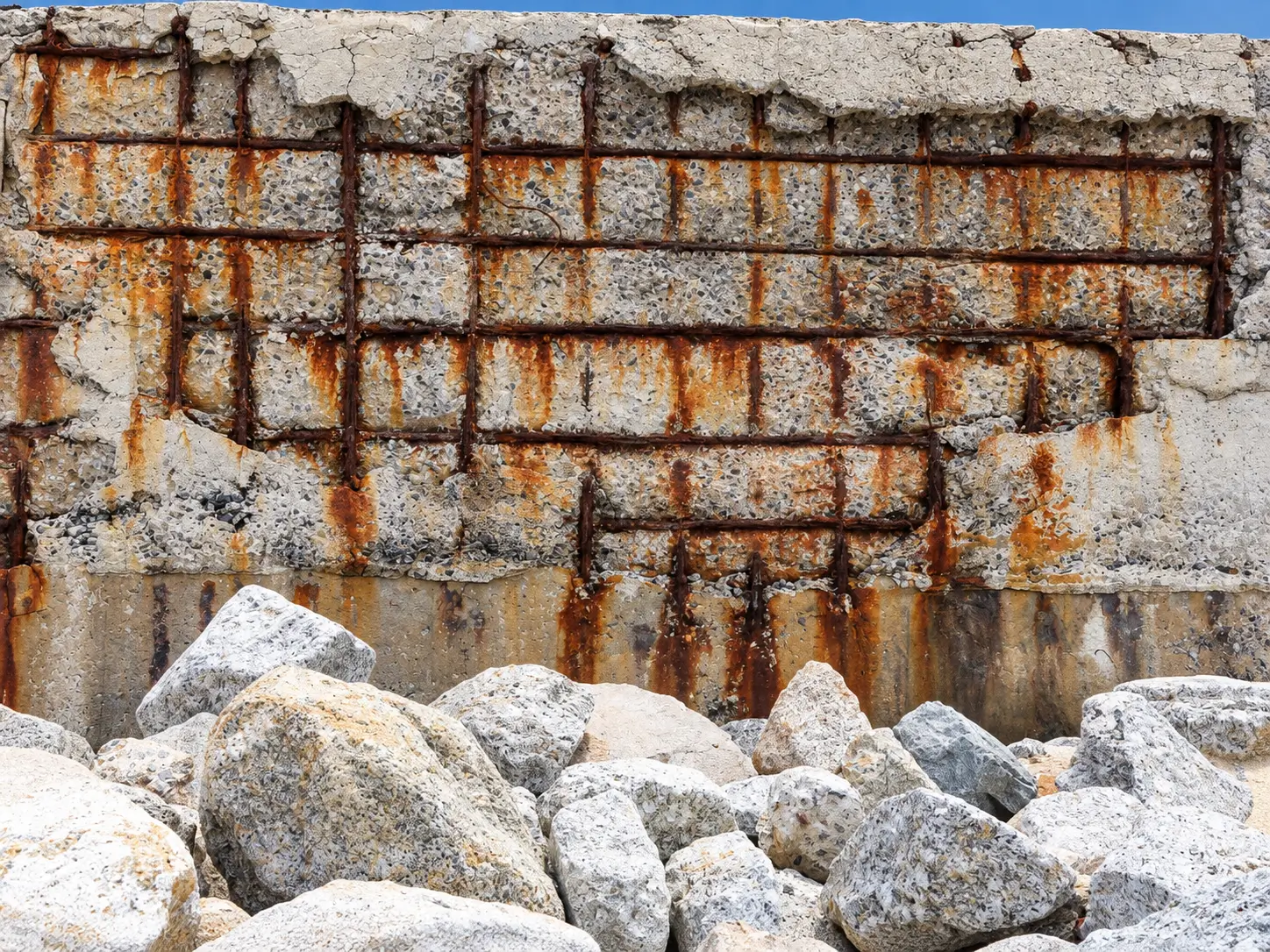
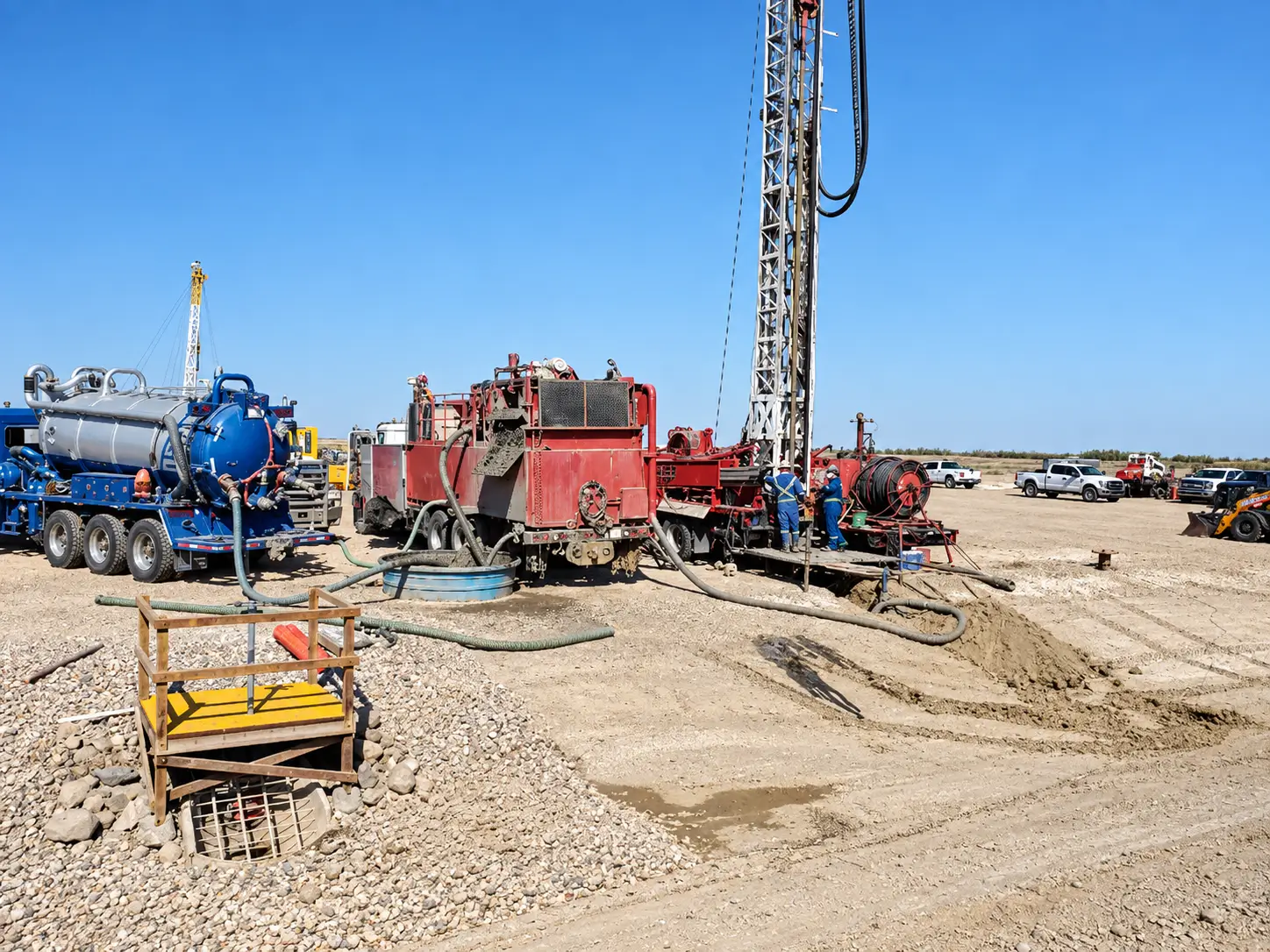
Protected Assets Pipeline · Tank · Marine · Concrete
Engineering Review Current · Environment · Life · Installation

Share the protected structure, operating environment, current requirement, design-life target, installation method and applicable project specification.

Cathodic Protection Anodes
SYSTEM SELECTION

ICCP or Sacrificial Anodes? Start with the Protection Method

Cathodic-protection anode selection should begin with the protection method, protected structure, operating environment and required electrical duty—not with an anode material name alone.

ICCP / IMPRESSED CURRENT

ICCP Anodes

Impressed-current cathodic protection uses an external DC power source to deliver controlled protection current through engineered anodes. Final anode selection depends on required current, environment, anode geometry, installation configuration and design-life basis.

  • External DC Power
  • Controlled / Adjustable Current
  • MMO · HSCI · Other Project-Specified ICCP Technologies
  • Groundbed · Tank · Pipeline · Marine · Concrete
Explore ICCP Anodes
GALVANIC / SACRIFICIAL

Sacrificial Anodes

Sacrificial cathodic protection uses a galvanically active metal anode that supplies protective current without an external rectifier and gradually consumes during service.

  • No External Rectifier
  • Zinc · Magnesium · Aluminum
  • Alloy-Specific Driving Potential & Capacity
  • Marine · Soil · Freshwater · Asset-Specific Forms
Explore Sacrificial Anodes

Final system selection also depends on current requirement, electrolyte resistivity or conductivity, external power availability, coating condition, control requirements, installation access, maintenance strategy, project design life and lifecycle requirements.

IMPRESSED CURRENT ANODES

ICCP Anode Families for Controlled Cathodic Protection

HELE supports multiple impressed-current anode technologies and installation configurations. Use this section to select the correct ICCP branch before reviewing individual anode forms.

MMO Titanium Anodes Representative MMO titanium anode form — see MMO Hub for complete product selection.

MMO Titanium Anodes

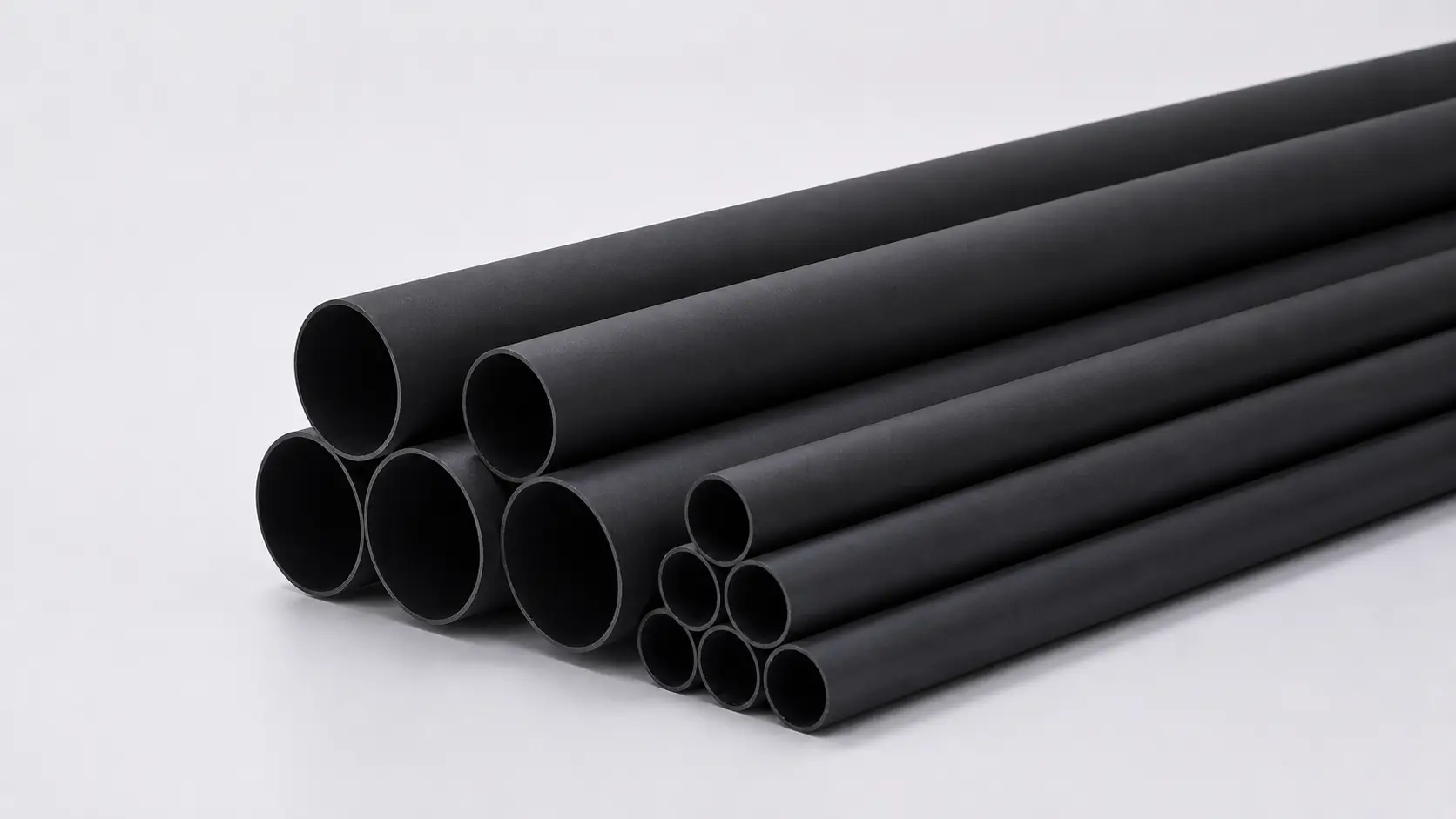
MMO-coated titanium anodes are available in multiple active-electrode and packaged forms for soil, water, concrete, marine and distributed-current ICCP applications.

Linear · Wire · Ribbon · Mesh Ribbon · Canister · Tubular · Disc · Rod
Explore MMO Anodes
High Silicon Cast Iron Anodes

High Silicon Cast Iron Anodes

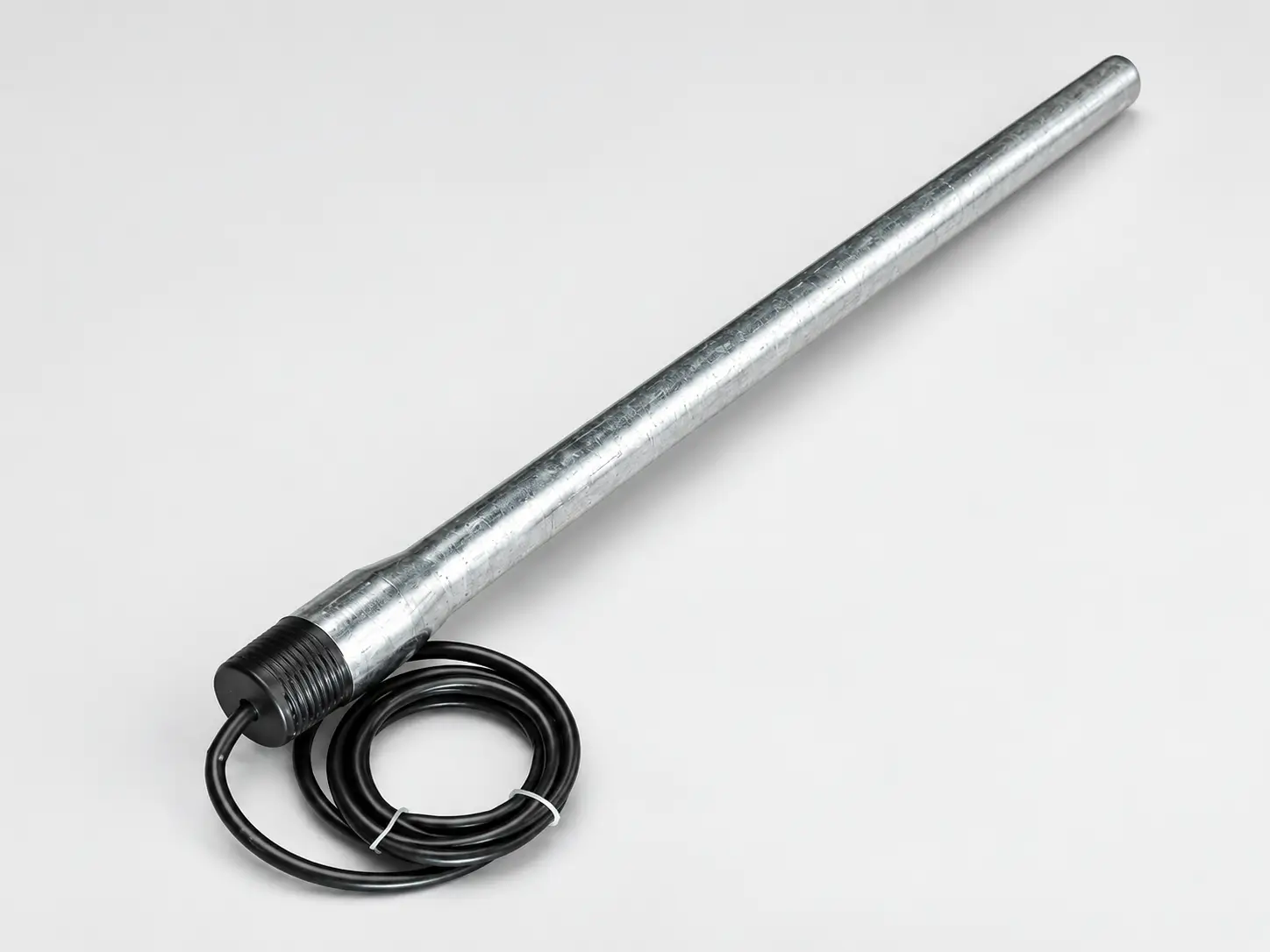
HSCI anodes can be reviewed for selected soil, freshwater and groundbed ICCP projects where high-silicon cast iron is specified by the cathodic-protection design.

Request HSCI Review
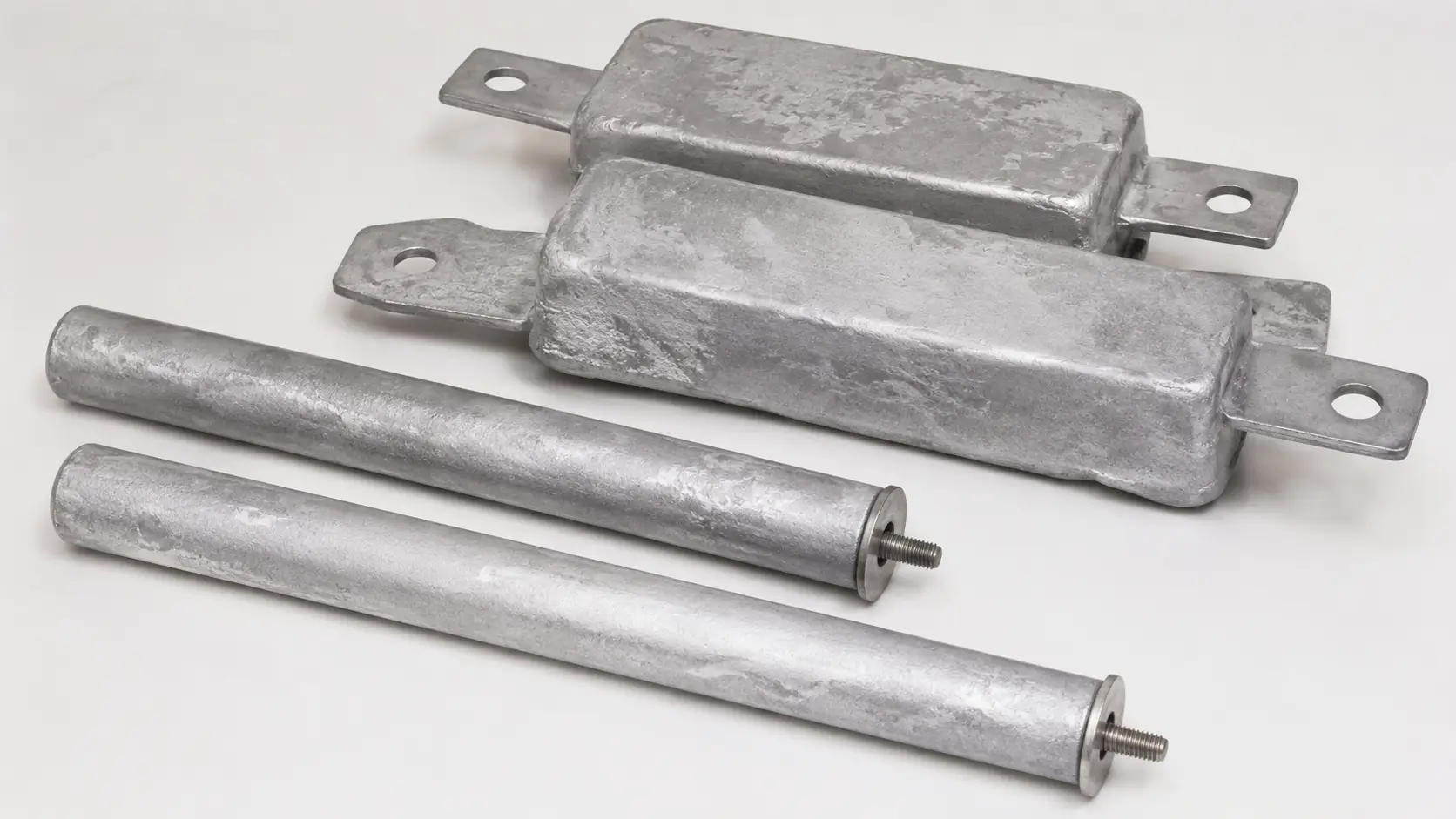
Powered Anode Rod

Powered Anode Rod

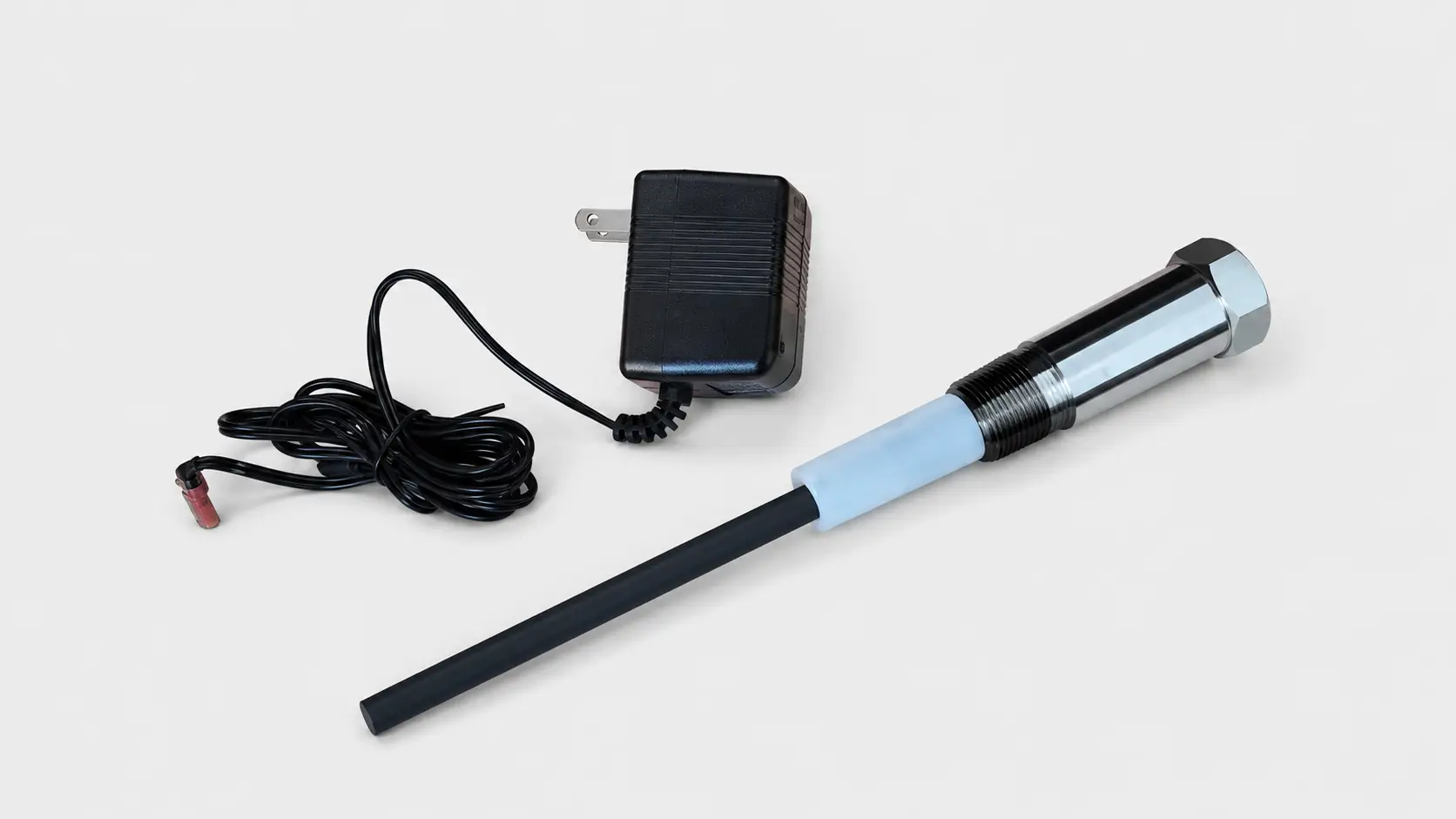
Powered anode rod assemblies are a separate active corrosion-protection product family for specific equipment or tank applications and should not be confused with industrial MMO Rod Anodes.

View Powered Anode Rod

ICCP Installation & Application Solutions

If the project requirement is defined by the protected structure rather than an anode model, continue through the ICCP application and installation pages.

GALVANIC / SACRIFICIAL ANODES

Sacrificial Anodes by Alloy & Installation Form

Zinc, magnesium and aluminum sacrificial anodes provide different galvanic characteristics and should be selected according to the electrolyte, protected structure, required capacity, installation geometry and project specification.

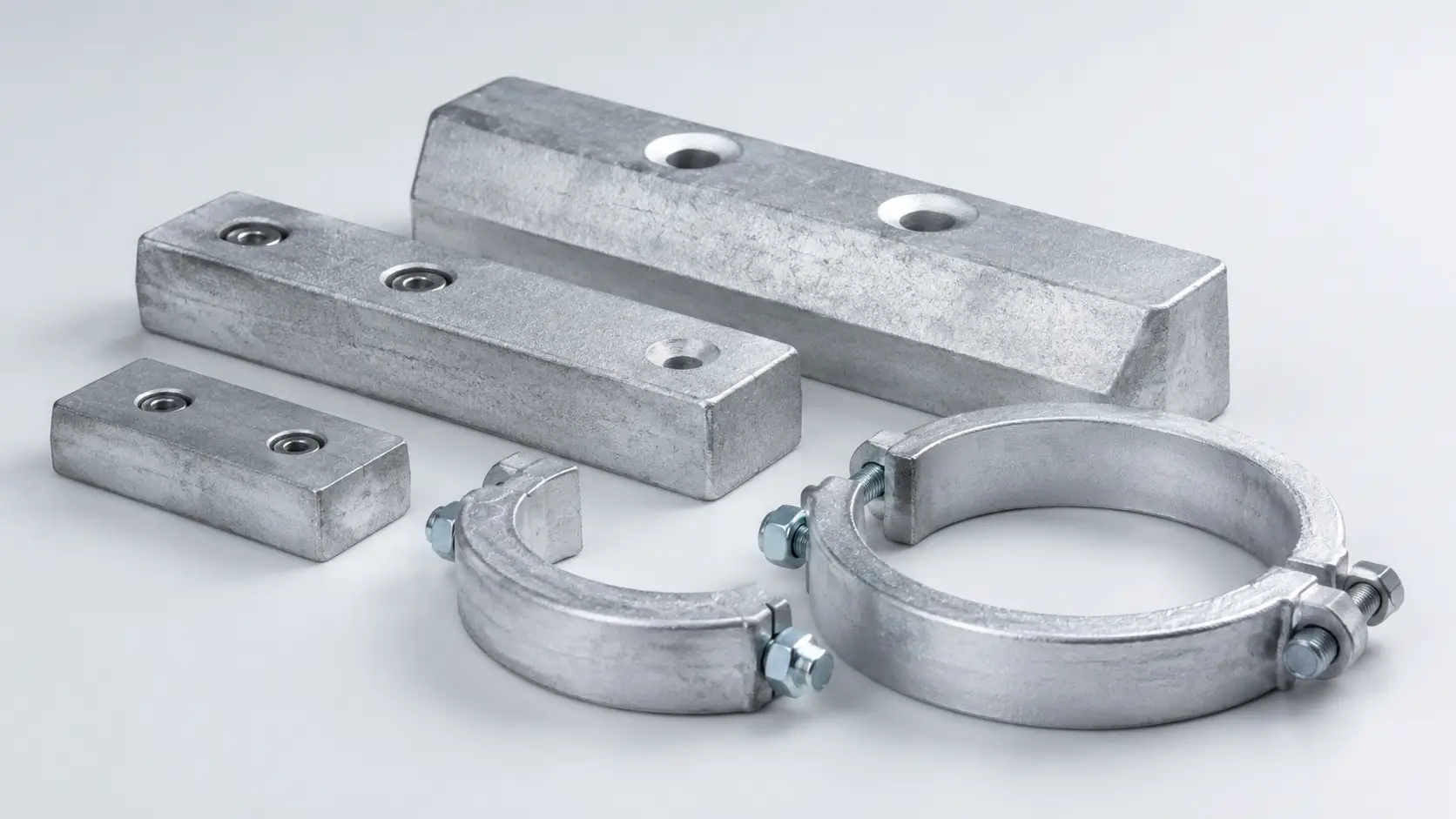
Aluminum Sacrificial Anodes

Aluminum Sacrificial Anodes

Aluminum-alloy sacrificial anodes can be reviewed for marine, offshore, vessel and other submerged applications according to alloy specification, operating environment, anode weight, mounting and design-life requirements.

View Aluminum Anodes
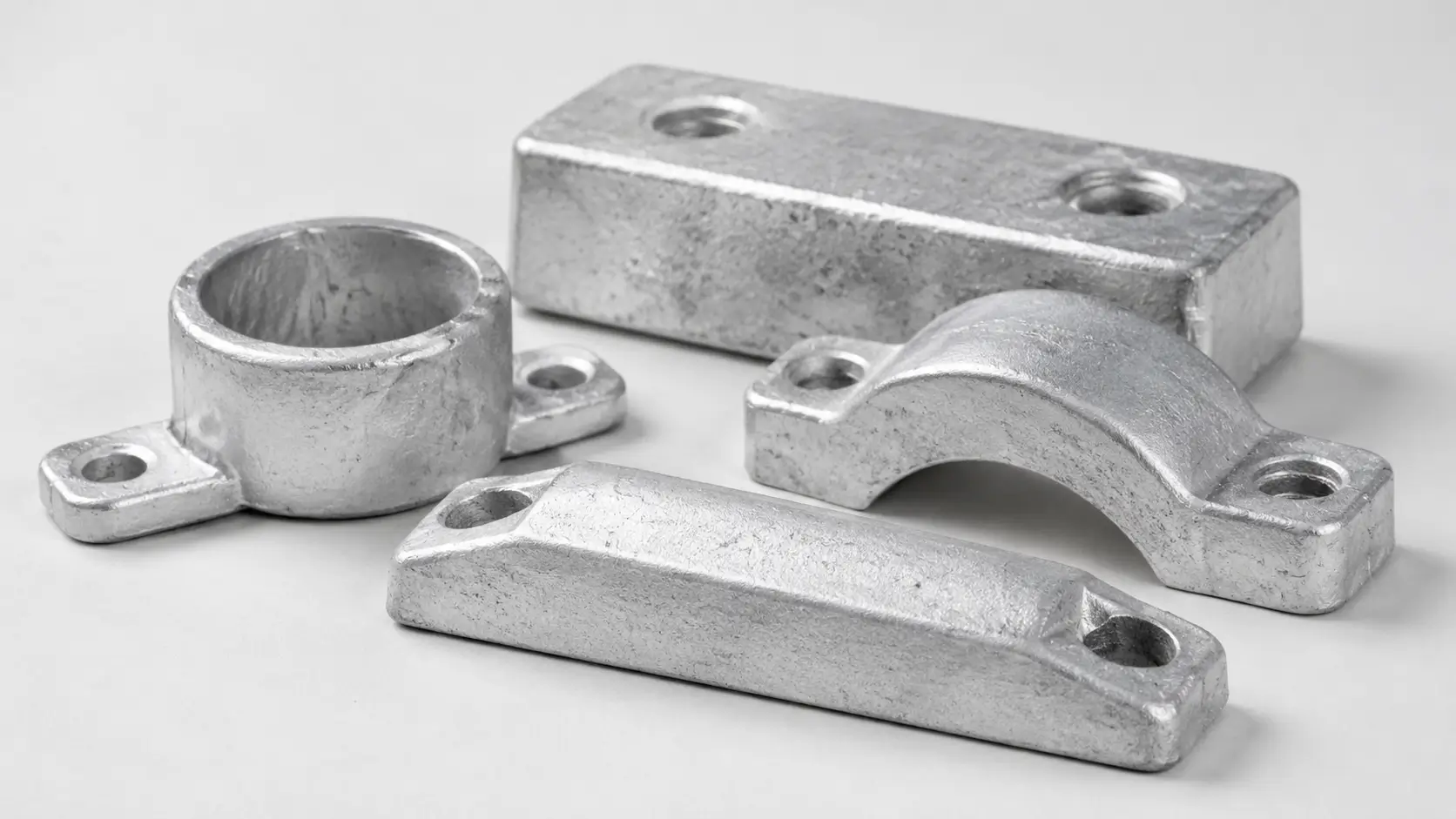
Zinc Sacrificial Anodes

Zinc Sacrificial Anodes

Zinc-alloy sacrificial anodes can be reviewed for selected seawater, brackish-water, marine and vessel applications where zinc material and operating potential are specified.

View Zinc Anodes
Magnesium Sacrificial Anodes

Magnesium Sacrificial Anodes

Magnesium-alloy sacrificial anodes can be reviewed for soil, freshwater, buried structures and other applications requiring higher galvanic driving potential according to project conditions.

View Magnesium Anodes
PROJECT SELECTION

Select Cathodic Protection Anodes by Asset & Environment

Use this matrix as a routing guide to identify which HELE product family or application page should be reviewed next. It is not a substitute for the approved cathodic-protection design.

Asset / Environment Common CP Route Relevant HELE Anode Families Key Engineering Inputs
Buried Pipelines ICCP / GACP MMO · HSCI · Magnesium · Project-Specified Galvanic Anodes Pipeline Length · Coating Condition · Soil Resistivity · Current Demand · Groundbed / Layout
Storage Tank Bottoms ICCP / GACP MMO Distributed Anodes · HSCI · Magnesium · Project-Specific Sacrificial Systems Tank Diameter · Foundation / Backfill · Resistivity · Current Distribution · Design Life
Marine & Offshore ICCP / GACP MMO · Zinc · Aluminum · Project-Specified ICCP Technologies Protected Area · Seawater Condition · Current Requirement · Mounting · Coating Condition
Reinforced Concrete ICCP / Galvanic Systems MMO Mesh Ribbon · MMO Ribbon · MMO Wire · Applicable Zinc Systems Concrete Resistivity · Chloride Condition · Steel Area · Current Density · Embedment / Repair Method
Deep Groundbeds ICCP MMO Canister · MMO Tubular · MMO Rod · HSCI Soil Resistivity Profile · Bore Depth · Total Current · Backfill · Cable · Venting
Freshwater / Equipment ICCP / GACP MMO · Magnesium · HSCI · Project-Specific Systems Water Conductivity · Chemistry · Temperature · Current Requirement · Installation Geometry

This table is a selection and routing guide only. Final anode type, quantity, output, spacing and installation layout should be confirmed against the approved cathodic-protection design, site data and project specification.

CP PROJECT ENGINEERING

Cathodic Protection Anodes Built Around Your Project Conditions

Anode selection should start from the protected structure and service environment—not from a product name alone. HELE reviews the relevant anode family, material, form, electrical duty, connection and installation requirements before quotation.

Protected Structure

Pipeline · Tank · Hull · Platform · Reinforced Concrete

Environment

Soil · Seawater · Freshwater · Concrete · Backfill

Electrical Requirement

Current Demand · CP Type · Operating Duty

Design Life

Coating / Consumption Basis · Project Target

Installation

Groundbed · Grid · Hull · Embedded · Mounted

Project Interface

Cable · Backfill · Mounting · Drawing · Documentation

Protected Structure · Environment · Resistivity / Conductivity · Required Current · CP Type · Design Life · Installation · Cable / Mounting · Quantity · Specification

QUALITY & DOCUMENTATION

Material, Anode & Connection Verification

Inspection should be defined according to the selected anode family and the agreed purchase, drawing and ITP requirements. MMO, HSCI and sacrificial-alloy products do not necessarily use the same inspection methods.

Material Verification

Titanium substrates, sacrificial alloys, HSCI material and other project materials are reviewed against the agreed purchase specification and available material documentation.

Dimensional Inspection

Anode dimensions, inserts, mounting interfaces, active geometry and assembly dimensions can be inspected against the approved drawing and purchase requirements.

Coating / Alloy Verification

MMO coating or sacrificial-alloy verification can be performed according to the confirmed product specification and an agreed product-appropriate inspection method.

Connection & Assembly Inspection

Cable connections, sealing, terminals, welded interfaces, inserts, identification and project-specific electrical checks can be reviewed according to the agreed inspection scope.

MTC / Material Records · Approved Drawings · Dimensional Records · Coating / Alloy Records · Connection / Electrical Checks · Packing List · Product Identification · Project-Specific QC Documents

Inspection methods and documentation are provided according to the agreed PO, ITP, product type and project requirements.

PROTECTED ASSETS

Cathodic Protection by Application

If your project is already defined by the protected structure, continue directly to the relevant application page for installation-specific anode selection and engineering inputs.

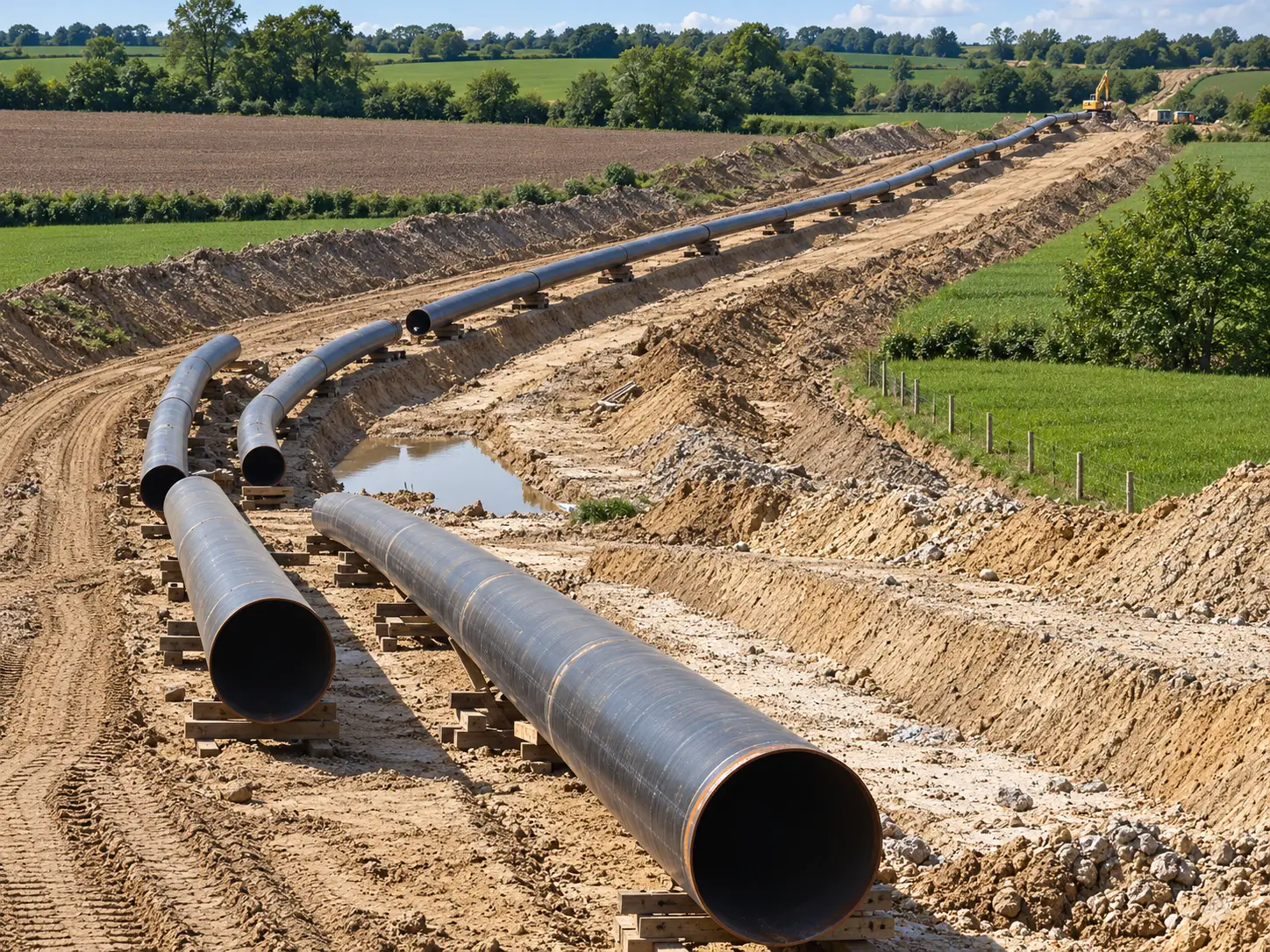
Pipelines & Buried Structures

Pipelines & Buried Structures

Review groundbed and distributed ICCP configurations for buried pipelines, underground tanks and buried steel structures.

View Pipeline ICCP Solutions
Storage Tank Bottoms

Storage Tank Bottoms

Review distributed under-tank MMO layouts for storage tank bottom cathodic protection.

View Tank Bottom CP
Marine Structures

Marine Structures

Review marine-mounted MMO configurations for jetties, piers, offshore structures and seawater-exposed assets.

View Marine ICCP
Reinforced Concrete

Reinforced Concrete

Review embedded and surface-applied MMO anode configurations for reinforced-concrete cathodic protection and repair.

View Concrete CP
Deep Groundbeds

Deep Groundbeds

Review canister, tubular and rod MMO anodes for deep-bore groundbed ICCP systems.

View Deep Groundbed ICCP
FREQUENTLY ASKED QUESTIONS

Cathodic Protection Anode FAQs

What is a cathodic protection anode?
A cathodic protection anode supplies protective current to a metal structure so that corrosion of the protected structure is reduced. The current may be supplied by an external DC source in an ICCP system or generated galvanically by a sacrificial anode.
What is the difference between ICCP and sacrificial anodes?
ICCP uses an external DC power source and engineered impressed-current anodes. Sacrificial systems use zinc, magnesium, aluminum or another suitable galvanic alloy that gradually consumes while supplying protective current.
How do I choose the right cathodic protection anode?
Selection depends on the protected structure, operating environment, resistivity or conductivity, current requirement, power availability, coating condition, design life, installation method and applicable project specification.
Which sacrificial-anode alloy should I use?
Zinc, magnesium and aluminum have different operating potentials, capacities and environmental suitability. Final alloy selection should follow the actual electrolyte, protected structure, required capacity and applicable CP design or project specification.
How is cathodic protection anode design life determined?
For sacrificial anodes, design life depends on alloy capacity, usable mass, current demand and operating conditions. For MMO anodes, it depends on the coating requirement, active area, rated electrical duty, environment and the applicable engineering design basis.
What information does HELE need for quotation?
Provide the protected structure, environment, CP system type if known, resistivity or water conditions, required current, design-life target, preferred anode family, installation arrangement, cable or mounting requirements, quantity, applicable specifications and drawings.
CP ANODE RFQ

Request a Cathodic Protection Anode Review

Send your cathodic-protection project requirements so HELE can review the appropriate ICCP or sacrificial anode family, material, geometry, electrical duty, connection and documentation before quotation.

Project Inputs

  • Protected Structure
  • Environment
  • ICCP / Sacrificial / Not Sure
  • Soil Resistivity / Water Condition
  • Required Current
  • Design Life
  • Preferred Anode Type
  • Installation Layout
  • Cable / Connection
  • Standard / Specification
  • Quantity
  • Drawing

Contact: sales@heletitanium.com

We typically respond within 24 hours.