Define the Plating Step
Identify through-hole, via, panel, pattern, surface finishing or another defined operation.


PCB Electroplating Solution
Route PCB plating electrodes and titanium process hardware by bath chemistry, plating objective, additives, waveform, current density, board geometry, line configuration and qualification requirements.
Solution Selection Guide
Electrode chemistry and hardware geometry should follow the plating bath, additives, target deposit, waveform, current density, board or panel format, anode-to-cathode relationship and equipment layout. Define these conditions first so MMO, platinized titanium or titanium hardware can be evaluated without treating them as interchangeable.
Before Requesting a Quote
Confirm whether the required scope covers an MMO or platinized titanium anode, a titanium basket, a hook or fixture, or another line component. Include the bath and additive data, waveform, current density, tank and board layout, component drawing and trial criteria so electrode chemistry, hardware geometry and qualification responsibilities are clearly separated.
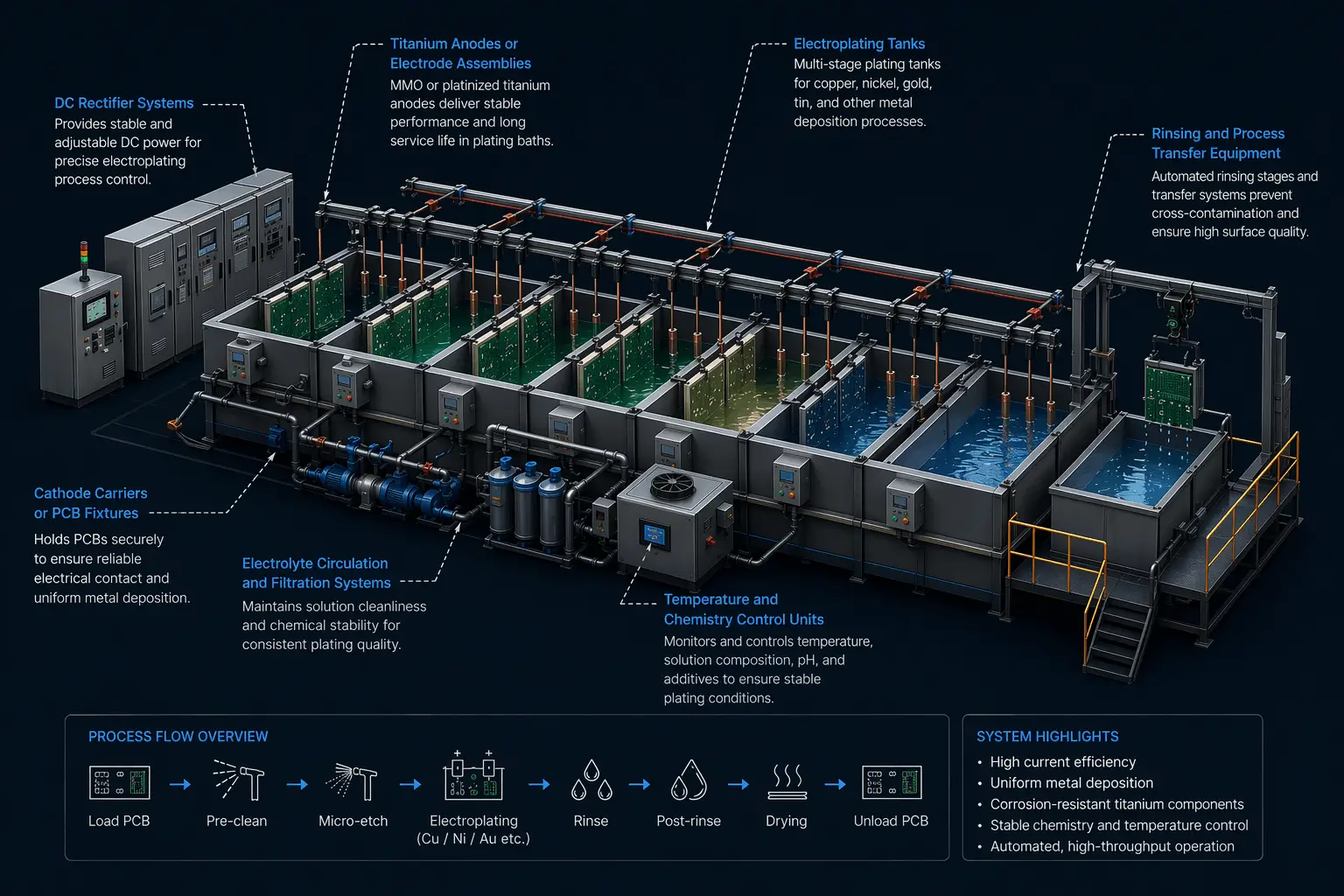
Process Review
A reliable PCB plating specification begins with the plating step and bath chemistry, then defines the additives, waveform, current density, board and tank geometry, electrode or hardware interfaces and line-trial acceptance criteria.
Identify through-hole, via, panel, pattern, surface finishing or another defined operation.
Provide metal, acid, chloride, additives, pH, temperature, filtration and contamination controls.
State DC or pulse waveform, current density, cycle, contact arrangement and uniformity target.
Share tank, board, anode, basket, hook, fixture and connection drawings with qualification needs.
Solution Configurations
Use the confirmed process conditions to compare material, coating, geometry, assembly and documentation requirements. Final configuration remains project-specific.
Solution Route
For defined PCB electrochemical duties where an MMO path is compatible with bath chemistry and operation.
Start with
Bath composition, additives, current density, waveform, geometry and acceptance basis.
Solution Route
For selected plating duties requiring separate platinum-thickness, substrate and process review.
Start with
Bath chemistry, Pt thickness basis, active area, current load, geometry and maintenance plan.
Solution Route
For corrosion-resistant process hardware configured around contact, loading and line geometry.
Start with
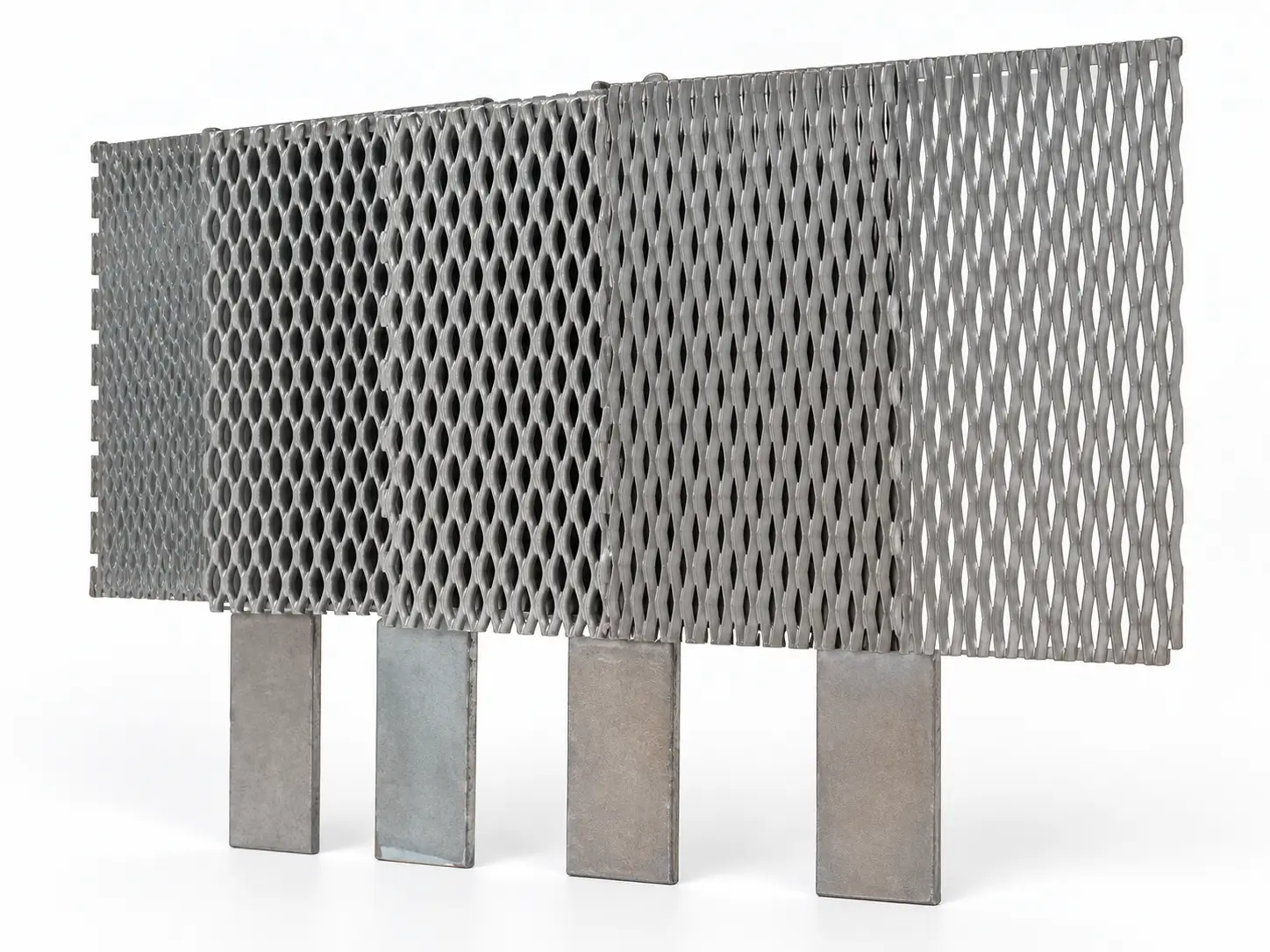
Part or consumable, load, dimensions, contact design, mesh, hook, drawing and handling.
Solution Route
For drawing-based replacement or retrofit where mechanical and electrical compatibility must be verified.
Start with
Existing component, photos, drawing, interface, failure history, quantity and approval criteria.
Technical Intake
Provide the inputs that materially affect chemistry, geometry, qualification and commercial scope. Unknown values can be marked for joint review.
Through-hole, via, panel, pattern, copper deposition or another defined process step.
Metal, acid, chloride, additives, pH, temperature, contaminants and analysis.
DC or pulse waveform, current density, voltage, cycle and contact arrangement.
Board width, panel format, tank dimensions, spacing, agitation, flow and electrode layout.
Anode, basket, hook, rack or fixture dimensions, connection, loading and tolerances.
Uniformity criteria, cleanliness, inspection, trial basis, documentation and change control.
Supply Scope & Qualification
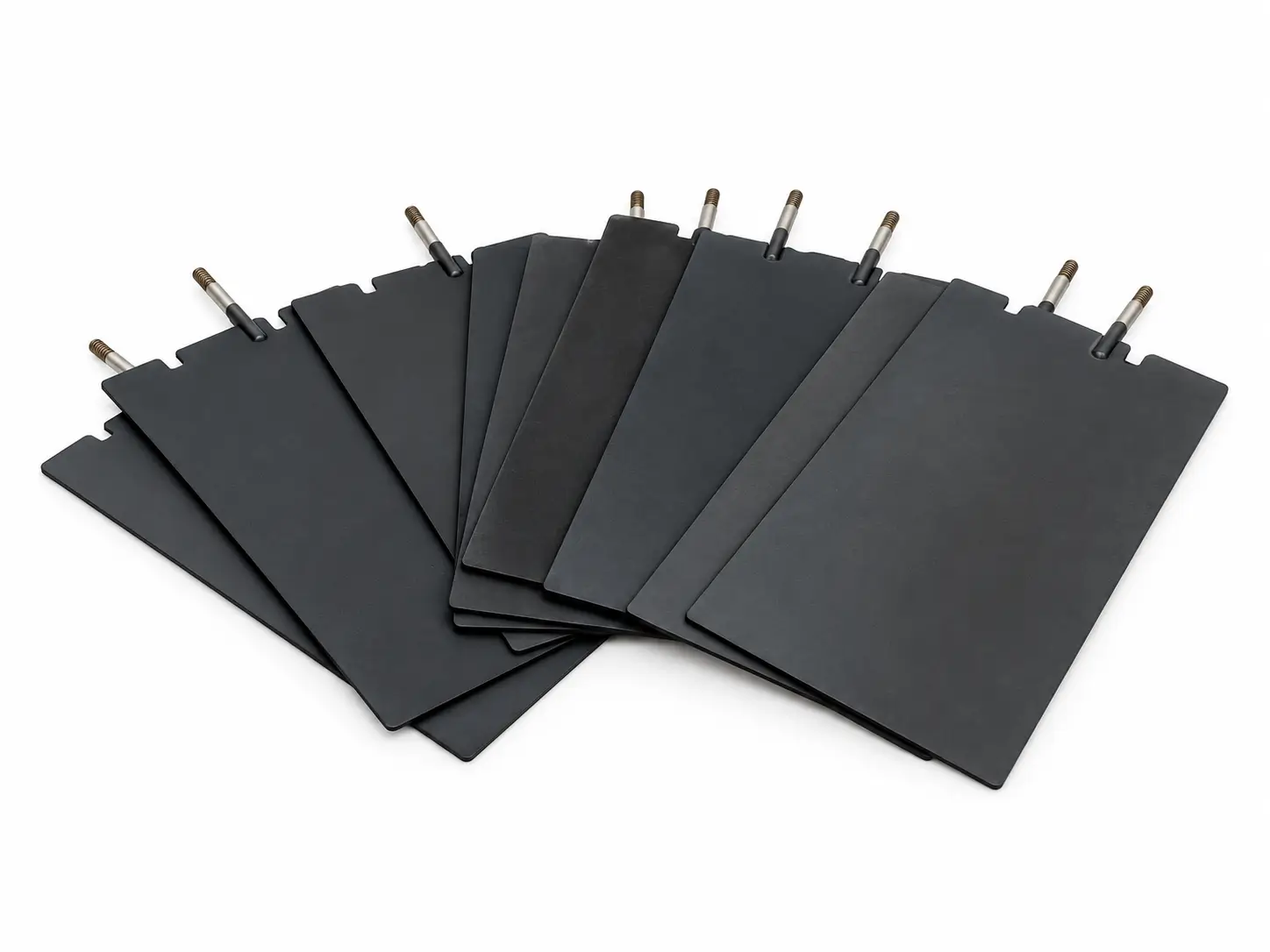
MMO and platinized titanium anodes are not universal substitutes. Bath chemistry, additives, waveform and line layout must be reviewed. Plating uniformity, additive consumption, defect rate and production yield depend on the complete line and process control and cannot be attributed to the electrode alone.
Electrodes & Process Hardware
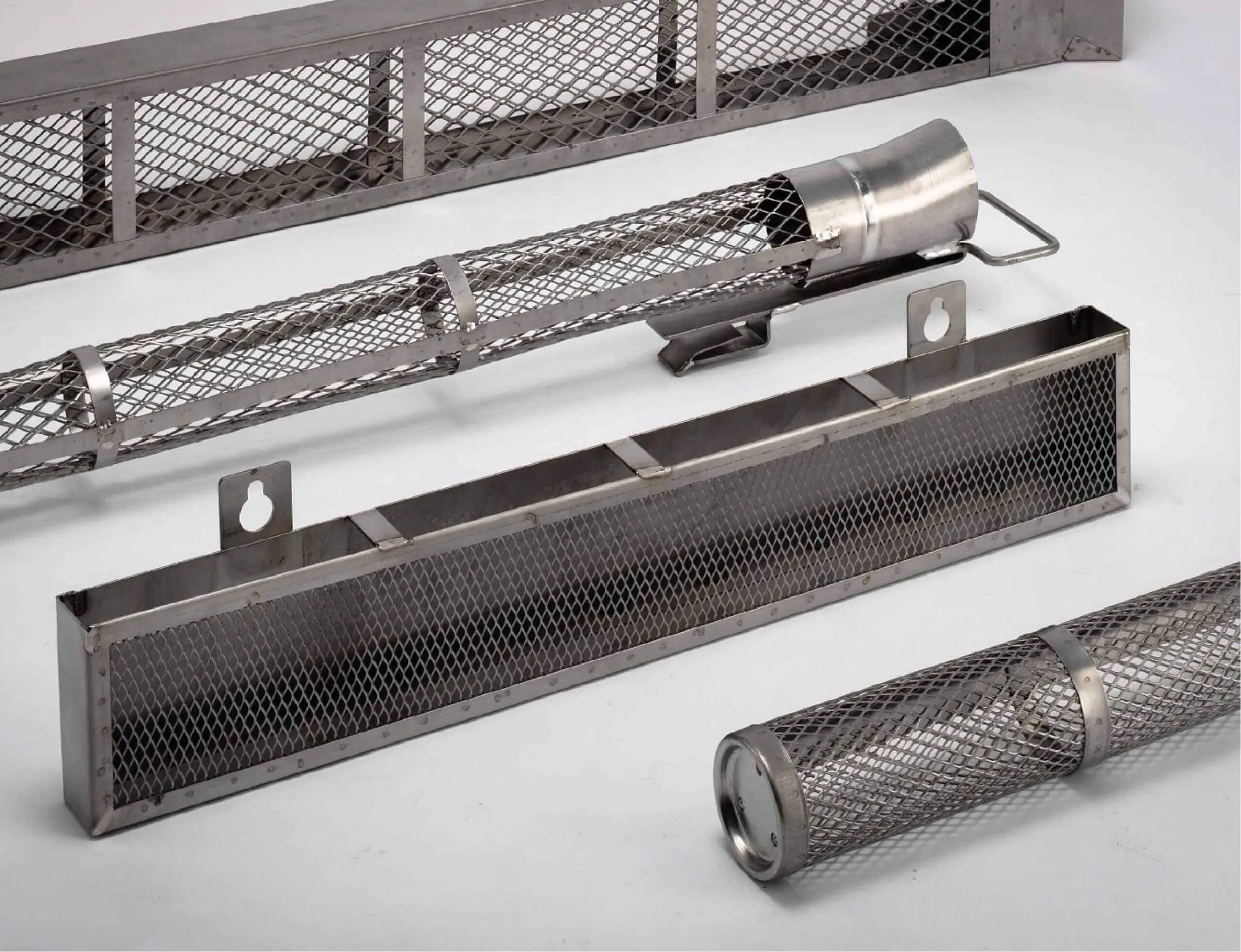
Review representative electrodes, baskets, fixtures and line environments. Bath chemistry, additives, waveform, board geometry and equipment layout determine the appropriate electrode and hardware combination.
Related Products & Applications
Compare related product families and application capabilities that may support material selection, equipment integration, replacement planning or project qualification.
← Explore All Electrochemical SolutionsTechnical FAQ
No. Their electrochemical functions and operating windows differ. The bath, reaction, additives, current density and qualification basis must be reviewed.
Provide the item being held, load, dimensions, mesh or sheet requirement, contact design, tank layout, drawing, quantity and cleanliness requirements.
No. Uniformity also depends on board geometry, shielding, spacing, agitation, waveform, contacts, bath control and equipment configuration.
PCB plating is sensitive to chemistry and line configuration. A controlled trial can verify fit, electrical behavior, process impact and acceptance criteria before broader use.
Tell us about the plating step, bath chemistry and additives, waveform, current density, tank and board dimensions, anode layout, baskets or fixtures, connection method, cleanliness controls and qualification requirements. HELE will review the relevant electrode or titanium-hardware path and identify the inputs required for quotation.
Prefer email?
sales@heletitanium.com