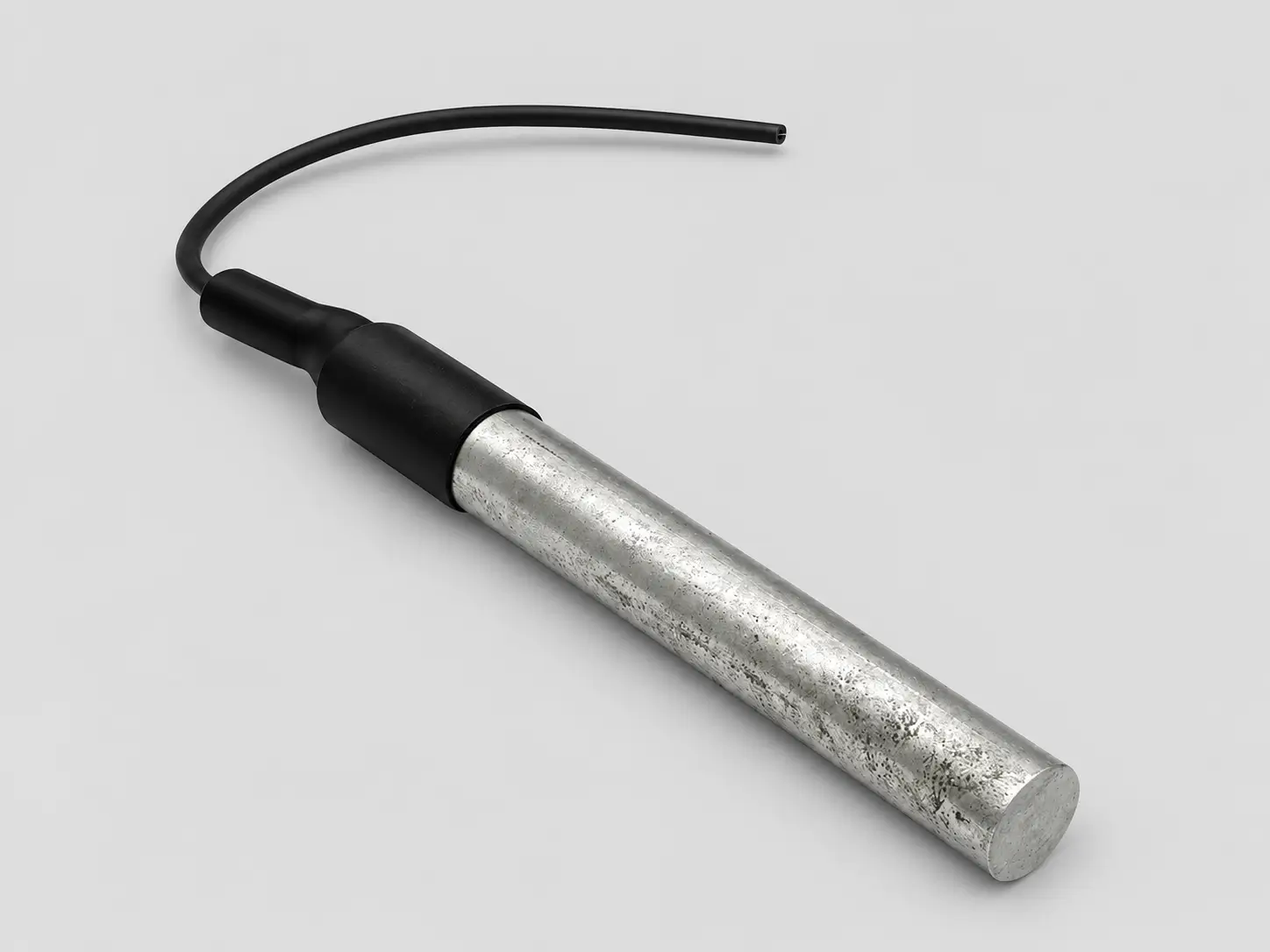
Reference Electrode Manufacturer
Factory-direct Ag/AgCl, Cu/CuSO₄, Zn, and MnO₂ reference electrodes engineered for cathodic protection, concrete monitoring, marine systems, and laboratory testing.
Engineering Reality
In electrochemical measurements, you cannot measure the absolute potential of a single electrode. You measure potential against a stable reference. If the reference electrode drifts, leaks, dries out, clogs, or becomes chemically incompatible, every reading can become unreliable.
Hele Titanium manufactures reference electrodes designed for stable potential output, durable housing, electrolyte compatibility, leakage resistance, and long-term field or laboratory use.
A reliable electrode must maintain a known and repeatable potential over time to support accurate corrosion or electrochemical measurements.
Soil, seawater, concrete, freshwater, and laboratory electrolytes require different electrode chemistries and housing designs.
Ceramic junctions, porous plugs, electrolyte seals, and cable exits must resist drying, leakage, clogging, and field damage.
Cable length, terminal type, housing material, mounting method, and permanent or portable design must match the monitoring system.
Reference Electrode Series
Hele Titanium manufactures standard and custom reference electrodes for cathodic protection, corrosion monitoring, reinforced concrete assessment, marine systems, and electrochemical testing. Portable, permanent, embedded, cylindrical, and OEM configurations are available.
Seawater, high-chloride environments, electrochemical testing, corrosion studies.
Silver / silver chloride
Underground pipelines, storage tanks, freshwater systems, soil environments.
Copper / copper sulfate
Marine, offshore, seawater, submerged structures, CP monitoring.
High-purity zinc
Reinforced concrete, civil structures, bridge monitoring, tunnels.
Manganese dioxide
Buried pipelines, tanks, bridges, long-term monitoring systems.
Cu/CuSO₄, MnO₂, Zn or custom
Field inspections, CP surveys, concrete measurements.
Ag/AgCl, Cu/CuSO₄, Zn
Pipeline CP testing, underground tanks, field potential measurement.
Cu rod + saturated CuSO₄
Soil, groundwater, geotechnical monitoring, limited-access sites.
Cylindrical CuSO₄ system
Quick Selection
Reference electrode selection depends on operating environment, measurement accuracy, electrolyte compatibility, installation duration, maintenance access, and system integration requirements. Use this guide as a starting point before requesting a custom recommendation.
Buyer Note:
For accurate selection, provide the operating environment, measurement target, required accuracy, installation type, cable length, connector type, housing material, and expected service life.
Type: Cu/CuSO₄
Design: Portable or permanent buried
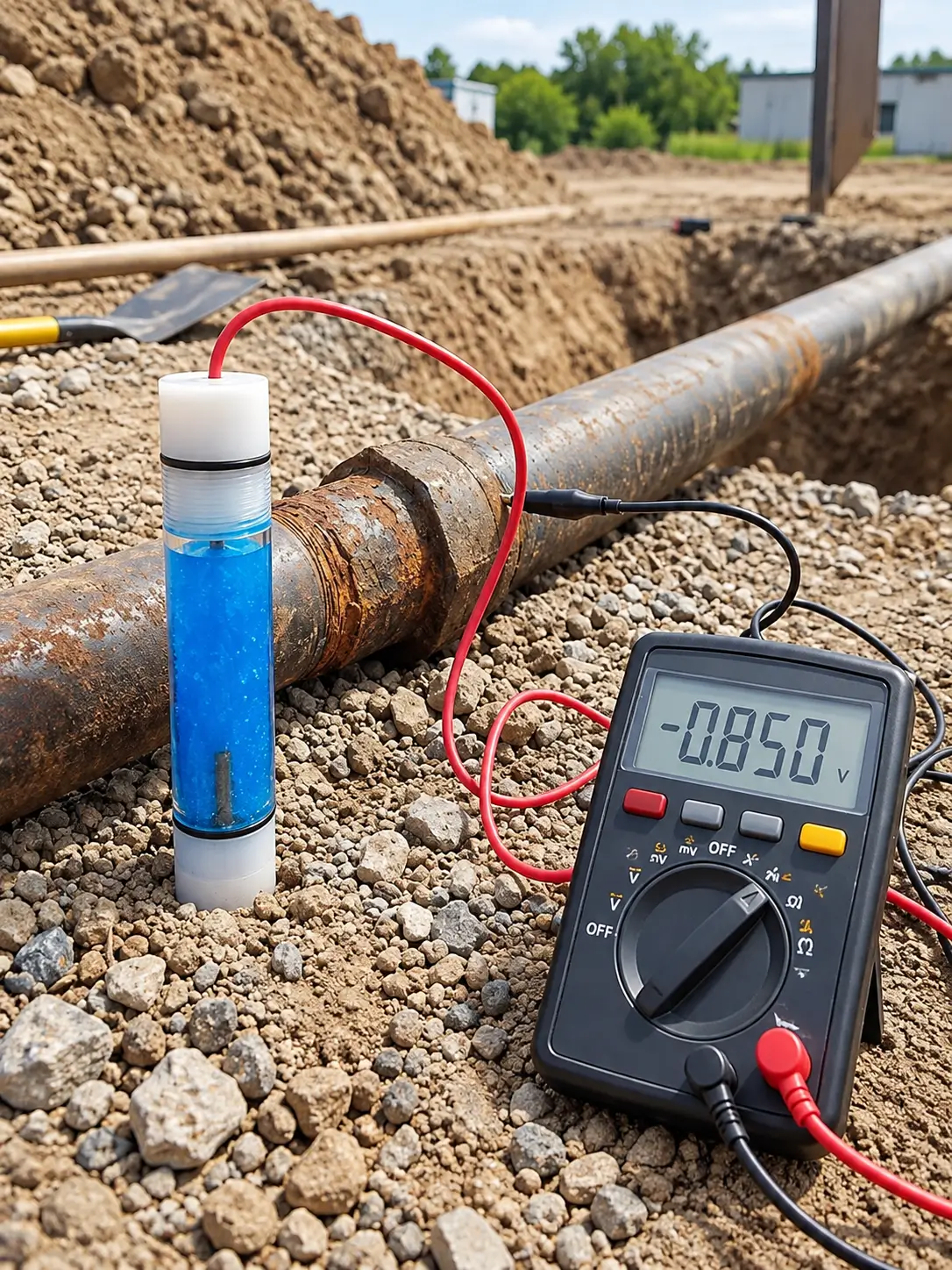
Commonly used for pipeline and tank CP potential measurements in soil.
Type: Ag/AgCl or Zn
Design: Submersible, pressure-resistant
Ag/AgCl is widely used in saline environments. Zinc for robust marine monitoring.
Custom Reference Electrodes
Off-the-shelf reference electrodes do not always match complex field conditions, equipment layouts, or long-term monitoring requirements. Hele Titanium manufactures custom reference electrodes engineered around your environment, measurement goal, installation method, and integration needs.
Send Your Reference Electrode RequirementsAg/AgCl, Cu/CuSO₄, MnO₂, Zn, and hybrid or customized reference systems can be selected based on environment, accuracy requirement, and measurement purpose.
Cylindrical, flat, embedded, portable, permanent burial, submersible, and OEM-specific body designs manufactured with PVC, acrylic, glass, stainless steel, or custom housing materials.
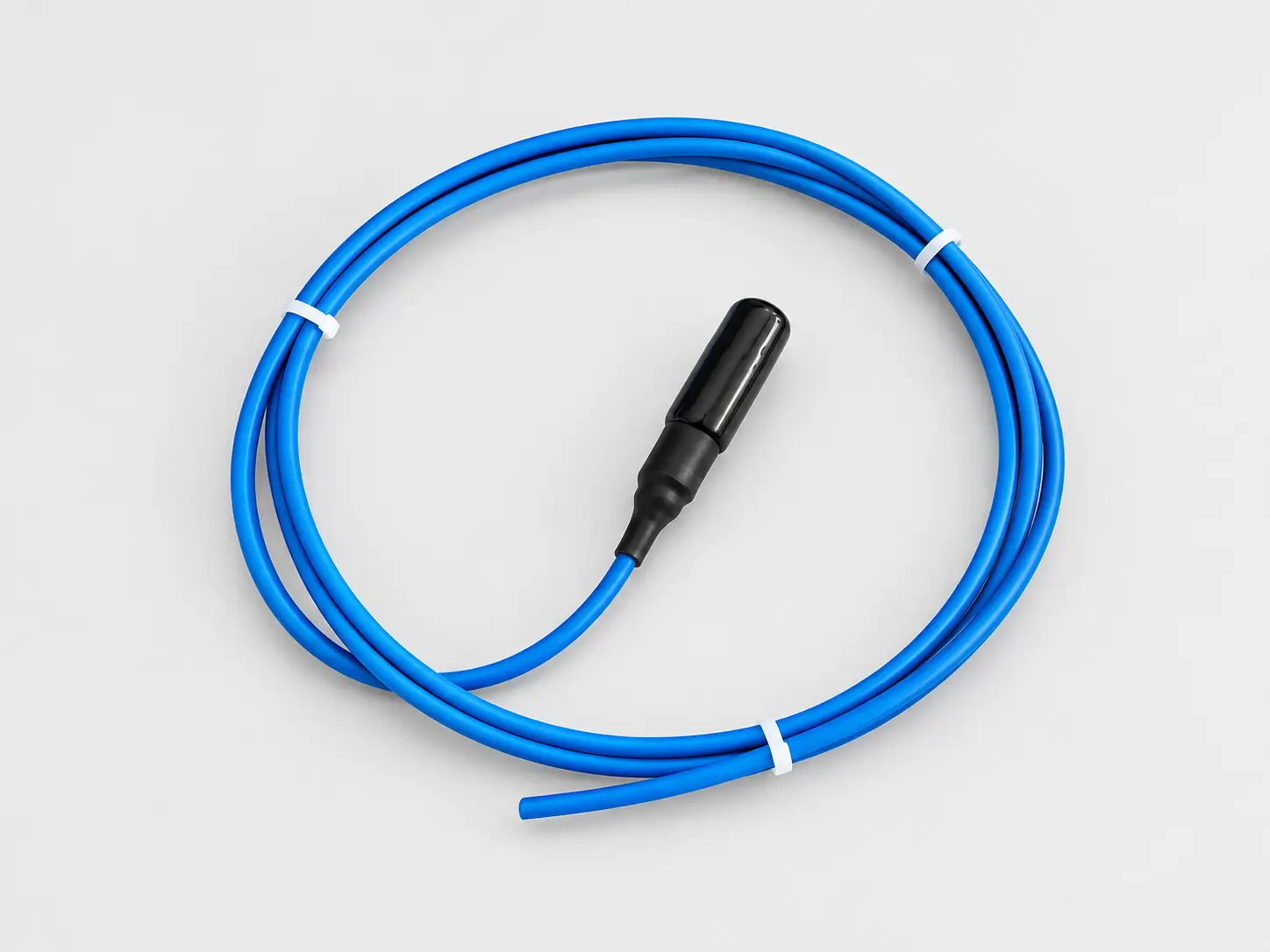
Standard, shielded, armored, waterproof, or custom cable length assemblies supplied according to installation distance, field conditions, and monitoring equipment.
Ceramic junction type, porous plugs, gel systems, saturated electrolytes, double-junction designs, and application-specific internal chemistries customized for stability.
Simple plug ends, waterproof terminal heads, BNC connectors, banana plugs, pin connectors, and custom connector options designed for easy system integration.
Prototypes, drawing-based production, branded labeling, private packaging, serial tracking, batch production, and long-term supply for OEMs and project contractors.
Quality Assurance
A reference electrode is only useful if its potential remains stable and repeatable. Hele Titanium controls raw material purity, internal chemistry, sealing, junction design, electrical output, and mechanical durability to support reliable field and laboratory measurements.
We use certified silver wire, copper rods, copper sulfate solution, manganese dioxide materials, zinc elements, electrolytes, and housing materials selected for stable potential.
Electrolyte filling, junction installation, internal element positioning, cable sealing, and housing assembly are controlled to maintain consistency.
Each electrode can be checked for reference potential, electrical continuity, leakage resistance, waterproofing, and mechanical integrity before shipment.
For OEM, EPC, and monitoring projects, custom QA protocols, serial tracking, inspection records, and branded labeling can be provided.
For qualified reference electrode projects, Hele Titanium can provide material records, inspection reports, potential test data, dimensional records, serial labels, packing details, and export documentation to support procurement and project approval.
Request Reference Electrode QC DocumentationApplications
Reference electrodes are essential wherever accurate electrochemical potential measurement is required. Hele Titanium supplies field-ready and lab-ready reference electrodes for corrosion monitoring, CP systems, concrete assessment, marine structures, and electrochemical research.
Need: Measure structure-to-electrolyte potentials for pipelines, tanks, offshore platforms, and buried structures.
Cu/CuSO₄, Ag/AgCl, Zn, Permanent
Need: Track rebar corrosion risk in bridges, tunnels, buildings, parking structures, and marine concrete.
MnO₂, Cu/CuSO₄, Embedded
Need: Support corrosion and stray current monitoring in seawater systems, ship hulls, and submerged assets.
Ag/AgCl, Zn, Submersible
Need: Provide stable reference potential for cyclic voltammetry, redox studies, pH systems, and sensor calibration.
Ag/AgCl, Double-junction
Need: Monitor electrochemical potential in water treatment, desalination, and industrial process tanks.
Ag/AgCl, Zn, Cu/CuSO₄
Need: Integrate reference electrodes into CP systems, sensors, test instruments, and custom devices.
Custom Ag/AgCl, Cu/CuSO₄
Why Choose Hele Titanium
Hele Titanium manufactures precision-built reference electrodes for corrosion monitoring, cathodic protection, concrete assessment, marine systems, and electrochemical testing — with customization, quality control, and global supply support.
We manufacture Ag/AgCl, Cu/CuSO₄, Zn, MnO₂, portable, permanent, cylindrical, and custom reference electrodes for field and lab use.
Electrode chemistry, housing, cable length, junction type, terminal, mounting style, and packaging customized to match your project.
Raw material selection, assembly, electrolyte filling, sealing, cable connection, and final testing controlled under a consistent workflow.
Reference potential, leakage resistance, waterproofing, mechanical strength, continuity, and stability tested before shipment.
We support CP contractors, civil engineers, marine system integrators, research labs, OEMs, and monitoring system suppliers.
From one-off custom samples to repeat production, we support prototype development, private labeling, and long-term supply contracts.
Inspection reports, serial tracking, product labels, material records, test data, and export documentation prepared for qualified projects.
We support international buyers with technical communication, export packing, documentation, and reliable shipment coordination.
FAQ
Practical answers for corrosion engineers, CP contractors, OEM buyers, laboratory users, civil engineers, and procurement teams sourcing reference electrodes.
Every reference electrode is produced through controlled material selection, internal chemistry preparation, assembly, sealing, electrical testing, stability verification, and documentation review — helping buyers reduce measurement risk and improve long-term monitoring reliability.
From reference element preparation and electrolyte filling to junction installation, housing assembly, cable sealing, and final output testing, each reference electrode production step is controlled according to project specifications.
Ag/AgCl element preparation for stable reference potential
Electrolyte preparation for consistent output
Controlled assembly of electrode body and junction
Our workshop supports portable, permanent, embedded, cylindrical, submersible, and custom OEM reference electrode formats for field and laboratory applications.
Portable reference electrode assembly for field testing
Custom housing preparation for OEM projects
Cable and connector assembly for system integration
Quality checks focus on reference potential, output stability, leakage resistance, junction performance, cable sealing, mechanical durability, dimensional accuracy, and traceability documentation.
Reference potential verification before shipment
Leakage resistance testing for electrolyte integrity
Dimensional inspection according to drawings
For qualified projects, Hele Titanium can provide material records, inspection reports, output test data, dimensional reports, product labels, packing documents, and export support.
Material records for procurement review
Inspection reports for quality verification
Serial labels for batch traceability
Need output test data, inspection reports, custom drawings, labels, or project-specific documentation for your reference electrodes?
Request Manufacturing & QC DetailsBuyer’s Guide
When your application depends on precise potential measurement, long-term stability, and reliable corrosion monitoring across soil, seawater, concrete, or laboratory systems, the reference electrode becomes a critical component. This guide helps industrial buyers choose the right electrode type, design, and supplier for accurate field or laboratory performance.
A reference electrode provides a stable and known potential for electrochemical measurement. Because the absolute potential of a single electrode cannot be measured directly, a reference electrode acts as the fixed benchmark for measuring voltage differences in cathodic protection, corrosion monitoring, laboratory testing, and industrial process control.
Buyer Note: The accuracy of the whole measurement system depends on the stability and compatibility of the reference electrode.
If a reference electrode drifts, dries out, becomes contaminated, leaks electrolyte, or develops a blocked junction, the measurement result can become unreliable. Long-term stability, low internal resistance, minimal junction potential, and chemical compatibility are essential for trustworthy data.
Warning: A low-quality reference electrode can make otherwise good monitoring equipment produce misleading readings. Always evaluate stability, junction design, housing, sealing, and application compatibility.
Reference electrodes provide a stable potential benchmark for electrochemical measurement, corrosion monitoring, and cathodic protection control. Different reference electrode types are selected according to electrolyte, environment, installation method, and measurement accuracy requirements.
Ag/AgCl reference electrodes are widely used for laboratory testing, field monitoring, biomedical sensors, pH measurement, corrosion studies, and saline environments. They offer excellent stability, reproducibility, mercury-free operation, and compact design. They are suitable for many portable and precision electrochemical systems, but care should be taken where chloride interference, KCl leakage, or junction clogging may affect measurement reliability.
Cu/CuSO₄ reference electrodes are commonly used in cathodic protection systems for pipelines, storage tanks, buried structures, and freshwater or soil environments. Their rugged construction makes them ideal for field use. They provide stable potential readings in soil and freshwater, but they are not recommended for high-chloride environments where chloride interference may reduce accuracy.
Zinc reference electrodes are cost-effective and reliable options for marine, offshore, freshwater, and submerged metal monitoring applications. They are often used in cathodic protection systems where long-term or temporary potential monitoring is required. Zinc electrodes are robust and suitable for aggressive environments, although they may provide lower precision than Ag/AgCl or Cu/CuSO₄ electrodes in some laboratory applications.
MnO₂ reference electrodes are designed for long-term corrosion monitoring in reinforced concrete and specialized civil engineering applications. They offer stable performance in both dry and wet concrete environments and are environmentally safe. MnO₂ electrodes are especially useful for concrete structure monitoring, but they are more application-specific compared with Ag/AgCl or Cu/CuSO₄ reference electrodes.
| Electrode Type | Strength | Best Fit |
|---|---|---|
| Ag/AgCl | Stable, mercury-free, compact | Lab, seawater, sensors, corrosion testing |
| Cu/CuSO₄ | Rugged and practical for CP field use | Soil, freshwater, pipelines, tanks |
| Zn | Durable and simple for marine use | Seawater and submerged monitoring |
| MnO₂ | Stable in concrete environments | Reinforced concrete corrosion monitoring |
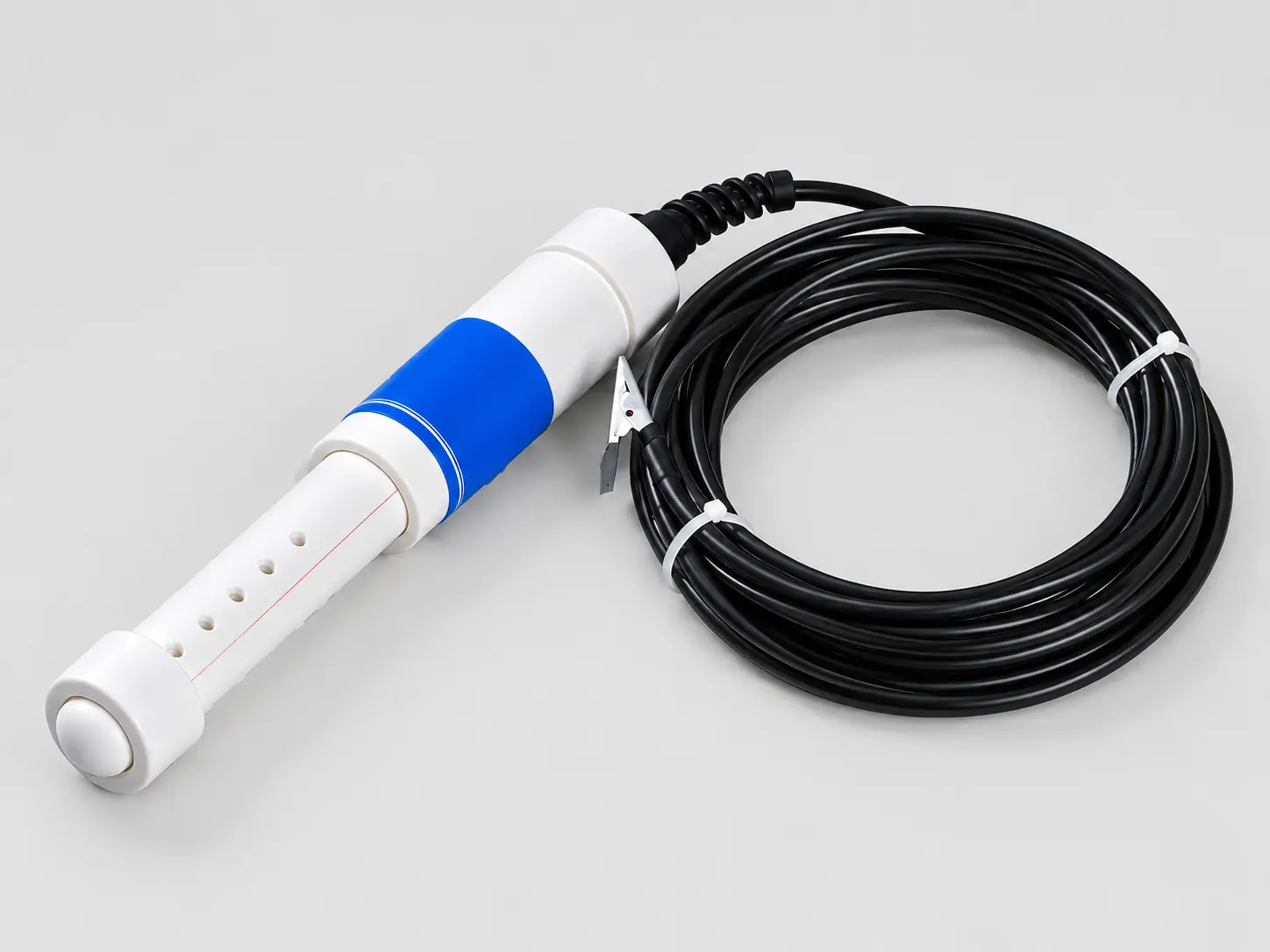
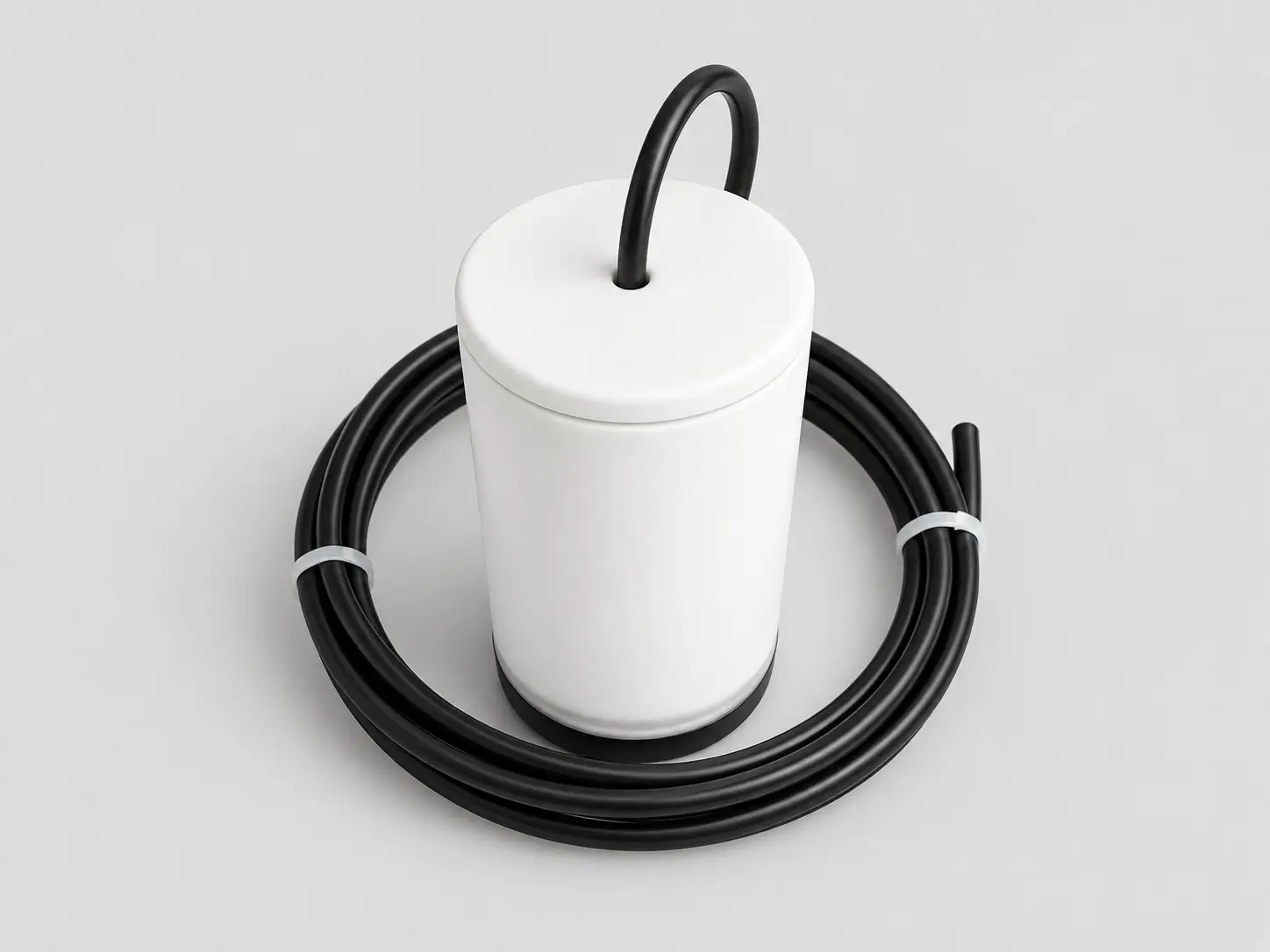
Portable and permanent reference electrodes serve different monitoring needs. Portable electrodes are designed for temporary field measurements, inspections, and troubleshooting, while permanent reference electrodes are installed in soil, concrete, tanks, or marine environments for long-term corrosion monitoring. The right choice depends on whether your project requires mobility, periodic testing, or continuous monitoring over years of service.
| Comparison Factor | Portable Reference Electrodes | Permanent Reference Electrodes |
|---|---|---|
| Main Purpose | Temporary or mobile potential measurement | Long-term installed corrosion monitoring |
| Installation | No fixed installation required | Buried, embedded, or permanently installed |
| Monitoring Duration | Short-term or periodic inspection | Continuous long-term monitoring |
| Typical Use Cases | Pipeline potential surveys, field checks, maintenance inspections, troubleshooting | Pipelines, tanks, bridges, reinforced concrete, marine structures, buried assets |
| Structure | Compact, rugged, easy to carry, often with handle, probe, or cable | Sealed construction for soil, concrete, underwater, or buried environments |
| Maintenance | May require recalibration or electrolyte refill after use | Low-maintenance after installation, but must match environment conditions |
| Best Choice When | You need flexible field measurement or spot checking | You need stable data from a fixed monitoring point |
| Buyer Note | Ideal for inspection teams and service engineers | Ideal for CP systems, structural health monitoring, and SCADA-connected monitoring |
To receive a faster and more accurate quotation, provide as much technical detail as possible:
Send your operating environment, measurement purpose, electrode type, cable length, connector, housing, and installation requirements to Hele Titanium. Our technical team will help you review the best-fit solution.
Request Reference Electrode Selection SupportReference Electrode Inquiry
Tell us your operating environment, electrode type, installation method, cable length, connector, or OEM design requirements, and our team will recommend the right reference electrode solution.
Prefer email? sales@heletitanium.com
Share your drawings, application, material grade, coating requirement, quantity, and delivery target. Our team will review your request within 1 business day.
Email Us
sales@heletitanium.comWhatsApp / Call Us
+86 13857402537Factory & Engineering Center
Titanium Valley, Baoji City, Shaanxi Province, China