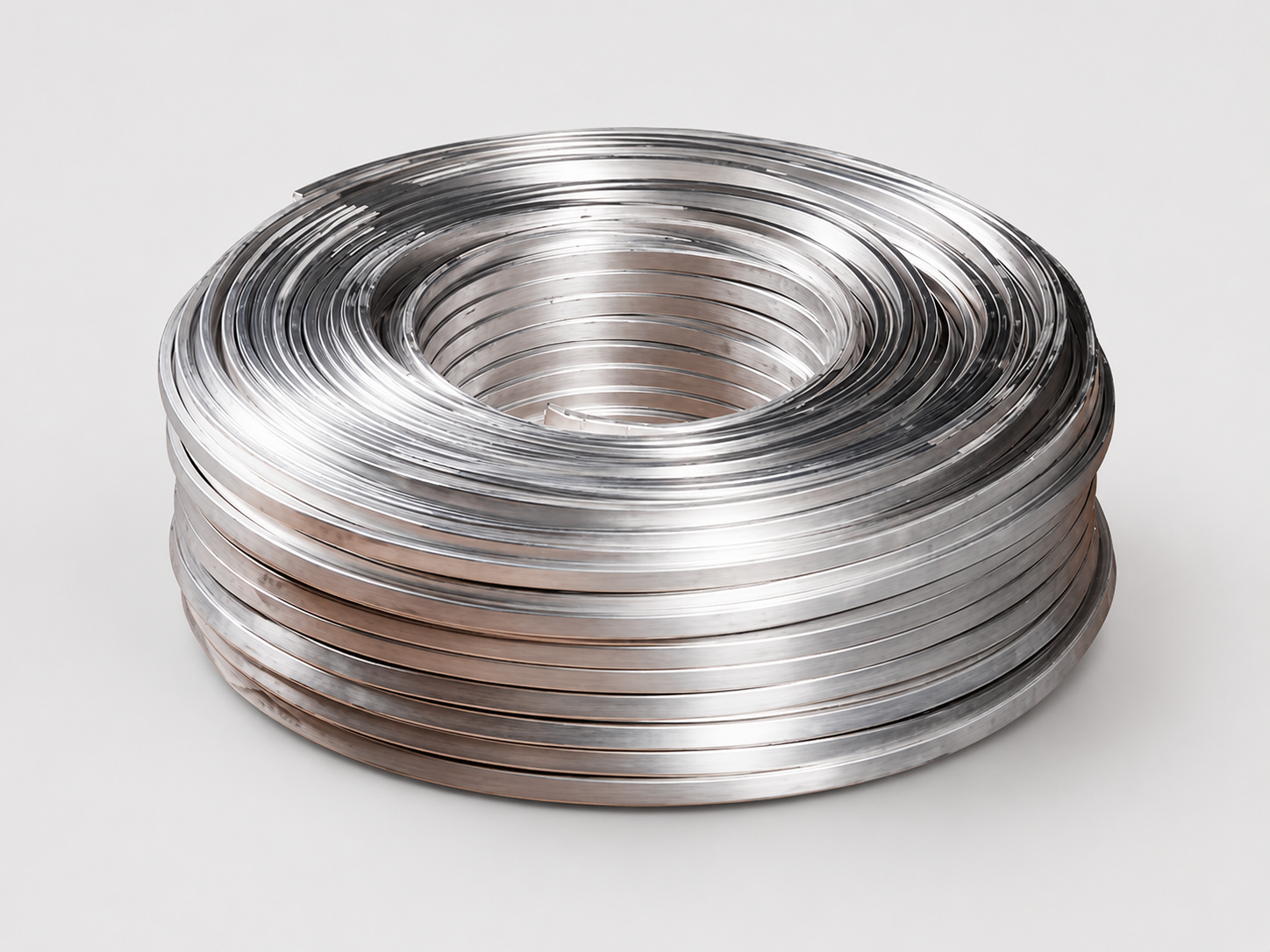
Custom magnesium and zinc ribbon anodes for buried pipelines, tank bottoms, underground tanks, soil cathodic protection, temporary CP, utility infrastructure, and distributed galvanic protection layouts.
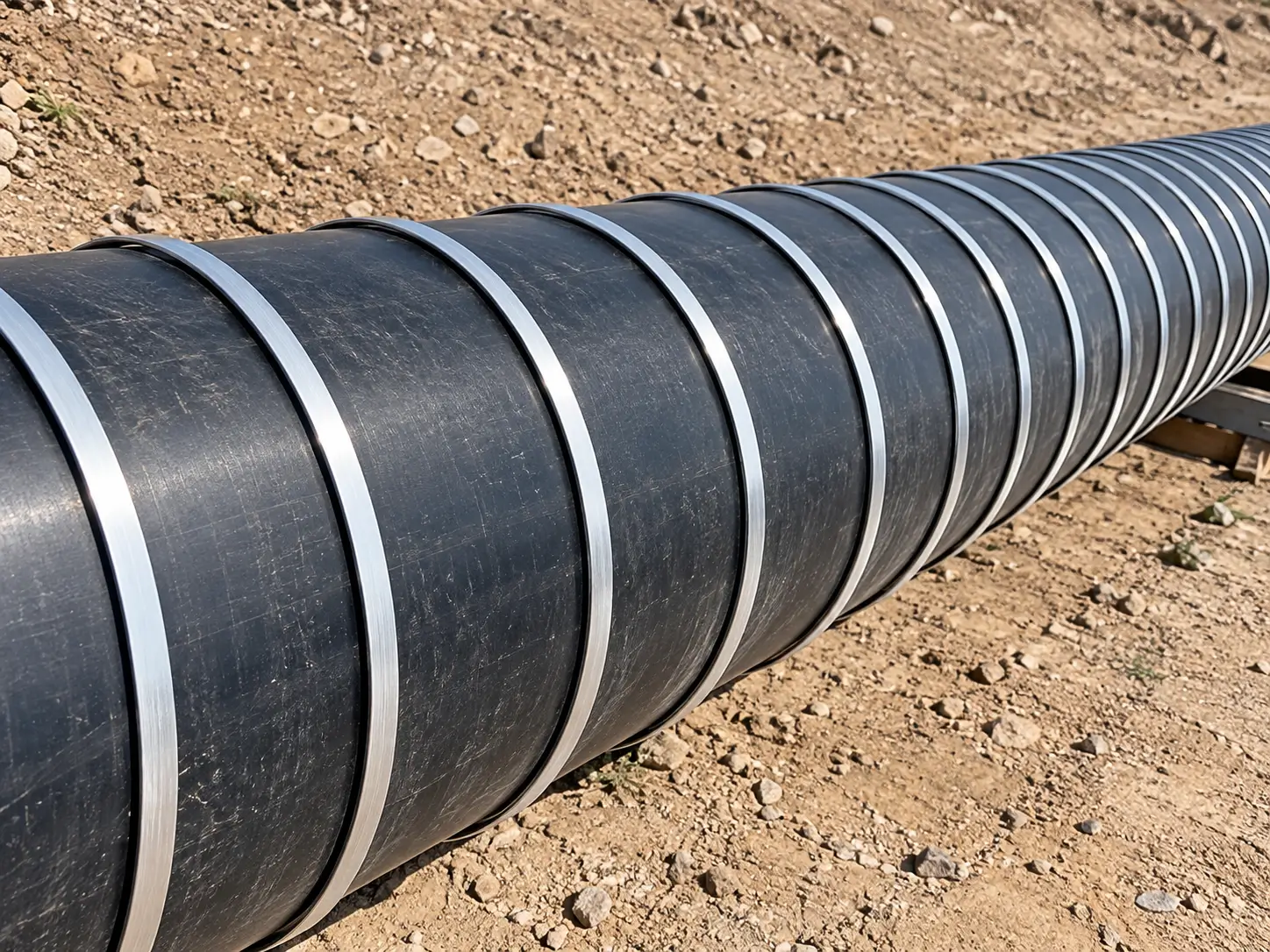
Ribbon anodes are used when a sacrificial anode system needs distributed protection along a pipeline, tank bottom, trench, or long protection zone. Instead of placing only isolated anode blocks, ribbon anodes can be routed along the protected area according to the CP design.
Sacrificial ribbon anodes are commonly supplied as magnesium ribbon or zinc ribbon depending on the environment and project requirement. Magnesium ribbon anodes are often reviewed for soil and freshwater-related CP layouts, while zinc ribbon anodes may be reviewed for selected grounding, AC mitigation, or project-specific corrosion control applications.
Hele Titanium supports ribbon anode supply based on material type, ribbon size, coil length, cable connection, installation route, soil resistivity, current demand, design life target, packing, labels, and documentation according to project requirements.
Ribbon anodes can be routed along pipelines, tanks, or buried structures for long-area galvanic protection.
Ribbon anode material should be reviewed according to soil condition, water chemistry, current demand, and project standard.
Ribbon size, coil length, cable connection, termination, label, and packing can be supported when required.
Soil resistivity, protected structure, installation route, and design life target should be reviewed before selection.
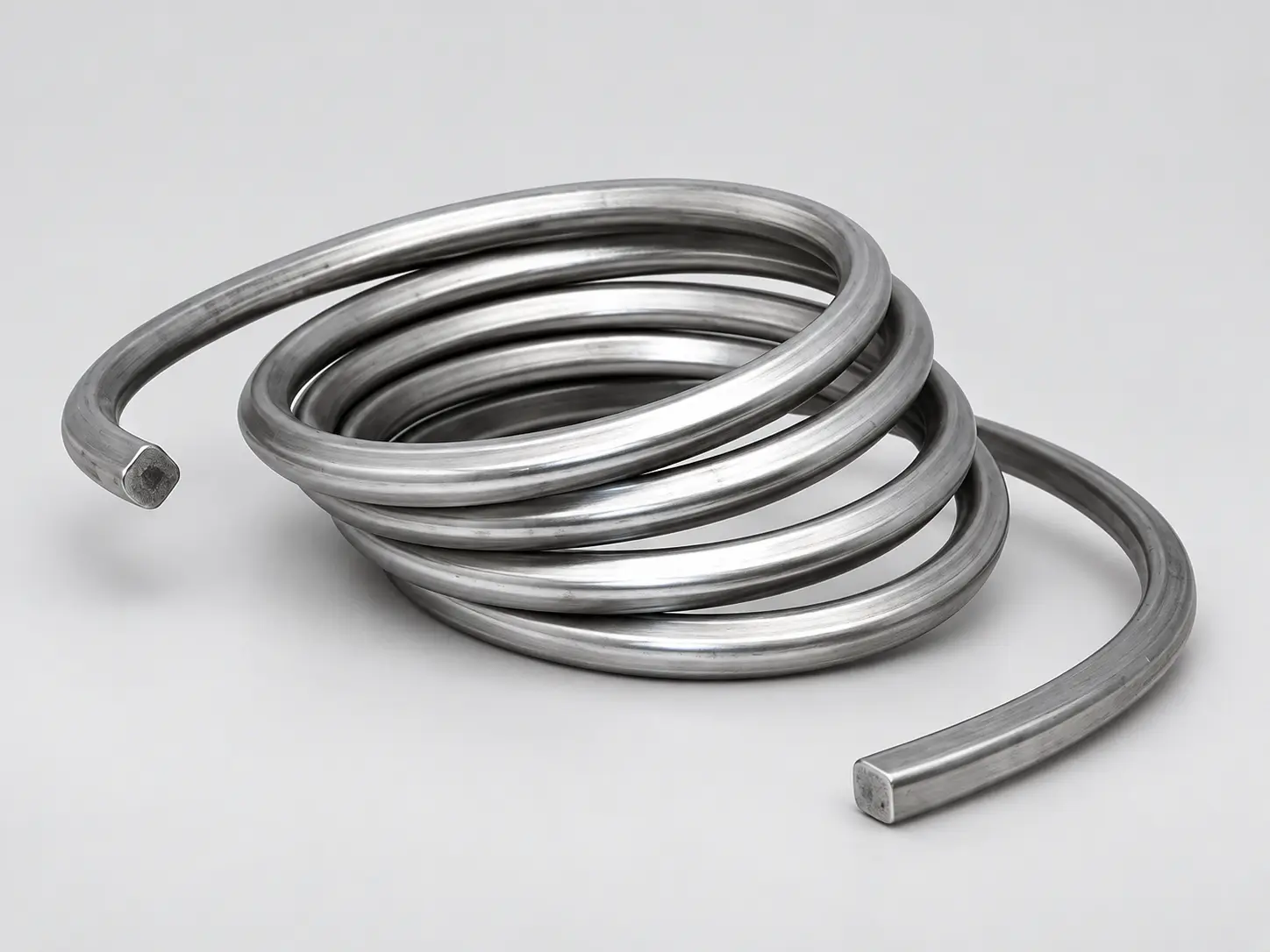
Ribbon anodes are long, narrow sacrificial anode materials supplied in strip or coil form. They are used in galvanic cathodic protection systems where current output needs to be distributed along a pipeline, tank bottom, trench, or buried structure.
Unlike block, rod, hull, or bracelet anodes, ribbon anodes are selected for their continuous or semi-continuous layout flexibility. They can be installed along a defined route to support distributed protection in soil, underground, or project-specific environments.
Ribbon anode selection should be reviewed according to material type, ribbon width, thickness, coil length, soil resistivity, protected structure, current demand, installation route, cable connection, and design life target.
| Feature | What It Means | Why It Matters |
|---|---|---|
| Ribbon / Strip Form | The anode is supplied as a long narrow strip or coil. | It supports distributed installation along pipelines, tank bottoms, or buried structures. |
| Sacrificial Material | Ribbon anodes are commonly supplied in magnesium or zinc material depending on project needs. | Material affects driving potential, environment suitability, and current output behavior. |
| Distributed CP Layout | The anode can be routed along a long protection zone. | This helps support more distributed current output compared with isolated anode blocks. |
| Cable / Connection Design | Ribbon anodes may require cable connection, termination, or project-specific electrical connection. | Connection quality affects electrical continuity and installation reliability. |
Different ribbon anode configurations are used depending on anode material, soil resistivity, route length, current demand, installation method, and project standard. Hele Titanium can support standard and custom ribbon anodes according to drawings, samples, or technical specifications.
Flexible magnesium ribbon anodes for distributed sacrificial protection in soil CP, pipeline CP, tank bottom CP, and temporary CP layouts.
Buried pipelines, underground tanks, soil CP systems, temporary protection, and long-area galvanic layouts.
Ribbon width, thickness, coil length, soil resistivity, current demand, cable connection, and installation route.
Zinc ribbon anodes for selected distributed protection, grounding-related review, and project-specific corrosion control applications.
Selected buried structures, utility infrastructure, AC mitigation-related review, and projects requiring zinc ribbon material.
Project standard, soil condition, current requirement, ribbon size, installation route, and connection method.
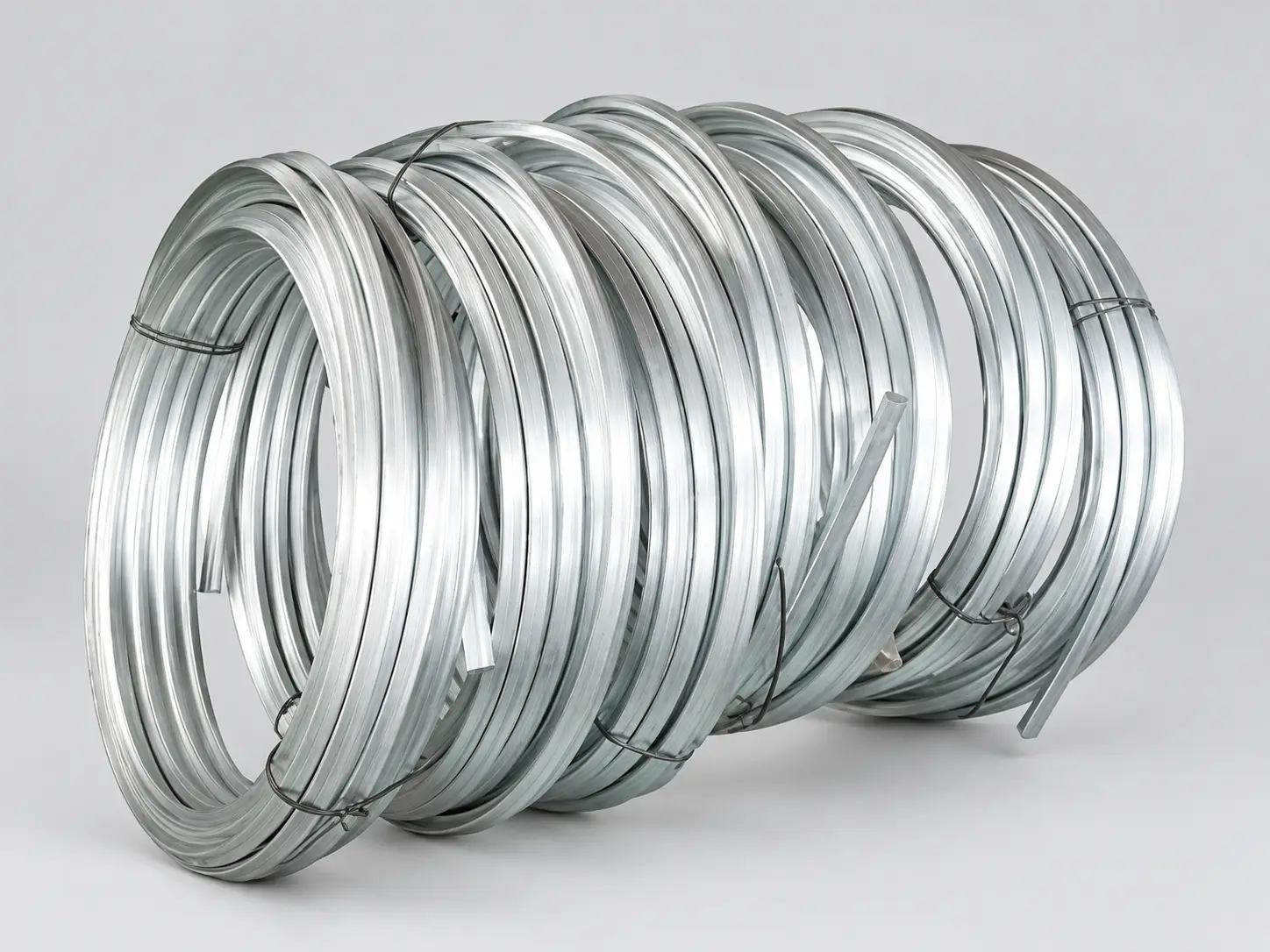
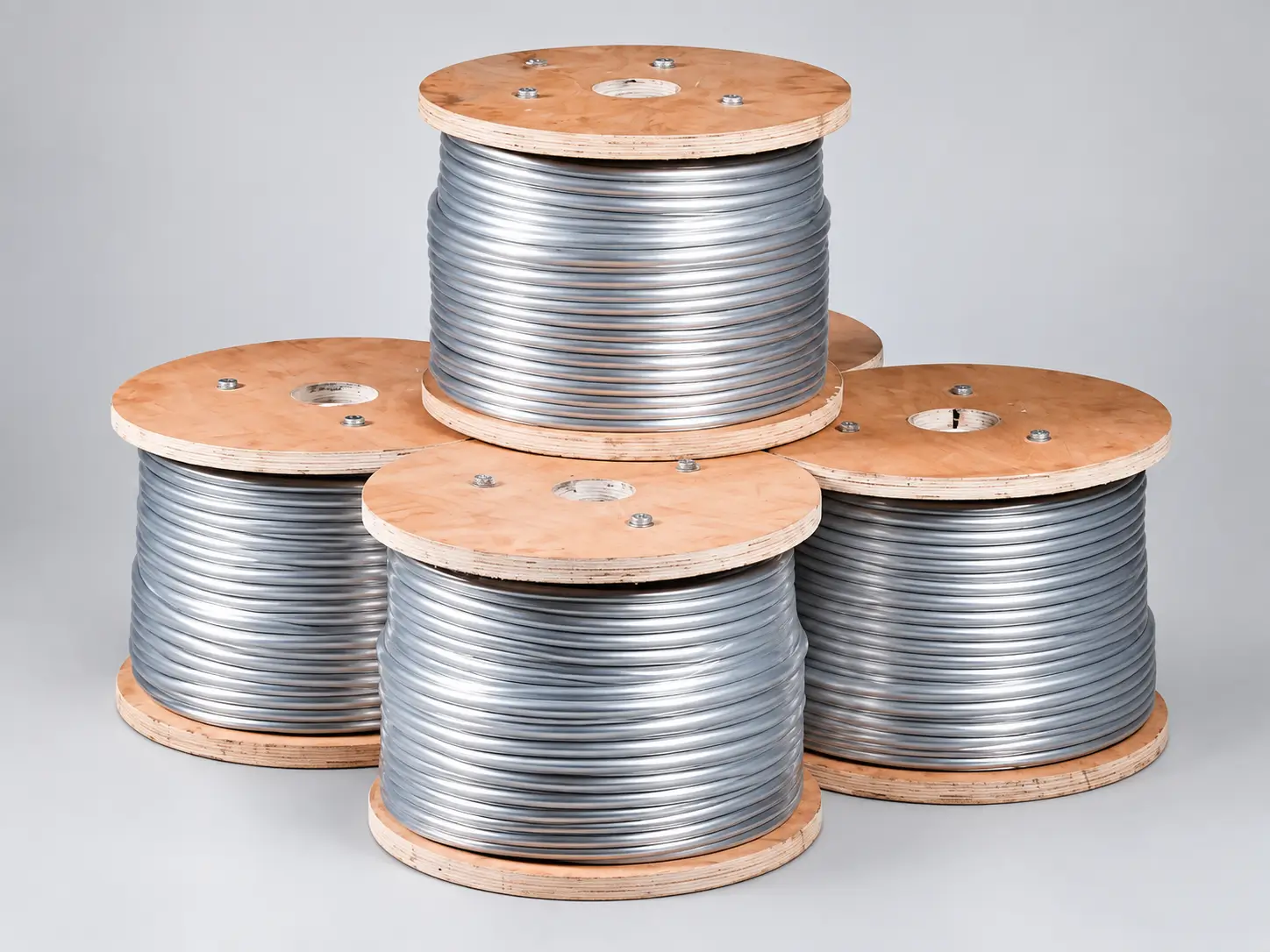
Ribbon anodes supplied in coil form for easier transport, storage, and route-based field installation.
Pipeline routes, trench installation, tank bottom layouts, and long continuous protection zones.
Coil length, coil weight, handling method, packaging, ribbon dimensions, and installation sequence.
Ribbon anodes supplied with cable connection, termination, labels, and project-specific connection support when required.
Field installation, packaged CP systems, long-area layouts, and ready-to-install anode assemblies.
Cable length, insulation type, connection method, sealing, labeling, and inspection requirement.
Ribbon anode solutions reviewed for temporary cathodic protection during pipeline construction, storage, or commissioning stages.
Pipeline construction projects, temporary protection zones, equipment storage, and short-term CP layouts.
Protection period, soil condition, installation route, removal plan, cable connection, and output requirement.
Project-specific ribbon anode assemblies with custom material, dimensions, coil length, cable, packing, labels, and documentation.
EPC projects, utility systems, pipeline projects, tank bottom layouts, and non-standard CP requirements.
Drawing, material requirement, ribbon size, coil length, cable specification, quantity, and delivery destination.
Ribbon anodes are commonly reviewed for long-area or distributed cathodic protection layouts. Final selection should be based on soil resistivity, protected structure type, current demand, material requirement, installation route, and project standard.
| Application | Why Ribbon Anodes May Fit | Key Review Factors |
|---|---|---|
| Buried Pipeline Protection | Ribbon anodes can be routed along pipeline sections to support distributed sacrificial protection. | Pipeline length, coating condition, soil resistivity, route length, anode spacing, current demand, and cable route. |
| Tank Bottom Protection | Ribbon anodes may be reviewed for distributed protection beneath or around tank bottoms in selected soil conditions. | Tank diameter, foundation condition, soil resistivity, ribbon route, current demand, and installation access. |
| Underground Tank Protection | Ribbon anodes can be reviewed for underground tanks where distributed galvanic protection is required. | Tank size, coating condition, soil chemistry, ribbon placement, connection method, and monitoring access. |
| Temporary Cathodic Protection | Ribbon anodes may support temporary CP during construction, storage, transport, or commissioning stages. | Protection duration, installation method, soil condition, current output, and removal requirement. |
| Utility Infrastructure Protection | Long buried utility structures may require distributed anode layouts according to CP design. | Structure length, coating condition, soil resistivity, route access, electrical continuity, and inspection points. |
| AC Mitigation / Grounding-Related Review | Selected zinc ribbon products may be reviewed in grounding or AC mitigation-related corrosion control projects. | Project standard, grounding design, soil condition, connection method, and engineering review requirement. |
Why it fits: Ribbon anodes can be routed along pipeline sections to support distributed sacrificial protection.
Review Factors: Pipeline length, coating condition, soil resistivity, route length, anode spacing, current demand, and cable route.
Why it fits: Ribbon anodes may be reviewed for distributed protection beneath or around tank bottoms in selected soil conditions.
Review Factors: Tank diameter, foundation condition, soil resistivity, ribbon route, current demand, and installation access.
Why it fits: Ribbon anodes can be reviewed for underground tanks where distributed galvanic protection is required.
Review Factors: Tank size, coating condition, soil chemistry, ribbon placement, connection method, and monitoring access.
Why it fits: Ribbon anodes may support temporary CP during construction, storage, transport, or commissioning stages.
Review Factors: Protection duration, installation method, soil condition, current output, and removal requirement.
Why it fits: Long buried utility structures may require distributed anode layouts according to CP design.
Review Factors: Structure length, coating condition, soil resistivity, route access, electrical continuity, and inspection points.
Why it fits: Selected zinc ribbon products may be reviewed in grounding or AC mitigation-related corrosion control projects.
Review Factors: Project standard, grounding design, soil condition, connection method, and engineering review requirement.
Ribbon anodes can be produced from different sacrificial materials. The best choice should be reviewed according to soil resistivity, water chemistry, protected structure, project standard, current demand, installation route, and design life target.
Soil CP, freshwater-related CP, buried pipelines, underground tanks, temporary CP, and higher-driving-potential applications.
Soil resistivity, protected structure coating, current demand, anode output, ribbon dimensions, and installation route.
Selected distributed CP, grounding-related review, AC mitigation-related applications, and projects requiring zinc ribbon material.
Project standard, soil condition, electrical connection, current requirement, ribbon size, and installation method.
Ribbon anode material should not be selected by price alone. The environment, soil resistivity, project standard, current demand, and system design should be reviewed before final selection. (Note: Aluminum ribbon anodes are not the main focus unless customer specification requires review.)
Request Material Selection ReviewRibbon anode specifications should be confirmed according to material type, ribbon width, thickness, coil length, net weight, current output requirement, installation route, cable connection, design life target, and documentation needs.
| Parameter | Typical Options / Review Items |
|---|---|
| Anode Material | Magnesium, zinc, or project-specified sacrificial anode material |
| Product Form | Ribbon anode, ribbon coil, cable-connected ribbon anode, temporary CP ribbon anode, or custom ribbon assembly |
| Ribbon Width | Reviewed according to material type, output requirement, and project specification |
| Ribbon Thickness | Reviewed according to ribbon design, current output, and installation requirement |
| Coil Length | Standard or custom coil length according to installation route and packing requirement |
| Net Weight | Reviewed according to ribbon dimensions, coil length, and material density |
| Current Output | Reviewed by material, soil resistivity, exposed surface area, route length, and CP design |
| Cable Connection | Cable length, cable size, insulation type, connection method, termination, and label requirement |
| Installation Method | Trench-installed, routed along pipeline, tank bottom layout, temporary CP layout, or project-specific installation |
| Application Environment | Soil, freshwater-related environment, underground tank area, pipeline corridor, or project-specific environment |
| Packing | Coil packing, wooden case, pallet, labeled packing, protected packing, or export packing according to shipment requirement |
| Documentation | Material documents, dimensional inspection, weight record, cable record, packing list, labels, and project documents when required |
Note: Final specifications should be confirmed according to project drawings, soil resistivity, current demand, installation route, material requirement, and customer standard.
Ribbon anode design should be reviewed according to protected structure, soil condition, material type, ribbon size, route length, current demand, cable connection, design life target, project standard, and installation requirements.
Review magnesium, zinc, or project-specified ribbon anode material according to environment and project standard.
Review ribbon width, thickness, coil length, and total required quantity based on route length and CP design.
Review soil resistivity, moisture condition, and installation environment to support material and output selection.
Review pipeline route, tank bottom layout, trench path, spacing, and installation sequence.
Customize cable length, connection method, termination, label, and packing according to installation requirements.
Support labels, packing list, inspection notes, material documents, export packing, and project files when required.
Ribbon anodes are designed for distributed sacrificial protection along long or defined routes. Other sacrificial anode forms may be more suitable when the protected structure is a pipeline requiring bracelet anodes, a ship hull, a ballast tank, or a localized buried structure.
| Anode Form | Best Used When | Related Page |
|---|---|---|
| Ribbon Anodes | Distributed sacrificial protection is needed along pipelines, tank bottoms, trenches, or soil CP layouts. | Current Page |
| Bracelet Anodes | Anodes need to fit around offshore, subsea, riser, or pipe-mounted structures. | View Bracelet Anodes → |
| Hull Anodes | Ship hulls, rudders, propeller zones, and marine vessel surfaces require sacrificial protection. | View Hull Anodes → |
| Ballast Tank Anodes | Anodes are installed inside ballast tanks or marine compartments. | View Ballast Tank Anodes → |
| Packaged Magnesium Anodes | Buried pipelines, underground tanks, or soil CP systems require packaged anodes with backfill. | View Magnesium Anodes → |
The anode form should match the installation location and CP design. Share your structure drawing, soil data, and installation route for accurate anode selection.
Proper installation helps ribbon anodes work as intended in distributed cathodic protection systems. Ribbon route, soil contact, cable connection, installation depth, spacing, and electrical continuity should be reviewed before installation.
| Installation Factor | Why It Matters |
|---|---|
| Route Layout | Ribbon route should follow the CP design and protected structure geometry. |
| Soil Contact | Good contact with surrounding soil helps support current discharge. |
| Installation Depth | Depth should match CP design, site conditions, and protection requirement. |
| Ribbon Spacing | Spacing affects current distribution and protection coverage. |
| Cable Connection | Cable connection, termination, and insulation affect electrical continuity. |
| Mechanical Handling | Ribbon coils should be handled carefully to avoid unnecessary bending, damage, or connection issues. |
| Soil Resistivity | Soil resistivity affects current output and anode material selection. |
| Testing Access | Test points and monitoring access support commissioning and future inspection. |
Buyer Note: Ribbon anode installation should be reviewed together with the full cathodic protection design. Share your soil data, route drawing, structure type, and cable requirement for engineering review.
Discuss Ribbon Anode Installation LayoutRibbon anode quality depends on material control, ribbon dimensions, coil condition, surface condition, cable connection, weight, packing protection, and final documentation.
Magnesium, zinc, or project-specified ribbon material is reviewed according to customer requirements when required.
Ribbon width, thickness, coil length, and overall form are checked according to agreed scope.
Coil condition, surface appearance, visible damage, handling condition, and marking are reviewed according to inspection scope.
Cable length, insulation, connection method, termination, label, and connection details can be reviewed when required.
Ribbon anodes are packed according to coil weight, handling requirement, cable protection, destination, and shipment method.
Material documents, dimensional records, weight records, inspection notes, packing list, labels, and project-specific QC documents can be prepared when required.
Ribbon anodes are one form of sacrificial anode for distributed cathodic protection. Depending on material, environment, and installation position, other sacrificial anode products may also be reviewed.
Magnesium anodes for soil, freshwater, buried pipelines, underground tanks, packaged anodes, and ribbon anode applications.
View Magnesium AnodesZinc anodes for marine vessels, seawater equipment, and selected ribbon or grounding-related applications.
View Zinc AnodesAluminum anodes for seawater, offshore, hull, ballast tank, pipeline, and marine CP applications.
View Aluminum AnodesPipe-mounted anodes for offshore pipelines, subsea pipelines, risers, and pipe protection projects.
View Bracelet AnodesMarine anodes for ship hulls, rudders, propellers, sea chests, stern areas, and vessel protection.
View Hull AnodesAnodes for ballast tanks, ship compartments, newbuild vessels, and drydock replacement projects.
View Ballast Tank AnodesExplore the full sacrificial anode category by material, application, installation method, and project requirement.
View All Sacrificial AnodesIf you already know the anode material or project environment, explore the related pages below to compare material selection, installation methods, dimensions, and RFQ requirements.
For soil CP, buried pipelines, underground tanks, temporary CP, and distributed galvanic protection layouts.
View Magnesium Anodes →For selected distributed CP, grounding-related review, and project-specific zinc ribbon applications.
View Zinc Anodes →For offshore pipelines, subsea pipelines, risers, and pipe-mounted cathodic protection systems.
View Bracelet Anodes →For projects where impressed current cathodic protection may be more suitable than sacrificial ribbon anodes.
View Pipeline & Buried Structure ICCP Anodes →Tell us your protected structure, soil resistivity, required ribbon material, ribbon size, route length, cable requirement, current demand, design life target, quantity, and documentation needs. Hele Titanium will help review suitable ribbon anode options for your cathodic protection project.
Supply of sacrificial ribbon materials built around soil conditions.
Configurations matched to route length and design life targets.
Custom connections for reliable electrical continuity.
Secure coil packing and project-specific inspection records.
Direct Contact:
sales@heletitanium.com
Room 1206, Building 1, Huaxia Yue World
Share your drawings, application, material grade, coating requirement, quantity, and delivery target. Our team will review your request within 1 business day.
Email Us
sales@heletitanium.comWhatsApp / Call Us
+86 13857402537Factory & Engineering Center
Titanium Valley, Baoji City, Shaanxi Province, China