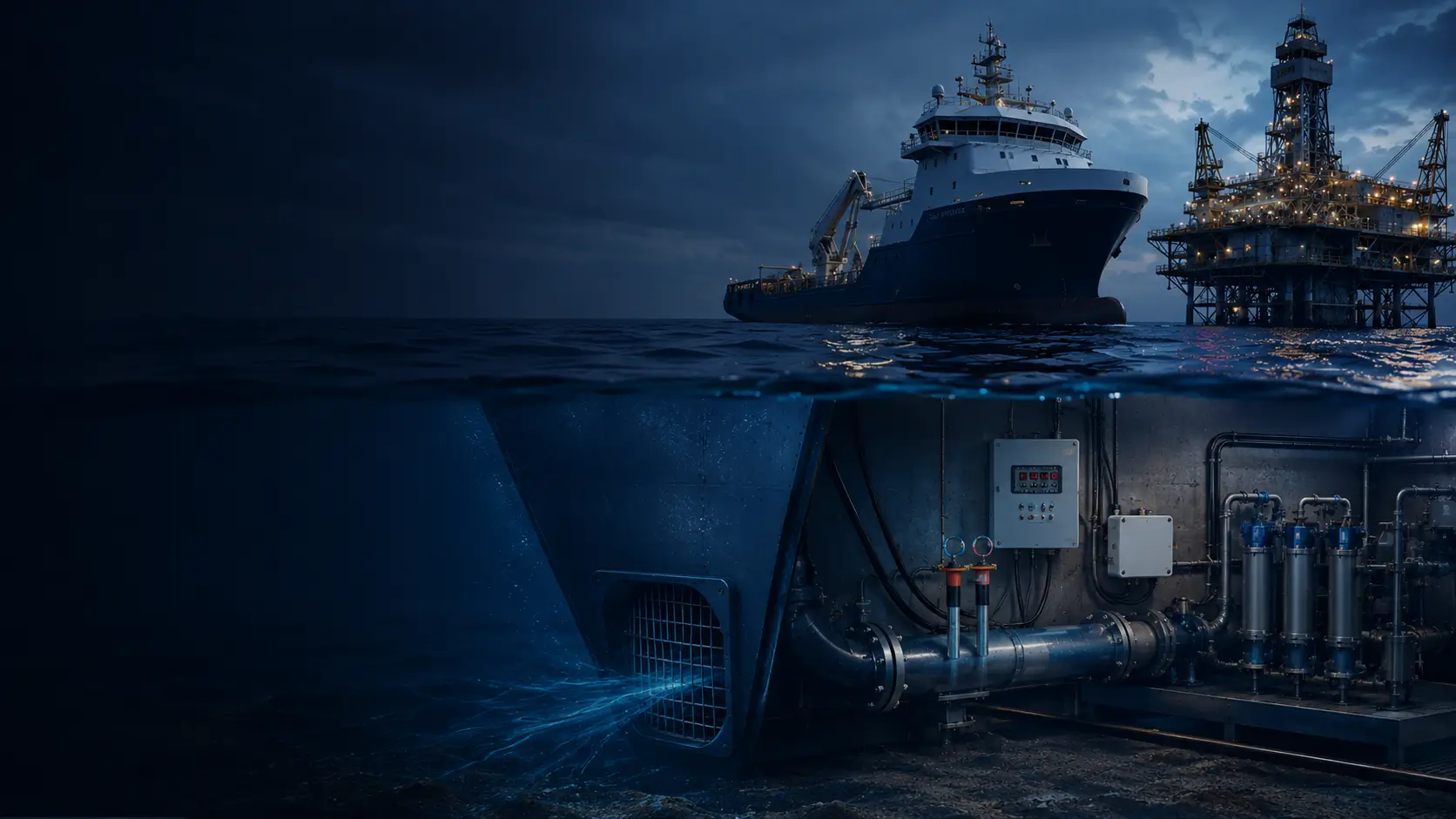
Marine Anti-Fouling System
Anti-Fouling Systems Manufacturer

Marine Anti-Fouling Systems for Ships, Offshore Assets & Seawater Lines

Factory-direct MGPS, ICAF, EAF, and electrochlorination solutions engineered to prevent marine growth, reduce downtime, and protect seawater cooling systems in harsh marine environments.

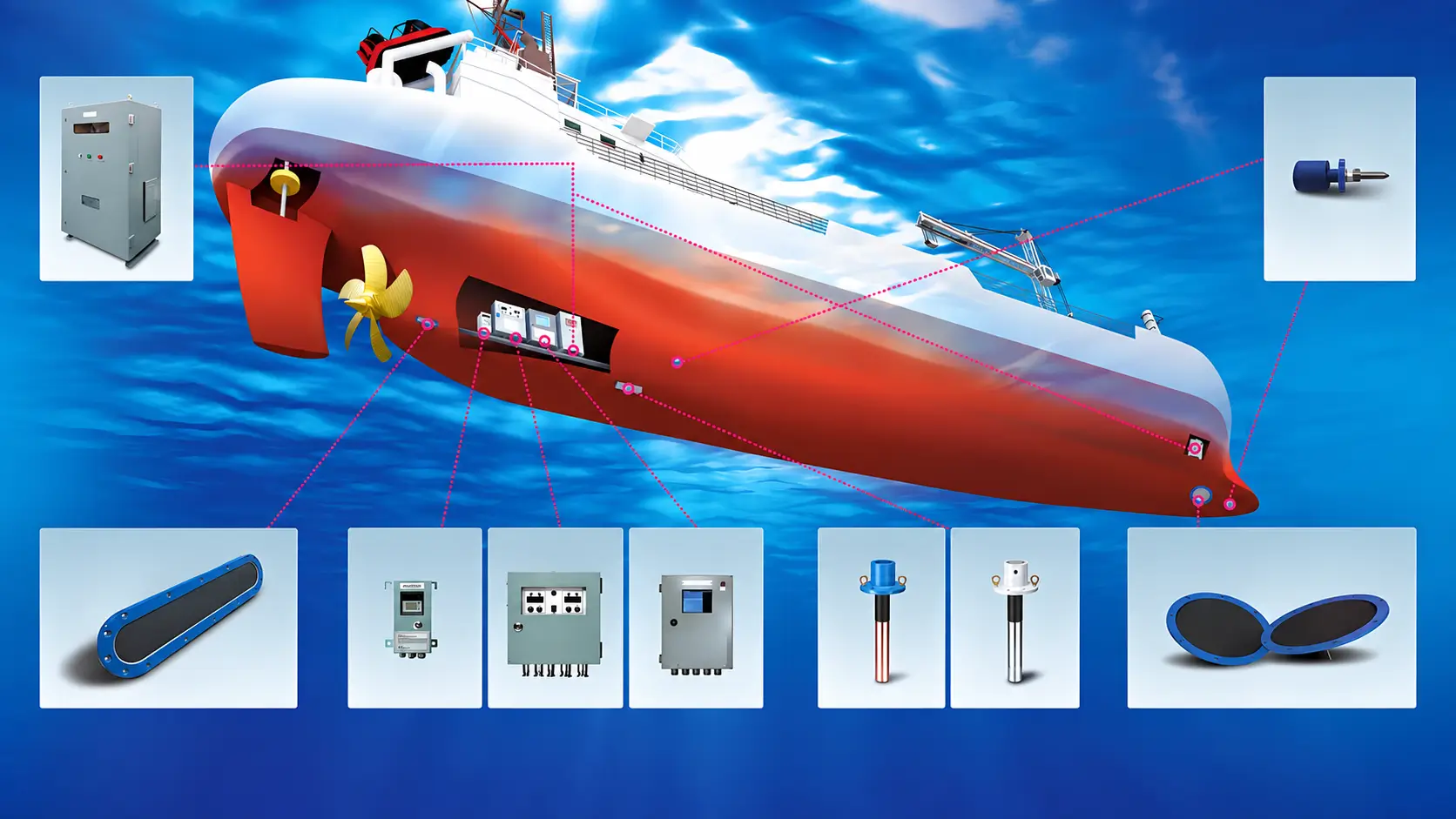
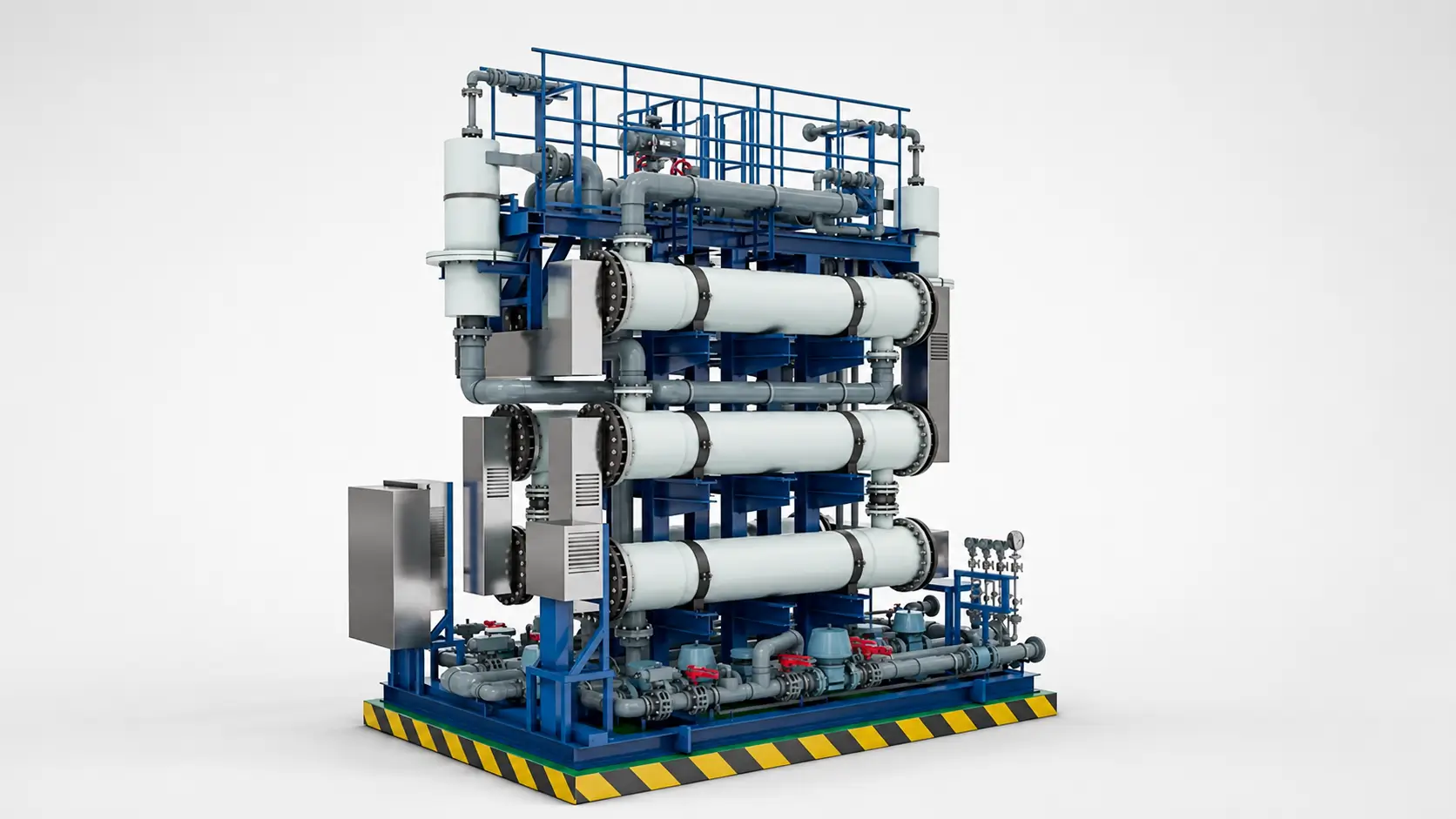
MGPS / ICAF / EAF Electrochlorination Copper / Al / Fe Anodes Control Panels
Request Anti-Fouling System Specifications
Engineering Reality

Marine Growth Inside Your Seawater System Is More Than a Maintenance Issue

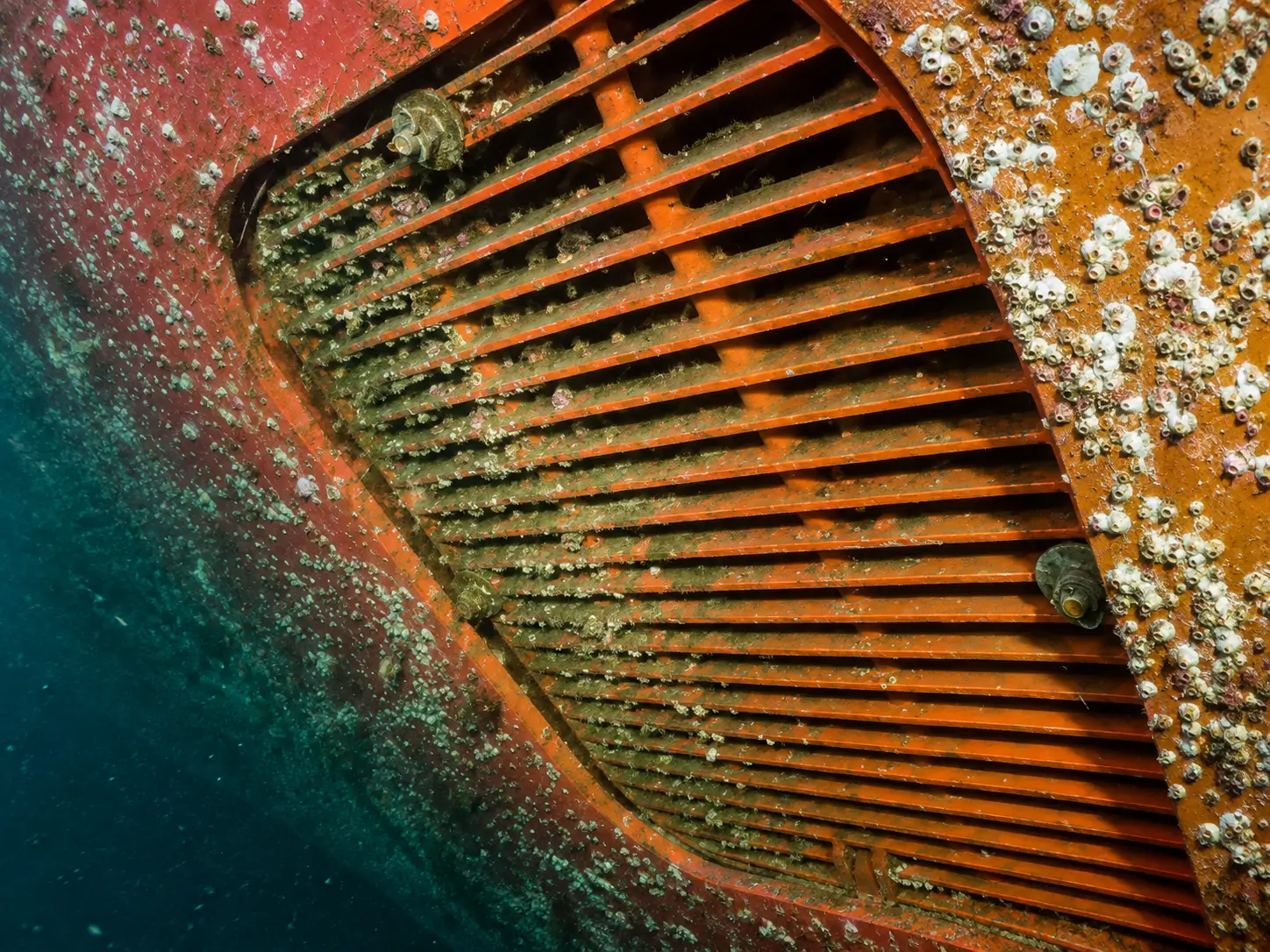
Barnacles, mussels, algae, and biofilms can enter seawater circuits as microscopic organisms and settle inside sea chests, cooling lines, box coolers, firewater systems, strainers, and heat exchangers. Once growth begins, flow restriction, overheating, corrosion, and downtime can follow quickly.

Hele Titanium supplies MGPS / ICAF and electrochlorination solutions that treat seawater at the intake or throughout the system, helping marine operators maintain clear pipework, stable cooling performance, and long-term asset reliability.

Restricted Seawater Flow

Internal fouling reduces flow through cooling pipes, heat exchangers, firewater systems, and seawater intake lines.

Higher Operating Cost

Blocked or restricted systems force equipment to work harder, increasing fuel consumption, cleaning frequency, and maintenance cost.

Corrosion & Equipment Damage

Biofouling creates local corrosive micro-environments that can accelerate pipe, valve, pump, and exchanger deterioration.

Unplanned Downtime

Severe fouling can cause overheating, emergency cleaning, drydock delays, and operational risk for vessels or offshore assets.

Anti-Fouling Product Range

Explore Our Full-Range Anti-Fouling System Solutions

Hele Titanium supplies MGPS / ICAF anodes, electrochlorination components, control panels, junction boxes, and custom marine anti-fouling system assemblies for vessels, offshore platforms, seawater cooling lines, sea chests, and industrial seawater intake systems.

Anodes for Anti-Fouling Systems

High-quality MGPS and ICAF / EAF anodes designed for controlled ion release, biofouling prevention, and corrosion support in seawater systems.

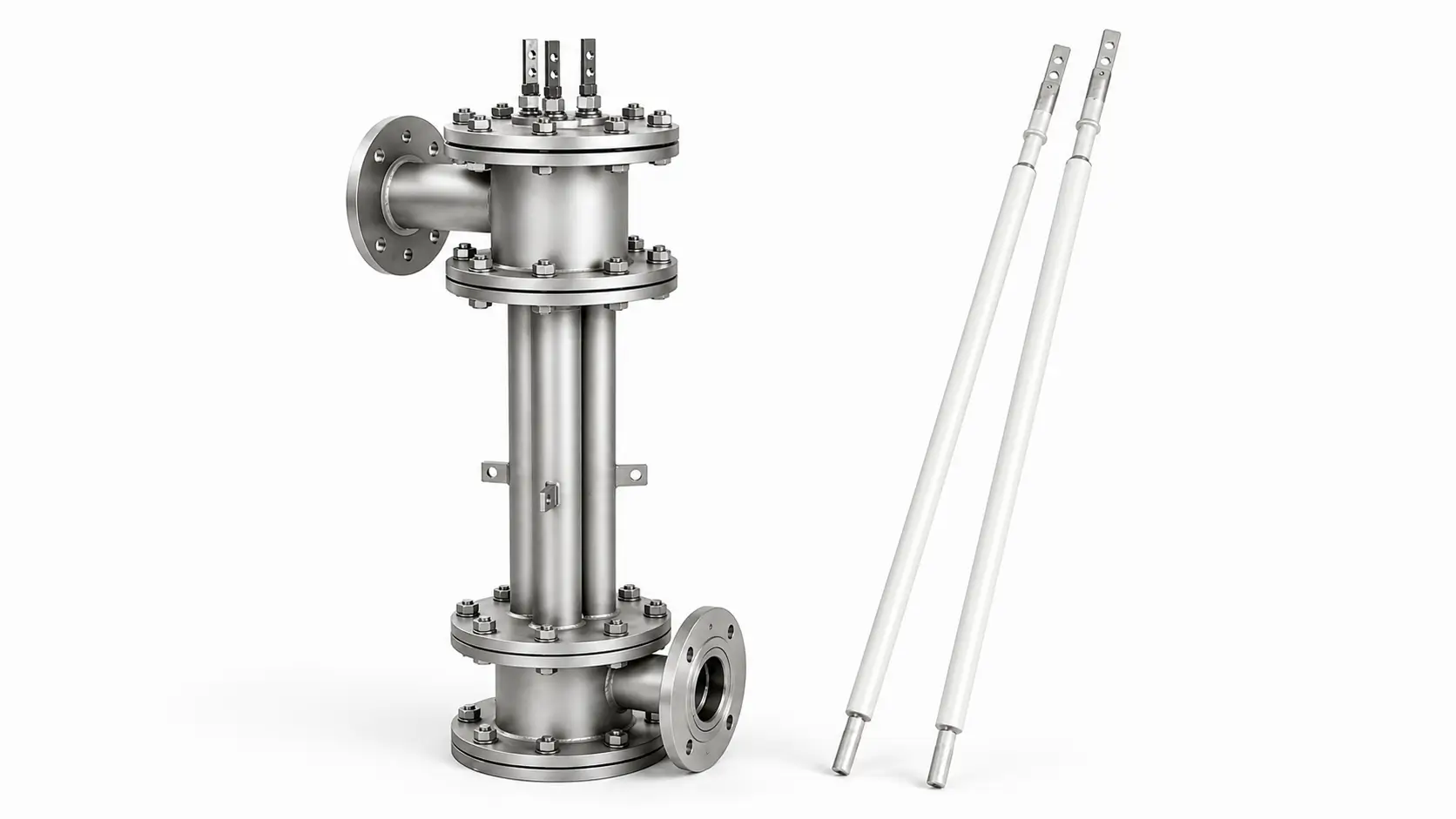
ICAF Anodes

ICAF / EAF Anodes

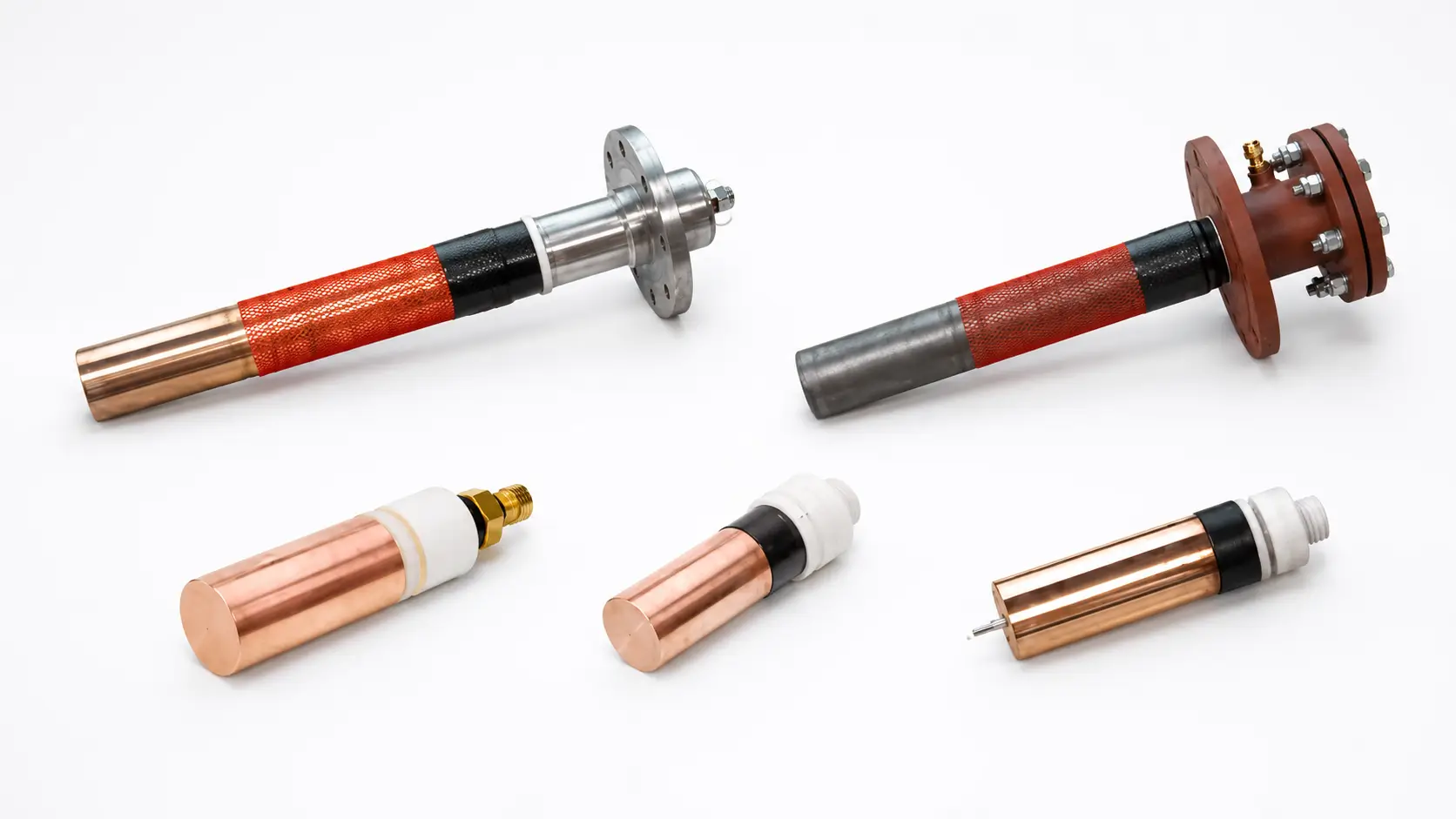
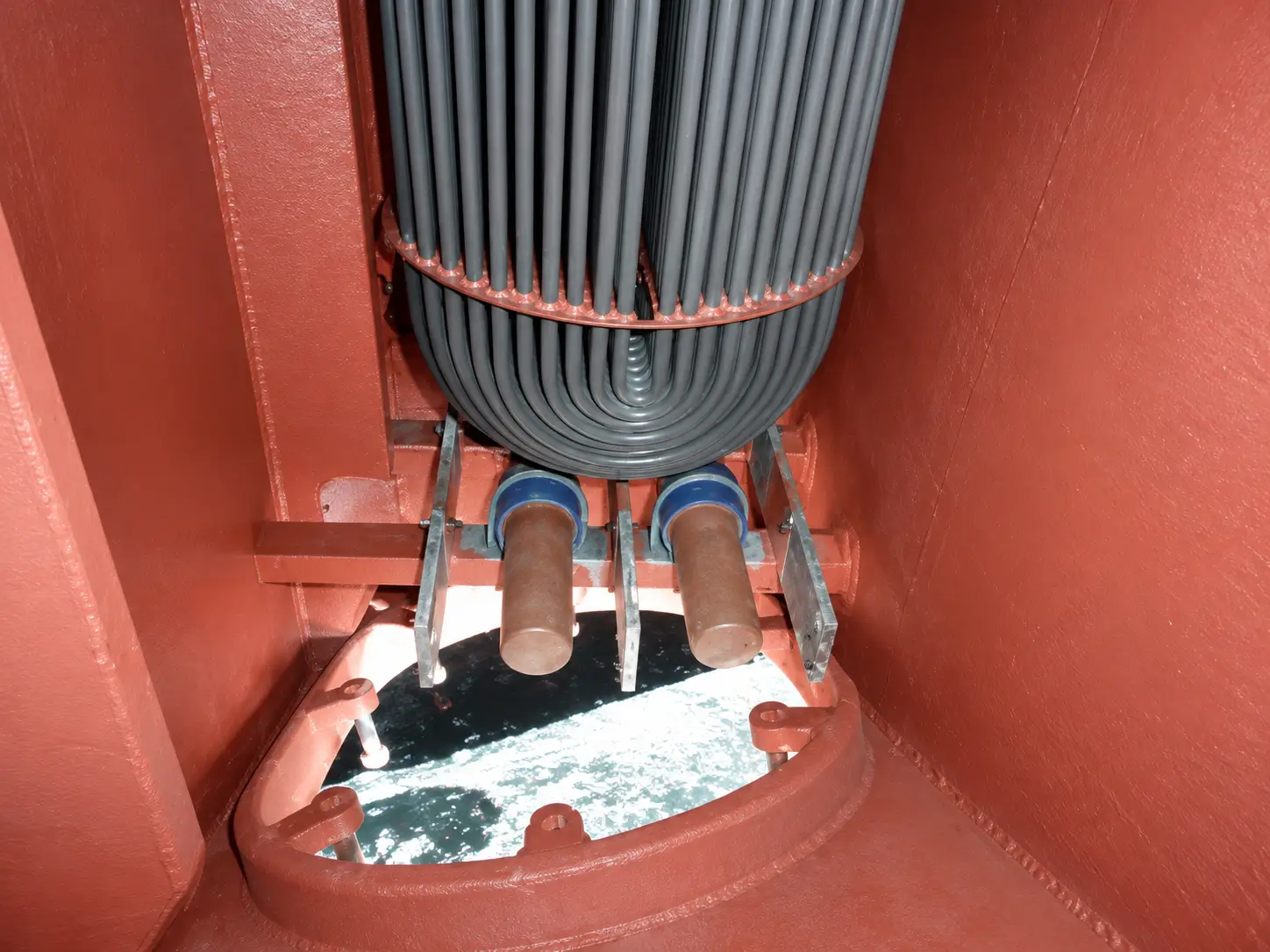
Copper, aluminum, and iron anodes designed for impressed current anti-fouling systems in sea chests, strainers, and seawater lines.

  • Controlled copper ion release
  • Aluminum / iron support
  • Custom size & mounting
Use: Sea chests, intakes, pipework
View Details
MGPS Anodes

MGPS Anodes

Replacement and custom MGPS anodes for marine growth prevention systems used on vessels and offshore assets.

  • Biofouling prevention
  • Simple replacement
  • Long-term seawater durability
Use: Ship MGPS, offshore systems
View Details
Dual MGPS Anodes

Dual MGPS Anodes

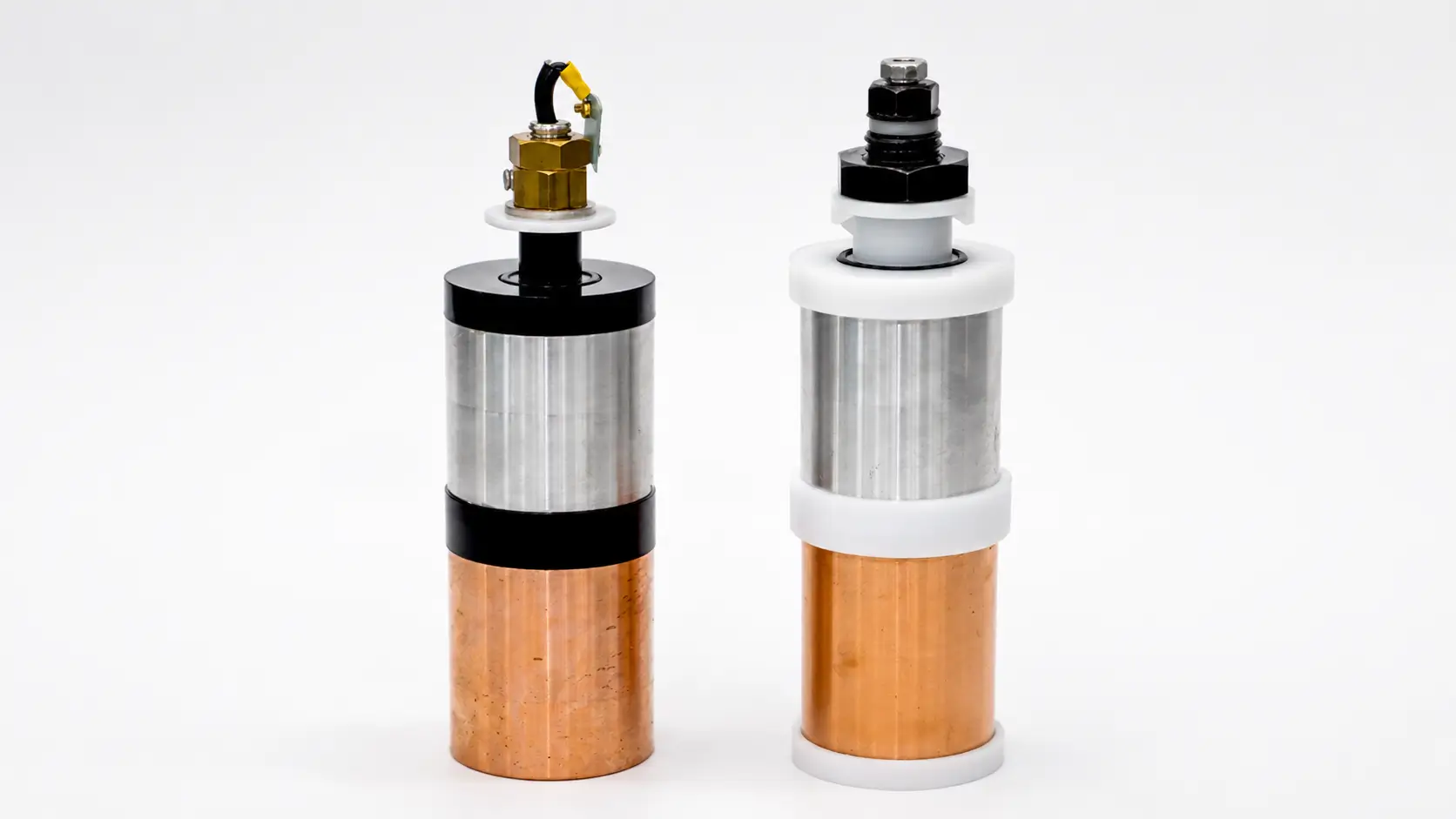
Compact dual-material anodes combining copper with aluminum or iron for anti-fouling and corrosion control in one unit.

  • Cu + Al/Fe in one assembly
  • Space-saving design
  • Suitable for retrofits
Use: Compact sea chests, retrofits
View Details
Rack Mounted Anodes

Rack Mounted Anodes

Pre-assembled anode racks designed for easier installation, access, and replacement inside sea chests or strainers.

  • Pre-installed assemblies
  • Easy maintenance access
  • Reduced installation complexity
Use: Sea chest, strainer mounting
View Details

Chlorination & Electrochlorination Solutions

System components for generating or dosing sodium hypochlorite to prevent marine growth across seawater circuits and high-flow systems.

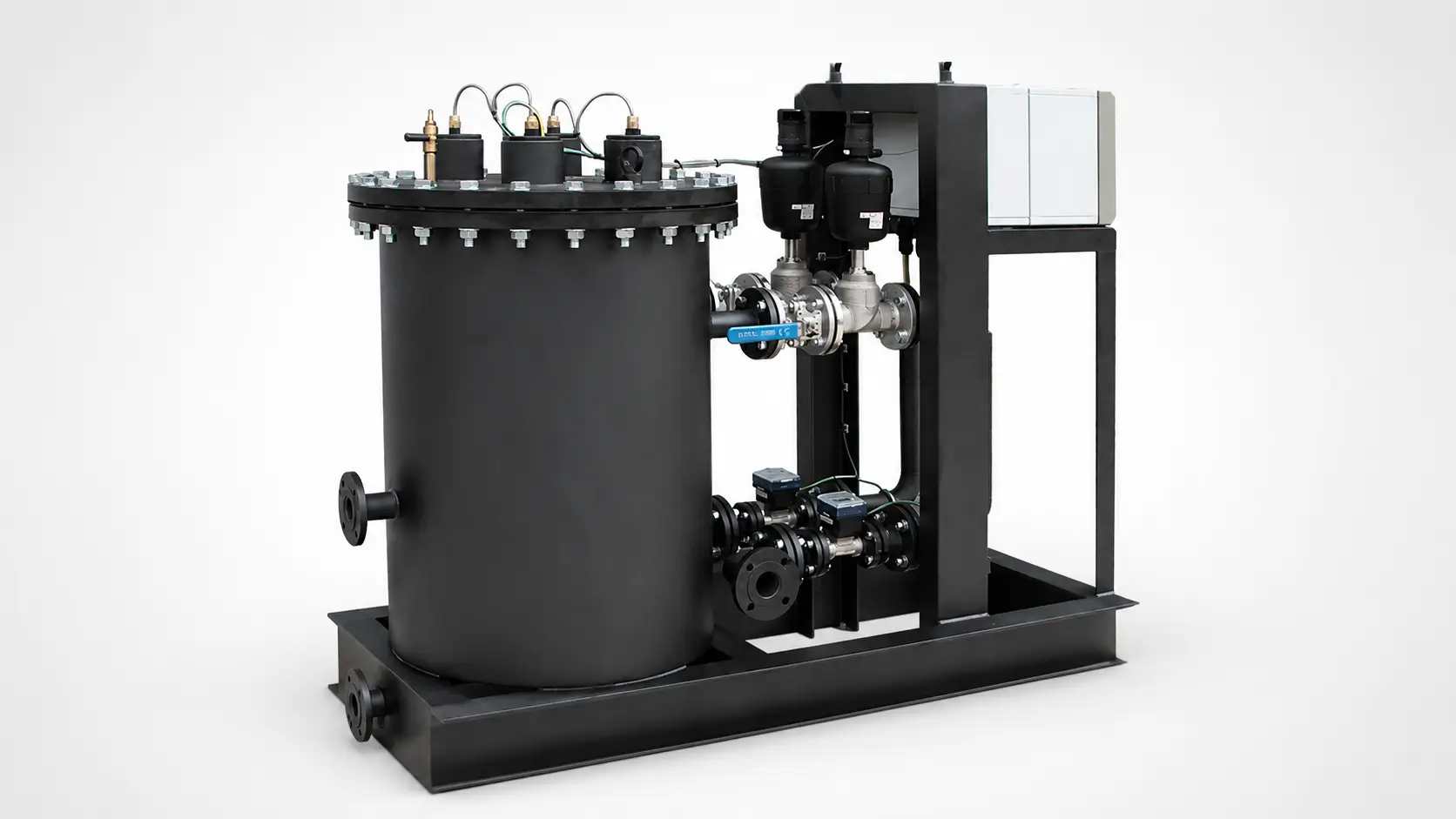
Chlorination Cells

Chlorination Cells

Titanium-based cells for seawater electrolysis and sodium hypochlorite generation in marine anti-fouling systems.

  • Generates sodium hypochlorite
  • Low-maintenance design
  • Suitable for high-salinity waters
Use: Cooling lines, offshore systems
View Details
Electrochlorination Systems

Electrochlorination Systems

Integrated systems for on-site chlorine generation and dosing to control algae, barnacles, biofilms, and microbial growth.

  • On-site chlorine generation
  • Scalable for flow rates
  • For complex seawater networks
Use: Offshore platforms, large vessels
View Details
Chlorination Systems

Chlorination Systems

Chemical dosing solutions compatible with sodium hypochlorite and disinfectants for marine and industrial biofouling control.

  • Full dosing solution
  • Adjustable chemical feed
  • Reliable for large intakes
Use: Coastal plants, marine facilities
View Details

Control & Monitoring Systems

Marine-grade control, power, and connection components for precise MGPS and electrochlorination system operation.

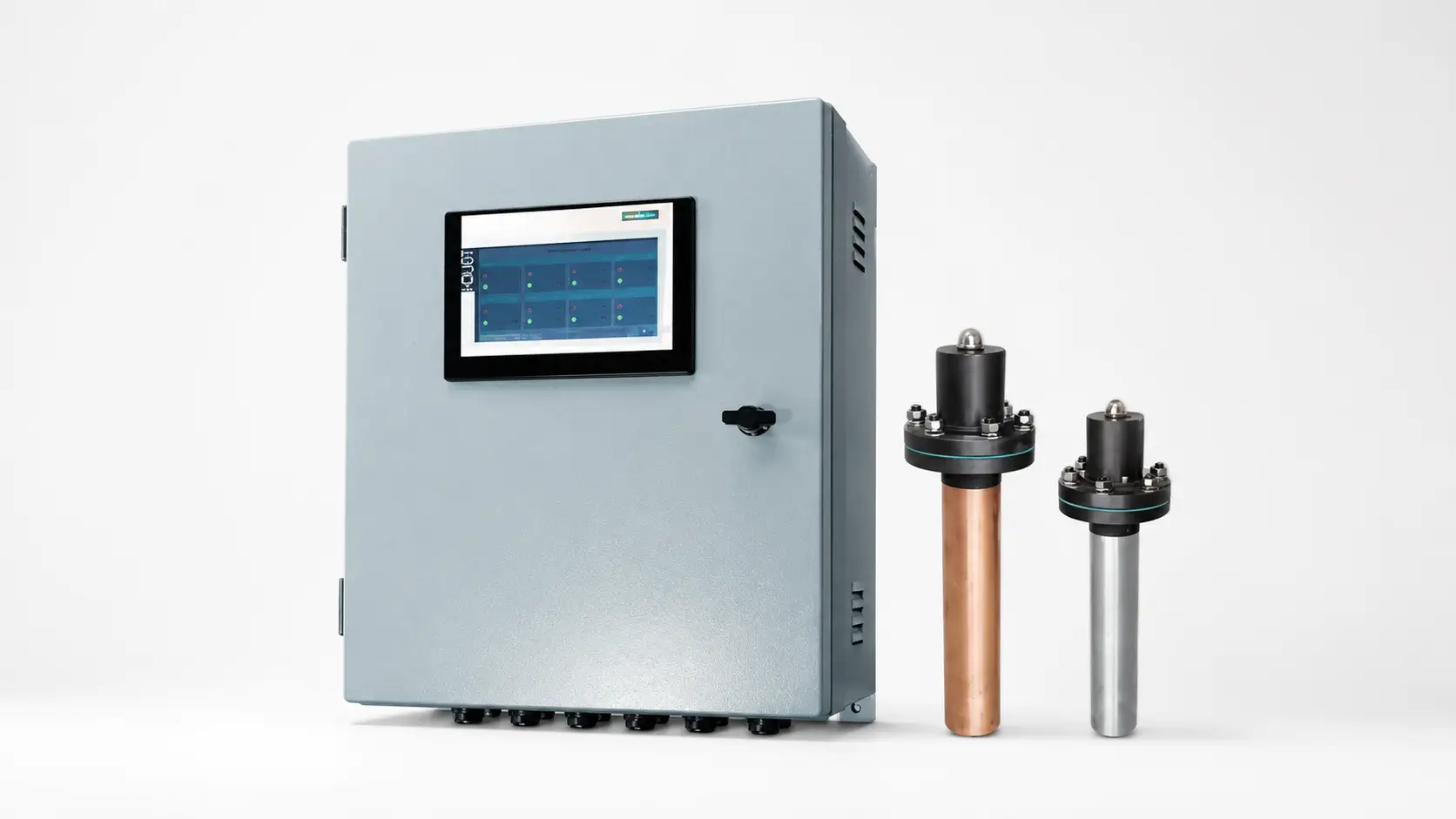
Modular Control Panels

Modular Control Panels

Expandable control panels for multi-zone anti-fouling systems with flexible monitoring and control functions.

  • Expandable architecture
  • Supports multi-zone systems
  • Custom interface options
Use: Multi-line seawater systems
View Details
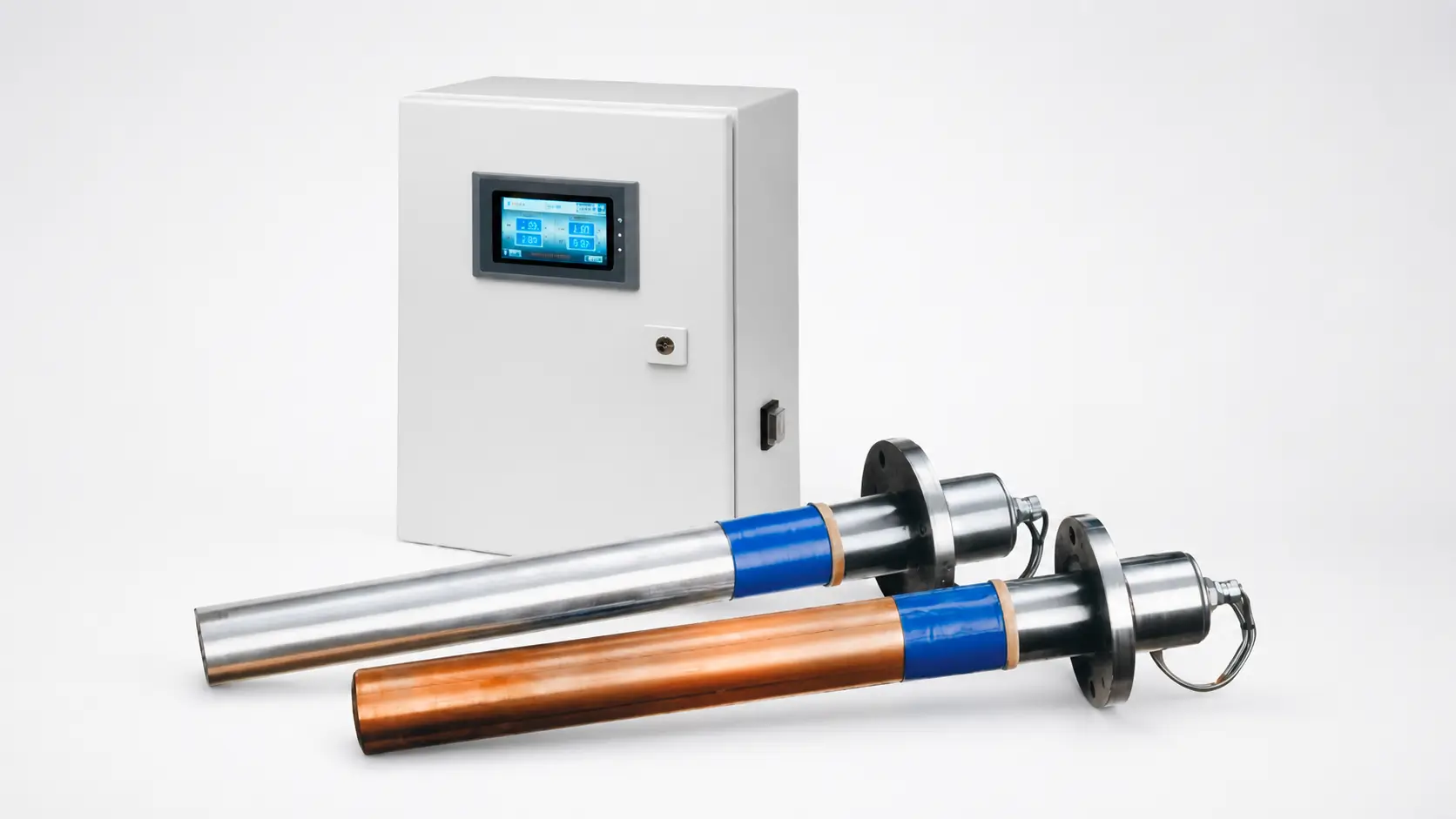
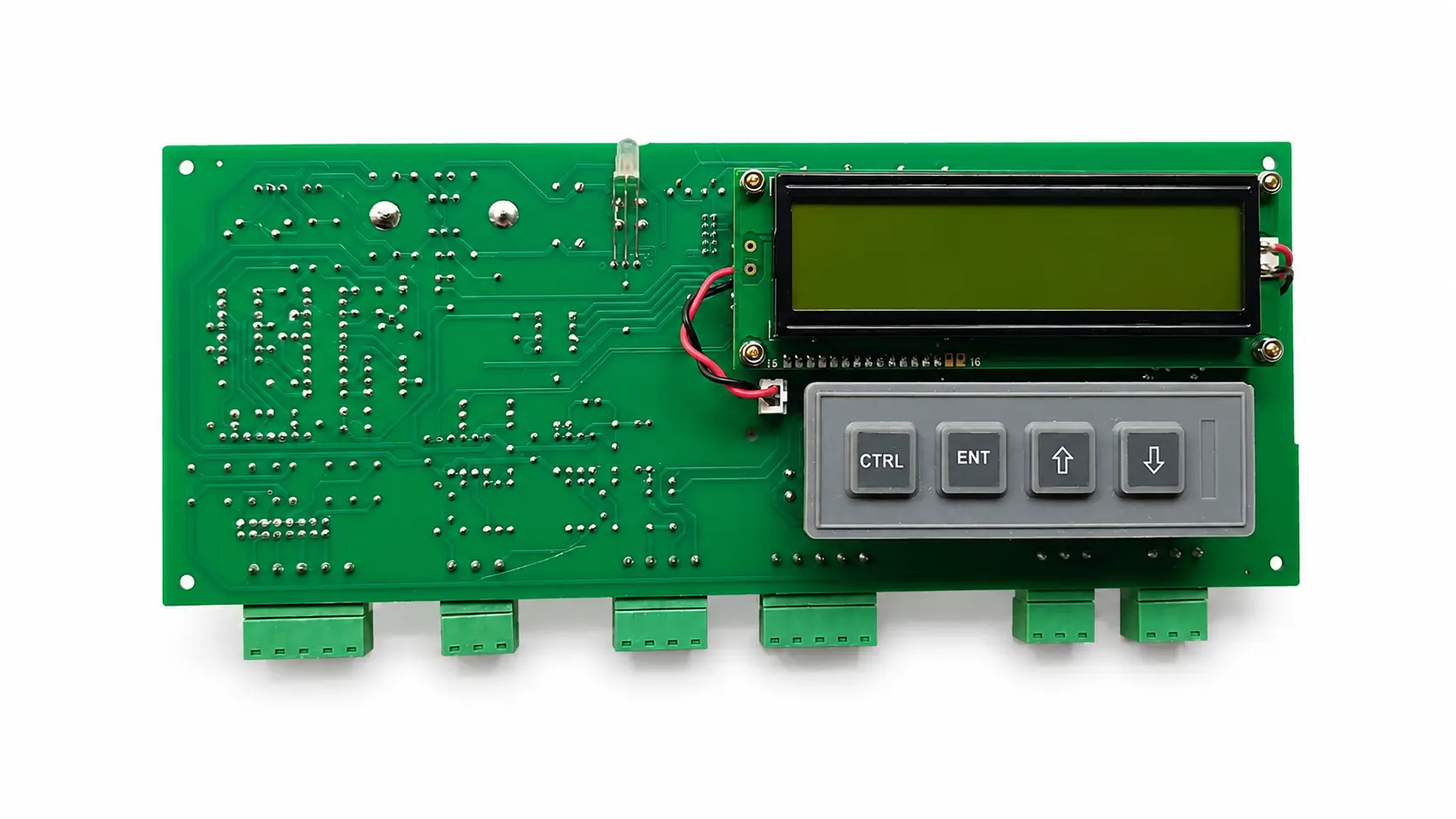
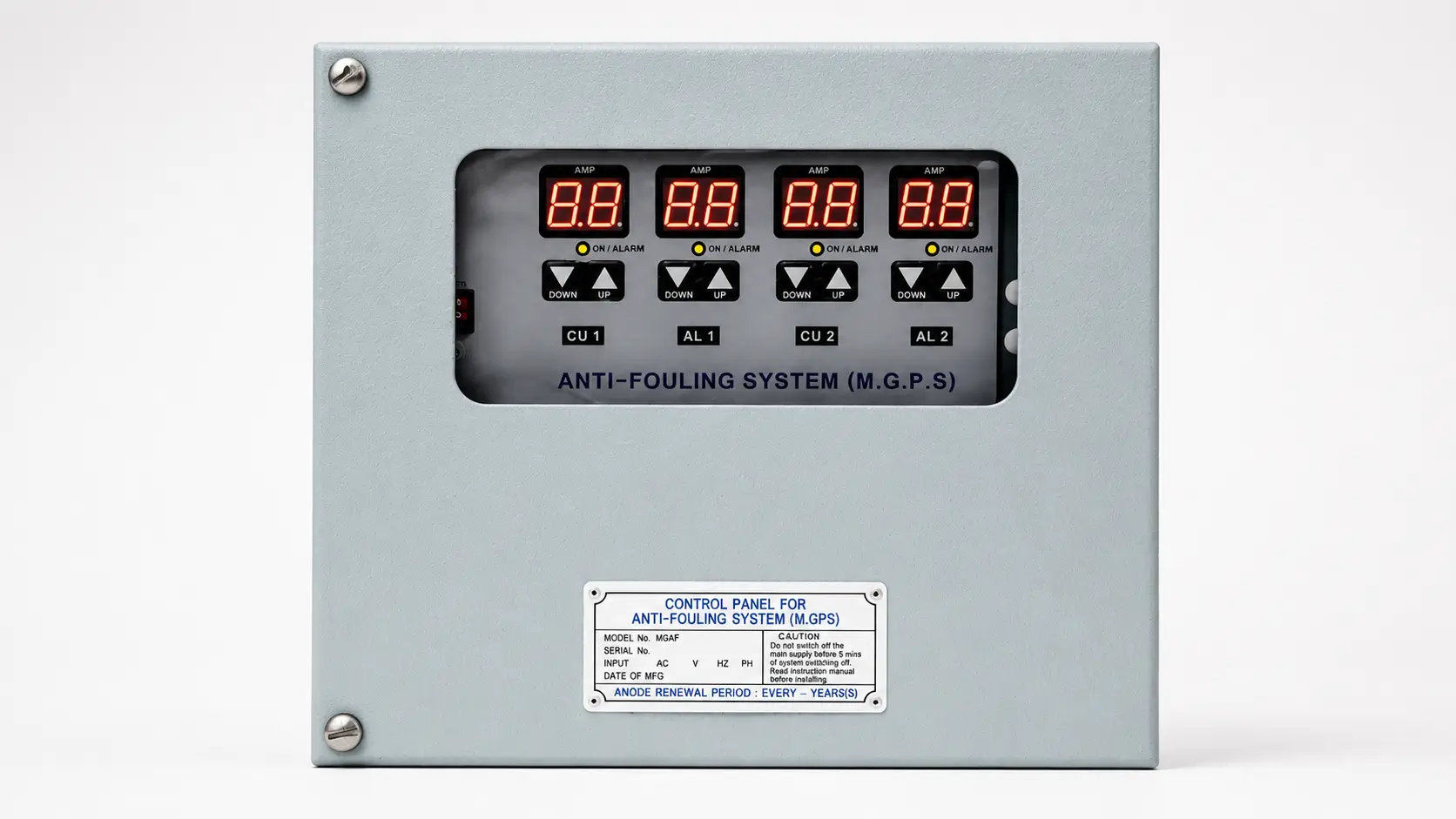
MGPS Control Panels

MGPS Control Panels

Dedicated control panels for MGPS anode systems, ensuring stable current delivery and operator visibility.

  • Current & voltage display
  • Fault & overload protection
  • Marine-grade enclosure
Use: ICAF / MGPS systems
View Details
Control Power Units

Control Power Units

Reliable power units that convert AC supply to regulated DC output for MGPS and anti-fouling systems.

  • AC to DC conversion
  • Stable output for anodes
  • Compact marine design
Use: MGPS, EAF power supply
View Details
Junction Boxes

Junction Boxes

Marine-grade junction boxes for safe cable, signal, and anode connection management in anti-fouling systems.

  • Waterproof housing
  • Configurable cable entries
  • Single or multi-channel
Use: MGPS wiring, sea chests
View Details
Quick Selection

How to Choose the Right Anti-Fouling System

Anti-fouling system selection depends on seawater flow rate, vessel size, pipework complexity, fouling severity, salinity, installation space, power availability, and lifecycle maintenance strategy. Use this guide as a starting point before requesting a detailed system recommendation.

For accurate selection, provide vessel type, system flow rate, pipe diameter, sea chest layout, operating region, water salinity, target equipment, available space, preferred technology, and class requirements.

Request Selection Support
Selection Factor Best Fit: MGPS / ICAF Best Fit: Electrochlorination
System Size / Flow Rate Small to medium systems, sea chests, cooling lines Large-volume seawater systems and high-flow networks
Pipework Layout Simple or shorter pipe runs with localized intake protection Complex or extended pipe networks with multiple branches
Operating Environment Stable salinity and moderate fouling conditions Variable salinity, high fouling load, demanding systems
Protection Mechanism Copper and aluminum / iron ion release On-site sodium hypochlorite generation and dosing
Installation Footprint Compact anodes + control panel Generator unit + dosing system + injection points
Maintenance Periodic anode replacement and current monitoring Cell inspection, dosing system check, residual monitoring
Best Use Case Ships, sea chests, localized seawater intake protection Offshore platforms, large vessels, coastal intake systems
Asset / System Recommended Tech Key Design Inputs Notes
Commercial Vessels MGPS / ICAF or hybrid Sea chest layout, pipe dia, flow rate Compact systems protect cooling lines and exchangers.
Offshore Platforms Electrochlorination Seawater flow, dosing points, safety High-volume systems need system-wide treatment.
Sea Chests & Intakes MGPS / ICAF Anode location, salinity, current Targeted ion release prevents settlement at intake.
Cooling Water Networks Depends on complexity Flow distribution, pipe complexity Technology depends on network coverage needs.
Large Coastal Plants Electrochlorination Flow rate, residual chlorine target Suitable where full water stream treatment is required.
Custom Anti-Fouling Solutions

Custom Anti-Fouling Systems Built Around Your Vessel or Offshore Asset

Generic anti-fouling systems rarely match every vessel layout, seawater circuit, flow demand, or retrofit condition. Hele Titanium engineers MGPS / ICAF and electrochlorination solutions around your operating environment, system layout, performance target, and integration requirements.

Send Your Requirements

Technology Selection Support

We help evaluate whether MGPS / ICAF, electrochlorination, or a hybrid approach is more suitable based on flow rate, pipework complexity, salinity, and lifecycle cost.

Anode & Cell Configuration

Copper, aluminum, iron MGPS anodes, dual anodes, rack-mounted assemblies, titanium electrochlorination cells, and custom layouts designed for your system.

Control Panel Customization

Panels configured for required voltage, current, channels, alarms, IAS / AMS integration, and marine enclosure requirements.

Retrofit & Legacy Compatibility

Custom replacement anodes, panels, and junction boxes designed for compatibility with existing or legacy systems from major marine brands.

Mechanical & Installation Fit

Flanged, threaded, welded, rack-mounted, sea chest, and pipe-mounted configurations customized according to space, piping, and access conditions.

Documentation & Project Support

Drawings, specifications, wiring diagrams, data sheets, FAT records, packing documents, and class-related documentation prepared for qualified projects.

Quality Assurance

Anti-Fouling System Quality — Engineered for Marine Reliability

In marine environments, anti-fouling system reliability is critical. Hele Titanium controls component quality, electrical safety, current output, dosing performance, enclosure protection, wiring, assembly, and factory testing before shipment.

Marine-Grade Material Selection

Copper, aluminum, iron, titanium, GRP, stainless steel, coated components, cables, and electrical parts selected for seawater durability.

Controlled System Assembly

Anodes, panels, junction boxes, power units, cells, dosing components, wiring, and enclosures assembled according to project specifications.

Electrical & Functional Testing

Voltage, current output, alarms, protection functions, cable continuity, insulation, control logic, and dosing performance checked.

FAT & Documentation Support

Factory Acceptance Testing, inspection records, drawings, test reports, and class-related documentation prepared for qualified projects.

QA Stage Inspection Criteria Method / Equipment Purpose
Material Verification Anode, titanium cell, enclosure, cable materials Certificate, material inspection Confirm compatibility with marine environment
Anode Inspection Material, dimensions, weight, connection Dimensional tools, continuity check Ensure correct ion release component
Electrochlorination Cell Substrate, coating, assembly, sealing Visual, electrical test Support stable sodium hypochlorite generation
Control Panel Testing Input/output, alarms, overload protection Electrical bench test, simulation Verify control performance before shipment
Junction Box / Wiring Terminal layout, IP66/IP67, wiring correctness Visual, continuity test Ensure reliable marine electrical connection
System Output Check DC output, voltage range, dosing control Functional test under simulated load Confirm performance matches design
Factory Acceptance Testing Complete system function, alarms, documentation FAT procedure and report Validate shipment readiness and compliance

Quality Records for Marine Project Approval

For qualified anti-fouling system projects, Hele Titanium can provide drawings, wiring diagrams, technical data sheets, material records, inspection reports, FAT documents, packing lists, and export documentation to support procurement, shipyard, and marine project review.

Request Quality Documents
Applications

Anti-Fouling Systems for Marine & Offshore Operations

Internal marine growth affects vessels, offshore platforms, seawater cooling systems, firewater lines, and industrial intake systems. Hele Titanium helps specify anti-fouling systems that match real operating conditions.

Commercial Vessels

Commercial Vessels & Fleets

Challenge: Seawater cooling lines, sea chests, strainers, and heat exchangers face biofouling that can increase fuel consumption and downtime.

Solution: MGPS / ICAF systems, MGPS anodes, control panels, junction boxes
Offshore Platforms

Offshore Platforms & FPSOs

Challenge: Large seawater intake and cooling systems require long-term protection in harsh offshore environments with difficult access.

Solution: High-capacity electrochlorination systems, titanium cells, dosing panels
Shipyards

Shipyards & Newbuild Projects

Challenge: New vessels require systems that fit class requirements, design drawings, piping layout, and delivery schedules.

Solution: Custom MGPS / ICAF systems, anode assemblies, drawings, FAT support
Retrofit Projects

Retrofit & Replacement Projects

Challenge: Existing systems may need compatible anodes, panels, or dosing components without full system replacement.

Solution: Replacement MGPS anodes, compatible control panels, retrofit support
Naval Vessels

Naval & Patrol Vessels

Challenge: Mission-critical vessels require rugged, dependable seawater system protection with minimal downtime.

Solution: Custom MGPS / ICAF systems, compact control panels, marine-grade anodes
Coastal Plants

Coastal Plants & Intakes

Challenge: Cooling water and process intake systems are exposed to fouling across high-flow networks.

Solution: Electrochlorination systems, chlorination cells, dosing panels
Why Choose Hele Titanium

A Factory-Direct Anti-Fouling Partner for Long-Term Marine Protection

Hele Titanium manufactures MGPS, ICAF, electrochlorination components, control panels, anodes, and custom marine anti-fouling solutions engineered for harsh seawater environments and long-term system reliability.

Dual Technology Portfolio

We support both MGPS / ICAF ion-release systems and electrochlorination systems, matching technology to the vessel.

Marine Component Mfg.

Copper/Al/Fe MGPS anodes, titanium cells, panels, junction boxes, and replacement parts supplied from one source.

Custom Engineering

Systems configured around vessel type, flow rate, sea chest layout, salinity, and control requirements.

Retrofit Compatibility

Custom replacement components support upgrades or retrofits for existing MGPS systems and legacy equipment.

Quality & FAT Support

Electrical testing, system output verification, material checks, FAT documentation, and packing records.

Lifecycle Tech Support

Support for system selection, sizing, installation planning, troubleshooting, and spare parts.

Factory-Direct Value

Direct manufacturing helps global buyers access customized marine components with competitive lifecycle value.

Global Marine Supply

Supporting international shipyards, fleet operators, and system integrators with export documentation.

FAQ

Anti-Fouling System FAQs

Practical answers for marine professionals sourcing MGPS, ICAF, or electrochlorination systems.

What is an anti-fouling system?
An anti-fouling system treats seawater to prevent marine organisms (barnacles, mussels, algae) from settling inside sea chests, cooling lines, firewater systems, and heat exchangers, maintaining flow and reliability.
What is an MGPS system or ICAF?
MGPS (Marine Growth Prevention System) or ICAF (Impressed Current Anti-Fouling) uses controlled DC current applied to copper and aluminum/iron anodes. Copper ions deter larvae settling, while Al/Fe ions help reduce corrosion.
How does electrochlorination work?
It uses seawater electrolysis in a titanium cell to generate sodium hypochlorite on site. This solution is dosed into seawater lines to control biological growth throughout large or complex systems.
Which is better, MGPS / ICAF or electrochlorination?
It depends on flow rate and complexity. MGPS / ICAF is often suitable for localized intake and sea chest protection on vessels, while electrochlorination is better for large offshore platforms or high-flow complex networks.
Can your components replace parts from existing systems?
Yes. Custom replacement anodes, panels, junction boxes, and compatible components can be designed for retrofit projects and existing marine anti-fouling systems.
What information should I provide for a quotation?
Please provide vessel/platform type, seawater flow rate, pipe diameter, sea chest layout, operating region, salinity, target systems, preferred technology, available space, voltage supply, and class requirements.

Inside Our Manufacturing & Quality System

Every anti-fouling system component is produced through controlled material selection, anode or cell manufacturing, panel assembly, electrical testing, functional validation, packing, and documentation review.

Need production photos, coating reports, or technical documentation? Contact our team for direct factory support.

Request Documentation
Buyer's Guide

Anti-Fouling System Selection Guide for Marine Professionals

8–10 min read | For: Shipowners / Shipyards / Engineers | Focus: Tech Selection & Integration

When vessels and offshore platforms operate in fouling-prone waters, choosing the right anti-fouling system is a mission-critical strategy. The right system protects seawater flow, reduces downtime, lowers maintenance cost, supports safety systems, and extends equipment life.

1. Why Internal Marine Growth Matters

Marine organisms can enter seawater systems as microscopic larvae and grow inside sea chests, cooling lines, firewater systems, valves, box coolers, and heat exchangers. This internal fouling restricts flow, increases energy demand, raises maintenance cost, and can create operational risk.

Warning: Mechanical strainers stop larger debris, but they cannot fully prevent microscopic organisms from entering and colonizing internal seawater systems.

2. What an Anti-Fouling System Does

An anti-fouling system treats seawater before marine organisms can settle inside the system. Instead of waiting for fouling to build up, it creates internal conditions that discourage or prevent attachment.

  • Clear seawater flow and stable equipment cooling
  • Lower cleaning frequency and reduced unplanned downtime
  • Longer pipe, pump, and exchanger life
  • More reliable firewater and service water systems

3. MGPS / ICAF Working Principle

MGPS / ICAF systems use controlled DC current applied to copper and aluminum or iron anodes installed in sea chests or seawater intake lines. Copper ions deter marine larvae from settling, while aluminum or iron ions help reduce corrosion.

Control Panel → MGPS Anodes → Ion Release → Seawater Flow → Biofouling Prevention

Best Fit: Sea chests, localized intakes, cooling lines, small to medium vessel systems.

4. Electrochlorination Working Principle

Electrochlorination systems pass a portion of seawater through an electrolytic cell to generate sodium hypochlorite. This solution is dosed into seawater lines to control algae, barnacles, biofilms, and microbial growth throughout the system.

Seawater → Electrolytic Cell → Sodium Hypo → Dosing Line → System-Wide Control

Best Fit: Large vessels, offshore platforms, high-flow systems, complex networks.

5. MGPS vs Electrochlorination

MGPS / ICAF and electrochlorination are both widely used to prevent marine growth inside seawater systems, but they work in different ways. MGPS uses controlled copper and aluminum ion release to prevent larvae and organisms from attaching to internal surfaces, while electrochlorination generates sodium hypochlorite from seawater to create a broader biocidal effect throughout the system.

The right choice depends on vessel size, seawater flow rate, system layout, pipe length, fouling risk, available space, operating profile, and maintenance preference.

Comparison Factor MGPS / ICAF System Electrochlorination System
Working Principle Releases controlled copper / aluminum ions from anodes Converts seawater salt into sodium hypochlorite through electrolysis
Main Function Prevents marine organisms from attaching to surfaces Kills or inhibits marine organisms throughout the seawater circuit
Protection Area Localized protection near sea chests, strainers, and intake areas Wider system coverage, including long pipelines and low-flow zones
Best For Medium vessels, simpler seawater systems, engine cooling lines Large vessels, offshore platforms, high-flow or complex seawater systems
Equipment Scope Anti-fouling anodes, control panel, mounting assemblies Electrolytic generator, dosing system, injection point, control system
Power Consumption Usually lower for localized protection Usually higher for large-volume chlorine dosing
Maintenance Periodic anode replacement Electrolytic cell / generator maintenance and dosing system checks
Environmental Output Controlled trace metal ion release Low chlorine residual that dissipates in seawater
Corrosion Benefit Helps reduce under-deposit corrosion caused by fouling Helps reduce fouling and microbiologically influenced corrosion risk
System Complexity Relatively simple and compact More complex, especially for large or automated systems

Selection Tip

Choose MGPS / ICAF if you need compact, energy-efficient, low-maintenance protection for localized fouling risks around sea chests, strainers, and cooling water intakes.

Choose Electrochlorination if your seawater system requires broader protection across long pipe runs, high-flow circuits, offshore platforms, or complex marine cooling systems.

Both technologies can play an important role in marine growth prevention. For many vessels, MGPS is a practical solution for localized intake protection, while electrochlorination is better suited for large-scale seawater treatment and full-system fouling control.

6. Key Selection Factors

Choosing the right anti-fouling system depends on vessel size, seawater flow rate, pipework complexity, operating environment, installation space, and long-term maintenance expectations. Both MGPS / ICAF and electrochlorination can protect seawater systems from marine growth, but they are best suited for different operating conditions.

MGPS / ICAF is typically preferred for compact, localized protection around sea chests, strainers, and cooling water intake areas. Electrochlorination is often more suitable for large-volume, high-flow, or complex seawater systems that require broader treatment across extended pipework.

Selection Factor MGPS / ICAF Is Better When... Electrochlorination Is Better When...
System Size / Flow Rate The system is small to medium-sized, with localized intake protection needs The system handles large seawater volumes or high-flow operation
Pipework Layout Pipe runs are simple, short, or focused around sea chests and cooling lines Pipework is long, complex, or includes multiple low-flow zones
Protection Requirement The main goal is to prevent settlement near intake areas and strainers The goal is broader system-wide biofouling control
Operating Environment Salinity is stable and the fouling load is moderate Salinity varies, fouling pressure is high, or offshore conditions are severe
Installation Footprint Space is limited and a compact anode + control panel setup is preferred There is space for an electrochlorination generator, dosing system, and injection arrangement
Power Consumption Lower power use and simple operation are priorities Higher power demand is acceptable for wider treatment coverage
Maintenance Preference Periodic anode replacement is acceptable Cell maintenance, dosing control, and system checks can be managed
Lifecycle Cost A simple, low-energy system offers better total value Broader protection justifies higher system complexity and operating cost

Selection Tip

Choose MGPS / ICAF if your vessel or platform needs compact, energy-efficient, low-maintenance protection for sea chests, strainers, and cooling water intakes.

Choose Electrochlorination if your system has high seawater flow, long pipe runs, complex layouts, offshore operating conditions, or requires wider protection across the entire seawater circuit.

For the best result, evaluate the system layout, seawater flow rate, biological load, salinity range, installation space, and expected maintenance schedule before selecting the anti-fouling technology.

7. Installation & Commissioning

A marine anti-fouling system can only perform reliably when it is installed, wired, tested, and commissioned correctly. Proper installation helps ensure stable current output, accurate dosing, safe operation, and minimal disruption to vessel or platform operations.

Hele Titanium supports both newbuild and retrofit projects with clear installation guidance, modular components, and commissioning support for MGPS / ICAF and electrochlorination systems.

Stage What We Support Why It Matters
Site Preparation Review seawater intake points, sea chest layout, piping arrangement, control panel location, and electrical connection requirements Helps avoid installation conflicts and ensures the system matches the actual vessel layout
System Installation Provide modular anode assemblies, control panels, junction boxes, dosing components, and installation guidance Supports faster installation during newbuild, drydock, or retrofit projects
Electrical Integration Check cable routing, panel wiring, power supply, grounding, and connection points Ensures stable current output and safe system operation
Functional Testing Verify current output, dosing level, polarity, alarms, control logic, and safety interlocks Confirms that the system operates according to the design requirement
FAT / SAT Support Support Factory Acceptance Testing and Site Acceptance Testing where required Gives shipyards, owners, and engineers confidence before final operation
Operator Handover Provide basic operation guidance, maintenance notes, and documentation support Helps the crew or maintenance team operate the system correctly from day one

Installation Benefits:

  • Reduced installation time and vessel downtime
  • Easier retrofit into existing sea chests, piping, or intake systems
  • Clear commissioning process before operation
  • More stable anti-fouling performance after startup
  • Better confidence for shipyards, vessel owners, and system integrators

Commissioning Note

Before final operation, the system should be checked for correct electrical output, control response, anode or dosing performance, safety interlocks, and documentation completeness. Proper commissioning helps prevent early performance issues and ensures the anti-fouling system is ready for long-term service.

8. Maintenance & Lifecycle Management

Marine operators demand predictable performance and clear lifecycle expectations. Our anti-fouling systems are designed for low maintenance, long service life, and straightforward component replacement.

Typical Maintenance Requirements

  • ICAF/MGPS Systems: Periodic inspection of anodes, current output monitoring, and replacement every 3–5 years (depending on water conditions).
  • Electrochlorination Systems: Visual checks on strainers and electrolytic cells, with cells designed for 5–8+ years of continuous duty.
  • Control Panels & Junction Boxes: Routine checks of indicators, terminals, and safety alarms.

What This Means for You

  • Lower lifecycle costs with fewer interventions compared to manual cleaning.
  • Predictable spare part cycles with genuine Hele Titanium replacements.
  • Extended operational uptime and reduced risk of unexpected shutdowns.

9. Common Procurement Mistakes

Procuring a marine anti-fouling system is a strategic investment that directly impacts vessel performance and maintenance schedules. However, buyers often face challenges when balancing upfront costs with long-term operational reliability. Misaligning the chosen technology with the actual operating environment or piping layout can result in inadequate biofouling protection and costly system modifications down the line. Here are the most frequent procurement missteps and the best practices to avoid them.

Mistake Risk Better Practice
Selecting technology only by price Poor coverage or underperformance Match system to flow, layout, and fouling risk
Ignoring pipework complexity Low-flow zones remain fouled Map critical seawater circuits
Weak documentation Shipyard or class approval delays Request drawings, data sheets, and FAT records

Procurement Overview

In summary, successful procurement goes beyond simply comparing initial equipment prices. It requires a holistic evaluation of the vessel's specific seawater circuit, environmental conditions, and maintenance capabilities. By prioritizing technical alignment and comprehensive documentation over pure cost savings, operators can secure an anti-fouling system that truly minimizes downtime and extends equipment lifecycle. Engaging with experienced manufacturers like Hele Titanium early in the planning phase ensures you specify the right technology and streamline class approvals.

10. Choosing the Right Anti-Fouling System for Your Vessel or Platform

MGPS / ICAF and electrochlorination are both proven marine anti-fouling technologies, but they are designed for different vessel layouts, seawater flow conditions, protection ranges, installation spaces, and maintenance expectations. Use the comparison below to quickly evaluate which system is more suitable for your vessel, offshore platform, or seawater cooling circuit.

Selection Factor Choose MGPS / ICAF When... Choose Electrochlorination When... Buyer Note
System Size / Flow Rate Your system is small to medium-sized and mainly needs protection around sea chests, strainers, or seawater intakes Your system handles large seawater volumes or continuous high-flow operation Large flow systems usually need broader treatment coverage
Protection Area You need localized protection near intake points and early-stage fouling prevention You need system-wide protection across long pipelines, cooling circuits, or low-flow zones MGPS is targeted; electrochlorination is broader
Pipework Layout Pipework is simple, short, or concentrated around engine cooling lines and intake systems Pipework is long, complex, or includes multiple branches and low-flow sections Complex layouts often benefit from distributed chlorine treatment
Vessel / Platform Type Medium vessels, workboats, smaller commercial vessels, simple cooling systems Large vessels, tankers, cruise ships, offshore platforms, power plants, and high-capacity seawater systems Match the system to vessel size and operating duty
Operating Environment Seawater salinity is stable and fouling pressure is moderate Salinity varies, biological load is high, or the vessel operates in tropical, offshore, or harsh seawater conditions Route and operating region strongly affect performance
Installation Footprint Space is limited and a compact anode + control panel arrangement is preferred Space is available for an electrochlorination generator, injection point, dosing lines, and control system MGPS is usually easier to fit into compact spaces
Equipment Scope You prefer a simpler system with anodes, mounting assemblies, junction boxes, and a control panel You need a generator unit, electrolytic cell, dosing control, injection system, and monitoring components Electrochlorination has a larger system scope
Power Consumption Lower power consumption is preferred for localized protection Higher power use is acceptable for wider system coverage MGPS is typically more energy-efficient for smaller systems
Maintenance Focus Periodic anode inspection and replacement is acceptable Electrolytic cell inspection, dosing system checks, and generator maintenance can be managed Maintenance planning should match crew capability and drydock schedule
Lifecycle Cost You want a simple, low-energy system with predictable anode replacement You need broader protection and can justify higher system complexity for long-term coverage Total cost should include power, spares, downtime, and maintenance
Key Benefit Compact, targeted, energy-efficient protection for intake areas Broad, system-wide anti-fouling protection for complex seawater circuits The best choice depends on protection range, not only equipment price

Selection Tip

Choose MGPS / ICAF for compact, localized, and energy-efficient protection around sea chests, strainers, and seawater intake systems. Choose electrochlorination when your vessel or platform requires broader anti-fouling protection across long pipe runs, high-flow seawater systems, or complex offshore cooling circuits.

Need Help Selecting the Right Anti-Fouling System?

Send your vessel type, flow rate, pipe layout, and technology preference to Hele Titanium. Our marine engineering team will help you review the best-fit solution.

Marine Engineering Background
Anti-Fouling System Inquiry

Ready to Stop Internal Marine Biofouling?

Tell us your vessel type, seawater flow rate, pipe layout, operating region, or retrofit requirement, and our team will recommend the right MGPS, ICAF, or electrochlorination solution.

  • Factory-Direct MGPS & Electrochlorination Support
  • Custom Anodes, Panels, Cells & Junction Boxes
  • Technical Documents & FAT Support Available

Prefer email? sales@heletitanium.com

We typically respond within 24 hours.