S-SERIES COMPACT PEM ELECTROLYZER

S-Series Compact PEM Electrolyzer for Laboratory & Pilot Hydrogen Projects

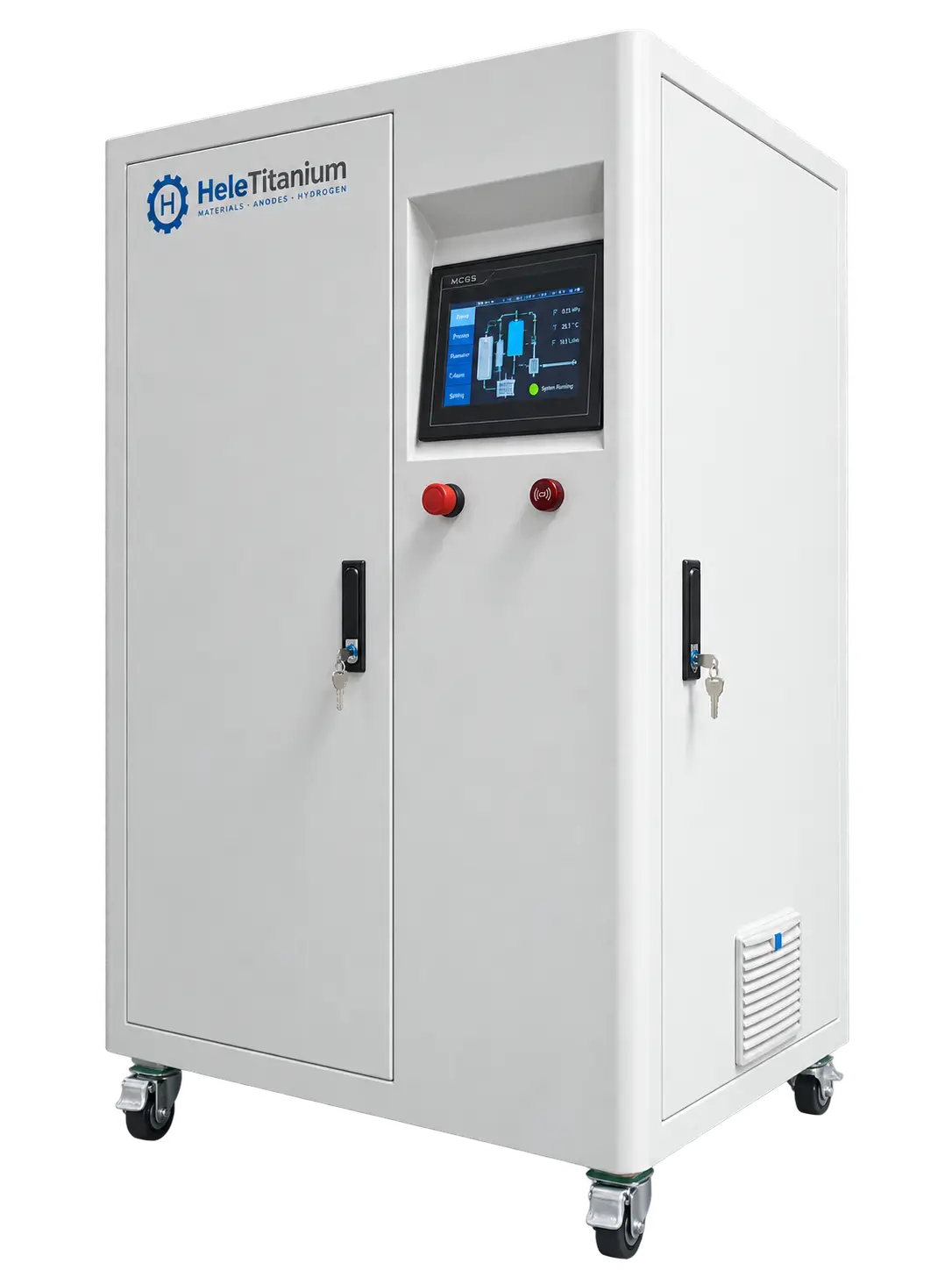
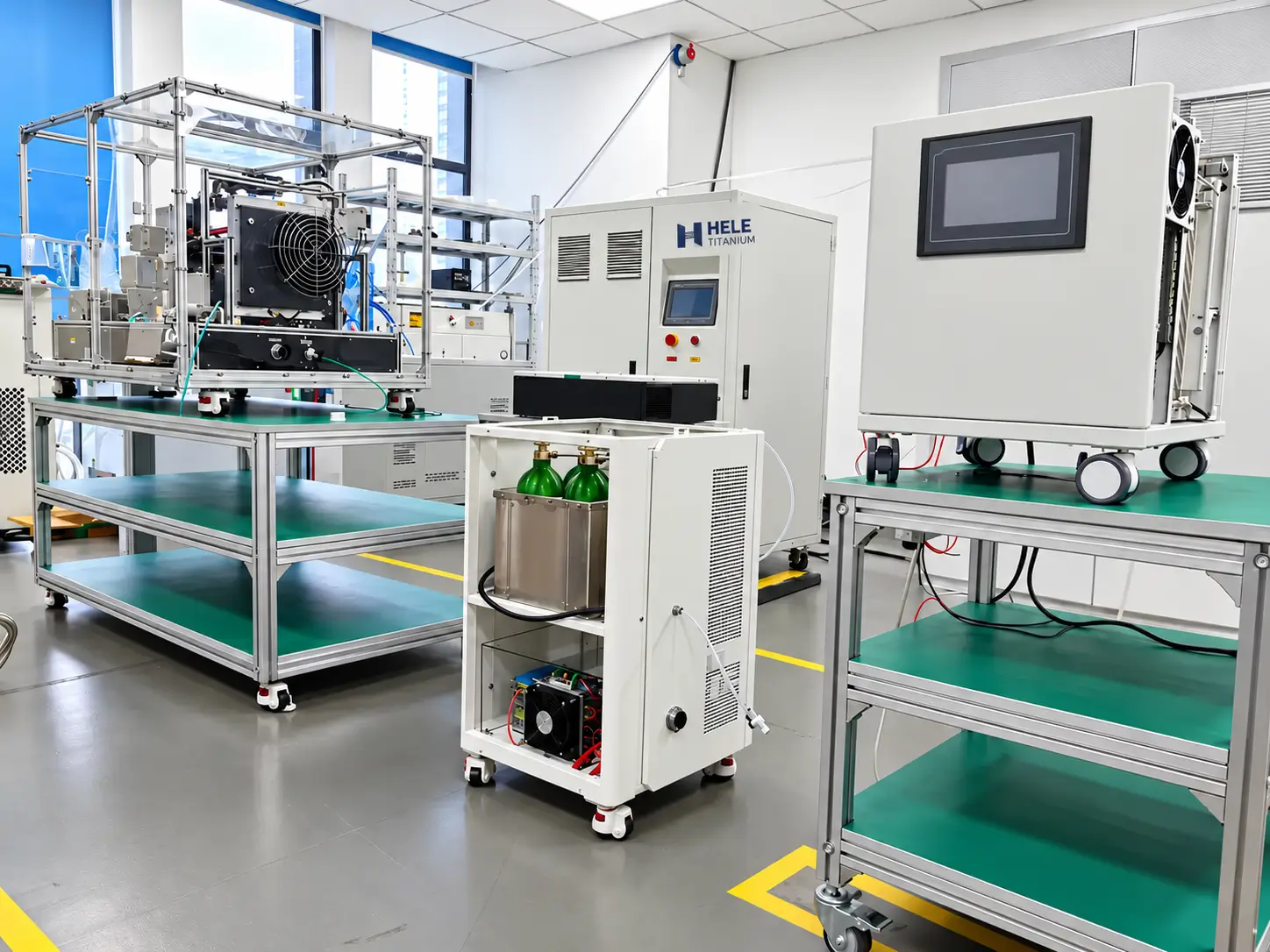
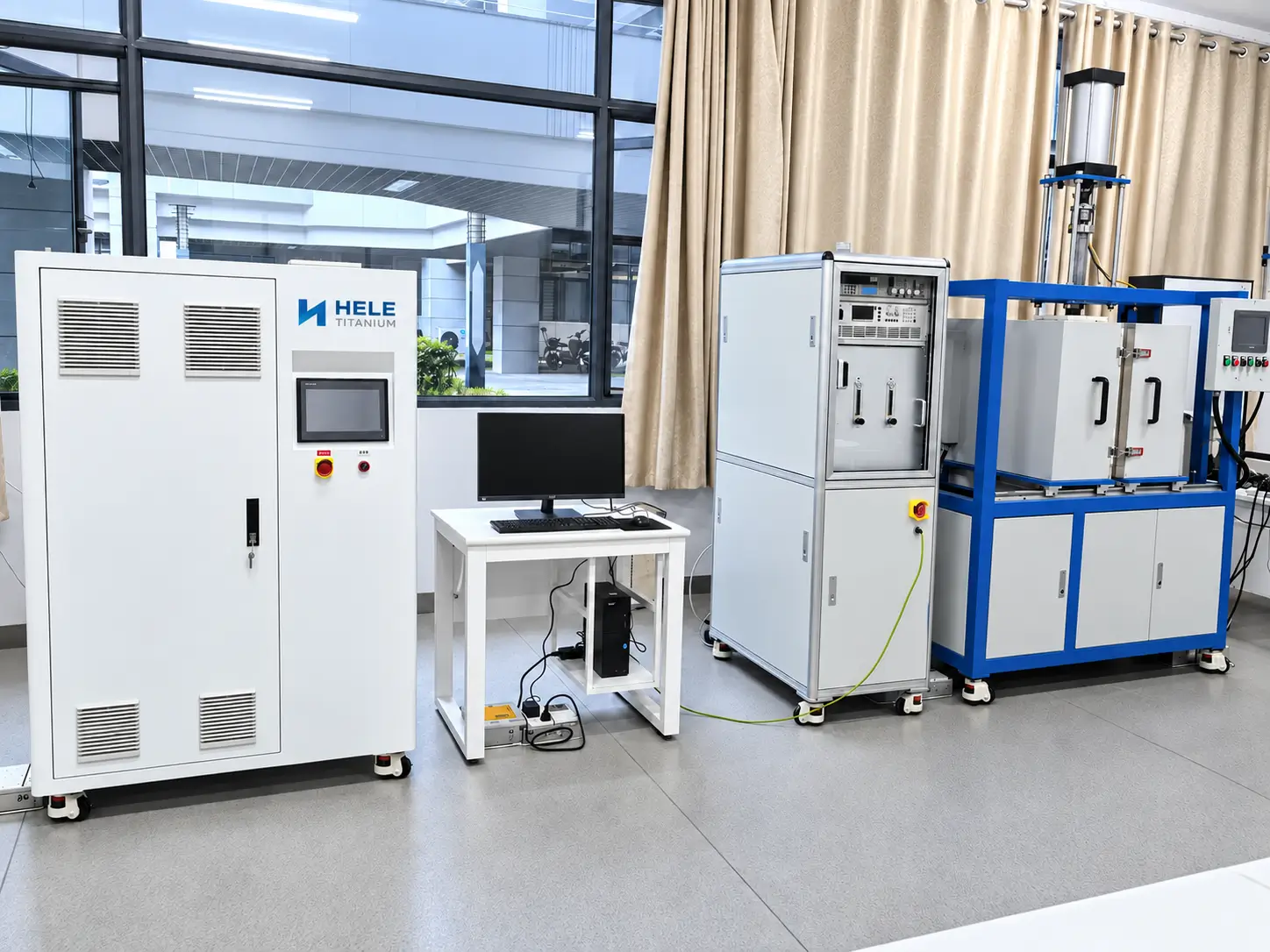
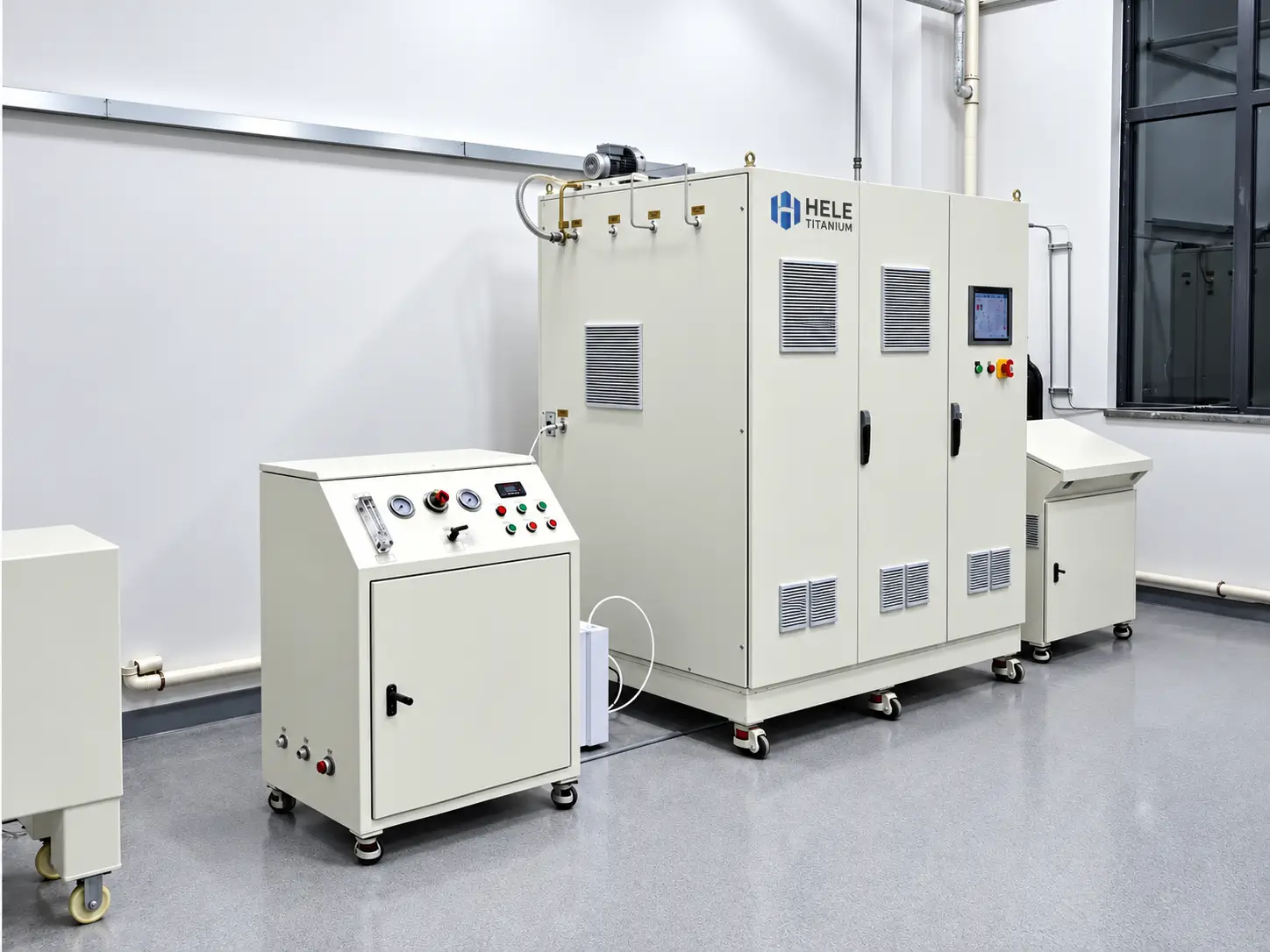
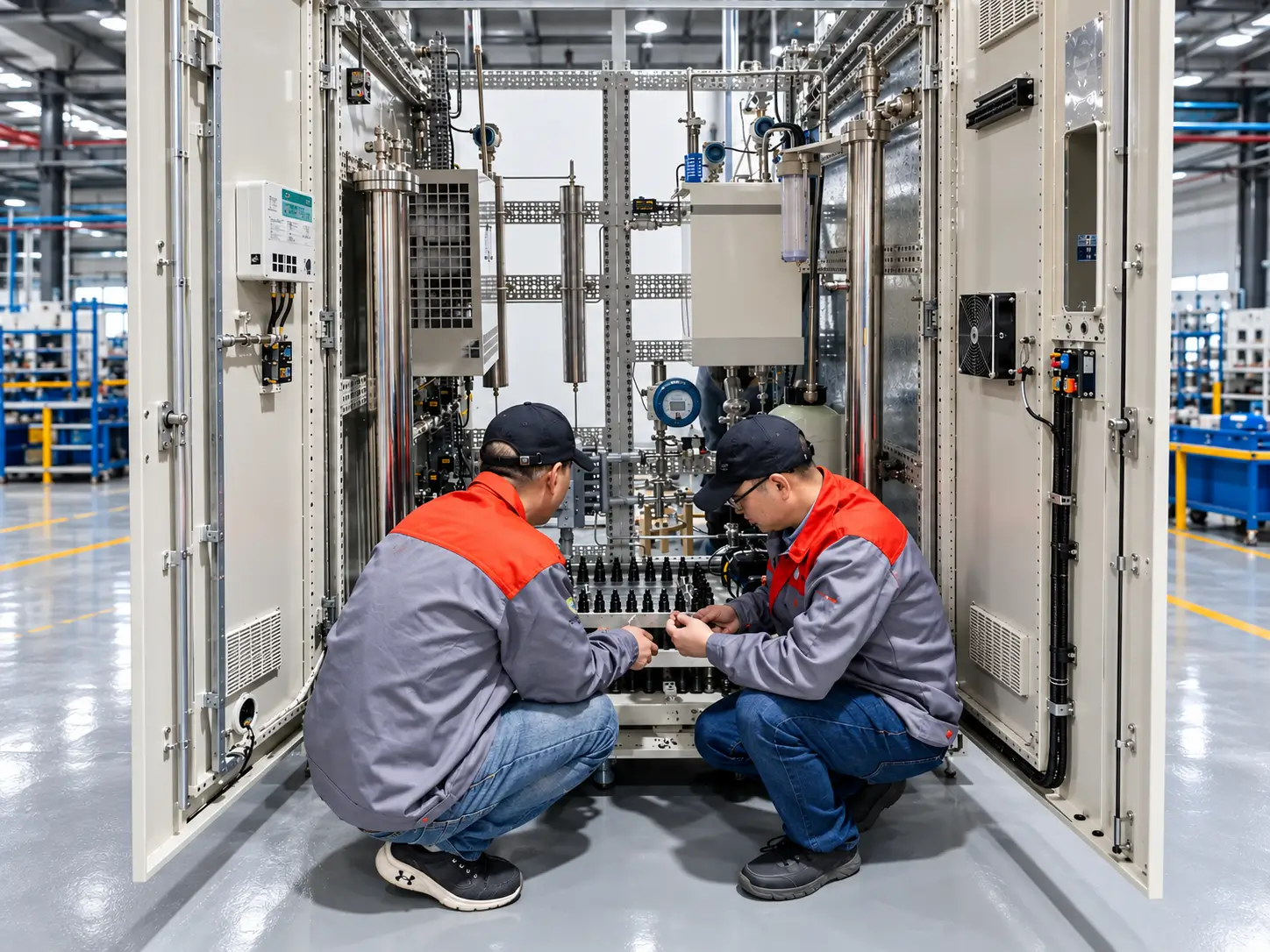
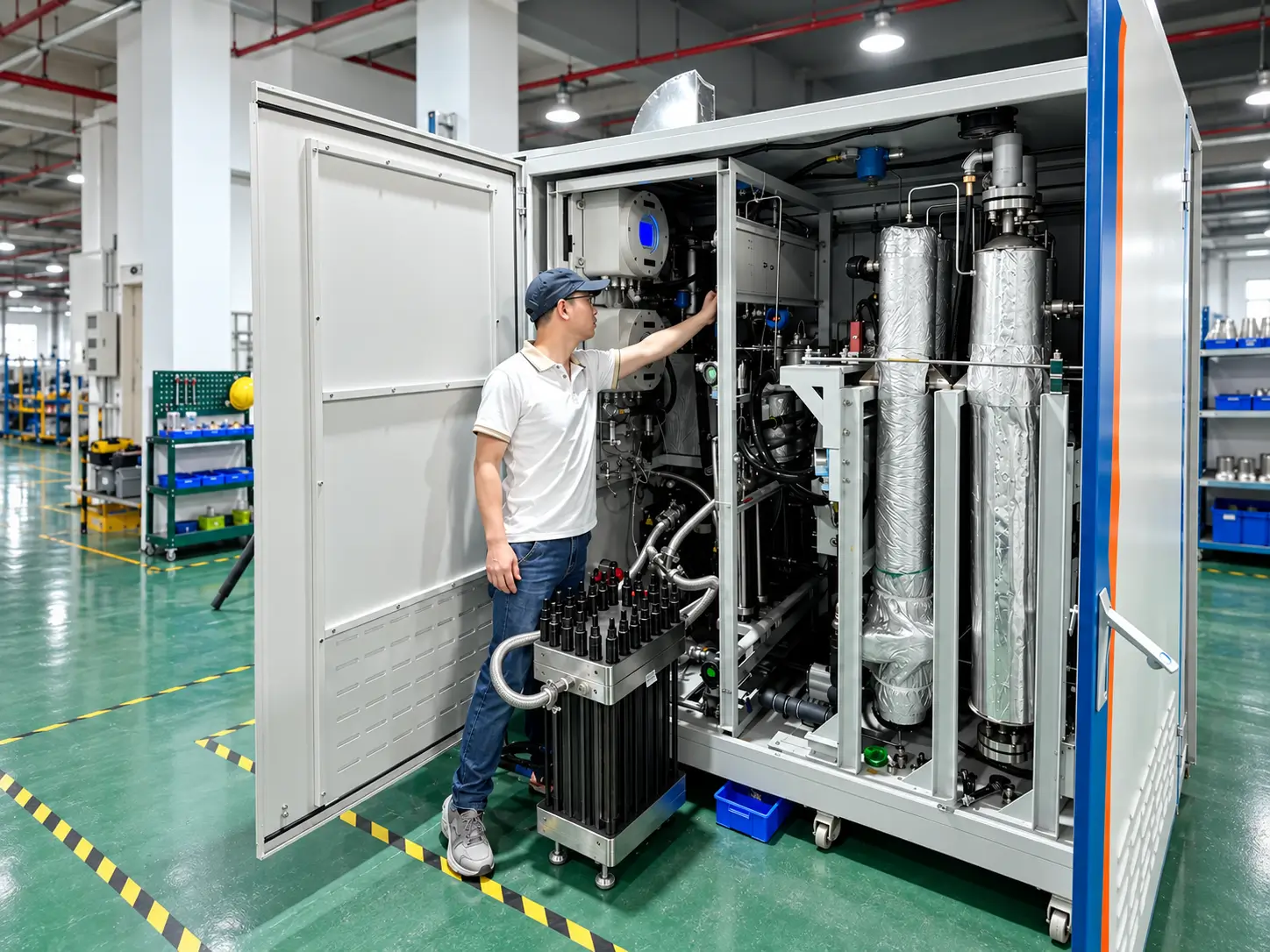
The S-Series compact PEM electrolyzer is designed for laboratories, R&D testing, education platforms, small hydrogen demand, and pilot-scale hydrogen generation. With a compact cabinet or small skid-mounted format, it supports flexible hydrogen output, stable operation, and project-specific configuration.

0.01–1 Nm³/h

Capacity Range

Compact Cabinet

or Small Skid

Lab, R&D, Education

& Pilot Use

Custom Output

Pressure & Purity

Is the S-Series the Right PEM Electrolyzer for Your Project?

The S-Series is built for customers who need a compact PEM electrolyzer for small hydrogen output, laboratory testing, education, R&D, and pilot validation. It is not intended for large continuous industrial hydrogen demand.

Best Fit For

  • Laboratory hydrogen generation
  • University and research institute projects
  • PEM stack and hydrogen system testing
  • Education and demonstration platforms
  • Small pilot hydrogen production
  • Small devices or controlled hydrogen demand
  • Early-stage hydrogen project validation

Not Ideal For

  • Large continuous industrial hydrogen demand
  • High-capacity renewable hydrogen plants
  • Utility-scale hydrogen storage projects
  • Large refueling station hydrogen supply
  • Multi-skid industrial hydrogen production
  • Projects requiring immediate large-scale expansion

Engineering Note

If your required hydrogen output is above 1 Nm³/h or your project requires continuous industrial operation, the H-Series, C-Series, M-Series, or Containerized PEM Electrolyzer may be more suitable.

S-Series Capacity & Configuration Overview

The S-Series provides a compact PEM electrolyzer platform for small hydrogen production needs. The typical configuration range covers 0.6–1.0 Nm³/h hydrogen production, suitable for laboratory, R&D, education, pilot, and small on-site hydrogen supply applications. Final system configuration should be reviewed according to hydrogen output, purity target, outlet pressure, operating hours, power supply, water quality, control requirements, and documentation needs.

Parameter Unit S-Series Configuration
Gas Production Rate Nm³/h 0.9–1.5
Hydrogen Production Rate Nm³/h 0.6–1.0
Operating Temperature °C 5–65
Hydrogen Purity % 99.5–99.999999%
Dew Point °C -70
Feed Water Quality Requirement / ASTM D1193 Type I Deionized Water (>10 MΩ·cm)
Maximum Allowable Pressure MPa 3.0
Power Supply Voltage V 220 / 380
Dimensions L×W×H mm 1100×800×1600
Weight kg 270–400
DC Power Consumption kW·h/Nm³ H₂ 4.4
Wide Power Range % 20–120
Application Fields / Glass manufacturing; metal smelting; cogeneration (CHP); semiconductor industry; integrated multi-energy independent microgrids

Engineering Note: The above specifications represent typical S-Series compact PEM electrolyzer configurations. Final hydrogen output, outlet pressure, power supply voltage, hydrogen purity, water quality, control options, documentation package, and application suitability should be confirmed according to actual project requirements.

Buyer Note

For faster configuration review, please provide your required hydrogen output, operating hours, outlet pressure, power supply, water quality, downstream use, installation site, and destination country before quotation.

COMPACT SYSTEM ENGINEERING

Small Hydrogen Output Still Requires Proper PEM System Design

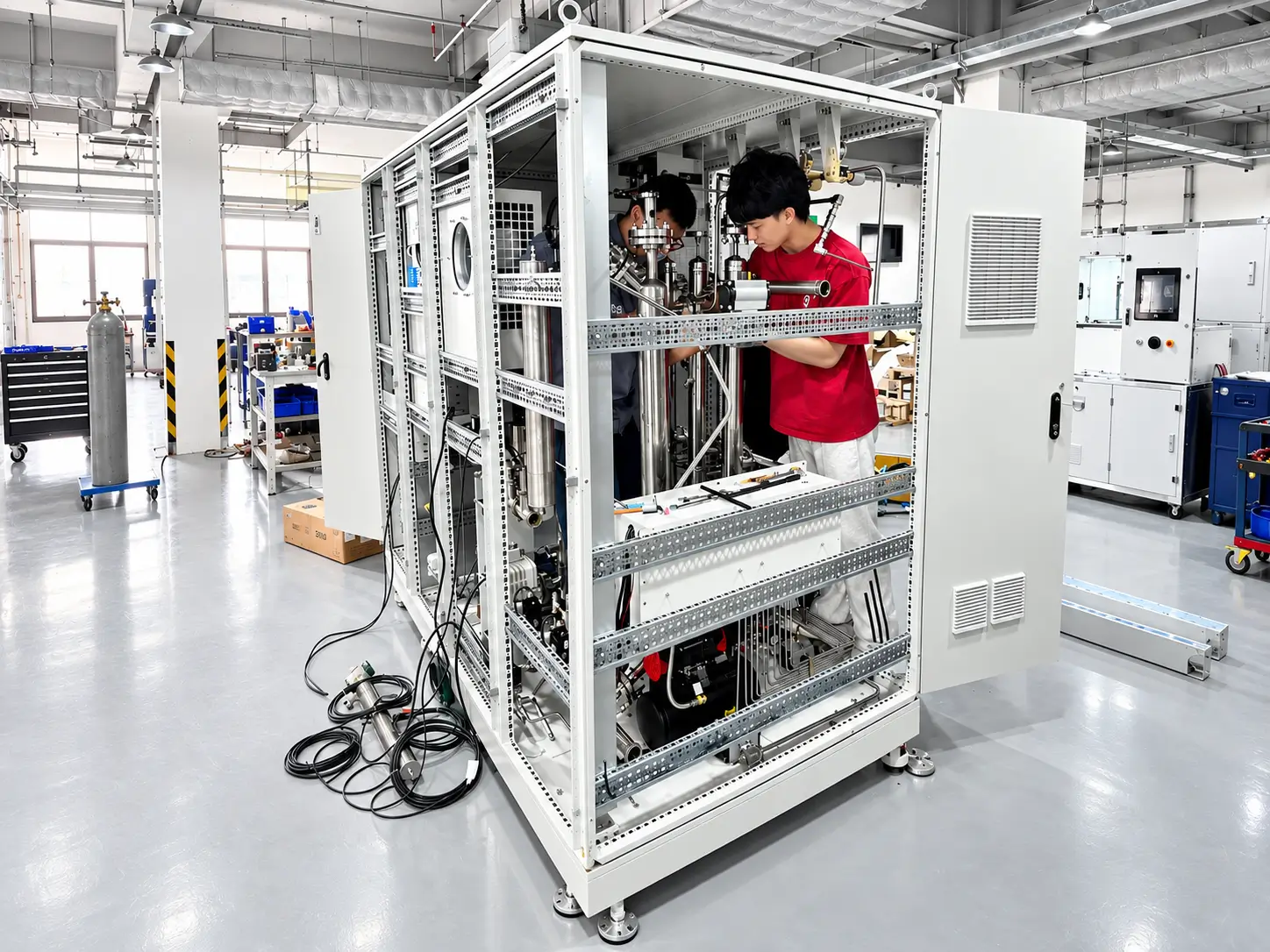
A compact PEM electrolyzer may look simple, but stable hydrogen production still depends on stack matching, water quality, power supply, cooling, gas-liquid separation, pressure control, safety protection, and operating conditions.

For laboratory, R&D, and pilot projects, system reliability is often affected by details such as DI water quality, start-stop frequency, ventilation, hydrogen outlet pressure, downstream connection, control interface, and documentation requirements. Hele Titanium reviews S-Series configurations according to the actual application, not only the required hydrogen output.

Compact Footprint

Designed for projects where laboratory space, installation area, or system mobility is limited.

Flexible Output Control

Suitable for small hydrogen demand, testing schedules, intermittent operation, or pilot-scale validation.

Laboratory & R&D Use

Supports research, teaching, testing, hydrogen demonstration, and early-stage system development.

System-Level Matching

Stack, water management, gas handling, control, and safety requirements can be reviewed together.

Typical Use Cases for S-Series Compact PEM Electrolyzers

The S-Series is most suitable for small-scale hydrogen generation projects where compact structure, controlled output, simple integration, and reliable technical support are required.

Laboratory Hydrogen Generation

1. Laboratory Hydrogen Generation

Hydrogen Use: Small hydrogen supply for laboratory testing, research, and controlled experimental use.
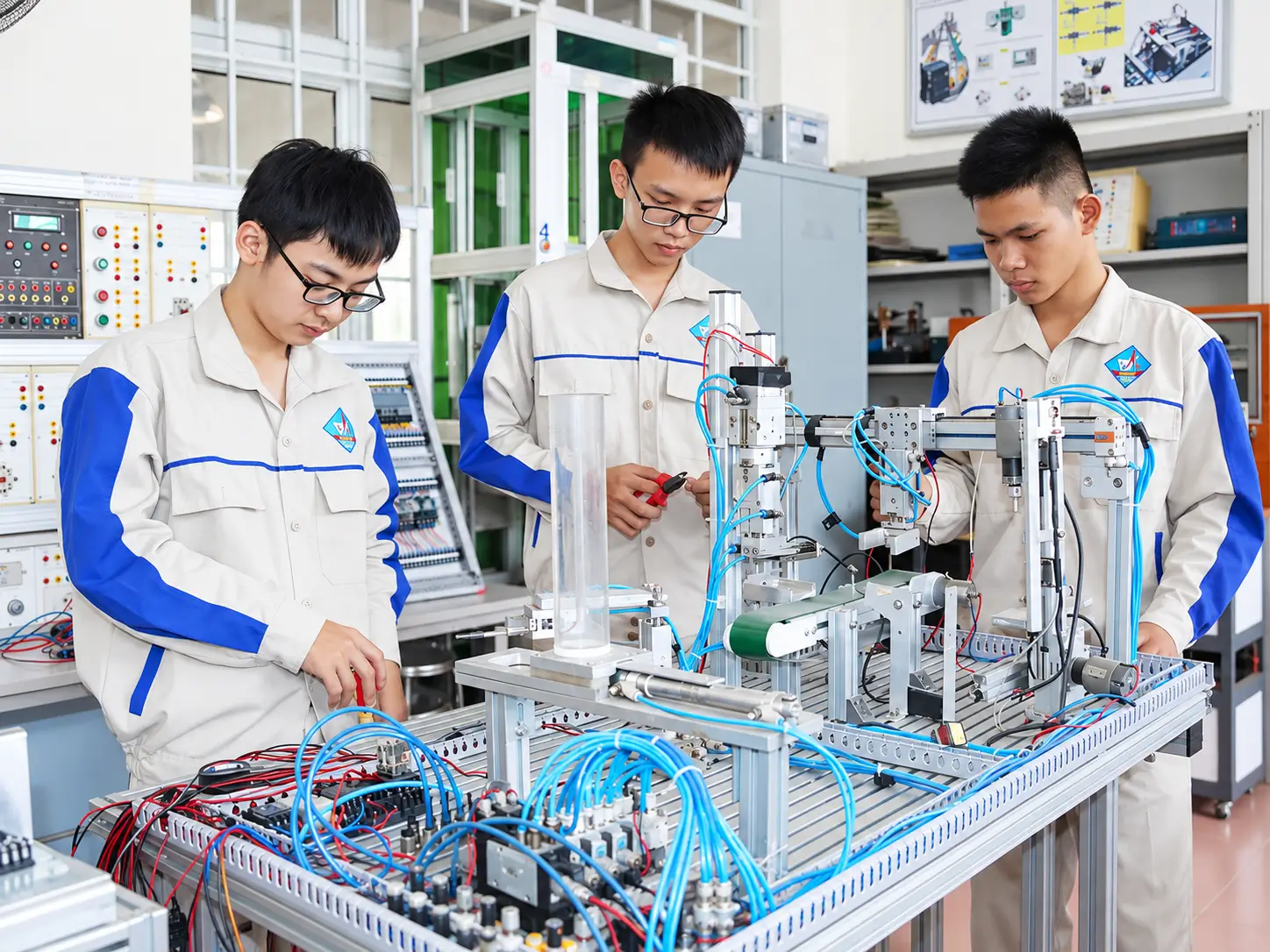
Recommended Configuration: Compact cabinet PEM electrolyzer.

Key Review Factors: Hydrogen output, purity, outlet pressure, ventilation, water quality, and safety requirements.

University & Education Platforms

2. University & Education Platforms

Hydrogen Use: Teaching, demonstration, renewable hydrogen education, and electrolysis training.
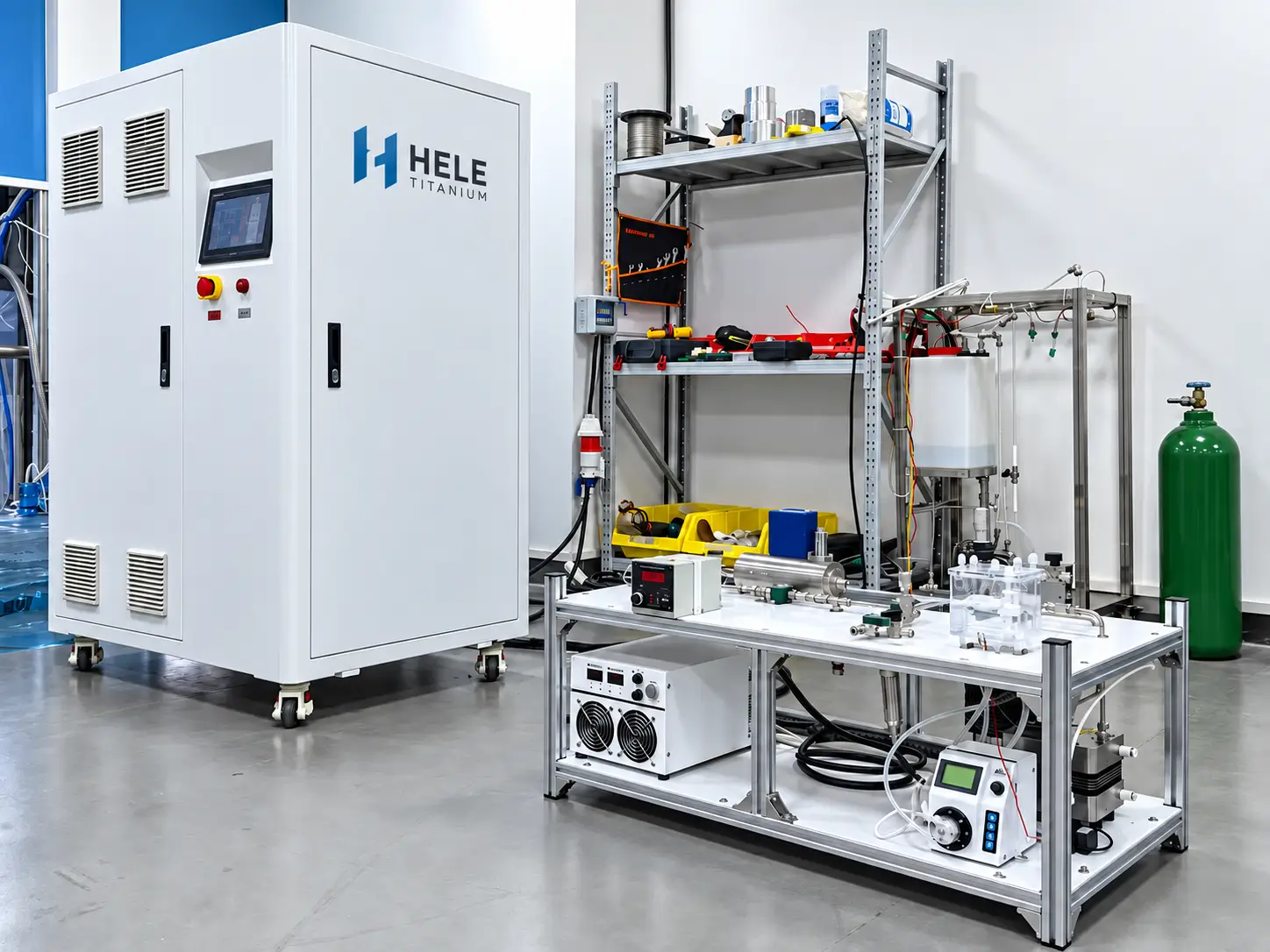
Recommended Configuration: Compact PEM electrolyzer or demonstration-ready system.

Key Review Factors: Ease of operation, safety, visibility, data display, manual support, and training requirements.

R&D and Pilot Testing

3. R&D and Pilot Testing

Hydrogen Use: Early-stage hydrogen system validation, component testing, and pilot-scale hydrogen production.
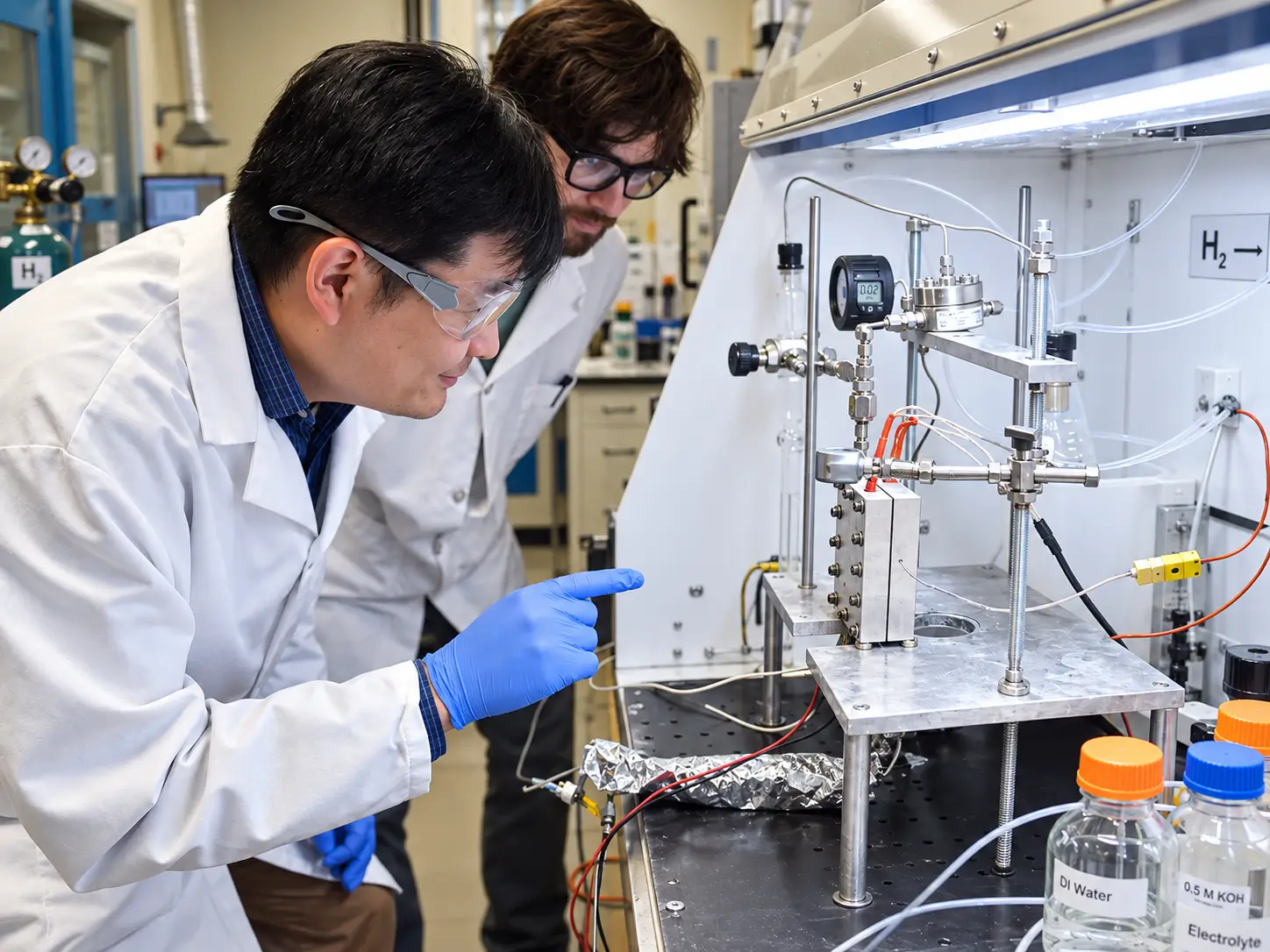
Recommended Configuration: S-Series PEM electrolyzer with project-specific control and documentation options.

Key Review Factors: Operating profile, test schedule, data logging, hydrogen pressure, and downstream connection.

PEM Stack or System Research

4. PEM Stack or System Research

Hydrogen Use: Research projects involving PEM technology, water electrolysis, hydrogen production, or small system integration.

Recommended Configuration: Compact PEM electrolyzer or PEM stack-based configuration.

Key Review Factors: Stack output, active area, control interface, pressure, water circuit, and test requirements.

Small Device or OEM Integration

5. Small Device or OEM Integration

Hydrogen Use: Small hydrogen demand for OEM systems, testing equipment, fuel cell support, or custom devices.

Recommended Configuration: Compact cabinet or customized small skid-mounted PEM electrolyzer.

Key Review Factors: Footprint, hydrogen stability, electrical interface, outlet pressure, and integration space.

Small Pilot Hydrogen Projects

6. Small Pilot Hydrogen Projects

Hydrogen Use: Initial hydrogen project validation before moving to larger H-Series or industrial PEM systems.

Recommended Configuration: S-Series compact PEM electrolyzer for pilot operation and feasibility testing.

Key Review Factors: Operating hours, site utilities, power source, water condition, safety, and future scale-up plan.

From PEM Stack to Compact Hydrogen Generation System

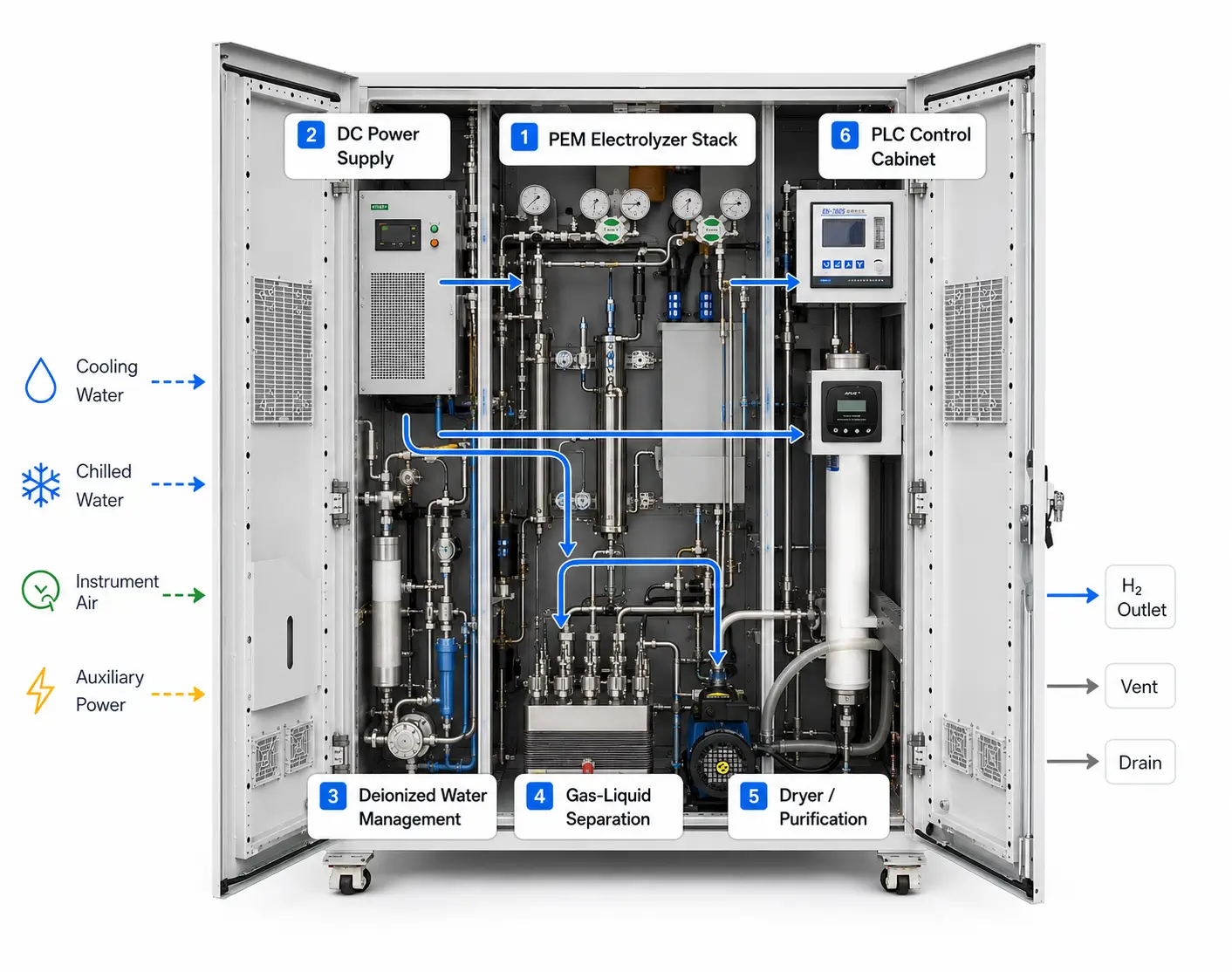
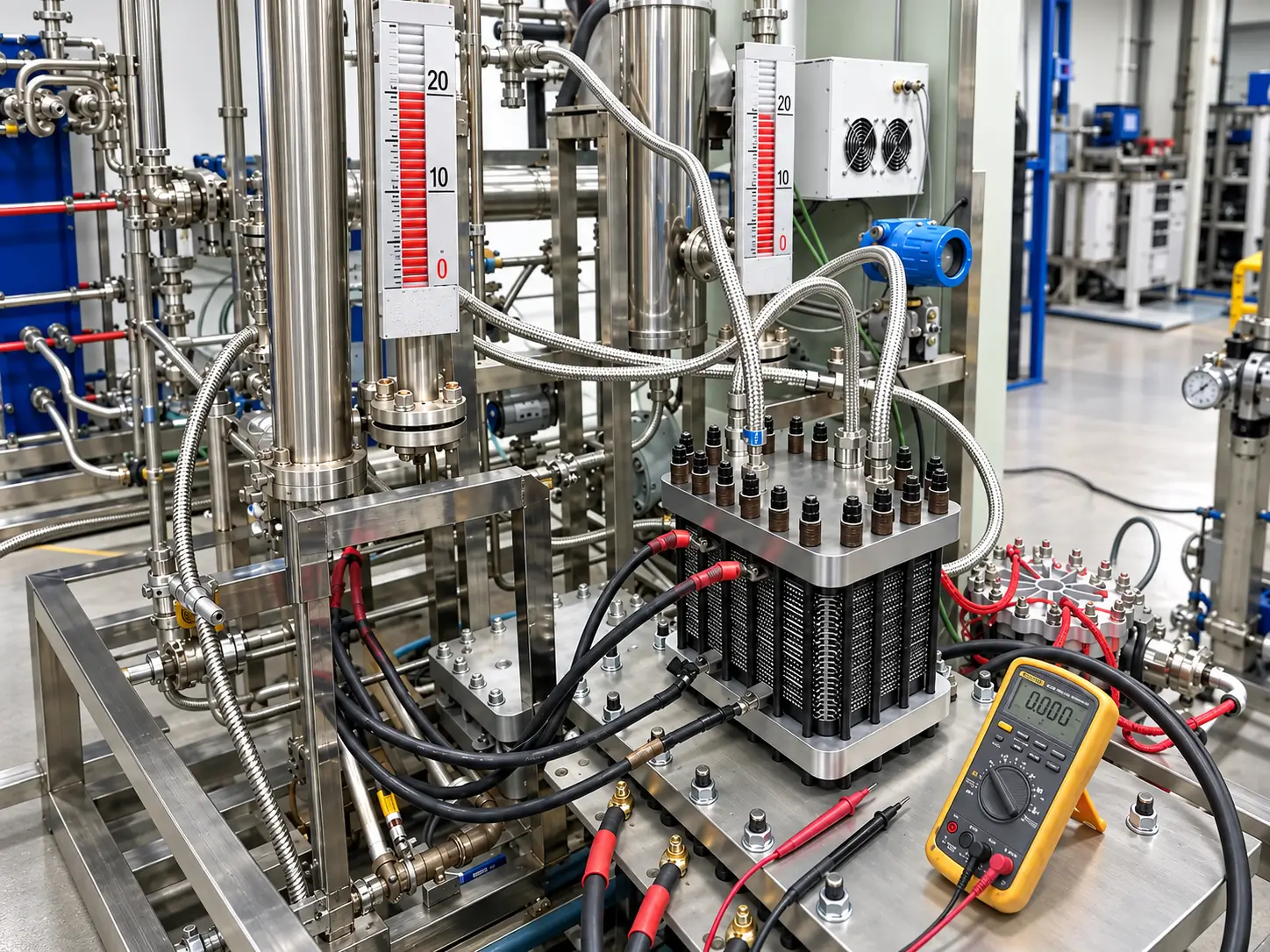
The PEM stack is the hydrogen generation core, but the S-Series compact system also requires water supply, power control, gas-liquid separation, cooling, safety protection, and basic system integration to support stable operation.

01. PEM Stack

The core electrochemical module where purified water is converted into hydrogen and oxygen.

02. Water Management

Supports water supply, circulation, filtration, and water quality control according to PEM system requirements.

03. Power Supply & Control

Provides stable electrical input and control logic for stack operation, monitoring, and alarms.

04. Gas-Liquid Separation

Separates generated hydrogen and oxygen from water and supports basic gas handling.

05. Cooling & Thermal Control

Helps maintain suitable operating temperature for stable small-scale hydrogen production.

06. Safety Protection

Supports hydrogen safety review through pressure protection, ventilation, alarms, and shutdown logic when required.

The System Formula

PEM Stack + Water Management + Power Supply + Gas-Liquid Separation + Cooling + Safety Control = S-Series Compact PEM Electrolyzer System

*Engineering Note: Final compact system configuration should be reviewed according to hydrogen output, purity, outlet pressure, power supply, water quality, operating schedule, installation environment, and downstream connection.

CUSTOM COMPACT SYSTEM SUPPORT

Customize the S-Series Around Your Hydrogen Application

Although the S-Series is a compact PEM electrolyzer platform, system configuration can still be reviewed according to different laboratory, research, education, OEM, or pilot requirements.

1. Hydrogen Output Review

Review required Nm³/h, daily hydrogen demand, operating hours, and peak demand.

2. Purity & Gas Handling

Review hydrogen purity target, drying, purification, downstream connection, and gas handling needs.

3. Outlet Pressure Review

Match outlet pressure to storage, fuel cell, test bench, laboratory, or pilot system requirements.

4. Cabinet / Small Skid Layout

Configure compact cabinet or small skid-mounted format according to installation space and access needs.

5. Control & Monitoring

Support local control, HMI, alarms, monitoring, and project-specific control interface when required.

6. Documentation Support

Datasheet, operation manual, inspection record, packing document, and project files can be prepared when required.

What to Confirm Before Requesting an S-Series Quote

A useful RFQ helps our engineering team recommend a suitable compact PEM electrolyzer configuration faster and more accurately.

Selection Factor What to Confirm
Application Laboratory, R&D, education, pilot, OEM, fuel cell support, or small hydrogen supply
Hydrogen Output Required Nm³/h, daily hydrogen demand, or operating schedule
Hydrogen Purity Standard purity or higher downstream purity requirement
Outlet Pressure Required pressure for storage, test bench, fuel cell, or downstream use
Power Supply Voltage, phase, grid power, renewable power, or special input requirement
Water Quality DI water source, conductivity, treatment condition, and water supply stability
Installation Site Indoor laboratory, workshop, test room, pilot site, or small production area
Operating Profile Continuous, intermittent, standby, or testing operation
Control Requirement Manual control, HMI, alarm, data logging, remote monitoring, or system interface
Documentation Datasheet, manual, test record, certificate, packing document, or project file requirement
Destination Country, shipping port, packing requirement, and delivery schedule

Pro Tip for Buyers

A strong inquiry should not only say "Please quote a compact PEM electrolyzer." A better request is: "We need an S-Series compact PEM electrolyzer for [application], with [hydrogen output], [purity], [pressure], [operating hours], [power source], [water quality], and [documentation requirements]."

QUALITY ASSURANCE

Testing & Documentation Support for S-Series PEM Electrolyzers

Compact PEM electrolyzer quality depends on stack assembly, sealing, pressure control, electrical behavior, water circuit design, gas handling, control logic, safety review, and final documentation. Inspection scope can be confirmed according to system configuration and project requirements.

1. Stack Assembly & Sealing

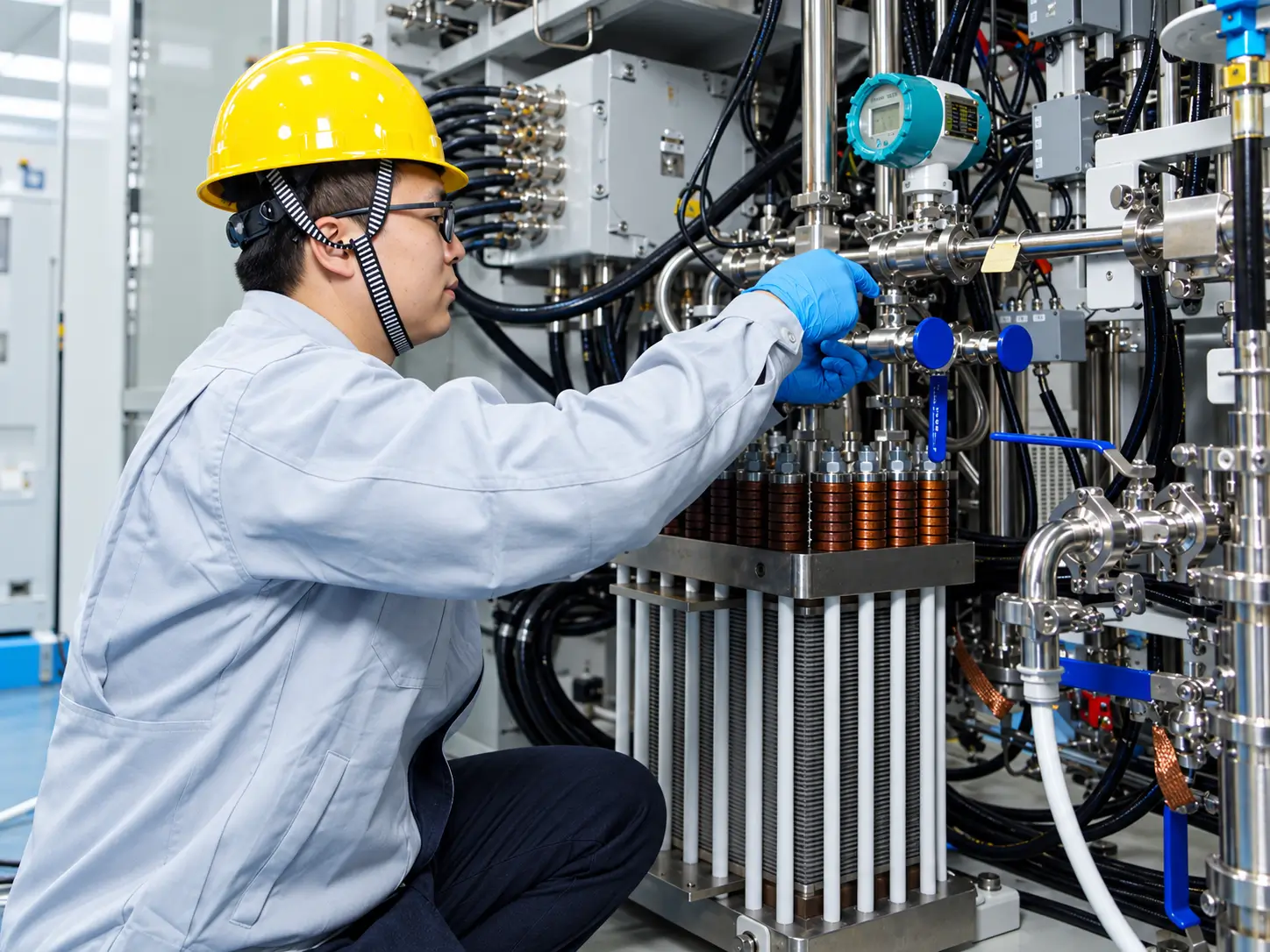
PEM stack assembly, sealing, compression, interface connection, and installation condition can be reviewed according to system requirements.

2. Pressure & Leak Testing

Pressure holding, leak check, gas circuit, water circuit, and connection sealing can be tested according to agreed inspection scope.

3. Electrical & Control Testing

Voltage, current, power supply, HMI, alarm logic, and control response can be checked during system testing.

4. Hydrogen Output & Gas Handling

Hydrogen output, gas-liquid separation, drying, outlet pressure, and downstream connection can be reviewed according to project configuration.

5. Safety System Verification

Ventilation, pressure relief, emergency shutdown, alarms, and hydrogen safety requirements can be reviewed when required.

6. Documentation Package

Factory acceptance records, inspection results, operation guidance, and project documents can be organized into a documentation package when required.

Documentation Package

Documentation Package May Include:

  • Technical datasheet
  • Operation manual
  • FAT report when required
  • Inspection record
  • Pressure / leak test record
  • Packing list
  • Certificate or project files
  • Installation support docs

Compare S-Series with Other PEM Electrolyzer Options

The S-Series is best for compact hydrogen production and early-stage projects. For larger hydrogen demand or outdoor deployment, other PEM electrolyzer series may be more suitable.

Series Capacity Range Best For Recommended When
S-Series Compact 0.5–1 Nm³/h Laboratory, R&D, education, small pilot systems You need compact hydrogen output and flexible testing use.
H-Series Mid-Range 1–10 Nm³/h On-site hydrogen supply, microgrids, pilot industrial projects You need higher output and more stable continuous operation.
C-Series Industrial 10–50 Nm³/h Industrial hydrogen supply, refueling support, process use You need industrial skid design and continuous hydrogen production.
M-Series High-Capacity 50–300+ Nm³/h Large hydrogen projects, utility storage, multi-skid systems You need modular high-capacity hydrogen production.
Containerized 10–300+ Nm³/h scalable Outdoor, remote, renewable, or rapid deployment projects You need containerized layout, site mobility, or outdoor installation.

S-Series Compact PEM Electrolyzer FAQ

Answers for laboratories, universities, research teams, pilot project developers, OEM engineers, and procurement buyers evaluating compact PEM electrolyzer systems.
What is the S-Series compact PEM electrolyzer used for?
The S-Series is used for laboratory hydrogen generation, university research, R&D testing, education platforms, small pilot systems, OEM integration, and small hydrogen demand applications.
What hydrogen output range does the S-Series support?
The S-Series supports 0.01–1 Nm³/h hydrogen output. Final configuration should be reviewed according to required hydrogen demand, operating hours, purity, pressure, and downstream use.
Is the S-Series suitable for laboratory hydrogen generation?
Yes. The S-Series is designed for compact hydrogen production where laboratory space, safety, operating flexibility, and system documentation are important.
Can the S-Series be used for pilot testing?
Yes. It can be used for small pilot hydrogen projects, early-stage validation, R&D testing, and demonstration before moving to higher-capacity PEM electrolyzer systems.
What is the difference between the S-Series and H-Series?
The S-Series is mainly for compact hydrogen demand from 0.01–1 Nm³/h. The H-Series is more suitable for 1–10 Nm³/h projects requiring higher output, longer operation, and mid-scale on-site hydrogen supply.
Can hydrogen purity and outlet pressure be customized?
Hydrogen purity, outlet pressure, drying, gas handling, and downstream interface can be reviewed according to project requirements and selected configuration.
What water quality is required?
PEM electrolyzers require purified or deionized water with stable quality. Water conductivity, water source, treatment method, and circulation conditions should be reviewed before configuration.
What information is needed for an S-Series quotation?
Please provide application, hydrogen output, purity target, outlet pressure, operating hours, power supply, water quality, installation site, control requirements, documentation needs, destination country, and delivery schedule.
Can you provide documentation with the S-Series?
Yes. Available documents may include technical datasheet, operation manual, inspection record, FAT report when required, packing list, certificate, and project-specific documents.
Can the S-Series be customized for OEM or research projects?
Yes. The S-Series can be reviewed for OEM, research, education, and pilot applications according to hydrogen output, footprint, interface, control, safety, and documentation requirements.

Need a Compact PEM Electrolyzer for Your Lab or Pilot Project?

Share your hydrogen output, purity target, outlet pressure, operating hours, power source, water quality, application, installation environment, and documentation requirements. Hele Titanium can help review whether the S-Series compact PEM electrolyzer is suitable for your project.

Direct Contact

Call Us

86-13857402537

Location

Songshan Lake, Dongguan City, China