Electrochemical Duty
Target reaction, process result, competing reactions, selectivity and product-quality responsibility.

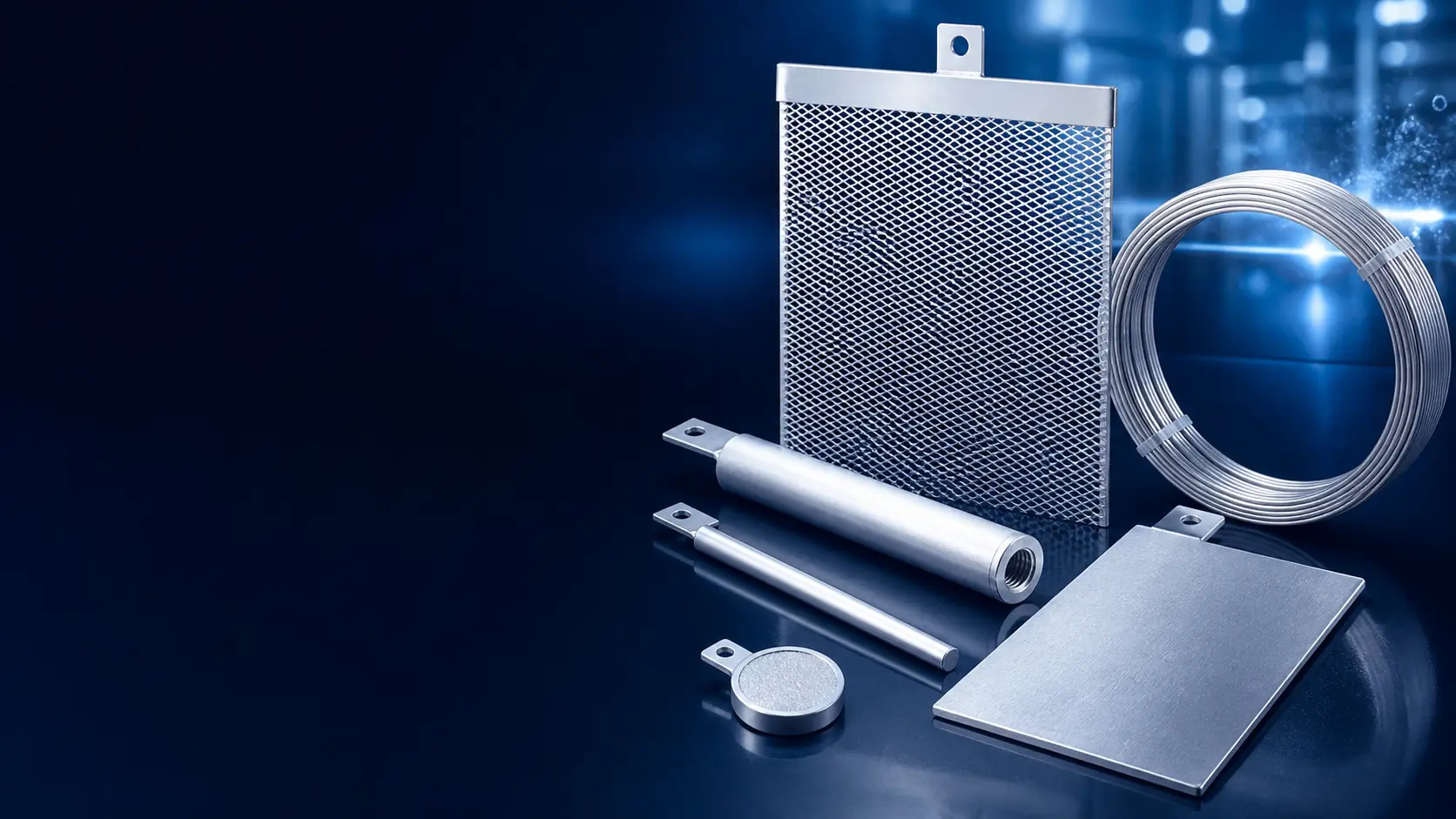
Platinized Titanium Anode Manufacturer · Pt/Ti
Custom Pt/Ti plate, mesh, rod, wire and assemblies reviewed against the complete electrolyte, intended reaction, titanium-substrate compatibility, platinum metric, effective area, electrical loading, geometry, connection and design-life basis.
Selection boundary: platinized, platinum-plated and platinum-coated may describe the same commercial search intent, but they do not complete the order specification. Platinum-clad is a different construction and is not used here as a synonym.
First confirm the intended anodic reaction and whether titanium remains a suitable substrate across normal, startup, shutdown, cleaning and upset conditions. Do not start from a copied platinum thickness.
Target reaction, process result, competing reactions, selectivity and product-quality responsibility.
Composition, pH/acidity, chloride, fluoride, oxidants, additives, contaminants and cleaning media.
Current, density denominator, voltage/potential/reference, waveform, duty, temperature and flow.
Review Pt/Nb or another suitable route when the complete environment creates additional titanium-substrate risk.
A value in μm, g/m² or another metric is meaningful only when the method, calibration, actual coated area, coated sides, locations, sampling and acceptance limits are stated.
Name what is measured and in which units; do not convert between thickness and loading without an agreed validated basis.
Separate coated working area from overall size, inactive edges, mounting, contacts and masked zones.
State one-side, two-side, projected mesh, geometric strand or another controlled area convention.
Tie the target to chemistry, area/current, temperature, duty, cleaning, polarity, end point and exclusions.
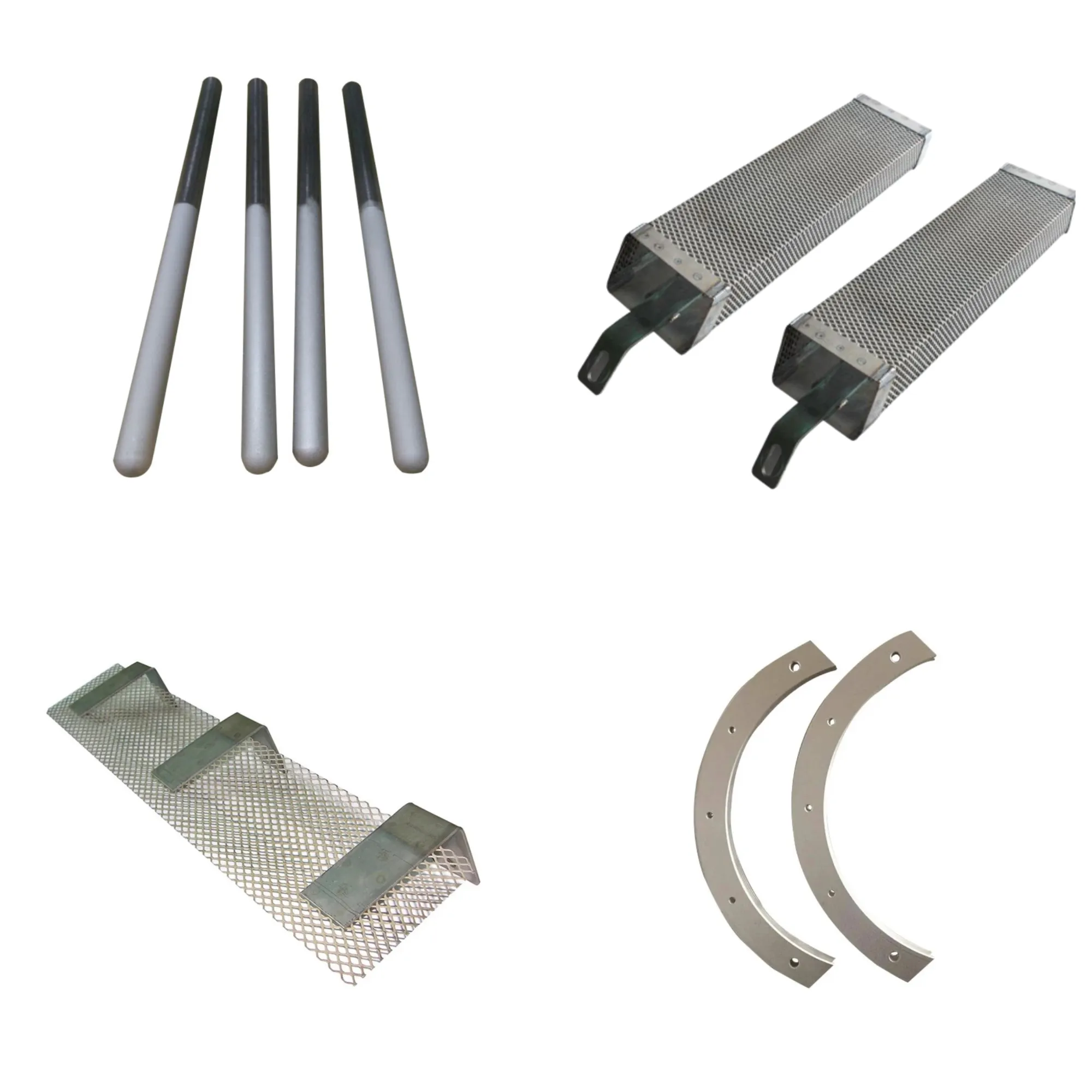
The strongest existing search demand is for platinized titanium plate, but every form still needs the same controlled active-area, platinum, electrical and connection basis.
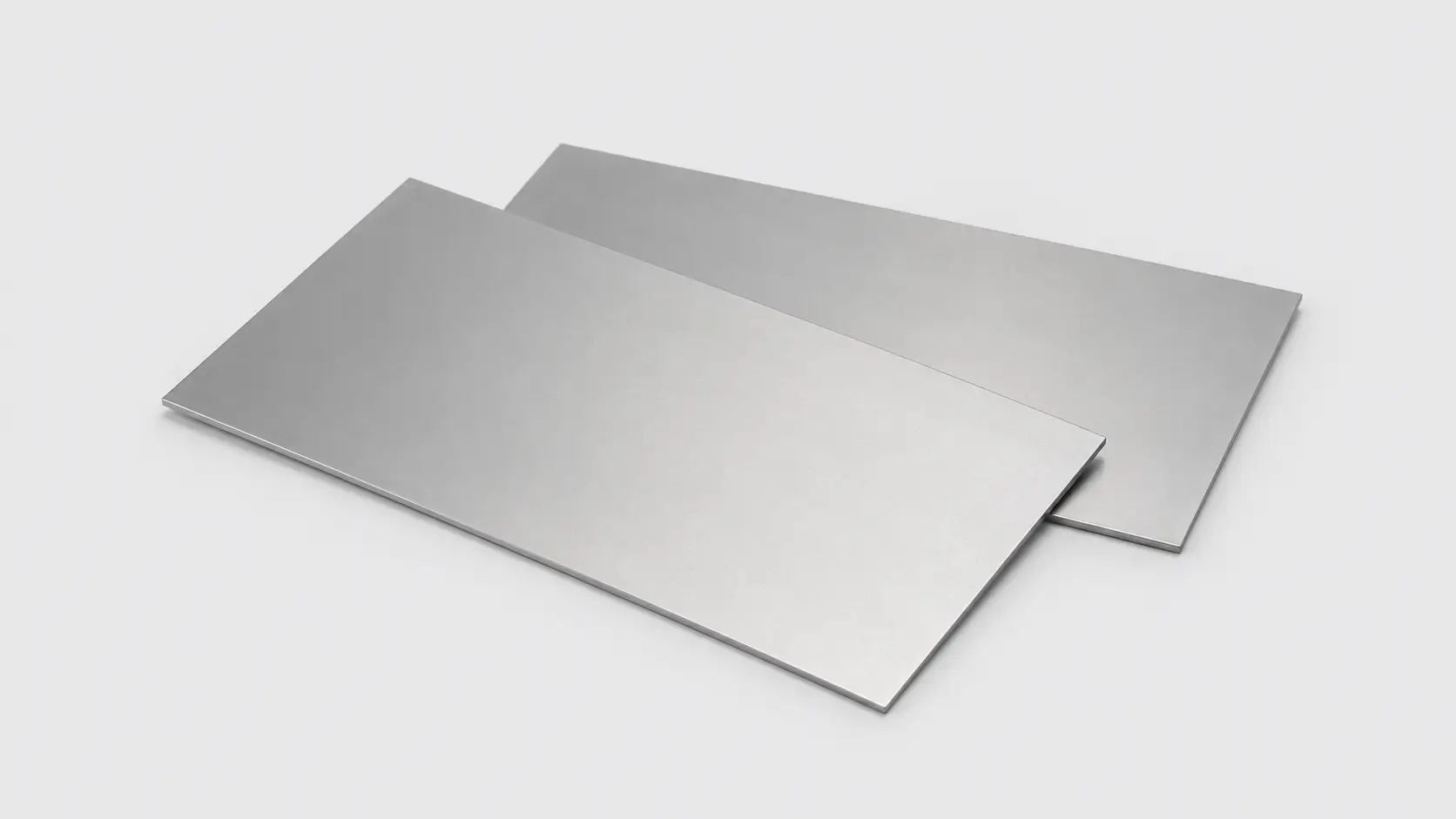
Define plate size, thickness, one- or two-side platinum, active boundary, submerged area, inactive edges, mounting and current feed.
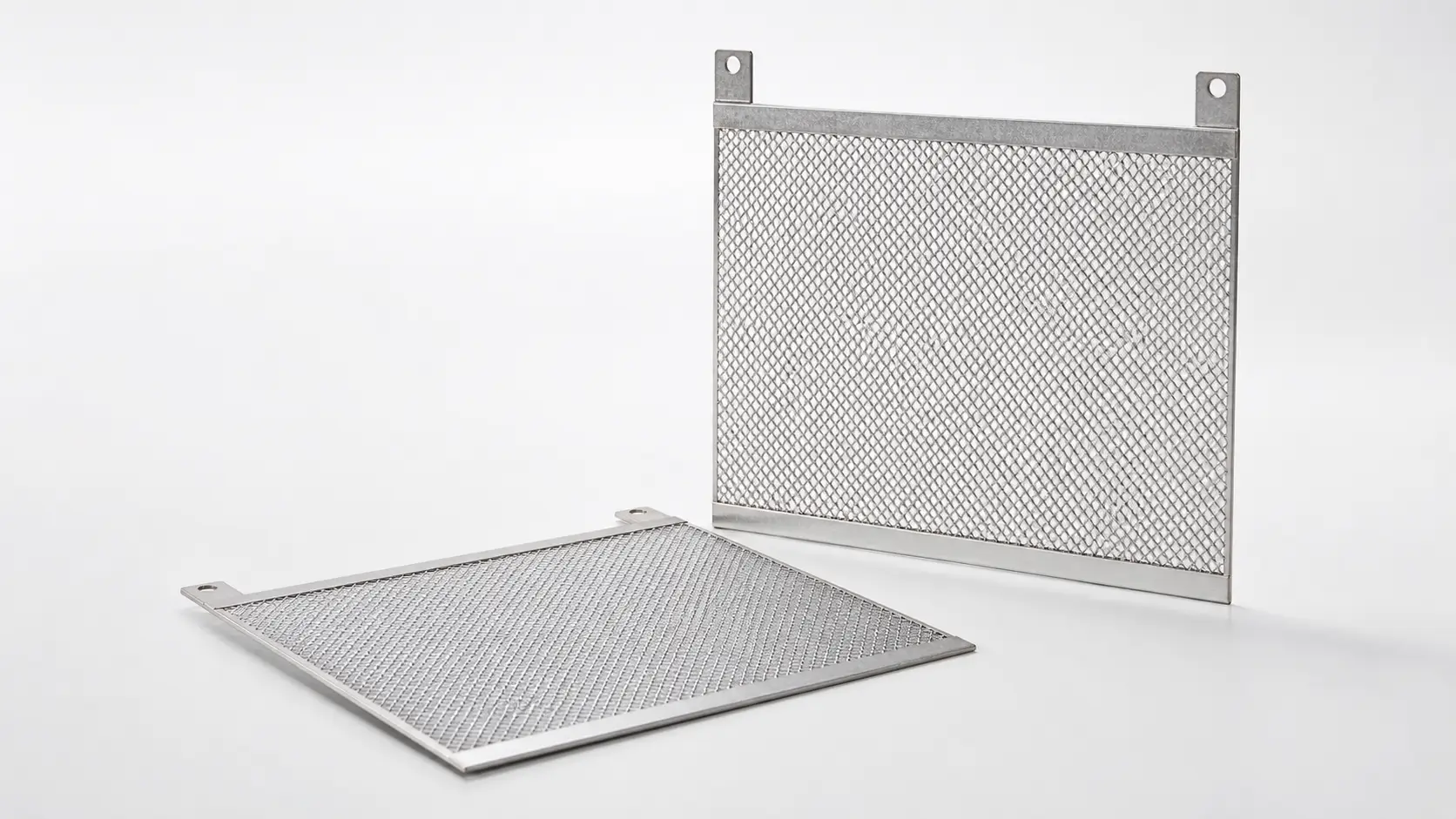
Define SWD/LWD or other mesh geometry, strand dimensions, area convention, coated surfaces, frame, electrolyte access and connection.
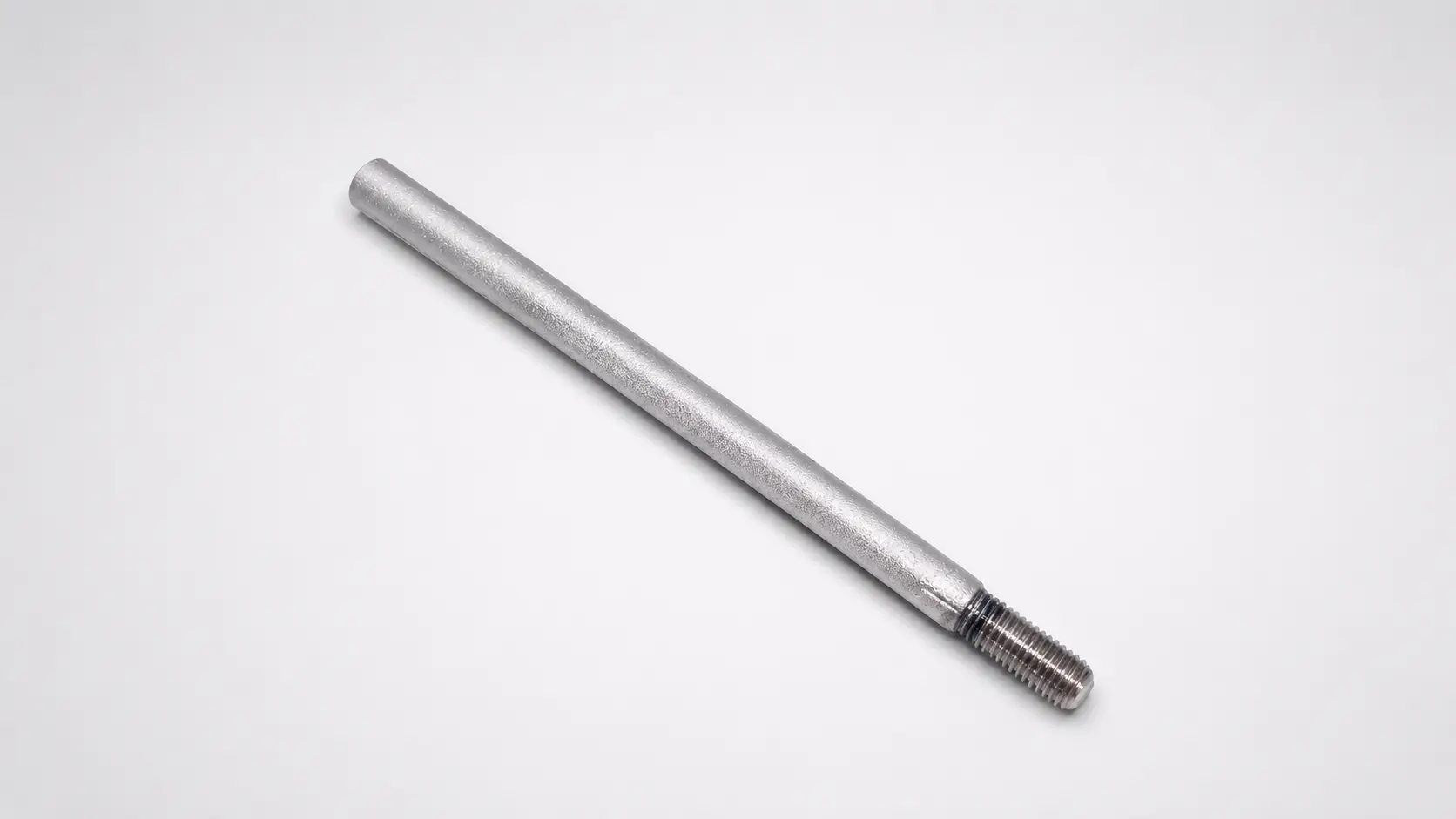
Define diameter, overall and active length, platinum zone, end treatment, thread or tab, mounting and electrical interface.
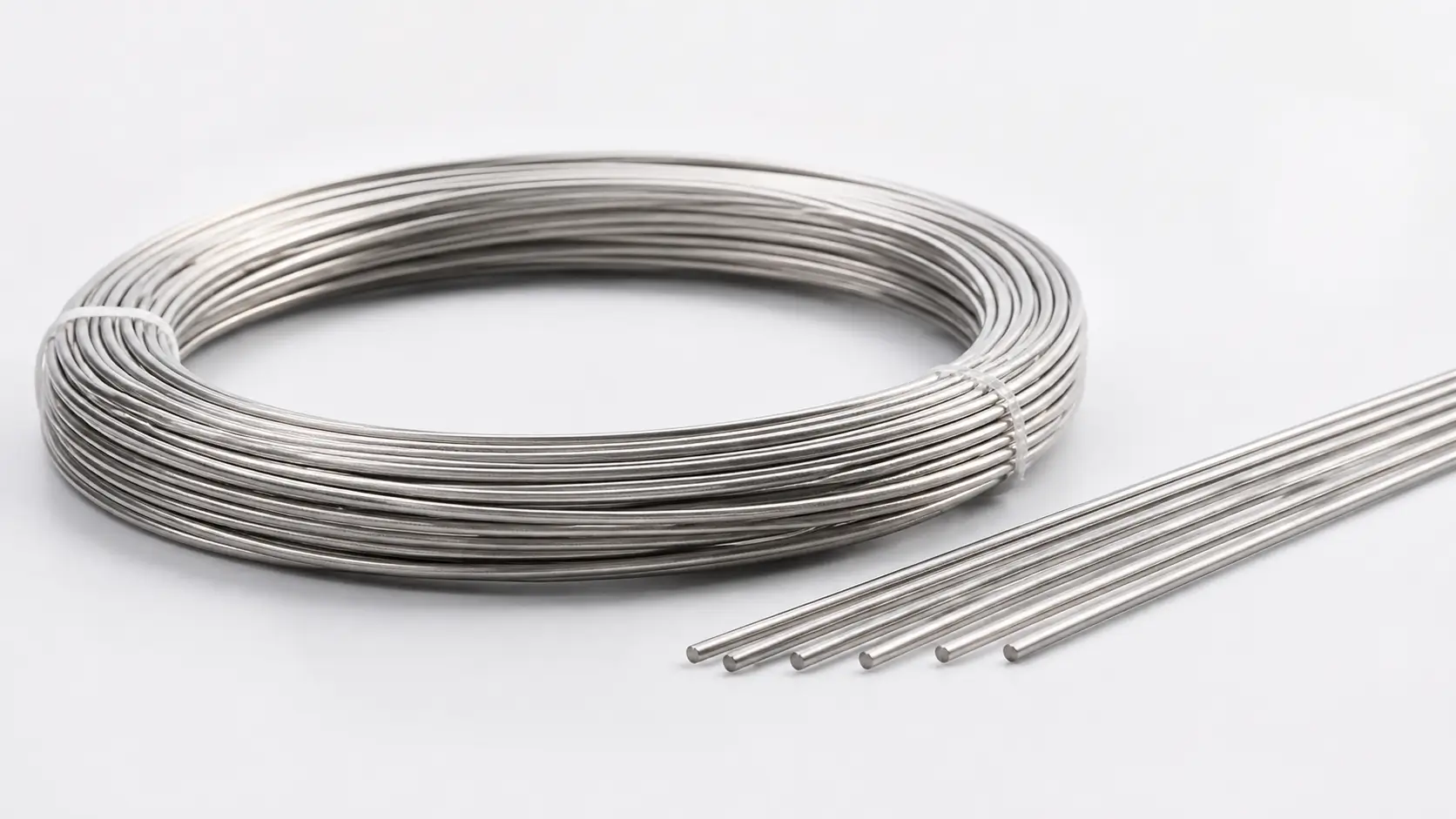
Define diameter, straight or formed geometry, active length, coated/masked zones, supports, routing and termination.
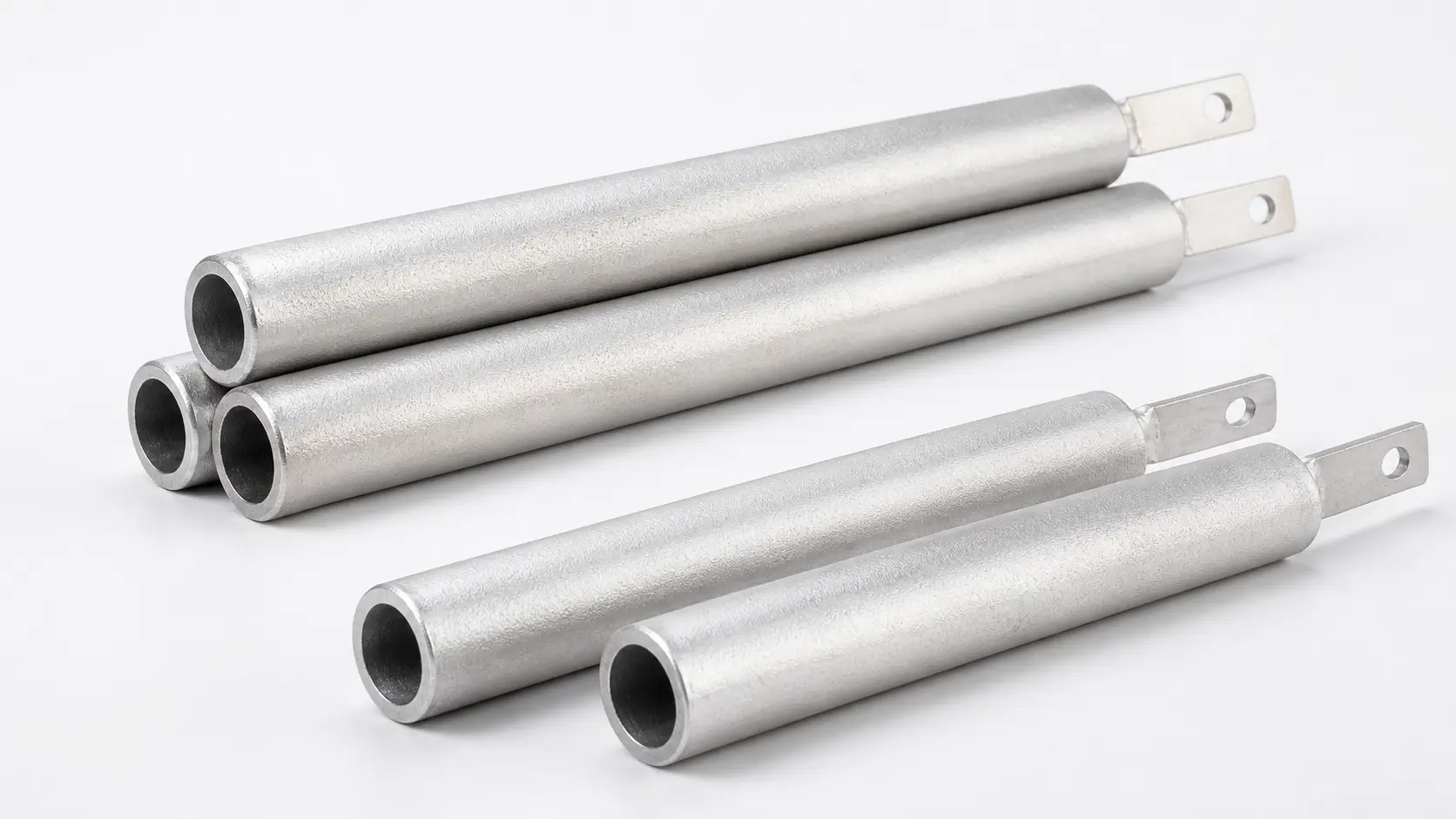
Define OD, wall where applicable, overall and active length, internal/external active surface, ends, seal and feed.
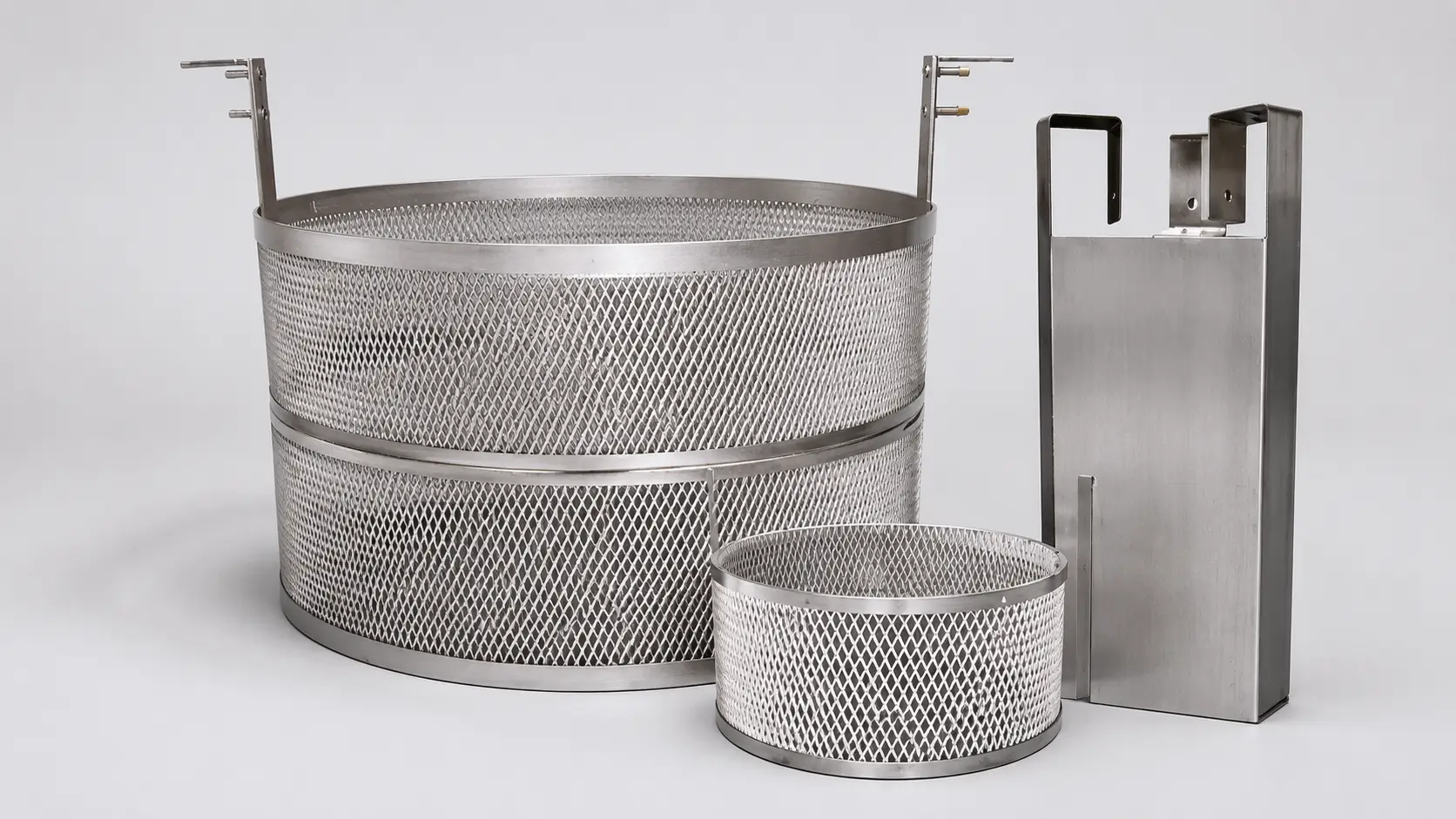
Define the insoluble-electrode role, basket geometry, mesh, active area, frame, hook/contact, mounting and process boundary.
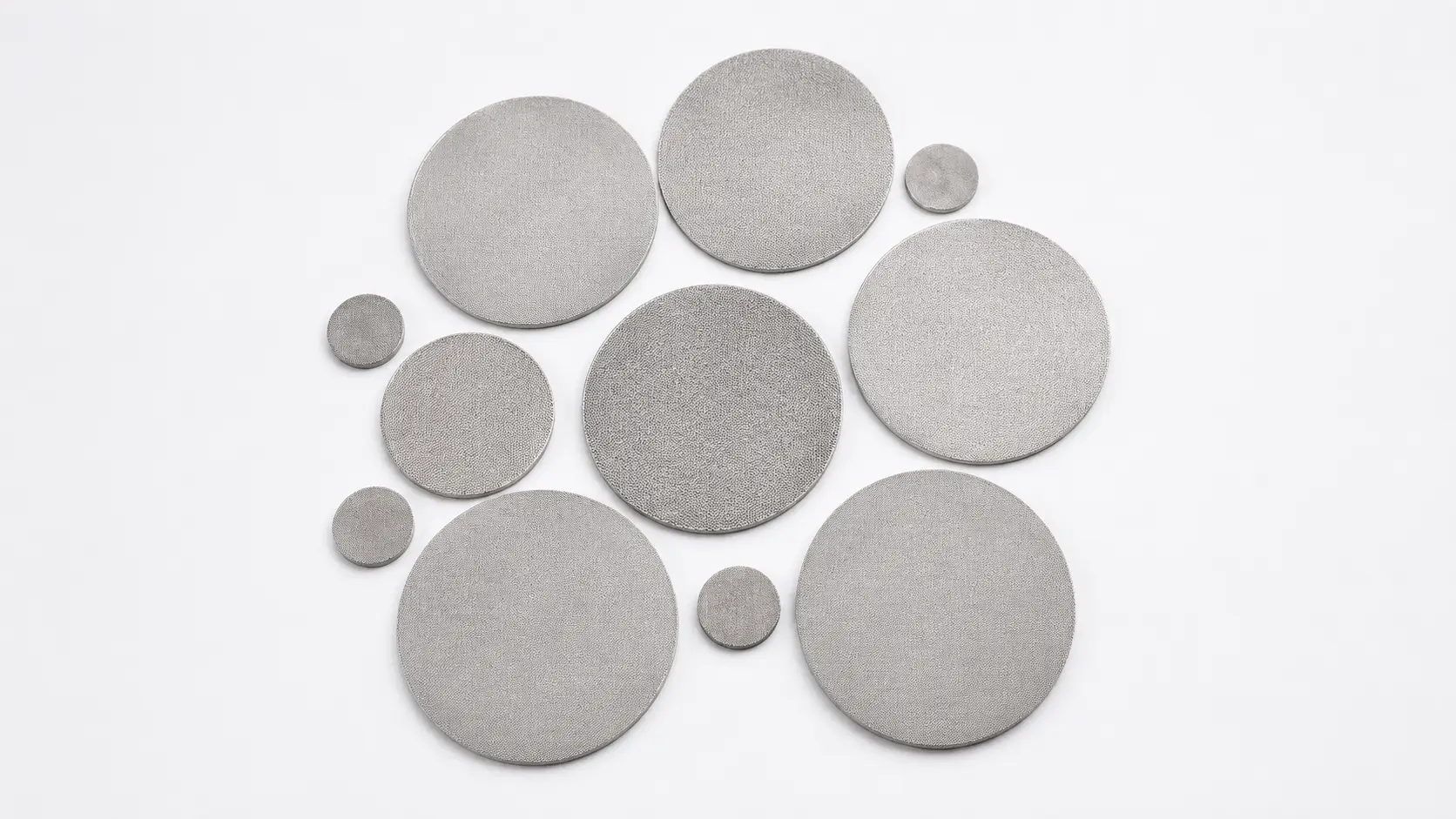
Define diameter/profile, substrate thickness, active face, edge mask, stem or lead, seal, fixture and test-cell interface.
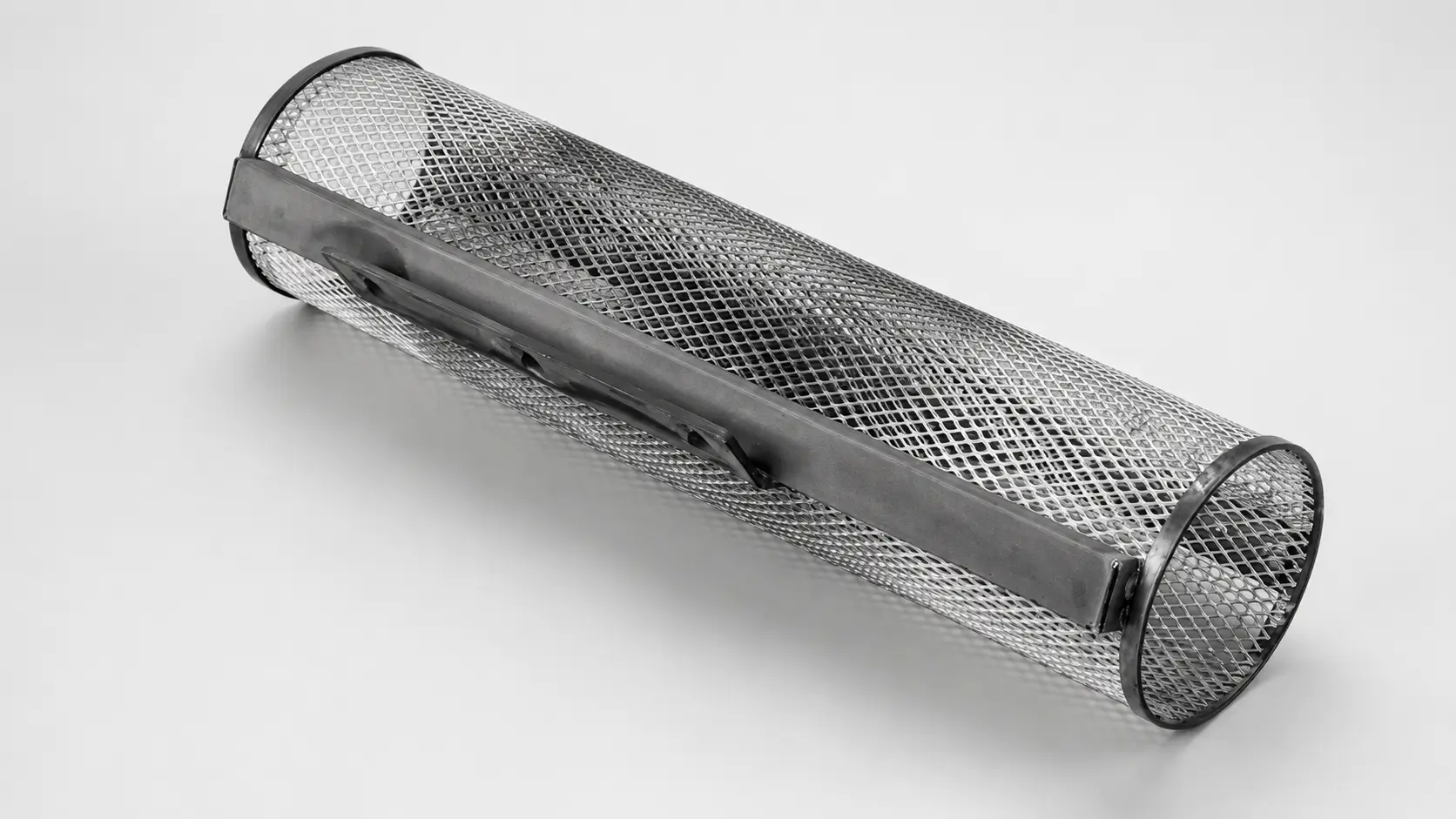
Control frames, welds, active panels, coated/masked zones, bus/contact areas, seals, supports and replaceable interfaces.
Similar geometry does not make these electrodes interchangeable. Start from substrate compatibility, required active surface, target reaction, process purity and evidence.
| Direction | Primary construction | Decision question |
|---|---|---|
| Pt/Ti | Platinum surface on titanium | Is titanium compatible, and what Pt/area/electrical basis is required? |
| Pt/Nb | Platinum surface on niobium | Does the complete chemistry or potential require another valve-metal substrate? |
| MMO/Ti | Mixed-metal-oxide catalytic coating on titanium | Is a defined chlorine- or oxygen-evolution catalyst family the correct route? |
| Solid platinum | Platinum throughout the electrode section | Is the specialized duty worth the platinum inventory and geometry constraints? |
Application names are routing labels. Each project still needs the actual bath, intended electrode function, current distribution, temperature, cell layout and acceptance responsibility.
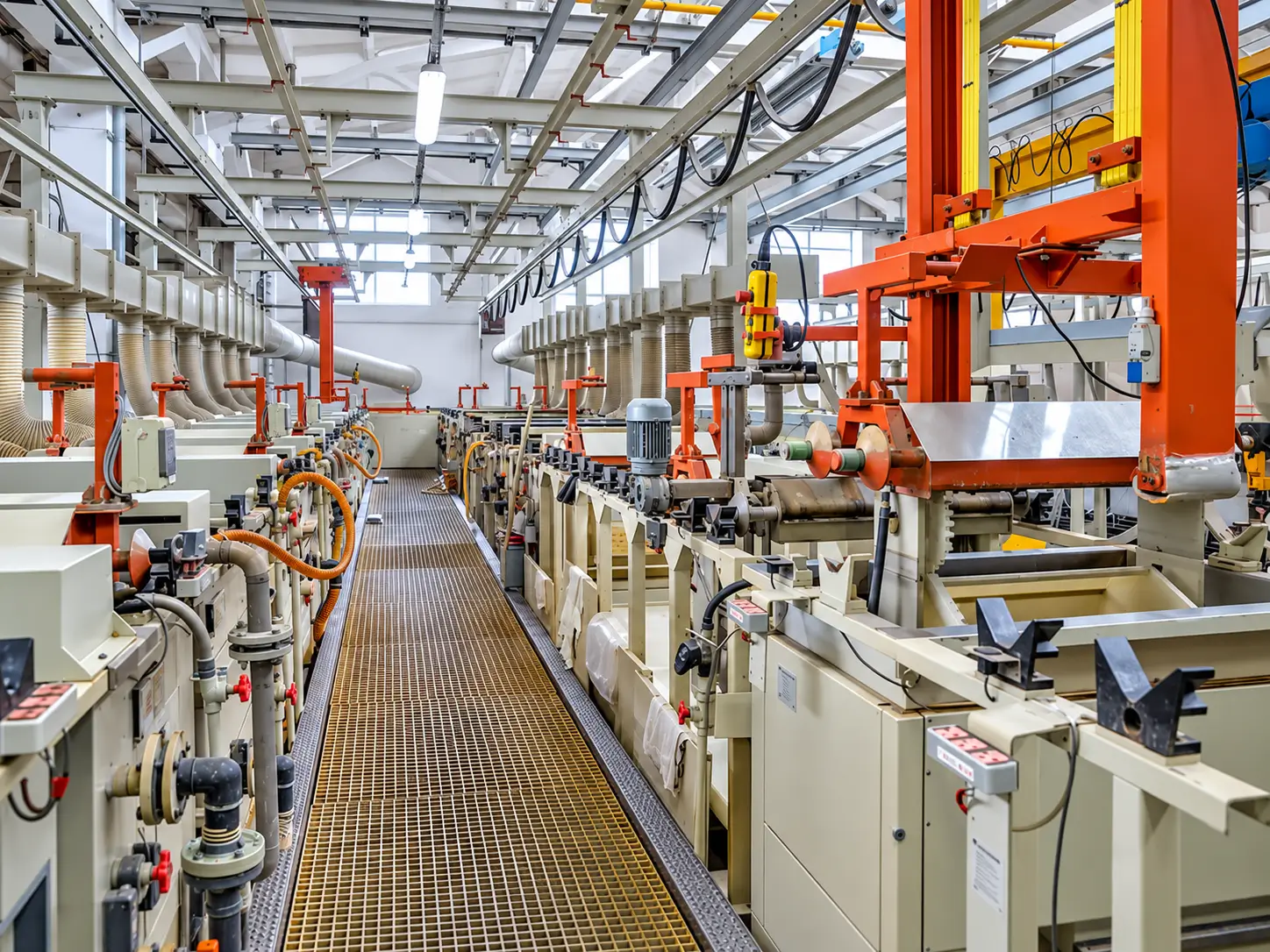
Define bath chemistry and additives, target deposit, product-quality responsibility, current distribution, temperature, anode-to-cathode geometry and maintenance.
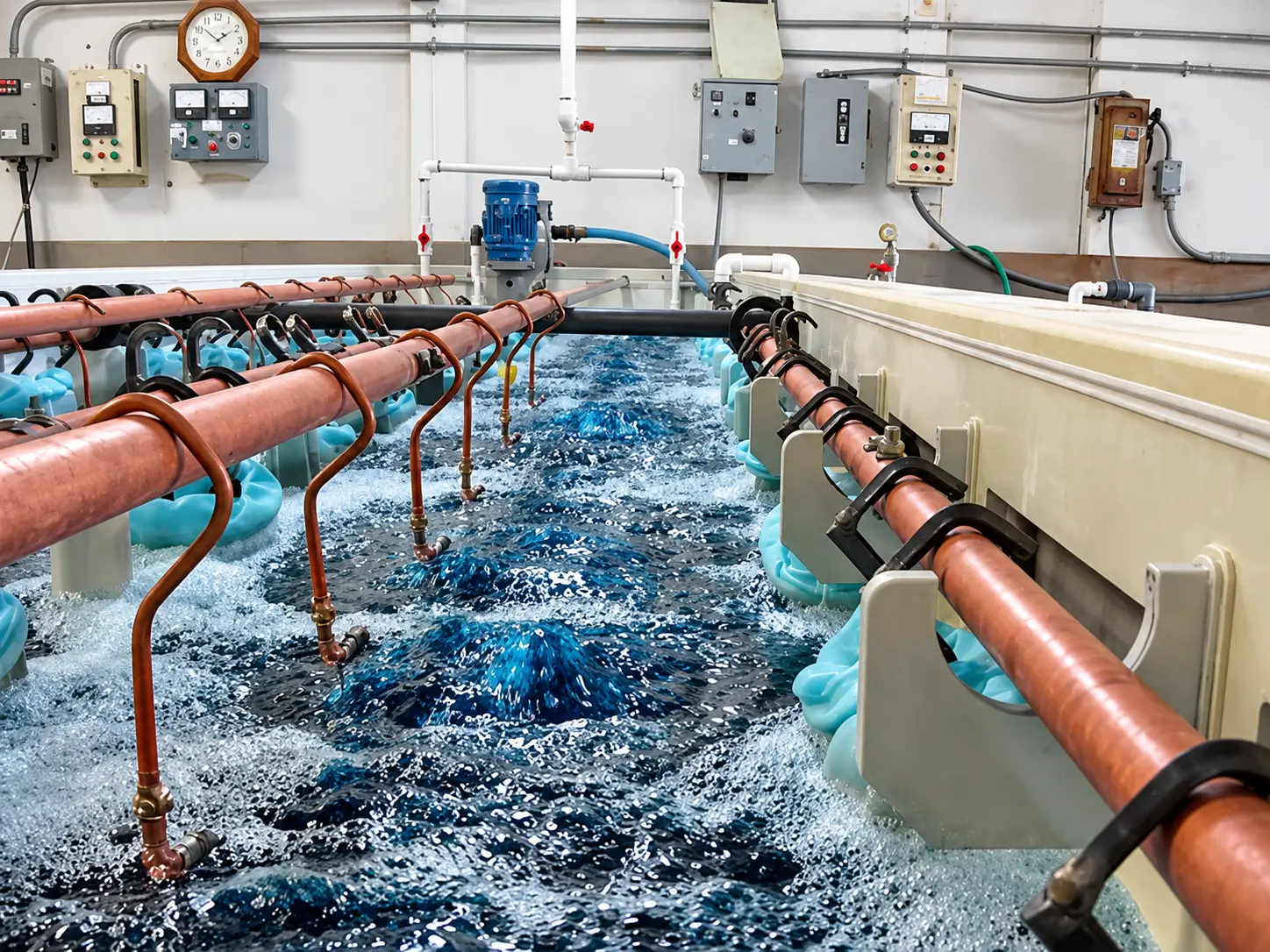
Provide mandrel/product geometry, bath and impurity control, waveform, current-density basis, uniformity target, cell layout and release/quality requirements.
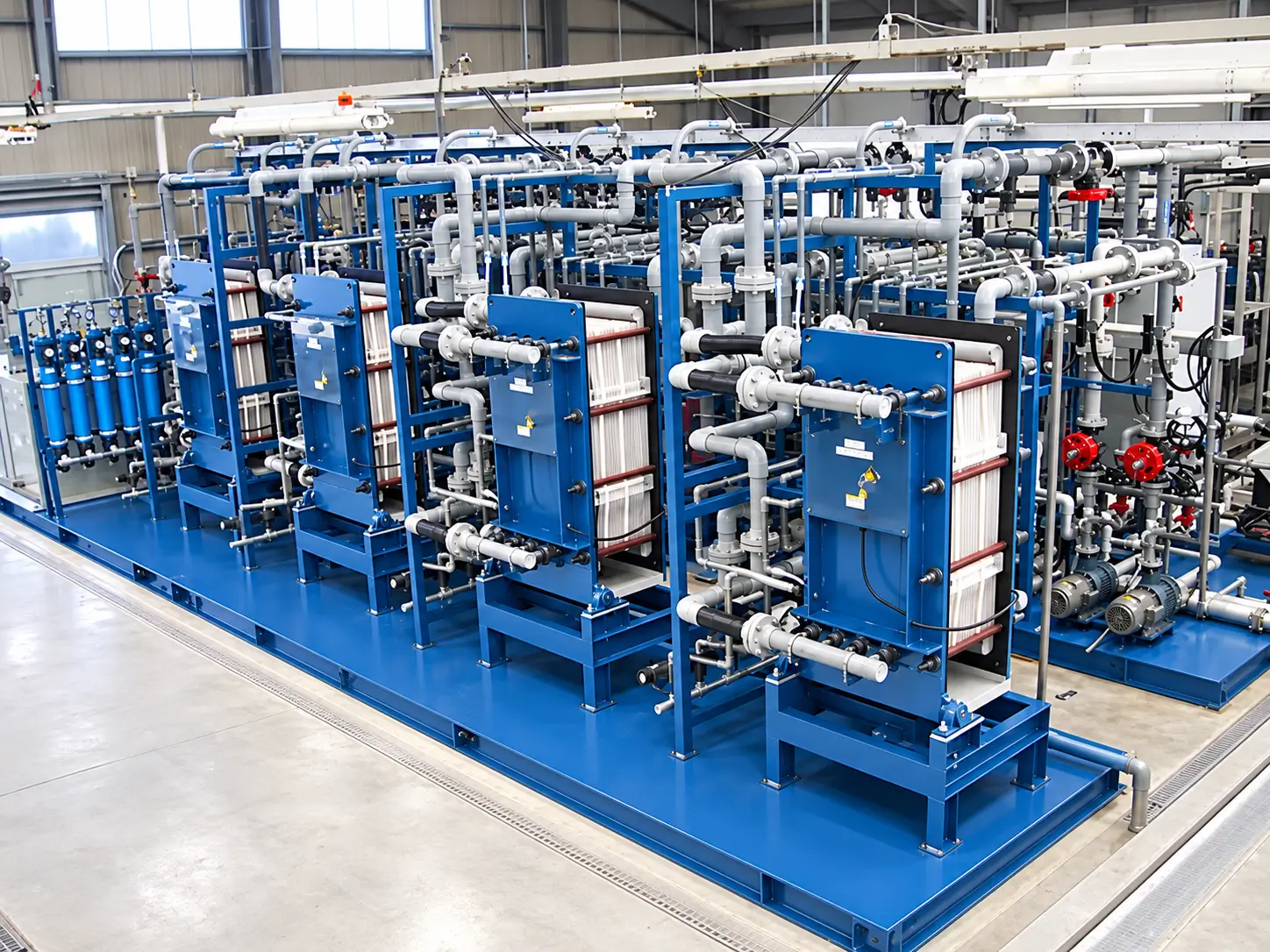
Confirm intended anodic reaction, complete chemistry, potential/current basis, selectivity, product purity, temperature, duty and process ownership.
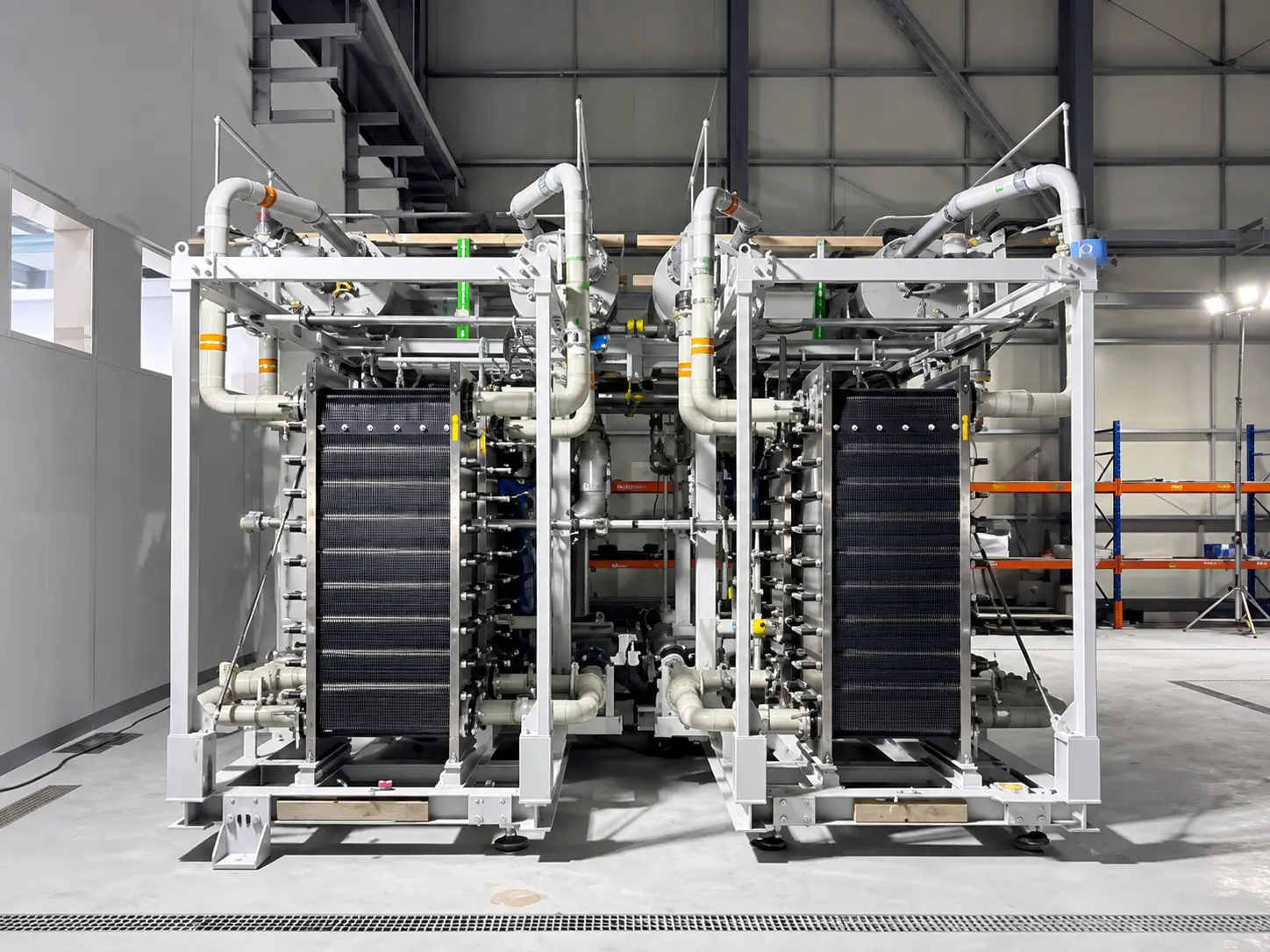
Define test purpose, scale-up boundary, cell and counter-electrode, reference basis, exposed area, sealing, leads, mounting and required documentation.
No single inspection proves the entire Pt/Ti anode. Match every order requirement to a method, calibration, sample/location, units, acceptance limits and lot relationship.
Use calibrated XRF, cross-section, mass-based or another validated method only where technically applicable to the agreed metric.
Define the test, specimen, conditioning and acceptance; thickness evidence does not automatically prove adhesion.
Inspect agreed coated, masked and transition zones with defined defect criteria and sampling.
Define test cell, reference/counter electrode, chemistry, temperature, area basis, current/potential and end point.
XRF is not automatically a universal high-accuracy thickness method. Calibration standards, substrate/coating model, curvature, surface condition, locations and instrument capability affect interpretation.
Voltage, potential, deposit quality or process-output changes may involve the platinum surface, but they may also come from bath drift, deposits, area loss, cell geometry, cathode condition, contacts or controls.
Porosity, damage, wear or local defects matter differently depending on the electrolyte and potential.
Area loss, uneven current distribution, deposits, gap or flow changes can raise local duty.
Bath changes, fluoride/halides, additives, contamination and unapproved cleaning may alter risk.
Hot/loose joints, seal ingress, voltage drop, short circuit or reversal need separate evidence.
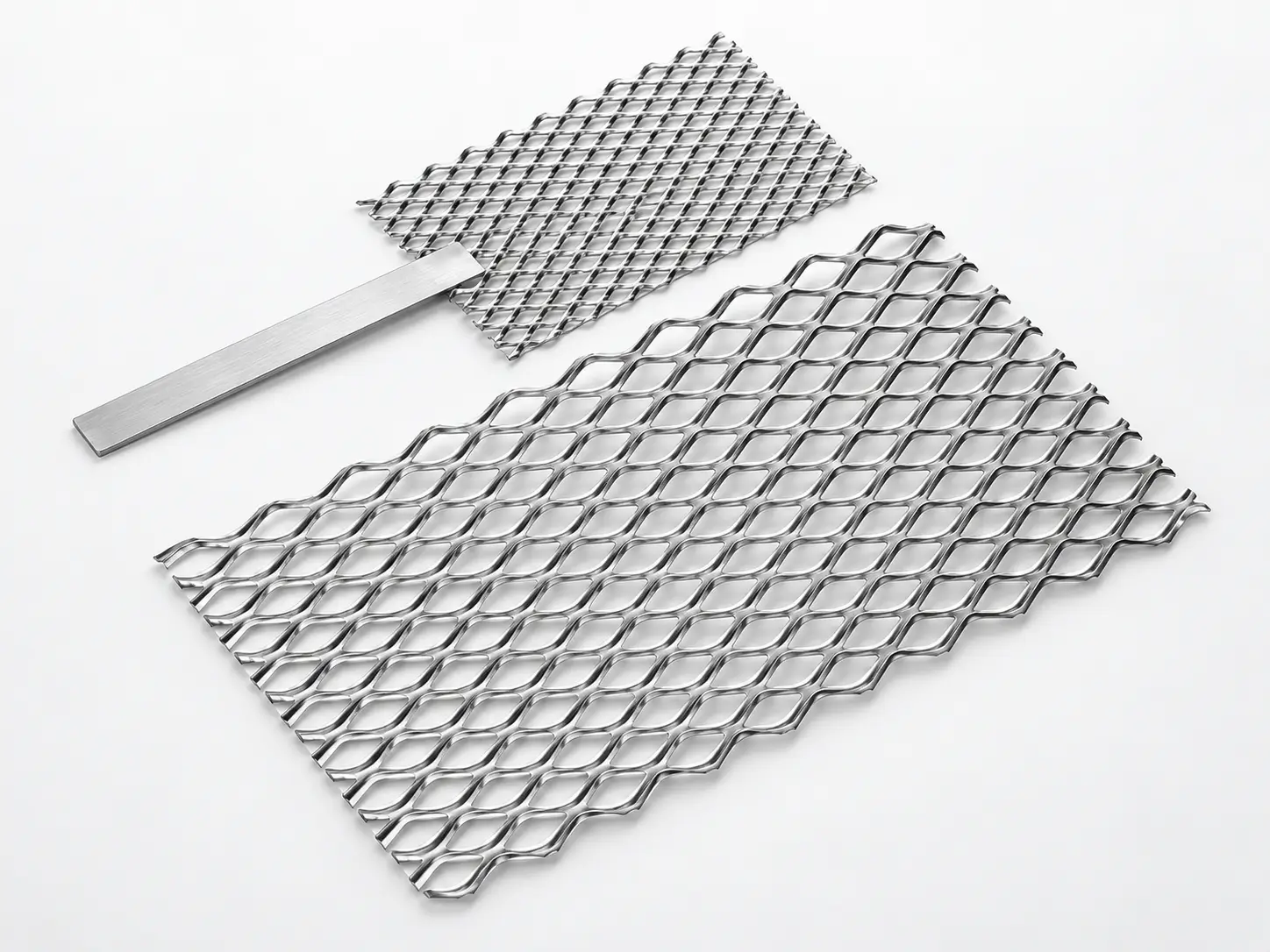
Replatinizing is an inspection and requalification decision, not an automatic saving or restoration claim. The old deposit must be removable without leaving an unsuitable substrate or connection.
The actual deposition, inspection and document route is confirmed against the approved drawing, platinum requirement and order-specific inspection plan.
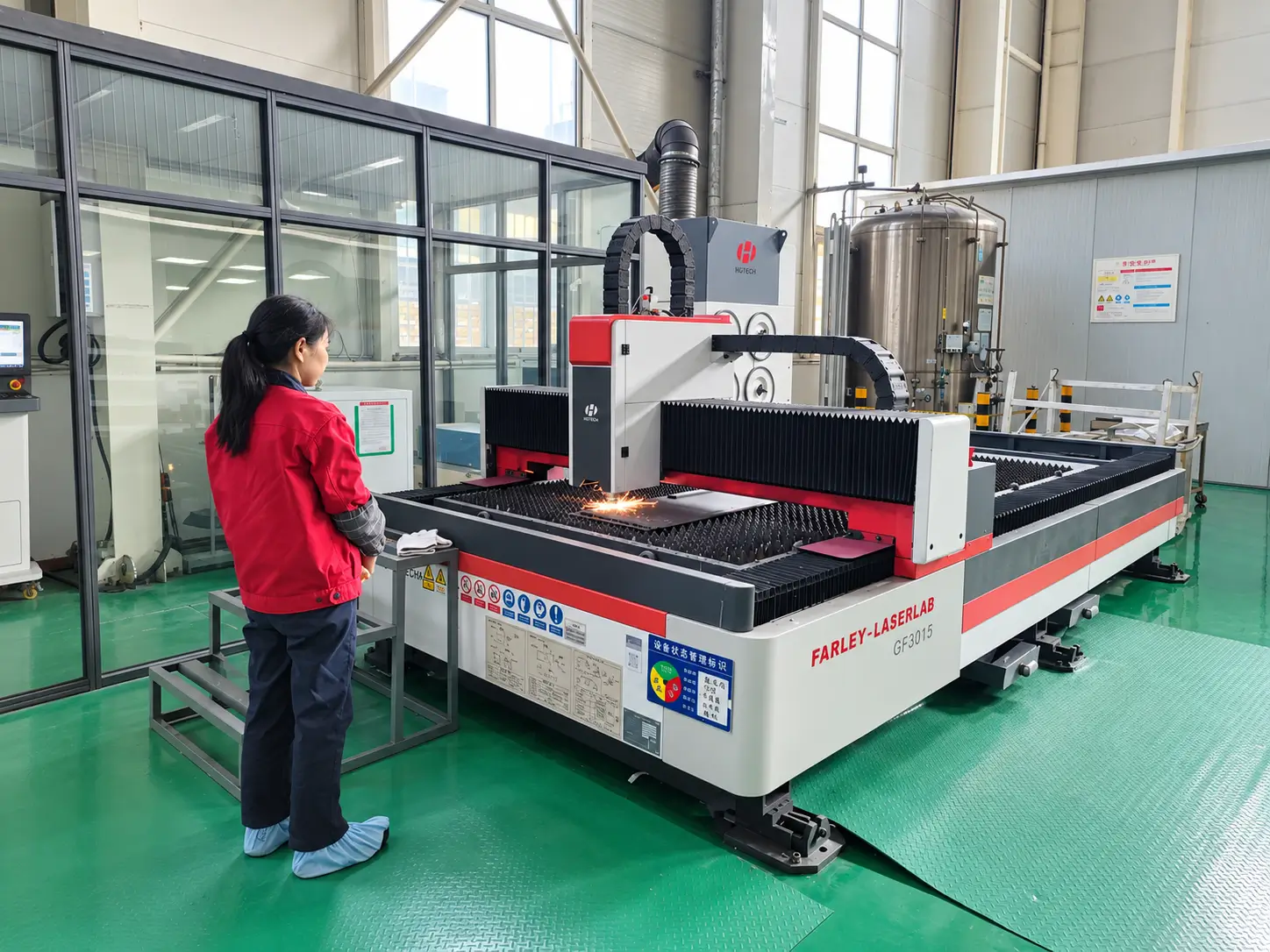
Confirm titanium material basis, form, heat/lot identity, dimensions, welds and approved drawing before preparation.
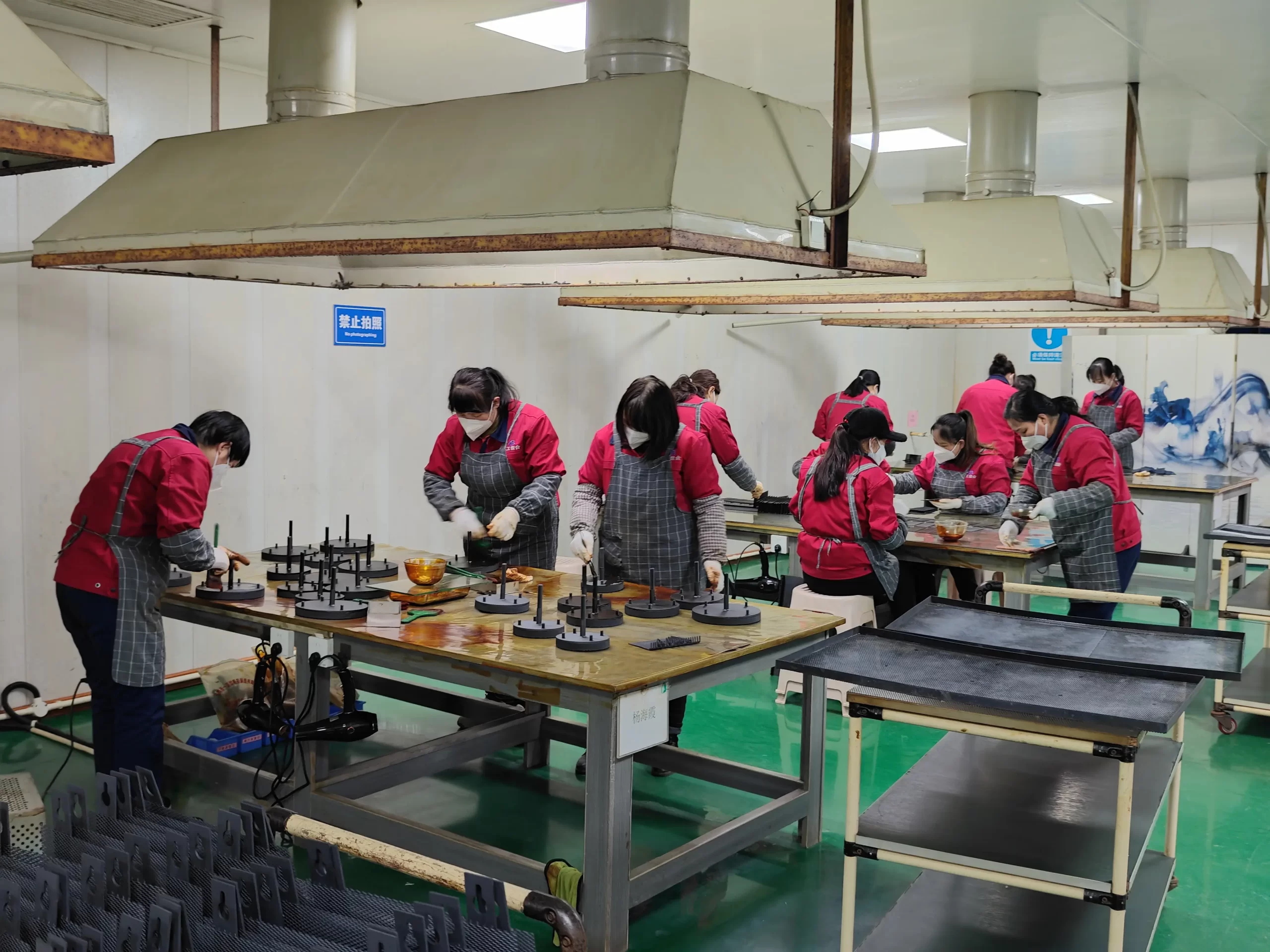
Control cleaning, activation, handling, platinum deposition route and the approved active/masked-zone map.
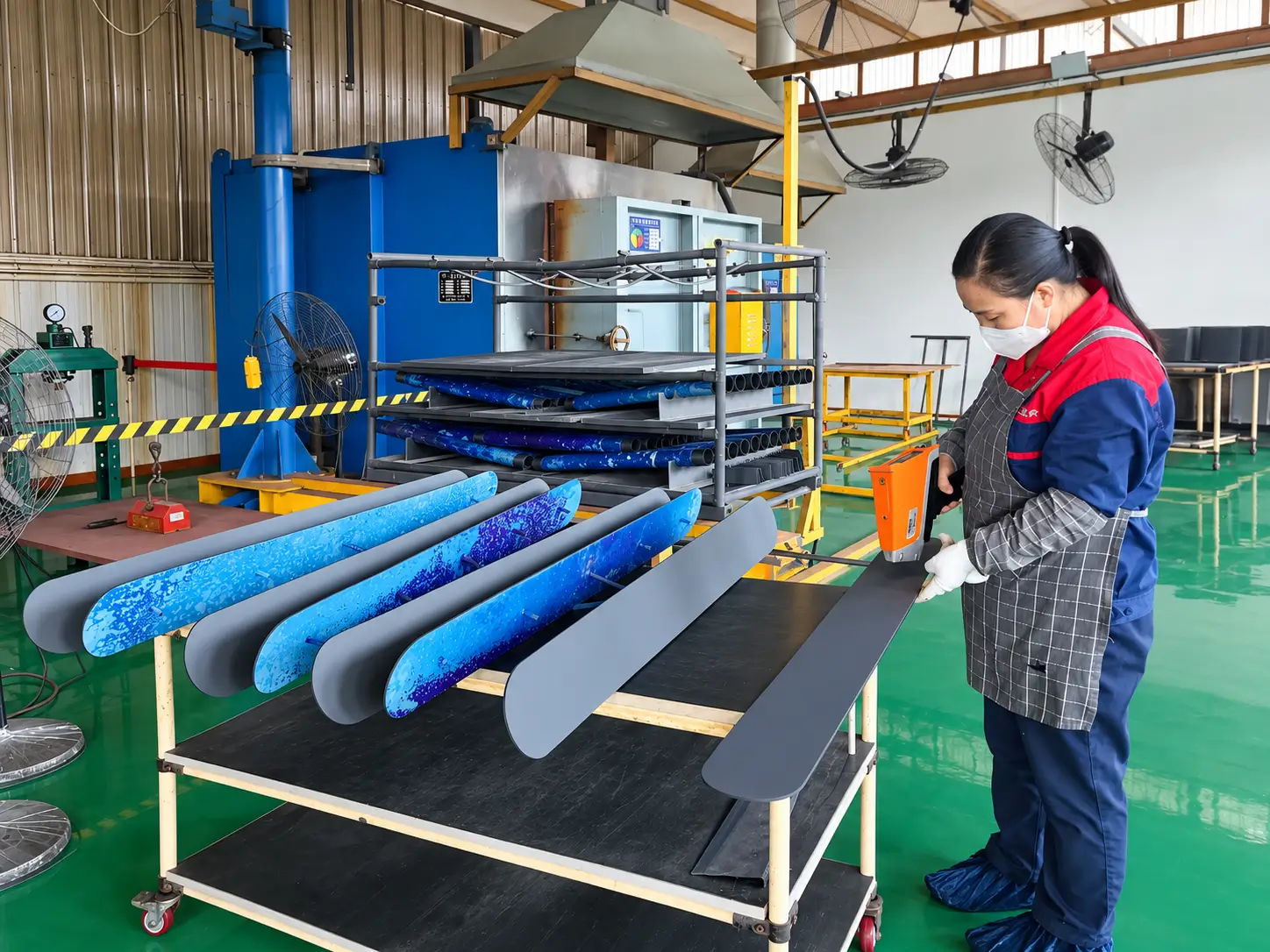
Use the order-defined thickness/loading method, calibration, sample locations and acceptance criteria; separate XRF from adhesion.
Verify dimensions, active zones, surface condition, connection and project-specific records before release.
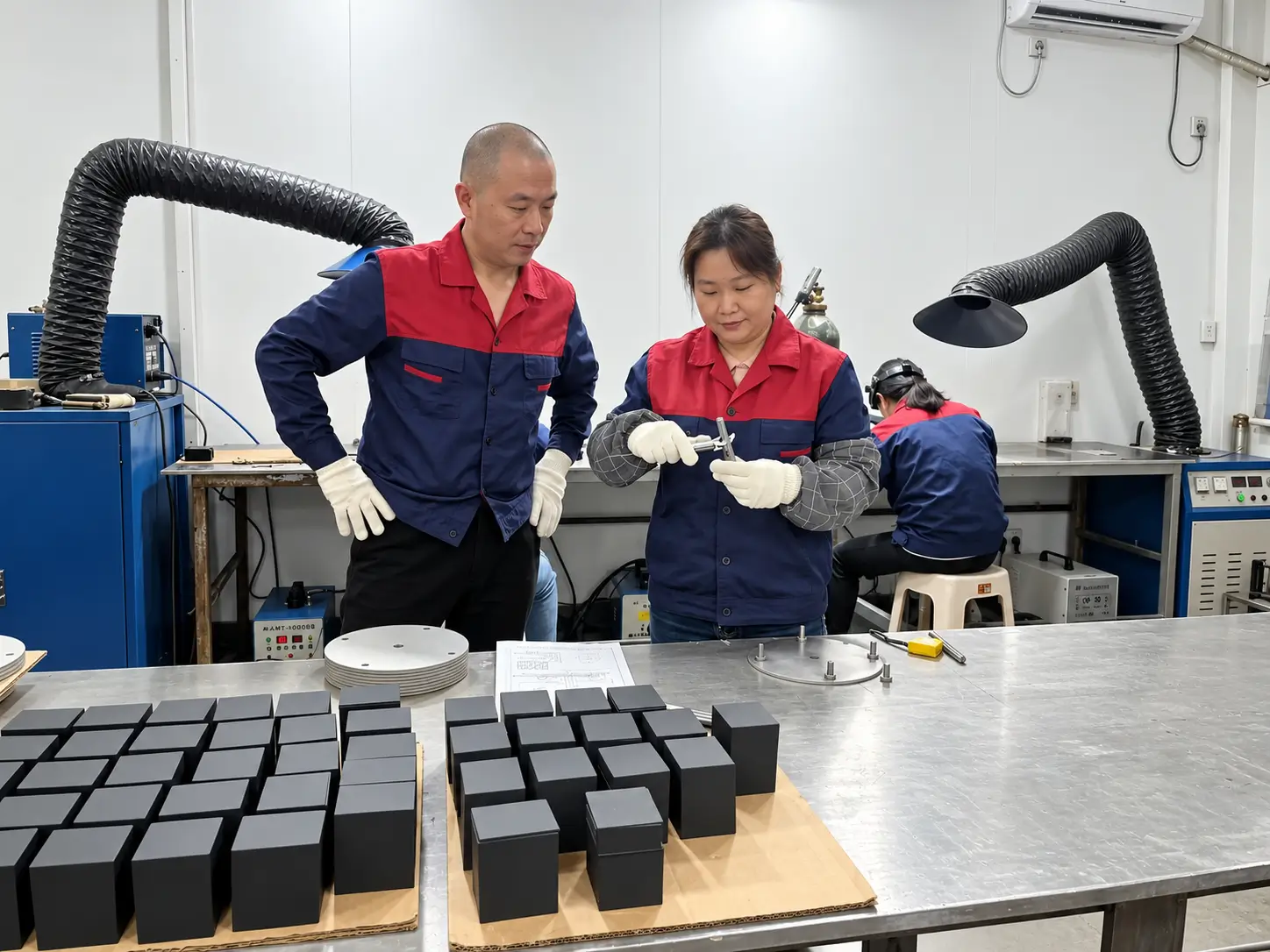
A concise view of HELE Titanium’s production and inspection environment for custom titanium electrodes.
Before Requesting a Quote
A platinized-titanium quotation must state how platinum is specified—for example by thickness or loading—and connect that value to active area, substrate form and electrolyte chemistry. A platinum description without these boundaries is not comparable.
Compare the adjacent product families only after the reaction, environment and supply boundary are clear.
It describes a titanium substrate carrying an order-defined platinum surface or deposit. The term does not by itself define platinum thickness or loading, deposition route, active area, substrate grade, adhesion, current duty, chemistry or service life.
They often describe a Pt/Ti electrode family in commercial searches, but the purchase specification must name the actual deposition or coating route and acceptance basis. Platinum-clad is a different construction and should not be used as a synonym without evidence.
Select the platinum requirement from the complete electrolyte, target anodic reaction, current-density denominator, temperature, duty, active area, geometry, maintenance and design-life basis. A thicker layer alone does not establish performance.
Only when the instrument, calibration standards, substrate/coating model, geometry, locations and required accuracy are validated for the agreed metric. XRF does not automatically prove adhesion, through-depth uniformity or field life.
Review substrate compatibility when fluoride, aggressive chemistry, elevated temperature, unusual potential or prior substrate-related failure is present. The final decision needs the complete process window and supplier capability; Pt/Nb should not be presented as Pt/Ti.
No. Replatinizing is conditional on remaining substrate thickness, pitting, distortion, cracks, welds, contact areas, contamination, stripping feasibility, updated duty and requalification. No fixed saving or restored-life claim applies without an approved assessment.
A drawing, bath sheet, process note or existing-anode record is enough to begin. Unknown items can remain open rather than being replaced by generic platinum-thickness, compatibility or life claims.
Prefer email?
sales@heletitanium.com