Process Objective
Contaminant removal/mineralization, metal recovery, synthesis, selectivity or another measurable outcome.

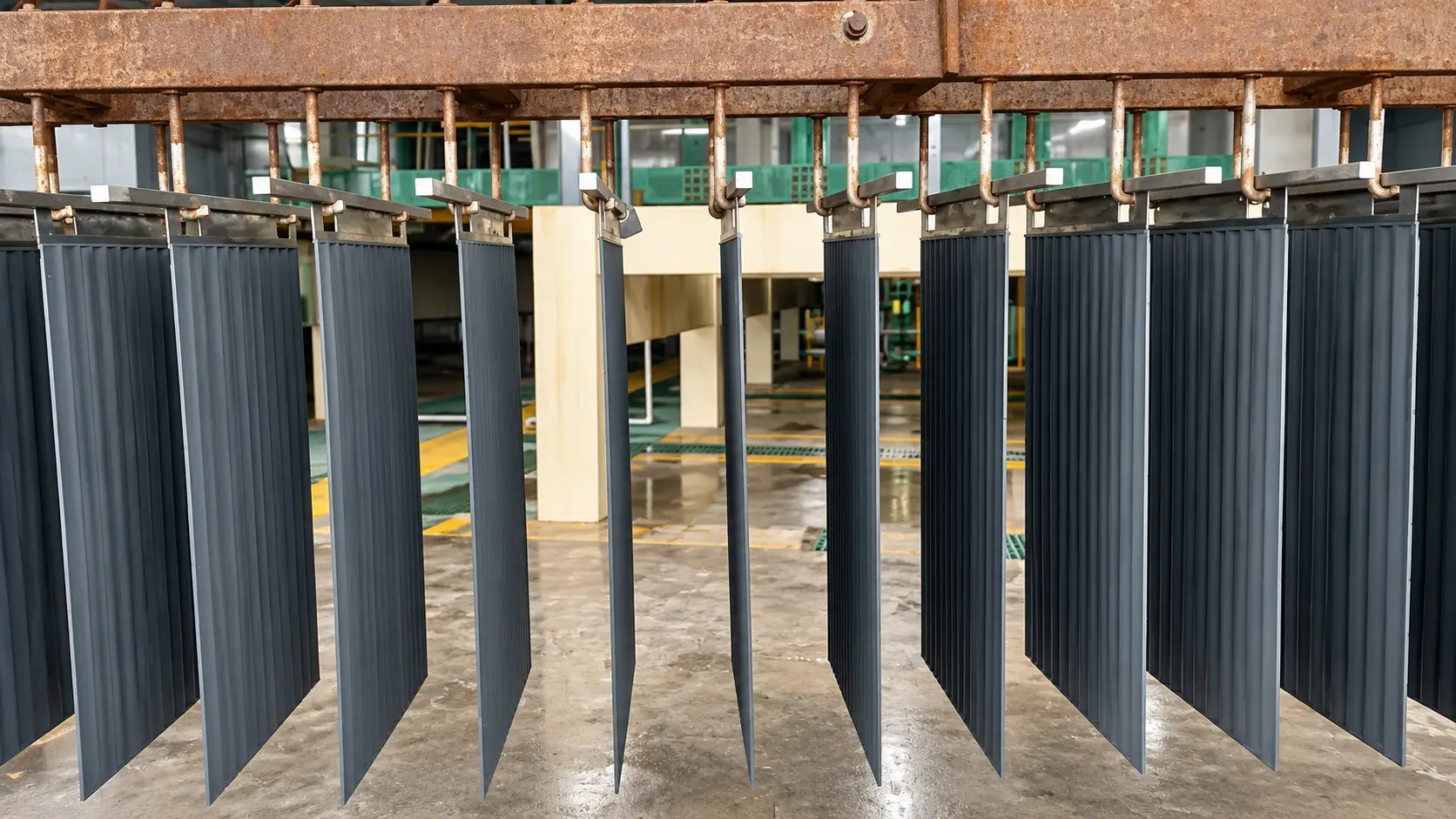
Lead Dioxide Anode Manufacturer · Ti/PbO₂
Custom titanium-based PbO₂ electrodes reviewed against the target process, complete electrolyte or water matrix, layer architecture, effective area, electrical duty, reactor geometry, testing, lead monitoring and end-of-life boundary.
Lead-containing electrode boundary: the project must define occupational controls, handling, process and effluent monitoring, potential lead release, packaging/transport and end-of-life management under the applicable site and local requirements.
Start from the target reaction and measurable process result. High oxygen-evolution potential can be relevant to selected oxidation duties, but it is not proof of lower energy use, removal performance or universal chemistry compatibility.
Contaminant removal/mineralization, metal recovery, synthesis, selectivity or another measurable outcome.
Electrolyte/water composition, conductivity, chloride, pH, contaminants, temperature, solids and cleaning.
Current, density denominator, voltage/potential, duty, area, gap, flow, mass transfer and scale.
Analytical methods, byproducts, energy basis, Pb monitoring, worker/site controls and waste boundary.
Do not assume every electrode uses the same interlayer or both α- and β-PbO₂. Freeze the actual layer stack, controlled characteristic, active-zone map and acceptance evidence in the order.
Grade/form basis, condition, dimensions, fabrication, traceability and surface preparation.
Composition, purpose, method and evidence only where included in the controlled specification.
State phase or functional requirement, metric and method only where this layer is specified.
Define phase, thickness/loading or performance basis, dopants if any, area, acceptance and change control.
These are configuration families, not interchangeable SKUs. Geometry is finalized with current distribution, mass transfer, active-area basis, coating coverage, structural support and lead-containing surface protection.
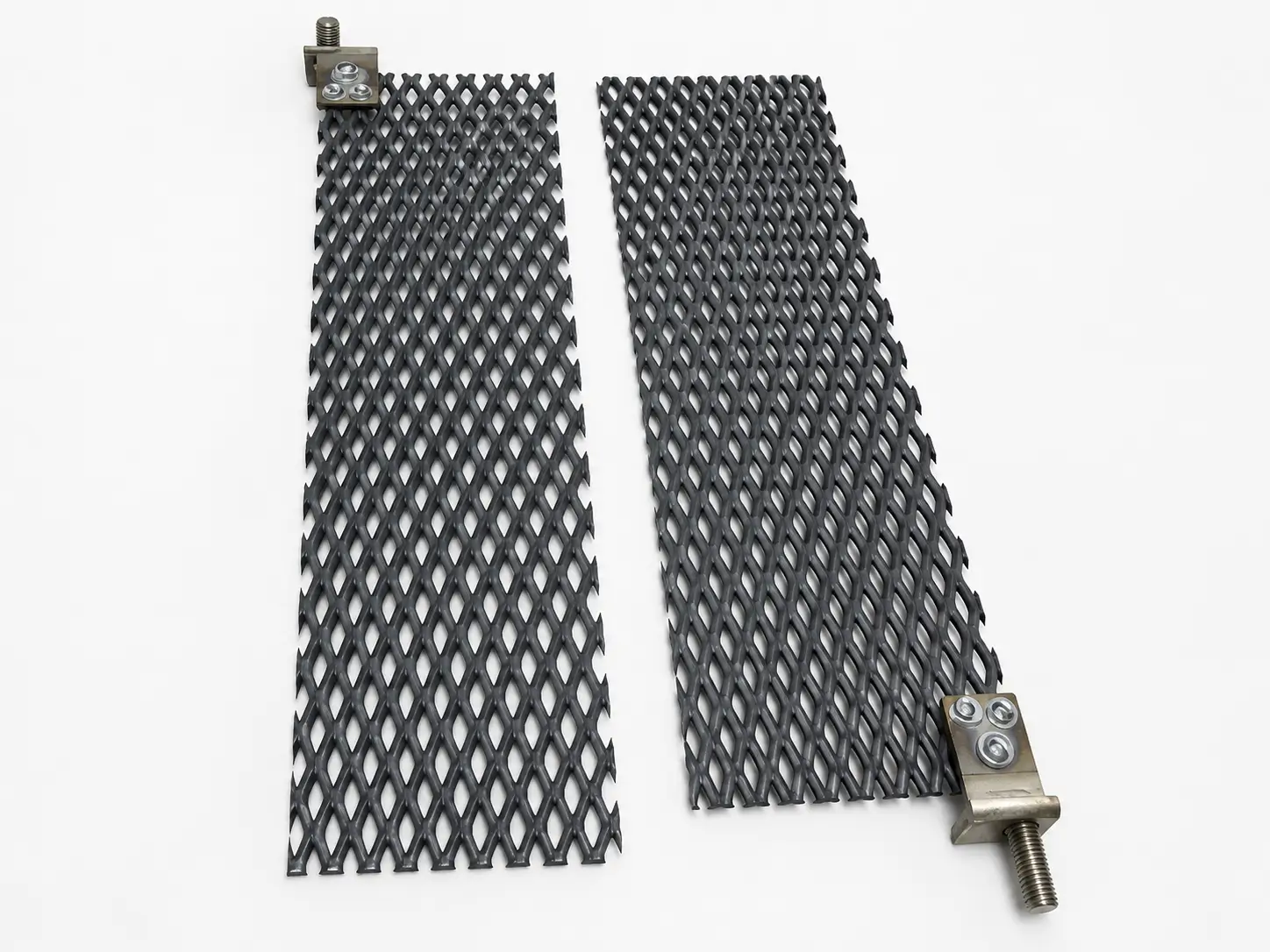
Define substrate thickness, overall size, one- or two-side active area, edge masks, inactive connection zones, mounting and cell gap.
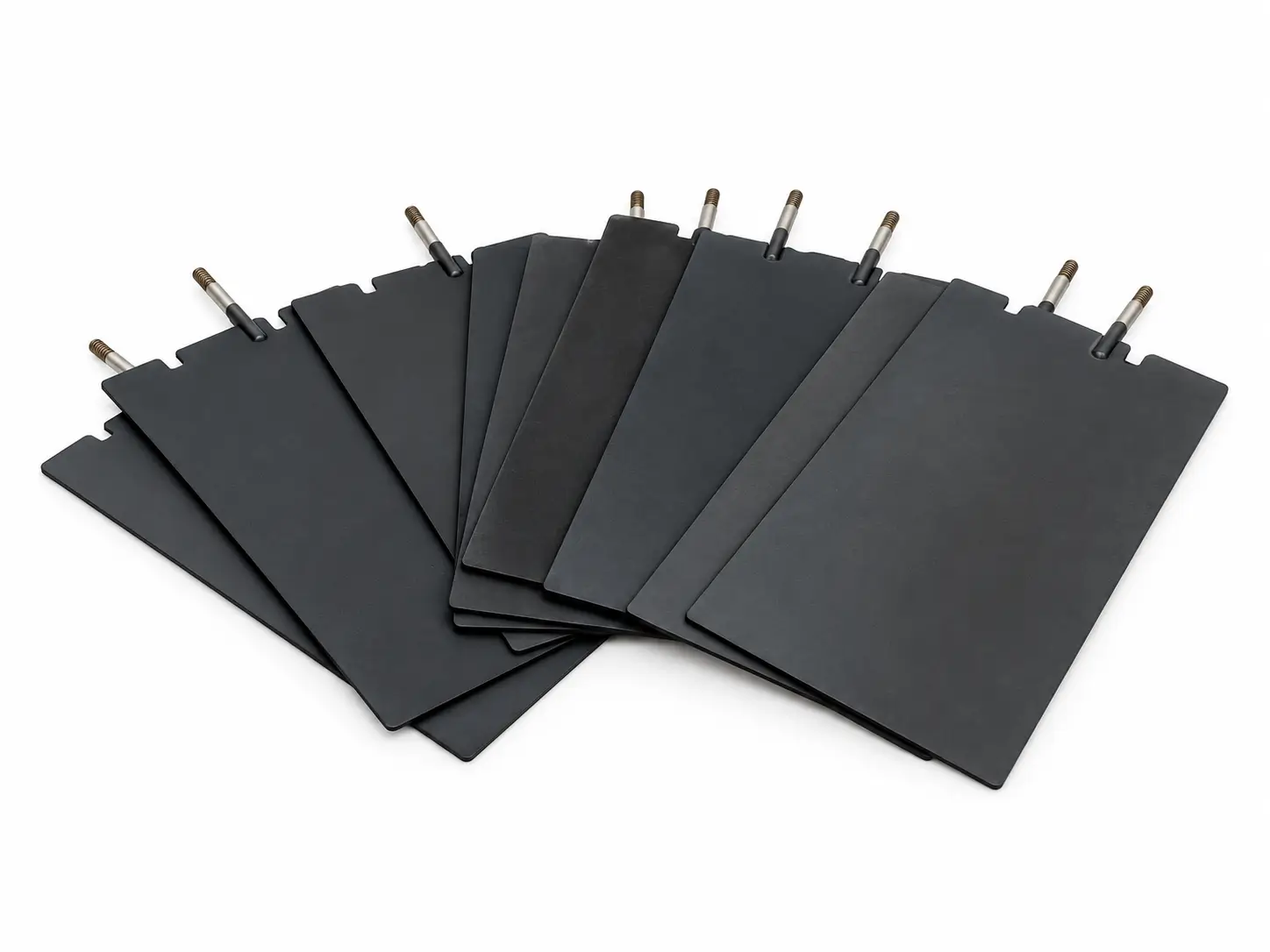
Define mesh or perforation geometry, projected/geometric area convention, layer coverage, frame, electrolyte access, gas release and feed.

Define diameter/OD, wall where applicable, active length, coated zones, end treatment, seal, mounting and electrical termination.
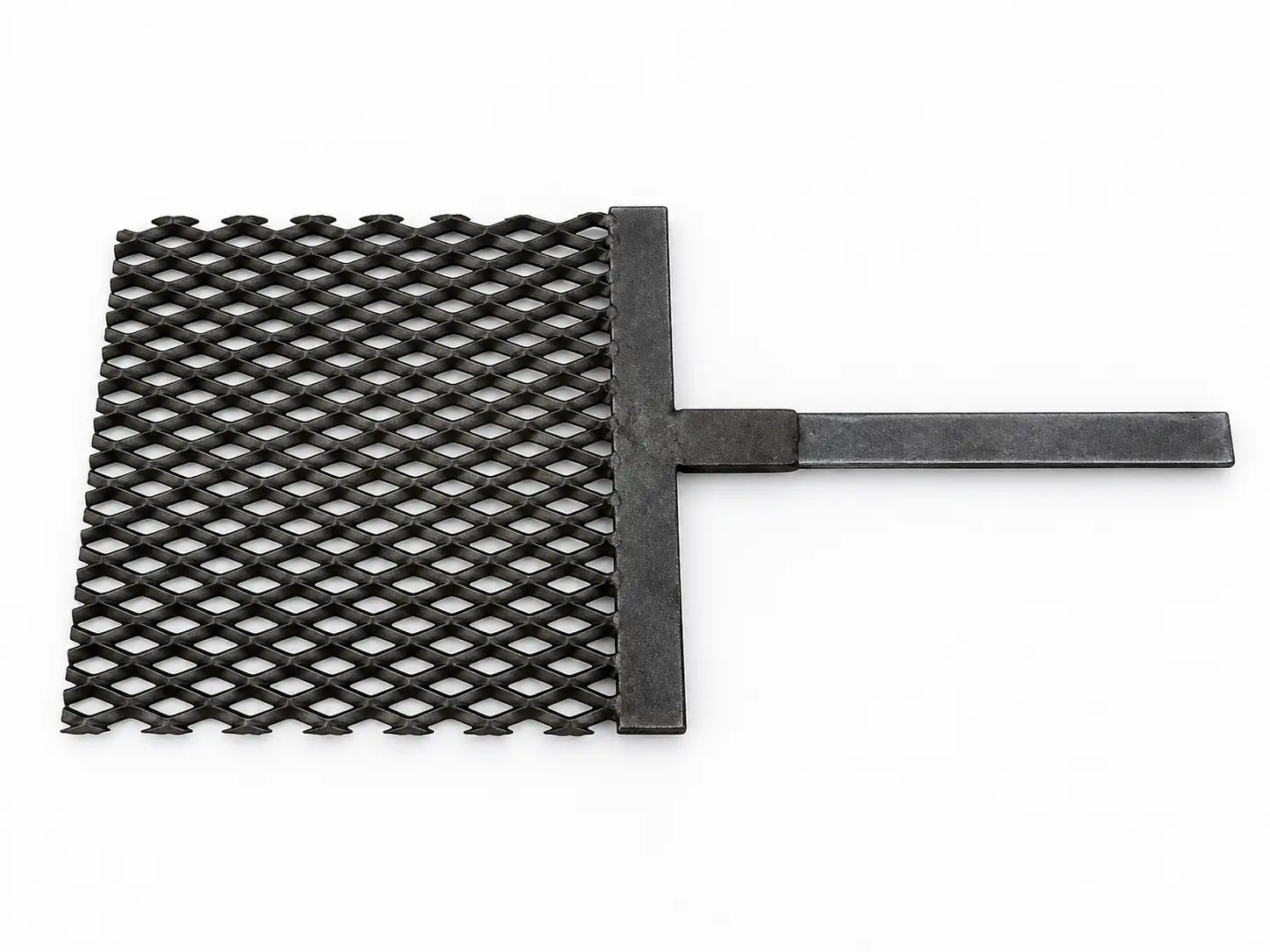
Control active panels, frames, welds, feeds, contact areas, supports, seals, replaceable interfaces and reactor responsibility.
An industry label or published removal rate cannot predict another project. Use representative samples and a defined reactor/test basis before commercial performance is discussed.
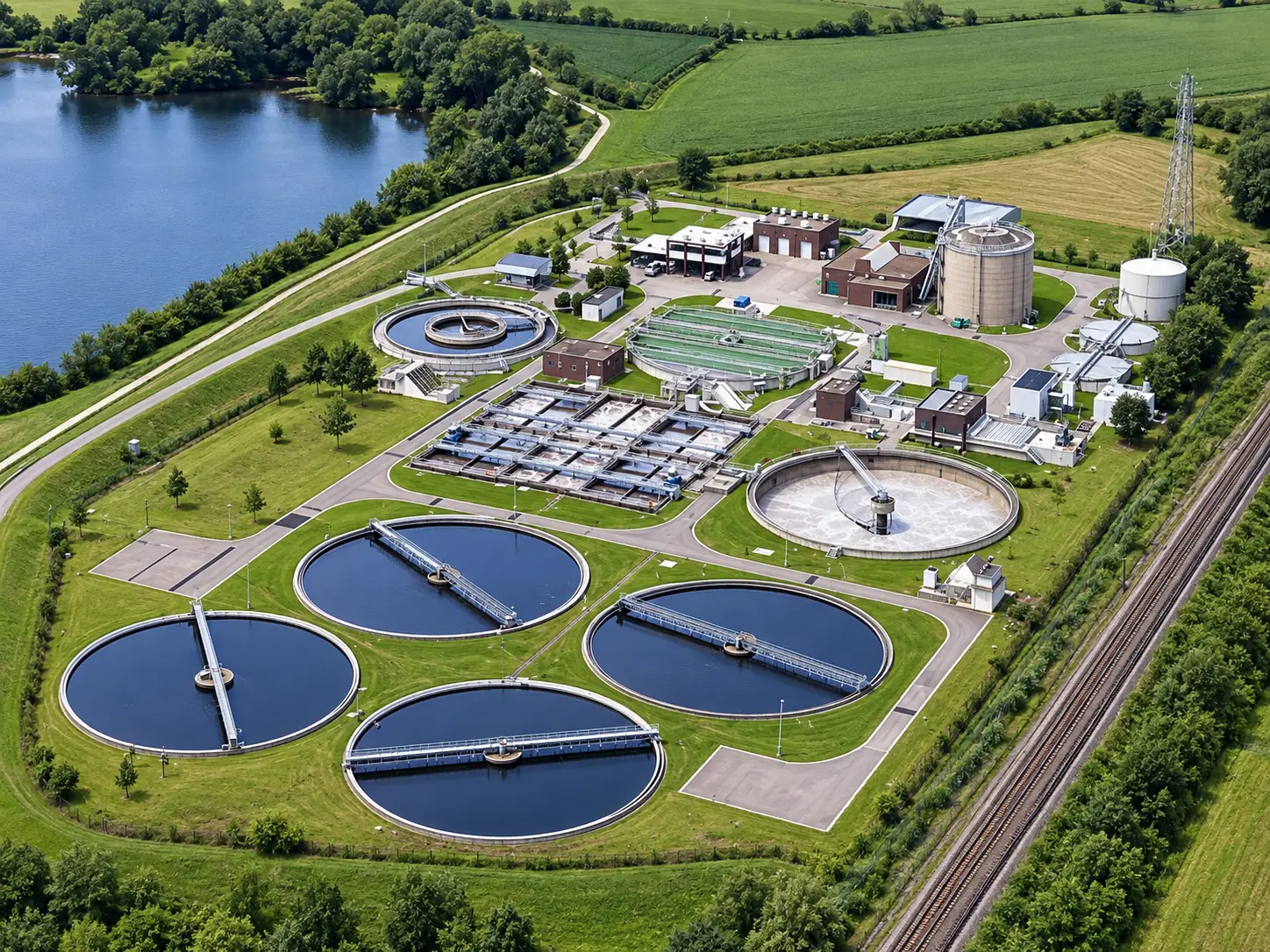
Begin with a characterized stream and measurable target. Define matrix, contaminants, COD/TOC where relevant, chloride, conductivity, pH, flow, byproducts, energy basis and analytical method.
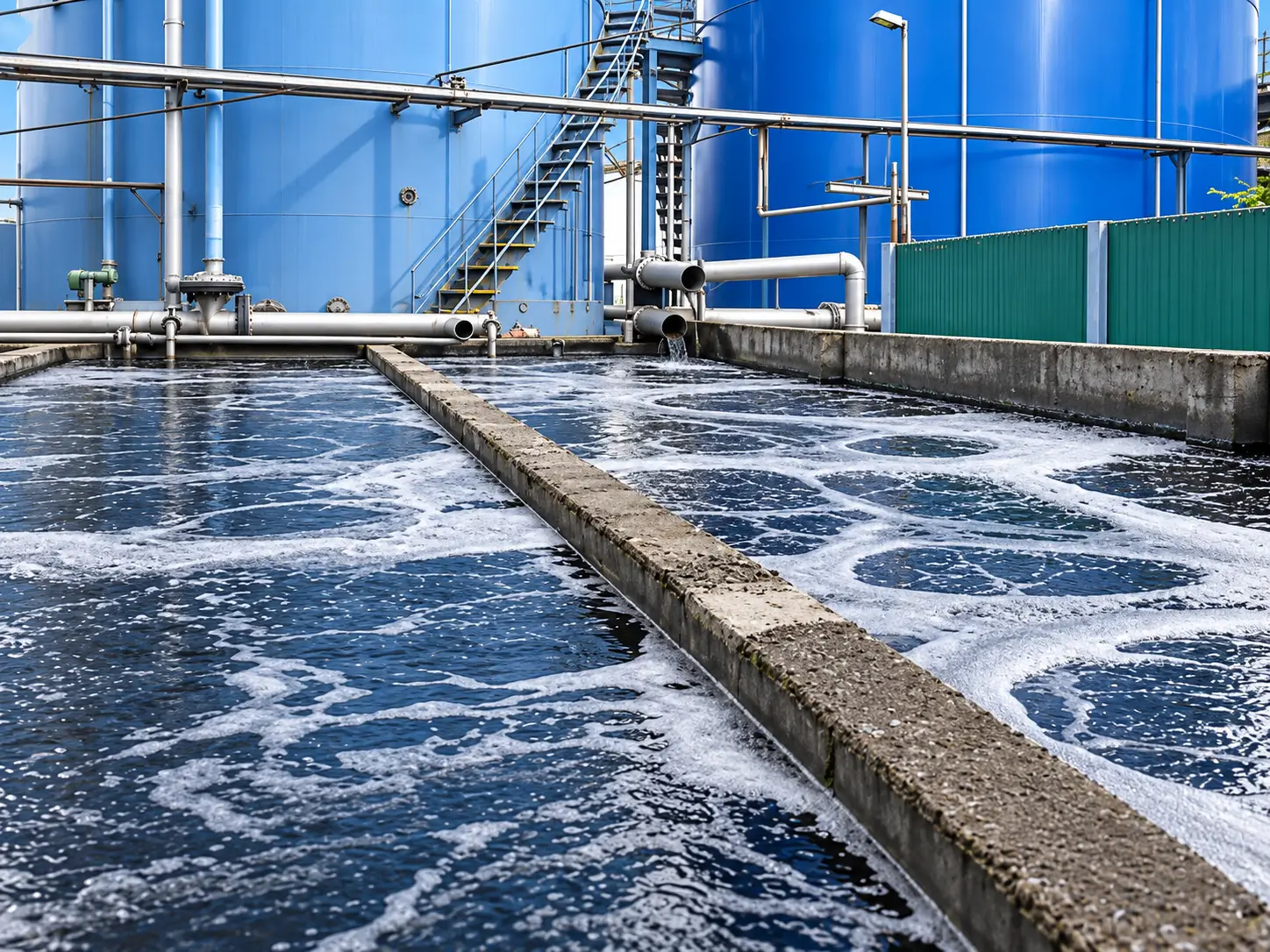
Dye, textile, pharmaceutical and other labels are not performance evidence. Use representative influent, pilot conditions, sampling, removal/mineralization target and lead-release monitoring.
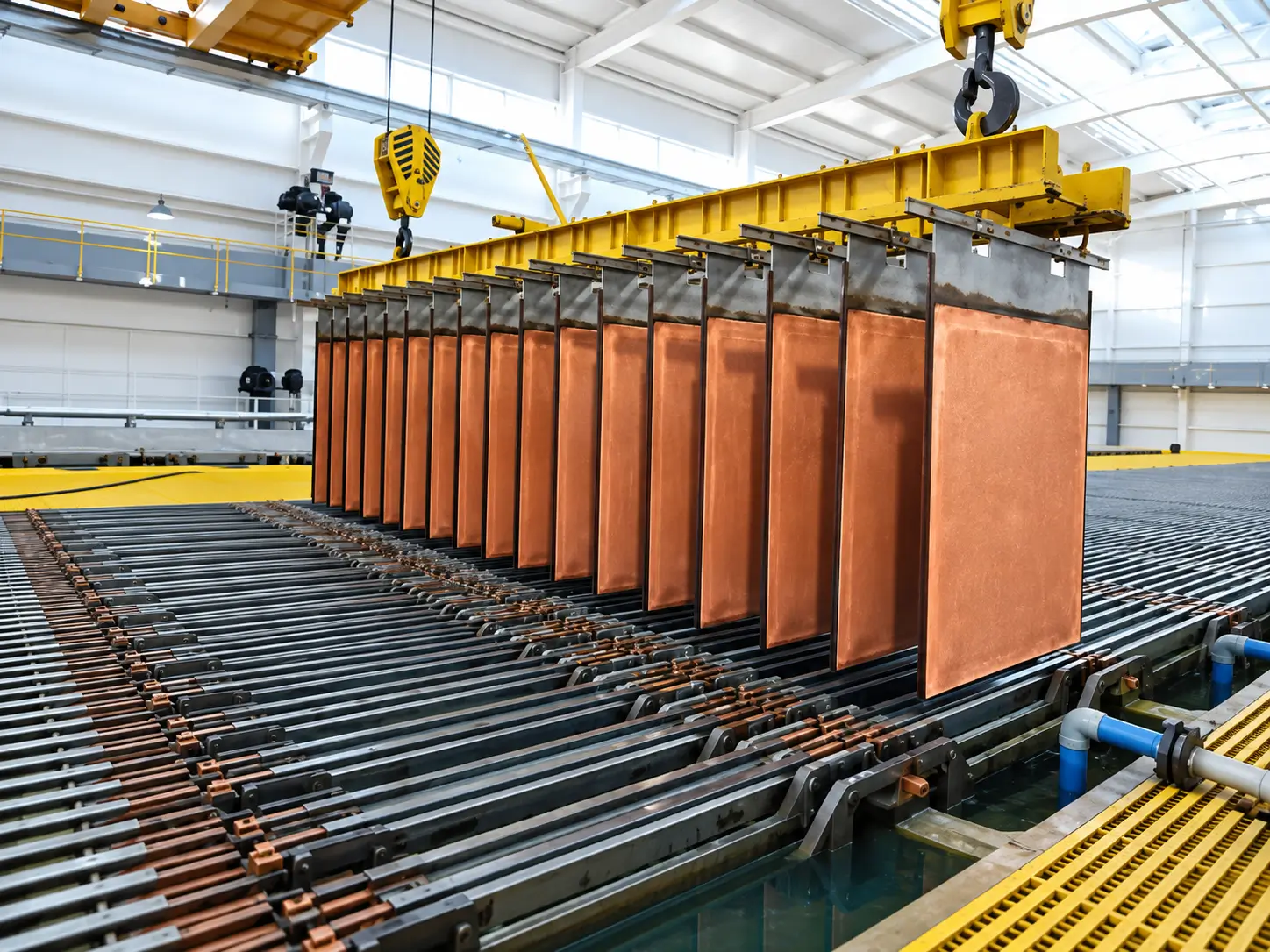
Provide target metal, acidity, impurities, current/area basis, cell layout, cathode and deposit quality, voltage/energy reporting, operating schedule and monitoring.
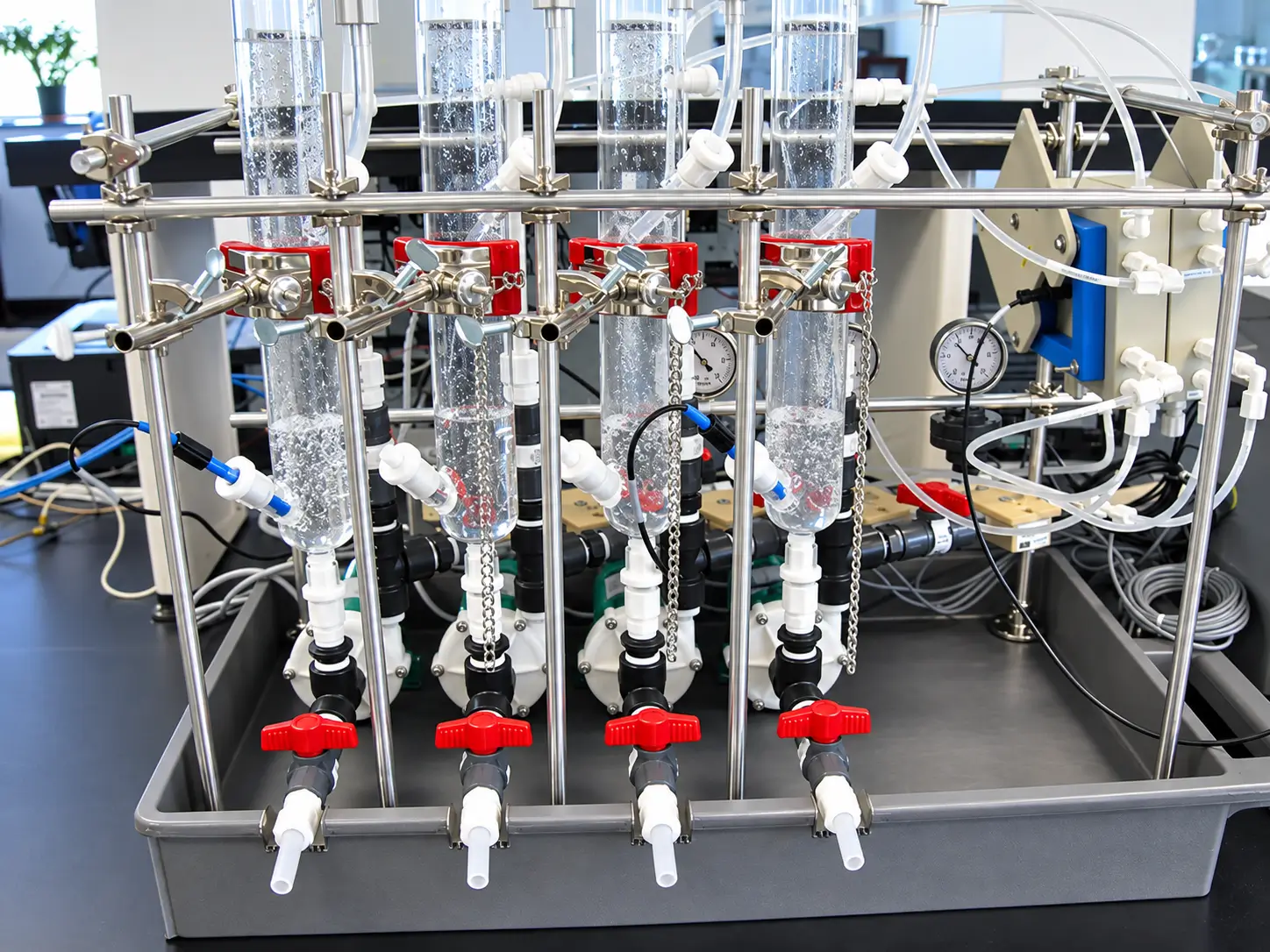
Define target product/reaction, selectivity, electrolyte, scale-up boundary, reactor and reference/counter electrode, effective area, controls, sampling and acceptance.
These routes differ in active material, substrate, potential window, target reaction, impurity/lead risk, validation needs, cost and end-of-life responsibility.
| Direction | Starting question | Critical boundary |
|---|---|---|
| Ti/PbO₂ | Is a validated PbO₂ oxidation/electrowinning route relevant? | Layer integrity, Pb monitoring, matrix, reactor and end-of-life |
| BDD | Does the process justify a diamond-electrode route and its substrate/quality evidence? | Film/substrate, boron/quality basis, scale, performance and supply evidence |
| IrO₂ / MMO | Is a defined OER/CER catalytic coating the correct reaction path? | Coating family, chemistry, active area, current duty and life |
| Lead alloy | Does the hydrometallurgical duty require a bulk lead-alloy electrode? | Alloy, corrosion/product contamination, mechanical duty and handling |
Match each claim to an appropriate method. State sample preparation, calibration, locations, sampling, units, detection/interpretation limits, acceptance and relationship to the delivered lot.
Crystalline-phase identification under the stated specimen, scan and interpretation method.
Selected-area surface morphology or cross-sectional features; not automatic proof of phase or lot-wide uniformity.
Use an agreed cross-sectional, mass-based, calibrated instrumental or other validated method for the specified metric.
Elemental information under a suitable calibrated method; not automatic proof of thickness, phase, adhesion or life.
Order-defined test and defect criteria on the stated part or coupon with conditioning and acceptance.
Define cell, reference/counter electrode, matrix, temperature, area/current basis, duty, end point and field-correlation limit.
PbO₂ electrodes are lead-containing articles. Project controls must be defined by qualified safety/environmental personnel and the applicable site and local requirements; a product page is not a substitute for a risk assessment.
Engineering controls, restricted handling, PPE, hygiene, cleaning and exposure monitoring as applicable.
Effluent/product Pb, coating condition, byproducts, solids and abnormal-operation response.
Protect the active surface; confirm labeling, packaging, documentation and transport classification.
Segregation, decontamination, return/recovery or disposal under the applicable waste determination.
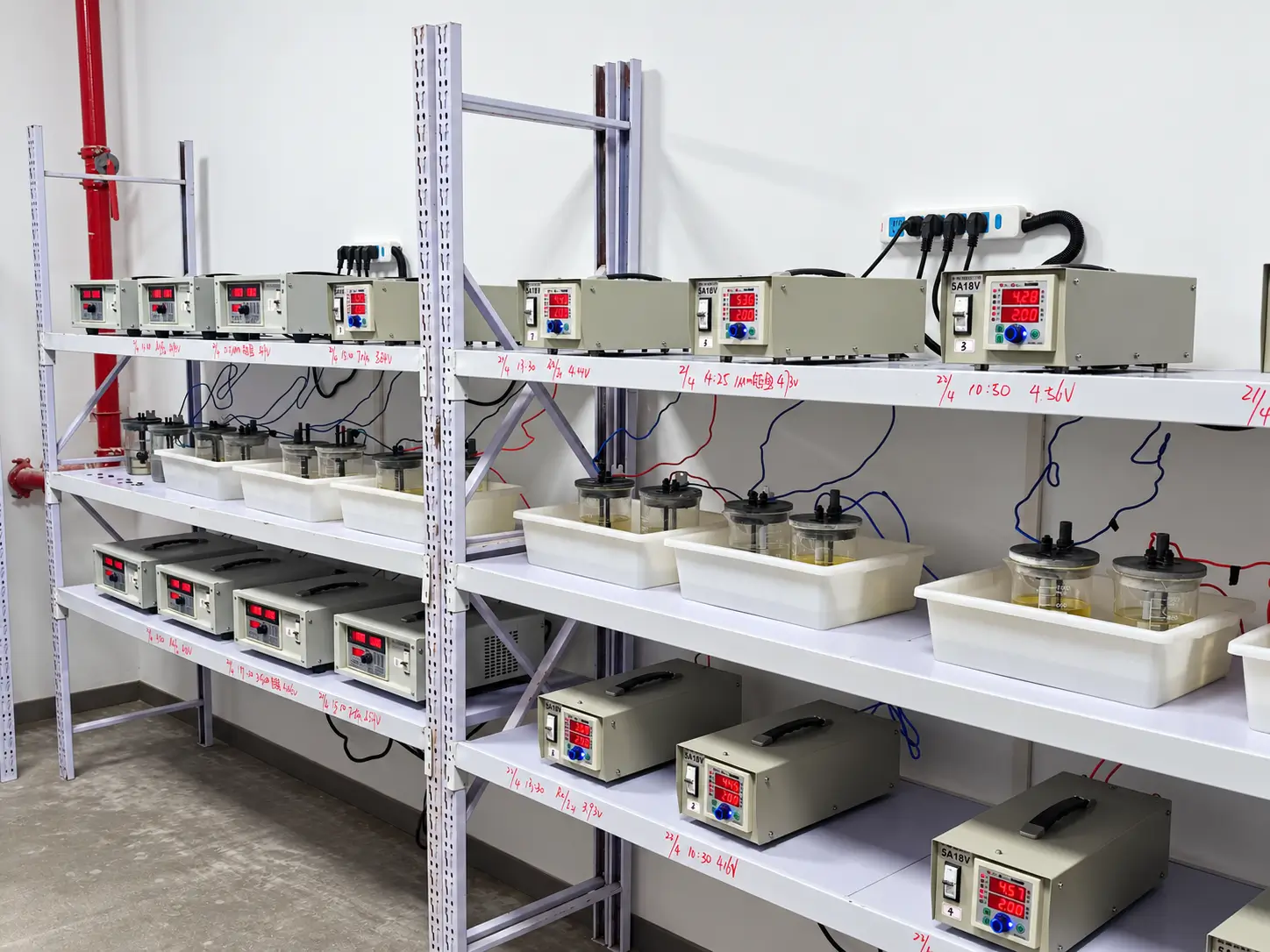
The public page intentionally gives a safe industrial overview, not a hazardous DIY formula. Actual chemistry, controls and manufacturing parameters remain qualified process information.
Confirm titanium material/form basis, heat/lot where ordered, geometry, fabrication, active zones and cell interfaces.
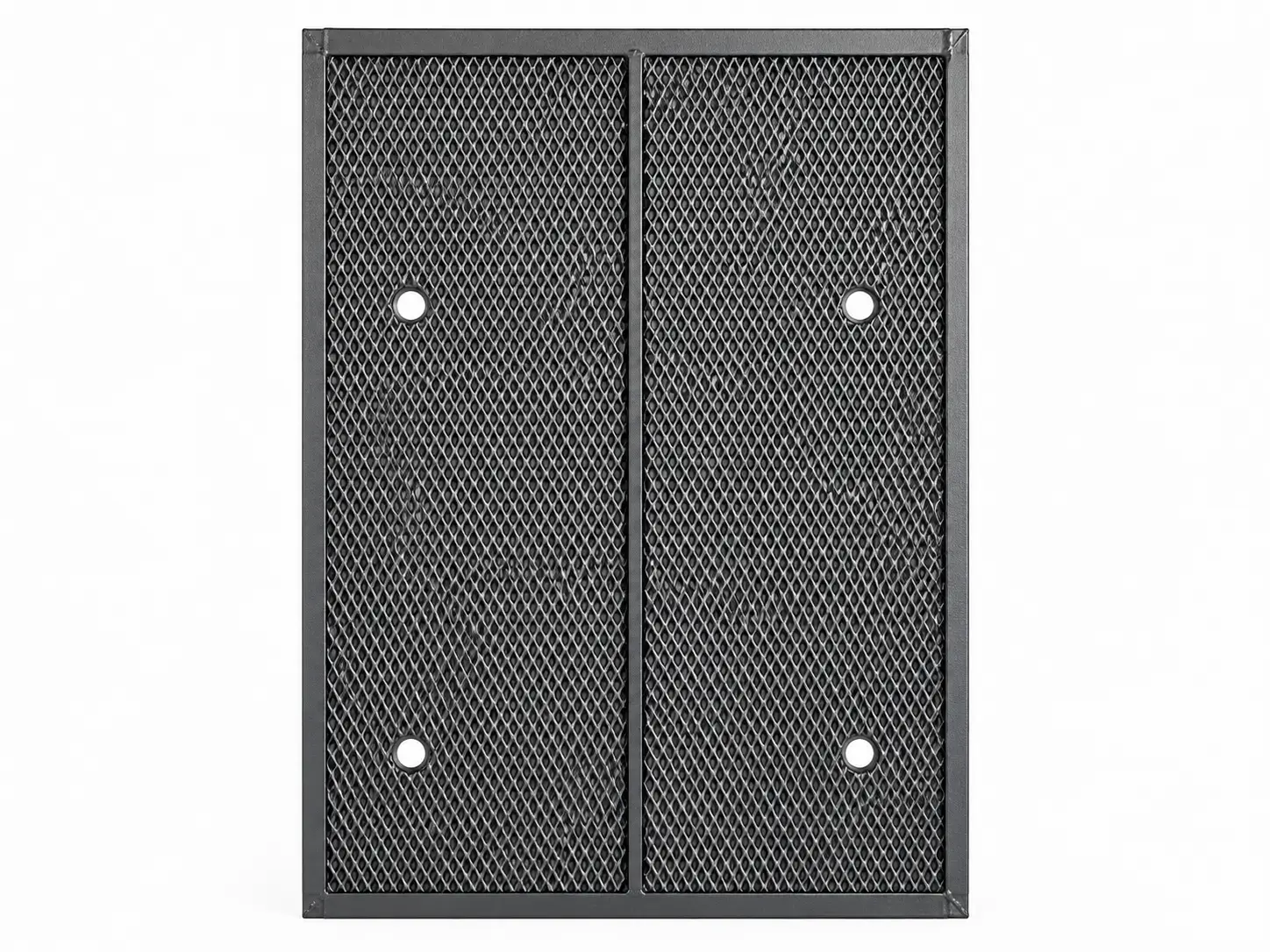
Use the approved project route for substrate preparation and any order-defined barrier/intermediate layer; do not infer a universal stack.
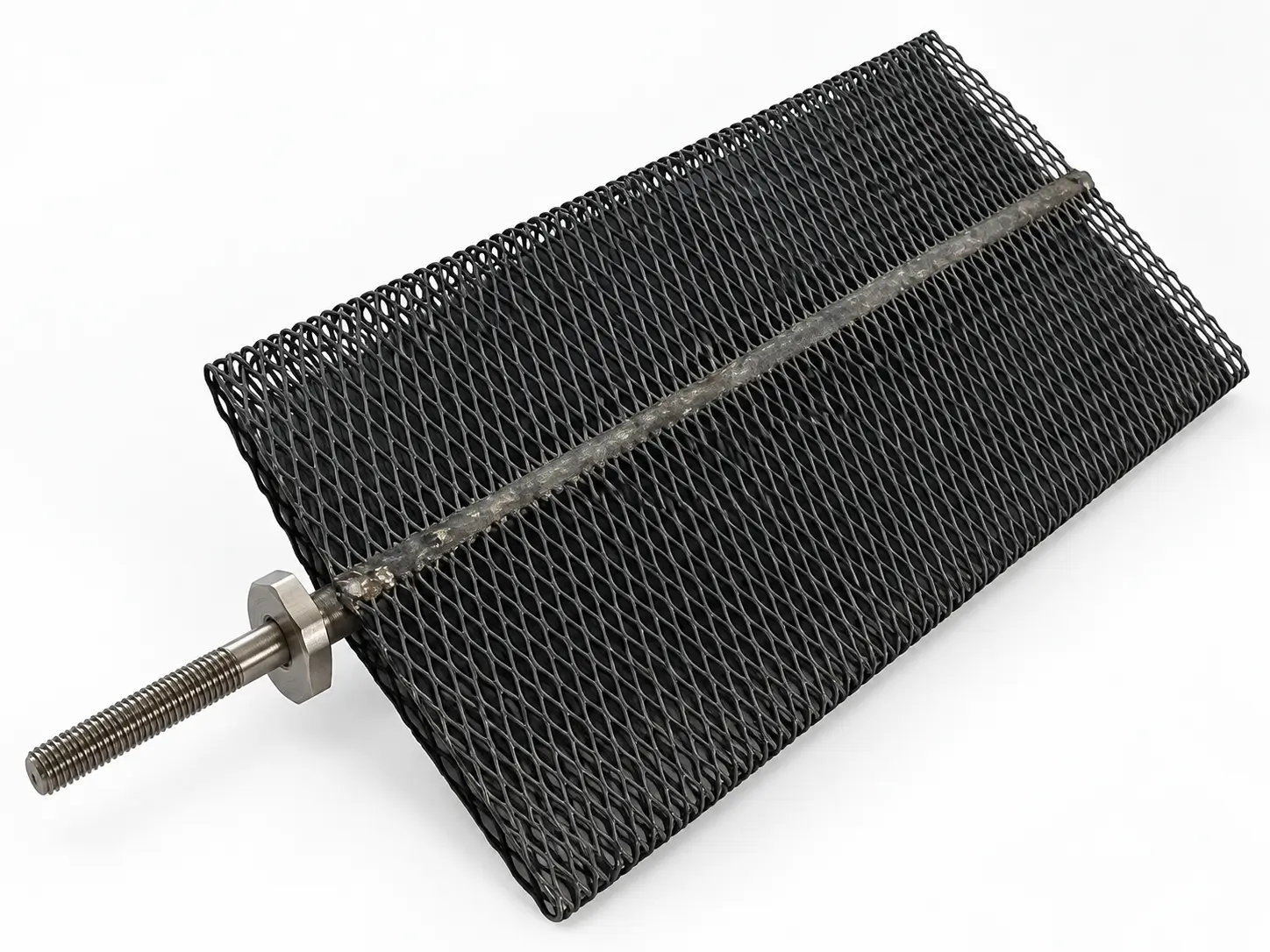
Apply the approved PbO₂ layer architecture with controlled batch/process records and occupational/environmental controls.
Verify dimensions, active zones, layer evidence, connection, handling/packaging and order-specific documentation.
Before Requesting a Quote
A titanium-based lead-dioxide anode is a layered electrode system. The substrate, interlayer, alpha/beta PbO₂ structure, active surface and process conditions must be reviewed together with lead-control and end-of-life responsibilities.
Compare the adjacent product families only after the reaction, environment and supply boundary are clear.
No. This page concerns lead dioxide, PbO₂, used as an electrochemical electrode material. A purchase specification must identify the actual layer architecture, substrate, active phase, geometry and evidence rather than using the broad term lead oxide.
No. High oxygen-evolution potential can be relevant when competing oxygen evolution is to be suppressed, but complete energy use depends on cell voltage, current efficiency, mass transfer, electrolyte, reactor geometry, treatment target and operating time.
No. Titanium substrate, intermediate/barrier layer and α-PbO₂ or β-PbO₂ descriptions are order-specific. The complete architecture, phase requirements and acceptance methods must be confirmed for the actual product.
SEM primarily provides surface morphology or cross-sectional information. Crystalline-phase identification generally requires XRD or another suitable phase method. Neither method alone proves coating thickness, adhesion, lead release or field life.
No. A treatability result is meaningful only with the influent matrix, contaminant level, electrolyte/conductivity, chloride, pH, temperature, current and area basis, time/flow, reactor, sampling, analytical method, byproducts and energy basis.
The parties should define occupational controls, PPE and hygiene, handling and cleaning, process and effluent monitoring, potential lead release criteria, packaging/transport, incident response and end-of-life management under the applicable site and local requirements.
A drawing, matrix analysis, pilot plan or existing-electrode record is enough to begin. Unknown items can remain open rather than being replaced by generic removal-rate, energy, phase or life claims.
Prefer email?
sales@heletitanium.com