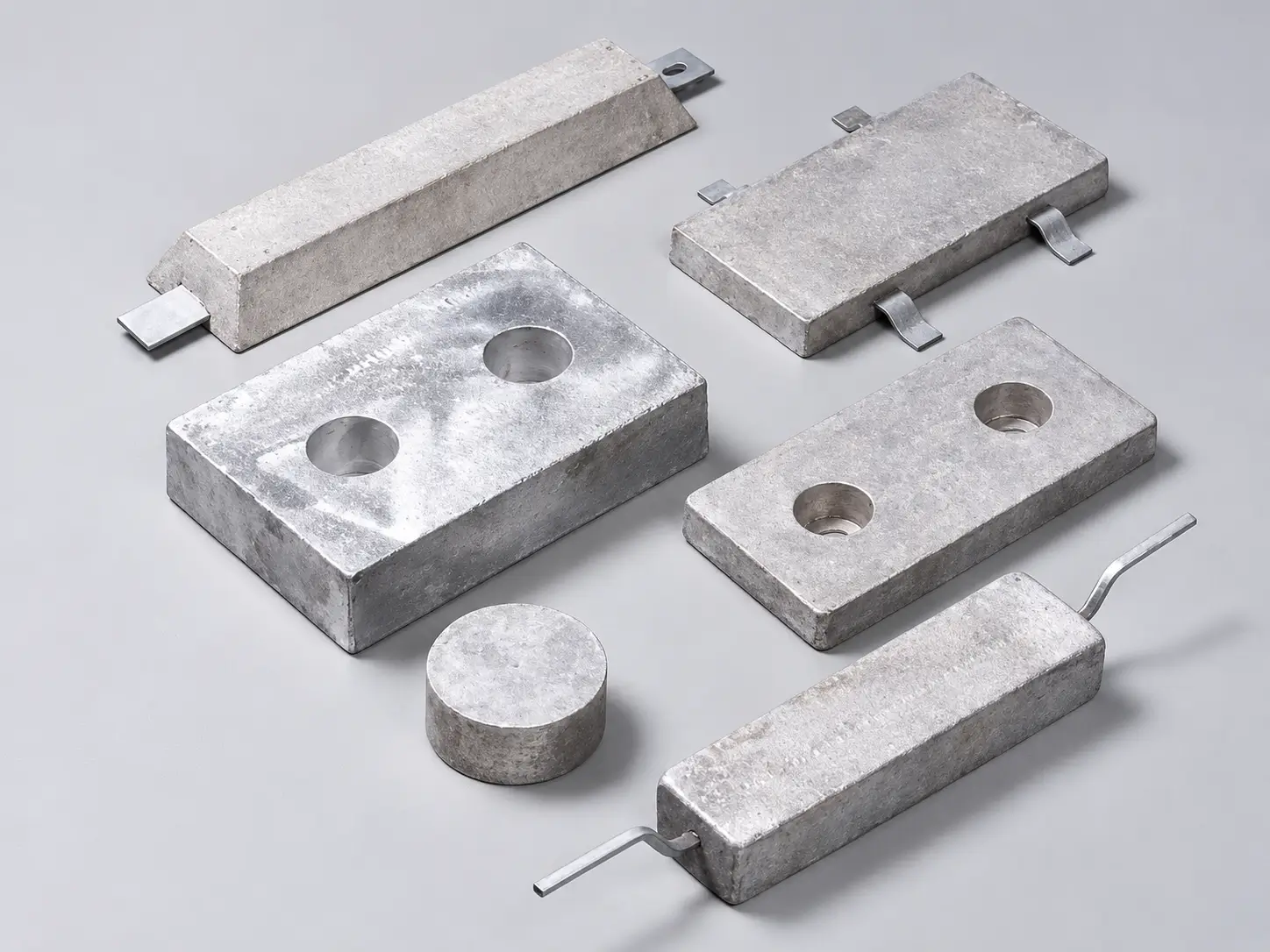
Hull Anodes for Ships and Marine Cathodic Protection
Custom zinc and aluminum hull anodes for ship hulls, rudders, propeller areas, stern structures, sea chests, offshore vessels, workboats, barges, fishing vessels, and marine cathodic protection projects.
Marine Anodes Built Around Vessel Type, Hull Area and Installation Position
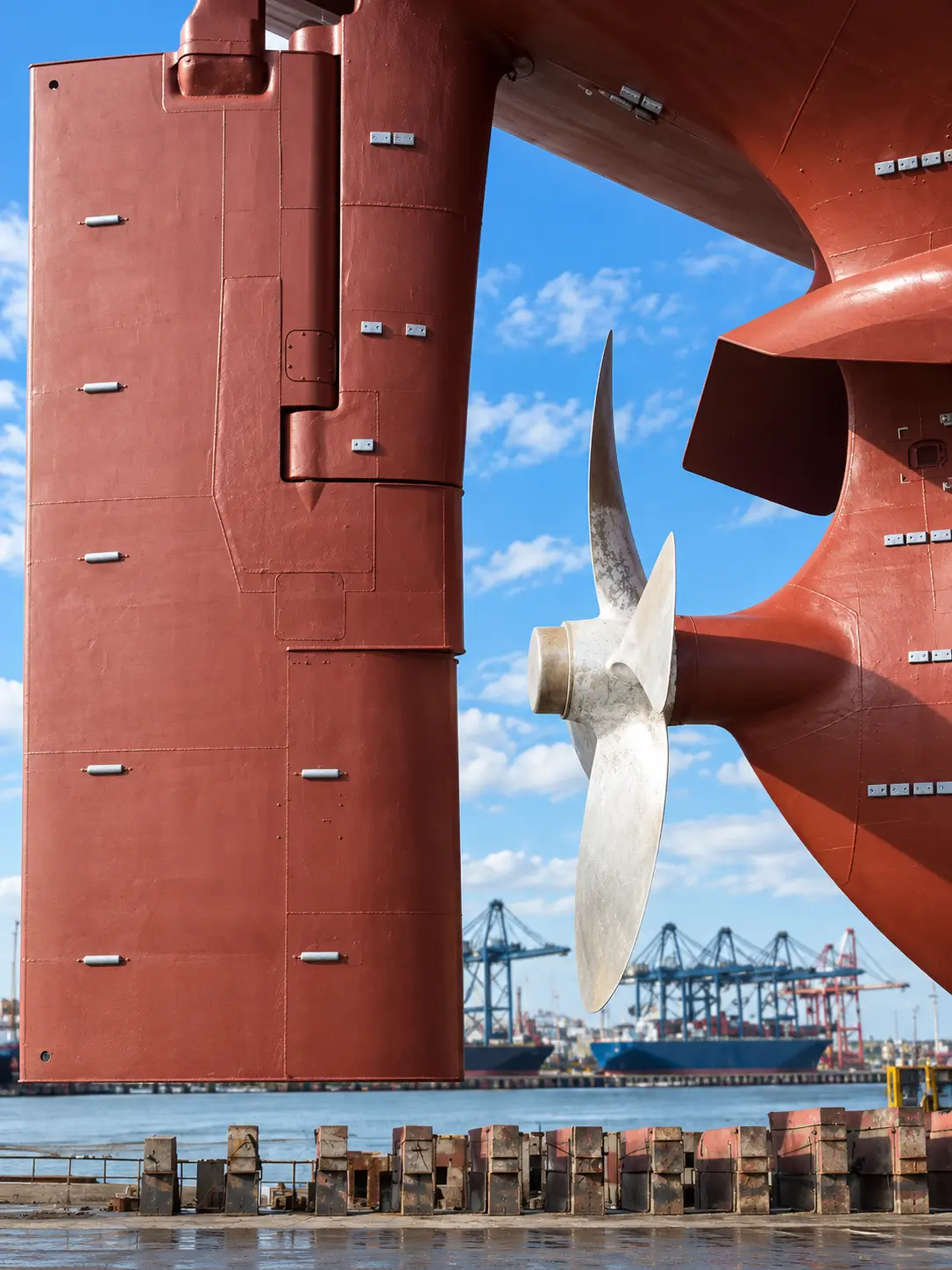
Hull anodes are sacrificial anodes installed on ship hulls and seawater-exposed vessel components to help reduce corrosion. They are commonly reviewed for ship hulls, rudders, propeller areas, stern sections, sea chests, offshore vessels, workboats, and other marine structures.
Unlike general block anodes, hull anodes must match the vessel structure, mounting position, steel insert design, anode weight, hull coating condition, water chemistry, and drydock replacement plan. Hele Titanium supports custom zinc and aluminum hull anodes with weld-on, bolt-on, or drawing-based designs according to project requirements.
Vessel-Based Selection
Size and material reviewed according to vessel type, hull area, and seawater exposure.
Material Options
Zinc or aluminum anodes reviewed according to water chemistry and specifications.
Mounting Design
Weld-on, bolt-on, steel insert, strap, or custom mounting structures supported.
Drydock & Docs
Anode marking, packing, inspection notes, and material documents prepared.
HELE TITANIUM
Custom Engineering & Casting
What Are Hull Anodes?
Hull anodes are sacrificial anodes installed on the outside of a vessel hull or on seawater-exposed ship components. They are electrically connected to the protected steel structure, and the anode corrodes preferentially to help reduce corrosion of the hull and related marine components.
| Feature | What It Means | Why It Matters |
|---|---|---|
| Hull-Mounted Design | The anode is installed on the vessel hull or seawater-exposed ship components. | Correct position helps support protection coverage and replacement planning. |
| Sacrificial Alloy | Zinc or aluminum alloy is commonly selected for hull anodes. | Material selection affects suitability for seawater, vessel requirements, and standards. |
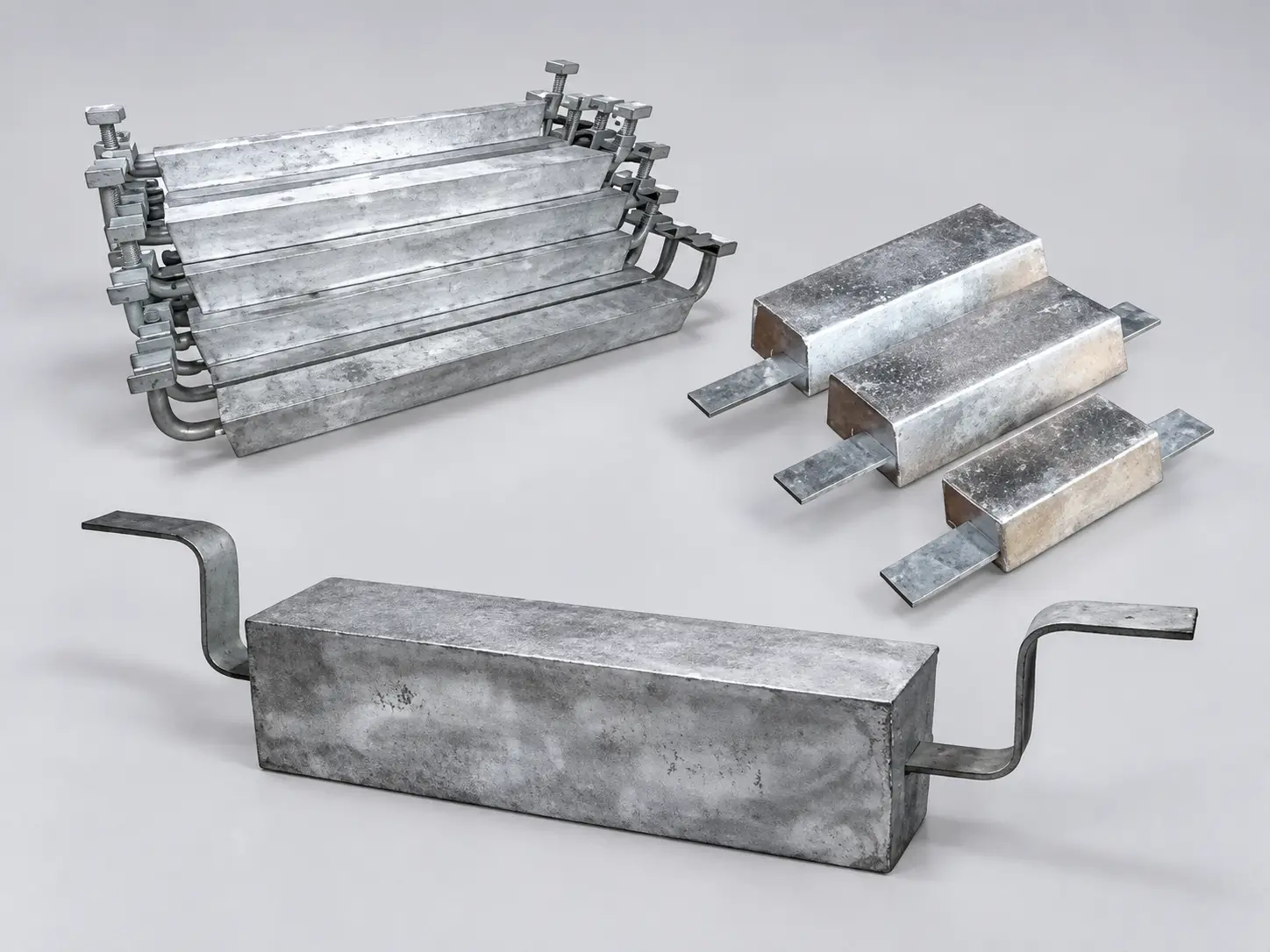
| Steel Insert / Mounting | Steel straps, cores, plates, holes, or brackets may be cast into the anode. | Insert design affects installation, electrical connection, and mechanical fixing. |
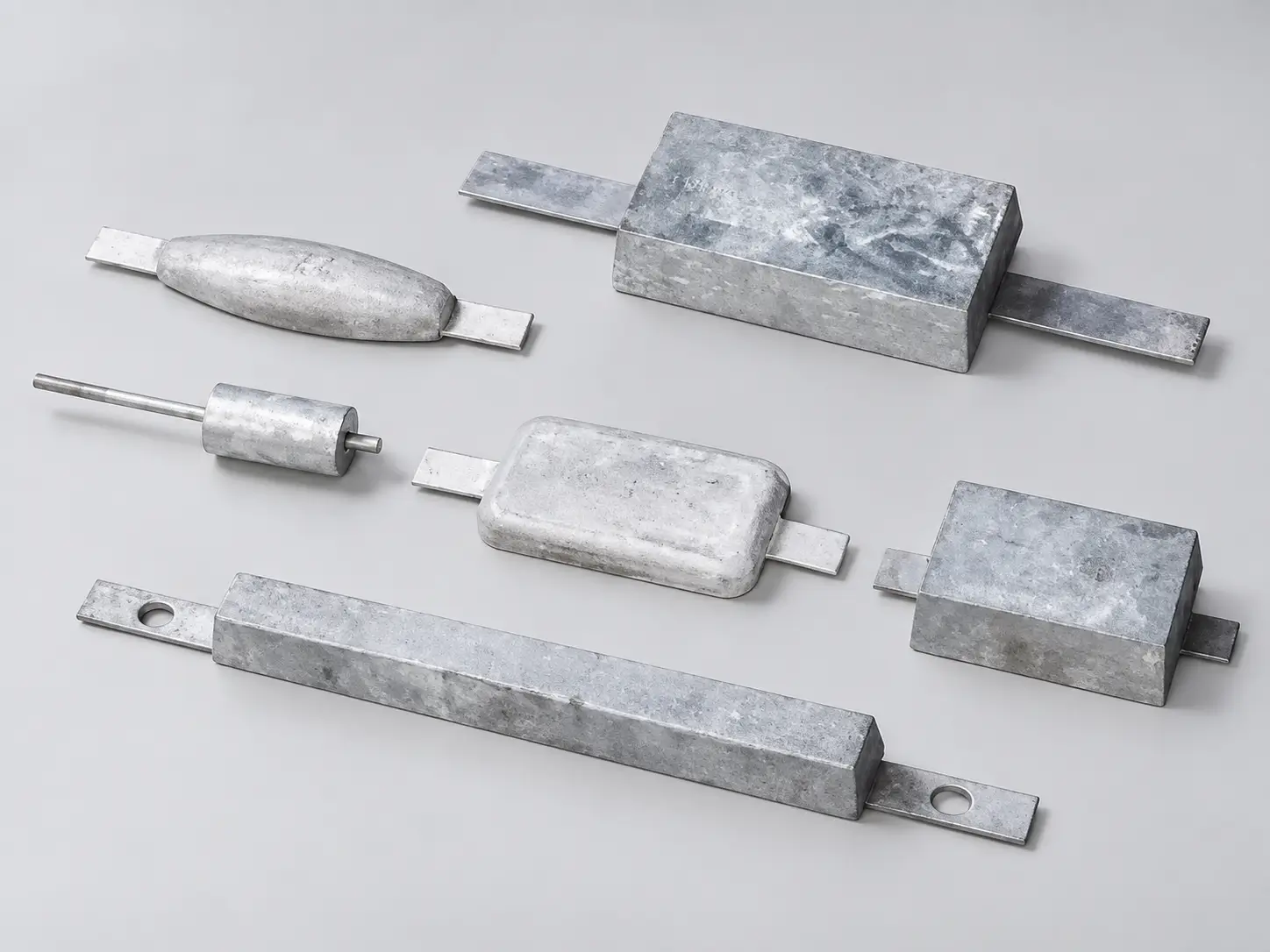
| Custom Casting Shape | Hull anodes can be cast into different shapes, weights, and mounting styles. | Different vessels and hull positions require different anode geometry. |
Hull Anode Options We Supply
Different hull anode configurations are used depending on vessel type, installation position, anode material, mounting method, project standard, and drydock replacement requirements. Hele Titanium can support standard and custom hull anodes according to drawings or technical specifications.
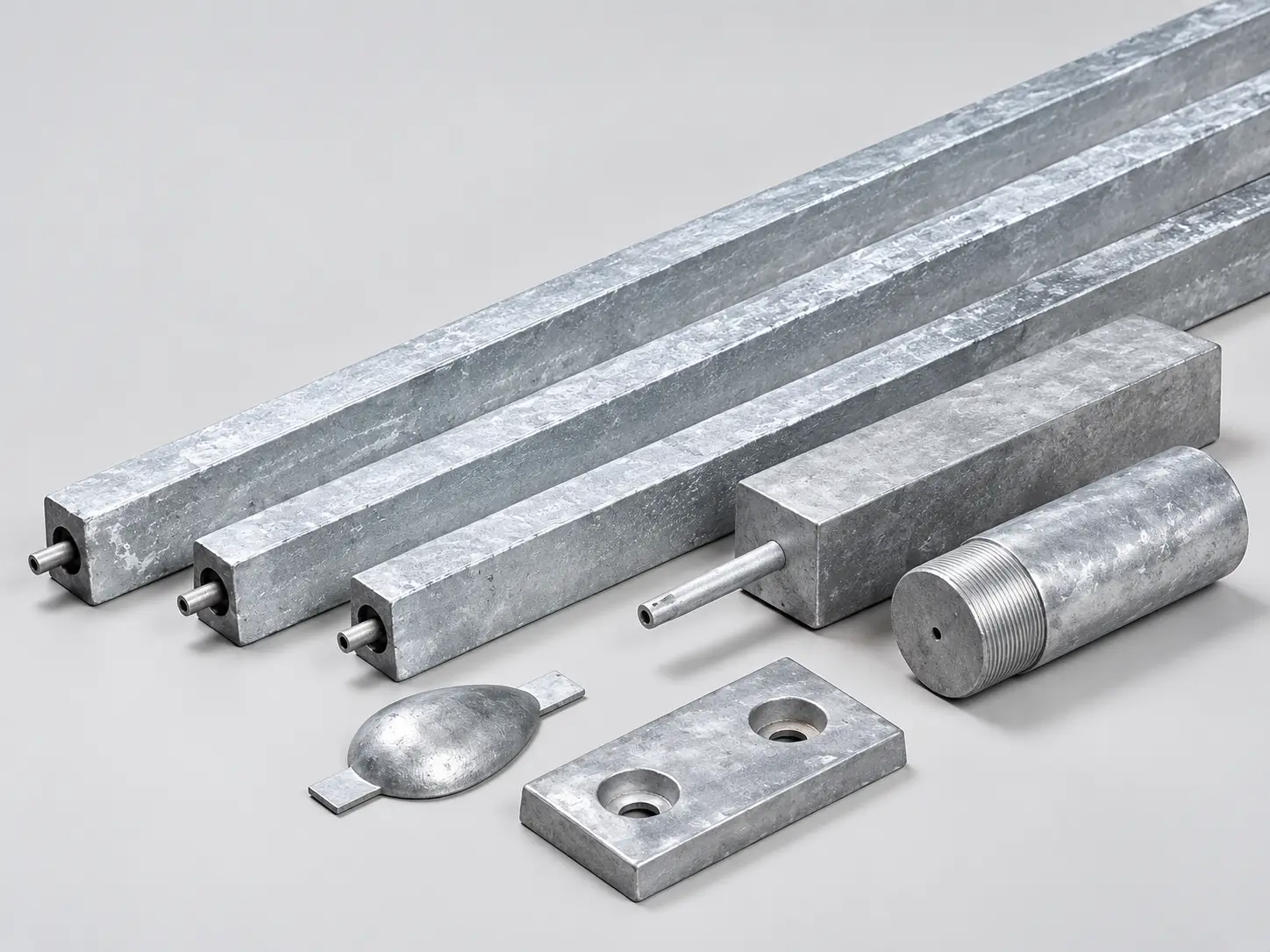
Zinc Hull Anodes
Zinc sacrificial hull anodes for ships, rudders, stern areas, sea chests, propeller zones, and marine vessel protection.
Best For: Vessels, drydock replacement, ship repair, sea chest protection.
Review Factors: Zinc alloy spec, anode shape, weight, mounting hole, hull location.
Aluminum Hull Anodes
Aluminum sacrificial hull anodes for seawater vessels, offshore vessels, workboats, and marine cathodic protection applications.
Best For: Offshore vessels, workboats, marine structures, vessel hulls.
Review Factors: Aluminum alloy requirement, seawater condition, anode weight, insert.
Weld-On Hull Anodes
Hull anodes with steel inserts or straps designed for welding onto vessel hulls or marine steel structures.
Best For: Shipyard installation, drydock replacement, hull & stern protection.
Review Factors: Steel insert design, weld area, anode weight, hull position.
Bolt-On Hull Anodes
Hull anodes with mounting holes, inserts, or bolt-on structures for removable or planned replacement installations.
Best For: Ship repair, vessel maintenance, equipment-mounted protection.
Review Factors: Hole spacing, bolt size, insert design, anode dimensions.
Rudder / Propeller Anodes
Custom sacrificial anodes for rudders, stern areas, propeller zones, sea chests, and localized marine protection points.
Best For: Rudder protection, shaft / stern area protection, sea chest protection.
Review Factors: Component geometry, water flow, mounting space, inspection access.
Custom Hull Castings
Drawing-based hull anodes with custom alloy, shape, weight, steel insert, mounting design, packing, and documentation.
Best For: Shipyards, vessel owners, offshore contractors, drydock projects.
Review Factors: Drawing, sample, material requirement, insert design, quantity.
Where Hull Anodes Are Commonly Used
Hull anodes are commonly reviewed for marine vessels and seawater-exposed ship components where sacrificial cathodic protection is required. Final selection should be based on vessel type, hull coating condition, seawater environment, anode material, mounting method, replacement schedule, and project standard.
| Application | Why Hull Anodes May Fit | Key Review Factors |
|---|---|---|
| Ship Hull Protection | Hull anodes can be installed on vessel hulls to help protect seawater-exposed steel surfaces. | Vessel type, hull area, coating condition, salinity, layout, mounting. |
| Rudder Protection | Rudder areas are exposed to seawater flow and may require localized sacrificial protection. | Rudder geometry, water flow, mounting space, anode shape. |
| Propeller & Stern Area | Stern structures, propeller zones, shafts, and nearby fittings may need localized protection. | Component material, water flow, mounting space, weight. |
| Sea Chest Protection | Sea chests and seawater intake areas may require sacrificial anodes due to constant exposure. | Sea chest size, water flow, mounting method, access. |
| Offshore & Workboat Hulls | Offshore vessels operate in demanding environments and may require custom layouts. | Operating area, coating system, duty cycle, mechanical exposure. |
| Drydock Replacement | Hull anodes are commonly replaced during vessel maintenance and ship repair. | Existing dimensions, mounting pattern, material requirement. |
How to Select Hull Anode Material
Hull anodes are commonly produced from zinc or aluminum sacrificial anode alloys. The best material should be reviewed according to seawater conditions, vessel specification, project standard, hull coating condition, design life target, and customer requirements.
Zinc Hull Anodes
Best For: Marine vessels, rudders, propeller areas, sea chests, drydock replacement.
Review Points: Zinc alloy specification, vessel requirement, water chemistry, mounting.
View Zinc Sacrificial AnodesAluminum Hull Anodes
Best For: Seawater vessels, offshore vessels, workboats, marine structures.
Review Points: Aluminum alloy requirement, seawater condition, anode weight, design life.
View Aluminum Sacrificial AnodesReview Before Choosing
Hull anode material should not be selected by price alone. Vessel specification, seawater environment, hull coating condition, existing anode type, and project requirements should be reviewed before final selection.
Request Material ReviewBuyer Note: Magnesium anodes are generally more common in soil or freshwater CP projects and are not usually the first material reviewed for seawater ship hull protection unless a specific project requirement exists.
Hull Anode Technical Specifications
Hull anode specifications should be confirmed according to anode material, vessel type, installation location, anode shape, dimensions, net weight, steel insert design, mounting method, project standard, design life target, and documentation needs.
| Anode Material | Zinc, aluminum, or project-specified sacrificial anode alloy |
| Product Form | Hull anode, rudder anode, stern anode, sea chest anode, block anode, custom casting |
| Mounting Type | Weld-on, bolt-on, flush-mounted, bracket-mounted, cast-in insert, or custom |
| Shape | Block, plate, trapezoid, oval, round, flush type, curved surface, or drawing-based |
| Dimensions | Length, width, height, diameter, hole spacing, insert size, or custom drawing |
| Weight | Net anode weight and gross assembly weight according to project requirements |
| Steel Insert | Steel core, strap, plate, bracket, bar, threaded insert, or customer-specified |
| Application Position | Hull, rudder, propeller area, stern area, sea chest, offshore vessel, workboat |
| Standards / Documents | ASTM, DNV, customer spec, vessel standard, material docs, inspection records when required |
| Packing | Pallet, wooden case, crate, separated packing, labeled packing, or export packing |
Note: Final specifications should be confirmed according to vessel drawing, existing anode sample, hull location, seawater environment, project standard, and customer requirement.
Custom Hull Anodes Built Around Your Vessel and Mounting Position
Hull anode design should be reviewed according to vessel type, hull location, anode material, anode weight, steel insert design, mounting method, seawater environment, replacement schedule, project standard, and installation requirements.
1. Vessel & Position Review
Review ship type, hull area, rudder, stern, or sea chest position according to CP layout.
2. Material Review
Review zinc, aluminum, or specified material according to seawater environment.
3. Weight & Shape Review
Review weight, dimensions, shape, and quantity for protection area.
4. Steel Insert Design
Customize strap, plate, core, bracket, hole, or welding structure.
5. Casting & Surface
Support casting shape, surface condition, marking, and visual inspection.
6. Packing & Docs
Support labels, packing list, inspection notes, and export packing.
Hull Anodes vs Other Sacrificial Anode Forms
Hull anodes are designed for vessel hulls and seawater-exposed ship components. Other sacrificial anode forms may be more suitable when the protected structure is an offshore pipeline, ballast tank, buried pipeline, underground tank, or distributed soil CP layout.
| Anode Form | Best Used When | Related Page |
|---|---|---|
| Hull Anodes | Ship hulls, rudders, propeller zones, stern areas, and sea chests require sacrificial protection. | Current Page |
| Ballast Tank Anodes | Anodes are installed inside ballast tanks or marine compartments. | View Ballast Tank Anodes → |
| Bracelet Anodes | Anodes need to fit around offshore, subsea, riser, or pipe-mounted structures. | View Bracelet Anodes → |
| Ribbon Anodes | Distributed sacrificial protection is needed along pipelines, tank bottoms, or soil CP. | View Ribbon Anodes → |
| Magnesium Packaged | Buried pipelines, underground tanks, or soil CP systems require packaged anodes. | View Magnesium Anodes → |
Buyer Note: The anode form should match the installation location. Share your vessel drawing, existing anode sample, mounting method, and material requirement for accurate anode selection.
Compare Sacrificial Anode FormsInstallation Considerations for Hull Anodes
Proper installation helps hull anodes work as intended in marine cathodic protection systems. Mounting method, steel insert contact, hull coating condition, anode spacing, seawater exposure, and inspection access should be reviewed before installation.
Mounting Position
Hull, rudder, stern, sea chest, and propeller area positions affect current distribution and protection coverage.
Mounting Method
Weld-on, bolt-on, flush-mounted, or custom mounting should match the vessel drawing and shipyard procedure.
Steel Insert Contact
Steel insert or mounting structure should support electrical continuity between anode and protected structure.
Hull Coating
Coating condition affects current demand and anode consumption rate.
Anode Spacing
Spacing affects protection coverage and should follow CP design or vessel specification.
Mechanical Exposure
Wave action, debris, vessel movement, and drydock handling may affect placement.
Replacement Access
Access affects future inspection, replacement schedule, and drydock planning.
Marking & Records
Anode labels, drawings, and installation records support traceability and maintenance.
Quality Control for Hull Anodes
Hull anode quality depends on alloy control, casting condition, dimensions, anode weight, steel insert position, mounting accuracy, surface condition, marking, packing protection, and final documentation.
Available Documents May Include:
- Material certificate when available
- Dimensional & weight inspection records
- Steel insert inspection notes when required
- Visual inspection notes
- Packing list & product labels
- Project-specific QC documents
- Third-party inspection support when required
Alloy & Material Review
Zinc, aluminum, or project-specified anode material is reviewed according to customer requirements when required.
Casting & Mold Review
Hull anode shape, mold condition, steel insert placement, and product form are controlled according to order requirements.
Dimensional & Weight Check
Anode dimensions, net weight, insert position, and mounting hole spacing are checked according to agreed scope.
Insert & Mounting Review
Steel insert exposure, weld area, bolt hole, bracket, or mounting details are reviewed when required.
Surface & Visual Review
Surface condition, casting appearance, marking, and handling condition are reviewed according to inspection scope.
Packing & Documentation
Anodes are packed according to weight, insert protection, and shipment requirement. Docs prepared when required.
Related Sacrificial Anode Products
Hull anodes are one form of sacrificial anode for marine vessel protection. Explore other forms based on application.
Zinc Anodes
For marine vessels, hull protection, seawater equipment.
Aluminum Anodes
For seawater, offshore, hull, ballast tank, marine CP.
Ballast Tank Anodes
For ship compartments and drydock replacement.
Bracelet Anodes
For offshore pipelines, subsea pipelines, risers.
Ribbon Anodes
For pipelines, tank bottoms, soil CP layouts.
Magnesium Anodes
For soil, freshwater, buried pipelines, underground tanks.
Marine ICCP Anodes
Impressed current CP for marine structures.
All Sacrificial Anodes
Explore full category
Hull Anode FAQ
Common questions about ship hull and marine vessel sacrificial anodes.
What are hull anodes?
Where are hull anodes commonly installed?
Are hull anodes usually zinc or aluminum?
What is the difference between hull anodes and ballast tank anodes?
Can hull anodes be customized by drawing or sample?
What information is needed for a hull anode quote?
Why are anode weight and mounting method important?
Can steel inserts and mounting holes be customized?
Can hull anodes be supplied for drydock replacement?
What affects hull anode design life?
Get Your Custom Hull Anode Recommendation
Tell us your vessel type, installation position, seawater environment, required anode material, anode shape, dimensions, weight, steel insert design, mounting method, quantity, and documentation needs. Hele Titanium will help review suitable hull anode options for your ship or marine structure project.
Custom Zinc and Aluminum Casting
Tailored alloys for seawater environments.
Weld-On, Bolt-On & Drawing-Based
Flexible mounting designs for shipyards and drydocks.
Steel Insert & Weight Review
Customized straps, cores, and anode dimensions.
Factory-Direct Export Support
Packing, labeling, and documentation for global delivery.
Email: sales@heletitanium.com
Address: Room 1206, Building 1, Huaxia Yue World