Define the Recovery Duty
Identify the target metal, feed stream, deposition objective and process stage.

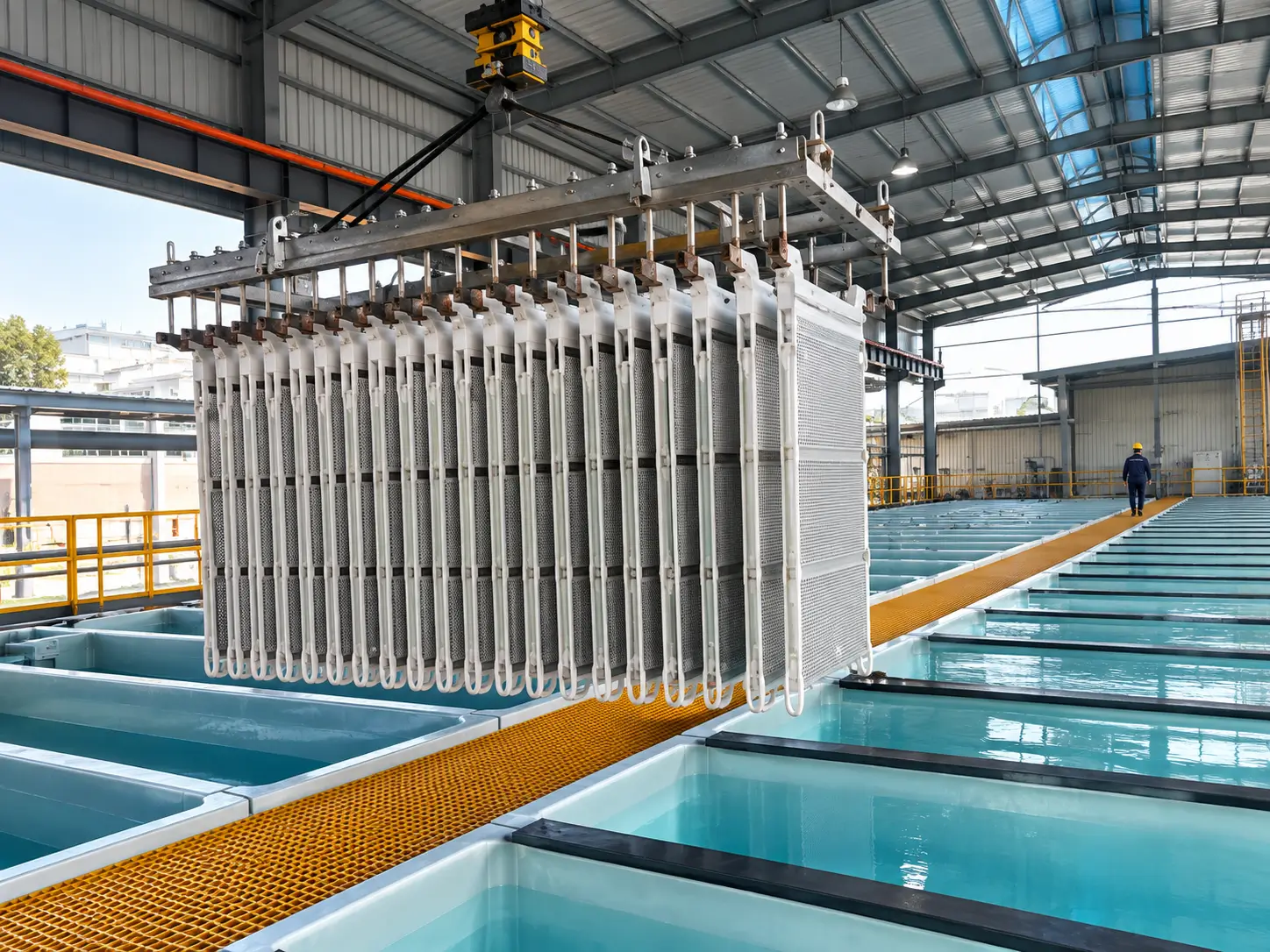
Metal Electrowinning Solution
Route copper, zinc, nickel, cobalt or another defined metal-recovery duty by electrolyte chemistry, anodic reaction, current density, cell geometry, operating temperature and qualification requirements.
Solution Selection Guide
Electrowinning anodes cannot be selected from the recovered metal alone. Electrolyte composition, acidity, chloride and impurities, anodic reaction, current density, temperature, cell geometry, operating cycle and acceptance criteria determine which electrode path should be evaluated.
Before Requesting a Quote
Confirm whether the inquiry covers a titanium-based anode, a PbO₂ electrode, a custom mesh or plate assembly, or a replacement review. Provide the complete electrolyte analysis, current density, cell and anode drawings, operating history and acceptance criteria so the electrode chemistry and supply boundary are not inferred from the recovered metal alone.
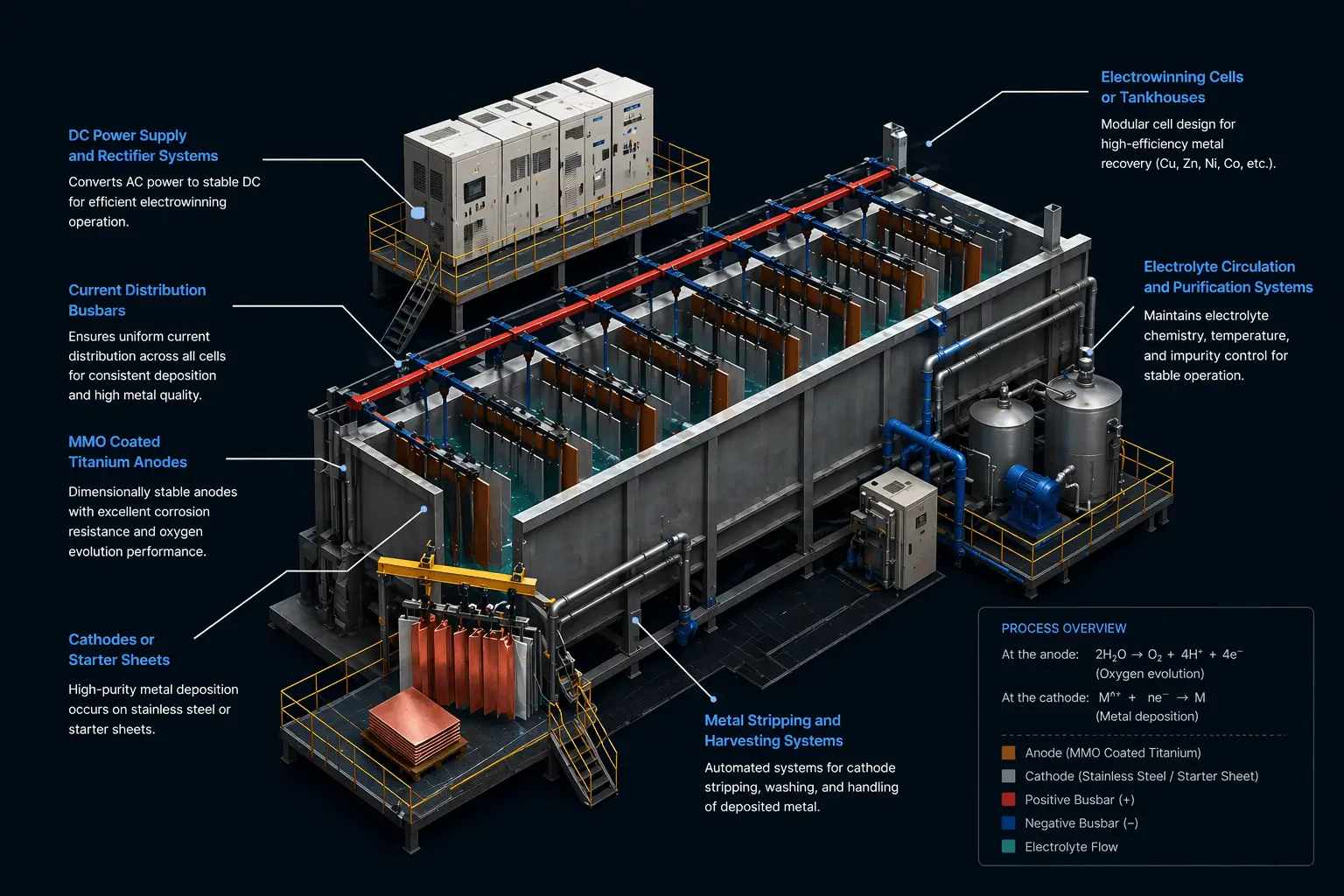
Process Review
A reliable electrowinning specification begins with the target metal and complete electrolyte analysis, then defines the anodic reaction, current density, temperature, cell geometry, electrode chemistry and project-specific acceptance criteria.
Identify the target metal, feed stream, deposition objective and process stage.
Provide acid, chloride, metal concentration, impurities, additives, pH and temperature.
State current density, voltage, spacing, circulation, gas evolution and operating cycle.
Define geometry, coating or composition evidence, performance test and replacement criteria.
Solution Configurations
Use the confirmed process conditions to compare material, coating, geometry, assembly and documentation requirements. Final configuration remains project-specific.
Solution Route
For defined electrowinning chemistries where a coated titanium route is technically appropriate.
Start with
Electrolyte analysis, anodic reaction, current density, temperature, geometry and target evidence.
Solution Route
For selected processes where lead-dioxide electrode chemistry is evaluated separately from MMO.
Start with
Electrolyte, substrate, PbO₂ structure, current load, acceptance test and handling requirements.
Solution Route
For cell-specific geometry, connection and current-distribution requirements.
Start with
Drawing, dimensions, active area, spacing, bus connection, tolerances and quantity.
Solution Route
For existing anodes with voltage rise, coating loss, distortion, connection damage or shortened operating life.
Start with
Existing specification, service history, failure photos, operating data and acceptance basis.
Technical Intake
Provide the inputs that materially affect chemistry, geometry, qualification and commercial scope. Unknown values can be marked for joint review.
Copper, zinc, nickel, cobalt or another defined recovery duty and process stage.
Acid, metal concentration, chloride, additives, impurities, pH and complete analysis where available.
Temperature, flow or circulation, gas evolution, electrode spacing and operating mode.
Current, current density, voltage, active area, polarity and duty cycle.
Plate or mesh dimensions, thickness, connection, bus interface, flatness and tolerances.
Target evidence, inspection, composition or coating records, trial basis and replacement criteria.
Supply Scope & Qualification
MMO, PbO₂ and other electrode systems are not interchangeable. HELE can review a project-specific electrode path only after the electrolyte and anodic duty are defined. Recovery efficiency, operating voltage, service life and complete process performance cannot be guaranteed from the metal name or anode material alone.
Electrodes & Recovery Applications
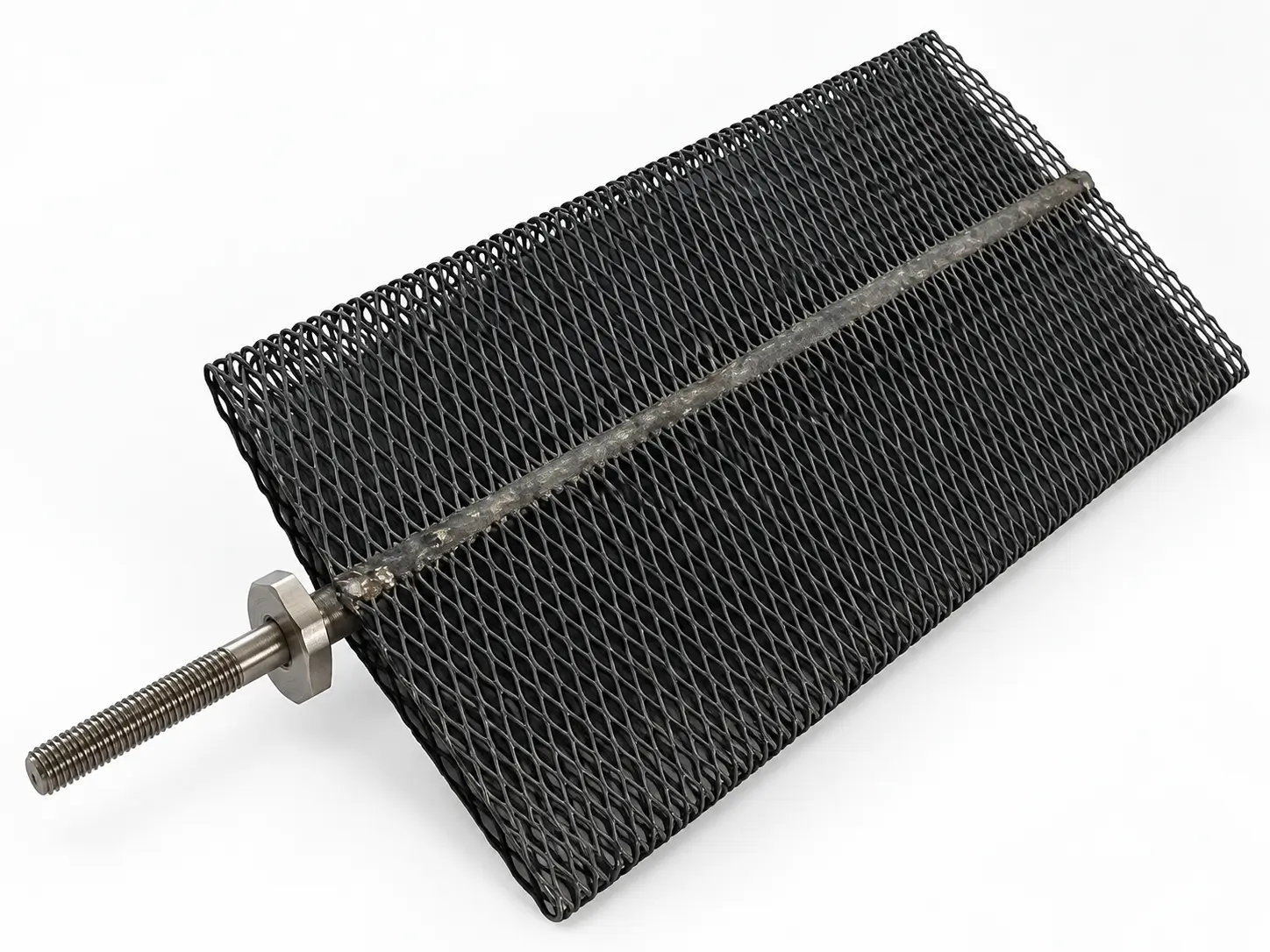
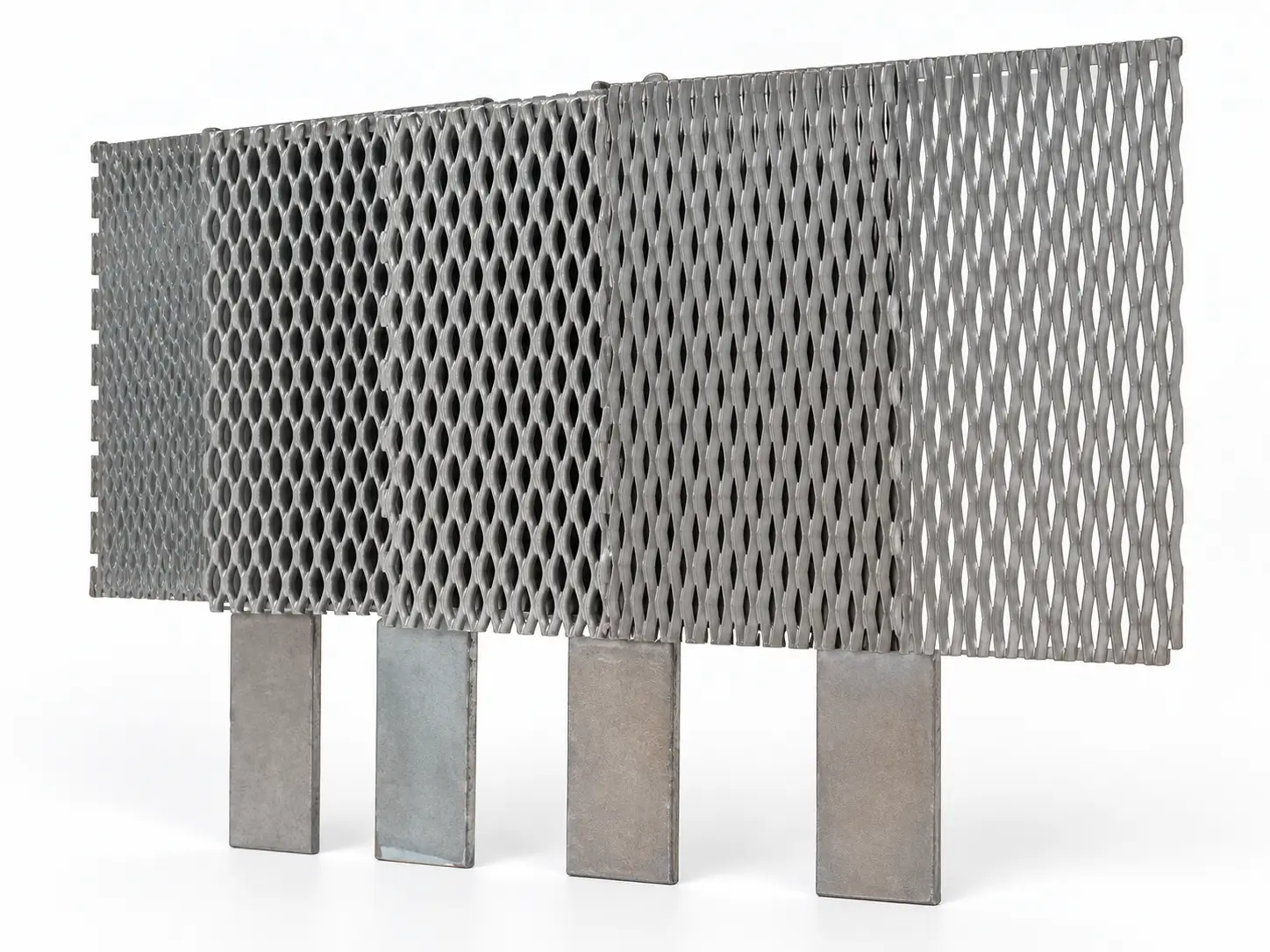
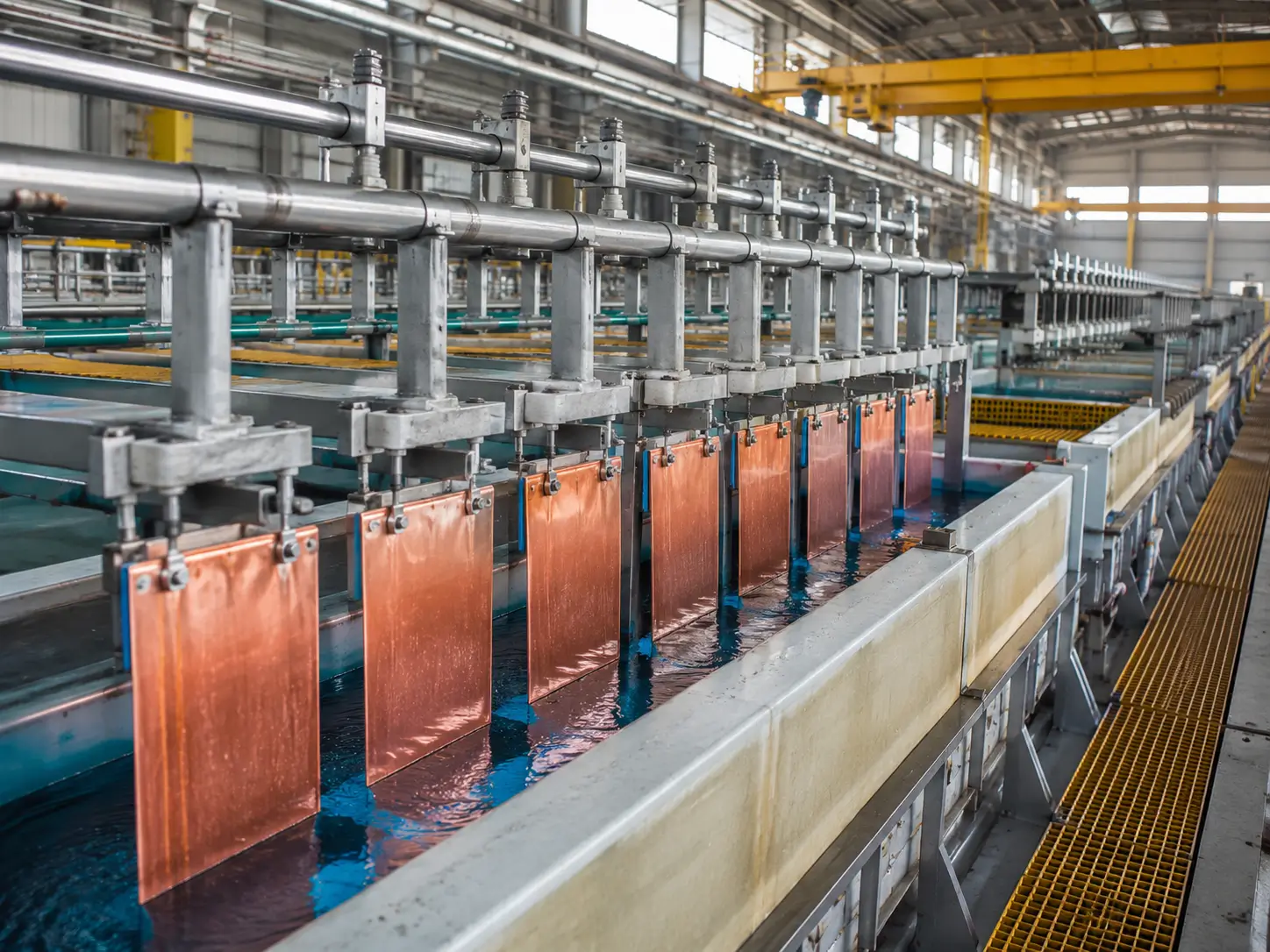
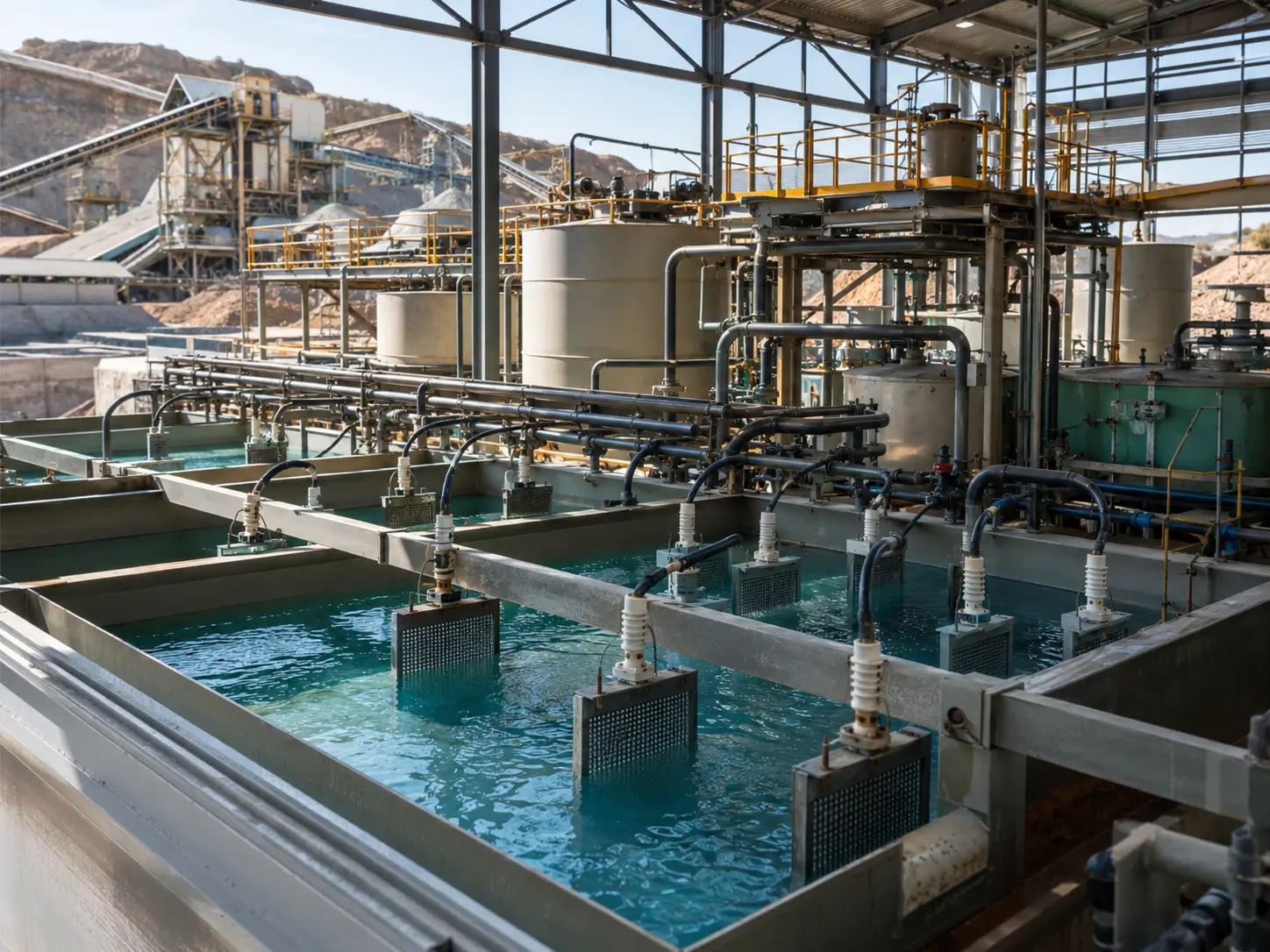
Review representative electrode constructions and metal-recovery environments. The target metal, electrolyte, anodic reaction, cell geometry and acceptance plan determine the applicable electrode path.


Related Products & Applications
Compare related product families and application capabilities that may support material selection, equipment integration, replacement planning or project qualification.
← Explore All Electrochemical SolutionsTechnical FAQ
No. Electrolyte chemistry, acidity, chloride, impurities, anodic reaction and operating window differ between processes.
No. They have different structures, electrochemical behavior, validation requirements and commercial implications.
Provide the existing anode specification, electrolyte analysis, current density, temperature, voltage history, geometry, service data and observed failure mode.
No. Any life basis must be tied to the agreed electrolyte, electrical duty, geometry, preparation, electrode construction and operating envelope.
Tell us about the target metal, electrolyte composition, acidity, chloride and impurities, current density, temperature, cell dimensions, anode geometry, operating cycle, existing service history and documentation requirements. HELE will review the technically relevant electrode path and identify the inputs needed before quotation.