Characterize the Water
Provide source, contaminants, COD or TOC, chloride, conductivity, pH, temperature and analysis.

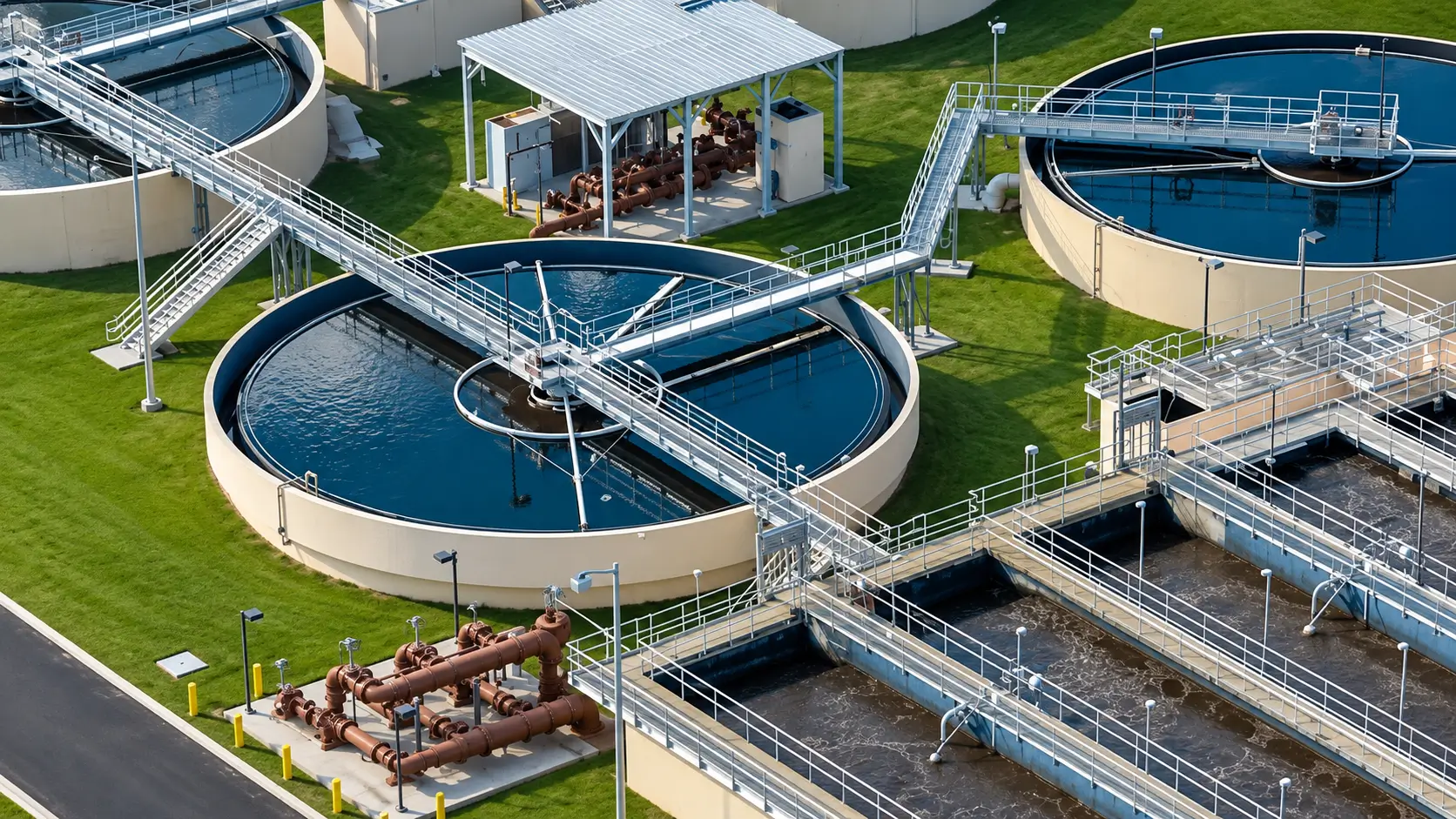
Electrochemical Water Treatment Solution
Route oxidation, disinfection, contaminant removal or ion-treatment requirements by actual water analysis, target pollutant, acceptance metric, conductivity, chloride, flow, electrical duty and reactor boundary.
Solution Selection Guide
Electrode selection should follow a characterized water stream and a measurable treatment objective. Define contaminants, COD or TOC where relevant, chloride, conductivity, pH, temperature, flow, target removal, byproduct constraints, electrical duty and reactor geometry before comparing MMO, Ir-Ta, PbO₂ or BDD paths.
Before Requesting a Quote
Confirm whether you need an electrode, a custom reactor-electrode assembly, a replacement component or a treatability and pilot-evaluation path. Include representative water analysis, the analytical treatment target, hydraulic and electrical conditions, reactor drawing and byproduct limits. Complete treatment performance should be discussed only against an agreed test and system boundary.
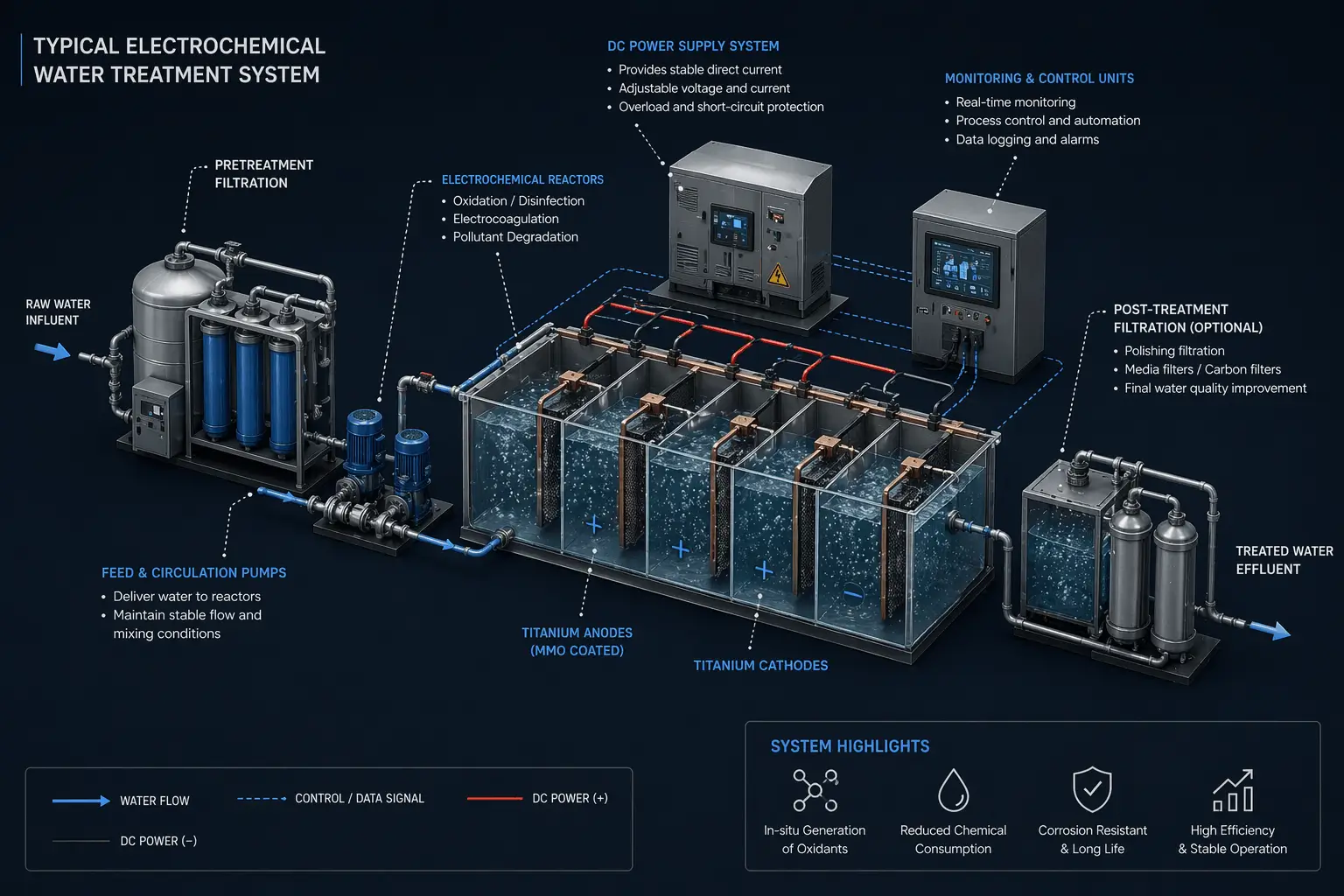
Process Review
A reliable electrochemical water-treatment specification begins with representative water analysis and a measurable treatment target, then defines the hydraulic and electrical reactor duty, compatible electrode paths, analytical test method and validation boundary.
Provide source, contaminants, COD or TOC, chloride, conductivity, pH, temperature and analysis.
State removal, oxidation, disinfection or separation objective and the acceptance metric.
Provide flow, batch or continuous mode, retention time, current density, voltage and geometry.
Define bench, pilot or replacement basis, analytical method, byproduct concern and documentation.
Solution Configurations
Use the confirmed process conditions to compare material, coating, geometry, assembly and documentation requirements. Final configuration remains project-specific.
Solution Route
For defined oxygen-evolution, oxidation or related electrochemical duties compatible with the actual water chemistry.
Start with
Water analysis, target reaction, chloride, current density, temperature, geometry and acceptance metric.
Solution Route
For selected advanced-oxidation duties requiring separate substrate, chemistry and validation review.
Start with
Contaminant, electrolyte, PbO₂ structure, current load, handling, test method and acceptance.
Solution Route
For selected difficult-to-treat streams where a BDD path is evaluated through treatability and commercial review.
Start with
Complete water analysis, contaminant load, target, conductivity, flow, test basis and reactor interface.
Solution Route
For drawing-based electrodes or replacement assemblies integrated into a defined reactor boundary.
Start with
Reactor drawing, dimensions, spacing, connection, flow, pressure, materials and maintenance access.
Technical Intake
Provide the inputs that materially affect chemistry, geometry, qualification and commercial scope. Unknown values can be marked for joint review.
Source, contaminant concentrations, COD or TOC, chloride, conductivity, pH, hardness and temperature.
Required removal, oxidation, disinfection or separation result and analytical acceptance method.
Flow, batch or continuous mode, retention time, pressure, mixing and mass-transfer conditions.
Current, current density, voltage, electrode area, spacing, polarity and operating cycle.
Tank or cell geometry, materials, ports, connection, cleaning, gas handling and maintenance.
Bench or pilot plan, sampling, byproducts, energy basis, electrode inspection and documentation.
Supply Scope & Qualification
MMO, Ir-Ta, PbO₂ and BDD electrodes have different electrochemical behavior, construction, validation needs and commercial implications. A water-treatment result cannot be promised from the electrode name alone. Treatability, byproducts, energy use, reactor design and operating control must be evaluated for the actual stream.
Electrodes & Treatment Applications
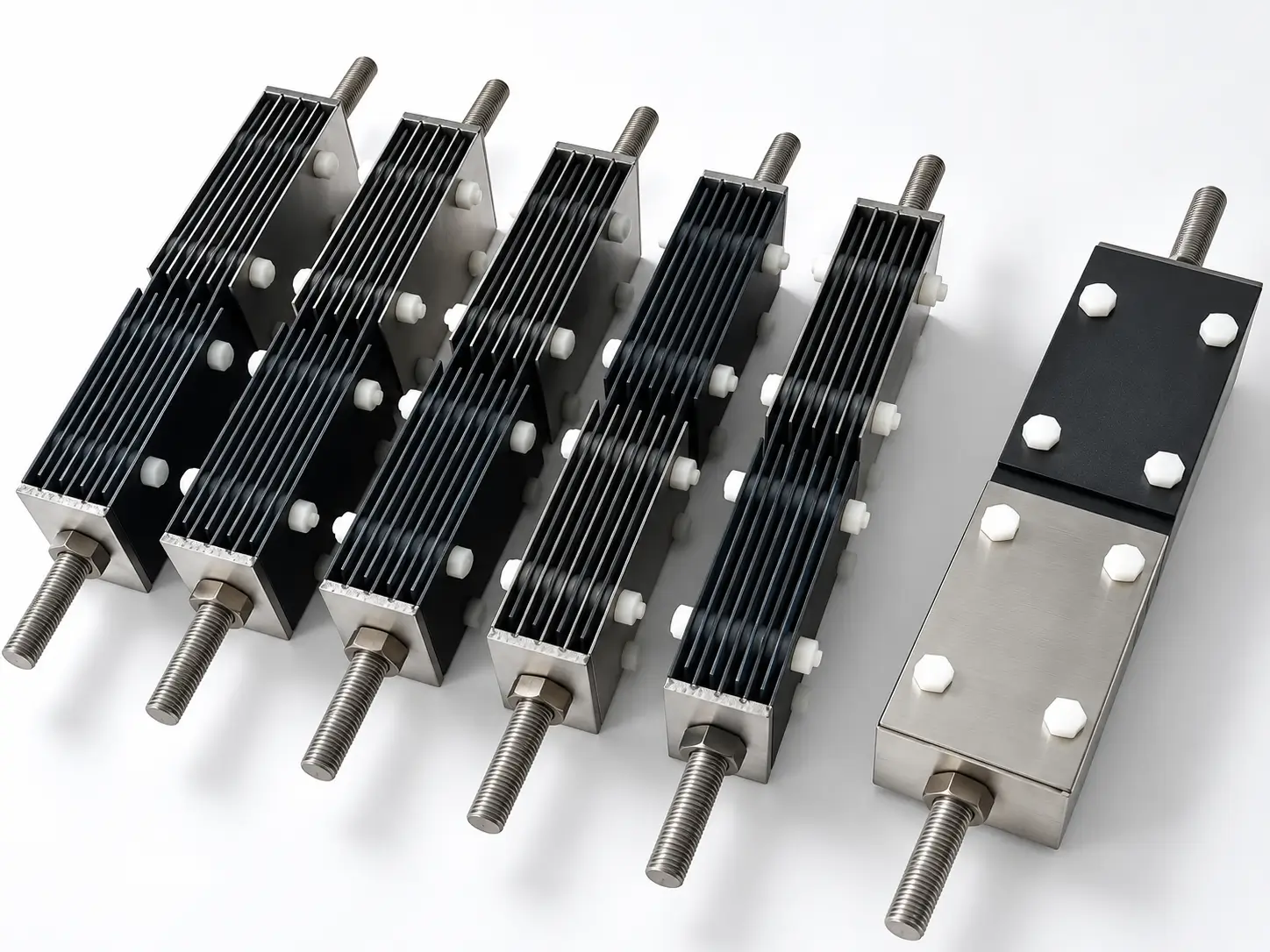
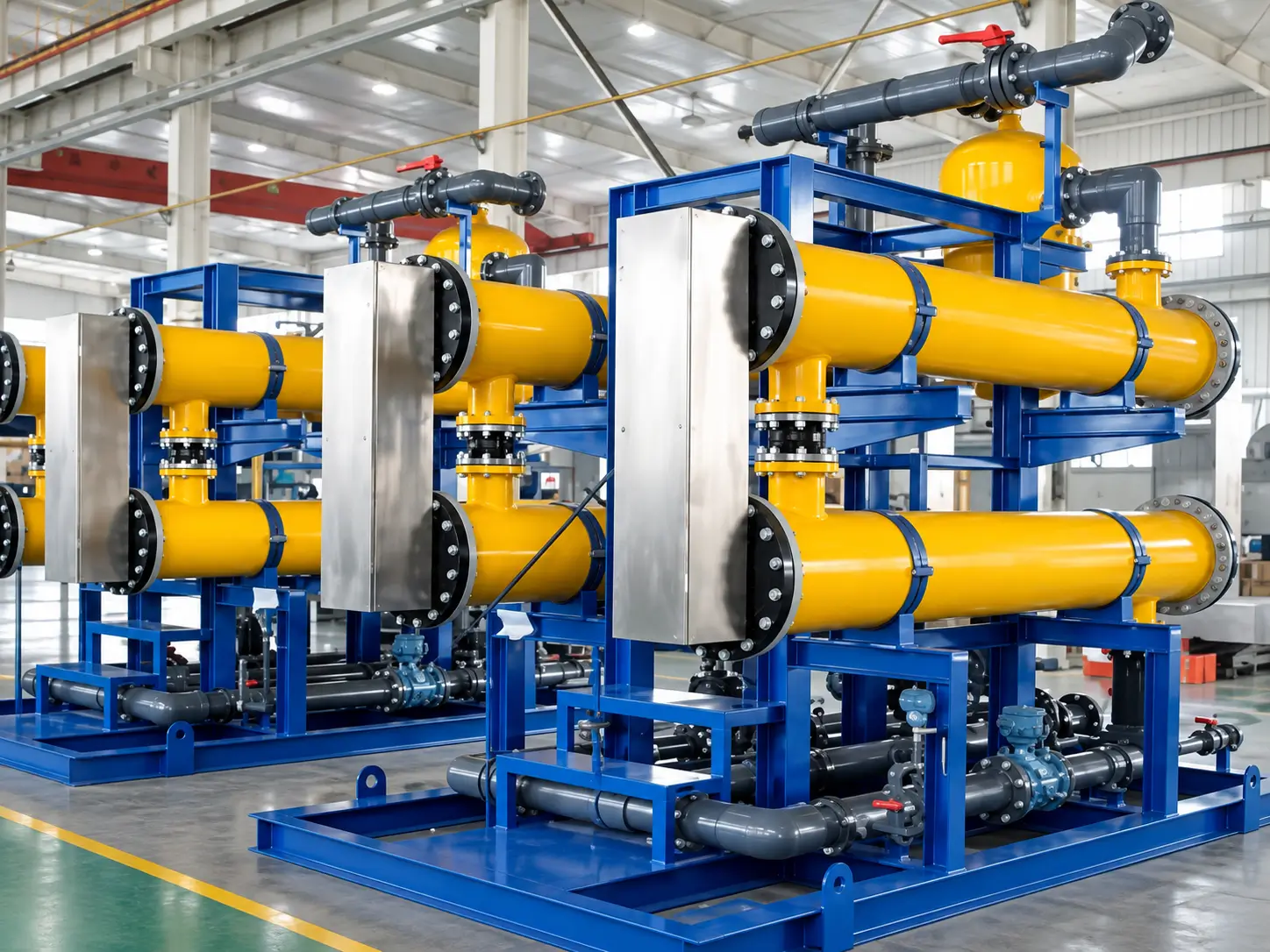
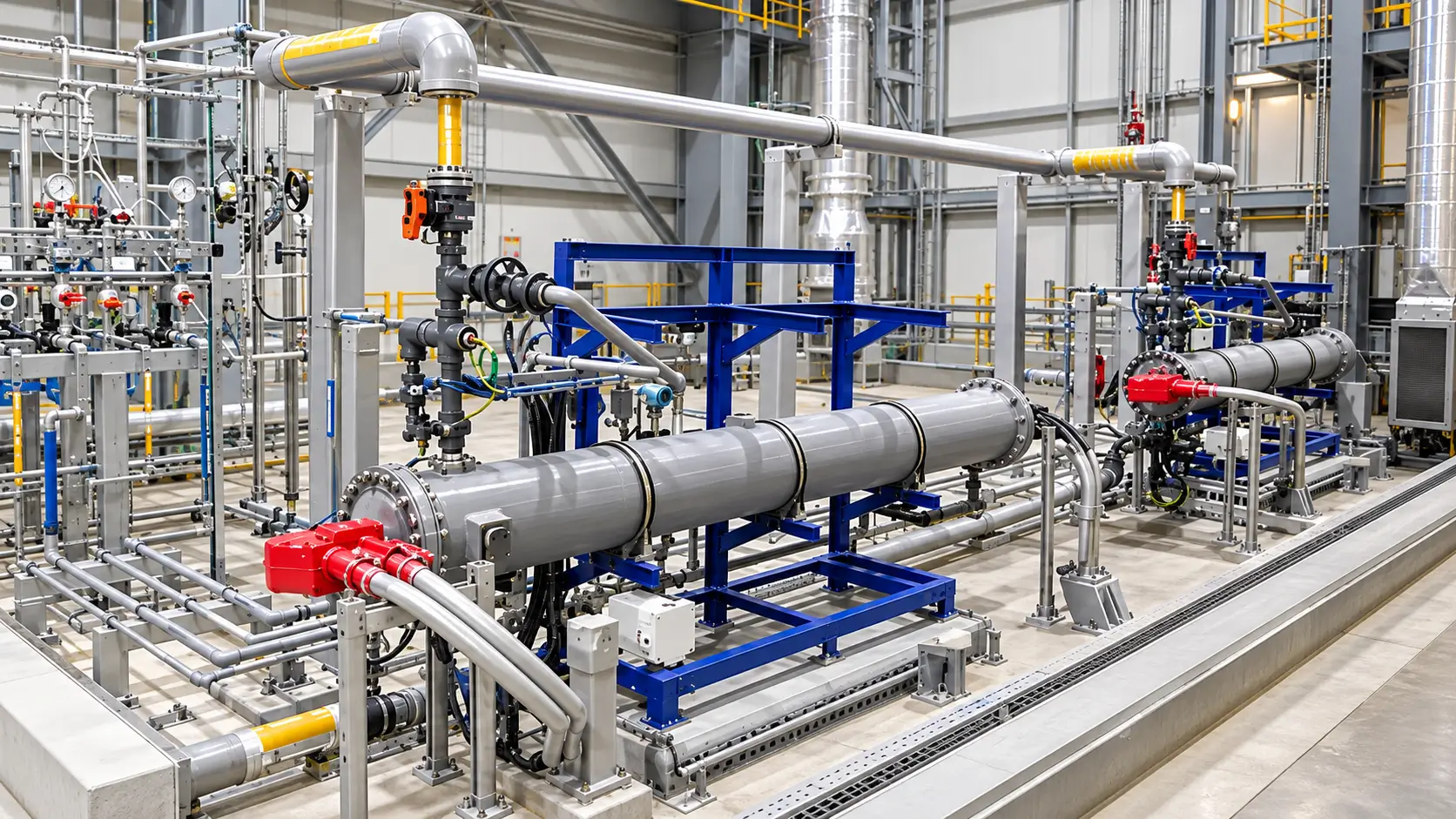
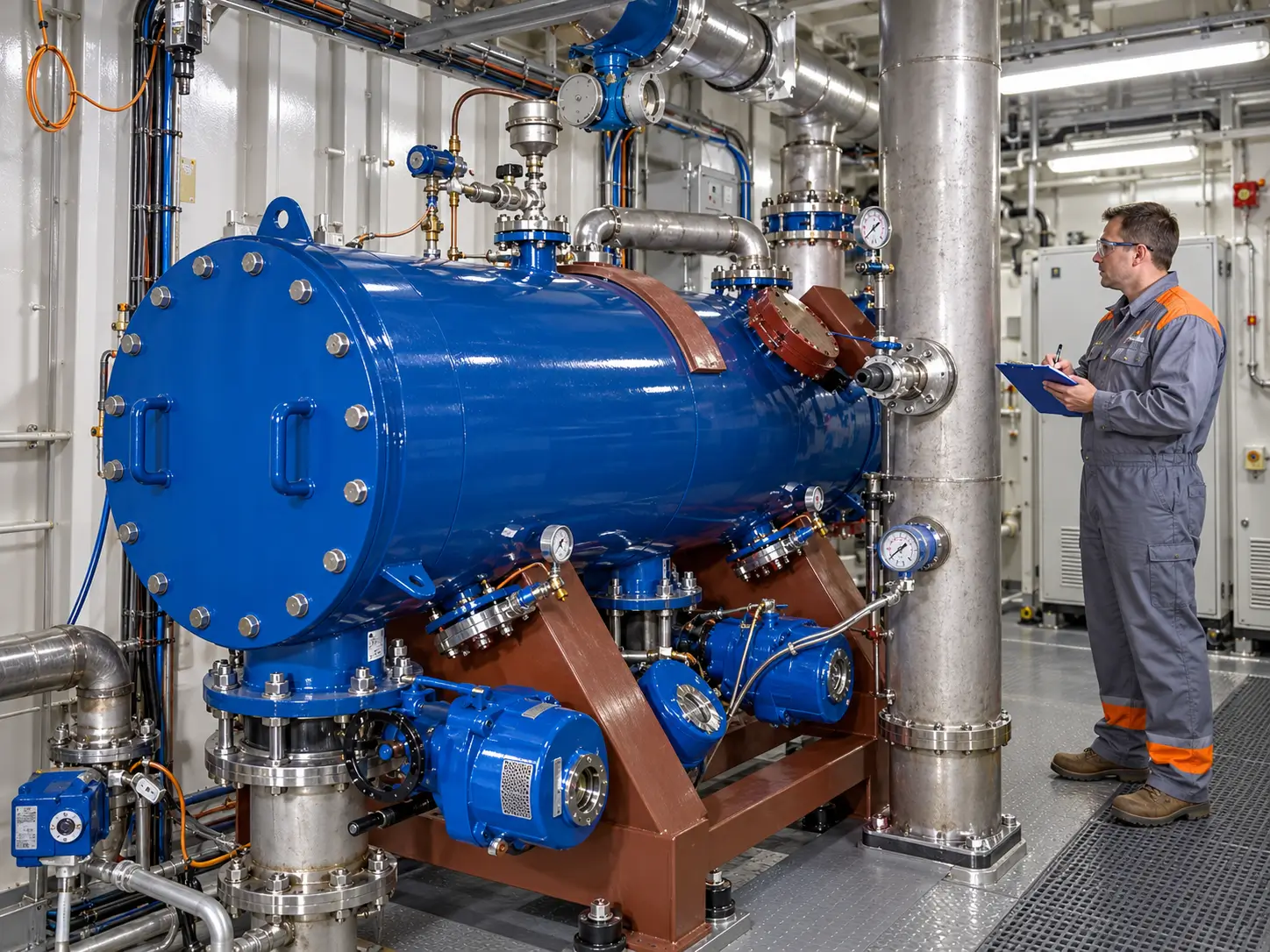
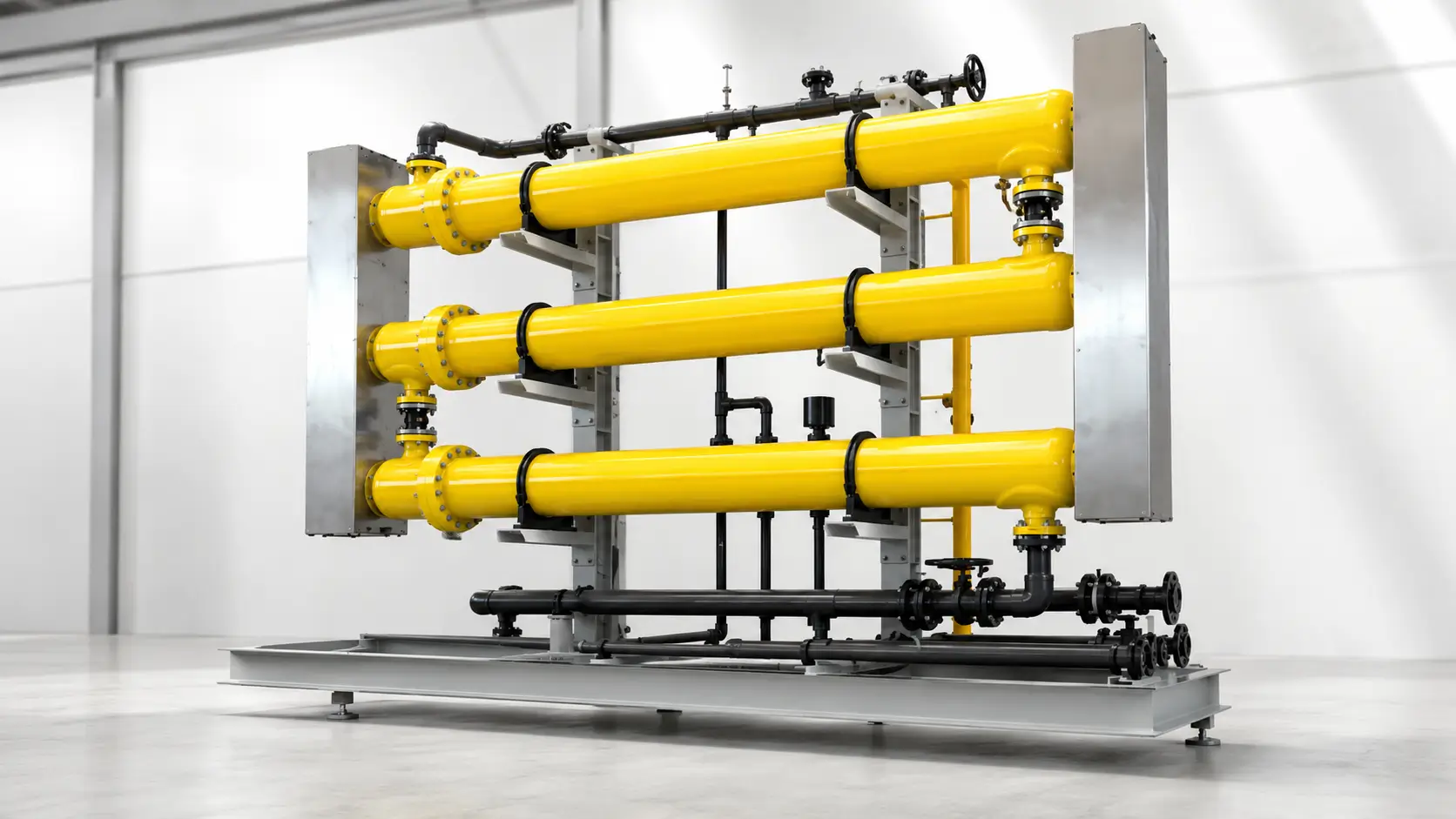
Review representative electrode technologies, reactor arrangements and treatment applications. Water analysis, treatment target, hydraulic duty and validation plan determine the technical route.



Related Products & Applications
Compare related product families and application capabilities that may support material selection, equipment integration, replacement planning or project qualification.
← Explore All Electrochemical SolutionsTechnical FAQ
No. Contaminant identity, chloride, conductivity, pH, temperature, flow, target, reactor and byproduct constraints also affect the technical path.
No. They have different reaction behavior, materials, operating windows, evidence requirements and costs.
A pilot is useful when the stream is variable, contaminants are complex, byproducts matter or scale-up cannot be supported reliably by existing data.
Not from an electrode quotation alone. Any performance commitment must be tied to an agreed water analysis, reactor, operating window, test method and supply boundary.
Tell us about the water source, contaminant concentrations, COD or TOC, conductivity, chloride, pH, temperature, flow rate, treatment target, reactor design, electrical duty, test data and documentation requirements. HELE will review the relevant electrode and validation path and identify missing inputs before quotation.