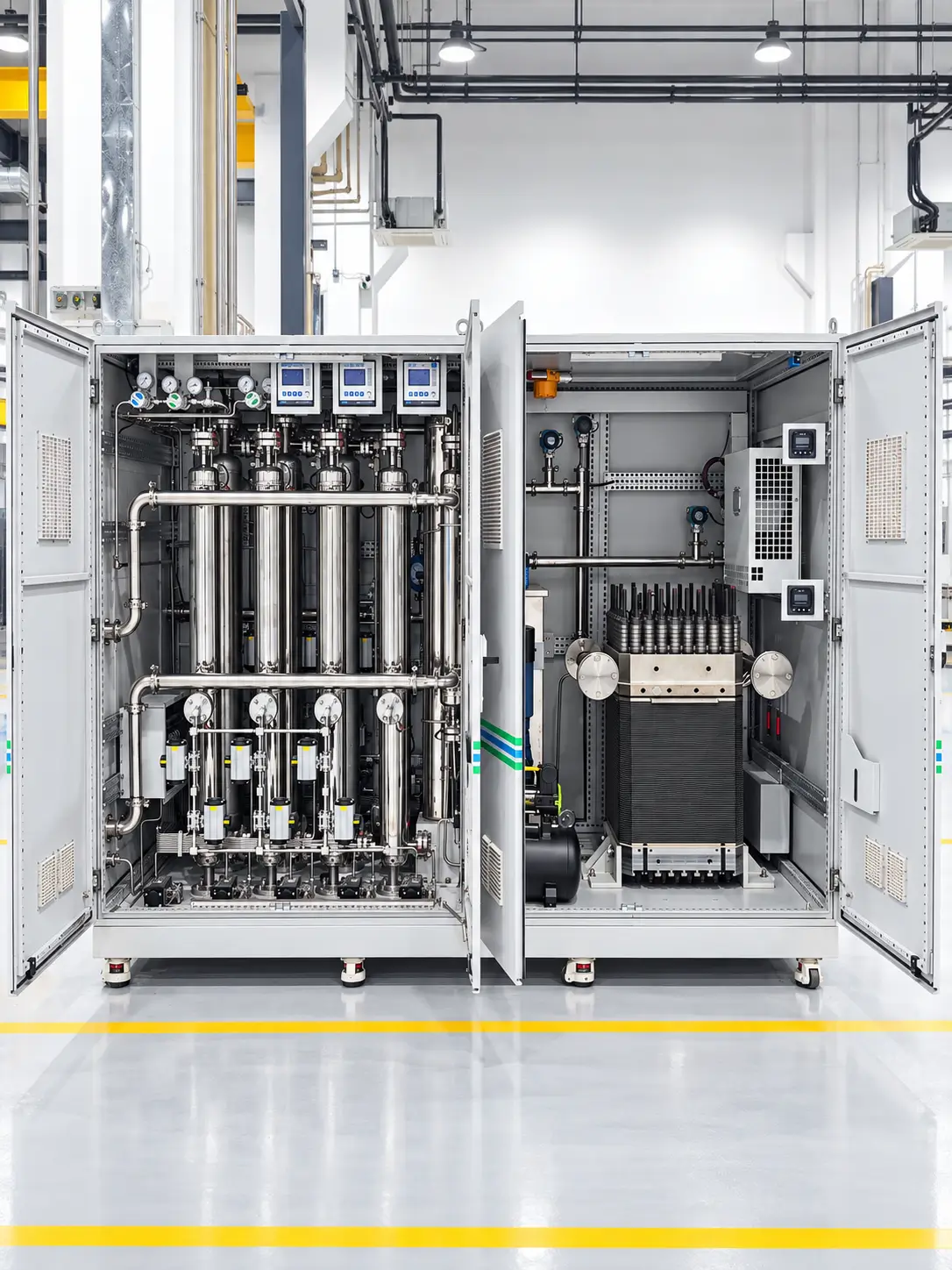
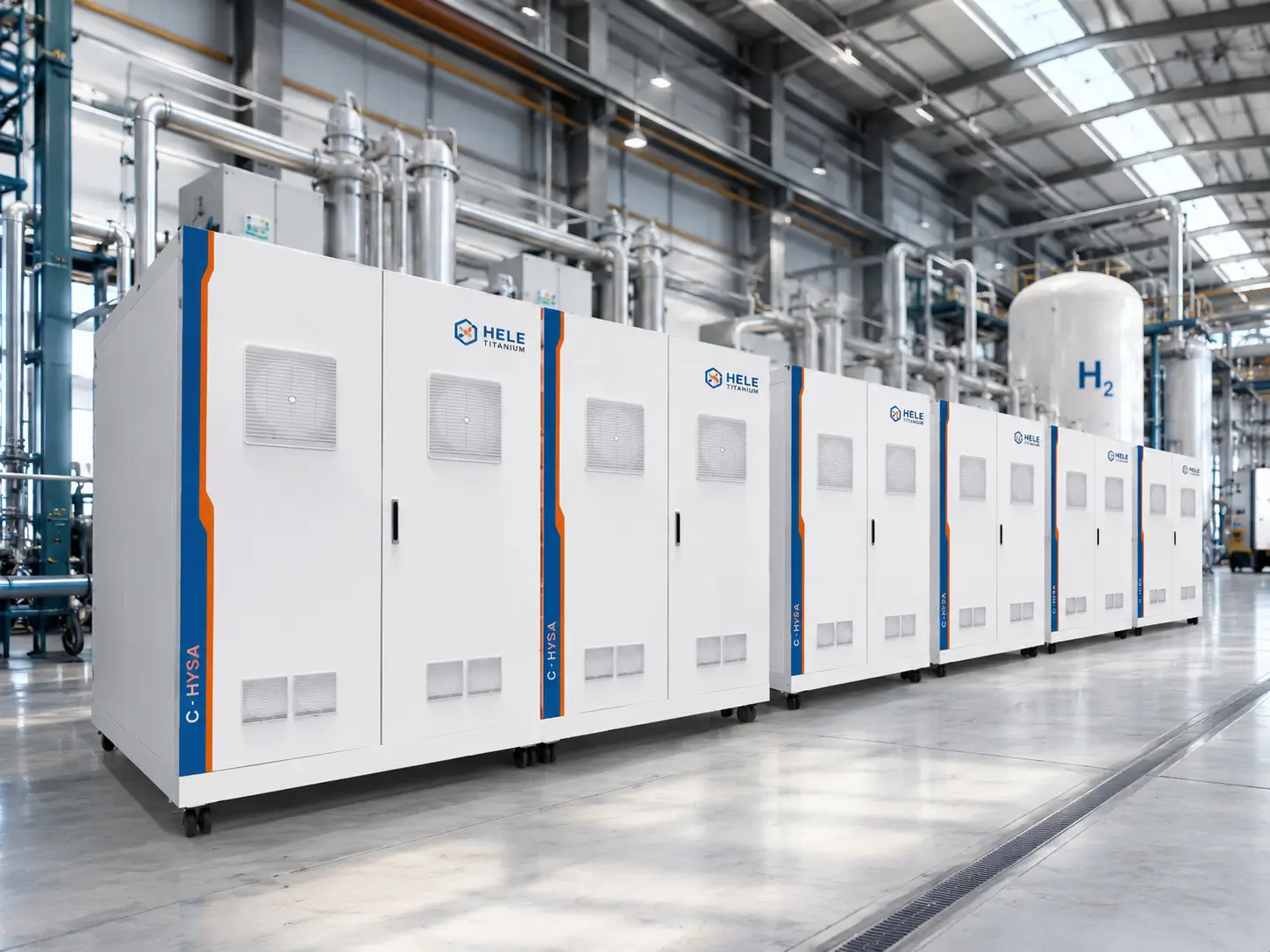
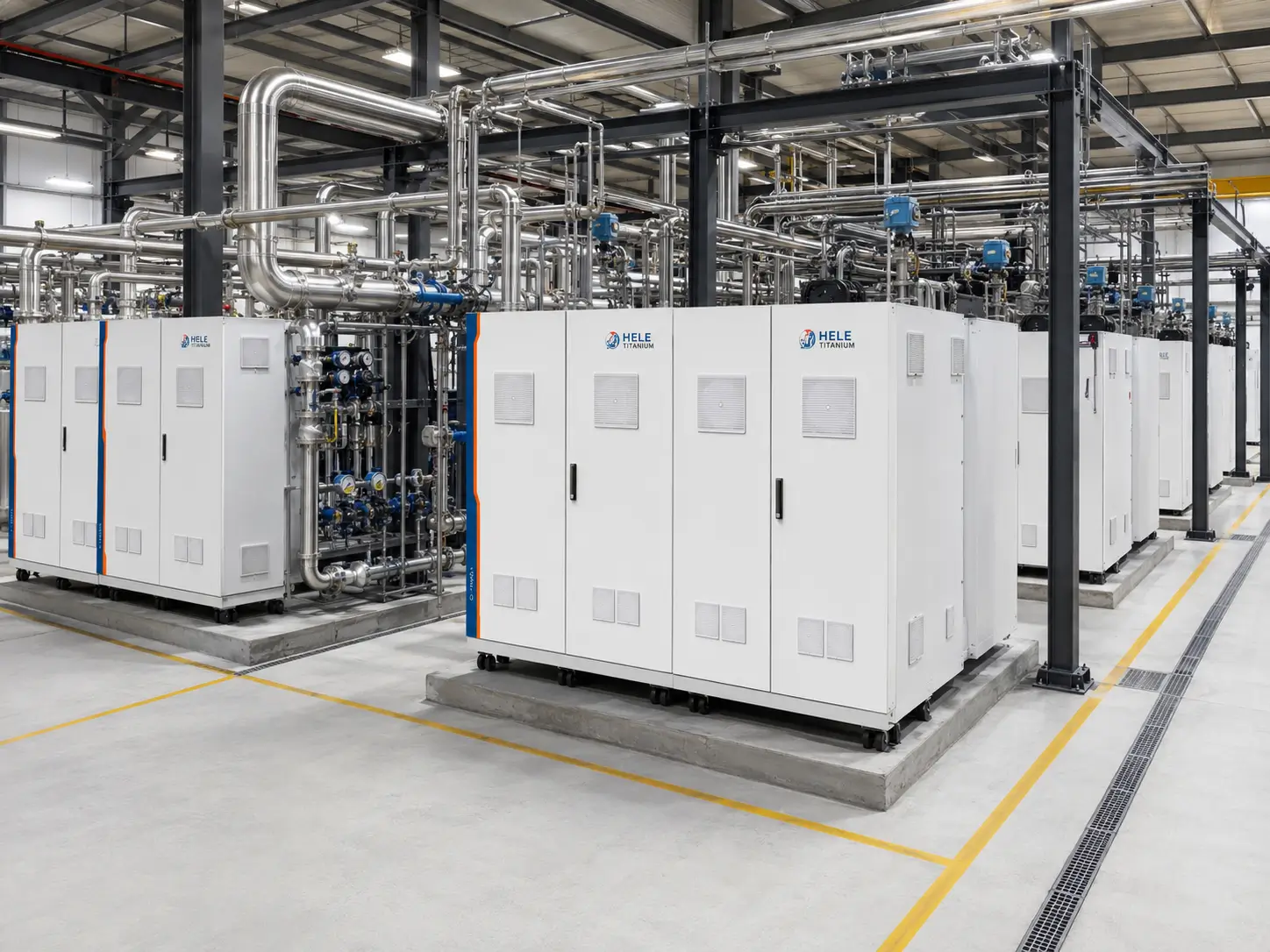
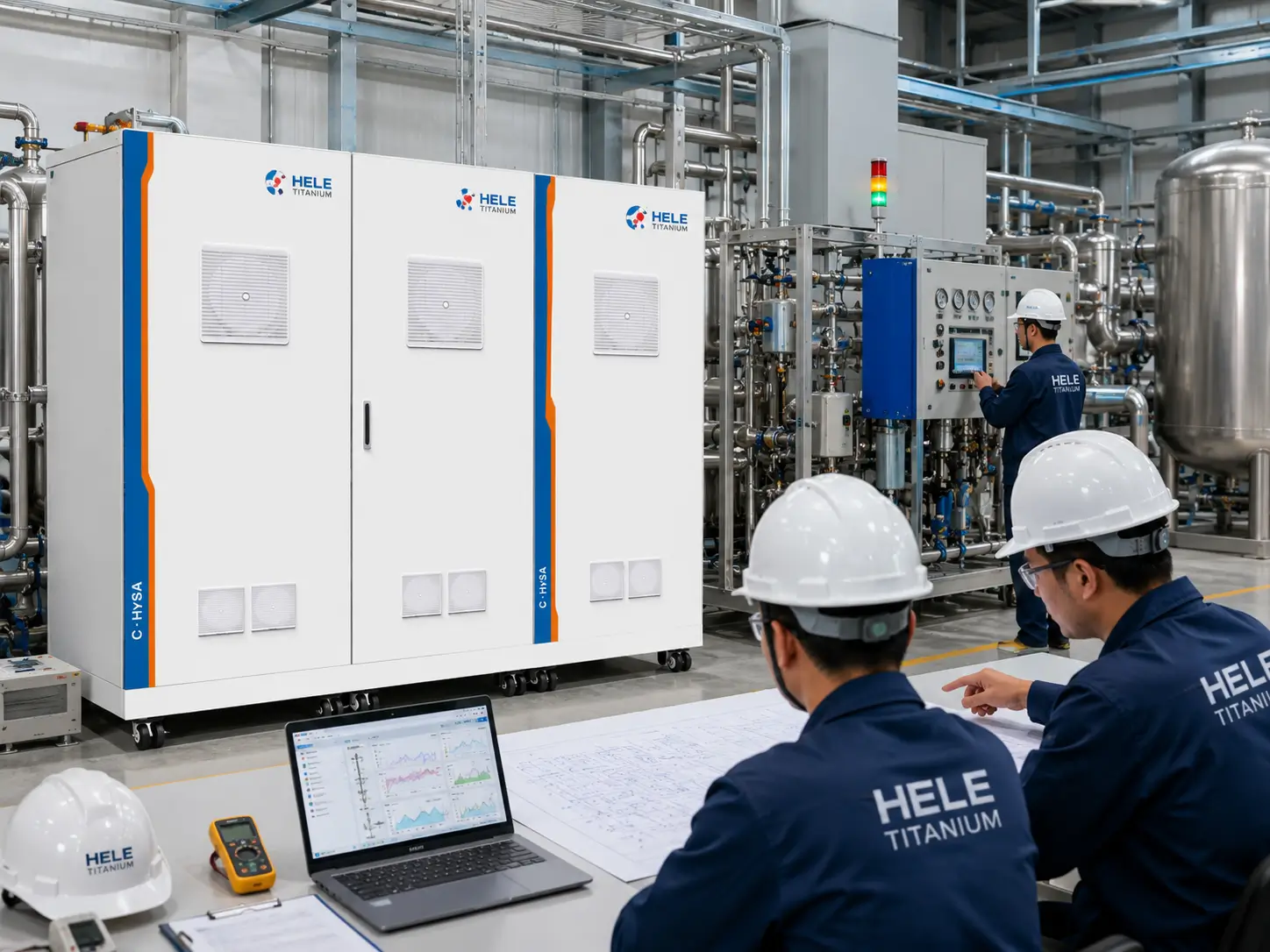
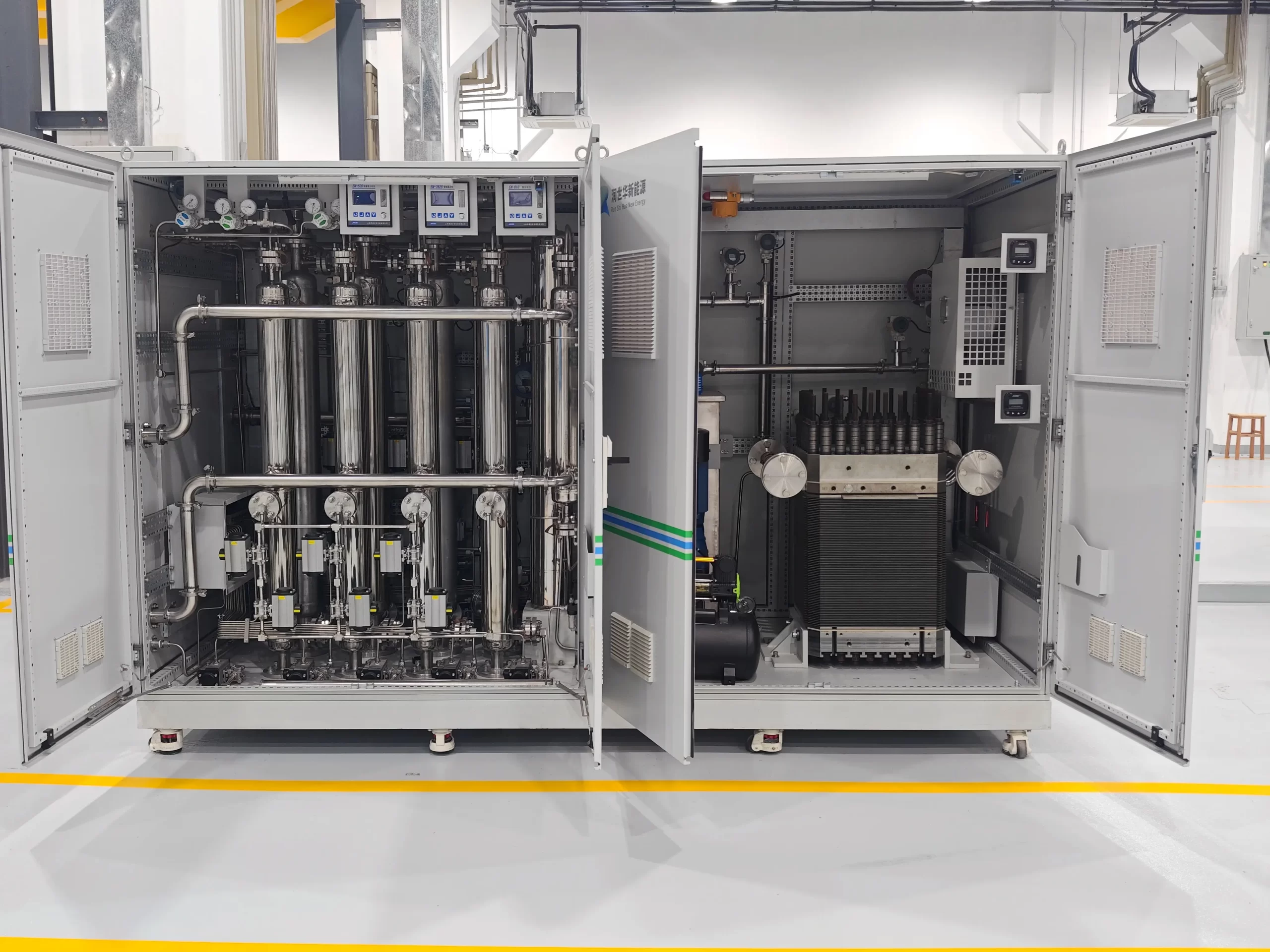
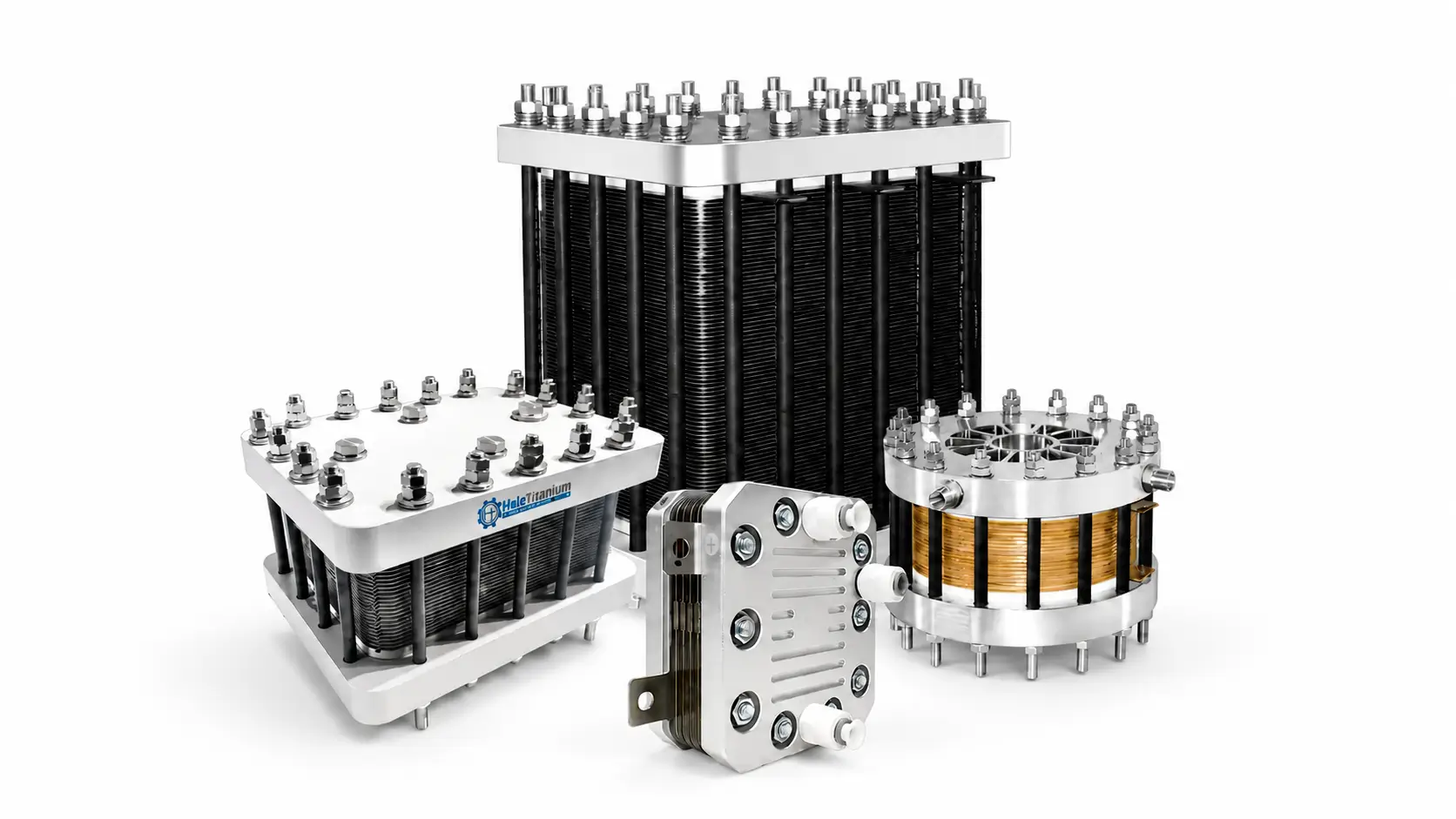
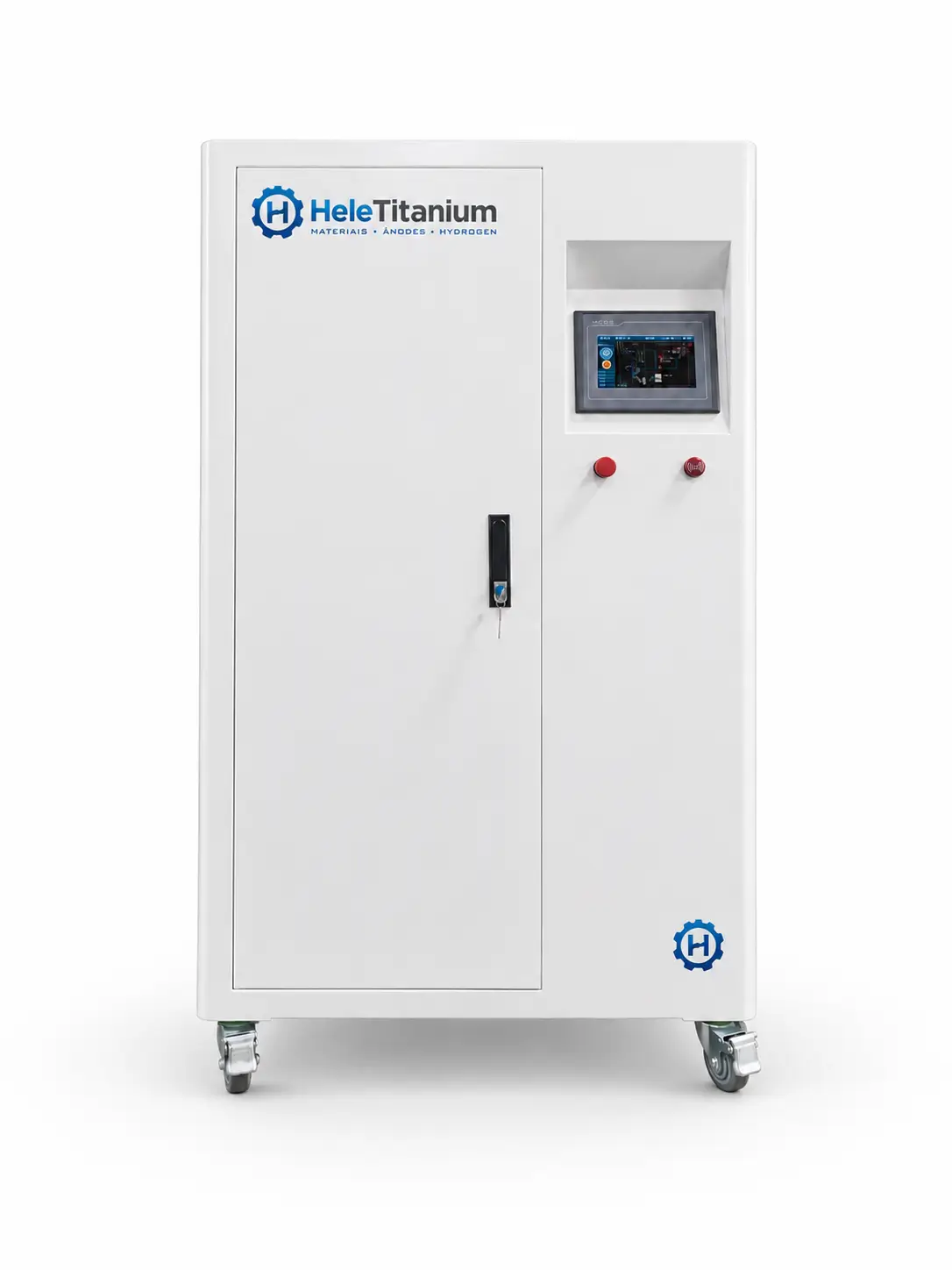
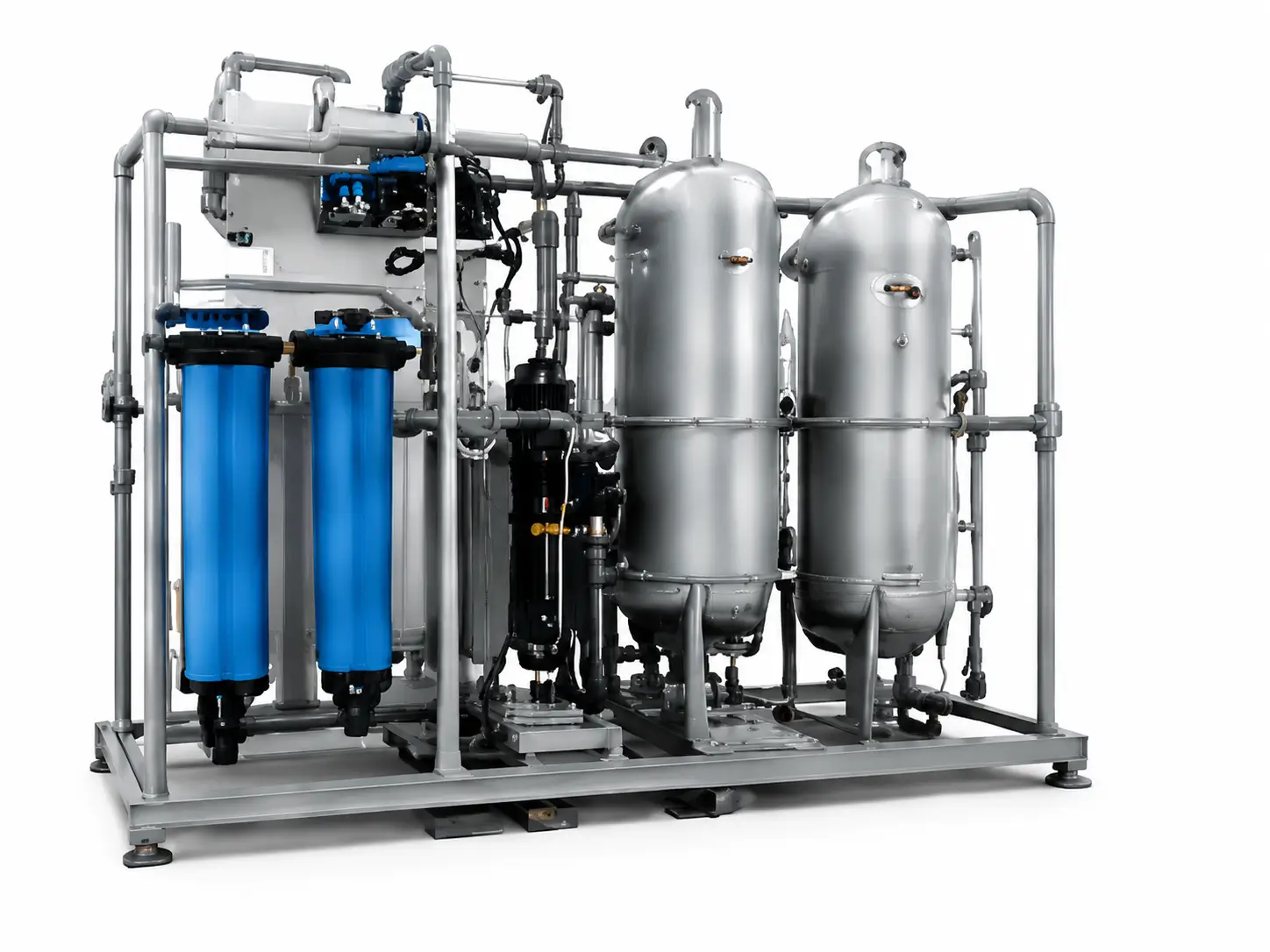
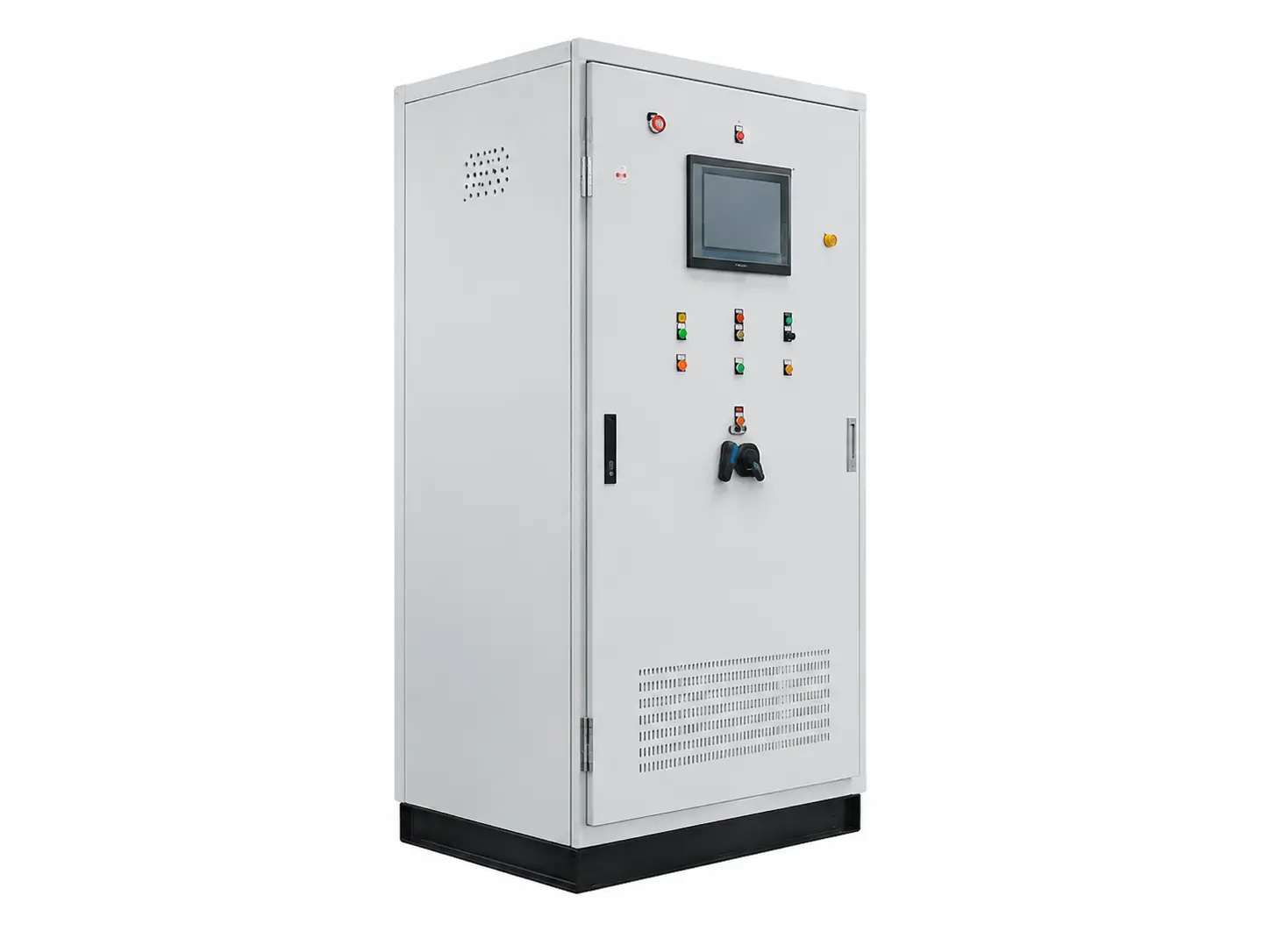
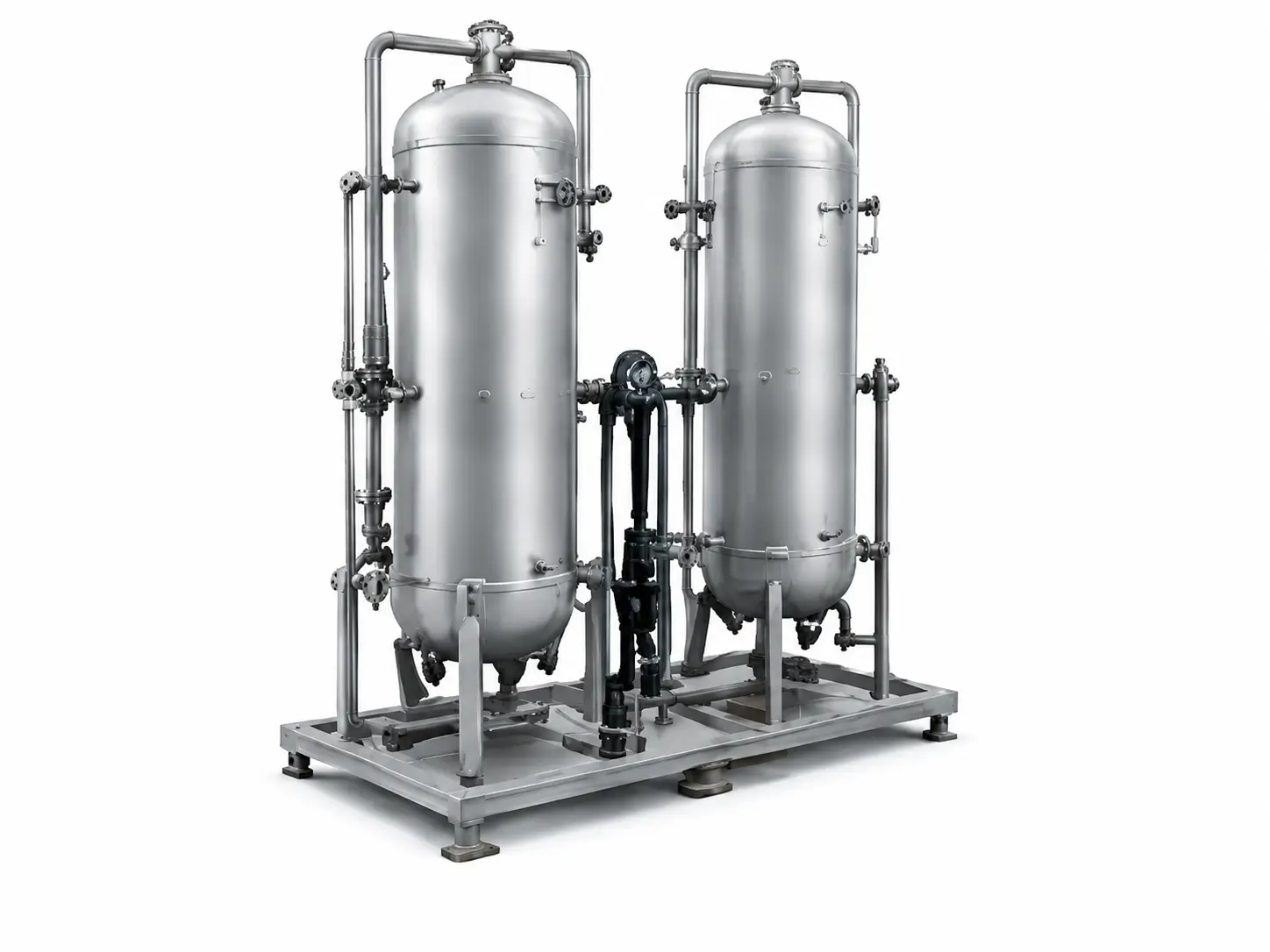
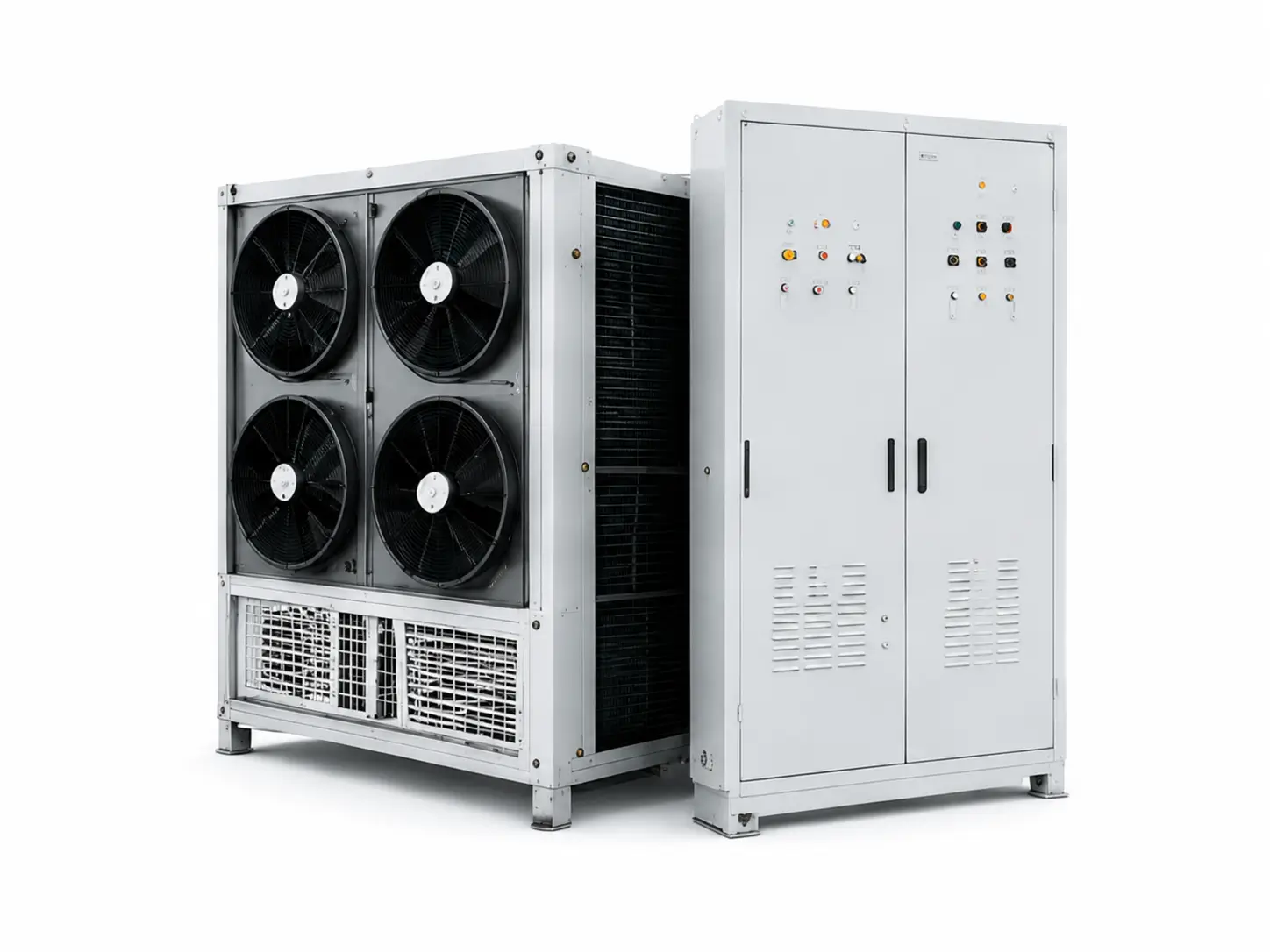
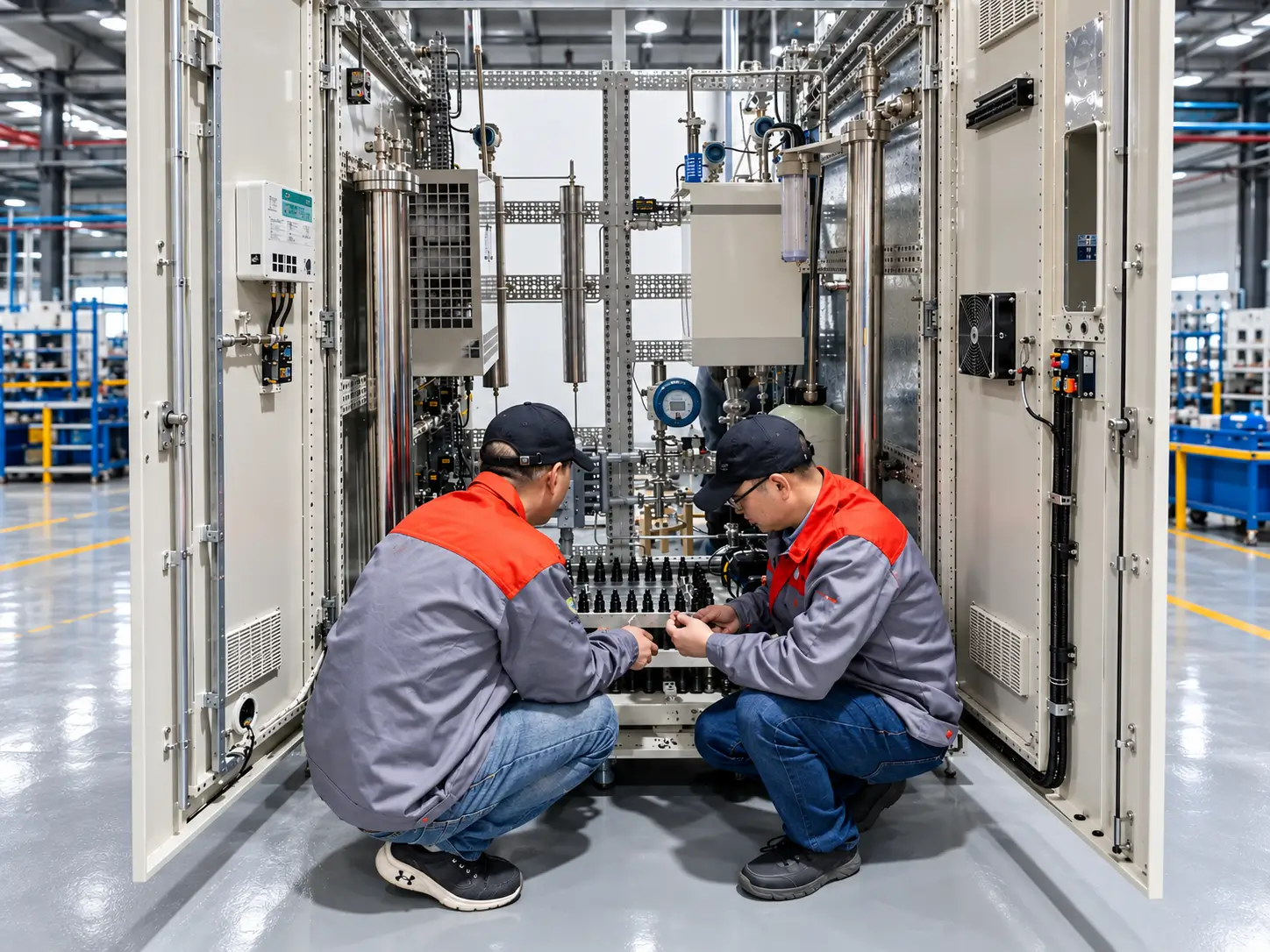
The M-Series high-capacity PEM electrolyzer is designed for 50–300+ Nm³/h hydrogen production, supporting large continuous hydrogen demand, renewable energy integration, utility energy storage, industrial hydrogen supply, and multi-skid hydrogen production projects. With a modular system architecture, it can be reviewed according to hydrogen output, pressure, purity, power source, BoP configuration, control system, and project delivery requirements.
50–300+ Nm³/h
High-Capacity Range
50–300+ Nm³/h
High-Capacity Range
Modular System
Multi-Skid Layout
Renewable & Utility
Hydrogen Projects
Custom BoP
Power, Cooling & Safety
The M-Series is designed for customers who need high-capacity hydrogen production, modular system expansion, continuous hydrogen supply, renewable power integration, or large-scale industrial hydrogen generation.
If your hydrogen demand is below 50 Nm³/h, the S-Series, H-Series, or C-Series may be more suitable. If your project requires outdoor protection, rapid deployment, or containerized site installation, the Containerized PEM Electrolyzer may be reviewed together with the M-Series configuration.
The M-Series provides a high-capacity modular PEM electrolyzer platform for large hydrogen production needs. Final configuration should be reviewed according to hydrogen output, purity target, outlet pressure, operating hours, power source, water quality, cooling load, modular expansion plan, BoP configuration, safety requirements, and documentation needs.
| Parameter | Unit | M-Series Configuration |
|---|---|---|
| Product Series | / | M-Series High-Capacity PEM Electrolyzer |
| Hydrogen Production Range | Nm³/h | 50–300+ |
| System Format | / | Modular / multi-skid PEM electrolyzer system |
| Best For | / | Large hydrogen projects, utility energy storage, industrial hydrogen supply, renewable hydrogen, and multi-skid systems |
| Hydrogen Purity | % | Reviewed according to downstream application and system configuration |
| Outlet Pressure | / | Reviewed according to compressor, storage, process, fuel cell, refueling, or downstream connection requirements |
| Power Source | / | Grid power, renewable power, hybrid power, or project-specific power supply configuration |
| Water Requirement | / | Purified / DI water quality and water treatment system should be reviewed before configuration |
| Cooling Requirement | / | Cooling method, heat load, ambient conditions, and continuous operation needs should be reviewed |
| BoP Configuration | / | Water treatment, water circulation, gas-liquid separation, cooling, power supply, sensors, valves, piping, and safety utilities can be integrated |
| Control Options | / | PLC, HMI, remote monitoring, data logging, alarms, safety logic, and SCADA / DCS interface when required |
| Custom Support | / | Capacity, pressure, purity, skid layout, modular expansion, BoP, controls, safety system, and documentation can be reviewed |
| Documentation | / | Datasheet, skid layout drawing, P&ID, wiring diagram, operation manual, FAT report, inspection record, packing documents, and project files when required |
The M-Series should be reviewed as a complete high-capacity hydrogen production system, not only as an electrolyzer capacity number. Power input, cooling load, water treatment, modular skid layout, gas handling, safety logic, monitoring system, downstream interface, and documentation scope all affect final system design.
For faster configuration review, please provide your required hydrogen output, operating hours, outlet pressure, purity target, power source, water quality, cooling condition, downstream use, installation site, modular expansion plan, and destination country before quotation.
For large industrial and renewable hydrogen projects, system reliability depends on how PEM stack modules, rectifiers, water treatment, gas-liquid separation, cooling, control logic, safety interlocks, and downstream interfaces are integrated. Hele Titanium reviews M-Series configurations according to hydrogen output, operating profile, power source, water quality, pressure requirement, site utilities, safety requirements, future expansion plan, and delivery needs.
Designed for 50–300+ Nm³/h hydrogen production where stable high-volume output is required.
Suitable for projects requiring modular equipment arrangement, phased expansion, and service access.
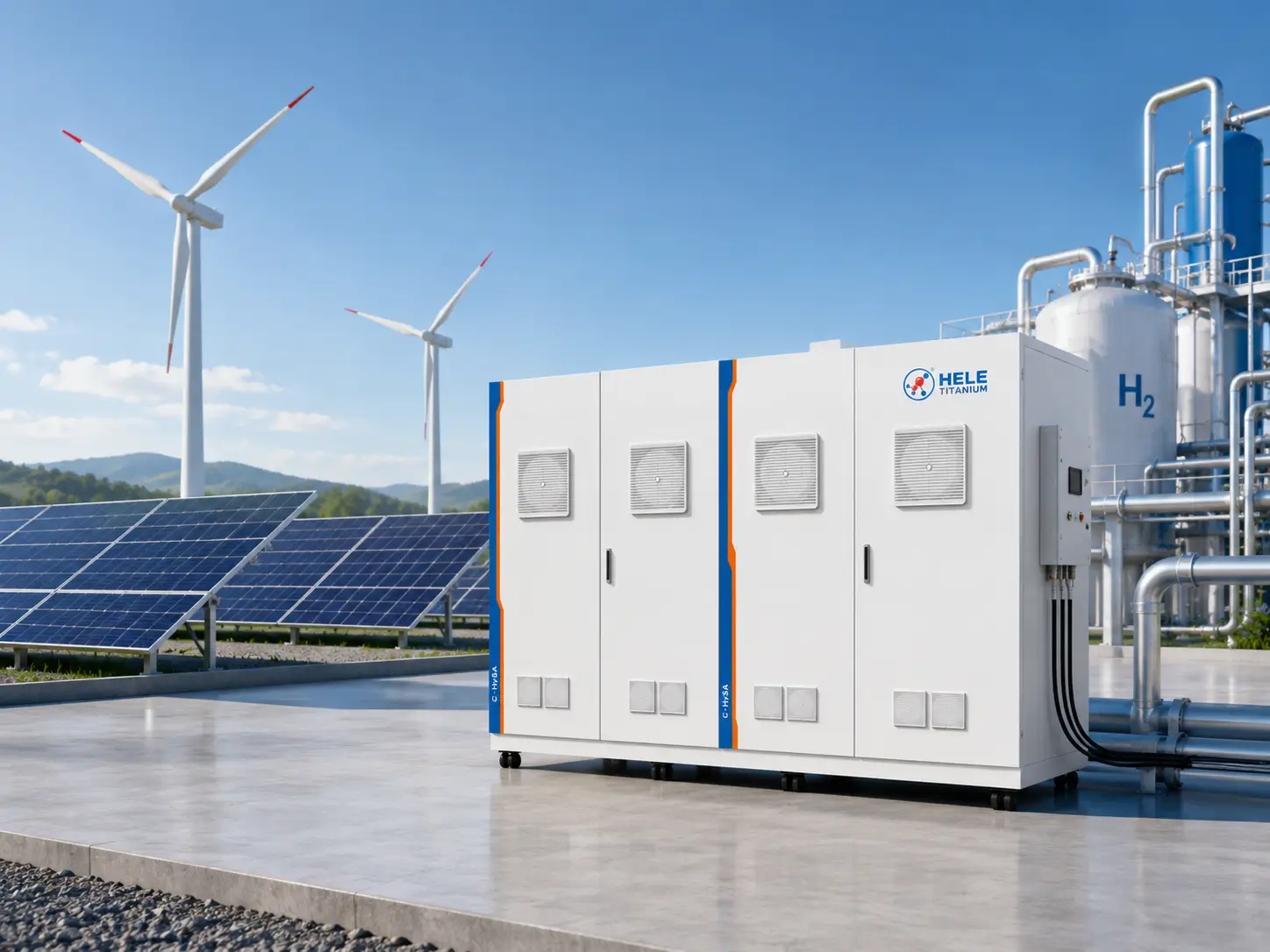
Can be reviewed for solar, wind, hybrid, grid, or power-to-gas hydrogen production projects.
Water, power, cooling, gas handling, control, safety, and documentation should be reviewed as one integrated system.
The M-Series is suitable for large hydrogen projects where buyers need high output, modular system design, reliable operation, and engineering support for utilities, safety, and downstream integration.
Hydrogen Use: High-capacity production connected with renewable energy, industrial parks, or low-carbon projects.
Recommended Configuration: M-Series modular PEM electrolyzer system.
Key Review Factors: Power source, output, cooling load, water quality, storage, downstream use, site interface.
Hydrogen Use: Convert surplus electricity into hydrogen for energy storage, grid balancing, or power-to-gas applications.
Recommended Configuration: M-Series PEM electrolyzer with modular expansion and power input review.
Key Review Factors: Renewable coupling, start-stop behavior, power fluctuation, storage plan, control logic.
Hydrogen Use: Large on-site hydrogen supply for continuous industrial process or utility hydrogen demand.
Recommended Configuration: M-Series multi-skid hydrogen production system.
Key Review Factors: Operating hours, process interface, purity, pressure, safety, cooling, documentation.
Hydrogen Use: Large projects requiring staged capacity expansion or modular hydrogen generation.
Recommended Configuration: M-Series modular PEM electrolyzer with expandable skid arrangement.
Key Review Factors: Expansion plan, skid layout, piping connection, service space, power distribution.
Hydrogen Use: Hydrogen generation for refueling station support, mobility infrastructure, or demonstration hubs.
Recommended Configuration: M-Series PEM system with storage, compression interface, and safety review.
Key Review Factors: Outlet pressure, compressor interface, storage, purity, flow stability, safety logic.
Hydrogen Use: Hydrogen production for microgrids, CHP, renewable energy parks, or multi-energy systems.
Recommended Configuration: M-Series PEM electrolyzer with power, control, storage, and utility integration review.
Key Review Factors: Power strategy, operating profile, hydrogen storage, control system, site integration.
The PEM stack is the hydrogen generation core, but an M-Series high-capacity PEM electrolyzer requires modular stack grouping, skid layout, power supply, water treatment, gas-liquid separation, cooling, control logic, and safety protection for stable high-output operation.
DI Water Input, Power Input
Stack Modules → Power/Rectifier → Water System → Gas Separation → Cooling → Control & Safety
Hydrogen Output, Oxygen Vent
The electrochemical core. High-capacity systems require modular stack grouping according to output demand.
Organizes stack modules, BoP equipment, piping, wiring, and service access into a scalable layout.
Supports DI water supply, filtration, circulation, and stable water quality for continuous production.
Controls electrical input, voltage-current behavior, renewable coupling, and power stability.
Separates H2 and O2 from water and supports drying, purification, pressure control, and storage.
Supports heat management, monitoring, ventilation, emergency shutdown, and safety interlocks.
PEM Stack Modules + Modular Skid Layout + Water System + Power Supply + Gas Handling + Cooling & Safety = M-Series High-Capacity PEM Electrolyzer System
Final high-capacity system configuration should be reviewed according to hydrogen output, pressure, purity, power source, water quality, cooling load, operating profile, skid layout, downstream use, safety requirements, expansion plan, and documentation needs.
M-Series projects require system-level engineering review. Hele Titanium can support modular capacity planning, skid layout, BoP integration, power input matching, cooling review, safety logic, and documentation according to high-capacity hydrogen project needs.
Review required Nm³/h, daily hydrogen demand, operating hours, peak demand, and future capacity expansion plan.
Review equipment arrangement, service aisle, piping, wiring, control cabinet position, and maintenance access.
Review grid power, renewable power, hybrid power, rectifier, power fluctuation, and operating strategy.
Review DI water supply, water treatment, cooling method, heat load, ambient condition, and site utilities.
Review hydrogen outlet, oxygen venting, storage, compressor interface, pressure, purity, and downstream use.
Review PLC, HMI, remote monitoring, hydrogen detection, emergency shutdown, pressure relief, alarms, and SCADA interface.
A clear RFQ helps our engineering team review whether the M-Series high-capacity PEM electrolyzer is suitable for your hydrogen production project.
| Selection Factor | What to Confirm |
|---|---|
| Application | Large hydrogen project, renewable hydrogen, industrial supply, utility storage, refueling support, or multi-skid production |
| Hydrogen Output | Required Nm³/h, daily hydrogen demand, peak demand, operating hours, or expansion plan |
| Hydrogen Purity | Standard purity or higher downstream purity requirement |
| Outlet Pressure | Required pressure for storage, compressor, refueling support, process use, fuel cell, or downstream connection |
| Power Source | Grid power, solar, wind, hybrid power, voltage, phase, power stability, or renewable fluctuation |
| Water Quality | DI water source, conductivity, water treatment, circulation, and supply stability |
| Cooling Condition | Cooling water, chiller, ventilation, ambient temperature, heat load, and continuous operation needs |
| Installation Site | Industrial plant, renewable energy site, hydrogen station, utility project site, or custom layout |
| Modular Layout | Skid arrangement, expansion plan, access space, piping, wiring, and maintenance route |
| Operating Profile | Continuous, intermittent, renewable-coupled, scheduled, standby, or load-following operation |
| Downstream Interface | Storage tank, compressor, process equipment, fuel cell, refueling system, or gas distribution line |
| Control Requirement | Local control, HMI, PLC, alarm, data logging, remote monitoring, SCADA / DCS interface, or cloud monitoring |
| Safety Requirement | Hydrogen detection, ventilation, pressure relief, emergency shutdown, oxygen venting, alarms, and interlocks |
| Documentation | Datasheet, skid layout drawing, P&ID, wiring diagram, manual, FAT report, inspection record, certificate, or project documents |
| Destination | Country, shipping port, packing requirement, import requirement, site delivery condition, and delivery schedule |
A strong inquiry should not only say "Please quote a high-capacity PEM electrolyzer." A better request is: "We need an M-Series PEM electrolyzer for [application], with [hydrogen output], [purity], [pressure], [operating hours], [power source], [water quality], [site condition], [expansion plan], and [control or safety requirements]."
The reliability of an M-Series high-capacity PEM electrolyzer depends on every detail—stack module assembly, skid layout, sealing, pressure control, electrical behavior, water circuit design, cooling, gas handling, control logic, safety interlocks, and final documentation. Testing and documentation support helps each system be reviewed, traceable, and ready for project delivery.
Verify alignment, torque sequence, sealing condition, and compression for stable high-capacity operation.
Perform hydrostatic/pneumatic checks on water, gas, and cooling circuits to detect leaks and confirm pressure control.
Check insulation, wiring, voltage-current behavior, PLC/HMI response, and control signal integrity.
Inspect skid layout, piping, cable routing, cooling interface, gas handling, and maintenance access.
Test emergency stop, alarms, interlocks, hydrogen detection, ventilation, and shutdown logic.
We provide documentation support for project delivery, engineering approval, commissioning, and long-term operation.
The M-Series is best for large hydrogen production, modular expansion, and high-capacity industrial or renewable hydrogen projects. For smaller systems or containerized deployment, other PEM electrolyzer options may be more suitable.
| Series | Capacity Range | Best For | Recommended When |
|---|---|---|---|
| S-Series Compact | 0.01–1 Nm³/h | Laboratory, R&D, education, small pilot systems | You need compact hydrogen output and flexible testing use. |
| H-Series Mid-Range | 1–10 Nm³/h | On-site hydrogen supply, microgrids, pilot industrial projects | You need mid-range hydrogen output and stable skid-mounted operation. |
| C-Series Industrial | 10–50 Nm³/h | Industrial hydrogen supply, refueling support, process use | You need continuous industrial hydrogen production and stronger BoP integration. |
| M-Series High-Capacity | 50–300+ Nm³/h | Large hydrogen projects, utility storage, multi-skid systems | You need modular high-capacity hydrogen production. |
| Containerized PEM | 10–200 Nm³/h customizable | Outdoor, remote, renewable, or rapid deployment projects | You need containerized layout, outdoor installation, or site mobility. |
Answers for large hydrogen project developers, EPC firms, renewable energy developers, industrial operators, utility project teams, system integrators, and procurement buyers evaluating high-capacity PEM electrolyzer systems.
Share your required hydrogen output, pressure, purity, power source, water quality, cooling condition, installation site, modular expansion plan, downstream use, and documentation needs. Hele Titanium can help review a suitable M-Series PEM system configuration.
Share your drawings, application, material grade, coating requirement, quantity, and delivery target. Our team will review your request within 1 business day.
Email Us
sales@heletitanium.comWhatsApp / Call Us
+86 13857402537Factory & Engineering Center
Titanium Valley, Baoji City, Shaanxi Province, China