Boron-Doped Diamond Electrode Manufacturing
Boron-Doped Diamond Electrode Solutions

Boron-Doped Diamond Anodes Manufacturer

Factory-direct BDD electrodes and boron-doped diamond anodes engineered for advanced oxidation, industrial wastewater treatment, PFAS and micropollutant treatment studies, electrosynthesis, electroanalysis, ozone generation, disinfection, and high-stability electrochemical systems.

CVD Boron-Doped Diamond Film Ti, Nb & Si Substrates Wide Potential Window
Request BDD Electrode Specs

The Ultimate Frontier in Advanced Electrochemical Oxidation

When conventional anodes reach their limits, BDD electrodes unlock a wider reaction window.

Boron-Doped Diamond electrodes combine the chemical inertness of diamond with electrical conductivity created through controlled boron doping. This gives BDD anodes an ultra-wide electrochemical potential window, low background current, strong fouling resistance, and powerful oxidation capability for difficult water treatment, electrosynthesis, and electroanalysis applications.

Hele Titanium provides BDD electrodes on titanium, niobium, and silicon substrates, manufactured with controlled CVD diamond-film technology and engineered around your application goals, current density, substrate requirements, reactor geometry, and performance targets. Need MMO, Ru-Ir, Ir-Ta, Pt/Ti, PbO₂, or other coated titanium anodes? View our full Titanium Anode solutions page.

  • CVD Diamond-Film Technology
  • Ultra-Wide Potential Window
  • Hydroxyl Radical Oxidation Support
  • Custom Ti / Nb / Si Substrates
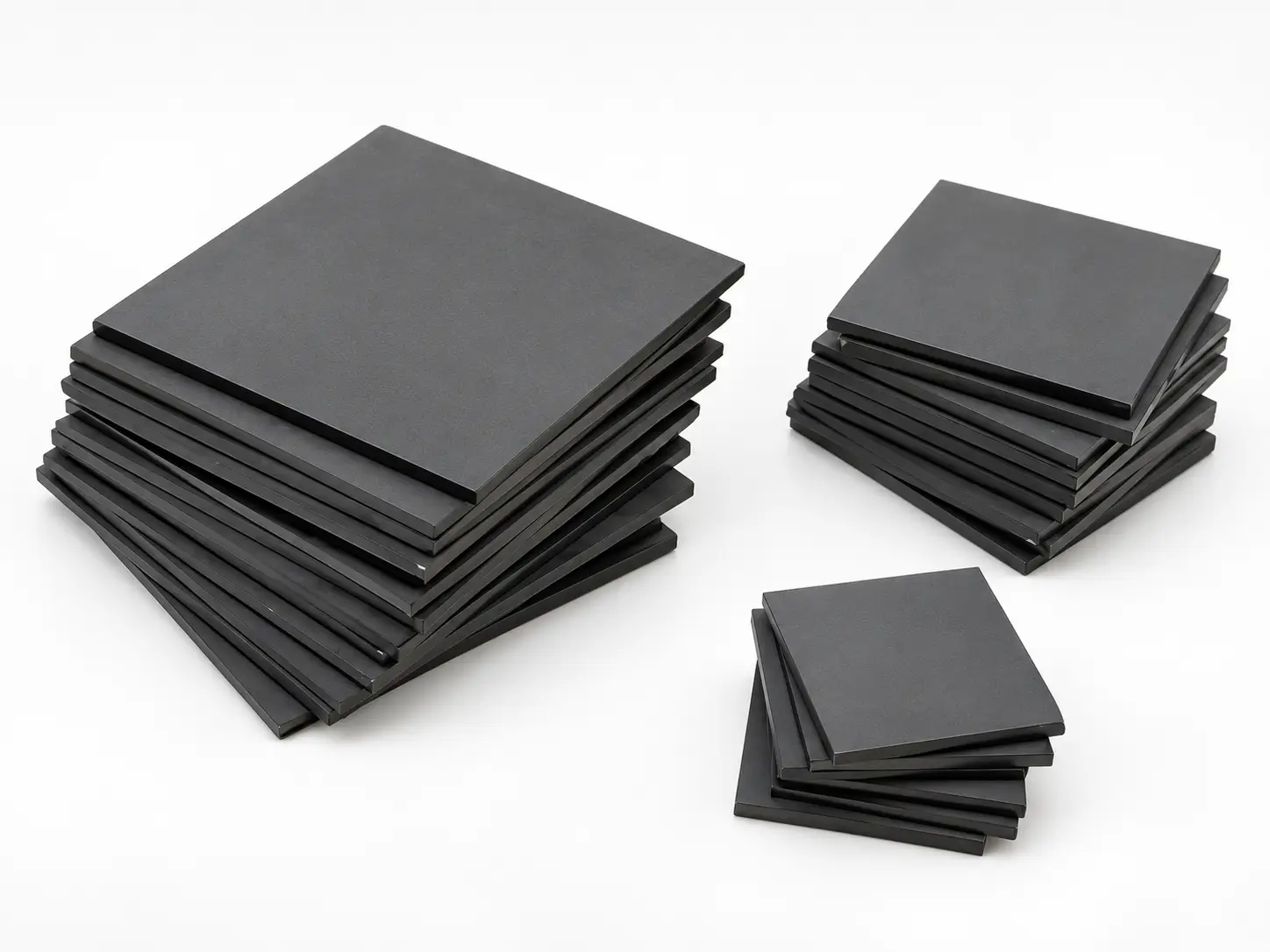
Engineer inspecting BDD plates

When Should You Choose BDD Electrodes?

BDD electrodes are selected when your process requires an ultra-wide potential window, powerful non-selective oxidation, low background current, excellent chemical inertness, and resistance to fouling. They are especially valuable when conventional electrodes cannot provide enough oxidation power, signal stability, or long-term surface cleanliness.

Best for Advanced Oxidation

BDD anodes support strong anodic oxidation and hydroxyl radical generation for difficult wastewater, micropollutants, and advanced oxidation process development.

Key Processes:
  • • PFAS treatment studies
  • • COD reduction
  • • Dye & pharmaceutical wastewater
  • • Micropollutant degradation

Different from PbO₂ and MMO

PbO₂/Ti offers cost-effective high-OEP oxidation but contains lead. MMO coatings are reaction-specific. BDD provides a diamond-film surface with a wider potential window.

Selection Logic:
  • BDD: Ultra-high stability & window
  • PbO₂/Ti: Cost-effective high-OEP
  • Ru-Ir/IrO₂: Specific CER/OER
  • Pt/Ti: High-purity inert conductivity

Built Around CVD & Doping

BDD performance depends on substrate material, diamond-film quality, boron doping level, film thickness, and surface morphology.

Key Parameters:
  • • Ti / Nb / Si substrate
  • • Boron doping level & thickness
  • • CVD method (MPCVD/HFCVD)
  • • Current density & pH
Process Is BDD Recommended? Reason
PFAS & micropollutant studies Yes Wide potential window and strong oxidation capability
High-COD industrial wastewater Yes Supports advanced oxidation and difficult organic degradation
Electroanalysis & sensing Yes Low background current and high signal stability
Electrosynthesis / green chemistry Yes Enables high-purity oxidation reactions
Cost-sensitive bulk oxidation Maybe PbO₂/Ti may be more economical if lead is allowed
Simple chlorine generation Usually no Ru-Ir MMO is usually more cost-effective for CER

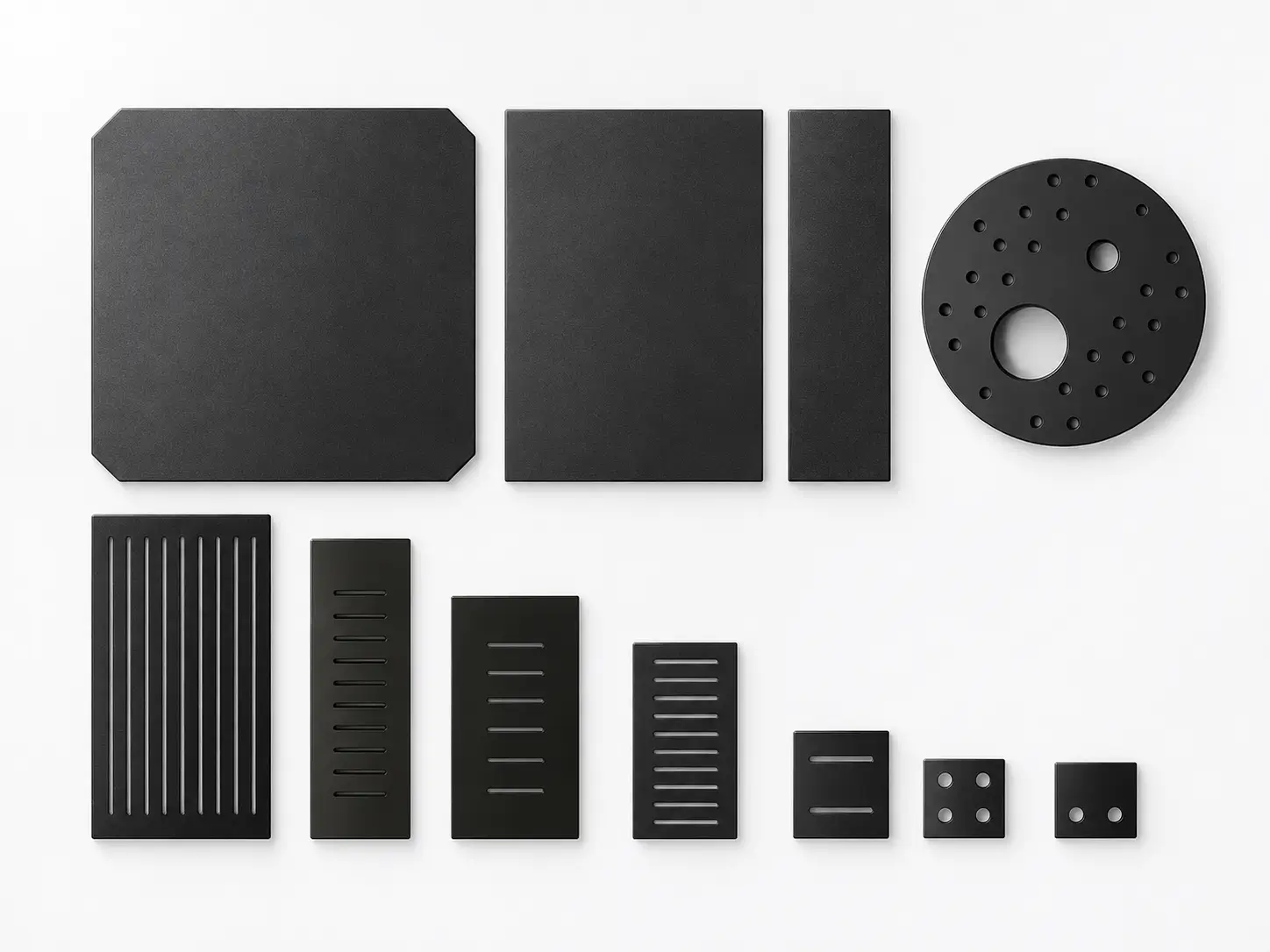
Explore Our BDD Electrode Range

Hele Titanium manufactures boron-doped diamond electrodes in multiple substrates, formats, and assembly types for advanced oxidation, wastewater treatment, electrochemical synthesis, sensing, and research applications.

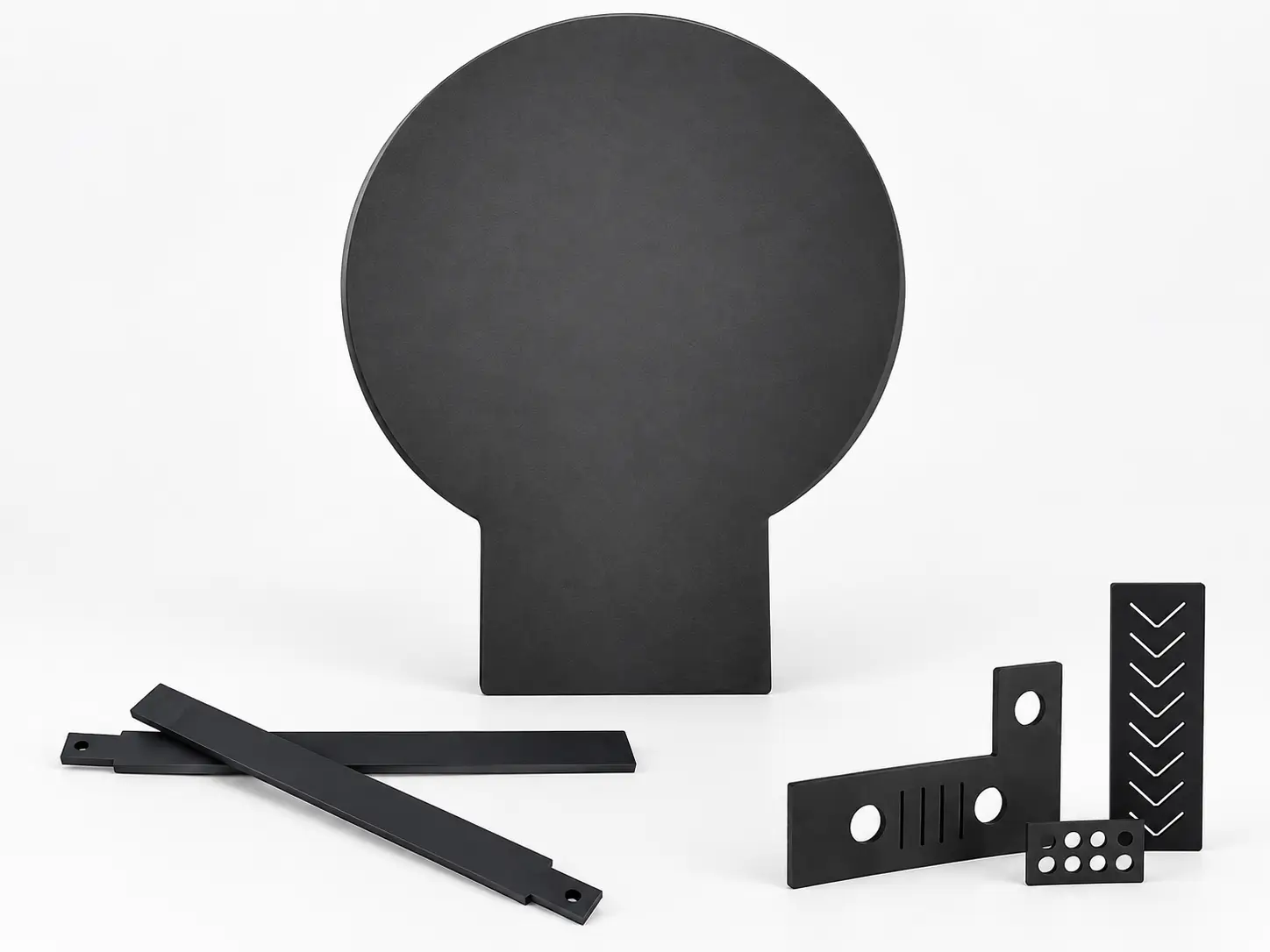
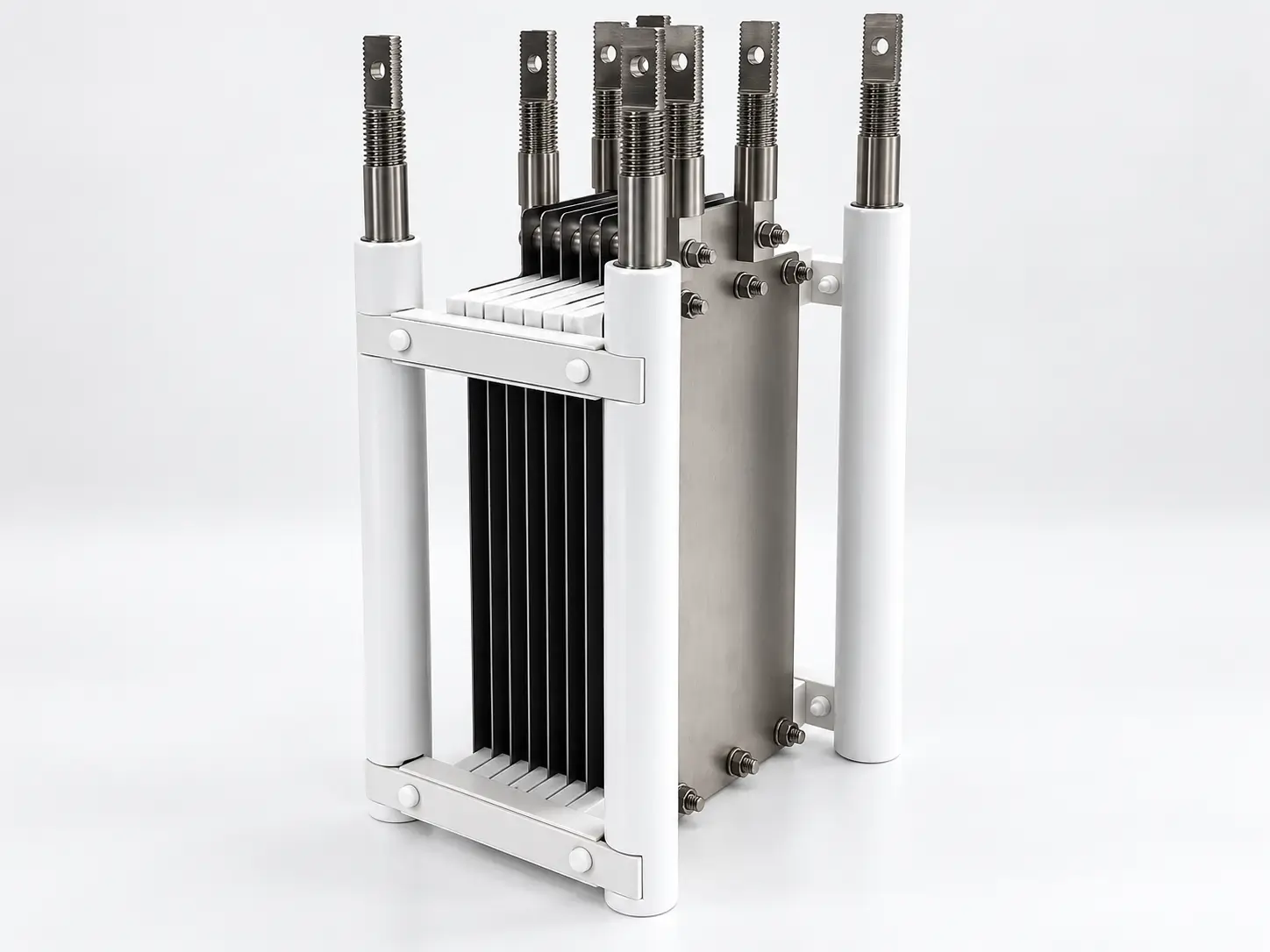
Industrial BDD Plate

Industrial BDD Plate

Substrate: BDD film on Grade 1 Ti

Best For: Large-scale AOP systems

Advantage: Heavy-duty geometry for industrial current density.

Multi-Substrate BDD Anode

Multi-Substrate BDD

Substrate: Ti, Nb, or Si options

Best For: Organic degradation & R&D

Advantage: Performance tuning for chemical exposure.

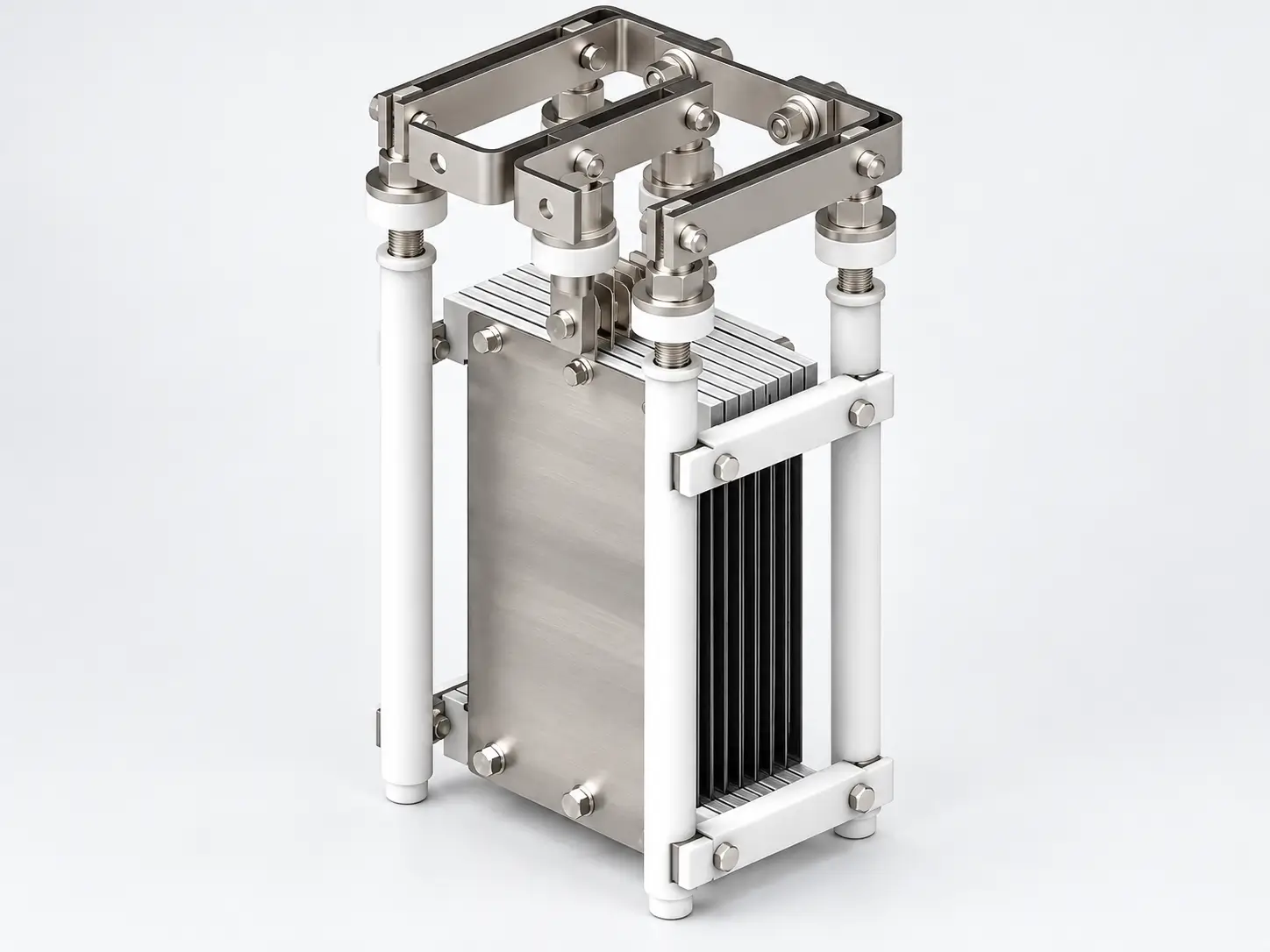
Ready-to-Install BDD Module

Ready-to-Install Module

Substrate: Pre-assembled module

Best For: OEMs & industrial AOP skids

Advantage: Plug-and-play design reduces installation time.

Niobium-Based BDD Plate

Niobium-Based BDD

Substrate: High-conductivity Nb

Best For: Extreme chemical conditions

Advantage: Excellent durability where Ti may passivate.

Silicon-Based BDD Electrode

Silicon-Based BDD

Substrate: Mono/polycrystalline Si

Best For: Lab electroanalysis & testing

Advantage: Lab-grade surface uniformity.

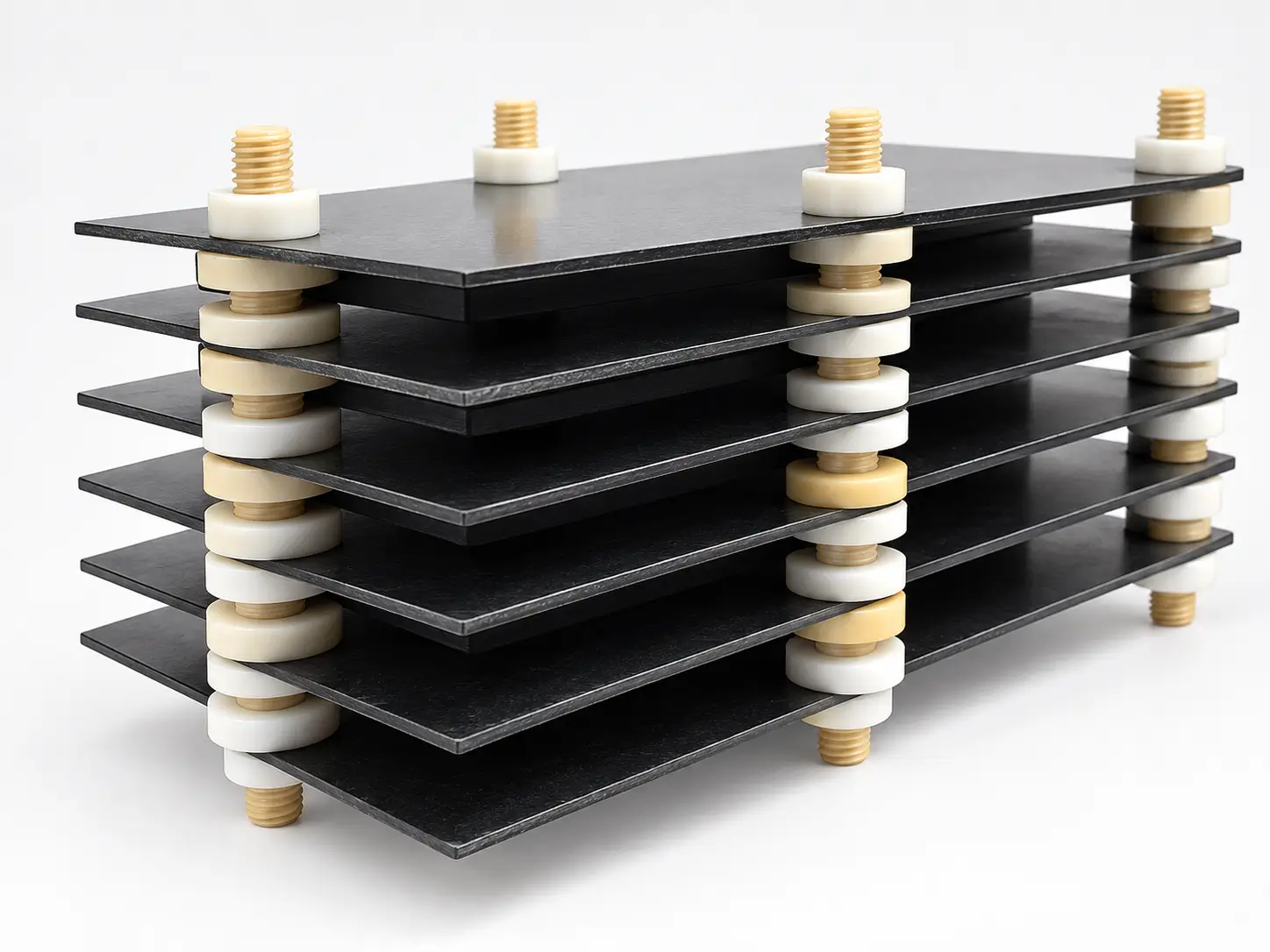
High-Capacity BDD Plate

High-Capacity BDD

Substrate: Large-format Ti

Best For: Continuous-flow oxidation

Advantage: Larger active area improves throughput.

Compact Lab BDD Electrode

Compact Lab Electrode

Substrate: Small-scale Ti or Si

Best For: University research & batch reactors

Advantage: Supports repeatable bench experiments.

BDD Dual-Electrode Assembly

Dual-Electrode Assembly

Substrate: Modular cell assembly

Best For: Disinfection cells & OEM integration

Advantage: Balanced spacing for faster assembly.

Choose BDD Electrodes by Application

BDD electrodes deliver the most value where conventional electrodes are limited by fouling, narrow potential window, background current, or insufficient oxidation strength. Use this section to match BDD electrode design to your process goals.

Wastewater Treatment

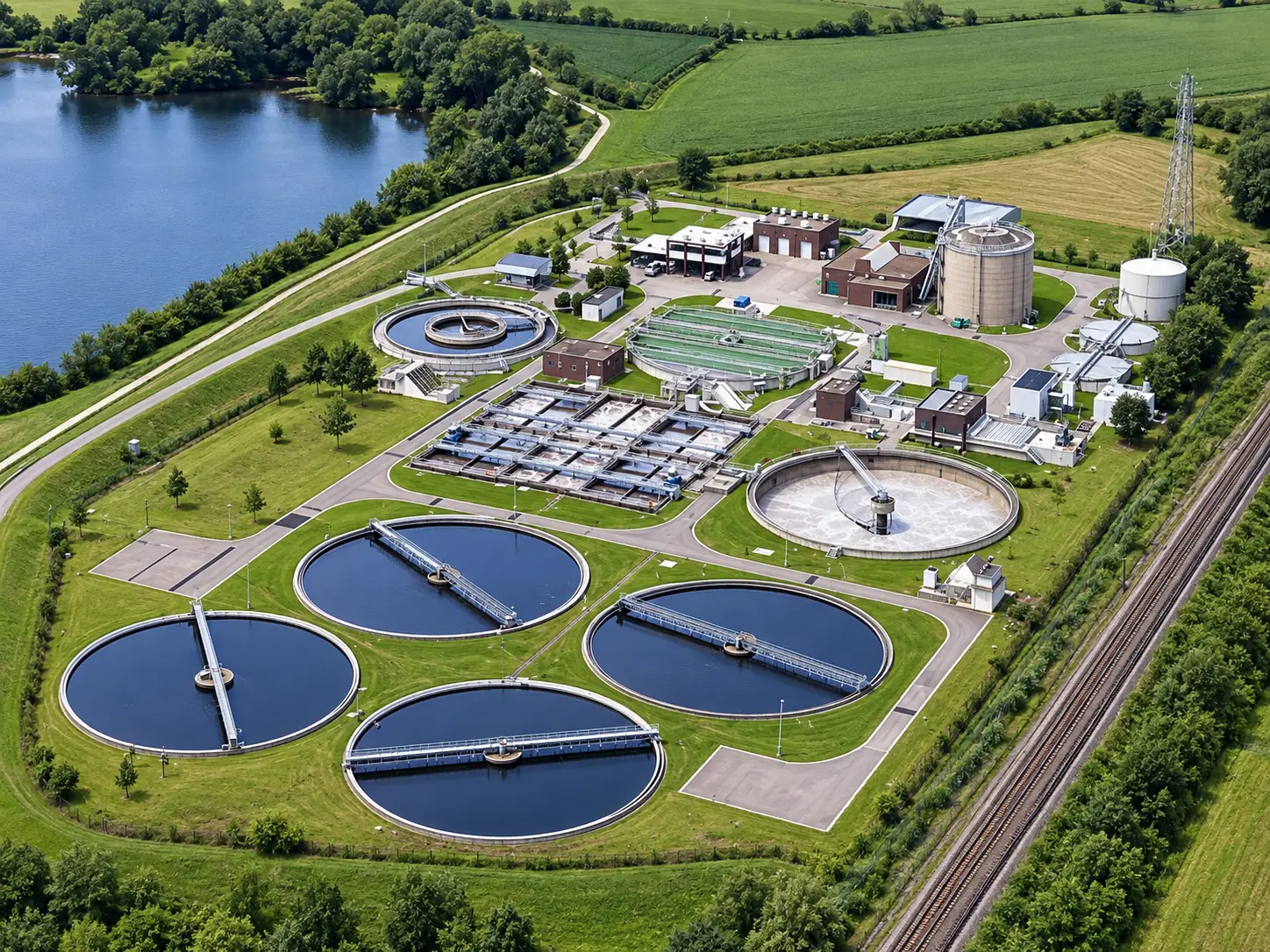
Industrial Wastewater & AOP Systems

Recommended Form: Large BDD plates / ready-to-install modules

Operating Logic: Supports advanced electrochemical oxidation of difficult industrial streams.

Main Benefit: Targets COD reduction and organic degradation depending on water chemistry.

Explore Wastewater BDD
PFAS Treatment

PFAS & Micropollutant Treatment Studies

Recommended Form: BDD plates / pilot modules / lab electrodes

Operating Logic: Uses a wide potential window for difficult contaminant research and validation.

Main Benefit: Helps evaluate treatment pathways for persistent pollutants.

Explore PFAS BDD
Electrosynthesis

Electrosynthesis & Green Chemistry

Recommended Form: BDD plates / custom cells / modular assemblies

Operating Logic: Enables high-purity oxidation reactions and controlled synthesis.

Main Benefit: Supports cleaner routes and improved selectivity in chemical processes.

Explore Electrosynthesis BDD
Electroanalysis

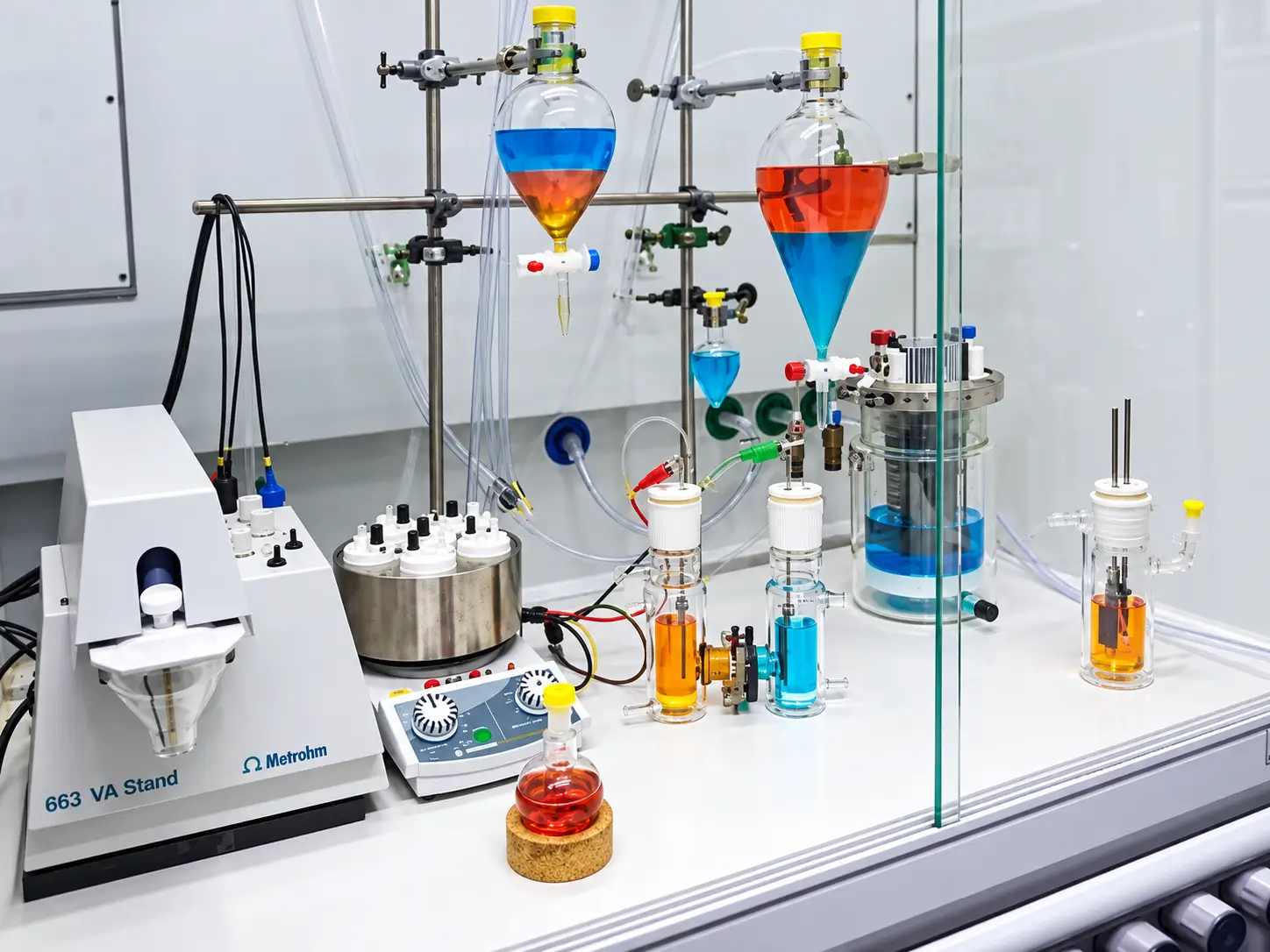
Electroanalysis & Sensing

Recommended Form: Silicon-based BDD / compact lab electrodes

Operating Logic: Provides low background current and fouling-resistant signal stability.

Main Benefit: Improves sensitivity and reproducibility in trace detection.

Explore BDD Sensors
Ozone Generation

Ozone Generation & Disinfection

Recommended Form: BDD plates / module assemblies

Operating Logic: Supports in-situ oxidant generation for advanced treatment.

Main Benefit: Enables chemical-free or reduced-chemical process designs.

Explore Disinfection BDD
Research & Pilot

Research, Pilot & Scale-Up

Recommended Form: Compact lab electrodes / pilot modules

Operating Logic: Allows process validation from bench-scale to industrial design.

Main Benefit: Supports scalable architecture and technical documentation.

Explore R&D BDD
Engineer checking custom BDD module

Custom BDD Electrode Solutions: Engineered for Your Process

Substrate, diamond film, boron doping, and module design tailored to your operating conditions.

Every electrochemical environment is different. Hele Titanium custom-engineers BDD electrodes around your substrate requirements, boron doping level, film thickness, active area, current density, electrolyte chemistry, reactor geometry, and integration needs. From lab-scale validation to industrial AOP modules, your process drives our design.

Advanced Substrate

Choose Ti, Nb, Si, or other substrates based on chemical exposure and scale.

CVD Film Control

Film thickness, doping level, and uniformity controlled to match oxidation goals.

Precision Geometry & Scaling

Flat plates, compact electrodes, modules, and custom geometries built to drawing.

What We Need From You:

  • Application goal
  • Electrolyte & pH
  • Current density & voltage
  • Target pollutants
  • Substrate preference
  • Active area & dimensions

Guaranteed Quality: Precision-Engineered BDD Performance

BDD electrodes are high-value electrochemical components. Their reliability depends on substrate preparation, CVD diamond-film integrity, boron doping uniformity, adhesion strength, surface consistency, and electrochemical performance.

Substrate Control CVD Monitoring Adhesion Verification Electrochemical Testing Batch Traceability
1

Substrate Verification

Ti, Nb, or Si substrates checked for dimensions, surface condition, and conductivity before CVD.

2

Surface Preparation

Surfaces cleaned and prepared to support diamond-film nucleation and strong adhesion.

3

CVD Diamond-Film Growth

Films grown using controlled CVD parameters to achieve required thickness and doping level.

4

Coating Integrity Review

Adhesion, morphology, and edge coverage checked to reduce delamination risk.

5

Electrochemical Validation

Testing verifies potential window behavior, current response, and oxidation performance.

6

Traceability & Documentation

Each batch documented with production records and inspection data for project requirements.

Operating Warning

BDD electrodes are chemically inert and mechanically hard, but severe mechanical impact, incorrect current density, poor electrical contact, incompatible substrate selection, or improper handling can reduce service life. Application performance should be validated under real process conditions.

Who We Support: Application-Driven BDD Solutions

Every BDD project has different technical, regulatory, and commercial constraints. Hele Titanium supports buyers not only with electrodes, but also with design guidance, substrate selection, module integration, and documentation.

Environmental Engineering Companies

Environmental Engineering Companies

Pain Point:

Industrial wastewater and AOP systems require reliable large-area electrodes and predictable maintenance planning.

Hele Value:

High-format BDD plates, modular assemblies, current-rating support, and AOP integration guidance.

Electrochemical Equipment OEMs

Electrochemical Equipment OEMs

Pain Point:

OEM systems need repeatable electrode modules, stable supply, and integration-ready designs.

Hele Value:

Plug-and-play BDD modules, electrode sizing support, connection design, and batch-to-batch consistency.

Research Institutes & University Labs

Research Institutes & University Labs

Pain Point:

R&D teams need controlled specifications, traceability, and small-format electrodes for repeatable testing.

Hele Value:

Compact lab electrodes, Si or Ti substrate options, controlled surface specs, and technical documentation.

Chemical & Pharma Manufacturers

Chemical & Pharma Manufacturers

Pain Point:

Synthesis and remediation applications require high-purity oxidation and validated process compatibility.

Hele Value:

Application-driven substrate selection, doping-level guidance, active-area design, and traceability.

Why Engineers Choose Hele Titanium for BDD Solutions

Advanced BDD technology requires strict manufacturing control and application-specific engineering. Hele Titanium combines CVD coating knowledge, electrochemical application support, custom fabrication, and export-ready project service.

In-House CVD Control

Substrate preparation, diamond-film growth, and process records are managed with controlled workflows for traceability.

Application-Driven Design

Substrate type, active area, film thickness, doping level, and module design tailored to your environment.

Rigorous Quality Assurance

Multi-stage checks support adhesion, uniformity, electrochemical response, and batch consistency.

Global Export Expertise

Secure packaging, technical documentation, and export support simplify international sourcing.

Responsive Engineering Support

Our team helps review goals, reactor geometry, current density, and substrate selection before production.

Scalable Production Capacity

Support available for lab electrodes, pilot modules, and industrial-scale BDD electrode arrays.

Technical FAQ: BDD Electrodes

Find practical answers about BDD electrode technology, CVD production, substrate selection, boron doping, potential window, applications, operation, and customization.

What is a BDD electrode?
A BDD (Boron-Doped Diamond) electrode is an advanced electrochemical component made by depositing a thin layer of diamond film onto a conductive substrate (like Ti, Nb, or Si). Because pure diamond is an insulator, boron is added (doped) during the CVD process to make the diamond film electrically conductive, creating an electrode with extreme chemical inertness and a very wide potential window.
How are BDD electrodes made?
They are typically manufactured using Chemical Vapor Deposition (CVD), such as Hot Filament CVD (HFCVD) or Microwave Plasma CVD (MPCVD). The substrate is prepared and seeded, then exposed to a carbon-source gas and a boron-source gas at high temperatures in a vacuum chamber, allowing the conductive diamond film to grow directly onto the substrate surface.
What makes BDD different from Pt, MMO, or PbO₂ electrodes?
Unlike MMO (reaction-specific) or PbO₂ (contains lead, narrower window), BDD offers an ultra-wide potential window, meaning it can generate powerful hydroxyl radicals before water begins to split into oxygen. It has much lower background current than Platinum, making it superior for electroanalysis, and is far more chemically inert and resistant to fouling than graphite or standard coated metals.
What is the wide potential window and why is it important?
The potential window is the voltage range where the electrode does not break down the solvent (water). A wider window means you can apply higher voltages to drive difficult oxidation reactions (like destroying persistent organics or PFAS) without wasting all the energy on generating oxygen gas. BDD has one of the widest potential windows of any electrode material.
Why is low background current useful?
In electroanalysis and sensing, background current acts as "noise." Because BDD has very low background current, the "signal-to-noise" ratio is excellent. This allows sensors to detect trace amounts of target analytes with high sensitivity and reproducibility.
What substrates are used for BDD electrodes?
Titanium (Ti) is the most common for industrial durability. Niobium (Nb) is used for extreme chemical conditions where Ti might passivate. Silicon (Si) is primarily used for high-precision lab electrodes, sensors, and electroanalysis due to its extreme surface flatness.
How does boron doping affect performance?
The boron doping level controls conductivity. Lower doping levels are often preferred for analytical applications (sensors) to keep background current minimal. Higher doping levels increase conductivity and are typically used for industrial electro-oxidation and high current density applications.

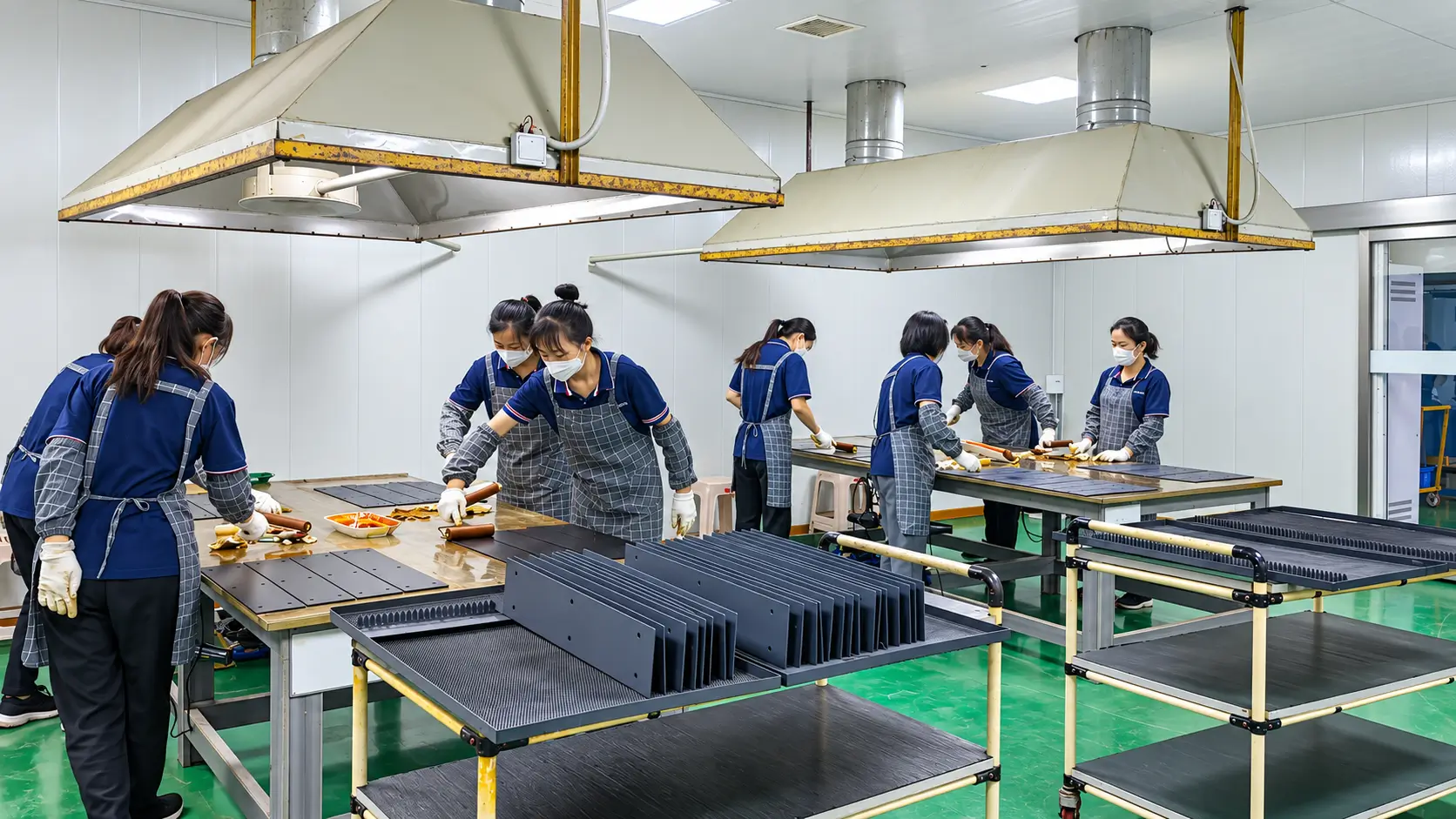
Inside Our Manufacturing & Quality System

See how we produce, inspect, and document titanium products as a direct manufacturing partner.

Need production photos, coating reports, or technical documentation? Contact our team for direct factory support.

The Definitive Guide to BDD Electrodes

Read Time: 18 Minutes Author: Hele Titanium Engineering Team Last Updated: 2026

Boron-Doped Diamond electrodes are engineered for applications that demand a wide electrochemical potential window, low background current, chemical inertness, fouling resistance, and strong oxidation capability. Their performance depends on substrate selection, CVD diamond-film quality, boron doping level, film thickness, active area, current density, and real process chemistry. This guide helps engineers and procurement teams specify BDD electrodes with better performance and lower sourcing risk. Need a cost-effective high-OEP oxidation option for wastewater? Compare PbO₂/Ti anodes.

Before You RFQ BDD Electrodes, Confirm These 5 Things:

  1. Application: wastewater oxidation, PFAS study, electrosynthesis, electroanalysis, ozone generation, disinfection, or research
  2. Substrate preference: titanium, niobium, silicon, or unsure
  3. Electrical requirements: current density, voltage range, active area, and total current output
  4. Geometry: plate, compact lab electrode, module, dual-electrode assembly, or custom reactor shape
  5. Documentation needs: coating report, electrochemical test record, traceability, or project-specific inspection data

1. What Is a BDD Electrode?

Understand the fundamental composition and unique properties that make Boron-Doped Diamond a premium electrochemical material.

BDD electrodes are electrochemical components made by depositing boron-doped diamond film onto a conductive substrate. Boron doping makes diamond electrically conductive while retaining its excellent chemical stability, creating an advanced electrode for extreme environments.

2. Key Performance Advantages

Explore the core benefits that set BDD apart in demanding oxidation and sensing environments.

  • Ultra-wide electrochemical potential window
  • Low background current
  • Strong chemical inertness
  • Fouling resistance
  • Powerful oxidation capability
  • Suitability for advanced oxidation, sensing, and electrosynthesis

3. BDD vs Conventional Electrodes

See how BDD stacks up against traditional anode materials like PbO₂ and Platinum in critical metrics.

Feature BDD Electrode PbO₂/Ti Pt/Ti
Potential windowUltra-wideWide (High OEP)Narrower
Background currentVery LowHighHigh
Chemical stabilityExtremeGood (Acidic)Excellent
ContaminationNoneLead riskNone

4. Substrate Selection: Titanium, Niobium or Silicon

Learn how choosing the right base material impacts durability, performance, and application suitability.

Substrate Best For Key Advantage
TitaniumIndustrial AOPDurable & cost-effective base
NiobiumAggressive chemistryResists passivation better than Ti
SiliconLab & SensingExtreme surface flatness

5. Why Boron Doping Matters

Discover how the concentration of boron transforms insulating diamond into a highly tunable conductive electrode.

Diamond is normally insulating. Boron doping creates electrical conductivity. The doping level affects conductivity, potential window, and reaction kinetics. Lower doping is used for low background current (analytical sensitivity), medium for general electrochemistry, and higher doping for industrial oxidation and high current density.

6. How BDD Electrodes Are Made by CVD

A brief look into the Chemical Vapor Deposition processes used to grow high-quality, strongly adhered diamond films.

CVD parameters influence diamond-film quality, adhesion, uniformity, surface morphology, and long-term performance. We utilize methods like Microwave Plasma CVD (MPCVD) and Hot Filament CVD (HFCVD) depending on the required film characteristics and substrate geometry.

7. Geometry & Module Selection

From flat plates to custom modules, understand the available form factors for your specific reactor design.

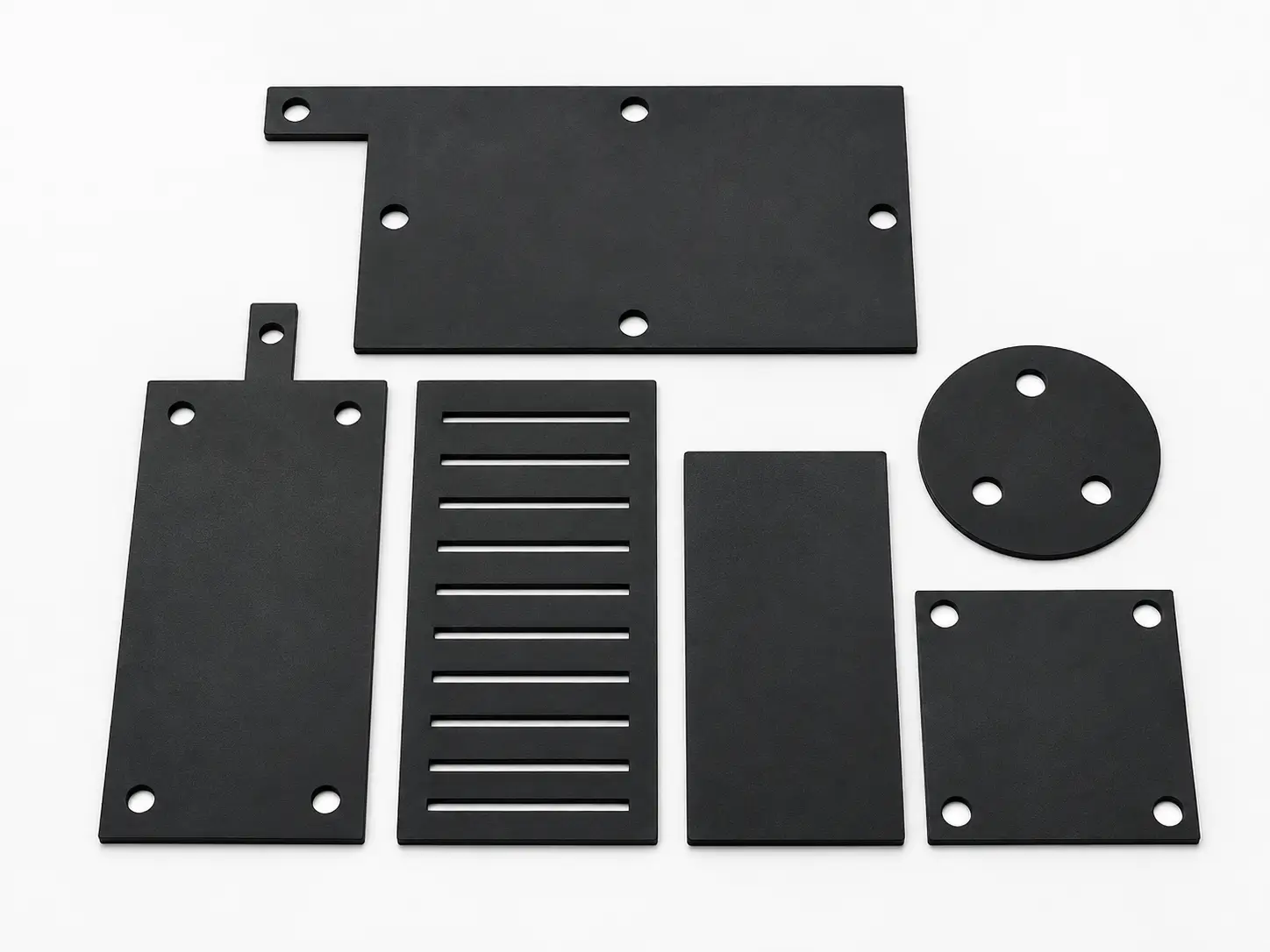
The versatility of advanced substrates allows BDD electrodes to be manufactured in various geometries to fit specific reactor designs. Common configurations include:

Configuration Application / Description
Flat Plates & Discs Standard for parallel-plate reactors, cell testing, and lab-scale electrochemical research.
Expanded Mesh Enhances mass transfer and increases the active surface area, highly suitable for industrial-scale applications.
Tubes & Rods Ideal for flow-through systems, specialized sensor probes, and compact pipe-integrated reactors.
Custom Modules Fully assembled dual-electrode or multi-cell stacks designed for drop-in integration into advanced oxidation processes (AOP).

8. Application Mapping

Identify the key industries and extreme environments where BDD electrodes deliver unmatched results.

Thanks to their unmatched electrochemical properties, BDD electrodes excel in extreme environments where conventional anodes degrade or fail. Key applications include:

Industry / Field Typical Application BDD Advantage
Water TreatmentPFAS destruction, landfill leachate, high-COD wastewaterGenerates highly reactive hydroxyl radicals (•OH) directly from water.
ElectrosynthesisProduction of strong oxidants (e.g., persulfate, ozone)Wide potential window severely inhibits unwanted oxygen evolution.
ElectroanalysisHeavy metal detection, biomedical sensorsExtremely low background noise ensures a high signal-to-noise ratio.

9. Operating Care & Failure Prevention

Essential guidelines to maximize the lifespan and maintain the efficiency of your BDD electrodes.

Aspect Guideline
Current Density Operate within specified current density limits.
Mechanical Handling Avoid severe mechanical impact (diamond is hard but brittle).
Electrical Connection Ensure stable and secure electrical connections.
Substrate Suitability Avoid incompatible substrate selection for your specific environment.
Process Validation Validate real wastewater chemistry before full-scale implementation.

Warning: BDD electrodes are extremely inert, but incorrect current density, poor electrical contact, severe mechanical shock, incompatible substrate selection, or unvalidated process chemistry can reduce service life or treatment performance.

10. Customization Checklist

A comprehensive checklist to help you specify the exact parameters for your custom BDD requirements.

To ensure optimal performance, extended lifespan, and cost-efficiency, consider the following parameters when specifying your custom BDD electrode:

Parameter Specification Details
Substrate Material Titanium (Ti), Niobium (Nb), or Silicon (Si) based on chemical aggressiveness and voltage needs.
Dimensions & Active Area Precise measurements, active coating zones, or CAD drawings of the required shape.
Boron Doping Concentration Tailored for either high-sensitivity analytical use (lower doping) or high-current industrial oxidation (higher doping).
Coating Thickness Typically ranging from a few microns to thicker layers for extended durability in harsh industrial wastewater.
Connection Terminals Designated uncoated areas or welded stems to ensure secure, low-resistance electrical contacts.

11. Quality Testing & Docs

Learn about the rigorous inspection methods used to guarantee the authenticity and performance of our BDD films.

Reliable BDD electrodes must undergo rigorous quality control. Hele Titanium ensures every batch meets stringent industrial standards through comprehensive testing and documentation:

Test / Method Purpose / Verification
Raman Spectroscopy Verifies the diamond phase quality (sp³/sp² carbon ratio) to ensure authentic diamond film properties.
Scanning Electron Microscopy (SEM) Inspects surface morphology, film uniformity, and crystalline structure.
Electrochemical Profiling Cyclic Voltammetry (CV) testing to confirm the ultra-wide potential window and low background current.
Adhesion Testing Ensures the CVD diamond film is securely bonded to the substrate to prevent delamination during long-term operation.
Documentation Full material traceability, detailed coating reports, and a Certificate of Analysis (CoA) are provided with every shipment.

12. Supplier Evaluation Checklist

Key questions to ask your manufacturer to ensure you are sourcing high-quality, reliable BDD electrodes.

  • Can the supplier explain BDD vs PbO₂ vs MMO vs Pt/Ti selection?
  • Can they recommend substrate material?
  • Can they tailor boron doping and film thickness?
  • Can they provide electrochemical validation data?
  • Can they provide traceability and documentation?

13. Summary & RFQ Guidance

Final thoughts on why BDD is the ultimate choice for advanced applications, and how to start your project.

BDD is the premium option for wide-potential-window oxidation, low background current, fouling resistance, advanced wastewater treatment, electrosynthesis, sensing, and research where performance justifies higher initial cost.

Ready to Specify the Right BDD Electrode?

Hele Titanium provides custom BDD electrodes backed by substrate selection support, CVD diamond-film control, application-specific engineering, electrochemical performance testing, and factory-direct project support.

Request a Technical Quote
BDD ELECTRODE INQUIRY

Get Your Custom Boron-Doped Diamond Electrode Solution

Tell us your application, substrate preference, electrolyte chemistry, pH, temperature, current density, voltage range, target pollutants or synthesis objective, active area, reactor dimensions, and documentation needs. Our engineering team will recommend the most suitable BDD electrode design for your process.

  • CVD Boron-Doped Diamond Film
  • Ti, Nb & Si Substrate Options
  • Custom Plates, Modules & Lab Electrodes
  • Electrochemical Testing & Traceability

Direct Contact

sales@heletitanium.com

Room 1206, Building 1, Huaxia Yue World

Request a BDD Electrode Quote

We typically respond within 24 hours.