Potential and soil data
Provide the specified potential range, reference electrode and soil or freshwater resistivity; avoid selecting by alloy label alone.

High-potential and standard-potential magnesium anodes for buried pipelines, underground tanks, utilities, freshwater structures and temporary cathodic protection.
The required driving voltage and anode output depend on soil or water resistivity, structure potential criteria, coating condition, backfill, spacing and approved CP calculations.
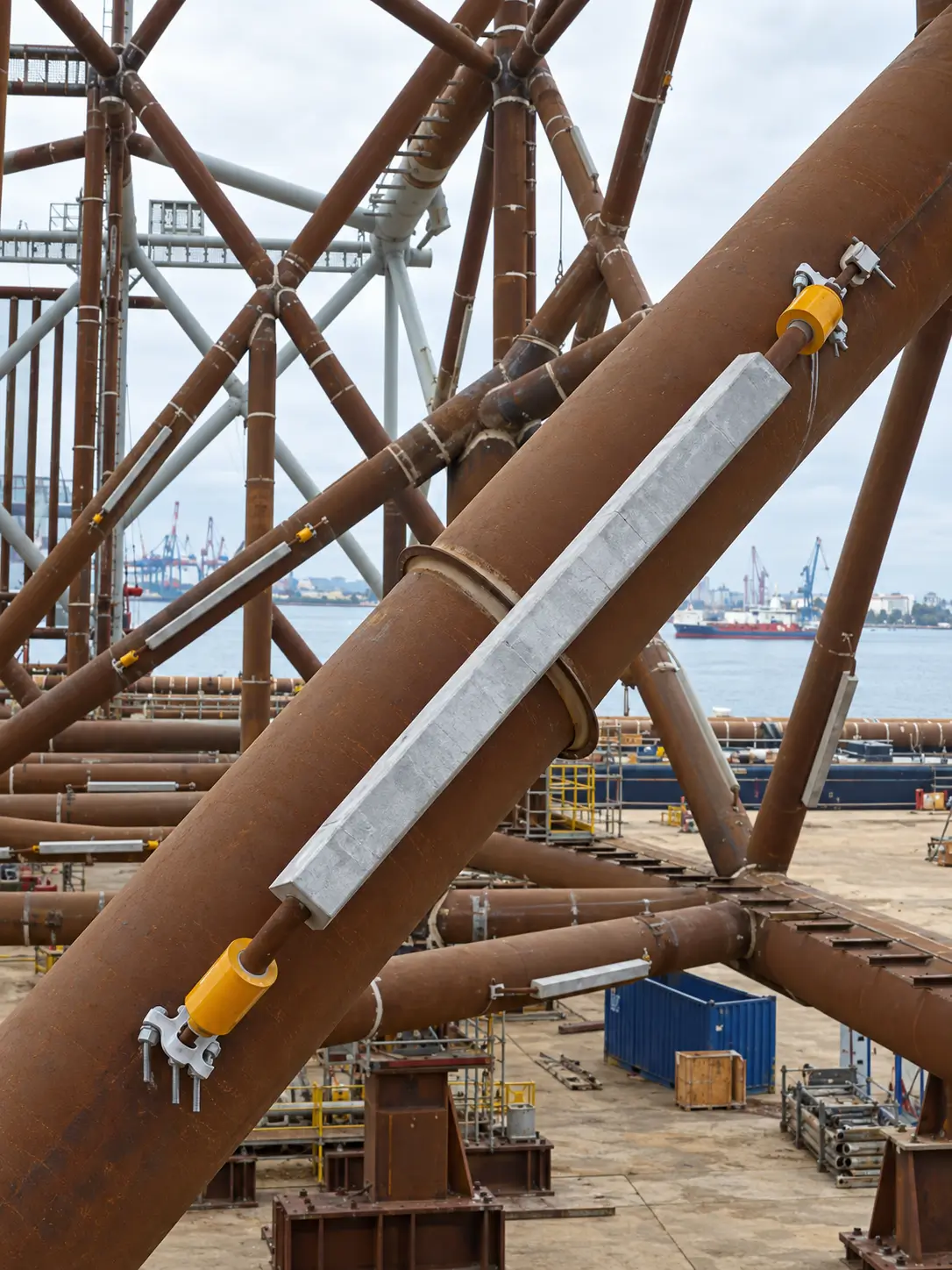
Magnesium is commonly considered where higher driving voltage is required, especially in soil and freshwater. High-potential and standard-potential alloys are not interchangeable by label alone. Selection requires the specified alloy chemistry, potential range, capacity, resistivity, current demand, design life, package backfill, cable and installation arrangement.
Project review
Standard- and high-potential magnesium alloys are different design options. The CP designer must match the alloy and installation to the site resistivity and required driving voltage.
Provide the specified potential range, reference electrode and soil or freshwater resistivity; avoid selecting by alloy label alone.
Define anode mass, backfill composition, bag dimensions and installation depth if a packaged ground anode is required.
Confirm lead-wire size and length, core connection, insulation and seal details before the anode is built.
State the test method and acceptance basis for chemistry, potential, capacity and continuity records.
Final construction follows the approved drawing, alloy specification, mass, attachment and quality plan.
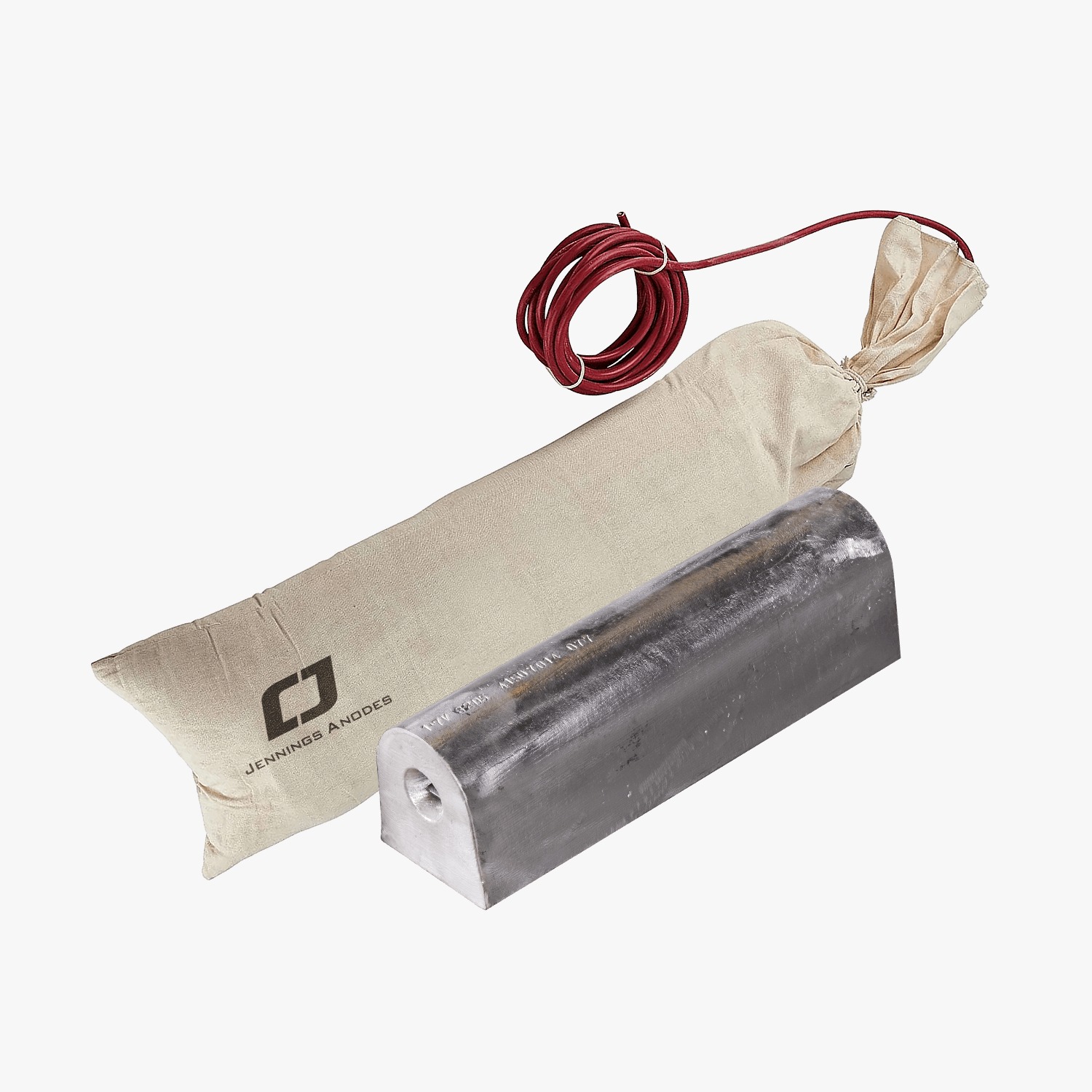
Available to the specified alloy, dimensions, net mass, attachment details, inspection scope and approved project drawing.
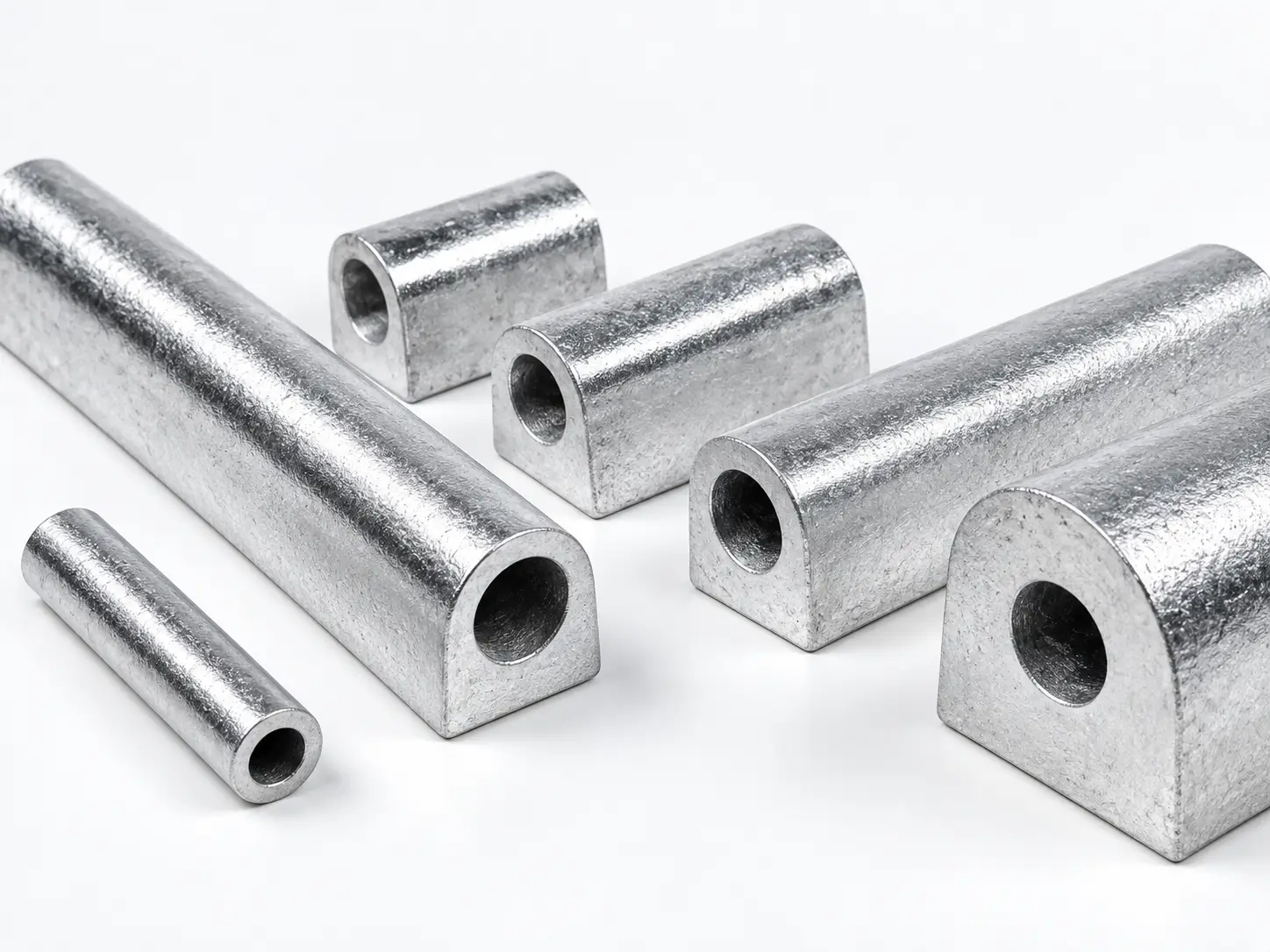
Available to the specified alloy, dimensions, net mass, attachment details, inspection scope and approved project drawing.
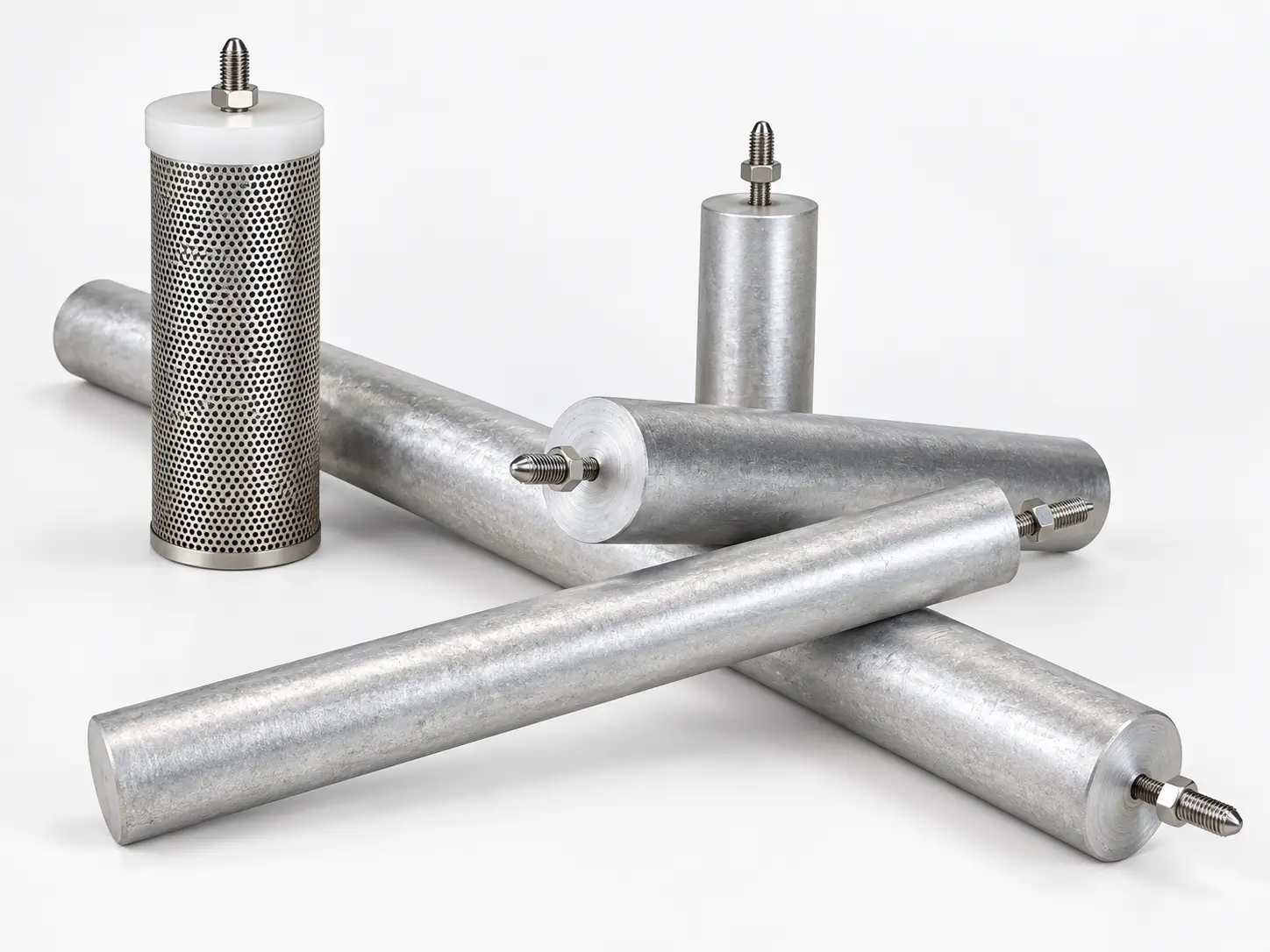
Available to the specified alloy, dimensions, net mass, attachment details, inspection scope and approved project drawing.
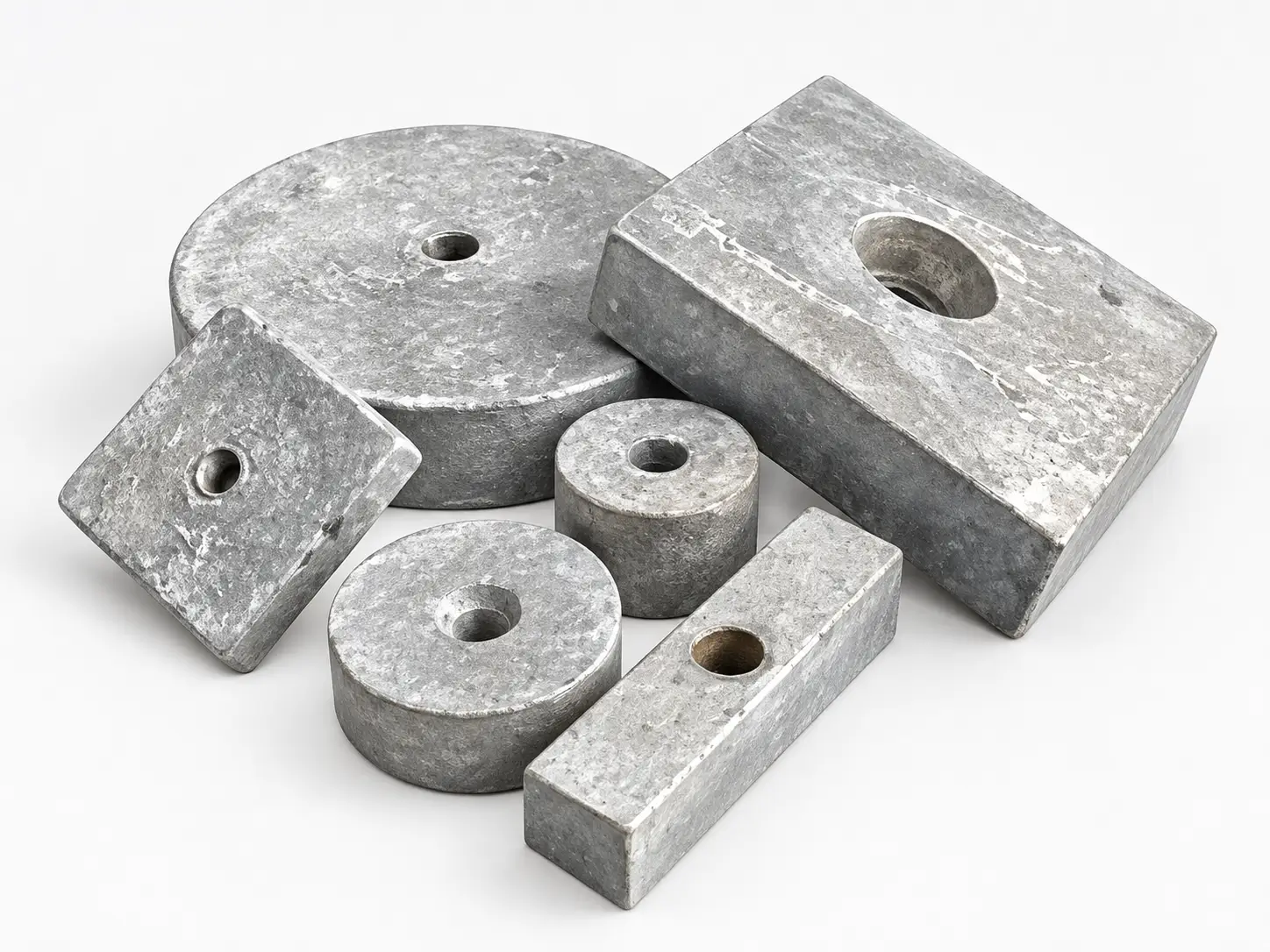
Available to the specified alloy, dimensions, net mass, attachment details, inspection scope and approved project drawing.
Use project-specific values. A generic catalogue value is not a substitute for the approved cathodic-protection calculation or purchase specification.
| Alloy type | High-potential or standard-potential magnesium alloy to the project specification. |
|---|---|
| Potential | Open- and closed-circuit values stated with reference electrode, electrolyte, temperature and test method. |
| Capacity and efficiency | Electrochemical values tied to a named test method and acceptance criteria. |
| Size and mass | Net magnesium weight, casting dimensions, core details and allowable tolerances. |
| Backfill and package | Backfill composition, bag dimensions, moisture condition and package weight where required. |
| Cable and connection | Cable type, length, cross-section, insulation, anode connection and sealing details. |
Application labels help route the inquiry; the final anode selection still requires engineering inputs.
Manufacturing review should confirm alloy charge control, mould and core arrangement, insert preparation, casting condition, dimensions, net mass, electrical continuity, marking and packing.
Inspection and document scope must be agreed in the purchase order. Any potential, capacity, efficiency or service-life statement should identify the governing test or calculation conditions.
Inside HELE
For magnesium anodes, the purchase drawing should identify alloy, core, net magnesium weight and any cable or backfill package. HELE can align casting, connection, package identification and order-specific inspection records with that drawing.
Confirm the approved alloy, core or insert, geometry and net sacrificial-alloy mass.
Check continuity and the specified cable, weld or bolt attachment where the order requires it.
Use the agreed methods and acceptance limits for chemistry, dimensions, weight and electrochemical evidence.
Match markings, packing and release documents to the approved model and project schedule.
Final cathodic-protection design, installation and commissioning remain with the responsible project team unless expressly included in the contract.
Inquiry
Send the buried-asset or freshwater duty, site resistivity and anode schedule. We can review alloy, package and connection details against the approved design.
Prefer email?
sales@heletitanium.comFactory & Engineering Center
Titanium Valley, Baoji City, Shaanxi Province, China