01 · Circuit Review
Map the Seawater Duty
Review intake points, flow, salinity, temperature, operating profile, piping metallurgy, protected equipment and known fouling conditions.
Typical order output: Circuit basis and open engineering questions.

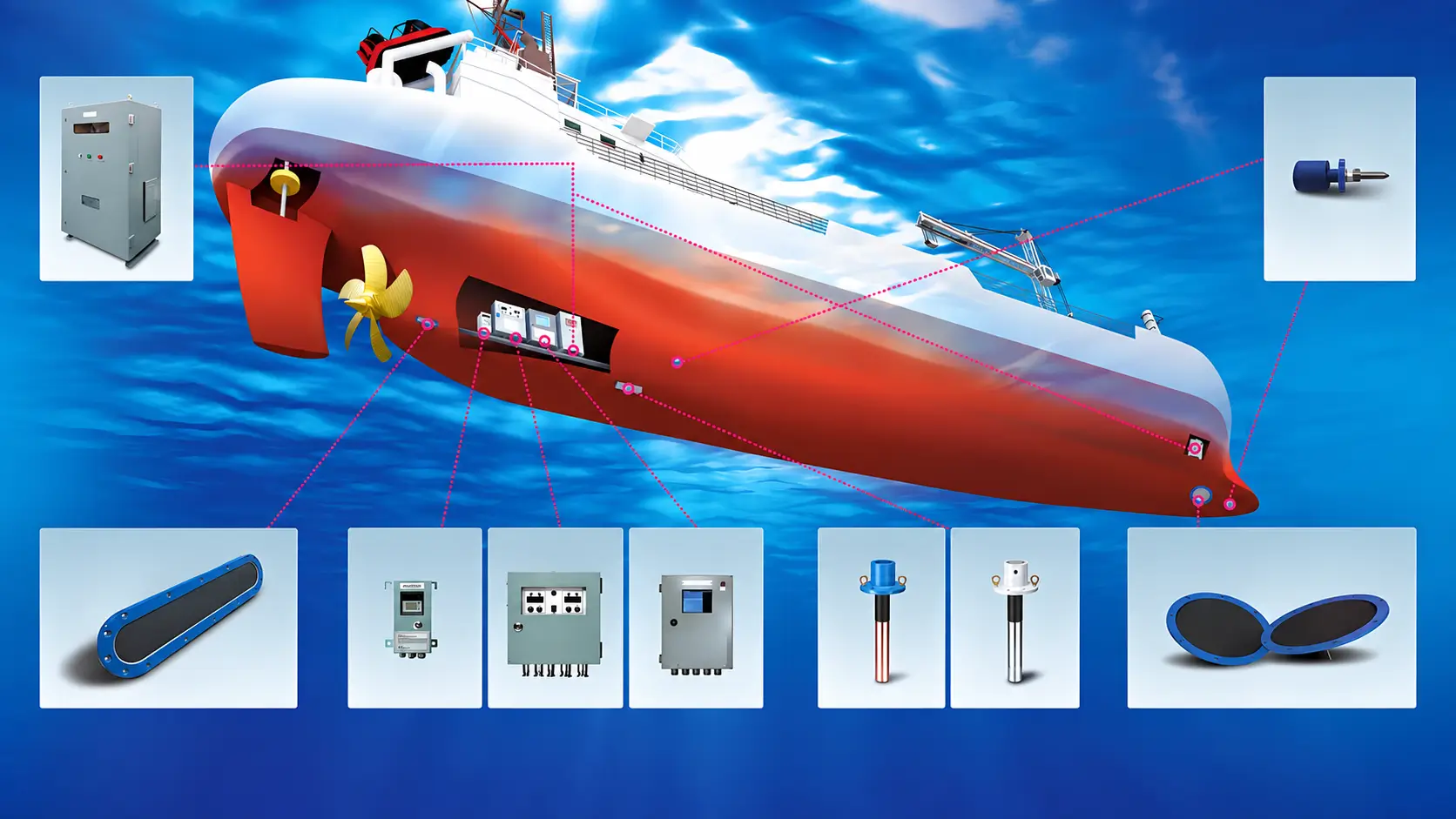
HELE supplies marine anti-fouling systems and electrochemical components for sea chests, seawater cooling lines, offshore intakes and industrial seawater systems. MGPS / ICAF and electrochlorination configurations are reviewed around seawater flow, fouling conditions, piping materials, installation layout, power, control and maintenance requirements.
Evaluating the functional mechanism of different seawater treatment systems.
Uses controlled copper-ion release for marine-growth control, normally with aluminum or iron / ferrous anodes selected according to seawater-system metallurgy.
Uses seawater electrolysis to generate sodium hypochlorite for controlled dosing into seawater intake and cooling systems.
Alternative technologies for specific applications. (Presented for comparison unless specified in the HELE supply scope).
Important Note: MGPS / ICAF controls marine growth inside seawater systems. It is not the same product function as ICCP hull cathodic protection.
HELE supplies marine anti-fouling systems, electrochemical components and retrofit solutions for ships, offshore assets and seawater installations. Our product scope is organized around three engineering groups: MGPS / ICAF systems, electrochlorination systems, and control / retrofit integration.
Electrolytic metal-ion systems for marine-growth control in sea chests, seawater intakes and internal cooling circuits. System configuration is reviewed around seawater flow, piping metallurgy, anode arrangement, electrical output and control requirements.
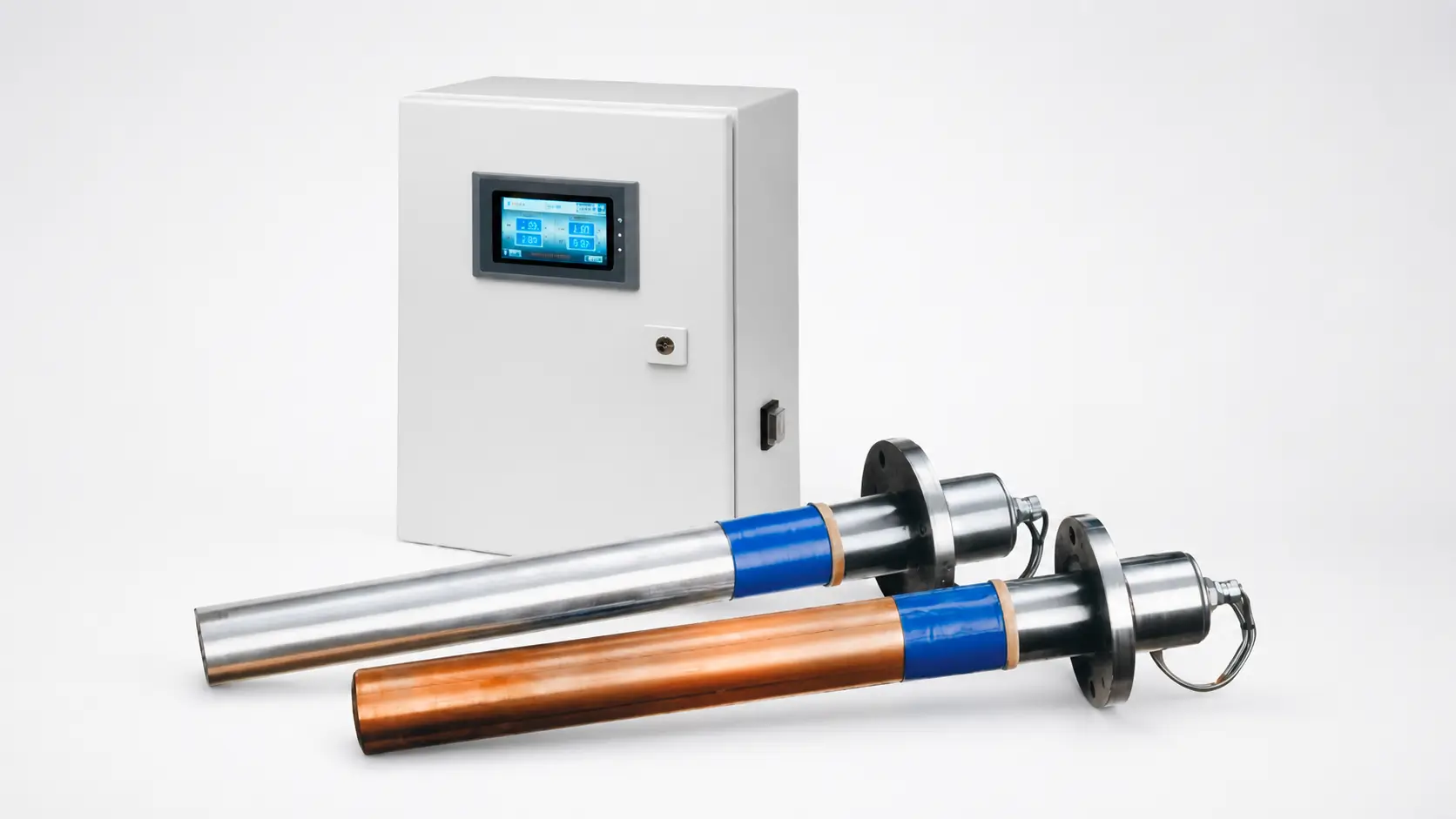
Integrated anti-fouling systems combining electrolytic anodes, DC power control, circuit distribution and monitoring for marine seawater circuits.
Sea Chests · Strainers · Cooling Water Intakes · Internal Seawater Lines
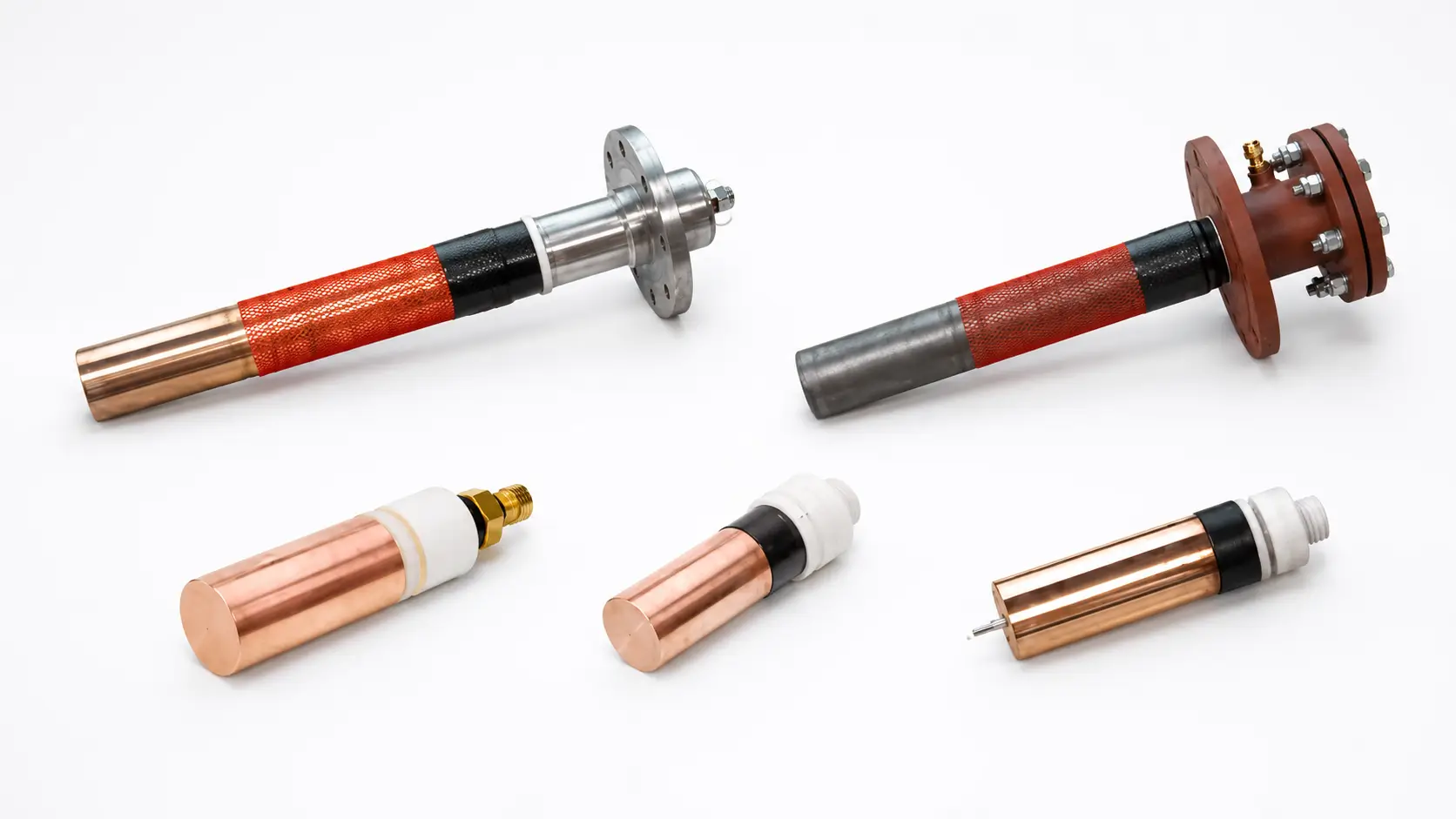
Copper, aluminum and iron / ferrous anodes for new systems, maintenance replacement and custom marine anti-fouling applications.
Copper · Aluminum · Iron / Ferrous · Dual
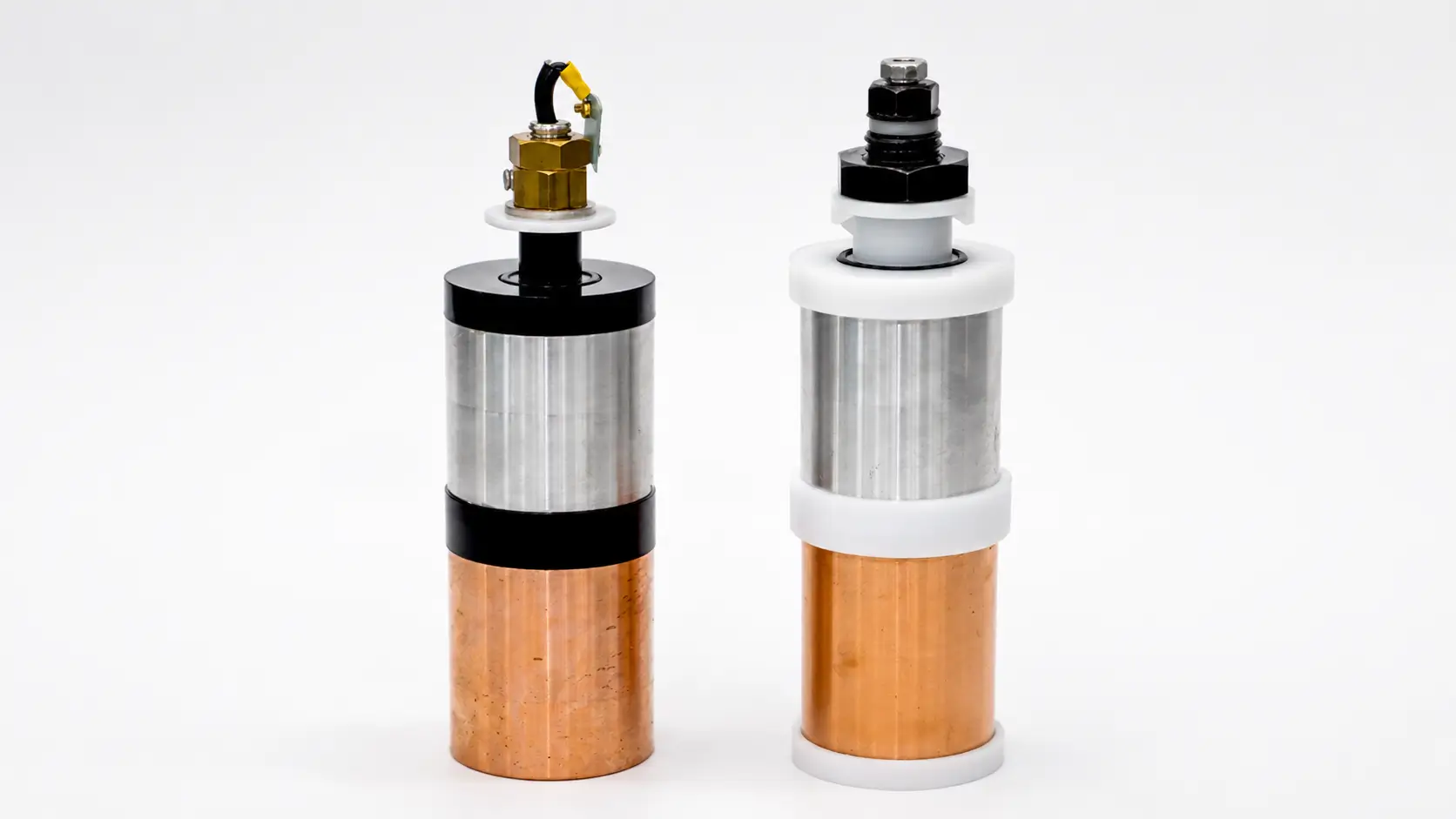
Project-specific anode assemblies for compact sea chests, rack-mounted installations, retrofit projects and specialized seawater-system layouts.
Available Space · Mounting · Anode Material · Current · Cable Routing
Seawater electrolysis solutions for on-site hypochlorite generation and controlled biofouling treatment in marine, offshore and industrial seawater systems. Final configuration should be reviewed around seawater flow, salinity, dosing requirements, electrical duty and downstream system layout.
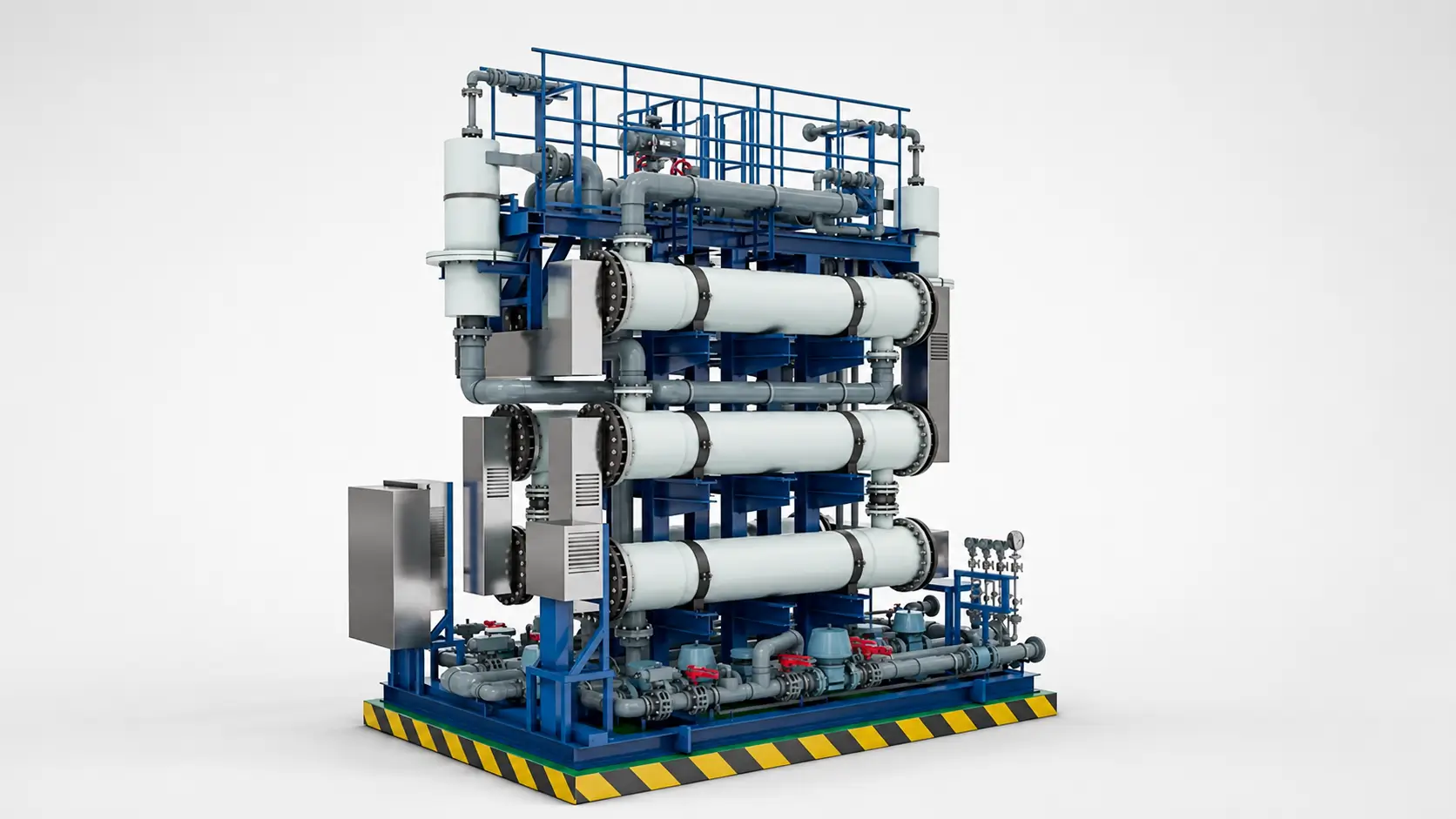
Integrated seawater electrolysis systems for hypochlorite generation, controlled dosing and biofouling treatment in larger or distributed seawater circuits.
Offshore Intakes · High-Flow Cooling Systems · Long Seawater Pipe Runs
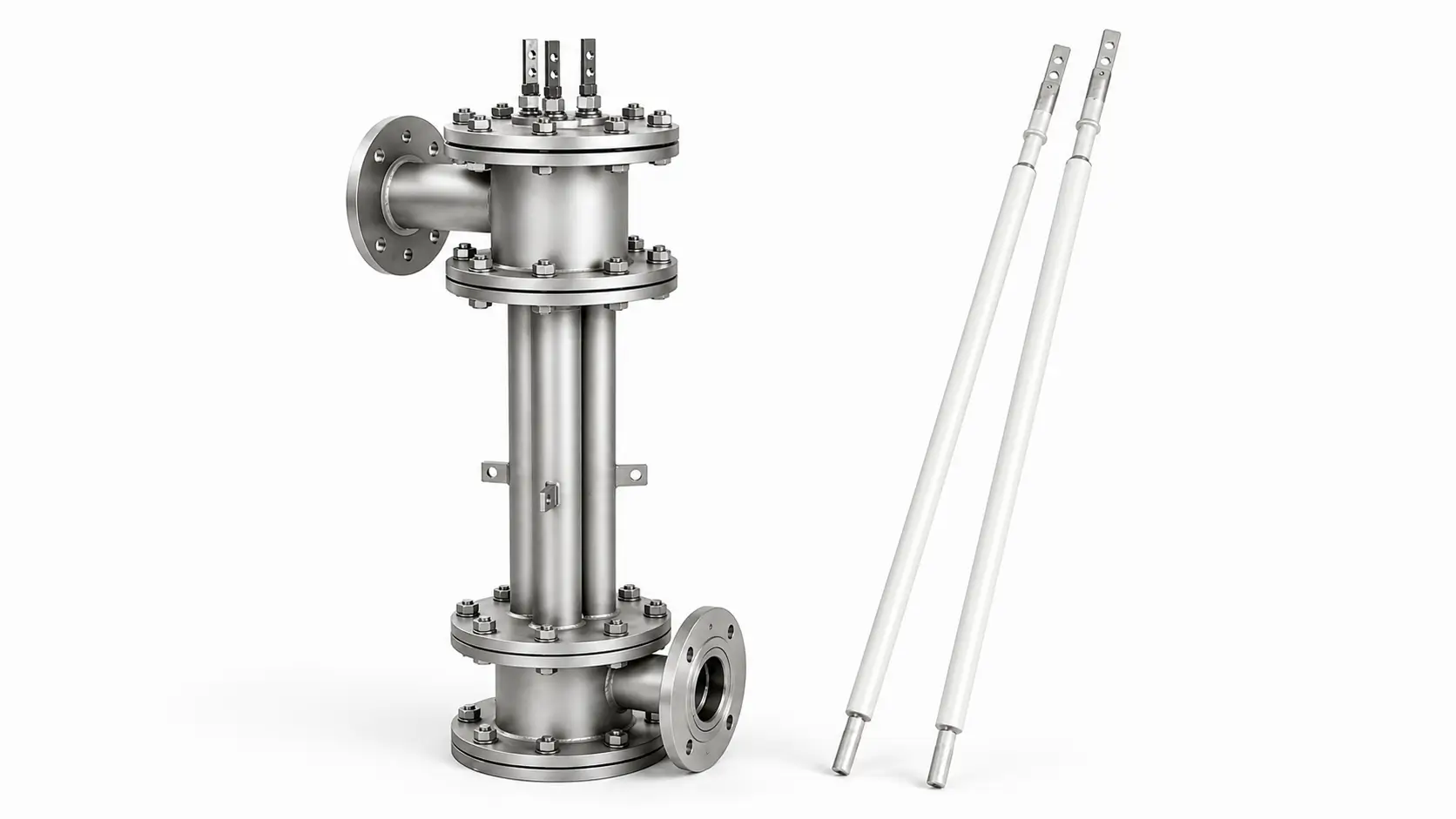
Titanium-based electrolysis cells configured around electrical duty, seawater conditions, hydraulic connections and the required chlorination system architecture.
Current · Voltage · Water Quality · Connections · Cell Arrangement
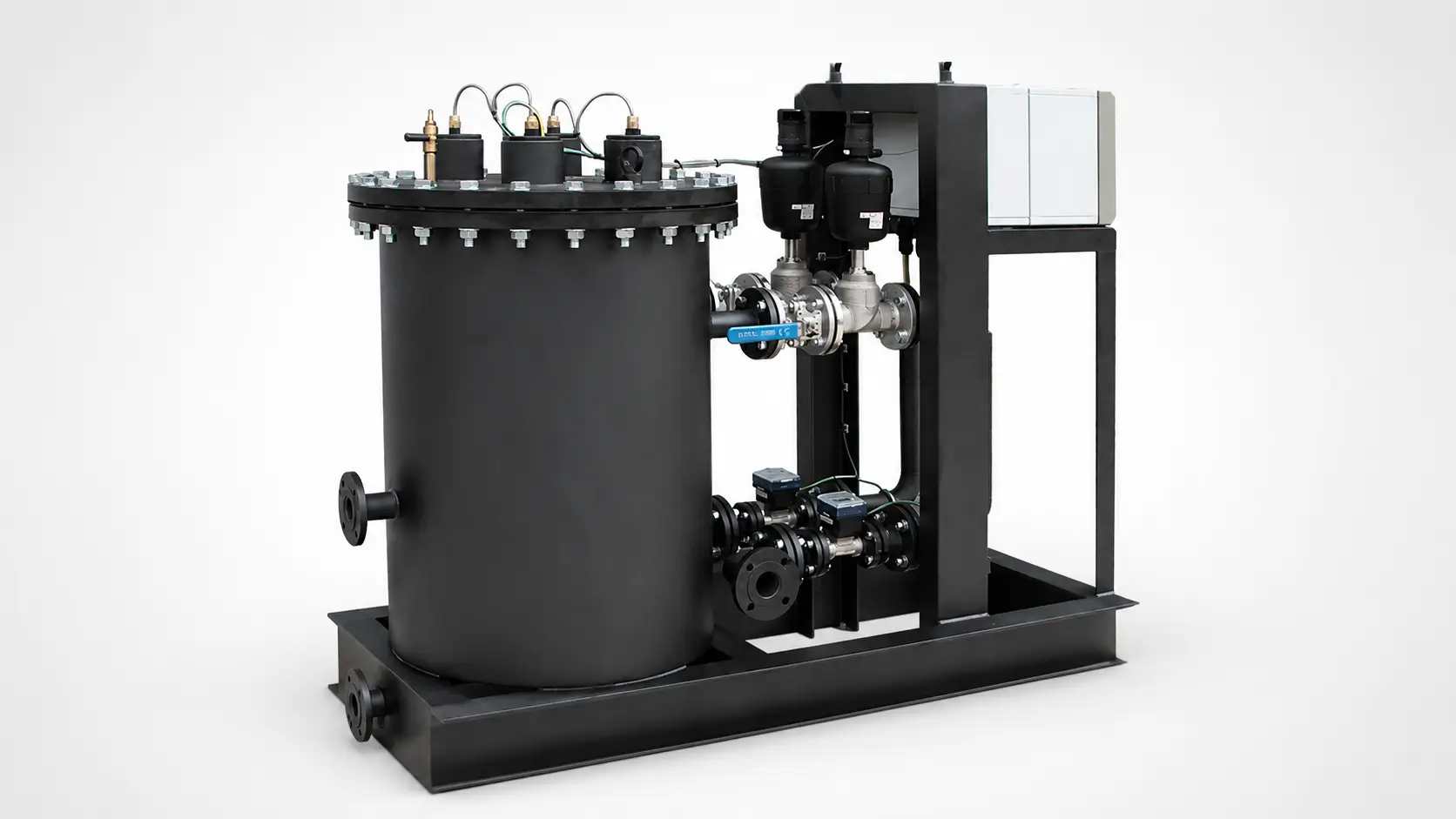
Project-specific review of hypochlorite dosing points, seawater flow, control philosophy, piping interfaces and downstream treatment requirements.
Dosing Location · Flow Rate · Control Signal · Piping · Injection Scope
Electrical and mechanical integration components for newbuild, replacement and retrofit marine anti-fouling projects. The final scope should be matched to the selected anti-fouling technology, field equipment and existing vessel or facility interfaces.
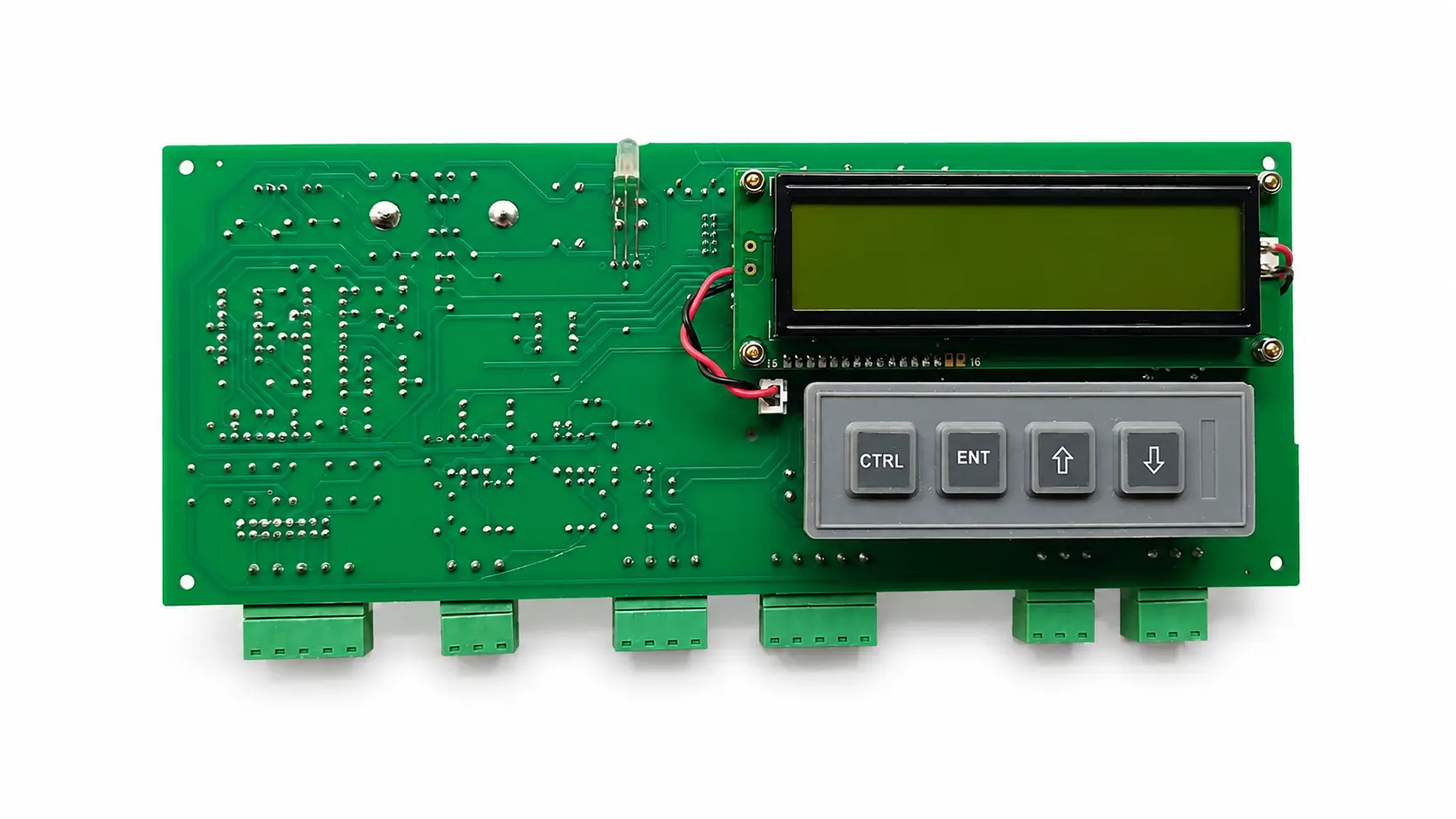
Power conversion, current regulation, monitoring, alarm and project-specific control functions for MGPS / ICAF and electrochemical anti-fouling equipment.
Input Power · Output Current · Circuit Count · Alarm · Communication
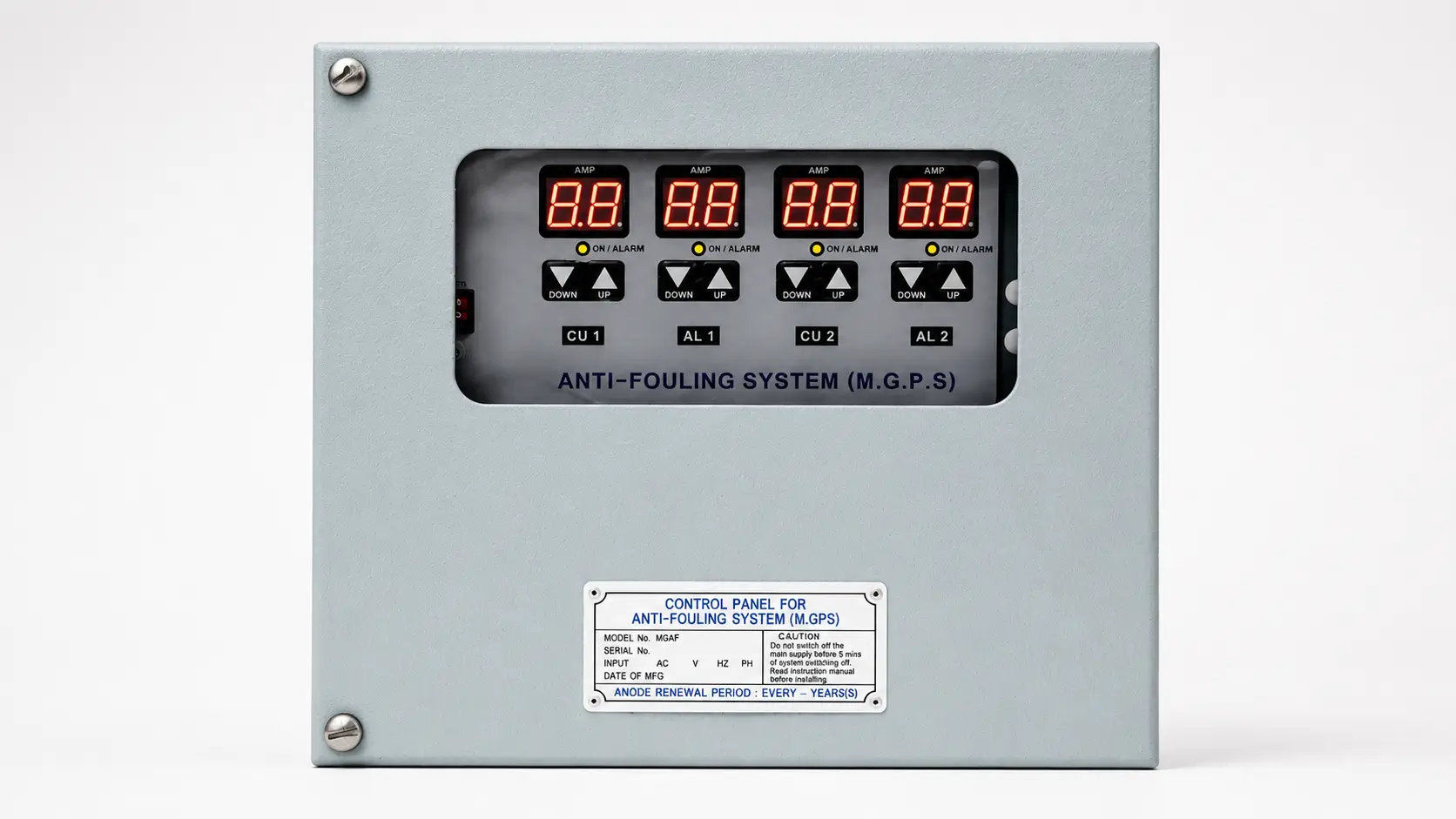
Circuit distribution, cable termination and field-interface solutions between anodes, electrolytic equipment and the main control system.
Circuit Count · Cable Entry · Terminal Layout · Installation Environment
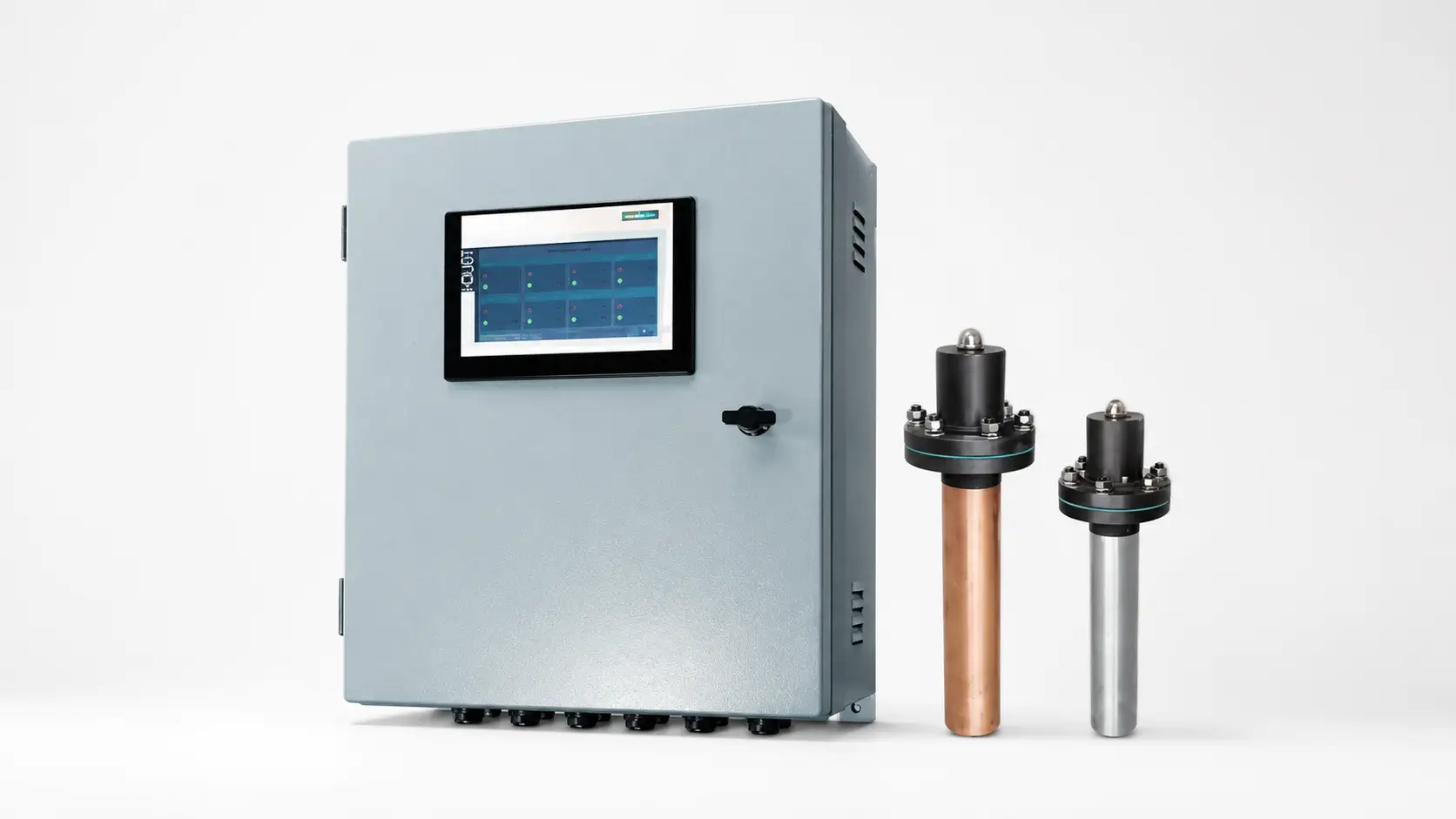
Replacement and retrofit configurations reviewed from existing equipment, drawings, installation space, cable routing, mounting arrangement and project schedule.
Existing System · Photos · Drawings · Available Space · Drydock / Retrofit Schedule
The correct anti-fouling solution should be selected as a complete system, not by component name alone. Seawater flow, fouling severity, piping materials, equipment layout, electrical supply, control requirements and maintenance strategy should be reviewed together before the final system scope is confirmed.
Anti-fouling technology and system scope should be reviewed against the complete seawater circuit—not selected from flow rate alone. The following project inputs help determine whether MGPS / ICAF, electrochlorination or a project-specific configuration is more appropriate.
| Engineering Input | What to Provide |
|---|---|
| Vessel / Asset | Vessel type, offshore asset or industrial seawater facility |
| Seawater Duty | Flow rate, operating hours and seawater source |
| Seawater Conditions | Salinity, temperature, operating region and known fouling severity |
| Protected Equipment & Layout | Sea chests, strainers, box coolers, pumps, heat exchangers, pipe sizes and system layout |
| Wetted Materials | Steel, Cu-Ni, titanium, GRP / PVC or other wetted materials |
| Treatment Requirement | Localized intake protection or wider treatment across the seawater circuit |
| Electrical & Control | Available power, control philosophy, monitoring and interface requirements |
| Installation Constraints | Available equipment space, anode / cell locations, cable routing and maintenance access |
| Existing System / Retrofit | Existing make / model, installed equipment, drawings and photographs where applicable |
| Project Requirements | Newbuild, retrofit or drydock schedule, classification, hazardous-area and owner requirements where applicable |
Engineering Note Final system selection should consider seawater flow, fouling conditions, piping metallurgy, treatment coverage, installation layout, electrical supply, maintenance strategy and project requirements together. Anode arrangement, electrolytic-cell duty, dosing philosophy and control scope should be confirmed during application review.
Standard operating flows for marine anti-fouling technologies.
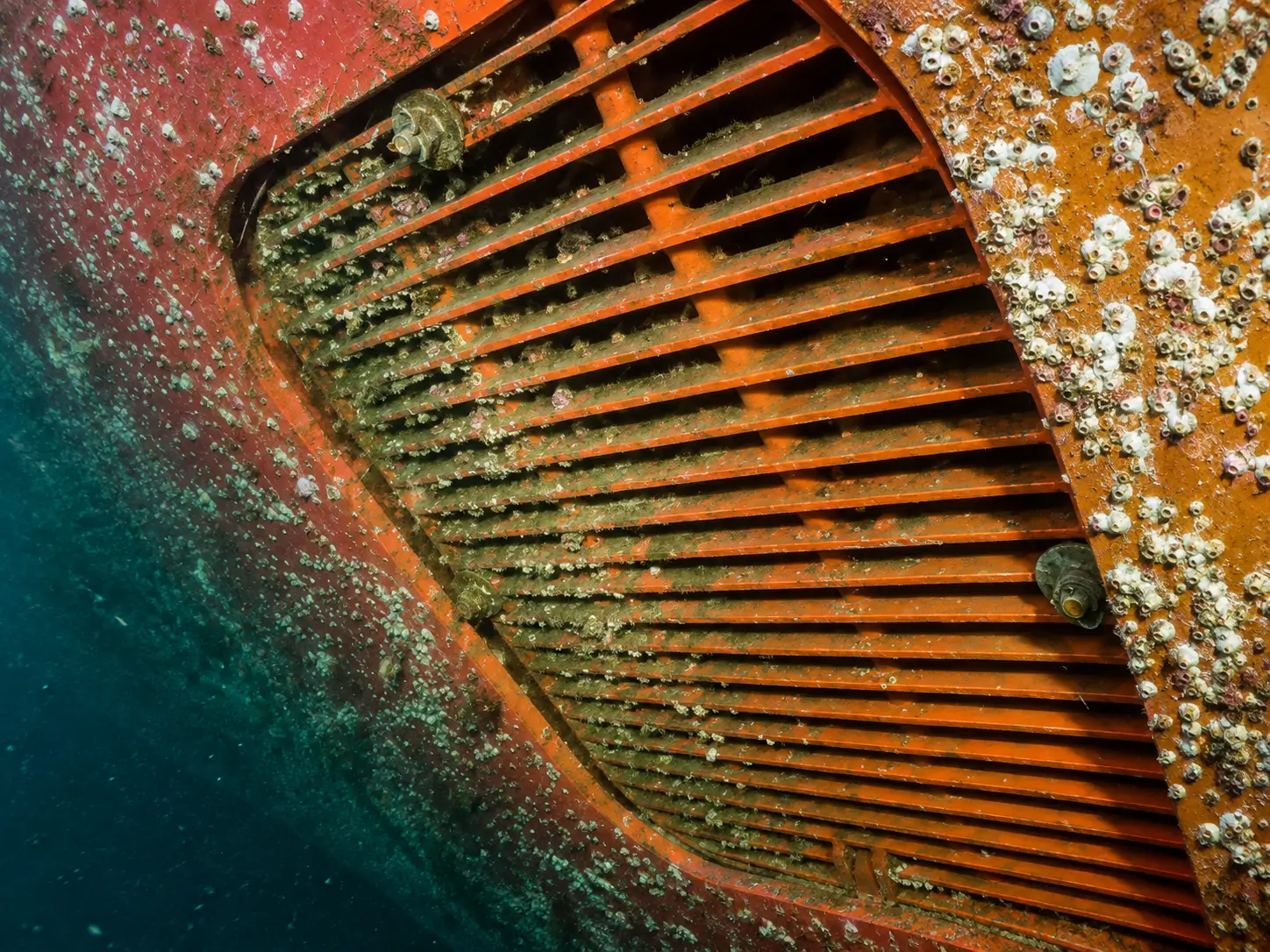
Marine-growth control at vessel seawater intake points where localized fouling can restrict flow.
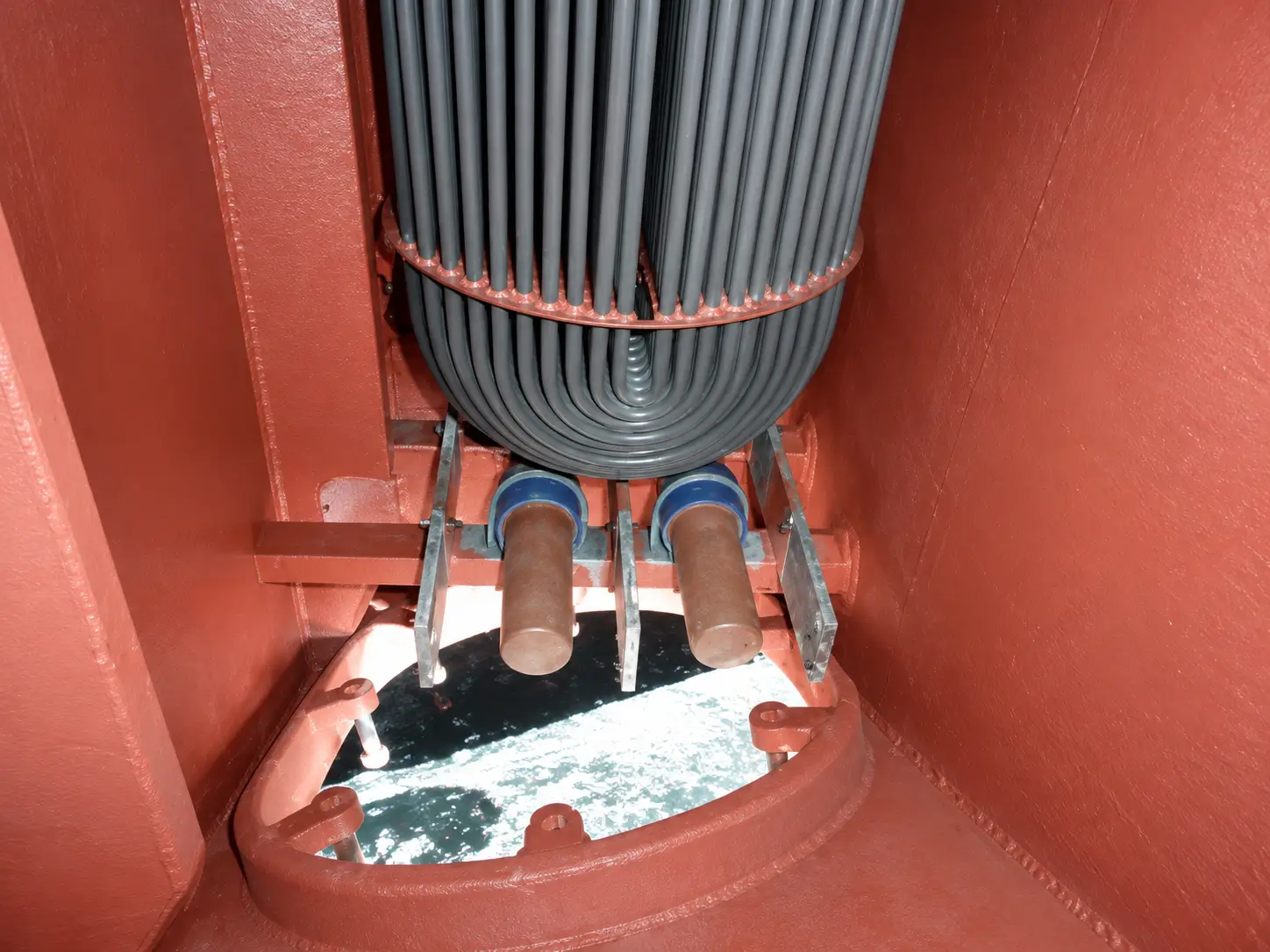
Protection review for internal cooling lines, pumps, heat exchangers and associated seawater equipment.
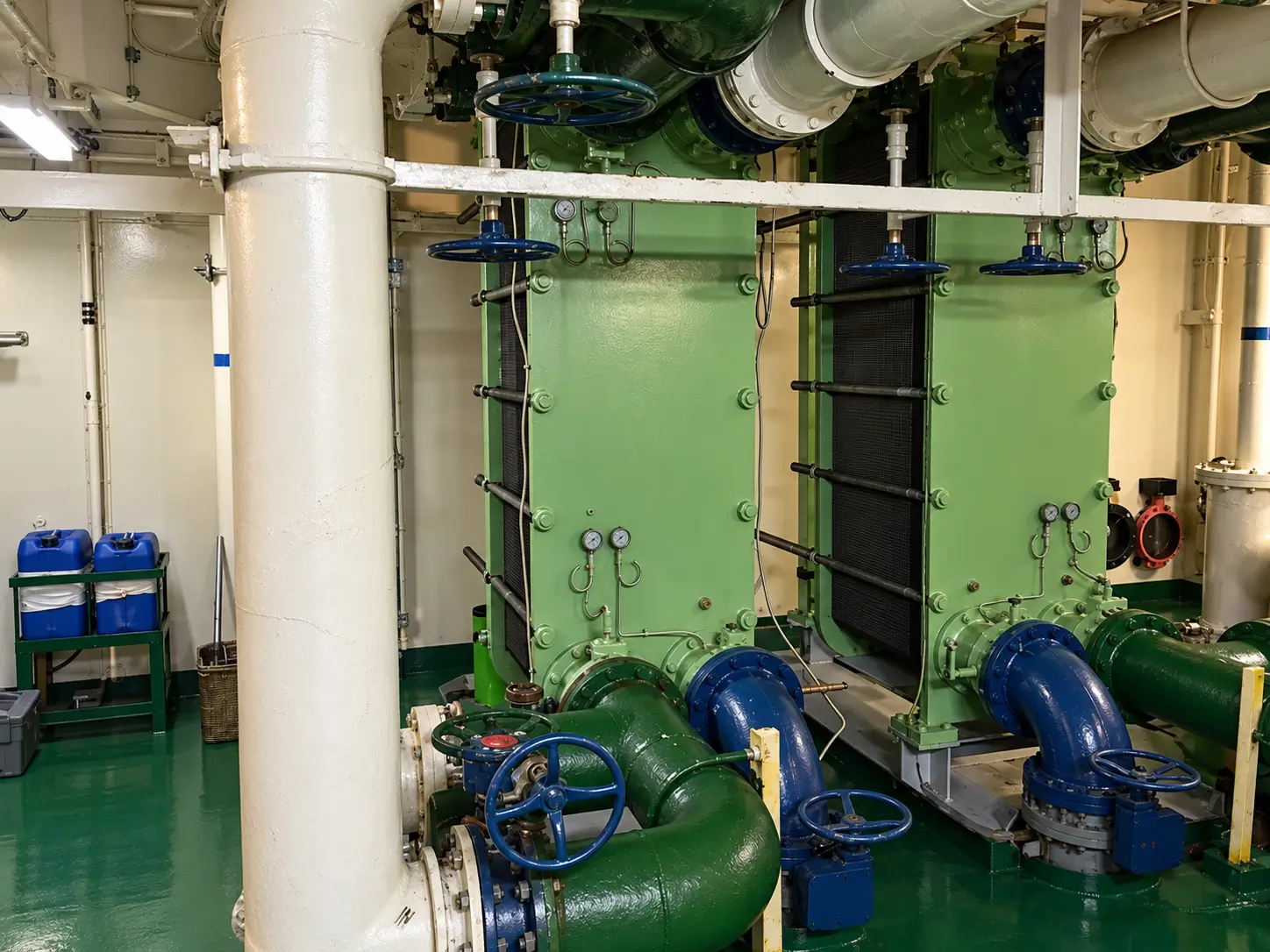
Localized anti-fouling configurations reviewed around equipment geometry, wetted materials and maintenance access.
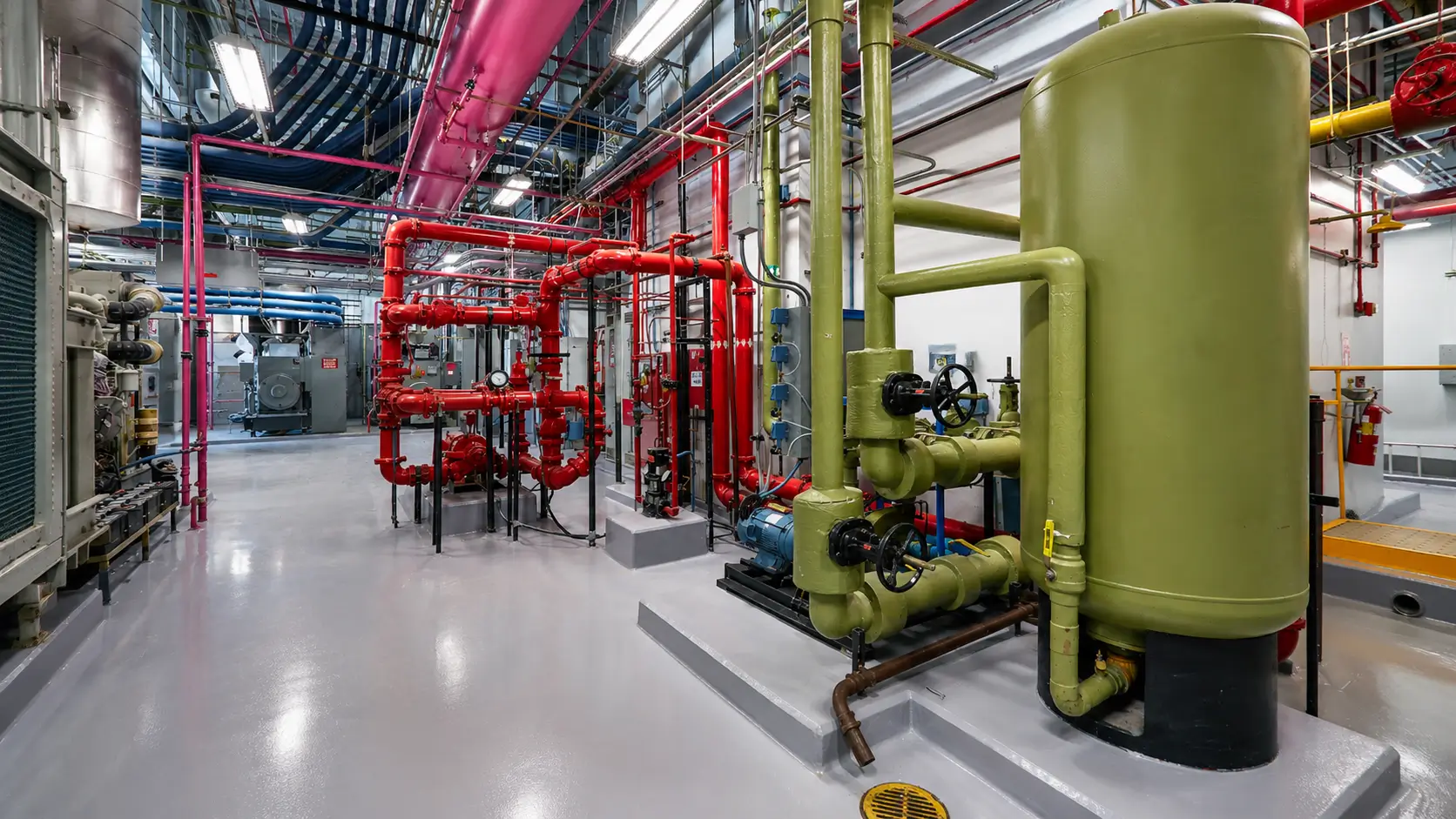
Anti-fouling system review for offshore platforms, FPSOs and distributed seawater networks.
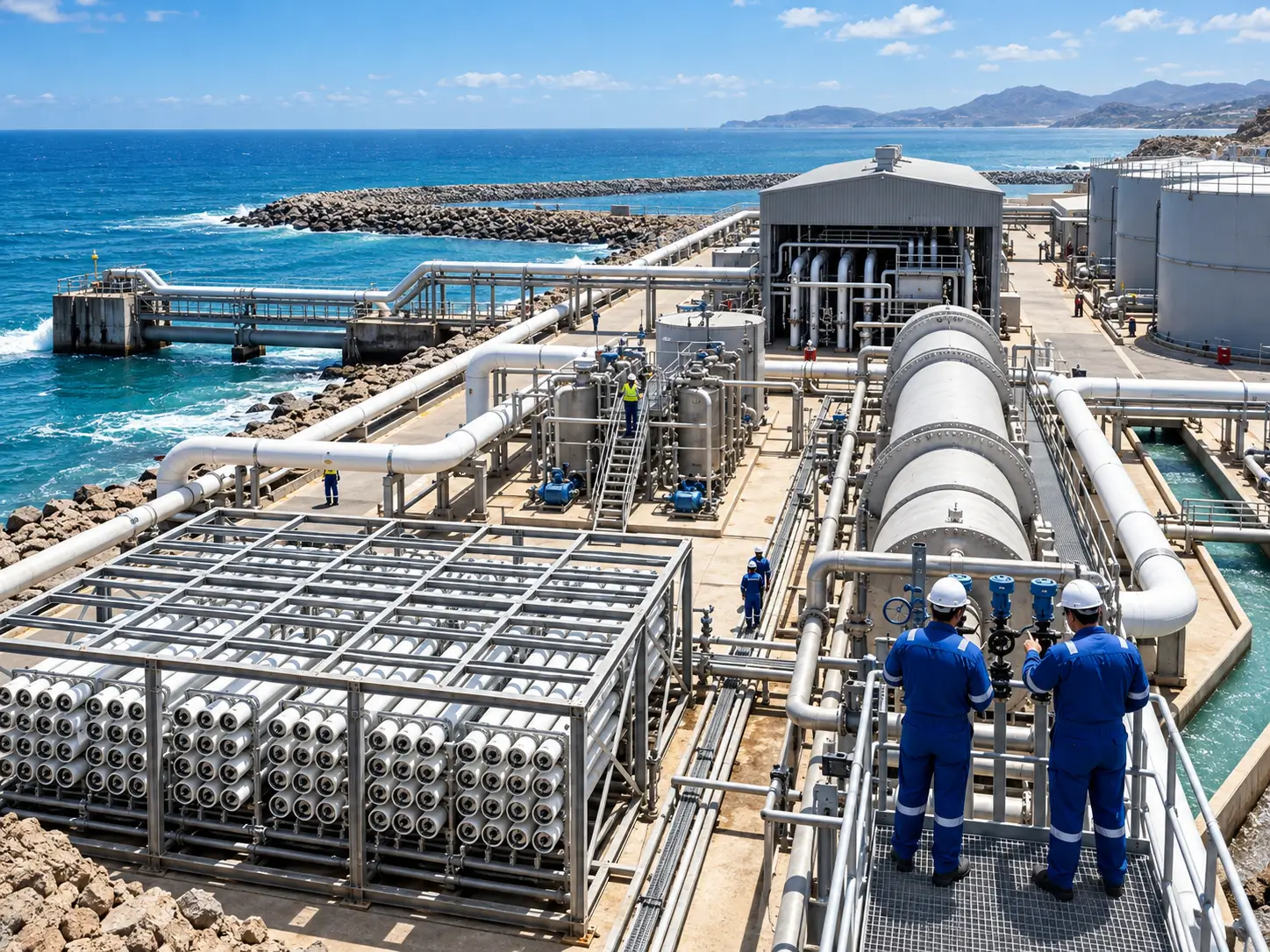
Electrochemical biofouling-control solutions for process and cooling-water systems using seawater.
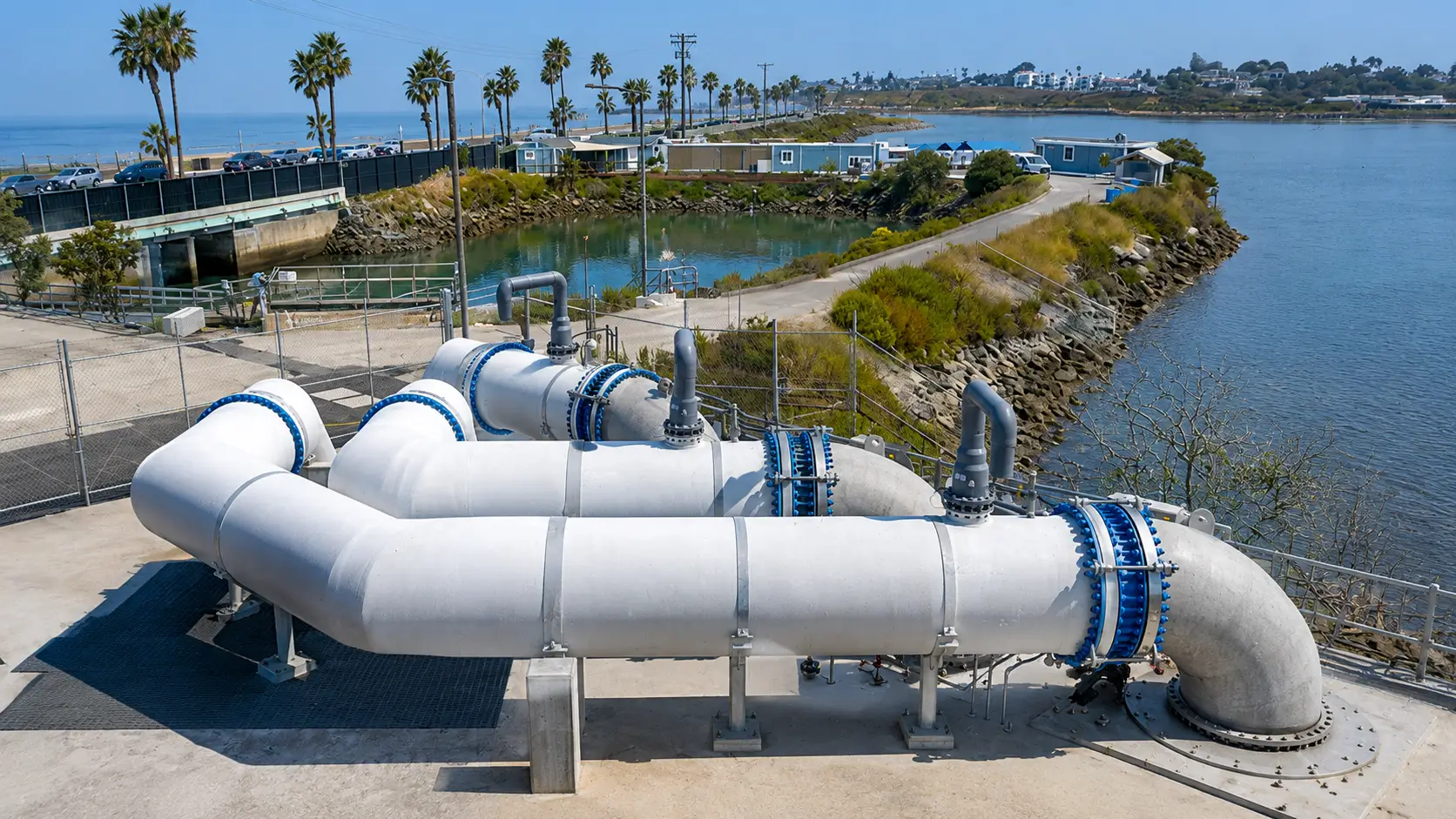
Replacement anodes, control equipment, electrolytic cells and system components reviewed against the existing installation.
Marine anti-fouling systems and cathodic-protection systems serve different functions. For hull, offshore structure or submerged-metal corrosion protection, review HELE ICCP and cathodic-protection solutions separately.
HELE can review the seawater circuit and define an order-specific anti-fouling supply using MGPS or ICAF, electrochlorination, control equipment, replacement components or retrofit interfaces. The selected technical route and responsibility matrix control the final scope.
01 · Circuit Review
Review intake points, flow, salinity, temperature, operating profile, piping metallurgy, protected equipment and known fouling conditions.
Typical order output: Circuit basis and open engineering questions.
02 · Technology Route
Compare MGPS or ICAF, electrochlorination and retrofit options against the approved anti-fouling duty and corrosion constraints.
Typical order output: Proposed route and equipment boundary.
03 · Components & Systems
Coordinate anodes, electrolytic cells, power and control equipment, distribution, monitoring, dosing interfaces and replacement items as included.
Typical order output: Equipment list and configuration schedule.
04 · Retrofit Interface
Define available space, mounting, flange or housing, cable routing, electrical feeds, seawater connections, access and isolation requirements.
Typical order output: Interface drawing and retrofit checkpoints.
05 · Inspection & FAT
Apply material, dimensional, electrical, control, functional and order-specific FAT checks to the supplied boundary.
Typical order output: Inspection and FAT records listed in the order.
06 · Documentation
Coordinate technical data, GA or interface drawings, P&ID or wiring information, manuals, identification, packing and agreed records.
Typical order output: Order-specific document and handover package.
Component or package supply does not automatically include vessel or plant system design, seawater piping modification, class approval, site installation, commissioning or guaranteed biological performance outside the agreed operating basis.
Order rule: only the signed quotation, approved drawings, equipment or material schedule, inspection plan and responsibility matrix define the final HELE supply.
Common questions about marine anti-fouling systems and selection.
Marine anti-fouling selection begins with the seawater route, operating profile, materials, target organisms and protected equipment. MGPS and electrochlorination are not interchangeable labels for the same system.
Submit your project details to receive a technical review and quotation for MGPS / ICAF or electrochlorination solutions.
Prefer email? sales@heletitanium.com