
MMO Rod Anode Manufacturer · Compact ICCP
MMO-Coated Titanium Rod Anodes for Compact ICCP Systems
HELE manufactures solid titanium MMO rod anodes in bare, threaded, cable-connected and drawing-based configurations. Diameter, active coated length, environment, electrical duty and the connection or seal are reviewed as one product definition.
Engineering boundary: An MMO rod is a solid titanium electrode, not a hollow tubular anode or a domestic powered anode rod. Output and life remain conditional on active area, coating, environment and operating duty.
MMO Rod Anode Configurations
An MMO rod anode uses a solid titanium rod as the rigid active-electrode substrate. Connection, termination and mounting can be configured according to how the electrode will be integrated into the ICCP or industrial electrochemical system.
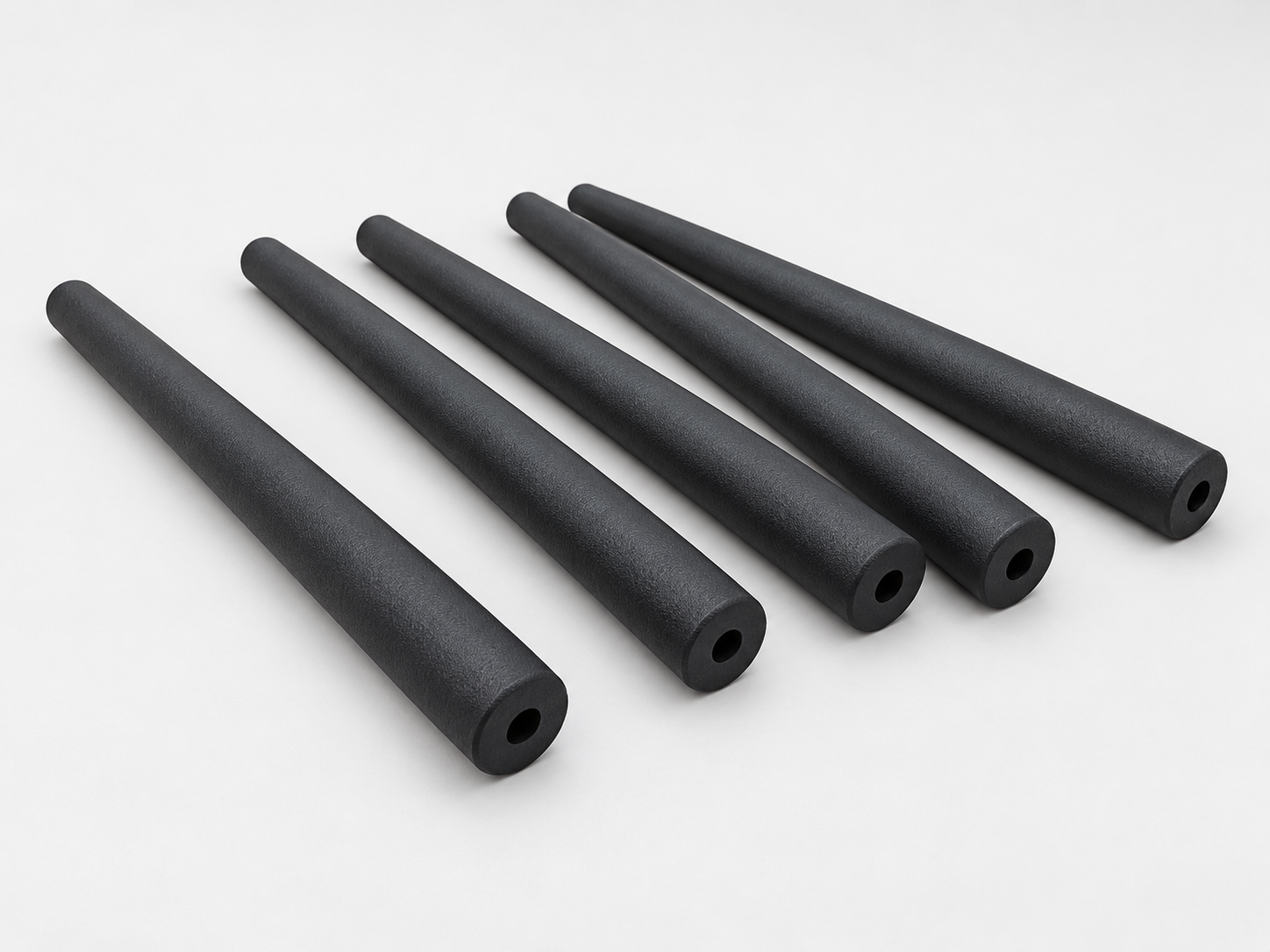
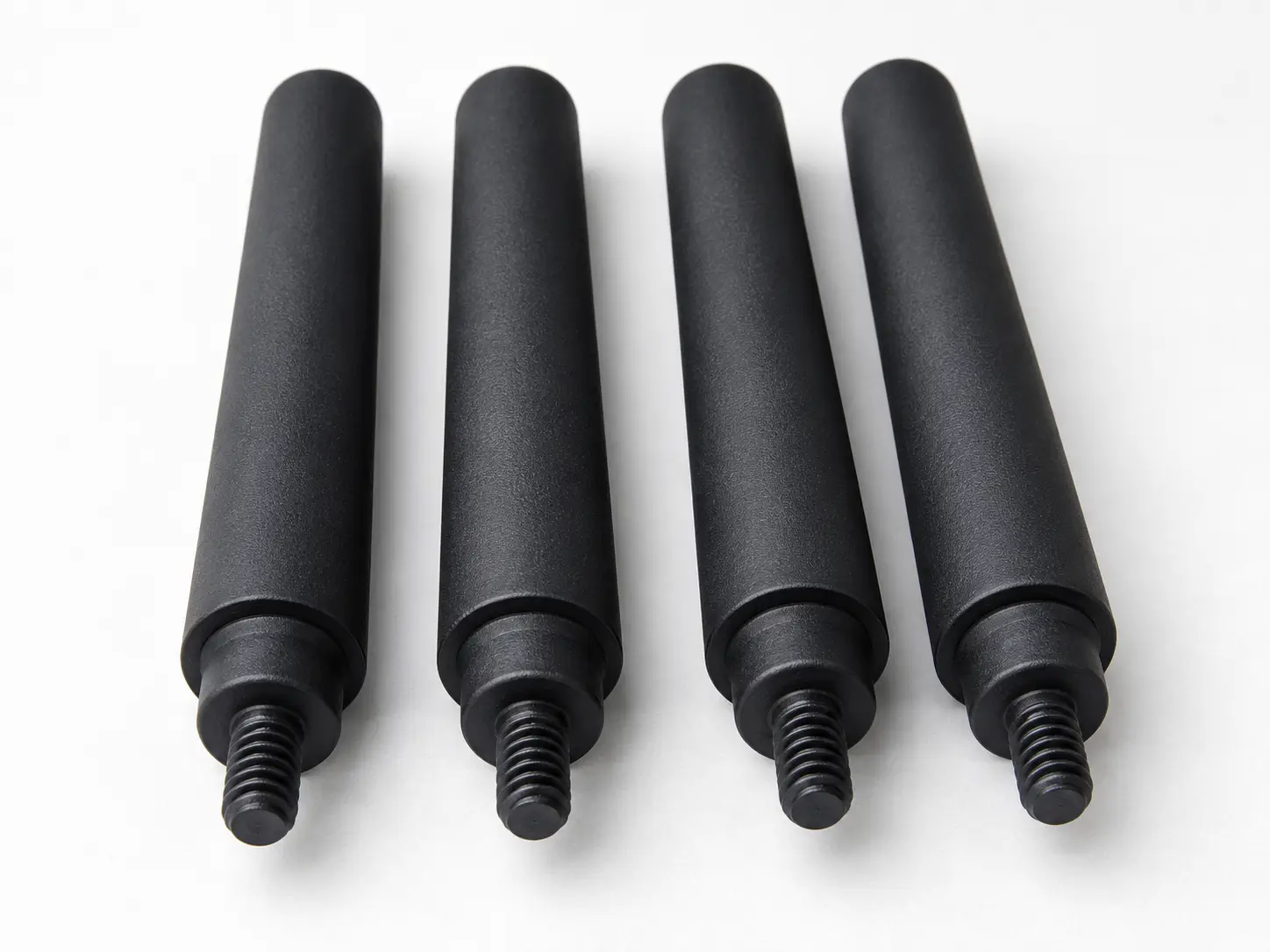
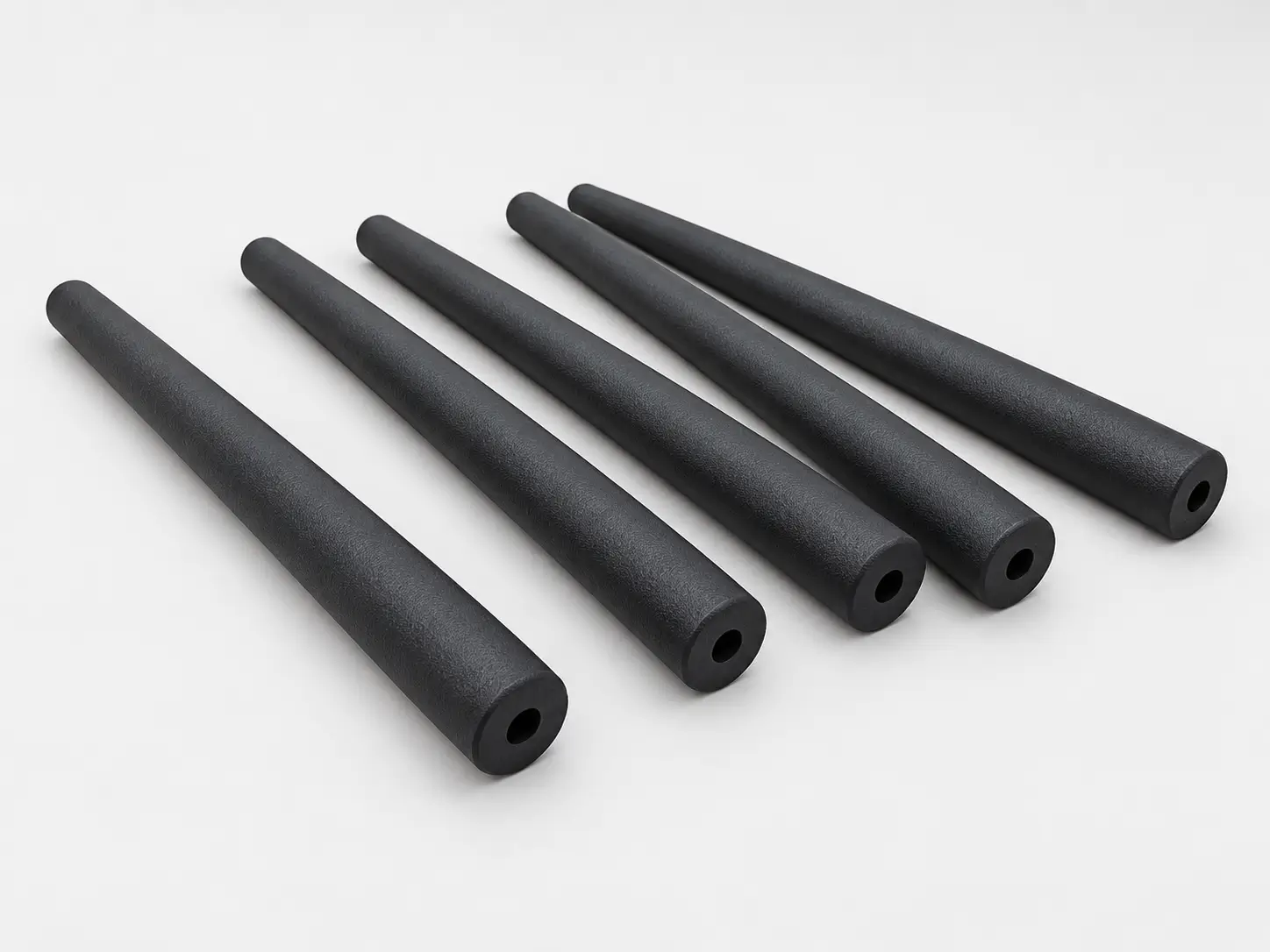
Standard MMO Rod Anode
Solid MMO-coated titanium rod supplied as the active electrode for compact ICCP, equipment or industrial electrochemical integration.
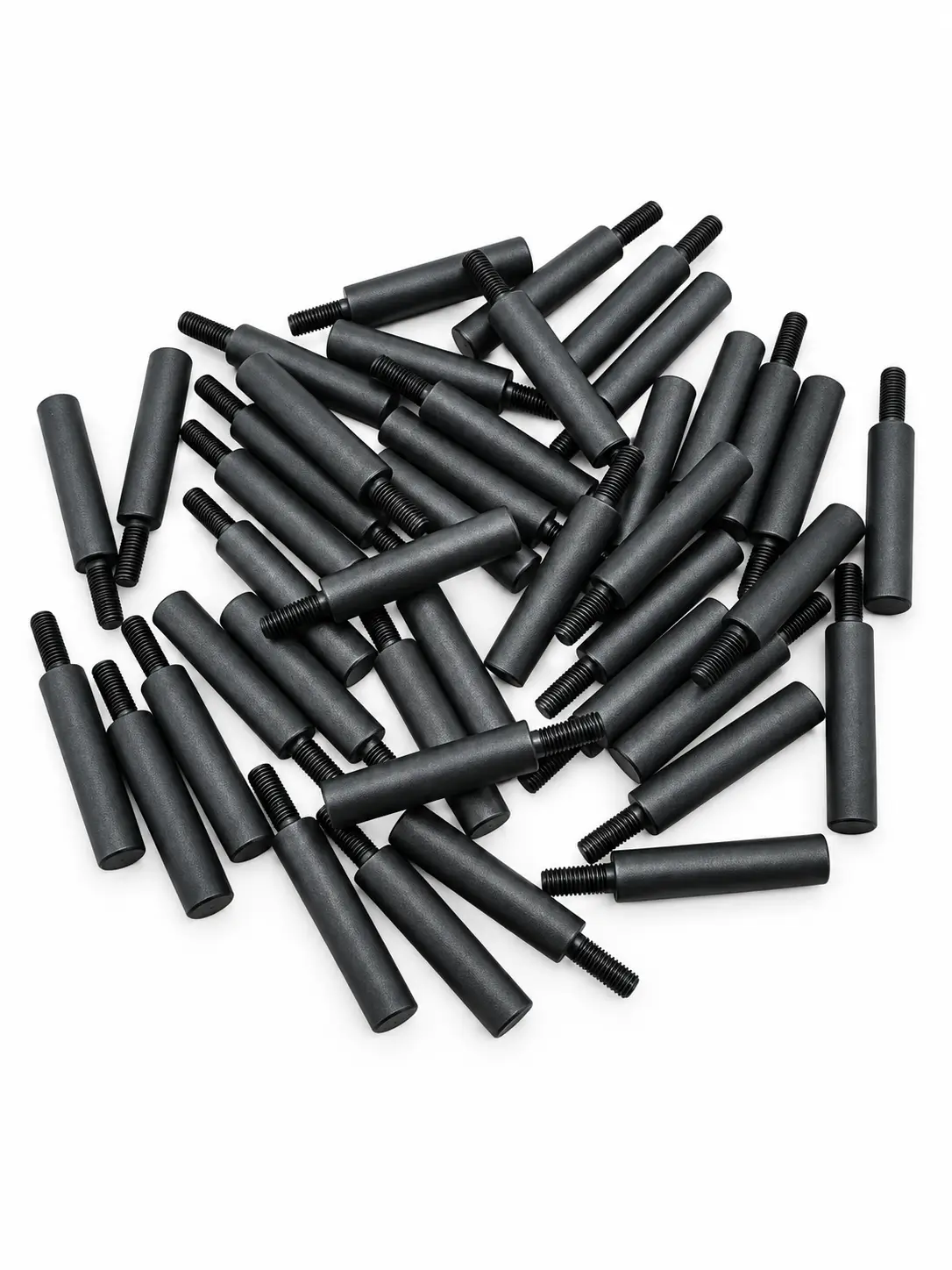
Threaded MMO Rod Anode
Rod anode with a threaded end, nut, terminal or project-specific mechanical connection for direct equipment or fixture integration.
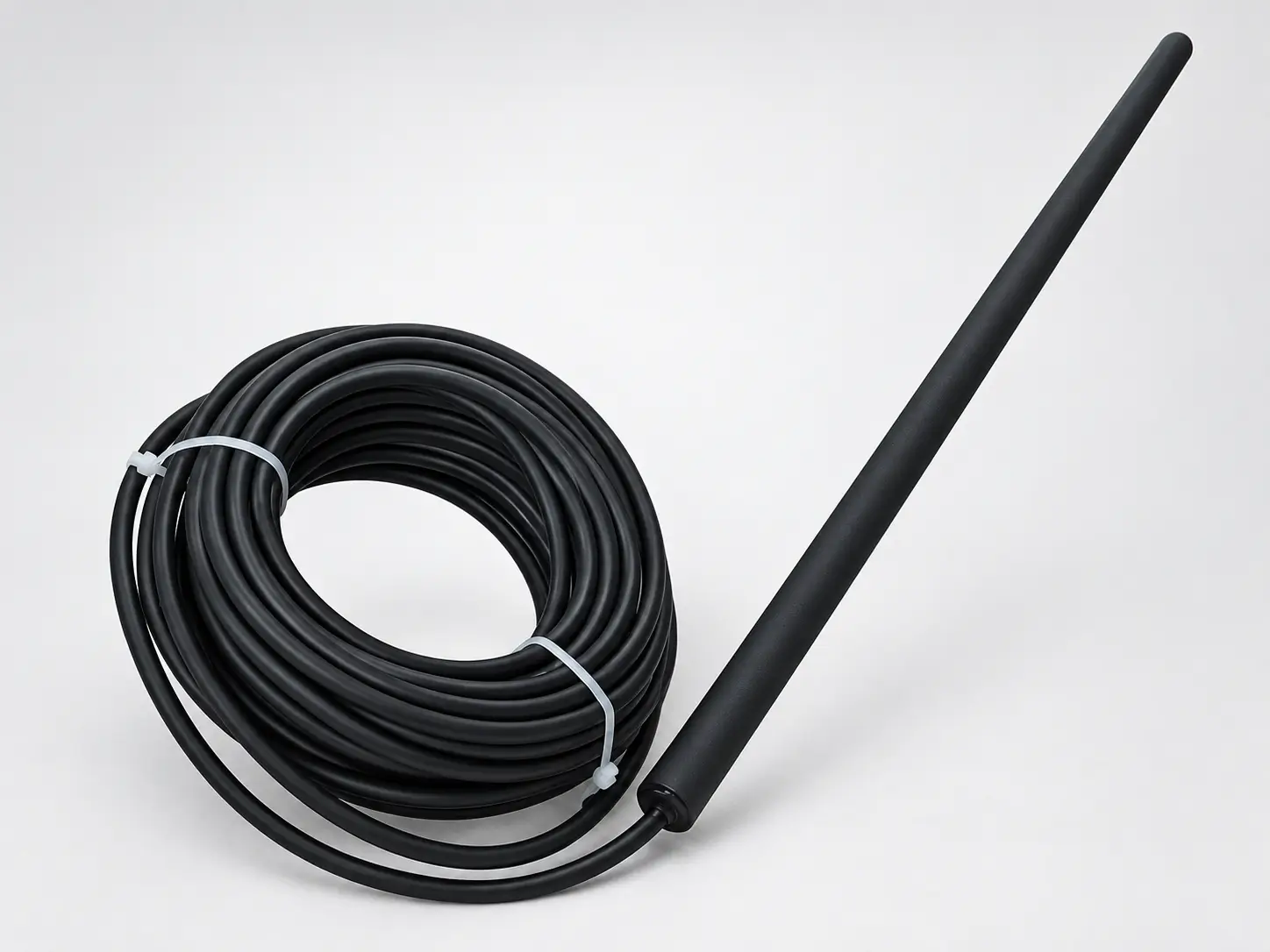
Cable-Connected MMO Rod Anode
MMO-coated rod supplied with cable connection, sealing, strain relief or project-specific termination where a ready-to-connect assembly is required.
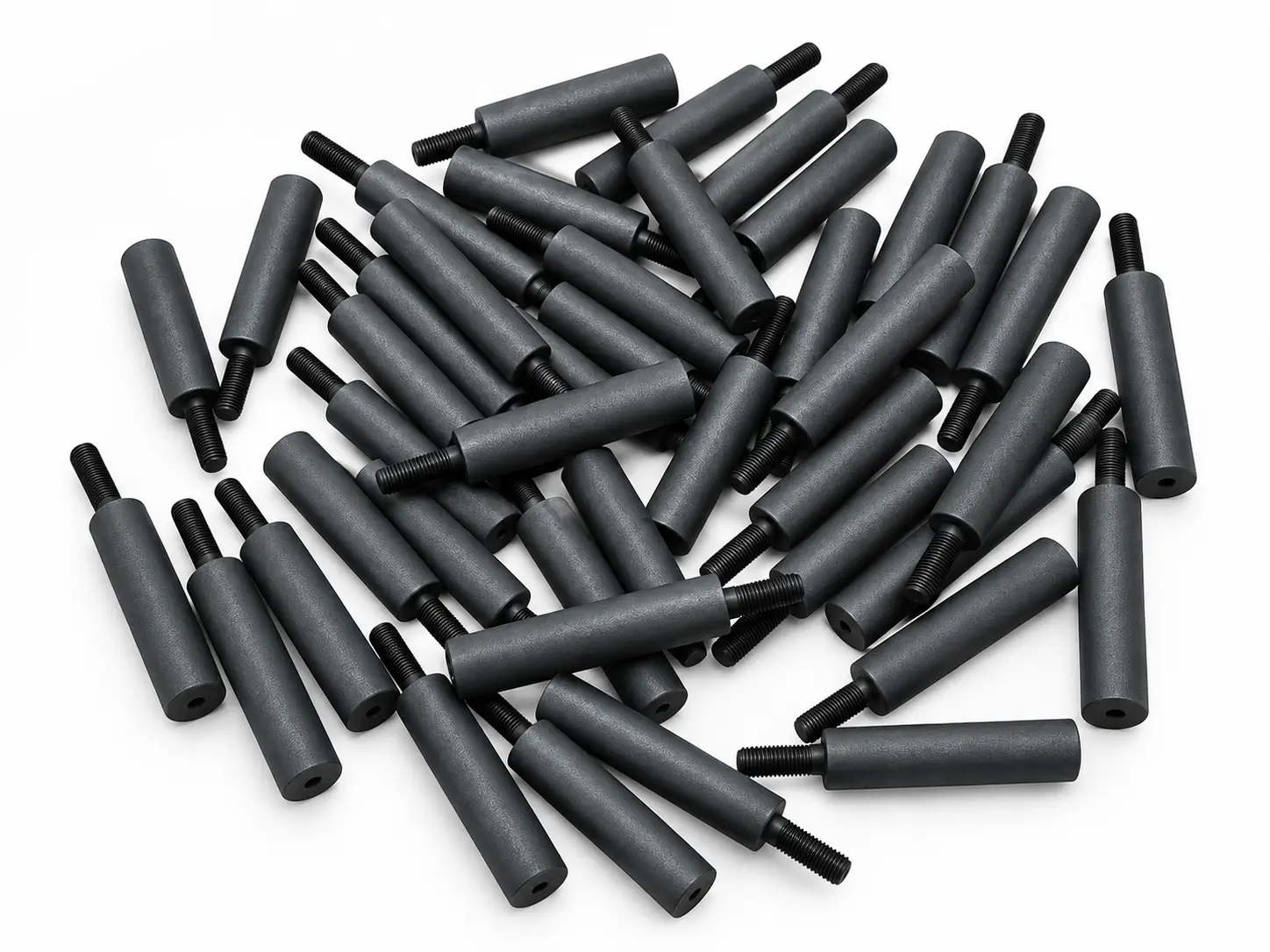
Custom MMO Rod Anode Assembly
Drawing-based rod assemblies with project-specific diameter, length, active coated area, connection, mounting structure, packing and documentation.
Engineering Note: MMO Rod Anode uses a solid titanium rod substrate. MMO Tubular Anode uses a hollow titanium tube substrate. The two forms have different geometry, active area, mechanical structure and installation options. View MMO Tubular Anode →
Rod Diameter, Active Length & Titanium Substrate
Rod diameter and active coated length define the exposed cylindrical geometry of the active electrode and should be reviewed together with active surface area, electrical duty, connection design and installation requirements.
| Product | MMO-Coated Titanium Rod Anode |
|---|---|
| Substrate | Titanium Rod |
| Geometry | Solid Cylindrical Rod |
| Reference Diameters | 6.35 mm · 12.7 mm · 19 mm · 25 mm |
| Custom Sizes | Available according to project requirements |
| Active Coated Length | Project-specific |
| Material Standard | According to confirmed order requirement / MTC |
| Titanium Grade | According to confirmed order requirement |
| Connection Options | Bare · Threaded · Cable-Connected · Terminal / Custom Assembly |
| Design-Life Reference | 20 years under the confirmed rated design conditions |
Rated Output Depends on Active Area & Operating Environment
The same rod diameter does not have one universal current-output value. Rated output must be linked to active coated length, active surface area, coating requirement, current-density basis, operating environment and design-life conditions.
Freshwater
100 A/m²
Reference Design Value — Rated Conditions Apply
Brackish Water
300 A/m²
Reference Design Value — Rated Conditions Apply
Seawater
600 A/m²
Reference Design Value — Rated Conditions Apply
Rated Output by Rod Diameter: Engineering Confirmation Required
The historical reference values below are based on a 1000 mm length and 20-year design-life basis. They are not universally guaranteed ratings. Final allowable output must be confirmed by HELE Engineering against actual active coated length, active area, current density, coating loading, water chemistry and operating duty.
| Rod Diameter | Freshwater Ref. | Brackish Water Ref. | Seawater Ref. |
|---|---|---|---|
| 6.35 mm | 2 A | 6 A | 12 A |
| 12.7 mm | 4 A | 12 A | 24 A |
| 19 mm | 6 A | 18 A | 36 A |
| 25 mm | 8 A | 24 A | 45 A (Requires Verification) |
* Final allowable current density and coating loading must be confirmed against the actual coating requirement, active area, water chemistry, temperature, operating duty and project design-life basis.
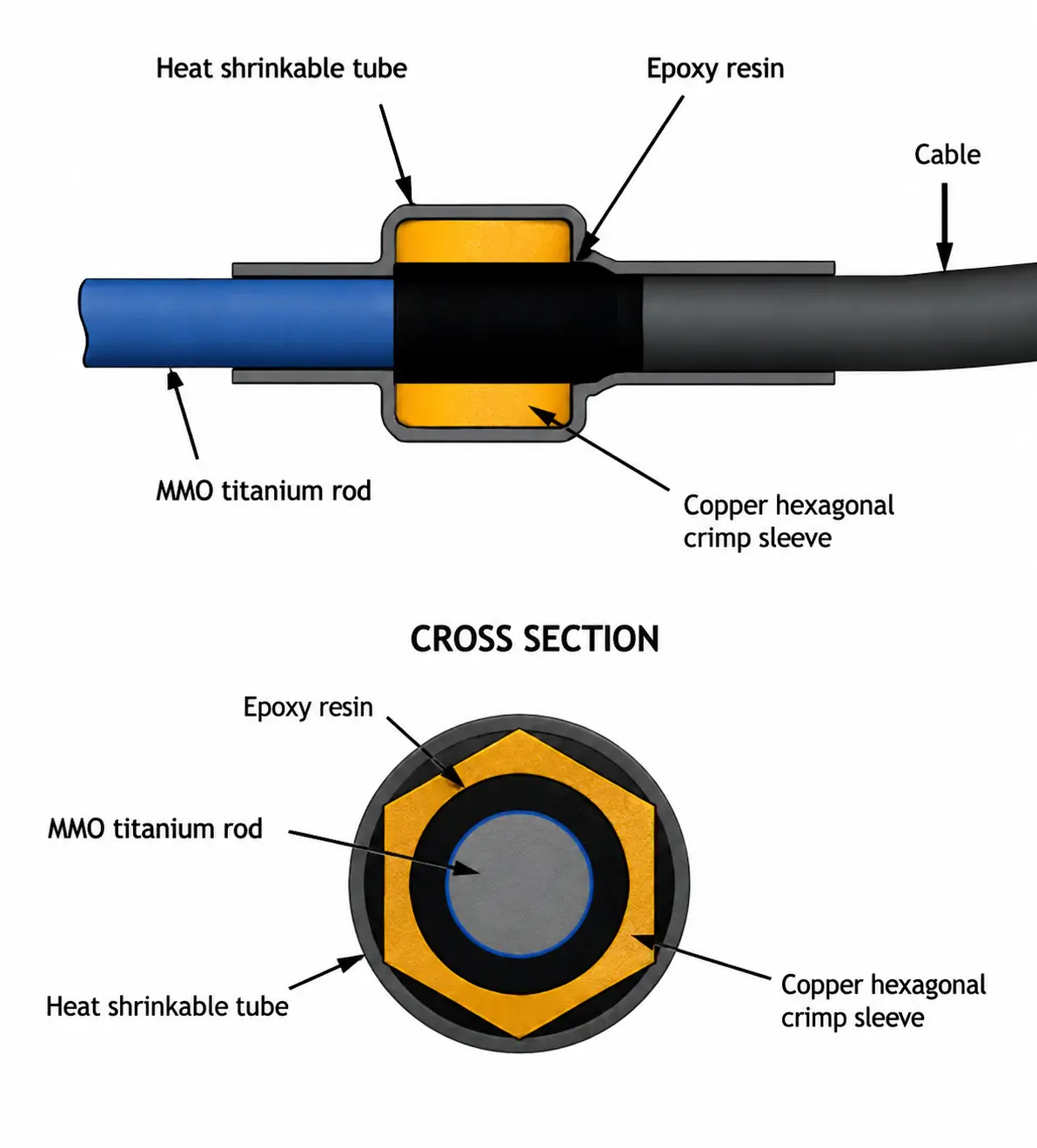
Cable, Crimp, Thread & Sealing Options
The connection between the solid MMO rod and the external conductor should provide stable electrical continuity while protecting the termination against mechanical damage and environmental ingress.
Threaded / Mechanical Connection
Threaded ends, nuts, terminals, welded tabs or other project-specific mechanical interfaces can be reviewed according to the approved equipment or mounting drawing.
Copper Crimp Connection
The reference connection construction includes a copper crimp sleeve concept for connecting the cable conductor to the titanium rod.
Epoxy Resin Sealing
The reference assembly uses epoxy sealing as a connection-protection option to reduce moisture ingress around the joint.
Heat-Shrink Protection
Heat-shrink protection can provide additional insulation and mechanical protection around the sealed connection according to the agreed assembly design.
Cable Construction Options
Available cable families include PVDF / HMWPE, ECTFE / HMWPE, XLPE / PVC, and HMWPE. Common sizes range from 6 mm² to 35 mm².
Final cable construction and conductor size should be selected according to current capacity, installation environment, cable route and project specification.
Where MMO Rod Anodes Are Used
Compact ICCP Systems
Rigid solid-rod geometry can be used where the cathodic-protection design requires a compact active electrode and controlled mounting position.
Freshwater & Water Equipment
MMO rod electrodes can be reviewed for suitable freshwater, condenser, chiller and water-side protection applications according to conductivity, chemistry, flow and required electrical duty.
Seawater & Brackish Water
Project-specific rod configurations can be reviewed for appropriate marine or brackish-water applications when coating, current density, cable construction, sealing and mounting are matched to the environment.
Soil & Conductive Backfill
Cable-connected rod configurations can be reviewed for appropriate soil or carbonaceous-backfill applications according to resistivity, required current, installation geometry and the CP system design.
Custom MMO Rod Anodes Built Around Your ICCP Design
Rod diameter, active coated length, coating requirement, rated electrical duty, cable connection, thread and sealing can be reviewed around the operating environment and project configuration.
Rod Geometry
Diameter · Total Length
Active Geometry
Coated Length · Exposed Surface
Electrical Duty
Current Density · Output / Anode
Environment
Freshwater · Brackish · Seawater · Soil · Backfill
Connection
Cable · Crimp · Thread · Terminal
Design-Life Basis
Coating Loading · Duty · Environment
Project Input Requirements:
Application · Environment · Required Current · Rod Diameter · Active Length · Cable / Thread · Mounting · Design Life · Quantity
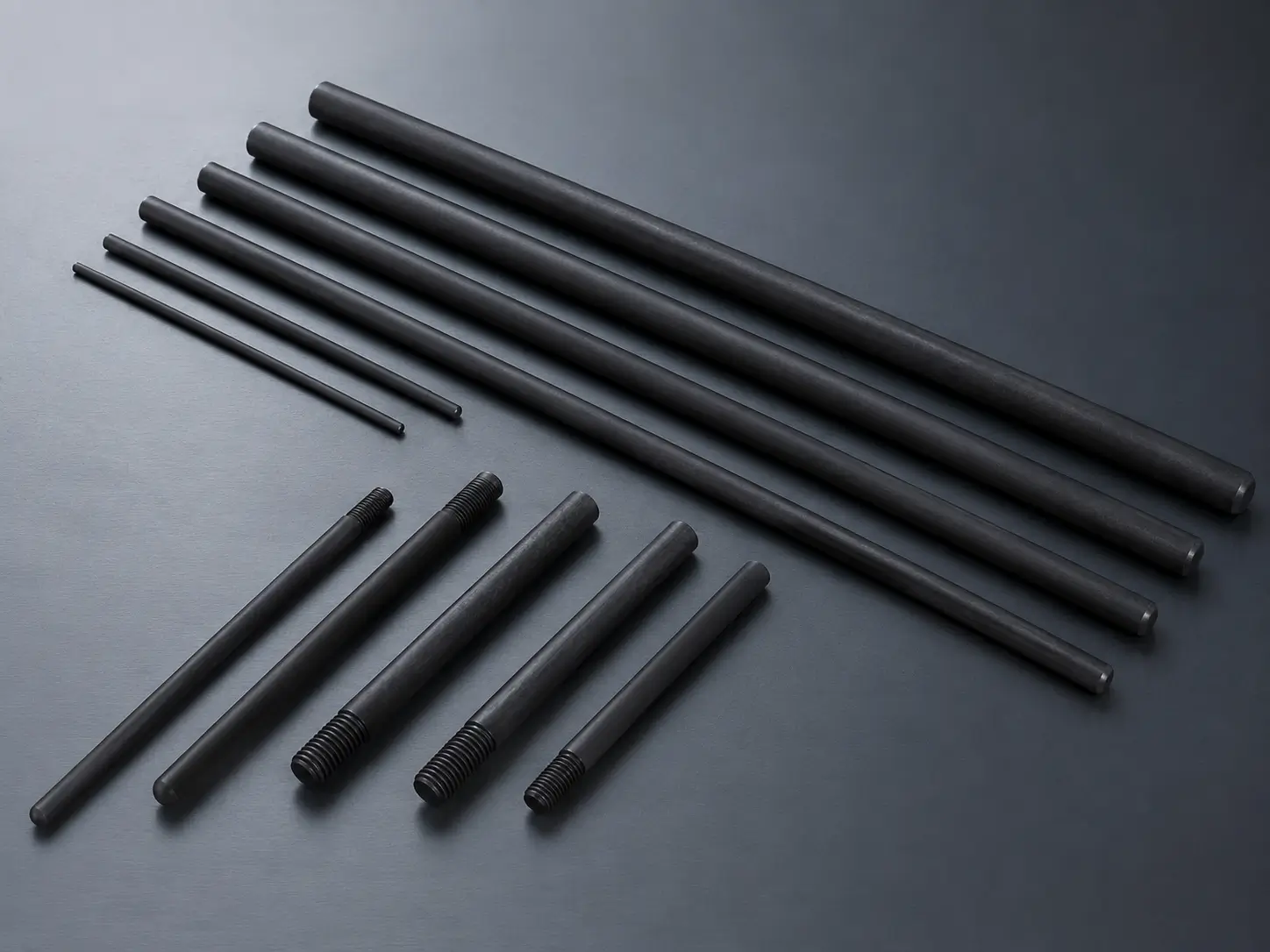
Rod Anode vs Tubular, Wire & Powered Anode Rod
| Product Form | Construction | Main Intent |
|---|---|---|
| MMO Rod Anode | Solid rigid MMO-coated titanium rod | Compact industrial ICCP or project-specific electrochemical active electrode |
| MMO Tubular Anode | Hollow cylindrical MMO-coated titanium tube | Tubular ICCP geometry with larger cylindrical active surface and different mechanical structure |
| MMO Wire Anode | Smaller-diameter flexible MMO-coated titanium wire | Flexible routing and distributed active-electrode applications |
| Powered Anode Rod | Appliance / water-heater ICCP replacement assembly | Consumer or equipment-level water-heater corrosion protection |
* This page covers industrial MMO-coated titanium rod anodes. It does not cover sacrificial magnesium water-heater rods, consumer powered-anode replacements or raw titanium rod/bar material.
MMO Rod Anode FAQs
What is an MMO rod anode?
How is an MMO rod anode different from an MMO tubular anode?
What determines the current output of an MMO rod anode?
Can MMO rod anodes be used in soil and water?
Can MMO rod anodes be threaded or cable-connected?
What information is required for quotation?
Engineering RFQ
Request a Custom MMO Rod Anode Review
Share the application, environment, required current, preferred rod diameter and active length, plus the cable, thread, terminal or mounting requirement. A drawing helps separate the active zone from the connection and sealing zone.
- ✓ Application and operating environment
- ✓ Required current or current-density basis
- ✓ Rod diameter, total length and active length
- ✓ Bare, threaded, terminal or cable connection
- ✓ Mounting, joint protection and sealing
- ✓ Design life, quantity and documents