Buyer Role 1
Shipyards & Marine OEMs
Integrate protection and seawater-system components into newbuild or retrofit packages.


Marine & Offshore Applications
Map vessel, offshore and seawater-system risks to the relevant corrosion-protection, anti-fouling or titanium-component path before moving into solution-specific engineering.
Marine Project Guide
Vessels, offshore structures and seawater circuits can require different corrosion-protection, anti-fouling or titanium-component approaches. Define the asset, operating profile, drawings, installation constraints and approval requirements before comparing products.
Buyer Teams
Engineering, integration, quality and procurement teams evaluate different parts of the same purchase. The strongest inquiry connects their technical and approval requirements.
Buyer Role 1
Integrate protection and seawater-system components into newbuild or retrofit packages.
Buyer Role 2
Define current demand, anode layout, reference strategy and design-life basis.
Buyer Role 3
Plan maintenance, replacement, spares and operating evidence for vessels or offshore assets.
Industry Application Map
Each application is a routing point, not a blanket suitability claim. The buyer question determines the next technical review.
Application 1
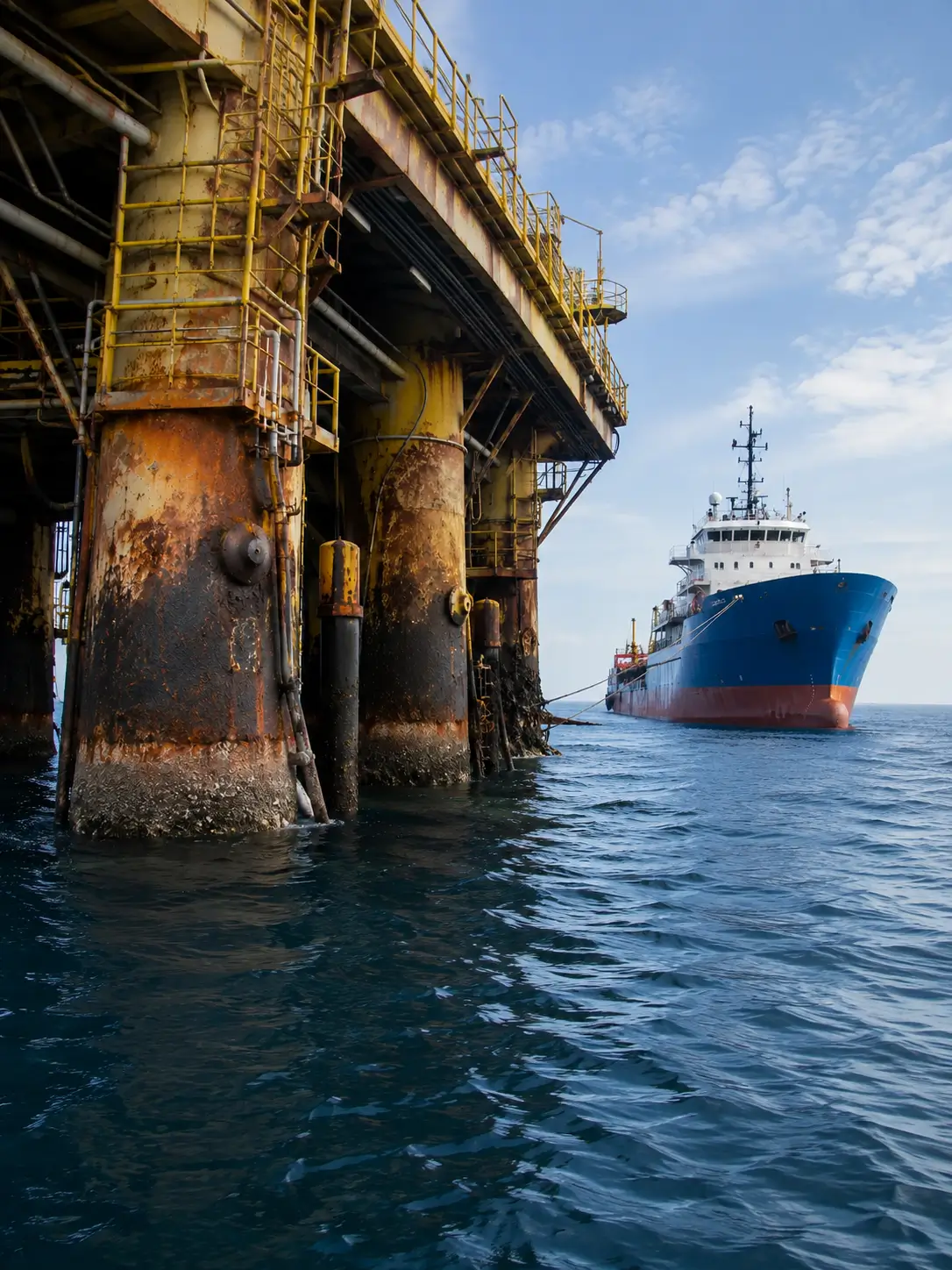
ICCP or sacrificial-anode components for defined submerged assets.
Buyer question: What asset, coating condition, exposed area, current demand and design life apply?
Application 2
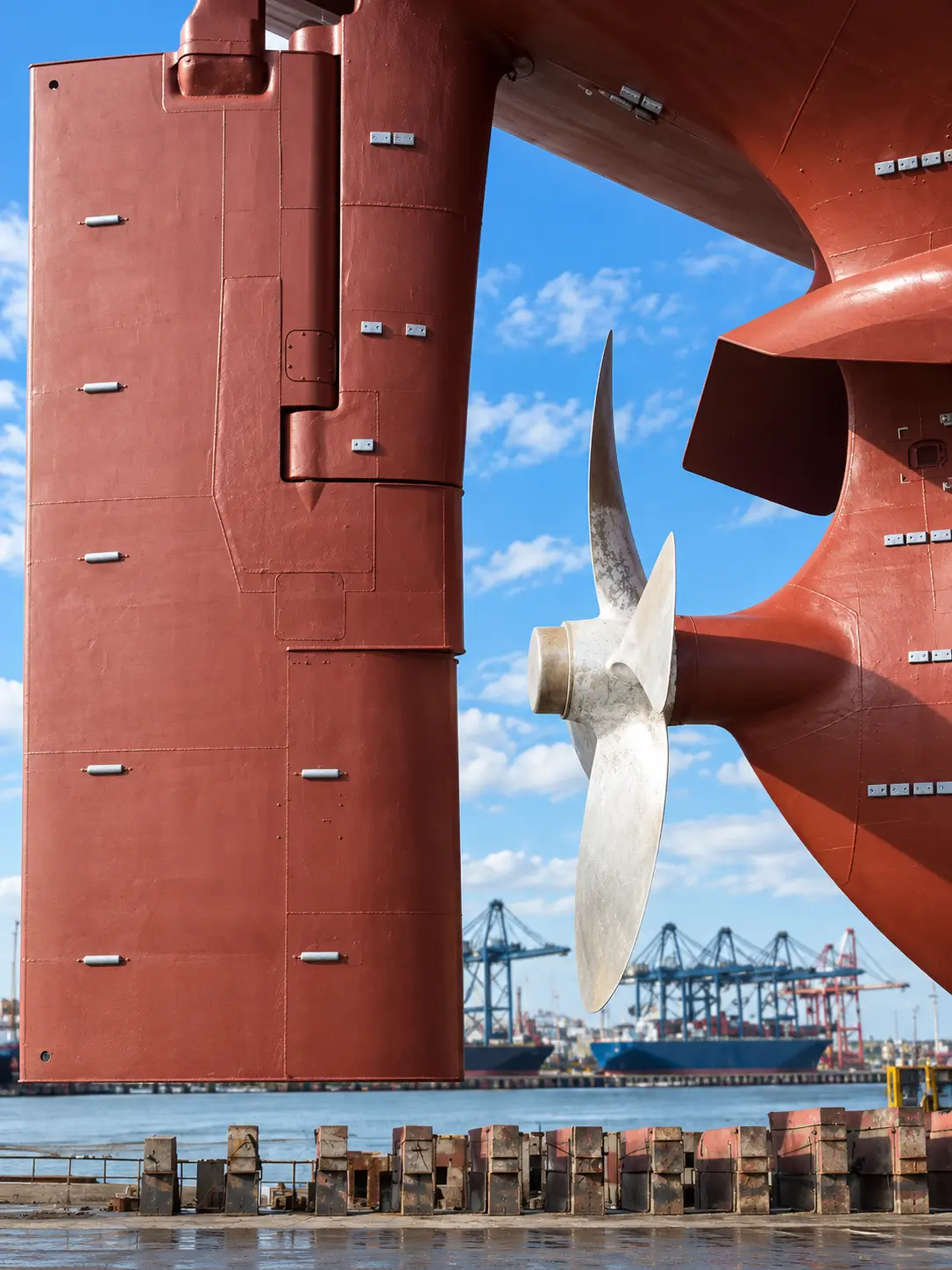
MGPS-related anodes and components for seawater circuits.
Buyer question: What seawater flow, pipe material, intake arrangement, vessel profile and control philosophy apply?
Application 3
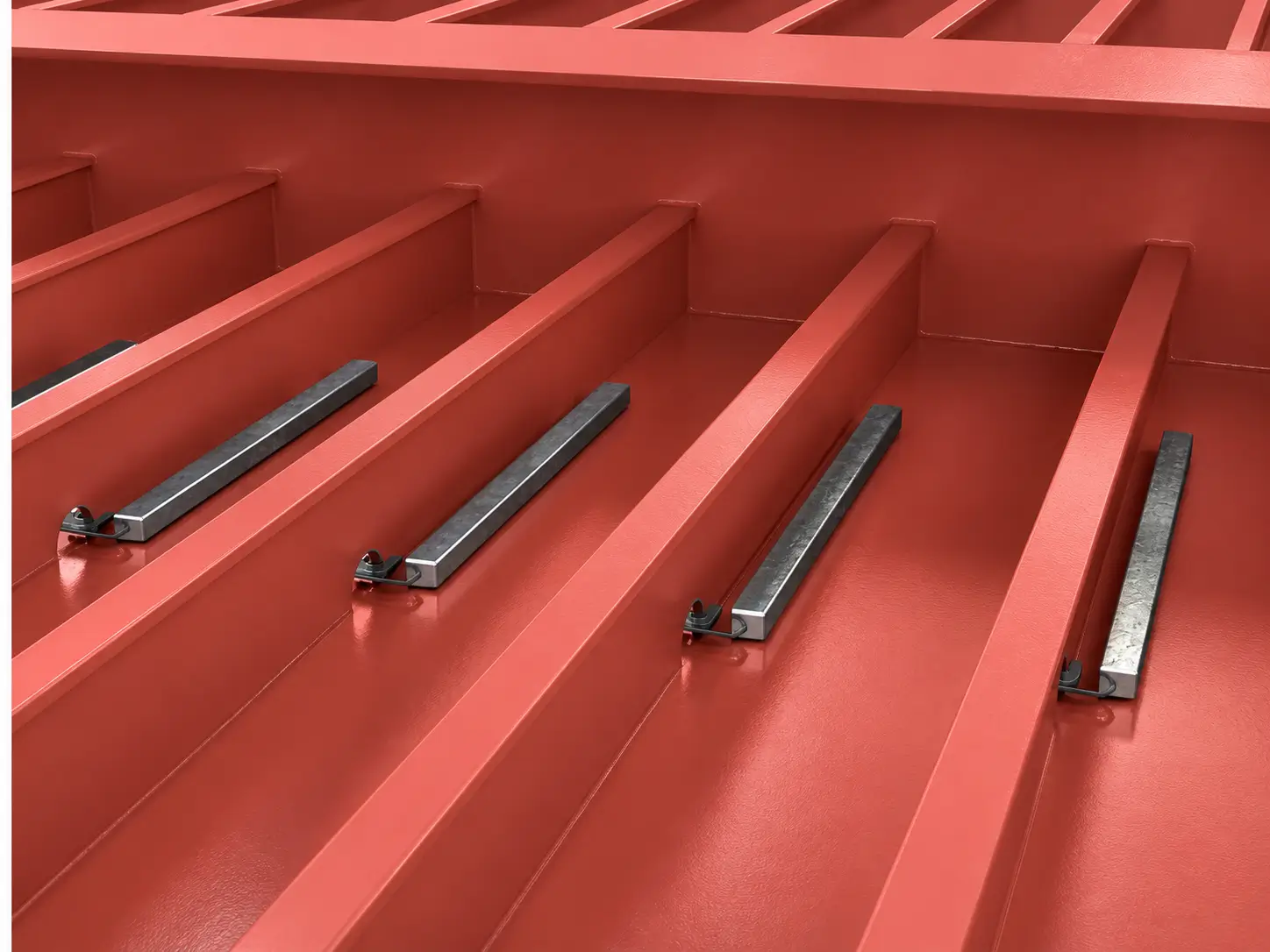
Shaft-earth devices, reference electrodes and related components for defined vessel systems.
Buyer question: What shaft arrangement, monitoring point, current path and installation constraints apply?
Application 4
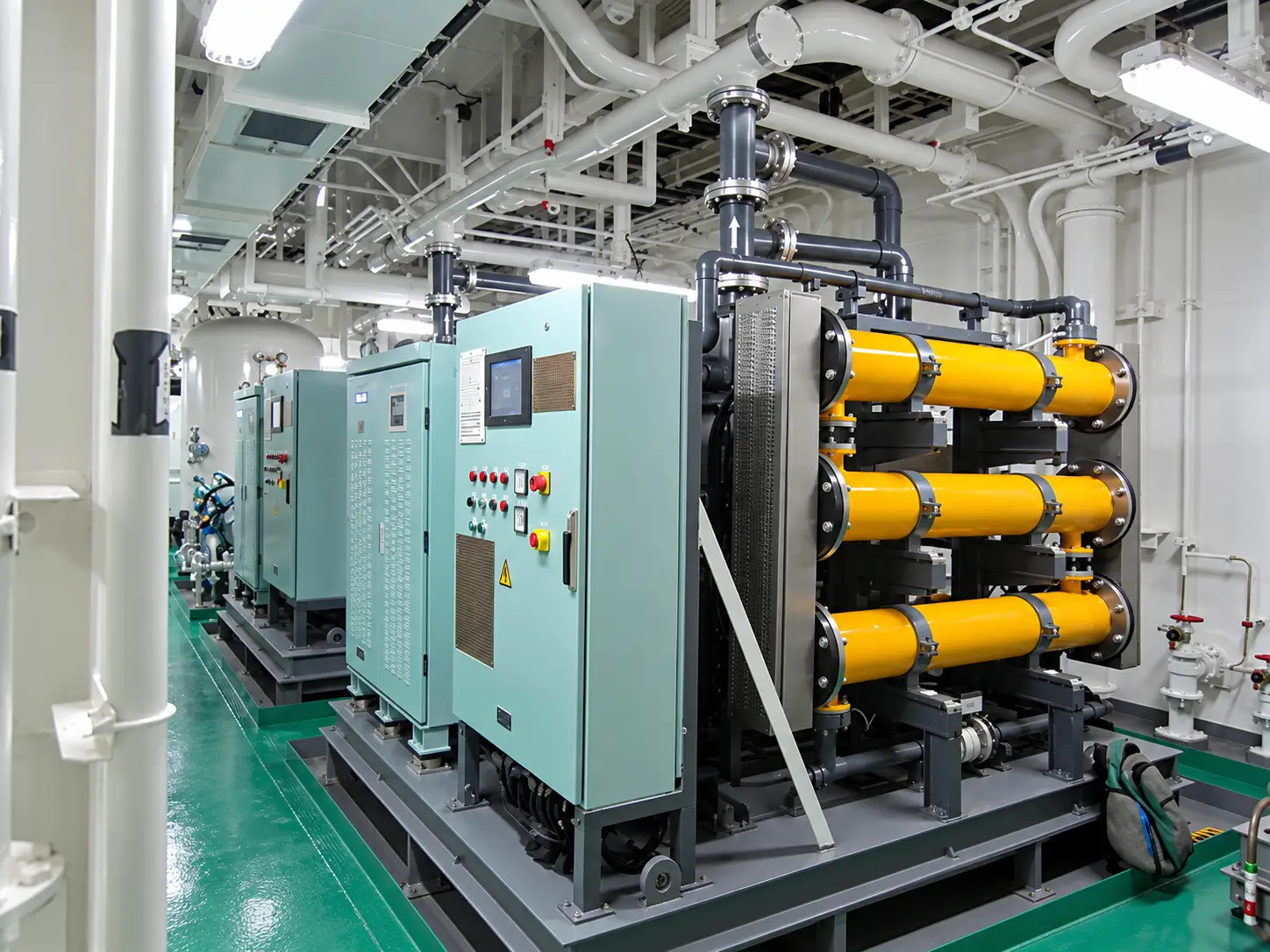
Titanium material or fabricated parts for corrosion-sensitive seawater equipment.
Buyer question: What seawater duty, pressure, temperature, geometry and fabrication standard apply?
Engineering & Procurement Reality
Decision Factor 1
Vessel type, offshore structure, seawater properties, coating and operating profile define the context.
Decision Factor 2
Current demand, distribution, rectifier, reference locations, cable and connection details must align.
Decision Factor 3
Access, dry-dock window, hull penetration, cable routing and existing equipment affect feasibility.
Decision Factor 4
Classification, owner, yard and project documentation requirements are not automatic.
HELE can review material, component, electrode or system scope only after the parameters and evidence responsibilities are clear.
Potential HELE Scope
The table shows possible relevance and the qualification basis needed before quotation. It does not state that every product is approved for every application.
| Product Family | Industry Relevance | Qualification Basis |
|---|---|---|
| ICCP & Reference Components | MMO ICCP anodes, reference electrodes and related components can be reviewed for a defined CP design. | Asset data, current demand, layout, environment, cable, connection and design-life basis. |
| MGPS & Shaft-Earth Products | Marine anti-fouling and shaft-earthing components can be routed by vessel and seawater-system conditions. | Vessel profile, seawater flow, pipe material, electrode arrangement, control and installation drawings. |
| Sacrificial & Titanium Components | Sacrificial anodes and selected titanium components may support project-specific marine packages. | Alloy or material requirement, dimensions, attachment, location, quantity, inspection and approval scope. |
Project Inputs
Unknown items can be marked for follow-up. They should not be silently guessed.
Qualification Boundary
An anode, reference electrode or MGPS component should not be selected from vessel type alone. The protected asset, electrical or seawater design, installation method, class requirements and system boundary must be defined.
Prepare for Technical Review
Identify the process, equipment or asset, operating conditions, failure concern and project stage.
Provide drawings, standards, inspection methods, documentation needs and the responsible approval route.
Related Paths
Industry FAQ
The answer depends on asset size, coating, current demand, design life, maintenance, power, installation and owner or class requirements. Final selection requires the applicable cathodic-protection design inputs.
Provide vessel and seawater-system details, flow, pipe material, intake arrangement, electrode locations, control philosophy, operating profile and drawings.
A replacement review should include drawings, markings, materials, cable and connection details, operating history, failure observations and project approval requirements.
No. Classification and owner approvals are product- and project-specific and must be verified against current documents.
State the protected asset or seawater circuit, the corrosion or biofouling duty, coating condition, current basis, water flow, installation constraints and owner or class requirements.
Share the vessel, offshore structure or seawater circuit, then provide the protection or anti-fouling duty, drawings and approval requirements. HELE will route the request to the relevant product family without assuming a complete system design from a component name.
Use the detailed form on this page or email sales@heletitanium.com with the application, operating conditions, drawings and required evidence.