Buyer Role 1
Materials & Design Engineers
Define grade, specification, load, temperature and design-allowable requirements.


Aerospace & High-Performance Engineering Applications
Support specification-led material and component inquiries while keeping aerospace approval, special-process qualification and customer-controlled evidence separate from general titanium capability.
Specification & Qualification Guide
Aerospace and high-performance projects are controlled by more than material grade. Part classification, specification revision, traceability, critical characteristics and special-process restrictions determine whether a material or component inquiry can move forward.
Buyer Teams
Engineering, integration, quality and procurement teams evaluate different parts of the same purchase. The strongest inquiry connects their technical and approval requirements.
Buyer Role 1
Define grade, specification, load, temperature and design-allowable requirements.
Buyer Role 2
Source material or drawing-based parts for controlled downstream manufacturing.
Buyer Role 3
Evaluate traceability, inspection, process ownership and approval evidence.
Industry Application Map
Each application is a routing point, not a blanket suitability claim. The buyer question determines the next technical review.
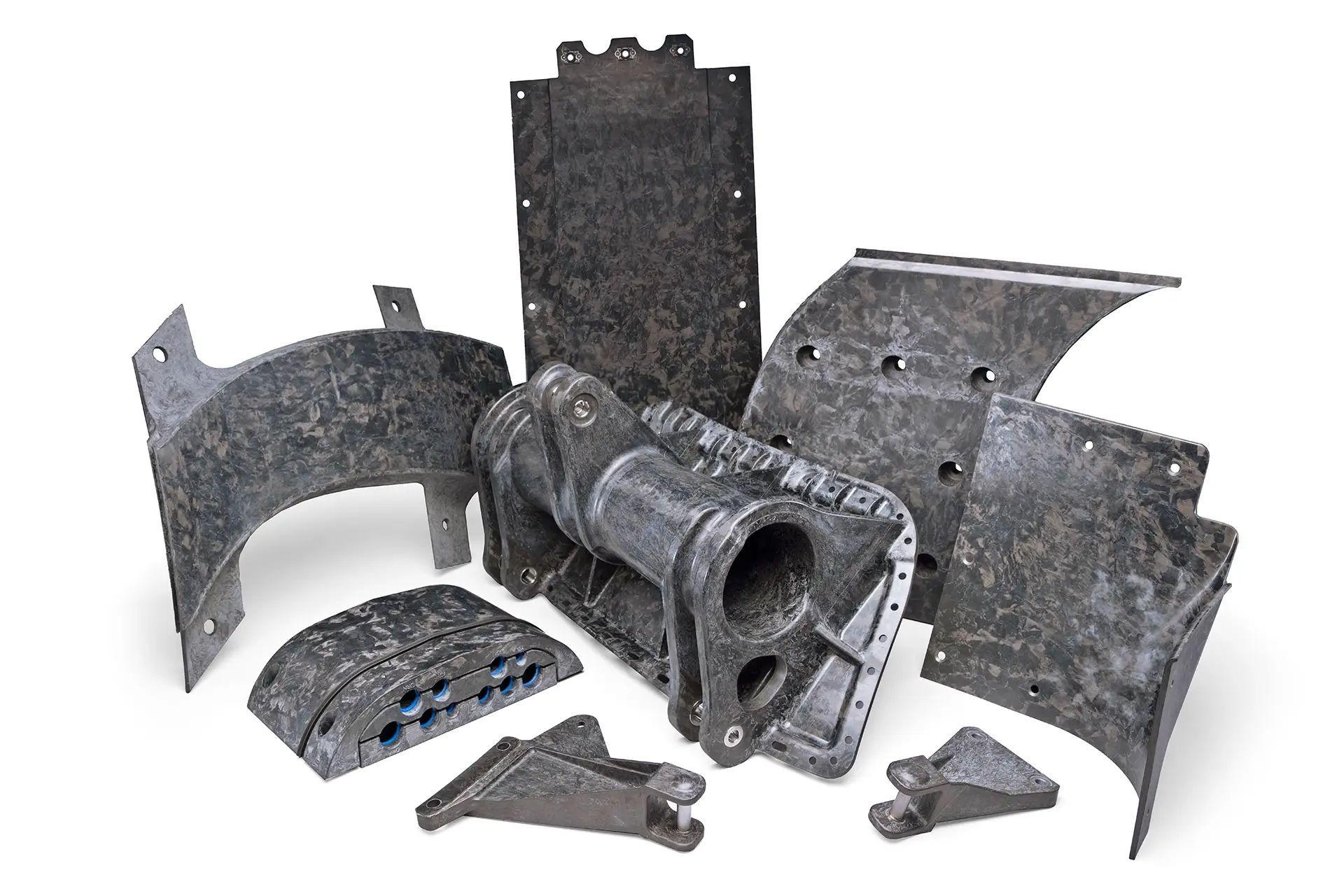
Application 1
Plate, sheet, rod, bar or forging requirements for customer-controlled engineering programs.
Buyer question: Which specification, revision, temper or condition and traceability route apply?
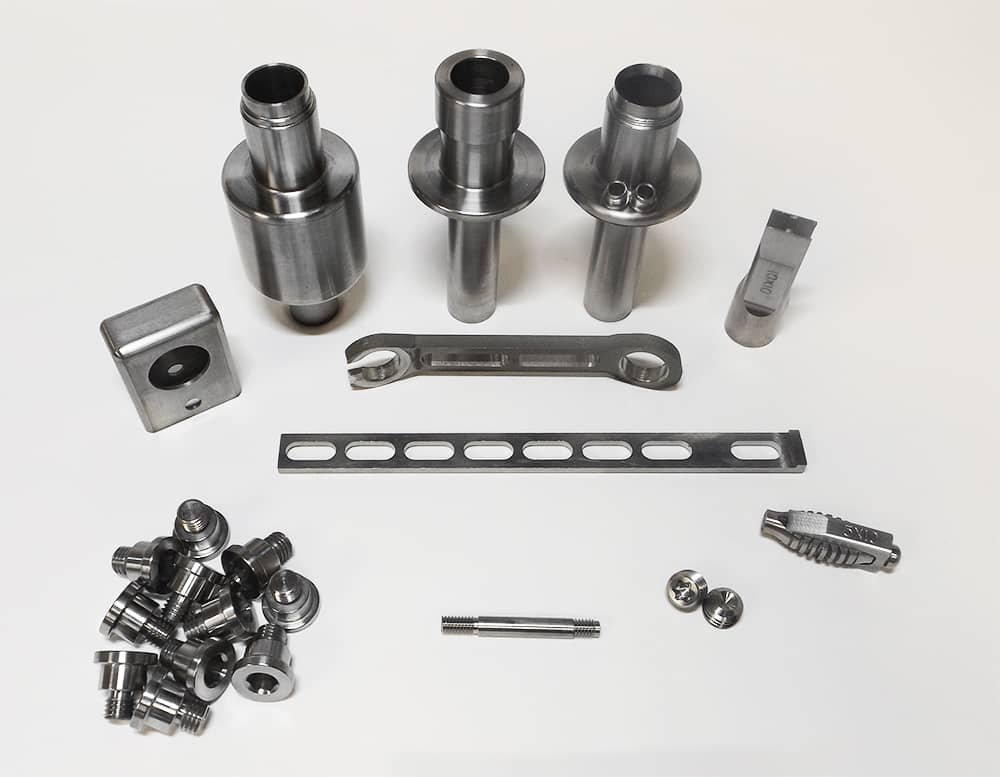
Application 2
Drawing-based titanium parts for defined aerospace or high-performance assemblies.
Buyer question: Which features, tolerances, inspection methods and process approvals are mandatory?
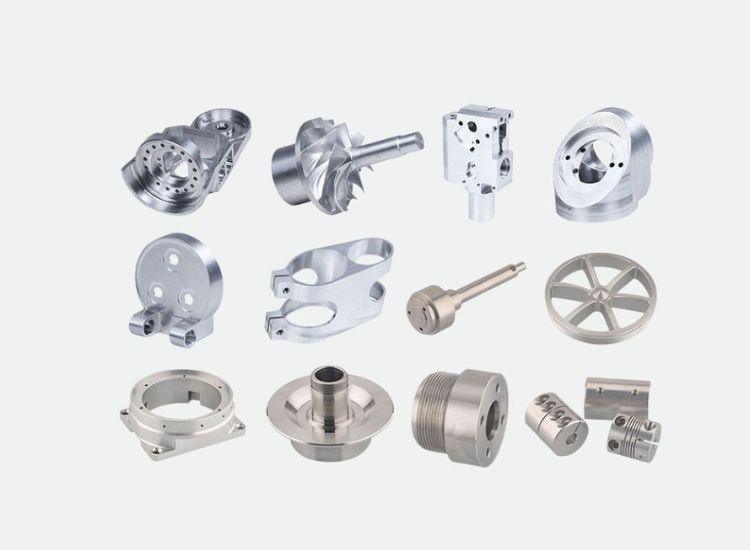
Application 3
Titanium components for non-flight tooling, test hardware and corrosion-sensitive equipment.
Buyer question: Is the item flight-critical, ground-support, test or production tooling?

Application 4
Small-batch material and component review for development work.
Buyer question: What evidence is needed now, and what additional qualification will production require?
Engineering & Procurement Reality
Decision Factor 1
Material standards, revisions, heat treatment and substitution rules must be explicit.
Decision Factor 2
Material identity and document linkage must remain aligned with the agreed order scope.
Decision Factor 3
Heat treatment, welding, NDT, finishing and other special processes require separate qualification review.
Decision Factor 4
Dimensional, surface and test requirements need defined methods and acceptance limits.
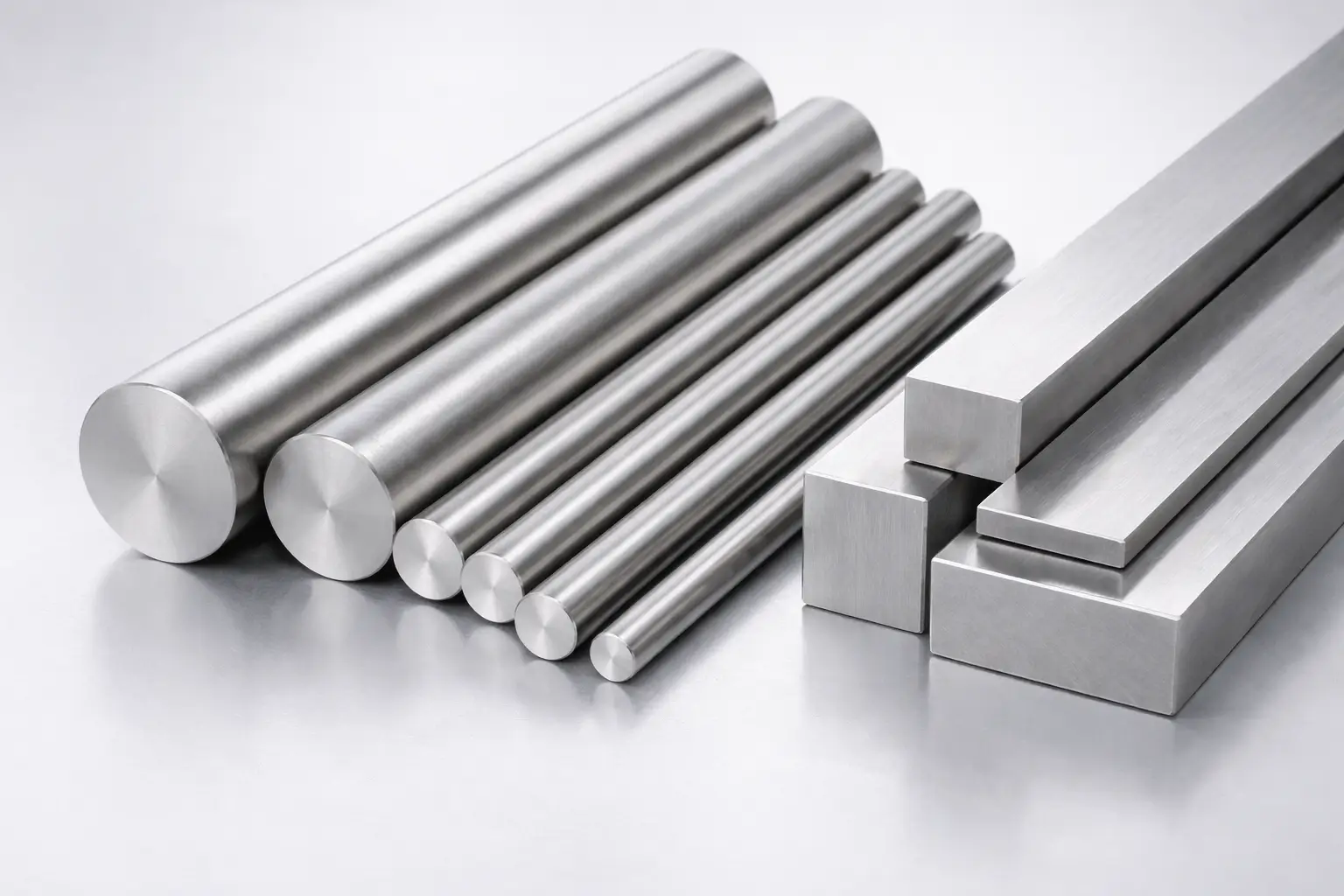
HELE can review material, component, electrode or system scope only after the parameters and evidence responsibilities are clear.
Potential HELE Scope
The table shows possible relevance and the qualification basis needed before quotation. It does not state that every product is approved for every application.
| Product Family | Industry Relevance | Qualification Basis |
|---|---|---|
| Titanium Plate & Sheet | Material inquiries can be reviewed against grade, standard, dimensions, condition and documentation. | Specification and revision, dimensions, tolerance, surface, quantity and MTC requirements. |
| Titanium Rod, Bar & Forging Inputs | Bar and selected forging-related requirements can be assessed for downstream machining or component programs. | Grade, size, condition, ultrasonic or other test requirements and traceability expectations. |
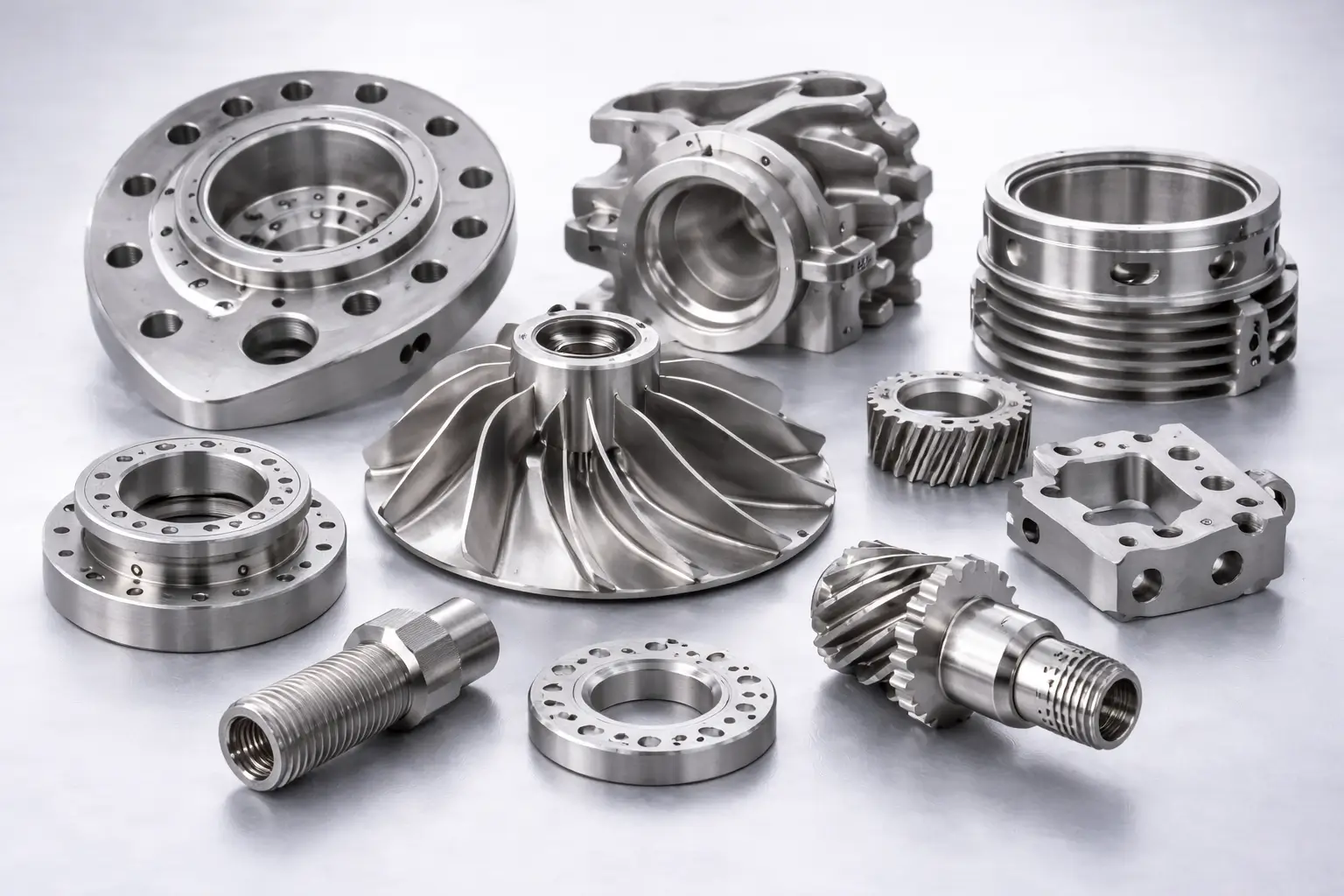
| Precision Machined Parts | Controlled drawings can be reviewed for manufacturability, critical features and inspection scope. | Drawing revision, datums, tolerances, surface, process restrictions and first-article expectations. |
Project Inputs
Unknown items can be marked for follow-up. They should not be silently guessed.
Qualification Boundary
A material or machining capability does not establish aerospace approval. Flight criticality, customer supplier status, special-process approvals, testing, traceability and release documentation must be confirmed for the actual program.
Prepare for Technical Review
Identify the process, equipment or asset, operating conditions, failure concern and project stage.
Provide drawings, standards, inspection methods, documentation needs and the responsible approval route.
Related Paths
Industry FAQ
No. Certification, approved-supplier status and special-process qualification must be verified for the legal entity, product, process, site and validity period.
A review can begin from the controlled drawing, material specification, critical features, process restrictions, quantity and required inspection documents.
Not without design-authority approval. Material equivalence and substitution must follow the governing specification and customer process.
State heat or lot traceability, marking, certificate format, record retention, inspection linkage and any customer-specific release requirements.
Define whether the prototype is for fit, process learning, test or qualification. Production approval may require a different process and evidence route.
For aerospace and high-performance work, the governing document matters as much as the geometry. Share the material specification, drawing revision, critical characteristics and required evidence so HELE can determine whether the inquiry is within a supportable scope.
Use the detailed form on this page or email sales@heletitanium.com with the application, operating conditions, drawings and required evidence.