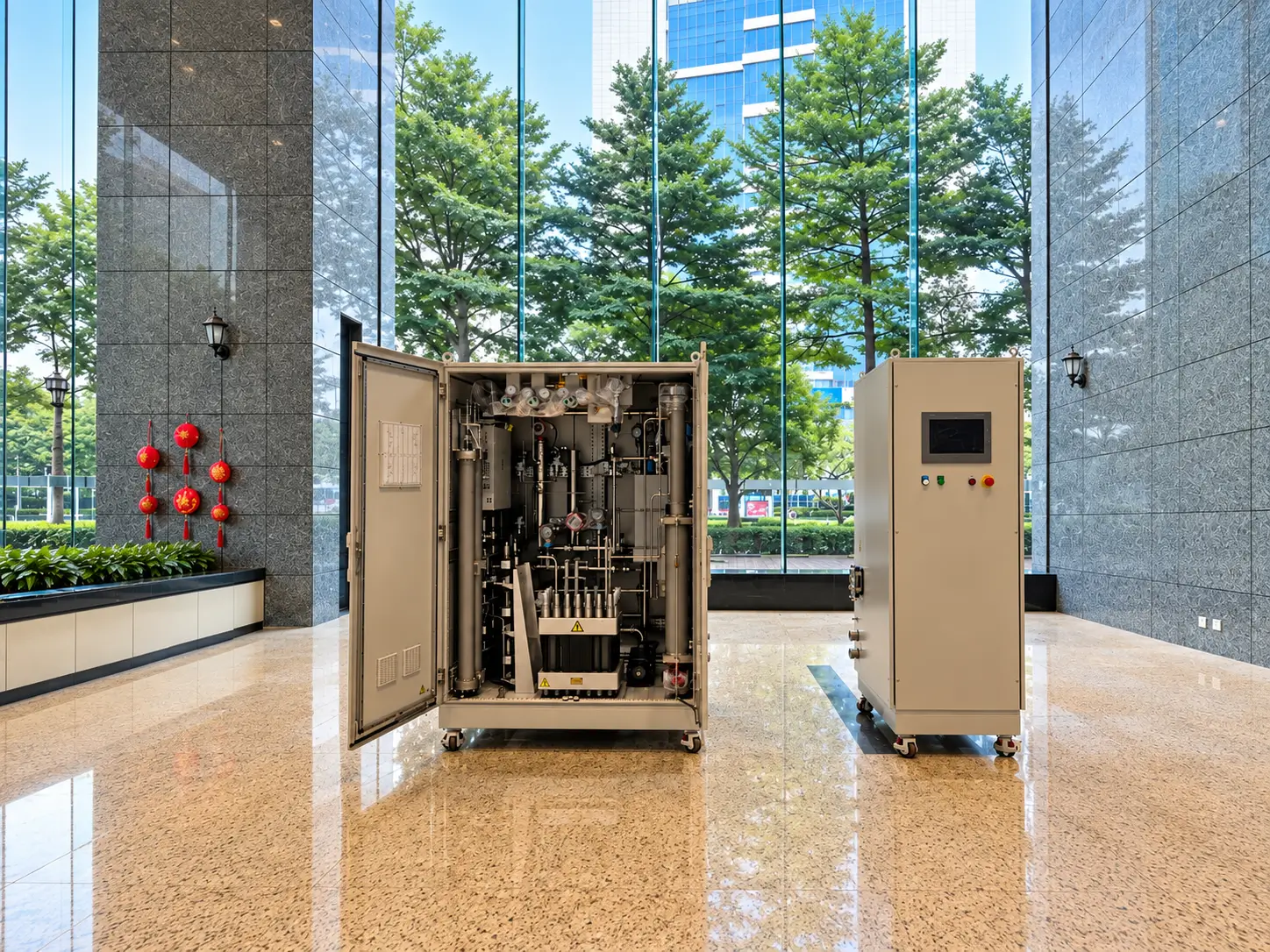
H-SERIES MID-RANGE PEM ELECTROLYZER

H-Series Mid-Range PEM Electrolyzer for On-Site Hydrogen Supply

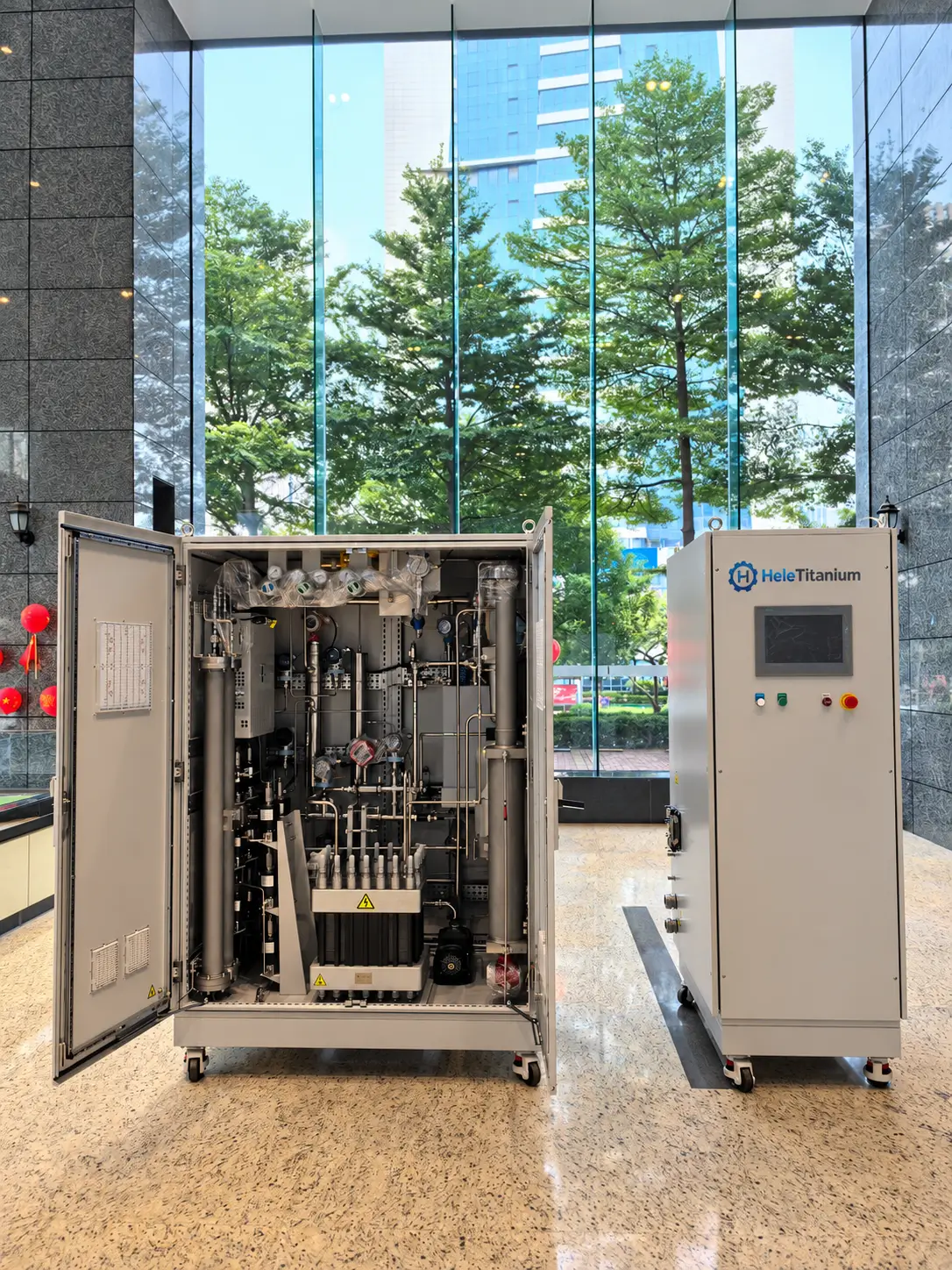
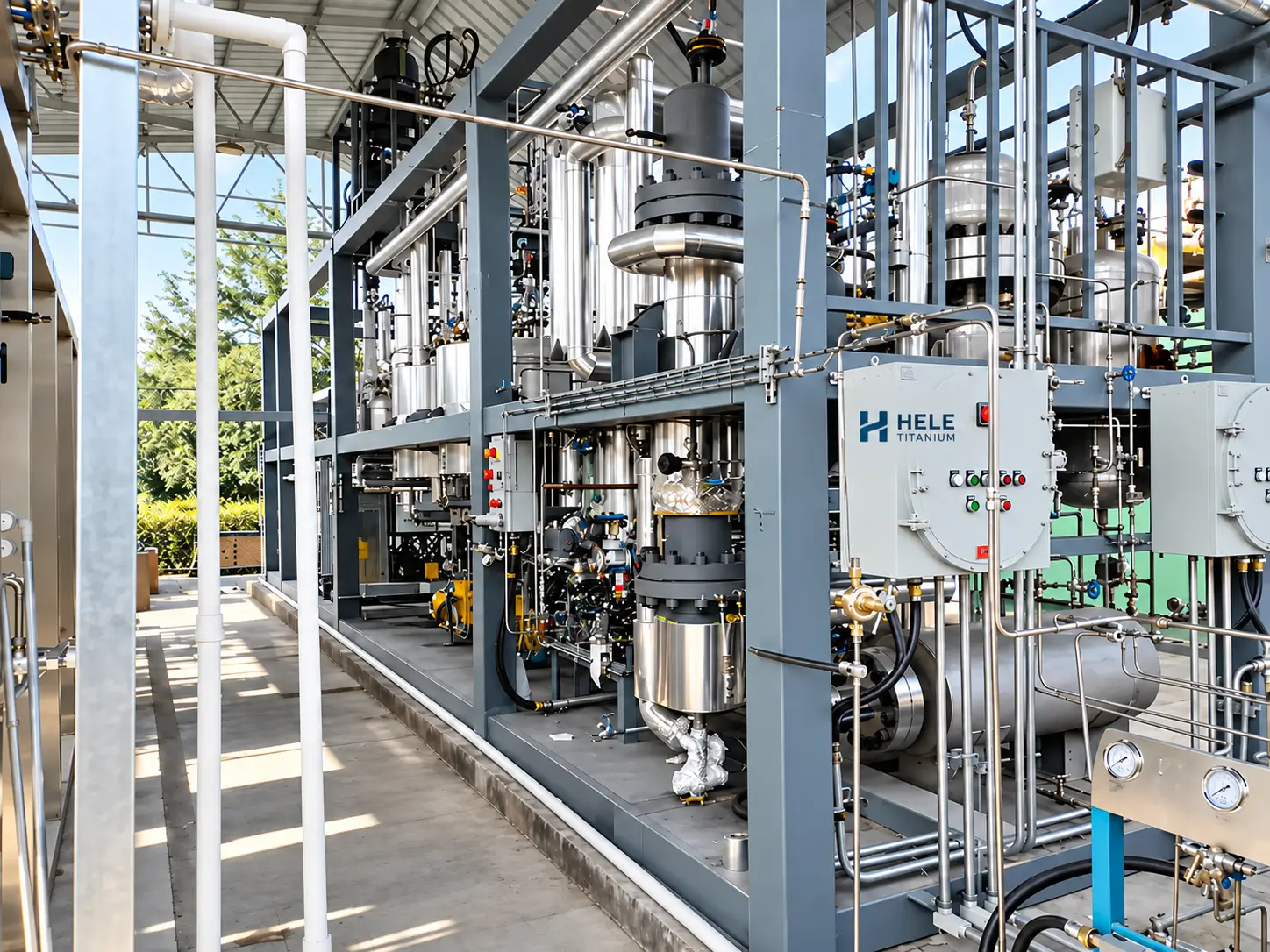
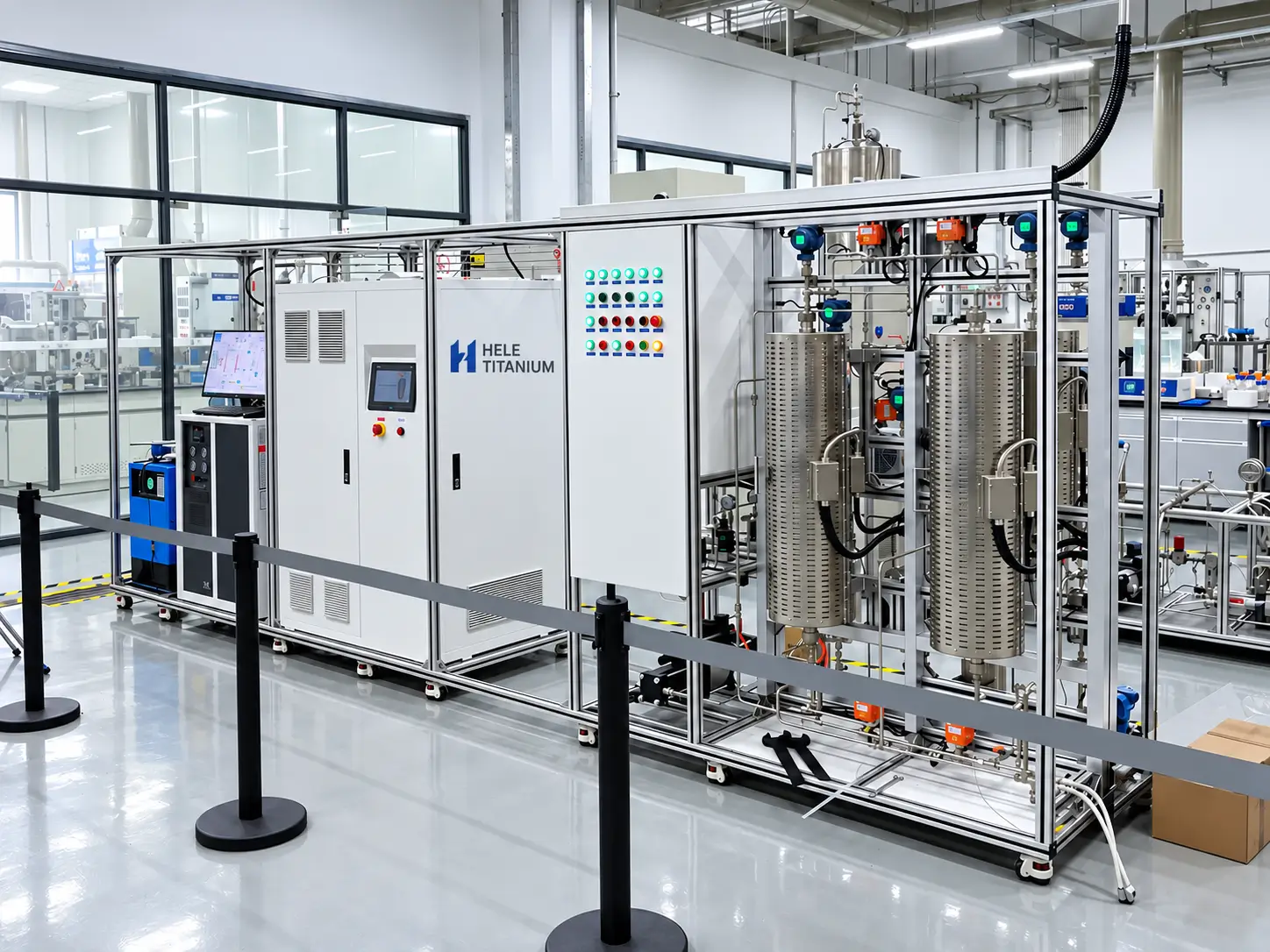
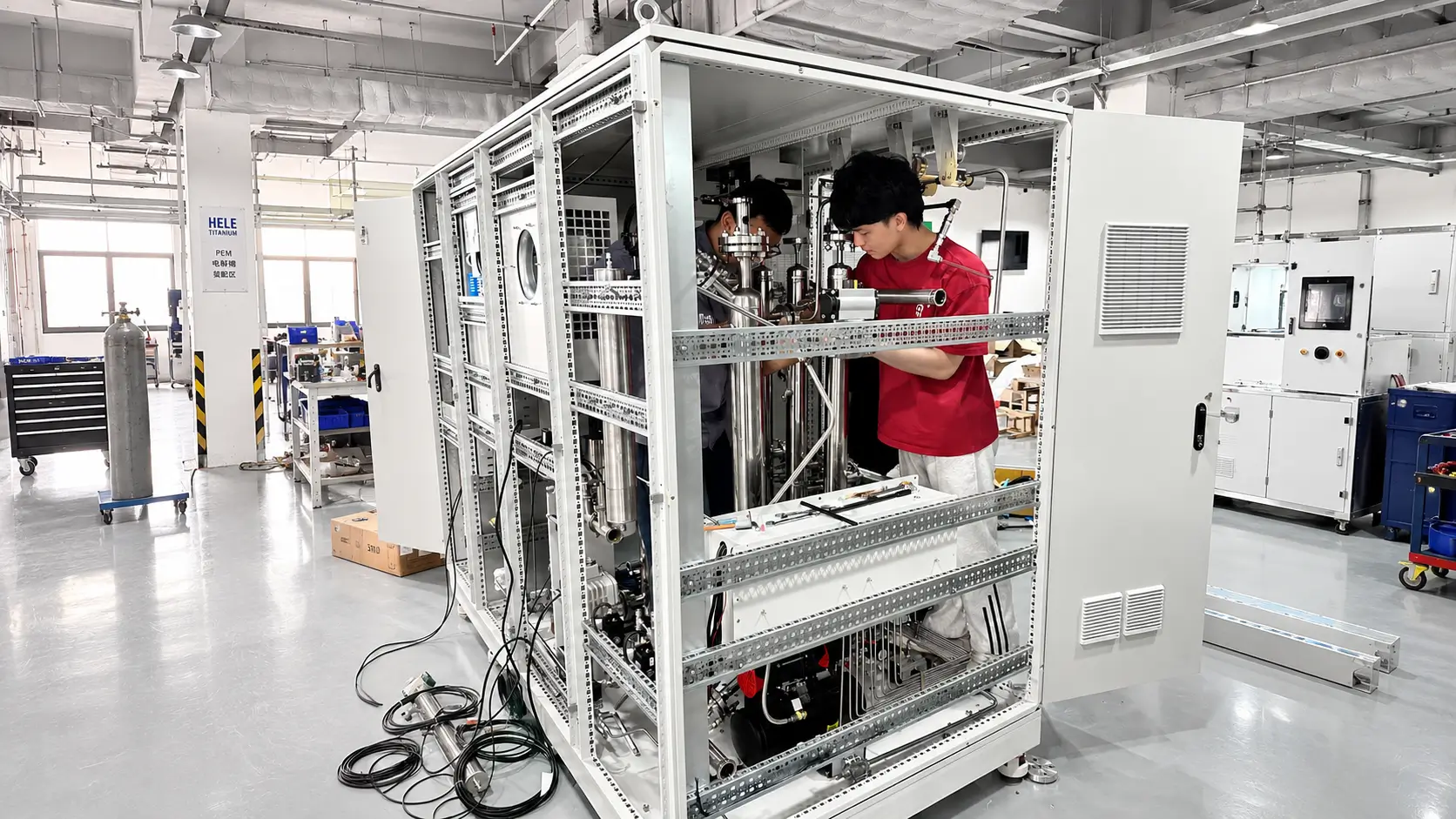
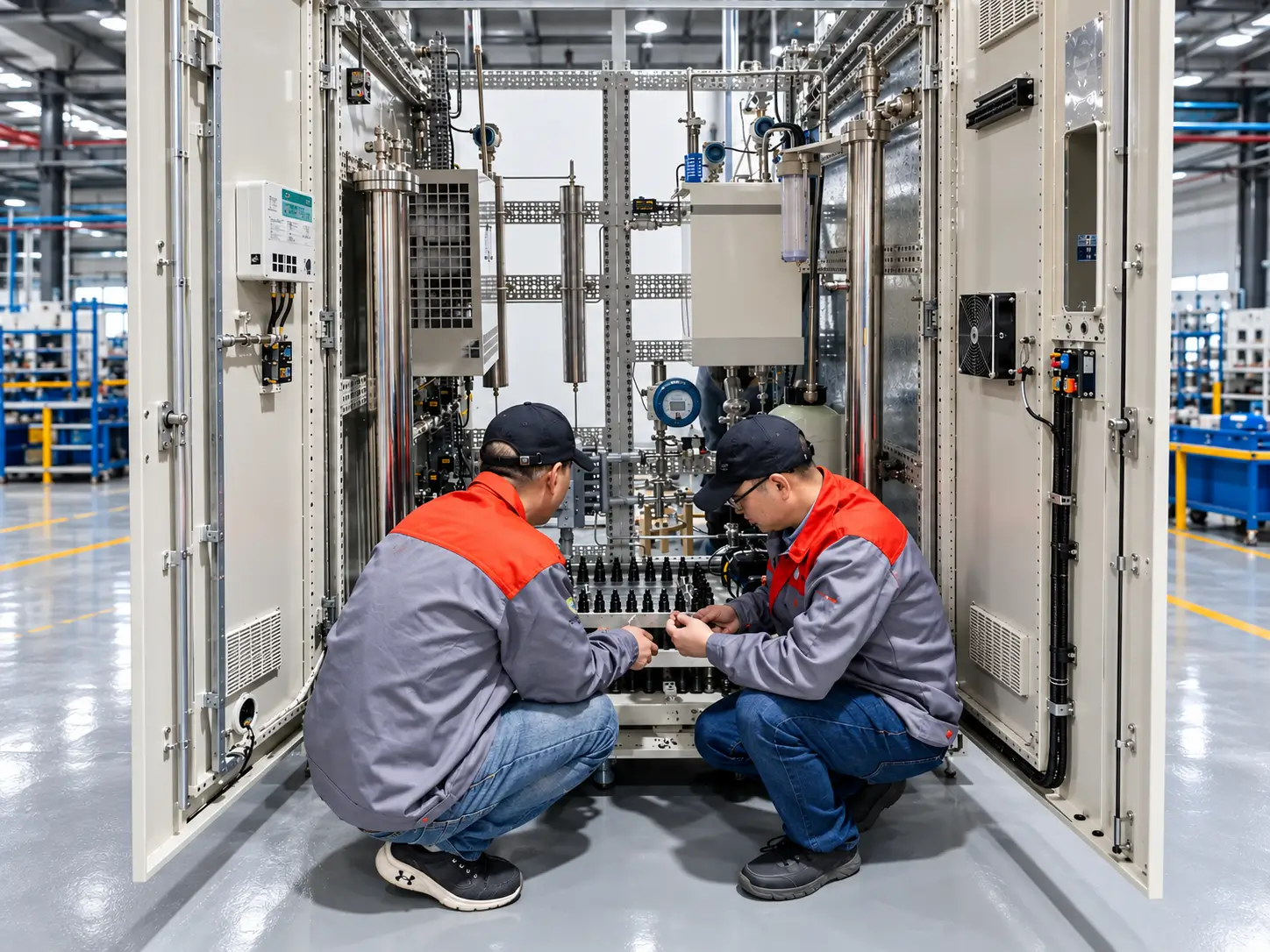
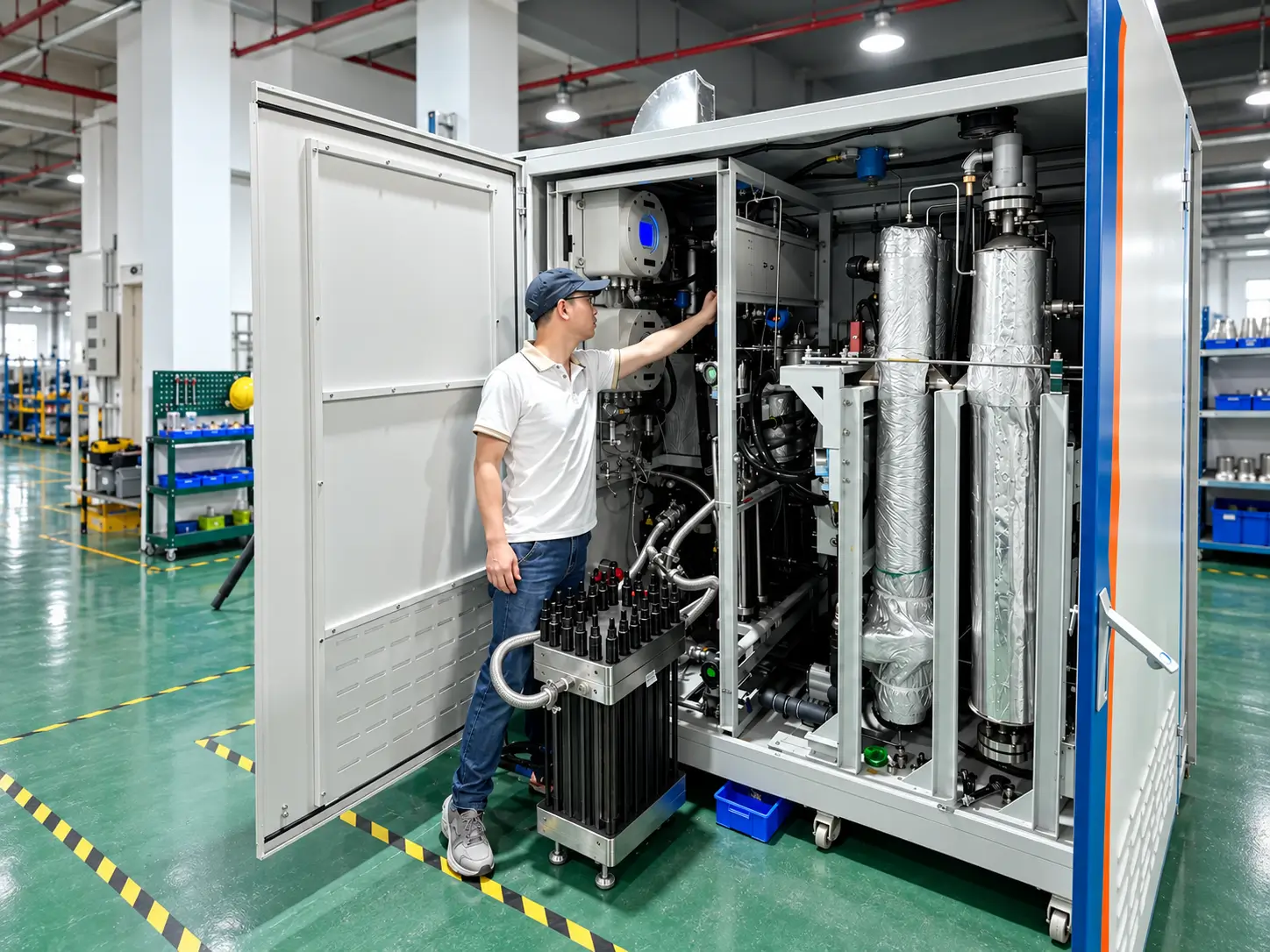
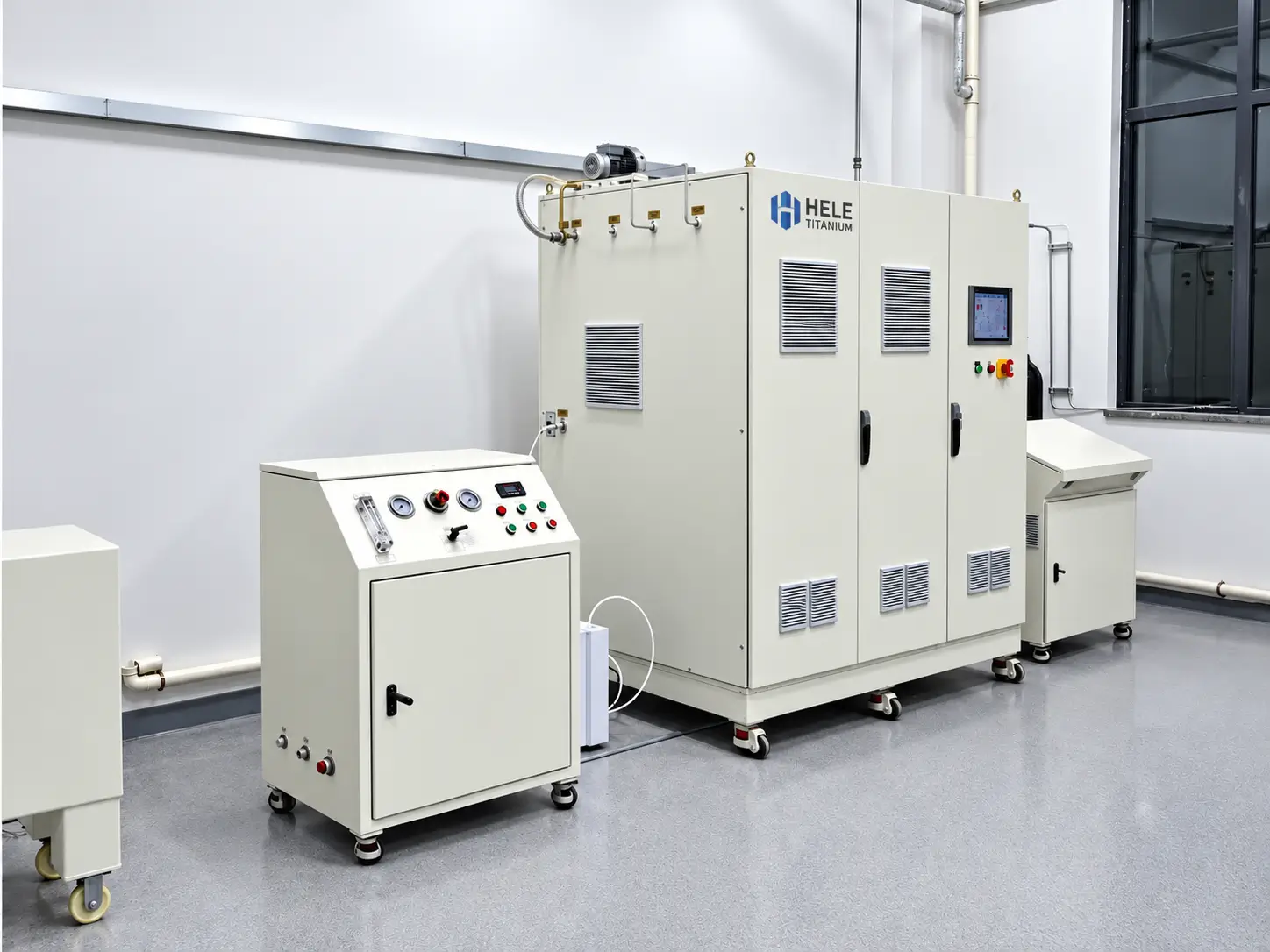
The H-Series mid-range PEM electrolyzer is designed for 1–10 Nm³/h hydrogen production, supporting pilot projects, on-site hydrogen supply, microgrid hydrogen systems, semiconductor-related applications, and small industrial hydrogen projects. With a skid-mounted system format, it provides stable hydrogen output, continuous operation capability, and project-specific configuration support.

  • Capacity Range: 1–10 Nm³/h
  • Skid-mounted PEM electrolyzer system
  • Suitable for pilot, microgrid, on-site, and small industrial hydrogen projects
  • Hydrogen output, purity, pressure, BoP, controls, and documentation can be reviewed according to project requirements
H-Series Mid-Range PEM Electrolyzer

Is the H-Series the Right PEM Electrolyzer for Your Project?

The H-Series is designed for buyers who have moved beyond small laboratory hydrogen generation and need a more stable mid-range PEM electrolyzer system for on-site use, pilot production, or early industrial hydrogen supply.

Best Fit For

  • On-site hydrogen supply
  • Pilot industrial hydrogen projects
  • Microgrid hydrogen systems
  • Semiconductor-related hydrogen applications
  • R&D scale-up projects
  • Small industrial hydrogen generation
  • Continuous or scheduled hydrogen production
  • Customers moving from lab testing to practical hydrogen use

Not Ideal For

  • Very small laboratory or education-only systems
  • Large industrial continuous hydrogen demand above 10 Nm³/h
  • Utility-scale hydrogen production
  • Large refueling station hydrogen supply
  • Outdoor rapid deployment requiring containerized layout
  • Multi-skid high-capacity hydrogen plants

Engineering Note

If your project requires less than 1 Nm³/h hydrogen output, the S-Series may be more suitable. If your project requires more than 10 Nm³/h or full industrial continuous hydrogen production, the C-Series, M-Series, or Containerized PEM Electrolyzer may be a better fit.

H-Series Capacity & Configuration Overview

The H-Series provides a mid-range PEM electrolyzer platform for projects requiring higher hydrogen output than compact lab systems, while still maintaining flexible skid-mounted integration. Final configuration should be reviewed according to hydrogen output, purity target, outlet pressure, operating hours, power supply, water quality, BoP requirements, control system, and documentation needs.

Parameter Unit H-Series Configuration
Product Series / H-Series Mid-Range PEM Electrolyzer
Hydrogen Production Range Nm³/h 1–10
System Format / Skid-mounted PEM electrolyzer system
Best For / On-site hydrogen supply, pilot projects, microgrids, semiconductor-related applications, and small industrial hydrogen generation
Hydrogen Purity % Reviewed according to downstream use and system configuration
Outlet Pressure / Reviewed according to storage, compressor, process, fuel cell, or downstream connection requirements
Power Supply / Grid power, renewable power, or project-specific power supply configuration
Water Requirement / Purified / DI water quality should be reviewed before system configuration
Cooling Requirement / Cooling method and heat load should be reviewed according to operating load and site conditions
BoP Configuration / Water system, gas-liquid separation, cooling, power supply, valves, sensors, piping, and safety utilities can be reviewed
Control Options / Local control, HMI, PLC, alarms, monitoring, and project-specific control interface
Custom Support / Output, pressure, purity, skid layout, BoP, control system, safety logic, and documentation can be reviewed
Documentation / Datasheet, operation manual, test record, FAT report, packing document, and project files when required

Engineering Note

The H-Series should be reviewed as a complete skid-mounted hydrogen production system, not only as a capacity number. Hydrogen output, operating hours, pressure, power supply, water quality, cooling, BoP layout, safety logic, and downstream interface all affect final system configuration.

Buyer Note

For faster configuration review, please provide your required hydrogen output, operating hours, outlet pressure, purity target, power supply, water quality, downstream use, installation site, and destination country before quotation.

MID-RANGE SYSTEM ENGINEERING

Mid-Range Hydrogen Production Requires Stable System Integration

A mid-range PEM electrolyzer must deliver more than higher hydrogen output. It must support stable operation, utility matching, water quality control, cooling, BoP integration, pressure management, safety protection, and project documentation.

For pilot and on-site hydrogen projects, system performance depends on how the PEM stack, power supply, water system, gas-liquid separation, cooling, control logic, and downstream interface work together. Hele Titanium reviews H-Series configurations according to application, operating profile, hydrogen output, purity target, pressure requirement, utilities, safety requirements, and delivery needs.

Stable Mid-Scale Output

Designed for 1–10 Nm³/h hydrogen production where output stability and controlled operation are important.

Skid-Mounted Integration

Suitable for pilot plants, technical rooms, industrial sites, microgrids, and on-site hydrogen supply projects.

Continuous Operation Support

Configured for scheduled or continuous hydrogen generation according to operating hours and site conditions.

Project-Specific BoP Matching

Water, cooling, power, gas handling, control, and safety utilities can be reviewed as a complete system.

Typical Use Cases for H-Series Mid-Range PEM Electrolyzers

The H-Series is suitable for mid-range hydrogen projects where buyers need more output than compact laboratory systems, but do not yet require large industrial or utility-scale hydrogen production.

On-Site Hydrogen Supply

1. On-Site Hydrogen Supply

Hydrogen Use:

Hydrogen generation close to the point of use for process support, testing, or controlled supply.
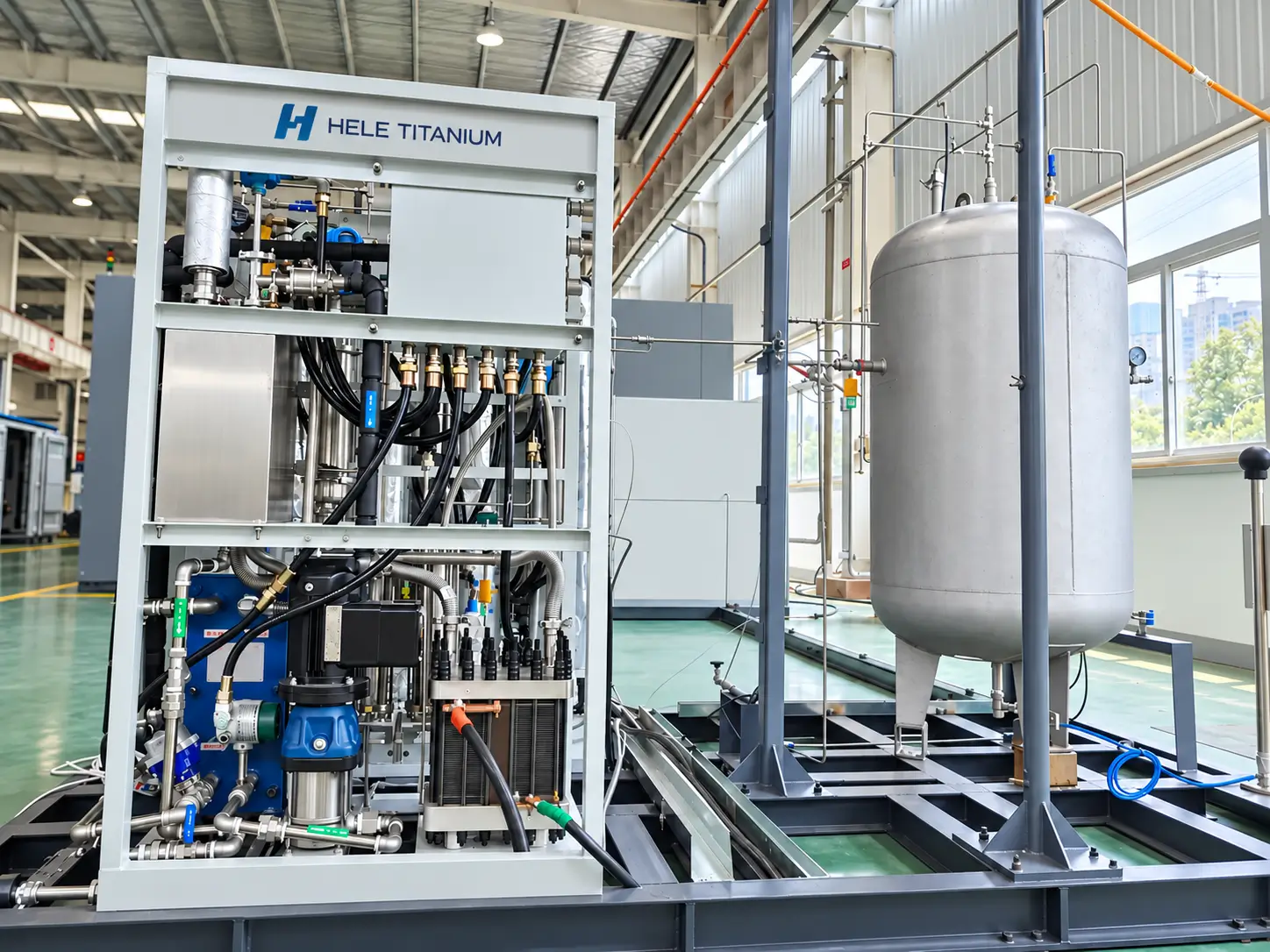
Recommended Configuration:

Skid-mounted H-Series PEM electrolyzer system.

Key Review Factors:

Hydrogen output, operating hours, outlet pressure, purity, downstream use, and site utilities.

Pilot Industrial Hydrogen Projects

2. Pilot Industrial Hydrogen Projects

Hydrogen Use:

Pilot-scale hydrogen production for process validation, industrial trials, and project demonstration.
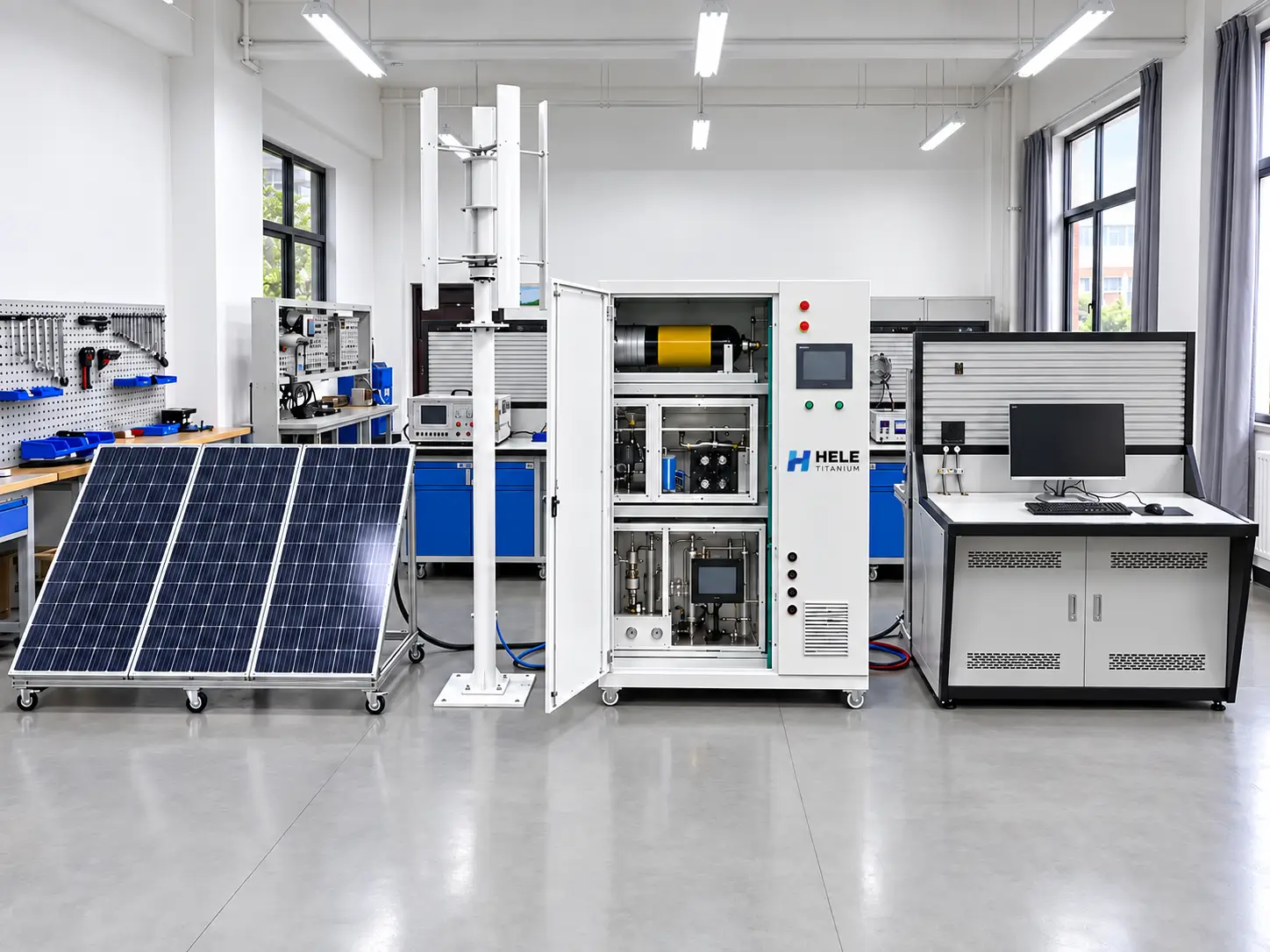
Recommended Configuration:

H-Series skid-mounted PEM electrolyzer with project-specific BoP integration.

Key Review Factors:

Process connection, safety requirements, control logic, cooling, operating schedule, and documentation.

Microgrid Hydrogen Systems

3. Microgrid Hydrogen Systems

Hydrogen Use:

Hydrogen production for microgrid, renewable energy, backup power, or hybrid energy systems.
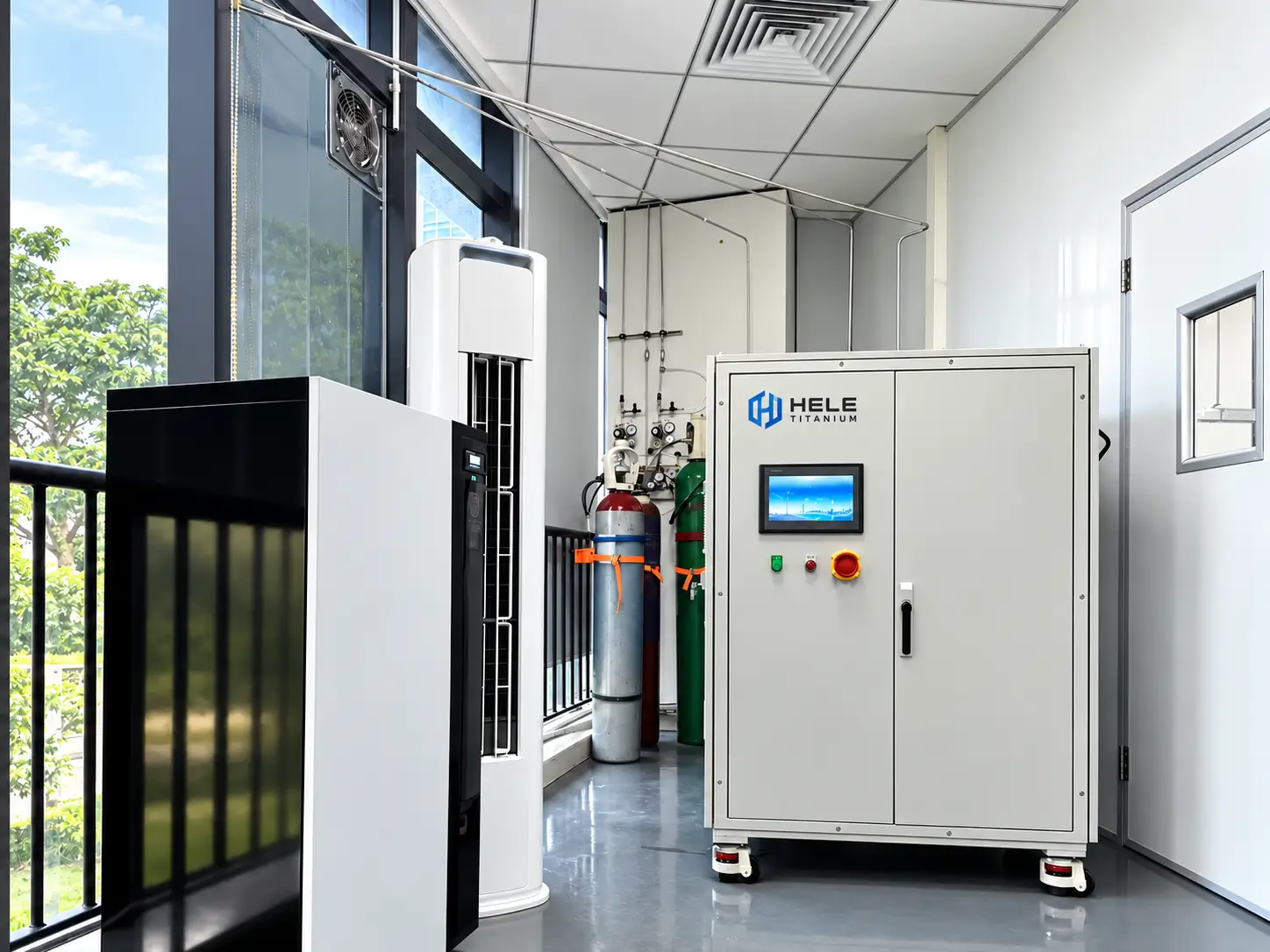
Recommended Configuration:

H-Series PEM electrolyzer with power input and control matching.

Key Review Factors:

Power fluctuation, renewable coupling, operating profile, storage plan, and system control.

Semiconductor-Related Applications

4. Semiconductor-Related Applications

Hydrogen Use:

On-site hydrogen generation for semiconductor-related processes or high-purity hydrogen supply review.

Recommended Configuration:

H-Series PEM electrolyzer with purity, drying, purification, and gas handling review.

Key Review Factors:

Purity target, gas treatment, pressure, safety, utility stability, and documentation.

R&D Scale-Up Projects

5. R&D Scale-Up Projects

Hydrogen Use:

Scale-up from compact laboratory hydrogen production to practical pilot hydrogen generation.
Recommended Configuration:

H-Series mid-range PEM electrolyzer for higher output and system-level validation.

Key Review Factors:

Hydrogen demand, test duration, data needs, BoP interface, power supply, and future expansion.

Small Industrial Hydrogen Supply

6. Small Industrial Hydrogen Supply

Hydrogen Use:

Hydrogen supply for small industrial users, process support, metal treatment, or technical gas applications.

Recommended Configuration:

H-Series skid-mounted hydrogen production system.

Key Review Factors:

Continuous operation, pressure requirement, cooling load, safety logic, and site integration.

From PEM Stack to Mid-Range Skid-Mounted Hydrogen System

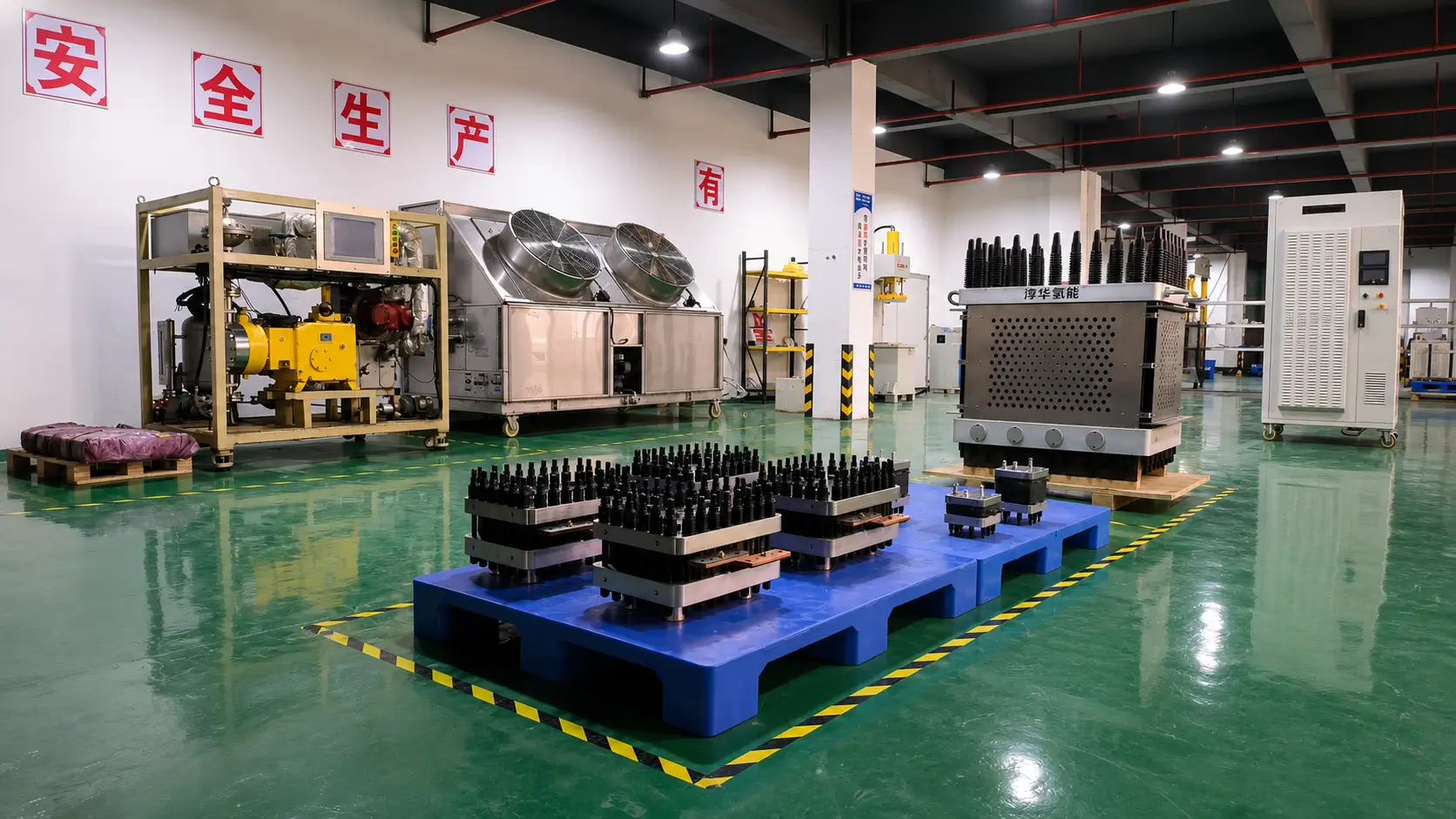
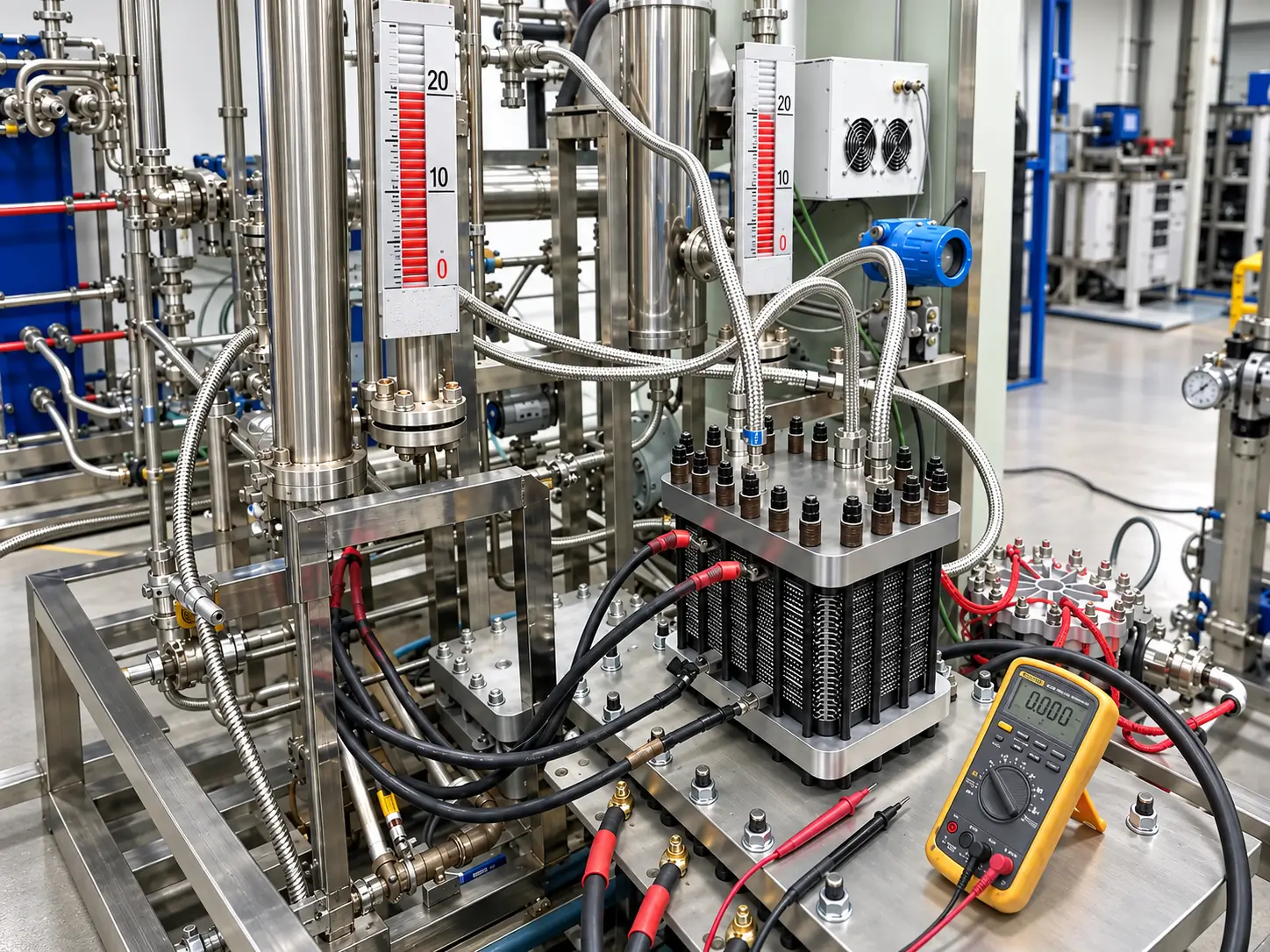
The PEM stack is the hydrogen generation core, but the H-Series skid-mounted system also requires water management, power supply, gas-liquid separation, cooling, control, safety protection, and BoP integration to support stable mid-range hydrogen production.

Engineering Note:

Final H-Series configuration should be reviewed according to hydrogen output, purity, pressure, operating hours, power source, water quality, cooling, downstream use, safety requirements, and project documentation needs.

PEM Electrolyzer System Architecture
01

PEM Stack

The electrochemical core where purified water is converted into hydrogen and oxygen.

02

Water Management

Supports DI water supply, circulation, filtration, conductivity review, and water stability.

03

Power Supply & Rectifier

Controls electrical input, voltage-current behavior, power stability, and operating response.

04

Gas-Liquid Separation

Separates hydrogen and oxygen from water and supports downstream gas handling.

05

Cooling & Thermal Management

Controls heat load and operating temperature during scheduled or continuous operation.

06

Control & Safety System

Supports PLC / HMI, alarms, monitoring, hydrogen detection, pressure protection, and shutdown logic.

PEM Stack + Water Management + Power Supply + Gas-Liquid Separation + Cooling + Control & Safety = H-Series Mid-Range PEM Electrolyzer System

CUSTOM MID-RANGE SYSTEM SUPPORT

Customize the H-Series Around Your On-Site Hydrogen Project

The H-Series is a flexible mid-range PEM electrolyzer platform that can be reviewed for different pilot, on-site, microgrid, semiconductor-related, and small industrial hydrogen applications.

1. Hydrogen Output Review

Review required Nm³/h, daily hydrogen demand, operating hours, and peak hydrogen demand.

2. Purity & Gas Treatment

Review hydrogen purity target, drying, purification, gas-liquid separation, and downstream use.

3. Outlet Pressure Review

Match outlet pressure to storage, compressor, fuel cell, microgrid, process, or pilot system requirements.

4. Skid Layout Configuration

Configure skid-mounted layout according to installation space, operation access, utility connection, and maintenance needs.

5. Power & Cooling Matching

Review grid or renewable power, rectifier, cooling method, heat load, ambient condition, and operating profile.

6. Control & Safety Integration

Support PLC, HMI, alarms, monitoring, hydrogen detection, shutdown logic, and project-specific automation interface.

What to Confirm Before Requesting an H-Series Quote

A clear RFQ helps our engineering team review whether the H-Series mid-range PEM electrolyzer is suitable for your hydrogen project.

Selection Factor What to Confirm
Application On-site hydrogen supply, pilot project, microgrid, semiconductor-related use, R&D scale-up, or small industrial hydrogen supply
Hydrogen Output Required Nm³/h, daily hydrogen demand, peak demand, or operating schedule
Hydrogen Purity Standard purity or higher downstream purity requirement
Outlet Pressure Required pressure for storage, compressor, fuel cell, process, or downstream connection
Power Supply Voltage, phase, grid power, renewable power, or hybrid power profile
Water Quality DI water source, conductivity, water treatment, and supply stability
Cooling Condition Cooling water, chiller, ventilation, ambient temperature, and heat load
Installation Site Technical room, pilot plant, workshop, industrial site, microgrid site, or custom layout
Operating Profile Continuous, intermittent, renewable-coupled, scheduled, or standby operation
Control Requirement Local control, HMI, PLC, alarm, data logging, remote monitoring, or SCADA / DCS interface
Documentation Datasheet, P&ID, wiring diagram, manual, FAT report, inspection record, certificate, or project documents
Destination Country, shipping port, packing requirement, import requirement, and delivery schedule

Buyer Note

"A strong inquiry should not only say 'Please quote a PEM electrolyzer.' A better request is: 'We need an H-Series PEM electrolyzer for [application], with [hydrogen output], [purity], [pressure], [operating hours], [power source], [water quality], [installation site], and [control or documentation requirements].'"

QUALITY ASSURANCE

Testing & Documentation Support for H-Series PEM Electrolyzers

H-Series PEM electrolyzer quality depends on stack assembly, sealing, pressure control, electrical behavior, water circuit design, cooling stability, gas handling, control logic, safety review, and final documentation. Inspection scope can be confirmed according to system configuration and project requirements.

1. Stack Assembly & Sealing

PEM stack assembly, sealing, compression, interface connection, and installation condition can be reviewed according to system requirements.

2. Pressure & Leak Testing

Pressure holding, leak check, gas circuit, water circuit, and connection sealing can be tested according to agreed inspection scope.

3. Electrical & Control Testing

Voltage, current, power supply, PLC / HMI, alarm logic, and control response can be checked during system testing.

4. Hydrogen Output & Gas Handling

Hydrogen output, gas-liquid separation, drying, outlet pressure, and downstream connection can be reviewed according to project configuration.

5. Safety System Verification

Hydrogen detection, ventilation, pressure relief, emergency shutdown, alarms, and system interlocks can be reviewed when required.

6. Documentation Package

Factory acceptance records, inspection results, operation guidance, and project documents can be organized into a documentation package when required.

Documentation Package May Include:

  • Technical datasheet
  • P&ID
  • Wiring diagram
  • Operation manual
  • FAT report when required
  • Inspection record
  • Pressure / leak test record when required
  • Packing list
  • Certificate or project-specific documents
  • Installation and commissioning support documents when required

Compare H-Series with Other PEM Electrolyzer Options

The H-Series is best for mid-range hydrogen production and on-site hydrogen supply. For smaller laboratory use or larger industrial hydrogen demand, other PEM electrolyzer series may be more suitable.

Series Capacity Range Best For Recommended When
S-Series Compact PEM Electrolyzer 0.01–1 Nm³/h Laboratory, R&D, education, small pilot systems You need compact hydrogen output and flexible testing use.
H-Series Mid-Range PEM Electrolyzer 1–10 Nm³/h On-site hydrogen supply, microgrids, pilot industrial projects You need mid-range hydrogen output and stable skid-mounted operation.
C-Series Industrial PEM Electrolyzer 10–50 Nm³/h Industrial hydrogen supply, refueling support, process use You need continuous industrial hydrogen production and stronger BoP integration.
M-Series High-Capacity PEM Electrolyzer 50–300+ Nm³/h Large hydrogen projects, utility storage, multi-skid systems You need modular high-capacity hydrogen production.
Containerized PEM Electrolyzer 1–300+ Nm³/h scalable Outdoor, remote, renewable, or rapid deployment projects You need containerized layout, site mobility, or outdoor installation.

H-Series Mid-Range PEM Electrolyzer FAQ

Answers for pilot project developers, microgrid engineers, industrial operators, semiconductor-related users, system integrators, and procurement buyers evaluating mid-range PEM electrolyzer systems.

1. What is the H-Series mid-range PEM electrolyzer used for?
The H-Series is used for on-site hydrogen supply, pilot industrial hydrogen projects, microgrid hydrogen systems, semiconductor-related applications, R&D scale-up, and small industrial hydrogen generation.
2. What hydrogen output range does the H-Series support?
The H-Series supports 1–10 Nm³/h hydrogen output. Final system configuration should be reviewed according to hydrogen demand, operating hours, purity, outlet pressure, power source, water quality, and downstream use.
3. Is the H-Series suitable for continuous operation?
The H-Series can be reviewed for scheduled or continuous operation according to system configuration, cooling condition, water quality, operating profile, and project requirements.
4. What is the difference between the H-Series and S-Series?
The S-Series is mainly for compact hydrogen demand from 0.01–1 Nm³/h. The H-Series is more suitable for 1–10 Nm³/h projects requiring higher output, skid-mounted integration, and more stable on-site hydrogen supply.
5. What is the difference between the H-Series and C-Series?
The H-Series is suitable for mid-range on-site and pilot hydrogen projects. The C-Series is more suitable for 10–50 Nm³/h industrial applications requiring higher capacity, stronger industrial BoP integration, and continuous hydrogen production.
6. Can the H-Series work with renewable power?
Yes. The H-Series can be reviewed for solar, wind, hybrid, or microgrid power integration. Power fluctuation, rectifier design, control logic, start-stop behavior, and hydrogen storage should be reviewed before configuration.
7. Can hydrogen purity and outlet pressure be customized?
Hydrogen purity, outlet pressure, drying, purification, gas handling, and downstream interface can be reviewed according to application, system configuration, and project requirements.
8. What water quality is required?
PEM electrolyzers require purified or deionized water with stable quality. Water conductivity, water source, filtration, water treatment, and circulation conditions should be reviewed before configuration.
9. What documentation can be provided with the H-Series?
Available documents may include technical datasheet, P&ID, wiring diagram, operation manual, FAT report when required, inspection record, packing list, certificate, and project-specific documentation.
10. What information is needed for an H-Series quotation?
Please provide application, hydrogen output, purity target, outlet pressure, operating hours, power supply, water quality, cooling condition, installation site, control requirements, documentation needs, destination country, and delivery schedule.

Need a Mid-Range PEM Electrolyzer for On-Site Hydrogen Supply?

Share your hydrogen output, purity target, outlet pressure, operating hours, power source, water quality, cooling condition, application, installation environment, downstream use, and documentation requirements. Hele Titanium can help review whether the H-Series mid-range PEM electrolyzer is suitable for your project.

Email Us

sales@heletitanium.com

Call Us

86-13857402537

Visit Us

Titanium Valley, Baoji City,
Shaanxi Province, China

Hele Titanium Logo

Request H-Series Quote

Our engineering team will review your requirements and respond with technical feedback and configuration options.