
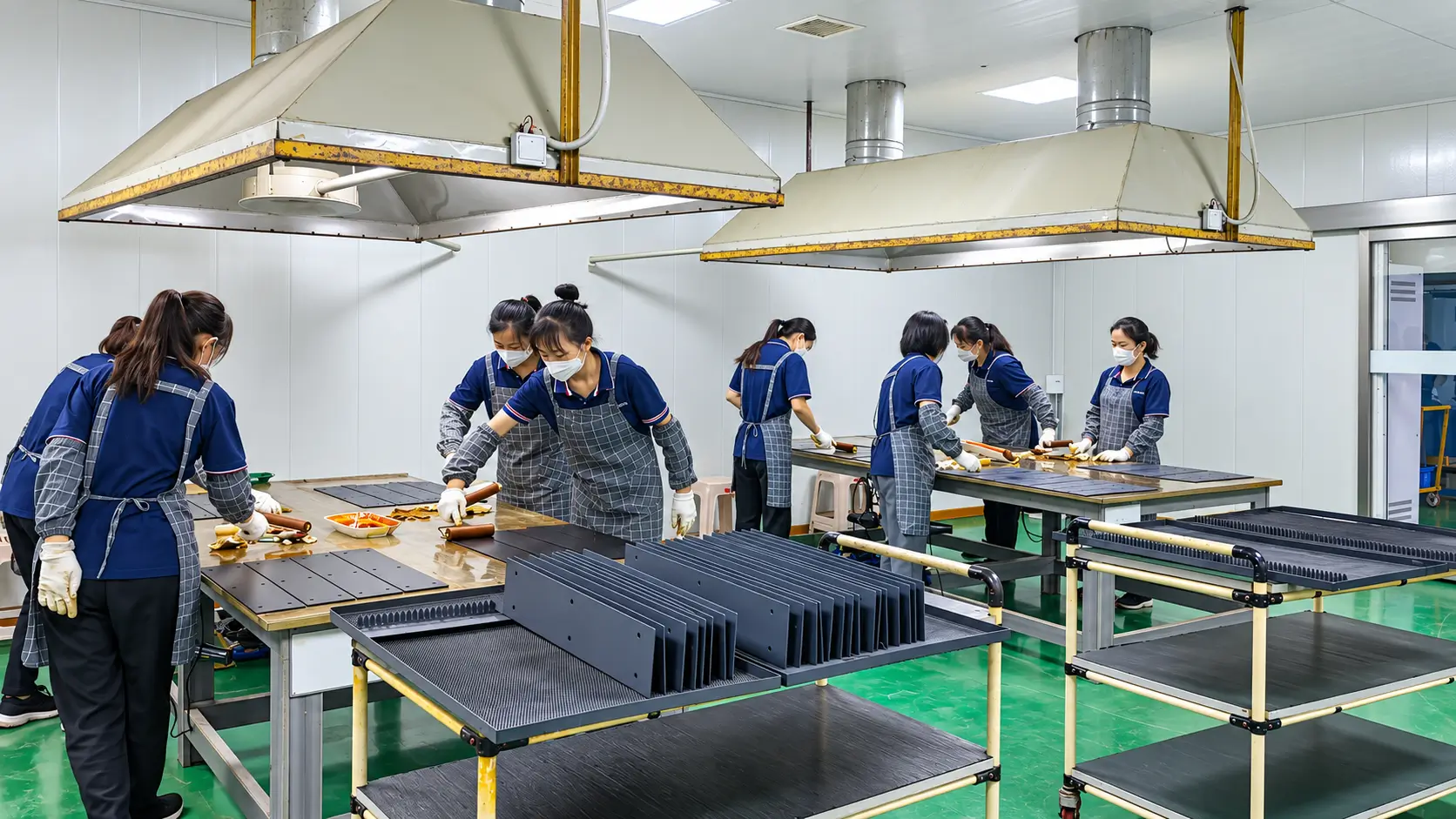
A coated titanium anode is an electrochemical component, not simply a titanium shape with a coating name. Reliable purchasing starts with the reaction, process window and complete electrode/system boundary.
1. Define the Electrode Role and System Boundary
State whether the supplied item is an individual anode, electrode pair, cell pack, cable-connected assembly, groundbed element, replacement element or recoated substrate. Identify who owns cell design, power supply, hydraulics, controls, cathode, commissioning and process-performance validation.
Do not confuse an insoluble coated titanium anode with a titanium basket that carries soluble anode material. Also do not assume bare titanium is the active anode surface: titanium readily passivates in many environments, so the active coating and its operating window must be defined.
2. Name the Target Reaction and Unwanted Side Reactions
State the desired anodic reaction, production or treatment target, feed species and expected products. Identify oxygen, chlorine or other competing reactions, gas evolution, by-products, scale and regulatory limits where relevant.
- For electrochlorination, define available chlorine or hypochlorite target and feedwater/brine basis.
- For oxidation, define the contaminant, matrix, transformation/mineralization target and by-product limits.
- For electrowinning, define metal, electrolyte, product-quality and gas/side-reaction controls.
- For cathodic protection, define the protected structure, environment, design current, monitoring and applicable project standard.
3. Record the Complete Electrolyte and Operating Window
List all major species, concentration ranges and known impurities—not only the main salt. Include pH, conductivity, temperature, pressure, flow, suspended solids, hardness/scale potential, organics and cleaning chemicals.
Normal chemistry, pH, temperature, flow, current, voltage and production rate.
Startup/shutdown, dry exposure, stagnant periods, low flow, loss of feed, overcurrent and reverse polarity.
Species that poison, scale, abrade or change reaction selectivity and coating wear.
Chemistry, concentration, temperature, duration, frequency and mechanical method.
4. Select a Coating Family—Then Qualify the Exact Formulation
| Family | Common review direction | Do not assume |
|---|---|---|
| Ru-Ir MMO | Often evaluated for chlorine-evolution service | Universal brine tolerance, composition, loading or life |
| Ir-Ta / Ir-based MMO | Often evaluated for oxygen-evolution and selected oxidation/CP duties | One formulation suits every acid, water or current density |
| Platinized titanium | Selected electrochemical services where Pt/Ti behavior is qualified | Thickness alone defines coverage, porosity, adhesion or life |
| PbO₂ / specialty coating | Selected oxidation or hydrometallurgical processes | Regulatory, worker, contamination and disposal issues are automatically resolved |
Commercial family names are not complete recipes. Define performance requirements and confidential composition controls through the approved specification and qualification plan.
5. Specify the Titanium Substrate by Product Form
State Grade/UNS, material specification and revision, product form, condition, dimensions, heat/lot traceability and any fabrication requirements. ASTM B265 covers titanium and titanium-alloy strip, sheet and plate within its scope; tube, bar, wire and mesh may require different applicable specifications and purchase controls.
- Define plate/strip thickness, mesh geometry, tube OD/wall, rod/wire diameter or custom fabrication.
- Identify welds, frames, stiffeners, fasteners, tabs and uncoated current feeders.
- State corrosion/crevice and mechanical-load responsibility for exposed substrate areas.
- A substrate certificate does not establish coating or electrochemical performance.
6. Define Active Area, Coated Zones and Masks
Provide a drawing that distinguishes substrate envelope, coated surface, masked or uncoated zones, edge coverage, welds, contact surfaces and reference orientation. State whether both sides, one side, inner/outer diameter or selected bands are active.
- Define geometric exposed coated area and the method used to calculate it.
- For mesh, state whether area is projected, envelope, strand surface or another agreed basis.
- Control coating termination at edges, holes, welds and current-feed transitions.
- Specify allowable overspray, bare spots, handling marks and contact exclusions.
7. Write the Electrical Duty with an Area Basis
State total current, operating and maximum voltage, DC/pulsed waveform, duty cycle, polarity, ramping, peak duration and the exact current-density denominator. A value such as “1,000 A/m²” is ambiguous until active area and one-/two-side counting are defined.
Separate nominal, continuous maximum, short-term peak and fault/upset conditions. Identify reverse-polarity exposure and whether the electrode is explicitly designed and qualified for it.
8. Control the Electrical Connection and Current Feed
Define busbar/cable material and size, termination, weld/joint, conductor transition, sealing, strain relief, current entry, contact area, allowable temperature rise or voltage drop, immersion boundary and maintenance access.
- Show the liquid level and coated/uncoated transition relative to the connection.
- Prevent electrolyte access to dissimilar-metal conductors where required.
- Define continuity/resistance or load test setup and acceptance if ordered.
- Assign cable, resin, connector, gland and installation responsibility.
9. Design Cell Geometry and Mass Transfer with the Anode
Coating choice alone cannot correct poor current distribution, gas removal, flow, electrode spacing, fouling or heat management. Provide cathode/workpiece geometry, gap, flow direction and velocity, gas disengagement, supports, shielding, baffles and maintenance clearances.
For replacement anodes, record the existing cell, power supply, anode/cathode arrangement, performance trend, failure location and operating history rather than copying dimensions alone.
10. Separate Composition, Loading, Thickness and Surface Evidence
| Characteristic | What it means | Order definition |
|---|---|---|
| Composition | Element/oxide formulation or surface elemental ratio under a defined method | Elements, basis, method, locations, sampling and limits |
| Loading | Applied coating or active/precious-metal mass per defined area | Units, oxide/metal basis, per-side/total area, method and tolerance |
| Thickness | Local or average coating thickness under a specific measurement method | Method, cross-section/non-destructive basis, locations and limits |
| XRF result | Surface-sensitive elemental response under instrument/calibration conditions | Calibration, geometry, substrate/coating model, locations and acceptance |
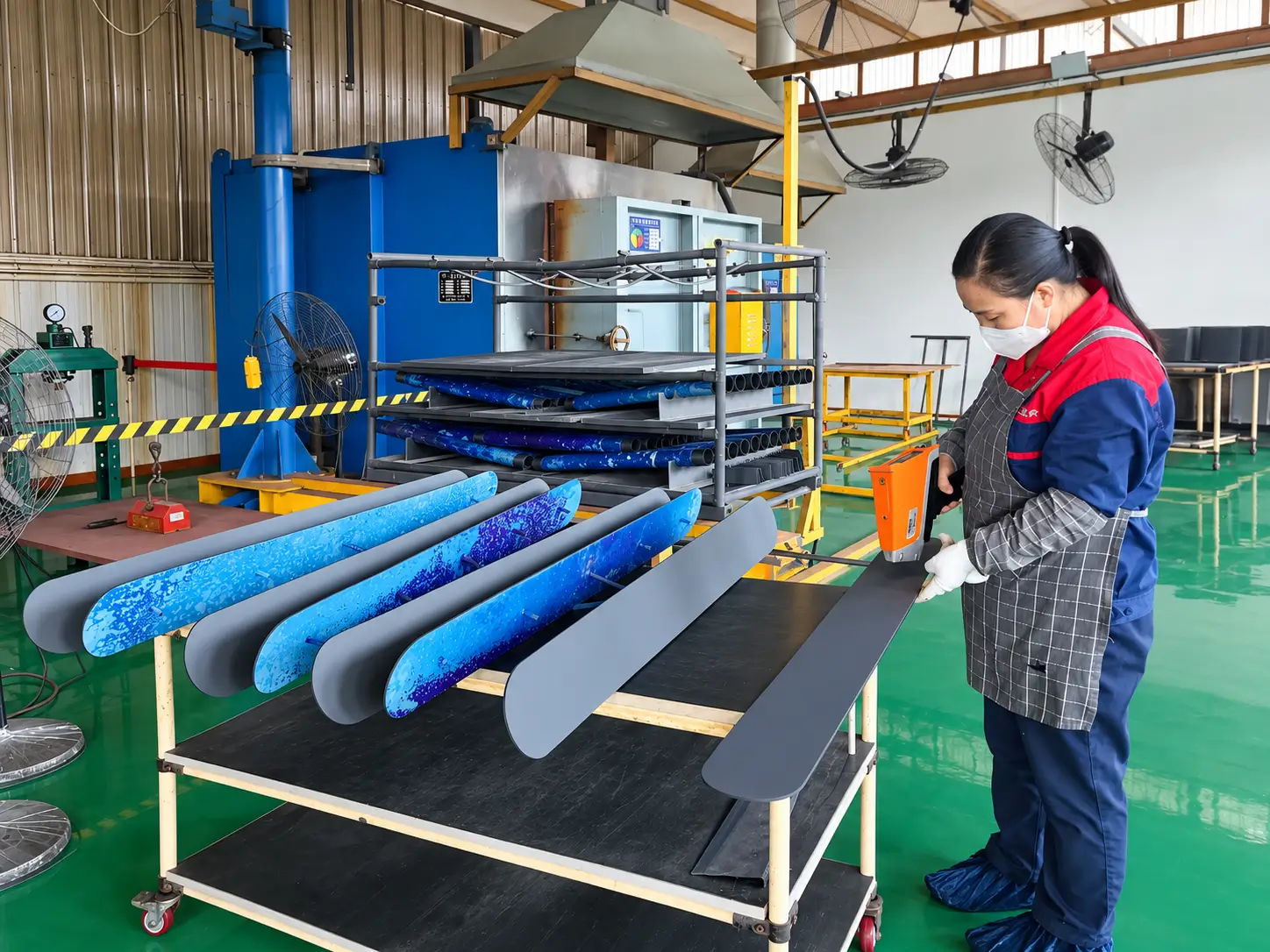
None of these values alone proves adhesion, through-depth distribution, active area uniformity, electrochemical selectivity or service life.
11. Define the Design-Life Basis and Failure Criterion
State whether life is required in operating years, hours, ampere-hours, charge per active area, production throughput or another basis. Provide continuous/peak current, area definition, duty, chemistry, impurities, temperature, flow, cleaning, shutdowns and permitted performance change.
- Define end of life: voltage rise, production loss, selectivity change, coating loss, substrate attack, connection failure or another limit.
- Separate design target, warranty term and accelerated-test result.
- State acceleration factors and correlation limits; accelerated tests do not automatically predict field years.
- Identify operating records required to support a life claim.
12. Freeze Manufacturing and Qualification Controls
The route may include substrate forming/fabrication, welding, surface preparation, coating application, thermal cycles, masking, connection assembly and inspection. Define the qualified route and change-control triggers without assuming every step is performed in-house.
- Control substrate heat/lot and fabrication drawing.
- Define surface-preparation procedure and maximum delay to coating.
- Link coating batch, application/thermal records and qualification samples.
- Require approval for coating formulation, raw-material source, route, furnace, processor or major geometry changes where qualification depends on them.
13. Match Inspection and Evidence to the Requirement
| Control point | Possible evidence when ordered | Boundary |
|---|---|---|
| Substrate | MTC, heat/lot, Grade/specification, dimensions and fabrication record | Does not prove coating performance |
| Coated/masked geometry | Drawing inspection, area calculation, mask/edge record and photographs | Does not prove composition or life |
| Coating composition/loading | XRF or other composition result, gravimetric/process loading record, witness coupons | Metric and method must be defined |
| Connection | Visual/dimensional weld inspection, continuity/resistance or load test where specified | Test setup and acceptance are order-specific |
| Electrochemical qualification | Potential, accelerated-life, production, efficiency or other agreed test | Lab/cell conditions and correlation limits must be stated |
| Release | CoC, document index, deviations, labels, packing list and traceability map | Must link to shipped anodes |
14. Add Application-Specific Controls
Feed chemistry, chloride and hardness, flow, chlorine target, current efficiency test, gas handling, scale/cleaning and cell responsibility.
Matrix, target compounds, by-products, electrode gap, current/energy basis, mass transfer, fouling and treatment-validation owner.
Applicable project standard, environment, design current/output, backfill, cable/connection, installation, monitoring and reference-electrode system. ISO 15589-1 references catalyzed titanium-anode testing for relevant on-land pipeline contexts; it is not a universal anode specification.
Metal/electrolyte, impurities, additives, current distribution, cathode product, gas, spacing, cleaning, contamination and cell-performance acceptance.
15. Define Commissioning, Operation and Maintenance
Agree installation inspection, polarity check, connection torque/sealing, insulation, electrode spacing, flow, initial current ramp, baseline voltage/current distribution and process-performance checks.
- Operate within the approved chemistry, temperature, current-density basis, voltage and duty.
- Do not reverse polarity unless the electrode/system is designed and qualified for it.
- Use approved cleaning methods; aggressive scraping, chemicals or dry handling can damage coatings.
- Trend voltage, current, production/treatment result, flow, chemistry, cleaning and visual condition.
16. Investigate Failure Before Replacement or Recoating
Possible contributors include chemistry/impurity changes, overcurrent, poor current distribution, low flow, gas blanketing, scale, reverse polarity, damaged coating, exposed substrate, connection heating, electrolyte ingress, weld failure or mechanical impact. Record evidence before cleaning or dismantling.
Recoating requires substrate evaluation: remaining thickness, geometry, distortion, cracks, welds, connection, contamination, previous coating removal and dimensional suitability. Define reusable/reject criteria and whether recoated units require requalification.
17. Normalize Cost and Quotation Scope
Cost can be driven by coating family and precious-metal basis, loading definition, active area, substrate form, fabrication, masking, connection, qualification, inspection, documentation, quantity, packing and logistics.
- Compare the same composition/performance requirement, loading units and active-area basis.
- Separate electrode, cable/connection, fixtures, qualification tests, documents, spares and freight.
- Record MOQ driver, validity, schedule assumptions and exclusions.
- Compare lifecycle assumptions only when duty, failure criterion and maintenance basis match.
18. Complete Titanium Anode Purchase Guard
18.1 Reaction and process window
- Name the target anodic reaction and desired product/treatment result.
- List electrolyte, impurities, pH, temperature, pressure and flow.
- Identify side reactions, by-products, scale and regulatory limits.
- Define normal, startup, shutdown and upset conditions.
18.2 Coating identity and qualification
- State coating family and controlled specification/recipe authority.
- Define composition, loading, thickness or performance metrics separately.
- Identify qualification samples, cell/test method and acceptance.
- Require approval for formulation or process changes.
18.3 Substrate and fabrication
- State Grade/UNS, product-form specification/revision and condition.
- Define dimensions, mesh/tube/bar/wire geometry, frames and welds.
- Link heat/lot through fabrication and coating.
- Control exposed titanium and crevice/mechanical risks.
18.4 Active area, masking and layout
- Map coated, masked, contact and edge-transition zones.
- Define one/two-side and mesh-area calculation.
- State anode/cathode spacing, orientation, supports and flow.
- Control bare spots, overspray and handling areas.
18.5 Electrical duty and polarity
- State total current, voltage, waveform, duty and peak duration.
- Define current-density denominator and active area.
- State polarity, ramping, fault and reverse-polarity conditions.
- Assign power-supply and current-distribution responsibility.
18.6 Connection and assembly
- Define cable/busbar, termination, joint, seal and strain relief.
- Show liquid level and coated/uncoated transition.
- State electrical/thermal inspection and acceptance if required.
- Control electrolyte isolation from dissimilar conductors.
18.7 Design life and warranty basis
- State life unit, duty, chemistry, cleaning and shutdown assumptions.
- Define end-of-life criteria and operating records.
- Separate design target, accelerated test and commercial warranty.
- Record exclusions and events that invalidate the basis.
18.8 Inspection and documents
- For every characteristic state method, sampling, locations, limits and report.
- Do not use XRF as proof of loading, thickness or life unless the method establishes that relationship.
- Link substrate, coating batch, geometry, connection and reports.
- Agree CoC, MTC, coating evidence, test reports, deviations and packing list.
18.9 Commissioning, maintenance and failure
- Define installation, polarity, ramp, baseline and system acceptance.
- State operating window, monitoring and approved cleaning.
- Record failure evidence before dismantling.
- Define recoating evaluation and requalification.
18.10 Commercial and delivery
- Normalize quantity, spares, currency, Incoterm and named place.
- Separate coating, substrate, connection, tests, documents and freight.
- Record MOQ, validity, schedule assumptions and exclusions.
- Protect active surfaces, connections and identity during packing.
Red flags before purchase order
Reaction, electrolyte, impurities and duty are missing.
Projected, geometric exposed or true coated area is not defined.
Loading, thickness, distribution, adhesion and life are inferred without evidence.
Chemistry, duty, temperature, flow, cleaning and end-of-life criterion are absent.
Decision gate
Do not release the order until reaction, process window, coating, area, electrical duty, substrate, connection, life basis, tests, maintenance, documents and commercial terms describe one verifiable deliverable.
19. RFQ and Pre-Order Checklist
Target reaction/product, chemistry, impurities, pH, temperature, flow and by-products.
Current, voltage, current-density area basis, waveform, duty, peak and polarity.
Family, composition/loading definition, active area, design-life basis and end point.
Grade/specification, form, geometry, masks, welds, cable/busbar and seals.
Qualification, inspection, reports, commissioning, monitoring, cleaning and recoating.
Quantity/spares, MOQ, packing, destination, Incoterm, required date and exclusions.
20. Titanium Anode Purchasing FAQ
What should control coating selection: application name or anodic reaction?
Start with the required anodic reaction and complete operating window. Application names such as water treatment, electroplating or electrowinning are too broad to define coating chemistry, loading or life.
How should current density be stated?
State current range and define the denominator: projected area, geometric exposed coated area, one-side/two-side area or another agreed basis. Also provide duty cycle, peak duration, voltage range and current distribution assumptions.
What does XRF prove on a coated anode?
XRF can support surface elemental-composition assessment under an agreed method. It does not automatically prove total precious-metal loading, coating thickness, through-depth distribution, adhesion, uniformity or service life.
Is ASTM B265 a coated-anode performance standard?
No. ASTM B265 covers titanium and titanium-alloy strip, sheet and plate within its scope. The coating system, fabrication, electrical interface, electrochemical performance and life require separate order controls.
When is NACE TM0108 relevant?
It is referenced for testing catalyzed titanium anodes used in soils or natural waters in cathodic-protection contexts. It is not a universal acceptance standard for every MMO, Pt/Ti, electrochlorination, plating or electrowinning anode.
How should two titanium-anode quotations be compared?
Normalize reaction, electrolyte/impurities, current-density basis, duty, design-life basis, coating family/composition/loading definition, active area, substrate, geometry, masking, connection, qualification tests, documents, quantity, packing, Incoterm and exceptions.