Buyer Role 1
Medical Equipment Designers
Define material, geometry, surface, cleaning and device-level requirements.


Healthcare & Life Sciences Applications
Connect medical-equipment, laboratory and precision-component requirements to a controlled material or manufacturing review—without implying implant, sterile-product or medical-device qualification.
Healthcare Procurement Guide
Titanium requirements differ across production equipment, laboratory systems, instruments and regulated patient-contact products. Define the intended use, material specification, surface condition, cleanliness and evidence responsibilities before requesting a manufacturing route.
Buyer Teams
Engineering, integration, quality and procurement teams evaluate different parts of the same purchase. The strongest inquiry connects their technical and approval requirements.
Buyer Role 1
Define material, geometry, surface, cleaning and device-level requirements.
Buyer Role 2
Source titanium material or drawing-based parts for controlled downstream processing.
Buyer Role 3
Verify documentation, traceability and the division of regulatory responsibility.
Industry Application Map
Each application is a routing point, not a blanket suitability claim. The buyer question determines the next technical review.

Application 1
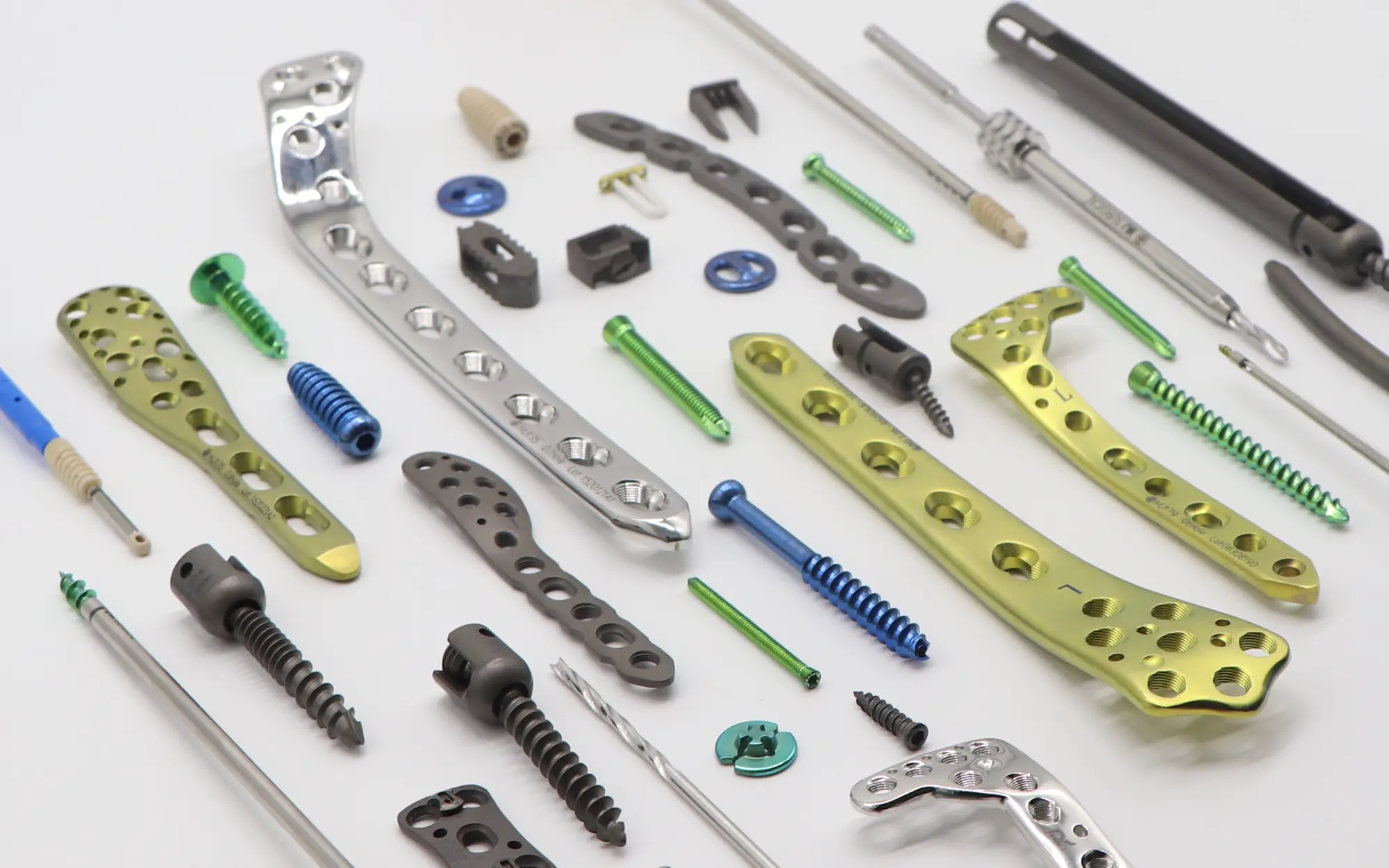
Titanium parts for equipment assemblies where corrosion resistance and low mass are relevant.
Buyer question: Which device class, contact condition and customer qualification route apply?
Application 2
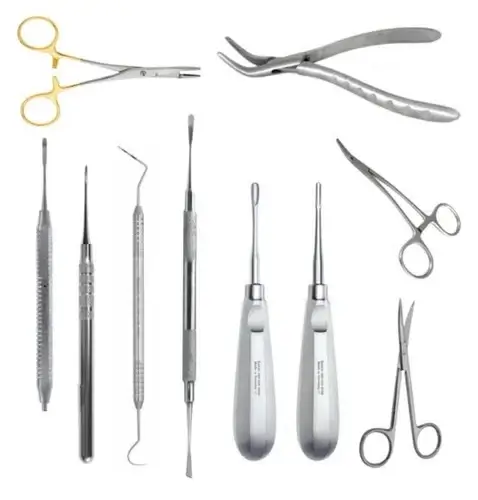
Drawing-based components for instruments or equipment, subject to process and regulatory review.
Buyer question: What surface, cleaning, passivation, marking and validation requirements apply?
Application 3
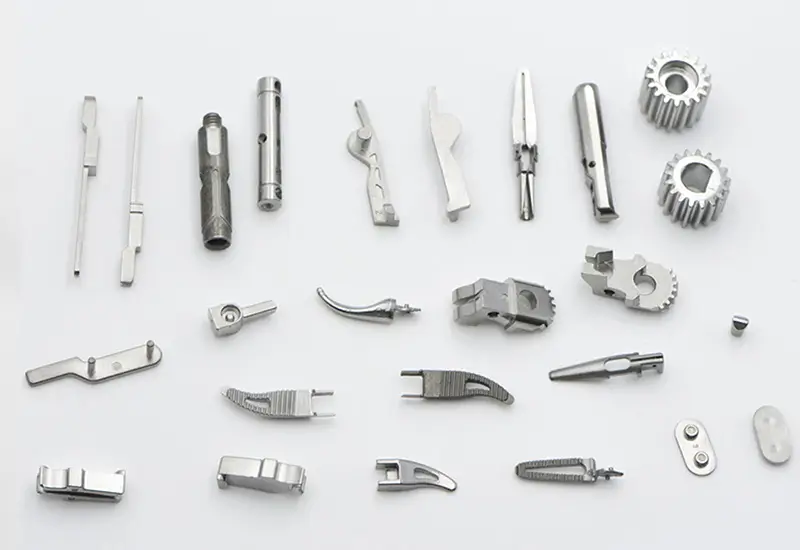
Titanium materials or components for laboratory fixtures, reactors and research equipment.
Buyer question: Which media, temperature, cleanliness and test evidence control selection?
Application 4
Material and part support for non-production or pre-qualification development.
Buyer question: What is the prototype intended to prove, and what remains before regulatory release?
Engineering & Procurement Reality
Decision Factor 1
Device, implant, sterile and patient-contact claims require product-specific evidence and responsibility.
Decision Factor 2
Finish, residues, cleaning, packaging and contamination control must be defined rather than assumed.
Decision Factor 3
Grade, standard, heat or lot, certificates and downstream processing records need agreed linkage.
Decision Factor 4
Material source, process, tooling and document revisions may require customer approval.
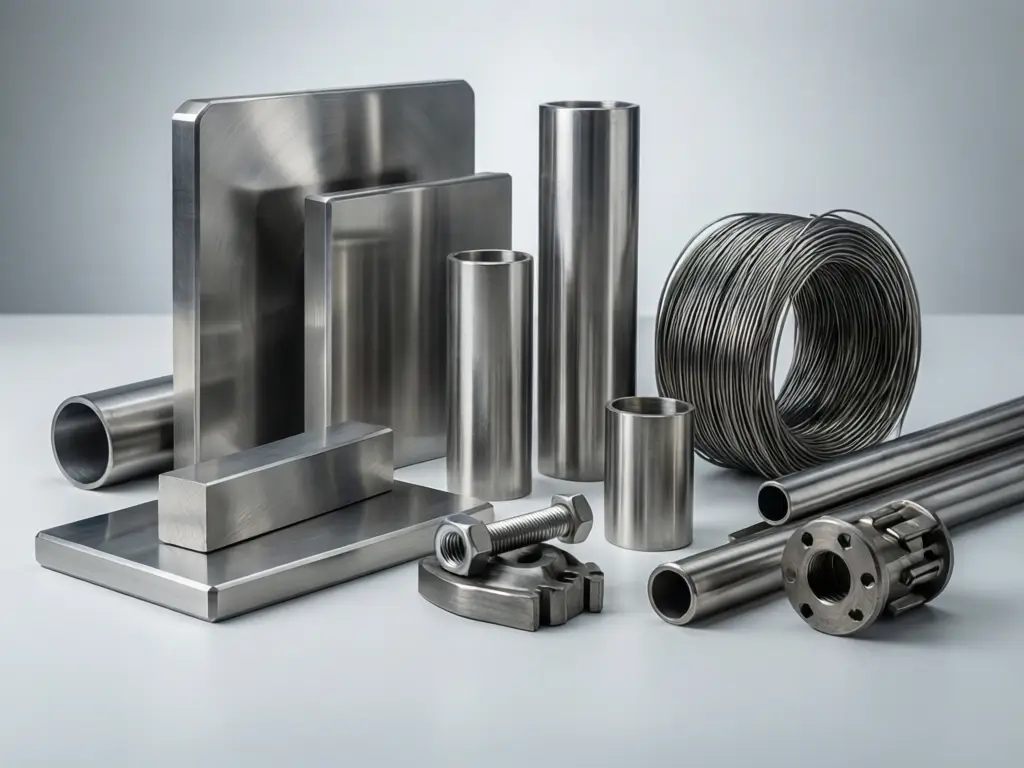
HELE can review material, component, electrode or system scope only after the parameters and evidence responsibilities are clear.
Potential HELE Scope
The table shows possible relevance and the qualification basis needed before quotation. It does not state that every product is approved for every application.
| Product Family | Industry Relevance | Qualification Basis |
|---|---|---|
| Titanium Materials | Plate, sheet, rod, bar, tube and other forms can be reviewed against a controlled specification. | Grade, standard, dimensions, surface, quantity and material-document requirements. |
| Precision Titanium Components | Drawing-based parts can be assessed for machining route, surface and dimensional inspection. | Drawing revision, tolerance, finish, cleaning, marking and acceptance criteria. |
| Testing & Finishing Support | Required material, dimensional and surface records can be planned within the agreed scope. | Test method, report issuer, acceptance limit, packaging and regulatory responsibility. |
Project Inputs
Unknown items can be marked for follow-up. They should not be silently guessed.
Qualification Boundary
This page identifies possible titanium supply routes. It does not establish implant-grade approval, biocompatibility, sterile processing, medical-device registration or suitability for a specific clinical use.
Prepare for Technical Review
Identify the process, equipment or asset, operating conditions, failure concern and project stage.
Provide drawings, standards, inspection methods, documentation needs and the responsible approval route.
Related Paths
Industry FAQ
No. No implant, biocompatibility, sterile-product or medical-device qualification should be inferred without current, product-specific evidence and approval.
Provide application classification, material specification, drawing, surface and cleaning requirements, quantity, traceability and required regulatory or quality documents.
Selected material and drawing-based component inquiries can be reviewed against media, temperature, geometry, cleanliness, inspection and documentation needs.
Define roughness, finish, treatment, cleaning method, appearance, residues, marking and packaging acceptance criteria before quotation.
A prototype scope may be reviewed, but its permitted use and the evidence needed for later production must be defined by the customer and relevant regulatory process.
Tell HELE whether the item is production equipment, an instrument component, a laboratory part, a prototype or a regulated patient-contact product. This distinction controls the material, process, documentation and approval questions that follow.
Use the detailed form on this page or email sales@heletitanium.com with the application, operating conditions, drawings and required evidence.