Reaction or Protection Duty
CER, OER or impressed-current CP; desired process result or protected structure.

MMO Anode Manufacturer · Mixed Metal Oxide Coated Titanium Anodes
Ru-Ir and Ir-based / Ir-Ta MMO anodes are reviewed from the target anodic reaction or protection duty, complete service environment, electrical loading, active geometry, connection, design-life basis and required evidence.
Selection rule: application names are not coating specifications. First establish the reaction or CP duty and service conditions; then confirm coating, form, active area or length, connection and acceptance evidence together.
Before comparing suppliers, record the electrochemical duty, environment, electrical requirement and installation boundary. These inputs determine whether two quotations describe the same deliverable.
CER, OER or impressed-current CP; desired process result or protected structure.
Complete electrolyte and impurities, or soil, water, concrete and installation conditions.
Total current, voltage, current-density or linear-output basis, duty cycle and polarity.
Form, active area or length, connection, layout, design assumptions and end point.
The directions below are screening points, not automatic approvals. Final composition, loading or performance basis remains order-specific.
CHLORINE EVOLUTION
Often reviewed when chlorine evolution is the intended anodic reaction in a defined chloride electrolyte.
Confirm chloride, full chemistry, impurities, pH, temperature, flow, current basis, duty and product target.
View Ru-Ir MMO anodes →OXYGEN EVOLUTION
Often reviewed when oxygen evolution is dominant and the electrolyte and electrical duty are defined.
Confirm electrolyte, acidity, contaminants, temperature, current basis, potential and duty.
View Ir-based MMO anodes →CATHODIC PROTECTION
Start with the protected structure, protection criteria, environment, output, layout, connection and design standard.
Do not select a CP anode from CER/OER terminology or shape alone.
Review cathodic-protection context →Each form has its own detail page. Select geometry from current distribution, installation, active area or length, connection and service environment—not from appearance alone.
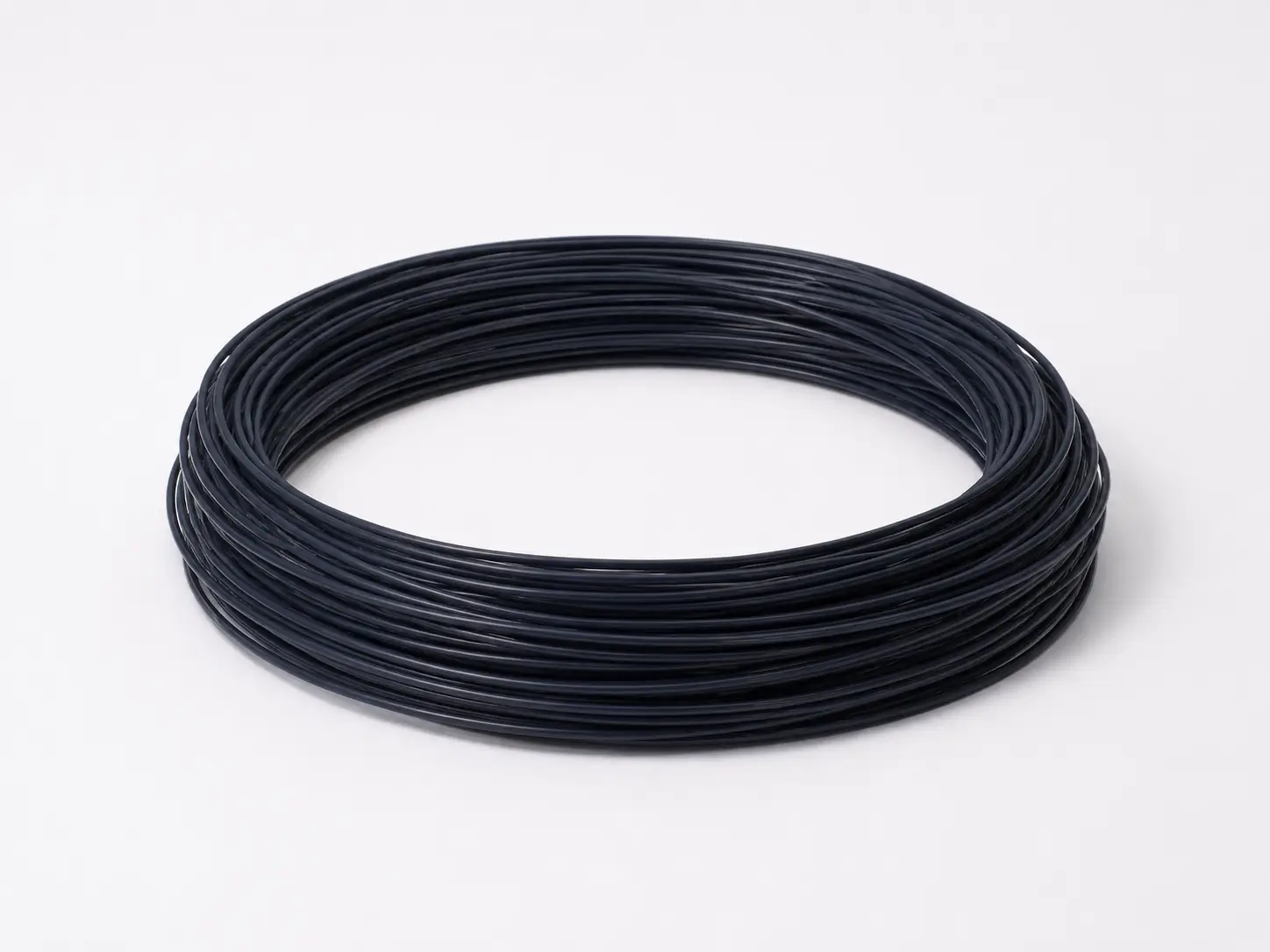
Distributed routes where diameter, active length, termination and environment are controlled.
Define: Diameter · Active length · Output basis · Cable / termination
View MMO Wire Anodes →
Compact assemblies with a defined active face, mounting arrangement and sealed electrical interface.
Define: Diameter · Active face · Mounting · Seal · Output
View MMO Disc Anodes →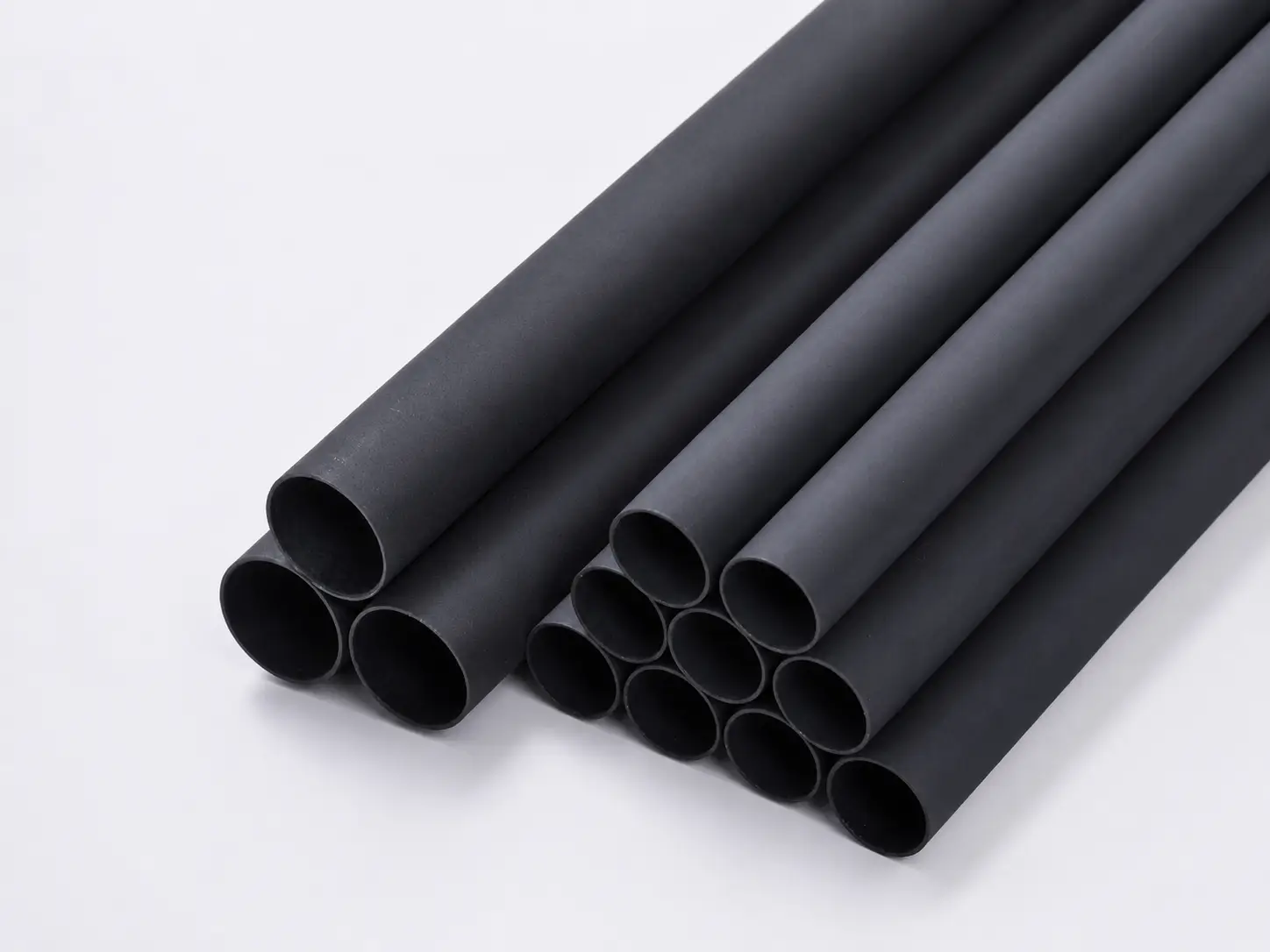
Cylindrical geometry specified by diameter, active length, connection and installation environment.
Define: OD · Length · Active zone · Cable · Installation
View MMO Tubular Anodes →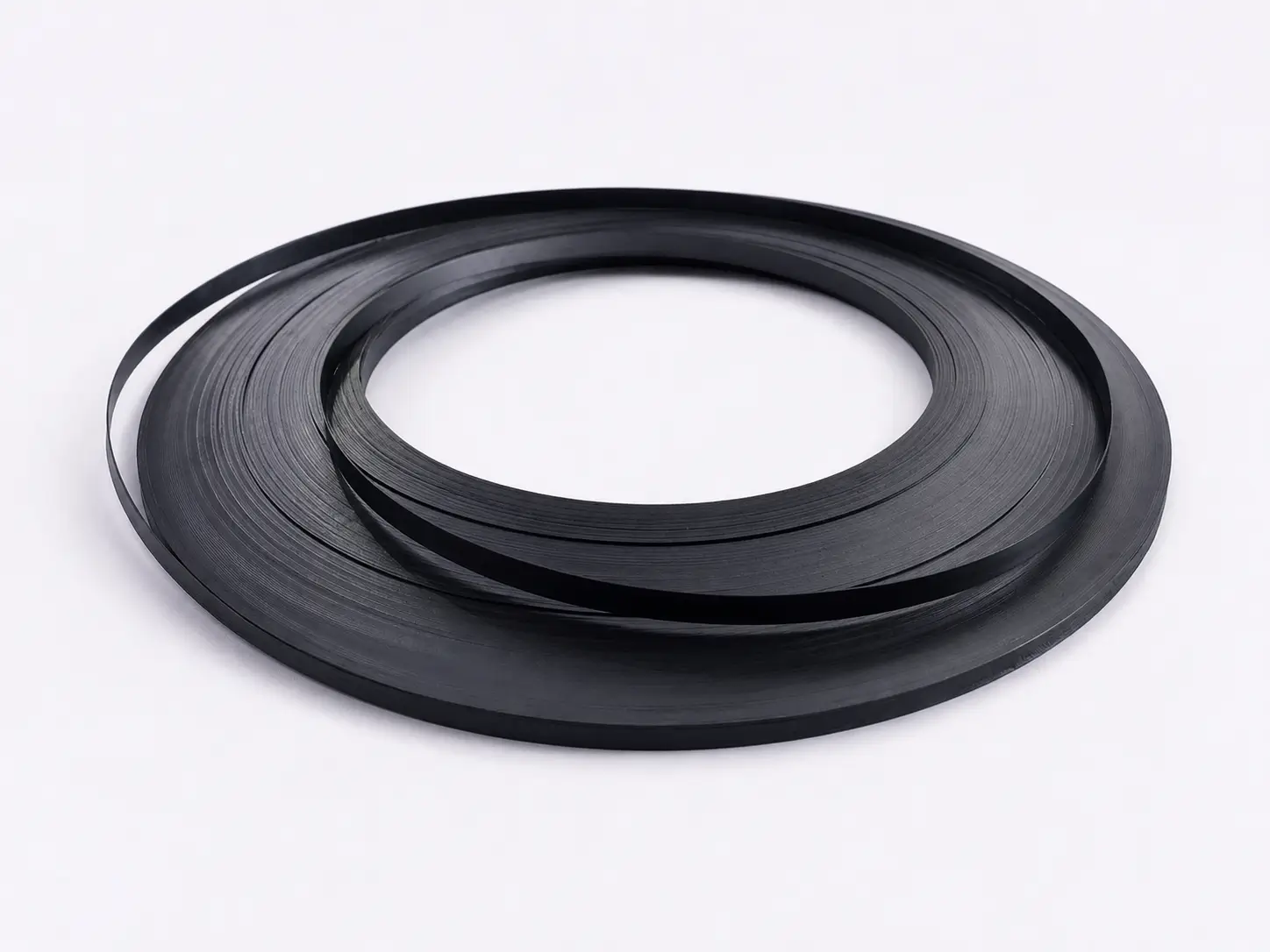
Flat distributed electrodes for layouts governed by ribbon geometry, spacing and current per length.
Define: Width · Thickness · Length · Linear output basis · Joint
View MMO Ribbon Anodes →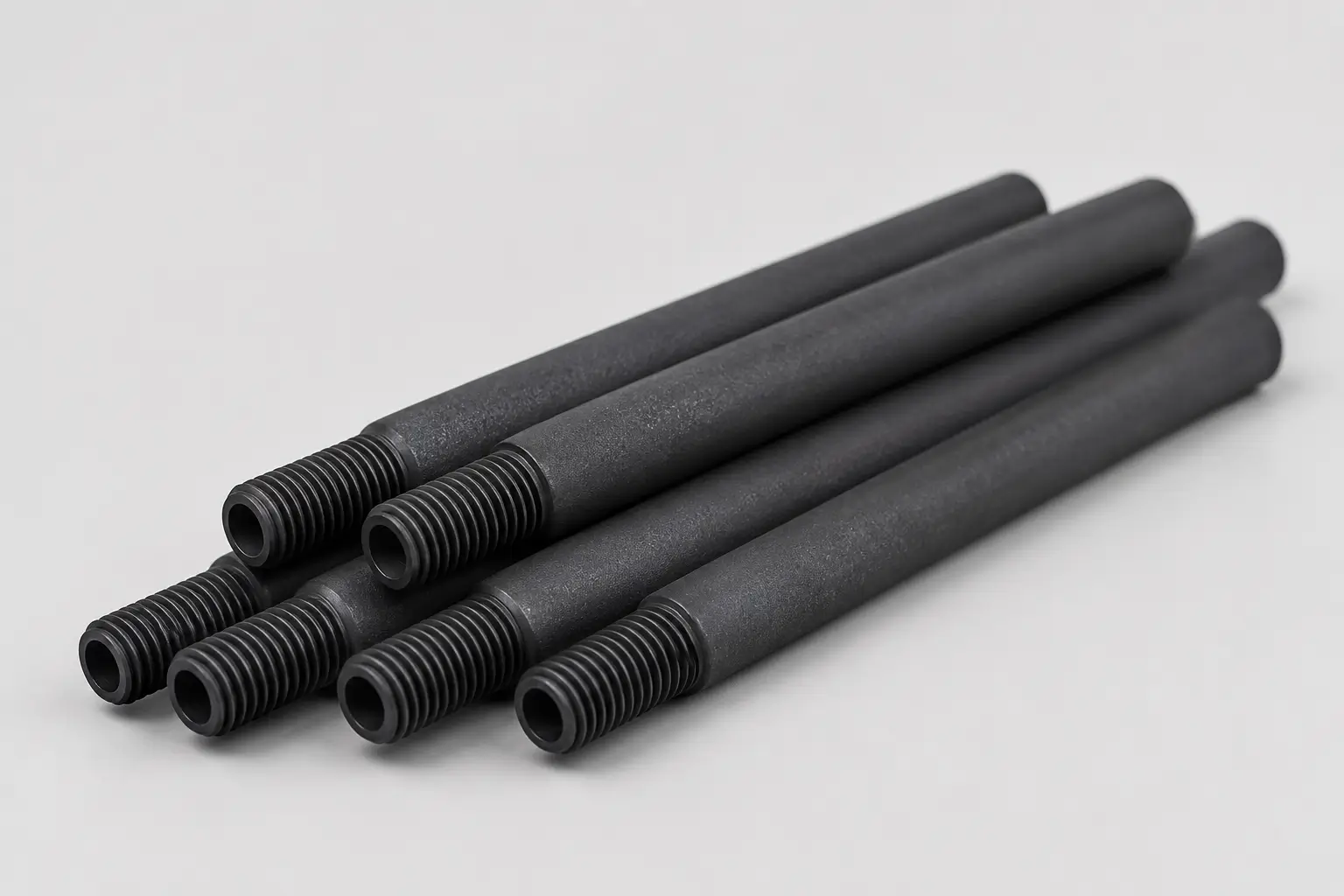
Compact or localized electrodes with controlled diameter, active zone, thread or current feed.
Define: Diameter · Length · Coated zone · Connection · Output
View MMO Rod Anodes →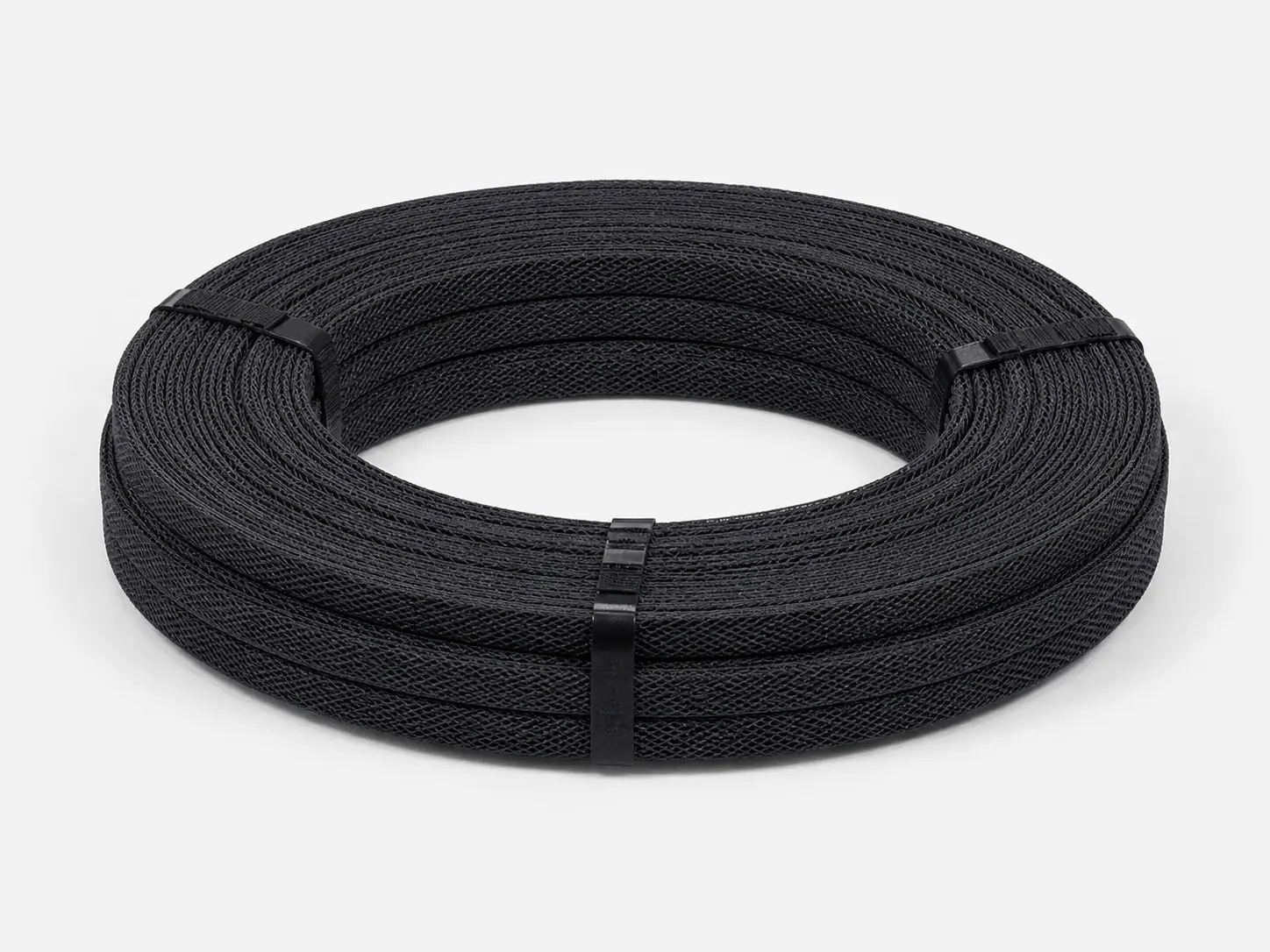
Open distributed geometry where mesh dimensions, coverage and conductor connections are project inputs.
Define: Mesh geometry · Width · Area basis · Layout · Connection
View MMO Mesh Ribbon Anodes →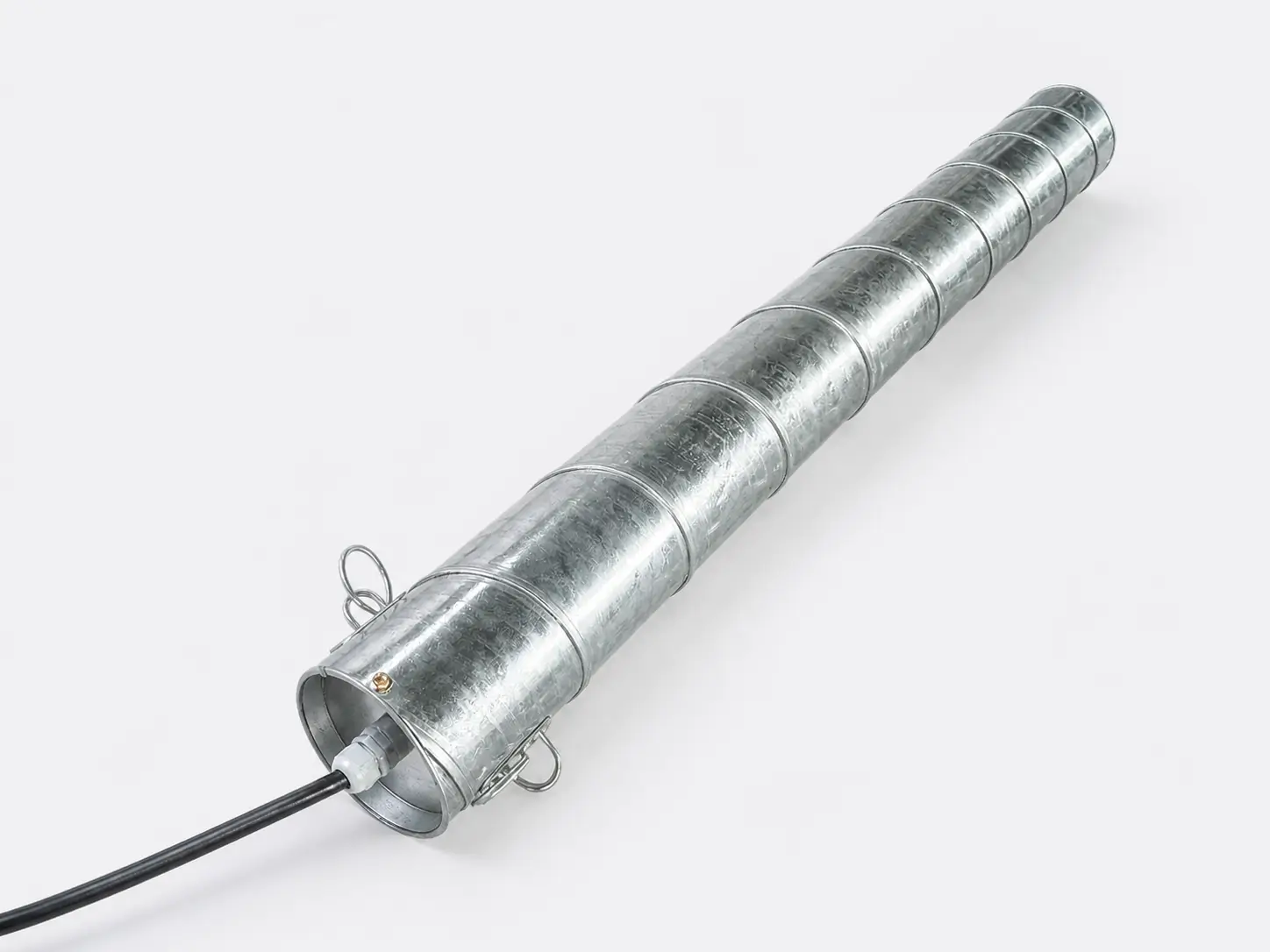
Anode, cable, backfill and canister supplied as an installation-specific cathodic-protection assembly.
Define: Element · Canister · Backfill basis · Cable · Rated output
View MMO Canister Anodes →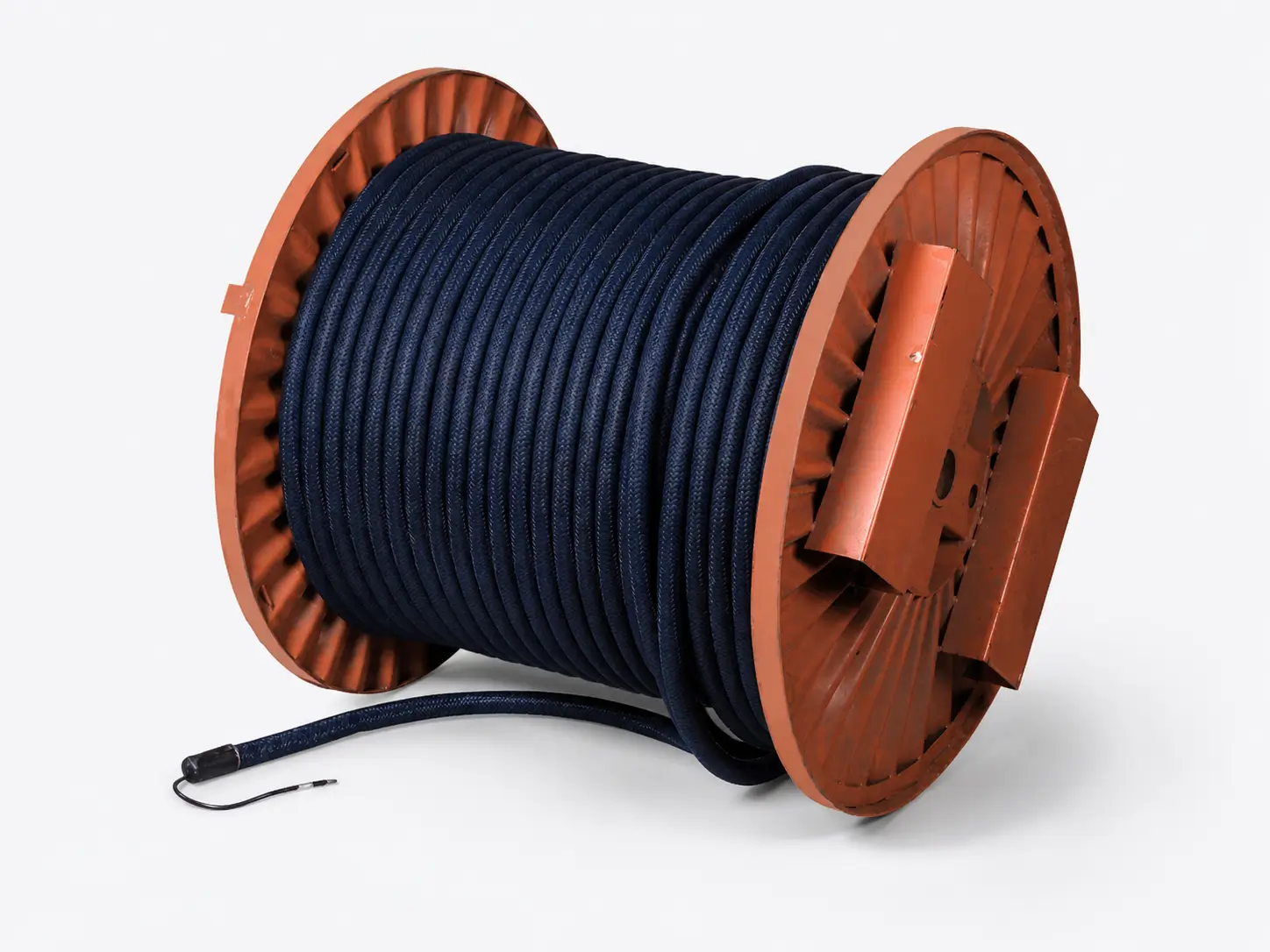
Distributed CP systems defined by output per length, routing, protected structure and installation method.
Define: Linear output basis · Total length · Route · Environment · Feed
View MMO Linear Anodes →The table defines what must be agreed; it intentionally does not publish universal current density, coating loading, temperature or life values.
| Characteristic | RFQ / PO definition | Evidence when ordered |
|---|---|---|
| Titanium substrate | Grade/UNS, product standard, condition, form, dimensions and lot identity | MTC and traceability |
| MMO coating | Reaction/performance requirement, composition control, loading or other metric, units and active-zone map | Batch record and agreed coating evidence |
| Electrical duty | Current, voltage, duty, polarity; density/output with explicit area or length basis | Project-specific electrical/electrochemical test |
| Geometry & interface | Dimensions, active area/length, masking, weld, cable, feed, seal and mounting | Drawing and dimensional/connection report |
| Design life | Operating window, calculation/test method, duty, end point and exclusions | Design record or agreed qualification data |
These four paths route the engineering review. They do not replace the process or cathodic-protection design basis.
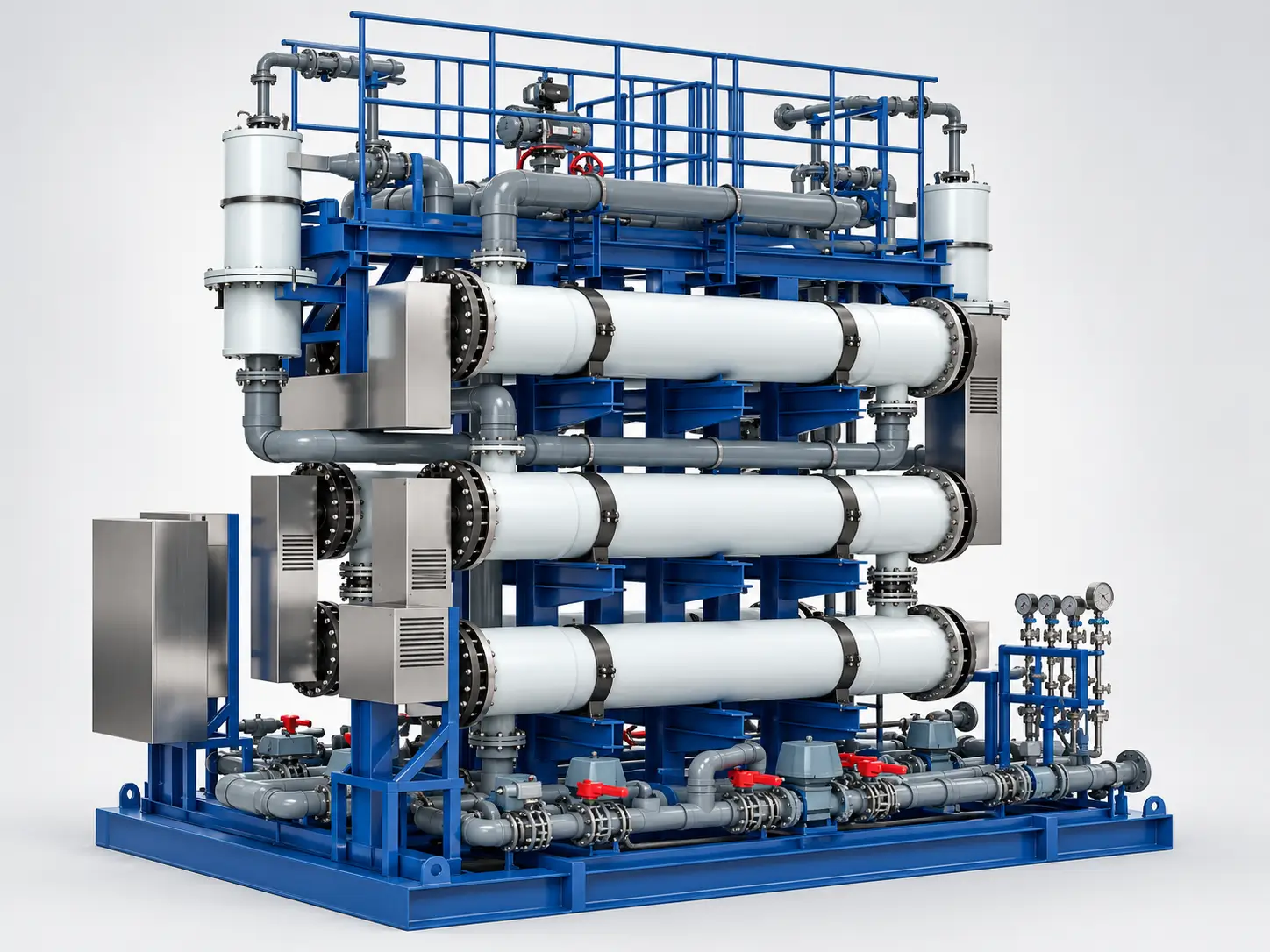
Confirm chloride and impurities, target product, pH, temperature, flow, current-density basis, cell geometry and cleaning before reviewing a Ru-Ir direction.
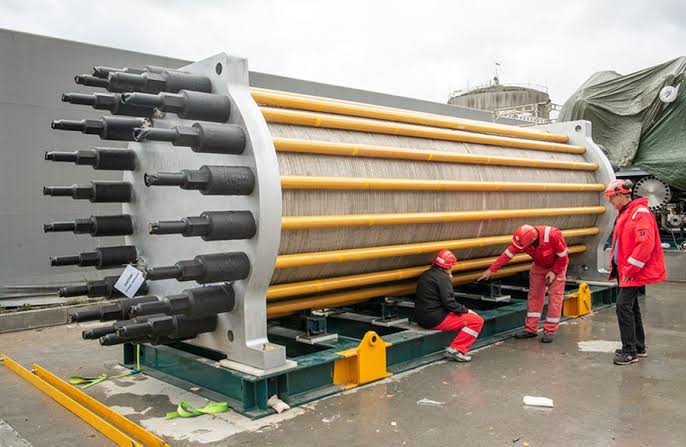
Define the complete electrolyte, acidity, contaminants, temperature, current-duty basis and expected reaction before reviewing an Ir-based or Ir-Ta direction.
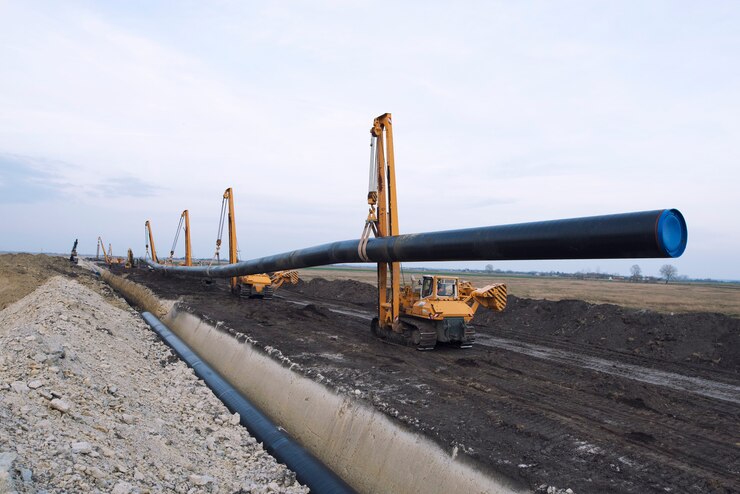
Start with the protected structure, environment/resistivity, current demand, anode-bed layout, cable, backfill, monitoring and design basis.

Define seawater or concrete environment, protection criteria, output, mounting, connection, accessibility, monitoring and project standard.
A number is useful only when its basis is visible. For each rating, define the coating, active geometry, environment, temperature, duty and method.
Exposed geometric coated area, projected area, active length or another agreed denominator.
Normal/peak current, voltage, duty, temperature, chemistry, flow and polarity.
Calculation assumptions, accelerated-test conditions, field correlation and end-of-life criterion.
Current distribution, rectifier/control, installation, monitoring, cleaning and operating records.
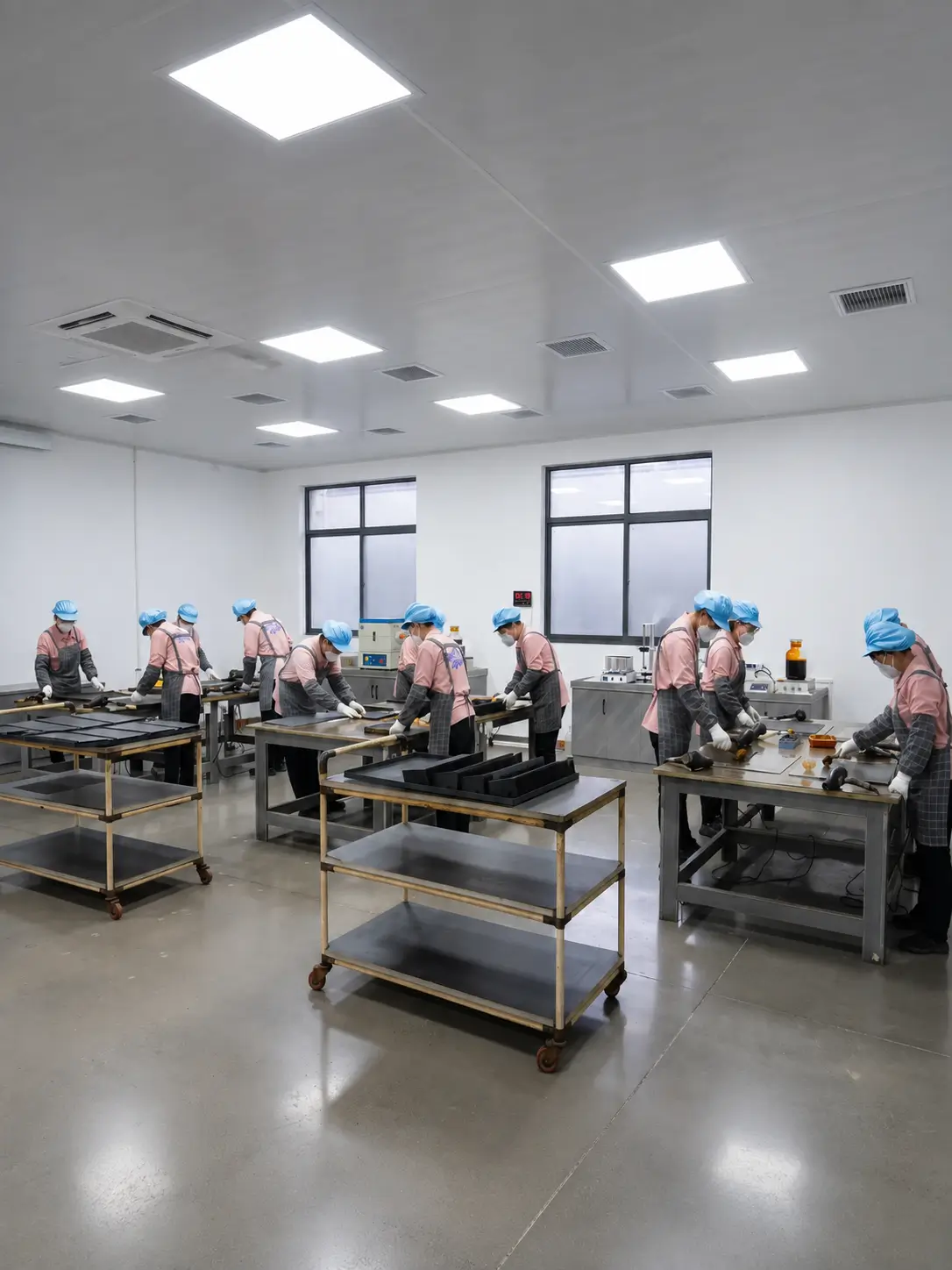
The exact route, inspection plan and documents are confirmed against the approved order basis. Evidence should identify the delivered lot and the method used.
A calibrated XRF method may assess surface elemental composition at defined locations. It does not automatically prove total loading, thickness, adhesion, uniformity or life.
State electrolyte, temperature, current-density basis, sample geometry, end point and interpretation. Accelerated results are not a direct field-life guarantee.
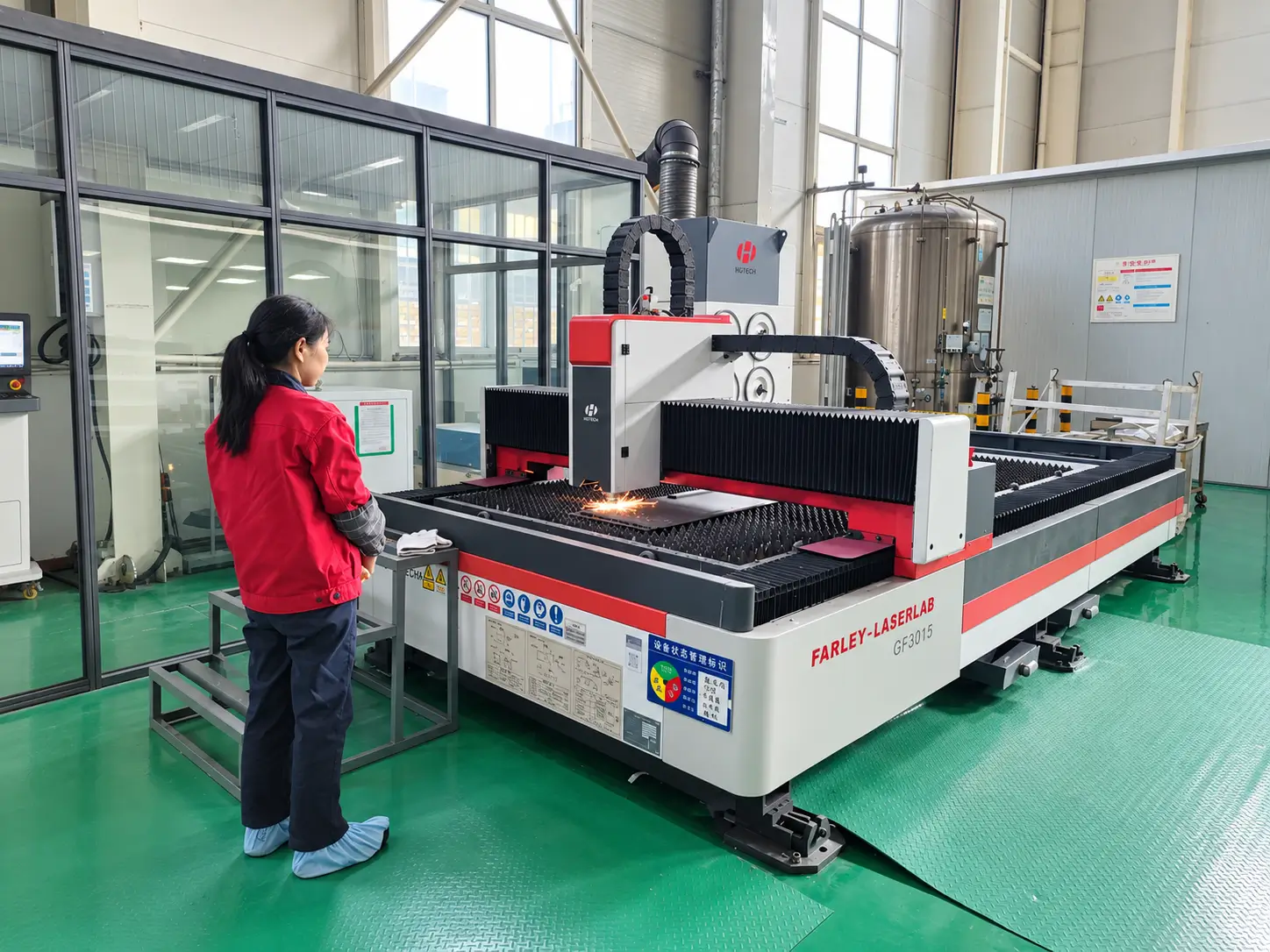
Confirm titanium grade/product standard, heat or lot identity, geometry and drawing before surface work.
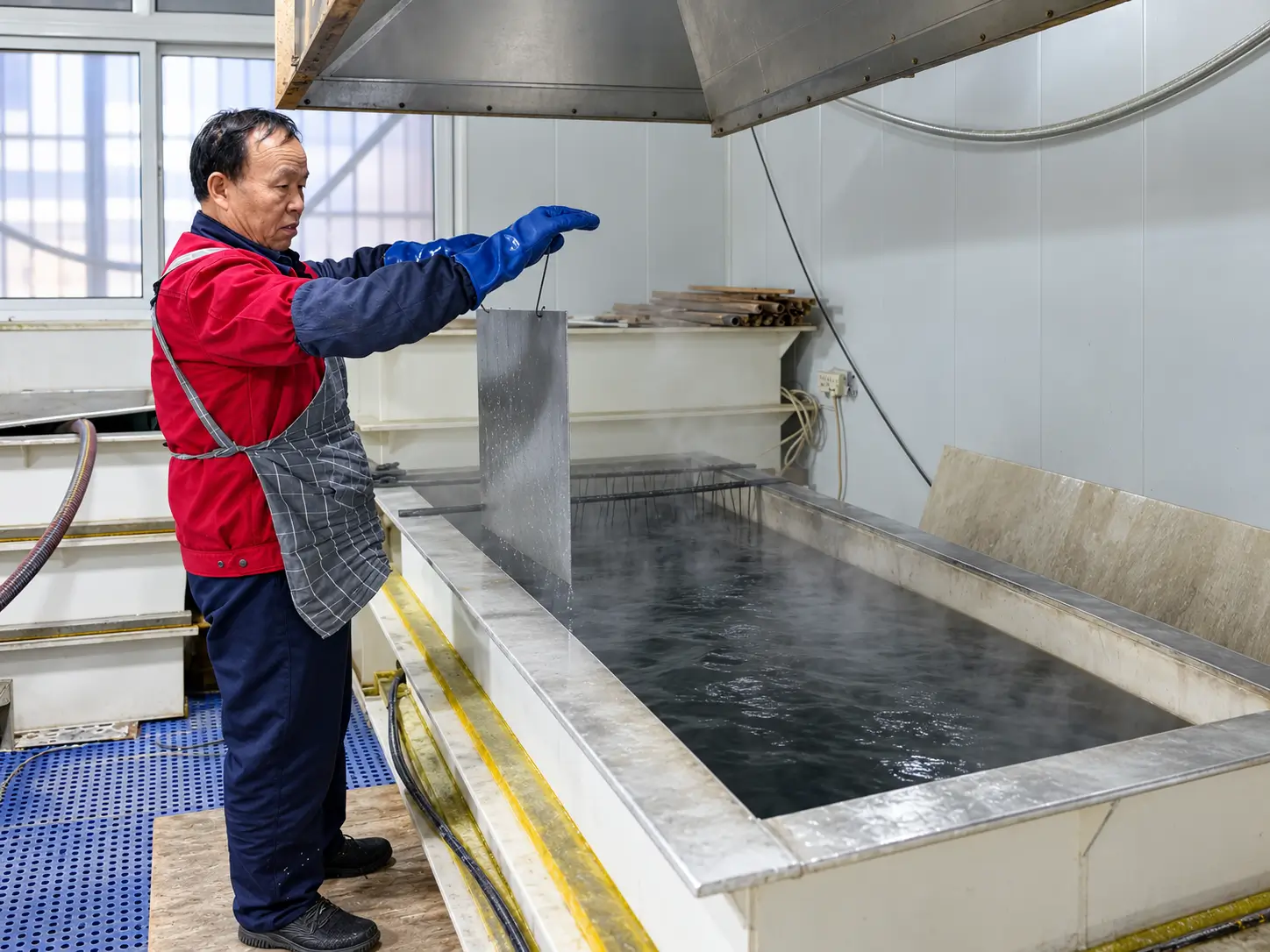
Control cleaning, activation, handling and time-to-coating against the approved route.
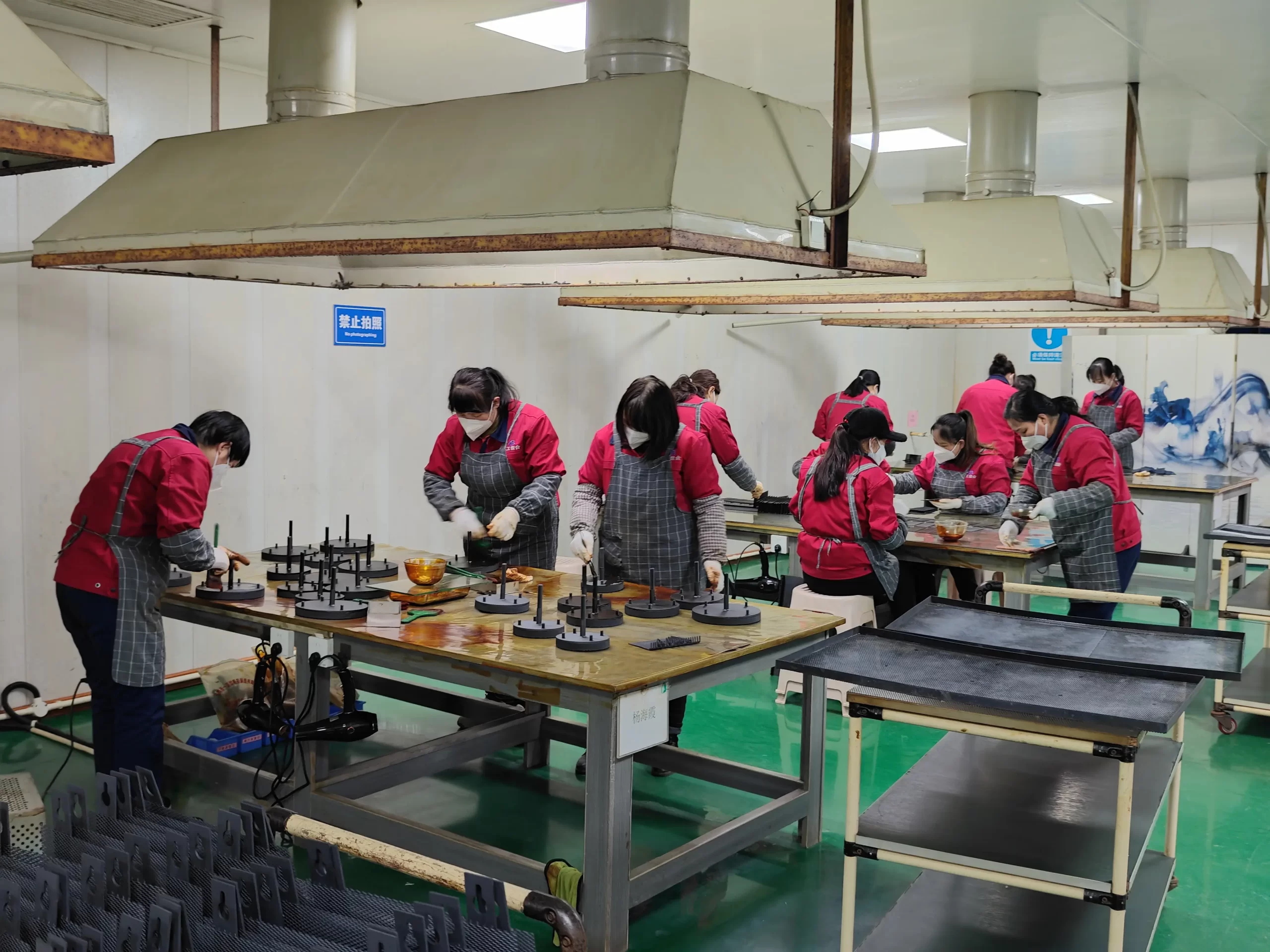
Apply the order-defined coating system and active-zone map with batch and process records.
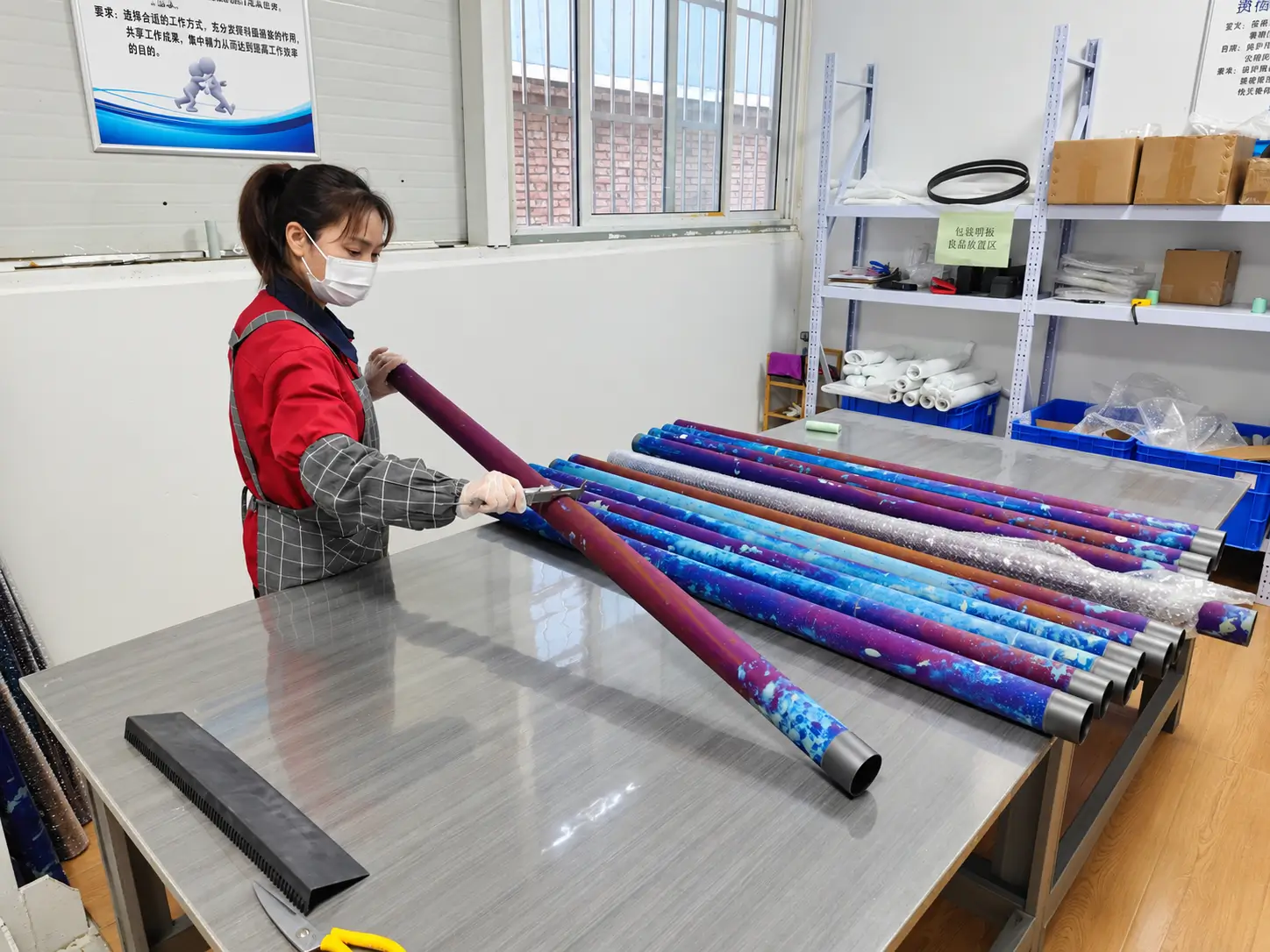
Verify agreed dimensions, active zone, connection and project-specific coating/electrical evidence.
| Duty | Starting coating direction | Possible form direction | Decisive inputs |
|---|---|---|---|
| Chlorine evolution | Ru-Ir review | Mesh, plate, tube or custom cell electrode | Complete chemistry, reaction selectivity, current basis, flow, temperature |
| Oxygen evolution | Ir-based / Ir-Ta review | Mesh, plate, tube or drawing-based form | Electrolyte, acidity, contaminants, potential/current basis, temperature |
| Buried / groundbed CP | CP-specific MMO review | Wire, ribbon, mesh ribbon, tube, canister or linear | Structure, resistivity, protection current, layout, backfill, cable, standard |
| Marine / infrastructure CP | CP-specific MMO review | Disc, rod, tube, wire, ribbon or custom assembly | Environment, criteria, output, mounting, sealing, monitoring, accessibility |
This matrix is a routing aid only. Final selection remains dependent on the complete project data and approved design basis.
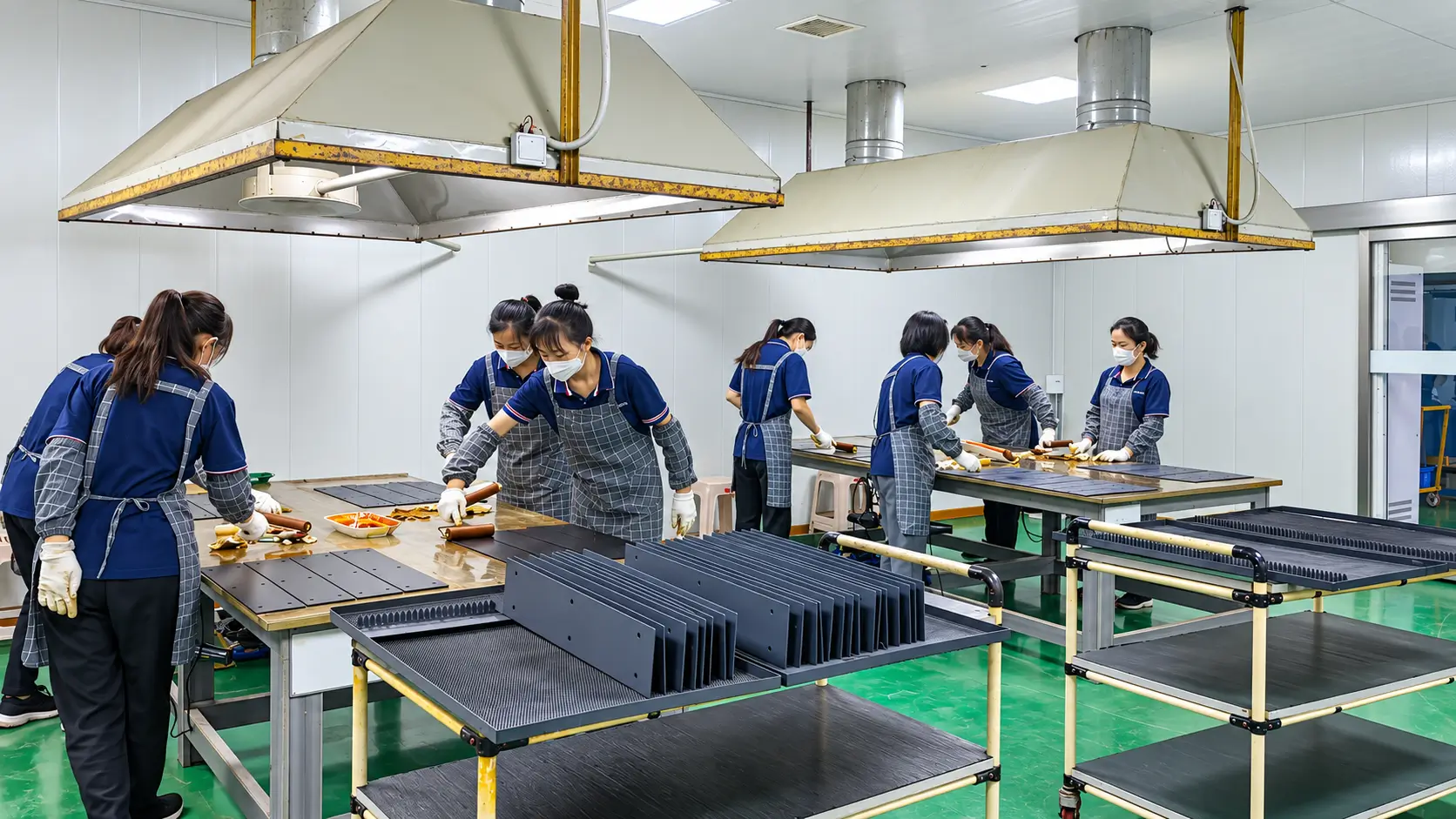
A concise view of HELE Titanium’s substrate preparation, coating, inspection and production environment.
Before Requesting a Quote
A useful quotation starts with the electrochemical duty, service environment and assembly boundary—not with a coating name alone. HELE reviews these inputs before confirming the coating family, titanium form, active area, connection details and verification plan.
State whether the duty is chlorine evolution, oxygen evolution or cathodic protection; then provide electrolyte or installation environment, impurities, pH, temperature, flow or resistivity, current and voltage, duty cycle, active-area or active-length basis, required form, connection, design-life basis, quantity, drawing, tests and documents.
No. Chloride presence alone does not define the coating. The dominant anodic reaction, complete chemistry, temperature, current-duty basis, mass transfer, by-products and required performance must be reviewed.
No. Current density requires an explicit area denominator and operating conditions. Total current or current per length also depends on coating, active geometry, electrolyte or environment, temperature, duty cycle and current distribution.
Not by itself. Under a calibrated method, XRF can support surface elemental-composition assessment. Loading, thickness, uniformity, adhesion, electrochemical behavior and service life require separate definitions and evidence.
No. Design life depends on chemistry, impurities, temperature, electrical loading, duty, flow, polarity, connection, installation, cleaning, shutdowns and the agreed end-of-life criterion and calculation or test basis.
Dimensionally stable anode is used descriptively in industry, but DSA® is a registered trademark of De Nora. HELE uses MMO anode and mixed metal oxide coated titanium anode as the primary product terms.
A drawing, process description or CP design note is enough to begin. Unknown items can remain open for review rather than being hidden behind generic terms.
Prefer email?
sales@heletitanium.com