

An MMO anode is not fully specified by saying “Ru-Ir,” “Ir-Ta” or “tubular.” Those names tell you something about the coating family or shape, but not whether the delivered assembly will work in your electrolyte or protection circuit.
For a useful comparison, ask each supplier to quote against the same reaction, operating window, active-zone drawing, current basis, connection and acceptance plan. That is where apparently similar anodes can turn out to be different purchases.
The short answer: identify the duty first; choose a candidate coating and form second; then confirm the current basis, connection, inspection method and life assumptions together.
1. Which job must the anode do?
The first split is electrochemical. Ru-Ir is a common starting direction for chlorine-evolution duties, while Ir-based or Ir-Ta coatings are often considered for oxygen evolution. These are screening directions, not universal recipes. Impressed-current cathodic protection (ICCP) needs its own review because the protected structure, medium, layout and CP design determine the anode output required.
| Duty | Useful first question | What can change the choice? |
|---|---|---|
| Chlorine evolution | What chlorine-producing reaction and process result are required? | Chloride range, other ions, pH, temperature, flow, current density and cleaning. |
| Oxygen evolution | What electrolyte and oxygen-evolution load will the anode see? | Acidity, contaminants, temperature, potential/current basis and shutdown exposure. |
| ICCP | What structure is being protected, and who owns the CP design? | Soil or water resistivity, anode spacing, current demand, installation, cable and monitoring. |
A chloride-containing liquid is not, by itself, a chlorine-evolution specification. If reaction selectivity or mixed chemistry matters, have the complete process reviewed before treating a coating label as the answer.
Chlorine-evolution duties
In brine electrolysis or electrochlorination, the buyer usually cares about a process result: the intended oxidant production under a given electrolyte and cell arrangement. The coating choice affects that result, but so do chloride concentration, competing oxygen evolution, flow, temperature and the cathode or membrane arrangement. A label such as “Ru-Ir” does not tell you the selectivity of a complete cell.
When asking for a replacement, include the original cell drawing, anode spacing, target output or current, electrolyte analysis and the operating range. If the desired oxidant is not simply chlorine gas—for example, an aqueous hypochlorite process—describe the measured product at the process outlet. This keeps an anode quotation from quietly becoming a guarantee for chemistry and hydraulics outside the anode supplier's scope.
Oxygen-evolution duties
For oxygen evolution, the buyer should start with electrolyte, acidity or alkalinity, contaminants and electrical load. An Ir-based or Ir-Ta direction may be appropriate for screening, but formulation and qualification depend on the actual medium. If chloride is present, ask how competing reactions are assessed; “OER anode” is not proof that chlorine-related products are absent. Cleaning and shutdown exposure deserve the same attention as normal running, because the anode does not experience only its rated operating point.
Impressed-current cathodic protection
In ICCP, the anode is part of a protection circuit, not a process electrode selected for a desired gas. The CP designer establishes the protected asset, current demand, environment, distribution, monitoring and allowable installation layout. Anode selection then has to match that design and the intended medium. A wire routed under a tank, a deep-groundbed assembly and a marine anode cannot be reduced to the same “MMO per piece” comparison. For a replacement, the existing rectifier and field measurements are more useful than the old anode's external dimensions alone.
2. Which operating conditions change the decision?
Give the supplier the range of conditions, not a single normal value. For an electrolysis cell, that means electrolyte composition and impurities, pH, temperature, flow, current and voltage, duty cycle and cleaning chemistry. For ICCP, include the protected structure, exposure medium, resistivity, design current, intended location and available monitoring. Startup, standby and reversal events matter where they can occur.
State the calculation basis. For electrolysis, current density needs both the total current and the area used as the denominator. Mesh projected area, envelope area and actual coated area are not interchangeable. For linear ICCP anodes, quote output per length or per anode only with the environment and design assumptions attached.
Turn an operating point into an operating window
Several apparently small changes can change the review. Higher current may push the local current density above the basis used for a prior life estimate. Lower flow can leave a different gas-bubble or concentration environment at the coating. New cleaning chemicals can expose the connection or seal to a medium that never appeared in the original design. A procurement specification should therefore show normal, minimum and maximum conditions and identify credible abnormal events, rather than treating the nameplate point as the whole service.
| If this changes | What should be rechecked? | Why the buyer should care |
|---|---|---|
| Electrolyte composition or impurity profile | Desired reaction, competing reactions, coating compatibility and cleaning assumptions. | A like-for-like physical replacement may not deliver the same process result. |
| Current, active area or duty cycle | Local load, current distribution, temperature rise and life-test relevance. | A quoted “rated current” may use a different area or operating-hours basis. |
| Flow, spacing or mounting | Mass transport, gas release, electrode gap and mechanical access. | Identical coating can behave differently in a different cell or installation. |
| CP environment or asset coating condition | Required protection current, anode placement, cable path and monitoring. | Replacing an anode alone may not correct an under-protected structure. |
If the original installation has failed early, include that evidence. A voltage trend, current record, photographs of the active surface, connection condition and the actual electrolyte or site environment can help distinguish coating wear from a wiring, contact or system problem. Those observations are needed before anyone can diagnose a specific installation.
3. What belongs in the complete anode specification?
A coating must be paired with a titanium substrate, geometry and electrical path. The drawing should show coated and masked zones, active length or area, supports, connection, seal and mounting interfaces. A wire anode and a tubular assembly can use related coating chemistry yet need very different installation and current-distribution reviews.
- Substrate: state grade, product form, applicable material specification and traceability. For sheet or plate, ASTM B265 can be relevant to the base titanium; it does not qualify the finished MMO coating.
- Coating: distinguish formulation or functional requirement from application mass, oxide loading, precious-metal loading and thickness. If any metric is contractual, give units, sampling and test method.
- Connection: show conductor material, joining method, sealed transition, polarity, strain relief and the point where acceptance is measured.
- Supply boundary: list cables, canisters, backfill, fixtures and spares as included, optional or supplied by another party.
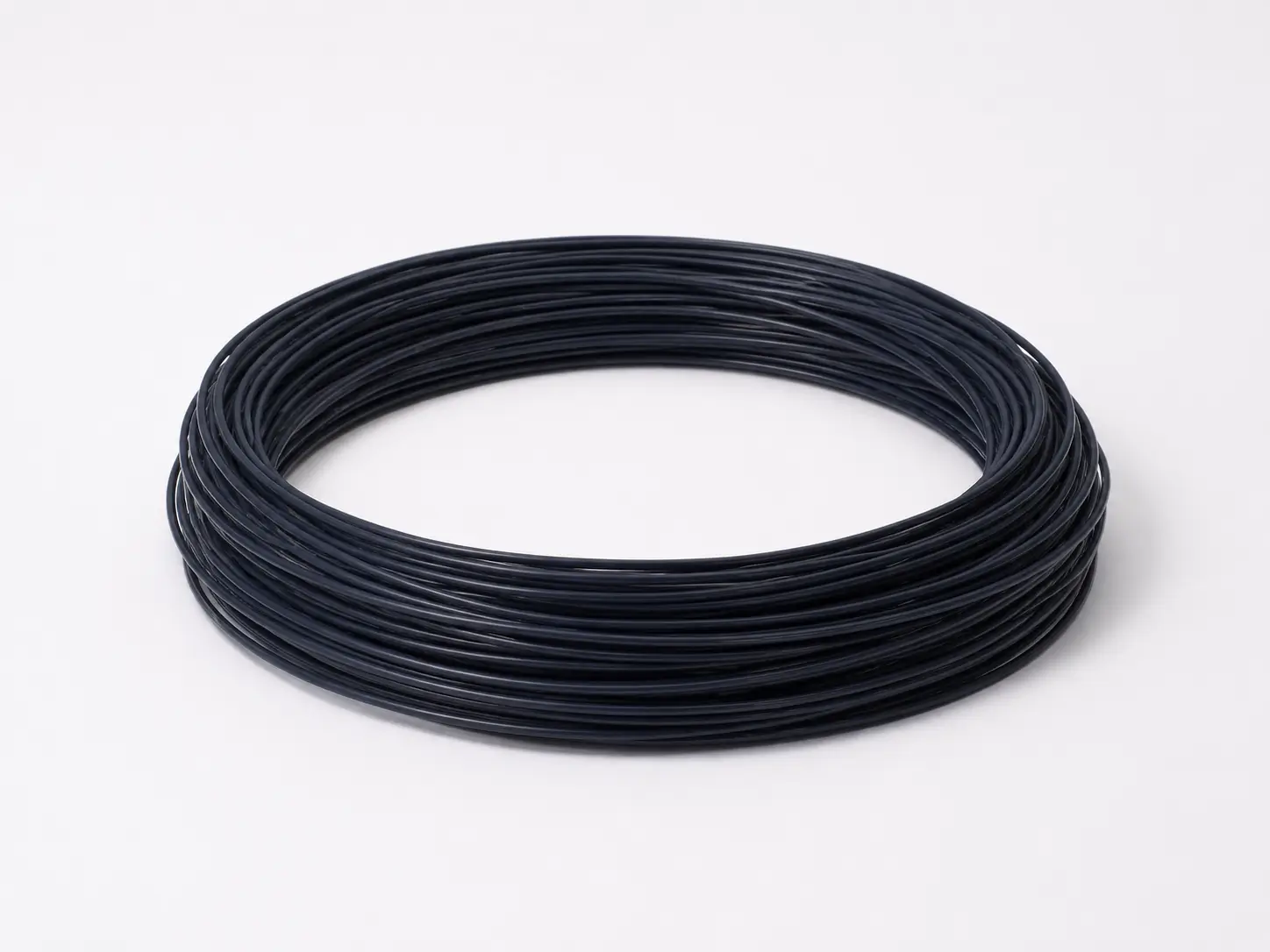
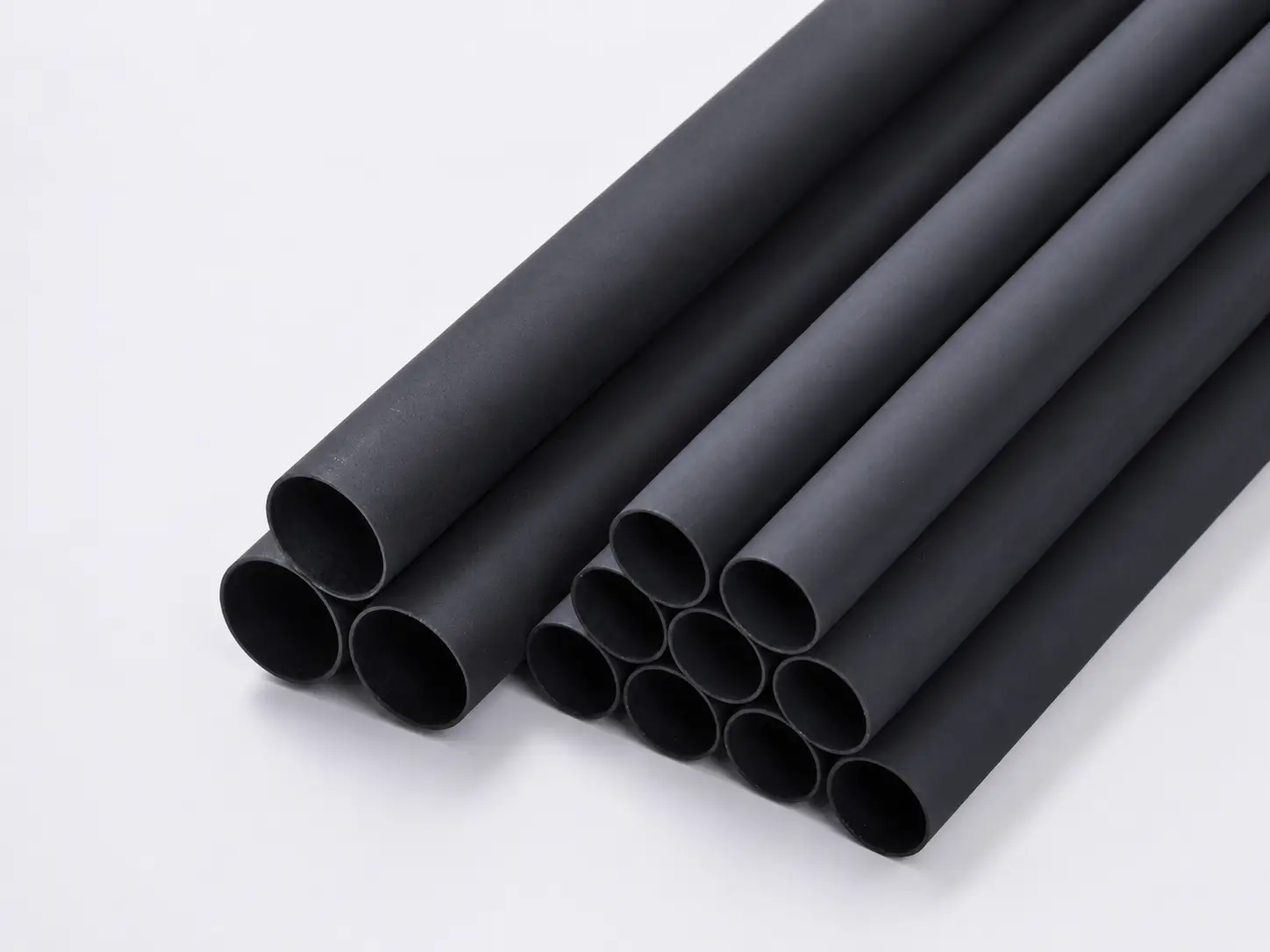
HELE works across multiple MMO anode forms, including wire, ribbon, tubular, disc, rod and custom geometry. The MMO anode product page shows the family; the specific form, coating and deliverables still have to be confirmed against your application.
Geometry is an electrical decision
Shape is not only about fitting through a nozzle or into a groundbed. It sets the exposed surface, distance to the counter-electrode or protected structure, and how current leaves the anode. A plate or mesh may be chosen for a cell with a defined gap and flow path; a wire or ribbon may be routed across a larger protection area. Before comparing quotations, request a drawing that identifies the coated zone, the area or length used for the current rating, and any bare or insulated sections. A photograph cannot settle those details.
For a replacement, check the mounting envelope, fasteners, support material, polarity, conductor route, seal, cable length and access for future removal. If the new design changes the active pattern, the cell or CP designer should review the electrical distribution. “Same outside size” is not enough if active length, masking or cable transition has changed.
Substrate, coating and connection need separate acceptance
A titanium MTC establishes a base-metal identity against a material specification. It does not show that the finished coating has the intended composition, loading or adhesion. Likewise, a coating measurement does not prove that the cable joint is sealed. Put these as separate lines in the order and ask what record will demonstrate each one. Where a loading or thickness value is specified, agree the unit, whether it applies to a side or total area, sampling locations, test method and acceptance limit. Without that definition, two certificates with similar-looking numbers may not be comparable.
4. What would make a life or test claim credible?
A number of years is not a standalone property of the coating. It depends on current, active area, electrolyte or exposure medium, temperature, operating time, connection integrity and an agreed end-of-life criterion. Ask whether a stated life is a design target, a laboratory test result, field history or a commercial warranty. They are different forms of evidence.
| Evidence | What it can tell you | What it does not establish alone |
|---|---|---|
| Substrate MTC and lot identity | Material traceability against the ordered base-metal specification. | Coating quality or service life. |
| Coating-batch and active-zone records | What was applied and where, subject to the agreed record scope. | Performance in an untested electrolyte. |
| XRF at stated locations | Surface elemental readings under a documented method. | Total precious-metal loading, adhesion or life without a validated link. |
| Electrical or accelerated test | Behavior under the stated cell, environment, load and end point. | An unconditional field-life guarantee. |
Ask which of these records is routinely supplied, which is available only when specified, and which would need a separate qualification. A test is useful only when its conditions and acceptance limit match the decision you are making.
Read accelerated testing as a comparison, not a calendar
An accelerated test deliberately changes the stress on an anode so that a failure or degradation trend can be observed sooner. It is informative only when the sample, electrolyte, temperature, current density, cell setup and end point are stated. If the test is compared with field service, ask for the rationale that connects the two. A result in a clean laboratory cell does not by itself predict life in a contaminated process stream or a poorly sealed installation.
Ask which element is actually warranted: the coating, the delivered assembly or a defined period of operation under agreed conditions. Design life, a batch test and a warranty may all appear in a proposal, but they answer different questions. If one supplier quotes an extended life, compare the coating and operating basis alongside the price rather than treating the larger year number as self-explanatory.
5. What should be checked during installation and later diagnosis?
An anode can be correctly manufactured and still underperform because a cable is damaged, a seal is exposed to the wrong medium, a contact heats under load or the controller operates outside the design window. The purchase order should state which checks happen before shipment, at installation and after energizing. These are three different opportunities to find a problem.
- Before shipment: identify the anode and coating lot; record the active geometry, connection and agreed electrical or coating checks.
- At installation: confirm position, polarity, cable protection, mechanical support and that the sealed transition sits in the intended environment.
- At start-up: record actual current and voltage against the design basis, plus any process output or CP potential used to judge the system.
- In service: trend the relevant readings and document changes in chemistry, rectifier settings, cleaning or asset condition before assuming coating exhaustion.
For ICCP, protection criteria, reference-electrode measurements and rectifier adjustments belong to the CP design and commissioning plan. For electrolysis, process yield and gas or oxidant quality depend on the complete cell. A buyer should name the party responsible for those system-level results instead of leaving the anode supplier's warranty to imply responsibility for them.
6. How do you compare two quotations fairly?
Put both offers beside the same drawing and operating basis. Compare active area or output definition, coating requirement, substrate and fabrication, cable/seal scope, inspection, spare items, documentation, delivery and exceptions. A lower unit price may simply exclude a connection, a test or a longer cable.
If an offer proposes an “equivalent” replacement, request a controlled comparison of coated zones, electrical duty, mounting, connection and acceptance—not just outside dimensions. Where HELE is supplying only the anode, CP system design, cell hydraulics, rectifier selection or site commissioning remain with the parties named in the project scope unless expressly contracted.
| Quotation line | Make both suppliers state | Common hidden difference |
|---|---|---|
| Functional basis | Duty, medium, rated current and active-area definition. | Different denominators behind the same current-density figure. |
| Delivered assembly | Substrate, geometry, coating zone, cable, seal and supports. | One price covers a bare anode; another covers an installable assembly. |
| Qualification | Included inspections, sampling, reports and any test coupons. | A promised test is omitted from the unit price or has no agreed limit. |
| Commercial scope | Quantity, spares, packaging, delivery and exceptions. | The cheapest line excludes site-critical accessories or documentation. |
For HELE, the productive next step is an application review against the buyer's duty and drawing, not a generic claim that every MMO form is available with every coating. Ask HELE to identify the proposed construction, any assumptions that need confirmation, and exactly which inspection records the quotation includes.
7. What should go into the RFQ?
- Application and desired reaction, or protected structure and CP designer.
- Electrolyte or exposure medium, normal and upset conditions, temperature and cleaning.
- Current, voltage, duty cycle and the area or length behind every rating.
- Drawing with substrate, active zones, form, dimensions, cable, seal and installation interfaces.
- Required life basis, tests, reports, certificates, quantity, spares and delivery destination.
The general list is only a starting point. Add the items that belong to your duty so the supplier does not have to infer a process from a product name:
| Application path | Add these decision-making inputs |
|---|---|
| Chlorine evolution | Chloride and impurity ranges, target process product, flow, cell drawing, counter-electrode arrangement, cleaning and output measurement. |
| Oxygen evolution | Full electrolyte, pH or acidity, contaminants, current profile, shutdown exposure, gas or process target and any selectivity requirement. |
| ICCP | Protected structure, exposure medium and resistivity, CP design current, rectifier range, anode location, cable route, monitoring plan and CP designer. |
Attach existing drawings and operating records when replacing an installed anode. If some values are unavailable, identify them as open questions; this lets HELE state quotation assumptions without turning an unknown into a fictitious specification.

Questions buyers often ask
Can one MMO coating serve every chloride-containing process?
No. The intended reaction, full chemistry and electrical loading matter. Chloride concentration alone does not establish the coating choice.
Does an XRF result prove precious-metal loading?
Not automatically. XRF gives surface elemental readings under a stated method. A loading claim needs its own defined measurement and acceptance basis.
Can I specify service life from a catalogue figure?
Only if the catalogue's medium, current, active geometry, duty and end-of-life definition match the intended use. Otherwise, request a project-specific life basis.
Why can two anodes with the same dimensions have different prices?
The active coated area, coating requirement, cable and seal assembly, test scope and documentation may differ even when the outer envelope is identical. Compare the complete supply definition before comparing unit prices.
What if the old anode failed sooner than expected?
Do not assume the coating alone was the cause. Bring operating current and voltage trends, chemistry or site measurements, installation photos and connection condition into the review. That evidence helps identify whether replacement, repair or a system change is needed.