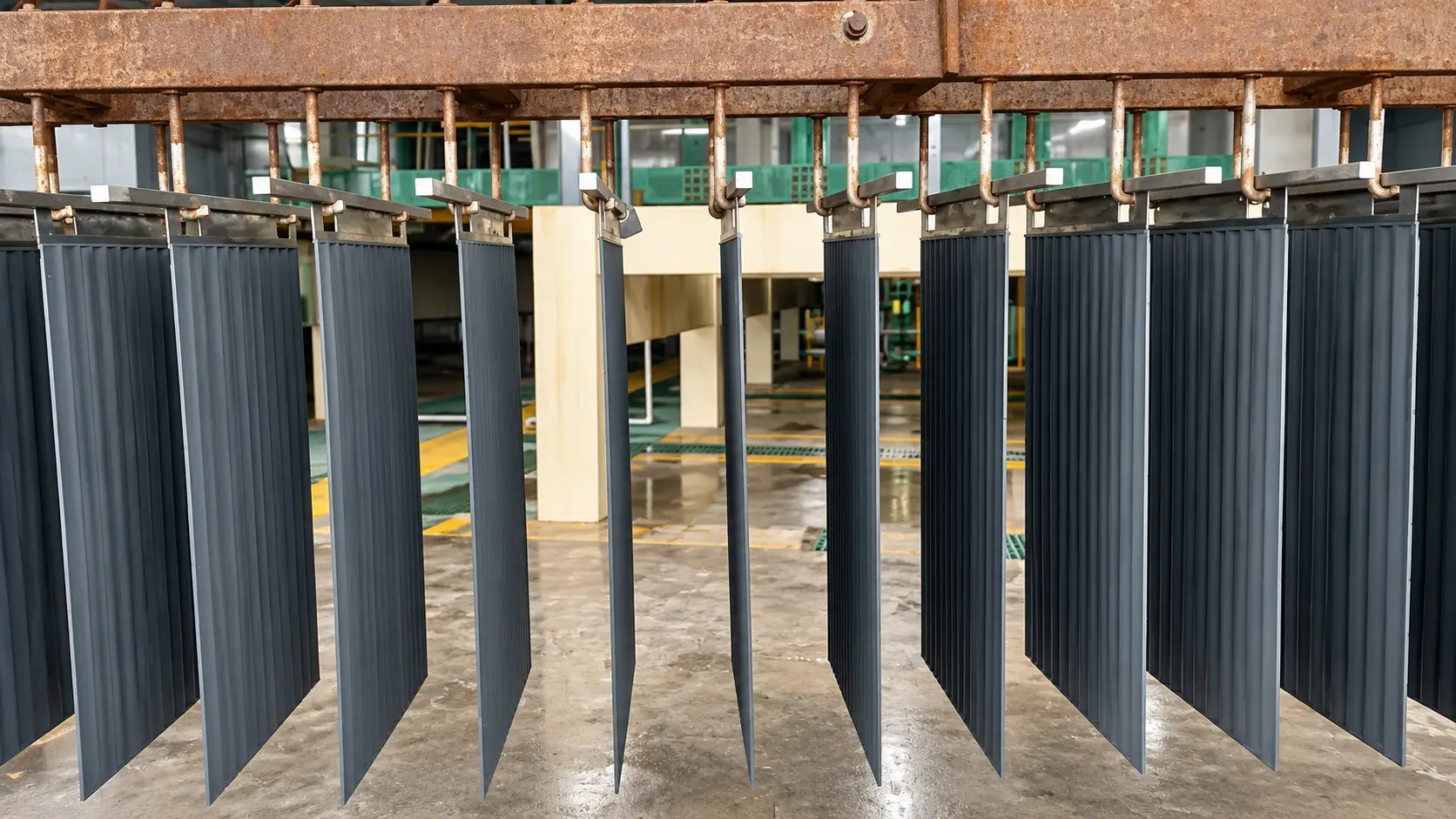
Lead Dioxide Titanium Anode Manufacturer
Factory-direct PbO₂/Ti anodes engineered for high oxygen evolution potential, powerful oxidation, aggressive wastewater treatment, electrowinning, hydrometallurgy, electroplating, and harsh acidic electrochemical systems.
High Oxygen Evolution Potential for Harsh Oxidation Systems
When ordinary anodes cannot oxidize persistent pollutants efficiently, PbO₂/Ti provides stronger anodic oxidation power.
PbO₂/Ti anodes are engineered for processes that require high anodic potential and strong oxidative capability. Their high oxygen evolution potential helps direct more electrochemical energy toward target oxidation reactions instead of wasting it on early oxygen evolution.
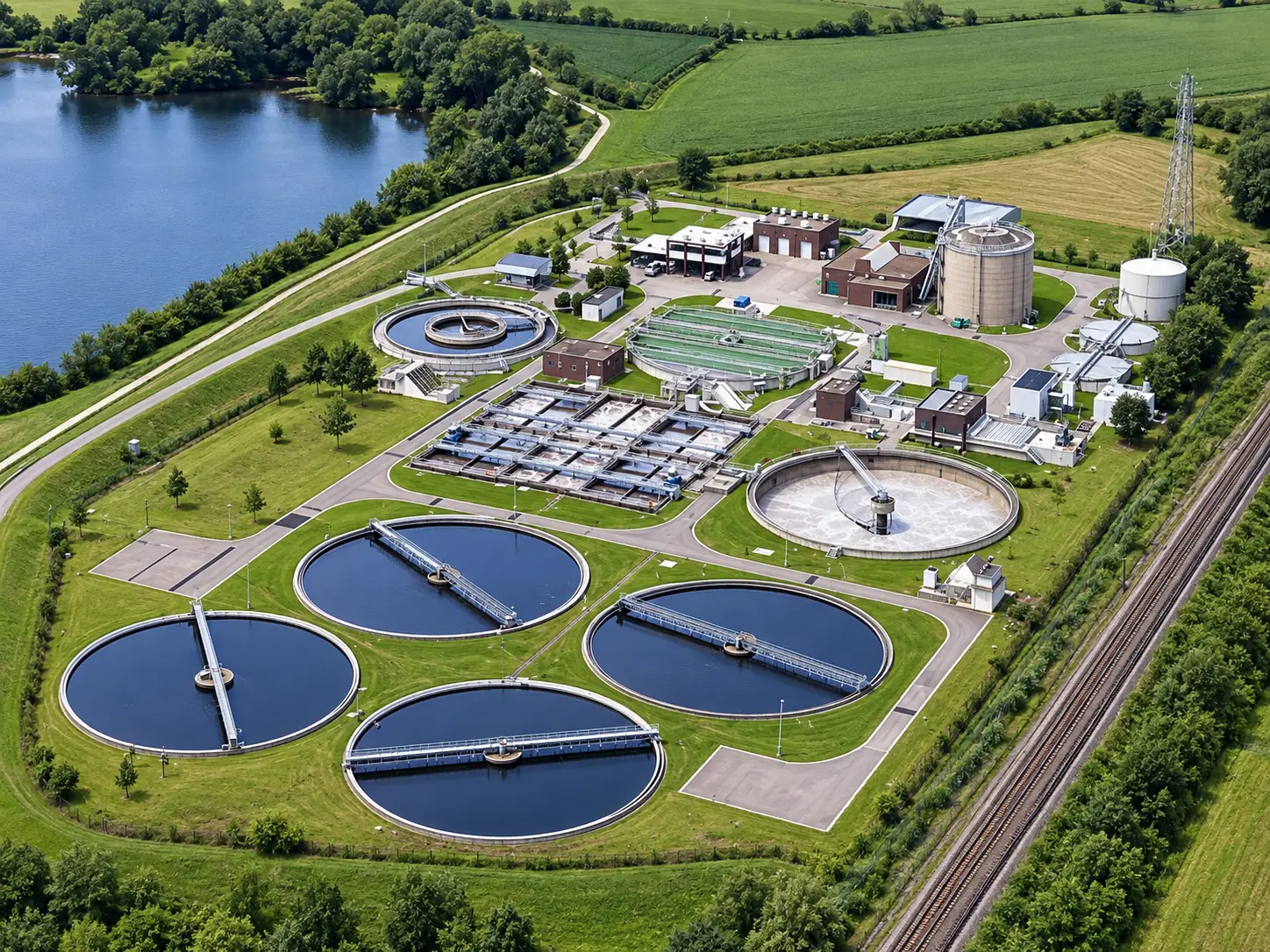
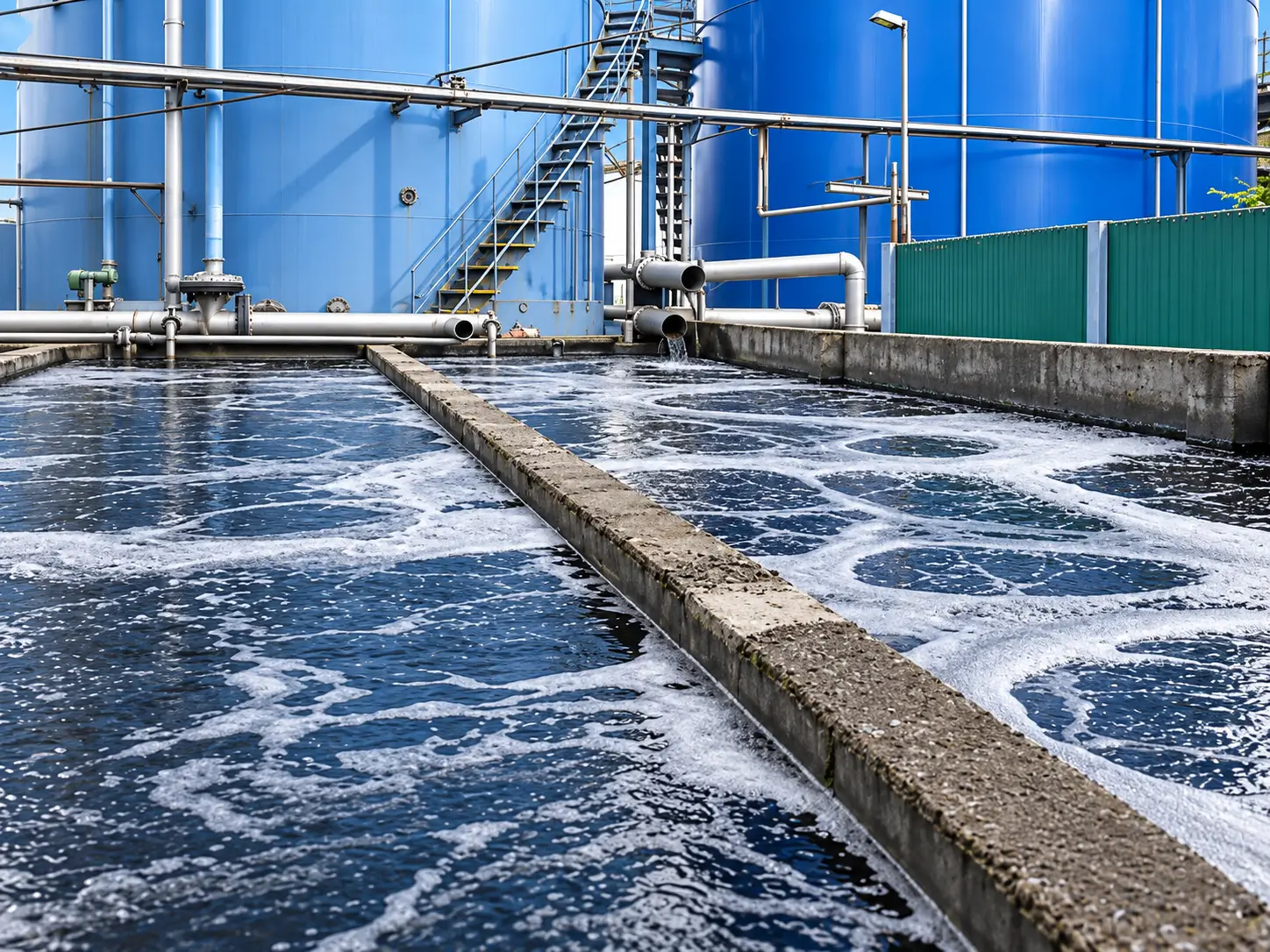
Hele Titanium manufactures titanium-based lead dioxide anodes with controlled substrate preparation, protective intermediate layers, electrodeposited PbO₂ coating, and strict SEM / XRF / adhesion verification. These anodes are designed for high-COD wastewater, dye degradation, phenol treatment, hydrometallurgy, electrowinning, electrochemical synthesis, and other aggressive oxidation processes.
- High Oxygen Evolution Potential
- β-PbO₂ Active Layer
- Sn-Sb Intermediate Layer
- SEM & XRF Verified Coating
Quality Assurance
SEM & XRF Verified
When Should You Choose PbO₂/Ti Lead Dioxide Anodes?
PbO₂/Ti anodes are selected when high oxygen evolution potential, strong oxidation capability, acid durability, and cost-effective large-scale operation are more important than high-purity inert behavior or reaction-specific MMO selectivity.
Best for Strong Oxidation
PbO₂/Ti anodes provide high oxygen evolution potential, making them suitable for advanced oxidation of difficult organic pollutants and aggressive industrial effluents.
- • High-COD wastewater
- • Dye & Phenol degradation
- • Landfill leachate
- • Persulfate synthesis
Different from MMO & Pt/Ti
MMO anodes are reaction-specific. Pt/Ti is ideal for high-purity precision. PbO₂/Ti is chosen when strong oxidation power and cost-effective high-OEP performance are required.
- • PbO₂/Ti: High-OEP oxidation
- • Ru-Ir MMO: Chlorine evolution
- • IrO₂ MMO: Durable OER
- • Pt/Ti: High-purity inert apps
Built Around Layer Integrity
Performance depends on substrate activation, intermediate layer quality, β-PbO₂ coating density, current density, temperature, and handling discipline.
- • Intermediate layer protection
- • β-PbO₂ crystalline structure
- • Current density control
- • Fluoride risk management
PbO₂/Ti Anode Selection Matrix
| Process | Is PbO₂/Ti Recommended? | Reason |
|---|---|---|
| High-COD wastewater treatment | Yes | Strong oxidation power for refractory organics |
| Dye / textile wastewater | Yes | Supports decolorization and organic breakdown |
| Phenol / pharmaceutical wastewater | Yes | High-OEP anodic oxidation capability |
| Landfill leachate treatment | Often yes | Useful for difficult-to-biodegrade pollutants |
| Electrowinning / hydrometallurgy | Yes | Stable operation in acidic metal recovery environments |
| Persulfate / perchlorate synthesis | Yes | High anodic potential supports oxidant generation |
| High-purity precious metal plating | Usually no | Pt/Ti is usually better for contamination-sensitive plating |
| Bulk chlorine evolution | Usually no | Ru-Ir MMO is usually better for CER |
| Lead-free environmental requirement | Caution | Consider IrO₂, BDD, or MMO alternatives if lead is restricted |
Lead Dioxide Titanium Anode Product Series
Hele Titanium manufactures PbO₂/Ti anodes in multiple coating and geometry configurations for aggressive electrochemical oxidation, hydrometallurgy, electrowinning, wastewater treatment, and industrial electrolysis.
Industrial PbO₂ Anode
Focus: Dense electrodeposited PbO₂ coating
Best For: Heavy industrial wastewater, electrowinning
Advantage: Robust structural integrity for continuous high-load operation.
Specialized PbO₂ Anode
Focus: Tightly controlled PbO₂ for harsh electrolytes
Best For: Strong acids, organic-rich wastewater
Advantage: Stable electrochemical potential in corrosive media.
Advanced Oxidation Anode
Focus: High-OEP PbO₂ active layer
Best For: COD removal, dye degradation, phenol
Advantage: High oxygen evolution potential supports strong oxidation.
Catalytic PbO₂ Anode
Focus: Catalytically optimized PbO₂ layer
Best For: High-demand oxidation cells
Advantage: Improved oxidation rate and reduced degradation.
Electrodeposited PbO₂ Anode
Focus: Uniform PbO₂ by controlled electrodeposition
Best For: Hydrometallurgy, plating, continuous systems
Advantage: Dense coating structure with strong adhesion.
PbO₂ Oxidation Electrode
Focus: High-potential anodic oxidation electrode
Best For: Industrial electrolysis, strong oxidizers
Advantage: Stable load performance for 24/7 industrial cycles.
High-Purity PbO₂ Anode
Focus: Controlled PbO₂ layer for precision tasks
Best For: Electrochemical synthesis, large reactors
Advantage: Strong chemical resistance and consistent performance.
PbO₂ Effluent Treatment Anode
Focus: High-efficiency effluent oxidation electrode
Best For: Industrial effluent control, low-pH oxidation
Advantage: Maximum oxidative efficiency for organic destruction.
Choose PbO₂/Ti Anodes by Application
PbO₂/Ti anodes are selected where strong oxidation, high oxygen evolution potential, acid durability, and cost-effective industrial performance are required. Match anode geometry and coating design to your process.
Advanced Oxidation Wastewater
Recommended Form: Plate / mesh / tube
Operating Logic: Generates strong anodic oxidation conditions to break down refractory organics and high-COD pollutants.
Main Benefit: Improves COD reduction, decolorization, and biodegradability.
Dye, Textile & Pharma Effluent
Recommended Form: Mesh / plate / custom
Operating Logic: High-OEP surface supports oxidation of complex organic molecules and color bodies.
Main Benefit: Treats persistent pollutants difficult for biological systems.
Hydrometallurgy & Electrowinning
Recommended Form: Plate / mesh / rod
Operating Logic: Supports acidic metal recovery and electrochemical oxidation in sulfate-based electrolytes.
Main Benefit: Stable current output and reduced deformation vs lead alloy.
Electroplating & Chrome Plating
Recommended Form: Plate / mesh / custom
Operating Logic: Provides stable anodic behavior in corrosive plating baths.
Main Benefit: Supports consistent plating conditions and reduced downtime.
Electrochemical Synthesis
Recommended Form: Plate / tube / custom cell
Operating Logic: Enables production of strong oxidizing agents such as persulfates and perchlorates.
Main Benefit: High anodic potential improves selectivity and Faradaic efficiency.
Pilot & R&D Oxidation Reactors
Recommended Form: Disc / strip / small plate
Operating Logic: Supports lab-scale validation of high-OEP oxidation processes before scale-up.
Main Benefit: Custom geometry and coating thickness help accelerate R&D.
Customized PbO₂/Ti Anodes: Engineered for Extreme Conditions
PbO₂/Ti anodes must be engineered around more than shape. Coating density, intermediate-layer protection, crystalline structure, current density, electrolyte chemistry, and reactor flow all affect performance and service life. Hele Titanium customizes lead dioxide titanium anodes to match your exact oxidation process.
Bespoke Geometry & Scaling
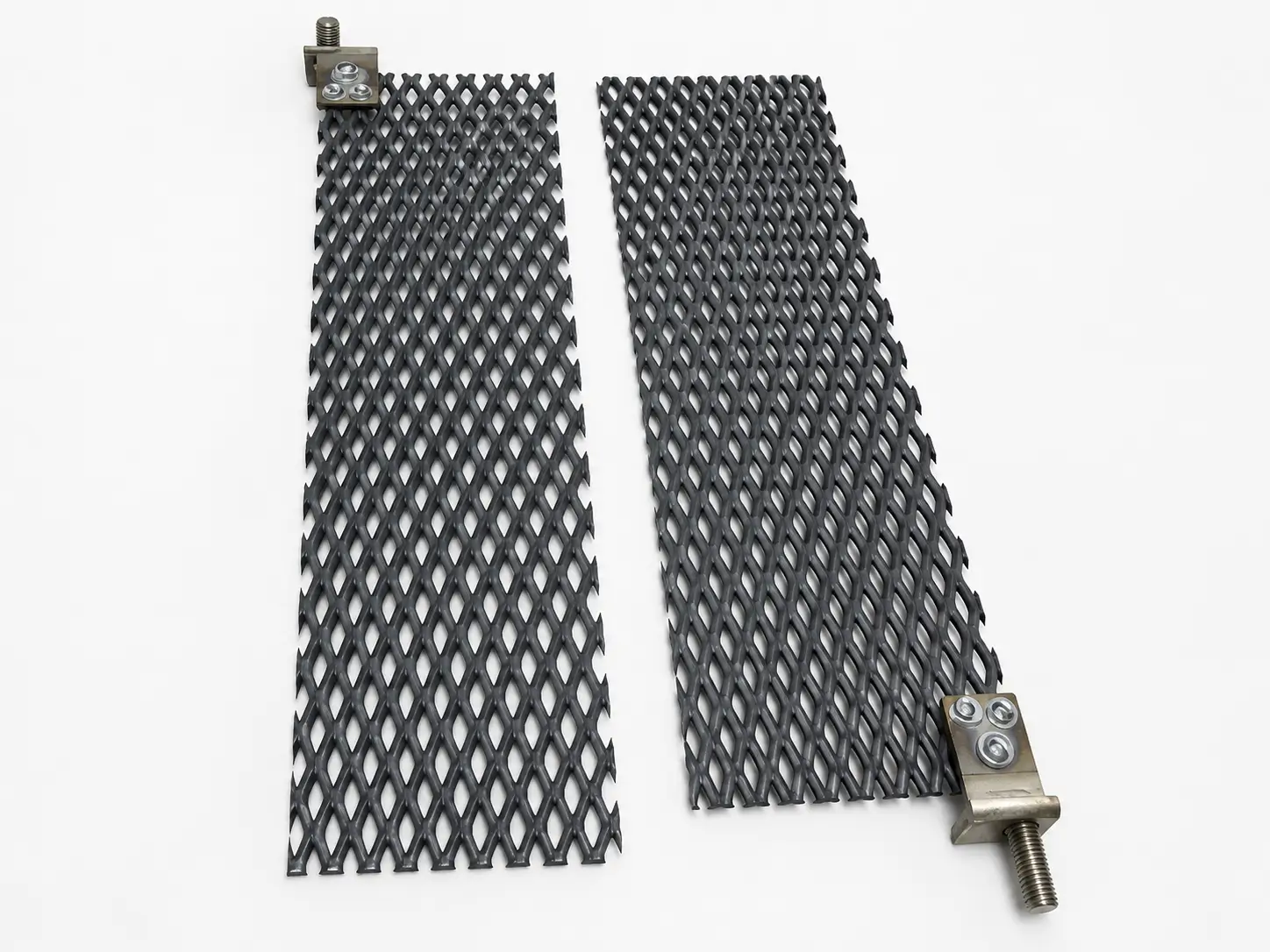
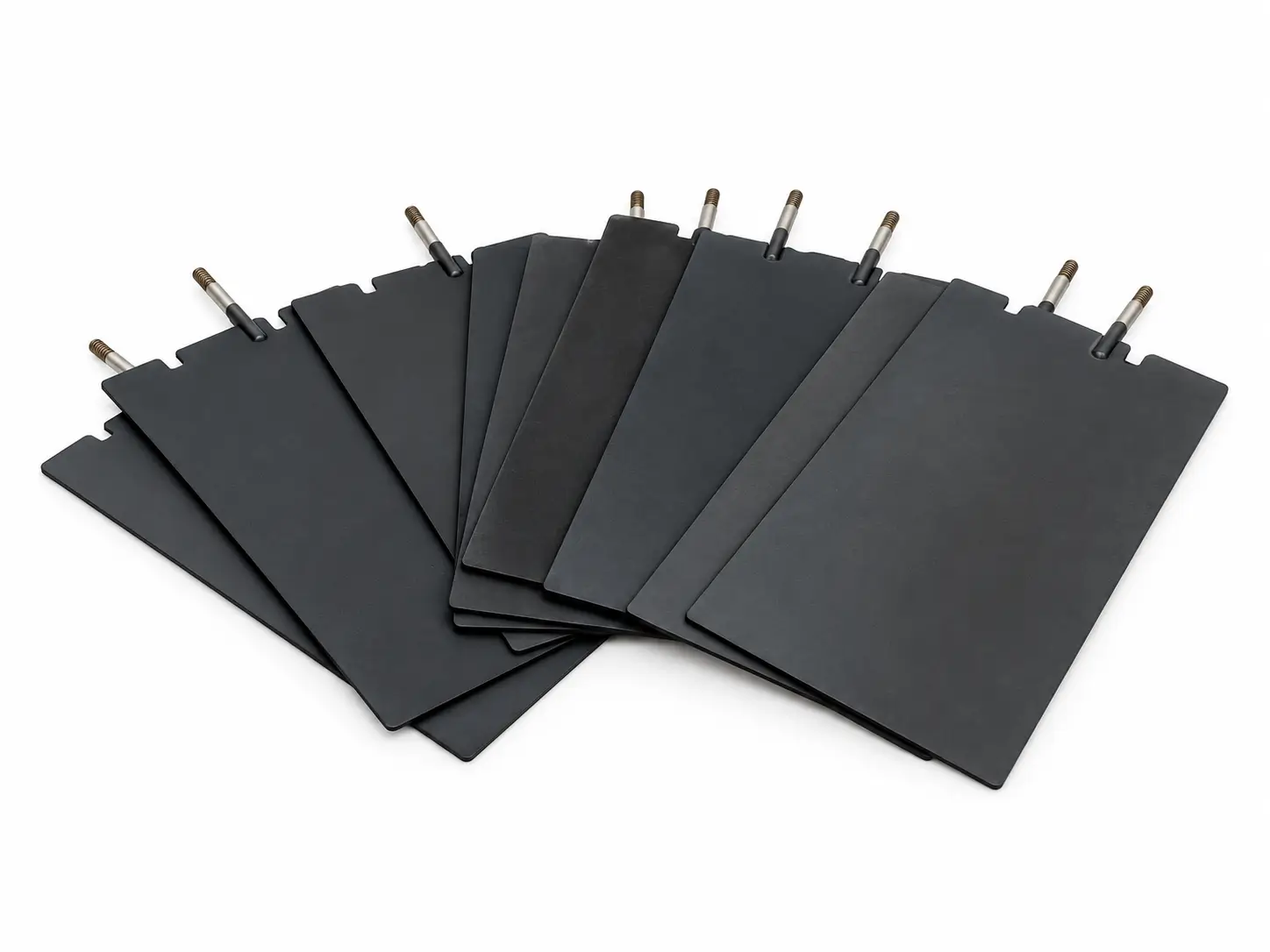
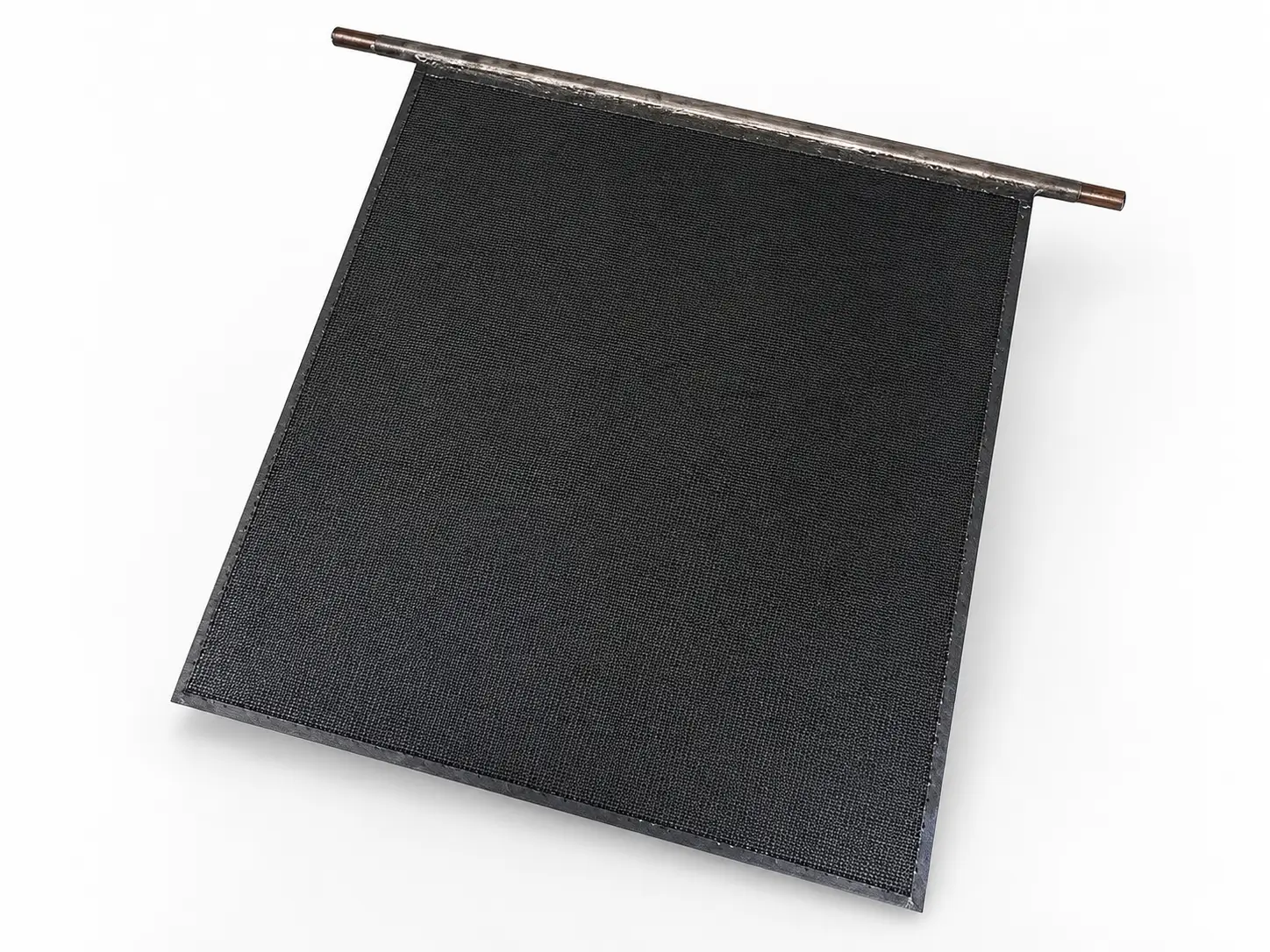
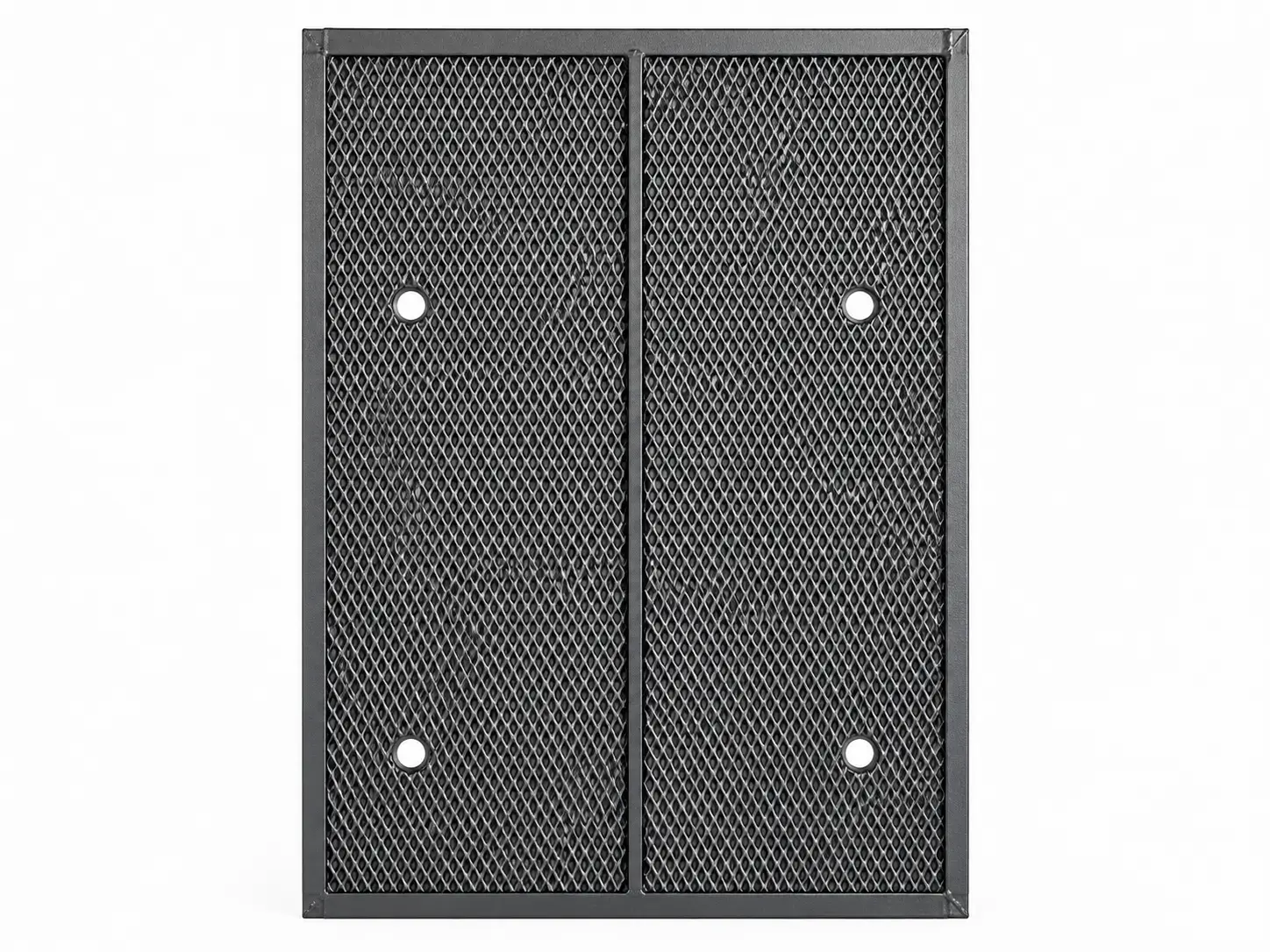
Plates, tubes, mesh, rods, discs, strips, and custom reactor electrodes manufactured to match your dimensions and current distribution needs.
Intermediate Layer Engineering
Protective interlayers such as Sn-Sb oxide help reduce titanium substrate passivation and improve long-term conductivity.
β-PbO₂ Coating Control
Coating thickness, density, morphology, and crystalline phase are controlled to balance oxidation power, durability, and project cost.
What We Need From You
- • Application & Electrolyte
- • pH & Operating Temp
- • Fluoride/Chloride levels
- • Target current density
- • Desired service life
- • Form & dimensions
- • Connection requirements
Quality Control: Engineering Reliability for Harsh Oxidation
Lead dioxide anodes operate in some of the most punishing electrochemical environments. Our quality system verifies substrate surface engineering, intermediate-layer integrity, PbO₂ coating morphology, thickness uniformity, adhesion, and accelerated lifespan before shipment.
Titanium Substrate Preparation
Grade 1 / Grade 2 titanium is cleaned, sandblasted, and chemically etched to create an anchor profile for PbO₂ layer adhesion.
Intermediate Layer Verification
The protective intermediate layer, such as Sn-Sb oxide, is verified to reduce titanium substrate passivation and improve conductivity.
β-PbO₂ Electrodeposition
PbO₂ is electrodeposited under controlled current density, chemistry, and temperature to form a dense active oxidation layer.
SEM Morphology Analysis
Scanning Electron Microscopy can be used to inspect crystalline structure, coating density, and crack control for electrolyte penetration resistance.
XRF & Thickness Verification
XRF analysis confirms coating thickness uniformity and composition accuracy across the active surface.
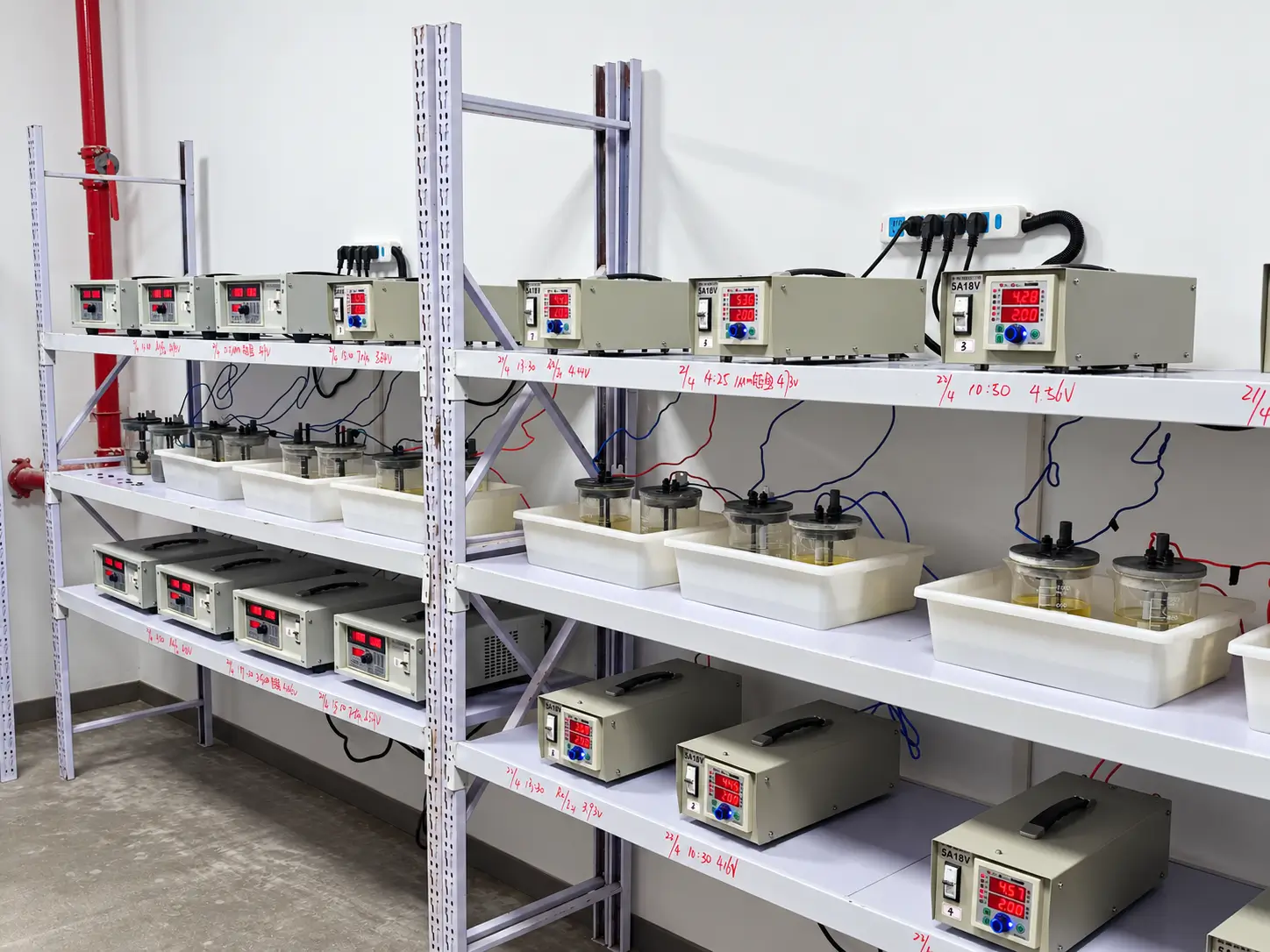
Adhesion & Accelerated Life Testing
Adhesion checks and high-current stress testing validate coating integrity and expected durability under industrial oxidation conditions.
Performance Proof for Aggressive Oxidation Systems
- SEM morphology support
- XRF thickness & composition report
- Intermediate layer verification
- Adhesion test record
- Accelerated lifespan test support
- MTC & certified test report
Handling Warning
PbO₂ coatings are hard but mechanically brittle. Fluoride contamination, excessive current density, high temperature, unstable power supply, abrasive cleaning, and mechanical impact can shorten service life or damage the coating.
Why Engineers Choose Hele Titanium for PbO₂/Ti Anodes
PbO₂/Ti anodes are mission-critical components in harsh oxidation, wastewater, hydrometallurgy, and electrowinning systems. We combine electrodeposition expertise, titanium fabrication, coating quality control, and factory-direct support to reduce long-term operating risk.
High-OEP Expertise
Support for advanced oxidation, COD reduction, hydrometallurgy, and electrowinning.
Advanced Electrodeposition
Controlled process supports a dense, uniform PbO₂ layer with strong adhesion.
Intermediate Layer Control
Protective interlayers help prevent titanium passivation and improve current transfer.
SEM & XRF Quality
Morphology review and XRF verification confirm layer structure and composition.
Custom Geometry
Plates, mesh, tubes, rods, and custom reactor electrodes manufactured to drawings.
No-MOQ Prototypes
Support for R&D samples, pilot reactors, and full-scale industrial arrays.
Fast Global Delivery
Schedules planned around project urgency and geometry complexity.
Factory-Direct Export
Protective packaging, traceability records, and global shipping support simplify procurement.
Technical FAQ: Lead Dioxide Titanium Anodes
Find practical answers about PbO₂/Ti performance, high oxygen evolution potential, coating durability, environmental considerations, and procurement.
Performance & Oxidation Capability
What is a PbO₂/Ti lead dioxide titanium anode?
How does high oxygen evolution potential benefit my process?
Durability & Operating Limits
Why is the intermediate layer important?
What causes premature PbO₂ coating failure?
Safety, Maintenance & Compliance
Is there a risk of lead contamination?
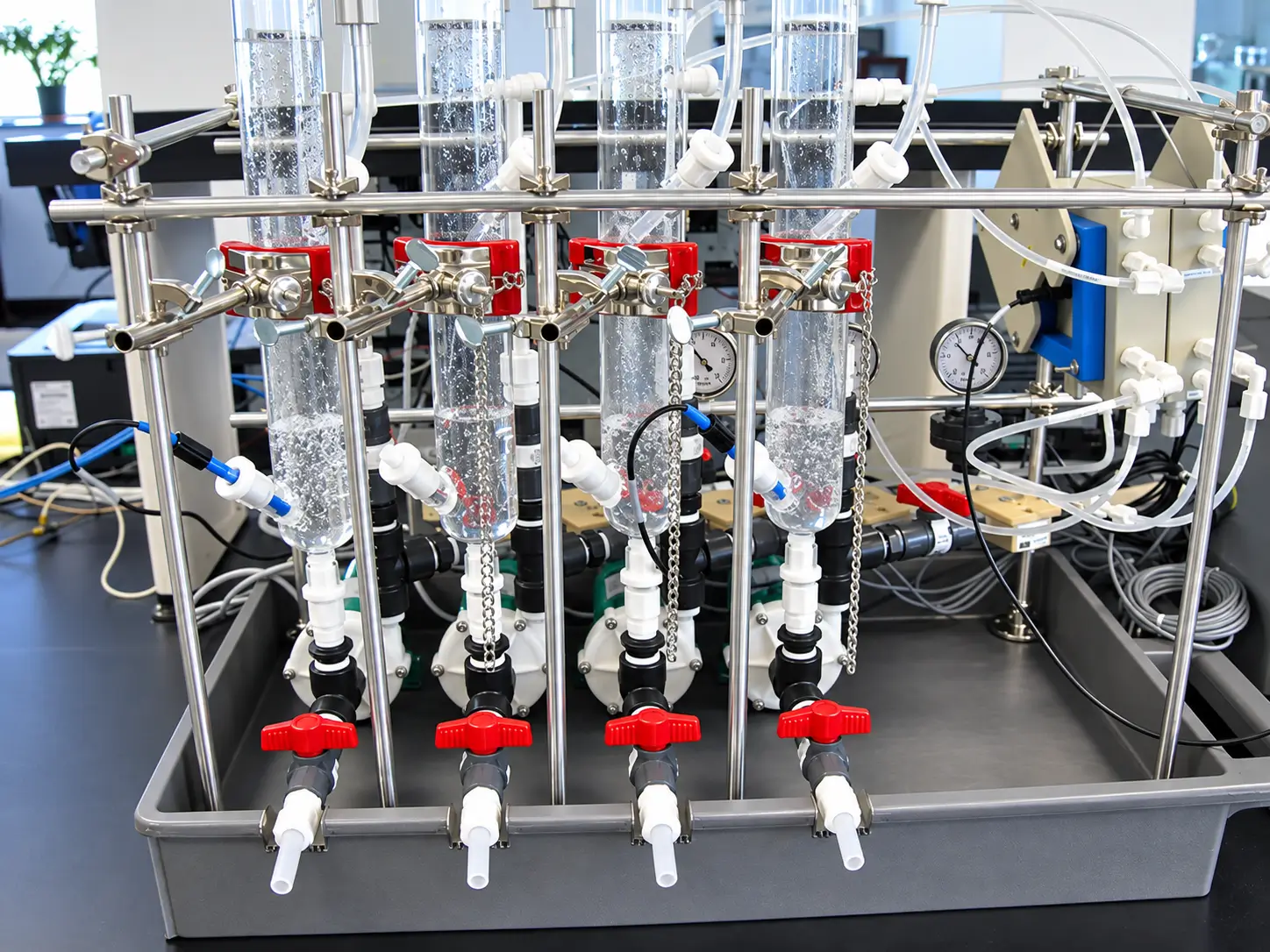
Inside Our Manufacturing & Quality System
See how we produce, inspect, and document titanium products as a direct manufacturing partner.
See how platinized titanium anodes move from titanium substrate preparation through surface activation, platinum coating, inspection, and final packing.
Titanium Substrate Preparation
Surface Activation & Cleaning
Precision Platinum Coating
Final Packing & Release
Need production photos, coating reports, or technical documentation? Contact our team for direct factory support.
Request DocumentationThe Essential Buyer’s Guide to Lead Dioxide Titanium Anodes
PbO₂/Ti anodes are engineered for high oxygen evolution potential, strong oxidation power, and harsh electrochemical environments. Their performance depends on titanium substrate quality, intermediate-layer design, β-PbO₂ coating density, electrodeposition control, current density, electrolyte chemistry, and careful operation. This guide helps engineers specify PbO₂/Ti anodes with better oxidation performance and lower failure risk.
Before You RFQ PbO₂/Ti Anodes, Confirm These 5 Things
- Application: wastewater oxidation, COD removal, electrowinning, hydrometallurgy, etc.
- Electrolyte: pH, temperature, acid type, fluoride/chloride levels, contaminant profile.
- Electrical: current density, voltage window, and total current output.
- Geometry: plate, mesh, tube, rod, custom reactor shape.
- Documentation: SEM, XRF, adhesion test, ALT data, MTC required?
1. What Is a Lead Dioxide Titanium Anode?
A brief overview of the fundamental composition and function of PbO₂/Ti anodes in electrochemical applications.
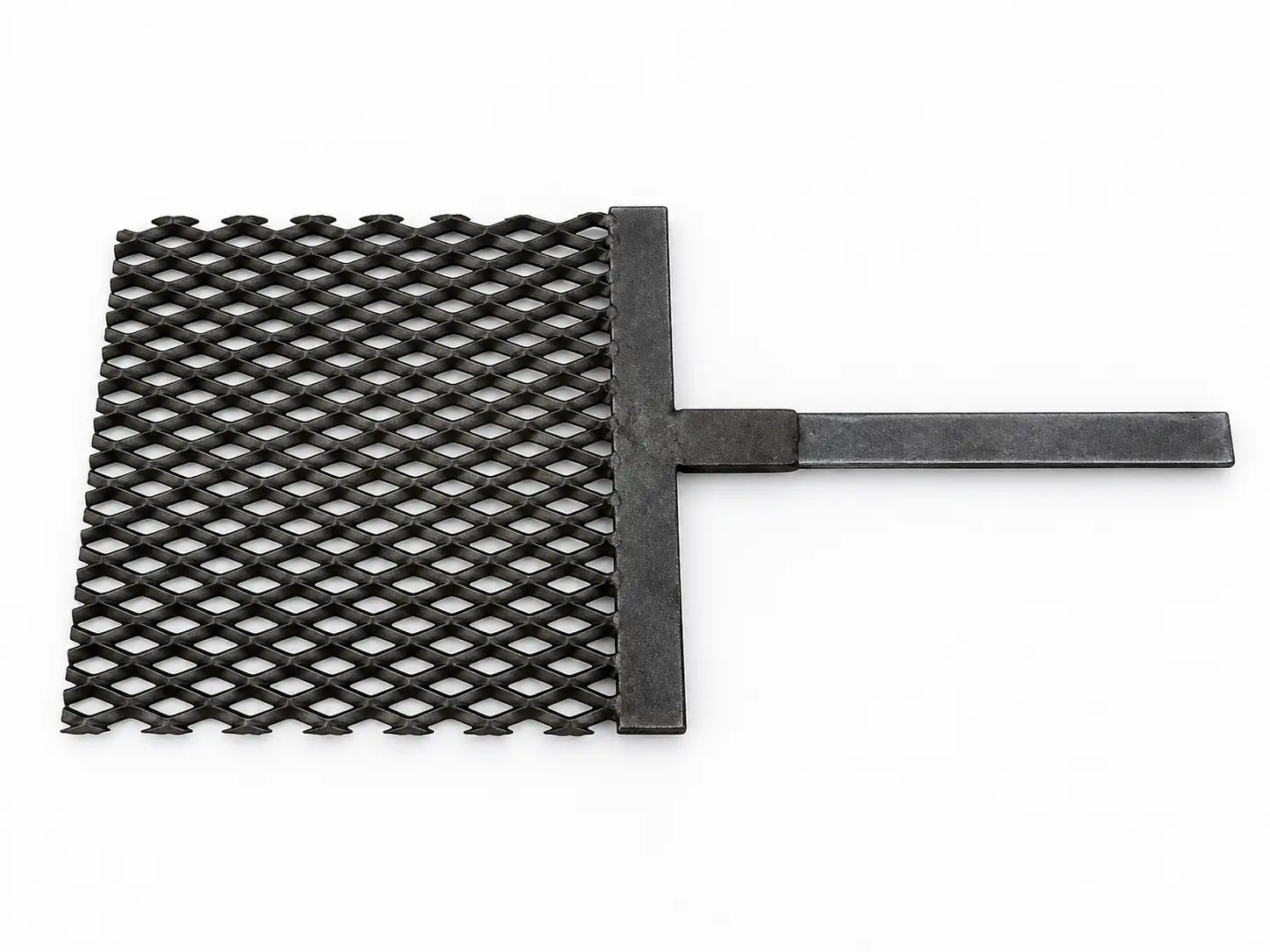
A PbO₂/Ti anode is a dimensionally stable anode consisting of a titanium substrate coated with a functional lead dioxide layer. The titanium provides mechanical strength and dimensional stability, while the PbO₂ coating provides high oxygen evolution potential and strong oxidation capability.
2. Why High Oxygen Evolution Potential Matters
Understanding how high OEP improves energy efficiency and targets specific oxidation reactions.
High OEP helps suppress premature oxygen evolution. In aqueous solutions, applying current often splits water into oxygen gas. If the anode has a low OEP, energy is wasted making bubbles. A high-OEP anode like PbO₂ forces the electrical energy to drive target oxidation reactions, such as destroying difficult organic pollutants or generating strong oxidants.
3. Key Advantages of PbO₂/Ti Anodes
Explore the core benefits that make these anodes ideal for harsh and demanding environments.
| Advantage | Benefit & Application |
|---|---|
| Strong Oxidation Power | Highly effective for destroying refractory organics. |
| High Oxygen Evolution Potential | Suppresses premature oxygen evolution, directing electrical energy to target reactions. |
| Wastewater Treatment Efficacy | Highly effective for difficult wastewater treatment with high COD levels. |
| Acid Durability | Excellent resistance in harsh environments like sulfuric acid baths. |
| Lower Sludge Risk | Reduced sludge generation compared to traditional lead alloy anodes when properly operated. |
| Customizable Geometries | Can be tailored for specific and complex reactor designs. |
4. Technical Specifications
Standard material properties, operating parameters, and available configurations for industrial use.
| Substrate | ASTM B265 Grade 1 / Grade 2 titanium |
|---|---|
| Active Coating | PbO₂, preferably β-PbO₂ for high conductivity |
| Intermediate Layer | Sn-Sb oxide or project-specific protective layer |
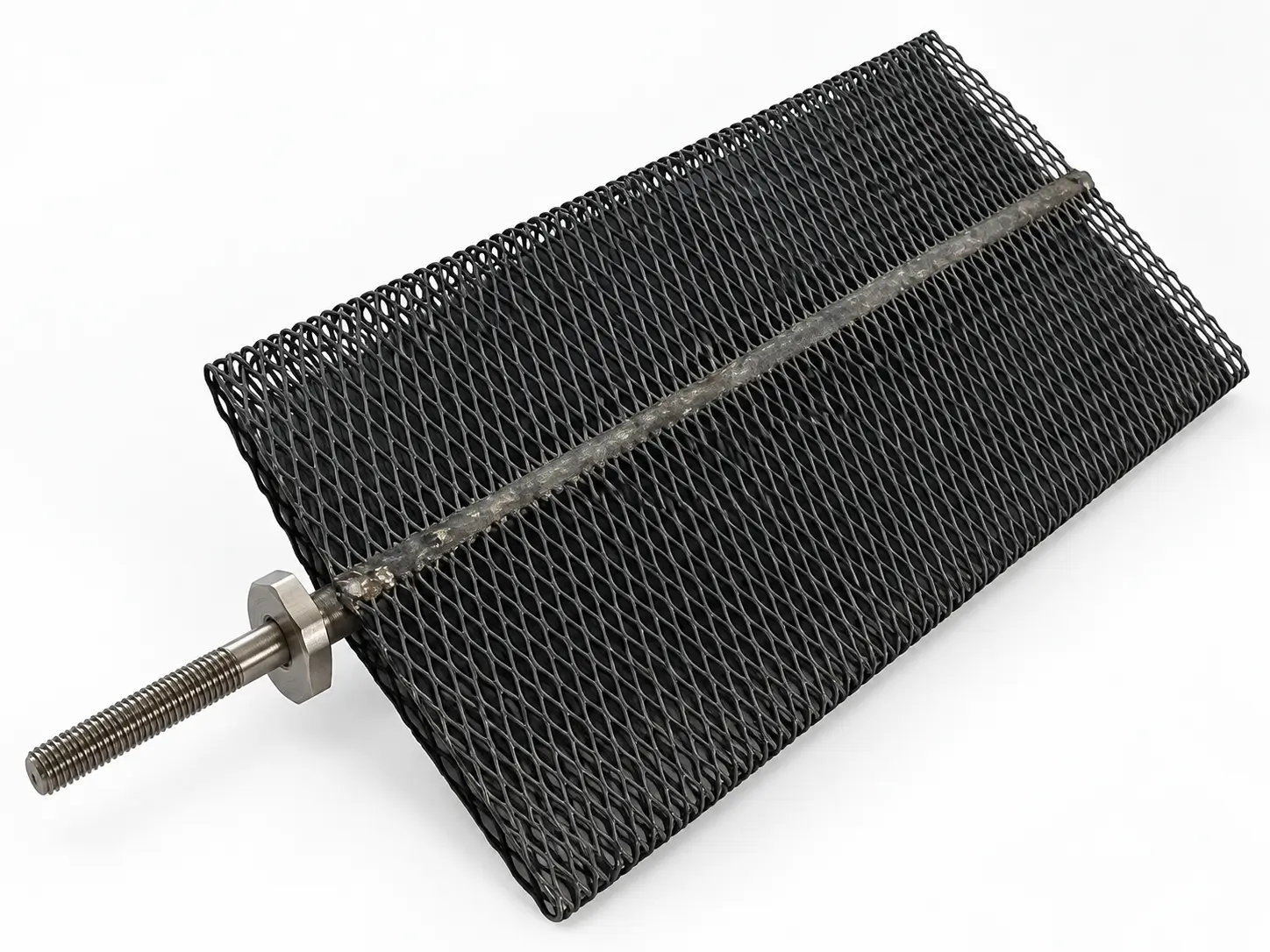
| Available Forms | Mesh, plate, rod, wire, tube, custom geometries |
| Current Density | Application-dependent, commonly 1,000–1,500 A/m² |
| Operating Temp | Typically up to 60°C, project-specific |
5. Manufacturing Process & Coating Technology
A look into the precision engineering steps required to ensure robust adhesion and optimal anode lifespan.
The performance and lifespan of PbO₂/Ti anodes heavily rely on the precision of the coating process. Manufacturing typically involves several crucial stages to ensure durability and robust adhesion:
| Manufacturing Stage | Process Details & Technology |
|---|---|
| Substrate Preparation | Pre-treatment of the titanium substrate to ensure a clean, receptive surface. |
| Intermediate Protective Layer | Application of Sn-Sb oxide via thermal decomposition to prevent titanium base passivation and ensure robust adhesion. |
| Active Layer Deposition | Precision electrodeposition of a dense β-PbO₂ active layer for optimal performance and extended lifespan. |
6. Typical Applications & Industries
Discover the primary industrial sectors relying on the strong oxidation capabilities of PbO₂/Ti anodes.
Due to their exceptional chemical stability and oxidation capabilities, PbO₂/Ti anodes are deployed across several demanding industrial sectors:
| Industry / Application | Specific Uses |
|---|---|
| Advanced Oxidation Processes (AOPs) | Treatment of refractory wastewater, including textile dyeing effluents, pharmaceutical waste, and landfill leachate. |
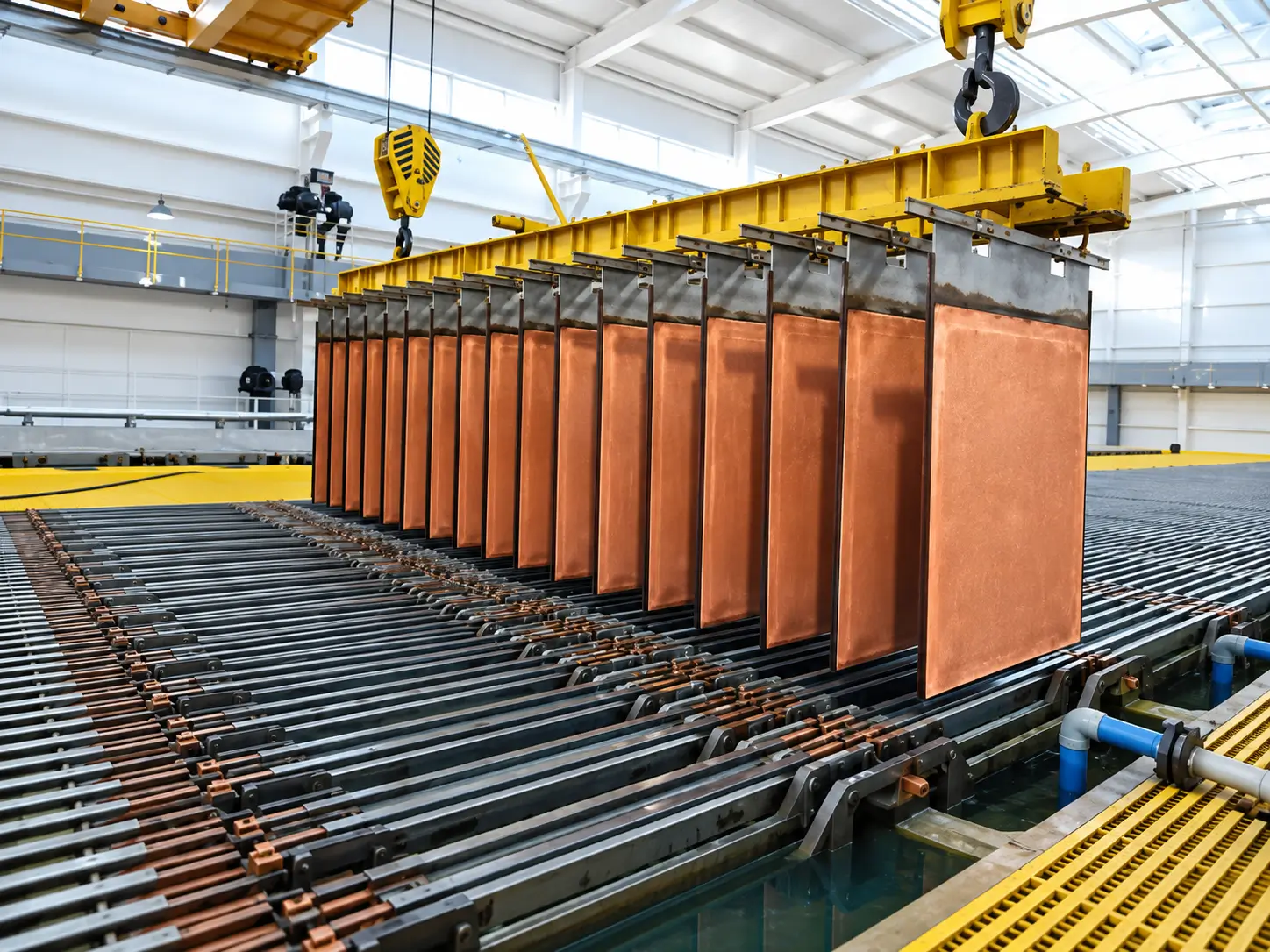
| Electrowinning & Hydrometallurgy | Extraction of non-ferrous metals like copper, zinc, and nickel in highly acidic sulfate baths. |
| Electrochemical Synthesis | Production of strong oxidants and specialty chemicals. |
| Ozone Generation | Electrolytic production of ozone for water purification. |
7. PbO₂/Ti vs MMO vs Pt/Ti vs Lead Alloy
A comparative analysis to help select the right anode material based on performance and cost profile.
| Feature | PbO₂/Ti | MMO / DSA | Pt/Ti |
|---|---|---|---|
| Primary Function | Strong oxidation | CER or OER | High-purity inert |
| Oxidation Power | Very High | Moderate | Low (Inert) |
| Cost Profile | Cost-effective for heavy scale | Moderate to High | Very High |
| Best Fit | Wastewater, Hydrometallurgy | Chlor-alkali, Water ionizers | Precision plating |
8. Quality Control & Testing Standards
The rigorous testing protocols employed to guarantee operational reliability and coating integrity.
To guarantee operational reliability in aggressive environments, premium PbO₂/Ti anodes undergo rigorous quality assurance protocols. Critical tests include:
| Testing Protocol | Verification Purpose |
|---|---|
| X-Ray Fluorescence (XRF) | Verifies coating thickness, uniformity, and precise elemental composition. |
| Scanning Electron Microscopy (SEM) | Inspects surface morphology to ensure a dense, crack-free crystalline structure. |
| Accelerated Life Testing (ALT) | Simulates extreme current densities to accurately predict service life. |
| Adhesion Testing | Ensures the active layer will not delaminate under thermal or electrical stress. |
9. Customization & Reactor Integration
How anodes can be tailored in geometry and connection design for seamless system integration.
Every electrochemical system has unique fluid dynamics and electrical requirements. PbO₂/Ti anodes can be fully customized to integrate seamlessly into existing reactors:
| Customization Element | Available Options & Benefits |
|---|---|
| Tailored Geometries | Expanded meshes, solid plates, seamless tubes, and 3D multi-element arrays to match specific reactor shapes. |
| Specialized Electrical Connectors | Welded titanium busbars, threaded terminal rods, or custom flanges. |
| System Integration Goal | Designed to minimize contact resistance, ensure uniform current distribution, and optimize fluid dynamics. |
10. Operating Care & Failure Prevention
Essential guidelines for maintaining coating integrity and preventing premature failure during operation.
Warning: Brittleness & Contamination
PbO₂ coatings are mechanically brittle. Excessive current density, unstable power, high temperature, or mechanical impact can damage the coating and increase lead contamination risk.
- Operate strictly within specified current density.
- Limit fluoride contamination in electrolytes.
- Avoid mechanical impact and abrasive cleaning.
- Handle and dispose according to lead-related regulations.
11. Customization Checklist
A comprehensive list of parameters needed to engineer the perfect custom anode solution for your project.
To ensure optimal performance and seamless integration into your electrochemical system, please prepare the following parameters when requesting a custom PbO₂/Ti anode solution from Hele Titanium:
| Parameter Category | Required Details |
|---|---|
| Dimensional Drawings | Exact dimensions, active coating area, and substrate geometry (mesh, plate, tube, or complex 3D structures). |
| Operating Conditions | Electrolyte composition (pH, acid type, contaminants), operating temperature, and continuous current density (A/m²). |
| Connection Details | Terminal types, busbar requirements (welded titanium, threaded rods), and installation constraints. |
| Performance Targets | Expected service life, target oxidation potential, and any specific compliance or testing standards required (e.g., MTC, ALT data). |
Ready to Specify the Right PbO₂/Ti Anode?
Hele Titanium provides lead dioxide titanium anodes backed by layer-structure engineering, SEM morphology support, XRF verification, custom geometry manufacturing, and factory-direct project support.
Contact Engineering Team
Email: sales@heletitanium.com
Address: Room 1206, Building 1, Huaxia Yue World
Get Your Custom Lead Dioxide Titanium Anode Solution
Tell us your application, electrolyte chemistry, pH, temperature, fluoride/chloride levels, current density, voltage window, target service life, required anode form, reactor dimensions, and drawing requirements. Our engineering team will recommend the most suitable PbO₂/Ti layer structure and geometry for your oxidation system.
- ✓ β-PbO₂ Active Layer & Intermediate Layer Support
- ✓ Plates, Mesh, Tubes, Rods & Custom Reactor Forms
- ✓ SEM, XRF, Adhesion, ALT & MTC Support