Deep remote groundbed
A vertical remote anode bed can serve long pipeline sections where site geology and interference review support the design.

Pipeline and Buried-Asset ICCP · MMO Anodes
Pipeline ICCP anode selection begins with the route, soil and coating condition, then the required current distribution. HELE supplies MMO canister, tubular, linear and related assemblies for an approved remote, shallow or distributed groundbed layout.
Increasing anode output alone does not resolve attenuation or interference. The CP designer confirms the groundbed location and field acceptance method.
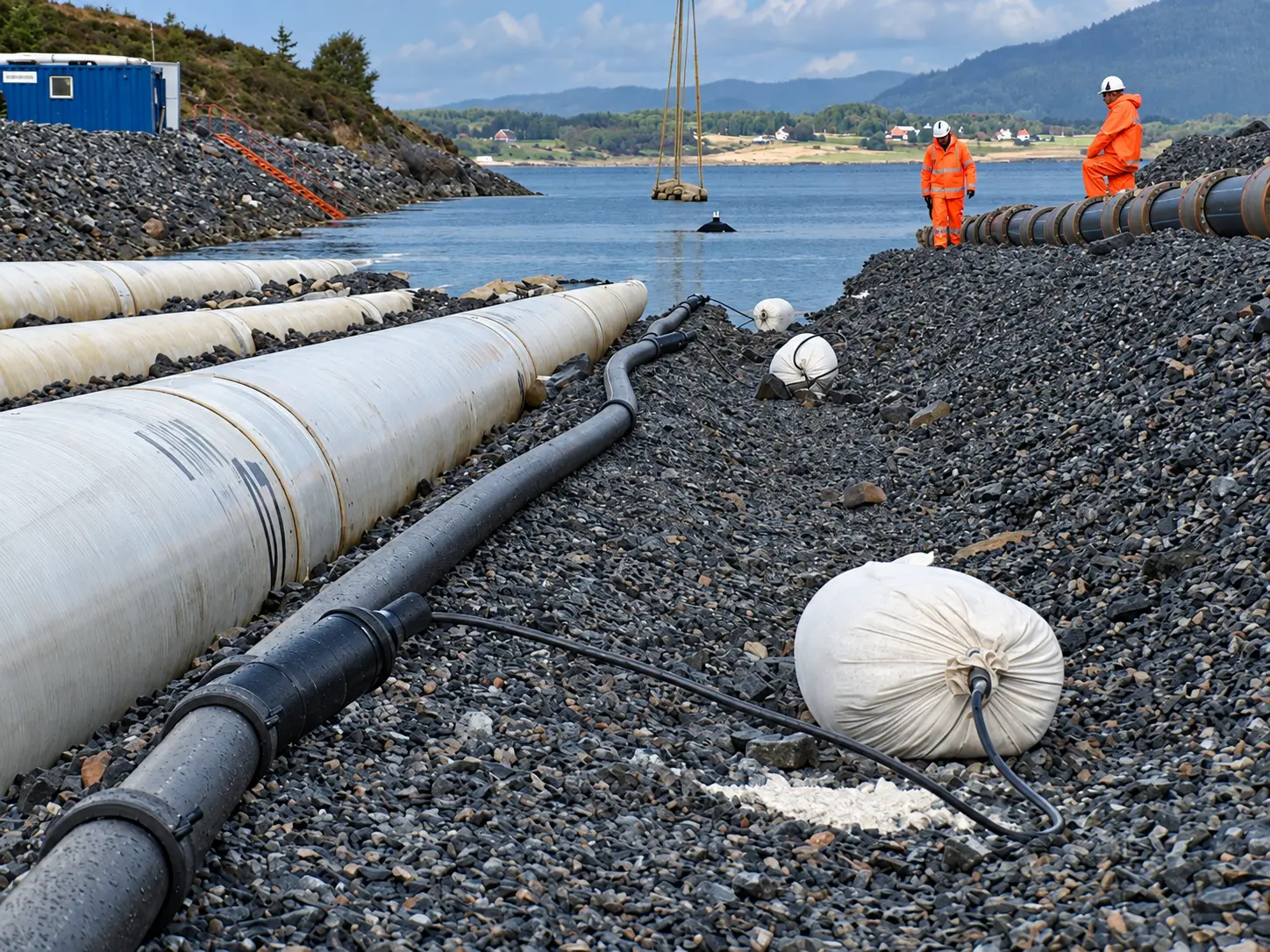
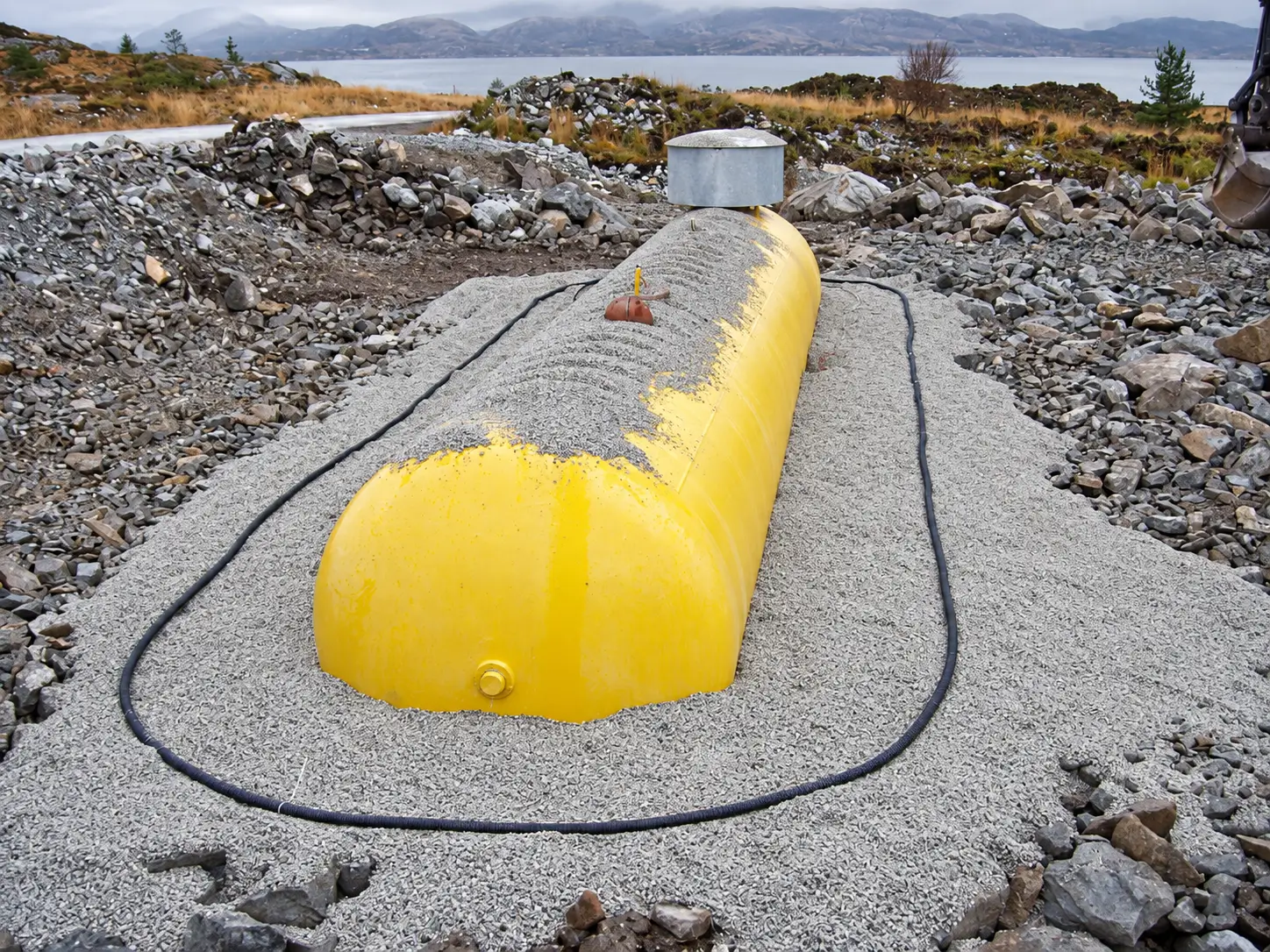
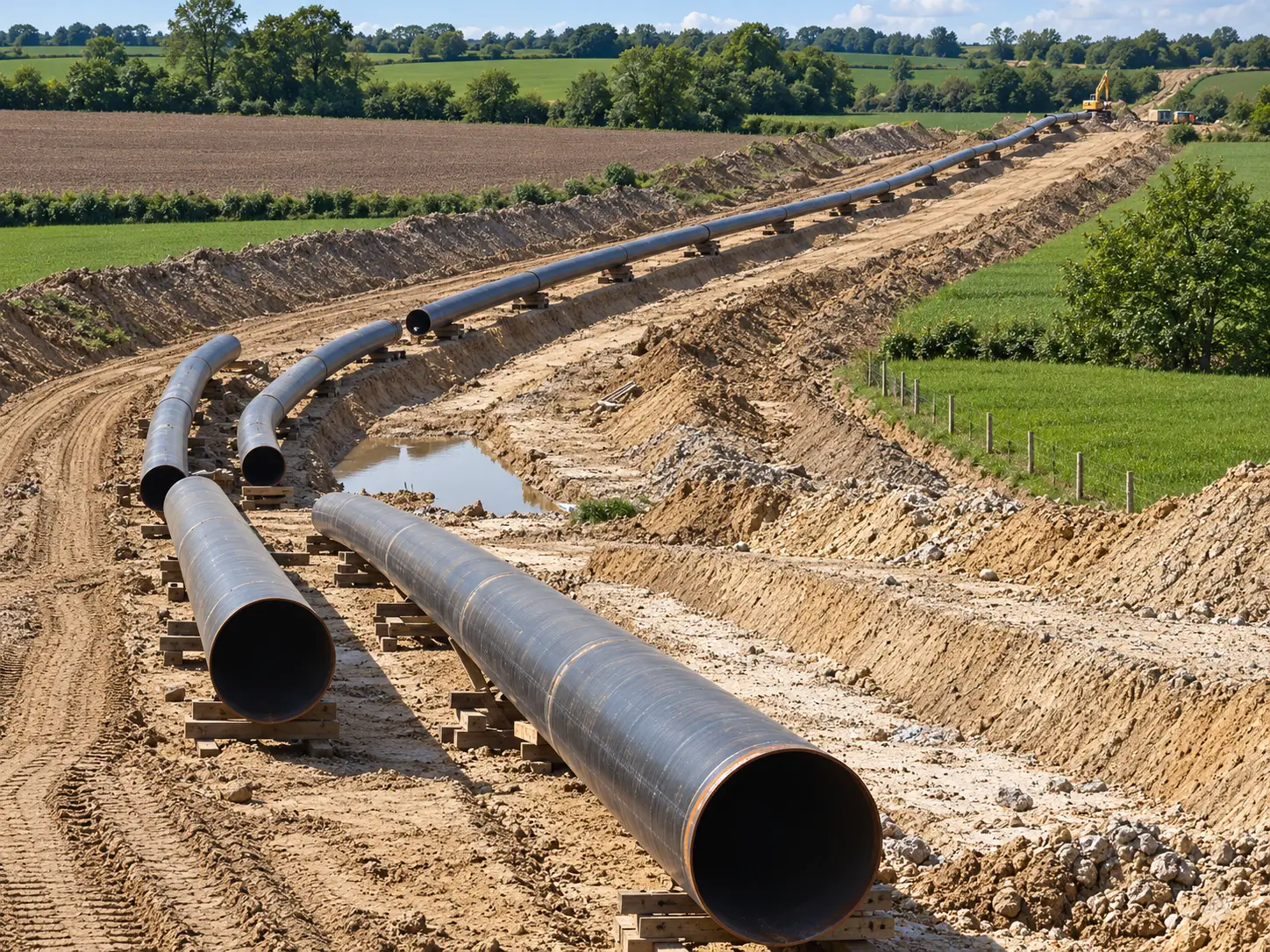
A pipeline ICCP system drives current from an external anode groundbed through the soil to the coated steel structure. Test stations, reference electrodes, coupons and surveys help the operator evaluate protection, coating behavior and system interaction along the route.
Deep remote groundbeds, shallow distributed beds and continuous linear anodes solve different distribution and installation problems. Selection depends on soil profile, right-of-way, coating condition, pipeline length, current demand, attenuation, nearby structures and interference control.
Compare groundbed families from site evidence and system modeling rather than choosing from product name alone.
A vertical remote anode bed can serve long pipeline sections where site geology and interference review support the design.
Horizontal or vertical shallow elements can fit accessible corridors and provide maintainable distributed current sources.
A continuous anode near the pipeline can improve distribution on congested routes or poorly coated/localized sections.
Canister, tubular or linear arrangements can protect tanks, station piping and compact steel structures under a zoned design.
Match the element and assembly to the approved groundbed, cable, backfill and installation drawing.
Best considered when: a packaged groundbed element is needed for deep or shallow installation and controlled handling.
Confirm: canister, internal fill, cable exit, seals, lifting, external backfill and vent interface.
View detailsBest considered when: tubular elements are arranged vertically or horizontally in a project-defined bed.
Confirm: tube geometry, loading, cable, connection, spacer/support and field backfill.
View detailsBest considered when: current is distributed along a pipeline, station or localized buried structure.
Confirm: active length, attenuation, cable construction, splices, termination and installation reel.
View detailsBest considered when: site geometry, current zoning or installation method requires a combined arrangement.
Confirm: assembly drawing, loads, anode spacing, cable schedule, backfill and junction details.
View detailsHigh or layered soil resistivity can influence groundbed location and geometry. Coating condition and pipeline length affect current demand and attenuation. Nearby pipelines, utility corridors and AC/DC sources add interaction risks. The CP designer should integrate survey data, modeling and field verification before issuing the anode requirement.
Design Control: Remote-groundbed attenuation and interference cannot be resolved by increasing anode output alone. System location, current distribution and nearby structures must be evaluated together.
Use these inputs to define the quotation and the approved anode supply schedule. The CP designer confirms the final design values.
| Decision Area | Why it matters | Evidence to provide |
|---|---|---|
| Pipeline data | Defines the protected area and electrical model. | Route, diameter, length, coating type/age, isolation and continuity. |
| Soil profile | Controls resistance and groundbed configuration. | Resistivity along route and by depth, moisture, strata and groundwater. |
| Current demand | Drives groundbed and rectifier requirements. | Survey/calculation basis, coating breakdown, design current and life. |
| Interference | Nearby structures can be affected by ICCP current. | Foreign line locations, bonds, crossings, AC sources and study requirements. |
| Monitoring | Supports commissioning and ongoing surveys. | Test stations, coupons, reference electrodes and survey plan. |
| Installation | Controls cable, backfill, access and QA. | Groundbed drawing, trench/borehole, backfill, cable route and work method. |
Project review
Deep, shallow and continuous linear layouts have different installation and current-distribution behavior. The issued anode specification should show why a particular arrangement fits the route.
Define line length, diameter, coating age, defects, isolation and the protection zones that drive current demand.
Compare resistivity along the route and by depth with right-of-way, borehole, trench and maintenance constraints.
Identify crossings, adjacent pipelines, foreign structures, bonds and AC or DC interference inputs for the designer's review.
Specify anode count, current per element, backfill, cable length, splices, test interfaces and required inspection evidence.
Define responsibilities in the purchase specification. HELE can configure and manufacture agreed anode components or assemblies; complete system engineering is not automatically included.
Inside HELE
HELE can inspect the specified MMO element or assembly, dimensions, active zone, cable connection, seal and identification against the approved groundbed schedule. The field survey, interference assessment and commissioning record belong to the project CP scope unless separately contracted.
Confirm the supplied titanium form, dimensions, active zone and order identification.
Control the specified coating basis, connection, cable, seal, backfill or mounting features included in the order.
Record continuity, connection or insulation results when the inspection plan defines method and acceptance limits.
Match drawings, inspection records, labels and packing documentation to the approved supply schedule.
Field installation, CP calculations, commissioning and performance acceptance follow the agreed project responsibility matrix.
Inquiry
Share the pipeline route, coating information, soil survey and available CP design documents. HELE can review the anode form, cable and groundbed supply boundary.
Prefer email?
sales@heletitanium.comFactory & Engineering Center
Titanium Valley, Baoji City, Shaanxi Province, China