Map the Seawater Circuit
Identify the intake, sea chest, strainers, pumps, coolers, heat exchangers, pipe runs, branches and discharge points.

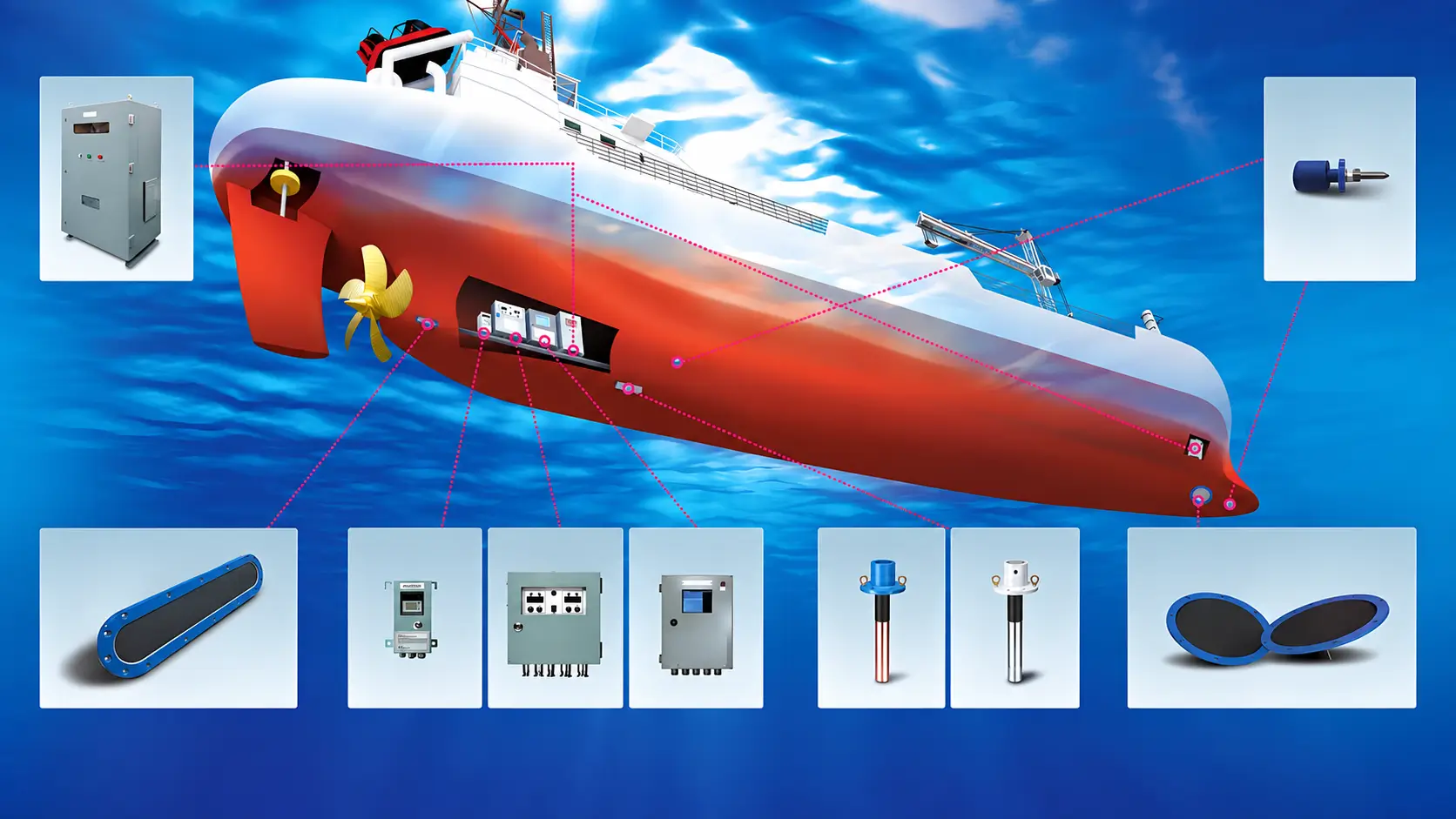
Marine Anti-Fouling Solution
Define the anti-fouling route for sea chests, intake lines, strainers, box coolers, heat exchangers and offshore seawater systems from the actual circuit, flow conditions, fouling duty, materials and maintenance plan.
Solution Selection Guide
The treatment route should follow the seawater circuit, protected equipment, flow pattern, operating region, fouling history, pipework materials and available maintenance access. Define these inputs before comparing localized MGPS or ICAF treatment with electrochlorination for broader or higher-flow duties.
Before Requesting a Quote
Confirm whether the required scope is replacement anodes, an MGPS or ICAF component package, an electrochlorination electrode or cell package, or a wider assembly with controls and connection components. Include the seawater-system diagram, flow rate, sea-chest or pipeline dimensions, material schedule, power supply, operating profile, fouling history and required project or class documentation.
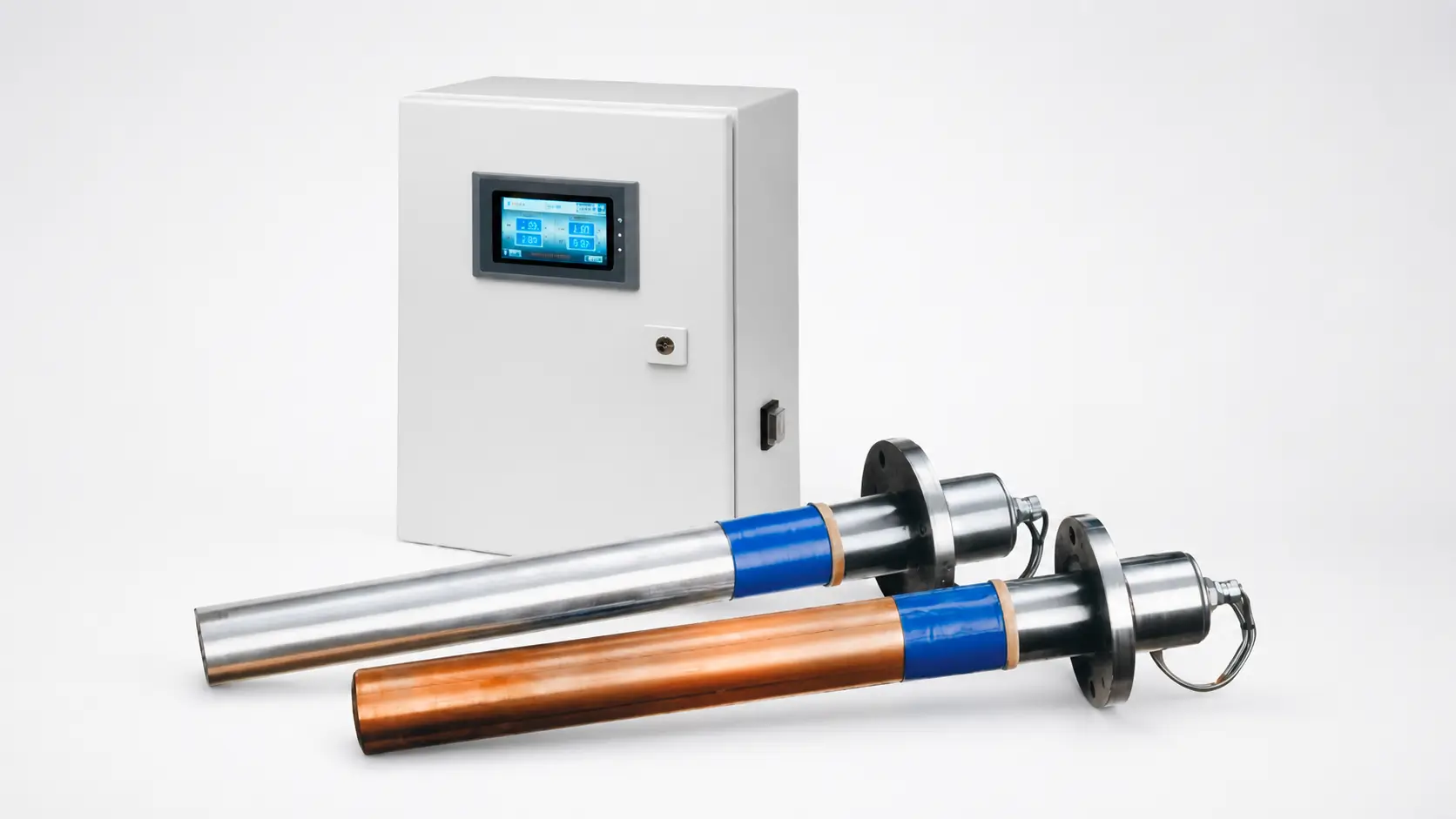
Process Review
A reliable marine anti-fouling specification begins with the seawater circuit and fouling duty, then defines the treatment coverage, water and flow conditions, compatible anode or electrochlorination route, mechanical and electrical interfaces, maintenance plan and required project evidence.
Identify the intake, sea chest, strainers, pumps, coolers, heat exchangers, pipe runs, branches and discharge points.
Provide water conditions, flow and operating pattern, service region, fouling history, cleaning frequency and treatment objective.
Review localized MGPS or ICAF treatment, electrochlorination coverage, replacement compatibility and maintenance implications.
Confirm anodes or cells, panels, cables, junctions, dosing interfaces, drawings, tests and documentation within the quoted scope.
Solution Configurations
Use the confirmed process conditions to compare material, coating, geometry, assembly and documentation requirements. Final configuration remains project-specific.
Solution Route
For localized marine-growth control at sea chests, strainers and defined seawater intake zones using project-specified copper, aluminum or iron anodes.
Start with
Sea-chest layout, flow, anode material, current setting, mounting, pipework material, cable route and maintenance interval.
Solution Route
For existing vessels or facilities where dimensional, electrical, material and mounting compatibility must be checked before replacement.
Start with
Existing make or model, drawings, photos, anode markings, dimensions, material, panel output, connection and service history.
Solution Route
For defined seawater systems where generated chlorine species are distributed through larger, higher-flow or multi-branch circuits.
Start with
Seawater analysis, flow, target treatment duty, injection points, cell load, operating cycle, hydrogen handling and dosing responsibility.
Solution Route
For agreed packages that may include power or control panels, junction boxes, cables, monitoring interfaces and mounting hardware.
Start with
Supply voltage, channel count, current range, enclosure location, cable schedule, alarms, communication needs and approval basis.
Technical Intake
Provide the inputs that materially affect chemistry, geometry, qualification and commercial scope. Unknown values can be marked for joint review.
Vessel or facility type, sea-chest count, intake arrangement, protected equipment, branches and piping diagram.
Salinity, temperature, flow rate, operating region, duty cycle, lay-up periods and seasonal variation.
Observed organisms or deposits, affected locations, cleaning history, blockage risk and measurable treatment objective.
Pipe, sea-chest and cooler materials, anode location, mounting, dimensions, pressure boundary and access.
Available power, panel output, current channels, cable route, junctions, alarms, monitoring and control interface.
GA and P&ID drawings, existing equipment records, inspection or FAT needs, class requirements and document schedule.
Supply Scope & Qualification
HELE can review and supply project-specific MGPS or ICAF anodes, replacement assemblies, titanium electrodes or electrolytic cells, and selected control and connection components against confirmed seawater-circuit inputs. Hydraulic design, biocide dosing strategy, vessel-class approval, onboard installation, commissioning, discharge compliance and guaranteed biological performance are included only when they are explicitly defined, technically reviewed and accepted in the quotation.
Equipment & Operating Contexts
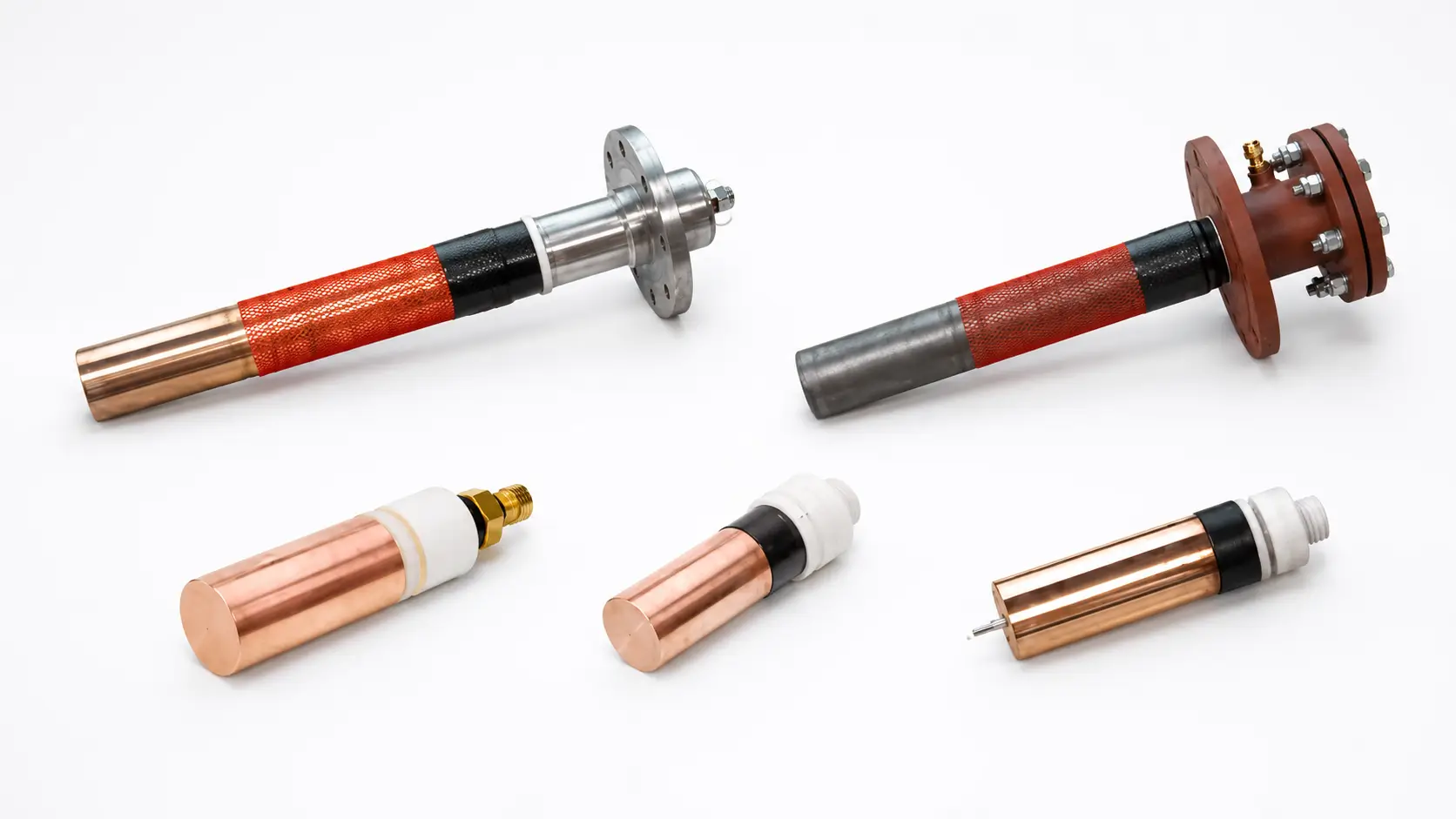
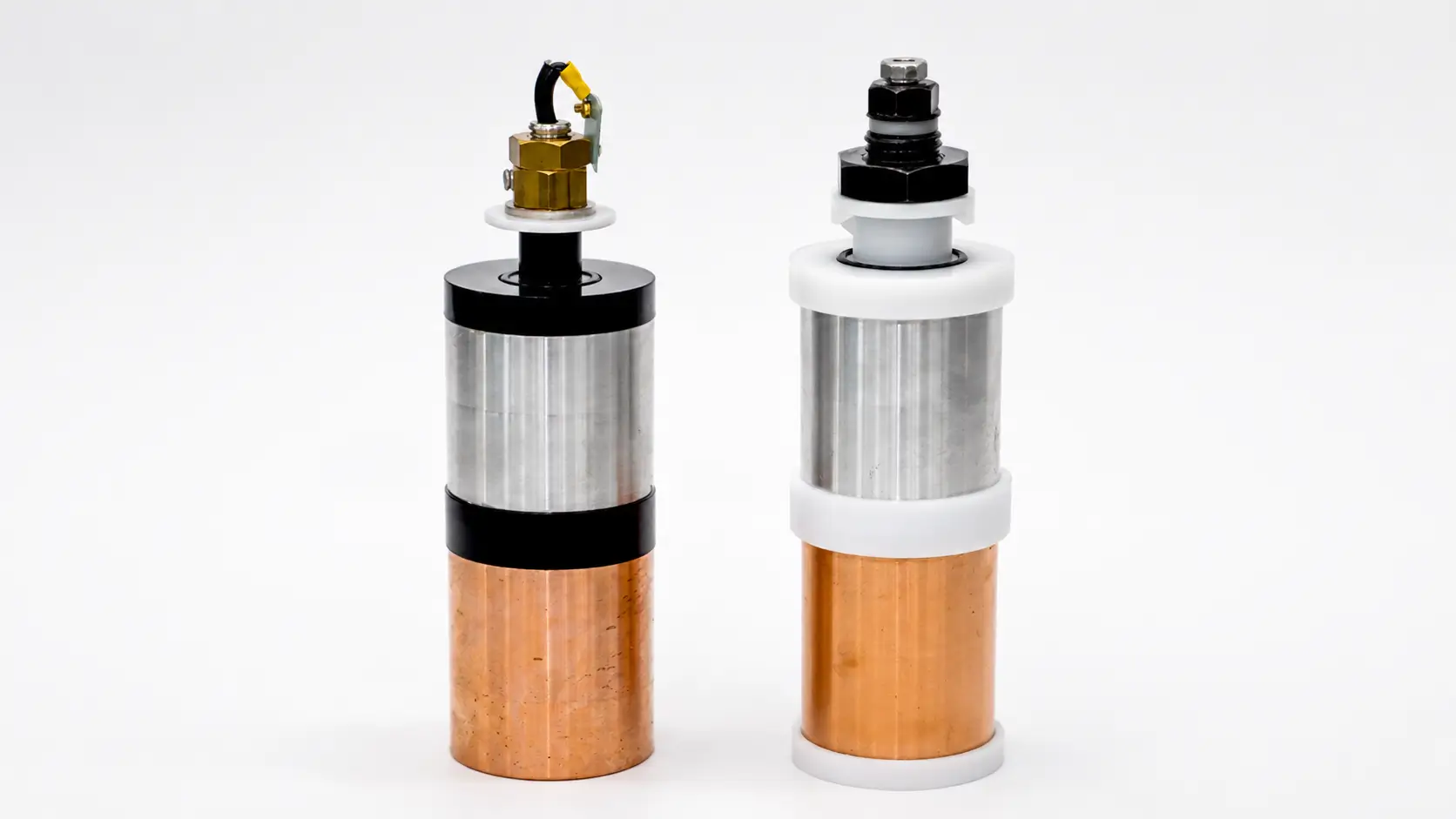
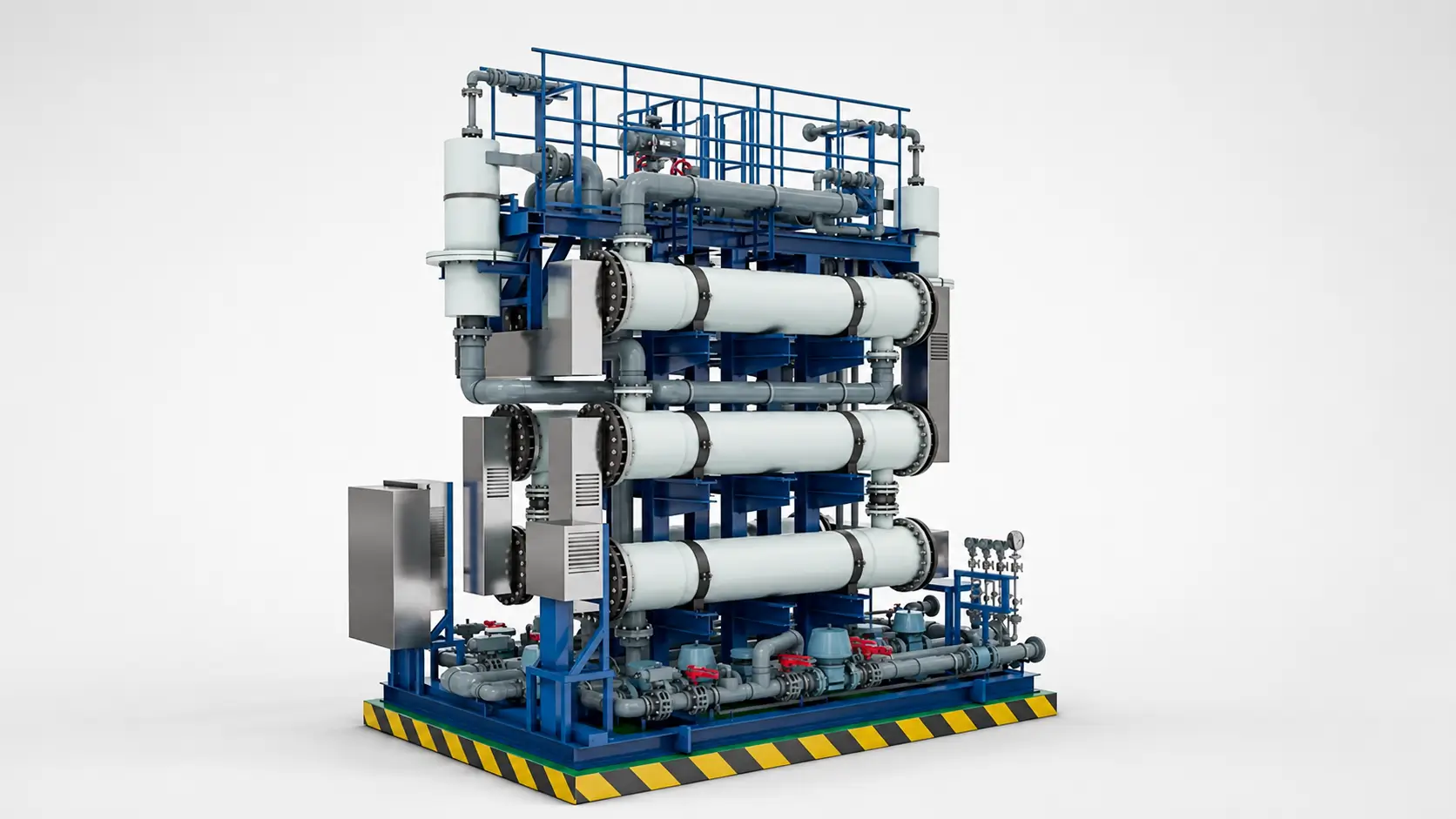
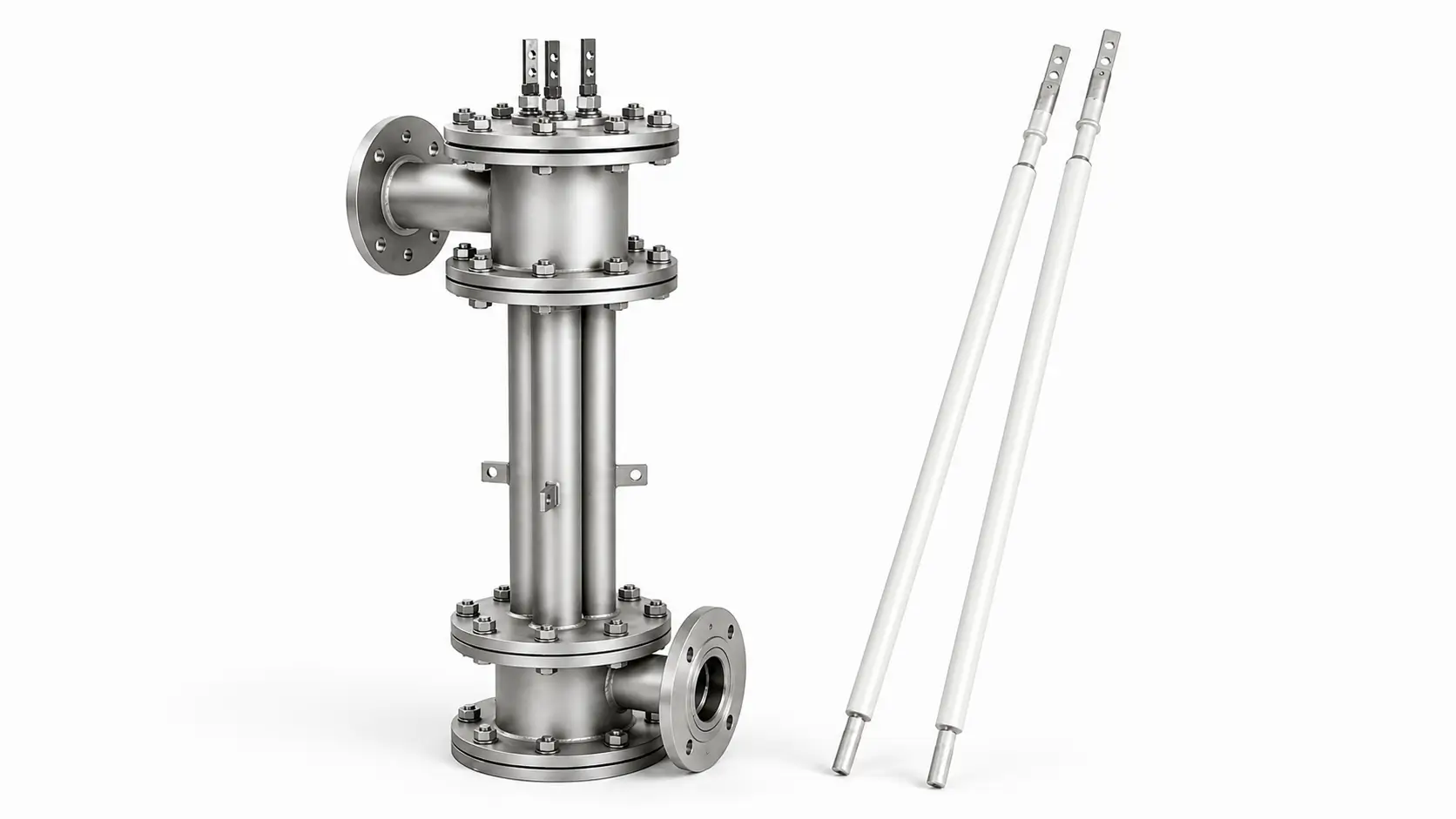
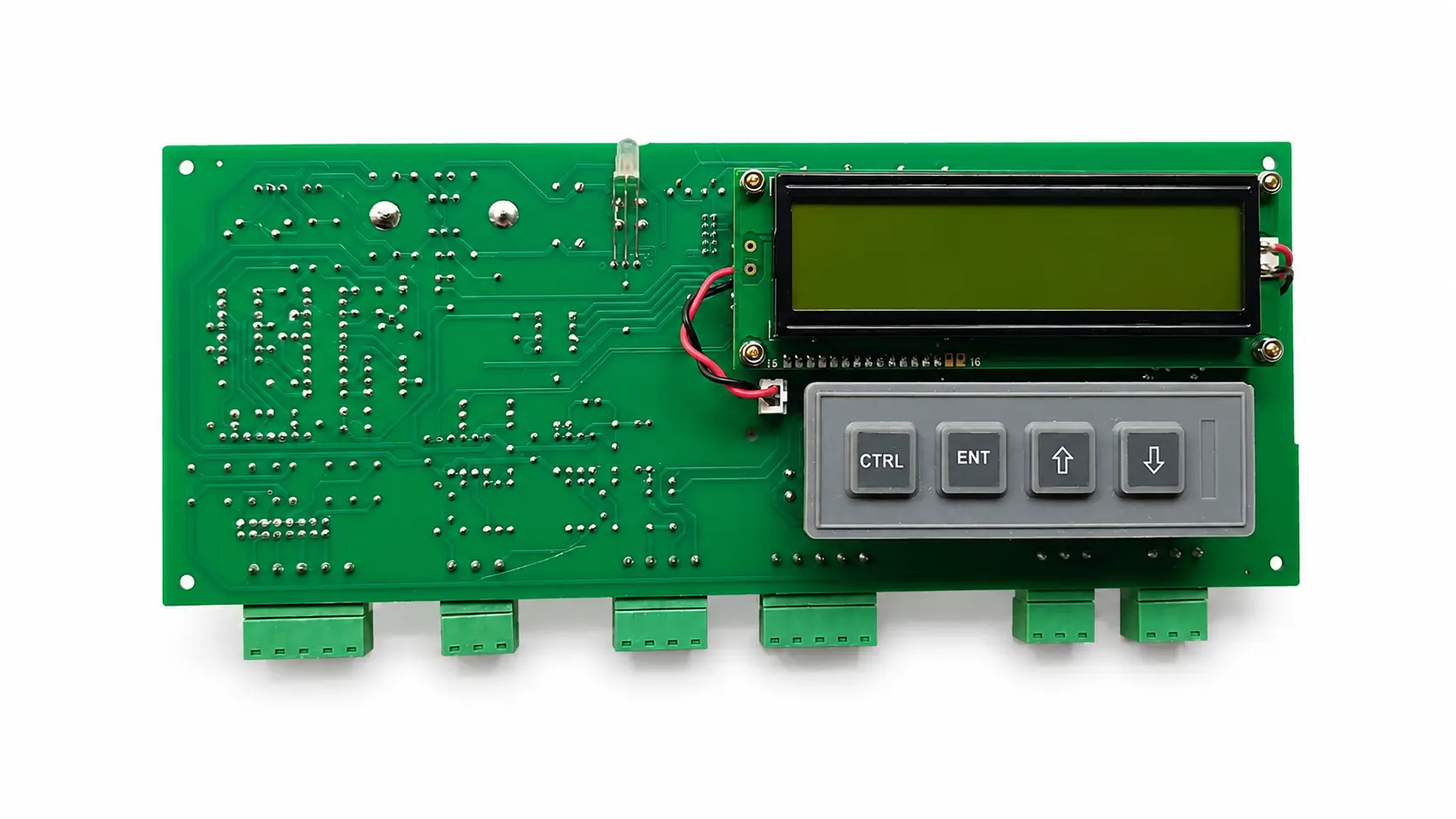
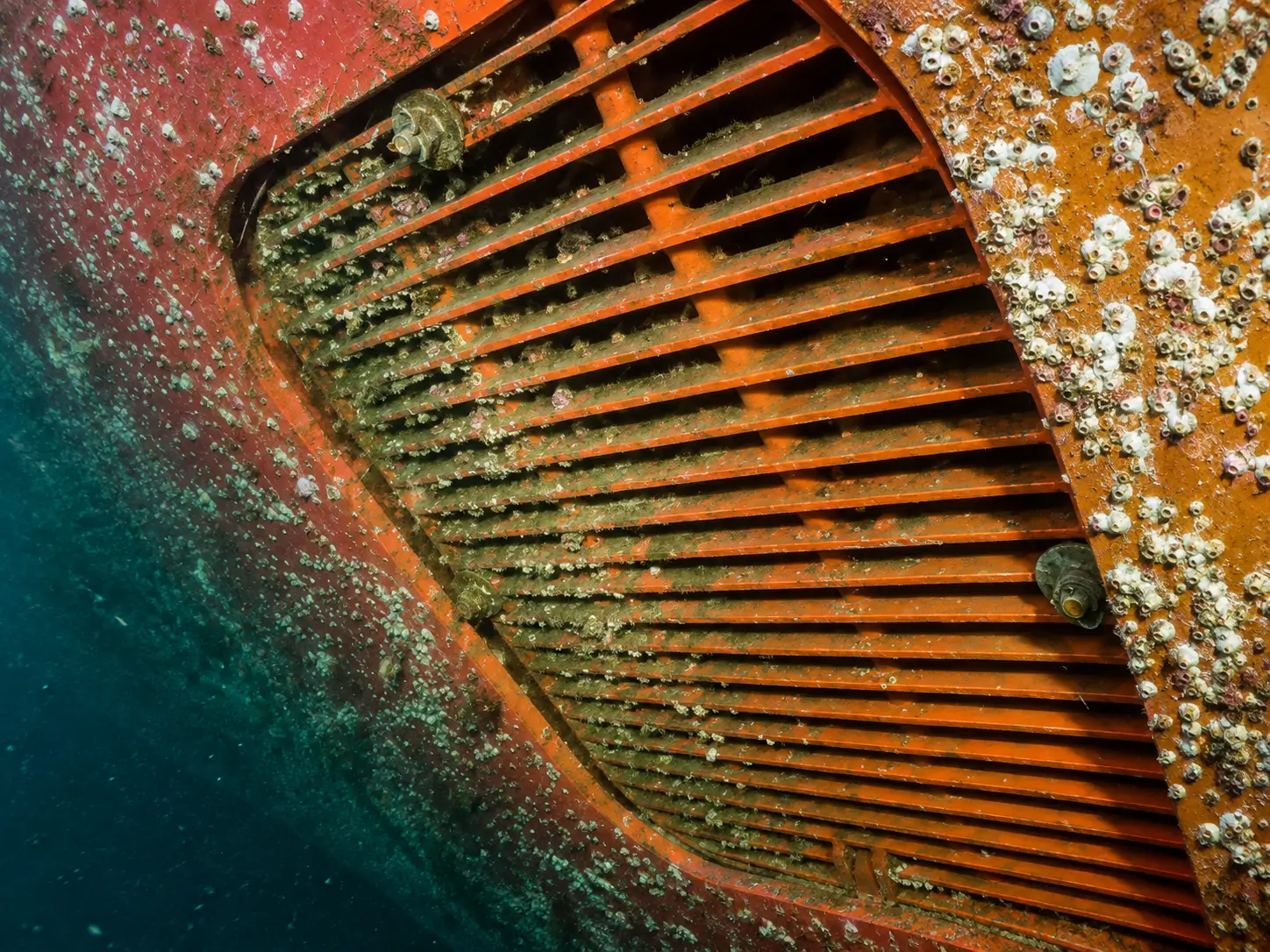
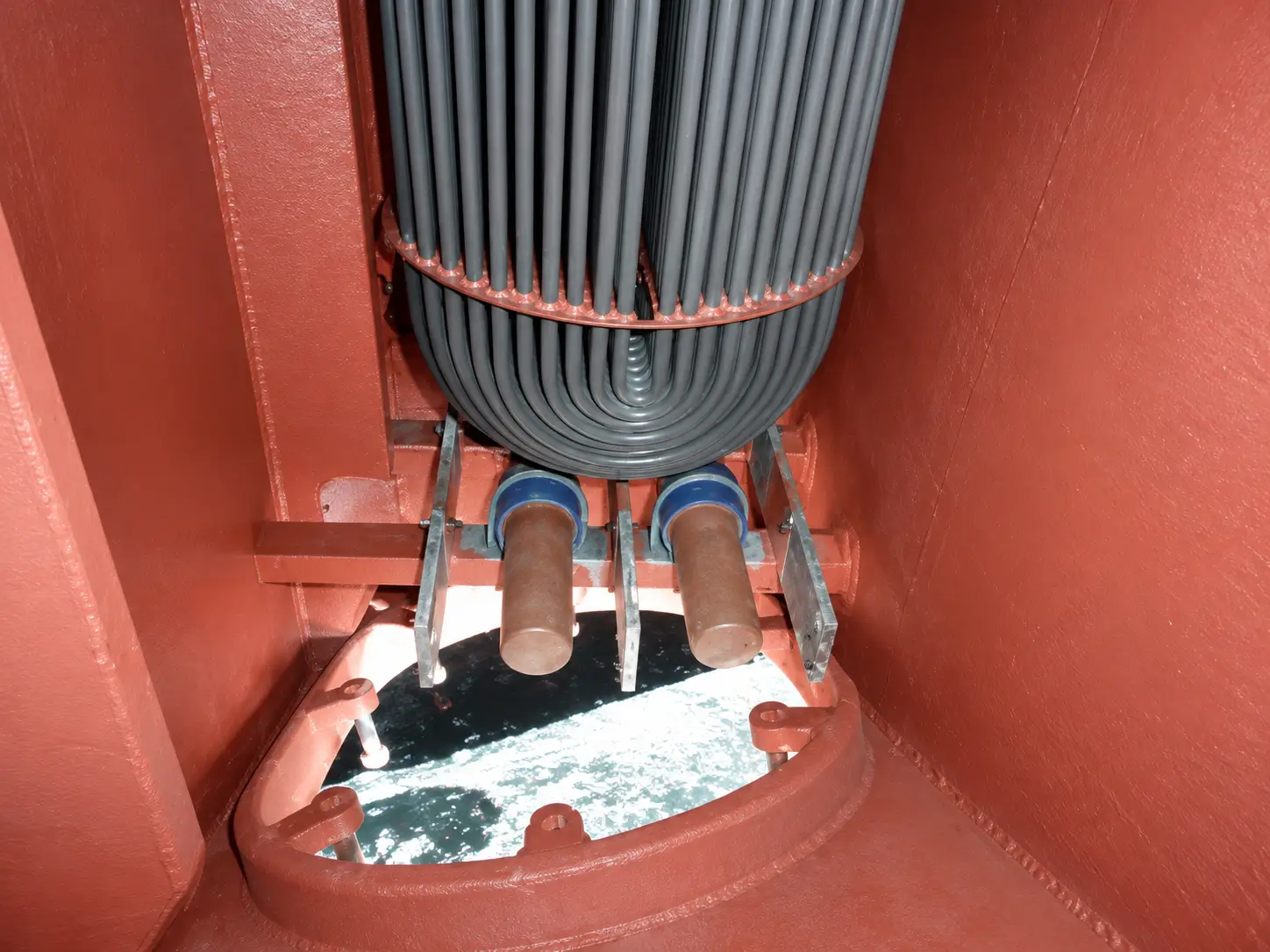
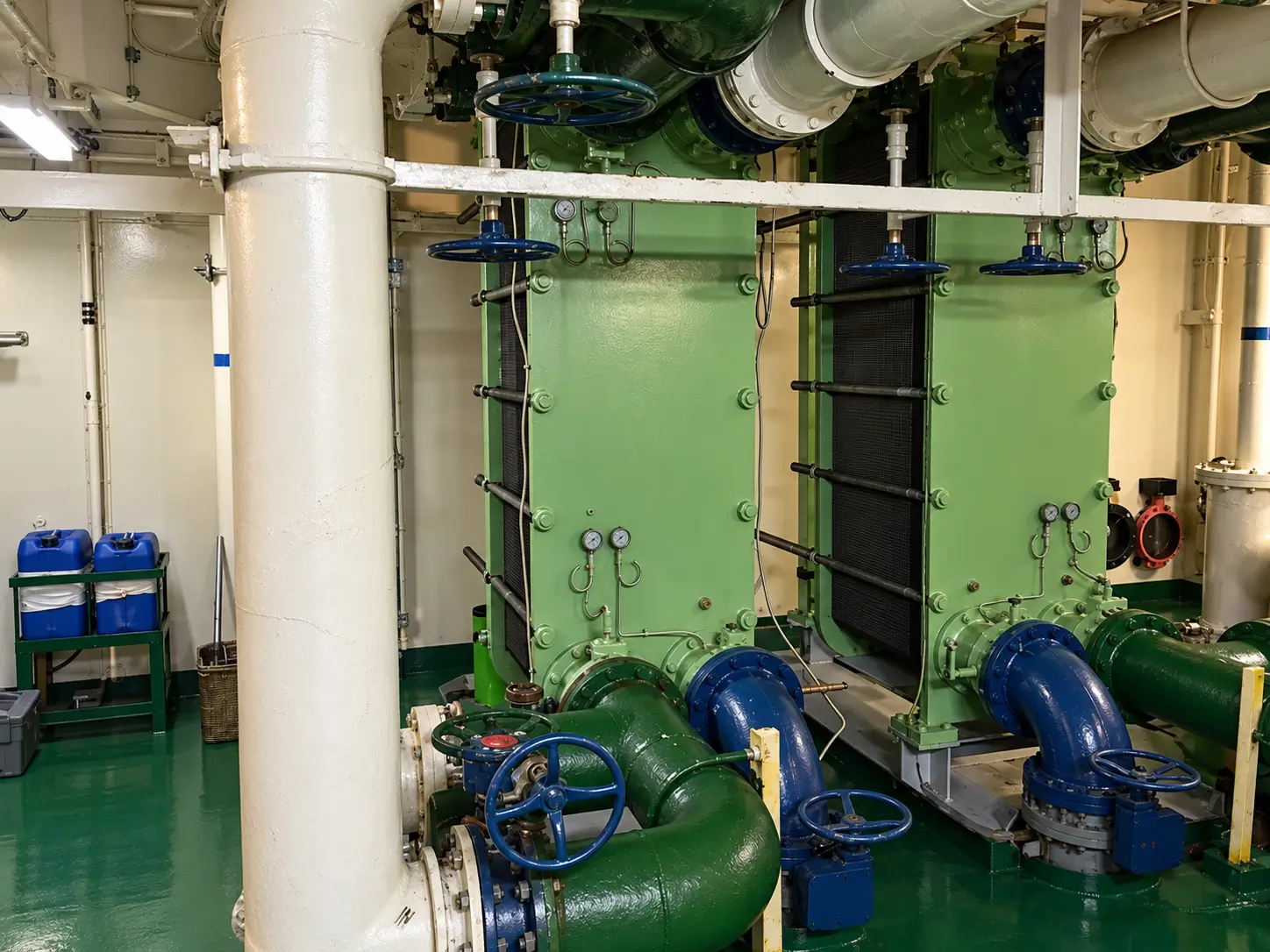
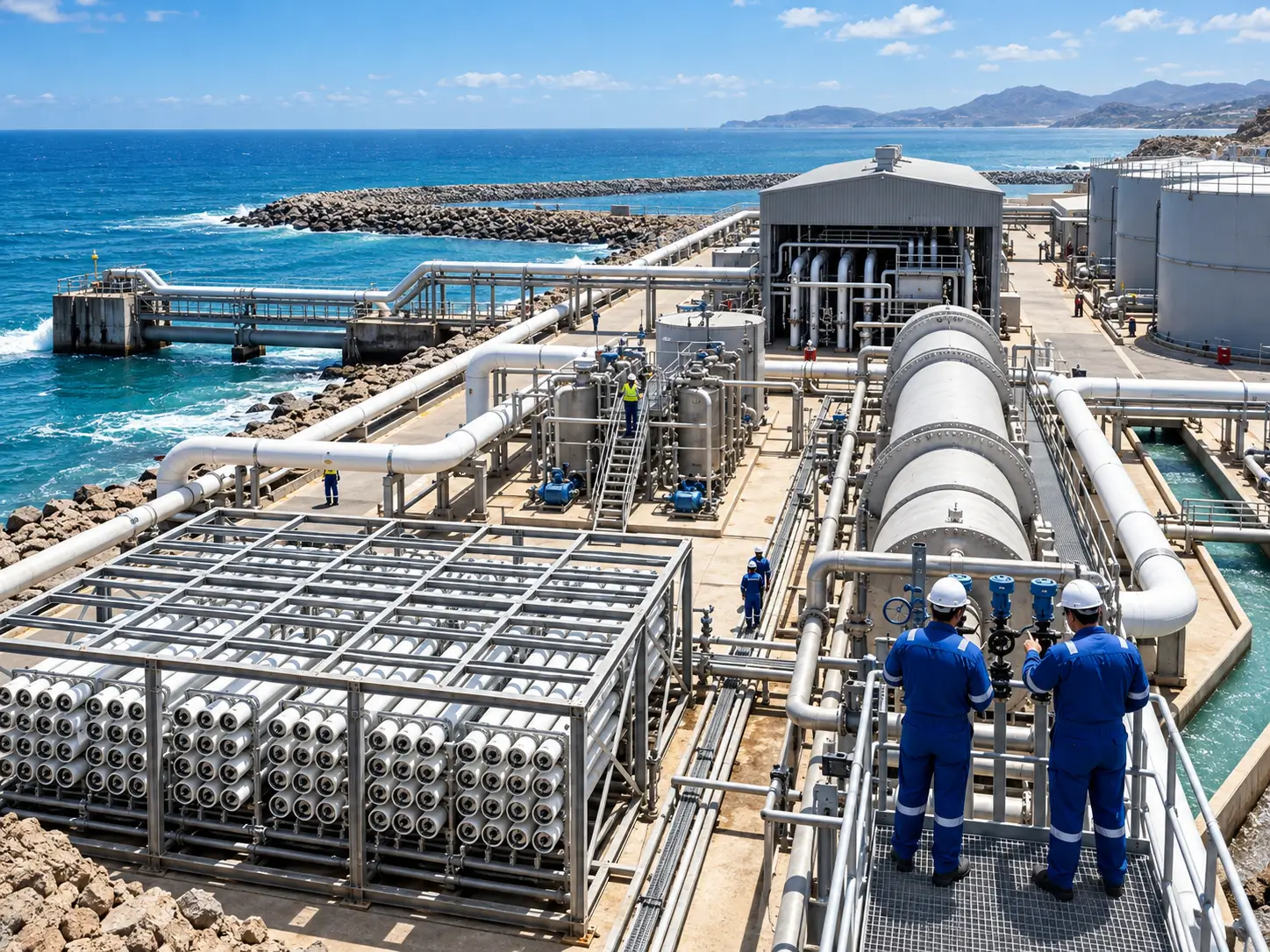
Review representative MGPS or ICAF anodes, electrochlorination equipment, control components and seawater-circuit locations. Final treatment coverage and equipment scope depend on the confirmed circuit, fouling duty and integration inputs.
Related Products & Applications
Compare related product families and application capabilities that may support material selection, equipment integration, replacement planning or project qualification.
← Explore All Electrochemical SolutionsTechnical FAQ
No. This solution focuses on marine-growth control inside sea chests, seawater intakes, cooling circuits, strainers, box coolers and heat exchangers. Hull coating selection is a separate scope.
MGPS or ICAF is commonly reviewed for localized treatment around defined intake zones, while electrochlorination may suit broader, higher-flow or multi-branch seawater systems. Final selection depends on the circuit, treatment duty, materials, installation and operating plan.
No. Marine anti-fouling controls biological growth in seawater circuits. ICCP is intended to control corrosion of metallic structures. A project may use both, but their design purposes and components must remain distinct.
Provide the existing drawing or sample data, photos, material, dimensions, mounting and connection details, panel current and voltage, quantity, installation position and service history.
Potentially, but only after the circuit, equipment interfaces, controls, documentation, installation responsibilities and performance basis are defined. The quotation must list every included component and excluded responsibility.
Tell us about the vessel or facility, seawater flow rate, operating region, sea-chest and piping layout, protected equipment, pipework materials, fouling history, preferred treatment route, existing anodes or cells, panel output, cable requirements, maintenance plan, drawings and required documentation. HELE will review the applicable MGPS, ICAF, replacement or electrochlorination path, identify missing integration inputs and define the quotation boundary.