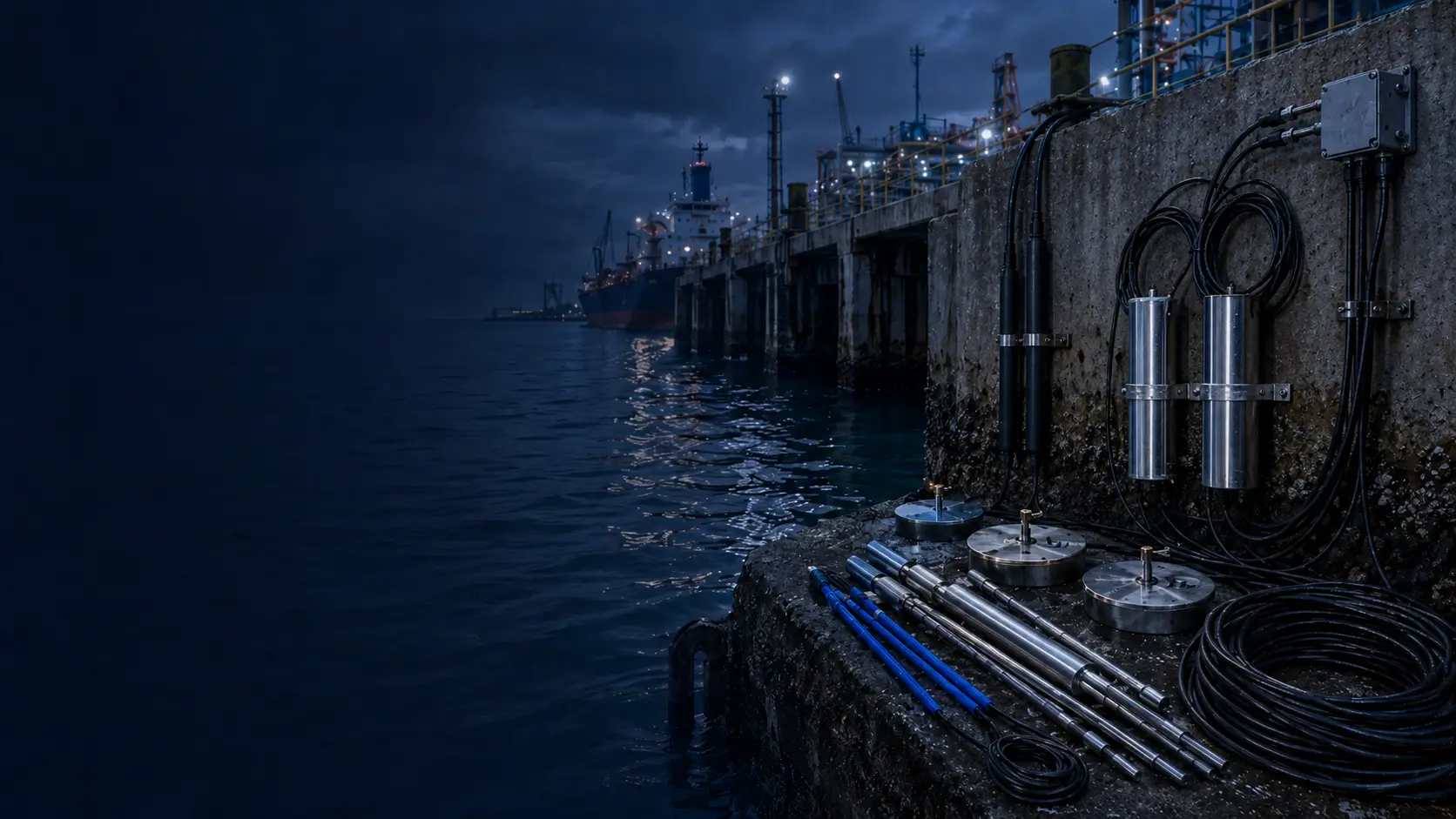
ICCP Anodes for Marine Structures
Custom MMO tubular, disc, and rod anode solutions for jetties, piers, harbors, seawalls, offshore structures, water intake systems, shipyard facilities, and seawater-exposed impressed current cathodic protection projects.
MARINE ICCP ENGINEERING
Marine ICCP Anodes Must Withstand Seawater, Current Demand and Mechanical Exposure
Marine ICCP systems are used to help protect seawater-exposed steel structures from corrosion. Anode selection should be reviewed according to seawater chemistry, structure geometry, current demand, mounting position, cable sealing, mechanical exposure, marine fouling, inspection access, and design life target.
Unlike buried or concrete CP systems, marine ICCP anodes are exposed to seawater, flow, wave action, impact risk, biological fouling, and installation access limitations. The final anode form, mounting structure, cable route, output rating, and coating requirement should be based on project drawings and operating environment.
Hele Titanium supports MMO tubular anodes, MMO disc anodes, and MMO rod anodes for marine ICCP systems, with coating review, current output review, cable sealing, mounting support, labels, packing, and documentation according to project requirements.
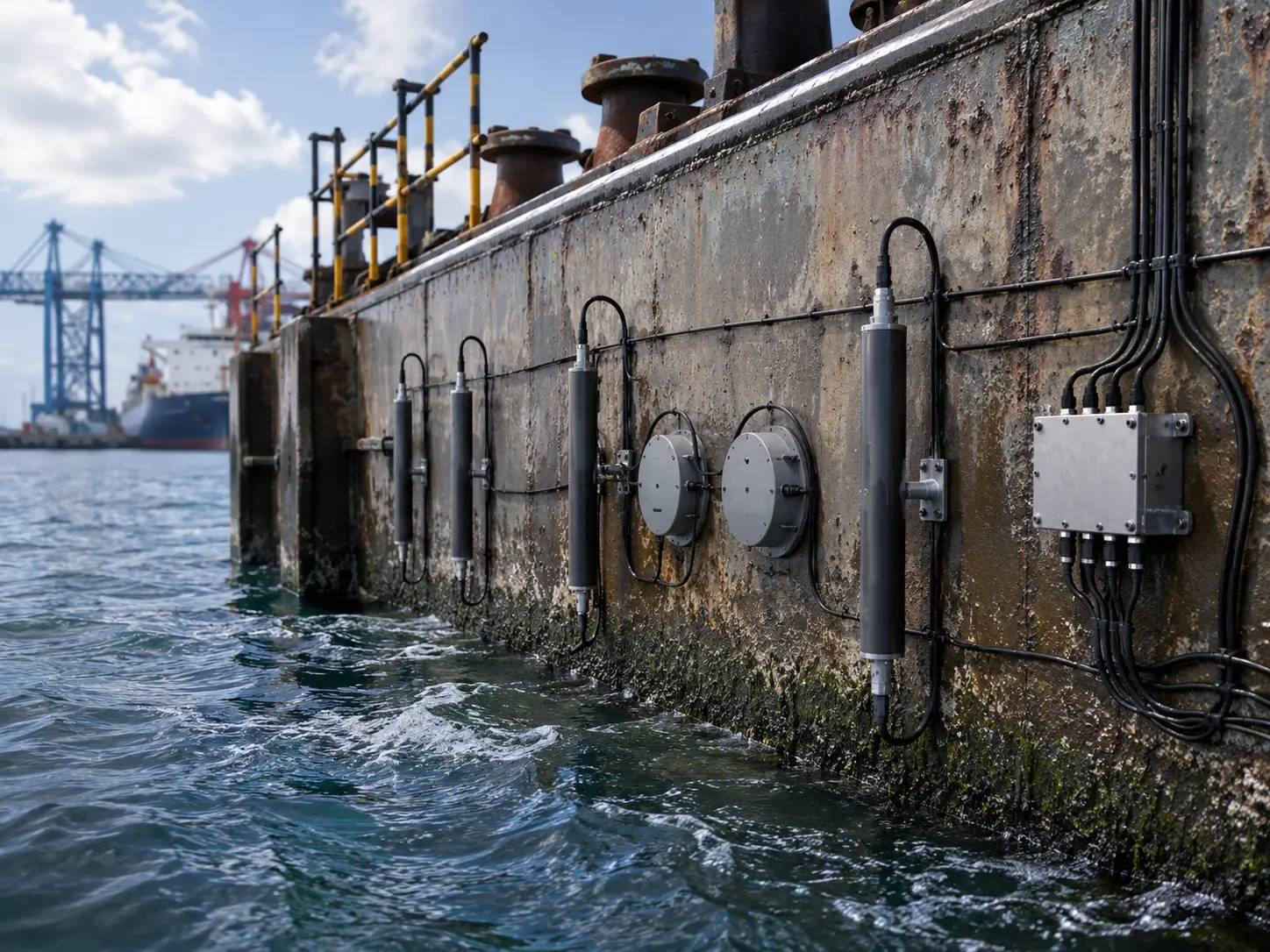
Seawater Application Review
Anode selection can be reviewed based on seawater exposure, salinity, flow, fouling risk, and structure geometry.
Marine MMO Anode Form Matching
Tubular, disc, and rod anodes can be matched to different marine-mounted ICCP layouts.
Cable Sealing & Protection
Cable sealing, mounting brackets, strain relief, and impact protection should be reviewed for seawater applications.
Current Output & Documentation
Current output, coating loading, design life, MTC, records, and project documents supported when required.
What Is Marine ICCP Protection?
Marine ICCP protection is an impressed current cathodic protection method used to help control corrosion on steel structures exposed to seawater or brackish water. It is commonly reviewed for jetties, piers, harbors, seawalls, offshore structures, water intake systems, and other marine infrastructure.
In marine ICCP systems, MMO anodes are installed on or near the protected structure to deliver controlled protective current through seawater. The anode type and layout depend on structure geometry, seawater conditions, current demand, mounting method, cable route, mechanical exposure, and monitoring requirements.
| Marine CP Element | What It Does | Why It Matters |
|---|---|---|
| Protected Steel Structure | The marine steel structure requiring corrosion control. | Structure geometry, coating condition, and exposure zone affect current demand. |
| Seawater Electrolyte | Conducts current between the anode and protected structure. | Salinity, temperature, flow, and fouling conditions affect system design. |
| MMO Anode Layout | Provides impressed current output to the seawater-exposed protection zone. | Anode position, output, and spacing affect protection coverage. |
| Cable & Sealing System | Connects the anode to the power system and protects electrical continuity. | Cable sealing is critical in seawater and splash-zone environments. |
| Mounting & Mechanical Protection | Keeps the anode in the correct position during operation. | Marine impact, wave action, and installation conditions require careful mounting review. |
Recommended MMO Anode Forms for Marine ICCP Systems
Marine ICCP systems can use different MMO anode forms depending on structure geometry, seawater exposure, current output, mounting method, inspection access, and mechanical protection requirements. The final recommendation should be based on CP design data and site conditions.
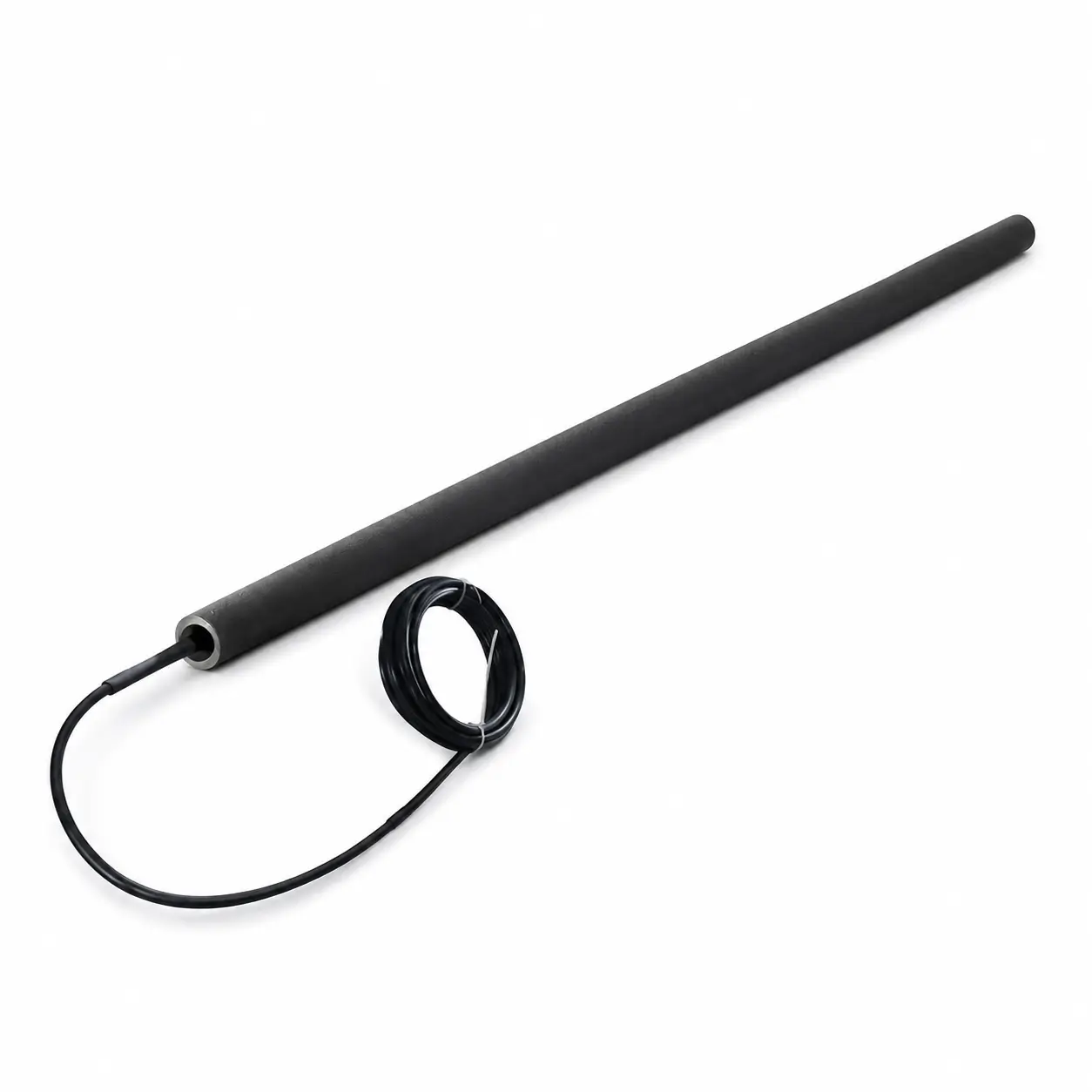
MMO Tubular Anodes
MMO coated titanium tubular anodes for durable current output in seawater-exposed ICCP systems.
Jetties, piers, seawater structures, water intake systems, harbor facilities, and marine-mounted CP layouts.
Tube diameter, length, coating area, current output, mounting bracket, cable sealing, flow exposure, and mechanical protection.
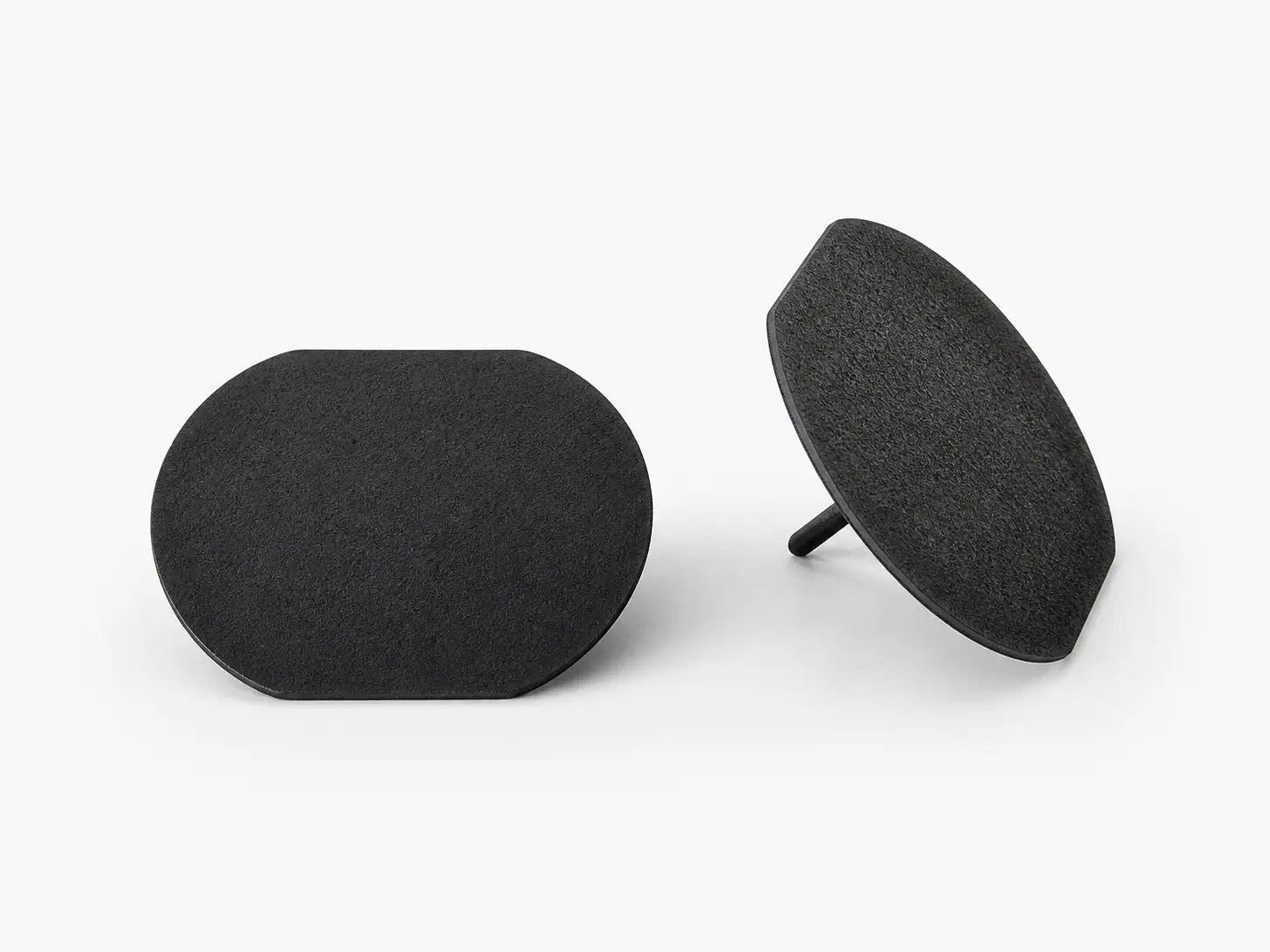
MMO Disc Anodes
Compact MMO coated titanium disc anodes for localized marine protection zones and limited-space installations.
Localized protection, compact mounting points, marine repair zones, seawall details, and special steel structures.
Disc size, active area, coating side, mounting hole, cable connection, protection zone, and inspection access.
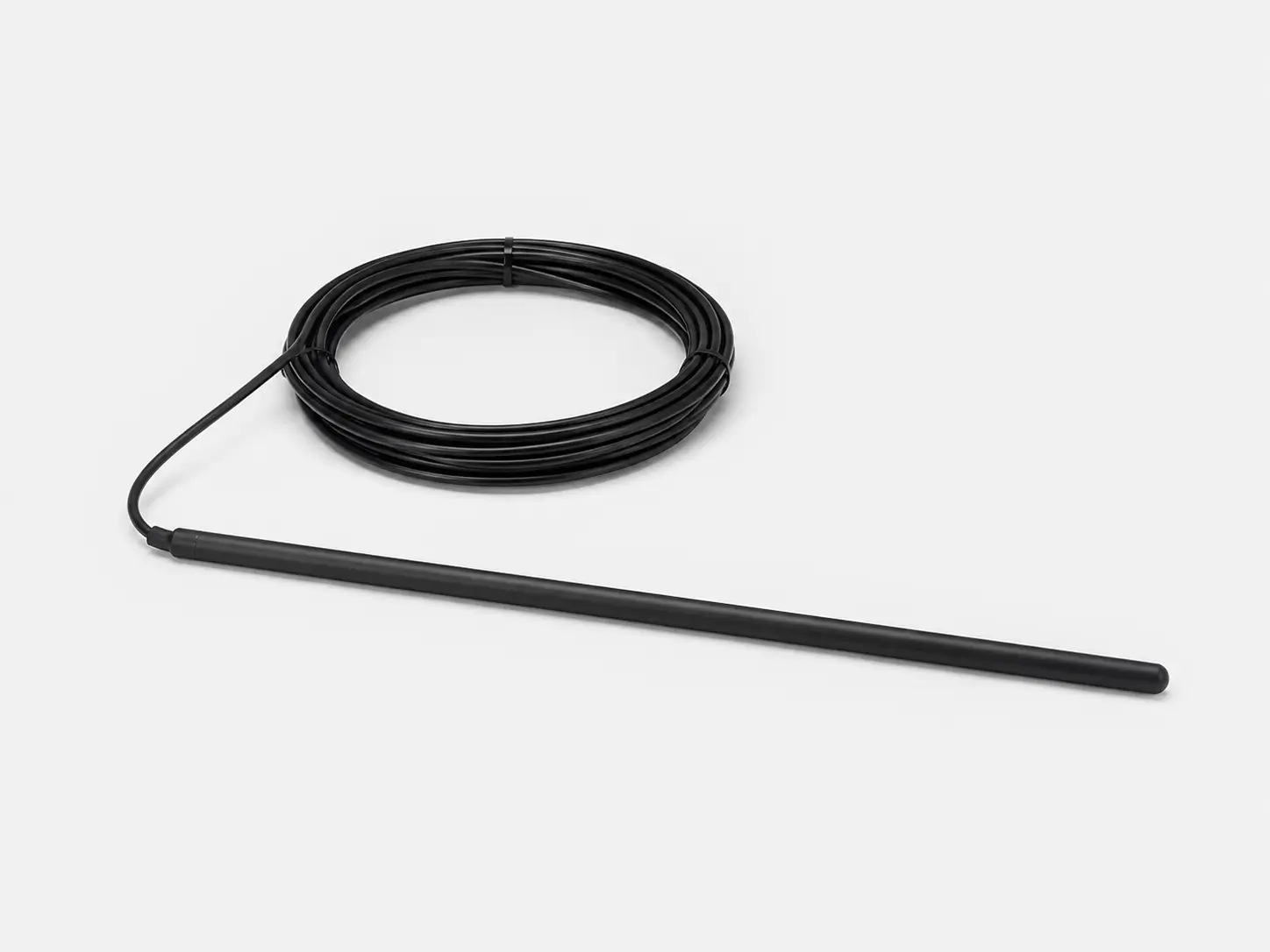
MMO Rod Anodes
MMO coated titanium rod anodes for compact cylindrical current output and project-specific marine CP layouts.
Small marine CP systems, water intake equipment, pilot systems, custom fixtures, and equipment-integrated applications.
Rod diameter, coated length, current density, mounting method, cable connection, and seawater exposure.
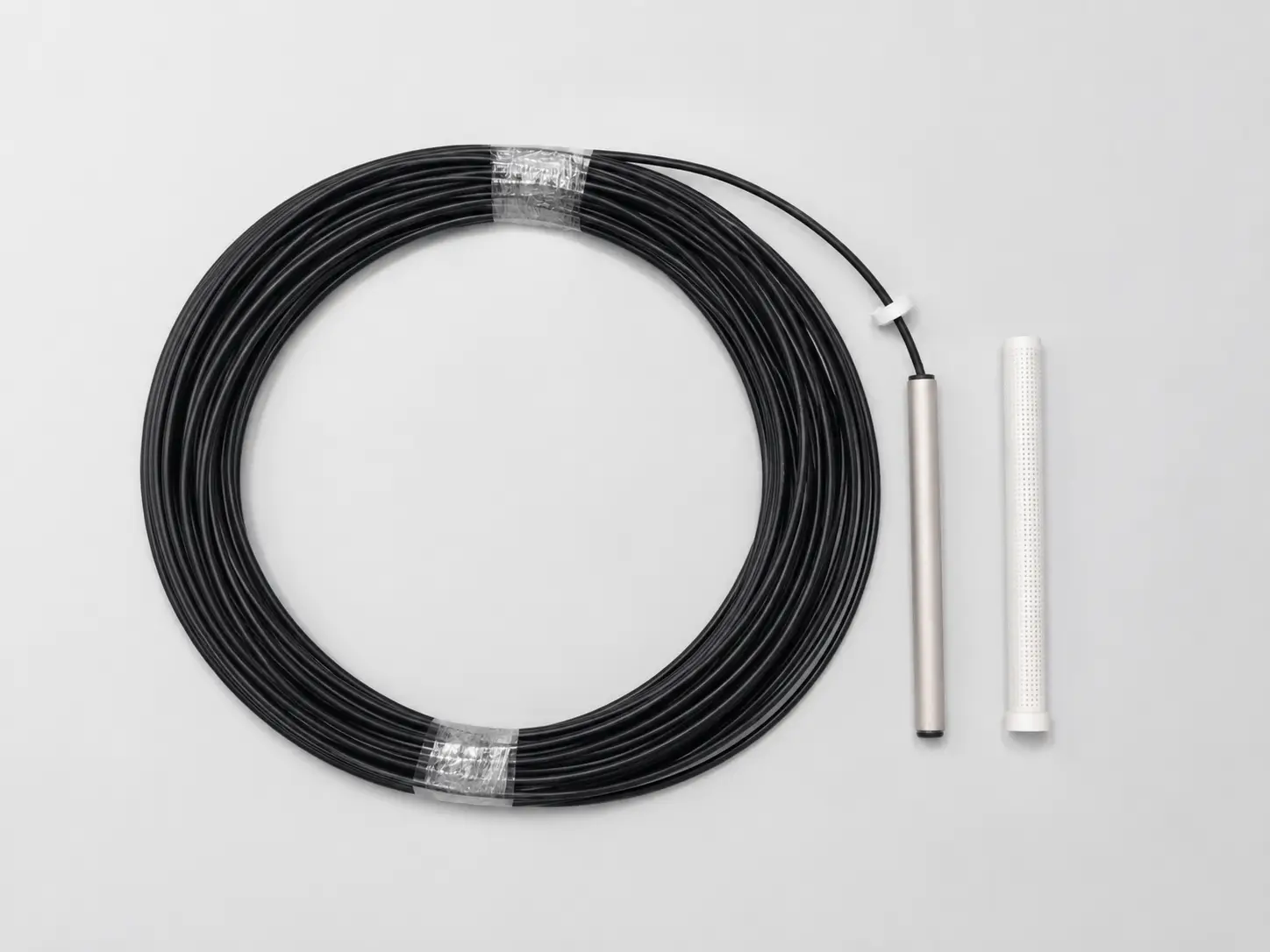
Custom Marine Assemblies
Project-specific MMO anode assemblies with custom shape, mounting structure, cable sealing, labels, packing, and documentation.
Non-standard marine structures, offshore projects, shipyard systems, and engineered seawater CP applications.
Structure drawing, current output, mounting location, mechanical exposure, cable route, project standard, and delivery.
Where Marine ICCP Anodes Are Commonly Used
Marine ICCP anode systems are commonly reviewed for seawater-exposed structures where corrosion risk is influenced by salinity, oxygen, flow, coating condition, current demand, and mechanical exposure. The final anode layout should be reviewed according to structure geometry, seawater environment, installation access, and monitoring requirements.
| Application | Why Marine ICCP May Fit | Key Review Factors |
|---|---|---|
| Jetties and Piers | Marine-mounted anodes can help protect steel piles, support structures, and submerged components exposed to seawater. | Pile layout, tidal zone, splash zone, seawater exposure, mounting method, current demand, and inspection access. |
| Harbor and Port Structures | Large harbor structures may require controlled current output across complex seawater-exposed steel surfaces. | Structure geometry, coating condition, current distribution, cable routing, mechanical exposure, and monitoring points. |
| Seawalls and Waterfront Steel Structures | Localized or distributed marine anode layouts can be reviewed for seawater-exposed retaining and waterfront structures. | Protection area, active surface, mounting position, water level change, cable sealing, and design life. |
| Offshore Structures | Offshore structures may require durable anode assemblies that can withstand seawater exposure and mechanical conditions. | Exposure zone, current demand, installation access, wave / flow impact, cable protection, and documentation requirements. |
| Water Intake Systems | Seawater intake structures, screens, channels, and associated steel parts may require corrosion protection review. | Water chemistry, flow rate, fouling risk, mounting location, current output, and inspection access. |
| Shipyard and Marine Equipment | Marine facilities and equipment may use compact or custom ICCP anodes for selected protection zones. | Equipment layout, seawater contact, mounting method, current density, cable route, and maintenance access. |
Jetties and Piers
Why it fits: Marine-mounted anodes can help protect steel piles, support structures, and submerged components exposed to seawater.
Review Factors: Pile layout, tidal zone, splash zone, seawater exposure, mounting method, current demand, and inspection access.
Harbor and Port Structures
Why it fits: Large harbor structures may require controlled current output across complex seawater-exposed steel surfaces.
Review Factors: Structure geometry, coating condition, current distribution, cable routing, mechanical exposure, and monitoring points.
Seawalls and Waterfront Steel Structures
Why it fits: Localized or distributed marine anode layouts can be reviewed for seawater-exposed retaining and waterfront structures.
Review Factors: Protection area, active surface, mounting position, water level change, cable sealing, and design life.
Offshore Structures
Why it fits: Offshore structures may require durable anode assemblies that can withstand seawater exposure and mechanical conditions.
Review Factors: Exposure zone, current demand, installation access, wave / flow impact, cable protection, and documentation requirements.
Key Design Parameters for Marine Anode Selection
A reliable marine ICCP anode recommendation requires project data. The anode form, mounting method, cable sealing, current output, coating loading, and documentation should be reviewed based on the full marine CP design.
1. Structure Type & Geometry
Review whether the project is for piles, jetties, piers, seawalls, offshore structures, intake systems, or custom equipment.
2. Seawater Conditions
Salinity, temperature, flow condition, fouling risk, and brackish water exposure can affect design review.
3. Current Demand
Total current, output per anode, current density, and operating profile affect anode quantity and coating loading.
4. Exposure Zone
Submerged zone, tidal zone, splash zone, and atmospheric exposure require different installation considerations.
5. Mounting Method
Bracket-mounted, bolted, suspended, welded support, fixture-mounted, or custom mounting should be confirmed.
6. Cable Route & Sealing
Cable length, insulation, sealing, strain relief, protection route, and junction point should be reviewed.
7. Mechanical Protection
Impact risk, wave action, debris, vessel movement, and maintenance access should be considered.
8. Documentation Requirements
MTC, coating records, dimensional inspection, cable / sealing records, labels, packing list, and project documents.
Marine ICCP Anode System Components to Review
A marine ICCP system is not only the anode. The complete mounting structure, cable system, reference electrodes, power supply, and inspection plan should be reviewed together.
| Component | Review Focus | Buyer Notes |
|---|---|---|
| MMO Anode Form | Tubular, disc, rod, or custom anode form, active area, coating loading, output, and mounting method. | The anode form should match structure geometry and current distribution needs. |
| Mounting Structure | Bracket, bolt, clamp, support frame, fixture, or custom mechanical attachment. | Mounting should consider seawater exposure, mechanical impact, and inspection access. |
| Cable System | Cable length, insulation, sealing, routing, junction box, and mechanical protection. | Cable sealing and route protection are critical in marine environments. |
| Reference Electrodes | Type, quantity, location, cable route, and monitoring access. | Reference electrodes support commissioning and ongoing CP system review. |
| Power Supply / Rectifier | Output current, voltage capacity, control mode, and zone control needs. | Marine CP systems may require careful output adjustment and monitoring. |
| Inspection & Maintenance Access | Anode visibility, diver access, removable mounting, and inspection schedule. | Access planning supports future system review and maintenance. |
Seawater Exposure, Mounting and Cable Sealing Must Be Reviewed Together
For marine ICCP systems, anode selection cannot be based only on tube diameter, disc size, or rod length. Seawater conditions, mounting position, mechanical exposure, current output, cable sealing, inspection access, and design life all affect the final recommendation.
Seawater Chemistry & Flow
Salinity, flow, temperature, fouling, and suspended solids can affect anode and system design review.
Mounting Position
Anode position affects current distribution, protection coverage, and mechanical exposure.
Cable Sealing
Cable sealing and strain relief are critical for seawater, splash-zone, and submerged installations.
Mechanical Protection
Wave action, debris, vessel movement, and maintenance activities should be considered during design review.
Marine ICCP Installation Risk Factors to Review
Many marine CP issues are related not only to anode material, but also to unsuitable mounting, cable damage, poor sealing, high mechanical exposure, marine fouling, or limited inspection access. Reviewing these issues before production helps improve anode selection and project planning.
Incomplete Structure Data
Without structure drawings and exposure zone details, anode location and output assumptions may be less reliable.
Poor Cable Sealing
Weak cable sealing can affect electrical reliability in submerged or splash-zone environments.
Unsuitable Mounting Method
Mounting design should consider impact, vibration, flow, wave action, and future inspection.
Marine Fouling and Deposits
Fouling may affect inspection access, current distribution, and long-term system review.
Mechanical Damage Risk
Debris, vessel movement, currents, or maintenance activities can damage exposed anodes or cables.
Limited Monitoring Access
Reference electrode placement and access points should be considered early in the design.
If your project already has a marine structure drawing, CP design calculation, current demand estimate, seawater data, or installation layout, share it with Hele Titanium for anode form and documentation review.
Quality & Documentation Support for Marine ICCP Anode Projects
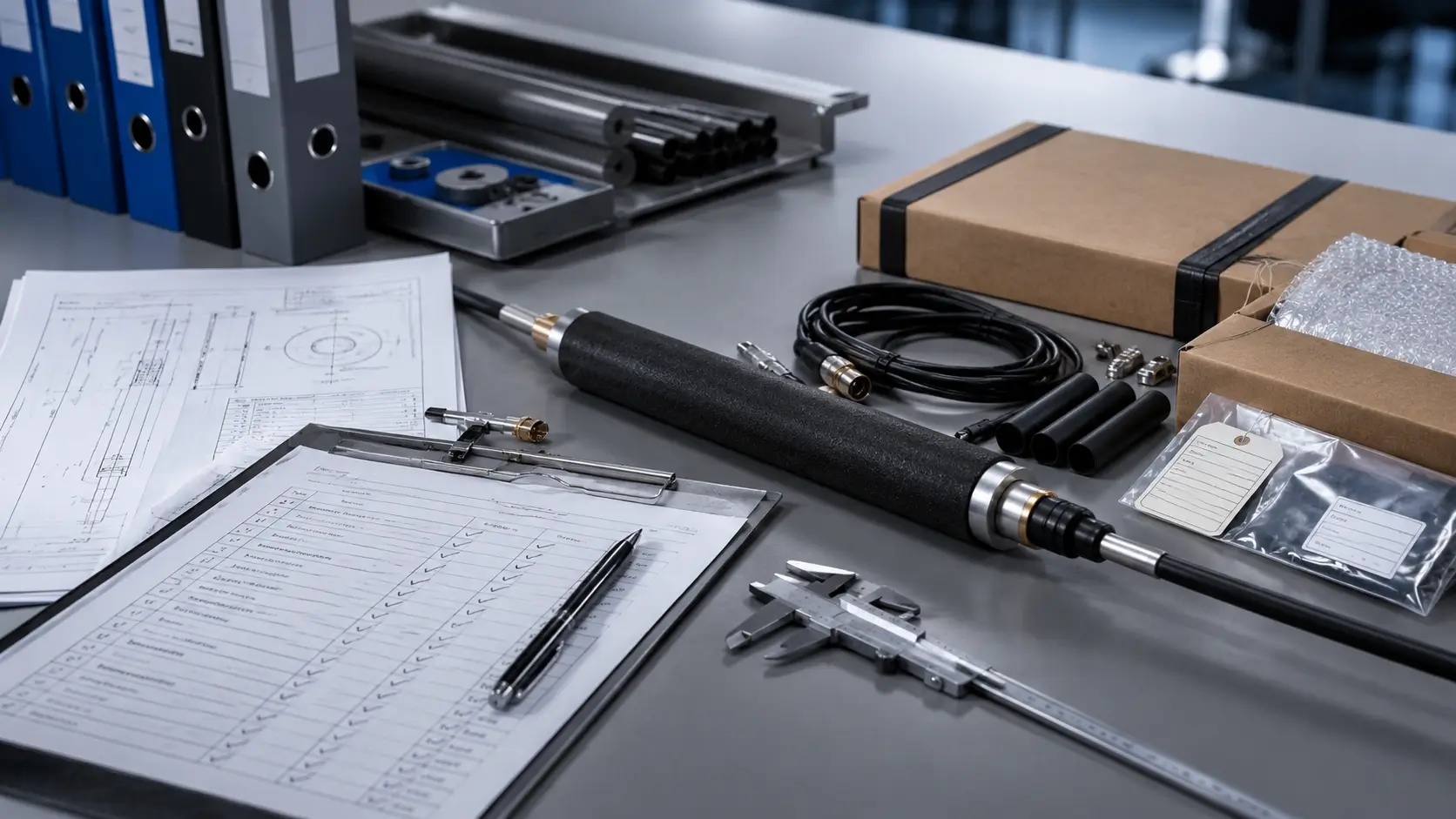
Marine ICCP anode project quality depends on MMO coating control, active area accuracy, cable connection, sealing quality, mounting features, label identification, packing protection, and final documentation.
MMO Anode Form Review
MMO tubular, disc, rod, or custom anode forms are reviewed according to substrate, size, coating, active area, and output requirements.
Coating Control
Coating formulation, application cycles, drying, thermal treatment, and coating loading are controlled according to project requirements.
Active Area & Dimension Check
Tube size, disc size, rod diameter, coating area, active length, mounting features, and connection details are reviewed according to agreed scope.
Cable & Sealing Review
Cable length, insulation, connection method, sealing, strain relief, labels, and termination details can be reviewed when required.
Packing & Labeling
Anodes are packed according to product form, cable protection, coating sensitivity, marine shipment requirements, and destination.
Project Documentation
MTC, coating records, inspection notes, packing list, product labels, cable / sealing notes, and project-specific QC documents can be prepared when required.
Available Documents May Include:
- MTC (Material Test Certificate)
- Coating record
- Active area / coating area record when required
- Dimensional inspection record
- Cable / sealing inspection notes when required
- Visual inspection notes
- Packing list & Product labels
- Project-specific QC documents
- Third-party inspection support when required
Explore More ICCP Anode Applications
If your project is not a marine structure protection system, explore other ICCP anode application pages to compare suitable installation methods and anode forms.
ICCP Installation Configurations
A complete overview of deep groundbed, shallow groundbed, tank bottom, concrete, marine, distributed, and localized ICCP layouts.
View Installation Configurations →Deep Groundbed Systems
For deep well and shallow groundbed systems using canister, tubular, or rod MMO anodes.
View Deep Groundbed ICCP Anodes →Tank Bottom Protection
For storage tank bottom and under-tank CP systems using ribbon, mesh ribbon, wire, or linear MMO anodes.
View Tank Bottom ICCP Anodes →Reinforced Concrete Protection
For bridges, piers, decks, and chloride-contaminated concrete using wire, mesh ribbon, ribbon, or disc anodes.
View Concrete ICCP Anodes →Pipelines & Buried Structures
For buried pipelines, underground tanks, and buried steel structures using canister, tubular, or linear anode systems.
View Pipeline & Buried Structure ICCP Anodes →Marine ICCP Anode FAQ
What are ICCP anodes for marine structures?
What anode forms are used for marine cathodic protection?
Why are MMO tubular anodes commonly used in marine CP?
When should MMO disc or rod anodes be reviewed for marine structures?
What information is needed for a marine ICCP anode quote?
Why is seawater exposure important for anode selection?
Why is cable sealing important in marine ICCP systems?
How does mounting method affect marine anode performance?
Can anode brackets and cable connections be customized?
Can reference electrode layout be considered with the anode system?
What documents can be provided?
Can Hele Titanium support jetties, piers, harbors, offshore structures, and water intake systems?
Get Your Marine ICCP Anode Recommendation
Tell us your marine structure type, seawater exposure, current demand, design life target, preferred anode form, mounting method, cable route, mechanical protection requirements, and documentation needs. Hele Titanium will help review suitable MMO anode forms and marine ICCP configurations for your project.
MMO Tubular, Disc, Rod and Custom Marine Anode Support
Matched to structure geometry and space constraints.
Seawater Current Output and Mounting Review
Reviewed according to salinity, demand, and mechanical exposure.
Cable Sealing, Labels and Documentation Support
Critical sealing and project records prepared when required.
Factory-Direct MMO Anode Manufacturing
Professional production and export packing.
Email: sales@heletitanium.com
Address: Room 1206, Building 1, Huaxia Yue World
Request Marine ICCP Anode Review
Request an Engineering Quote
Share your drawings, application, material grade, coating requirement, quantity, and delivery target. Our team will review your request within 1 business day.
Email Us
sales@heletitanium.comWhatsApp / Call Us
+86 13857402537Factory & Engineering Center
Titanium Valley, Baoji City, Shaanxi Province, China