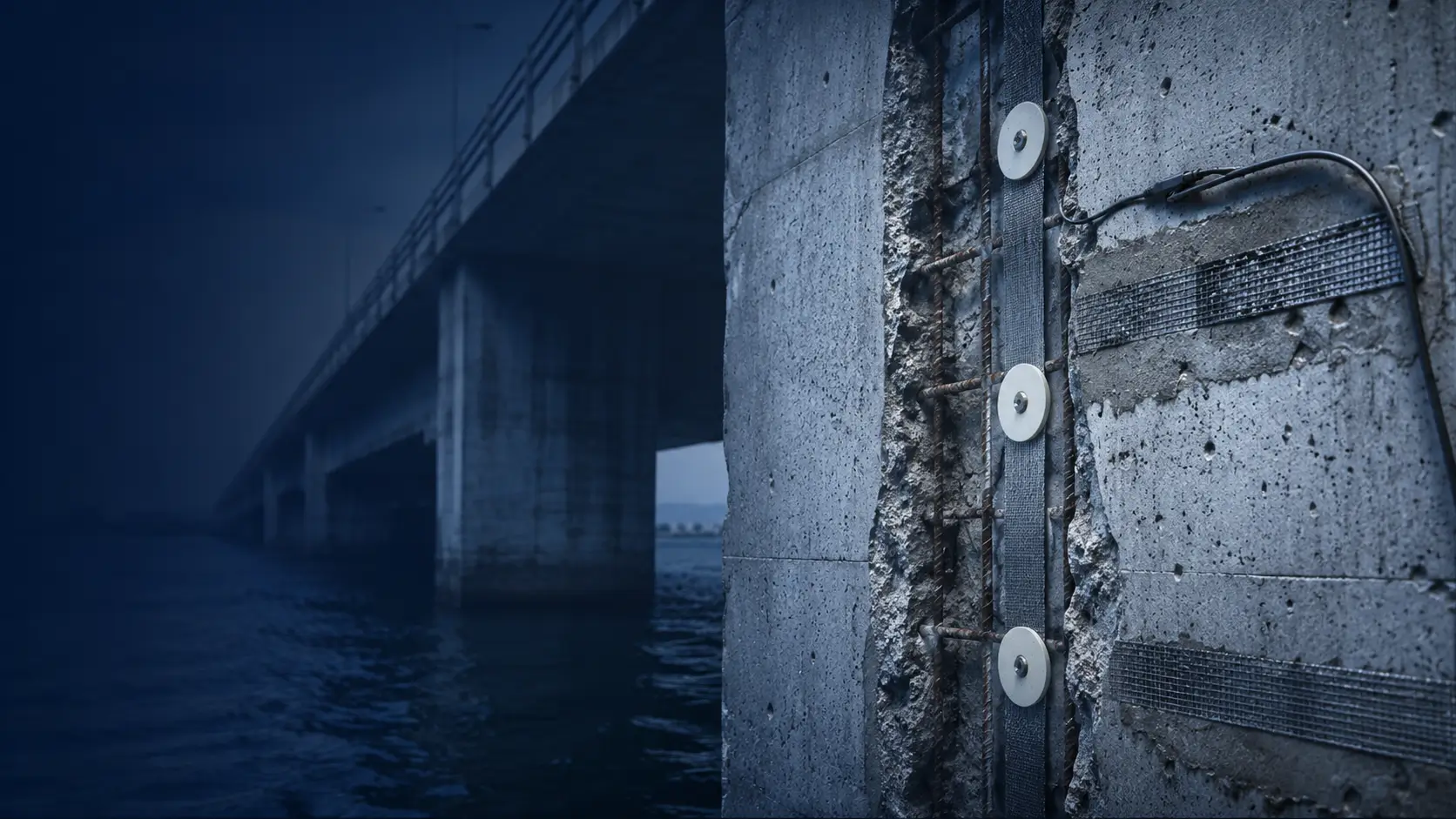
ICCP Anodes for Reinforced Concrete Protection
Custom MMO wire, mesh ribbon, ribbon, and disc anode solutions for reinforced concrete cathodic protection, chloride-contaminated concrete repair, bridge decks, marine concrete structures, parking structures, piers, and localized concrete protection zones.
REINFORCED CONCRETE ICCP ENGINEERING
Concrete CP Requires Anode Layouts Matched to Chloride, Resistivity and Repair Zones
Reinforced concrete ICCP systems are used to help control corrosion of embedded steel reinforcement in chloride-contaminated or aggressive concrete environments. The anode layout should be reviewed according to concrete resistivity, chloride level, cover depth, repair area, current density, installation method, and monitoring requirements.
Unlike soil or seawater CP systems, concrete cathodic protection depends on current distribution through concrete, repair mortar, overlay material, or embedded contact layers. The final anode form, spacing, current output, cable routing, and monitoring layout should be based on actual structure condition and CP design data. Hele Titanium supports MMO wire, mesh ribbon, ribbon, and disc anodes with comprehensive documentation support.
Concrete-Specific Selection
Anode forms reviewed based on resistivity, chloride level, repair zone, and installation method.
Versatile Layouts
Wire, mesh ribbon, ribbon, and disc anodes support different embedded and surface-applied approaches.
Current Density Review
Current density, anode spacing, active area, and design life target reviewed together.
Cable & Documentation
Cable routing, labels, MTC, and coating records supported when required.
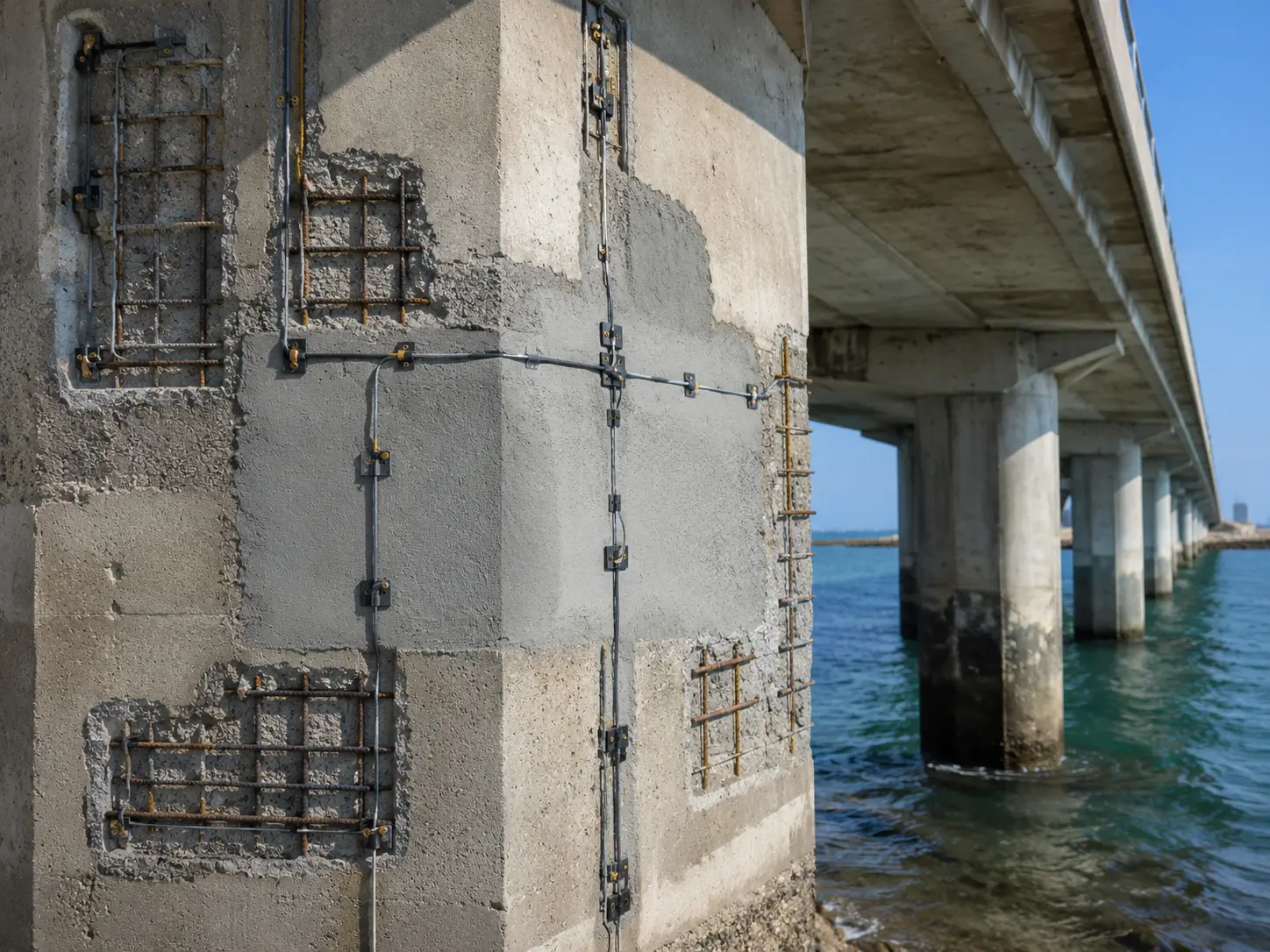
What Is Reinforced Concrete ICCP Protection?
Reinforced concrete ICCP protection is an impressed current cathodic protection method used to help reduce corrosion activity on steel reinforcement inside concrete structures. It is commonly reviewed for bridges, marine piers, parking structures, decks, columns, beams, and other concrete structures exposed to chlorides, moisture, or aggressive environments.
In concrete CP systems, MMO anodes are installed in or on the concrete surface to distribute protective current toward embedded steel reinforcement. The anode type and layout depend on concrete resistivity, chloride contamination, cover depth, repair area, overlay material, current density, cable routing, and monitoring requirements.
Recommended MMO Anode Forms for Reinforced Concrete ICCP Systems
Reinforced concrete ICCP systems can use different MMO anode forms depending on structure type, repair area, concrete resistivity, current density, embedment method, overlay design, and installation access. The final recommendation should be based on CP design data and site conditions.
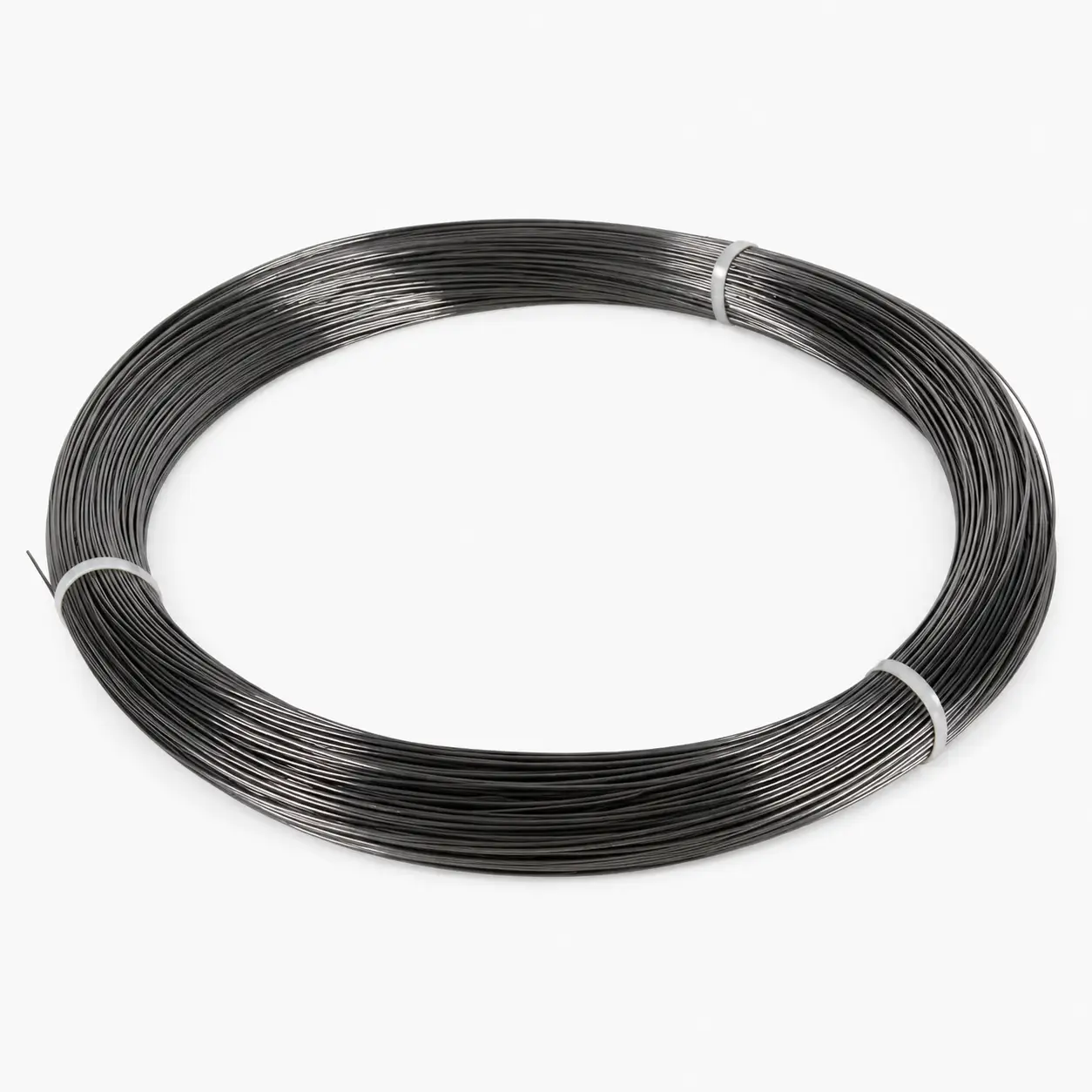
MMO Wire Anodes
Flexible MMO coated titanium wire anodes for routed, embedded, or compact distributed concrete CP layouts.
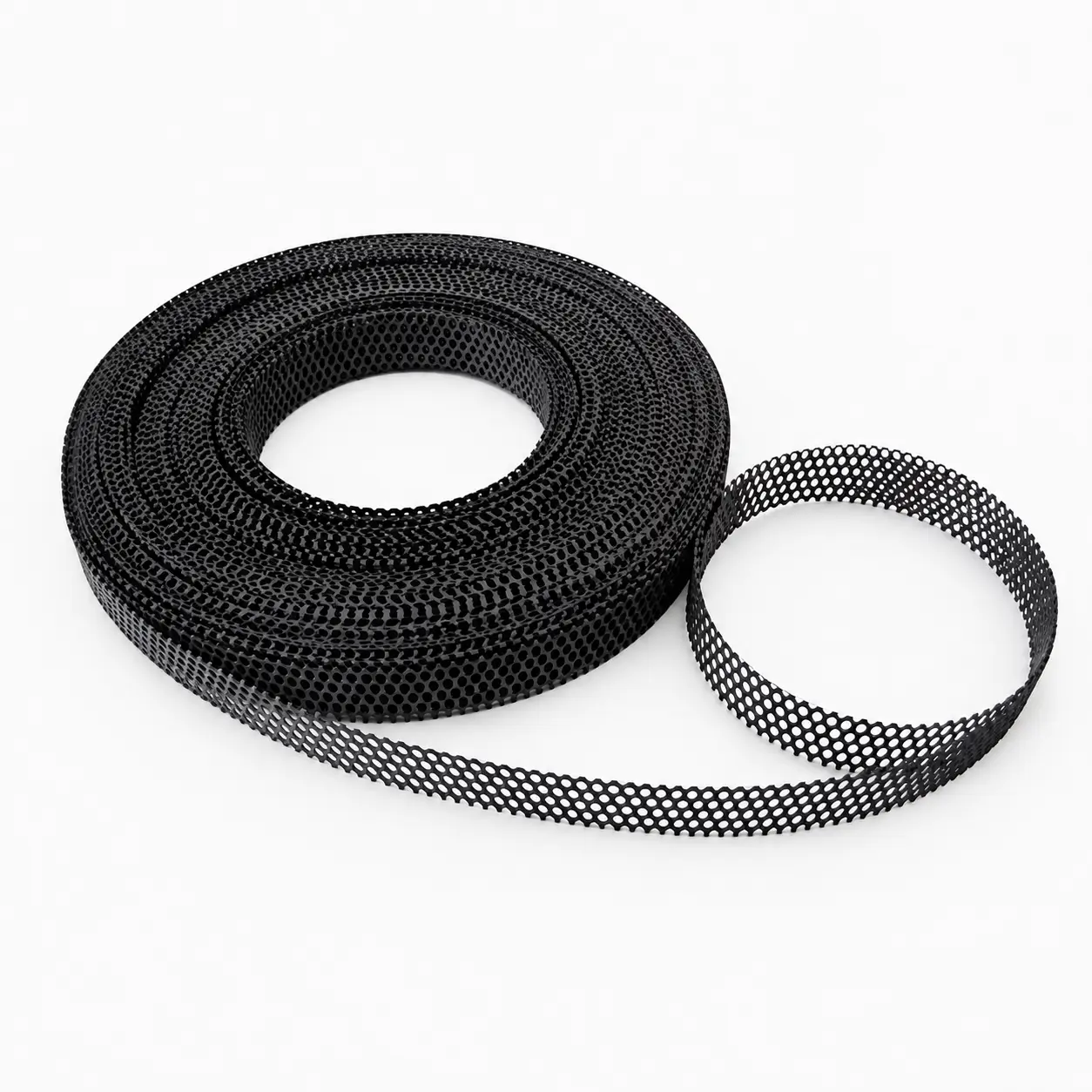
MMO Mesh Ribbon Anodes
Open mesh MMO coated titanium ribbon anodes for larger contact area, embedment, overlay systems, and distributed output.
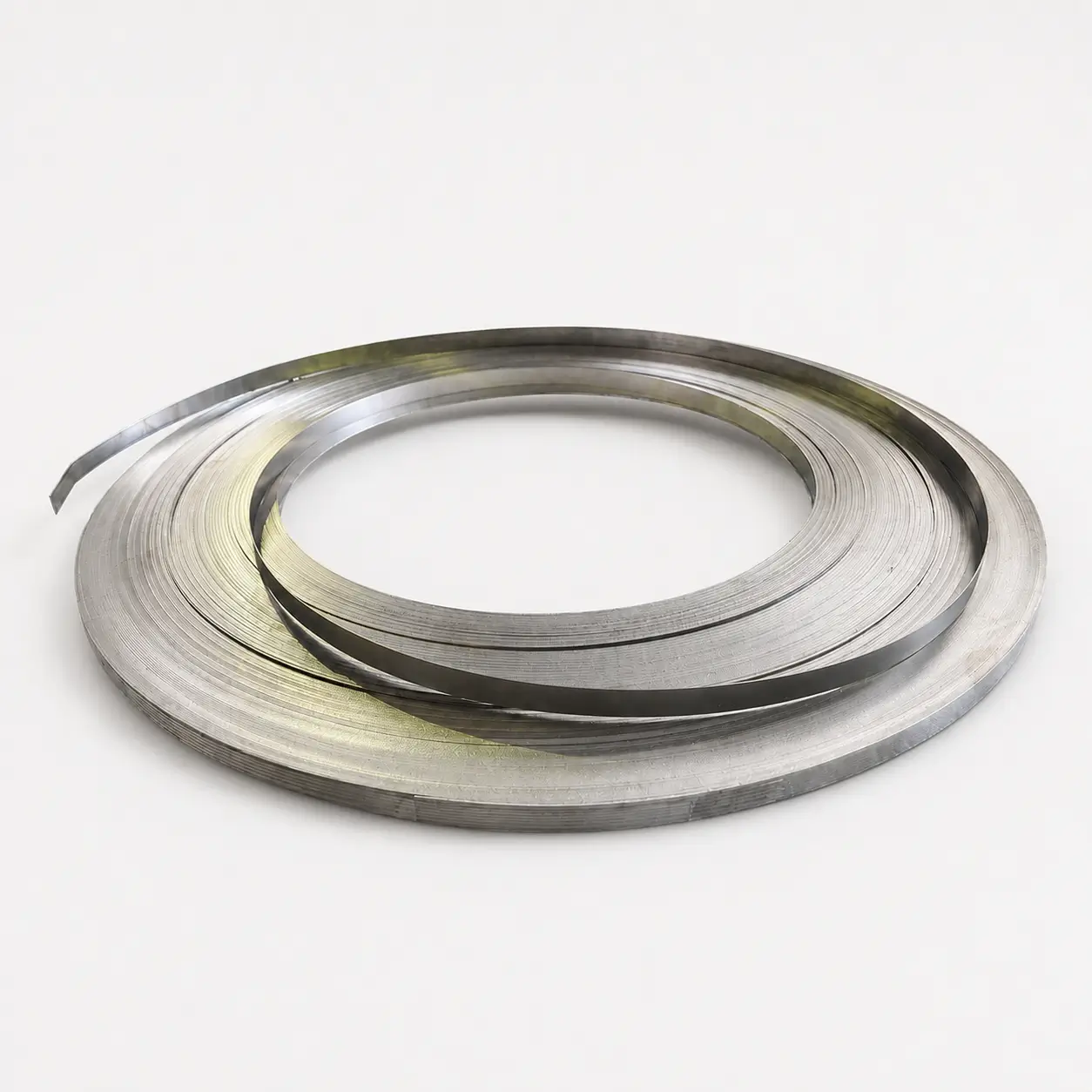
MMO Ribbon Anodes
Flat MMO coated titanium ribbon anodes for long-area current distribution in concrete repair and protection layouts.

MMO Disc Anodes
Compact MMO coated titanium disc anodes for localized concrete repair, patch protection, and defined active surface areas.
Where Reinforced Concrete ICCP Anodes Are Commonly Used
Reinforced concrete ICCP anode systems are commonly reviewed for concrete structures where embedded steel is exposed to corrosion risk due to chloride contamination, moisture, marine exposure, carbonation, or aggressive service environments.
Key Design Parameters for Concrete CP Anode Selection
A reliable reinforced concrete ICCP anode recommendation requires project data. The anode form, spacing, active area, cable route, current density, monitoring plan, and documentation should be reviewed based on the full concrete CP design.
Concrete Resistivity
Affects current distribution between the anode and steel reinforcement.
Chloride Level
Helps determine corrosion risk and CP system design requirements.
Cover Depth & Rebar
Concrete cover, spacing, and continuity affect current path and positioning.
Repair Area & Geometry
Size, shape, depth, and access affect anode form and installation method.
Current Density
Should be reviewed according to CP design, active area, and service requirements.
Embedment Method
Groove, overlay, repair mortar, or surface-applied layout should be confirmed.
Cable & Monitoring
Routing, reference electrode position, and test points should be planned early.
Documentation
MTC, coating records, inspection, and cable records prepared when required.
Concrete CP Anode System Components to Review
A reinforced concrete ICCP system is not only the anode. The concrete condition, repair material, electrical continuity, cable system, reference electrodes, and monitoring plan should be reviewed together.
Current Density, Anode Spacing and Embedment Method Must Be Reviewed Together
For reinforced concrete ICCP systems, anode selection cannot be based only on wire diameter, mesh opening, or disc size. Concrete resistivity, chloride level, repair depth, anode spacing, current density, cable routing, monitoring layout, and design life all affect the final recommendation.
Concrete Resistivity & Chloride Level
Concrete condition affects current distribution and anode layout design. Reviewed according to project requirements.
Active Area & Spacing
Anode active area and spacing should match the repair zone and protection requirement based on operating conditions.
Current Density
Current density should be reviewed according to CP design, coating loading, and service target.
Embedment & Cable Layout
Embedment method, repair material, cable route, and monitoring points should be planned early.
Concrete ICCP Installation Risk Factors to Review
Many concrete CP issues are related not only to anode material, but also to incomplete concrete condition data, poor embedment, unsuitable repair material, damaged cable routes, or limited monitoring access. Reviewing these issues before production helps improve anode selection and project planning.
Missing Condition Data
Without concrete resistivity, chloride level, cover depth, or repair area data, anode selection may be less reliable.
Incorrect Anode Spacing
Poor spacing may lead to uneven current distribution across the repair zone.
Poor Embedment or Contact
Insufficient contact between anode and repair material can affect current transfer.
Cable Damage During Repair
Cable routing, protection, and identification should be planned before installation.
Limited Monitoring Access
Reference electrode and test point access affects commissioning and future review.
Wrong Anode Form
Wire, mesh ribbon, ribbon, or disc anodes should be selected based on repair geometry, not only price.
If your project already has a concrete condition survey, chloride test, resistivity report, repair drawing, CP design calculation, or installation layout, share it with Hele Titanium for anode form and documentation review.
Review My Concrete CP Risk FactorsQuality & Documentation Support for Concrete ICCP Projects
Concrete ICCP anode project quality depends on MMO coating control, active area accuracy, coated length, mesh geometry, cable connection, label identification, packing protection, and final documentation.
Available Documents May Include:
- MTC
- Coating record
- Coated length / active area record when required
- Dimensional inspection record
- Cable / connection inspection notes when required
- Visual inspection notes
- Packing list & Product labels
- Project-specific QC documents
- Third-party inspection support when required
1. MMO Anode Form Review
Forms are reviewed according to substrate, size, coating, and output requirements.
2. Coating Control
Coating formulation, cycles, thermal treatment, and loading controlled according to project requirements.
3. Active Area & Dimension
Wire diameter, mesh opening, ribbon width, disc size, and active area reviewed according to agreed scope.
4. Cable & Connection
Cable length, insulation, connection method, sealing, and labels reviewed when required.
5. Packing & Labeling
Packed according to product form, cable protection, destination, and shipment requirement.
6. Project Documentation
Comprehensive documentation packages can be prepared when required based on inspection scope.
Explore More ICCP Anode Applications
If your project is not a reinforced concrete protection system, explore other ICCP anode application pages to compare suitable installation methods and anode forms.
Installation Configurations
A complete overview of deep groundbed, shallow groundbed, tank bottom, concrete, marine, distributed, and localized ICCP layouts.
ViewDeep Groundbed Systems
For deep well and shallow groundbed systems using canister, tubular, or rod MMO anodes.
ViewTank Bottom Protection
For storage tank bottom and under-tank CP systems using ribbon, mesh ribbon, wire, or linear MMO anodes.
ViewMarine Structures
For jetties, piers, harbors, seawalls, offshore structures, and water intake systems using tubular, disc, or rod anodes.
ViewPipelines & Buried Structures
For buried pipelines, underground tanks, and buried steel structures using canister, tubular, or linear anode systems.
ViewReinforced Concrete ICCP Anode FAQ
Technical answers for concrete cathodic protection and repair planning.
What is reinforced concrete ICCP protection?
What anode forms are used for reinforced concrete CP?
Why are MMO wire and mesh ribbon anodes commonly used in concrete CP?
What is the difference between MMO wire, mesh ribbon, ribbon, and disc anodes for concrete protection?
What information is needed for a reinforced concrete CP anode quote?
Why is concrete resistivity important?
Why is chloride level important for concrete CP?
How does anode spacing affect current distribution?
Can cable length and connection be customized?
Can reference electrode layout be considered with the anode system?
What documents can be provided?
Can Hele Titanium support bridge, marine concrete, parking structure, and repair zone CP projects?
Get Your Reinforced Concrete ICCP Anode Recommendation
Tell us your structure type, concrete condition, chloride level, concrete resistivity, repair area, current density target, preferred anode layout, cable routing, monitoring requirements, and documentation needs. Hele Titanium will help review suitable MMO anode forms and reinforced concrete ICCP configurations for your project.
MMO Wire, Mesh Ribbon, Ribbon and Disc Anode Support
Concrete Current Density and Anode Spacing Review
Cable Connection, Labels and Documentation Support
Factory-Direct MMO Anode Manufacturing and Export Packing
Direct Contact:
sales@heletitanium.com
Room 1206, Building 1, Huaxia Yue World