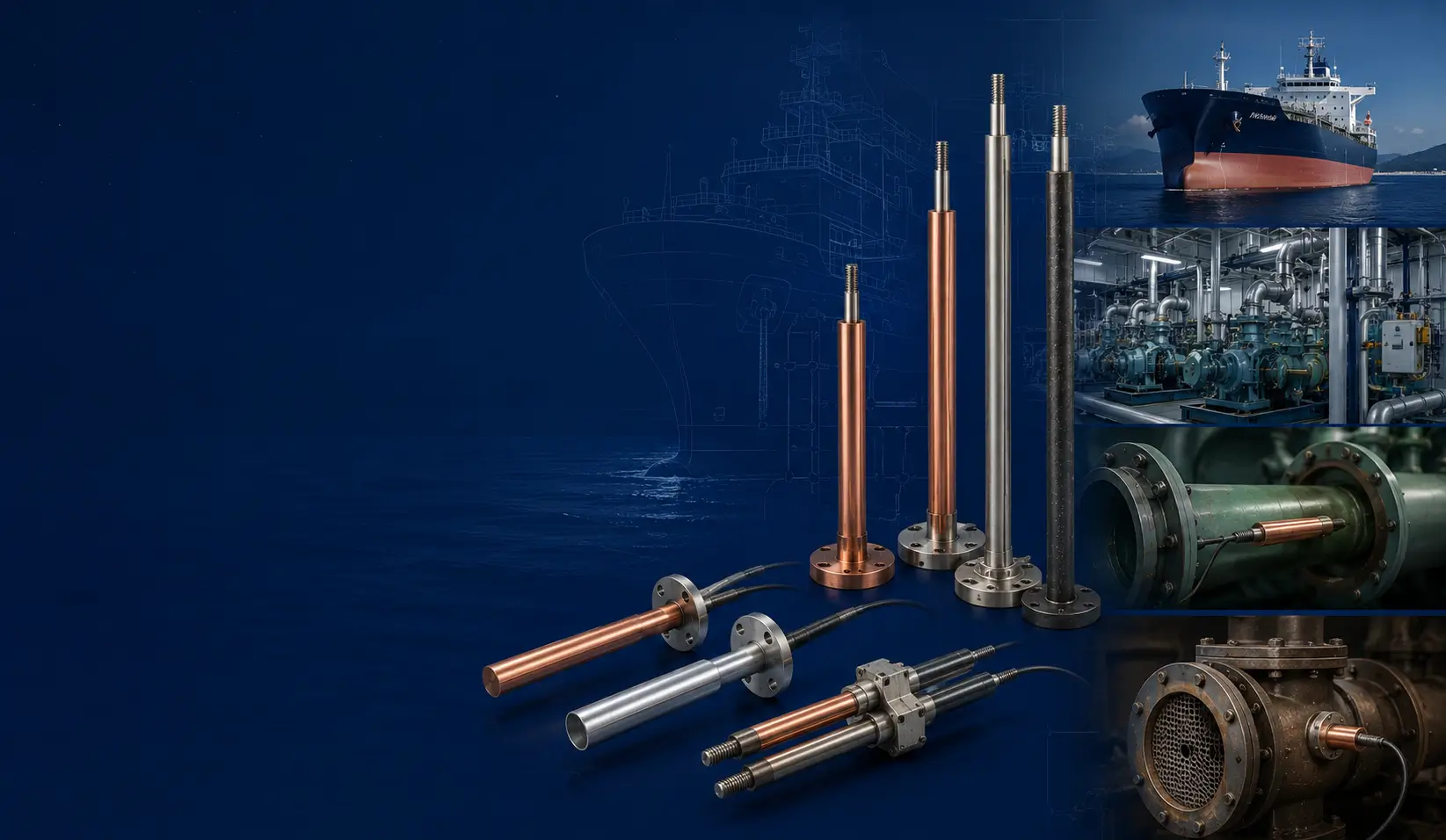
Copper, Aluminum & Iron MGPS Anodes for Marine Growth Prevention
Factory-direct MGPS / ICAF / EAF anodes engineered for controlled ion release, biofouling prevention, internal corrosion support, and reliable operation in seawater systems.
Effective Marine Growth Prevention Starts with the Right Anode
MGPS anodes release controlled copper, aluminum, or iron ions into seawater to prevent marine organisms from settling inside sea chests, strainers, pumps, cooling lines, box coolers, and heat exchangers. If the anode material, current output, size, or installation location is wrong, fouling control becomes unreliable.
Hele Titanium manufactures MGPS anodes around your seawater system layout, pipe diameter, flow rate, water chemistry, system brand, mounting method, and planned maintenance cycle.
Controlled Ion Release
Copper anodes release Cu²⁺ ions for anti-fouling, while aluminum or iron anodes support internal corrosion control through protective compounds.
Material Matched to Pipework
Copper, aluminum, and iron anodes should be selected based on pipe material, seawater chemistry, and the system's anti-fouling or corrosion-control goal.
Correct Placement Matters
Sea chest, strainer, treatment tank, box cooler, and pump-mounted installations require different anode shapes and mounting designs.
Lifespan Planning
Anode size, current output, salinity, flow rate, temperature, and fouling pressure affect consumption rate and replacement schedule.
MGPS Anode Product Range
Hele Titanium manufactures copper, aluminum, iron, dual, box cooler, pump-mounted, rack-mounted, and OEM-compatible replacement anodes for Marine Growth Prevention Systems. Each anode can be engineered for controlled ion release, seawater durability, installation compatibility, and planned service life.
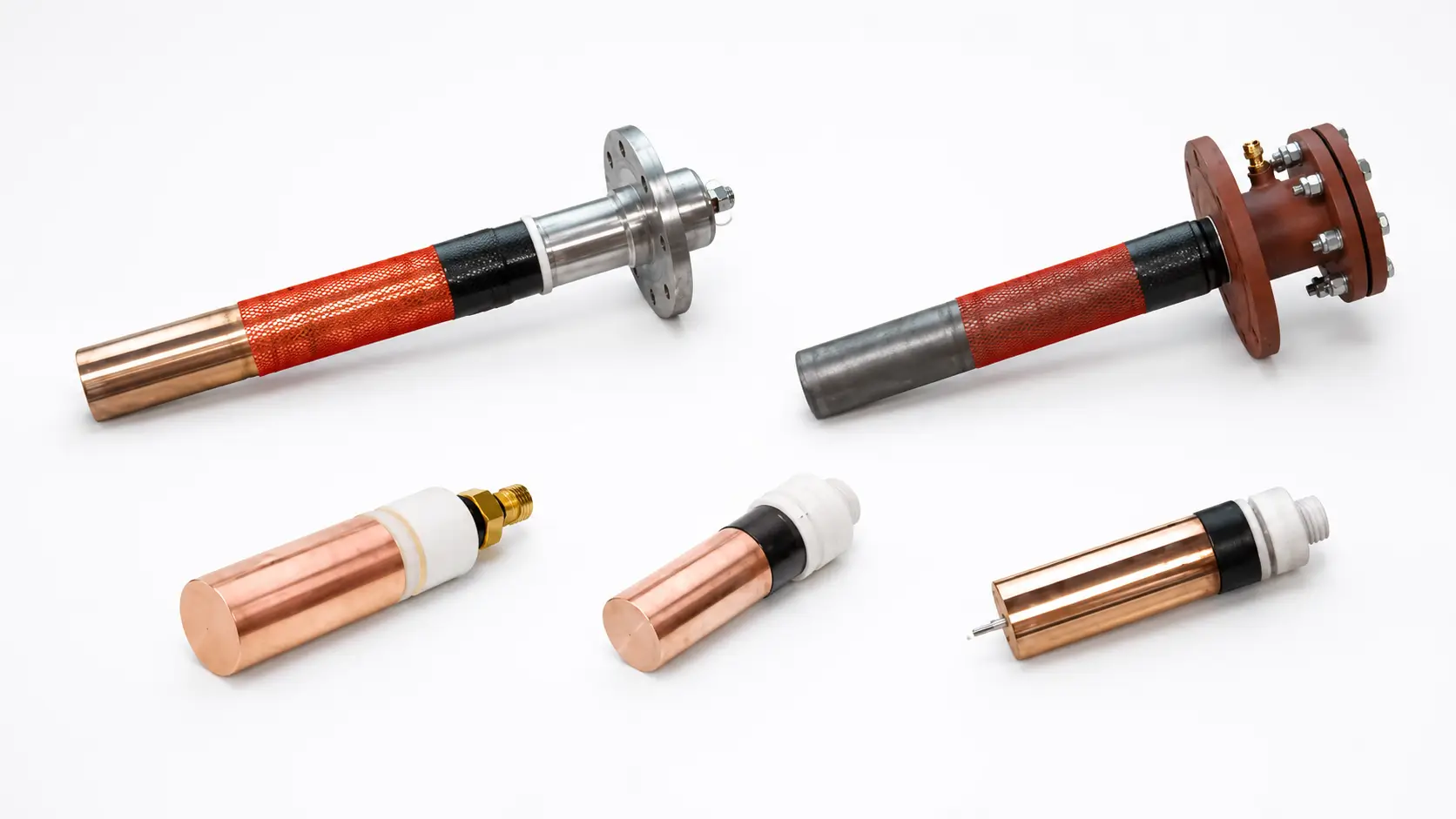
Copper MGPS / ICAF Anodes
Premium electrolytic copper anodes engineered for precise ion release, delivering superior biofouling deterrence in demanding environments.
- • Releases Cu²⁺ ions to deter biofouling
- • High-purity electrolytic copper
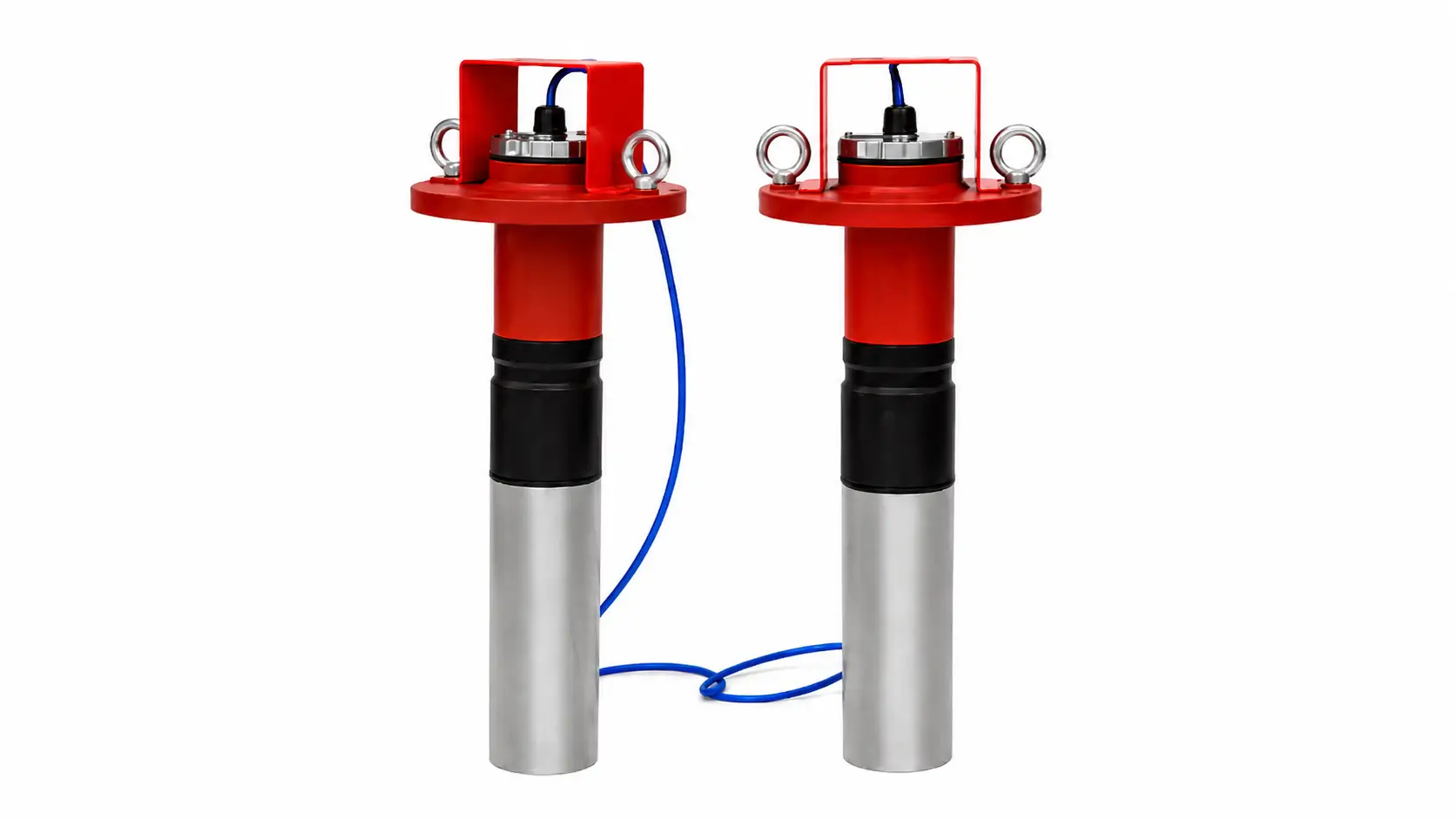
Aluminum MGPS Anodes
Advanced aluminum anodes designed to form robust protective films, mitigating internal corrosion across critical cooling infrastructures.
- • Releases Al³⁺ ions for pipe protection
- • Helps form Al(OH)₃ film on steel
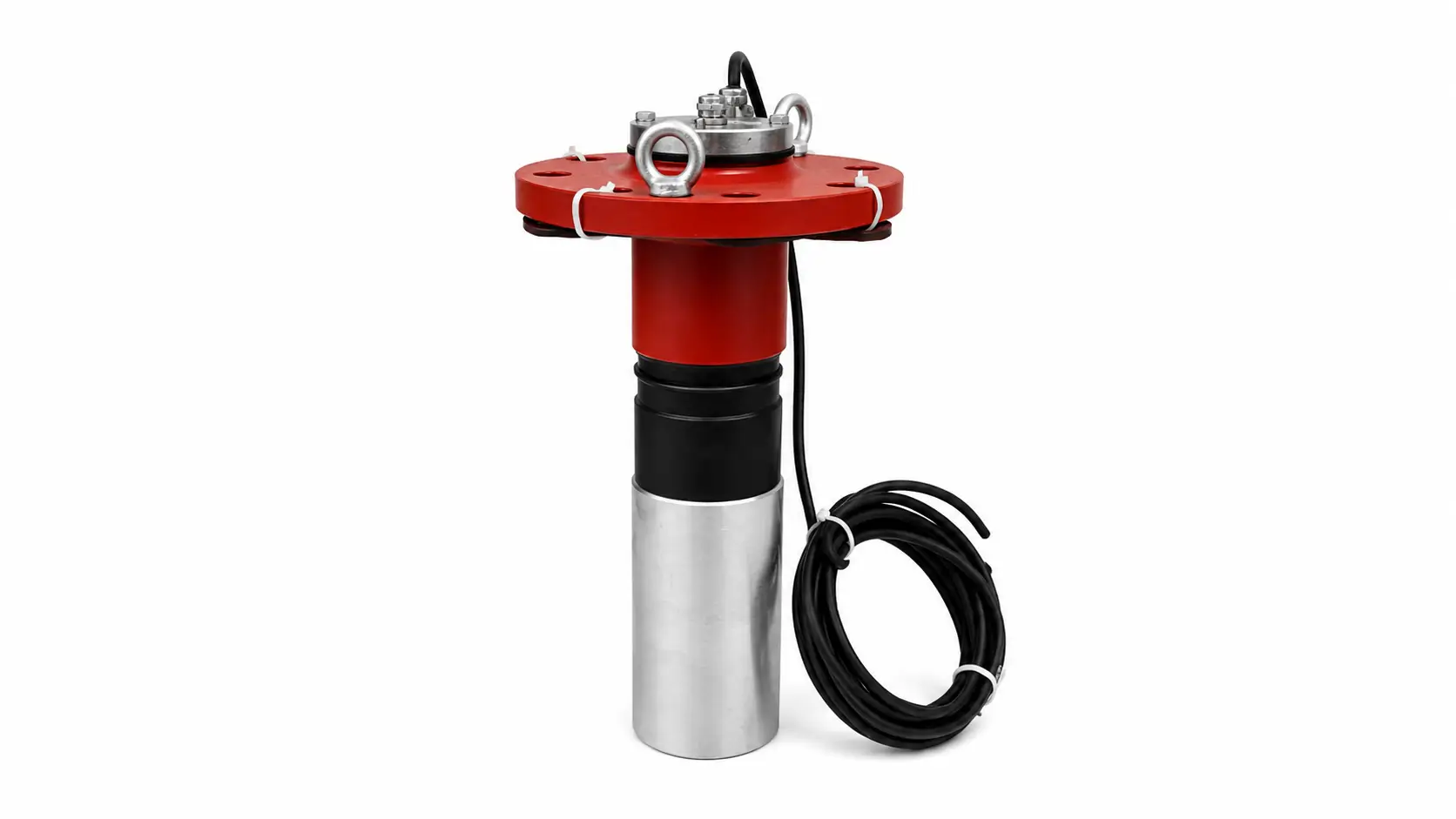
Iron / Ferrous ICAF Anodes
High-performance ferrous anodes providing essential corrosion inhibition support for complex copper-nickel pipework systems.
- • Releases Fe²⁺ ions for support
- • Maintains protective oxide films
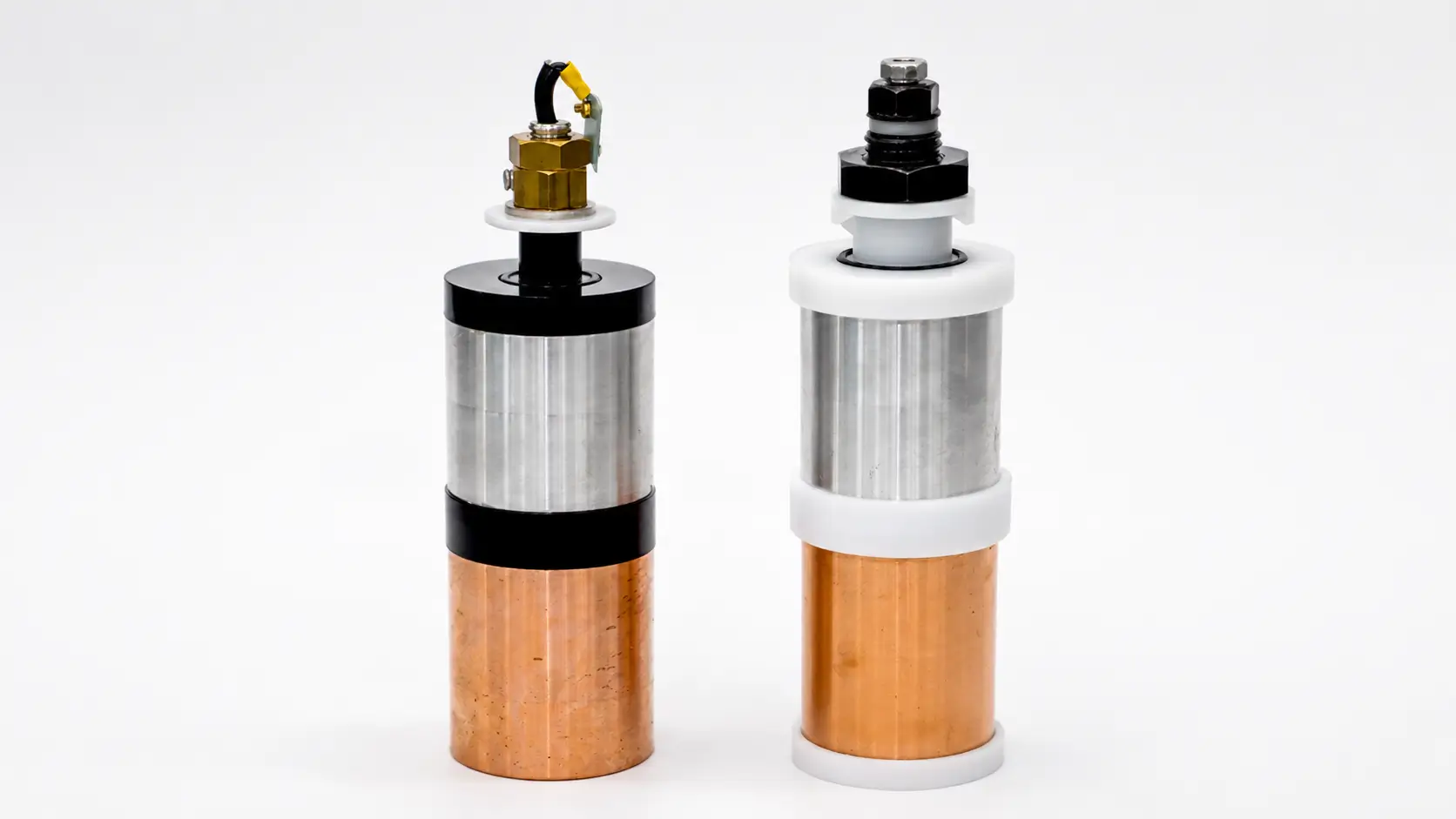
Dual MGPS Anodes
Integrated anti-fouling and corrosion mitigation assemblies, optimizing space and performance for advanced industrial retrofits.
- • Combines Cu with Al or Fe
- • Space-saving design
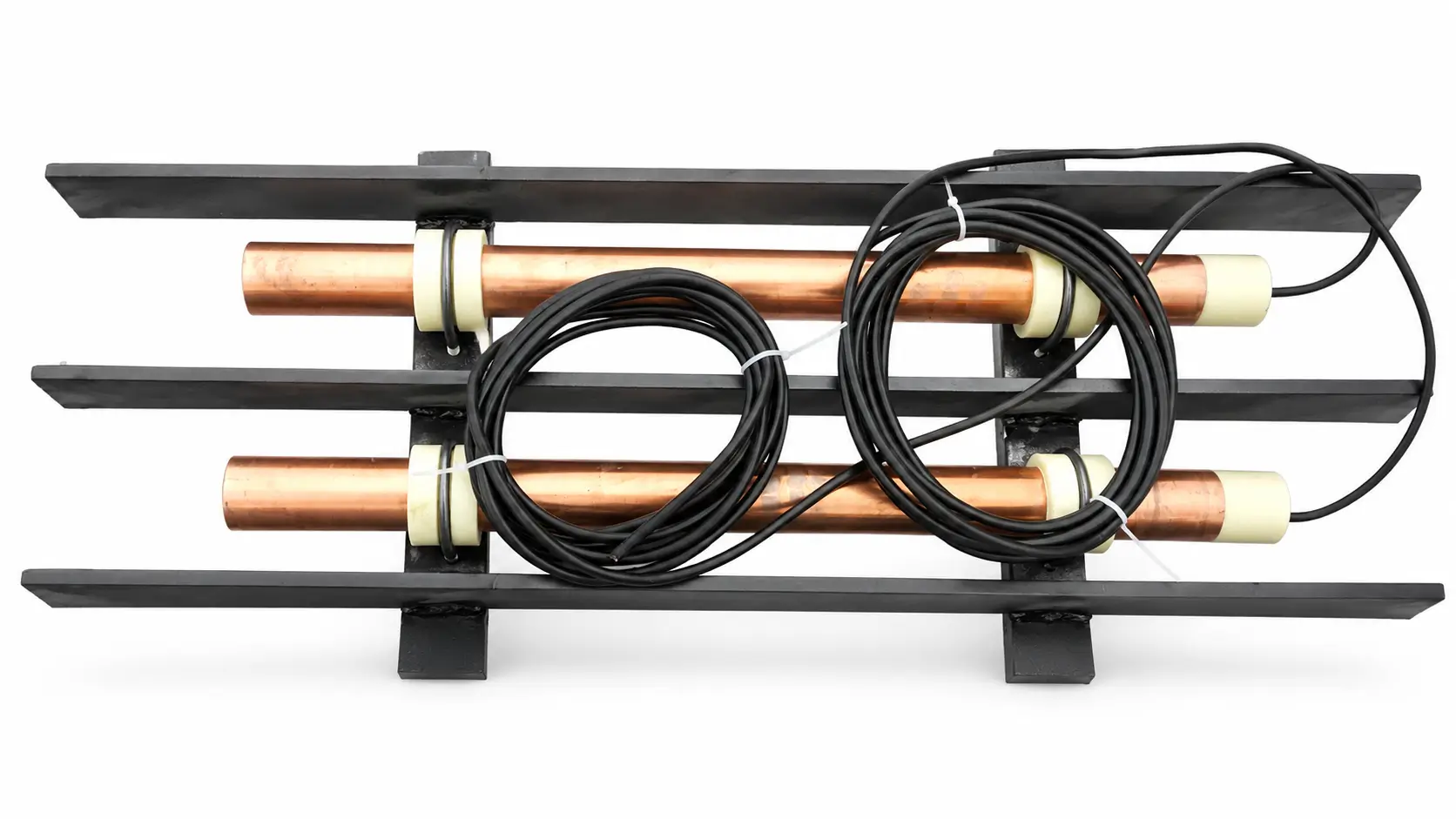
Box Cooler Anodes
Custom-engineered MGPS solutions tailored for submerged cooler systems, ensuring sustained heat transfer efficiency.
- • Custom shapes for sea bays
- • Maintains heat transfer efficiency
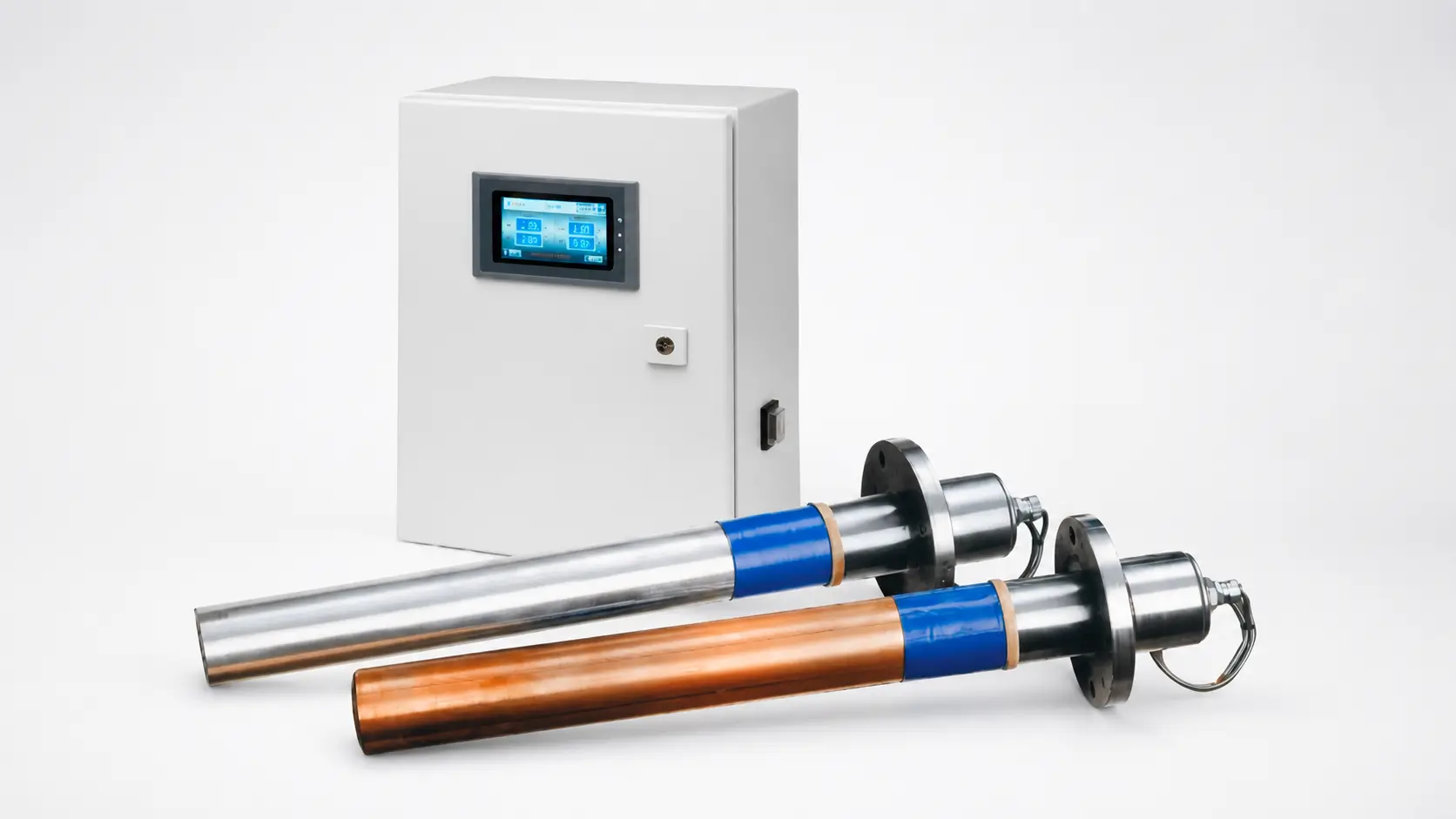
Pump Mounted Anodes
Compact, localized electrochemical protection designed specifically to safeguard critical pump casings and internal components.
- • Compact form for pump casings
- • Custom geometry available
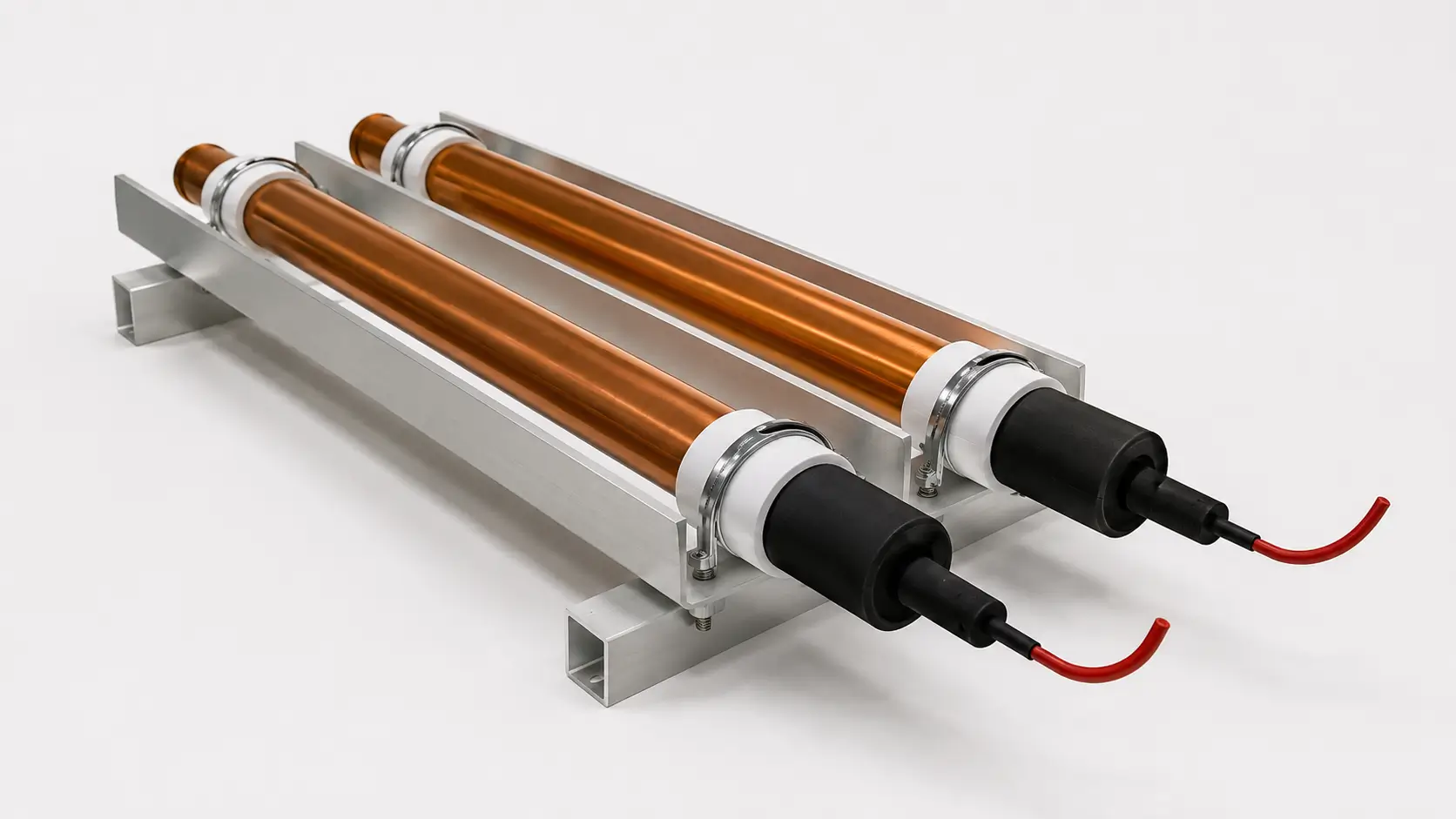
Rack Mounted Anodes
Pre-assembled, multi-anode rack systems streamlining installation and long-term maintenance protocols for large-scale operations.
- • Multiple anodes on one rack
- • Reduces installation complexity
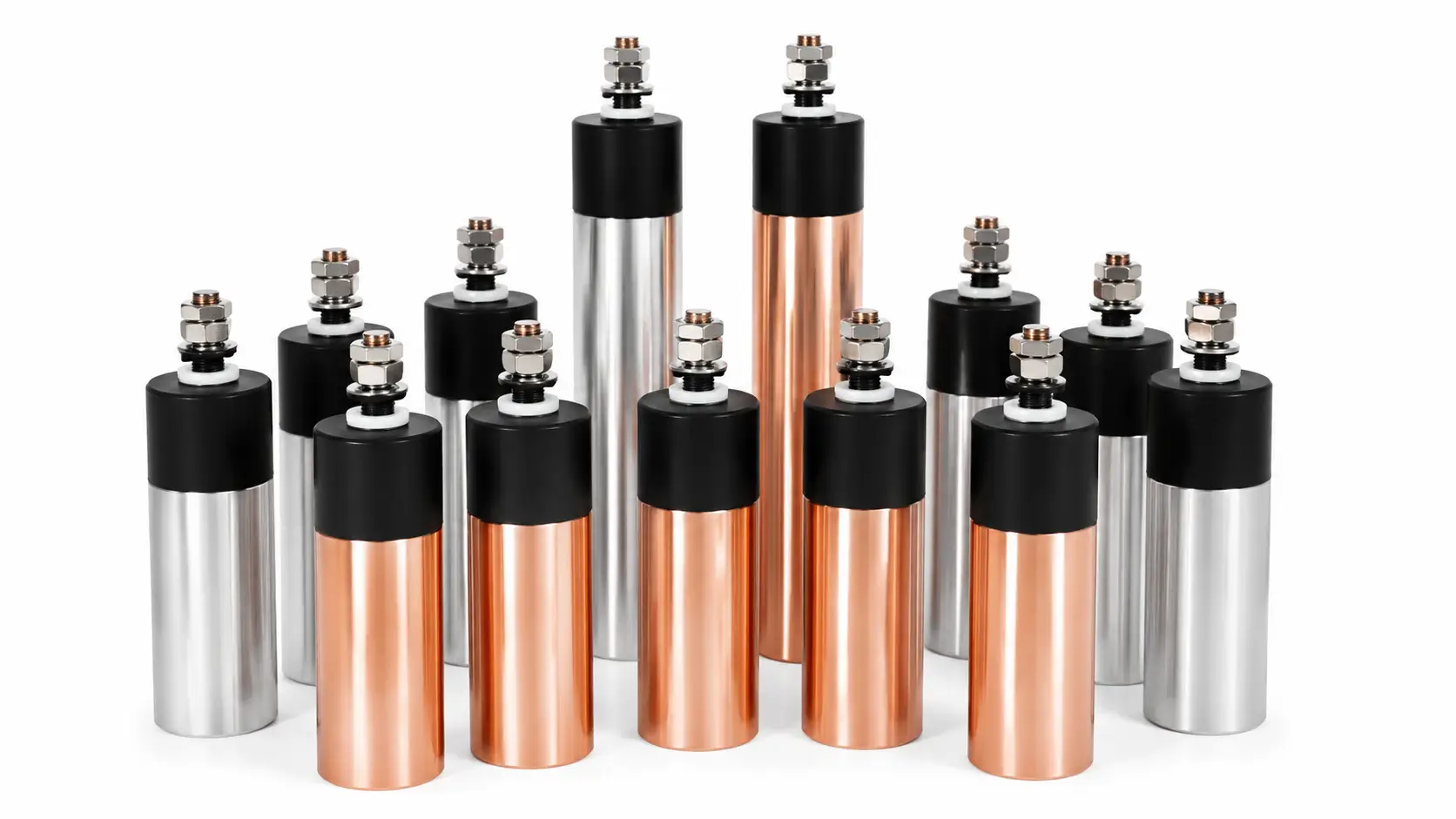
OEM-Compatible Replacements
Precision-manufactured replacement anodes engineered to seamlessly integrate with existing legacy MGPS and ICAF architectures.
- • Matches major system layouts
- • Custom dimensions & threads
How to Choose the Right MGPS Anode
MGPS anode selection depends on the protection goal, pipe material, seawater flow rate, installation location, current setting, salinity, service life target, and compatibility with the existing system. Use this guide as a starting point before requesting a technical recommendation.
Buyer Note:
For accurate selection, provide vessel type, sea chest layout, pipe material/diameter, flow rate, existing system brand, and target service life.
Material Selection Matrix
| Anode Type | Primary Function | Best Fit | |
|---|---|---|---|
| Copper Anode | Anti-fouling | Most seawater intake & cooling | Releases Cu²⁺ ions to prevent larvae settling. |
| Aluminum Anode | Internal corrosion support | Steel pipework | Forms Al(OH)₃ compounds for internal protection. |
| Iron / Ferrous Anode | Corrosion support | Cu-Ni pipework systems | Maintains protective oxide film stability. |
| Dual MGPS Anode | Anti-fouling + corrosion | Limited space, retrofits | Combines two functions in one assembly. |
| Box Cooler Anode | Localized control | Box cooler sea bays | Custom shape to match cooler layout. |
| Pump Mounted Anode | Localized pump protection | Fire/ballast/service pumps | Compact geometry for pump casings. |
Installation Method Matrix
| Location | Recommended Type | |
|---|---|---|
| Sea Chest | Copper + Al/Fe, Dual, Rack | Early ion release at seawater intake. |
| Strainer | Copper, Dual, Rack | Protect filtration area & downstream flow. |
| Treatment Tank | Cu + Al/Fe assemblies | Controlled conditioning before circulation. |
| Box Cooler | Box cooler anodes | Localized protection of heat exchange surfaces. |
| Pump Casing | Pump mounted anodes | Prevent localized fouling, maintain flow. |
| Retrofit System | OEM-compatible replacements | Dimensional compatibility & connection match. |
Built Around Your Vessel, System & Installation Point
Standard MGPS anodes do not always match vessel layouts, existing system brands, pipework geometry, sea chest design, or drydock schedules. Hele Titanium manufactures custom MGPS / ICAF / EAF anodes based on material, mounting method, current output, flow conditions, and replacement requirements.
Send Your RequirementsMaterial Selection
Copper, aluminum, iron, and dual-material designs selected according to anti-fouling goals, metallurgy, and seawater environment.
Custom Dimensions
Diameter, length, shape, weight, and surface area customized to match sea chests, strainers, or legacy systems.
Mounting Design
Flange, thread, welded, rack-mounted, pump-mounted, and custom mechanical connection designs manufactured to spec.
OEM Replacements
We manufacture replacement anodes compatible with existing systems from major marine brands when dimensions/drawings are provided.
Lifespan Matching
Engineered around control panel settings, flow, operating hours, and planned drydock intervals.
Project Documentation
Drawings, material certificates, inspection reports, and export docs prepared for shipyard and fleet maintenance projects.
MGPS Anode Quality — Controlled for Ion Release, Fit & Marine Durability
MGPS anodes are consumable marine components, but they must dissolve predictably, fit correctly, connect securely, and perform reliably in seawater. Hele Titanium controls material purity, dimensions, surface quality, mounting accuracy, electrical continuity, and traceability before delivery.
Marine-Grade Material Control
Copper, aluminum, and iron materials selected according to system function and marine specs.
Precision Machining & Forming
Diameter, thread, flange, and profiles controlled to support installation fit.
Electrical Reliability
Connections and terminals checked for continuity test and safe operation.
Traceable Documentation
batch number, inspection records, and drawings prepared for shipyard review.
| QA Stage | Inspection Criteria | Purpose |
|---|---|---|
| Raw Material Verification | Cu purity, Al alloy, Fe quality | Confirm suitability for ion release |
| Dimensional Inspection | Diameter, length, thread, flange | Ensure installation fit |
| Weight & Consumption | Anode mass & usable volume | Support expected lifespan |
| Electrical Continuity | Conductive path & terminals | Confirm anode receives current |
| Compatibility Review | Match with system drawings | Reduce retrofit risk |
Quality Records for Shipyard & Fleet Maintenance Projects
For qualified MGPS anode projects, Hele Titanium can provide material records, dimensional reports, inspection records, drawings, part labels, packing lists, and export documentation to support procurement and shipyard installation.
Request MGPS Anode QC DocumentationMGPS Anodes for Critical Seawater Systems
MGPS anodes protect seawater intake and cooling systems from internal marine growth. Hele Titanium helps shipowners, shipyards, and offshore operators select configurations that match vessel layout and maintenance strategy.
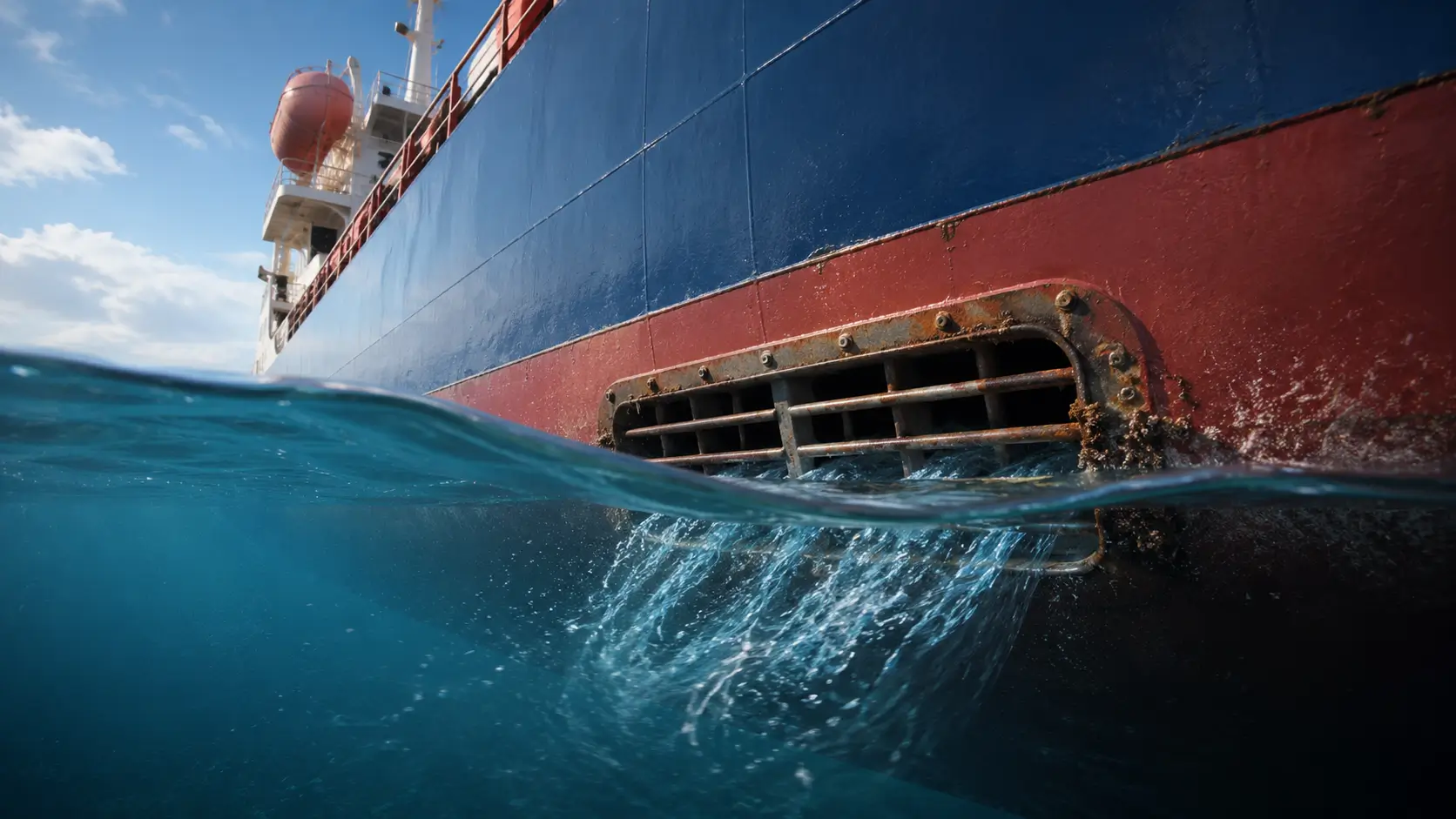
Sea Chests & Intakes
Challenge: Marine larvae enter at intake points and spread downstream.
Recommended: Copper, Al, Fe, Dual, Rack anodes
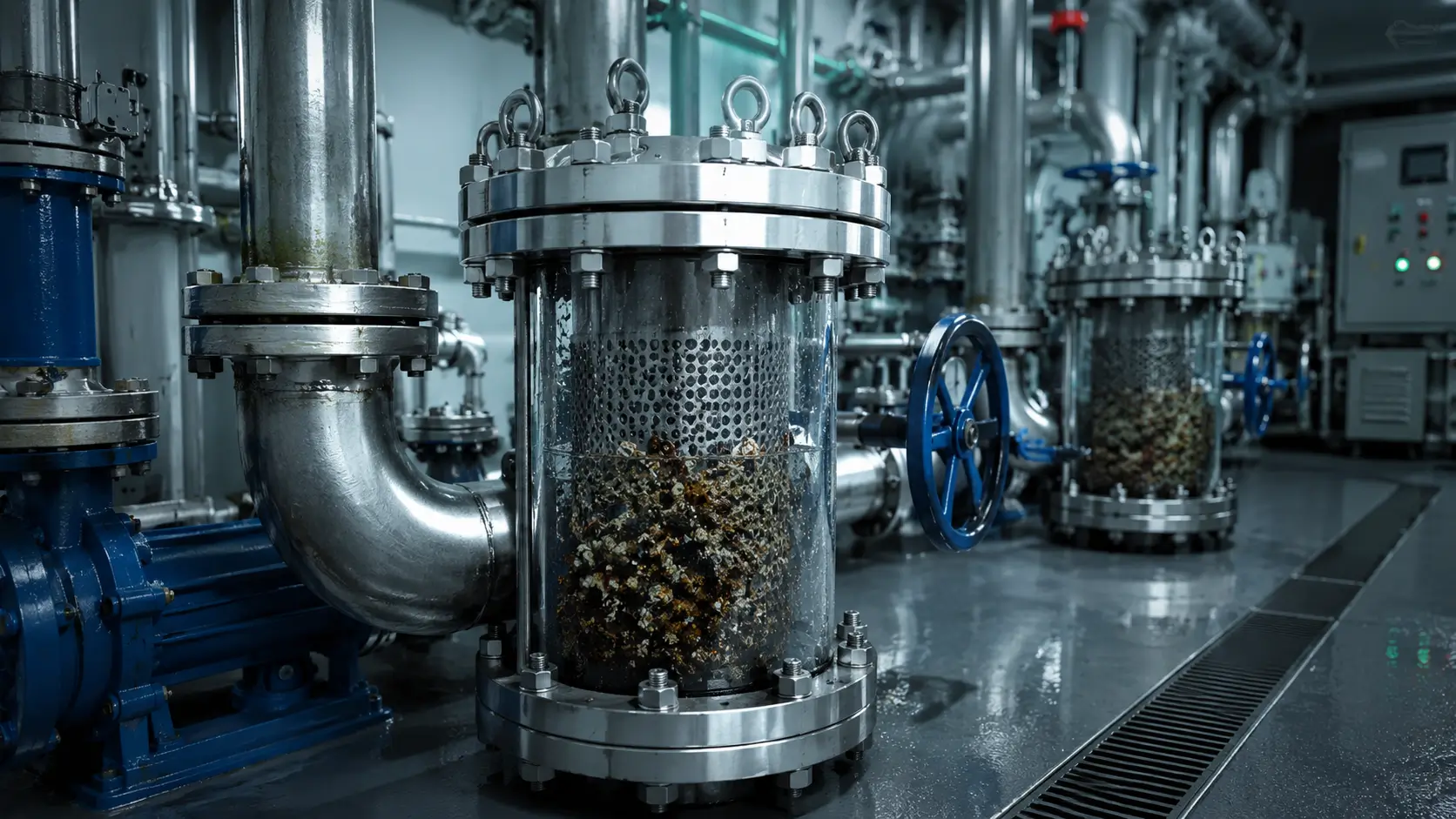
Strainers & Filters
Challenge: Biofouling reduces filtration efficiency and restricts flow.
Recommended: Copper, Dual, Rack-mounted anodes
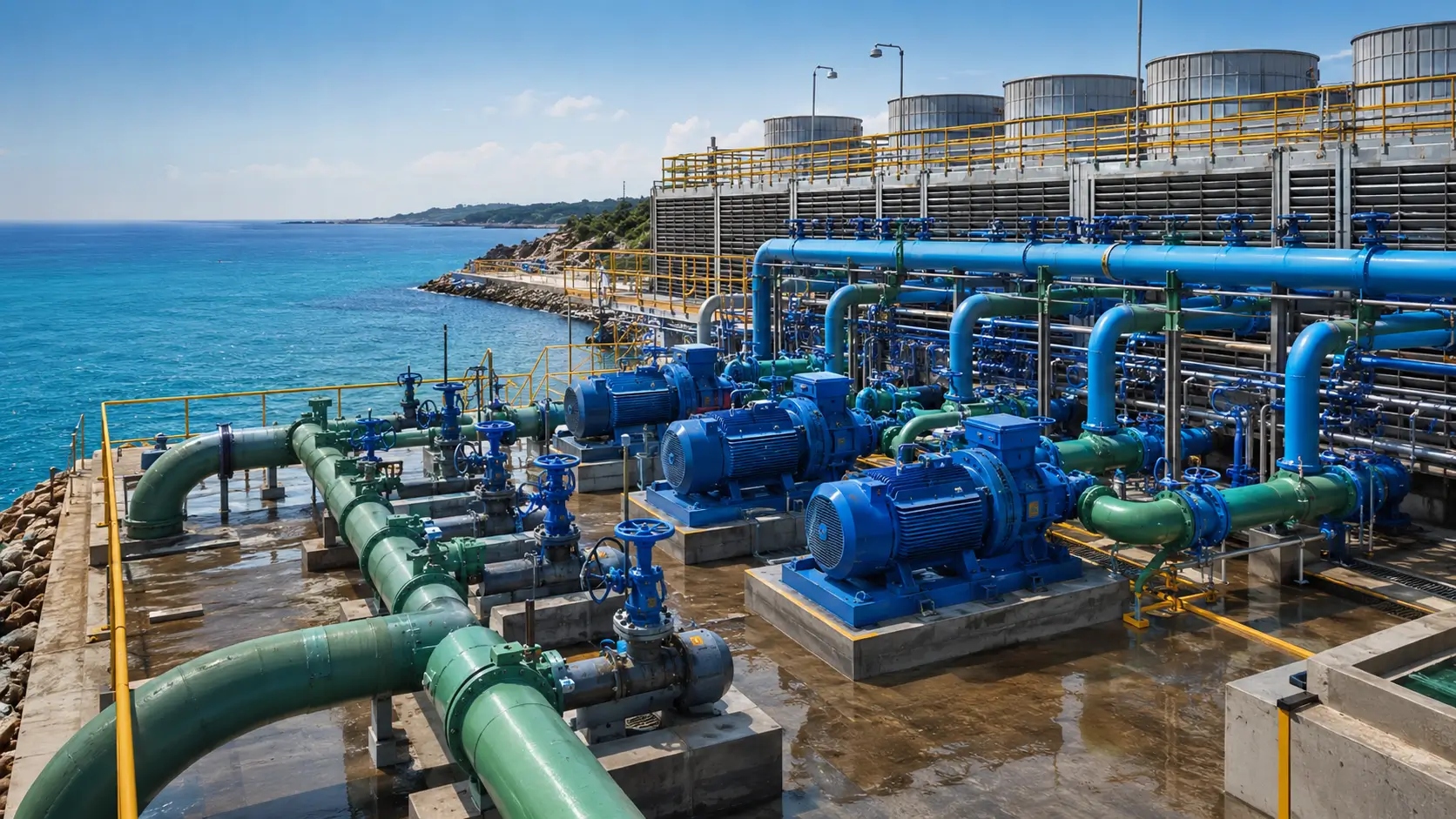
Cooling Water Systems
Challenge: Fouled heat exchangers reduce thermal performance.
Recommended: Copper, Aluminum, Dual anodes
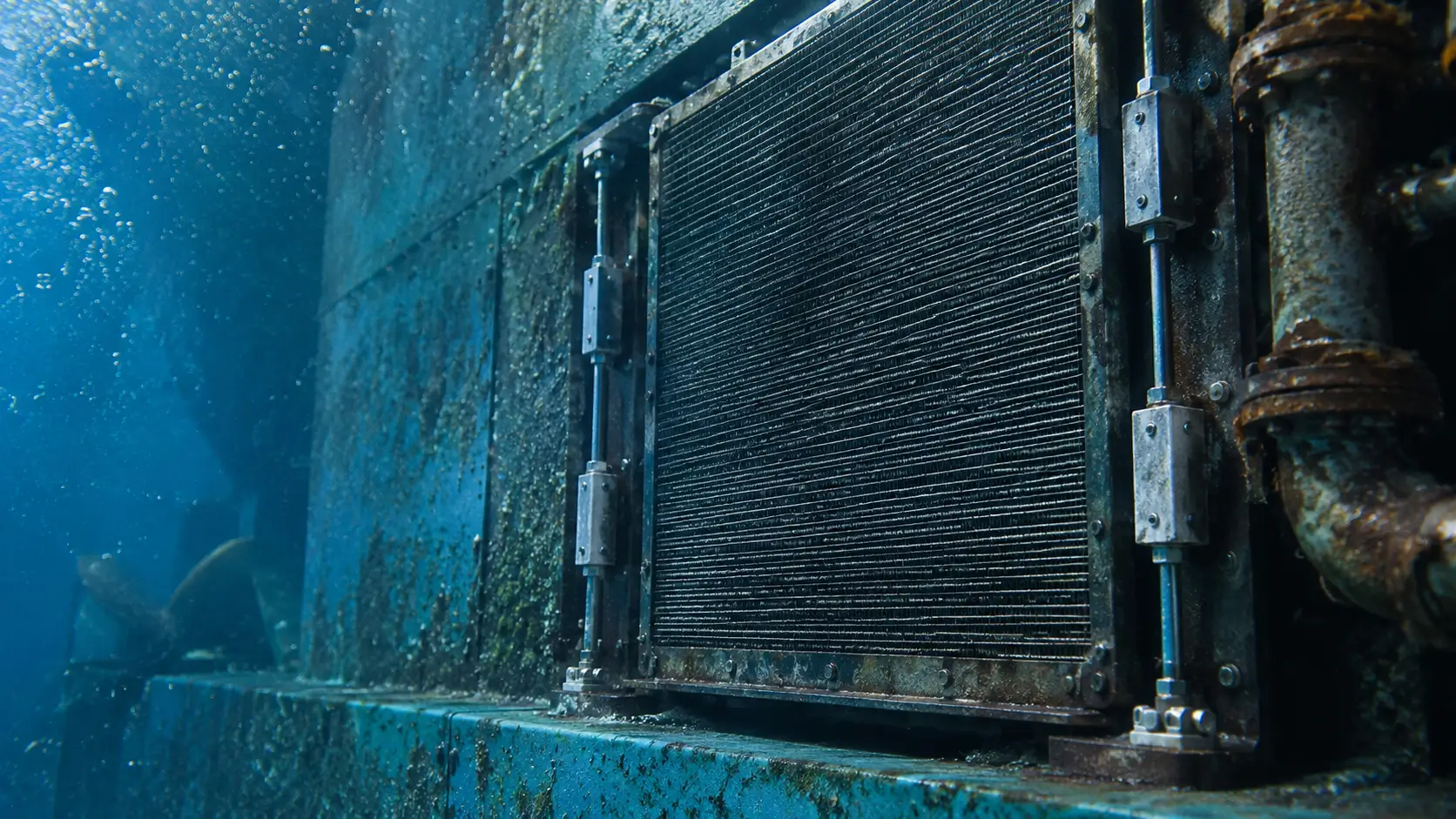
Box Coolers
Challenge: Marine growth on surfaces causes equipment overheating.
Recommended: Box cooler anodes, Custom racks
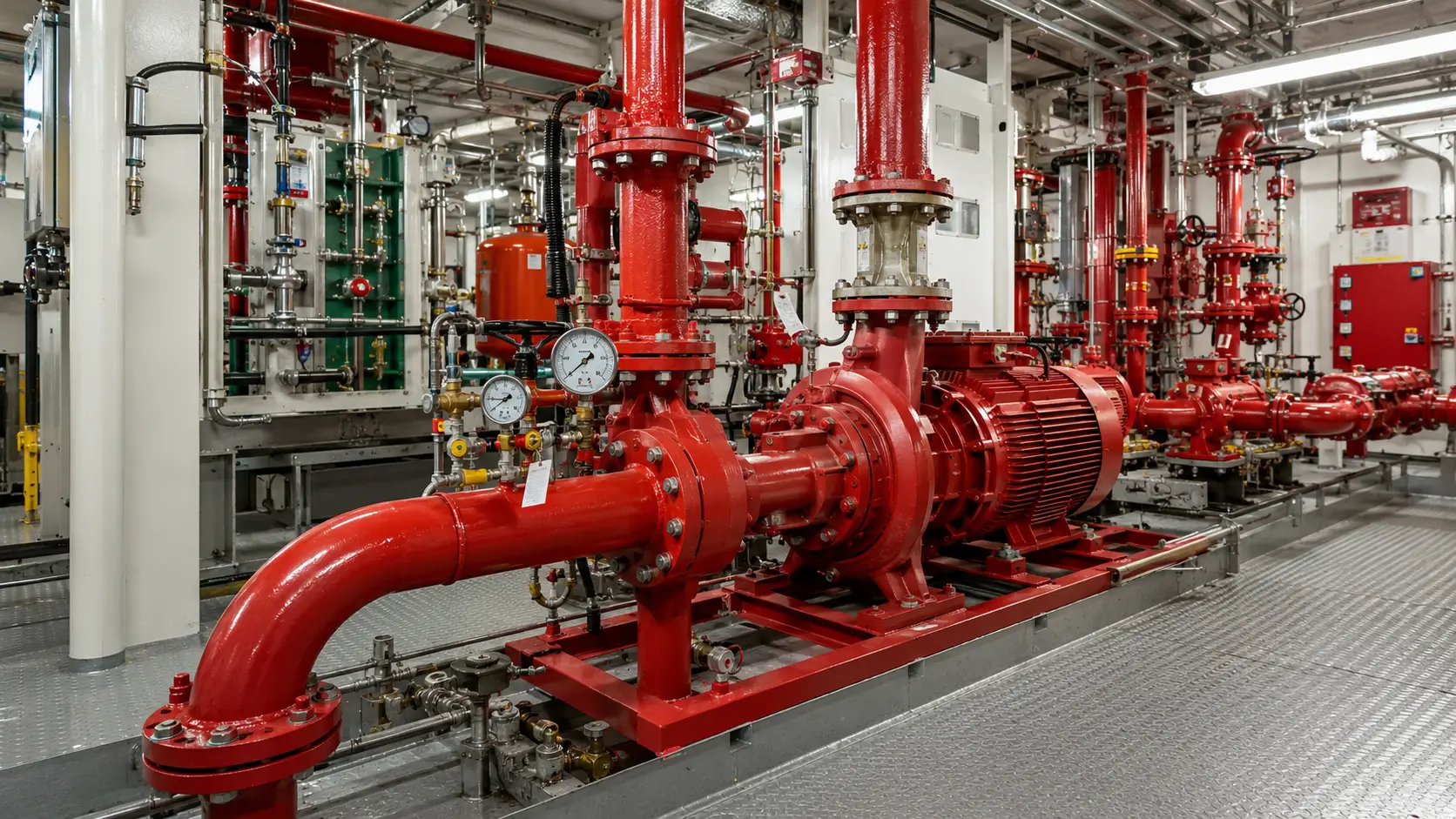
Firewater & Service Pumps
Challenge: Biofouling inside pump inlets reduces emergency readiness.
Recommended: Pump mounted copper anodes
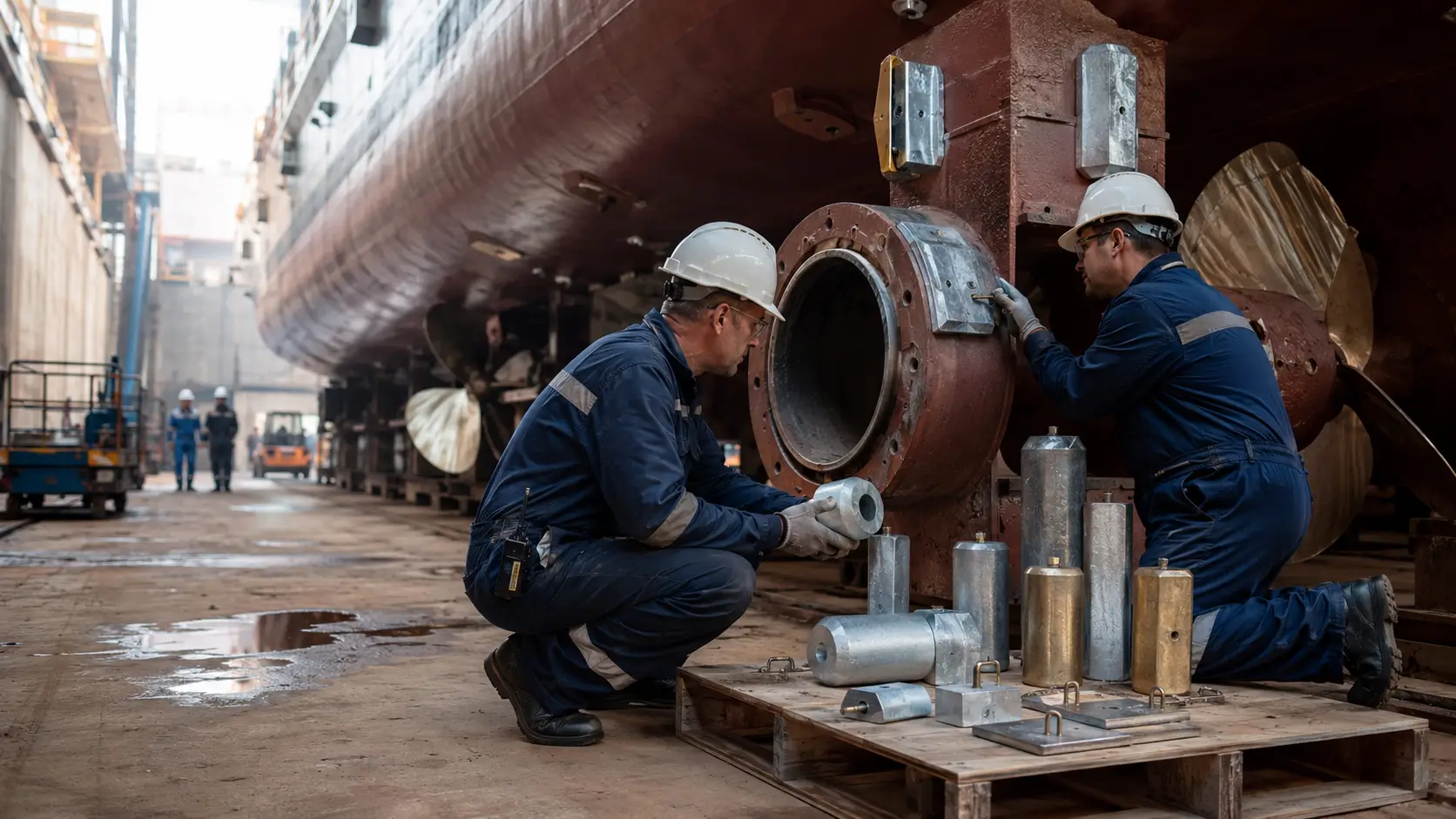
Retrofit & Replacement
Challenge: Systems require compatible anodes during drydock.
Recommended: OEM-compatible replacement anodes
A Factory-Direct MGPS Anode Partner
Hele Titanium manufactures MGPS / ICAF / EAF anodes for vessels and offshore assets, combining material control, custom engineering, OEM-compatible replacement support, and marine project documentation.
Focused Manufacturing
We manufacture Cu, Al, Fe, dual, box cooler, pump-mounted, and custom MGPS anodes.
Material Selection
Guidance for anti-fouling, steel pipe corrosion support, or Cu-Ni system requirements.
OEM Replacements
Custom anodes to match existing dimensions, threads, flanges, and legacy systems.
Custom Mounting
Sea chest, strainer, rack-mounted, flanged, threaded, and welded designs available.
Quality & Traceability
Material checks, dimensional inspection, and documentation for reliable maintenance.
Drydock Support
Planned replacement cycles and urgent spare parts for shipyards and offshore teams.
Compatibility Guidance
Review of existing MGPS system info to reduce replacement risk and improve fit.
Global Marine Supply
Packing, labeling, and logistics coordinated for international shipyards.
MGPS Anode FAQs
Practical answers for shipowners, shipyards, marine engineers, and procurement buyers sourcing MGPS / ICAF / EAF anodes.
What is an MGPS anode?
How do copper MGPS anodes prevent marine growth?
What is the function of aluminum MGPS anodes?
What is a dual MGPS anode?
Can you make replacement anodes for existing MGPS systems?
Are MGPS anodes the same as ICCP anodes?
Inside Our Manufacturing & Quality System
Every MGPS anode is manufactured through controlled material selection, machining, mounting preparation, dimensional inspection, electrical continuity checks, labeling, packing, and documentation review.
From copper, aluminum, or iron material preparation to machining, forming, threading, flange preparation, rack assembly, and packing, each MGPS anode production step is controlled according to project requirements.
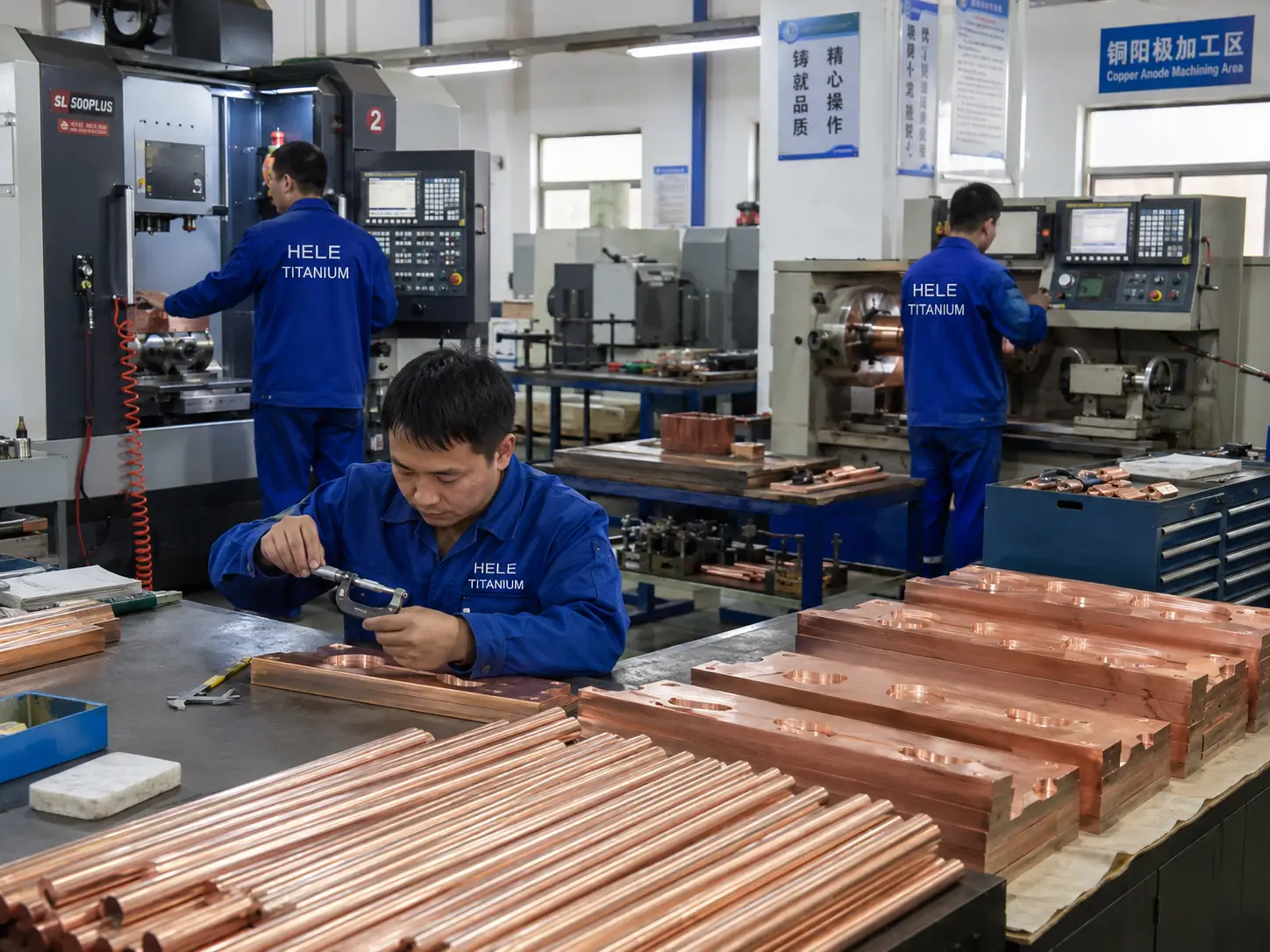
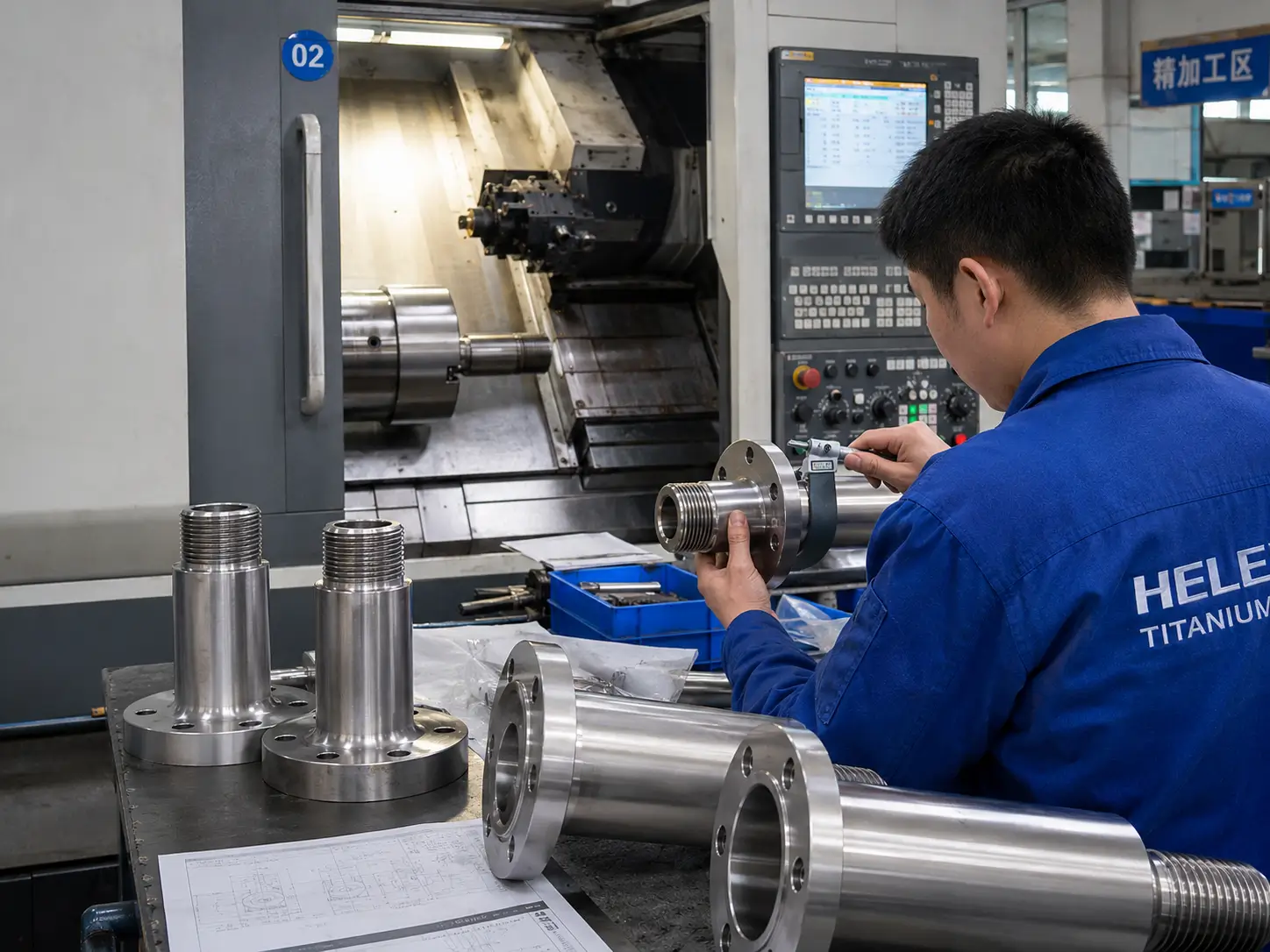
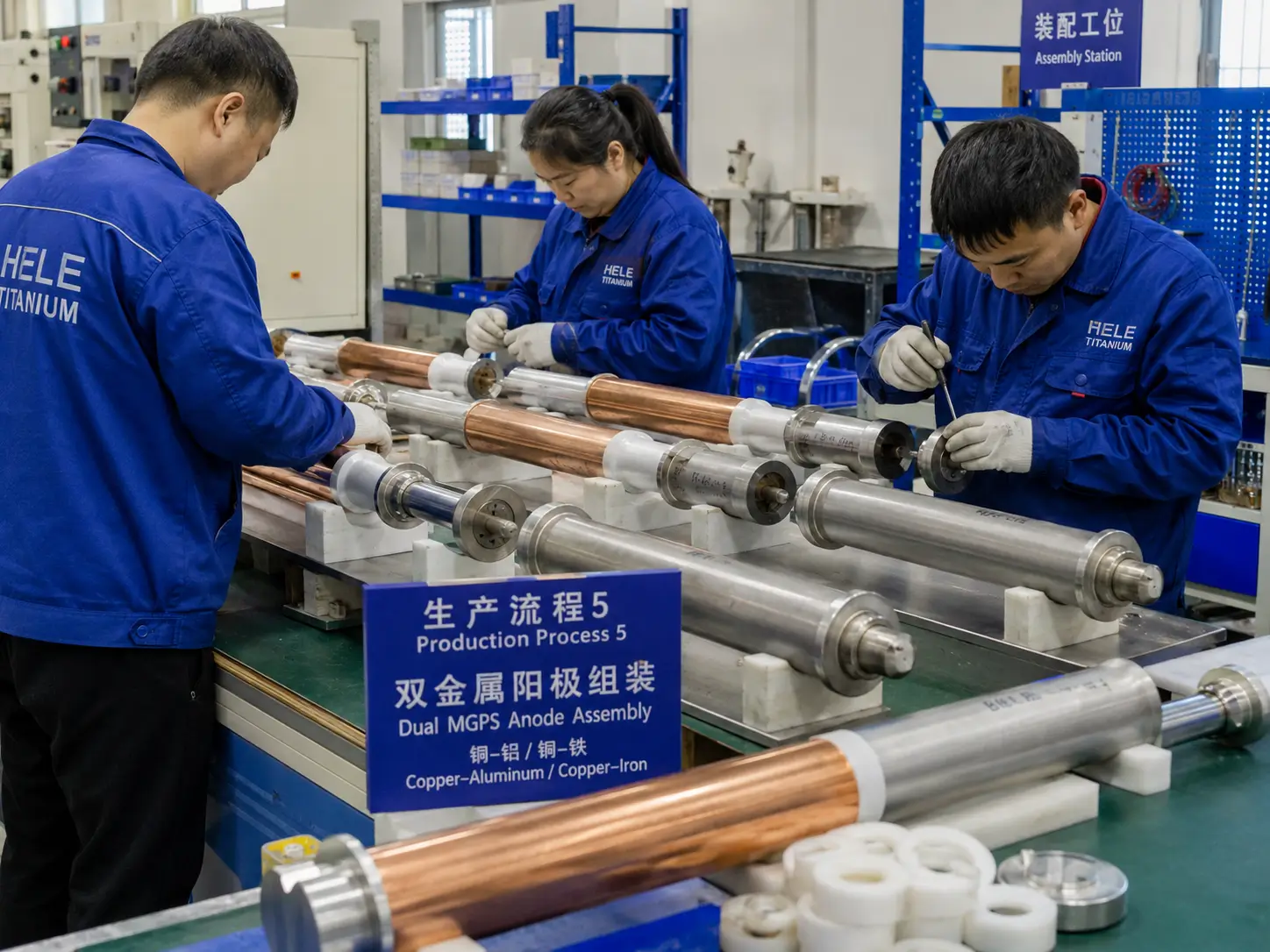
Our workshop supports copper, aluminum, iron, dual, box cooler, pump-mounted, rack-mounted, and custom replacement MGPS anode production for vessels and offshore assets.
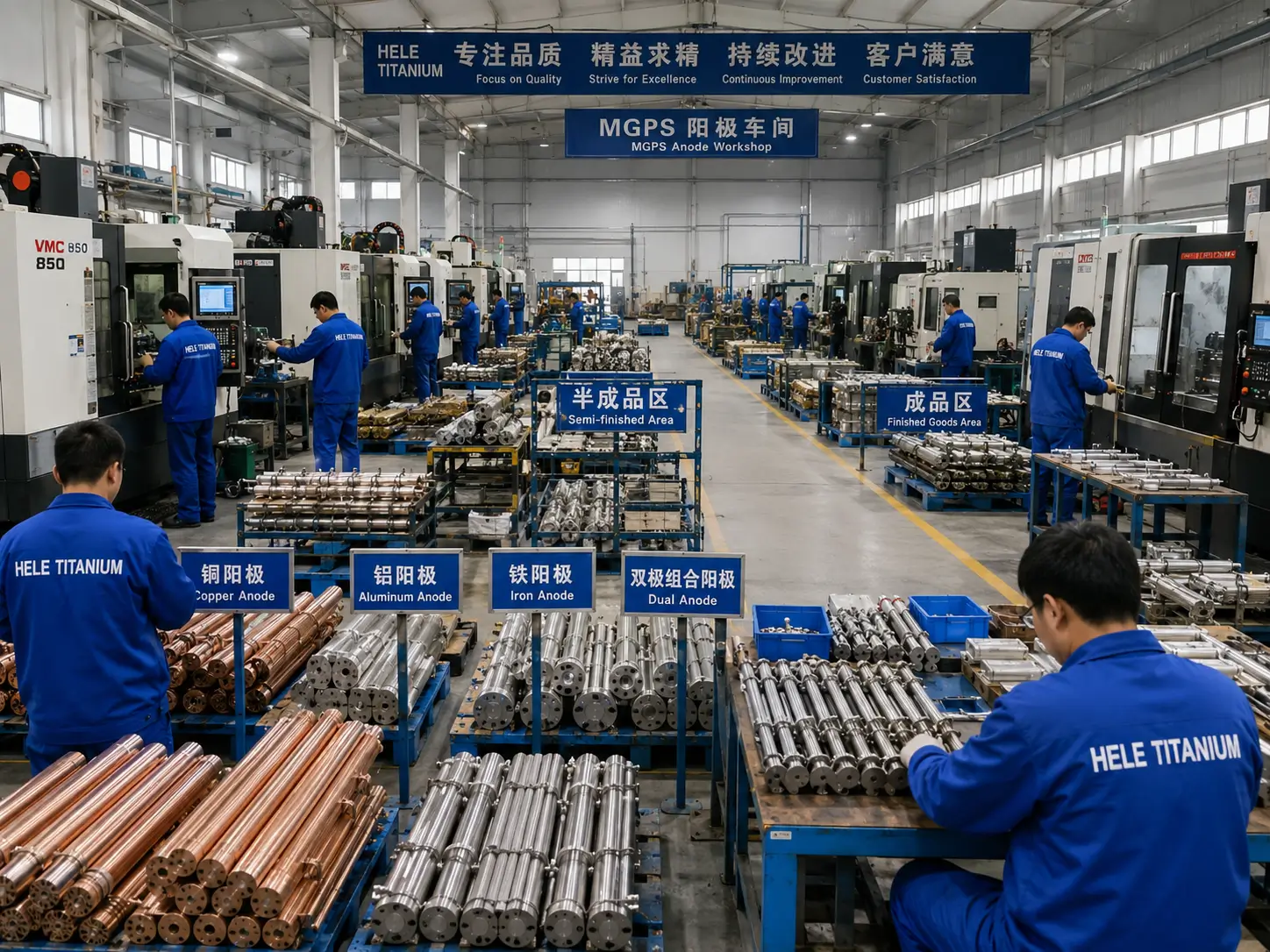
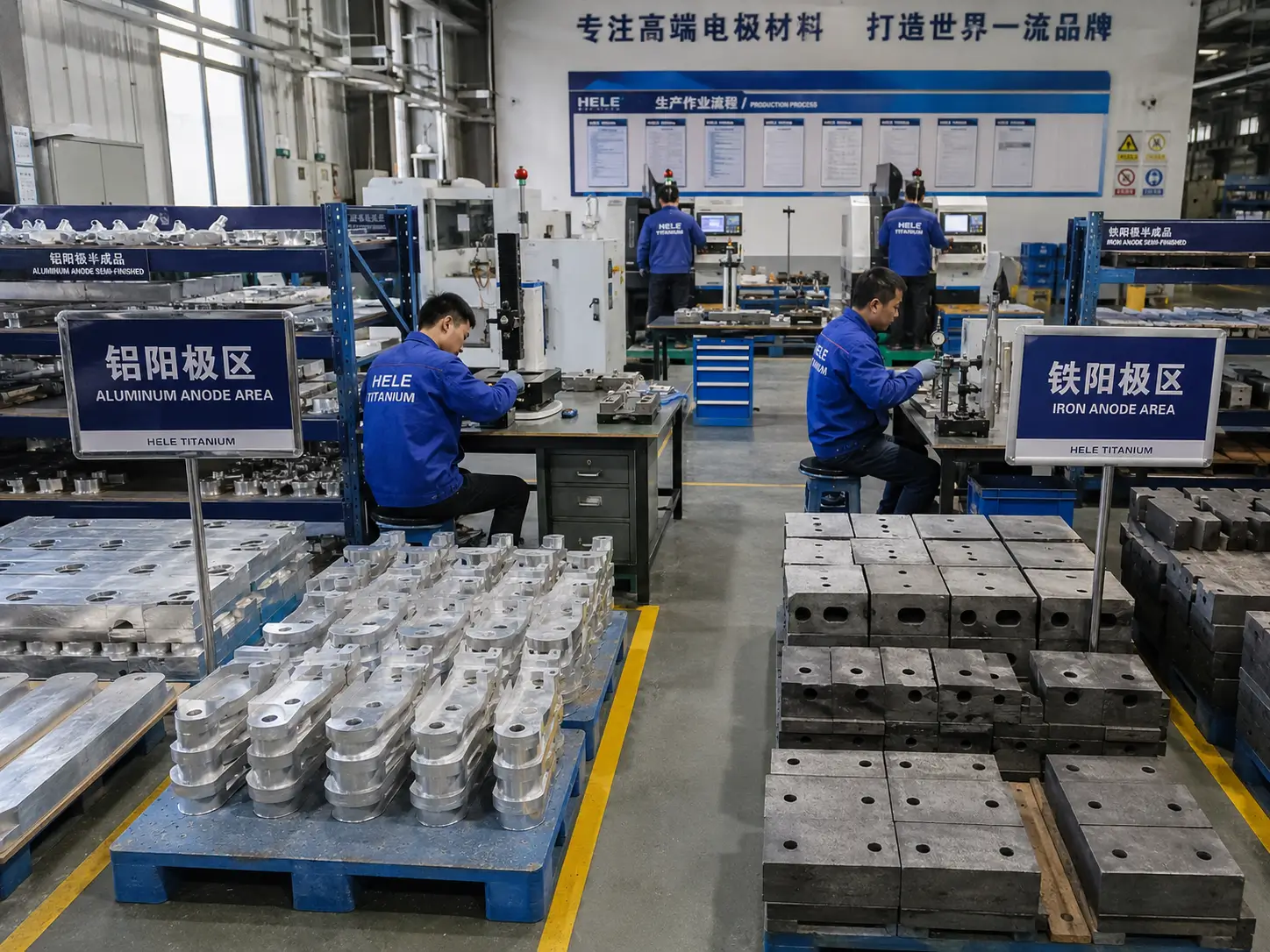
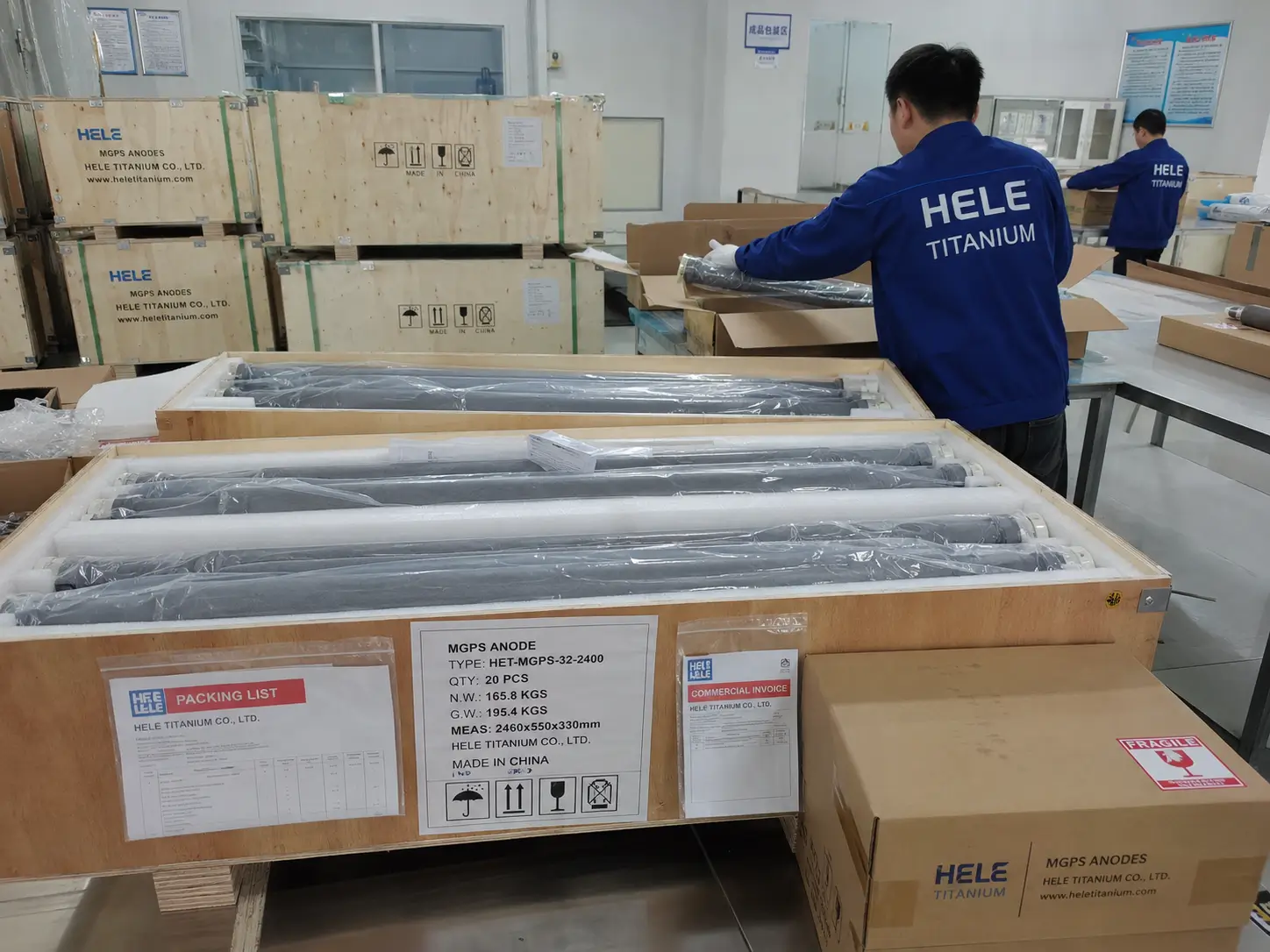
Quality checks focus on material verification, dimensional accuracy, weight, surface condition, thread and flange fit, electrical continuity, connection quality, labeling, and packing traceability.
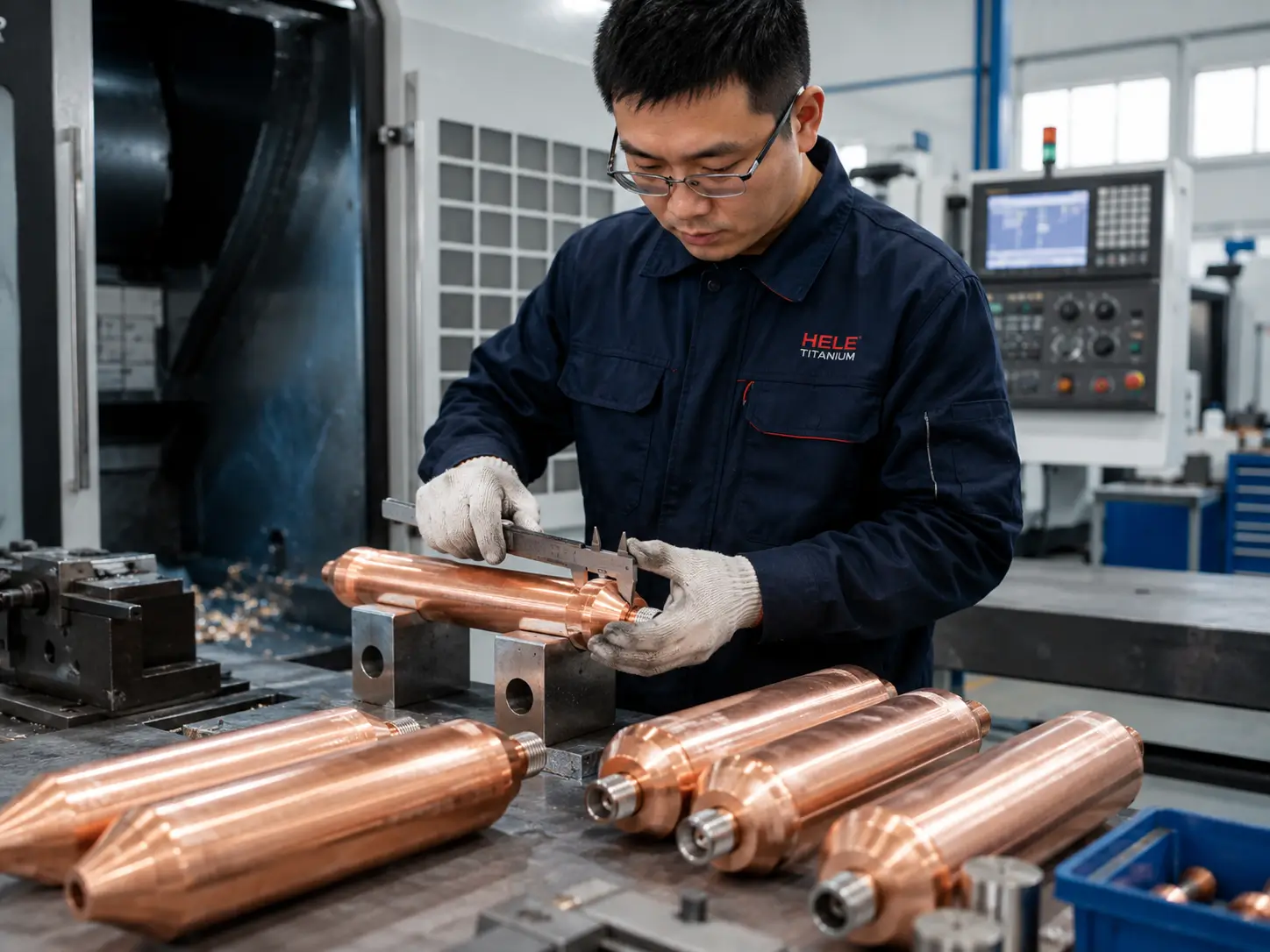
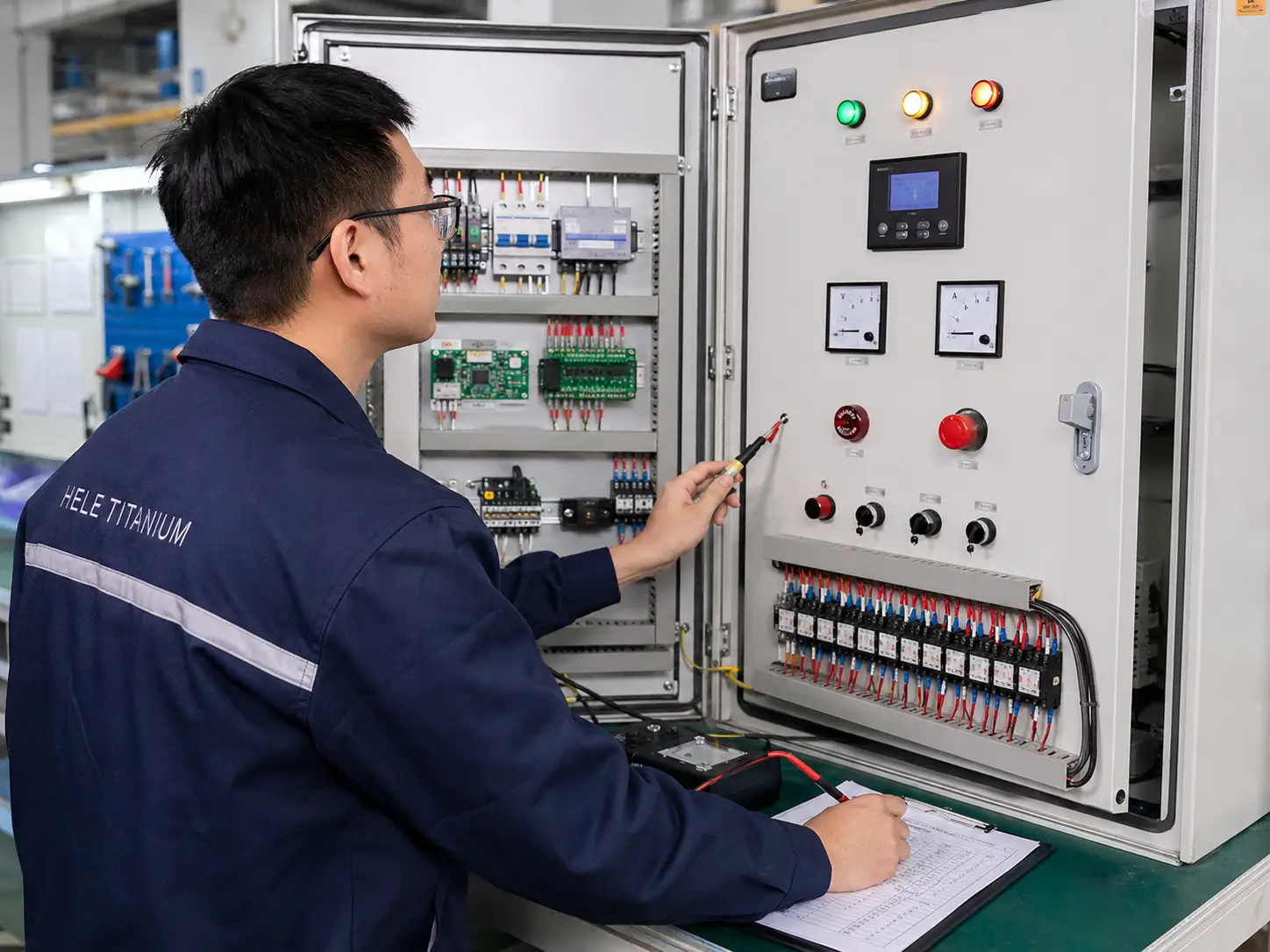
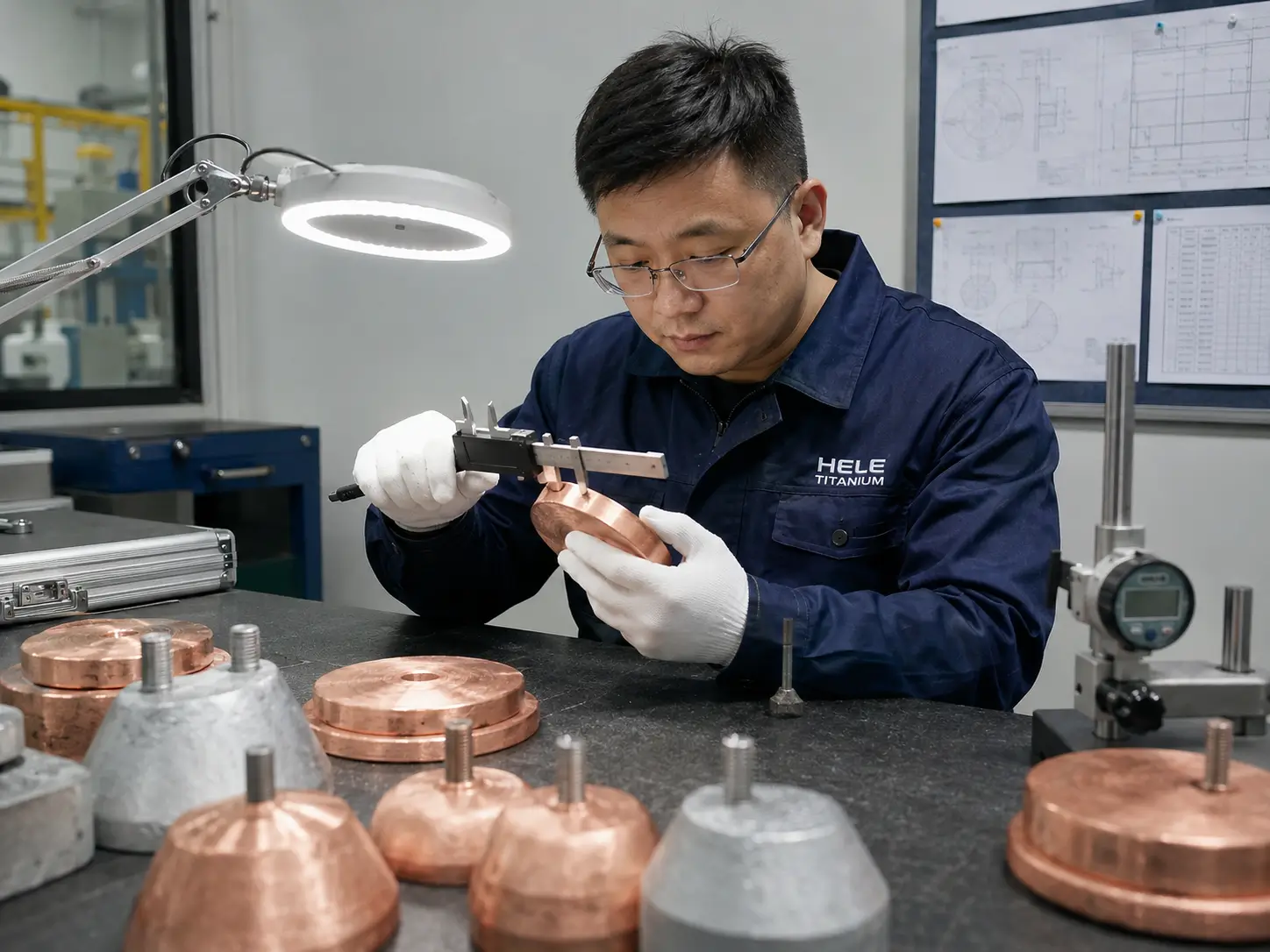
For qualified projects, Hele Titanium can provide material records, dimensional inspection reports, drawings, part labels, packing lists, export documents, and project-specific inspection records.
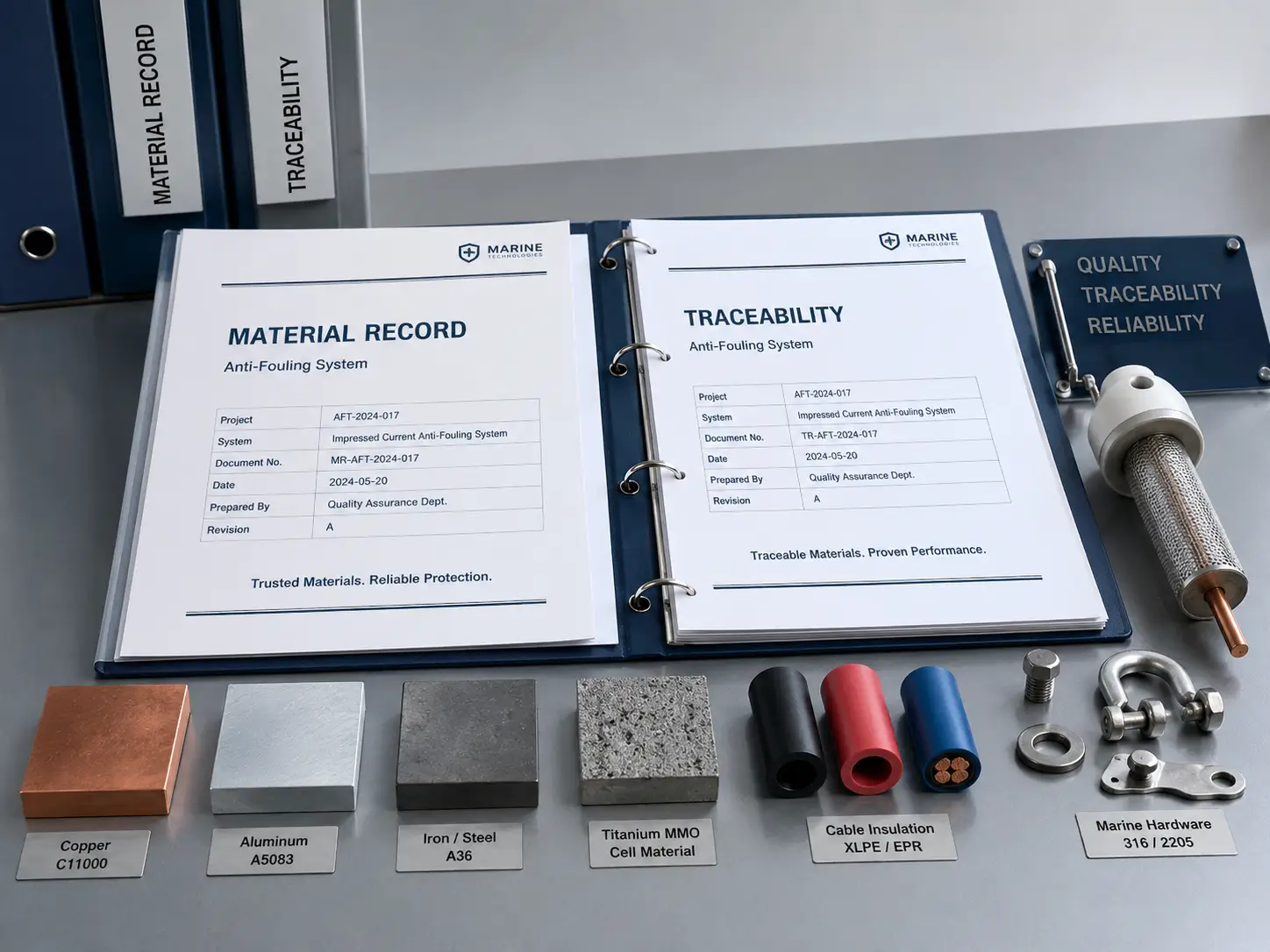
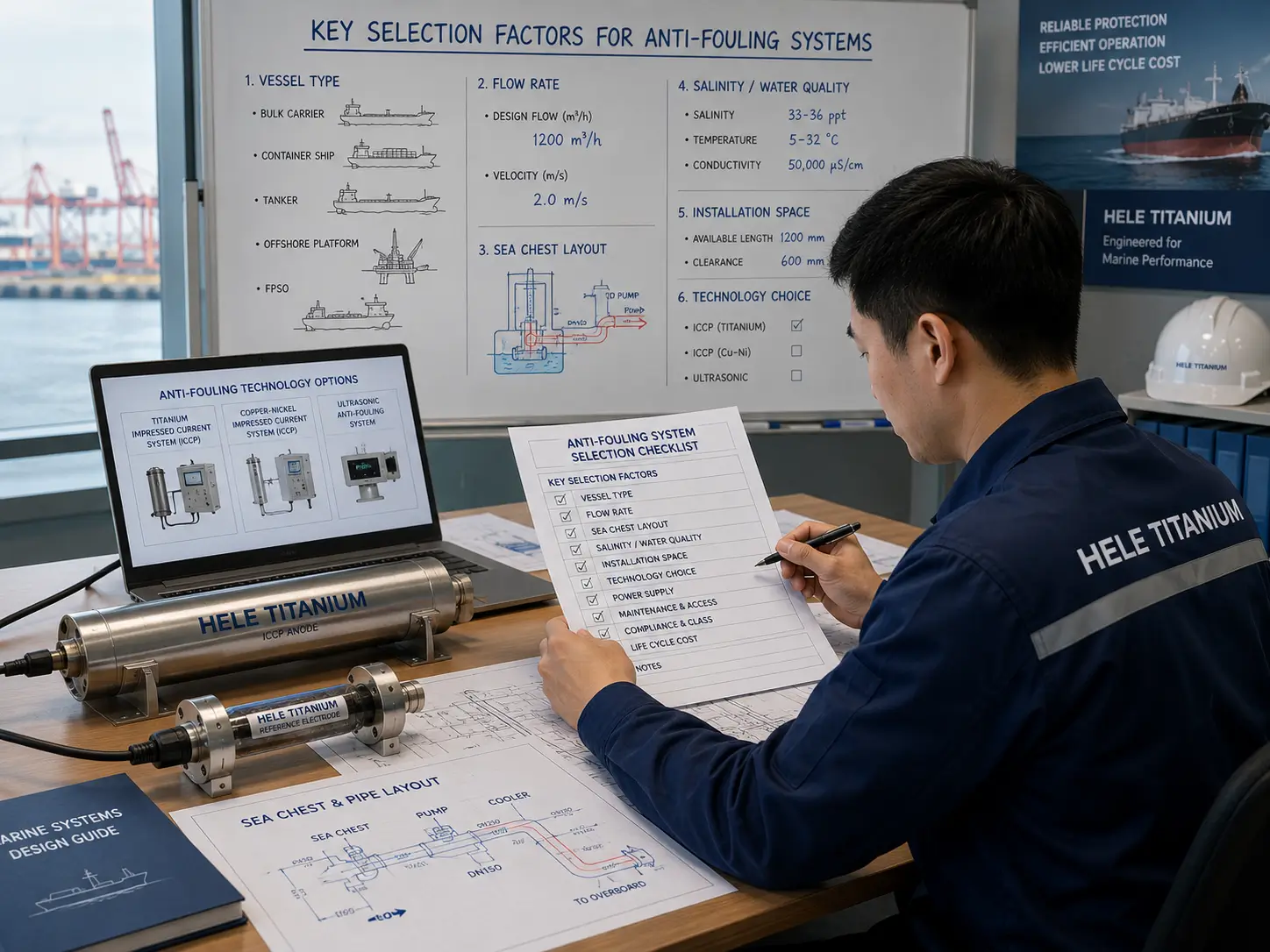
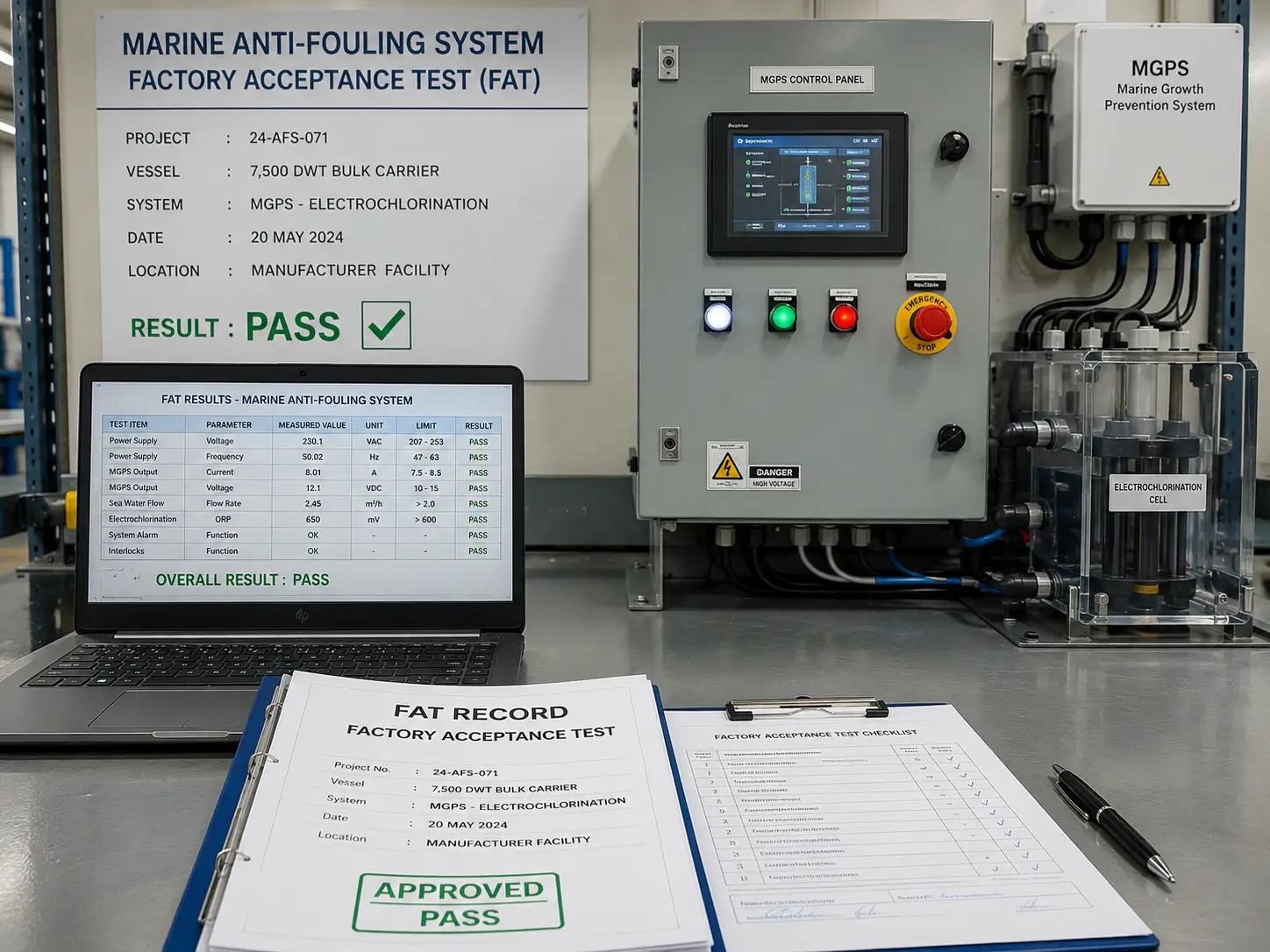
Need drawings, dimensional records, replacement compatibility review, or project-specific documentation for your MGPS anodes?
Request Manufacturing & QC DetailsMGPS Anode Procurement Guide
MGPS anodes are the working components that determine whether a Marine Growth Prevention System can prevent internal biofouling reliably. The correct anode material, size, placement, current setting, and replacement schedule help keep sea chests, strainers, pumps, cooling lines, and heat exchangers clean and operational. This guide helps marine buyers source the right MGPS anodes with fewer specification errors.
1. What Are MGPS Anodes?
MGPS anodes are consumable metal components used in Marine Growth Prevention Systems. When powered by a control panel, these anodes release controlled ions into seawater. The released ions help prevent marine organisms from settling inside internal seawater systems and can also support internal corrosion control depending on anode material.
2. How MGPS Anodes Work
In an anode-based MGPS / ICAF system, a low DC current is applied to copper, aluminum, or iron anodes installed in seawater intake areas. Copper ions help prevent marine larvae from attaching, while aluminum or iron ions can support protective film formation on internal pipe surfaces.
3. Types of MGPS Anodes
MGPS anodes are selected according to the seawater system material, anti-fouling requirement, corrosion-control need, pipework layout, installation space, and replacement compatibility. Copper anodes are mainly used for marine growth prevention, while aluminum and iron anodes support corrosion control in specific pipework materials. Dual-purpose or custom replacement anodes may be required when space is limited, pipework is non-metallic, or the system must match an existing MGPS / ICAF design.
| Comparison Factor | Copper MGPS Anode | Aluminum MGPS Anode | Iron / Ferrous MGPS Anode | Dual-Purpose MGPS Anode | Custom Replacement MGPS Anode |
|---|---|---|---|---|---|
| Main Material | High-purity copper | Aluminum alloy | Soft iron / ferrous material | Combined copper + aluminum or copper + iron design | Copper, aluminum, iron, or combined material |
| Primary Function | Anti-fouling | Anti-corrosion support and ion distribution | Anti-corrosion support | Anti-fouling + anti-corrosion | OEM replacement or system-specific performance |
| Released Ions / Products | Copper ions | Aluminum hydroxide / aluminum ions | Ferrous ions | Copper ions plus aluminum hydroxide or ferrous ions | Depends on material and system design |
| Main Action | Helps prevent marine larvae, algae, and organisms from settling | Helps form protective film and improves copper ion distribution | Helps maintain protective oxide layer on CuNi surfaces | Provides combined ion release in limited-space systems | Matches original MGPS anode design and performance requirement |
| Best For | Sea chests, strainers, seawater cooling lines, and marine intake systems | Steel pipework and seawater systems requiring corrosion-control support | Copper-nickel pipework and specific seawater piping systems | Non-metallic pipework, PVC / CPVC systems, compact installations, limited anode space | Box coolers, sea chests, strainers, custom holders, and retrofit MGPS systems |
| Typical Pipework / System | General seawater systems where anti-fouling is the main goal | Steel pipework | CuNi pipework | PVC, CPVC, non-conductive pipework, or compact sea chest arrangements | Existing MGPS / ICAF systems requiring replacement anodes |
| Key Advantage | Strong anti-fouling effect at controlled ion concentration | Supports corrosion control and improves copper ion distribution | Suitable for CuNi corrosion-control support | Saves space and combines multiple functions in one assembly | Ensures correct fit for existing anode holders and system layouts |
| Limitation / Buyer Note | Consumable anode; copper discharge should be controlled by system design | Not the same as sacrificial aluminum anodes; used under controlled MGPS operation | Application-specific and mainly used when ferrous ion release is required | Performance depends strongly on anode design, current output, and seawater flow | Requires drawings, photos, dimensions, cable connection details, or old sample reference |
| Typical RFQ Information | Anode size, copper purity, current output, holder type, cable connection | Pipework material, anode size, current output, holder design, seawater condition | Pipework material, CuNi system details, current requirement, installation layout | Available space, pipe material, system current, anode combination, mounting design | Existing anode photos, drawings, dimensions, markings, holder type, cable details, quantity |
4. MGPS Anodes vs ICCP Anodes
MGPS anodes and ICCP anodes are both used in marine protection systems, but they solve different problems. MGPS anodes are designed mainly for internal seawater anti-fouling, while ICCP anodes are used for external corrosion protection of hulls, offshore structures, tanks, and submerged metallic assets. Understanding the difference helps buyers avoid selecting the wrong anode type for their vessel or marine project.
| Comparison Factor | MGPS Anodes | ICCP Anodes |
|---|---|---|
| Full System Name | Marine Growth Prevention System / ICAF | Impressed Current Cathodic Protection |
| Primary Purpose | Prevent marine growth inside seawater systems | Prevent corrosion on submerged metal structures |
| Main Protection Target | Internal seawater circuits, sea chests, strainers, box coolers, cooling lines, pumps, and valves | Ship hulls, rudders, propeller areas, offshore platforms, submerged structures, ballast tanks, and pipelines |
| Working Principle | Releases controlled metal ions into seawater to prevent marine organisms from attaching | Applies controlled DC current to the protected structure to keep it in a cathodic, corrosion-protected state |
| Typical Anode Materials | Copper, aluminum, iron, or combined anode designs | MMO-coated titanium, platinized titanium, platinized niobium, high-silicon iron, or other inert anode materials |
| Anode Behavior | Consumable; designed to dissolve gradually during operation | Long-lasting and relatively inert; designed for minimal material consumption |
| Main Output | Copper ions, aluminum hydroxide, or ferrous ions released into seawater | Electrical current delivered through seawater to the protected structure |
| Main Function | Anti-fouling; aluminum or iron types may also support localized corrosion control | Anti-corrosion for large external or submerged metallic surfaces |
| Typical Lifespan | Usually 1–5 years depending on flow rate, current output, seawater condition, and operating time | Often 10–20+ years depending on design, coating, current load, and operating environment |
| Control Purpose | Regulate anode dissolution rate and ion release | Regulate current output and maintain target protection potential |
| Key System Components | Copper / aluminum / iron anodes, control panel, power supply, junction box, cables, mounting assemblies | ICCP anodes, reference electrodes, control panel, power supply, junction box, cables, dielectric shields |
| Typical Applications | Seawater cooling systems, sea chests, strainers, box coolers, firewater intakes, internal seawater pipelines | Ship hulls, offshore platform jackets, submerged pipelines, jetties, ballast tanks, marine steel structures |
| Maintenance Focus | Periodic anode inspection and replacement | Monitoring reference electrode readings, current output, anode performance, and coating condition |
| Key Advantage | Reduces biofouling, maintains cooling efficiency, and helps reduce internal maintenance | Provides long-term corrosion protection for large metal surfaces |
| Main Limitation | Consumable anodes require replacement; copper ion release must be controlled by system design | Requires accurate control and monitoring to avoid under-protection or over-protection |
| Best Used When | The problem is marine growth inside seawater intake and cooling systems | The problem is corrosion of hulls, tanks, offshore structures, or other submerged metal assets |
5. MGPS Anode Installation Methods
The performance of a Marine Growth Prevention System depends not only on anode material and control output, but also on correct anode placement. Proper installation helps ensure effective ion distribution from the first point of seawater intake, reducing marine growth risk in sea chests, strainers, pumps, box coolers, heat exchangers, and downstream seawater piping.
Different vessel layouts require different MGPS anode installation strategies. The best method should be selected according to seawater intake design, flow rate, system complexity, inspection access, and the equipment that requires protection.
| Comparison Factor | Sea Chest Installation | Strainer Installation | Treatment Tank Installation | Box Cooler Installation |
|---|---|---|---|---|
| Installation Position | Inside or near the vessel’s sea chest, where seawater first enters the system | Inside or near seawater strainers and filtration points | In a dedicated treatment tank or conditioning chamber before circulation | Inside the box cooler sea bay or near submerged cooling surfaces |
| Main Purpose | Provides upstream anti-fouling protection before seawater flows into pumps, strainers, and cooling lines | Protects critical filtration areas and reduces fouling blockage risk | Provides controlled seawater conditioning before water enters the main system | Provides direct anti-fouling protection for box cooler heat exchange surfaces |
| Key Advantages | Starts ion release at the intake point; supports wider downstream protection; easier inspection during drydock or planned maintenance | Helps keep strainer mesh cleaner; supports stable seawater flow; protects downstream pumps and heat exchangers | Allows more controlled ion release; centralizes monitoring; suitable for complex seawater systems | Helps maintain heat transfer efficiency; reduces fouling-related overheating; protects submerged cooling elements |
| Best For | Commercial ships, offshore platforms, large vessels, and systems with high seawater intake volume | Systems where filtration reliability and uninterrupted seawater flow are critical | Power plants, naval vessels, offshore facilities, or advanced systems requiring tighter water-quality control | Tugboats, offshore support vessels, commercial vessels, and ships using box cooler cooling systems |
| Protection Range | Broad downstream protection from the seawater intake point | Localized protection around strainers and downstream flow path | Controlled protection before water enters the main circulation system | Focused protection around box cooler cooling surfaces |
| Access & Maintenance | Usually accessible during drydock or planned maintenance; anode replacement should match sea chest service schedule | Easier inspection when strainer access is available; suitable for routine maintenance checks | Maintenance depends on treatment tank design and access arrangement | Requires box cooler access planning; replacement should consider cooler inspection schedule |
| Buyer Note | Often preferred when full seawater system protection is required from the first intake point | Suitable for high-fouling areas where debris and marine growth concentrate near strainers | Useful when the system design requires a dedicated treatment zone rather than direct sea chest installation | The anode design should match the box cooler layout, flow condition, mounting position, and service access |
| RFQ Information Needed | Sea chest drawing, seawater flow rate, anode holder design, cable exit direction, required service life | Strainer drawing, mesh size or housing layout, flow rate, anode position, cable connection details | Treatment tank volume, flow rate, inlet/outlet layout, monitoring requirement, anode mounting design | Box cooler drawing, cooling surface layout, sea bay dimensions, mounting position, existing anode sample or drawing |
Selection Guidance:
| Selection Factor | Recommended Installation Focus |
|---|---|
| Need full downstream protection from seawater intake | Sea chest installation |
| Main risk is strainer blockage or filtration fouling | Strainer installation |
| System requires controlled seawater conditioning before circulation | Treatment tank installation |
| Vessel uses submerged box coolers for heat exchange | Box cooler installation |
| Limited installation space | Compact sea chest, strainer, or box cooler anode design |
| Replacement project | Match existing anode holder, dimensions, cable exit, and mounting style |
RFQ Information to Prepare:
- Vessel type and seawater system layout
- Sea chest, strainer, treatment tank, or box cooler drawings
- Seawater flow rate and operating conditions
- Existing anode material and dimensions if replacing old anodes
- Anode holder type and mounting style
- Cable length, cable exit direction, and connection details
- Required service life and inspection schedule
6. How to Select the Right MGPS for Your Vessel or Platform
Choosing the right MGPS depends on your vessel size, seawater flow rate, system layout, fouling intensity, corrosion-control needs, installation space, power availability, and maintenance plan. Anode-based MGPS is usually preferred for localized protection around sea chests, strainers, box coolers, and seawater intake lines. Electro-chlorination is more suitable when the system requires broader protection across large, high-flow, or complex seawater circuits.
Use the comparison below to evaluate which option better fits your vessel, offshore platform, or seawater cooling system.
| Selection Factor | Anode-Based MGPS | Electro-Chlorination MGPS | Buyer Note |
|---|---|---|---|
| Core Mechanism | Releases controlled copper ions for anti-fouling; aluminum or iron anodes may support internal corrosion control | Generates sodium hypochlorite from seawater through electrolysis | Both prevent marine growth, but they work through different mechanisms |
| Best Fit | Sea chests, strainers, box coolers, seawater cooling lines, and localized intake protection | Large vessels, offshore platforms, long pipe runs, and high-flow seawater systems | Select based on protection range and system layout |
| System Scale | Suitable for small to medium vessels and targeted protection zones | Better for large-volume or complex seawater systems | Large systems often need wider treatment coverage |
| Seawater Flow Conditions | Works well in moderate-flow systems with defined intake points | Preferred for high-flow systems requiring distributed treatment | Flow rate strongly affects system selection |
| Biofouling Control | Copper ion release helps prevent larvae and organisms from settling | Sodium hypochlorite provides broader biocidal control throughout the system | Electro-chlorination is usually stronger for full-system treatment |
| Internal Corrosion Support | Can support internal corrosion control when aluminum or iron anodes are used | Mainly designed for anti-fouling, not internal corrosion protection | Anode-based MGPS may provide added value in steel or CuNi pipework |
| Installation Footprint | Compact system with anodes, mounting assemblies, junction boxes, and control panel | Requires generator unit, electrolytic cell chamber, dosing line, and injection point | MGPS is often easier where space is limited |
| Power Requirement | Lower continuous DC power consumption | Higher power demand due to seawater electrolysis | Power availability should be reviewed during system design |
| Maintenance Needs | Periodic anode inspection and replacement | Electrolytic cell inspection, cleaning, and dosing system checks | Maintenance should match drydock schedule and crew capability |
| Environmental Consideration | No chlorine residual, but metal ion release must be controlled by system design | Residual chlorine discharge may need to meet local limits | Check vessel route and discharge regulations |
| Lifecycle Cost | Lower energy use and predictable anode replacement | Higher system complexity, but better coverage for large systems | Compare power use, spare parts, downtime, and protection range |
| Typical Buyer Scenario | “I need reliable anti-fouling for sea chests, strainers, and cooling water intakes.” | “I need broad anti-fouling protection for a large or complex seawater system.” | The right choice depends on vessel operation, not only equipment price |
RFQ Information to Prepare:
- Vessel or platform type
- Seawater flow rate
- Sea chest / pipework layout
- Cooling system structure
- Fouling intensity and operating region
- Pipe material: steel, CuNi, PVC, CPVC, or other
- Available installation space
- Power supply condition
- Preferred maintenance interval
- Required system life
- Drawings, photos, or existing system details if available
7. OEM-Compatible Replacement
When a vessel enters drydock, replacing MGPS anodes shouldn't require overhauling the entire system. OEM-compatible replacement anodes are engineered to integrate seamlessly with your existing anode holders, control panels, and sea chest layouts, providing a cost-effective alternative to sourcing exclusively from the original maker.
Original Equipment Manufacturers (OEMs) often design their systems with specific thread pitches, unique flange dimensions, or proprietary cable connection methods. If a replacement anode does not match these mechanical and electrical specifications exactly, it can lead to severe installation delays, compromised sealing (seawater leaks), or poor electrical conductivity.
Critical Parameters for a Drop-In Replacement:
- Mounting Interface: Exact thread type (e.g., NPT, BSP, Metric) or specific flange dimensions and bolt-hole patterns.
- Anode Dimensions: The active length and diameter must fit perfectly within the existing sea chest or strainer without obstructing seawater flow.
- Electrical Connection: Cable length, lug size, and the internal sealing mechanism that prevents water ingress into the electrical components.
8. RFQ Checklist
To ensure an accurate technical evaluation and receive a faster quotation, please provide as much of the following information as possible:
-
Anode Material & Type Specify whether you need Copper (for anti-fouling), Aluminum/Iron (for anti-corrosion support), or Dual-Purpose anodes based on your specific system and pipework material.
-
Installation Location & Flow Indicate where the anodes will be installed (e.g., sea chests, strainers, box coolers, or internal cooling lines) to help us determine the appropriate current output and size for your seawater flow rate.
-
Precise Dimensions & Mounting Interface Provide the active length, diameter, and specific mounting requirements (e.g., exact thread type like NPT/BSP, or flange dimensions/bolt patterns) to ensure a perfect drop-in fit.
-
Electrical Connection Details Specify the required cable length, lug size, and internal sealing preferences to guarantee seamless and safe integration with your existing control panel.
-
Existing System Details (For Replacements) If replacing old anodes, please share the original equipment manufacturer (OEM) brand, nameplate photos, engineering drawings, or existing anode markings to guarantee 100% compatibility.
-
Target Service Life & Drydock Schedule Let us know your required maintenance interval (e.g., 2.5 or 5 years) and your upcoming drydock or vessel delivery deadline so we can align our manufacturing and logistics.
Need Help Specifying MGPS Anodes?
Send your anode material, dimensions, mounting details, or drydock schedule. Our team will help you review the best-fit solution.
Request Selection SupportNeed Replacement or Custom MGPS Anodes for Your Vessel?
Tell us your anode material, dimensions, mounting type, system brand, vessel type, or drydock schedule, and our team will recommend the right MGPS anode solution.
-
Factory-Direct Copper, Aluminum & Iron MGPS Anodes
-
OEM-Compatible Replacement & Custom Mounting
-
Dimensional Inspection & Documentation Available
Prefer email? sales@heletitanium.com
Address: Room 1206, Building 1, Huaxia Yue World
Request an Engineering Quote
Share your drawings, application, material grade, coating requirement, quantity, and delivery target. Our team will review your request within 1 business day.
Email Us
sales@heletitanium.comWhatsApp / Call Us
+86 13857402537Factory & Engineering Center
Titanium Valley, Baoji City, Shaanxi Province, China