Buyer Role 1
Hydrogen EPCs & Integrators
Define plant interfaces, equipment boundary, controls and project documentation.

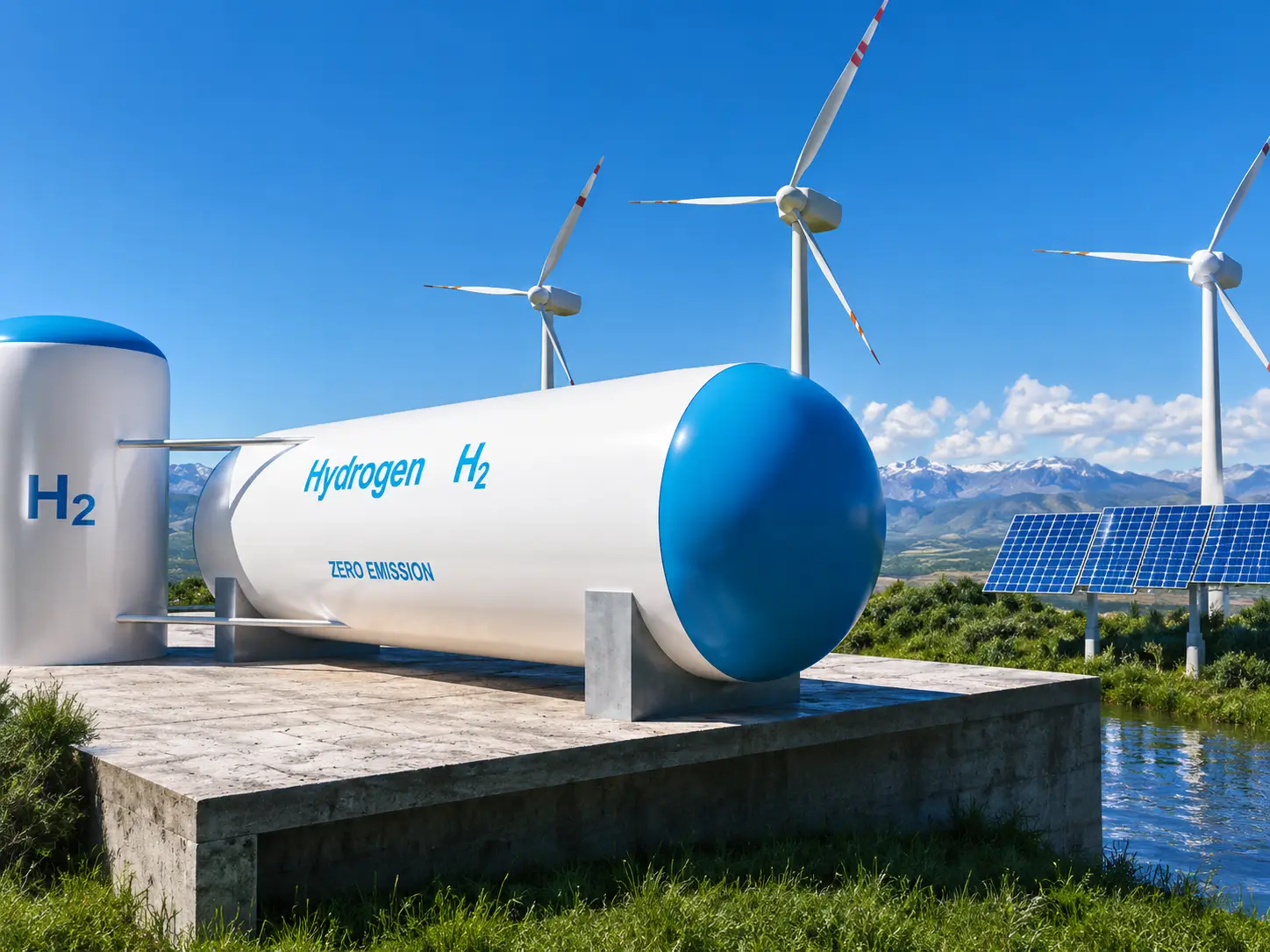
Energy & Hydrogen Applications
Frame hydrogen demand, utilities, integration and project evidence before selecting a stack or system. A defined supply boundary helps buyers compare relevant equipment and documentation on the same basis.
Hydrogen Project Guide
A useful PEM electrolyzer inquiry begins with the required hydrogen flow, purity, pressure and operating profile, then defines power, water, cooling, controls and the equipment included in the supplier's scope.
Buyer Teams
Engineering, integration, quality and procurement teams evaluate different parts of the same purchase. The strongest inquiry connects their technical and approval requirements.
Buyer Role 1
Define plant interfaces, equipment boundary, controls and project documentation.
Buyer Role 2
Translate consumption, purity, pressure and operating profile into a supply requirement.
Buyer Role 3
Specify flexible test, data, control and experiment requirements.
Industry Application Map
Each application is a routing point, not a blanket suitability claim. The buyer question determines the next technical review.
Application 1
PEM system inquiries linked to renewable power or project integration.
Buyer question: What hydrogen demand, power profile, storage interface and project boundary apply?
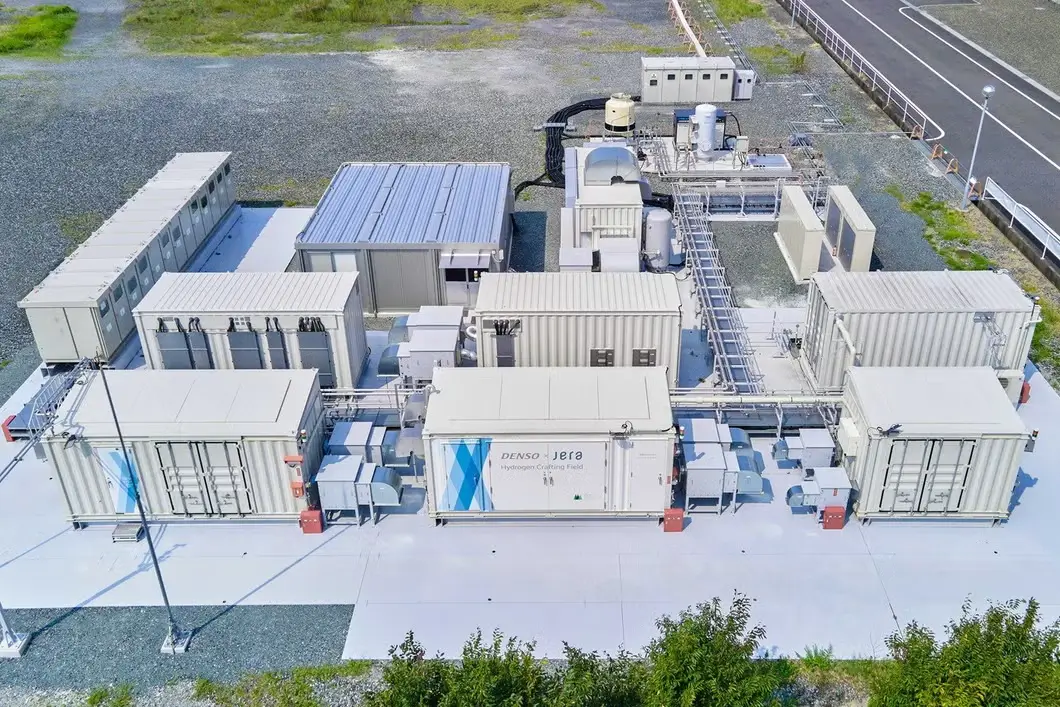
Application 2
Generation for process, laboratory or high-purity applications.
Buyer question: What flow, purity, pressure, duty cycle, redundancy and end-use requirements apply?
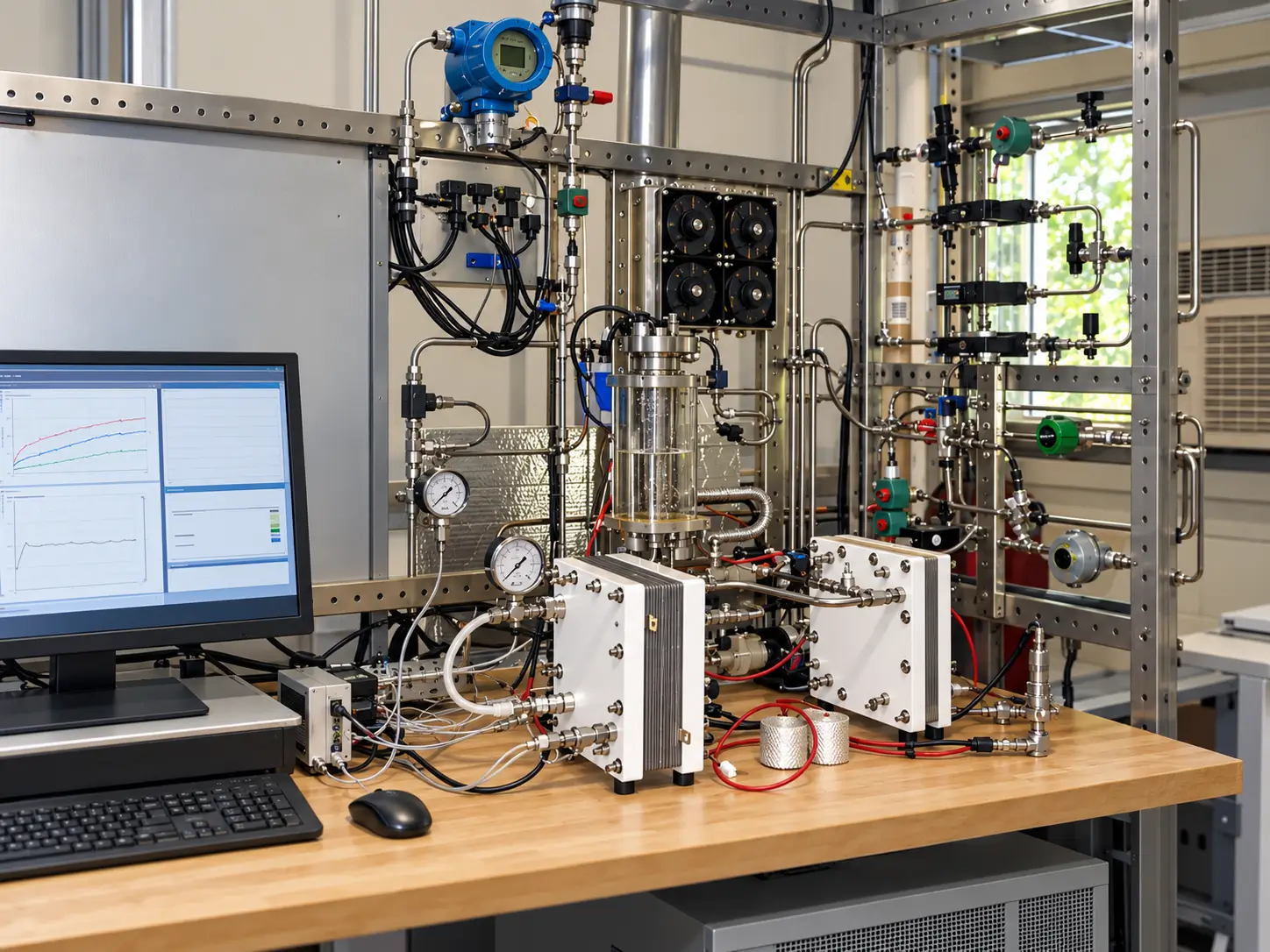
Application 3
Stacks, test equipment or development systems for research and validation.
Buyer question: Which variables, sensors, controls, operating envelope and data outputs are required?
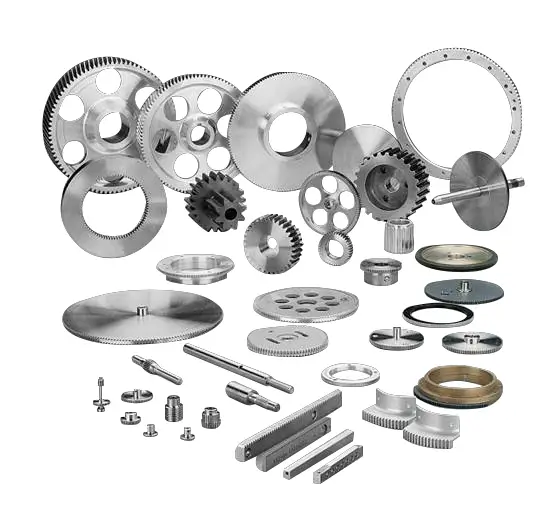
Application 4
Material or drawing-based parts for corrosion-sensitive energy systems.
Buyer question: Which medium, pressure, temperature, standard and inspection scope apply?
Engineering & Procurement Reality
Decision Factor 1
Flow, purity, pressure, operating profile and turndown drive the basic system discussion.
Decision Factor 2
Stack, balance of plant, water treatment, drying, compression, storage and controls must be separated.
Decision Factor 3
Power quality, water, cooling, ventilation, ambient conditions and installation constraints affect integration.
Decision Factor 4
Codes, risk review, testing, performance evidence and customer approval remain project-specific.
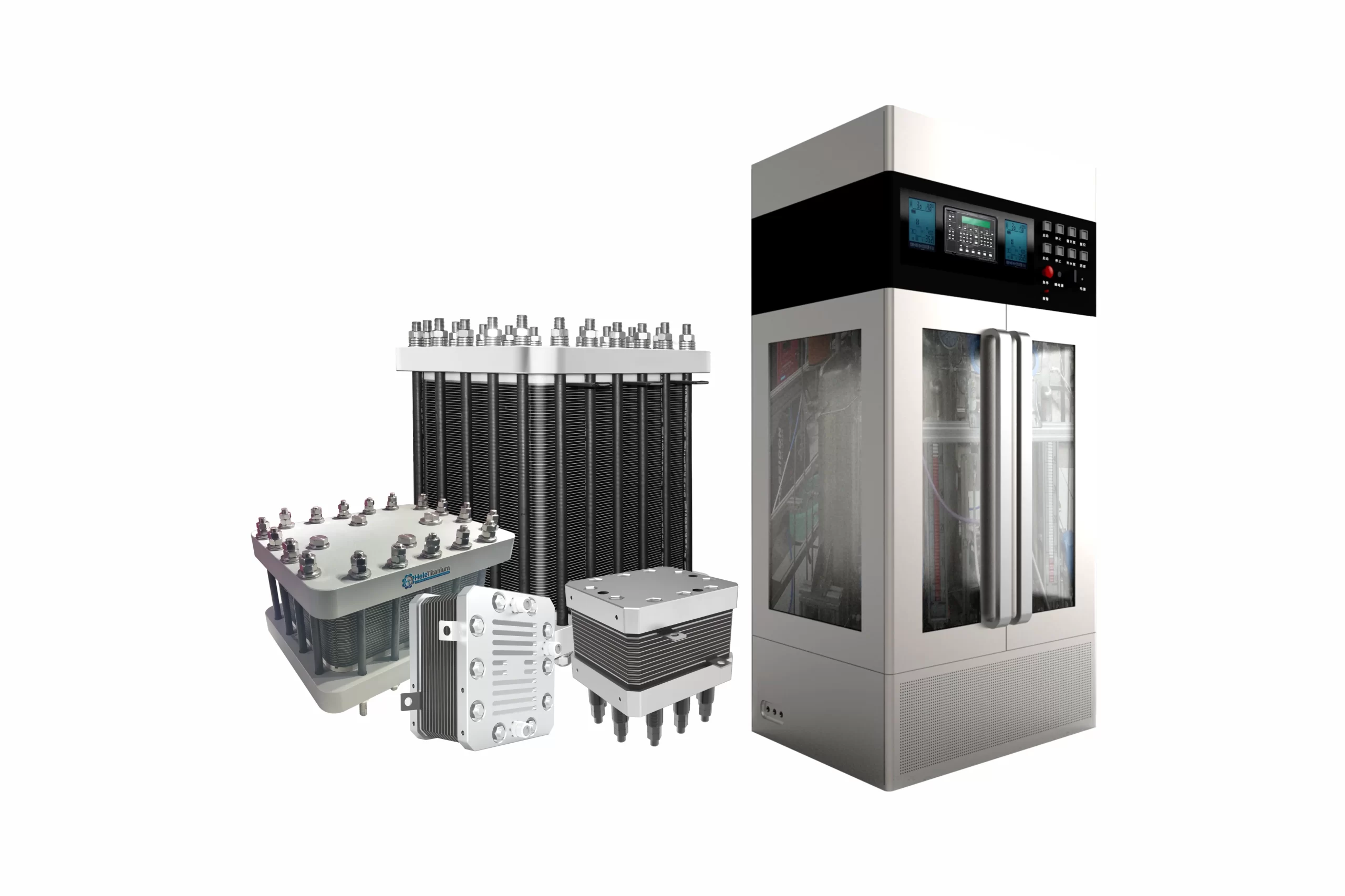
HELE can review material, component, electrode or system scope only after the parameters and evidence responsibilities are clear.
Potential HELE Scope
The table shows possible relevance and the qualification basis needed before quotation. It does not state that every product is approved for every application.
| Product Family | Industry Relevance | Qualification Basis |
|---|---|---|
| PEM Electrolyzer Systems | System inquiries can be reviewed for defined hydrogen output and integration conditions. | Flow, pressure, purity, operating profile, power, water, cooling, controls and scope boundary. |
| PEM Stacks | Stack requirements can be assessed for OEM, R&D or integration projects. | Operating point, pressure, interfaces, control, test evidence, lifetime basis and integration responsibility. |
| Titanium Materials & Components | Titanium material and custom-part inquiries can support defined energy equipment needs. | Medium, grade, standard, drawing, pressure, temperature, inspection and documentation. |
Project Inputs
Unknown items can be marked for follow-up. They should not be silently guessed.
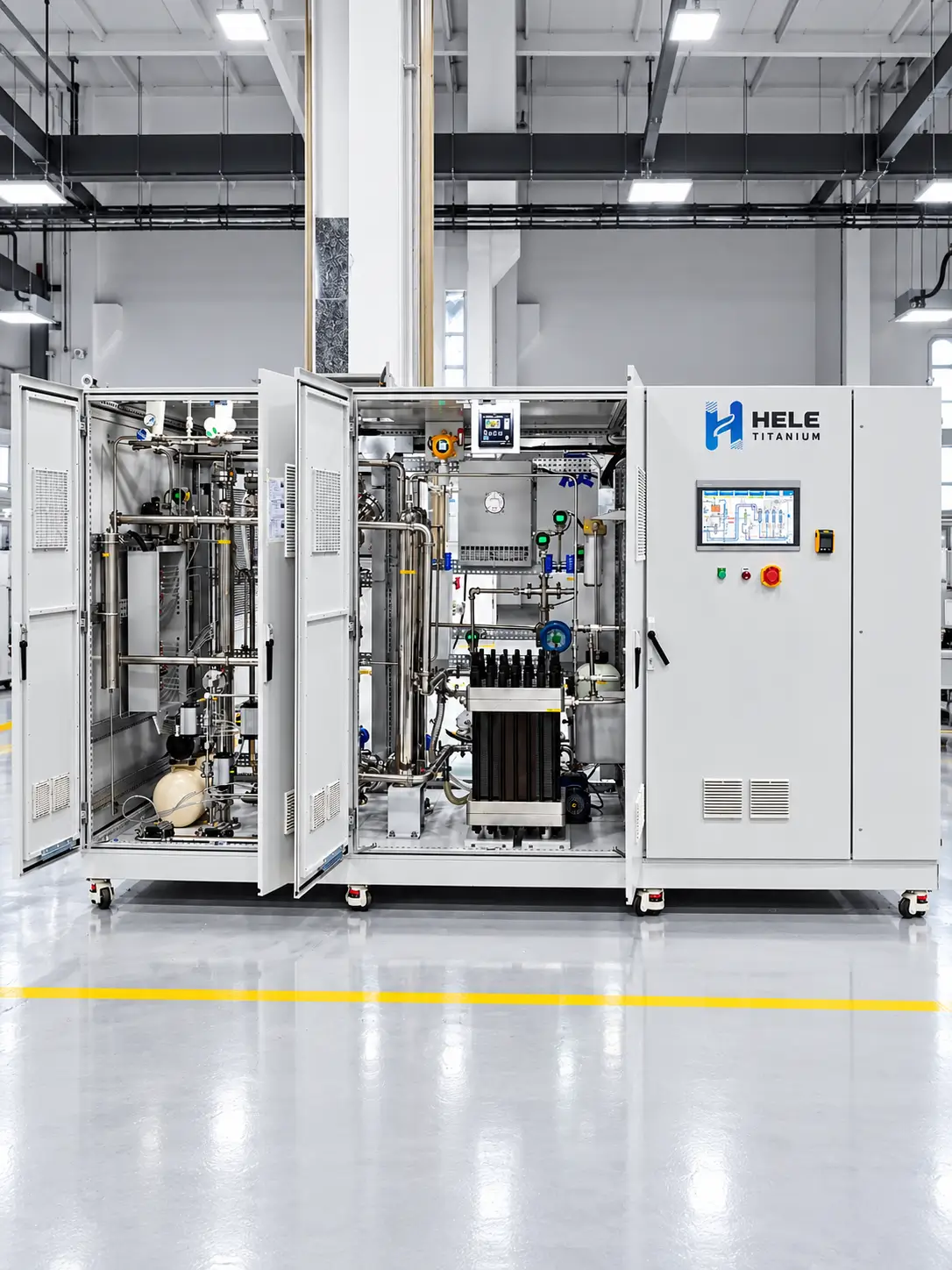
Qualification Boundary
Stack selection, balance of plant, compression, storage, controls, utilities, permitting and site integration are separate responsibilities. The quotation must define inclusions, exclusions and evidence for the selected model or system.
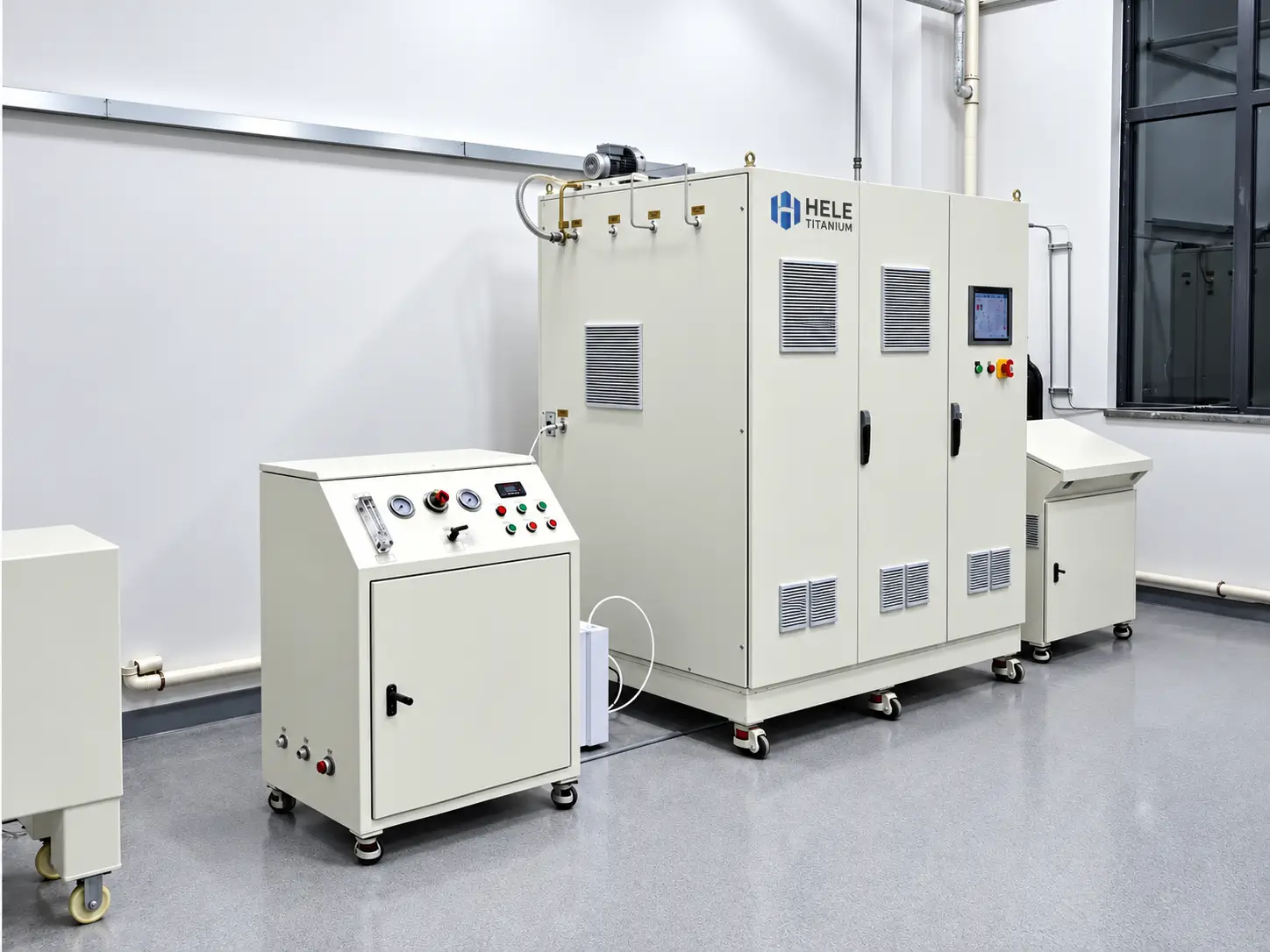
Prepare for Technical Review
Identify the process, equipment or asset, operating conditions, failure concern and project stage.
Provide drawings, standards, inspection methods, documentation needs and the responsible approval route.
Related Paths
Industry FAQ
Start with required hydrogen flow, purity, outlet pressure, operating profile, power source, water quality, cooling, site conditions, controls and scope boundary.
Stack-only and broader system inquiries can be reviewed, but interfaces, controls, test evidence and integration responsibility must be defined.
Yes. Power variability, ramp profile, curtailment, operating strategy and energy-management interfaces may affect the selected system and integration scope.
Not automatically. Compression, drying, storage and downstream equipment must be explicitly included or excluded in the quotation scope.
No. Performance and life depend on the selected model, operating conditions, system design, maintenance and agreed evidence.
Share what the hydrogen is for, how much is needed, at what pressure and purity, and which equipment HELE is expected to supply. That information is more useful than asking for a generic electrolyzer capacity.
Use the detailed form on this page or email sales@heletitanium.com with the application, operating conditions, drawings and required evidence.