Buyer Role 1
Vehicle & Equipment Engineers
Define weight, loading, geometry, environment and integration requirements.


Transportation & Mobility Industry Page
Explore where titanium materials, precision components and PEM hydrogen systems may support transportation projects—and what technical inputs are required before quotation.
Application Focus
Explore where titanium materials, precision components and PEM hydrogen systems may support transportation projects—and what technical inputs are required before quotation.
Who This Page Is For
A useful industry page must serve engineering, integration, quality and procurement decisions without pretending they are the same task.
Buyer Role 1
Define weight, loading, geometry, environment and integration requirements.
Buyer Role 2
Coordinate titanium components or hydrogen equipment within a larger platform.
Buyer Role 3
Review repeatability, change control, inspection records and supplier evidence.
Industry Application Map
Each application is a routing point, not a blanket suitability claim. The buyer question determines the next technical review.
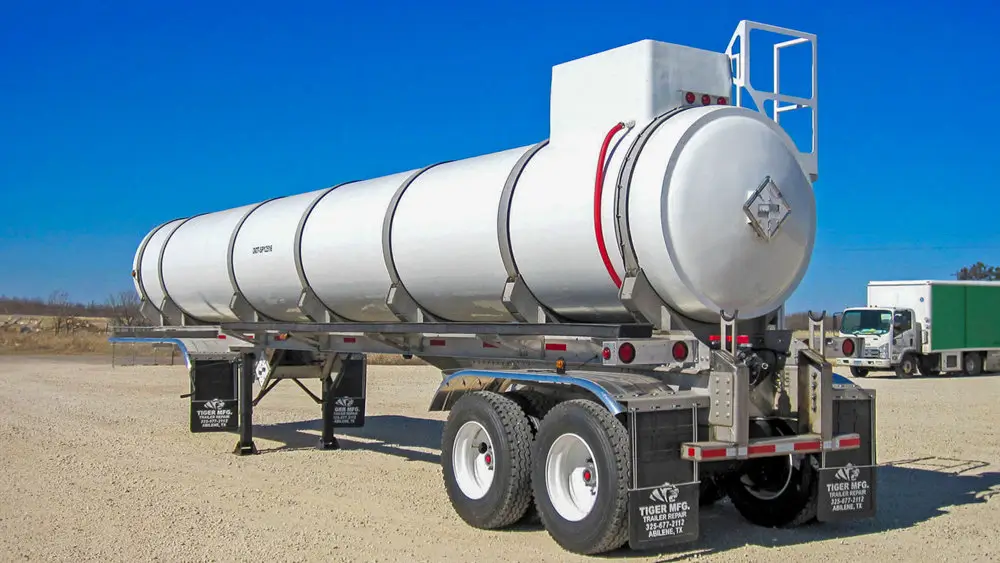
Application 1
Material forms and drawing-based components for weight-sensitive assemblies.
Buyer question: Which grade, standard, load case and approval route control the design?
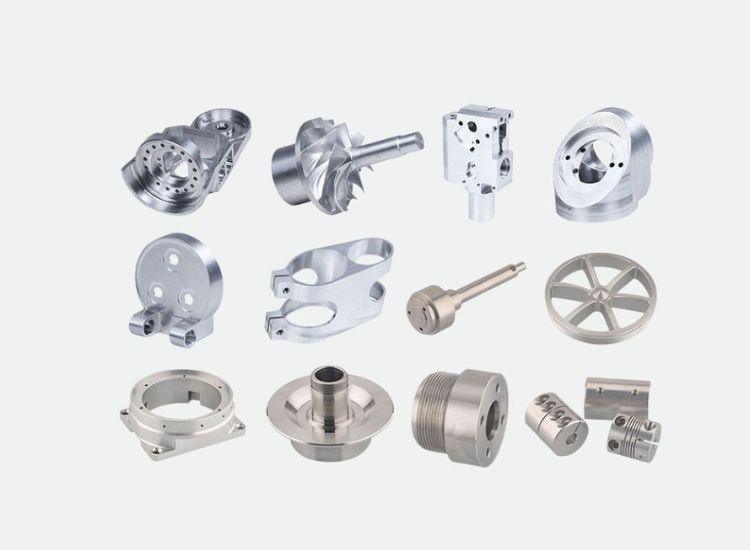
Application 2
Machined brackets, connectors, fasteners and custom parts for defined assemblies.
Buyer question: Which dimensions, tolerances, surface condition and inspection method are critical?

Application 3
Corrosion-resistant titanium components for rail, marine mobility and exposed equipment.
Buyer question: What chemicals, salts, humidity, temperature and maintenance conditions apply?
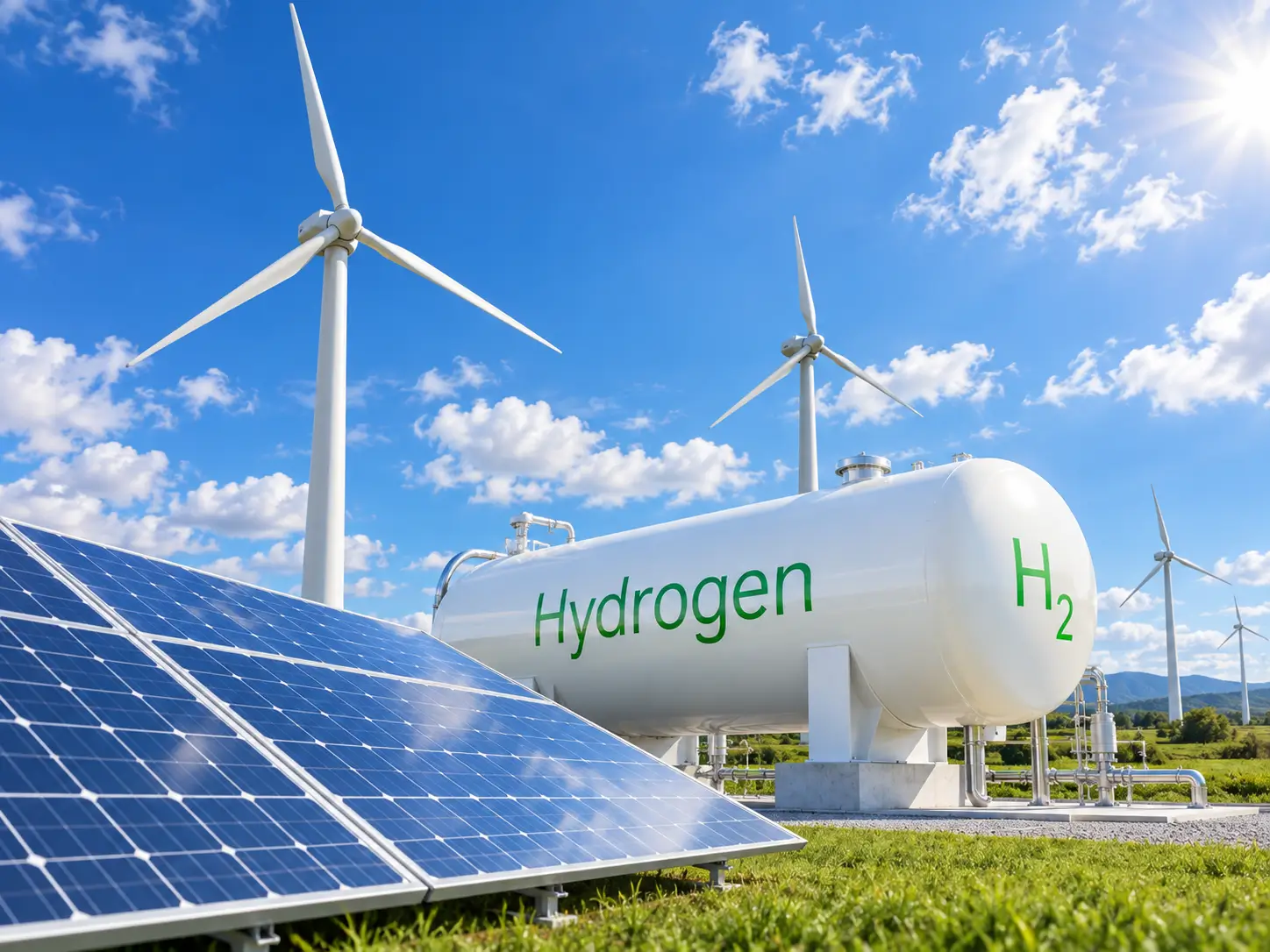
Application 4
PEM stacks or systems for project-specific hydrogen generation and integration review.
Buyer question: What output, pressure, purity, utilities, controls and supply boundary are required?
Engineering & Procurement Reality
Decision Factor 1
Vibration, impact, cyclic loading and joint design affect material and component review.
Decision Factor 2
Grade, standard, mill source, heat treatment and substitution rules must be defined.
Decision Factor 3
Drawing revision, tolerances, machining, finishing and inspection require controlled acceptance criteria.
Decision Factor 4
Automotive, rail, marine or hydrogen approvals remain customer- and project-specific.
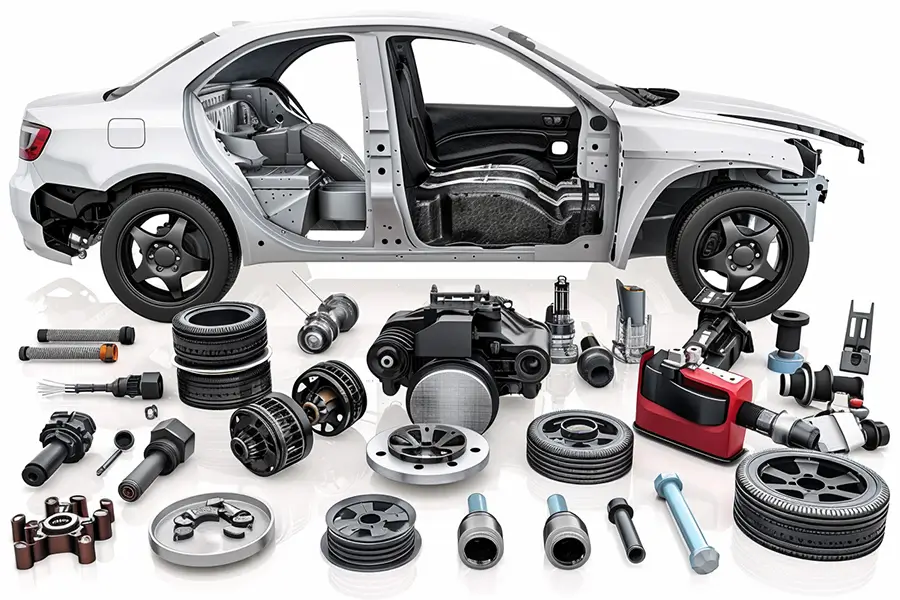
HELE can review material, component, electrode or system scope only after the parameters and evidence responsibilities are clear.
Potential HELE Scope
The table shows possible relevance and the qualification basis needed before quotation. It does not state that every product is approved for every application.
| Product Family | Industry Relevance | Qualification Basis |
|---|---|---|
| Titanium Material Forms | Plate, sheet, rod, bar, tube and selected fastener requirements can be reviewed against the specification. | Grade, standard, dimensions, surface, quantity and material documentation. |
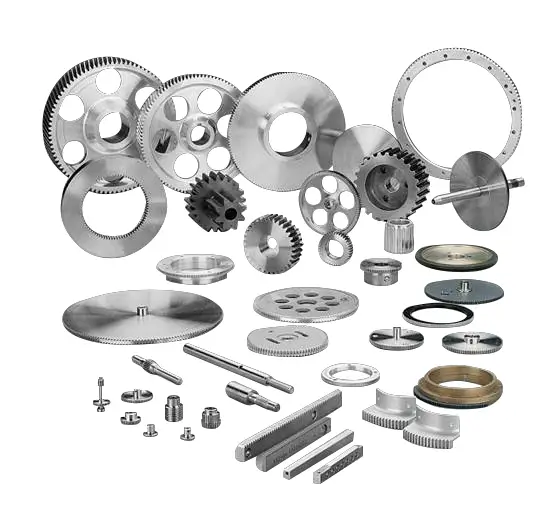
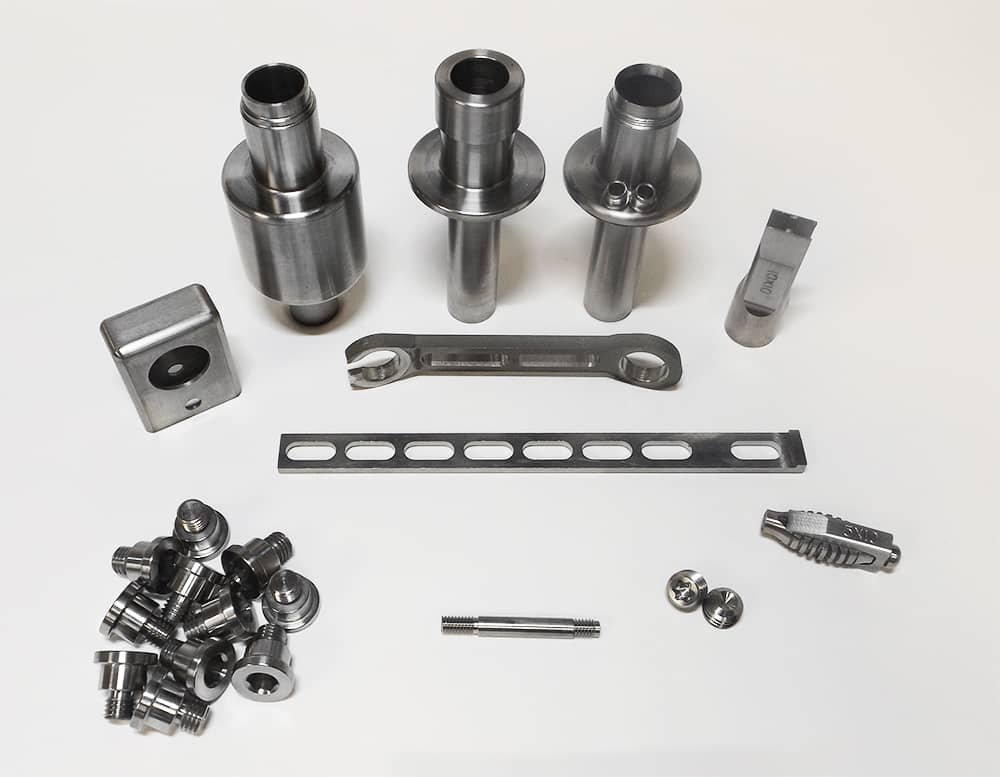
| Drawing-Based Titanium Parts | Custom machined parts can be assessed for geometry, tolerances, process route and inspection scope. | Controlled drawing, annual demand, critical features, finishing and acceptance criteria. |
| PEM Hydrogen Systems | Stack or system inquiries can be routed for mobility-related hydrogen generation projects. | Hydrogen flow, pressure, purity, operating profile, utilities, controls and project boundary. |
Project Inputs
Unknown items can be marked for follow-up. They should not be silently guessed.
Qualification Boundary
Titanium can be relevant to mobility programs, but supplier approval, material allowables, fatigue validation, special processes and platform-specific documentation must be confirmed for the exact component and customer program.
Industry Page vs Solution Page
Buyer roles, application map, project risks, relevant product families, evidence needs and inquiry routing.
One process problem, selection logic, architecture, technical options, validation method and solution-specific RFQ.
Related Paths
Industry FAQ
The grade cannot be selected from the industry name alone. Provide the governing standard, loads, environment, manufacturing route and approval requirements.
Drawing-based parts can be reviewed when the revision, dimensions, tolerances, quantity, material, finishing and inspection scope are available.
No. Qualification is customer-, platform-, process- and product-specific and must be verified before quotation or approval.
Share hydrogen flow, outlet pressure, purity, duty cycle, power source, water quality, cooling, controls, installation environment and required supply boundary.
Not automatically. Prototype acceptance, process validation, repeatability, change control and production documentation should be reviewed separately.
Transportation & Mobility Project Inquiry
Tell us about your mobility application, material grade, component drawings, tolerance requirements, operating environment, surface finish, quantity, and documentation needs. Our engineering team will recommend the right titanium material, machined component, or hydrogen mobility solution.
Use the detailed form on this page or email sales@heletitanium.com with the application, operating conditions, drawings and required evidence.