BDD Electrode Purchase Guide

HELE Knowledge Center · Engineering Procurement

BDD Electrode Purchase Guide

Specify BDD electrodes by substrate, CVD diamond film, boron doping, active area, electrical duty, reactor interfaces, testing and process evidence.

Written by HELE Titanium TeamUpdated: September 30, 2026For engineers, owners, OEMs and buyers

How to use this guide: establish the real operating duty and responsibility boundary first; then align product/system specification, interfaces, evidence, installation, operation and commercial scope. Compare quotations only after those bases match.

Before you request a quote

A reliable order begins with the service conditions and the finished function of boron-doped diamond electrodes—not with the product name alone. For applications involving electrochemical oxidation, difficult wastewater treatment, research and order-defined advanced oxidation processes, BDD performance depends on substrate, diamond-film quality, boron doping, active area, current density, mass transfer, electrolyte and cell design; laboratory removal results do not guarantee plant economics.

Before comparing suppliers, define the operating conditions, required configuration, interfaces, supply boundary and acceptance evidence. Require each quotation to identify the proposed basis, assumptions, exclusions and deliverable records so that technical differences remain visible.

A dependable order begins with one controlled basis connecting the process or asset, product identity, operating conditions, interfaces, measurable evidence, responsibility and commercial scope.

1. Define Product and Supplier Scope

Identify whether the order is for a coated electrode, free-standing diamond element, plate, module, replacement, pilot item or complete cell. State who owns CVD film production, substrate preparation, integration, reactor, power, process guarantee and commissioning.

  • Record approved film/substrate source and change control.
  • Separate electrode evidence from full-process performance.
  • List frames, counter-electrodes, contacts, seals, cables, spares and documents.

Procurement recommendation

Define Product and Supplier Scope is not an isolated specification line. For boron-doped diamond electrodes used in electrochemical oxidation, difficult wastewater treatment, research and order-defined advanced oxidation processes, BDD performance depends on substrate, diamond-film quality, boron doping, active area, current density, mass transfer, electrolyte and cell design; laboratory removal results do not guarantee plant economics. Connect this requirement to the actual service conditions, interfaces and acceptance evidence before releasing the order.

Select the electrode and cell only after treatability work on representative water identifies current efficiency, by-products and energy boundary. Record the selected basis, supplier assumptions and any unresolved interface in the quotation and approved order documents.

  • target contaminants and water matrix
  • substrate and BDD film construction
  • active area, geometry and electrical contact
  • boron-doping/film quality basis
  • substrate and build identification
  • film/active-area inspection

2. Freeze the Target Reaction and Matrix

Define the desired oxidation, synthesis, ozone, sensing or other electrochemical function and the complete matrix rather than an industry label.

  • Provide composition, conductivity, pH, chloride, organics, solids and variability.
  • State temperature, pressure, flow/mixing, gas and cleaning.
  • Define analytes, byproducts, purity and analytical methods.

Material or coating specification

Select the electrode and cell only after treatability work on representative water identifies current efficiency, by-products and energy boundary. The material or coating designation should appear beside the governing product specification, condition and service assumptions. A familiar grade name used under the wrong product standard can still produce the wrong supply.

Ask the supplier to identify the offered basis, permitted substitutions and the evidence used to confirm it. For proprietary or process-sensitive items, measurable acceptance and controlled change notification are more useful than demanding confidential formulation details.

  • substrate and BDD film construction
  • active area, geometry and electrical contact
  • boron-doping/film quality basis
  • current density, cell voltage and hydraulic conditions
  • film/active-area inspection
  • electrical/contact test

3. Select the Substrate and Interface

Specify substrate material, grade or purity, dimensions, surface/edge condition, mechanical limitations and the interface architecture between substrate and diamond film.

  • Do not assume silicon, niobium or titanium are interchangeable.
  • Address brittleness, thermal expansion, corrosion and exposed-edge risks.
  • Define traceability and approved-source evidence.

Material or coating specification

Select the electrode and cell only after treatability work on representative water identifies current efficiency, by-products and energy boundary. The material or coating designation should appear beside the governing product specification, condition and service assumptions. A familiar grade name used under the wrong product standard can still produce the wrong supply.

Ask the supplier to identify the offered basis, permitted substitutions and the evidence used to confirm it. For proprietary or process-sensitive items, measurable acceptance and controlled change notification are more useful than demanding confidential formulation details.

  • active area, geometry and electrical contact
  • boron-doping/film quality basis
  • current density, cell voltage and hydraulic conditions
  • film adhesion, lifetime test and cleaning
  • electrical/contact test
  • electrochemical characterization to agreed method

4. Specify CVD Diamond-Film Architecture

State coated side/zone, film thickness or other controlled metric, interface/interlayer where applicable, morphology, coverage and allowable defects with measurable methods.

  • Map active, masked, contact and transition zones.
  • Define coupon versus production-part evidence.
  • Control deposition-source or process changes.

Procurement recommendation

Specify CVD Diamond-Film Architecture is not an isolated specification line. For boron-doped diamond electrodes used in electrochemical oxidation, difficult wastewater treatment, research and order-defined advanced oxidation processes, BDD performance depends on substrate, diamond-film quality, boron doping, active area, current density, mass transfer, electrolyte and cell design; laboratory removal results do not guarantee plant economics. Connect this requirement to the actual service conditions, interfaces and acceptance evidence before releasing the order.

Select the electrode and cell only after treatability work on representative water identifies current efficiency, by-products and energy boundary. Record the selected basis, supplier assumptions and any unresolved interface in the quotation and approved order documents.

  • boron-doping/film quality basis
  • current density, cell voltage and hydraulic conditions
  • film adhesion, lifetime test and cleaning
  • target contaminants and water matrix
  • electrochemical characterization to agreed method
  • adhesion/durability test with stated conditions

5. Define Boron and Electrical Properties

Boron concentration, incorporation and electrical behavior are related but not identical. Specify the characteristic that matters, units, locations, method and acceptance.

  • Use SIMS, Hall, resistivity or another appropriate method only where applicable.
  • State whether a value is nominal, qualification or lot acceptance.
  • Do not infer process performance from a ppm value alone.

Procurement recommendation

Define Boron and Electrical Properties is not an isolated specification line. For boron-doped diamond electrodes used in electrochemical oxidation, difficult wastewater treatment, research and order-defined advanced oxidation processes, BDD performance depends on substrate, diamond-film quality, boron doping, active area, current density, mass transfer, electrolyte and cell design; laboratory removal results do not guarantee plant economics. Connect this requirement to the actual service conditions, interfaces and acceptance evidence before releasing the order.

Select the electrode and cell only after treatability work on representative water identifies current efficiency, by-products and energy boundary. Record the selected basis, supplier assumptions and any unresolved interface in the quotation and approved order documents.

  • current density, cell voltage and hydraulic conditions
  • film adhesion, lifetime test and cleaning
  • target contaminants and water matrix
  • substrate and BDD film construction
  • adhesion/durability test with stated conditions
  • substrate and build identification

6. Use Raman, SEM and Cross-Section Correctly

Different methods answer different questions. Raman supports structural/diamond-quality interpretation; SEM supports selected-area morphology; cross-sections can support film/interface observations.

  • State excitation, preparation, locations and interpretation for Raman.
  • State sampling and preparation for SEM/cross-section.
  • Do not use one image as automatic proof of full-lot coverage, adhesion or life.

Procurement recommendation

Use Raman, SEM and Cross-Section Correctly is not an isolated specification line. For boron-doped diamond electrodes used in electrochemical oxidation, difficult wastewater treatment, research and order-defined advanced oxidation processes, BDD performance depends on substrate, diamond-film quality, boron doping, active area, current density, mass transfer, electrolyte and cell design; laboratory removal results do not guarantee plant economics. Connect this requirement to the actual service conditions, interfaces and acceptance evidence before releasing the order.

Select the electrode and cell only after treatability work on representative water identifies current efficiency, by-products and energy boundary. Record the selected basis, supplier assumptions and any unresolved interface in the quotation and approved order documents.

  • film adhesion, lifetime test and cleaning
  • target contaminants and water matrix
  • substrate and BDD film construction
  • active area, geometry and electrical contact
  • substrate and build identification
  • film/active-area inspection

7. Freeze Geometry and Active Area

Control overall dimensions, thickness, flatness, edges, active faces, masked areas, supports, cell gap and the exact area denominator used for current density.

  • Separate envelope, projected, geometric and exposed active area.
  • Show liquid level and gas-release path.
  • Define handling and mounting limits for brittle designs.

Drawing and interface controls

Define plate/mesh/other geometry, one- or two-sided active area, spacing, seals, contacts and flow path. Use one measurement convention, identify datums or reference edges, and state whether dimensions apply before or after coating, forming, heat treatment, machining or other finishing.

Where fit-up or function depends on mating equipment, include the interface drawing rather than a standalone part sketch. The supplier should return a drawing for approval and record any proposed tolerance or feature change before production.

  • target contaminants and water matrix
  • substrate and BDD film construction
  • active area, geometry and electrical contact
  • boron-doping/film quality basis
  • current density, cell voltage and hydraulic conditions

8. Control Contacts, Seals and Assembly

Specify back contact, conductor, joint, encapsulation, seal, strain relief and isolation from electrolyte. Connection failure can invalidate acceptable film.

  • Define resistance or voltage-drop acceptance where needed.
  • Show wet/dry boundary and transition zone.
  • Assign factory and field interfaces.

Procurement recommendation

Control Contacts, Seals and Assembly is not an isolated specification line. For boron-doped diamond electrodes used in electrochemical oxidation, difficult wastewater treatment, research and order-defined advanced oxidation processes, BDD performance depends on substrate, diamond-film quality, boron doping, active area, current density, mass transfer, electrolyte and cell design; laboratory removal results do not guarantee plant economics. Connect this requirement to the actual service conditions, interfaces and acceptance evidence before releasing the order.

Select the electrode and cell only after treatability work on representative water identifies current efficiency, by-products and energy boundary. Record the selected basis, supplier assumptions and any unresolved interface in the quotation and approved order documents.

  • substrate and BDD film construction
  • active area, geometry and electrical contact
  • boron-doping/film quality basis
  • current density, cell voltage and hydraulic conditions
  • electrical/contact test
  • electrochemical characterization to agreed method

9. Define Electrical and Reactor Duty

State current, voltage/potential, current-density denominator, waveform, duty, polarity, gap, counter-electrode, reactor volume, flow and mass-transfer basis.

  • Separate normal, peak, startup and cleaning duty.
  • State reference electrode and scale for potential data.
  • Record cooling, gas and power/control limits.

Procurement recommendation

Define Electrical and Reactor Duty is not an isolated specification line. For boron-doped diamond electrodes used in electrochemical oxidation, difficult wastewater treatment, research and order-defined advanced oxidation processes, BDD performance depends on substrate, diamond-film quality, boron doping, active area, current density, mass transfer, electrolyte and cell design; laboratory removal results do not guarantee plant economics. Connect this requirement to the actual service conditions, interfaces and acceptance evidence before releasing the order.

Select the electrode and cell only after treatability work on representative water identifies current efficiency, by-products and energy boundary. Record the selected basis, supplier assumptions and any unresolved interface in the quotation and approved order documents.

  • active area, geometry and electrical contact
  • boron-doping/film quality basis
  • current density, cell voltage and hydraulic conditions
  • film adhesion, lifetime test and cleaning
  • electrochemical characterization to agreed method
  • adhesion/durability test with stated conditions

10. Build a Treatability Test

Use representative material and a protocol that can be repeated. A removal percentage without matrix, reactor, time/flow, current, energy and analytics is not transferable.

  • Define influent and variability, sample preservation and controls.
  • Report removal and mineralization separately where relevant.
  • Measure byproducts, electrode wear and energy on a stated basis.

Inspection and acceptance evidence

Inspection is useful only when the characteristic, method, sampling, instrument, acceptance criterion and responsible party are known. For boron-doped diamond electrodes, a certificate can confirm the items within its scope; it does not prove unrelated dimensions, field performance or service life.

Agree the inspection and test plan before production. Identify review, witness and hold points, the treatment of nonconformances and whether raw readings, summarized reports or third-party records are required with shipment.

Records to request

  • adhesion/durability test with stated conditions
  • substrate and build identification
  • film/active-area inspection
  • boron-doping/film quality basis
  • current density, cell voltage and hydraulic conditions
  • film adhesion, lifetime test and cleaning

11. Plan Scale-Up

Translate laboratory evidence through electrode area, reactor volume, hydrodynamics, current distribution, heat/gas, fouling, cleaning and continuous-duty assumptions.

  • Identify dimensionless or empirical scale-up basis.
  • Set pilot duration and stability criteria.
  • Separate pilot evidence from commercial guarantee.

Procurement recommendation

Plan Scale-Up is not an isolated specification line. For boron-doped diamond electrodes used in electrochemical oxidation, difficult wastewater treatment, research and order-defined advanced oxidation processes, BDD performance depends on substrate, diamond-film quality, boron doping, active area, current density, mass transfer, electrolyte and cell design; laboratory removal results do not guarantee plant economics. Connect this requirement to the actual service conditions, interfaces and acceptance evidence before releasing the order.

Select the electrode and cell only after treatability work on representative water identifies current efficiency, by-products and energy boundary. Record the selected basis, supplier assumptions and any unresolved interface in the quotation and approved order documents.

  • current density, cell voltage and hydraulic conditions
  • film adhesion, lifetime test and cleaning
  • target contaminants and water matrix
  • substrate and BDD film construction
  • substrate and build identification
  • film/active-area inspection

12. Define Verification and Lot Evidence

Create an evidence matrix linking every requirement to its method, sampling, units, acceptance and relationship to the shipped items.

  • Substrate certificate and dimensions.
  • Film/boron/Raman/SEM evidence as ordered.
  • Electrical, leak/seal and electrochemical tests under defined conditions.

Inspection and acceptance evidence

Inspection is useful only when the characteristic, method, sampling, instrument, acceptance criterion and responsible party are known. For boron-doped diamond electrodes, a certificate can confirm the items within its scope; it does not prove unrelated dimensions, field performance or service life.

Agree the inspection and test plan before production. Identify review, witness and hold points, the treatment of nonconformances and whether raw readings, summarized reports or third-party records are required with shipment.

Records to request

  • film/active-area inspection
  • electrical/contact test
  • electrochemical characterization to agreed method
  • film adhesion, lifetime test and cleaning
  • target contaminants and water matrix
  • substrate and BDD film construction

13. Build Life and Failure End Points

Life depends on film architecture, current duty, matrix, temperature, connection, seal, cleaning and the chosen end point. Accelerated results are not an automatic field-life guarantee.

  • Separate design target, qualification, accelerated test and warranty.
  • Define end point and monitoring data.
  • State field-correlation limits and exclusions.

Installation and operating controls

Control water chemistry, conductivity, temperature, current and cleaning; avoid mechanical damage and thermal/current hot spots. Installation and operating instructions should state permitted loads, chemistry or environment, handling, cleaning, inspection intervals and the data required for warranty review.

If performance changes, preserve the original condition and operating record before repair or adjustment. Film delamination, pinholes, poor contact, mass-transfer limits, scaling and misleading single-contaminant data are central risks. Photographs, measurements, alarms, water/electrolyte data, electrical data and maintenance history can distinguish a product defect from an interface or operating problem.

  • target contaminants and water matrix
  • substrate and BDD film construction
  • active area, geometry and electrical contact
  • boron-doping/film quality basis
  • electrical/contact test
  • electrochemical characterization to agreed method

14. Plan Installation, Operation and Cleaning

Protect active surfaces and edges, control orientation/gap/polarity, verify connections and establish baseline electrical/process readings before service.

  • Approve cleaning for the film, substrate, seals and deposits.
  • Define shutdown and upset response.
  • Record operating data needed for warranty or failure review.

Procurement recommendation

Plan Installation, Operation and Cleaning is not an isolated specification line. For boron-doped diamond electrodes used in electrochemical oxidation, difficult wastewater treatment, research and order-defined advanced oxidation processes, BDD performance depends on substrate, diamond-film quality, boron doping, active area, current density, mass transfer, electrolyte and cell design; laboratory removal results do not guarantee plant economics. Connect this requirement to the actual service conditions, interfaces and acceptance evidence before releasing the order.

Select the electrode and cell only after treatability work on representative water identifies current efficiency, by-products and energy boundary. Record the selected basis, supplier assumptions and any unresolved interface in the quotation and approved order documents.

  • substrate and BDD film construction
  • active area, geometry and electrical contact
  • boron-doping/film quality basis
  • current density, cell voltage and hydraulic conditions
  • electrochemical characterization to agreed method
  • adhesion/durability test with stated conditions

15. Investigate Performance Loss

Preserve matrix, current/voltage, temperature, flow, analytical trends, cleaning and physical evidence before dismantling.

  • Check mass transfer, scale/fouling and competing reactions.
  • Check contact heating, seal ingress, shorts and exposed substrate.
  • Use appropriate film/structural methods before assigning cause.

Procurement recommendation

Investigate Performance Loss is not an isolated specification line. For boron-doped diamond electrodes used in electrochemical oxidation, difficult wastewater treatment, research and order-defined advanced oxidation processes, BDD performance depends on substrate, diamond-film quality, boron doping, active area, current density, mass transfer, electrolyte and cell design; laboratory removal results do not guarantee plant economics. Connect this requirement to the actual service conditions, interfaces and acceptance evidence before releasing the order.

Select the electrode and cell only after treatability work on representative water identifies current efficiency, by-products and energy boundary. Record the selected basis, supplier assumptions and any unresolved interface in the quotation and approved order documents.

  • active area, geometry and electrical contact
  • boron-doping/film quality basis
  • current density, cell voltage and hydraulic conditions
  • film adhesion, lifetime test and cleaning
  • adhesion/durability test with stated conditions
  • substrate and build identification

16. Compare BDD with Alternative Anodes

Compare BDD, PbO₂, MMO/IrO₂ and other candidates on the same reaction, matrix, reactor, energy, product/byproduct, impurity, life, evidence and commercial basis.

  • Do not select from one property such as oxygen-evolution potential.
  • Include safety and end-of-life responsibilities.
  • Document why the selected route fits the project.

Procurement recommendation

Compare BDD with Alternative Anodes is not an isolated specification line. For boron-doped diamond electrodes used in electrochemical oxidation, difficult wastewater treatment, research and order-defined advanced oxidation processes, BDD performance depends on substrate, diamond-film quality, boron doping, active area, current density, mass transfer, electrolyte and cell design; laboratory removal results do not guarantee plant economics. Connect this requirement to the actual service conditions, interfaces and acceptance evidence before releasing the order.

Select the electrode and cell only after treatability work on representative water identifies current efficiency, by-products and energy boundary. Record the selected basis, supplier assumptions and any unresolved interface in the quotation and approved order documents.

  • boron-doping/film quality basis
  • current density, cell voltage and hydraulic conditions
  • film adhesion, lifetime test and cleaning
  • target contaminants and water matrix
  • substrate and build identification
  • film/active-area inspection

17. Complete BDD Electrode Purchase Guard

Do not release the order until supplier scope, substrate, interface, diamond film, boron/electrical basis, active area, reactor duty, tests, life and responsibilities describe one verifiable deliverable.

  • Freeze drawing and technical revision.
  • Normalize evidence and change control.
  • Record all assumptions, exclusions and open items.

Decision gate

Do not release the order until every technical requirement, test, interface, responsibility, assumption and exception describes one verifiable deliverable.

Quotation comparison

For boron-doped diamond electrodes, a low unit price can conceal a different material basis, unfinished processing, reduced inspection, missing accessories or a narrower delivery responsibility. Compare offers only after each supplier has answered the same technical schedule and returned a marked list of assumptions, options and exclusions.

BDD area, substrate, deposition quality, cell hardware, testing and treatability development drive cost. The commercial comparison should also include document review, samples or destructive tests, packing, Incoterm, tooling or setup, first-article approval, spares and the treatment of deviations or rework.

Before order release

  • current density, cell voltage and hydraulic conditions
  • film adhesion, lifetime test and cleaning
  • target contaminants and water matrix
  • substrate and BDD film construction
  • active area, geometry and electrical contact
  • film/active-area inspection
  • electrical/contact test
  • electrochemical characterization to agreed method

Selection recommendation: Select the electrode and cell only after treatability work on representative water identifies current efficiency, by-products and energy boundary.

18. RFQ, Commercial Terms and References

Normalize qualification, production quantity, spares, destructive tests, modules, documents, packing, destination, Incoterm, schedule assumptions and exceptions.

  • Reference Element Six diamond water solutions and CVD diamond information as technical context—not HELE guarantees.
  • Reference peer-reviewed BDD characterization work for method boundaries.
  • Require HELE-specific claims to be supported by project evidence.

Technical references

External sources provide terminology, code or technical context. They are not evidence of HELE-specific capability or a performance guarantee.

Purchasing FAQ

Does BDD always mean a titanium substrate?

No. BDD films may use different substrates and architectures. The actual substrate, interface, film and evidence must be stated for the ordered electrode.

Can Raman alone prove complete BDD quality?

No. Raman can support diamond/non-diamond-carbon and related structural assessment under a stated method. Film thickness, coverage, adhesion, boron/electrical properties and electrochemical behavior need separate evidence.

Does a wide potential window prove wastewater performance?

No. Performance depends on the matrix, mass transfer, current and area basis, reactor, time or flow, temperature, competing reactions, byproducts and analytics.

Can laboratory removal data be scaled directly?

No. Scale-up requires hydrodynamics, electrode spacing, area/volume, current distribution, energy, fouling, heat, gas and matrix variability to be reviewed.

What drives BDD electrode price?

Substrate, film area and thickness basis, doping/quality requirements, geometry, contacts/seals, qualification, destructive tests, quantity and documentation can all affect cost.

What should a comparison quotation normalize?

Normalize substrate, film/doping basis, active area, geometry, connection, process duty, tests, life/end point, module scope, quantity, documents and exceptions.

Where the answer depends on service conditions

Questions about boron-doped diamond electrodes often have conditional answers. Chemistry, load, geometry, quantity, operating duty and the applicable code can change the recommendation. Include the relevant conditions when asking a supplier to confirm suitability.

  • film adhesion, lifetime test and cleaning
  • target contaminants and water matrix
  • substrate and BDD film construction
  • active area, geometry and electrical contact

Request a response tied to the offered drawing, specification and inspection plan. If supporting evidence is not available, record the point as an item for technical review rather than treating it as a guaranteed characteristic.

Product, Processing and Inspection Reference

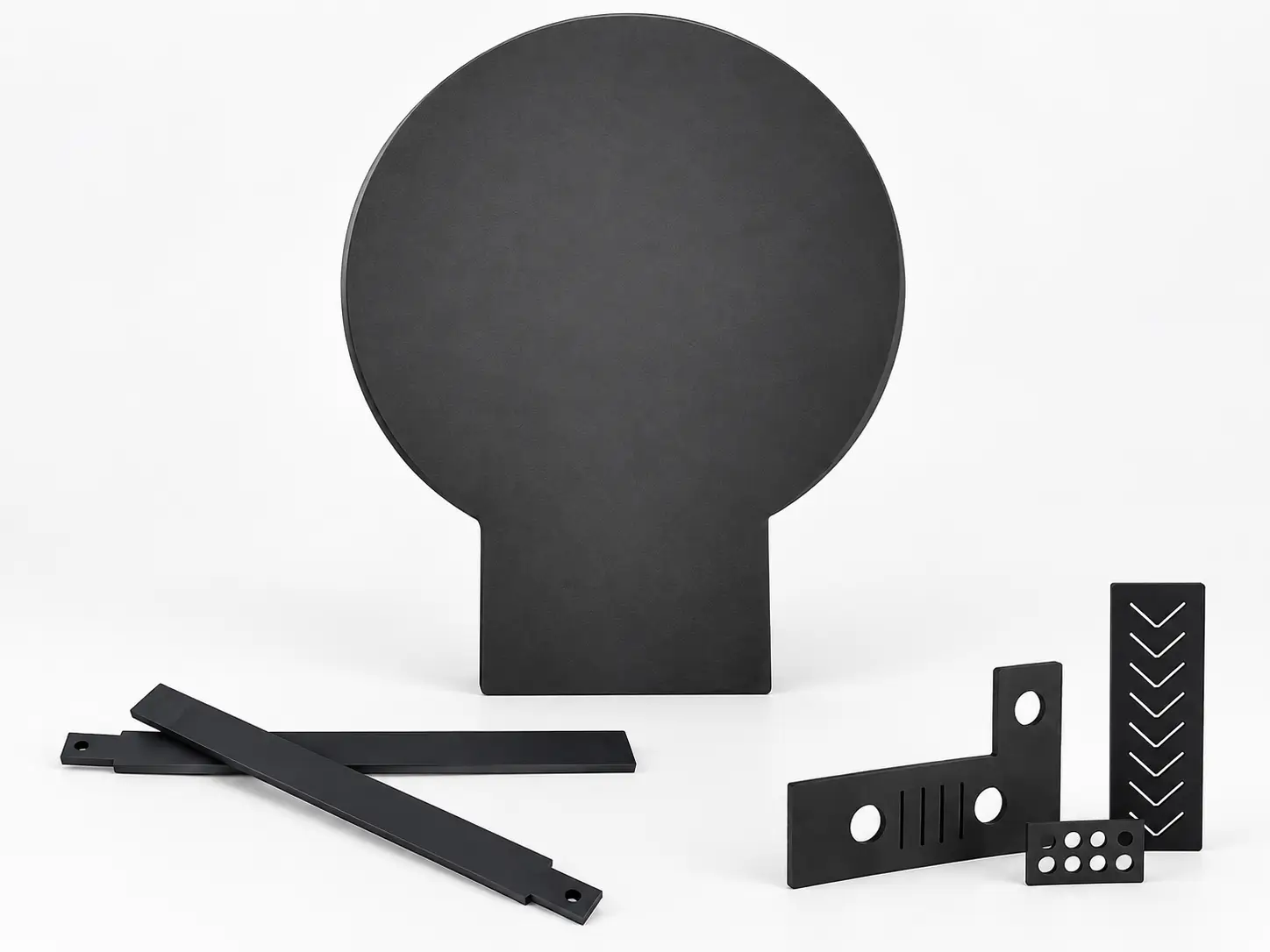
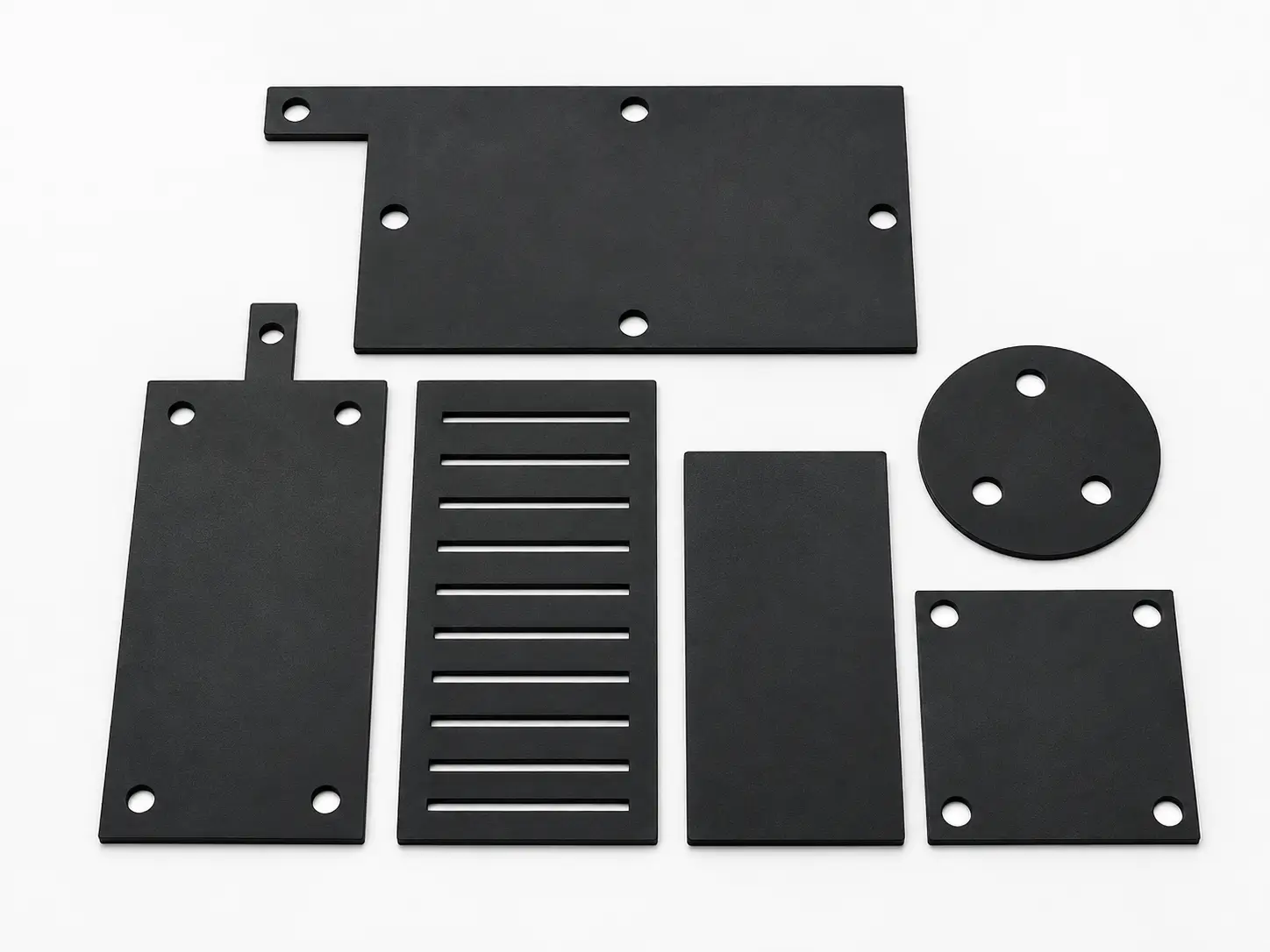
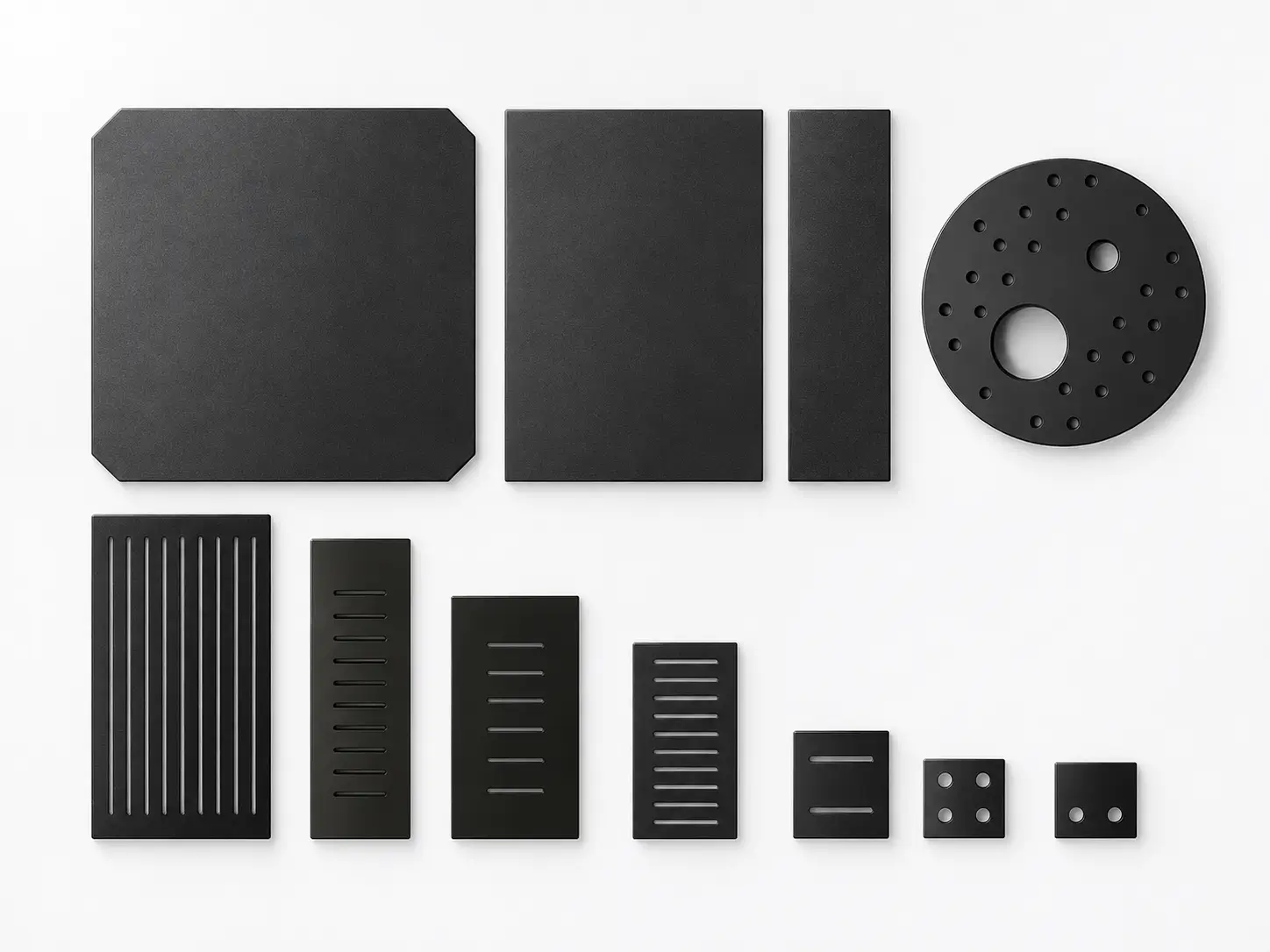
These images provide visual context for boron-doped diamond electrodes. They do not replace the approved drawing, specification, manufacturing route, inspection plan or order-specific evidence.

Define the BDD Electrode, Not Only the Diamond Label
Silicon-Substrate BDD Plates
Niobium-Substrate BDD Electrodes
Requirement Review

Turn the Guide into an Order-Specific RFQ

Send the drawings, analyses, operating data and existing records currently available. Unknown items can remain open for technical review.

  • ✓ Operating-duty and selection checklist
  • ✓ Product, system and interface review
  • ✓ Testing, documentation and responsibility boundary
  • ✓ Commercial normalization and exceptions

Supported formats: PDF, JPG, PNG, STEP, IGES, STL, DWG (Max 20MB)