Before you request a quote
A reliable order begins with the service conditions and the finished function of electrolytic scale-removal systems—not with the product name alone. For applications involving cooling towers, recirculating-water loops and heat-exchange systems where electrochemical precipitation and solids removal are evaluated, a device cannot be sized from pipe diameter or tower capacity alone; water chemistry, cycles, makeup/blowdown, heat load, side-stream flow, precipitation, collection and cleaning determine performance.
Before comparing suppliers, define the operating conditions, required configuration, interfaces, supply boundary and acceptance evidence. Require each quotation to identify the proposed basis, assumptions, exclusions and deliverable records so that technical differences remain visible.
A dependable order begins with one controlled basis connecting the process or asset, product identity, operating conditions, interfaces, measurable evidence, responsibility and commercial scope.
1. Define the Cooling-Water System and Scope
Map cooling tower, users, heat exchangers, materials, circulation, basin, makeup, blowdown, filtration, chemical treatment, side-stream location and supplier responsibility.
- List ESR cell, pump, valves, strainer, power/control, sensors and solids handling.
- Assign water-treatment design and performance responsibility.
- Control P&ID, layout and operating revisions.
Procurement recommendation
Define the Cooling-Water System and Scope is not an isolated specification line. For electrolytic scale-removal systems used in cooling towers, recirculating-water loops and heat-exchange systems where electrochemical precipitation and solids removal are evaluated, a device cannot be sized from pipe diameter or tower capacity alone; water chemistry, cycles, makeup/blowdown, heat load, side-stream flow, precipitation, collection and cleaning determine performance. Connect this requirement to the actual service conditions, interfaces and acceptance evidence before releasing the order.
Select equipment from a mass balance and treatment objective, not from a generic claim of eliminating chemicals or blowdown. Record the selected basis, supplier assumptions and any unresolved interface in the quotation and approved order documents.
- representative makeup and circulating-water analyses
- flow, volume, cycles, evaporation and blowdown
- hardness/alkalinity, pH, conductivity, silica and temperature
- side-stream flow, residence time and hydraulic loss
- water-analysis basis
- hydraulic/electrical design data
2. Collect Representative Water Analyses
Use current makeup and circulating-water analyses over relevant seasons and operating states.
- Include pH, temperature, conductivity/TDS, alkalinity, calcium/magnesium hardness, silica, chloride and sulfate.
- Record treatment chemicals, contaminants and sampling methods.
- Do not design from one unverified spot sample.
Procurement recommendation
Collect Representative Water Analyses is not an isolated specification line. For electrolytic scale-removal systems used in cooling towers, recirculating-water loops and heat-exchange systems where electrochemical precipitation and solids removal are evaluated, a device cannot be sized from pipe diameter or tower capacity alone; water chemistry, cycles, makeup/blowdown, heat load, side-stream flow, precipitation, collection and cleaning determine performance. Connect this requirement to the actual service conditions, interfaces and acceptance evidence before releasing the order.
Select equipment from a mass balance and treatment objective, not from a generic claim of eliminating chemicals or blowdown. Record the selected basis, supplier assumptions and any unresolved interface in the quotation and approved order documents.
- flow, volume, cycles, evaporation and blowdown
- hardness/alkalinity, pH, conductivity, silica and temperature
- side-stream flow, residence time and hydraulic loss
- electrode area, current and energy boundary
- hydraulic/electrical design data
- pilot or reference test with conditions
3. Build the Water and Solids Mass Balance
Quantify circulation, makeup, evaporation, blowdown, drift, leaks, cycles and heat load before claiming water or chemical savings.
- Define current and target operating cases.
- Track ions removed in deposits and discharged during cleaning.
- Reconcile measured deposit mass with water-analysis changes.
Procurement recommendation
Build the Water and Solids Mass Balance is not an isolated specification line. For electrolytic scale-removal systems used in cooling towers, recirculating-water loops and heat-exchange systems where electrochemical precipitation and solids removal are evaluated, a device cannot be sized from pipe diameter or tower capacity alone; water chemistry, cycles, makeup/blowdown, heat load, side-stream flow, precipitation, collection and cleaning determine performance. Connect this requirement to the actual service conditions, interfaces and acceptance evidence before releasing the order.
Select equipment from a mass balance and treatment objective, not from a generic claim of eliminating chemicals or blowdown. Record the selected basis, supplier assumptions and any unresolved interface in the quotation and approved order documents.
- hardness/alkalinity, pH, conductivity, silica and temperature
- side-stream flow, residence time and hydraulic loss
- electrode area, current and energy boundary
- solids removal, cleaning, corrosion/microbial program and pilot acceptance
- pilot or reference test with conditions
- inspection/test records
4. Define the Electrochemical Mechanism
Electrochemical reactions can create local conditions that precipitate hardness/alkalinity species on collection surfaces. Results depend on chemistry, current, area, residence time and hydrodynamics.
- Separate precipitation/collection from scale inhibition at remote surfaces.
- Identify possible gas and oxidation side reactions.
- Define where deposits form and how they are removed.
Procurement recommendation
Define the Electrochemical Mechanism is not an isolated specification line. For electrolytic scale-removal systems used in cooling towers, recirculating-water loops and heat-exchange systems where electrochemical precipitation and solids removal are evaluated, a device cannot be sized from pipe diameter or tower capacity alone; water chemistry, cycles, makeup/blowdown, heat load, side-stream flow, precipitation, collection and cleaning determine performance. Connect this requirement to the actual service conditions, interfaces and acceptance evidence before releasing the order.
Select equipment from a mass balance and treatment objective, not from a generic claim of eliminating chemicals or blowdown. Record the selected basis, supplier assumptions and any unresolved interface in the quotation and approved order documents.
- side-stream flow, residence time and hydraulic loss
- electrode area, current and energy boundary
- solids removal, cleaning, corrosion/microbial program and pilot acceptance
- representative makeup and circulating-water analyses
- inspection/test records
- commissioning and performance log
5. Size Side-Stream Flow and Residence Time
Select treatment flow from the system balance, target removal and validated kinetics rather than total circulation flow alone.
- State side-stream ratio and turnover through the ESR.
- Define minimum/maximum flow, distribution and bypass.
- Address low-flow, pump failure and blocked-cell conditions.
Drawing and interface controls
Define chamber/electrode geometry, flow distribution, pressure loss, bypass, drains, solids access, footprint and tie-ins. Use one measurement convention, identify datums or reference edges, and state whether dimensions apply before or after coating, forming, heat treatment, machining or other finishing.
Where fit-up or function depends on mating equipment, include the interface drawing rather than a standalone part sketch. The supplier should return a drawing for approval and record any proposed tolerance or feature change before production.
- electrode area, current and energy boundary
- solids removal, cleaning, corrosion/microbial program and pilot acceptance
- representative makeup and circulating-water analyses
- flow, volume, cycles, evaporation and blowdown
- hardness/alkalinity, pH, conductivity, silica and temperature
6. Specify Electrode Area and Electrical Duty
Define anode/cathode materials, effective area, gap, total current, current-density denominator, voltage, power, duty and control mode.
- Separate envelope area from effective area.
- State normal, cleaning and upset duty.
- Define electrical safety, grounding and interlocks.
Procurement recommendation
Specify Electrode Area and Electrical Duty is not an isolated specification line. For electrolytic scale-removal systems used in cooling towers, recirculating-water loops and heat-exchange systems where electrochemical precipitation and solids removal are evaluated, a device cannot be sized from pipe diameter or tower capacity alone; water chemistry, cycles, makeup/blowdown, heat load, side-stream flow, precipitation, collection and cleaning determine performance. Connect this requirement to the actual service conditions, interfaces and acceptance evidence before releasing the order.
Select equipment from a mass balance and treatment objective, not from a generic claim of eliminating chemicals or blowdown. Record the selected basis, supplier assumptions and any unresolved interface in the quotation and approved order documents.
- solids removal, cleaning, corrosion/microbial program and pilot acceptance
- representative makeup and circulating-water analyses
- flow, volume, cycles, evaporation and blowdown
- hardness/alkalinity, pH, conductivity, silica and temperature
- water-analysis basis
- hydraulic/electrical design data
7. Control Hydraulics and Pressure Loss
Freeze pipe size, connection, pump, strainer, valves, pressure, cell loss, distribution, air/gas release, drainage and isolation.
- Provide P&ID and installation envelope.
- Avoid dead zones and unverified short-circuit flow.
- Define hydro/leak test and instruments.
Procurement recommendation
Control Hydraulics and Pressure Loss is not an isolated specification line. For electrolytic scale-removal systems used in cooling towers, recirculating-water loops and heat-exchange systems where electrochemical precipitation and solids removal are evaluated, a device cannot be sized from pipe diameter or tower capacity alone; water chemistry, cycles, makeup/blowdown, heat load, side-stream flow, precipitation, collection and cleaning determine performance. Connect this requirement to the actual service conditions, interfaces and acceptance evidence before releasing the order.
Select equipment from a mass balance and treatment objective, not from a generic claim of eliminating chemicals or blowdown. Record the selected basis, supplier assumptions and any unresolved interface in the quotation and approved order documents.
- representative makeup and circulating-water analyses
- flow, volume, cycles, evaporation and blowdown
- hardness/alkalinity, pH, conductivity, silica and temperature
- side-stream flow, residence time and hydraulic loss
- hydraulic/electrical design data
- pilot or reference test with conditions
8. Design Deposit Collection and Cleaning
Specify collection surface, allowable deposit, cleaning mechanism, trigger, cycle time, drain, solids transport and disposal.
- Define automatic and manual recovery modes.
- Measure cleaning completeness and residual deposit.
- Address abrasive/chemical cleaning impact on electrodes and seals.
Procurement recommendation
Design Deposit Collection and Cleaning is not an isolated specification line. For electrolytic scale-removal systems used in cooling towers, recirculating-water loops and heat-exchange systems where electrochemical precipitation and solids removal are evaluated, a device cannot be sized from pipe diameter or tower capacity alone; water chemistry, cycles, makeup/blowdown, heat load, side-stream flow, precipitation, collection and cleaning determine performance. Connect this requirement to the actual service conditions, interfaces and acceptance evidence before releasing the order.
Select equipment from a mass balance and treatment objective, not from a generic claim of eliminating chemicals or blowdown. Record the selected basis, supplier assumptions and any unresolved interface in the quotation and approved order documents.
- flow, volume, cycles, evaporation and blowdown
- hardness/alkalinity, pH, conductivity, silica and temperature
- side-stream flow, residence time and hydraulic loss
- electrode area, current and energy boundary
- pilot or reference test with conditions
- inspection/test records
9. Integrate Scale, Corrosion and Microbial Control
ESR performance cannot be judged from hardness alone. Review corrosion indices/data, metallurgy, microbiological program, suspended solids and existing chemicals.
- Do not promise chemical-free operation without verification.
- Define corrosion coupons/probes or other monitoring.
- Assign oxidant/biocide and filtration responsibility.
Procurement recommendation
Integrate Scale, Corrosion and Microbial Control is not an isolated specification line. For electrolytic scale-removal systems used in cooling towers, recirculating-water loops and heat-exchange systems where electrochemical precipitation and solids removal are evaluated, a device cannot be sized from pipe diameter or tower capacity alone; water chemistry, cycles, makeup/blowdown, heat load, side-stream flow, precipitation, collection and cleaning determine performance. Connect this requirement to the actual service conditions, interfaces and acceptance evidence before releasing the order.
Select equipment from a mass balance and treatment objective, not from a generic claim of eliminating chemicals or blowdown. Record the selected basis, supplier assumptions and any unresolved interface in the quotation and approved order documents.
- hardness/alkalinity, pH, conductivity, silica and temperature
- side-stream flow, residence time and hydraulic loss
- electrode area, current and energy boundary
- solids removal, cleaning, corrosion/microbial program and pilot acceptance
- inspection/test records
- commissioning and performance log
10. Define Instrumentation, Controls and Alarms
Specify flow, pressure, conductivity, temperature, current/voltage, cleaning status, pump/valve state, alarms, remote interface and data logging.
- Interlock power with proven flow and safe cell state.
- Define sensor calibration and failure response.
- Control software/setpoint revisions.
Procurement recommendation
Define Instrumentation, Controls and Alarms is not an isolated specification line. For electrolytic scale-removal systems used in cooling towers, recirculating-water loops and heat-exchange systems where electrochemical precipitation and solids removal are evaluated, a device cannot be sized from pipe diameter or tower capacity alone; water chemistry, cycles, makeup/blowdown, heat load, side-stream flow, precipitation, collection and cleaning determine performance. Connect this requirement to the actual service conditions, interfaces and acceptance evidence before releasing the order.
Select equipment from a mass balance and treatment objective, not from a generic claim of eliminating chemicals or blowdown. Record the selected basis, supplier assumptions and any unresolved interface in the quotation and approved order documents.
- side-stream flow, residence time and hydraulic loss
- electrode area, current and energy boundary
- solids removal, cleaning, corrosion/microbial program and pilot acceptance
- representative makeup and circulating-water analyses
- commissioning and performance log
- water-analysis basis
11. Build a Pilot or Verification Protocol
Use representative operation long enough to capture water and load variability. Establish baseline before changing multiple treatment variables.
- Define sample points, frequency and laboratory methods.
- Track deposit mass/composition, energy, water, chemicals and labor.
- Monitor heat-transfer, scale and corrosion indicators.
Inspection and acceptance evidence
Inspection is useful only when the characteristic, method, sampling, instrument, acceptance criterion and responsible party are known. For electrolytic scale-removal systems, a certificate can confirm the items within its scope; it does not prove unrelated dimensions, field performance or service life.
Agree the inspection and test plan before production. Identify review, witness and hold points, the treatment of nonconformances and whether raw readings, summarized reports or third-party records are required with shipment.
Records to request
- water-analysis basis
- hydraulic/electrical design data
- pilot or reference test with conditions
- electrode area, current and energy boundary
- solids removal, cleaning, corrosion/microbial program and pilot acceptance
- representative makeup and circulating-water analyses
12. Set Acceptance Criteria
Acceptance may combine mass removal, water chemistry, cycles, blowdown, scale/corrosion evidence, equipment uptime, cleaning and energy under an agreed period.
- Separate equipment function from system performance.
- State baseline and normalization method.
- Define exclusions, data gaps and corrective test.
Inspection and acceptance evidence
Inspection is useful only when the characteristic, method, sampling, instrument, acceptance criterion and responsible party are known. For electrolytic scale-removal systems, a certificate can confirm the items within its scope; it does not prove unrelated dimensions, field performance or service life.
Agree the inspection and test plan before production. Identify review, witness and hold points, the treatment of nonconformances and whether raw readings, summarized reports or third-party records are required with shipment.
Records to request
- hydraulic/electrical design data
- pilot or reference test with conditions
- inspection/test records
- solids removal, cleaning, corrosion/microbial program and pilot acceptance
- representative makeup and circulating-water analyses
- flow, volume, cycles, evaporation and blowdown
13. Inspect Equipment and Release Evidence
Control materials, electrodes, dimensions, welding/assembly, insulation, connections, enclosure, hydraulics, electrical functions, labels and documents.
- Define factory versus site tests.
- Link serial/lot identity to records.
- Agree spares and consumables.
Inspection and acceptance evidence
Inspection is useful only when the characteristic, method, sampling, instrument, acceptance criterion and responsible party are known. For electrolytic scale-removal systems, a certificate can confirm the items within its scope; it does not prove unrelated dimensions, field performance or service life.
Agree the inspection and test plan before production. Identify review, witness and hold points, the treatment of nonconformances and whether raw readings, summarized reports or third-party records are required with shipment.
Records to request
- pilot or reference test with conditions
- inspection/test records
- commissioning and performance log
- representative makeup and circulating-water analyses
- flow, volume, cycles, evaporation and blowdown
- hardness/alkalinity, pH, conductivity, silica and temperature
14. Install and Commission
Verify P&ID, orientation, supports, isolation, bypass, drain, pump, flow, electrical protection, sensors and cleaning before energizing.
- Establish baseline water and operating data.
- Ramp within approved current/flow limits.
- Train operators and record commissioning acceptance.
Installation and operating controls
Trend water chemistry, current, voltage, pressure loss, deposit mass, cleaning interval, corrosion and microbiology; adjust with a documented operating plan. Installation and operating instructions should state permitted loads, chemistry or environment, handling, cleaning, inspection intervals and the data required for warranty review.
If performance changes, preserve the original condition and operating record before repair or adjustment. Scaling outside the reactor, passivation, poor flow distribution, inadequate solids removal, corrosion or biological growth can defeat the treatment objective. Photographs, measurements, alarms, water/electrolyte data, electrical data and maintenance history can distinguish a product defect from an interface or operating problem.
- flow, volume, cycles, evaporation and blowdown
- hardness/alkalinity, pH, conductivity, silica and temperature
- side-stream flow, residence time and hydraulic loss
- electrode area, current and energy boundary
- inspection/test records
- commissioning and performance log
15. Operate and Maintain
Trend chemistry, flows, current/voltage, deposit, cleaning, pressure loss, alarms, corrosion and heat-transfer indicators.
- Define cleaning inspection and maintenance intervals.
- Protect electrodes and seals during service.
- Maintain calibration and operating records.
Installation and operating controls
Trend water chemistry, current, voltage, pressure loss, deposit mass, cleaning interval, corrosion and microbiology; adjust with a documented operating plan. Installation and operating instructions should state permitted loads, chemistry or environment, handling, cleaning, inspection intervals and the data required for warranty review.
If performance changes, preserve the original condition and operating record before repair or adjustment. Scaling outside the reactor, passivation, poor flow distribution, inadequate solids removal, corrosion or biological growth can defeat the treatment objective. Photographs, measurements, alarms, water/electrolyte data, electrical data and maintenance history can distinguish a product defect from an interface or operating problem.
- hardness/alkalinity, pH, conductivity, silica and temperature
- side-stream flow, residence time and hydraulic loss
- electrode area, current and energy boundary
- solids removal, cleaning, corrosion/microbial program and pilot acceptance
- commissioning and performance log
- water-analysis basis
16. Investigate Underperformance
Preserve water analyses, mass balance, flow, current/voltage, deposit, cleaning, chemicals, heat load and alarm history before changing settings.
- Check sample validity and baseline drift.
- Check hydraulic bypass, fouling, electrode/connection and cleaning completeness.
- Separate system-load change from equipment failure.
Installation and operating controls
Trend water chemistry, current, voltage, pressure loss, deposit mass, cleaning interval, corrosion and microbiology; adjust with a documented operating plan. Installation and operating instructions should state permitted loads, chemistry or environment, handling, cleaning, inspection intervals and the data required for warranty review.
If performance changes, preserve the original condition and operating record before repair or adjustment. Scaling outside the reactor, passivation, poor flow distribution, inadequate solids removal, corrosion or biological growth can defeat the treatment objective. Photographs, measurements, alarms, water/electrolyte data, electrical data and maintenance history can distinguish a product defect from an interface or operating problem.
- side-stream flow, residence time and hydraulic loss
- electrode area, current and energy boundary
- solids removal, cleaning, corrosion/microbial program and pilot acceptance
- representative makeup and circulating-water analyses
- water-analysis basis
- hydraulic/electrical design data
17. Complete ESR Purchase Guard
Do not release the order until water and system balance, side-stream duty, electrodes, hydraulics, cleaning, controls, acceptance and responsibilities align.
- Freeze P&ID, drawing and control revision.
- State performance method and uncertainty.
- Record assumptions, exclusions and open items.
Decision gate
Do not release the order until every technical requirement, test, interface, responsibility, assumption and exception describes one verifiable deliverable.
Quotation comparison
For electrolytic scale-removal systems, a low unit price can conceal a different material basis, unfinished processing, reduced inspection, missing accessories or a narrower delivery responsibility. Compare offers only after each supplier has answered the same technical schedule and returned a marked list of assumptions, options and exclusions.
Water variability, flow/electrode area, controls, materials, skid, pilot work, installation and service drive cost. The commercial comparison should also include document review, samples or destructive tests, packing, Incoterm, tooling or setup, first-article approval, spares and the treatment of deviations or rework.
Before order release
- electrode area, current and energy boundary
- solids removal, cleaning, corrosion/microbial program and pilot acceptance
- representative makeup and circulating-water analyses
- flow, volume, cycles, evaporation and blowdown
- hardness/alkalinity, pH, conductivity, silica and temperature
- hydraulic/electrical design data
- pilot or reference test with conditions
- inspection/test records
Selection recommendation: Select equipment from a mass balance and treatment objective, not from a generic claim of eliminating chemicals or blowdown.
18. RFQ, Commercial Terms and References
Normalize package scope, treatment basis, cell/pump/control, sensors, spares, installation, verification, documents, packing, Incoterm and warranty.
- Use peer-reviewed studies only as mechanism/context, not HELE guarantees.
- Compare ROI on the same baseline and operating period.
- Require HELE-specific case claims to include full test conditions.
Technical references
- Pilot evaluation of electrochemical scaling in cooling water
- Electrolytic treatment of industrial circulating cooling water
- Electrochemical pretreatment for cooling-water scale/fouling control
External sources provide terminology, code or technical context. They are not evidence of HELE-specific capability or a performance guarantee.
Purchasing FAQ
Can ESR equipment be selected by circulation flow alone?
No. Water chemistry, system mass balance, heat load, cycles, side-stream duty, electrode area/current, cleaning and target acceptance are also required.
Does ESR eliminate all treatment chemicals?
Not automatically. Corrosion, microbiological control, suspended solids and asset-specific needs remain. Any reduction must be verified against a defined baseline.
How should scale-removal performance be reported?
Use inlet/outlet and system mass-balance data, deposit mass/composition, operating time, flow, current/energy, cleaning, water use and uncertainty under stated conditions.
Can higher current always improve performance?
No. Current affects precipitation and energy but can also affect gas, heat, side reactions, local deposits, cleaning and electrode life. Optimize within the qualified system.
What must automatic cleaning include?
Define cleaning mechanism, trigger, incomplete-cleaning detection, drain/solids path, isolation, manual recovery, maintenance and waste handling.
How should ROI be calculated?
Use verified baseline and post-installation water, blowdown, chemicals, energy, cleaning, downtime, consumables, labor and maintenance over the same operating basis.
Where the answer depends on service conditions
Questions about electrolytic scale-removal systems often have conditional answers. Chemistry, load, geometry, quantity, operating duty and the applicable code can change the recommendation. Include the relevant conditions when asking a supplier to confirm suitability.
- solids removal, cleaning, corrosion/microbial program and pilot acceptance
- representative makeup and circulating-water analyses
- flow, volume, cycles, evaporation and blowdown
- hardness/alkalinity, pH, conductivity, silica and temperature
Request a response tied to the offered drawing, specification and inspection plan. If supporting evidence is not available, record the point as an item for technical review rather than treating it as a guaranteed characteristic.
Product, Processing and Inspection Reference
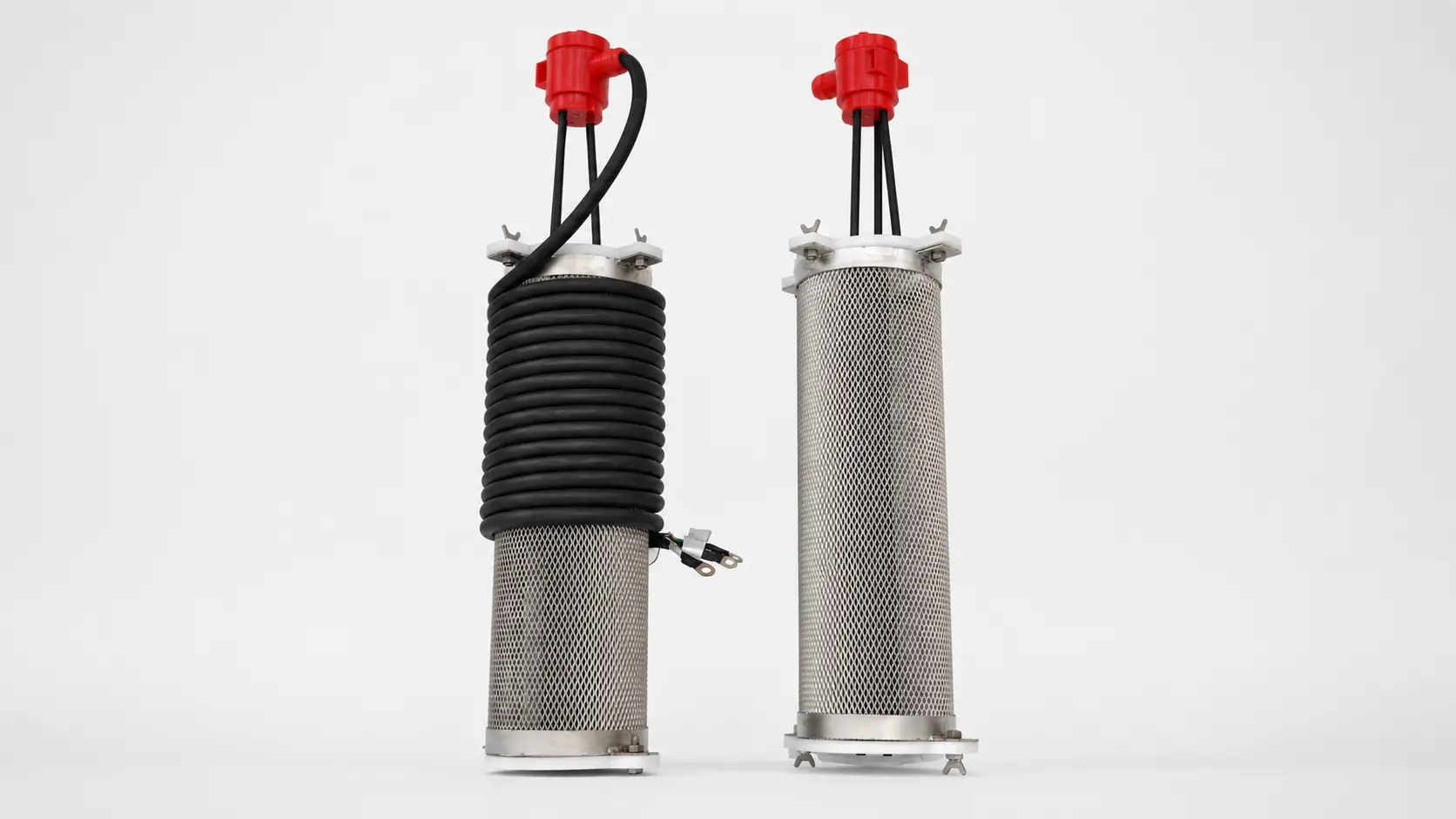
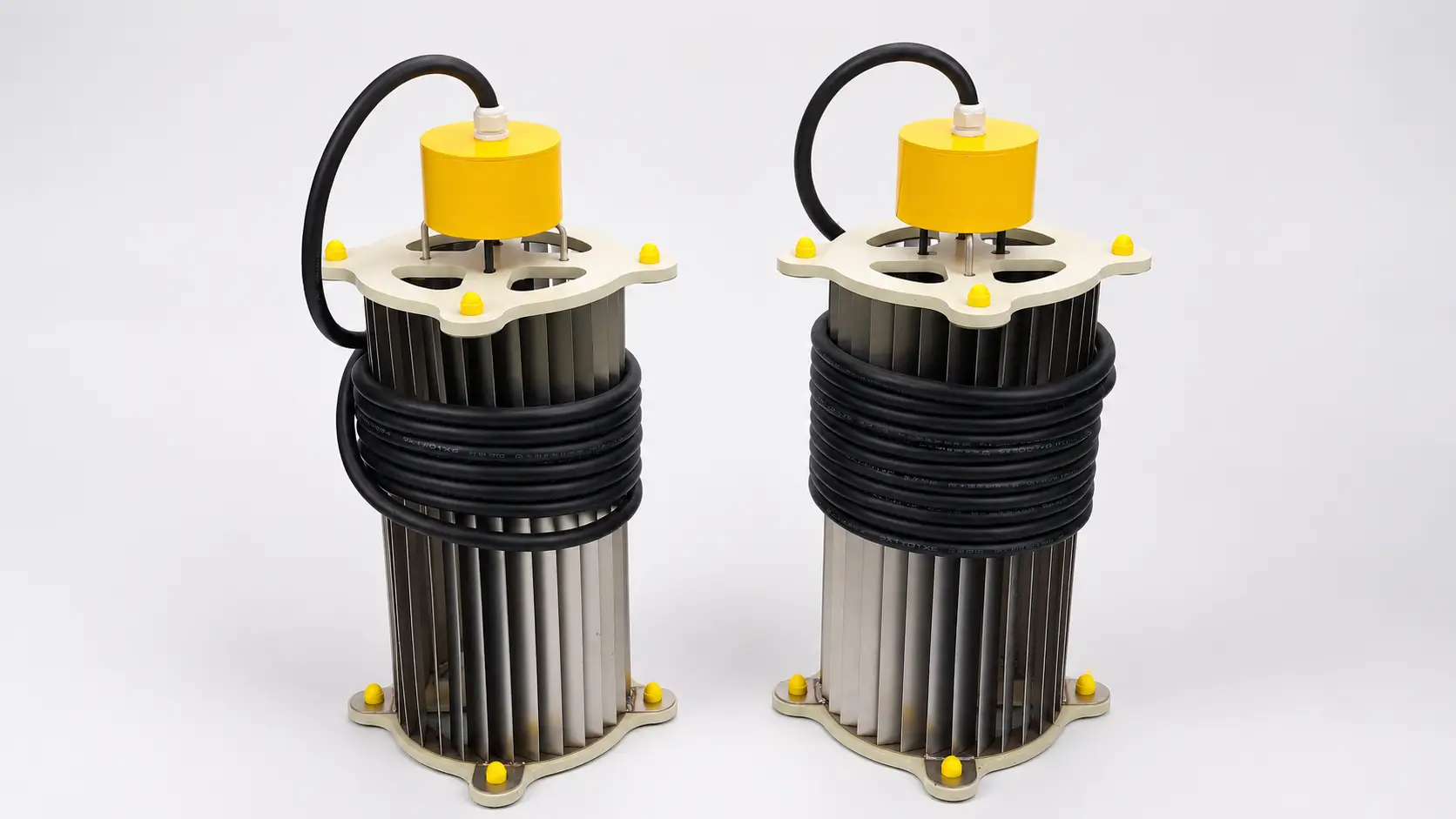
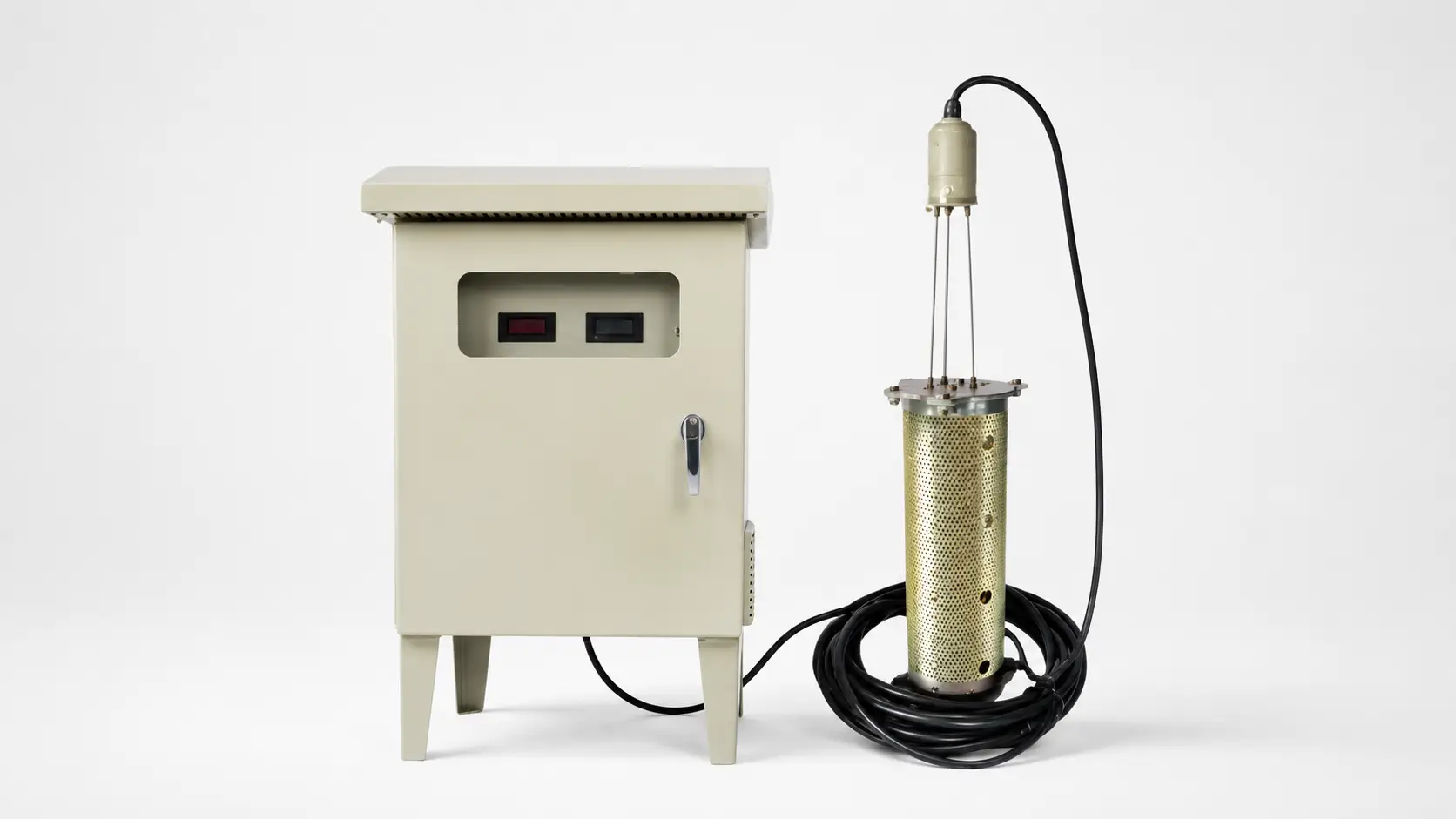
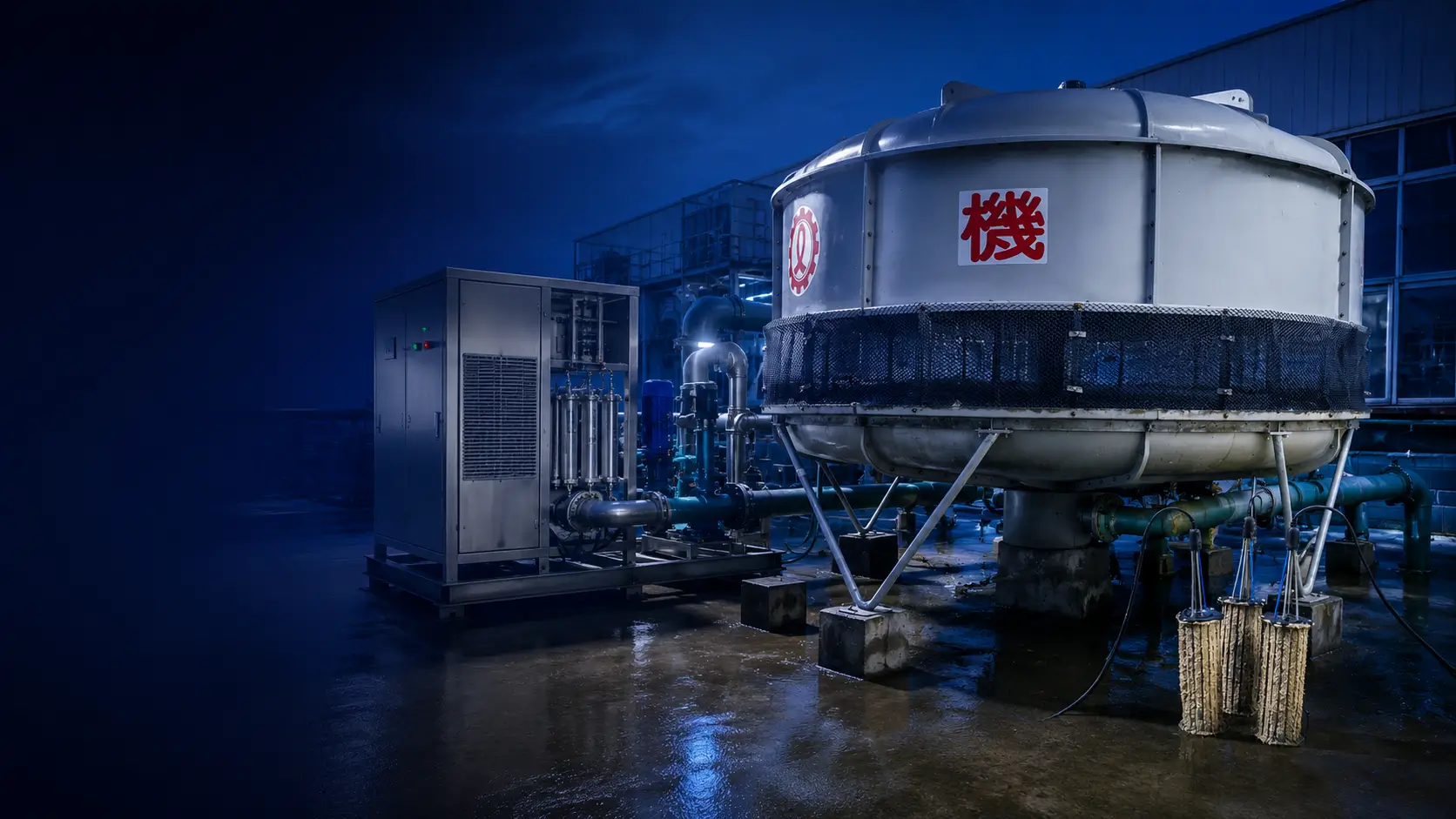
These images provide visual context for electrolytic scale-removal systems. They do not replace the approved drawing, specification, manufacturing route, inspection plan or order-specific evidence.