
An “iridium-coated titanium anode” description tells a buyer the general surface family. It does not say whether the electrode is suited to the intended electrolyte, oxygen-evolution duty or replacement cell.
Ir-based coatings are often considered for oxygen-evolution service, but the name IrO₂ or Ir-Ta does not specify a complete electrode. A plated metal process can contain chloride or other constituents that change the reaction mix. If the chemistry is not stated, “same coating family” can be a misleading comparison.
The short answer: Provide the electrolyte—including contaminants and concentration ranges—the target anodic reaction, operating current and hours, active-zone drawing, connection and life target. Require each offer to state its coating/assembly boundary and qualification conditions.
1. Is oxygen evolution really the required duty?
For an Ir-based MMO purchase, clarify what the anode is expected to accomplish. Is oxygen evolution the dominant reaction, or is the cell intended for metal recovery, plating support or another process where the anode environment changes? A process described as “electroplating” is not enough: sulfate-based, chloride-bearing and mixed electrolytes can present different operating conditions.
Record normal and upset chemistry, pH, temperature, current and flow. If a bath is replenished, contaminated or periodically cleaned, include those phases. The cell designer owns reaction selection and process performance; the electrode supplier can propose a coating and assembly against a stated window. No coating name guarantees a deposit, recovery rate or bath life on its own.
| Buyer question | Why it matters | What to send |
|---|---|---|
| Dominant anodic reaction | Coating choice follows chemistry and duty. | Process diagram and expected products. |
| Chloride and impurities | Side reactions or accelerated degradation may change suitability. | Full electrolyte analysis and ranges. |
| Operating schedule | Start/stop or reversal can differ from steady service. | Hours, cycling and cleaning exposure. |
2. What does the coating description establish?
Iridium oxide and mixed Ir-based oxide labels identify a family, not a universal recipe. They do not by themselves state composition ratio, loading, layer structure, preparation or accepted service life. Those details may be proprietary, but the quotation can still define the anode’s application, coated surface, current basis, relevant tests and exclusions.
A buyer should not assume an Ir-based OER candidate is interchangeable with a Ru-Ir chlorine-evolution electrode because both are called MMO. The Ru-Ir anode family has its own service questions. If the electrolyte could switch between OER- and chlorine-favoring conditions, state that explicitly and request an engineering review rather than choosing from a catalog label.
Ask suppliers to distinguish coating coverage on the working zone from the uncoated connection or weld area. The material certificate for titanium substrate does not substantiate coating chemistry or deposition quality; they require separate process controls and agreed inspection.
For a new application, the buyer can make the comparison more revealing by asking what would make the proposed coating unsuitable. A technically useful answer names the limiting chemistry, temperature, polarity or current condition, then identifies how that boundary will be monitored. A quotation that names a coating family but never describes an operating limit is harder to evaluate than a narrower, well-supported offer.
3. How are current and active area defined?
Use the current the electrode actually sees, not only the rectifier’s maximum rating. State normal, peak and transient current, available cell voltage and electrode count. Show which surfaces are coated and wetted. A plate’s two sides, a mesh’s projected outline and its real strand surface can produce different area figures; the quote should name the convention used to calculate current density.
Flow, spacing and gas release affect local current and mass transport. An apparently adequate total area may include sheltered regions that contribute little in the installed cell. Send the cell arrangement or an equivalent section drawing so the supplier can comment on active geometry. The system designer retains responsibility for current distribution and hydraulic performance.
When an existing anode has failed early, collect current history, bath analyses, temperature, cleaning records and photographs. A rough service duration alone is not enough to decide whether the coating was insufficient or the operating window changed.
Also separate nominal rectifier capacity from the current shared among installed electrodes. If one electrode is shaded, fouled or has a poor contact, its neighbor may carry more than the average calculated load. Where this risk matters, ask for individual branch-current measurements or a plan to check distribution in service. Enlarging nominal area without fixing an uneven feed may not improve life.
4. What makes the finished assembly installable?
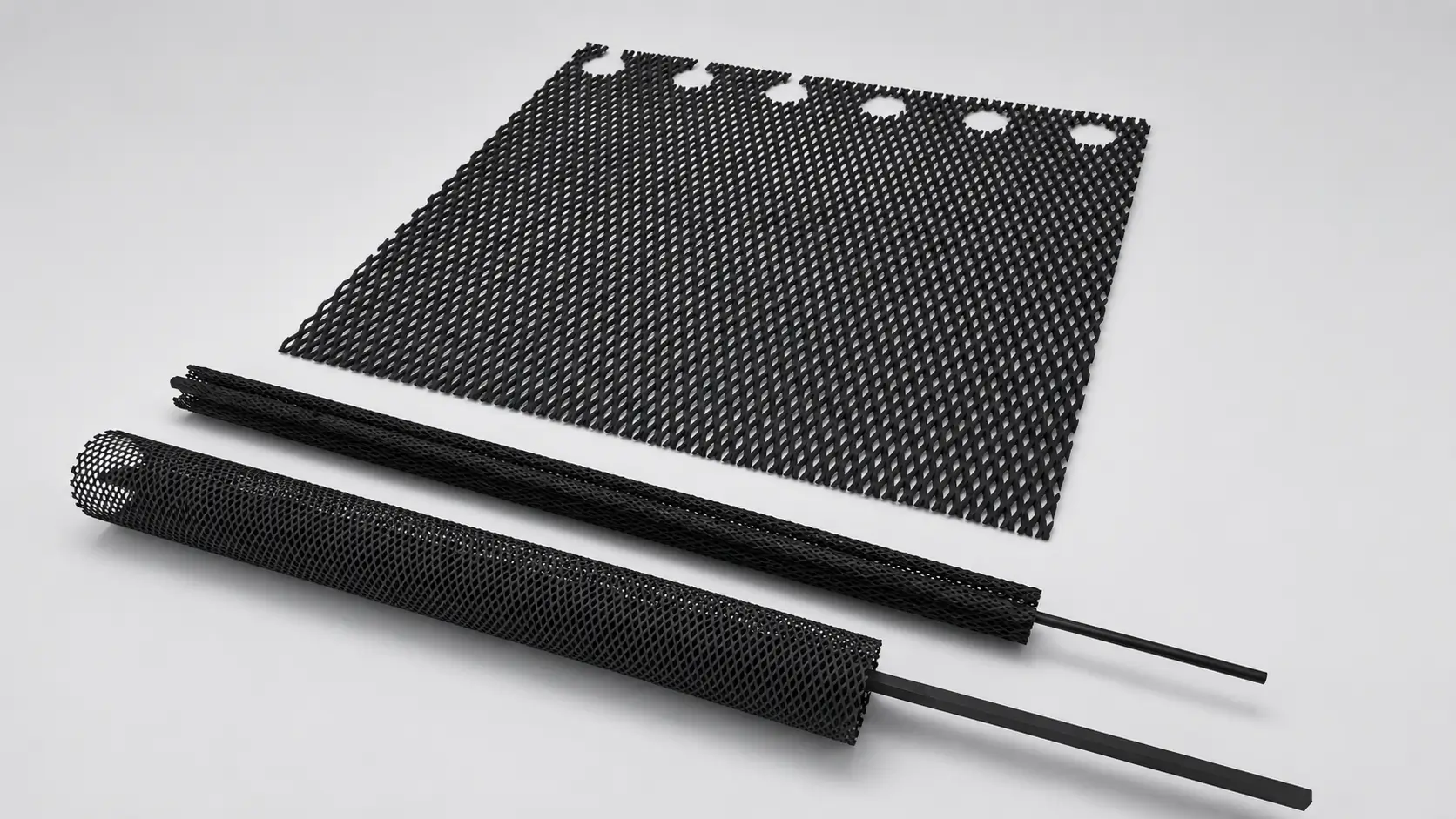
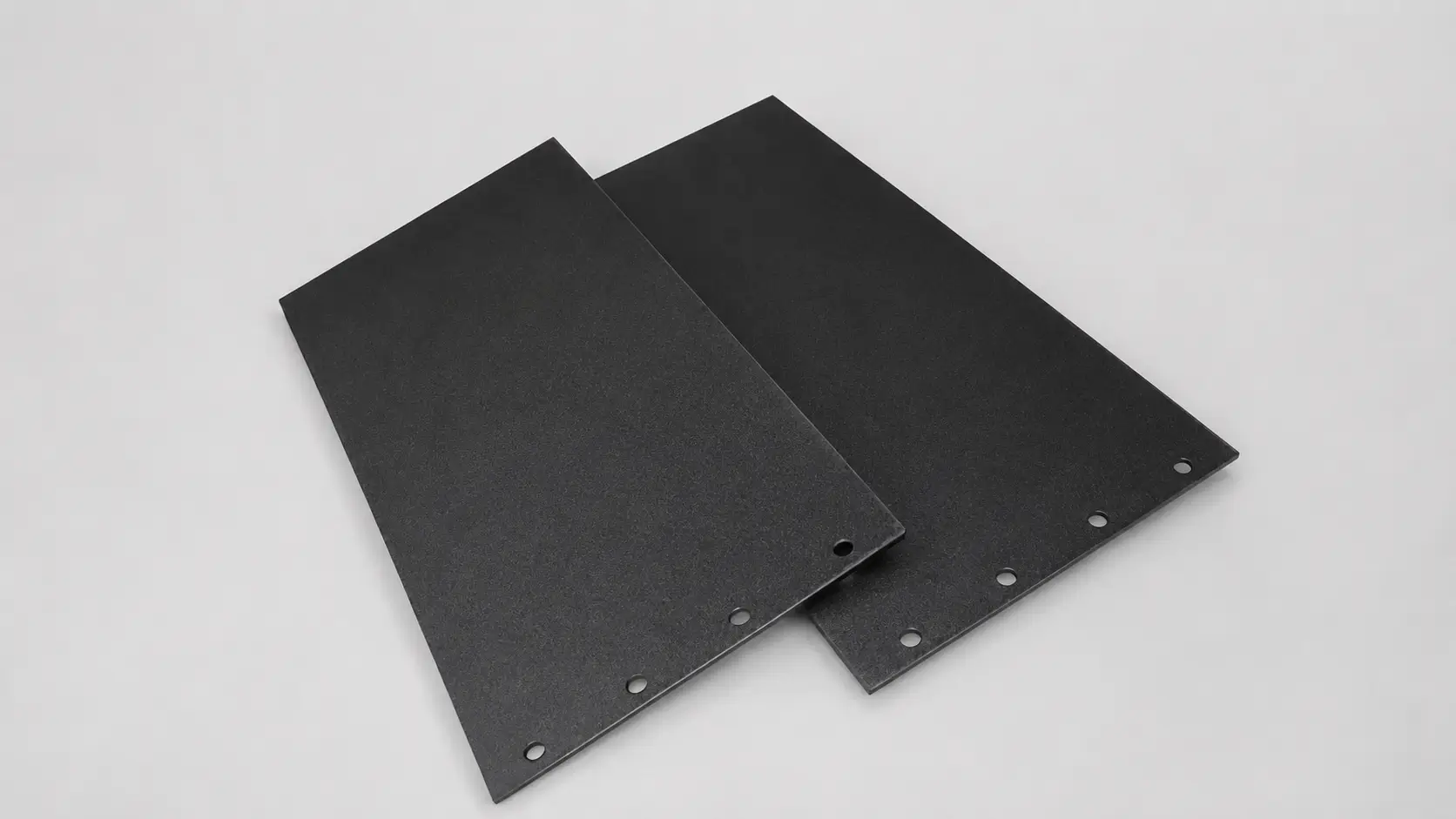
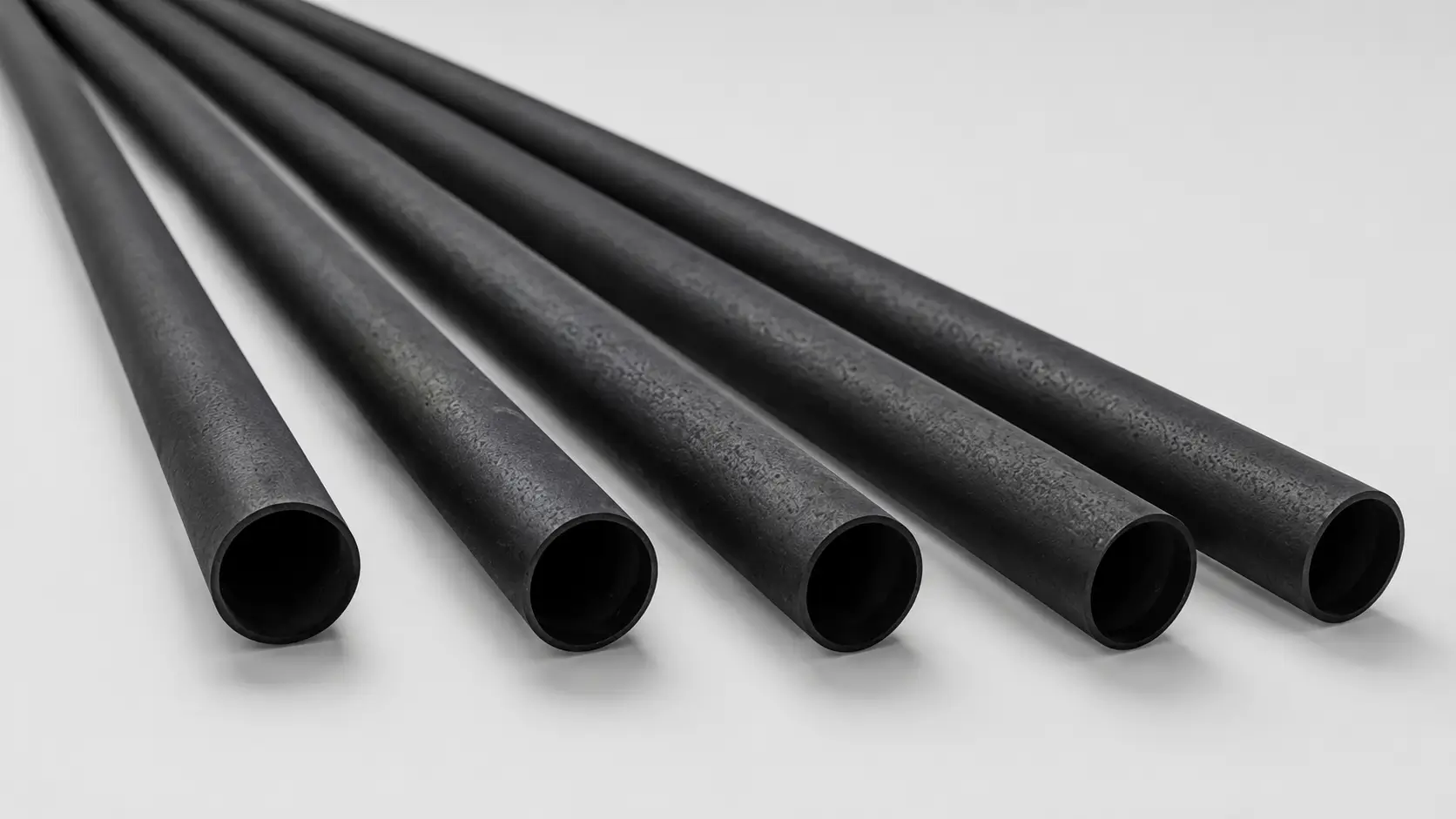
The substrate may be mesh, plate, rod, tube or a custom shape. Match thickness and dimensions to the intended cell. Identify the current feed, thread/weld, insulating parts, seals, cable and mounting location. An excellent coated surface can be undermined by a poorly sealed connection or by exposed metal at an unintended current path.
For a replacement, compare old and proposed drawings feature by feature: active length, overall envelope, hole pattern, cable exit and service access. A similar photograph is not equivalence. If an unused portion of substrate is proposed for future recoating, agree how the connection and welds will be inspected when the unit returns.
5. Which evidence supports a life or quality claim?
Coating elemental analysis, for example by suitably calibrated XRF, can support composition or loading checks. It does not alone prove adhesion, local uniformity, electrochemical selectivity or life. An accelerated-life test needs a described sample, electrolyte, temperature, current density, endpoint and extrapolation logic; a generic “ALT passed” statement cannot be compared across suppliers.
Ask for the delivered-lot record set: substrate identity, drawing revision, coated-zone map, agreed coating-process or coupon checks, electrical continuity and visual/fit inspection. If life is quoted in years or operating hours, the supplier should state assumptions and what is excluded. A project with fluctuating contaminants may need a trial or pilot under representative conditions before a long-life claim is useful.
A pilot should answer one clear question rather than attempt to certify every future condition. Agree the sample geometry, control electrode if used, bath composition, current, test duration and observations before it starts. Track voltage drift and visible damage alongside the process outcome. If the trial succeeds, preserve the tested configuration and operating window in the production purchase order; otherwise the evidence may not apply to the delivered design.
6. How should quotations and replacement options be compared?
Substrate geometry, coating route, active area, connection design, inspection and test scope all affect price. Compare completed assemblies at the same electrical and mechanical boundary. A bare coated mesh is not a ready-to-install unit with cable, seal and mounting hardware.
Recoating may be considered only after assessing the used substrate, welds, connection, contamination and dimensions. It is not an automatic low-cost path and cannot be promised to restore original performance without an agreed refurbished acceptance basis. The HELE Ir-based anode page identifies forms for discussion; the quotation must state the exact duty and evidence proposed.
7. What should the RFQ include?
- Target reaction, process diagram, electrolyte composition/ranges and cleaning exposure.
- Normal/peak current, voltage, hours, starts/stops, electrode count and active-area convention.
- Drawing of substrate, coated and uncoated zones, connection, sealing and available cell space.
- Service-life target with failure definition and available history of an old unit.
- Required material, coating, electrical and fit records; quantity and delivery boundary.
Questions buyers often ask
Is every iridium MMO anode suitable for oxygen evolution?
The coating family may be considered for that duty, but electrolyte, current, temperature and assembly determine suitability. Ask for an application-specific proposal.
Does XRF prove coating life?
No. It can support selected composition or loading checks when calibrated; adhesion, electrochemical performance and life need other evidence.
Can I reorder from the old part number alone?
Use the number to locate records, then confirm active zone, operating history, connection, coating and acceptance basis before treating a new offer as equivalent.