
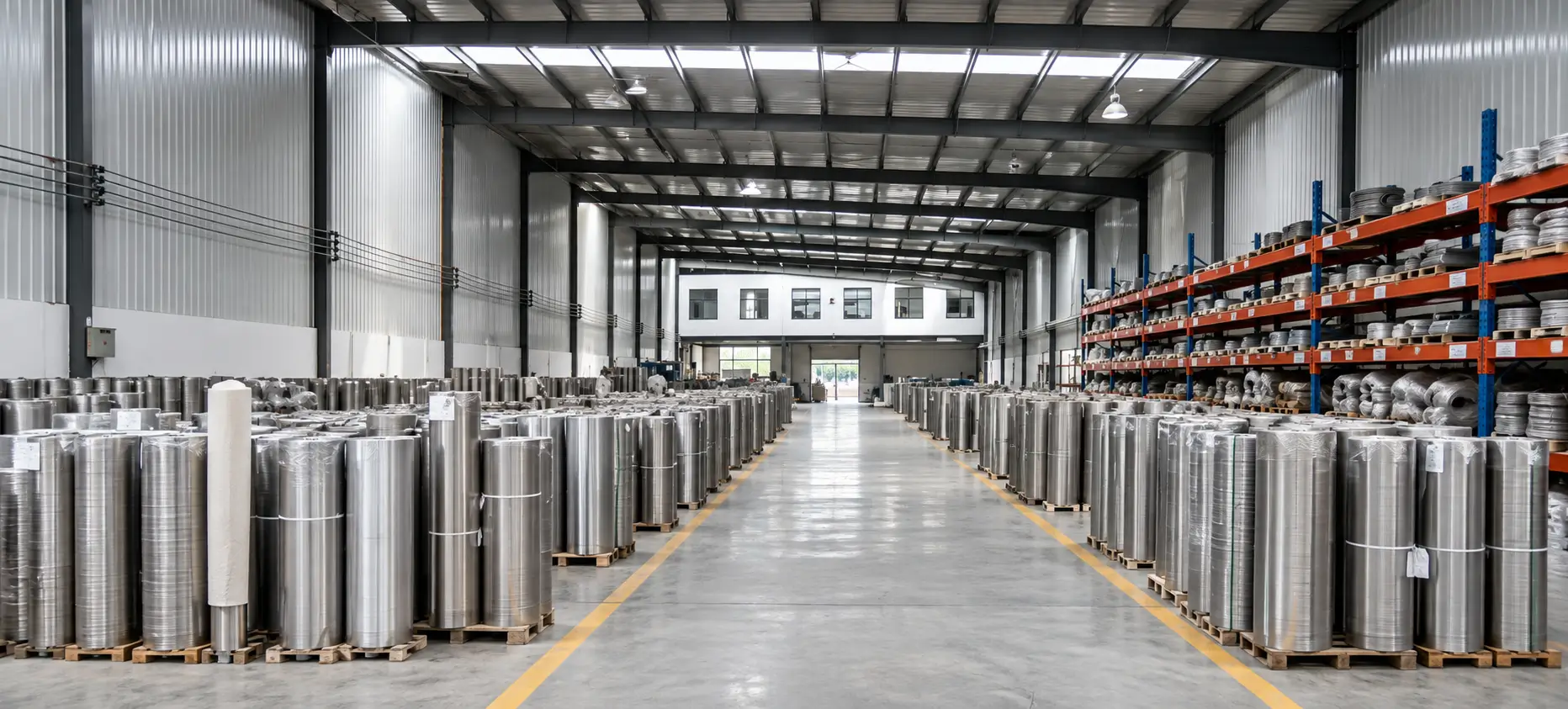
“100-mesh titanium” describes far less than many buyers expect. It may suggest a woven screen count, but it says nothing reliable about expanded diamond geometry, perforated holes or a finished framed panel.
A buyer might need a filtration screen, a support panel or a bare electrode substrate. The working requirement is different in each case: passage size and open area, mechanical stability, or a geometry that can be coated and connected. One generic “mesh size” cannot carry all three decisions.
The short answer: Name the construction first. Then give the form-specific opening geometry, grade and feedstock standard, overall dimensions, edge or frame details, inspection method and whether the deliverable is bare mesh or a finished coated assembly.
1. Which mesh construction fits the job?
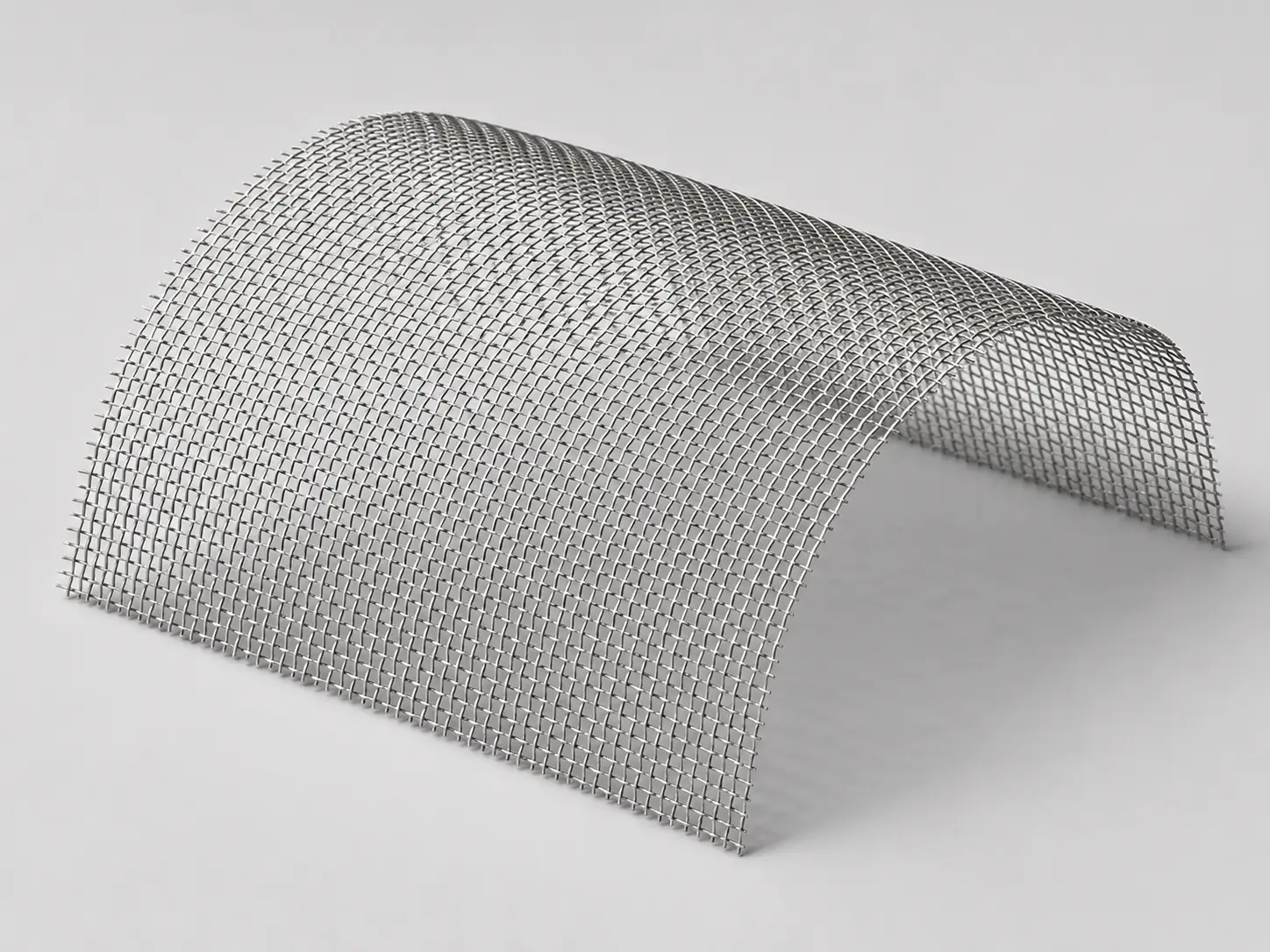
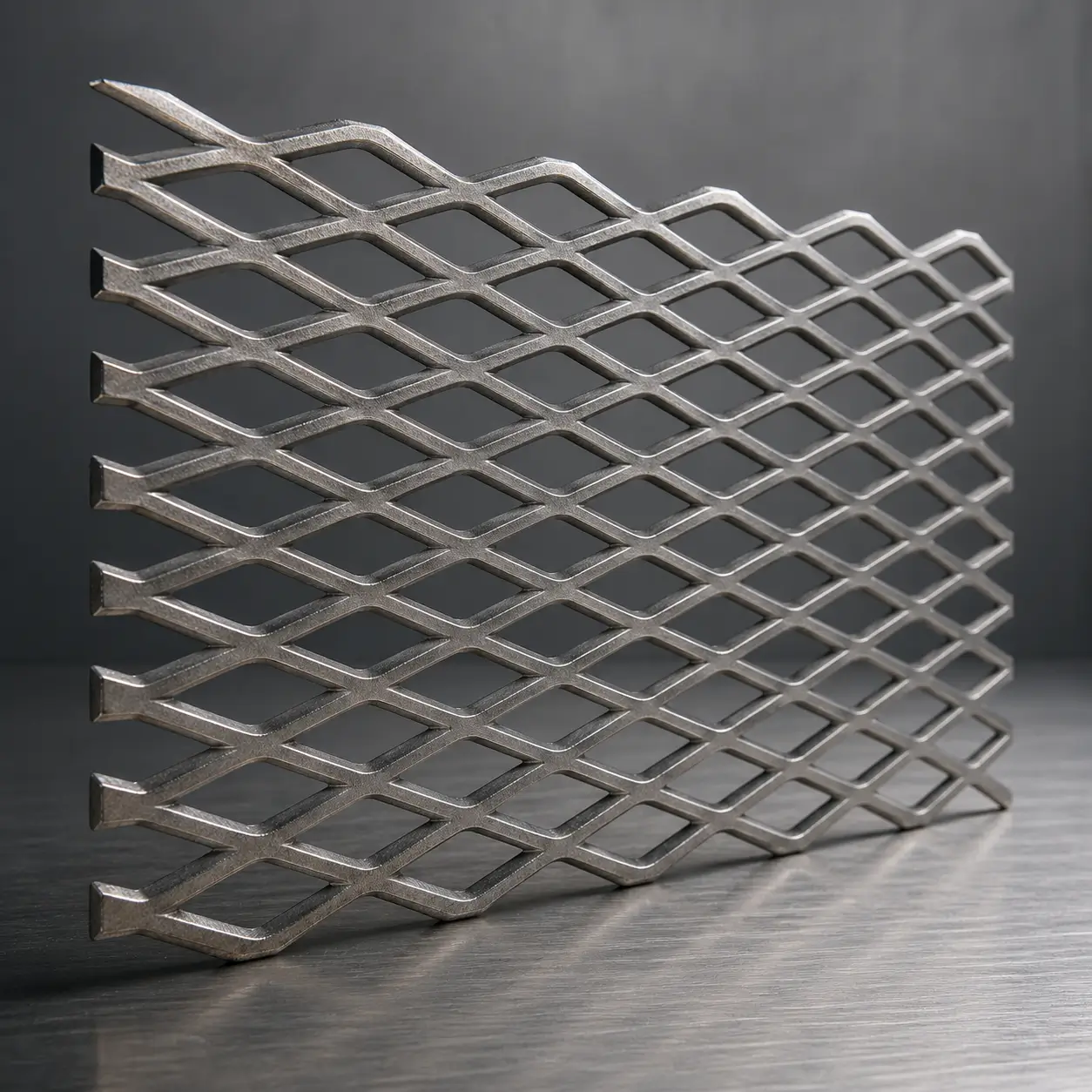
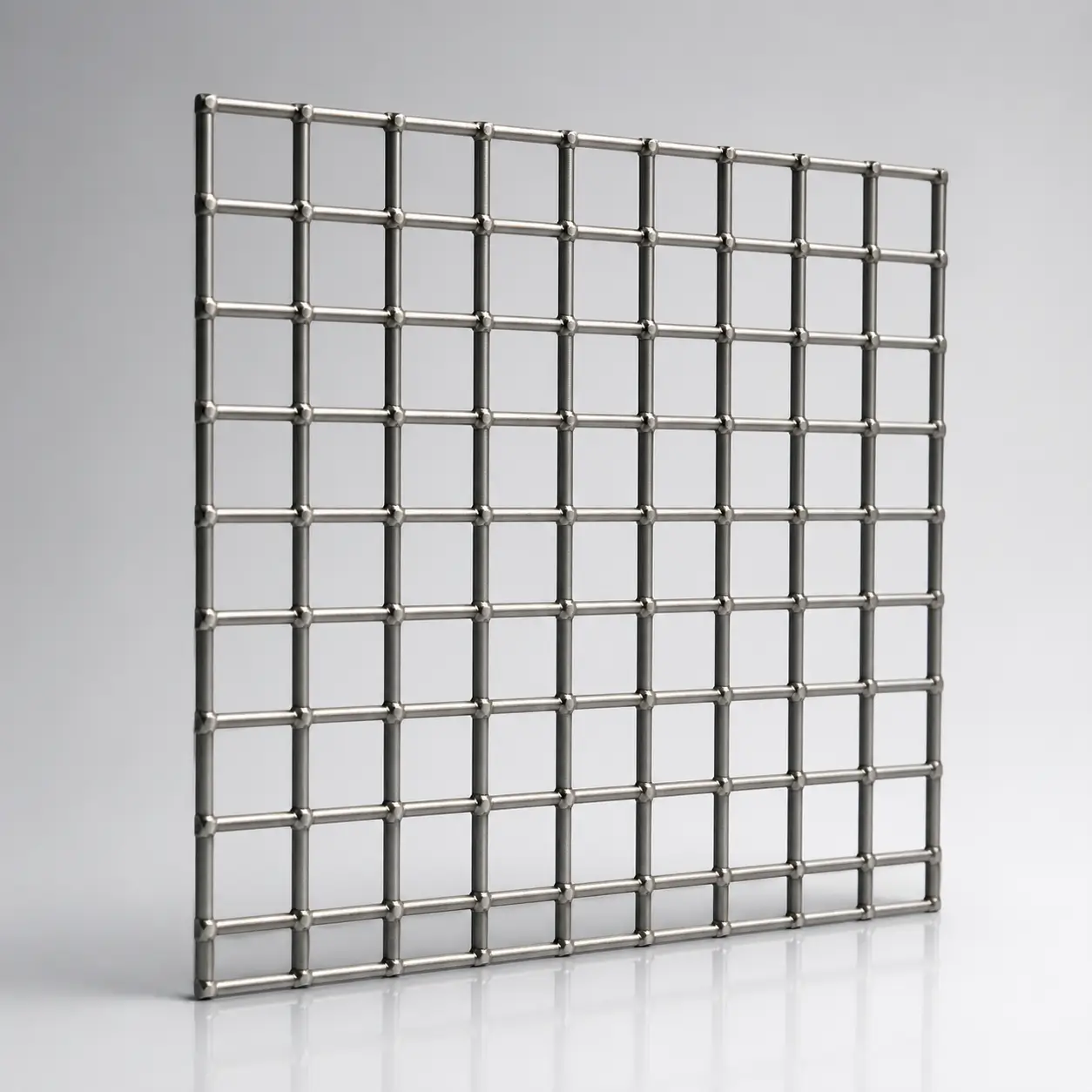
Woven mesh is made from crossing wire. Expanded mesh begins with sheet or strip that is slit and stretched. Perforated sheet has a designed hole pattern in solid sheet. Welded mesh joins crossing wires at selected intersections. They can all provide openings, but their strand or wire geometry, stiffness, edges and fabrication routes are different.
| Construction | Specify this geometry | Often overlooked |
|---|---|---|
| Woven wire mesh | Aperture, wire diameter, weave and roll/panel size. | Actual clear opening, wire tolerance and edge stability. |
| Expanded mesh | Starting thickness, SWD, LWD, strand width and raised/flattened condition. | Diamond orientation, overall panel dimensions and cut-edge condition. |
| Perforated sheet | Hole size/shape, pitch, pattern and margins. | Unperforated border, burr direction and flatness after perforation. |
| Welded wire mesh | Wire size in each direction, spacing, joint design and panel size. | Weld condition, distortion and what loads the panel must carry. |
Choose by the actual function. If precise separation size controls a process, a woven screen may be discussed in aperture terms. If electrical surface and open flow paths matter in an electrode substrate, expanded geometry can be more useful. If a frame needs a controlled margin for fastening, perforated sheet may simplify the interface. None of these is universally “better”; the drawing and service define the tradeoff.
Do not compare different forms with one mesh count
A mesh count is meaningful only with its counting convention and wire diameter. Even for woven mesh, count alone does not determine the clear opening. For expanded mesh, the short-way and long-way diamond dimensions plus strand width matter. For perforated sheet, hole diameter and pitch describe the pattern. Asking suppliers for a single “100 mesh equivalent” invites incompatible proposals.
2. What opening and usable area does the process need?
For filtration and screening, the smallest particle or feature to retain may set a maximum clear opening, but the buyer also needs enough open area and mechanical strength. Smaller openings can change pressure drop or fouling behavior in a real flow system. Those outcomes require a system review; a nominal mesh label does not prove them.
For woven cloth, specify nominal aperture and wire diameter, then ask how opening variation is measured. ISO 9044:2016 addresses industrial woven wire cloth with square apertures, including terms, tolerances and test methods. Its published scope does not extend automatically to welded screens or mesh coated after weaving. If a project cites it, confirm the applicable edition, product form and acceptance clauses.
For expanded mesh, define SWD and LWD consistently with the supplier drawing, and show orientation on the finished panel. Turning a diamond pattern through 90 degrees can change bending behavior and how it fits a frame. Raised versus flattened condition also changes the surface profile. For perforated sheet, show hole pattern, edge margins and whether burrs must face a particular side. A sketch with a dimensioned unit cell is often more useful than a paragraph of adjectives.
When a sample is worth more than a catalog value
An aperture number can screen out an unsuitable mesh, but it cannot fully predict flow, clogging or cleaning in the buyer’s equipment. Those outcomes also depend on fluid, solids loading, installation angle, support and operating cycle. If the screen is process-critical, test a sample of the proposed construction in representative service or in a defined bench setup. Record the grade, opening geometry, panel support and flow conditions so the result can be compared with a production order.
For replacement work, a removed screen may reveal the failure mode: torn edges, blocked openings, distorted support points or damage at a weld. Photograph the location and give the supplier the original drawing if available. Measuring a worn aperture alone can lead to the wrong replacement geometry; deformation and wear may have changed it.
3. Which material standard applies to the feedstock?
The raw material standard depends on the starting form. Woven or welded mesh may use titanium wire ordered to ASTM B863 when that is the project requirement. Expanded or perforated material may start from titanium strip or sheet ordered to ASTM B265. Those standards can substantiate the ordered feedstock; they do not automatically certify the finished aperture, welds, cut edges or frame.
State the grade and actual environment rather than asking for a generically “corrosion-proof” titanium screen. Medium chemistry, temperature, crevice conditions and cleaning practice matter. A stronger alloy does not necessarily improve a corrosion-service application. If the customer drawing names a grade, any alternate needs design approval and a revised acceptance basis.
When traceability is needed, decide whether each roll or panel must be linked to a heat or whether batch-level identification is enough. Cutting one parent sheet into many panels or using several wire coils in one woven roll creates a traceability handoff. Ask the supplier how the labels and records follow the product through that conversion.
4. What should happen at the edges and frame?
Many mesh problems appear after the basic material is made. Woven wire can fray at a cut edge. Expanded and perforated panels can have sharp or distorted borders. A welded panel may need a stable perimeter and controlled flatness. If the mesh will be clamped, wrapped, welded, formed or framed, describe that interface rather than ordering a bare sheet and hoping the installer can make it fit.
- Overall shape: panel, roll, disc, cylinder or drawing-based profile; distinguish blank size from finished size.
- Edges: trimmed, folded, reinforced, deburred or left as-produced, with permitted loose wires or burrs defined.
- Mounting: holes, tabs, weld zones, frames and datums shown on the drawing.
- Flatness and handling: measurement state and packaging if a panel must seat against a support.
A fabricated screen is a different delivered item from raw mesh. Ask whether cutting, forming, welding, frame supply and final-dimensional inspection are in the quote. A low price per square metre can become a high cost per installable screen if the buyer must perform those steps later.
5. Is the order for bare mesh or a coated anode?
This boundary matters at HELE because the same titanium geometry can be discussed as an uncoated material or as part of an electrochemical assembly. Bare mesh supply concerns grade, geometry, connection preparation and physical acceptance. A coated anode adds coating chemistry, active area, current duty, electrolyte, lifetime assumptions and qualification tests. A photograph of dark mesh cannot establish which coating is present or whether it is suitable for your cell.
If a coating is needed, move from the raw-mesh purchase to an anode specification. Share the electrolyte, reaction, current, operating hours, geometry and connection details. The titanium mesh product page can help identify the substrate form; a finished-anode quote needs its own performance and supply boundary. Do not assume a material certificate establishes coating quality.
6. How should inspection and cost be compared?
The useful inspection plan follows the failure mode. A screening application may care about aperture distribution and missing wires. An expanded electrode substrate may care about strand integrity and the dimensions of the active area. A framed panel may care most about overall fit, joints and flatness. Ask for a sample plan and report that address those risks, not a generic “100% inspected” sentence.
| Check | What it answers | Define before ordering |
|---|---|---|
| Material certificate | Which grade and feedstock specification were supplied? | Heat/lot link and original material form. |
| Opening/strand report | Does the working geometry meet the drawing? | Measurement locations, method and acceptable variation. |
| Edge/joint review | Will the converted item survive installation? | Burr, fray, weld and frame criteria where relevant. |
| Panel dimensions | Will the supplied assembly fit? | State, support method and sample frequency. |
Compare quotations by accepted panel, roll or fabricated part. Material form, cutting yield, edge treatment, frame work, inspection and packing can dominate price differences. If one offer is for bare expanded sheet and another for a dimensioned framed screen, their unit prices are not answering the same RFQ.
7. What should a mesh RFQ include?
- Application and whether the supply is bare mesh, fabricated screen or coated anode.
- Woven, expanded, perforated or welded construction, with a sketch of the opening geometry.
- Grade, applicable feedstock standard/edition, condition and any corrosion-service information.
- Opening/strand or wire dimensions, overall size, orientation, edge and frame details.
- Required material, dimensional and surface/joint records; packing and delivery location.
A drawing or representative sample is especially useful where opening geometry, cut edge and mounting all matter. Confirm whether a sample represents a new design or an installed part that may have worn or distorted.
Questions buyers often ask
Is mesh count enough to specify titanium mesh?
No. For woven mesh it must be paired with wire diameter and an aperture convention. Expanded and perforated products use different geometry entirely.
Does an ASTM B265 or B863 certificate prove the finished mesh dimensions?
No. Those specifications address relevant sheet/strip or wire feedstock. Finished opening, edges and assembly dimensions need their own acceptance requirements.
Can a bare titanium mesh be used as a coated anode without more review?
The substrate alone does not establish a coating or current-duty specification. A coated anode needs application and performance requirements agreed separately.