Complex Internal Geometry
Parts with channels or shapes that are difficult to create by conventional subtractive routes.

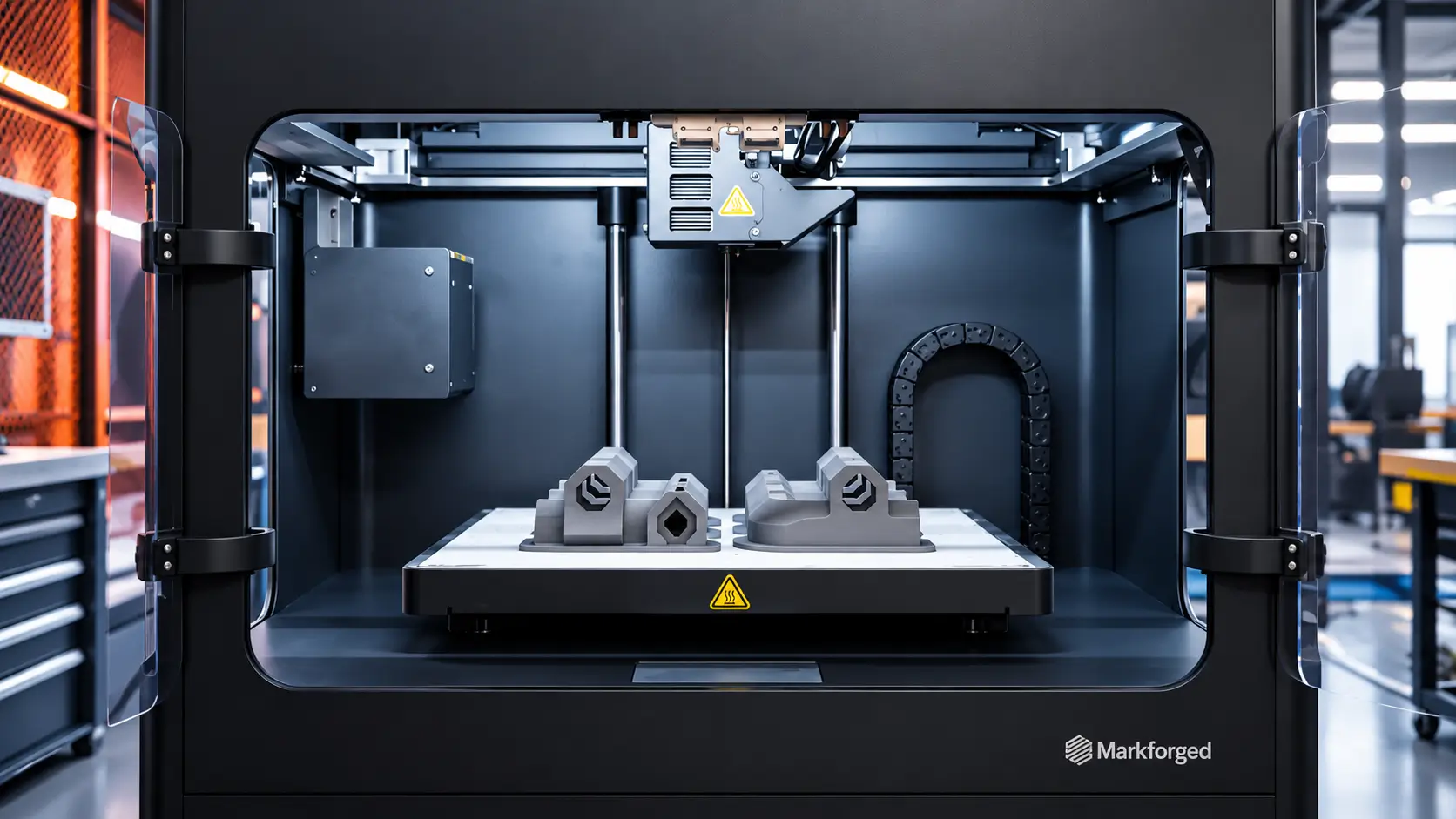
Titanium Additive Manufacturing Review
Evaluate whether additive manufacturing is the right route for a titanium part by reviewing geometry, alloy, build strategy, supports, post-processing, critical features and qualification evidence.
Buyer Decision
Evaluate a CAD model or complex concept for additive-manufacturing feasibility, post-processing needs and qualification evidence before sourcing printed titanium parts.
Fit Check
The correct route depends on the drawing, material condition, quantity, inspection plan and downstream use. These common scenarios provide an initial qualification frame.
Parts with channels or shapes that are difficult to create by conventional subtractive routes.
Concepts that may reduce multiple components or joining operations after engineering review.
Low-volume parts used to validate geometry, fit and downstream finishing needs.
Printed near-net shapes followed by machining of critical interfaces and features.
Service Scope
Capabilities are reviewed against the actual technical package. The quotation should identify inclusions, exclusions, process ownership and required evidence.
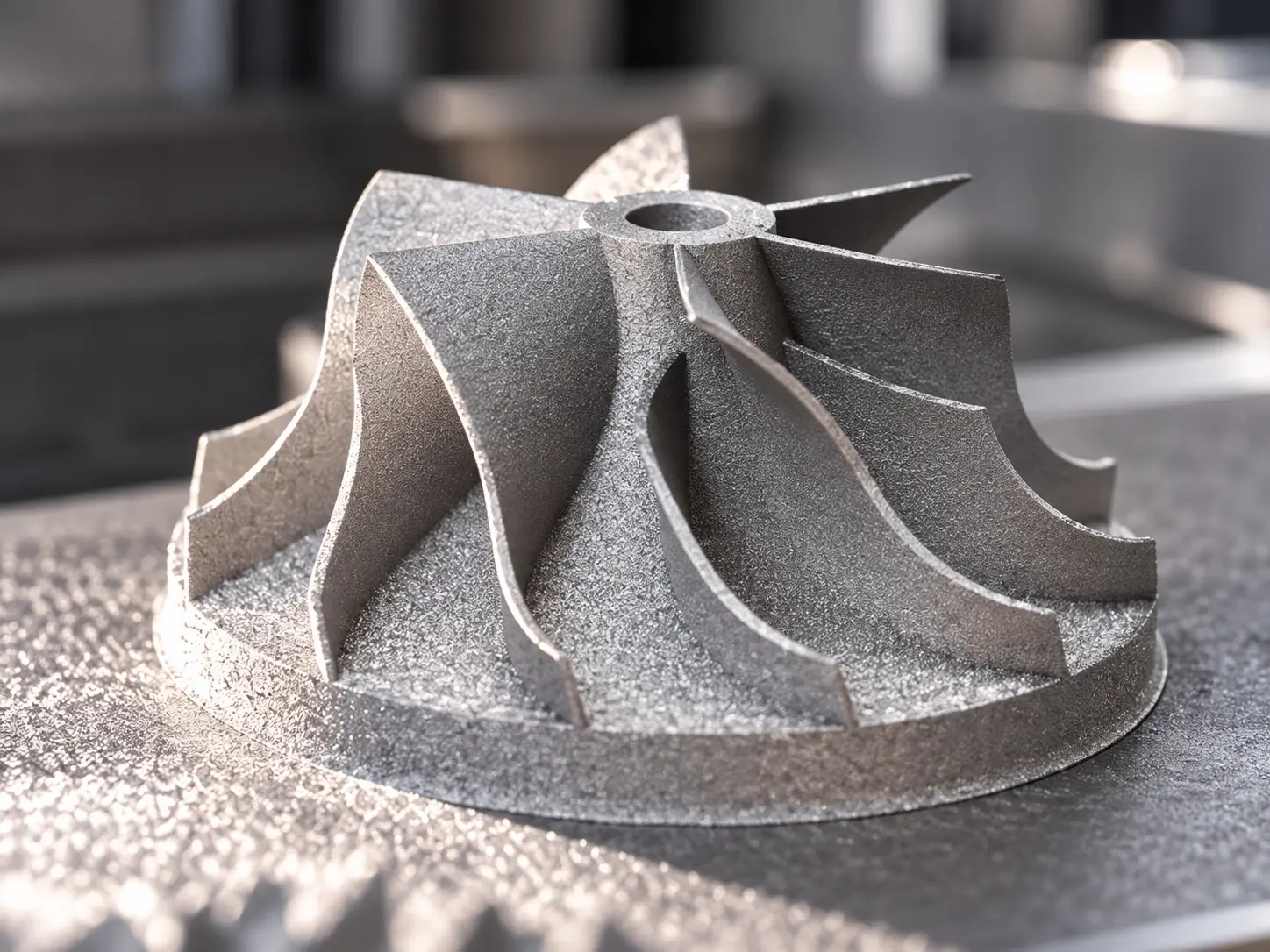
Geometry, wall thickness, overhangs, trapped volume, support access and distortion risk are reviewed.
Alloy, powder route, build orientation and production responsibility are confirmed per project.
Access, witness marks and protected surfaces are considered before build release.
Heat treatment, HIP, surface finishing or cleaning are included only when specified and confirmed.
Machining allowance, datums and critical interfaces are planned for hybrid parts.
Density, mechanical, dimensional, NDT or material evidence is matched to the actual requirement.
Project Workflow
A controlled workflow reduces assumptions and makes the quotation comparable to the actual order requirement.
Confirm function, load, environment, alloy and project stage.
Identify support, distortion, access and post-processing constraints.
Set orientation, allowance, heat treatment and finishing scope.
Confirm coupons, testing, inspection and documentation before quotation.
Approve geometry, revision and responsibilities before production.
Quality & Documentation
Documents and inspections are not generic badges. They should identify the applicable material, part, batch, drawing, method and issuing responsibility.
Critical features are separated into as-built and finish-machined requirements.
Alloy and available batch or test records are confirmed for the selected supply route.
Heat treatment, HIP or external processing records are order-specific, not assumed.
The customer remains responsible for final design approval and regulated-product qualification unless otherwise agreed.
Application Fit
Application references indicate where the service may be relevant. They do not replace product-specific design approval, regulatory qualification or operating-condition review.
Project Context
Engineering FAQ
It may be suitable for complex geometry, internal channels, part consolidation or low-volume development. Cost and risk must be compared with machining, forming and fabrication.
Ti-6Al-4V is commonly associated with additive manufacturing, but final alloy, powder specification and evidence requirements must be confirmed for the project.
Often, yes. Datums, sealing faces, precision holes, threads and mating features may require machining allowance and a defined finishing route.
They can be reviewed as project-specific operations. The required standard, responsibility, records and acceptance criteria must be agreed before production.
No. Those applications require product- and process-specific qualification, controlled materials, validated procedures and applicable regulatory evidence.
RFQ Checklist
If some items are unknown, mark them as open rather than guessing. The technical review can then identify the real gaps.
Titanium 3D Printing Inquiry
Upload your 3D CAD file, drawing, or project requirement, and our engineering team will review material suitability, printability, post-processing route, inspection needs, and manufacturing options.
Email: sales@heletitanium.com
Use the project form on this page or email sales@heletitanium.com with your drawing, grade, quantity and acceptance requirements.