Reaction
Target chlorine evolution, process product, competing reactions and current-efficiency basis.

Ru-Ir MMO Anode Manufacturer · Chlorine-Evolution Duty
Custom coated titanium mesh, plate, tubular, rod and assembly configurations reviewed against the target reaction, complete chloride chemistry, electrical loading, effective coated area, cell geometry, connection and design-life basis.
Selection boundary: chloride presence and the words “Ru-Ir coated” do not complete the specification. Confirm the dominant anodic reaction, process chemistry, current-density denominator and active-zone drawing before comparing offers.
Ru-Ir mixed-oxide coatings are commonly reviewed where chlorine evolution is the intended anodic reaction. Final formulation and loading remain dependent on the complete process window and qualification basis.
Target chlorine evolution, process product, competing reactions and current-efficiency basis.
Chloride and full composition, impurities, pH, conductivity, temperature and cleaning media.
Total current, voltage, current-density denominator, duty, peaks, ramping and polarity.
Active area, gap, flow, connection, schedule, life method, end point and operating records.
Start with the dominant anodic reaction. Do not route a project from the word “iridium” alone because both coating families may contain iridium while serving different electrochemical duties.
| Decision factor | Ru-Ir starting direction | Ir-based / Ir-Ta starting direction |
|---|---|---|
| Primary reaction | Chlorine evolution | Oxygen evolution |
| Chemistry focus | Defined chloride-containing electrolyte | Defined OER-oriented electrolyte, often acidic or sulfate-containing |
| Shared controls | Full chemistry, contaminants, temperature, active area, current basis, duty, geometry, connection and validation | |
The order should define characteristics and evidence, not copy an unconditioned “typical value.” Ru:Ir ratio, loading, thickness, current density, temperature and life are not universal across processes.
| Characteristic | RFQ / PO definition | Evidence when ordered |
|---|---|---|
| Titanium substrate | Grade/UNS, form standard, condition, geometry, tolerances and lot identity | MTC and traceability |
| Mixed-oxide coating | CER performance/composition basis, metric, units, active area and controlled zones | Batch/process record and agreed test |
| Electrical duty | Current, voltage, density denominator, duty, peaks, polarity and cell distribution | Project-specific electrical/electrochemical evidence |
| Geometry & connection | Dimensions, coated/masked zones, welds, tabs/cable/feed, seal and mounting | Drawing and inspection report |
| Design life | Chemistry, temperature, loading, duty, cleaning, end point, method and exclusions | Calculation, qualification or agreed ALT report |
Geometry is selected together with electrolyte access, gas release, cell gap, current distribution, active-area basis, support and electrical connection.
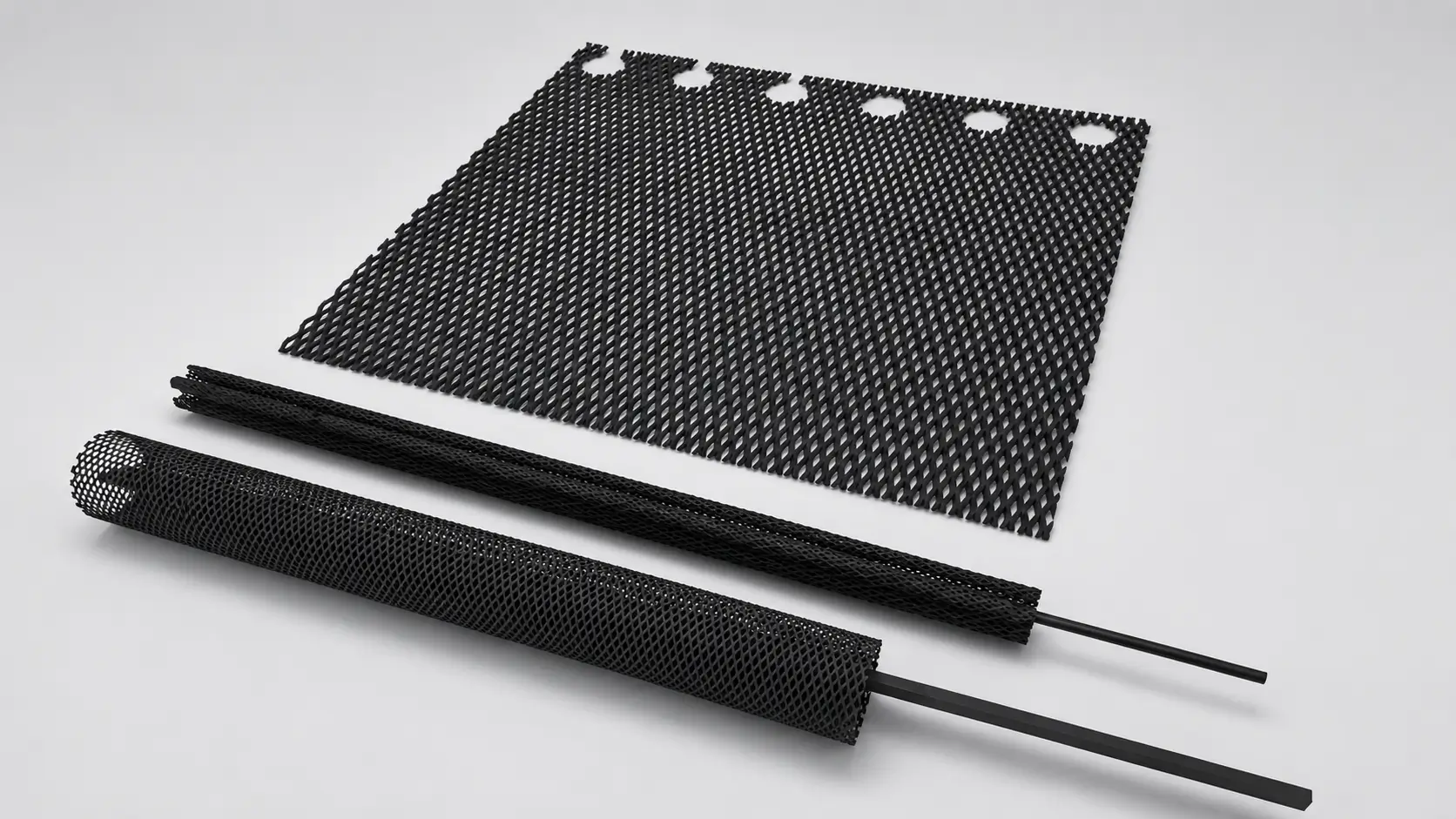
Open geometry for distributed coated area and electrolyte access. Define mesh, projected/geometric area basis, coated sides, frame and feed.

Flat or formed surfaces with controlled thickness, active faces, masking, tabs, mounting and electrode spacing.
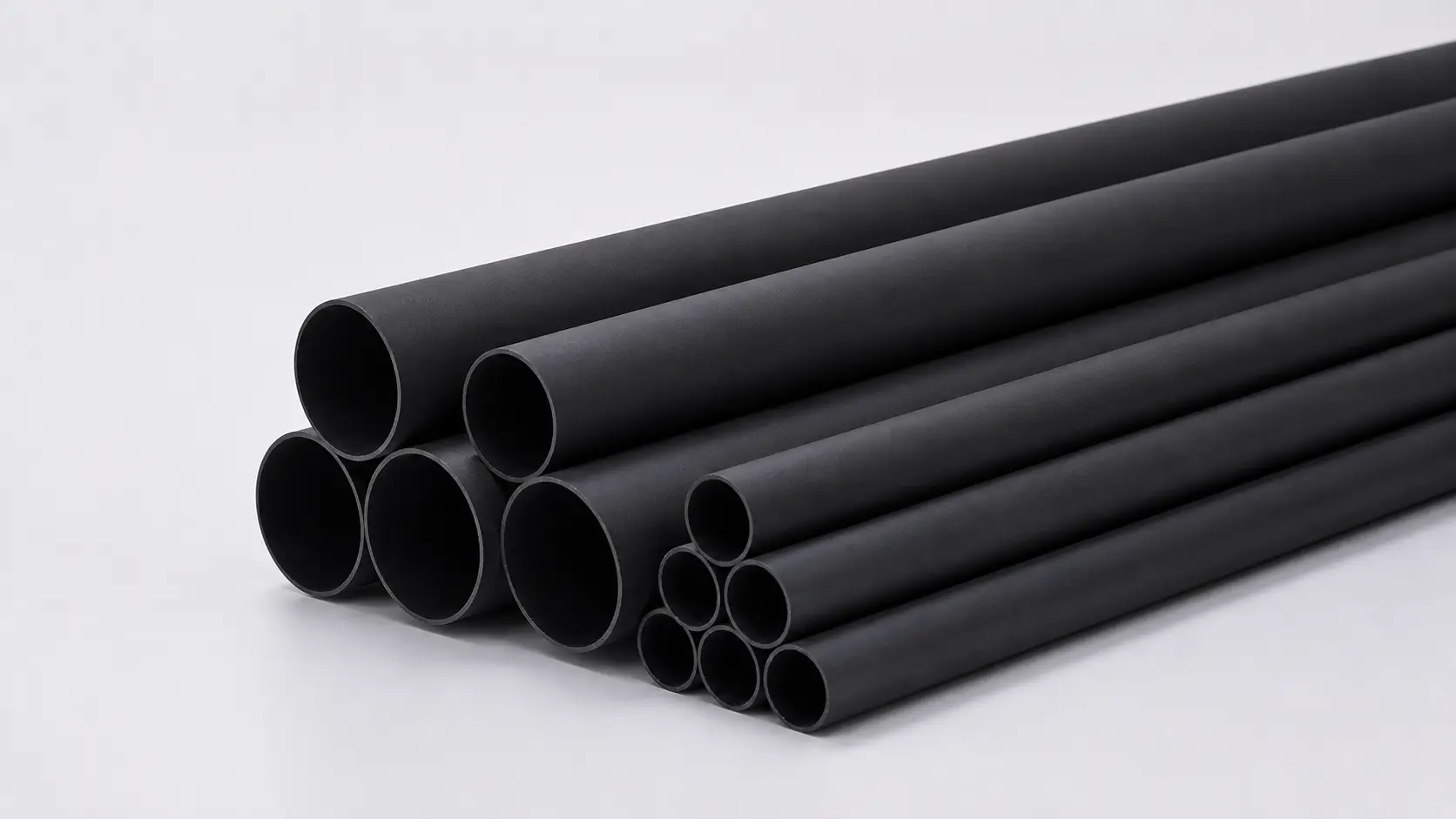
Cylindrical designs defined by OD/diameter, wall where applicable, active length, end treatment and electrical interface.
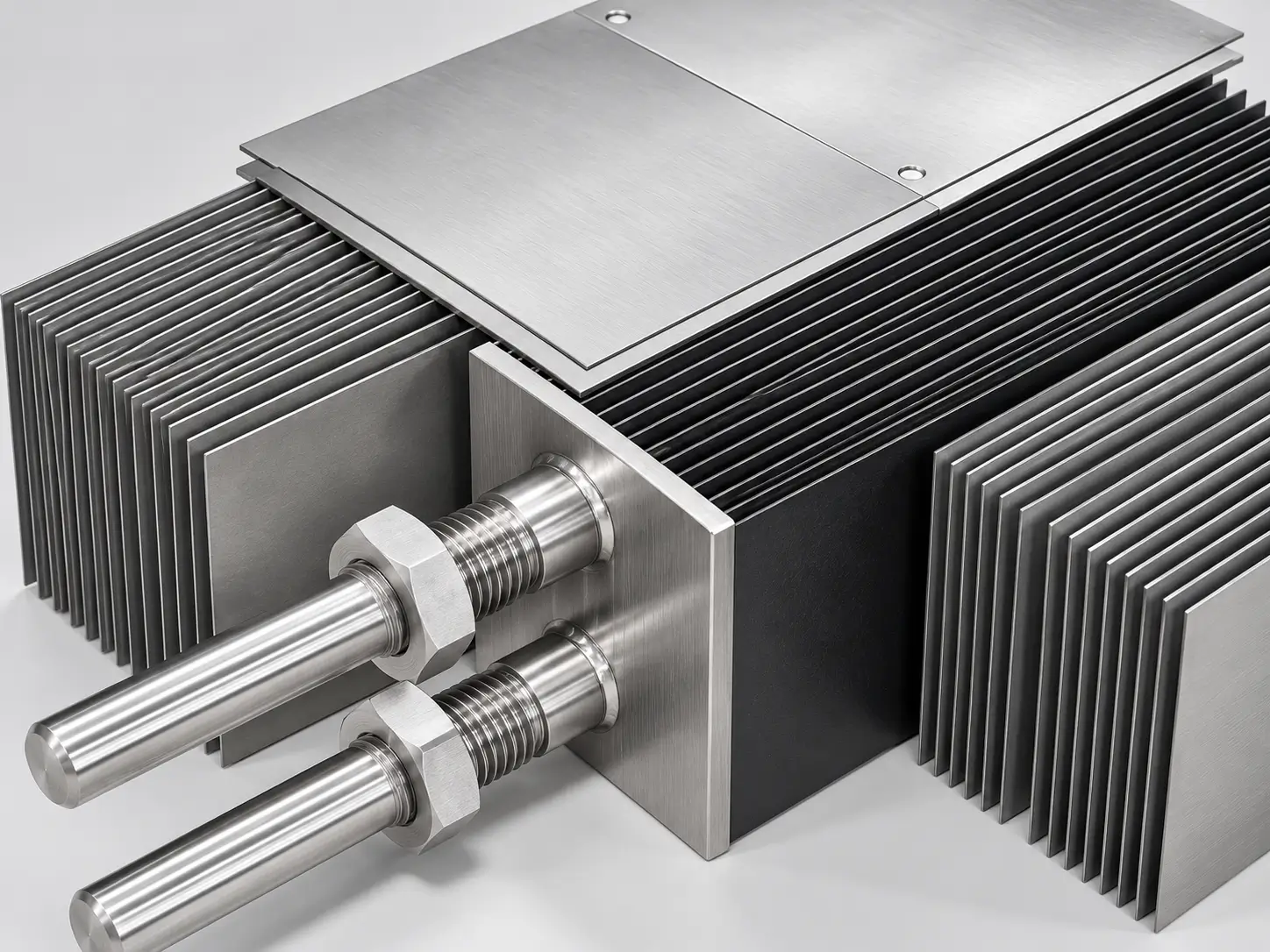
Drawing-based structures with defined welds, active zones, bus/contact areas, supports, seals and replaceable interfaces.
Show coated faces, mesh area calculation, uncoated contact zones, edge transitions and inactive mounting regions before current density and quotation are compared.
Each application name is only a starting point. Final selection requires the actual chloride process, electrical load, cell geometry and required product output.
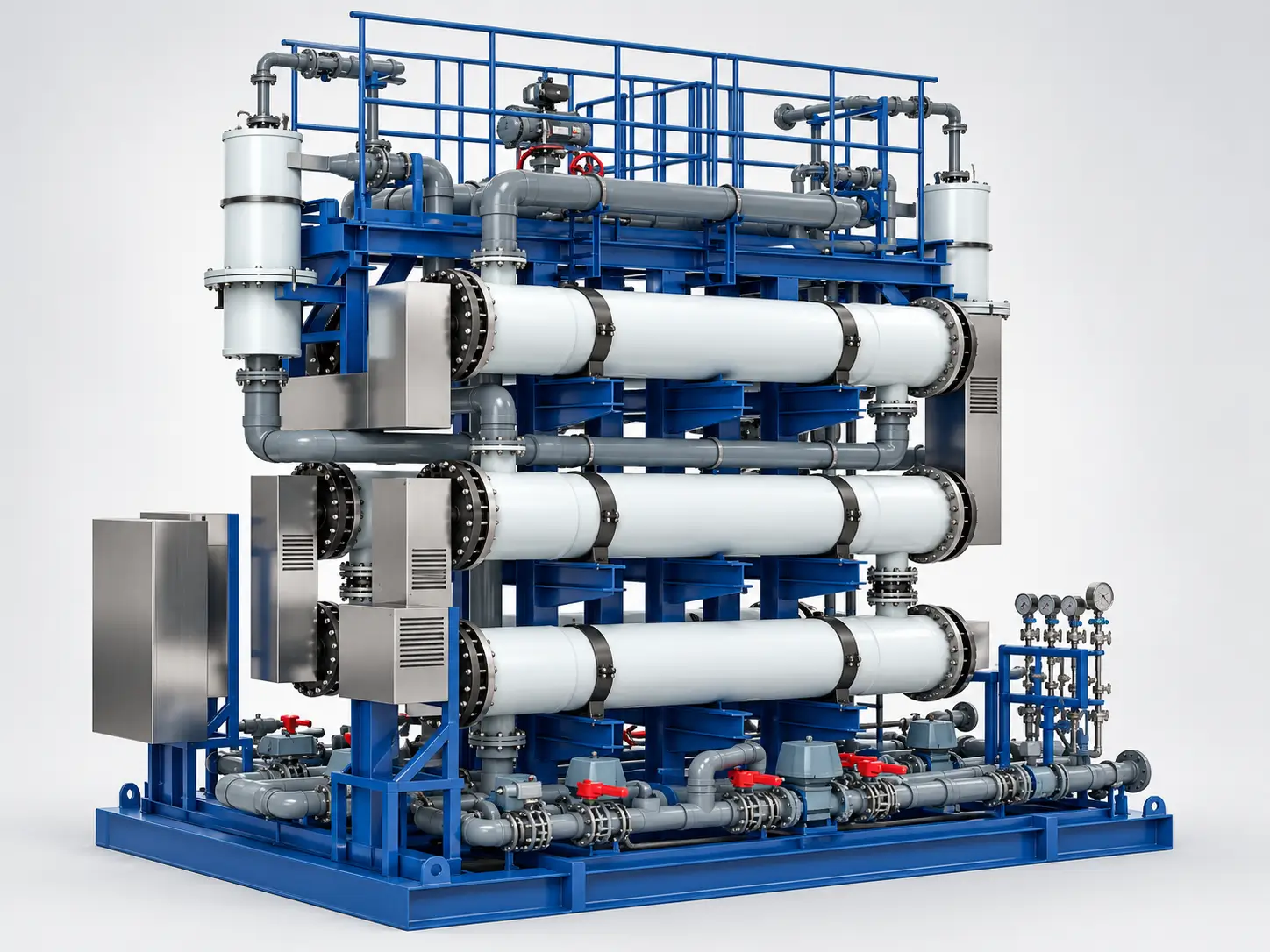
Define feed chemistry, chloride, impurities, required chlorine or hypochlorite output, pH, temperature, flow, current basis, cell gap and cleaning.
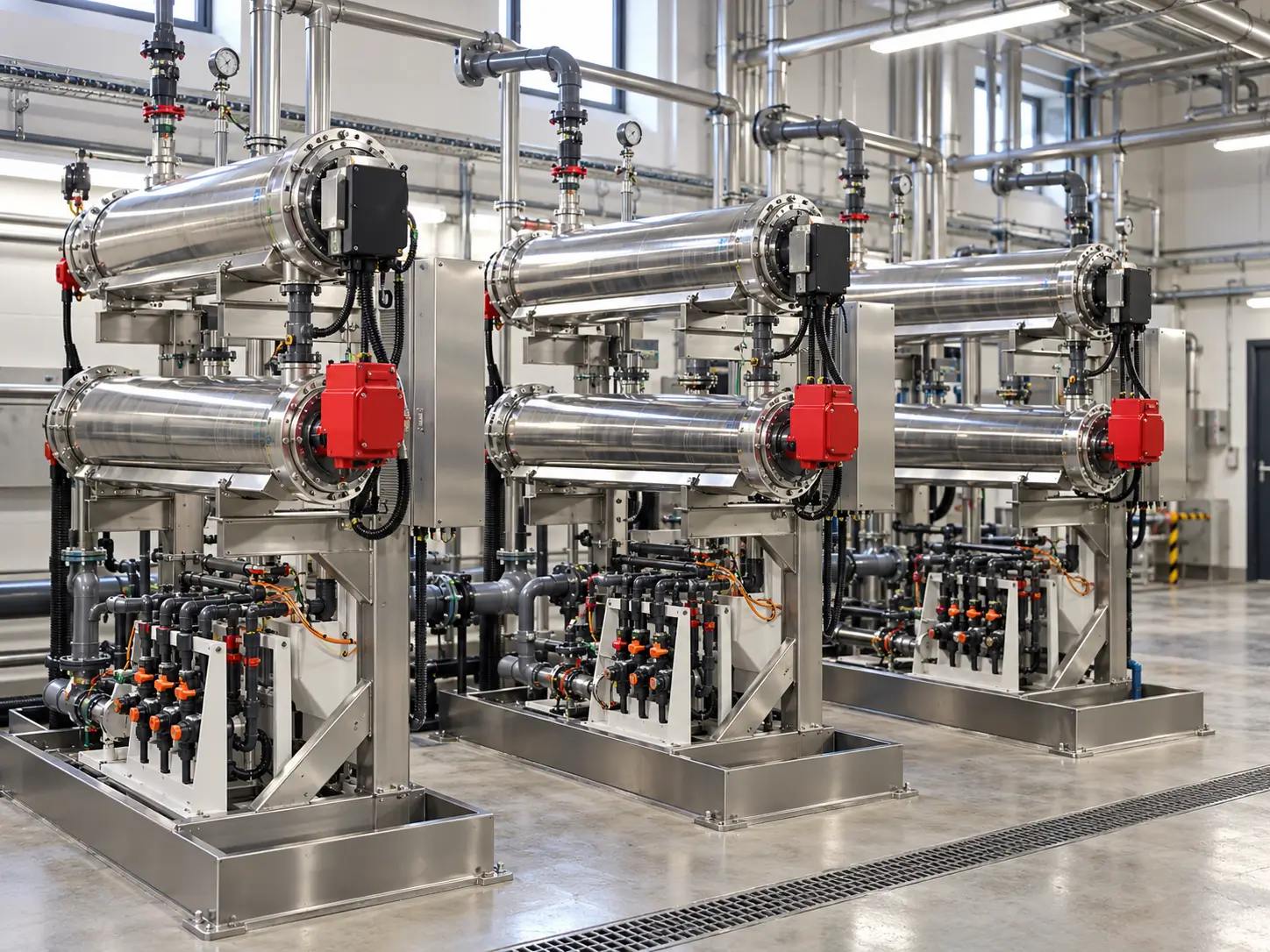
Confirm full brine composition, competing reactions, target product, concentration range, current efficiency basis, temperature and operating schedule.
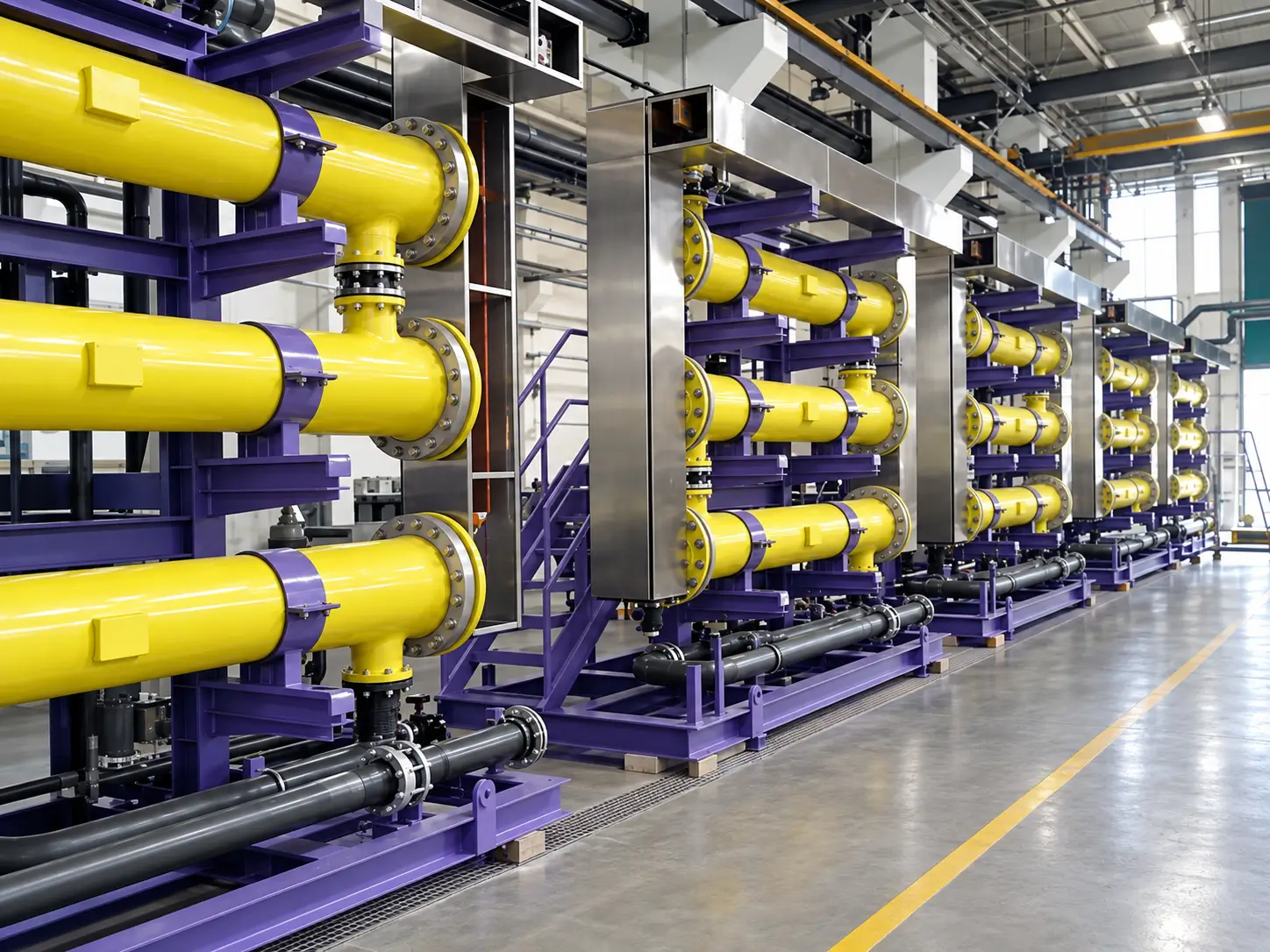
Provide seawater analysis, seasonal range, flow, required output, electrode layout, scaling control, current duty and inspection/maintenance plan.
Supply drawing, active-area map, connection, cell layout, operating history and process data; do not copy outside dimensions without reviewing the duty.
A voltage rise or output loss does not identify coating failure by itself. Review chemistry, electrical loading, active area, deposits, cell gap and connection evidence before assigning cause.
Chloride, pH, impurities, additives, temperature and competing reactions changed.
Effective area was reduced or current distribution, gap or flow became uneven.
Scale, solids or aggressive species altered the surface environment or exposed substrate risk.
Loose/hot joints, seal ingress, voltage drop, short circuit or reverse polarity occurred.
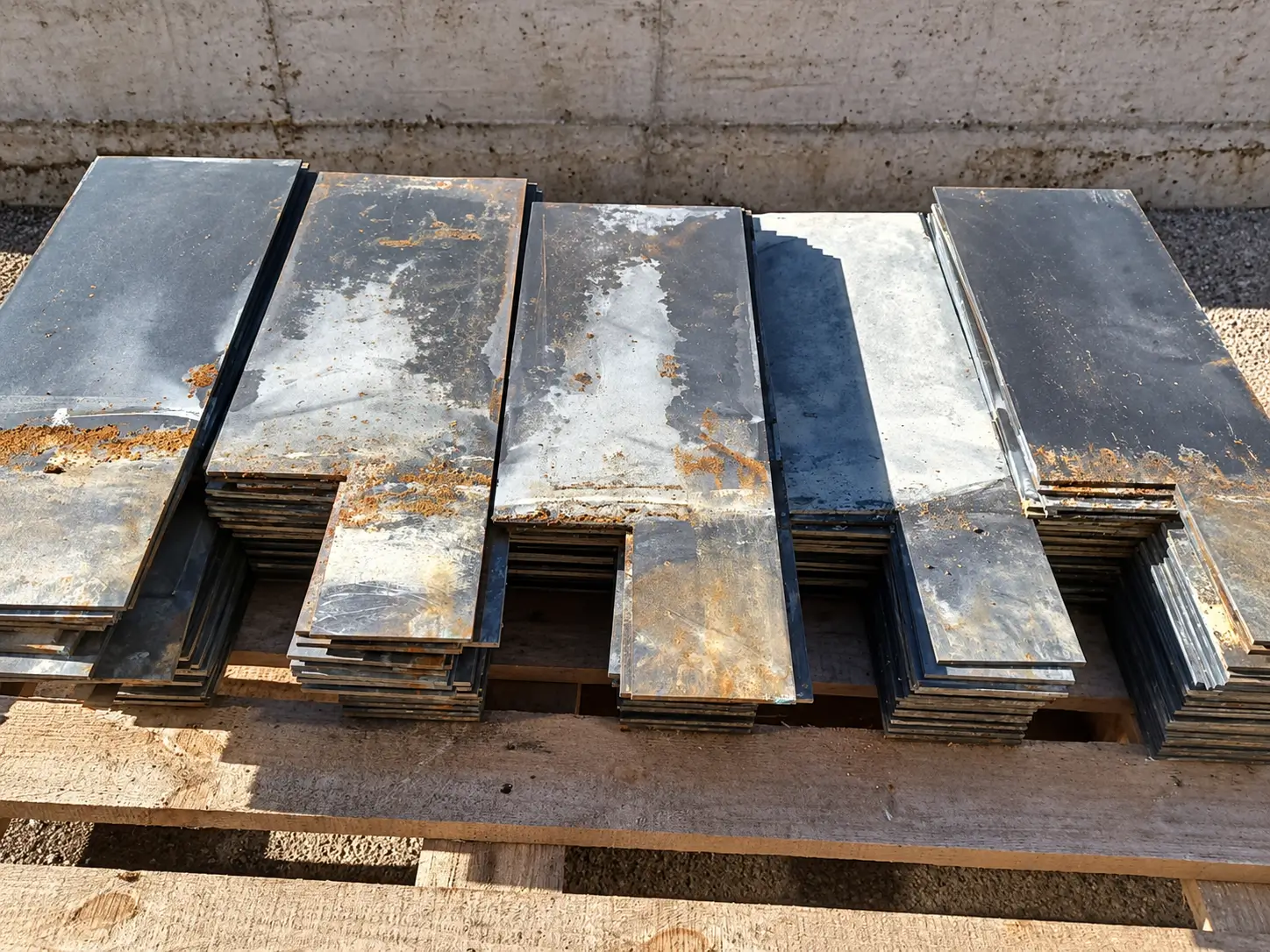
For every reported value, define what is measured, the method, calibration, sample location, units, sampling, acceptance and relationship to the delivered lot.
Titanium grade, product form, dimensions and heat/lot identity.
Batch record, active-zone inspection and agreed composition/loading/thickness method.
Dimensions, welds, feed/contact, seal, continuity or connection resistance when required.
Test cell, reference basis, chemistry, temperature, current duty, sample and end point.
XRF may support surface elemental-composition checks under a calibrated method. It does not automatically prove total loading, thickness, adhesion, uniformity or life.
Report electrolyte, temperature, current-density denominator, sample geometry, duty and end point. Accelerated results are not a direct field-life guarantee.
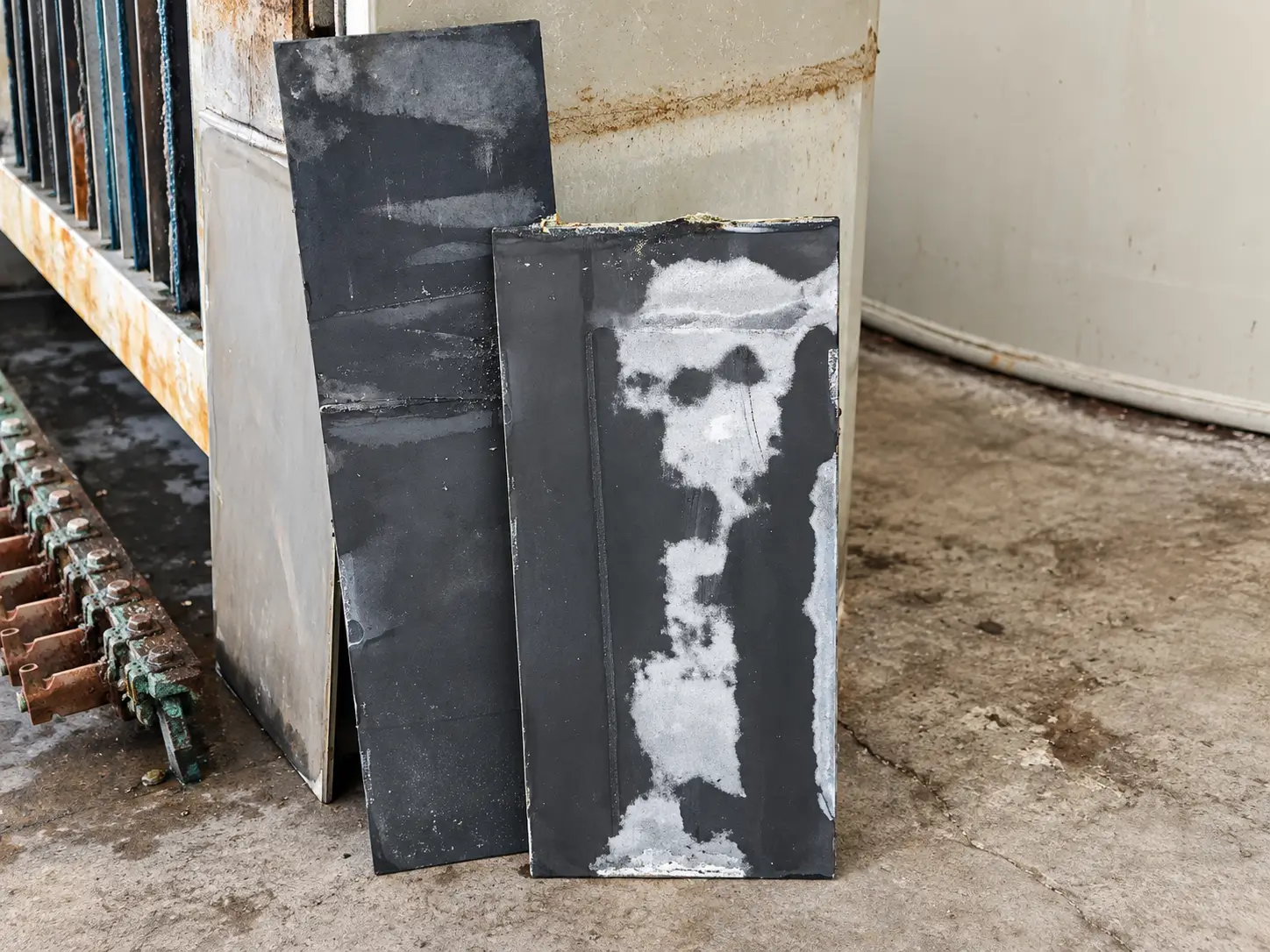
Recoating is an inspection decision, not an automatic cost-saving promise. The used substrate must remain dimensionally, mechanically and electrically suitable after old-coating removal and preparation.
The applicable route and evidence are confirmed against the approved drawing, coating requirement and inspection plan.
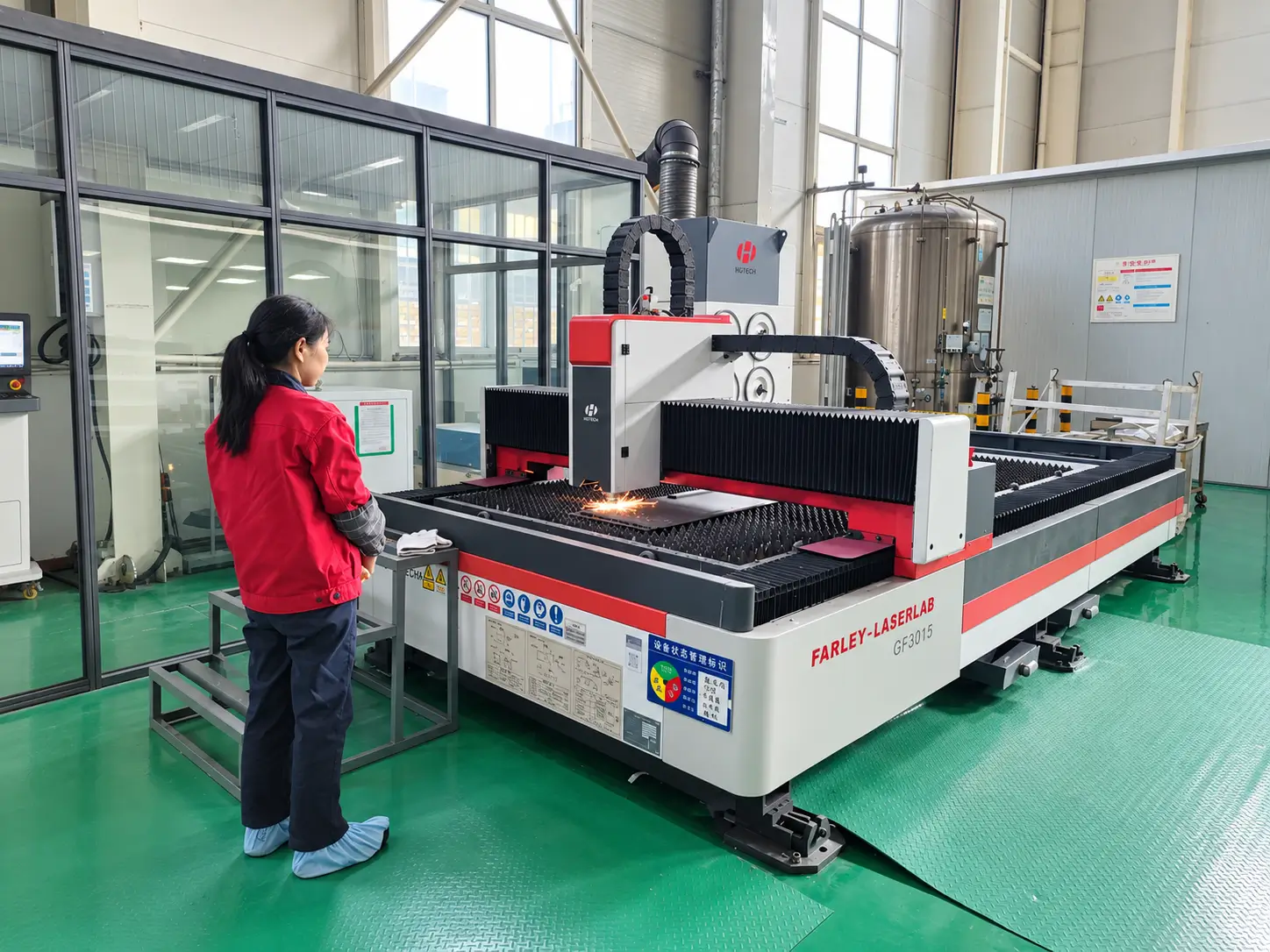
Confirm titanium product-form basis, heat/lot identity, dimensions and drawing before coating preparation.
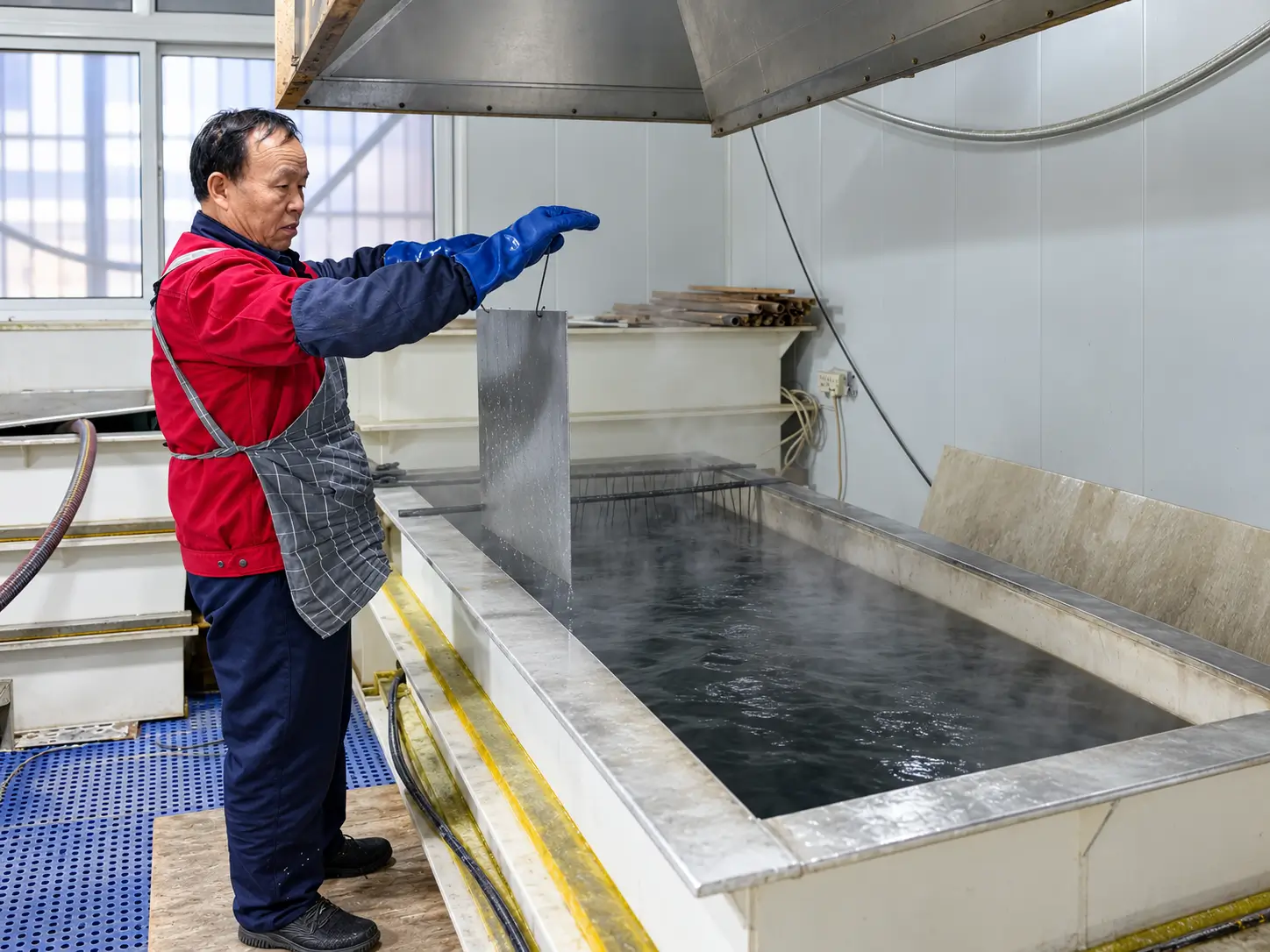
Control cleaning, activation, handling and the transition from prepared surface to coating.
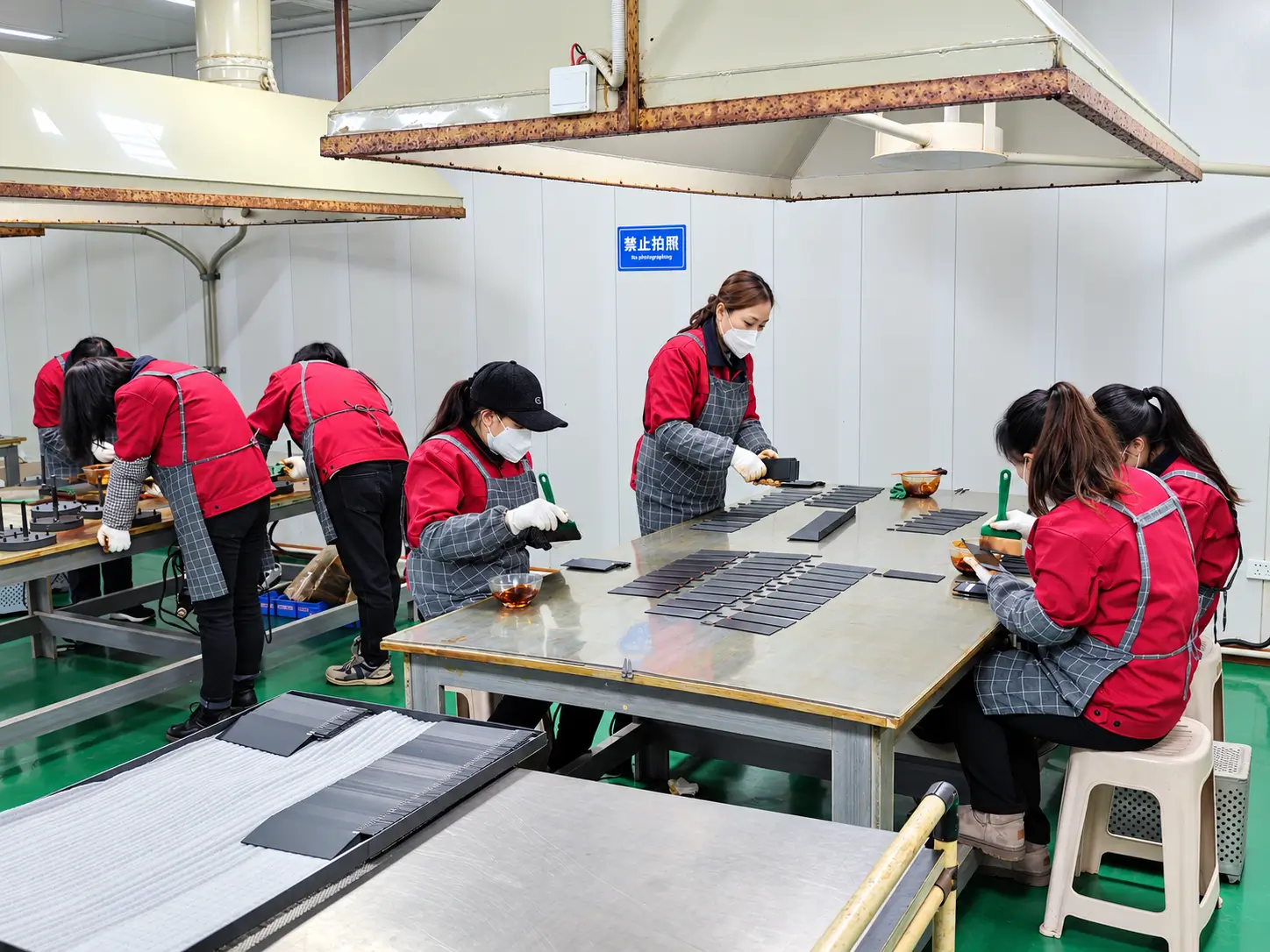
Apply the order-defined mixed-oxide system to the approved active-zone map with batch/process records.
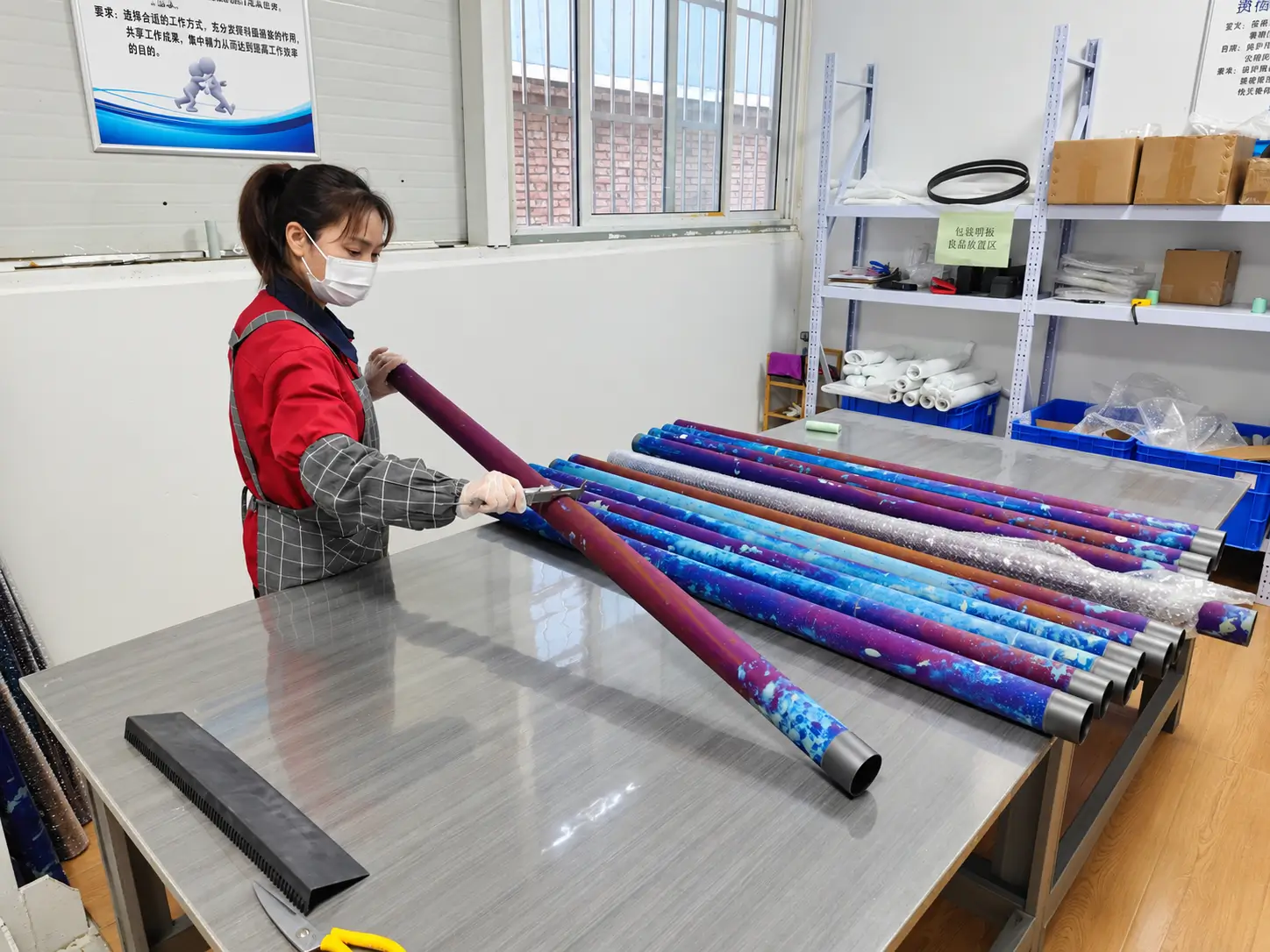
Verify agreed geometry, active zones, connection and project-specific coating/electrical evidence.
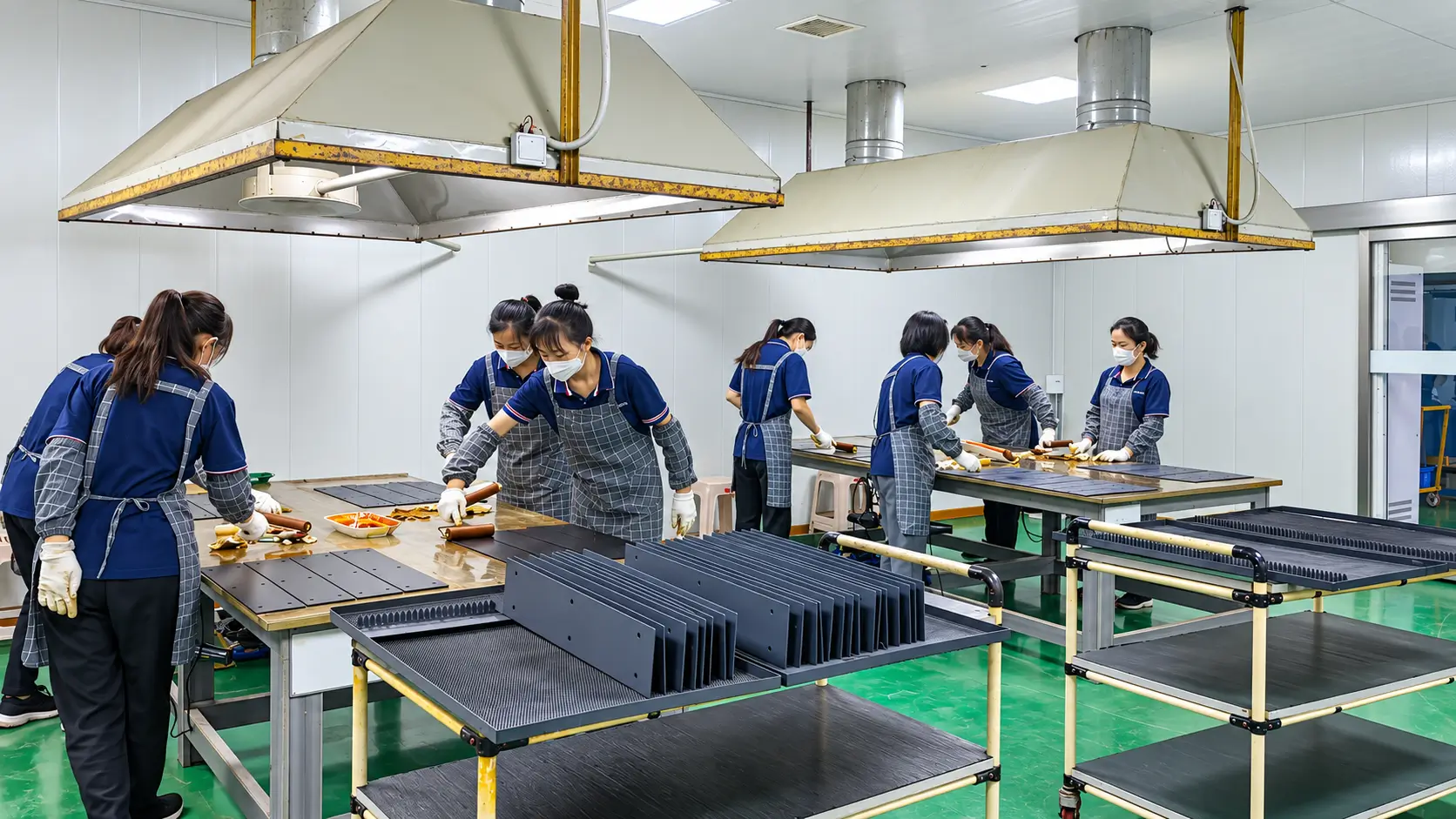
A concise view of HELE Titanium’s substrate preparation, coating, inspection and production environment.
Before Requesting a Quote
Ru-Ir coated titanium is normally reviewed for chlorine-evolution service, but the useful specification begins with electrolyte chemistry and competing reactions. HELE uses those inputs to review the coating direction, active area, titanium form and production evidence.
Compare the adjacent product families only after the reaction, environment and supply boundary are clear.
Ru-Ir mixed-oxide coatings are commonly reviewed when chlorine evolution is the intended anodic reaction in a defined chloride-containing electrolyte. Final selection still requires the complete chemistry, impurities, pH, temperature, flow, current-duty basis and operating schedule.
No. Chloride presence alone does not establish the dominant anodic reaction or the final coating. Competing oxygen evolution, acidity, contaminants, target product and operating conditions must be reviewed.
State total current and current density together with the exact denominator: exposed geometric coated area, one-side or two-side area, mesh projected area or another agreed basis. Show coated and masked zones on the drawing.
Only when the measurement, calibration and relationship to the required metric have been validated. XRF commonly supports surface elemental-composition assessment; loading, thickness, adhesion, uniformity and life need separate definitions and evidence.
No. Recoating requires inspection of remaining substrate thickness, deformation, pitting, cracks, welds, connection, contamination and dimensional suitability, followed by an agreed stripping, preparation and requalification route.
No. DSA® is a registered trademark of De Nora. HELE uses Ru-Ir MMO anode and mixed metal oxide coated titanium anode as the primary product terms.
A drawing, process note or existing-anode record is enough to begin. Unknown items can remain open for review rather than being replaced by generic loading, current-density or life claims.
Prefer email?
sales@heletitanium.com