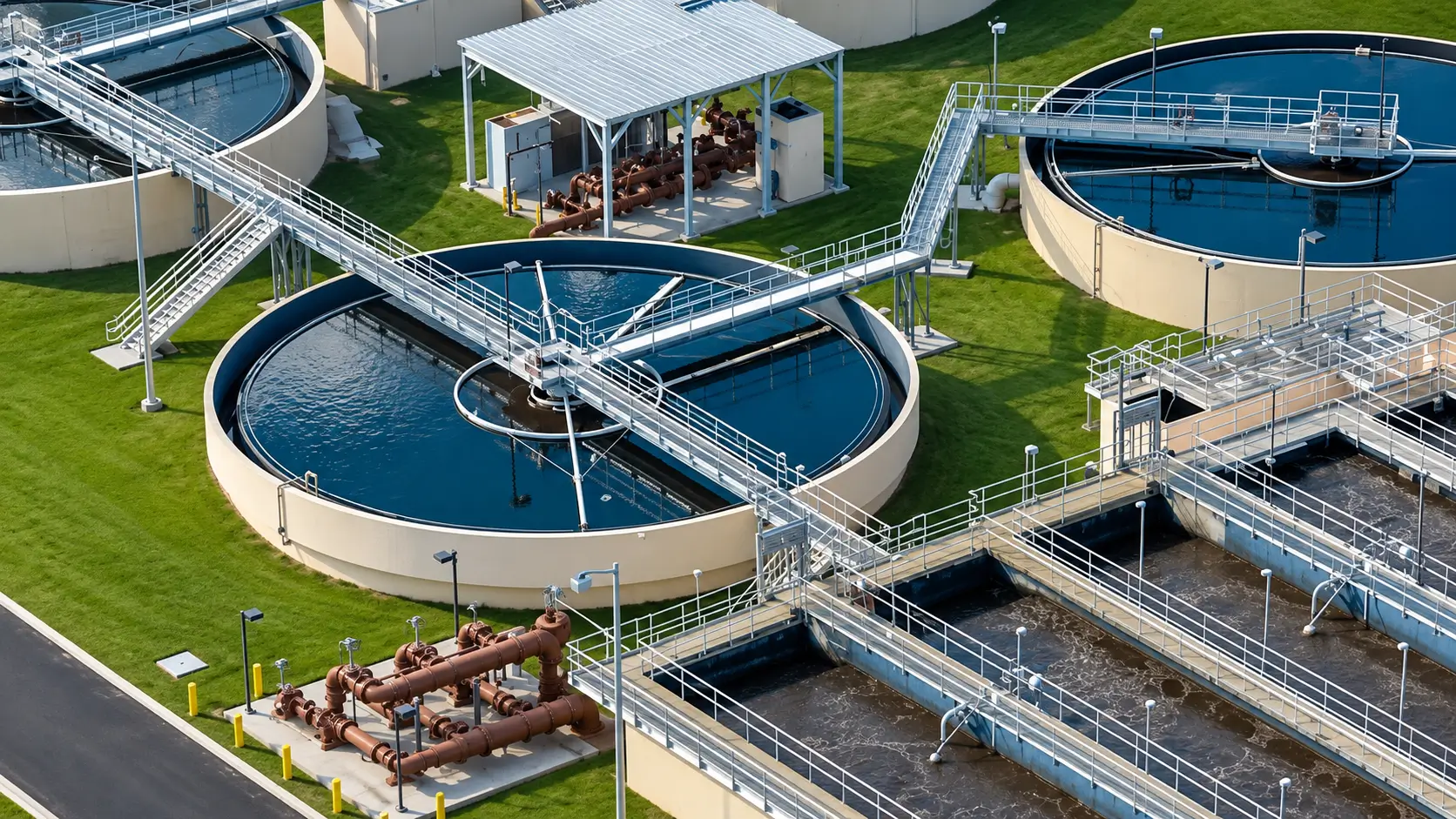
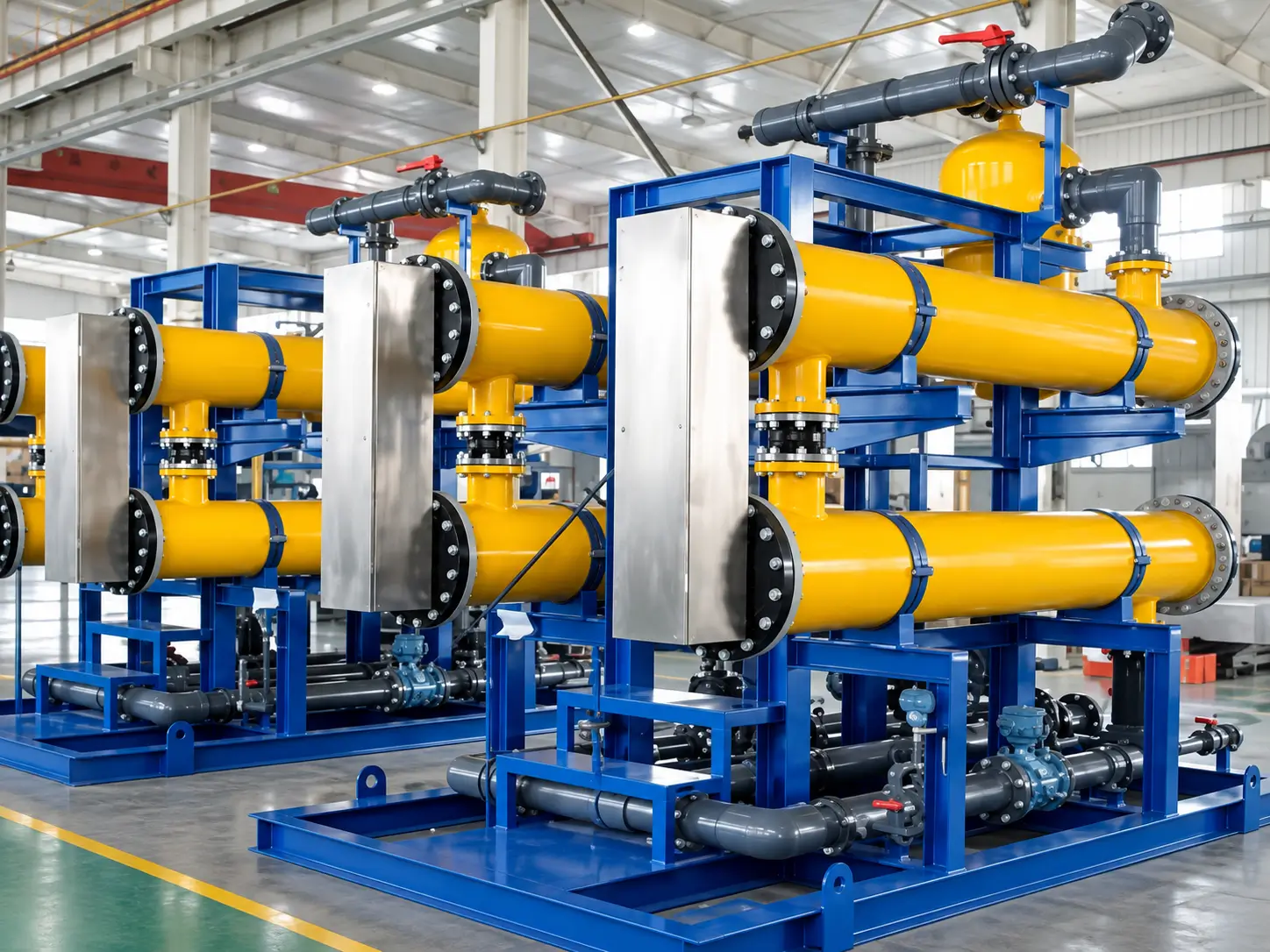
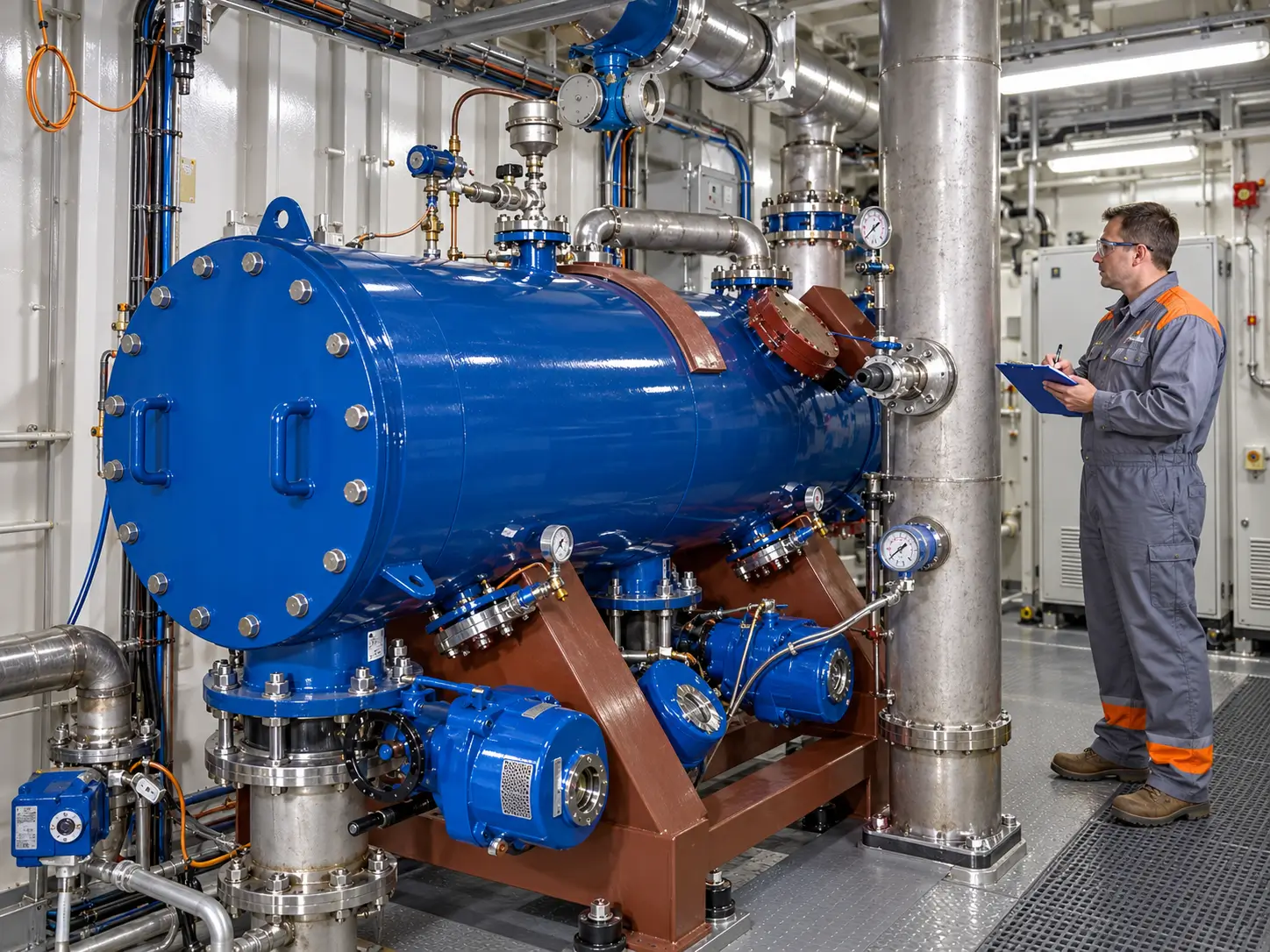
Industrial wastewater treatment reactor
Solution: Electrochemical Water Treatment

Electrochemical Water Treatment Systems

Engineered for industrial wastewater oxidation, disinfection, COD reduction, color removal, and difficult contaminant treatment. Hele Titanium provides MMO titanium anodes, BDD electrodes, PbO₂ electrodes, Ir-Ta MMO anodes, and custom reactor electrodes for advanced electrochemical water treatment systems.

Industrial Wastewater Oxidation
COD & Color Reduction
MMO / BDD / PbO₂ Electrode Options
Custom Reactor Electrode Design

Advanced Oxidation & Disinfection

Electrochemical water treatment uses electrical energy and specialized electrodes to generate oxidizing species directly in water, helping support disinfection, organic pollutant degradation, color removal, and difficult industrial wastewater treatment.

Water quality, conductivity, chloride concentration, COD level, pH, flow rate, current density, operating hours, and electrode coating stability directly affect treatment efficiency, energy consumption, maintenance needs, and system reliability. Hele Titanium supports these systems with MMO titanium anodes, BDD electrodes, PbO₂ electrodes, Ir-Ta MMO anodes, and custom reactor electrode assemblies.

For water treatment projects, electrode selection should be based on water source, target pollutant, conductivity, chloride level, treatment objective, reactor design, operating conditions, and documentation requirements.

Working Principle

In electrochemical water treatment, electrodes generate oxidizing species such as active chlorine, hydroxyl radicals, or other reactive oxidants depending on water chemistry and electrode material. These oxidants help support disinfection, organic degradation, COD reduction, and color removal.

ELECTROCHEMICAL PROCESS

How Electrochemical Water Treatment Works

Advanced Oxidation & Reactive Species Generation

Electrochemical water treatment generates oxidizing species inside a reactor using selected electrode materials and controlled electrical conditions. Treatment performance depends on water chemistry, electrode type, conductivity, chloride concentration, current density, and reactor design.

1

Wastewater Enters the Electrochemical Reactor

Water or wastewater flows through the reactor under controlled flow rate, conductivity, and residence time.

2

Electrodes Generate Oxidizing Species

MMO, BDD, PbO₂, or Ir-Ta electrodes generate active oxidants depending on water chemistry and operating conditions.

3

Pollutants Are Oxidized or Converted

Organic pollutants, color bodies, odor compounds, microorganisms, or selected contaminants are treated through electrochemical oxidation or disinfection pathways.

4

Process Conditions Control Treatment Results

Current density, voltage, pH, chloride level, conductivity, electrode material, and reactor geometry affect removal performance and energy use.

System Configuration

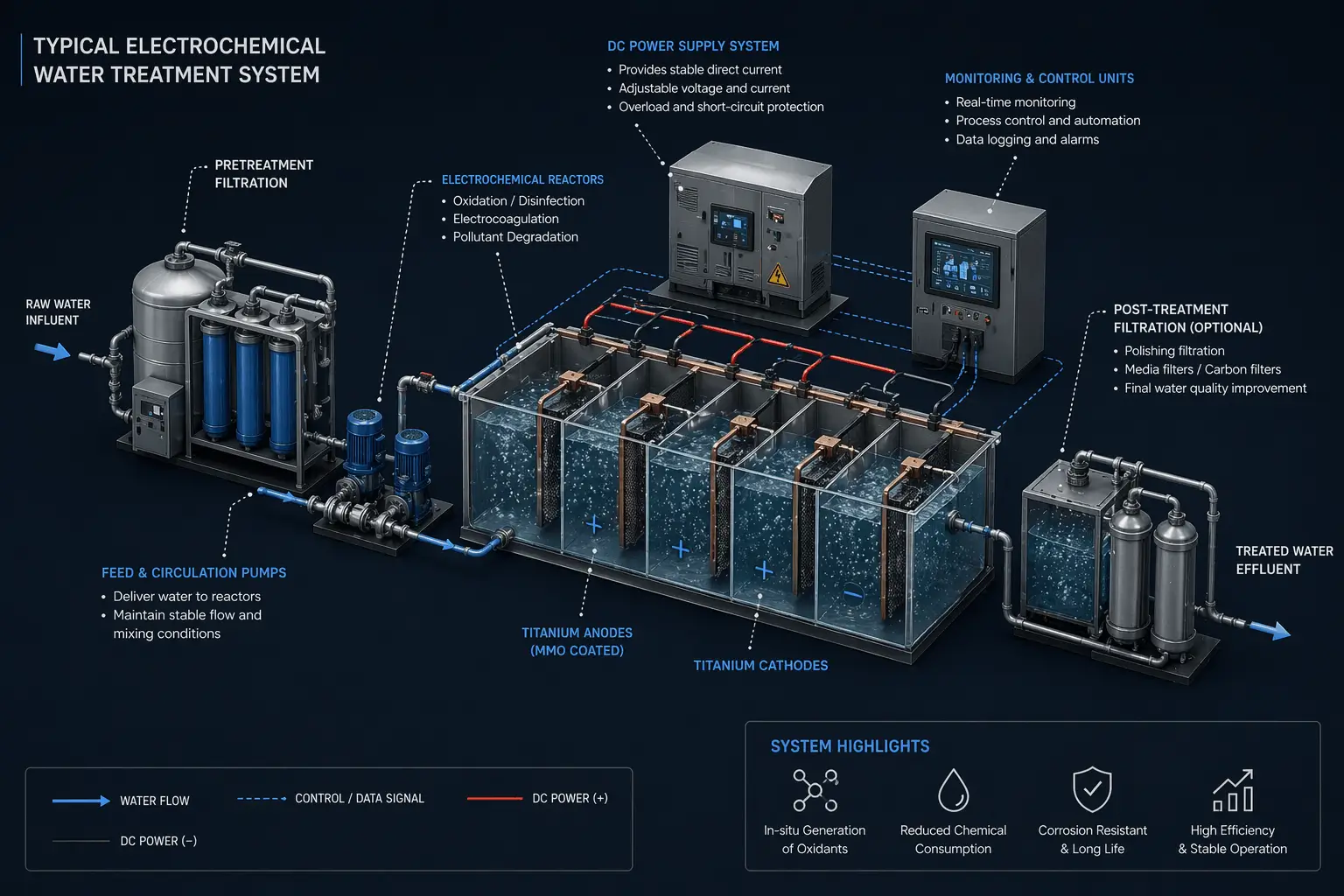
Typical Electrochemical Water Treatment System

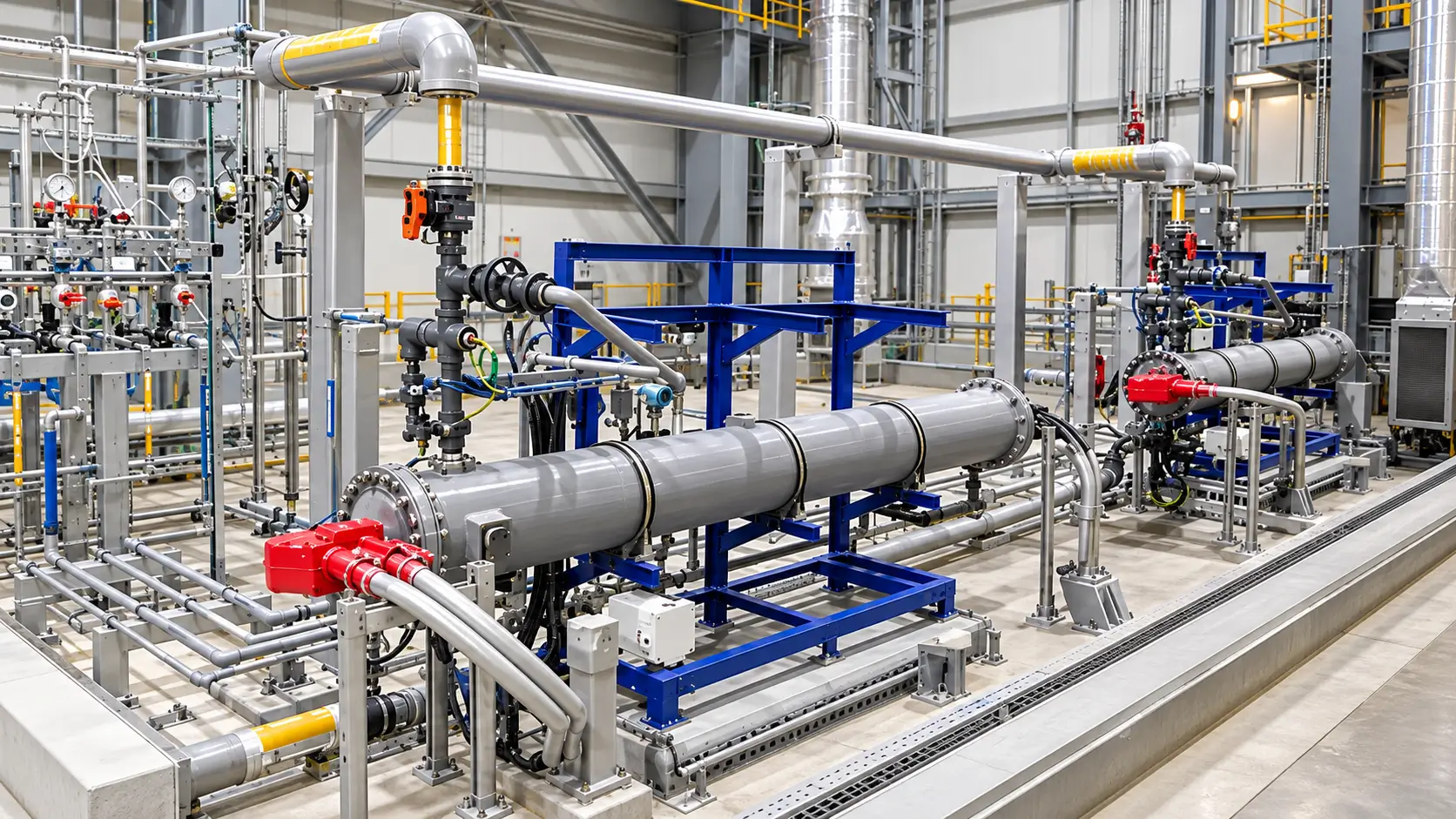
A typical electrochemical water treatment system combines wastewater feed, electrochemical reactor cells, MMO / BDD / PbO₂ electrodes, DC power supply, flow control, oxidation contact time, gas management, and monitoring instruments to support targeted water treatment performance.

Wastewater / Process Water Feed
Electrochemical Reactor Cell
MMO / BDD / PbO₂ Electrodes
DC Power Supply / Rectifier
Flow Control & Recirculation
Gas Venting / By-Product Management
pH / Conductivity / ORP Monitoring
Sampling & Process Control

Buyer Note: Final reactor and electrode configuration depends on water quality, pollutant type, conductivity, chloride level, flow rate, current density, treatment target, and operating hours.

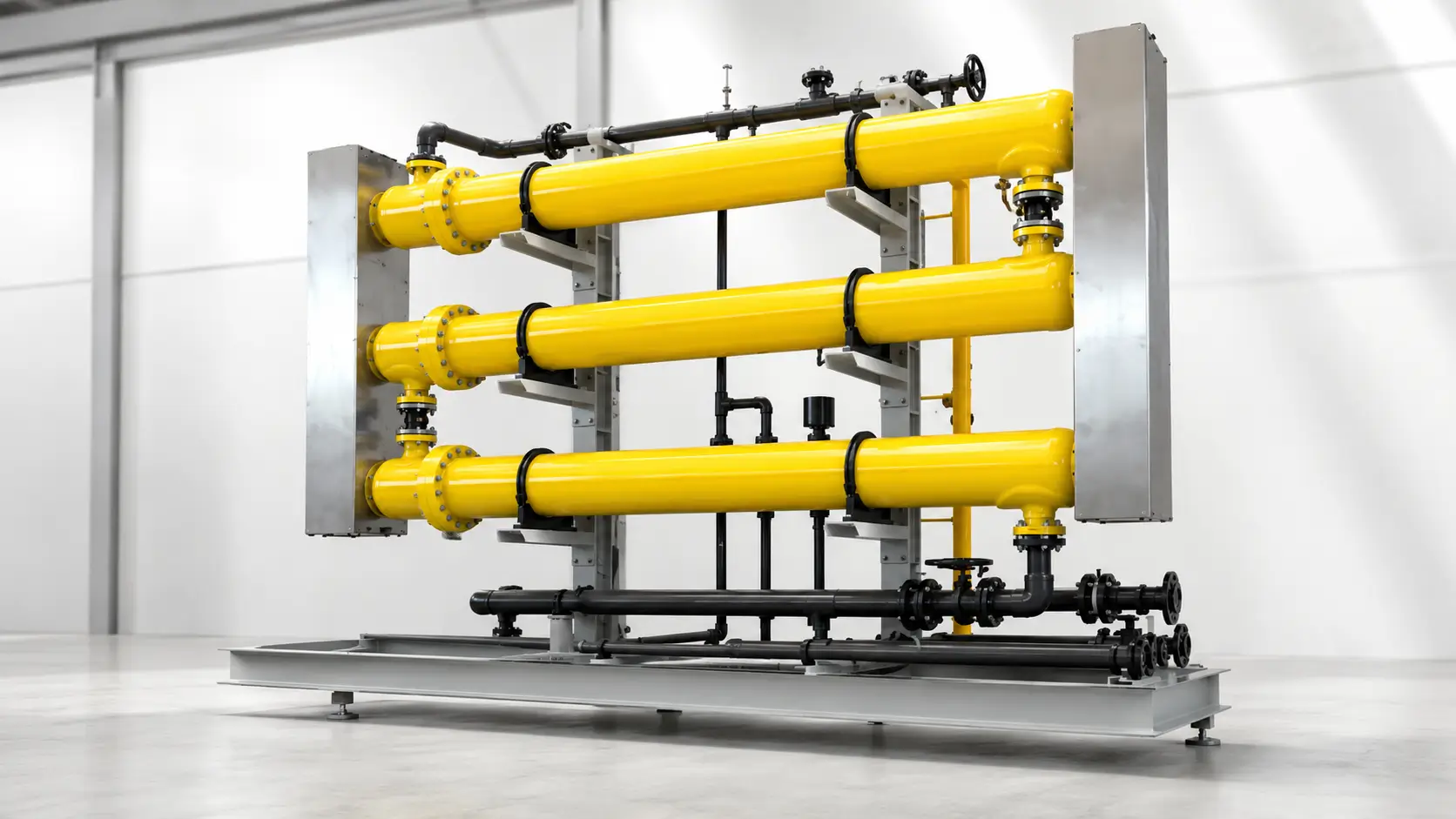
Electrochemical reactor schematic

Fig 1. Typical electrochemical water treatment system showing reactor architecture and configuration.

Titanium Solutions for Water Treatment

Different water treatment processes require different electrode materials, coating systems, and reactor configurations. Hele Titanium provides MMO titanium anodes, BDD electrodes, PbO₂ electrodes, Ir-Ta MMO electrodes, and custom reactor electrode assemblies for advanced electrochemical treatment systems.

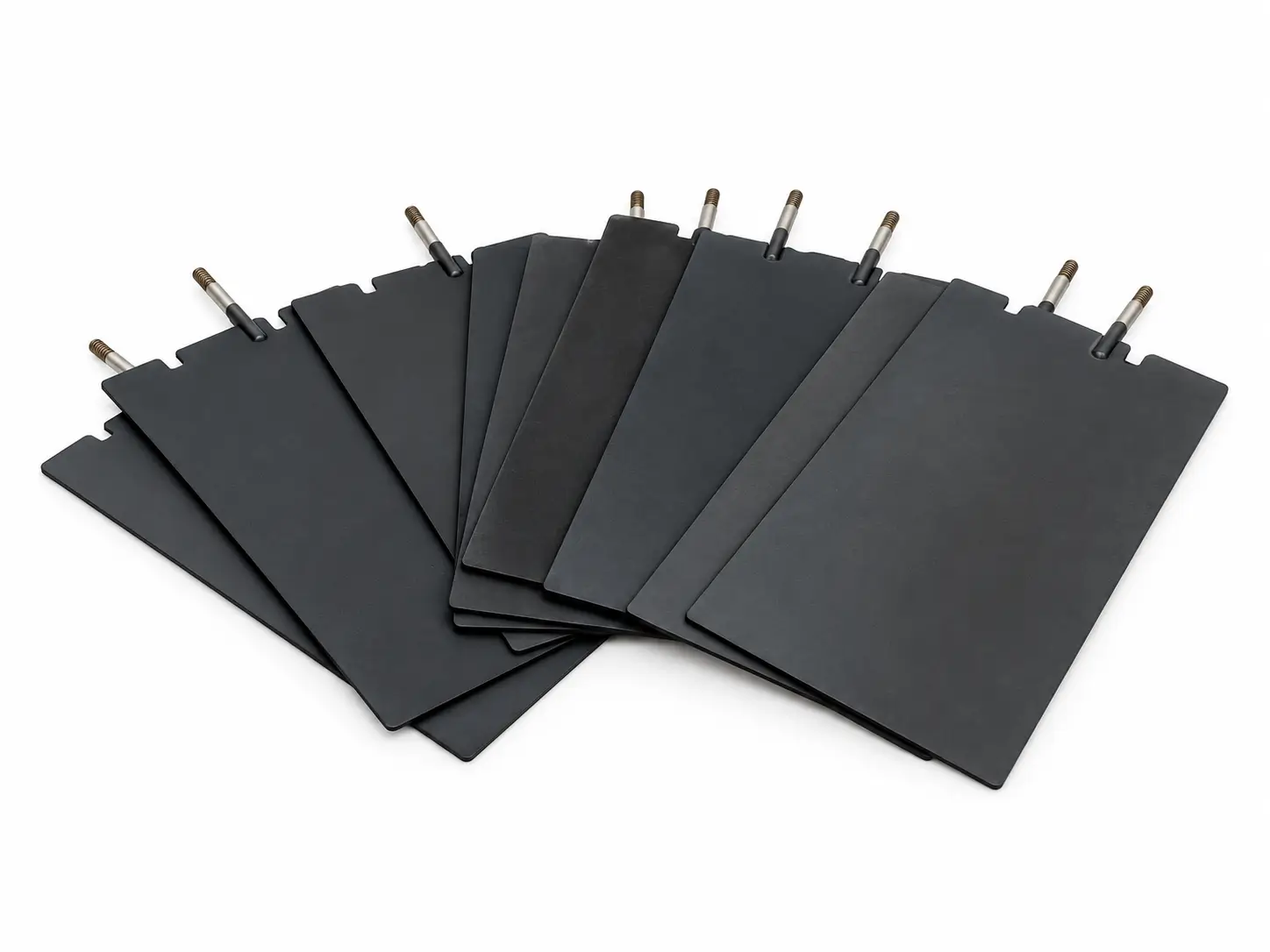
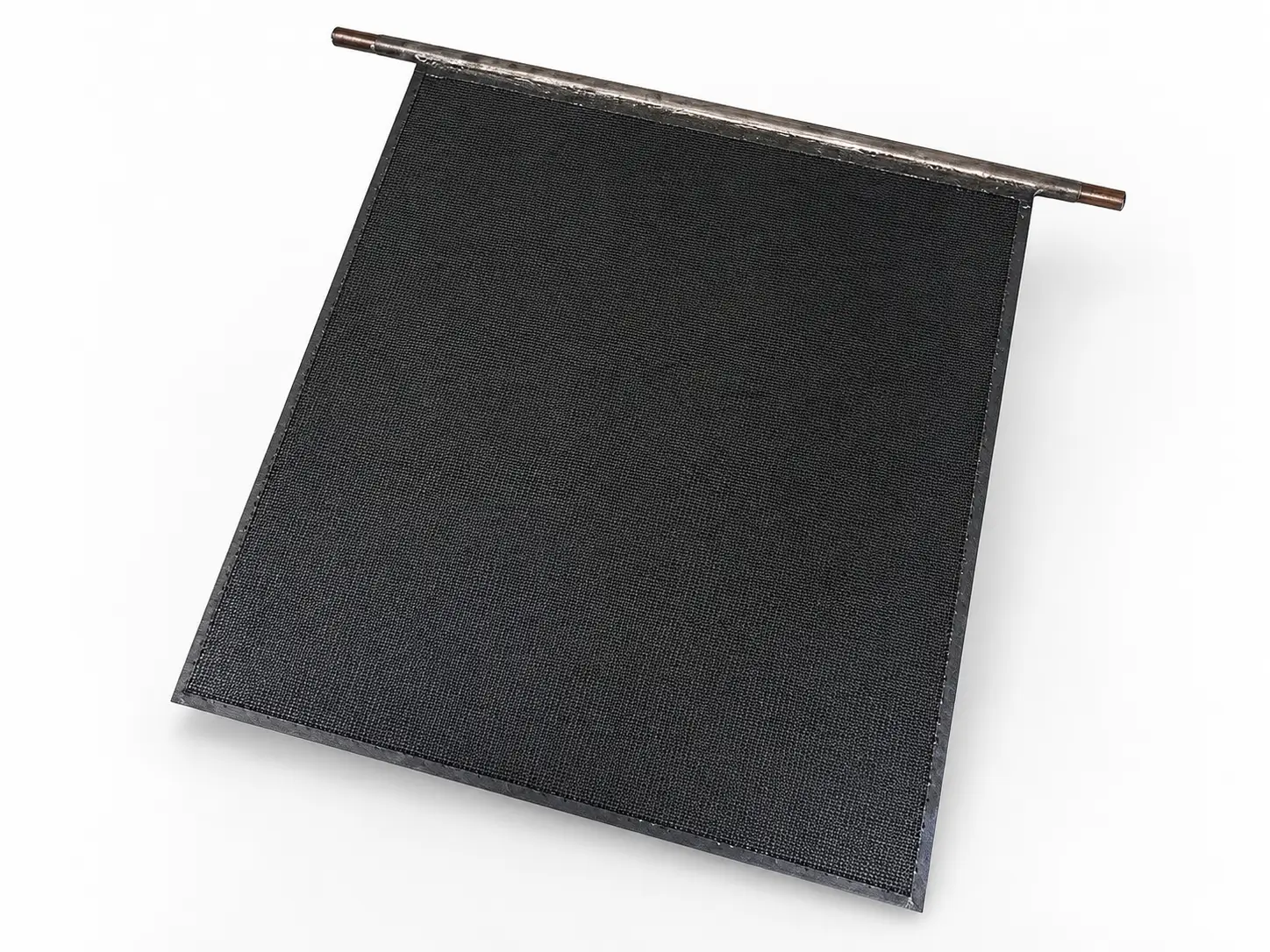
MMO Titanium Anodes

MMO Titanium Anodes

Best For

Electrochlorination, active chlorine generation, disinfection, and selected oxidation processes.

Buyer Note

MMO coating selection should be reviewed based on chloride level, water chemistry, current density, and operating hours.

Related Products

MMO titanium anodes, electrochlorination electrodes, Ir-Ta MMO anodes

Explore MMO Water Treatment Anodes
BDD Electrodes

BDD Electrodes

Best For

Advanced oxidation, difficult organic pollutant degradation, COD reduction, and high-value wastewater treatment applications.

Buyer Note

BDD electrode suitability depends on pollutant type, conductivity, treatment target, and energy requirement.

Related Products

BDD electrodes, advanced oxidation electrodes, custom BDD electrode assemblies

Explore BDD Electrodes
PbO₂ / Ir-Ta Electrodes

PbO₂ / Ir-Ta Electrodes

Best For

Selected electrooxidation processes, high-oxidation-demand wastewater, and custom industrial treatment systems.

Buyer Note

Electrode selection should consider acidity, chloride content, current density, service life target, and process compatibility.

Related Products

PbO₂ electrodes, Ir-Ta MMO electrodes, custom electrooxidation electrodes

Explore Oxidation Electrodes
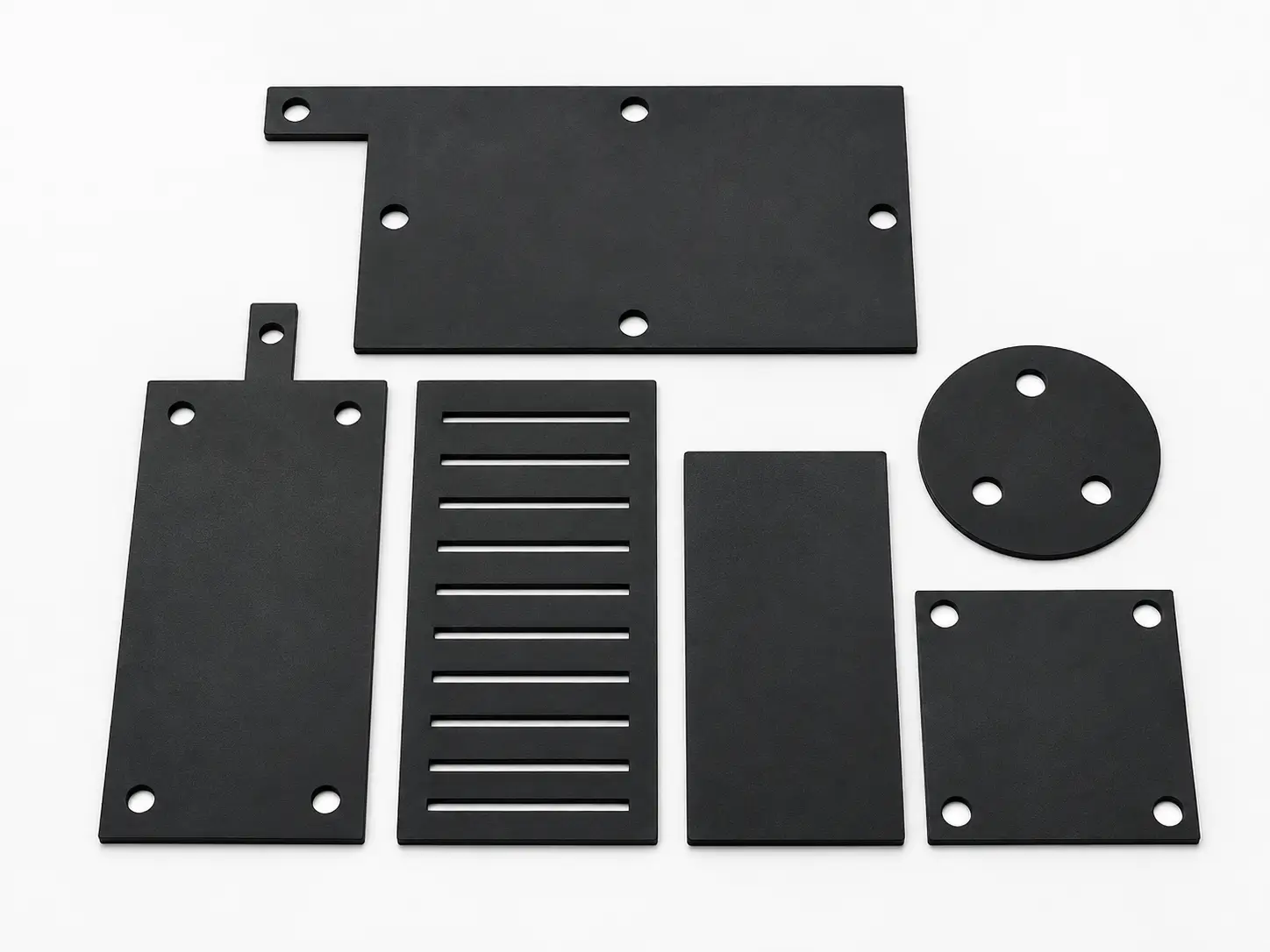
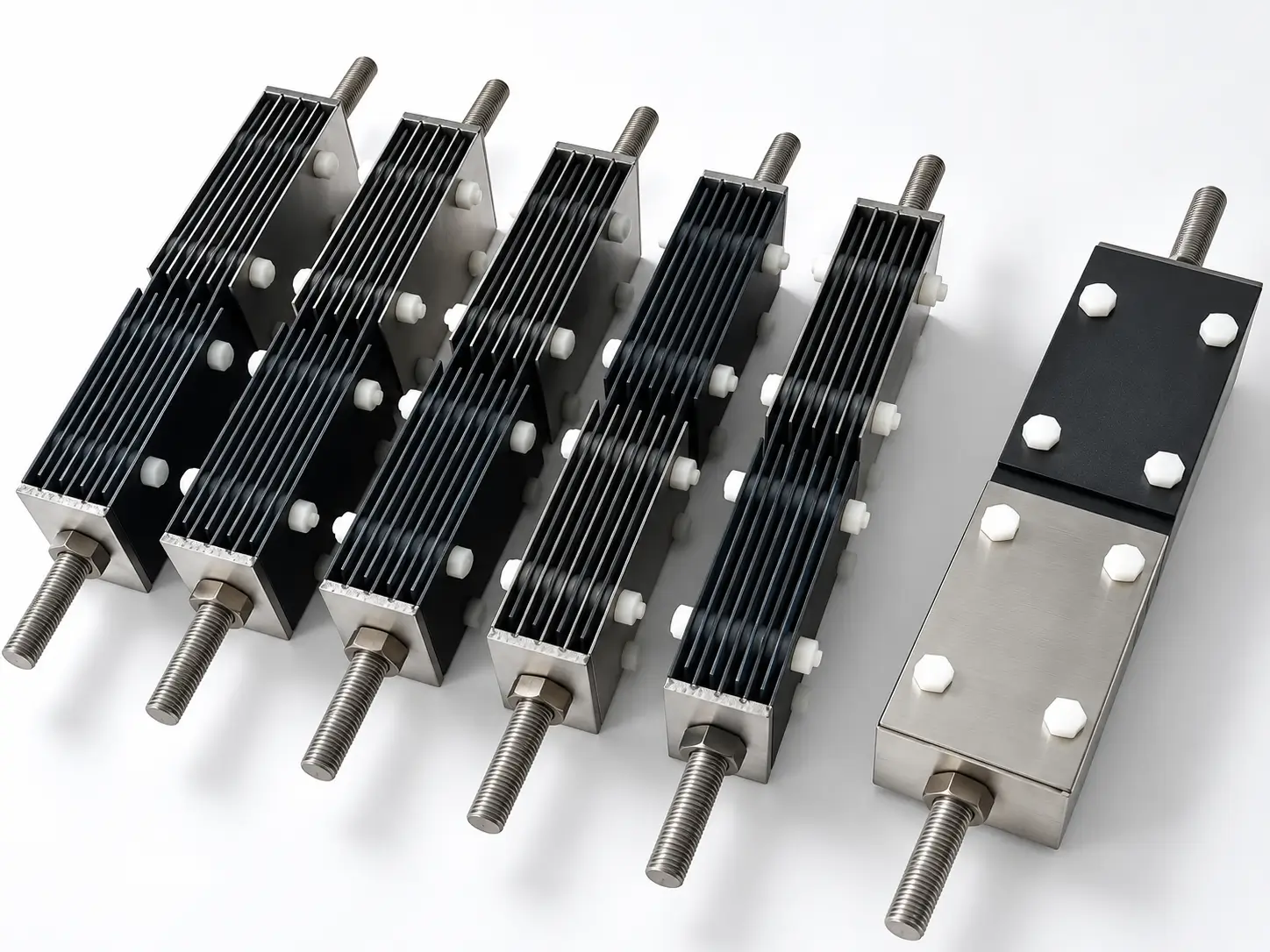
Custom Reactor Electrode Assemblies

Custom Reactor Electrode Assemblies

Best For

OEM water treatment systems, pilot reactors, replacement electrodes, and project-specific cell designs.

Buyer Note

Electrode size, spacing, coating, connection, and mounting design can be customized based on reactor drawings and process conditions.

Related Products

Custom reactor electrodes, replacement water treatment electrodes, titanium electrode assemblies

Request Custom Reactor Electrode Design

Process Challenges

Electrochemical water treatment must maintain stable oxidation performance while managing fouling, scaling, changing water quality, and energy consumption.

Scaling and Fouling on Electrode Surfaces

Hardness, suspended solids, organics, and mineral precipitation can reduce active surface area and affect treatment stability.

Hele Titanium Supports:

Electrode material selection, maintainable reactor design, coating review, and operating parameter support to reduce fouling risk.

Treatment of Complex Organic Pollutants

Industrial wastewater may contain difficult organic compounds, color bodies, odor compounds, or mixed contaminants.

Hele Titanium Supports:

BDD, PbO₂, Ir-Ta MMO, and custom electrooxidation electrode options for difficult wastewater treatment applications.

Energy Efficiency Optimization

Poor electrode matching or reactor design can increase voltage, energy consumption, and operating cost.

Hele Titanium Supports:

Electrode geometry, current distribution design, coating selection, and reactor configuration support for efficient operation.

Stable Performance Under Changing Water Quality

Variable conductivity, chloride level, pH, pollutant load, and flow rate can affect treatment consistency.

Hele Titanium Supports:

Application-based electrode selection, project-specific documentation, and replacement electrode support for variable water conditions.

Electrochemical Water Treatment Application Areas

Electrochemical water treatment supports applications where oxidation, disinfection, color removal, COD reduction, or difficult contaminant treatment is required.

Industrial Wastewater Treatment

Industrial Wastewater Treatment

Electrochemical oxidation support for COD reduction, color removal, odor control, and difficult industrial wastewater streams.

Relevant Products

BDD electrodes PbO₂ electrodes Ir-Ta MMO electrodes Custom reactor electrodes
Explore Industrial Wastewater Solutions
Water Treatment & Desalination

Water Treatment & Desalination

Electrode solutions for disinfection, intake protection, pretreatment support, and selected desalination-related water systems.

Relevant Products

MMO anodes Electrochlorination electrodes Water treatment reactor electrodes
Explore Water Treatment
Marine & Cooling Water Systems

Marine & Cooling Water Systems

Electrochlorination and MMO electrode support for seawater intake, cooling water circuits, and marine biofouling control.

Relevant Products

MMO titanium anodes Electrochlorination electrodes Custom cell assemblies
Explore Marine Water Treatment
Chemical Processing Wastewater

Chemical Processing Wastewater

Custom electrooxidation electrodes for chemical wastewater, process effluents, and difficult-to-treat contaminants.

Relevant Products

BDD electrodes PbO₂ electrodes Custom electrooxidation electrodes
Explore Chemical Wastewater

Common Electrochemical Water Treatment Engineering Questions

Quick answers to help wastewater treatment engineers, OEMs, EPC teams, and industrial users prepare an electrode or reactor inquiry.

What information is needed for an electrochemical water treatment electrode quotation?
Please provide water source, COD / TOC level, chloride concentration, conductivity, pH, flow rate, treatment target, reactor size, preferred electrode type, quantity, and documentation needs.
How do I choose between MMO, BDD, PbO₂, and Ir-Ta electrodes?
The choice depends on water chemistry, conductivity, chloride level, pollutant type, current density, treatment objective, energy requirement, and service life target.
Can Hele Titanium customize electrodes for my reactor design?
Yes. Electrode size, coating, spacing, connection, mounting method, and assembly design can be customized based on reactor drawings and operating conditions.
How does chloride concentration affect electrode selection?
Chloride concentration affects oxidant formation, corrosion risk, coating selection, and by-product management. It should be reviewed before selecting the electrode material.
Can electrochemical oxidation reduce COD or color in industrial wastewater?
Electrochemical oxidation can support COD reduction, color removal, and pollutant degradation in suitable water conditions, but performance depends on water chemistry, pollutant type, conductivity, current density, reactor design, and operating time.
What documents can be provided with water treatment electrode orders?
Available documents may include coating information, inspection records, material records, datasheets, packing lists, and project-specific quality documents.

What We Need for a Water Treatment Electrode Review

To recommend the right MMO, BDD, PbO₂, Ir-Ta, or custom reactor electrode solution, please share as much water quality and process information as possible.

Water Source & Wastewater Type

Industrial wastewater, process water, cooling water, seawater, brine, landfill leachate, or mixed wastewater.

Water Quality Data

COD, TOC, BOD, chloride level, conductivity, pH, TDS, hardness, suspended solids, and major pollutants.

Treatment Objective

COD reduction, color removal, disinfection, odor control, oxidation, pretreatment, polishing, or contaminant degradation.

Flow Rate & Operating Mode

Flow rate, batch or continuous operation, residence time, operating hours, and duty cycle.

Reactor & Electrode Requirement

MMO, BDD, PbO₂, Ir-Ta MMO, custom reactor electrode, replacement electrode, or not sure.

Operating Conditions

Current density, voltage range, temperature, pH adjustment, salinity, scaling risk, and available power.

Quality & Documentation Needs

Datasheets, coating information, inspection records, material records, packing list, certificates, and project-specific QC documents.

// WATER TREATMENT INQUIRY

Improve Water Quality with Advanced Electrochemical Treatment Technologies

Tell us about your water source, pollutant type, COD / TOC level, conductivity, chloride concentration, flow rate, treatment target, reactor design, and documentation needs. Our engineering team will recommend the right MMO, BDD, PbO₂, Ir-Ta, or custom water treatment electrode solution.

  • Factory-Direct Technical Support
  • Water Treatment Electrode Engineering
  • MMO / BDD / PbO₂ Electrode Selection
  • Traceable Quality Documentation

Prefer email?

sales@heletitanium.com

HQ: Room 1206, Building 1, Huaxia Yue World

We typically respond within 24 hours.