Buyer Role 1
Process & Corrosion Engineers
Define chemistry, concentration, temperature, pressure and corrosion basis.

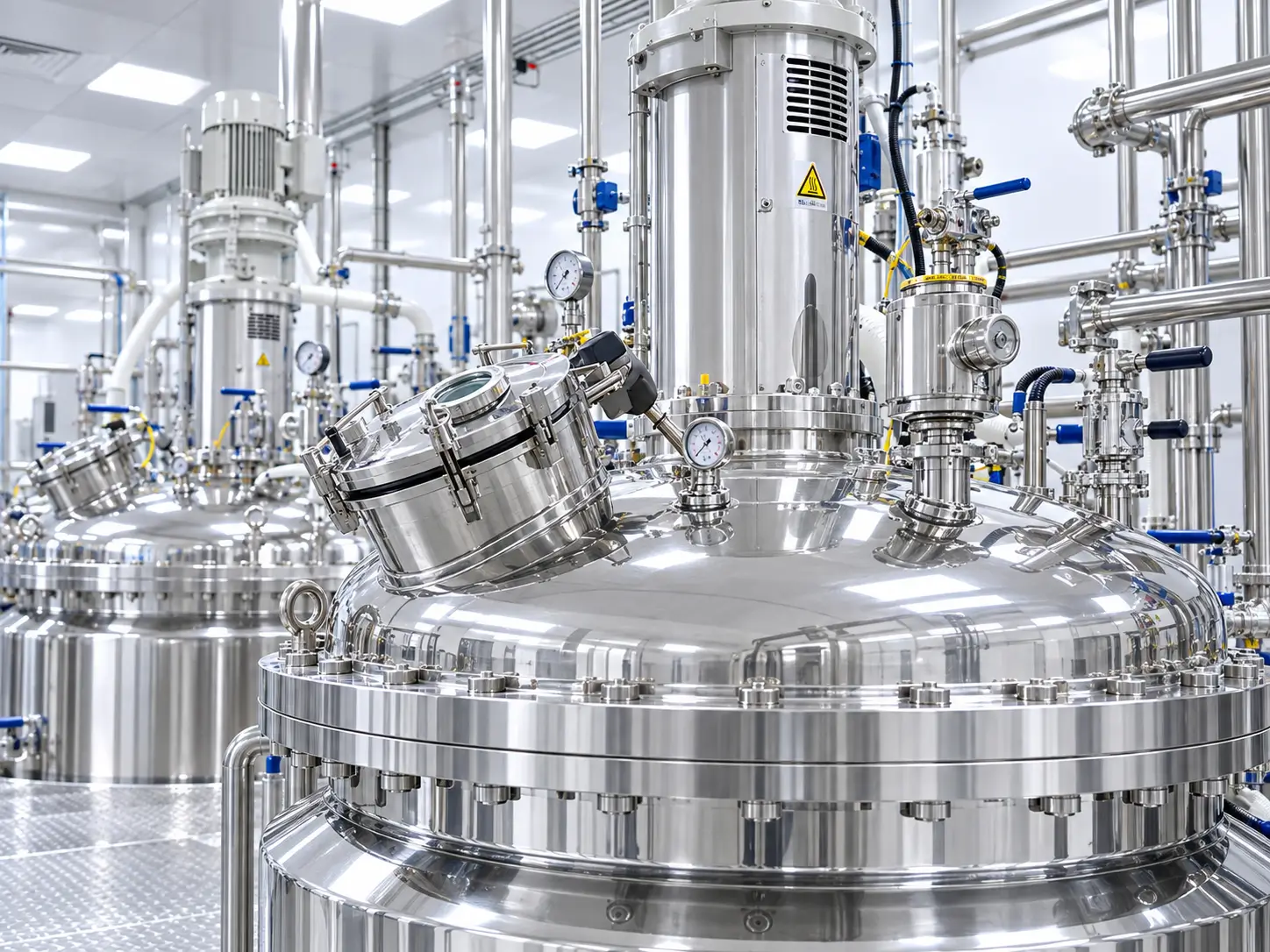
Chemical Processing Applications
Connect corrosion exposure and equipment duty to a specification-led material, component or electrochemical review. Final compatibility depends on the actual medium and operating envelope.
Chemical Equipment Buyer Guide
Chemical compatibility and equipment suitability depend on the full composition, concentration, contaminants, temperature, pressure and upset conditions. Define those inputs together with the governing code, drawing and inspection scope before selecting material or components.
Buyer Teams
Engineering, integration, quality and procurement teams evaluate different parts of the same purchase. The strongest inquiry connects their technical and approval requirements.
Buyer Role 1
Define chemistry, concentration, temperature, pressure and corrosion basis.
Buyer Role 2
Source material, components or electrodes for controlled equipment designs.
Buyer Role 3
Coordinate standards, documentation, testing, delivery and vendor approval.
Industry Application Map
Each application is a routing point, not a blanket suitability claim. The buyer question determines the next technical review.
Application 1
Titanium materials or selected components for corrosion-sensitive process equipment.
Buyer question: What medium, concentration, temperature, pressure and fabrication code apply?
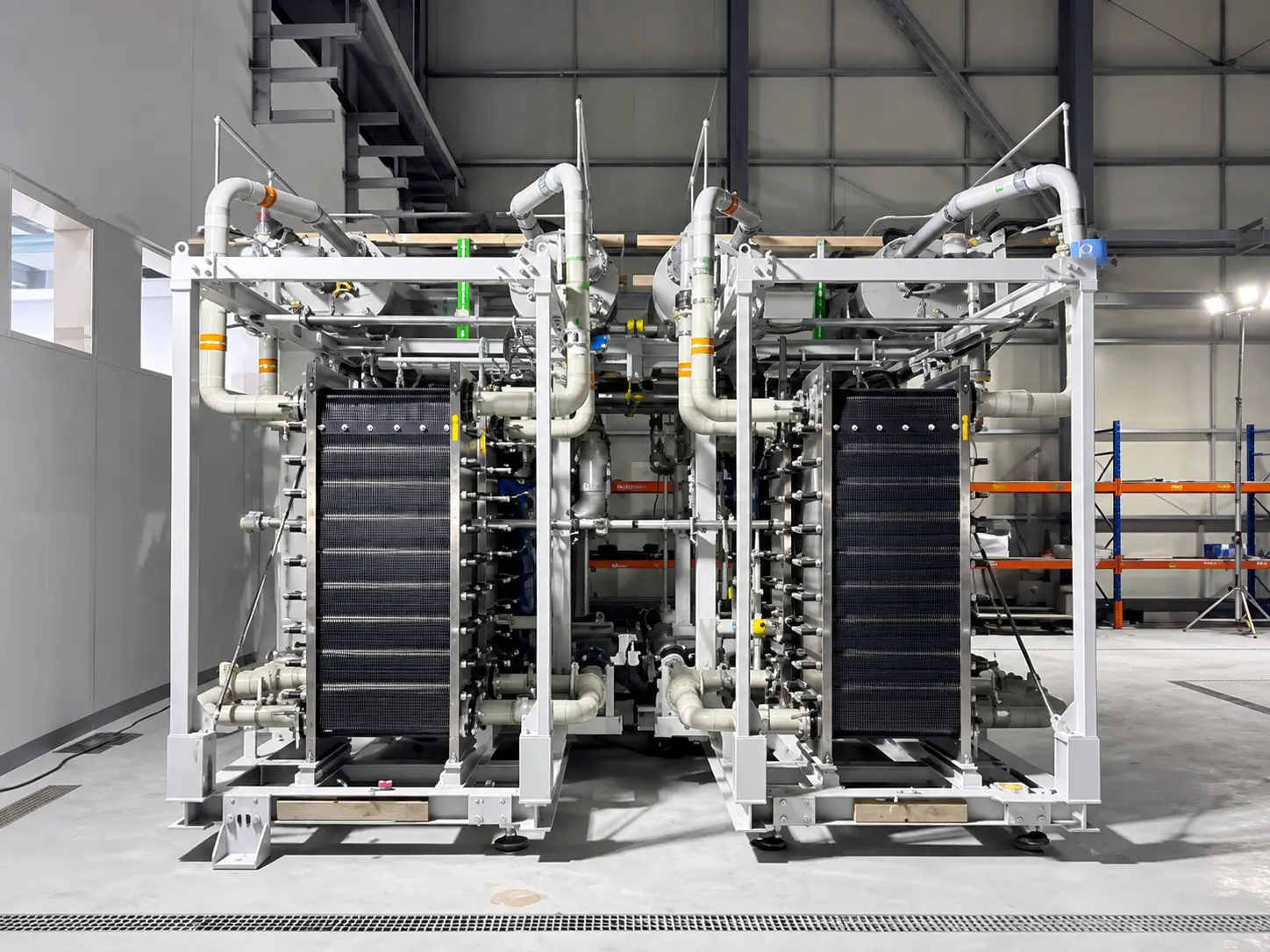
Application 2
Tube, pipe, fitting, flange or component inquiries for defined service.
Buyer question: What fluids, velocity, pressure, temperature, crevice risk and joining method apply?

Application 3
Titanium anodes or components for a documented chemical or electrochemical process.
Buyer question: What reaction, electrolyte, current density, geometry and operating mode apply?
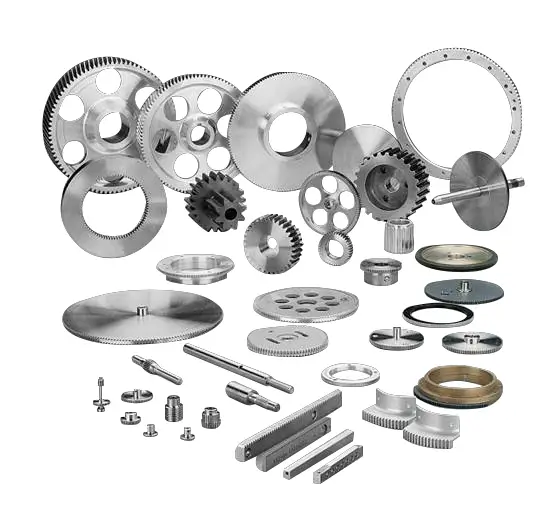
Application 4
Drawing-based parts for maintenance, retrofit or OEM equipment.
Buyer question: What failed, what changed, and which dimensions, materials and evidence must be retained?
Engineering & Procurement Reality
Decision Factor 1
Titanium suitability varies with species, concentration, contaminants, temperature, aeration and crevice conditions.
Decision Factor 2
Design code, pressure, temperature, loads, wall thickness and joint design remain customer-controlled inputs.
Decision Factor 3
Forming, welding, machining, heat treatment, cleaning and inspection affect the final scope.
Decision Factor 4
MTC, weld records, NDT, dimensional inspection and third-party review must be agreed.
HELE can review material, component, electrode or system scope only after the parameters and evidence responsibilities are clear.
Potential HELE Scope
The table shows possible relevance and the qualification basis needed before quotation. It does not state that every product is approved for every application.
| Product Family | Industry Relevance | Qualification Basis |
|---|---|---|
| Titanium Materials | Plate, sheet, tube, pipe, rod, fittings and flanges can be reviewed against the equipment specification. | Grade, standard, product form, dimensions, tolerance, surface, quantity and MTC scope. |
| Custom Titanium Components | Drawing-based machining or selected fabrication requirements can be assessed for defined equipment. | Drawing, design code, process ownership, welding, NDT, cleaning and acceptance criteria. |
| Electrochemical Products | MMO, platinized or other titanium-based electrodes may be relevant after chemistry review. | Reaction, electrolyte, concentration, pH, temperature, current density, geometry and target life. |
Project Inputs
Unknown items can be marked for follow-up. They should not be silently guessed.

Qualification Boundary
Titanium is not universally resistant to every chemical environment. Compatibility and equipment suitability require process-specific review, including concentration, temperature, contaminants, crevices, stress and upset conditions.
Prepare for Technical Review
Identify the process, equipment or asset, operating conditions, failure concern and project stage.
Provide drawings, standards, inspection methods, documentation needs and the responsible approval route.
Related Paths
Industry FAQ
No. Suitability depends on full composition, concentration, temperature, pressure, aeration, contaminants, crevices, stress and upset conditions.
Provide the process data sheet, material specification, design code, drawing, pressure and temperature, fabrication route, inspection plan, quantity and documentation requirements.
These are design decisions that require the governing code, process data and assigned design authority. HELE can review the supply scope against customer-controlled inputs.
Only when a defined electrochemical reaction, electrolyte and cell duty are present. General chemical corrosion does not automatically mean an MMO or platinized anode is appropriate.
A replacement review should include drawings or samples, material verification, operating history, failure evidence, tolerances and legal or design-authority permission.
A useful chemical-processing inquiry identifies the medium, concentration, contaminants, temperature, pressure, operating cycles and equipment drawing. HELE can then review a material, component or electrochemical supply path within a defined responsibility boundary.
Use the detailed form on this page or email sales@heletitanium.com with the application, operating conditions, drawings and required evidence.